Horses

Words for horse, stallion, mare, foal and related things in Celtic languages.

Ceffylau / Horses

Note: the commonly-used words for horse in each Celtic language are: capall in Irish, each in Scottish Gaelic, cabbyl in Manx, ceffyl in Welsh, margh in Cornish, and marc’h in Breton.

Words marked with a * are reconstructions.

Proto-Celtic *kaballos, *kapallos, *kappilos = horse
Gaulish *caballos = horse
Old Irish (Goídelc) capall [ˈkapal͈] = horse
Middle Irish (Gaoidhealg) capall, capail = horse
Irish (Gaeilge) capall ˈkapˠəl̪ˠ] = horse, mare
capallach = equine
capaillín = pony
capall maide = wooden, vaulting horse, hobby-horse
Scottish Gaelic (Gàidhlig) capall [kahbəl̪ˠ] = mare, colt, horse, small horse
capall-aibhne = hippopotamus
capall-coille = capercaillie
capall-mara = seahorse
capallach [kahbəl̪ˠəx] = pertaining to or abounding in mares/colts
capallan [kahbəl̪ˠan] = small horse, pony
Manx (Gaelg) cabbyl = horse, mount
cabbyl awin = hippopotamus
cabbyl assylagh = mule
Proto-Brythonic *kėfɨl = horse
Middle Welsh (Kymraec) keffyl, ceffyl = horse
keffylyn = little horse, nag, pony
cavall, cauall = horse, steed
Welsh (Cymraeg) ceffyl [ˈkɛfɨ̞l / ˈkɛfɪl] = horse, nag, hobby
ceffyl yr afon = hippopotamus
ceffylaf, ceffylu = to put on horseback, put one to ride the high horse, extol
ceffylaidd = pertaining to horses, equine, horsy
ceffylan = little horse, nag
ceffyles = mare
ceffylyn = little horse, nag, pony
cafall = horse, steed
Middle Cornish (Cernewec) cevil, kevil = horse
Old Breton (Brethonoc) cefel = horse

Etymology: uncertain – related to the Late Latin caballus (horse, nag) and Ancient Greek καβάλλης (kabállēs – nag) and maybe Persian کول (kaval – second class horse of mixed blood). Possibly ultimately from PIE *kebʰ- (worn-out horse, nag). Words from the same roots include cheval (horse) in French, cavalier in English and caballo (horse) in Spanish [source].

The Breton word kefeleg (woodcock) comes from the same Proto-Brythonic root, as does kevelek (woodcock) in Cornish and cyffylog (woodcock) in Welsh [source].

Proto-Celtic *markos = horse
Galatian *μάρκαν (márkan) = horse
Gaulish *markos = horse
Old Irish (Goídelc) marc [mark] = horse
Middle Irish (Gaoidhealg) marc = horse
Irish (Gaeilge) marc [mˠaɾˠk] = horse (literary / archaic)
marcach = horseman, rider, jockey; cavalryman, Cavalier
marcachas = horsemanship
marchaigh = to ride
marcaíocht = riding, horsemanship, ride drive lift
Scottish Gaelic (Gàidhlig) marc [marxk] = charger (warhorse – literary)
marc-shluagh = horsemen, riders, cavalry
marchach = equestrian, mounted; riding
Manx (Gaelg) mark = horse
mark-sleih = horseman
markiagh = to ride, riding, cavalier, equestrian, horseman, jockey, rider
markiaghey = riding
markiaght = drive, equitation, horsemanship, (horse) riding, lift, rider
Proto-Brythonic *marx = horse
Middle Welsh (Kymraec) march = horse
Welsh (Cymraeg) march [marχ] = horse, stallion, war-horse, steed
marchaidd = pertaining to a horse, horsy, horselike, equine
marchallu = horsepower
marchasyn = jackass, male donkey
marchdy = stable
marchfeddyg = horse doctor, farrier
marchfilwr = dragoon, cavalryman, cavalier, trooper
marchog = horseman, rider, jockey, mounted warrior, knight
Old Cornish march = horse
Middle Cornish (Cernewec) march = horse
Cornish (Kernewek) margh [ˈmaɾx] = horse
marghek = knight, rider
margh-leska = rocking horse
marghnerth = horsepower
marghogeth = to ride (a horse)
marghti = stable
Old Breton (Brethonoc) marh = horse
Middle Breton (Brezonec) march = horse
marcheg, marhec = horseman, rider, knight
marecat = to ride (a horse)
marheguez = to ride (a horse), to dominate
Breton (Brezhoneg) marc’h [marx] = horse, easel
marc’h-tan [marxˈtãː.n] = motorbike
marc’heg [ˈmar.ɣɛk] = horseman, rider, knight
marc’hegkaat [mar.ɣe.ˈkɑːt] = to ride (a horse)
marc’hegañ =
marc’hegezh [marˈɣeːɡɛs] = to ride (a horse), to dominate
marc’hegiezh = chivalry, cavalry

Etymology: thought to be from the Proto-Indo-European *márkos, which is also the root of the English words mare and marshal, the French word maréchal (marshal), and related words in other languages [source].

Proto-Celtic *ekʷos [ˈe.kʷos] = horse
Celtiberian ekua- = horse
Gaulish epos = horse
Primitive Irish *ᚓᚊᚐᚄ (*eqas) [exʷah] = horse
Old Irish (Goídelc) ech [ex] = horse
Middle Irish (Gaoidhealg) ech = horse
airech = packhorse
Irish (Gaeilge) each [ax] = horse, steed (archaic)
eachach = abounding in horses
eachaí = horseman, jockey, equine
eachaire = horse-attendant, groom
each-chumhacht = horse-power
eachmharcach = horseman
Scottish Gaelic (Gàidhlig) each [ɛx] = horse
each-aibhne = hippopotamus
each-coimhlinge = racehorse
eachach [ɛxəx] = pertaining to or abounding in horses, horsy
eachaire [ɛxɪrʲə] = equerry
eachan [ɛxan] = small horse, yarnwindle
eachlach [ɛxl̪ˠəx] = horse groom, jockey
Manx (Gaelg) agh [ax] = steed, riding horse
aghee = equine
aghlagh, aghragh = equestrian
eagh = horse, racehorse, riding horse, steed
eagh marrey = sea horse
eagh-veg = hobbyhorse
Early Brittonic *epālos = foal
Proto-Brythonic *eb [ɛːb] = horse
*ebọl [ɛˈbɔːl] = foal
Old Welsh eb = horse
Middle Welsh (Kymraec) ep, ebawl = colt, foal
ebawluarch, ebolfarch, ebawlfarch = colt, young horse
ebolyauc, eboliauc = in foal, capable of bearing a foal
Welsh (Cymraeg) ebol [ˈɛbɔl / ˈeːbɔl] = colt, foal, sucker
eboles [ɛˈbɔlɛs] = filly, foal
ebolaidd = coltish, frisky, playful, wanton
ebolfarch = colt, young horse
cyfeb = mare in foal
ebolig = coltish
eboliog = in foal, capable of bearing a foal
Middle Cornish (Cernewec) ebel = foal, colt
Cornish (Kernewek) ebel = horse
Old Breton (Brethonoc) ebol = horse
Middle Breton (Brezonec) ebeul = foal, filly
Breton (Brezhoneg) ebeul [ˈe.bøl] = foal
ebeulan, ebeuliañ = to foal
ebeulez = filly
keneb = mare in foal

Etymology: from the Proto-Indo-European *h₁éḱwos, which is also the root of the Latin word for horse, equus, and the English word equine, and related words in English and other languages [source]. The horse goddess, Epona, may be related as well.

Proto-Celtic *uɸorēdos = horse
Gaulish *werēdos = horse
Proto-Brythonic *gworuɨð = horse
Middle Welsh (Kymraec) goruytaur, goruit, gorwyd , gorŵydd = steed, horse
gorwyddfarch = (war-)horse, steed
Welsh (Cymraeg) gorwydd = steed, horse
gorwyddfarch = (war-)horse, steed

Etymology: from the Proto-Celtic *uɸo- (under) and *rēdo- (to ride; riding, chariot), from Proto-Indo-European *(H)reydʰ- (to ride). Words from the same Celtic roots include palfrey (a small horse with a smooth, ambling gait), Pferd (horse) in German, and vereda (path, lane) in Spanish [source].

Proto-Celtic *(φ?)lārek- = mare
Old Irish (Goídelc) láir = mare
Middle Irish (Gaoidhealg) láir, lair = mare
Irish (Gaeilge) láír [l̪ˠɑːɾʲ] = mare
An Láír Bhán = the Milky Way
láír bhán = hobby-horse
láíreog = little mare, young mare, filly, well-built girl, woman
Scottish Gaelic (Gàidhlig) làir [l̪ˠaːrʲ] = mare
Manx (Gaelg) laair = mare
laaireen = small mare

Etymology: possibly from PIE *pōlH- (animal young), which is also the root of pony and foal in English, pollo (chicken) in Spanish, and poule (hen) in French [source].

Proto-Celtic *kanxstikā = mare
Middle Welsh (Kymraec) cassec, kassec = mare
Welsh (Cymraeg) caseg [ˈkasɛg] = mare
Old Cornish casec, cassec, casac = mare
Middle Cornish (Cernewec) casek = mare
Cornish (Kernewek) kasek = mare
Middle Breton (Brezonec) casec, casecq = mare
Breton (Brezhoneg) kazeg [ˈkɑː.zek] = mare

Etymology: from Proto-Indo-European *ḱonḱ- (horse) [source]. Words from the same root possibly include henchman in English, hengst (stallion) in Dutch, and häst (horse, knight) in Swedish [source].

Proto-Celtic *stirrākos = small animal, chick
Old Irish (Goídelc) serrach = colt, faol
Middle Irish (Gaoidhealg) serrach = colt, faol
Irish (Gaeilge) searrach = colt, faol
searrachúil = foal-like, lively, flighty
Scottish Gaelic (Gàidhlig) searrach [ʃɛr̪ˠəx] = colt, faol, filly
searrachan [ʃɛr̪ˠəxan] = little foal
searrach-ruadh = buzzard
Manx (Gaelg) sharragh = faol
sharraghoil = faol-like

Etymology: from PIE *stirp- (progeny). Words from the same root possibly include estirpe (lingeage) in Spanish, and sterpo (dry twig or branch, brushwood) in Italian [source].

The Fastest Way to Learn Japanese Guaranteed with JapanesePod101.com

Sources: Wiktionary, Am Faclair Beag, Online Manx Dictionary, Teanglann.ie, eDIL – Electronic Dictionary of the Irish Language, In Dúil Bélrai English – Old Irish glossary, Geiriadur Prifysgol Cymru, Gerlyver Kernewek, Dictionaire Favereau, TermOfis, English – ProtoCeltic WordList (PDF), Etymological Dictionary Of Proto Celtic

Unlimited Web Hosting - Kualo

Wagons & Carts

Words for wagons, carts, cars and related things in Celtic languages:
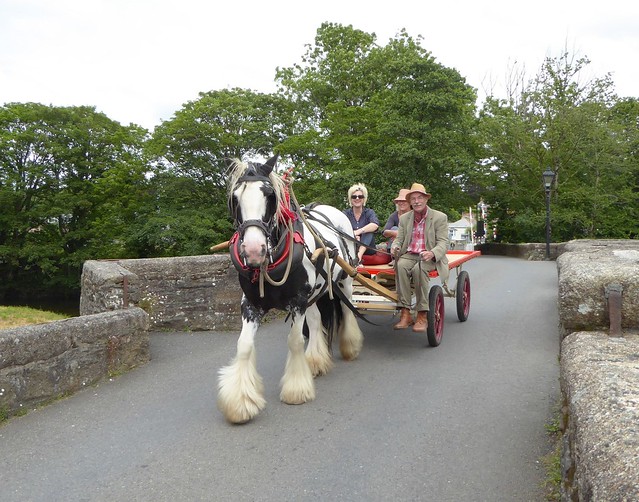
Traffic Congestion Lostwithiel Style. Panasonic Lumix DMC TZ70. P1040866.

Proto-Celtic *karros = wagon
Gaulish *karros = wagon
Old Irish (Goídelc) carr = cart, wagon
Middle Irish (Gaoidhealg) carr = cart, waggon
Irish (Gaeilge) carr [kɑːɾˠ / kæːɾˠ] = car
carraeireacht = carting, carriage, haulage
carrán = small cart
carrbhealach = carriageway
carrchlós = car park
otharcharr = ambulance
carr sleamhnáin = sledge
carr róchain = swing
Scottish Gaelic (Gàidhlig) càr [kar] = car, cart, raft
Manx (Gaelg) carr = car, cab, van
carr laadee = lorry, wagon
carr oanluchkee = = hearse
carr surranse = ambulance
Proto-Brythonic *karr [ˈkar͈] = wagon, cart, load
Middle Welsh (Kymraec) car, kar, karr = wagon, cart
Welsh (Cymraeg) car [kar] = vehicle, car, sled, dray; rack, stand
car a cheffyl = horse-drawn carriage
car caws = cheese rack
car cerdded = go-cart, child’s cart
car trol = cart, wagon
Middle Cornish (Cernewec) carios = cart, carriage
Cornish (Kernewek) karr [karː / kær] = car
karr bonk = dodgem
karr ergh = snowmobile
karr klavji = ambulance
karr kreslu = police car
karr slynk = sleigh
karr stret = tram
karr tan = motor-car
kerrik = cart, carriage, buggy
kerrik flogh = baby carriage
Old Breton carr = cart
Middle Breton karr = cart, car, coach, carriage
Breton (Brezhoneg) karr = car, coach, carriage, trailer, vehicle
karr-ar-argad = tank
karr-a-dan = automobile, locomotive
karr-ar-marv = hearse
karr-chalbotat = lorry, truck

Etymology: from the Proto-Indo-European *ḱr̥sós (vehicle), from *ḱers- (to run) [source].

The Gaulish word *karros was borrowed into Latin as carrus (wagon, cart, cartload), which became carro (wagon, cart, van, lorry, truck) in Italian; carro (cart, car, bus) in Spanish; car (bus, coach) in French; car, carriage and chariot in English; and similar words in other languages [source].

Words from the same PIE root include horse in English, hors (mare, female foal, frivolous woman) in Norwegian (Nynorsk), hross (horse) in Icelandic, and currus (chariot, car, wagon) in Latin [source].

Proto-Celtic *karbantos = (war) chariot, wagon
Gaulish *karbanton, carbantos = chariot, wagon
Old Irish (Goídelc) carpat [ˈkarbad] = chariot
cairptech = chariot owner, chariot-fighter
Middle Irish (Gaoidhealg) carpat = war-chariot, car, waggon
carpaitniadh = chariot-fighter
carpat saer/ailtire = chariot-builder
Irish (Gaeilge) carbad [ˈkaɾˠəbˠəd̪ˠ] = chariot
carbadóir = charioteer
fo-charbad = undercarriage
Scottish Gaelic (Gàidhlig) carbad [karabad] = chariot, coach, carriage, wagon, vehicle, bier, jaw(bone)
carbadach = abounding in chariots, coaches, etc
carbadachd = (act of) driving a chariot
carbadair = charioteer, cab driver, coachman, teamster
carbad-eich = horse carriage
carbad-eiridinn = ambulance
carbad-fànais = spacecraft
carbad-mharbh = hearse
carbad-smàlaidh = fire engine
carbad-smùide = steam locomotive
carbad-suain = sleeping coach
Manx (Gaelg) carbyd = bus, coach, vehicle, bier, hearse
carbyd bee = dining car, restaurant car
carbyd clienney = pram, baby carriage
carbyd-lheeys = ambulance
carbyd-mooghee = fire engine
Proto-Brythonic *karr [ˈkar͈] = wagon, cart, load
Middle Welsh (Kymraec) kerbyt = wagon, cart
Welsh (Cymraeg) cerbyd [ˈkɛrbɨ̞d / ˈkɛrbɪd] = car, carriage, chariot, wagon, coach; clumsy fellow, bungler
cerbyd agored = open carriage, landau
cerbyd cyflog = hackney-carriage, stage-coach
cerbyd rhyfel = war chariot
cerbydan = small carriage, chaise, gig, cab
cerbydol = vehicular
cerbydwr = wagoner, coachman, charioteer
Old Cornish (Cernewec) cerpit = chariot, wagon
Old Breton cerpit = chariot, wagon
Breton (Brezhoneg) karbed = vehicle
karbed-tan = motor vehicle
karr tredan = electric vehicle

Etymology: possibly related to the Proto-Celtic word *korbos (wagon, basket) [source]. The Brytonic words were borrowed from Old Irish [source].

The Gaulish word carbantos was borrowed into Latin as carpentum (carriage, chariot, wagon, cart), which became charpente (framework, structure) in French [source].

Proto-Celtic *wegnos = wagon, cart
*wegnyā = wagon
Old Irish (Goídelc) fén [fʲeːn] = wagon, cart
Middle Irish (Gaoidhealg) fén = waggon, cart, conveyance of some kind
Irish (Gaeilge) féan [fʲeːnˠ] = wagon, wain, cart
Scottish Gaelic (Gàidhlig) feun [fian] = cart, wain, chariot
feunair = waggoner
feun-cogaidh = war chariot
feun-mòine = peat cart
Manx (Gaelg) fainagh = carriage, chariot, coach
fainagh cabbil = horsedrawn coach
fainagh-bee = restaurant car
Proto-Brythonic *gweɨn = wagon, cart

Etymology: from the Proto-Indo-European *weǵʰ- (to go, transport) [source]. English words from same PIE root include wagon, weigh, way wain (a four-wheeled cart for hauling loads, usually pulled by horses or oxen), vehicle and vector [source].

There appear to be no descendents of the Proto-Brytonic word *gweɨn in the Brythonic languages, but the Welsh word certwain (cart, wagon, wain) is indirectly related. It comes from the Old English crætwǽn (chariot, wain – lit.”cart-wain”) [source], from cræt / ceart (cart, wagon, chariot), from the PIE *krattijô (basket) [source], and wæġn (wagon, carriage) [source].

Proto-Celtic *bennā, *bondyo = bracelet
Gaulish *benna = carriage
Old Irish (Goídelc) buinne [ˈbun͈ʲe] = circlet, (arm-)ring, bracelet, wattle, wickerwork
Middle Irish (Gaoidhealg) buinne = circlet, (arm-)ring, bracelet, wattle, wickerwork
Irish (Gaeilge) buinne [ˈbˠɪn̠ʲə] = course of interwoven rods, wale; hoop; ridge; welt (of shoe); flange (of vessel); band, bracelet; shroud
Middle Welsh (Kymraec) benn, ben = cart, wagon, carriage, wain
benneit = cart-load, wain-load
Welsh (Cymraeg) ben = cart, wagon
bennaid = cart-load, wain-load

Etymology: from the Proto-Indo-European *bʰendʰ- (to bind, bond). Words from the same Proto-Celtic root, via the Latin benna (a kind of carriage), include benne (bin, skip, dump truck, barrow, cable car) in French, bin in English, and benna (bucket, grab) in Italian [source].

English words from the same PIE root include band, bandage, bandana, bend, bind, bond, bonnet, bundle, funicular, tulip and turban [source].

Words marked with a * are reconstructions.

Sources: Wiktionary, Am Faclair Beag, Online Manx Dictionary, Teanglann.ie, eDIL – Electronic Dictionary of the Irish Language, In Dúil Bélrai English – Old Irish glossary, Geiriadur Prifysgol Cymru, Gerlyver Kernewek, Gerlyvyr Cernewec, Dictionaire Favereau, TermOfis, Le dictionnaire diachronique du breton, Geriafurch, English – ProtoCeltic WordList (PDF), Etymological Dictionary Of Proto Celtic

The Fastest Way to Learn Japanese Guaranteed with JapanesePod101.com

Rain

Words for rain in Celtic languages:

Old Irish (Goídelc) baistech = rain, rainfall
Irish (Gaeilge) báisteach = rain, rainfall
Scottish Gaelic (Gàidhlig) baisteach [baʃdʲəx] = baptismal, Baptist, rain
Manx (Gaelg) Bashtagh = Baptist

Etymology: from the Old Irish baithis (baptism), from the Latin baptisma (absolution, baptism).

Irish (Gaeilge) fearthainn = rain, rainfall

Etymology: from the Middle Irish ferthain (giving forth, pouring, showering), from the Old Irish feraid (to grant, afford, supply, pour, shower, shed).

Old Irish (Goídelc) fliuchad = (the act of) wetting
Irish (Gaeilge) fliuchadh = wetting
Scottish Gaelic (Gàidhlig) fliuchadh [fluxəd] = degree of wetness, moistness
Manx (Gaelg) fliaghey = rain

Etymology: from the Old Irish fliuch (wet), from the Proto-Celtic *wlikʷos (wet). Cognate with words for wet in all Celtic languages.

Other ways to refer to rain Scottish Gaelic include uisge (water), and fras (shower, rain).

Proto-Celtic *glawā = rain
Welsh (Cymraeg) glaw = rain, shower
Cornish (Kernewek) glaw = rain
Breton (Brezhoneg) glav = rain

Sources: Wiktionary, Am Faclair Beag, teanglann.ie, On-Line Manx Dictionary, Geiriadur Prifysgol Cymru, Gerlyver Kernewek, Dictionnaire Favereau

Ways to say it’s raining

  • Tá sé ag cur báisteach / básiti (Irish)
  • Tá sé ag cur fearthainn (Irish)
  • Tá sé ag cur (Irish)
  • Tha an t-uisge ann (Scottish Gaelic)
  • T’eh ceau fliaghey (Manx)
  • T’eh ceau (Manx)
  • Mae hi’n bwrw glaw (Welsh)
  • Mae’n bwrw glaw (Welsh)
  • Mae’n bwrw (Welsh)
  • Yma ow kul glaw (Cornish)
  • Hi a wra glaw (Cornish)
  • Glav a ra (Breton)

Weather words in: Breton, Cornish, Irish and Welsh

Words for heavy rain in many languages

Rain

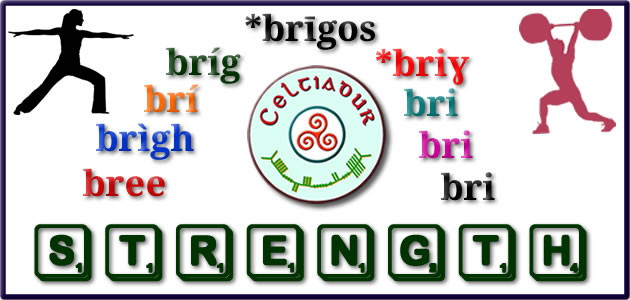
Strength

Words for strength and related things in Celtic languages.

Strength

Words marked with a * are reconstructions.

Proto-Celtic *brīgos = strength
*brīga = power, worth
Gaulish *brīgos = strength
Old Irish (Goídelc) bríg [bʲrʲiːɣ / bʲrʲiːɣʲ] = force, power, value, virtue, strength, vigour, vitality
brígach = powerful, mighty, strong
brígmar = powerful
Middle Irish (Gaoidhealg) bríg, brigh = power, strength, force, authority, vigour, virtue, might, value, worth, advantage, meaning
brígach = powerful, mighty, forceful
brígda = strong, vigorous
brígmar = powerful, strong, vigorous, lively, efficacious
brígrad = power, force
Irish (Gaeilge) brí [brʲiː] = strength, vigour; force, significance; influence, merit
bríoch = strong, vigorous, efficacious
bríochmar = strong, viorous
bríochtach = strong, vigorous person
Scottish Gaelic (Gàidhlig) brìgh [brʲiː] = essence, gist, matter, pith, purport, substance; meaning, sense, significance; point (of an argument); energy, force
brìghealachd [brʲiː.əLəxg] = substance, juiciness, pithiness, significance (in mathematics)
brìgheil [brʲiː.al] = meaningful, significant
brìoghmhor [brʲiː(v)ər] = meaningful, energetic, substantial, pithy
Manx (Gaelg) bree = power, energy, stamina, vigour, virtue, initiative, validity, animation, inwardness, glow, exhalation, drift, essence, gist, effect
breeagh = inspiring, vigorous
breeoil = dynamic, energetic, essential, impulsive, valid, vibrant, vigorous, active, powerful
Proto-Brythonic *briɣ = honour, dignity (?)
Middle Welsh (Kymraec) bri = honour, dignity, reputation, fame
Welsh (Cymraeg) bri [briː] = honour, dignity, reputation, fame, prestige, esteem, power, authority, importance, value, popularity
briaeth = honour, dignity
briol = honourable, reverent, dignified
Middle Cornish (Cernewec) bry = account, value, worth, price
Cornish (Kernewek) bri = distinction, esteem, importance, relevance, reputation, value, prominence
fowt bri = insignificance
heb bri = irelevant
Old Breton (Brethonoc) bri = importance, weight, authority
Middle Breton (Brezonec) bry = respect, consideration
Breton (Brezhoneg) bri [briː] = dignity, honour, respect, consideration
brient = privilege, prerogative
brientek [bri.ˈɛn.tek] = privileged
brientin = = privileged, aristocrat

Etymology: possibly the Proto-Indo-European *bʰrḗǵʰ-o-s, from *bʰerǵʰ- (to rise, ascend, to be elevated, up high). Words from the same roots, via Gaulish, include brio (vigour, vivacity) in English, briu (energy, push, courage) in Catalan, brio (vivacity, liveliness) in Italian, brío (vigour, mettle, zeal) in Spanish, and brio (brilliance, panache) in French [Source].

Words from the same PIE roots include barrow, burrow, bury, effort, force and fort in English, and brenin (king), bwrw (to hit, strike, cast) in Welsh [Source].

Proto-Celtic *nertom = strength, power
Celtiberian Nerto- = strength (?)
Gaulish Nerto- = strength (?)
Old Irish (Goídelc) nert [n͈ʲer͈t] = power, strength
nertaid [ˈn͈ʲer͈tɨðʲ] = to strengthen
Middle Irish (Gaoidhealg) nert, nnert, nirt = strength, might, power, ability, significance
nertaid = to strengthen, confirm, exhort, urge
nertaigid = to strengthen, confirm, encourage, grow strong, side with support
Irish (Gaeilge) neart [nʲaɾˠt̪ˠ / n̠ʲæɾˠt̪ˠ] = strength, force, power, ability, plenty
neartaigh = to strengthen
neartaitheach = strengthening, reinforcing
neartaitheoir = strengthener, abettor
neartmhaire = vigorousness, strength
neartmhar = strong, vigorous, powerful
neartú = strengthening, reinforcement, support
Scottish Gaelic (Gàidhlig) neart [̪nʲɛRʃd] = might, strength, force, energy, power, (alcoholic) proof, majority, most
neartachadh [n̪ʲɛRʃdəxəɣ] = strengthening, building up, making strong
neartaich strengthen, build up, make strong
neartaiche = strengthener, emphasiser
neartail = mighty, powerful, emphatic, forcible
neartmhor = mighty, powerful, emphatic, forcible
neartmhorachd = robustness, vigour
Manx (Gaelg) niart = strength, power, force
niartaght = strength
niartal = cogent, forcible, mighty, potent, powerful, strong
niarteyder = strengthener
Proto-Brythonic *nerθ [nɛrθ] = strenght, force, power
Old Welsh (Kembraec) nerthi = to strengthen, reinforce, fortify
Middle Welsh (Kymraec) nerth, nyrth = force, strength, power, might
nerthawc, nerthawg, nerthog = strong, mighty, powerful
nerthawl, nerthol = strong, mighty, powerful
nerthu = to strengthen, reinforce, fortify
nerthyd, nerthwr = fortifier, supporter, helper
Welsh (Cymraeg) nerth [nɛrθ] = force, strength, power, might, energy, vigour, hardness
nerthedig = strong, strengthened
nerthog = strong, mighty, powerful, potent
nerthol = strong, mighty, powerful, potent
nerthu = to strengthen, reinforce, fortify, aid, help, exhort, urge
nerthwr, nerthydd = fortifier, supporter, helper
Middle Cornish (Cernewec) nerth = might, power, strength, force
Cornish (Kernewek) nerth [nɛrθ] = energy, force, might, power, strength
nertha = to strengthen
nerthek = energetic, powerful, robust
Old Breton (Brethonoc) nerth = force, energy
Middle Breton (Brezonec) nerz, nerh = force, energy
nerzus, nerhus = vigorous, robust, energetic
Breton (Brezhoneg) nerzh [nɛrs] = force, energy
nerzhan nerzhañ [ˈnɛrzan / ˈnɛrzã] = to strengthen, reinforce
nerzhder = vigueur
nerzhek = drastic
nerzhekaat = to give energy
nerzhelour = dynamic
nerzhus = vigorous
nerzhusaat = to strengthen oneself

Etymology: possibly the Proto-Indo-European *h₂ner-to- (virile, strong), from *h₂nḗr- (man, vital, energy). Words from the same roots include njer (man, human, person) in Albanian, άντρας [ˈandras] (man, husband) in Greek, noras (wish, desire, will, intention) in Lithuanian, nêr (lord, chief) in Welsh, and the name Nero [Source].

Old Irish (Goídelc) láitir = strong, powerful
Middle Irish (Gaoidhealg) láitir, laitir [ˈl͈aːdʲərʲ] = strong, powerful
Irish (Gaeilge) láidir [ˈl̪ˠɑːdʲəɾʲ / ˈl̪ˠaːdʲəɾʲ] = strong, powerful, durable, tough, solid, forcible, loud
láidreacht = strength
láidrigh = to strengthen
Scottish Gaelic (Gàidhlig) làidir [l̪aːdʲɪrʲ] = strong, potent, emphatic, robust, substantial
làidireachd = strength
làidireach = strong, potent, emphatic
làidrich = make strong, strengthen
Manx (Gaelg) lajer = strong, potent, vigorous, hard, heavy, powerful, stark
lajeragh = to strengthen, strengthening
lajerid = potency, powerfulness, strength, vigour
lajerys = cogency, force, might, prowess, strength

Etymology: unknown [Source].

Irish (Gaeilge) cadrán = hardness, stubborness, obstinacy
cadránta = hard, unfeeling, stubborn, obstinate
cadrántacht = hardness, stubborness, obstinacy
Proto-Brythonic *kadarn = strong, powerful, mighty (?)
Middle Welsh (Kymraec) cadarn, kadarn, katarnn = strong, powerful, mighty
cadarnhau, kadarnaha = to strengthen, secure, fortify, safeguard
kedernyt, kedernit, cedernyt = strength, power, potency, might
Welsh (Cymraeg) cadarn [ˈka(ː)darn] = strong, powerful, mighty, firm, fast
cadarnhad = confirmation
cadarnhau = to strengthen, secure, fortify, safeguard
cadernid = strength, power, potency, might
Middle Cornish (Cernewec) cadarn = strong, stout, valiant

Etymology: from Proto-Celtic *katus (battle), from Proto-Indo-European *kéh₃tus (battle), from *keh₃- (to fight). Words from the same roots include Hader (dispute, quarrel) and hadern (to quarrel, bicker, struggle) in German, and words for battle in Celtic languages [Source].

Proto-Celtic *kriɸmos = strong (?)
Proto-Brythonic *krɨβ̃ = strong
Middle Welsh (Kymraec) cryf, kryf = strong, powerful, vigorous
cryfder = strength, power, might
Welsh (Cymraeg) cryf [krɨːv / kriːv] = strong, powerful, vigorous, intoxicating, tough, rich, fruitful, intense
cryfder = strength, power, might
cryfhau = to strengthen
Old Cornish crif = strong, mighty, vigorous, hardy
Middle Cornish (Cernewec) cref, crŷf, crif, crev = strong, mighty, vigorous, hardy
Cornish (Kernewek) krev = forceful, powerful, robust, strong, substantial
krevder = intensity, strength
Middle Breton (Brezonec) cref, creff = strong, powerful
Breton (Brezhoneg) kreñv [ˈkrẽ(w)] = strong, solid
kreñvaat [krẽˈfɑːt] = to strengthen, reinforce
kreñvder [ˈkrẽ(w)dɛr] = strength, power, might
kreñvlec’h = stronghold, fortress

Etymology: from Proto-Celtic *kriɸ- (body) from Proto-Indo-European *krep- (body). Words for body in Celtic and other languages come from the same roots [Source].

Proto-Celtic *trexsnos = strong
*trexsos = stronger
Gaulish Trexius, Trexa, Trenus = personal names
Primitive Irish ᚈᚈᚏᚓᚅᚐᚂᚒᚌᚑᚄ (ttrenalugos), ᚈᚏᚓᚅᚐᚌᚒᚄᚒ (trenagusu) = (?)
Old Irish (Goídelc) trén [tʲrʲeːn] = strong
treise = power, strength
Middle Irish (Gaoidhealg) trén = strong, powerful, strong man
treise = strength, vigour, power
Irish (Gaeilge) tréan = strong man, warrior, champion, strength, power, intensity, plenty, abundance
tréaniarracht = strong, forcible, attempt
treise = strength, power, dominance, force, emphasis
treisigh = to strengthen, reinforce, fortify
treisiúil = strong, forceful, vigorous
Scottish Gaelic (Gàidhlig) trèine [treːnə] = might, power
treise [treʃə] = strength, vigour
treun [treːn] = champion, hero, brave, strong, sturdy
treunar [treːnər] = strong man, champion, hero; very brave, heroic
treunas = might, power
treuntachd = boldness, courage
treuntas = strength, power, magnanimity
Manx (Gaelg) trean = brave, firm, heroic, intensive, mighty, stout, valiant
treanid = braveness, exploit, feat heroics, might, strength, valour
Proto-Brythonic *trex = stronger
Middle Welsh (Kymraec) trech = stronger, mightier, greater, superior, better
Welsh (Cymraeg) trech [treːχ] = stronger, mightier, greater, superior, better
trechedd = supremacy, dominance
trechu = to defeat, overcome, overpower
Cornish (Kernewek) trygh = conquest, victory, superior, triumphant, victorious
trygher = victor
tryghi = to conquer, vanquish
Middle Breton (Brezonec) trech = victorious, victory
trechy, trechiff = to conquer, prevail, overcome
Breton (Brezhoneg) trec’h [briː] = superior, victorious, victory
trec’hadeg = triumph
trec’hadenn = success
trec’hedigezh = defeat
trec’her = winner
trec’hin, trec’hiñ = to conquer, prevail, overcome
trec’hus = victorious

Etymology: the Proto-Indo-European *(s)treg- (to be stiff, rigid, strong) or *treg- (strength). Words from the same roots include þróttur (strength, vigour, energy) in Icelandic, and idrott (sport, physical education) in Swedish [Source].

The Fastest Way to Learn Japanese Guaranteed with JapanesePod101.com

Sources: Wiktionary, Am Faclair Beag, Online Manx Dictionary, Teanglann.ie, eDIL – Electronic Dictionary of the Irish Language, In Dúil Bélrai English – Old Irish glossary, Geiriadur Prifysgol Cymru, Gerlyver Kernewek, Dictionaire Favereau, TermOfis, English – ProtoCeltic WordList (PDF), Etymological Dictionary Of Proto Celtic

Unlimited Web Hosting - Kualo

Birch (trees)

Words for birch (genus Betula) in Celtic languages.

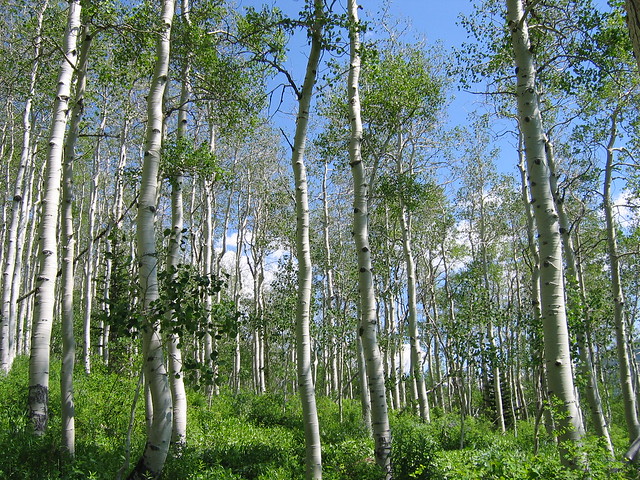
Birch Trees

Words marked with a * are reconstructions.

Proto-Celtic *betwiyos / *betuyā = birch (tree)
Gaulish betulla, *bitu, *betua = birch
Old Irish (Goídelc) beithe = birch (tree)
Middle Irish (Gaoidhealg) beithe. beith = birch tree, birch wood, the letter b in Ogham (ᚁ)
beithech = birch land, grove of birch
beithe-luis(-nin) = Ogham alphabet (ᚁᚂᚅ) – named after the first few letters
Irish (Gaeilge) beith = birch (tree), letter B in Ogham (ᚁ)
beith gheal = silver birch (Betula pendula)
beitheach = covered or planted with birches
Scottish Gaelic (Gàidhlig) beithe [behə] birch, the letter B in Ogham, birch wood/forest
beith-gheal = silver birch
beith luis nuin = ABC
Manx (Gaelg) beih = birch (tree)
beih argid = silver birch
beihagh = birch, birchen
Proto-Brythonic *bedu = birch (tree)
Middle Welsh (Kymraec) bedw, bedỽ = birch
bedwen = birch tree
bedwaỽt = song of the birch, song of good omen
betuerỽ = birch grove, place abounding with birch trees
betguos, bedwes = birch grove
Welsh (Cymraeg) bedw [ˈbɛdʊ / ˈbeːdu] = birch, birch grove, maypole, birch-rod
bedwen = birch tree
bedw arian = silver birch
bedwerw = birch grove, place abounding with birch trees
bedwos, bedwes = birch grove
Old Cornish bedewen = birch
Middle Cornish (Cernewec) bedewen = birch tree, poplar tree, aspen tree
Cornish (Kernewek) besow = birches
besowen = birch (tree)
besow arghas = silver birch
Old Breton (Brethonoc) bedu = birches
beduan = birch
Middle Breton bezu = birches
bezuenn = birch
Breton (Brezhoneg) bezv [ˈbɛ(z)w] = birches
bezvenn [ˈbe(z).vɛn] = birch
bezveg [ˈbe(z).vɛk] = birch grove
bezvenneg = birch grove
bezvennek = abounding in birches

Etymology: from Proto-Indo-European *gʷetu-yo-s, from *gʷet- (resin, gum) [source]. Words from the same Proto-Celtic roots, via Gaulish *bitu/betua and Latin *betius, include betulla (birch) in Italian, bouleau (birch) in French, bedoll (birch) in Catalan, bétula (birch) in Portuguese, βετούλη (vetoúli – birch) in Greek, and abedul (birch) in Spanish. The botanical Latin name for the genus Betula (birch) also comes from the same roots [source].

Sources: Wiktionary, Etymological Dictionary Of Proto Celtic, In Dúil Bélrai English – Old Irish glossary, eDIL – Electronic Dictionary of the Irish Language, Teanglann.ie, Am Faclair Beag, An etymological dictionary of the Gaelic language, Fockleyreen: Manx – English Dictionary, Online Manx Dictionary, Gaelg Corpus, Geiriadur Prifysgol Cymru, Lexicon cornu-britannicum : a dictionary of the ancient Celtic language of Cornwall, Gerlyver Kernewek, Devri : Le dictionaire diachronique du breton, Geriafurch, TermOfis

Oak (trees)

Words for oak (tree) and related things in Celtic languages.

Here be trees!

Words marked with a * are reconstructions.

Proto-Celtic *daru [d̪ˠaɾʲ] = oak
Gaulish Dervo = used in placenames
Old Irish (Goídelc) dair [d̪ˠaɾʲ] = oak
Middle Irish (Gaoidhealg) dair, daur = an oak, the letter D in the Ogham alphabet (ᚇ)
dairbre, dairbhre = an oak, oakling, a grove of oak grees, an oak wood
dairde, daurde = oaken
dair-ḟid, dauruth = an oak wood
Irish (Gaeilge) dair [d̪ˠaɾʲ] = oak, the letter D in the Ogham alphabet (ᚇ)
dairbhre = oaks, oak-grove
daireach = planted with / full of oaks
doire [ˈd̪ˠɛɾʲə] = oak-wood; wood, grove, thicket
Scottish Gaelic (Gàidhlig) dair [darʲ] = oak (archaic), the letter D, ᚛ᚇ᚜ in Ogham
dairbhre = oak, nursery or grove of oaks
darach [darəx] = oak, oaken, made of oak; ship (poetic)
darag [darag] = small/dwarf oak, stunted/branchy tree (which is not useable for working)
Manx (Gaelg) darragh = oak, oaken, oak grove, oak wood
darrag = oak, beam, cast (fishing), snood, hairline
darree = oak
Proto-Brythonic *dar [ˈdar] = oak tree
Middle Welsh (Kymraec) dar, dâr = oak
derwd(y) = oak house, oratory, prayer house, coffin
derwin, deruin = make of oak, oaken, abounding in oaks, strong, robust, oak timber
Welsh (Cymraeg) dâr [ˈdaːr] = oak tree, foremost warrior, leader, mighty lord
derw = oak trees
derwen [ˈdɛrwɛn] = oak tree
derwin = make of oak, oaken, abounding in oaks, strong, robust, oak timber
der(w)lwyn = oak grove, oak wood
Old Cornish dar = oak
Middle Cornish (Cernewec) dar = an oak
Cornish (Kernewek) dar [daːr / dæːr] = oak
derwen = oak tree
derw = oak trees
Old Breton daeru = oaks
Middle Breton (Brezonec) deru = oaks
Breton (Brezhoneg) dar [dɑːr] = oak
derv [ˈdɛrw/ˈdɛː.ro] = oaks
dervenneg = with oak trees
dervoed [dɛʁwət] = oak grove, oak wood

Etymology: from the Proto-Indo-European *dóru (tree) [source].

Words from the same Proto-Celtic root possibly include làrix (larch) in Catalan, lariks (larch) in Dutch learag (larch) in Scottish Gaelic, larch in English, Lärche (larch) in German, and lærk (larch) in Danish [source].

Words from the same PIE root include δόρυ (dóry – spear) in Greek, dervà (tar, resin) in Lithuanian terva (tar) in Finnish, dearbh (sure, certain) in Irish, tree, trim, and trough, true in English, and trä (wood) in Swedish [source].

Proto-Celtic *tannos = green oak
Gaulish *tannos = oak
Old Irish (Goídelc) tinne = holly, elder
Middle Irish (Gaoidhealg) tinne = holly, elder, the letter t in the Ogham alphabet (ᚈ)
Irish (Gaeilge) tinne = the letter t in the Ogham alphabet (ᚈ)
Scottish Gaelic (Gàidhlig) teine/tinne [tʲenə] = gorse, whin, furze (archaic), the letter t (ᚈ) in Ogham
Welsh (Cymraeg) taneru, tener(i)o = to tan (hide)
tanerdy = tannery
tanerwr = tanner (of hides)
Old Cornish tannen = oak (?)
Middle Cornish (Cernewec) tonnen = bark
glastanen, glastennen, glastan = (scarlet) oak
Cornish (Kernewek) glastanen gelyn = holly/holm oak
glastanen gork = cork oak
Middle Breton (Brezonec) glastann(enn) = holm oak(s)
Breton (Brezhoneg) tann [tānː] = sessile oaks
tannañ = to tan
glastann = holm oaks

Note: the Welsh words were borrowed from English tanner, which ultimately comes from Proto-Celtic *tannos, via French, Latin and Gaulish.

Etymology: from Proto-Celtic *(s)tannos, the Proto-Indo-European *(s)dʰnwos/*(s)dʰonu (fir). Words from the same Proto-Celtic roots, via Gaulish and Latin tannum (oak bark), include tan (pulped oak bark used in the tanning process of leather) in French, tano (stem, slip) in Galician, tanería (tannery), Tannenbaum (fir tree, Christmas tree) in German, θάμνος (thámnos – bush) in Greek, and tan, tannery, tannin (tannic acid) in English.

Words from the same PIE roots include thanë (cranberry bush) in Albanian, and धनु (dhanu – bow) in Sanskrit. [source].

The Fastest Way to Learn Japanese Guaranteed with JapanesePod101.com

Sources: Wiktionary, Etymological Dictionary Of Proto Celtic, In Dúil Bélrai English – Old Irish glossary, eDIL – Electronic Dictionary of the Irish Language, Teanglann.ie, Am Faclair Beag, An etymological dictionary of the Gaelic language, Fockleyreen: Manx – English Dictionary, Online Manx Dictionary, Gaelg Corpus, Geiriadur Prifysgol Cymru, Lexicon cornu-britannicum : a dictionary of the ancient Celtic language of Cornwall, Gerlyver Kernewek, Devri : Le dictionaire diachronique du breton, Dictionnaires bilingues de Francis Favereau / Edition Skol Vreizh, TermOfis

Unlimited Web Hosting - Kualo

Fields, Meadows and Pastures

There are a number of words for fields, meadows and pastures in Celtic languages. Some appear only or mainly in placenames. Here’s a selection:

Roman Camp

Words marked with a * are reconstructions.

Old Irish (Goídelc) achad = expanse of ground; pasture, field; field of battle
Middle Irish (Gaoidhealg) achad = expanse of ground; pasture, field
Irish (Gaeilge) achadh [ˈaxə/ˈaxuː] = field (archaic, used mainly in placenames)
Scottish Gaelic (Gàidhlig) achadh [axəɣ] = field, plain, meadow; cornfield newly cut or ready for reaping
achadh-feòir = hayfield
achadh-guail = coalfield
bàn-achadh = fallow field

Etymology: unknown, possibly related to the Latin acnua (a measure or piece of land, 120 feet square) [source].

Proto-Celtic *gortos = fence, enclosure, pen
Old Irish (Goídelc) gort = field, orchard, crop
Middle Irish (Gaoidhealg) gort = field (arable or pasture land), field of battle, land, territory, standing corn
guirtine = a little garden
Irish (Gaeilge) gort [ɡɔɾˠt̪ˠ] = (cultivated) field, orchard, (standing) crop
gortbhriseadh = tilling a field, tillage
gortghlan = to clear (a field) of weeds, to weed out
gortghlanadh = clearance (of a field), weeding
gortghlantóir = weeder
Scottish Gaelic (Gàidhlig) gort [gɔrˠʃd] = standing corn; enclosure; small field
Proto-Brythonic *gorθ = field
Welsh (Cymraeg) garth = field, close, enclosure, fold, pen, yard; fort
garthan = entrenchment, encampment, camp, stronghold, field of battle
gartheiniad = camp defender
Cornish (Kernewek) gorth = field
Old Breton orz = field
Breton (Brezhoneg) garz = field

Etymology: from the Proto-Indo-European *ǵʰortós (enclosure, hedge) [source], which is also the root of words yard and garden in English, via the Proto-Germanic *gardaz (enclosure, court, yard, garden) [source].

Old Irish (Goídelc) macha = milking-yard
Middle Irish (Gaoidhealg) macha, machad = an enclosure for milking cows, a milking-yard or field
Irish (Gaeilge) machaire = plain; stretch of level ground, links, course; field
Scottish Gaelic (Gàidhlig) machair [maxɪrʲ] = extensive low-lying fertile plain, level country; extensive beach; ow and level part of a farm
Manx (Gaelg) magher = field, fertile land, campaign, chase, machar, sphere

Etymology: possibly from the Latin mācĕria (wall, enclosure) [source].

Proto-Celtic *rowesyā- = field, open ground
Old Irish (Goídelc) róe [r͈oːi̯] = battle-field, level piece of ground, fight, battle
Middle Irish (Gaoidhealg) róe, roe = a level piece of grand, a battle field, battle, a rout, fight
Irish (Gaeilge) [rˠeː] = stretch of ground, level ground, field
Scottish Gaelic (Gàidhlig) raon [rˠɯːn] = field, (piece of) ground; plain; zone, area; field (of expertise); ambit
Manx (Gaelg) rheam = gamut, range, field, monarchy
Old Breton runt = mound
Breton (Brezhoneg) run = mound, hill

Etymology: from the Proto-Indo-European *Hrew(H)os (open space, field). The English words rustic and rural come from the same root, via Latin [source].

Proto-Celtic *kagyom = pen, enclosure
Gaulish cagiíun / *kagyom = enclosure
Old Irish (Goídelc) cai = field, orchard, crop
Irish (Gaeilge) [kʲeː] = quay
Scottish Gaelic (Gàidhlig) cidhe [kʲi.ə] = quay
cidhe-tìreachaidh = wharf
cidhe-bathair = goods wharf
Manx (Gaelg) keiy = jetty, quay(side), wharf
Proto-Brythonic *kaɨ = animal pen, enclosure, field
Middle Welsh (Kymraec) kay / kae = field, enclosure
Welsh (Cymraeg) cae [kaːɨ̯ / kai̯] = hedge, hedgerow, fence; field, enclosure; circle, sphere; barrier, obstruction
caead = lid, cover, shutter, flap, shell, case, enclosure, case, wall, fence, hedge, field, buckle, clasp, fastener, valve
caeadu = to bind, cover (a book), stop, close
cei [kei̯] = quay
Cornish (Kernewek) ke = hedge, fence
kay = quay
Old Breton cai = hedge
Middle Breton quae = hedge
Breton (Brezhoneg) kae [kɛː] = hedge, quay

Etymology: from the Proto-Indo-European *kagʰyóm (enclosure, hedge) [source], which is also the root English words quay and hedge [source].

The Irish, Scottish Gaelic and Manx words for quay come from the same Proto-Celtic root, via the Anglo-Norman kay, cail (quay, wharf) and Gaulish [source]. The Welsh and Cornish words for quay also come from the same Proto-Celtic root, via Middle English, Old French and Gaulish [source].

Words from the same Proto-Celtic root, via Gaulish *kagyom and Latin caium (storehouse, shop, workshop, quay, wharf) include quai (quay, wharf, platform) in French, quay in English, кей (kej – quay, pier, wharf, jetty) in Bulgarian, and cais (quay, pier, wharf, platform) in Portuguese [source].

Proto-Celtic *magos = plain, field
Gaulish *magos = field
Old Irish (Goídelc) mag [maɣ] = plain, field
ármag, árbach, ármach = field of slaughter, battlefield
Middle Irish (Gaoidhealg) mag, maig = plain, open stretch of land
Irish (Gaeilge) [mˠɑː / mˠæː] = plain
Scottish Gaelic (Gàidhlig) magh [mɤɣ] = level country, plain
Magh Meala = Land of (Milk and) Honey (in mythology)
Magh Meall = elysium
magh na bàire = the plain of battle
Manx (Gaelg) magh = plain
Middle Welsh (Kymraec) mais, maes, meys = open country, plain, field
Welsh (Cymraeg) maes [maːɨ̯s / mai̯s] = open country, level land, plain; field; battle, victory, supremacy; out, away, off, outside, out of doors
maesol = rural, agrarian
maestref = suburb, country town, village, hamlet
maestrefol = suburban
Middle Cornish (Cernewec) maes, mes, meas, meys = open country, plain, field
Cornish (Kernewek) mes = open country
mestrev = suburb
mesya = to field
Old Breton maes = countryside, outside
Breton (Brezhoneg) maez = countryside, open field, outside, wide

Etymology: possibly from the Proto-Indo-European *meǵh- (great) [source].

Proto-Celtic *klowni = meadow
Old Irish (Goídelc) clúain = meadow
Middle Irish (Gaoidhealg) clúain, clóin = meadow, pasture-land, glade
Irish (Gaeilge) cluain = meadow
Scottish Gaelic (Gàidhlig) cluain [kl̪uən̪ʲ] = green field, pasture, meadow
Old Welsh clun = meadow, moor
Middle Welsh (Kymraec) clun = meadow, moor
Welsh (Cymraeg) clun [klɨːn / kliːn] = meadow, moor; brake, brushwood

Etymology: possibly from the Proto-Indo-European *klopni (wet).

Old Irish (Goídelc) áirge [ˈaːrʲɣʲe] = a place for milking cows
Middle Irish (Gaoidhealg) áirge, arigi, airge = a place for milking cows, byre, cowshed, herd of cattle
áirgech = having numerous herds, herdsman
Irish (Gaeilge) áirí = milking-place, herd (of cows), ground manured in previous year; ground from which potatoes have been cropped
Scottish Gaelic (Gàidhlig) àirigh [arʲɪ] = hill pasture, bothy, sheiling, pastoral summer residence
àirigheach [aːrʲɪjəx] = bounding in hill pastures. bothies or shielings
àirigheachd [aːrʲɪjəxg] = transhumance
Manx (Gaelg) eairee = hill pasture, shieling

Etymology: from Old Irish árach, from ad·rig (to tie, bind). The Faorese word ærgi [ˈaɹt͡ʃɪ] (a pasture for cattle to graze over the summer with a hut where the people tending them live meanwhile; a shieling, saeter) also come from the same roots [source].

Words marked with a * are reconstructions.

Sources: Wiktionary, Am Faclair Beag, Online Manx Dictionary, Teanglann.ie, eDIL – Electronic Dictionary of the Irish Language, In Dúil Bélrai English – Old Irish glossary, Geiriadur Prifysgol Cymru, Gerlyver Kernewek, Lexicon Cornu-britannicum: A Dictionary of the Ancient Celtic Language of Cornwall, Dictionaire Favereau, TermOfis, Le dictionnaire diachronique du breton, Etymological Dictionary Of Proto Celtic

The Fastest Way to Learn Japanese Guaranteed with JapanesePod101.com

Tables

Today we’re looking at words for table in Celtic languages.

IMG_5575

Proto-Celtic *klārom / *klāros = plank, board, table
Old Irish (Goídelc) clár [klaːr] = board, plank, stave, gameboard, table, writing tablet, level, expanse
Irish (Gaeilge) clár [klˠɑːɾˠ/klˠæːɾˠ] = board, stave, table, counter, flat surface, plane, platform, list, programme
clárach = made of boards, wooden, flat, broad, splay (of feet)
cláraigh = to flatten, beat, belabour, tabulate, list, register, enrol
Scottish Gaelic (Gàidhlig) clàr [kl̪ˠaːr] = smooth surface, stave, staff (in music), board, plank, agenda, register, schedule, disk, chart, record, tablet, cover, lid, table, shallow wooden plate
clàraidh = wooden partition, wooden floor, decking
clàradh = record(ing), enroling, registering, enrolment, registration
clàrach = tabular, bare, bald
Manx (Gaelg) claare = stave, board, play bill, table (list), batten, platter, bar counter, programme
claaragh = partition
claaraghey = index, enrolment, enrol, programme
Proto-Brythonic *klọr [klɔːrˑ] = board, cover, plank
Middle Welsh (Kymraec) cláúr / klawr = cover, lid, shutter, valve, board, plank, face, surface, plate
Welsh (Cymraeg) clawr [klau̯r] = cover, lid, plank
clawrddor = hatch, trap-door
clawr ffenestr = shutter
clawr llyfr cover of a book
clawr lygad = eyelid
clawr tawlbwrdd = chess board, draught board
Breton (Brezhoneg) kleur = stilt peg

Etymology: possibly from the Proto-Indo-European *kleh₂ro- (plank), from *kleh₂ (to cut) [source].

Old Irish (Goídelc) bord = table
Irish (Gaeilge) bórd [bˠoːɾˠd̪ˠ / bˠəuɾˠd̪ˠ] = board, table; board (organisation), council; border; side (of ship), gunwale
Scottish Gaelic (Gàidhlig) bòrd [bɔːr̪ˠd] = table, deck, board, plank; board (organisation)
Manx (Gaelg) boayrd = shelf of rock, table, plank, board
Welsh (Cymraeg) bwrdd [bʊrð] / bwrd = table, board; food and drink, daily sustenance, hospitality; board, body of councillors, committe; deck, board; side of a ship; board, plank
Cornish (Kernewek) bordh = board, table
bord = board
Breton (Brezhoneg) bourzh = side (of a boat)

Etymology: from the Old English bord (board, plank, table, shield, the side of a ship), from the Proto-West Germanic *bord (board, plank), from the Proto-Germanic *burdą (board, plank, table) [source].

Words marked with a * are reconstructions.

Sources: Wiktionary, Am Faclair Beag, teanglann.ie, Fockleyreen: Manx – English Dictionary, Geiriadur Prifysgol Cymru, Gerlyver Kernewek, Dictionnaire Favereau

Irish (Gaeilge) tábla [ˈtaːblɒ] = table
Scottish Gaelic (Gàidhlig) tàbla [taːbl̪ˠə] = table
Manx (Gaelg) taabyl = table
Welsh (Cymraeg) tabl = table, board (for games); inscribed tablet, writing-tablet; picture, painting; genealogical table; table (of figures or facts)
Cornish (Kernewek) tabel = table
Breton (Brezhoneg) taol = table

Etymology: from the Latin tabula (board, plank, table) [source].

Words marked with a * are reconstructions.

Another word for table in Cornish is moos, the origins of which are not known.

Sources: Wiktionary, Am Faclair Beag, Online Manx Dictionary, Teanglann.ie, eDIL – Electronic Dictionary of the Irish Language, logainm.ie, In Dúil Bélrai English – Old Irish glossary, Geiriadur Prifysgol Cymru, Gerlyver Kernewek, Gerlyvyr Cernewec, Dictionaire Favereau, TermOfis, Le dictionnaire diachronique du breton, Geriafurch, English – ProtoCeltic WordList (PDF), Etymological Dictionary Of Proto Celtic

Blubrry podcast hosting

World & Existence

Words for world, existence and life in Celtic languages.

Proto-Celtic *bitus = world
Old Irish (Goídelc) bith [bʲiθ] = world
Irish (Gaeilge) bith [bʲɪh / bʲɪ] = world, existence
Scottish Gaelic (Gàidhlig) bith [bih] = life, existence, being, living; the world
Manx (Gaelg) beays = being, existence
Proto-Brythonic *bɨd [ˈbɨːd] = world
Old Welsh bid = world
Middle Welsh (Kymraec) byd = world
Welsh (Cymraeg) byd [bɨːd / biːd] = world
Old Cornish bit, bys= world
Cornish (Kernewek) bys [bɪːz] = world
Old Breton bit, bet = world
Breton (Brezhoneg) bed = world

Words marked with a * are reconstructions.

Sources: Wiktionary, Am Faclair Beag, teanglann.ie, Fockleyreen: Manx – English Dictionary, Geiriadur Prifysgol Cymru, Gerlyver Kernewek, Dictionnaire Favereau

Old Irish (Goídelc) saegul = lifetime, world
Irish (Gaeilge) saol [sˠeːlˠ / sˠiːlˠ] = life, lifetime; time; world
Scottish Gaelic (Gàidhlig) saoghal [sɯː.əl̪ˠ] = world, life(span), lifetime
Manx (Gaelg) seihll [seːl / sɯːl / siːl] = age, existence, life, lifetime, span; public, world

Etymology: from the Latin saeculum (race, breed; generation, lifetime; age, time; century; worldliness; the world) [source].

Words marked with a * are reconstructions.

Sources: Wiktionary, Am Faclair Beag, teanglann.ie, Fockleyreen: Manx – English Dictionary, Geiriadur Prifysgol Cymru, Gerlyver Kernewek, Dictionnaire Favereau

NASA Blue Marble 2007 West

Streets

Words for street in Celtic languages.

Bilingual sign

Words marked with a * are reconstructions.

Old Irish (Goídelc) sráit [sraːdʲ] = street, road
Middle Irish (Gaoidhealg) sráit [sraːdʲ] = street, road, path, way
Irish (Gaeilge) sráid [sˠɾˠɑːdʲ / sˠɾˠæːdʲ] = street, level (surfaced) ground around house, village
sráidbhaile = village
sráideánach = villager, townsman
sráidéigeas = street singer
sráideoireacht = street-walking, strolling
sráidí = street-walker, stroller, idler
Scottish Gaelic (Gàidhlig) sràid [sdraːdʲ] = street, lane
sràideachd [sdraːdʲəxg] = (act of) walking the streets, (act of) pacing
sràideag [sdraːdʲag] = small lane, skip, leap, short walk, street walker
sràideamaich [sdraːdʲəmɪç] = promenade, perambulate, saunter, stroll, lounge
sràidimeachd [sdraːdʲɪməxg] = promenading, perambulating, sauntering, strolling, lounging
sràidean [sdraːdʲan] = little street
sràidearachd [sdraːdʲərəxg] = (act of) sauntering, promenading
Manx (Gaelg) straid = street, farmyard, thoroughfare
straaid = street
Middle Welsh (Kymraec) stryd, ystryd, ystryt = street, (main) road, highway
Welsh (Cymraeg) (y)stryd, (y)strŷt = street, (main) road, highway
strydgall = streetwise
stryd fawr = high street, main street
stryd unffordd = one-way street
Cornish (Kernewek) stret [strɛ:t / stre:t] = street
stret unfordh = one-way street
stretwikor, stretwikores = street-trader
stretyn = alley, little street
Middle Breton (Brezonec) strehet = alley, lane, road
Breton (Brezhoneg) straed [ˈstrɛːt] = alley, lane, road narrow path, throat
straed-dall = cul-de-sac

Etymology: from the Old Norse stræti (street) or the Old English strǣt (road, street), from the Proto-Germanic *strātō (street), both of which come from the Late Latin strāta (a paved road), from strātus (stretched out, spread out), from Proto-Italic *strātos, from PIE *str̥h₃tós (stretched, spread) [source].

From the same roots we get words such as stratum, stratus (cloud), and strategy in English, estrato (layer, stratum) in Spanish, στρατός [stɾaˈtos] (army) in Greek, and words for (flat) valley in Celtic languages, such as srath in Irish and Scottish Gaelic, and ystrad in Welsh [source].

The Fastest Way to Learn Japanese Guaranteed with JapanesePod101.com

Sources: Wiktionary, Am Faclair Beag, Online Manx Dictionary, Teanglann.ie, eDIL – Electronic Dictionary of the Irish Language, In Dúil Bélrai English – Old Irish glossary, Geiriadur Prifysgol Cymru, Gerlyver Kernewek, Dictionaire Favereau, TermOfis, English – ProtoCeltic WordList (PDF), Etymological Dictionary Of Proto Celtic

Unlimited Web Hosting - Kualo