Fields, Meadows and Pastures

There are a number of words for fields, meadows and pastures in Celtic languages. Some appear only or mainly in placenames. Here’s a selection:

Roman Camp

Words marked with a * are reconstructions.

Old Irish (Goídelc) achad = expanse of ground; pasture, field; field of battle
Middle Irish (Gaoidhealg) achad = expanse of ground; pasture, field
Irish (Gaeilge) achadh [ˈaxə/ˈaxuː] = field (archaic, used mainly in placenames)
Scottish Gaelic (Gàidhlig) achadh [axəɣ] = field, plain, meadow; cornfield newly cut or ready for reaping
achadh-feòir = hayfield
achadh-guail = coalfield
bàn-achadh = fallow field

Etymology: unknown, possibly related to the Latin acnua (a measure or piece of land, 120 feet square) [source].

Proto-Celtic *gortos = fence, enclosure, pen
Old Irish (Goídelc) gort = field, orchard, crop
Middle Irish (Gaoidhealg) gort = field (arable or pasture land), field of battle, land, territory, standing corn
guirtine = a little garden
Irish (Gaeilge) gort [ɡɔɾˠt̪ˠ] = (cultivated) field, orchard, (standing) crop
gortbhriseadh = tilling a field, tillage
gortghlan = to clear (a field) of weeds, to weed out
gortghlanadh = clearance (of a field), weeding
gortghlantóir = weeder
Scottish Gaelic (Gàidhlig) gort [gɔrˠʃd] = standing corn; enclosure; small field
Proto-Brythonic *gorθ = field
Welsh (Cymraeg) garth = field, close, enclosure, fold, pen, yard; fort
garthan = entrenchment, encampment, camp, stronghold, field of battle
gartheiniad = camp defender
Cornish (Kernewek) gorth = field
Old Breton orz = field
Breton (Brezhoneg) garz = field

Etymology: from the Proto-Indo-European *ǵʰortós (enclosure, hedge) [source], which is also the root of words yard and garden in English, via the Proto-Germanic *gardaz (enclosure, court, yard, garden) [source].

Old Irish (Goídelc) macha = milking-yard
Middle Irish (Gaoidhealg) macha, machad = an enclosure for milking cows, a milking-yard or field
Irish (Gaeilge) machaire = plain; stretch of level ground, links, course; field
Scottish Gaelic (Gàidhlig) machair [maxɪrʲ] = extensive low-lying fertile plain, level country; extensive beach; ow and level part of a farm
Manx (Gaelg) magher = field, fertile land, campaign, chase, machar, sphere

Etymology: possibly from the Latin mācĕria (wall, enclosure) [source].

Proto-Celtic *rowesyā- = field, open ground
Old Irish (Goídelc) róe [r͈oːi̯] = battle-field, level piece of ground, fight, battle
Middle Irish (Gaoidhealg) róe, roe = a level piece of grand, a battle field, battle, a rout, fight
Irish (Gaeilge) [rˠeː] = stretch of ground, level ground, field
Scottish Gaelic (Gàidhlig) raon [rˠɯːn] = field, (piece of) ground; plain; zone, area; field (of expertise); ambit
Manx (Gaelg) rheam = gamut, range, field, monarchy
Old Breton runt = mound
Breton (Brezhoneg) run = mound, hill

Etymology: from the Proto-Indo-European *Hrew(H)os (open space, field). The English words rustic and rural come from the same root, via Latin [source].

Proto-Celtic *kagyom = pen, enclosure
Gaulish cagiíun / *kagyom = enclosure
Old Irish (Goídelc) cai = field, orchard, crop
Irish (Gaeilge) [kʲeː] = quay
Scottish Gaelic (Gàidhlig) cidhe [kʲi.ə] = quay
cidhe-tìreachaidh = wharf
cidhe-bathair = goods wharf
Manx (Gaelg) keiy = jetty, quay(side), wharf
Proto-Brythonic *kaɨ = animal pen, enclosure, field
Middle Welsh (Kymraec) kay / kae = field, enclosure
Welsh (Cymraeg) cae [kaːɨ̯ / kai̯] = hedge, hedgerow, fence; field, enclosure; circle, sphere; barrier, obstruction
caead = lid, cover, shutter, flap, shell, case, enclosure, case, wall, fence, hedge, field, buckle, clasp, fastener, valve
caeadu = to bind, cover (a book), stop, close
cei [kei̯] = quay
Cornish (Kernewek) ke = hedge, fence
kay = quay
Old Breton cai = hedge
Middle Breton quae = hedge
Breton (Brezhoneg) kae [kɛː] = hedge, quay

Etymology: from the Proto-Indo-European *kagʰyóm (enclosure, hedge) [source], which is also the root English words quay and hedge [source].

The Irish, Scottish Gaelic and Manx words for quay come from the same Proto-Celtic root, via the Anglo-Norman kay, cail (quay, wharf) and Gaulish [source]. The Welsh and Cornish words for quay also come from the same Proto-Celtic root, via Middle English, Old French and Gaulish [source].

Words from the same Proto-Celtic root, via Gaulish *kagyom and Latin caium (storehouse, shop, workshop, quay, wharf) include quai (quay, wharf, platform) in French, quay in English, кей (kej – quay, pier, wharf, jetty) in Bulgarian, and cais (quay, pier, wharf, platform) in Portuguese [source].

Proto-Celtic *magos = plain, field
Gaulish *magos = field
Old Irish (Goídelc) mag [maɣ] = plain, field
ármag, árbach, ármach = field of slaughter, battlefield
Middle Irish (Gaoidhealg) mag, maig = plain, open stretch of land
Irish (Gaeilge) [mˠɑː / mˠæː] = plain
Scottish Gaelic (Gàidhlig) magh [mɤɣ] = level country, plain
Magh Meala = Land of (Milk and) Honey (in mythology)
Magh Meall = elysium
magh na bàire = the plain of battle
Manx (Gaelg) magh = plain
Middle Welsh (Kymraec) mais, maes, meys = open country, plain, field
Welsh (Cymraeg) maes [maːɨ̯s / mai̯s] = open country, level land, plain; field; battle, victory, supremacy; out, away, off, outside, out of doors
maesol = rural, agrarian
maestref = suburb, country town, village, hamlet
maestrefol = suburban
Middle Cornish (Cernewec) maes, mes, meas, meys = open country, plain, field
Cornish (Kernewek) mes = open country
mestrev = suburb
mesya = to field
Old Breton maes = countryside, outside
Breton (Brezhoneg) maez = countryside, open field, outside, wide

Etymology: possibly from the Proto-Indo-European *meǵh- (great) [source].

Proto-Celtic *klowni = meadow
Old Irish (Goídelc) clúain = meadow
Middle Irish (Gaoidhealg) clúain, clóin = meadow, pasture-land, glade
Irish (Gaeilge) cluain = meadow
Scottish Gaelic (Gàidhlig) cluain [kl̪uən̪ʲ] = green field, pasture, meadow
Old Welsh clun = meadow, moor
Middle Welsh (Kymraec) clun = meadow, moor
Welsh (Cymraeg) clun [klɨːn / kliːn] = meadow, moor; brake, brushwood

Etymology: possibly from the Proto-Indo-European *klopni (wet).

Old Irish (Goídelc) áirge [ˈaːrʲɣʲe] = a place for milking cows
Middle Irish (Gaoidhealg) áirge, arigi, airge = a place for milking cows, byre, cowshed, herd of cattle
áirgech = having numerous herds, herdsman
Irish (Gaeilge) áirí = milking-place, herd (of cows), ground manured in previous year; ground from which potatoes have been cropped
Scottish Gaelic (Gàidhlig) àirigh [arʲɪ] = hill pasture, bothy, sheiling, pastoral summer residence
àirigheach [aːrʲɪjəx] = bounding in hill pastures. bothies or shielings
àirigheachd [aːrʲɪjəxg] = transhumance
Manx (Gaelg) eairee = hill pasture, shieling

Etymology: from Old Irish árach, from ad·rig (to tie, bind). The Faorese word ærgi [ˈaɹt͡ʃɪ] (a pasture for cattle to graze over the summer with a hut where the people tending them live meanwhile; a shieling, saeter) also come from the same roots [source].

Words marked with a * are reconstructions.

Sources: Wiktionary, Am Faclair Beag, Online Manx Dictionary, Teanglann.ie, eDIL – Electronic Dictionary of the Irish Language, In Dúil Bélrai English – Old Irish glossary, Geiriadur Prifysgol Cymru, Gerlyver Kernewek, Lexicon Cornu-britannicum: A Dictionary of the Ancient Celtic Language of Cornwall, Dictionaire Favereau, TermOfis, Le dictionnaire diachronique du breton, Etymological Dictionary Of Proto Celtic

The Fastest Way to Learn Japanese Guaranteed with JapanesePod101.com

Tables

Today we’re looking at words for table in Celtic languages.

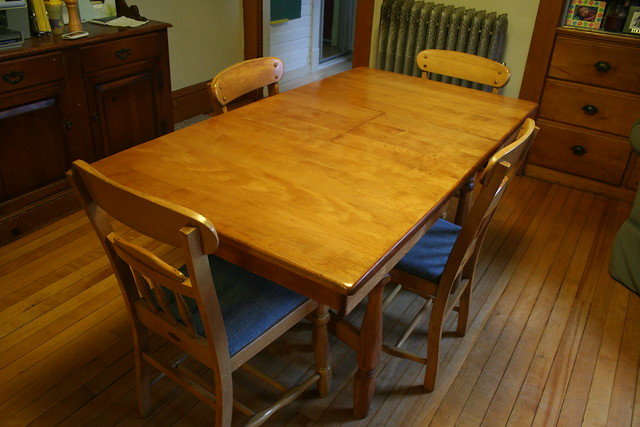
IMG_5575

Proto-Celtic *klārom / *klāros = plank, board, table
Old Irish (Goídelc) clár [klaːr] = board, plank, stave, gameboard, table, writing tablet, level, expanse
Irish (Gaeilge) clár [klˠɑːɾˠ/klˠæːɾˠ] = board, stave, table, counter, flat surface, plane, platform, list, programme
clárach = made of boards, wooden, flat, broad, splay (of feet)
cláraigh = to flatten, beat, belabour, tabulate, list, register, enrol
Scottish Gaelic (Gàidhlig) clàr [kl̪ˠaːr] = smooth surface, stave, staff (in music), board, plank, agenda, register, schedule, disk, chart, record, tablet, cover, lid, table, shallow wooden plate
clàraidh = wooden partition, wooden floor, decking
clàradh = record(ing), enroling, registering, enrolment, registration
clàrach = tabular, bare, bald
Manx (Gaelg) claare = stave, board, play bill, table (list), batten, platter, bar counter, programme
claaragh = partition
claaraghey = index, enrolment, enrol, programme
Proto-Brythonic *klọr [klɔːrˑ] = board, cover, plank
Middle Welsh (Kymraec) cláúr / klawr = cover, lid, shutter, valve, board, plank, face, surface, plate
Welsh (Cymraeg) clawr [klau̯r] = cover, lid, plank
clawrddor = hatch, trap-door
clawr ffenestr = shutter
clawr llyfr cover of a book
clawr lygad = eyelid
clawr tawlbwrdd = chess board, draught board
Breton (Brezhoneg) kleur = stilt peg

Etymology: possibly from the Proto-Indo-European *kleh₂ro- (plank), from *kleh₂ (to cut) [source].

Old Irish (Goídelc) bord = table
Irish (Gaeilge) bórd [bˠoːɾˠd̪ˠ / bˠəuɾˠd̪ˠ] = board, table; board (organisation), council; border; side (of ship), gunwale
Scottish Gaelic (Gàidhlig) bòrd [bɔːr̪ˠd] = table, deck, board, plank; board (organisation)
Manx (Gaelg) boayrd = shelf of rock, table, plank, board
Welsh (Cymraeg) bwrdd [bʊrð] / bwrd = table, board; food and drink, daily sustenance, hospitality; board, body of councillors, committe; deck, board; side of a ship; board, plank
Cornish (Kernewek) bordh = board, table
bord = board
Breton (Brezhoneg) bourzh = side (of a boat)

Etymology: from the Old English bord (board, plank, table, shield, the side of a ship), from the Proto-West Germanic *bord (board, plank), from the Proto-Germanic *burdą (board, plank, table) [source].

Words marked with a * are reconstructions.

Sources: Wiktionary, Am Faclair Beag, teanglann.ie, Fockleyreen: Manx – English Dictionary, Geiriadur Prifysgol Cymru, Gerlyver Kernewek, Dictionnaire Favereau

Irish (Gaeilge) tábla [ˈtaːblɒ] = table
Scottish Gaelic (Gàidhlig) tàbla [taːbl̪ˠə] = table
Manx (Gaelg) taabyl = table
Welsh (Cymraeg) tabl = table, board (for games); inscribed tablet, writing-tablet; picture, painting; genealogical table; table (of figures or facts)
Cornish (Kernewek) tabel = table
Breton (Brezhoneg) taol = table

Etymology: from the Latin tabula (board, plank, table) [source].

Words marked with a * are reconstructions.

Another word for table in Cornish is moos, the origins of which are not known.

Sources: Wiktionary, Am Faclair Beag, Online Manx Dictionary, Teanglann.ie, eDIL – Electronic Dictionary of the Irish Language, logainm.ie, In Dúil Bélrai English – Old Irish glossary, Geiriadur Prifysgol Cymru, Gerlyver Kernewek, Gerlyvyr Cernewec, Dictionaire Favereau, TermOfis, Le dictionnaire diachronique du breton, Geriafurch, English – ProtoCeltic WordList (PDF), Etymological Dictionary Of Proto Celtic

Blubrry podcast hosting

World & Existence

Words for world, existence and life in Celtic languages.

Proto-Celtic *bitus = world
Old Irish (Goídelc) bith [bʲiθ] = world
Irish (Gaeilge) bith [bʲɪh / bʲɪ] = world, existence
Scottish Gaelic (Gàidhlig) bith [bih] = life, existence, being, living; the world
Manx (Gaelg) beays = being, existence
Proto-Brythonic *bɨd [ˈbɨːd] = world
Old Welsh bid = world
Middle Welsh (Kymraec) byd = world
Welsh (Cymraeg) byd [bɨːd / biːd] = world
Old Cornish bit, bys= world
Cornish (Kernewek) bys [bɪːz] = world
Old Breton bit, bet = world
Breton (Brezhoneg) bed = world

Words marked with a * are reconstructions.

Sources: Wiktionary, Am Faclair Beag, teanglann.ie, Fockleyreen: Manx – English Dictionary, Geiriadur Prifysgol Cymru, Gerlyver Kernewek, Dictionnaire Favereau

Old Irish (Goídelc) saegul = lifetime, world
Irish (Gaeilge) saol [sˠeːlˠ / sˠiːlˠ] = life, lifetime; time; world
Scottish Gaelic (Gàidhlig) saoghal [sɯː.əl̪ˠ] = world, life(span), lifetime
Manx (Gaelg) seihll [seːl / sɯːl / siːl] = age, existence, life, lifetime, span; public, world

Etymology: from the Latin saeculum (race, breed; generation, lifetime; age, time; century; worldliness; the world) [source].

Words marked with a * are reconstructions.

Sources: Wiktionary, Am Faclair Beag, teanglann.ie, Fockleyreen: Manx – English Dictionary, Geiriadur Prifysgol Cymru, Gerlyver Kernewek, Dictionnaire Favereau

NASA Blue Marble 2007 West

Streets

Words for street in Celtic languages.

Bilingual sign

Words marked with a * are reconstructions.

Old Irish (Goídelc) sráit [sraːdʲ] = street, road
Middle Irish (Gaoidhealg) sráit [sraːdʲ] = street, road, path, way
Irish (Gaeilge) sráid [sˠɾˠɑːdʲ / sˠɾˠæːdʲ] = street, level (surfaced) ground around house, village
sráidbhaile = village
sráideánach = villager, townsman
sráidéigeas = street singer
sráideoireacht = street-walking, strolling
sráidí = street-walker, stroller, idler
Scottish Gaelic (Gàidhlig) sràid [sdraːdʲ] = street, lane
sràideachd [sdraːdʲəxg] = (act of) walking the streets, (act of) pacing
sràideag [sdraːdʲag] = small lane, skip, leap, short walk, street walker
sràideamaich [sdraːdʲəmɪç] = promenade, perambulate, saunter, stroll, lounge
sràidimeachd [sdraːdʲɪməxg] = promenading, perambulating, sauntering, strolling, lounging
sràidean [sdraːdʲan] = little street
sràidearachd [sdraːdʲərəxg] = (act of) sauntering, promenading
Manx (Gaelg) straid = street, farmyard, thoroughfare
straaid = street
Middle Welsh (Kymraec) stryd, ystryd, ystryt = street, (main) road, highway
Welsh (Cymraeg) (y)stryd, (y)strŷt = street, (main) road, highway
strydgall = streetwise
stryd fawr = high street, main street
stryd unffordd = one-way street
Cornish (Kernewek) stret [strɛ:t / stre:t] = street
stret unfordh = one-way street
stretwikor, stretwikores = street-trader
stretyn = alley, little street
Middle Breton (Brezonec) strehet = alley, lane, road
Breton (Brezhoneg) straed [ˈstrɛːt] = alley, lane, road narrow path, throat
straed-dall = cul-de-sac

Etymology: from the Old Norse stræti (street) or the Old English strǣt (road, street), from the Proto-Germanic *strātō (street), both of which come from the Late Latin strāta (a paved road), from strātus (stretched out, spread out), from Proto-Italic *strātos, from PIE *str̥h₃tós (stretched, spread) [source].

From the same roots we get words such as stratum, stratus (cloud), and strategy in English, estrato (layer, stratum) in Spanish, στρατός [stɾaˈtos] (army) in Greek, and words for (flat) valley in Celtic languages, such as srath in Irish and Scottish Gaelic, and ystrad in Welsh [source].

The Fastest Way to Learn Japanese Guaranteed with JapanesePod101.com

Sources: Wiktionary, Am Faclair Beag, Online Manx Dictionary, Teanglann.ie, eDIL – Electronic Dictionary of the Irish Language, In Dúil Bélrai English – Old Irish glossary, Geiriadur Prifysgol Cymru, Gerlyver Kernewek, Dictionaire Favereau, TermOfis, English – ProtoCeltic WordList (PDF), Etymological Dictionary Of Proto Celtic

Unlimited Web Hosting - Kualo

Hills

Words for hill and related words in Celtic languages.

Cwm Idwal

Proto-Celtic *ardwos = high
Gaulish Arduenna = place name
Old Irish (Goídelc) ard [ar͈d] = high, height
Middle Irish (Gaoidhealg) ard, árd = high above ground, elevated, lofty, tall, noble, great, proud, arduous, high place, height
ardach = hilly
ardae, airde = height, high place, nobility, loudness
ardaid = to rise
ardaigid = to raise, magnify, exalt
ardán = pride, arrogance
ardri = high king
Irish (Gaeilge) ard [ɑːɾˠd̪ˠ/æːɾˠd̪ˠ] = height, hillock, top, high part, elevation, head, rise, ascent
ardaigh = to raise, elevate, ascend, carry
ardaitheoir = lift, elevator
na farraigí arda = the high seas
sála arda = high heels
Ard-Aifreann = High Mass
Ard-Aighne = Attorney-General
ardaingeal = archangel
Scottish Gaelic (Gàidhlig) àrd [aːr̪ˠd] = high, lofy, tall, great, loud, chief, eminent, superior, supreme
àrd-bheinn = pinnacle
Manx (Gaelg) ard [ø(r)d] = high, towering, tall, big, loud, height, high place, fell, incline
Proto-Brythonic *arð = high
Middle Welsh (Kymraec) ard, art = hill
Welsh (Cymraeg) ardd [arð/aːrð] = hill, highland, top, high, upland
Middle Cornish (Cernewec) ard = high, lofty
Cornish (Kernewek) ardh = height, high place
Breton (Brezhoneg) arz = high, elevated, lofty

Etymology: from the Proto-Indo-European *h₃r̥dʰwós, from *h₃erdʰ- (to increase, grow, upright, high) [source], which is also the root of the Latin word arbor (tree) and words for tree in Romance languages [source].

Proto-Celtic *knokkos = protuberance, hill
Old Irish (Goídelc) cnocc [knok] = hill, lump, swelling
cnoccach [ˈknokax] = hilly, lumpy
cnocán [ˈknokaːn] = little lump, mound, hill
Middle Irish (Gaoidhealg) cnocc = lump, protruberance, hill, mound
cnoccach, cnocach = lumpy, hilly
cnoccán, cnocán = little lump, mound, hill
Irish (Gaeilge) cnoc [kn̪ˠɔk / kn̪ˠʊk/ kɾˠʊk] = hill, mount
cnocach = hilly
cnocadóir = hillman, hillclimber
cnocadóireacht = hill-climbing
cnocán = hillock, heap
cnocánach = hilly, uneven
Scottish Gaelic (Gàidhlig) cnoc [krɔ̃xg] = hill, small hill, hillock, knoll, chilblain
cnocach [krɔ̃xgəx] = hilly, rugged, abrupt
cnocaireachd [krɔ̃xgɛrʲəxg] = rough hill walking, pacing
cnocan [krɔ̃xgan] = hillock, ball of fibre
Manx (Gaelg) cronk = mount, tor, hill,
crongan = mound, small hill, tuffet, tumulus, hillock
cronkan = knoll, small hill, hillock
Proto-Brythonic *knox = hill, mound
Middle Welsh (Kymraec) cnwch = swelling, protuberance, thickness, hump
Welsh (Cymraeg) cnwc = hillock, knoll; swelling, tumour, lump, knob, hump
cnocell = hillock, knoll
Old Breton cnoch = hill
Middle Breton qnech, knech, crech, cre(a)c’h = high, height, mountain, hill
krec’hennek full of hills
krec’hiek = steep, sloping, incluned
Breton (Brezhoneg) krec’h = height, eminence, mound

Etymology: from the Proto-Indo-European *kneg- (back of the head, nape, neck). The English word neck, and related words in other Germanic languages, come from the same root [source].

Proto-Celtic *brusnyos = hill
Old Irish (Goídelc) bruinne = breast(s), bosom, chest; womb
Middle Irish (Gaoidhealg) bruinne, bruinde = breast, bosom, chest
Irish (Gaeilge) broinne = breast, bosom; brink, verge
Scottish Gaelic (Gàidhlig) broinne [brɤin̪ʲ] = belly, stomach; womb; bulge
Manx (Gaelg) brein = womb
Proto-Brythonic *bronnā = breast
Middle Welsh (Kymraec) bronn, bron = breast, bosom
Welsh (Cymraeg) bron [brɔn] = breast, bosom, thorax, hill-side, slope, breast (of hill)
bronallt, broniallt = gentle slope of hill, rising ground, wooded slope
bryn = hill, mount, rise, bank; heap, mound; prominence, highness
Middle Cornish (Cernewec) bron = a round protuberance, breast, pap, slope of a hill
Cornish (Kernewek) bronn / brodn [brɔn: / brɔdn] = breast, hill
Middle Breton (Brezonec) bron, bronn = breast, bossom, udder
bronnañ, bronnat, bronniñ = to breast feed
Breton (Brezhoneg) bronn [ˈbrɔ̃n] = breast

Etymology: from Proto-Celtic *brusū (belly, abdomen, breast), possibly from the Proto-Indo-European *bʰrews- (belly, to swell) [source].

Words from the same Proto-Celtic root, via the Proto-West-Germanic *brunnjā (chainmail shirt), include: brynja (coat of mail) in Icelandic, Swedish and Faroese, brynje (mail, armour) in Danish, brynje (coat of armour, protective clothing for motorcyclists) in Norwegian, and броня [brɔˈnʲa] (armour, armoured vehicle, shell) in Ukrainian [source].

The English words breast, brisket and bruise come from the same PIE root, as do borst (chest, thorax, breast) in Dutch, Brust (chest, breast, bosom) in German, and bröst (breast, chest, thorax) in Swedish [source].

Proto-Celtic *brixs / *brig- = hill
Gaulish *brignā, -brigā = hill
Old Irish (Goídelc) brí [bʲrʲiː] = hill
Middle Irish (Gaoidhealg) brí, bri = hill
Irish (Gaeilge) brí [bʲɾʲiː] = brae, hill
Scottish Gaelic (Gàidhlig) bre = hill, headland
Proto-Brythonic *breɣ [ˈbrɛːɣ] = hill
Welsh (Cymraeg) bre [bre] = hill, hillock, mountain, hill-country, upland, peak
Middle Cornish (Cernewec) bre = mountain, hill
Cornish (Kernewek) bre [brɛ: / bre:] = hill – appears as Bray or Brae in placenames
Middle Breton (Brezonec) bre = hill
Breton (Brezhoneg) bre [breː] = hill, mountain

Etymology: from the Proto-Indo-European *bʰerǵʰ- (high) [source].

The Spanish word breña (scrub, brush, rough ground), the Portuguese word brenha (scrub, complication, confusion) come from the Gaulish *brignā, via the Vulgar Latin *brigna (rocky terrain) [source].

From the same PIE root we get the English words burrow and borough, and words in placenames such as burg, burgh and bury, and also the German Burg (castle), the Danish borg (castle, stronghold), and related words in other Germanic languages.

Proto-Celtic *krowko- = heap
Old Irish (Goídelc) crúach = stack, mountain, hill
Middle Irish (Gaoidhealg) crúach,cruach = stack of corn, rick, heap, conical pile
crúachad = act of stacking, piling up
crúachán = small rick, hill
crúachda = swollen, piled up
Irish (Gaeilge) cruach [kɾˠuəx] = stack, rick, pile, (mountain) stack
cruachach = full of stacks
cruachadóir = stack-builder
cruachadóireacht = (act of) building stacks
cruachán = (small) stack; person of stunned growth
cruachóg = heap
Scottish Gaelic (Gàidhlig) cruach [kruəx] = pile, stack; round hill; clamp (stack)
cho seasgair ri luchag ann an cruach = as snug as a bug in a rug (“as snug as a mouse in a haystack”)
cruach-fheòir = haystack
cruach-mhòna, cruach mònach = peat-stack
cruach-sheangan = anthill
Manx (Gaelg) creagh = stack, furrow
creagh fendeilagh = barricade
creagh hraagh = haystack
Middle Welsh (Kymraec) krug, gruc, grvg = hillock
Welsh (Cymraeg) crug = hillock, knoll, cairn, tumulus, heap, mass, stack, group, company, multitude; pustule, abscess, boil, carbuncle
Old Cornish cruc = hillock
Middle Cornish (Cernewec) cruc, cruk, crŷc = hillock, mound, barrow
Cornish (Kernewek) krug = mound, tumulus
Old Breton cruc = hillock
Middle Breton (Brezonec) krug = pile, heap
krugell = pile, heap, hillock, mound, tumulus
Breton (Brezhoneg) krug = mound
krugell = hillock, tumulus

Etymology: possibly from the Proto-Indo-European *krā(u)- (to heap up) [source].

Proto-Celtic *tumbo- = excrescence hill
Old Irish (Goídelc) tom = bush, tuft, hillock, knoll
Middle Irish (Gaoidhealg) tom = bush, tuft, hillock, knoll
Irish (Gaeilge) tom [t̪ˠɑumˠ/t̪ˠʌmˠ] = bush, shrub
tomach = bushy, tufted
tomachán = small tuft
Scottish Gaelic (Gàidhlig) tom [tɔum] = hillock, knoll, mound, clump, heap, tuft
toman [toman] = small hillock
tomag [tomag] = small hillock/knoll/mound, small clump, small heap
Manx (Gaelg) tom = tussock
Middle Welsh (Kymraec) tom, tomm = dung(hill), manure, compost, dirt, muck
Welsh (Cymraeg) tom = dung(hill), manure, compost, dirt, muck, mud, mound, heap

Etymology: possibly from the Proto-Indo-European *tewh₂- (to swell), and cognate with the English word tumulus.

Words marked with a * are reconstructions.

Sources: Wiktionary, Am Faclair Beag, Online Manx Dictionary, Teanglann.ie, eDIL – Electronic Dictionary of the Irish Language, In Dúil Bélrai English – Old Irish glossary, Geiriadur Prifysgol Cymru, Gerlyver Kernewek, Dictionaire Favereau, TermOfis, English – ProtoCeltic WordList (PDF), Etymological Dictionary Of Proto Celtic

Blubrry podcast hosting

Land, Parishes & Enclosures

Words for land, parish, enclosure and related things in Celtic languages.

Llangwyfan church Eglwys Llangwyfan

Words marked with a * are reconstructions.

Proto-Celtic *landā = (open) land
Gaulish landa = land
Old Irish (Goídelc) land, lann = building, house, land, plot, plate
Middle Irish (Gaoidhealg) land, lann = building, house, land, plot, plate
íarlann = pantry
ithlann, ithla = threshing floor, barn, granary, storehouse; garden, orchard
Irish (Gaeilge) lann = land, ground, plot, house, building (especially a church)
bialann = canteen, restaurant
leabharlann = library
longlann = dockyard
réadlann = observatory
saotharlann = laboratory
Scottish Gaelic (Gàidhlig) lann [l̪ˠaun̪ˠ ~ l̪ˠan̪ˠən] = enclosure, enclosed area, precinct; repository; house, church
amharc-lann = observatory
biadh-lann = canteen, dinning hall, refectory
broc-lann = badger’s den, sett
long-lann = dockyard
fasg-lann = shelter
lann-eaglaise = church precinct
leabhar-lann = library
obair-lann = laboratory
suin-lann = dormitory
ur-lann = esplanade, green
Manx (Gaelg) lann = enclosure, habitation
lhonglann = dockyard
lioarlann = library
seyrlann = laboratory
reayrtlann = observatory
Proto-Brythonic *llann [ˈl͈anː] = land, area, plot, sacred place, churchyard
Middle Welsh (Kymraec) lánn, lann, lan, llann = land
lannerch, llanerch, llennyrch = a clearing, glade
Welsh (Cymraeg) llan [ɬan] = (parish) church, monastery, heaven, churchyard
llan gadeiriol = cathedral
llan (y) gwyryfon = nunnery
llan y plwyf = parish chuch
llandref = village, small town, church village
llandy = parsonnage, glebe-house
llangeidwad = churchwarden
llanaidd = glade-like, open, clear; ecclesiastical, (of a) church
llannerch = a clearing, glade, oasis, pasture, court, empty space, patch, place, area
Middle Cornish (Cernewec) lan = a church, an inclosure, yard, church-yard
lanherch = glade
Cornish (Kernewek) lann [lan:] = yard
lannergh = glade
Old Breton (Brethonoc) lann = moor, heath, moorland
Middle Breton (Brezonec) lann = moor, heath, moorland
lanneg, lannek, lannell = land covered with moor
landonenn = swath
lann = monastery, church
Breton (Brezhoneg) lann [ˈlãnː] = moor, heath, moorland
lanneg = land covered with moor

Etymology: from the Proto-Indo-European *lendʰ- (land, heath) [source].

Words from the same Proto-Celtic root, via Gaulish and Latin, include lande (moor, moorland, heath) in French, landa (a (sandy) plain) in Spanish, landa (country, field, piece of land) in Basque [source].

The (archaic) English word laund [lɔːnd] (a grassy plain or pasture, especially surround by woodland; a glade) possibly comes from the same Proto-Celtic root, via Middle English, Old French and Gaulish, or from the Proto-Germanic *landą (land), which comes from the same PIE root [Source].

Words from the same PIE roots include land and lawn in English, land (land, country) in Dutch, Land (country, state, province, land) in German, land (land, country, nation, state, ground, earth) in Swedish, land (country, land) in Danish, lado (uncultivated, wild land) in Czech, and ледина [ˈlɛdina] (untilled land) in Macedonian [source].

Proto-Brythonic *pluɨβ = countryside, parish, common people, parishoners
Middle Welsh (Kymraec) plwyf, plwy = parish, parishioners, people
plwyvog = parishioner, parochial
plwyfol = parochial, lawfully settled in a parish
Welsh (Cymraeg) plwy(f) [pluːɨ̯(v) / plʊi̯(v)] = parish, poor relief, parishioners, people
plwyfo = to settle in a parish
plwyfog = parishioner, parochial
plwyfol = parochial, lawfully settled in a parish
plwyfoldeb = parochialism
Old Cornish plui = parish
Middle Cornish (Cernewec) plew, plui, plu = parish
Cornish (Kernewek) pluw = parish
pluwek = parishioner (m), parochial
pluwoges = parishioner (f)
Old Breton (Brethonoc) pluiu, plueu, ploeu, ploi, ploe = country, countryside
Middle Breton (Brezonec) ploeou, ploe, ploé = country, countryside
plouisyen = peasant, rural
Breton (Brezhoneg) ploue [pluːe] = parish (historical – appears in placenames), countryside (literary)
plouead = country, earthy
plouezad = peasant, rural
plouk [pluːk] = yokel

Etymology: from Latin plēb(ē)s (common people, plebians), from Old Latin plēbēs, from Proto-Italic *plēðwēs Proto-Indo-European *pl̥h₁dʰwḗh₁s ~ *pl̥h₁dʰuh₁és, from *pleh₁- (fill) [source].

The French word plouc [pluk] (hick, country bumpkin, yokel) was borrowed from Breton plouk in the late 19th century [source].

Other words from the same roots include fill, folk, pleb (a commoner, a common, unsophisticated, cultureless person), plenty, plural, plus and public in English [source].

Middle Irish (Gaoidhealg) parráiste = parish
pairche = parish, diocese
Irish (Gaeilge) paróiste [ˈpˠaɾˠæʃtʲə] = parish
paróisteach = parishioner, presentable person, parochial
paróisteachas = parochialism
Scottish Gaelic (Gàidhlig) parasite [parɪʃdʲə] = parish
eaglais parasite = parish church
neach-parasite = parishioner

Etymology: from Anglo-Norman paroche (parish), from Late Latin parochia (parish), from Ancient Greek παροικίᾱ (paroikíā – a dwelling abroad), from πάροικος (pároikos – neighboring, foreigner), from παρά (pará, beside) + οἶκος (oîkos – house). [source].

Scottish Gaelic (Gàidhlig) sgìre [sgiːrʲə] = district, parish
sgìreachd [sgʲiːrʲəxg] = parish
Manx (Gaelg) skeerey = parish
skeeragh = parochial
skylley = parish

Etymology: from Old English sċīr (office, district, region, shire), from Proto-West Germanic *skīru (office, district), from PIE *(s)ker- (to cut). The English word shire comes from the same roots [source].

The Fastest Way to Learn Japanese Guaranteed with JapanesePod101.com

Sources: Wiktionary, Am Faclair Beag, Online Manx Dictionary, Teanglann.ie, eDIL – Electronic Dictionary of the Irish Language, In Dúil Bélrai English – Old Irish glossary, An Etymological Dictionary of the Gaelic Language, Geiriadur Prifysgol Cymru, Gerlyver Kernewek, Dictionaire Favereau, TermOfis, English – ProtoCeltic WordList (PDF), Etymological Dictionary Of Proto Celtic

Unlimited Web Hosting - Kualo

Dry land

Words for dry land in Celtic languages.

Proto-Celtic *tīros = dry land
Old Irish (Goídelc) tír = land, country, territory, ground
Irish (Gaeilge) tír [tʲiːɾʲ] = land, country, state, nation; region, district, territory
Scottish Gaelic (Gàidhlig) tìr [tʲiːrʲ] = land, country, territory
Manx (Gaelg) çheer = country, state, shore, home, land, territory
Proto-Brythonic *tir [ˈtiːr] = land
Old Welsh tir = land
Middle Welsh (Kymraec) tir = land
Welsh (Cymraeg) tir [tiːr] = land, ground, soil, turf; estate, landed property; open land, expanse of country, region, territory, domain, country, (the) earth; ridge
Old Cornish tir = land
Cornish (Kernewek) tir [ti:r] = land
Old Breton tir = land
Breton (Brezhoneg) tir = land

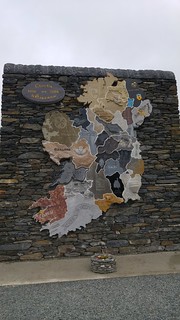
Map of Ireland

Etymology: from the Proto-Indo-European *ters- (dry), which is also the root of the Latin terra (dry land) [source].

Words marked with a * are reconstructions.

Sources: Wiktionary, Am Faclair Beag, teanglann.ie, Geiriadur Prifysgol Cymru, Gerlyver Kernewek, Dictionnaire Favereau

Families and Households

Words for family, tribe, household and related things in Celtic languages.

Family

Proto-Celtic *wenyā = family, kindred
Leptonic 𐌅𐌄𐌍𐌉𐌀 (venia)
Old Irish (Goídelc) fine [ˈfʲinʲe] = family, kin, group of people of common descent, clan, tribe, race
Irish (Gaeilge) fine [ˈfʲɪnʲə] = family group, race, territory of a family group
Scottish Gaelic (Gàidhlig) fine [finə] = tribe, clan, kindred, phylum
ceann-fine = chieftain, clan chief
finneach = clannish, tribal, heathen
fineachas = clanship, kindred
Middle Breton gouen(n) = race
Breton (Brezhoneg) gouenn = race

Etymology: from the Proto-Indo-European *wenh₁ (to wish, seek, desire, love, win). The name of Vannes, a town in Brittany, comes from the same Proto-Celtic root, via the Latin Veneti [source]

Words from the same PIE root include venom, Venus, wonder, wean and winsome in English, vän (friend) in Swedish, and gwenwyn (poison, venom) in Welsh [source].

Proto-Celtic *tego-slougo- / *tegeso-slougo- = family, household
Old Irish (Goídelc) teglach [ˈtʲeɣlax] = family, household
Irish (Gaeilge) teaghlach [ˈtʲalˠəx] = household, family, domestic establishment, household troops, retinue
teaghlachas = domestic economy, housekeeping, establishment
Scottish Gaelic (Gàidhlig) teaghlach [ˈtʲɤːɫ̪ˠəx] = family, household
teaghlachail = domestic
teaghlachas = domesticity
teaghlach ba gréine = the solar system (poetic)
Manx (Gaelg) thielagh = family, household
mooinjer thielagh = household
Middle Welsh (Kymraec) teulu, tuyly = family, tribe, nation, household
Welsh (Cymraeg) teulu = family, tribe, nation, household; retinue, retainers, entourage, host, crowd, people
teuluaeth = household management, housekeeping, husbandry
teuluaf, teuluo, teulua = to raise a family, run a household
teuluaidd = family, familial, household, domestic
teuluedd = familiarity, concord, harmony, peace
teulueiddrwydd = hospitality; familiarity
teulues = housewife
teuluol = family, familial
Old Cornish teilu = family
Cornish (Kernewek) teylu [‘tɛɪly / ‘təɪlɪʊ] = family
hanow teylu = surname
Breton (Brezhoneg) tiegezh = household, farm, family

Etymology: from the Proto-Indo-European *tegos (cover, roof) [source] and *slowgʰos / *slowgos (entourage) [source].

Old Irish (Goídelc) muinter = community, family or household (including servants), folks, followers, attendants
Irish (Gaeilge) munitir [ˈmˠiːn̠ʲtʲəɾ / ˈmˠɪn̠ʲtʲəɾʲ] = household, community, family; associates, adherents, followers; party, retinue; kinsfolk; folk, people
muniteartha = belonging to a household or community, associated, familiar, friendly, related
munitearthacht = friendliness
Scottish Gaelic (Gàidhlig) muinntir [mɯin̪ʲd̪ʲɪr̪ʲ] = folk, kindred, people; inhabitants
muinntireas = service, servitude, residency (of a writer, etc)
muinntireach = household servant
neach-muinntir = (household) servant
bean-mhuinntir = maidservant
muinntir taighe = the household, members of the household
Manx (Gaelg) mooinjer = family, people, tribe, relations, inhabitants, kin, servants, folk, entourage, farmhand
mooinjerey = domestic
dooinney mooinjerey = cousin, kinsman, kinsfolk, relation
mooinjereys = blood relationship, connection, domestic servce, kinship

Etymology: from the Proto-Celtic *moniterā, from *monis (protection, patronage), or possibly from the Latin monastērium (monastry,cell) [source], from the Ancient Greek μοναστήριον (monastḗrion – solitary dwelling, hermit’s cell, monastery) [source].

Proto-Celtic *luxtus = people, crowd
Old Irish (Goídelc) lucht [l͈uxt] = occupants, inhabitants, possessors, household
comlucht = accomplices, companions
Irish (Gaeilge) lucht [l̪ˠʊxt̪ˠ / l̪ˠʌxt̪ˠ] = people
lucht na mbothán = frequenters of neighbour’s houses
lucht an bhurdúin = tale-bearers
lucht míghrinn = mischief-makers
lucht tréachtais = hangers-on
Scottish Gaelic (Gàidhlig) luchd [l̪ˠuxg] = person
neach [n̪ʲɛx] = person, people (plural of luchd)
neach-dàimheachd = kin, relative
neach-eòlais = acquaintance
co-neach-dùthcha = fellow compatriot / countryman
Manx (Gaelg) lught = people, folk
lught eaishtagh = listener, audience, house
lught thie = family, household, household members
colught = body of people, company, firm
Old Welsh luidt, luith = tribe, lineage, family
Middle Welsh (Kymraec) luith, llwyth = family, tribe, nation, household
Welsh (Cymraeg) llwyth [ˈɬuːɨ̯θ / ˈɬʊi̯θ] = tribe, people
tylwyth = immediate family, household (“house tribe”)
Tylwyth Teg = fair folk (elves, fairies)
Old Cornish leid, luyte = tribe, family
Cornish (Kernewek) looth = tribe
Old Breton loit = household, farm, family
Breton (Brezhoneg) leizh = tribe

Etymology: unknown – possibly from a non-Proto-Indo-European substrate language [source].

Proto-Celtic *toutā [ˈtow.taː] = people, tribe, tribal land
*toutyos [ˈtow.tjos] = tribesman, tribal citizen
Gaulish touta, teuta = people, tribe, tribal land
Old Irish (Goídelc) túath [tuːa̯θ] = tribe, laity, people, tribal territory
Irish (Gaeilge) tuath [t̪ˠuə] = people tribe, country, territory
tuathánach = countryman, rustic, peasant
Scottish Gaelic (Gàidhlig) tuath [ˈtʲɤːɫ̪ˠəx] = family, household
tuathanach = domestic
teaghlachas = domesticity
teaghlach na gréine = the solar system (poetic)
Manx (Gaelg) theay = citizens, common people, general public. laity, peasantry, public, populace
Middle Welsh (Kymraec) tut, tud = people, tribe, nation, family
Welsh (Cymraeg) tud = people, tribe, nation, family, country, territory, district, region, kingdom, land, earth
tudlen = map (of the world)
tudliw = ochre
Middle Cornish (Cernewec) tus = a nation, people, men
Cornish (Kernewek) tus = men, people, persons
tus henavek = elderly
Breton (Brezhoneg) tud = people, parents, relatives, characters
tud-kozh = grand-parents

Etymology: from the Proto-Indo-European *tewtéh₂ (people, tribe) [source].

Words from the same PIE root include Dutch in English, Deutsch (German) in German, todo (all, every, each, everything) in Spanish, þjóð (a people, a nation) in Icelandic, [source].

The name Tudor was borrowed from the Welsh name Tudur, from the Old Welsh name Tutir, from the Proto-Brythonic name *Tʉdür, from the Proto-Celtic name *Toutorīxs, from *toutā (people, tribe) and *rīxs (king) [source].

Words marked with a * are reconstructions.

Sources: Wiktionary, Am Faclair Beag, Online Manx Dictionary, Teanglann.ie, eDIL – Electronic Dictionary of the Irish Language, In Dúil Bélrai English – Old Irish glossary, Geiriadur Prifysgol Cymru, Gerlyver Kernewek, Gerlyvyr Cernewec, Dictionaire Favereau, TermOfis, Le dictionnaire diachronique du breton, Geriafurch, English – ProtoCeltic WordList (PDF), Etymological Dictionary Of Proto Celtic
The Fastest Way to Learn Japanese Guaranteed with JapanesePod101.com

Towns and Tribes

Words for dwelling, settlement, town, tribe and related things in Celtic languages.

Trefor

Proto-Celtic *trebā = dwelling
Gaulish Atrebates = name of a tribe
Old Irish (Goídelc) treb = house, farm; household; tribe
Middle Irish (Gaoidhealg) treb = house, farm; household; tribe
Irish (Gaeilge) treibh [ˈtʲɾʲɛv] = house, homestead, farmstead; household, family; tribe, race
Scottish Gaelic (Gàidhlig) treabh [tro] = farming village
treubh [treːv] = tribe
Proto-Brythonic *treβ [ˈtrɛːβ] = town, settlement
Middle Welsh (Kymraec) tref [ˈtrɛːβ] = town, settlement
trefad, trevad, treuad, treuat = dwelling(-place), habitation
trefan, treuan = small town or city, village, dwelling, abode, manor-house, fort
Welsh (Cymraeg) tre(f) [treː(v)] = town; town centre; dwelling(-place), habitation, residence, home; house (and surrounding land), homestead, farm, estate, cluster of houses; township; tribe
trefad = dwelling(-place), habitation, residence, home, region, domain
trefaf, trefu= to dwell, live, settle
trefan = small town or city, village, dwelling, abode, manor-house, fort
Middle Cornish (Cernewec) tre, trev = dwelling place, homestead, home, town
tregva, trigva = dwelling place, habitation
trevedic = one from a country village, a country man, rustic
Cornish (Kernewek) tre [trɛ:/tre:] = farmstead, home, town, village
trigva = abode, address, dwelling, resdidence
trigys = settled, to reside, live
Old Breton treff, treb = town, settlement
Middle Breton (Brezonec) tre, trev = town
Breton (Brezhoneg) trev = town
trevour = civil

Etymology: From the Proto-Indo-European *treb- (dwelling, settlement) [source].

Words from the same Proto-Celtic root (via Latin) possibly include trobo (beehive, skep) in Galician, and truébanu (beehive, barrel, basket) in Asturian [source].

This is also the root of the archaic English word thorp(e) (a group of houses standing together in the country; a hamlet; a village), which appears in place names such as Milnthorpe and Scunthorpe.

Related words in other languages include Dorf (hamlet, village, town) in German, torp (village) in Danish, torp (farm, cottage, croft) in Swedish, þorp (village, farm) in Icelandic, and trevë (country, region, village) in Albanian [source].

Words marked with a * are reconstructions.

Sources: Wiktionary, Am Faclair Beag, Online Manx Dictionary, Teanglann.ie, eDIL – Electronic Dictionary of the Irish Language, In Dúil Bélrai English – Old Irish glossary, Geiriadur Prifysgol Cymru, Gerlyver Kernewek, Gerlyvyr Cernewec, Dictionaire Favereau, TermOfis, Le dictionnaire diachronique du breton, Geriafurch, English – ProtoCeltic WordList (PDF), Etymological Dictionary Of Proto Celtic

The Fastest Way to Learn Japanese Guaranteed with JapanesePod101.com

Bells and Clocks

Words for bell, clock and related things in Celtic languages:

Bells

Proto-Celtic *klokkos = bell
Old Irish (Goídelc) cloc = bell
Irish (Gaeilge) clog [klˠɔɡ] = bell, clock; blowball, (dandelion) clock
clogaire = bell-ringer, bellman
clogaireacht = bell-ringing
clogán = small bell
clogarnach = ringing, sound of bells
clogás = bell-tower, belfry
Scottish Gaelic (Gàidhlig) clag [kl̪ˠag] = bell; crash, loud noise
clagach = pertaining to or abounding in bells, bell-shaped
clagan = small bell
clag-mheur = hand (of a clock)
clag-chumach = bell-shaped
clag-pìobach = chime
clag-lann = belfry, steeple
clag-smàlaidh = curfew
Manx (Gaelg) clag = bell, clock, ball
clag aile = fire alarm
clag dooishtee = alarm clock
clag greiney = sundial
Middle Welsh (Kymraec) klych, cloch = bell
Welsh (Cymraeg) cloch [kloːχ] = bell, bell-shaped object, bubble; prize, feat; o’clock
clochaf, clochi, clocho = to bubble, gurgle, speak loudly, make a loud noise, clamour, shout
clochaidd = noisy, resonant, sounding like a bell
clochog = noisy, shrill, loud, boisterous, bubbling, boiling
clochyrrwr = bell-ringer
cloch (a)larwm = alarm-bell, warning bell
cloch (y) drws = doorbell
Middle Cornish (Cernewec) cloch = bell
Cornish (Kernewek) klogh [klɔ:x / klo:h] = bell
klogh meur = church bell
Middle Breton (brezonec) cloch, cloc’h, clec’h = bell
Breton (Brezhoneg) kloc’h = bell
kloc’hdi = church tower, steeple, bell tower
kloc’h-galv = warning bell
kloc’h-skouarn = earring
kloc’had = peal of a bell

Etymology: from the Proto-Indo-European *klēg-/*klōg- (onomatopoeia), or from *kleg- (to cry, sound) [source]. English words from the same Proto-Celtic root include clock, cloche and cloak [source].

Words marked with a * are reconstructions.

Sources: Wiktionary, Am Faclair Beag, Online Manx Dictionary, Teanglann.ie, eDIL – Electronic Dictionary of the Irish Language, In Dúil Bélrai English – Old Irish glossary, Geiriadur Prifysgol Cymru, Gerlyver Kernewek, Gerlyvyr Cernewec, Dictionaire Favereau, TermOfis, Le dictionnaire diachronique du breton, Geriafurch, English – ProtoCeltic WordList (PDF), Etymological Dictionary Of Proto Celtic
The Fastest Way to Learn Japanese Guaranteed with JapanesePod101.com