Floor / Ground

Words for floor, ground and related things in Celtic languages.
The floor in my attic

Words marked with a * are reconstructions.

Proto-Celtic *ɸlārom = floor
Old Irish (Goídelc) lár = surface, middle
airlár = floor
Middle Irish (Gaoidhealg) lár = surface, middle, interior
airlár, erlar, irlár, urlar = level surface, floor
Irish (Gaeilge) lár [l̪ˠɑːɾˠ / l̪ˠæːɾˠ] = ground, floor, middle, centre
láraigh = to centralize
lárnach = central, medial, innermost
lárú = centralization
urlár = floor, level surface, bottom surface
Scottish Gaelic (Gàidhlig) làr [l̪ˠaːɾ] = floor, ground, storey, middle, centre
làr-dannsa = dance floor
làr-ionad = hub
ùrlar = floor(ing), motif, theme, ground movement, groundwork
Manx (Gaelg) laare = flat, level, set, sill, centre, bottom, deck, floor, storey, flatness
laaraghey = centralization, to centralize, to floor, to lay (a floor)
laareagh = floored, flooring
laarit = floored
laare hallooin = ground floor
laare skyrraghtyn = skating rink
brat laare = carpet
Proto-Brythonic *lọr [ˈlɔːr] = floor
Old Welsh laur = floor
Middle Welsh (Kymraec) llaur, llawr = floor
Welsh (Cymraeg) llawr [ɬau̯r] = floor, deck, gallery, stage, platform, cellar, basement, ground, bottom (of sea)
llawr isaf = ground floor
llawr llofft = upstairs floor
llawr uchaf = top floor, top storey
llawr sglefrio = skating rink
Old Cornish lor = floor
Middle Cornish (Cernewec) leur, luer, lêr = floor, pavement, ground floor, ground, earth
Cornish (Kernewek) leur = floor, ground, storey
leur a-woles = ground floor
leurlen = carpet
leuredh = area
Old Breton lor = floor
Middle Breton (Brezonec) leur = area, location, floor, ground
leuzr carr = plateau, cart bed
Breton (Brezhoneg) leur [løːr] = floor, ground, area
leurenn = stage
leurennañ = to stage, set the scene
leurenner = director

Etymology: from Proto-Indo-European *pleh₂ros (to be flat, from *pleh₂- (flat) [source]. Words from the same Proto-Celtic root possibly include leira (field) in Galician, leira (furrow) in Portuguese, llera (a pebbly or stony area) in Spanish [source].

Words from the same PIE roots include floor, palm, piano, plain, plan, plane and possibly pleasure in English, piazza in Italian, and плоский (ploskij – flat, plane, land, trivial, tame) in Russian [source].

The Fastest Way to Learn Japanese Guaranteed with JapanesePod101.com

Sources: Wiktionary, Etymological Dictionary Of Proto Celtic, In Dúil Bélrai English – Old Irish glossary, eDIL – Electronic Dictionary of the Irish Language, Teanglann.ie, Am Faclair Beag, An etymological dictionary of the Gaelic language, Fockleyreen: Manx – English Dictionary, Online Manx Dictionary, Gaelg Corpus, Geiriadur Prifysgol Cymru, Lexicon cornu-britannicum : a dictionary of the ancient Celtic language of Cornwall, Gerlyver Kernewek, Devri : Le dictionaire diachronique du breton, Geriafurch, TermOfis


Birch (trees)

Words for birch (genus Betula) in Celtic languages.

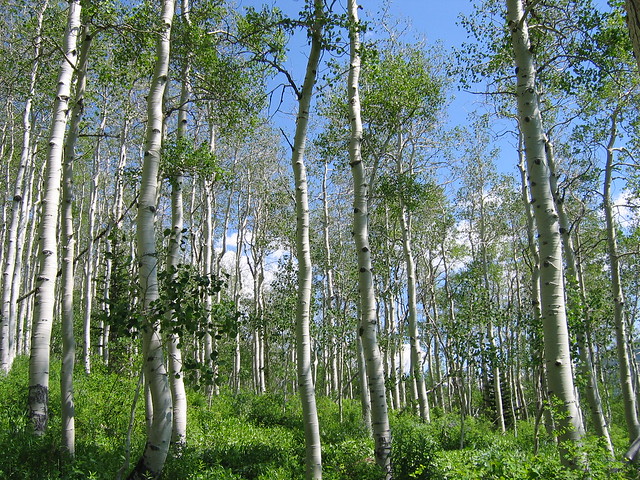
Birch Trees

Words marked with a * are reconstructions.

Proto-Celtic *betwiyos / *betuyā = birch (tree)
Gaulish betulla, *bitu, *betua = birch
Old Irish (Goídelc) beithe = birch (tree)
Middle Irish (Gaoidhealg) beithe. beith = birch tree, birch wood, the letter b in Ogham (ᚁ)
beithech = birch land, grove of birch
beithe-luis(-nin) = Ogham alphabet (ᚁᚂᚅ) – named after the first few letters
Irish (Gaeilge) beith = birch (tree), letter B in Ogham (ᚁ)
beith gheal = silver birch (Betula pendula)
beitheach = covered or planted with birches
Scottish Gaelic (Gàidhlig) beithe [behə] birch, the letter B in Ogham, birch wood/forest
beith-gheal = silver birch
beith luis nuin = ABC
Manx (Gaelg) beih = birch (tree)
beih argid = silver birch
beihagh = birch, birchen
Proto-Brythonic *bedu = birch (tree)
Middle Welsh (Kymraec) bedw, bedỽ = birch
bedwen = birch tree
bedwaỽt = song of the birch, song of good omen
betuerỽ = birch grove, place abounding with birch trees
betguos, bedwes = birch grove
Welsh (Cymraeg) bedw [ˈbɛdʊ / ˈbeːdu] = birch, birch grove, maypole, birch-rod
bedwen = birch tree
bedw arian = silver birch
bedwerw = birch grove, place abounding with birch trees
bedwos, bedwes = birch grove
Old Cornish bedewen = birch
Middle Cornish (Cernewec) bedewen = birch tree, poplar tree, aspen tree
Cornish (Kernewek) besow = birches
besowen = birch (tree)
besow arghas = silver birch
Old Breton (Brethonoc) bedu = birches
beduan = birch
Middle Breton bezu = birches
bezuenn = birch
Breton (Brezhoneg) bezv [ˈbɛ(z)w] = birches
bezvenn [ˈbe(z).vɛn] = birch
bezveg [ˈbe(z).vɛk] = birch grove
bezvenneg = birch grove
bezvennek = abounding in birches

Etymology: from Proto-Indo-European *gʷetu-yo-s, from *gʷet- (resin, gum) [source]. Words from the same Proto-Celtic roots, via Gaulish *bitu/betua and Latin *betius, include betulla (birch) in Italian, bouleau (birch) in French, bedoll (birch) in Catalan, bétula (birch) in Portuguese, βετούλη (vetoúli – birch) in Greek, and abedul (birch) in Spanish. The botanical Latin name for the genus Betula (birch) also comes from the same roots [source].

Sources: Wiktionary, Etymological Dictionary Of Proto Celtic, In Dúil Bélrai English – Old Irish glossary, eDIL – Electronic Dictionary of the Irish Language, Teanglann.ie, Am Faclair Beag, An etymological dictionary of the Gaelic language, Fockleyreen: Manx – English Dictionary, Online Manx Dictionary, Gaelg Corpus, Geiriadur Prifysgol Cymru, Lexicon cornu-britannicum : a dictionary of the ancient Celtic language of Cornwall, Gerlyver Kernewek, Devri : Le dictionaire diachronique du breton, Geriafurch, TermOfis

Death

Words for death and related things in Celtic languages.

Death

Words marked with a * are reconstructions.

Proto-Celtic *bāstom / bāssom = death
*bayeti = to die
*batom = death, pestilence
*dībatom = extinction, extinguisment
Gaulish dib = ?
Old Irish (Goídelc) bás [baːs] = death
baïd [ˈba.əðʲ] = to die
bath = death
díbad = extinction, quenching, estate of deceased
Middle Irish (Gaoidhealg) bás(a), báas = death
básaid, basat = to kill, put to death
básaigid, bäsaiged = to kill put to death, slay
básaire = executioner
básamuil = mortal
bath, baath, báth = death, destruction
díbad, dibud, dibath = destruction, extinction, quenching
Irish (Gaeilge) bás [bˠɑːsˠ / bˠæːsˠ] = death
básachán = dying, feeble, creature
básadóir = executioner
básaigh = to put to death, execute, die
básmhaireacht = mortality
básmhar = mortal
básúil = deathlike, deadly
díobhadh = elimination, extinction
díobhaí = without issue, extinct
Scottish Gaelic (Gàidhlig) bàs [baːs] = death, fatality, decease, demise
bàsachadh [baːsəxəɣ] = (act of) dying, expiring
bàsail [baːsal] = deadly, fatal, death-like
bàsaire [baːsɪrʲə] = executioner
bàsmhor [baːs(v)ər] = mortal, deadly, fatal, lethal
bàsmhorach [baːsvərəx] = mortal
bàsmhorachd [baːsvərəxg] = mortality, deadliness, lethalness
diobhadh† = destruction, death, inheritance
Manx (Gaelg) baase [bɛːs] = death
baasoil = deadly, deathlike, fatal
baasoiley = deadly
baasoilid = deadliness, mortality
Proto-Brythonic *bad = ?
Middle Welsh (Kymraec) bad, bat = plague, pestilence, death
Welsh (Cymraeg) bad = plague, pestilence, death
Old Cornish badus = lunatic
Middle Cornish (Cernewec) badus = lunatic
Cornish (Kernewek) badus = lunatic
Old Breton (Brethonoc) bat = ?
Middle Breton (Brezonec) bad(ou) = dizziness
badet = dazzled
Breton (Brezhoneg) bad [bɑːt] = daze
badañ = to daze
badet = stupefied

Etymology: from the Proto-Indo-European *gʷeh₂- (to go, step, stand) [source].

Proto-Celtic *marwos = dead
*marwāti = to die, kill
*marwonatus, *marwonatā = elegy, eulogy
Gaulish *maruos = dead
Old Irish (Goídelc) marb = dead; mortified, insensible, spiritually dead; inanimate; stagnant (water)
marbaid = to die, kill
marbán = corpse, dead person
marbdae = mortal, lifeless, inanimate
mart = death, dead animal, slaughtered cow or ox
Middle Irish (Gaoidhealg) marb = dead (person), mortal, mortified, insensible, spiritually dead, dying, lifeless, unconscious
marbaid = to kill, slay
marbnad, marbna, marbnadh = elegy
Irish (Gaeilge) marbh [ˈmˠɑɾˠəvˠ / ˈmˠarˠuː / ˈmˠarˠu] = dead person, death, defunct
marbhán = dead person, corpse, lethargic person, sultry weather
marbhánta = lifeless, spirtless, lethargic, dull, stagnant, airless, sultry, oppressive
marbhlann = morgue
marbhna = elegy
marfach = killing, slaying, carnage, slaughter, deadly, fatal, lethal
marfóir = killer
Scottish Gaelic (Gàidhlig) marbh [marav] = dead person, the dead
marbhach [maravəx] = deadly, mortal
marbhachadh [maravəxəɣ] = (act of) killing
marbhadair, marbhaiche = killer, slayer, murderer
marbhadh [maravəɣ] = (act of) killing
marbhan [maravan] = corpse
marbhrann [maravrən] = elegy
Manx (Gaelg) marroo = dead, lifeless, inanimate, glassy (look), muggy, dull, dud, stagnant, defunct, mortified, slaughtered, departed, deceased, killed, extinct
marrooagh = deadly, fatal, lethal, overpowering, internecine
marvaanagh = mortal, earthborn, fatal, vile
merriu = (the) dead, dead men, departed souls
Proto-Brythonic *marw = dead
*marwọd [marˈwɔːd] = to die
*marwnad = elegy (?)
Middle Welsh (Kymraec) marw, maru = dead, deceased, inanimate, spiritually dead
maru, merwi, marw = to die, expire, cease to exist, vanish, fade away
marwnad, marwnat = elegy, dirge, funeral song, epitaph
marwavl, marwawl, marwol = mortal, transitory, transient
Welsh (Cymraeg) marw = dead, deceased, inanimate, spiritually dead, insensible, lifeless, dull, languid
marwolaeth = death, decease, demise; suffering, tribulation; deadly plague or pestilence, fatal disease
marw(af), merwi = to die, expire, cease to exist, vanish, fade away
marwaidd = lifeless, languid, torpid, listless, dull, slugglish, drowsy, numb
marwnad [ˈmar.(w)nad] = elegy, dirge, funeral song, epitaph
marwol = mortal, transitory, transient
Middle Cornish (Cernewec) marow = dead, deceased, lifeless
marwel, merwel = to die, become lifeness
Cornish (Kernewek) marow = dead (person), switched off
marwel = mortal
marwostel = mortgage
marwostla = to mortgage
mernans = death
merwel = to decease, die, pass away
Middle Breton (Brezonec) marf, maru = death
maruel = mortal
meruell, meruel = to die
Breton (Brezhoneg) marv [mɑːro/ˈmarw] = death
marvedigezh = extinction
marvel = mortal
marvelezh = mortality
marvenn = necrosis
marveenniñ = to necrotize, become gangrenous
marvus = mortal, perishable
mervel [mɛr.vɛl] = to die, pass away, become insensible, extinguish

Etymology: from Proto-Indo-European *mr̥wós (dead), from *mer- (to die, disappear) [source]. Words from the same roots include morbid, moribund, mortal, mortgage, murder, nightmare and postmortem in English, мереть (to die, stand still, sink) in Russian, mìrt (to die, stop working) in Latvian, and mir̃ti (to die) in Lithuanian [source].

Proto-Celtic *ankus = death
Old Irish (Goídelc) éc = death
Middle Irish (Gaoidhealg) éc, ec = death
Irish (Gaeilge) éag = Death, numbness, powerlessness
éagach = deceased (person)
éagbhás = dead-and-alive person
éaglach = (state of) extinction, death
éagmhar = fatal, causing death
Scottish Gaelic (Gàidhlig) eug [eːg] = death, Death, ghost, spectre
eug-lios = burial ground, churchyard, cemetery
eugach [iəgəx] = deathly, death-like, ghastly
eugachdainn [eːgəxgɪnʲ] = (act of) perishing, giving up the ghost
eugail [iəgal] = deathly, death-like, ghastly
Middle Welsh (Kymraec) agheu, angheu, aghev = death, decease, demise
Welsh (Cymraeg) angau = death, decease, demise, annihilation, cessation, mortal danger
Old Cornish ancou = death
Middle Cornish (Cernewec) ancow = death
Cornish (Kernewek) ankow = death
Old Breton (Brethonoc) ancou = Death
Middle Breton (Brezonec) ancou, ancquou, anquou = Death
Breton (Brezhoneg) ankoù [ˈãŋkow/ˈãŋku] = Death, skeleton

Etymology: from Proto-Indo-European *neḱ- (to perish, disappear). Words from the same PIE roots include innocent, necropolis, nectar, noxious and nuisance in English, nuocere (to harm, injure, damage) in Italian, nuire (to harm, spoil) in French, anegar (to inundate, flood, drown) in Spanish, éacht (slaying, slaughter, feat, exploit) in Irish, aeth (pain, woe, grief, sorrow) in Welsh, and related words in the other Celtic languages [source].

The Fastest Way to Learn Japanese Guaranteed with JapanesePod101.com

Sources: Wiktionary, Etymological Dictionary Of Proto Celtic, In Dúil Bélrai English – Old Irish glossary, eDIL – Electronic Dictionary of the Irish Language, Teanglann.ie, Am Faclair Beag, An etymological dictionary of the Gaelic language, Fockleyreen: Manx – English Dictionary, Online Manx Dictionary, Gaelg Corpus, Geiriadur Prifysgol Cymru, Lexicon cornu-britannicum : a dictionary of the ancient Celtic language of Cornwall, Gerlyver Kernewek, Devri : Le dictionaire diachronique du breton, Dictionnaires bilingues de Francis Favereau / Edition Skol Vreizh, TermOfis

Unlimited Web Hosting - Kualo

Caves

Hre are a few words for caves, hollows and related things in Celtic languages.

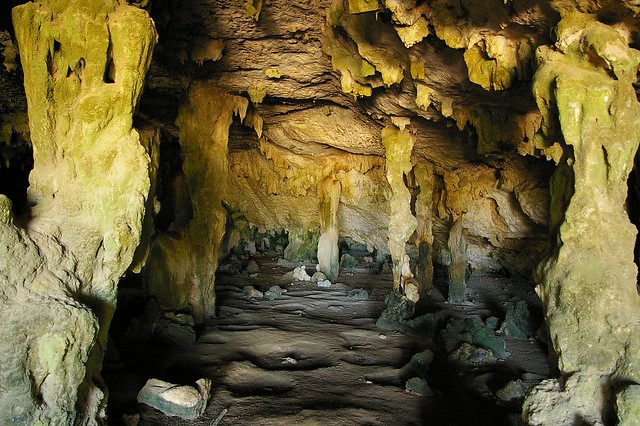
Deeper in the cave

Words marked with a * are reconstructions.

Proto-Celtic *oumā = cave
Old Irish (Goídelc) úam = cave
Middle Irish (Gaoidhealg) úam, úaim, úama = cave, den, lair, cellar, crypt, vault, grave, tomb, pit
úamach = a cave-dweller
Irish (Gaeilge) uaimh [uəvʲ] = cave, souterrain, underground chamber, cellar, crypt, vault, den of thieves, pit
uaimheadóireacht = exploration of caves, potholing
uaimheolaí = speleologist
uaimheolaíocht = speleology
uaimheolaí = speleologist
uaimh ifrinn = pit of hell
uaimh ladrann = den of thieves
Scottish Gaelic (Gàidhlig) uamh [ũə̃v] / uaimh = cave, den, hollow, grave, grotto
uamh-thalmhainn = souterrain, underground passage
Manx (Gaelg) oghe = cave, oven
ooig = den, cavern, grotto, antar, pit, stope, hotbed, cave
ooig-oaylleeaght = speleology
Middle Welsh (Kymraec) guocof, guocob, gogof = cave
guocobauc, ogouawc, gogofawg = full of caves, cave-like, cavernous
Welsh (Cymraeg) (g)ogof [ˈɔɡɔv / ˈoːɡɔv] = cave, cavern, grotto, cleft, cavity, den, lair
ogofa = to explore caves, caving, pot-holing, speleology
ogofaidd = cave-like, cavernous
ogofaog = cave-like, cavernous, fulls of caves
ogofäwr = caver, pot-holer
(g)ogofog = full of caves, cave-like, cavernous
ogofwr = cave-dweller, troglodyte
ogof l(l)adron = den of thieves
Middle Cornish (Cernewec) ogo, ogos = cave, cavern
Cornish (Kernewek) gogow = cave, cavity

Etymology: from the Proto-Indo-European *h₁ewn- (empty) [source].

Old Irish (Goídelc) fochla = burrow, burrowing, den, digging
Middle Irish (Gaoidhealg) fochla = digging, rooting, burrowing, cavity, hole, burrow, den
fochlach = hiding-place
fochlaid = burrowing, undermining, uprooting, cavity, hole, pit
Irish (Gaeilge) uachais = burrow, cavity, lair, den
Scottish Gaelic (Gàidhlig) fuathais = den (obsolete)
Proto-Brythonic *fowyā = den, lair, cave
Middle Welsh (Kymraec) ffeu, ffau = den, lair, cave
Welsh (Cymraeg) ffau = den, lair, burrow, set, covert, cave
Middle Cornish (Cernewec) fow = den, cave, a lurking place of wild beasts
Cornish (Kernewek) fow = cave

Etymology: from the Latin fovea (pit, hole in the ground, snare) the Proto-Indo-European *bʰow- (pit, hole) [source].

Proto-Celtic *tullos/*tullom = pierced, perforated, hole
Old Irish (Goídelc) toll = perforated, pierced, hole
tollaid = to pierce, perforate
Middle Irish (Gaoidhealg) toll = pierced, perforated; hollow, empty, tonsured, vain, ineffective; hole, fault; buttocks
tollad = act of piercing, attacking, penetrating, impugning
tollaid = piereces, penetrates
tollus = perforation
tretholl = piereced, hollow
tuille = hollowness
Irish (Gaeilge) toll [t̪ˠoːl̪ˠ/t̪ˠəul̪ˠ/t̪ˠʌl̪ˠ] = hole, hollow, posterior, buttocks, piereced, perforated, empty, deep (voice), to bore, pierce, perforate
tolladh = borning, perforation
tolladóir = borer, piercer, perforator
tolladóireacht = (act of) boring
tollán = tunnel
tollmhór = big-bottomed, bumptious
tolltach = piercing, penetrating
Scottish Gaelic (Gàidhlig) toll [tɔul̪ˠ] = hole, penetration, hole, hold (of a ship); to bore, perforate, gore
toll-guail = coalpit
toll-iuchrach = keyhole
toll-putain = buttonhole
toll-sìolaidh = plughole
tolltach [tɔul̪ˠdəx] = full of holes, holed
tolta [tɔul̪ˠdə] = bored, perforated, gored
tollan [tɔl̪ˠan] = orifice
Manx (Gaelg) towl = aperture, bore, cavity, crater, hole, hollow, leak, penetration, pothole, shaft, vent
towl buird = pigeonhole
towl conning = rabbit hole
towl dhull = plughole
towl doo = black hole
yn towlagh = penetrable
Middle Welsh (Kymraec) tull, twll, twlh = hole, hollow, pit
Welsh (Cymraeg) twll [tʊɬ] = hole, aperture, dimple, hollow, pit, cave, burrow, den, orifice
twll agoriad, twll (y) clo = keyhole
twll botwm = buttonhole
twll cath = cat-flap, cat-door
twll cesail. twll y gesail = armpit
twll cwinngen = rabbit burrrow
twll du = black hole
twll (y) grisiau = stairwell
Middle Cornish (Cernewec) toll = hole, perforation
tolcorn = flute, fife (“horn with holes”)
tollec = full of holes, perforated, hollow
tolly = to make a hole, to perforate
Cornish (Kernewek) toll = burrow, hollow, hole, opening, orifice
toll alhwedh = keyhole
toll boton = button hole
toll konin = rabbit burrow
toll lavrek = fly (in trousers)
toll y’n fos = cash dispenser (“hole in the wall”)
tollek = holed, leaky, perforated
Old Breton tull = foramen (aperture or opening produced by boring)
Middle Breton (Brezonec) toull = pierced, leaky, deep, hollow, empty; hole
toulladur = digging, excavation, piercing
Breton (Brezhoneg) toull [ˈtulː] = holed, pierced, hole, embrasure, entrance
toull du = black hole
toulled = thole (pin)
toullet = perforated

Etymology: from Proto-Indo-European *tewk- (to push, press, beat, pierce, perforate), from *(s)tew- (to push, hit) [source].

Words from the same Proto-Celtic root include tollo (hole in the ground where hunters hide, rainwater puddle) in Spanish, toll (pool, puddle) in Catalan, tol (ditch, dam) in Galician [source].

Words from the same PIE root possibly include tkát (to weave) in Czech, tkać (to weave, stick, tuck) in Polish, and тъка [tɐˈkɤ] (to spin, plait, entwine, weave) in Bulgarian [source].

Proto-Celtic *kuwo-/*kawyos = hollow
Old Irish (Goídelc) cúas = hollow, cavity, cave
Middle Irish (Gaoidhealg) cúa, cuae, cua, cúe = hollow, empty’ bell-shaped cup, nut
cuäch, cúach = cup, goblet, bowl, cauldron
cúachda, cuachda = cupped, hollow
cúas, cús = hollow, cavity, cave, cavern, lair, den, shelter
cuithe = put, pitfall, prison, dungeon, well, pool, whirlpool
Irish (Gaeilge) cuas = cavity, hollow, recess, cove, creek
cuasach = cavernous, hollow, concave
cuasacht = concavity
cuasán = (small) cavity
Scottish Gaelic (Gàidhlig) cuas [kuəs] = hollow, cave, cavity
cuasach [kuəsəx] = cavernous
cuasan [kuəsan] = small hollow/cavity, small cave
Proto-Brythonic *kow = hollow
Middle Welsh (Kymraec) cev, keu, kau = hollow, empty, sunken
Welsh (Cymraeg) cau = hollow, empty, sunken, false, deceitful, enclosing, shut, closed, vacuum, cavity, inwards, bowels
yghau = closed, shut
Middle Cornish (Cernewec) *cew = hollow
Cornish (Kernewek) kew = hollow, enclosed field, paddock, small enclosure
Old Breton (Brethonoc) cau = covered
Middle Breton (Brezonec) queu, keu, kev = hollow, concave, deep
que = cavity, cave
Breton (Brezhoneg) kev = cave, concave, hollow, cavity
kevded = concavity
keviadur = excavation
kevian, keviañ = to excavate

Etymology: from Proto-Indo-European *kewh- (vault, hole) [source]. , or from *ḱowh₁ós (hollow), from *ḱewh₁- (to swell) [source]. The English words cave and cavity come from the same roots.

The Breton word kavarn (cave, cavern, den, lair) comes from the same PIE root, probably via the Latin caverna (hollow, cavity, cave, cavern), from cavus (hollow, concave), from the Proto-Italic *kawos [source].

Other words in Breton for cave are groc’h, mougev and roc’h toull. There don’t appear to be any cave-related words that are cognate with the other Celtic languages.

The Fastest Way to Learn Japanese Guaranteed with JapanesePod101.com

Sources: Wiktionary, Am Faclair Beag, Online Manx Dictionary, Teanglann.ie, eDIL – Electronic Dictionary of the Irish Language, In Dúil Bélrai English – Old Irish glossary, Geiriadur Prifysgol Cymru, Gerlyver Kernewek, Dictionaire Favereau, TermOfis, English – ProtoCeltic WordList (PDF), Etymological Dictionary Of Proto Celtic

Unlimited Web Hosting - Kualo

Streets

Words for street in Celtic languages.

Bilingual sign

Words marked with a * are reconstructions.

Old Irish (Goídelc) sráit [sraːdʲ] = street, road
Middle Irish (Gaoidhealg) sráit [sraːdʲ] = street, road, path, way
Irish (Gaeilge) sráid [sˠɾˠɑːdʲ / sˠɾˠæːdʲ] = street, level (surfaced) ground around house, village
sráidbhaile = village
sráideánach = villager, townsman
sráidéigeas = street singer
sráideoireacht = street-walking, strolling
sráidí = street-walker, stroller, idler
Scottish Gaelic (Gàidhlig) sràid [sdraːdʲ] = street, lane
sràideachd [sdraːdʲəxg] = (act of) walking the streets, (act of) pacing
sràideag [sdraːdʲag] = small lane, skip, leap, short walk, street walker
sràideamaich [sdraːdʲəmɪç] = promenade, perambulate, saunter, stroll, lounge
sràidimeachd [sdraːdʲɪməxg] = promenading, perambulating, sauntering, strolling, lounging
sràidean [sdraːdʲan] = little street
sràidearachd [sdraːdʲərəxg] = (act of) sauntering, promenading
Manx (Gaelg) straid = street, farmyard, thoroughfare
straaid = street
Middle Welsh (Kymraec) stryd, ystryd, ystryt = street, (main) road, highway
Welsh (Cymraeg) (y)stryd, (y)strŷt = street, (main) road, highway
strydgall = streetwise
stryd fawr = high street, main street
stryd unffordd = one-way street
Cornish (Kernewek) stret [strɛ:t / stre:t] = street
stret unfordh = one-way street
stretwikor, stretwikores = street-trader
stretyn = alley, little street
Middle Breton (Brezonec) strehet = alley, lane, road
Breton (Brezhoneg) straed [ˈstrɛːt] = alley, lane, road narrow path, throat
straed-dall = cul-de-sac

Etymology: from the Old Norse stræti (street) or the Old English strǣt (road, street), from the Proto-Germanic *strātō (street), both of which come from the Late Latin strāta (a paved road), from strātus (stretched out, spread out), from Proto-Italic *strātos, from PIE *str̥h₃tós (stretched, spread) [source].

From the same roots we get words such as stratum, stratus (cloud), and strategy in English, estrato (layer, stratum) in Spanish, στρατός [stɾaˈtos] (army) in Greek, and words for (flat) valley in Celtic languages, such as srath in Irish and Scottish Gaelic, and ystrad in Welsh [source].

The Fastest Way to Learn Japanese Guaranteed with JapanesePod101.com

Sources: Wiktionary, Am Faclair Beag, Online Manx Dictionary, Teanglann.ie, eDIL – Electronic Dictionary of the Irish Language, In Dúil Bélrai English – Old Irish glossary, Geiriadur Prifysgol Cymru, Gerlyver Kernewek, Dictionaire Favereau, TermOfis, English – ProtoCeltic WordList (PDF), Etymological Dictionary Of Proto Celtic

Unlimited Web Hosting - Kualo

Hills

Words for hill and related words in Celtic languages.

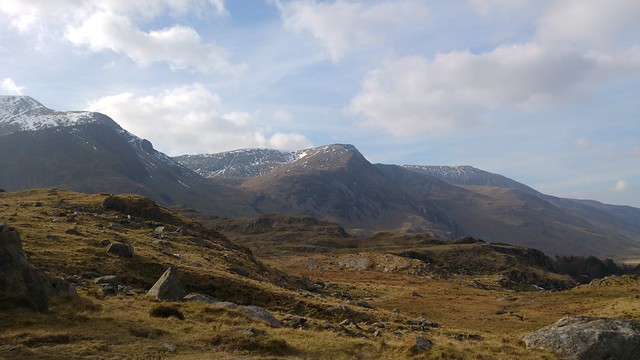
Cwm Idwal

Proto-Celtic *ardwos = high
Gaulish Arduenna = place name
Old Irish (Goídelc) ard [ar͈d] = high, height
Middle Irish (Gaoidhealg) ard, árd = high above ground, elevated, lofty, tall, noble, great, proud, arduous, high place, height
ardach = hilly
ardae, airde = height, high place, nobility, loudness
ardaid = to rise
ardaigid = to raise, magnify, exalt
ardán = pride, arrogance
ardri = high king
Irish (Gaeilge) ard [ɑːɾˠd̪ˠ/æːɾˠd̪ˠ] = height, hillock, top, high part, elevation, head, rise, ascent
ardaigh = to raise, elevate, ascend, carry
ardaitheoir = lift, elevator
na farraigí arda = the high seas
sála arda = high heels
Ard-Aifreann = High Mass
Ard-Aighne = Attorney-General
ardaingeal = archangel
Scottish Gaelic (Gàidhlig) àrd [aːr̪ˠd] = high, lofy, tall, great, loud, chief, eminent, superior, supreme
àrd-bheinn = pinnacle
Manx (Gaelg) ard [ø(r)d] = high, towering, tall, big, loud, height, high place, fell, incline
Proto-Brythonic *arð = high
Middle Welsh (Kymraec) ard, art = hill
Welsh (Cymraeg) ardd [arð/aːrð] = hill, highland, top, high, upland
Middle Cornish (Cernewec) ard = high, lofty
Cornish (Kernewek) ardh = height, high place
Breton (Brezhoneg) arz = high, elevated, lofty

Etymology: from the Proto-Indo-European *h₃r̥dʰwós, from *h₃erdʰ- (to increase, grow, upright, high) [source], which is also the root of the Latin word arbor (tree) and words for tree in Romance languages [source].

Proto-Celtic *knokkos = protuberance, hill
Old Irish (Goídelc) cnocc [knok] = hill, lump, swelling
cnoccach [ˈknokax] = hilly, lumpy
cnocán [ˈknokaːn] = little lump, mound, hill
Middle Irish (Gaoidhealg) cnocc = lump, protruberance, hill, mound
cnoccach, cnocach = lumpy, hilly
cnoccán, cnocán = little lump, mound, hill
Irish (Gaeilge) cnoc [kn̪ˠɔk / kn̪ˠʊk/ kɾˠʊk] = hill, mount
cnocach = hilly
cnocadóir = hillman, hillclimber
cnocadóireacht = hill-climbing
cnocán = hillock, heap
cnocánach = hilly, uneven
Scottish Gaelic (Gàidhlig) cnoc [krɔ̃xg] = hill, small hill, hillock, knoll, chilblain
cnocach [krɔ̃xgəx] = hilly, rugged, abrupt
cnocaireachd [krɔ̃xgɛrʲəxg] = rough hill walking, pacing
cnocan [krɔ̃xgan] = hillock, ball of fibre
Manx (Gaelg) cronk = mount, tor, hill,
crongan = mound, small hill, tuffet, tumulus, hillock
cronkan = knoll, small hill, hillock
Proto-Brythonic *knox = hill, mound
Middle Welsh (Kymraec) cnwch = swelling, protuberance, thickness, hump
Welsh (Cymraeg) cnwc = hillock, knoll; swelling, tumour, lump, knob, hump
cnocell = hillock, knoll
Old Breton cnoch = hill
Middle Breton qnech, knech, crech, cre(a)c’h = high, height, mountain, hill
krec’hennek full of hills
krec’hiek = steep, sloping, incluned
Breton (Brezhoneg) krec’h = height, eminence, mound

Etymology: from the Proto-Indo-European *kneg- (back of the head, nape, neck). The English word neck, and related words in other Germanic languages, come from the same root [source].

Proto-Celtic *brusnyos = hill
Old Irish (Goídelc) bruinne = breast(s), bosom, chest; womb
Middle Irish (Gaoidhealg) bruinne, bruinde = breast, bosom, chest
Irish (Gaeilge) broinne = breast, bosom; brink, verge
Scottish Gaelic (Gàidhlig) broinne [brɤin̪ʲ] = belly, stomach; womb; bulge
Manx (Gaelg) brein = womb
Proto-Brythonic *bronnā = breast
Middle Welsh (Kymraec) bronn, bron = breast, bosom
Welsh (Cymraeg) bron [brɔn] = breast, bosom, thorax, hill-side, slope, breast (of hill)
bronallt, broniallt = gentle slope of hill, rising ground, wooded slope
bryn = hill, mount, rise, bank; heap, mound; prominence, highness
Middle Cornish (Cernewec) bron = a round protuberance, breast, pap, slope of a hill
Cornish (Kernewek) bronn / brodn [brɔn: / brɔdn] = breast, hill
Middle Breton (Brezonec) bron, bronn = breast, bossom, udder
bronnañ, bronnat, bronniñ = to breast feed
Breton (Brezhoneg) bronn [ˈbrɔ̃n] = breast

Etymology: from Proto-Celtic *brusū (belly, abdomen, breast), possibly from the Proto-Indo-European *bʰrews- (belly, to swell) [source].

Words from the same Proto-Celtic root, via the Proto-West-Germanic *brunnjā (chainmail shirt), include: brynja (coat of mail) in Icelandic, Swedish and Faroese, brynje (mail, armour) in Danish, brynje (coat of armour, protective clothing for motorcyclists) in Norwegian, and броня [brɔˈnʲa] (armour, armoured vehicle, shell) in Ukrainian [source].

The English words breast, brisket and bruise come from the same PIE root, as do borst (chest, thorax, breast) in Dutch, Brust (chest, breast, bosom) in German, and bröst (breast, chest, thorax) in Swedish [source].

Proto-Celtic *brixs / *brig- = hill
Gaulish *brignā, -brigā = hill
Old Irish (Goídelc) brí [bʲrʲiː] = hill
Middle Irish (Gaoidhealg) brí, bri = hill
Irish (Gaeilge) brí [bʲɾʲiː] = brae, hill
Scottish Gaelic (Gàidhlig) bre = hill, headland
Proto-Brythonic *breɣ [ˈbrɛːɣ] = hill
Welsh (Cymraeg) bre [bre] = hill, hillock, mountain, hill-country, upland, peak
Middle Cornish (Cernewec) bre = mountain, hill
Cornish (Kernewek) bre [brɛ: / bre:] = hill – appears as Bray or Brae in placenames
Middle Breton (Brezonec) bre = hill
Breton (Brezhoneg) bre [breː] = hill, mountain

Etymology: from the Proto-Indo-European *bʰerǵʰ- (high) [source].

The Spanish word breña (scrub, brush, rough ground), the Portuguese word brenha (scrub, complication, confusion) come from the Gaulish *brignā, via the Vulgar Latin *brigna (rocky terrain) [source].

From the same PIE root we get the English words burrow and borough, and words in placenames such as burg, burgh and bury, and also the German Burg (castle), the Danish borg (castle, stronghold), and related words in other Germanic languages.

Proto-Celtic *krowko- = heap
Old Irish (Goídelc) crúach = stack, mountain, hill
Middle Irish (Gaoidhealg) crúach,cruach = stack of corn, rick, heap, conical pile
crúachad = act of stacking, piling up
crúachán = small rick, hill
crúachda = swollen, piled up
Irish (Gaeilge) cruach [kɾˠuəx] = stack, rick, pile, (mountain) stack
cruachach = full of stacks
cruachadóir = stack-builder
cruachadóireacht = (act of) building stacks
cruachán = (small) stack; person of stunned growth
cruachóg = heap
Scottish Gaelic (Gàidhlig) cruach [kruəx] = pile, stack; round hill; clamp (stack)
cho seasgair ri luchag ann an cruach = as snug as a bug in a rug (“as snug as a mouse in a haystack”)
cruach-fheòir = haystack
cruach-mhòna, cruach mònach = peat-stack
cruach-sheangan = anthill
Manx (Gaelg) creagh = stack, furrow
creagh fendeilagh = barricade
creagh hraagh = haystack
Middle Welsh (Kymraec) krug, gruc, grvg = hillock
Welsh (Cymraeg) crug = hillock, knoll, cairn, tumulus, heap, mass, stack, group, company, multitude; pustule, abscess, boil, carbuncle
Old Cornish cruc = hillock
Middle Cornish (Cernewec) cruc, cruk, crŷc = hillock, mound, barrow
Cornish (Kernewek) krug = mound, tumulus
Old Breton cruc = hillock
Middle Breton (Brezonec) krug = pile, heap
krugell = pile, heap, hillock, mound, tumulus
Breton (Brezhoneg) krug = mound
krugell = hillock, tumulus

Etymology: possibly from the Proto-Indo-European *krā(u)- (to heap up) [source].

Proto-Celtic *tumbo- = excrescence hill
Old Irish (Goídelc) tom = bush, tuft, hillock, knoll
Middle Irish (Gaoidhealg) tom = bush, tuft, hillock, knoll
Irish (Gaeilge) tom [t̪ˠɑumˠ/t̪ˠʌmˠ] = bush, shrub
tomach = bushy, tufted
tomachán = small tuft
Scottish Gaelic (Gàidhlig) tom [tɔum] = hillock, knoll, mound, clump, heap, tuft
toman [toman] = small hillock
tomag [tomag] = small hillock/knoll/mound, small clump, small heap
Manx (Gaelg) tom = tussock
Middle Welsh (Kymraec) tom, tomm = dung(hill), manure, compost, dirt, muck
Welsh (Cymraeg) tom = dung(hill), manure, compost, dirt, muck, mud, mound, heap

Etymology: possibly from the Proto-Indo-European *tewh₂- (to swell), and cognate with the English word tumulus.

Words marked with a * are reconstructions.

Sources: Wiktionary, Am Faclair Beag, Online Manx Dictionary, Teanglann.ie, eDIL – Electronic Dictionary of the Irish Language, In Dúil Bélrai English – Old Irish glossary, Geiriadur Prifysgol Cymru, Gerlyver Kernewek, Dictionaire Favereau, TermOfis, English – ProtoCeltic WordList (PDF), Etymological Dictionary Of Proto Celtic

Blubrry podcast hosting

Land, Parishes & Enclosures

Words for land, parish, enclosure and related things in Celtic languages.

Llangwyfan church Eglwys Llangwyfan

Words marked with a * are reconstructions.

Proto-Celtic *landā = (open) land
Gaulish landa = land
Old Irish (Goídelc) land, lann = building, house, land, plot, plate
Middle Irish (Gaoidhealg) land, lann = building, house, land, plot, plate
íarlann = pantry
ithlann, ithla = threshing floor, barn, granary, storehouse; garden, orchard
Irish (Gaeilge) lann = land, ground, plot, house, building (especially a church)
bialann = canteen, restaurant
leabharlann = library
longlann = dockyard
réadlann = observatory
saotharlann = laboratory
Scottish Gaelic (Gàidhlig) lann [l̪ˠaun̪ˠ ~ l̪ˠan̪ˠən] = enclosure, enclosed area, precinct; repository; house, church
amharc-lann = observatory
biadh-lann = canteen, dinning hall, refectory
broc-lann = badger’s den, sett
long-lann = dockyard
fasg-lann = shelter
lann-eaglaise = church precinct
leabhar-lann = library
obair-lann = laboratory
suin-lann = dormitory
ur-lann = esplanade, green
Manx (Gaelg) lann = enclosure, habitation
lhonglann = dockyard
lioarlann = library
seyrlann = laboratory
reayrtlann = observatory
Proto-Brythonic *llann [ˈl͈anː] = land, area, plot, sacred place, churchyard
Middle Welsh (Kymraec) lánn, lann, lan, llann = land
lannerch, llanerch, llennyrch = a clearing, glade
Welsh (Cymraeg) llan [ɬan] = (parish) church, monastery, heaven, churchyard
llan gadeiriol = cathedral
llan (y) gwyryfon = nunnery
llan y plwyf = parish chuch
llandref = village, small town, church village
llandy = parsonnage, glebe-house
llangeidwad = churchwarden
llanaidd = glade-like, open, clear; ecclesiastical, (of a) church
llannerch = a clearing, glade, oasis, pasture, court, empty space, patch, place, area
Middle Cornish (Cernewec) lan = a church, an inclosure, yard, church-yard
lanherch = glade
Cornish (Kernewek) lann [lan:] = yard
lannergh = glade
Old Breton (Brethonoc) lann = moor, heath, moorland
Middle Breton (Brezonec) lann = moor, heath, moorland
lanneg, lannek, lannell = land covered with moor
landonenn = swath
lann = monastery, church
Breton (Brezhoneg) lann [ˈlãnː] = moor, heath, moorland
lanneg = land covered with moor

Etymology: from the Proto-Indo-European *lendʰ- (land, heath) [source].

Words from the same Proto-Celtic root, via Gaulish and Latin, include lande (moor, moorland, heath) in French, landa (a (sandy) plain) in Spanish, landa (country, field, piece of land) in Basque [source].

The (archaic) English word laund [lɔːnd] (a grassy plain or pasture, especially surround by woodland; a glade) possibly comes from the same Proto-Celtic root, via Middle English, Old French and Gaulish, or from the Proto-Germanic *landą (land), which comes from the same PIE root [Source].

Words from the same PIE roots include land and lawn in English, land (land, country) in Dutch, Land (country, state, province, land) in German, land (land, country, nation, state, ground, earth) in Swedish, land (country, land) in Danish, lado (uncultivated, wild land) in Czech, and ледина [ˈlɛdina] (untilled land) in Macedonian [source].

Proto-Brythonic *pluɨβ = countryside, parish, common people, parishoners
Middle Welsh (Kymraec) plwyf, plwy = parish, parishioners, people
plwyvog = parishioner, parochial
plwyfol = parochial, lawfully settled in a parish
Welsh (Cymraeg) plwy(f) [pluːɨ̯(v) / plʊi̯(v)] = parish, poor relief, parishioners, people
plwyfo = to settle in a parish
plwyfog = parishioner, parochial
plwyfol = parochial, lawfully settled in a parish
plwyfoldeb = parochialism
Old Cornish plui = parish
Middle Cornish (Cernewec) plew, plui, plu = parish
Cornish (Kernewek) pluw = parish
pluwek = parishioner (m), parochial
pluwoges = parishioner (f)
Old Breton (Brethonoc) pluiu, plueu, ploeu, ploi, ploe = country, countryside
Middle Breton (Brezonec) ploeou, ploe, ploé = country, countryside
plouisyen = peasant, rural
Breton (Brezhoneg) ploue [pluːe] = parish (historical – appears in placenames), countryside (literary)
plouead = country, earthy
plouezad = peasant, rural
plouk [pluːk] = yokel

Etymology: from Latin plēb(ē)s (common people, plebians), from Old Latin plēbēs, from Proto-Italic *plēðwēs Proto-Indo-European *pl̥h₁dʰwḗh₁s ~ *pl̥h₁dʰuh₁és, from *pleh₁- (fill) [source].

The French word plouc [pluk] (hick, country bumpkin, yokel) was borrowed from Breton plouk in the late 19th century [source].

Other words from the same roots include fill, folk, pleb (a commoner, a common, unsophisticated, cultureless person), plenty, plural, plus and public in English [source].

Middle Irish (Gaoidhealg) parráiste = parish
pairche = parish, diocese
Irish (Gaeilge) paróiste [ˈpˠaɾˠæʃtʲə] = parish
paróisteach = parishioner, presentable person, parochial
paróisteachas = parochialism
Scottish Gaelic (Gàidhlig) parasite [parɪʃdʲə] = parish
eaglais parasite = parish church
neach-parasite = parishioner

Etymology: from Anglo-Norman paroche (parish), from Late Latin parochia (parish), from Ancient Greek παροικίᾱ (paroikíā – a dwelling abroad), from πάροικος (pároikos – neighboring, foreigner), from παρά (pará, beside) + οἶκος (oîkos – house). [source].

Scottish Gaelic (Gàidhlig) sgìre [sgiːrʲə] = district, parish
sgìreachd [sgʲiːrʲəxg] = parish
Manx (Gaelg) skeerey = parish
skeeragh = parochial
skylley = parish

Etymology: from Old English sċīr (office, district, region, shire), from Proto-West Germanic *skīru (office, district), from PIE *(s)ker- (to cut). The English word shire comes from the same roots [source].

The Fastest Way to Learn Japanese Guaranteed with JapanesePod101.com

Sources: Wiktionary, Am Faclair Beag, Online Manx Dictionary, Teanglann.ie, eDIL – Electronic Dictionary of the Irish Language, In Dúil Bélrai English – Old Irish glossary, An Etymological Dictionary of the Gaelic Language, Geiriadur Prifysgol Cymru, Gerlyver Kernewek, Dictionaire Favereau, TermOfis, English – ProtoCeltic WordList (PDF), Etymological Dictionary Of Proto Celtic

Unlimited Web Hosting - Kualo

Doctor

Words for doctor and related things in Celtic languages.

Doctor

Words marked with a * are reconstructions.

Middle Irish (Gaoidhealg) dochtúir, doctúir = learned ma, teacher, professor, physician
Irish (Gaeilge) dochtúir [d̪ˠɔxˈt̪ˠuːɾʲ / ˈd̪ˠʌxt̪ˠuɾʲ] = doctor
dochtúireacht = doctorate, medical practice, doctoring
Scottish Gaelic (Gàidhlig) dotair [dɔhdɛrʲ] = doctor, surgeon, physician
dotaireachd [dɔhdɪrʲəxg] = doctorate, knowledge of medicine, (act of) curing, healing
dotaireas [dɔhdɪrʲəs] = doctorate, knowledge of medicine
Manx (Gaelg) doghtoor = doctor
doghtoorahgt = doctorate
Middle Welsh (Kymraec) doethur = doctor, teacher, sage, learned man
Welsh (Cymraeg) doethur, doethor = doctor, teacher, sage, learned man
Cornish (Kernewek) doktour = doctor

Etymology: from the Latin doctor (teacher, instructor), from doceō (teach), from the Proto-Italic *dokeō (tell, inform, teach, instruct), from the Proto-Indo-European *deḱ- (to take) [source].

Proto-Celtic *lī(φ)agi- = doctor
Old Irish (Goídelc) líaig = leech, doctor, physician
fáithlíaig = doctor, physician
leiges = healing, medicine, curing
Middle Irish (Gaoidhealg) líaig, liag, leaga, lega, lieig = leech, doctor, physician, adviser, healer
leiges. leges, leighis = healing, medical treatment, cure, remedey, medicine, medicament, curing, healing
leigesamail = medicinal, healing
leigisid, leigiste = medicinal, healing, to cure, to heal
Irish (Gaeilge) lia [l̠ʲiə] = healer, physician
lia ban = gynaecologist
lia súl = oculist
leigheas = art of healing, medicine, medical treatment
leigheasach = healing, curative, medicinal
leigheasóir = healer, curer
leigheasra = cures, medicines
Scottish Gaelic (Gàidhlig) lèigh [l̪ʲeː] = physician, surgeon
lèighadair = pharmacist
lèigheadairachd = pharmacy
lèigheadh = (act of) healing
leigheas [l̪ʲe.əs] = curing, healing, medicine
lèigheil = medical
lighiche [l̪ʲi.ɪçə] = healer, physician, surgeon
Manx (Gaelg) (fer/ben) lhee = (male/female) doctor, physician
lheihys = cure, curing, heal(ing), remedy
lheihyssagh = curable, curative, healing

Etymology: possibly from Proto-Germaic *lēkiz (healing, medicine, healer), or directly from the Proto-Indo-European *h₂leg- (to care for) [source]. Words from the same Proto-Celtic / PIE root possibly include leech in English, læknir (medical practitioner, doctor) in Icelandic, läkare (doctor, physician) and läka (to heal) in Swedish, lääkäri (phyisican, doctor) in Finnish, and læge (doctor, physician, surgeon) in Danish [source].

Old Irish (Goídelc) midach = physician
Middle Irish (Gaoidhealg) midach, midech, midaig = physician
Proto-Brythonic *meðïg = doctor
Middle Welsh (Kymraec) metic, medyc, med(d)ic, meddig = doctor, medical practitioner, physician, surgeon, healer
methygaeth = (science of) medicine, surgery, drug
medyges, meddyges female doctor or healer, female herbalist
medegynyaeth, medeginyaeth, medegynyaeth = medicine, remedy, medical treatment, surgery, cure, healing
Welsh (Cymraeg) meddyg [ˈmɛðɪɡ / ˈmeːðɪɡ] = doctor, medical practitioner, physician, surgeon, healer
meddyg(i)adwy = curable, treatable
meddyg(i)aeth = (science of) medicine, surgery, drug
meddygu = to practise medicine, to treat medically, to prescribe, to heal, to cure
meddyges female doctor or healer, female herbalist
meddygfa = surgery, clinic, pharmacy, hospital
meddygin(i)aeth = medicine, remedy, medical treatment, surgery, cure, healing
meddygol = medical, medicinal, healing, curative
Old Cornish medhec = physician
Middle Cornish (Cernewec) methic, medhic = physician
Cornish (Kernewek) medhek [mɛðɛk / ‘mɛðɐk] = doctor, physician
medhegel = medical
medhegieth = medical science, medicine
medhegiethel = medicinal
medhegneth = medication, medicine
medhegva = clinic, (doctor’s) surgery
medhegvael = clinical
Middle Breton (Brezonec) mezec = doctor
mezeyaff = to treat, to care for
mezeyet, mezeguet = medicine
mezegioez = medicine
Breton (Brezhoneg) mezeg [ˈmeː(z)ek] = doctor
mezegañ [meˈ(z)eː.ɡã] = to care for (medically), to treat
mezegiezh [me(z)eˈɡiːɛs] = medicine

Etymology: from the Latin medicus (doctor), from medeor (I heal, cure, remedy), from the Proto-Italic *medēōr (to heal), from Proto-Indo-European *med- (to measure, give advice, heal). Words from the same roots include medico (doctor, physician, medical) in Italian, medicus (doctor, physician) in Dutch, medic, medical, medicine, meditate and remedy in English, and médico (doctor, physician) in Spanish [source].

Sources: Wiktionary, Etymological Dictionary Of Proto Celtic, In Dúil Bélrai English – Old Irish glossary, eDIL – Electronic Dictionary of the Irish Language, Teanglann.ie, Am Faclair Beag, An etymological dictionary of the Gaelic language, Fockleyreen: Manx – English Dictionary, Online Manx Dictionary, Gaelg Corpus, Geiriadur Prifysgol Cymru, Lexicon cornu-britannicum : a dictionary of the ancient Celtic language of Cornwall, Gerlyver Kernewek, Devri : Le dictionaire diachronique du breton, Geriafurch, TermOfis


Kings and Queens

Words for king and related things in Celtic languages.

Brian Boru, High King of Ireland (1002-1014)
Brian Boru, High King of Ireland (1002-1014) / Brian Bóruma mac Cennétig, Ard-Rí ar Éirinn

Words marked with a * are reconstructions.

Proto-Celtic *rīxs/*rig- = king
Celtiberian reikis = king
Gaulish rīx = king – appears in names like Katurīx, Suādurīx, *Werkingetorīx (Vercingetorix) and Asterix
Primitive Irish ᚏᚔᚌᚐᚄ (rigas) = (of the) king
Old Irish (Goídelc) [r͈ʲiː] = king
rígdae = regal, kingly
rígdún = palace
Middle Irish (Gaoidhealg) rí, ríg, rig = king, head, chief
rígán = a sub-king, chief
rígamail, rioghamhail = royal
rígdacht = kingliness, kingly qualities, a kingdom
rígda(e) = a royal dwelling place, palace
rígrach = = royal, kingly
Irish (Gaeilge) [ɾˠiː] = king, sovereign, monarch
ríoga = regal, royal
ríora = kings, royal persons, royalty, dynasty
Scottish Gaelic (Gàidhlig) rìgh [r̪ʲiː] = king
banrìgh = queen
àrd-rìgh = high king
mòr-rìgh = emperor
rìoghachadh = reigning, reign
rìoghachd = kingdom, realm
Manx (Gaelg) ree = king
reejerey = cavalier, chevalier, king, knight, lord, paladin, prince
reeoil = kinglike, monarchy, regal, royal
reeaght, reeriaght, riaght, ream = kingdom
Proto-Brythonic *riɣ [ˈriːɣ] = king
Old Welsh rig = king
Middle Welsh (Kymraec) ri, rhi = king
rhiaidd, rhïaidd = regal, royal, noble, generous
rieu, riav = king, lord, ruler, chieftain
rriawdr, riawdr = lord, ruler, chieftain, God
Welsh (Cymraeg) rhi [r̥iː] = king, prince, lord, ruler, chieftain
rhiaidd = regal, noble, aristocratic, dignified
rhiau = king, lord, ruler, chieftain
rhiawdr = lord, ruler, chieftain, God
Middle Cornish (Cernewec) ruy, ruif = king, sovereign, ruler
ryal, real = royal, kingly
Cornish (Kernewek) riel = regal, royal
Old Breton ri = king
Middle Breton (Brezonec) ri, rí = king
Breton (Brezhoneg) ri [ˈʁiː] = king

Etymology: from Proto-Indo-European *h₃rḗǵs (king, ruler) [source]. Words from the same Proto-Celtic root include rich in English, ryk (rich, wealthy) in Afrikaans, ricco (rich, wealthy, affluent) in Italian, riche (rich) in French, Reich (empire, realm) in German, and rikas (rich, wealthy, opulent, plentiful) in Finnish [source].

English words with the suffix -ric, such as bishopric (a diocese or region of a church which a bishop governs), and comes from the same Proto-Celtic root [source].

Proto-Celtic *rīganī= queen
Gaulish rigani = queen
Old Irish (Goídelc) rígan = queen
Middle Irish (Gaoidhealg) rígain, rígan, rígnae = queen, noble lady
Irish (Gaeilge) ríon = queen, queenly, noble, lady, fair maiden
banríon = queen
(ban)ríonacht = queenship
ríonaí = queenly
ríonaigh = to queen (chess)
Scottish Gaelic (Gàidhlig) rìghinn [r̪ʲi.ɪn̪ʲ] = princess (archaic)
rìbhinn [r̪ʲiːvɪn̪ʲ] = maid, maiden, girl, Venus, adder, queen (archaic)
banrìgh = queen
Manx (Gaelg) reeven = queen
rein = queen
ben-rein = queen
Proto-Brythonic *rriɣėn [r͈iˈɣe̝ːn] = queen
Middle Welsh (Kymraec) riein, riain = (young) woman, girl, damsel, lass, maiden, virgin, queen, noble girl, lady
Welsh (Cymraeg) rhiain = (young) woman, girl, damsel, lass, maiden, virgin, queen, noble girl, lady

Etymology: from Proto-Indo-European *h₃rḗǵnih₂ (queen), from *h₃rḗǵs (king, ruler) [source]. Words from the same roots include reine (queen) in French, reina (queen) in Spanish, erregina (queen) in Basque, and regină (queen) in Romanian [source].

Middle Welsh (Kymraec) rhỼyf, rwyf, rỼy = king, lord, ruler, chieftain, leader
rwyfaỼ, rwyfaỼ = to have dominion over, govern, rule
rwyuannus, rhwyvanus = royal, kinglike, governing
ruyvenit = prince, king, ruler
rhwyfiadur, ruyfadur, rwyfyadur, rỼyfyadur = chief(tain), lord, leader, ruler, protector
Welsh (Cymraeg) rhwy(f) = king, lord, ruler, chieftain, leader
rhwyfo = to have dominion over, govern, rule, lead, be ostentatious, live in splendour
rhwyfanes = queen, lady
rhwyfaniad = reign, government, rule, kingdom
rhwyfanus = royal, kinglike, governing
rhwyfenydd = prince, king, ruler
rhwyf(i)adur = chief(tain), lord, leader, ruler, protector
Old Cornish ruifanes = queen
ruifadur = chief(tain), lord, leader
Middle Cornish (Cernewec) ruy, ruif = king, sovereign, ruler
ruifanes, ruivanes = a female ruler, queen
Cornish (Kernewek) ruvanes = queen
ruvaneth = kingdom
Old Breton roe = king
Middle Breton (Brezonec) roe, roé, roue, rouè = king
rouanes, roanez, rouanés = queen
rouantelez, roeantelez = kingdom
roueel = royal
roueeler = royalist
roueelezh = royalty
roueelouriezh = royalism
roueoni = reign
Breton (Brezhoneg) roue = king
rouanez = queen
rouantelezh = kingdom, monarchy
roueel = royal
roueelezh = royalty
roueelouriezh = royalism

Etymology: from Old French roi (king), from Latin rēgem (king, ruler, despot, tyrant), from Proto-Italic *rēks (king), from Proto-Indo-European *h₃rḗǵs (king, ruler) [source].

Words from the same Latin root include re (king) in Italian, roi (king) in French, viceroy in English and rey (king) in Spanish [source].

Proto-Celtic *brigantīnos = (someone) pre-eminent, outstanding
Proto-Brythonic *brɨɣėntin [brɨɣe̝nˈtiːn] = lord, king
Middle Welsh (Kymraec) breenhin, breennin, breyenhin, brenhin = king
brenhynes, brenhines = queen, goddess, queen bee
brenineiziaw = to become kingly
brenhynyaeth, brenhinyaeth = royalty, kingship, reign
Welsh (Cymraeg) brenin [ˈbrɛnɪn / ˈbreːnɪn] = king, sovereign, monarch, head of region
brenineiddio = to make/become regal/kingly, make (sb) a king
breninesaidd = queen-like, queenly
breninesol = queen-like, queenly, pertaining to a queen
breningarol = royalist
breniniaethu = to reign, govern
breninoldeb = kingship, royalty
brenhines = queen, goddess, queen bee
brenhiniaeth = royalty, kingship, reign, government
Middle Cornish (Cernewec) brentyn, bryntyn = privileged, sovereign, noble, excellent
Cornish (KerneweK) bryntin, brentin = grand, great, noble, splendid, superb
Old Breton brientin, brientinion = king
Middle Breton (Brezonec) brientin = aristocrat
brientinelezh = aristocracy
Breton (Brezhoneg) brientin = aristocrat
brientinel = aristocratic
brientinelezh = aristocracy
brienteg, brientek = privileged
brientekaat = to favour
briental = royalties

Etymology: from Proto-Indo-European *bʰérǵʰonts (high), from *bʰerǵʰ- (to rise up, ascend) [source].

From the same Proto-Celtic root, , we get the tribal name *Brigantī (Brigantes – a Celtic tribe that occupied much of what is now northern England), Brigantia (a Celtic goddess of victory, and the territory of the Brigantes), the name Bridget, the Irish name Bríd, the Scottish Gaelic name Brìghde, the Manx name Breeshey, and the placenames such as Bragança (a city in northeastern Portugal), Bregenz (a city in western Austria) and Brianza (a city in northern Italy), [source].

English words from the same PIE root include bourgeois, burrow, fort and maybe burgler [source].

Middle Welsh (Kymraec) mechdeyrn, mychdeyrn, machdeyrn = king, lord, monarch, emperor
mechteyrnged, mychteyrnged = tribute due to an overlord from an inferior lord
Welsh (Cymraeg) mechdeyrn, mychdeyrn, machdeyrn = king, lord, monarch, emperor, God, tributary prince, viceroy
mechdeyrnged, mychdeyrnged = tribute due to an overlord from an inferior lord
Middle Cornish (Cernewec) mychtern = sovereign, king
mychternes = queen
mychterneth = sovereignity, dominion, royalty, kingdom
Cornish (Kernewek) myghtern, metern [mɪx’tɛrn] = king, monarch
myghternes, meternes = monarch, queen
myghterneth, meterneth = kingdom
myghternses, meternses = kingship, monarchy
Old Breton machtiern = king

Etymology: from Welsh mach (surety, guarantor, sponsor, hostage) and teyrn (sovereign, monarch, king) [source].

Sources: Wiktionary, Am Faclair Beag, Online Manx Dictionary, Teanglann.ie, eDIL – Electronic Dictionary of the Irish Language, In Dúil Bélrai English – Old Irish glossary, Geiriadur Prifysgol Cymru, Gerlyver Kernewek, Dictionaire Favereau, TermOfis, English – ProtoCeltic WordList (PDF), Etymological Dictionary Of Proto Celtic

Blubrry podcast hosting

Trees, Wood(s) & Forests

Words for tree, wood and related things in Celtic languages.

There are various words for tree in the modern Celtic languages. In each language the usual word for tree is different and comes from different roots. Only the Cornish and Breton words are cognate. The usual words for tree are: crann (Irish), craobh (Scottish Gaelic), billey (Manx), coeden (Welsh), gwedhen (Cornish) and gwezenn (Breton).

Here be trees!

Proto-Celtic *kʷresnom = tree, wood
Old Irish (Goídelc) crann = tree
crannchor = casting of lots
crannda = wooden
Middle Irish (Gaoidhealg) crann, crand = tree, wood, timber, staff, pole, plank, beam, spearshaft, mast, steering oar, lot, destiny, fate
crannach, cranncha = trees, grove, wooded place
crannaige, crannaigi = shaft-trimmer, spearsman
crannaigid = to cast lots
crannán = small spearshaft
crannchor, crannchur = casting of lots
crannda, cranda = wooden, made of wood, wooded
cranngal, crannghal = timber, wooden structure or object, spear (shaft)
crannóc, crandoc = wooden structure, wooden drinking-container; basket, wooden lake-dwelling
cranntáball = sling, staff-sling
Irish (Gaeilge) crann [kɾˠaun̪ˠ / kɾˠan̪ˠ] = tree; mast, boom, pole; stock, handle; shaft, beam; stick
crannach = stake-fence, forest of spears, arboreal, wooded
crannadóir = arboriculturist, tree-climber
crannadóireacht = arboriculture, tree-climbing
crannail = timbering, timbers, lattice-work, ship’s masts
crannán = wooden shaft, handle, wooden vessel, hardening stand (for bread)
crannchur = casting of lots, sweepstake, lottery
crannlach = brushwood, (withered) stalks, haulm
crannmhar = full of trees, timbered, wooded
crannóg = piece of wood, pole, wooden frame
crannúil = tree-like, arborescent
Scottish Gaelic (Gàidhlig) crann [kraun̪ˠ] = mast; plough; beam; lot (in drawing lots); tree (archaic)
cranntair = wooden peg/pin
crannghail = wooden frame
crannach = pertaining to or abounding in masts, ploughs, beams, trees etc
crannchur = destiny, lot, draw, lottery
crannag = pulpit, crannog, island dun, crosstree
crannlach = brushwood, lanky wood, dummy
Manx (Gaelg) croan = boom, mast, flag pole
creenagh = brushwood, wither
crannag = dock, heap, desk, pulpit, rostrum, lookout
Gaulish prenne = big tree
Proto-Brythonic prenn [ˈprenː] = wood, tree
Middle Welsh (Kymraec) pren, prenn = tree, bush, timber, wood
prenvol, prenuol, prennol = (wooden) box, chest, coffer
Welsh (Cymraeg) pren [prɛn] = tree, bush, shrub; timber, wood, wooden; piece of wood, wooden stick; cross, gallows, gibbet
prenfol = (wooden) box, chest, coffer, case, coffin
preniaf, prennaf, prenio, prennu = to bolt (a door), bar, shut (sb) out
prensaer = carpenter
Old Cornish pren = wood
Middle Cornish (Cernewec) pren = tree, wood, timber, a piece of wood, a lot
prenic = wooden, woody
prenne = to fasten with a piece of wood, to bar
prennyer = pieces of wood
Cornish (Kernewek) prenn [prɛn:] = bar, beam, log, timber, (gambling) lot , wooden
prenna, predna = to bar, lock
prennek = wooden, woody
prennlown = plywood
prennweyth = woodwork
Old Breton pren = wood
Middle Breton (Brezonec) pren, prenn, preen = wood
prennaff, prena, prenna = to close, block
prennet = to lock
Breton (Brezhoneg) prenn = wood, piece of wood, fastner
prennañ = to close, fasten, shut

Etymology: from Proto-Indo-European *kʷres (bush, thicket) [source]. Words from the same roots include hurst (wood, grove – used in placenames, e.g. Lyndhurst) in English, and Horst (eyrie, bush, thicket, small forest) in German [source]

Old Irish (Goídelc) cráeb / cróeb = tree
Middle Irish (Gaoidhealg) cráeb, craib = branch, bough, sprig, rod, wand, post, tree, bush
cráebach, cræbacha = having branches, branchy, branches
Irish (Gaeilge) craobh = branch, bough; tree
craobhach = branches, branched, branching, flowing, spreading
craobhaigh = to branch, ramify, expand, spread
craobhóg = small branch, twig, sprig, spray, darling
Scottish Gaelic (Gàidhlig) craobh [krɯːv] = tree, bush
craobhaich = woody, wooded, full of trees, branching, spreading
craobhag [krɯːvag] = small tree
craobhadair [krɯːvədɪrʲ] = arborist, tree specialist
Manx (Gaelg) crouw = stock, bush, dwarf tree, stick, bunch, wide spreading tree, tributary of river

Etymology: unknown, possibly from Proto-Celtic krētros (sieve) [source].

Proto-Celtic *belyom = tree
Gaulish *bilia [ˈbi.liaː] = tall tree
Old Irish (Goídelc) bile [ˈbʲilʲe] = tree, especially a large, ancient, sacred one
Middle Irish (Gaoidhealg) bile [ˈbʲilʲe] = (large) tree (esp. an ancient and venerated one), tree trunk, mast, scion, hero
bilech = abounding in trees, (well-)wooded
bileóc, biléog = leaf, leaflet
Irish (Gaeilge) bile [ˈbʲɪlʲə] = (large, sacred) tree; scion; distinguished person
bileog = leaf, letter of freedom (to marry)
bileogach = leafy, laminated
biliúil = tree-like, stately
Scottish Gaelic (Gàidhlig) bile [bilə] = mast; plough; beam; lot (in drawing lots); tree (archaic); cluster of trees, sacred tree/grove
bileach = leaf, amount of leaves, leafy tree
bileag = blade (of vegetation), board, leaf, leaflet, pamphlet, ticket, label, slip (of paper)
bileagach = lipped, billed, bladed, fringed, edged
Manx (Gaelg) billey = tree, big bush
billagh = tree, wooded, woody
biljagh = arboreal, wooded
billey
Middle Welsh (Kymraec) bill, pill = (tree) trunk, stock, log, branch; fortress
billwydd = kindling, firewood, sticks, brushwood; joists, laths
Welsh (Cymraeg) pill [pɪɬ] = (tree) trunk, stock, log, branch, pole, stake, post; fortress, castle, stronghold, refuge, sanctuary, safety, strength, force; snatch of song, verse; still, crib; socket
pillwydd = kindling, firewood, sticks, brushwood; joists, laths
pillyn = peg
Middle Breton (Brezonec) bilh, bill = a felled tree trunk, log, lumber, timber
bilh-koad = chunk of wood
Breton (Brezhoneg) bill = trunk

Etymology: from Proto-Indo-European *bʰolh₃yo- (leaf), from *bʰleh₃- (blossom, flower) [source]. Words from the same Proto-Celtic root, via Gaulish, include bille (tree trunk, railway sleeper, rolling pin) and billon (a ridge in a ploughed field) in French, bilha (stem, trunk) in Provençal and possibly billa (spigot, faucet, stick) in Galician [source].

Words from the same PIE roots include folio and phyllo / fil(l)o (pastry), phyllomancy (diviniation by leaves) in English, feuille (leaf, sheet) in French, andhoja (leaf, petal, blade) in Spanish [source].

Proto-Celtic *widus = wood, trees
Old Irish (Goídelc) fid = tree, wood, letter in Ogham
fidchell = a boardgame similar to chess
fidrad = trees, a wood
Middle Irish (Gaoidhealg) fid = tree, wood, timber
fidach = wooded, abounding in trees, timber
fidchell = a boardgame similar to chess
fidrad = trees, a wood, letter (in Oghan)
Irish (Gaeilge) fiodh = tree, wood, timber
fiodhach = abounding in trees, wooded
fiodhneimheadh = sacred grove
fiodhradh = trees, timbers, letters (literary)
ficheall = chess, chess board
Scottish Gaelic (Gàidhlig) fiodh [fjɤɣ] = wood, timber, wooden, made of wood
fidhcheall = Celtic chess
fiodhach [fjɤɣəx] = shrubbery, shrubs, cheese press; wooden, ligneous, woody
fiodhan = cheese press
fiodhrach [fjɤɣan] = timber
Manx (Gaelg) fuygh = timber, wood
fuyghagh, fuyghoil = ligneous, wooden, woody
fuyghee = wooden
feeal = chess
Proto-Brythonic *gwɨð [ˈɡwɨːð] = wood, trees
Old Welsh guid = tree
Middle Welsh (Kymraec) guit, guyt, gwyd, gwŷdd = tree(s), forest, woods
gvytbuil, gvydbvll = a chess-like boardgame
guduit, gwyddfid, gwytuid, gwituid = wood, forest, bush, protective hedge
Welsh (Cymraeg) gwŷdd [ɡwɨːð / ɡwiːð] = tree(s), branches, twigs; forest, woods, shrub(s); lineage, genealogical tree, stock; stem
gwyddallt = wooded slope
gwyddbwyll = chess; knowledge, learning, science, reason
gwyddel = forest, grove, thicket, brake, wilderness
gwyddfid = wood, forest, bush, protective hedge
Old Cornish guit = trees
Middle Cornish (Cernewec) gwedh, gweydh, gwydh = trees
gwedhen, gwedhan = tree
gwydhbol = chess
Cornish (Kernewek) gwydh [gwɪ:ð] = trees
gwedhen = tree
gwedhek = woodland
gwedhlan = arboretum, tree plantation
Old Breton guid = trees
Middle Breton (Brezonec) guez, guid, gwyd, gwydh = tree(s)
Breton (Brezhoneg) gwez [ɡwe] = trees
gwezenn = tree
gwezeg = wooded
gwezek = abounding in trees
gwezboell = chess

Etymology: from Proto-Indo-European *h₁weydʰh₁-. (tree, beam) [source]. Words from the same roots include wood in English, vid (firewood, wood) in Swedish, and ved (wood) in Danish [source].

Proto-Celtic *kaitos = wood, forest
Proto-Brythonic *koɨd [ˈkoɨ̯d] = wood, forest
*argoɨd = surrounding forest
Old Welsh coit = wood, forest
coetlann = copse, grove, woodland, wooded glade
Middle Welsh (Kymraec) coyt, coit, koet, coet, coed = forest, wood, trees
coedallt = wooded slope, hillside
coedva, koedfa = grove, woodland, forest
koedach = shrubs, brushwood
coydiawc, coedawc, coedoc = woody, wooded
coydiawl, koedolyon = silvan, rustic, wild
coet, coedwig, coedwic = forest, wood
Welsh (Cymraeg) coed [koːɨ̯d / kɔi̯d] = forest, wood, trees; shrubs; timber, pieces of wood
coeden [koːɨ̯d / kɔi̯d] = tree
coedaidd = silvan, arboraceous, woody, wooden
coedallt = wooded slope, hillside
coedfa = grove, woodland, forest
coed(i)ach = shrubs, brushwood, underwood, withered branches
coed(i)af), coed(i)o = to prop or timber a pit or shaft
coed(i)og = woody, wooded, abounding with trees, silvan
coed(i)ol = pertaining to wood or timber, silvan, rustic, wild
coedlan = copse, grove, woodland, wooded glade
coedwig = forest, wood
argoed = trees, forest, surrounding forest
Old Cornish cuit = wood, forest
Middle Cornish (Cernewec) coys, coyd, coid = wood, forest
Cornish (Kernewek) koos [ko:z / ku:z] = forest
Middle Breton (Brezonec) coat, coet, coët = wood, forest
Breton (Brezhoneg) koad [ˈkwɑːt] = wood, forest
koadadur = afforestation, tree planting
koadaj = panelling, woodwork
koadeg = wooded, woody
koader = to timber, panel, plant trees
argoad = groove, copse, wooded

Etymology: from Proto-Indo-European *kayt-/*ḱayt- (forest, wasteland, pasture) [source]. Words from the same roots include heath and heather in English, Heide (heath, heathland, woodland, forest) in German, hed (moor, waste land) in Swedish.

Sources: Wiktionary, Am Faclair Beag, Online Manx Dictionary, Teanglann.ie, eDIL – Electronic Dictionary of the Irish Language, In Dúil Bélrai English – Old Irish glossary, Geiriadur Prifysgol Cymru, Gerlyver Kernewek, Dictionaire Favereau, TermOfis, English – ProtoCeltic WordList (PDF), Etymological Dictionary Of Proto Celtic


728×90 (Best VPN)