Talkative

Words for talkative, to speak, to sing and related things in Celtic languages.
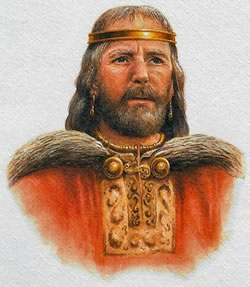
"Hello, friend!"

Words marked with a * are reconstructions.

Proto-Celtic *ɸlabros = talkative
*amɸlabros = dumb, mute
Gaulish lab(a)ro- = talkative, eloquent, sonorous, speaker – appears in the names Labarus and Labrios
Old Irish (Goídelc) labar = talkative, boastful
labraithir = to talk, speak
amlabar = dumb, mute
Middle Irish (Gaoidhealg) labar = talkative, arrogant, boastful
labraithir = to talk, speak
labarthach = talkative, noisy
labra = gift of speech, talkativeness, utterance, sound, speaking
labraithir = to speak, talk, utter, say
amlabar = dumb, mute
Irish (Gaeilge) labhair = to speak, hail
labhairt = speaking, speech, utterance, voice, call
labharthacch = talkative, vociferous, noisy
labharthacht = talkativeness
labhra = speech, utterance
amhlabhra = inarticulateness, bad delivery
amhlabhrach = crude of speech, inarticulate
Scottish Gaelic (Gàidhlig) labhair [l̪ˠau.ɪrʲ] = to speak, say, talk, speak!, utter!
labhar = speaking loudly, loquacious, boastful
labhairt = speaking, uttering, utterance
labhairteach = loquacious, oral
labhairte = said, spoken
amhlabhair = mute, dumb, speechless (obsolete)
co-labhairt = conference, symposium
neach-labhairt = speaker, spokesperson
ro-labhairt = prologue
Manx (Gaelg) loayr = to speak, extemporise
loayreyder = mouthpiece, speaker, talker
loayrt = to speak, talk, utter, express
loayrit = oral, spoken
amloayrtagh = dumb, mute
Proto-Brythonic *laβar [laβaːr] = prone to talking, eloquent
*aβ̃laβar = dumb, mute
Middle Welsh (Kymraec) llawar, llavar, llauar = loud, clear, vociferous
lleueir, llauarei, llafaraf = to speak, say, tell
aflauar = mute, dumb, speechless, silent
Welsh (Cymraeg) llafar [ˈɬa(ː)var] = loud, clear, vociferous, resounding, resonant, sonorous; pertaining to the voice, vocal (of music, in contrast with instrumental); talkative, loquacious; spoken (language), oral, verbal
llafarder = talkativeness, loquaciousness
llafaredig = spoken, uttered, oral, verbal, articulate
llafareiddio = to make more colloquial, speak naturally
llafariad = vowel
llefaru = to speak, say, tell, declare
lleferydd = speech, voice, expression, uttereance, pronunciation
aflafar [avˈlavar] = mute, dumb, speechless, silent
Old Cornish lauar = talkative
aflauar = dumb, mute
Middle Cornish (Cernewec) lavar = utterance, speech, voice, a saying, word, proverb
lavary = to speak, say, tell, pronounce, declare
avlavar, afavar = speechless, dumb, mute
Cornish (Kernewek) lavar = expression, idiom, utterance, sentence
lavaren = phrase
amlavar = dumb, mute
leverel, lawl = to pronounce, say, tell
leveryans = pronunciation
avlavar = dumb
Old Breton labar = talkative
Middle Breton (Brezonec) lauaret = to say, promise
Breton (Brezhoneg) lavar [ˈlɑːvar] = to say, word, language
lavaradenn – to tell
lavarenn [laˈvɑːrɛn] = proposal
lavaret = to say, promise
lavariant = communicative
lavariantiz = communication
amlavar = dumb, mute

Etymology: possibly from Proto-Indo-European *pl̥b-ró-s, from *pleb- (to babble), which is also the root of words such as barbarian in English, pleurer (to cry) in French, and llorar (to cry, weep) in Spanish [Wiktionary].

Old Irish (Goídelc) asbeir [asˈbʲerʲ] = to say, utter, mention, speak
Middle Irish (Gaoidhealg) atbeir = to say, speak
Irish (Gaeilge) abair [ˈabˠəɾʲ] = to say, utter, speak, express, state, allege, give opinion, suppose, assume, mean, direct, report
abairt sentence, phrase
abartha given to repartee
Scottish Gaelic (Gàidhlig) abair [abɪrʲ] = to say, speak, utter, tell
abairt [abər̪ˠʃdʲ] expression, phrase, collocation, saying, comment
abartach [abər̪ˠʃdəx] talkative, bold. impudent
Manx (Gaelg) abbyr = to say, state, assume
abbyrt = sentence, dialect, phrase, expression, period

Etymology: from the Proto-Celtic *ess (ex-, out) and *beirid (to carry, bring, bear, give) [source].

Proto-Celtic *kaneti = to sing
*kantlom = singing
*toɸareuɸokaneti = to prophesize
Old Irish (Goídelc) canaid = to chant, praise, recite, sing, speak
cainnt [kan͈ʲtʲ] = speech, talk, conversation; act of speaking
Middle Irish (Gaoidhealg) canaid = to sing, recite, chant
canamain = singing, chanting
cantain = singing, reciting, chanting, uttering
cainnt = speach, talk, conversation, act of speaking
cainntech = talkative, loquacious
Irish (Gaeilge) can [kan̪ˠ/kanˠ] = to chant, sing, speak, talk, call, name
canadh [kan̪ˠə/ˈkanˠuː] = singing, chanting
cantaire = chanter, chorister
caint [kan̠ʲtʲ / kəin̠ʲtʲ] = speech, talking
cainteach = talkative, chatty
cainteoir = speaker, talker
caintigh = to speak, address, accost
Scottish Gaelic (Gàidhlig) can [kan] = (to) say
cainnt [kãĩn̠ʲdʲ] = to speak, talk, commune
cainnteach [kãĩn̠ʲdʲəx] = loquacious, talkative
cainnteanas [kãĩn̠ʲdʲənəs] = speech
cainntear [kãĩn̠ʲdʲər] = orator, speaker
cainntearachd [kãĩn̠ʲdʲərəxg] = eloquence, rhetorical expression
cainnteas [kãĩn̠ʲdʲəs] = attractive speech
cànan [kaːnan] = language
cànanachas = linguistics
cànanaiche = linguist
Manx (Gaelg) caaynt = spoken language, spoken word, talk
caayntagh = loquacious
Proto-Brythonic *kėnɨd [ke̝ˈnɨːd] = to sing
Old Welsh canam = to sing
Middle Welsh (Kymraec) kan, cân = song
kanu, canu = to sing
kantor, kantoryeit = singer, songster, vocalist, musician, cantor
kanwr, kantoryeit = singer, vocalist
ynganv = to speak, talk, say
Welsh (Cymraeg) cân [kaːn] = song
canaf, canu [ˈkanɨ̞/ˈka(ː)ni] to sing; to intone, chant, to state, say, to produce musical sounds, to play (the harp, piano, etc), to compose poetry, to celebrate in song
cantor, cantores = singer, vocalist, musician, cantor
canwr = singer, vocalist
ynganu = to speak, talk, say, tell, declare, express, pronounce
Middle Cornish (Cernewec) can = song
canas = song
cane, cana = to sing (a song), to sing as birds, to crow
canor, canores = singer
Cornish (Kernewek) kan = poem, song
kana [‘kana / ‘kɒnɐ] = to sing
kaner, kanores = singer
kanik = ditty, jingle
Middle Breton (Brezonec) can = song
canaff = to sing
caner = singer
Breton (Brezhoneg) kan [ˈkãːn] = song
kanadeg = concert, cantata
kanañ [ˈkãː.nã] = to sing
kanaouenn [kã.ˈnɔ.wːɛn] = song
kaner [ˈkãː.nɛr] = singer

Etymology: from the Proto-Indo-European *keh₂n- (to sing) [source]. The English words accent, cant, chant, charm, enchant, hen and incantation come from the same root, as does the Breton word kentel (lesson, moral), the French word chanter (to sing), and the Spanish word cantar (to sing) [source].

Proto-Celtic *kom-wep-s- = conversation
Welsh (Cymraeg) comio = to talk converse
ymgom = (subject of) chat or conversation
ymgomiad = chat, conversatoin, talk, dispute, debate
ymgomio, ymgoniaf = to chat, converse, mention, discuss, dispute, debate
ymgomiol = chatty, conversational, colloquial
ymgomiwr = conversationalist, talker, speaker
Middle Cornish (Cernewec) cews, cowms, cows = speech, discourse, talk
cewsel, cowsa = to speak, say, tell, relate
cows = to speak, say, tell
cowses = a speech, discourse
Cornish (Kernewek) kows [kɔʊz] = to speak, talk
kewsel [ˈkɛʊzɛl] = to speak, talk
Middle Breton comps = speech, to say, tell, pronounce
Breton (Brezhoneg) komz [ˈkɔ̃ms] = to speak, talk, express oneself
komzapl = expressible
komzer = speaker
komzerzh = expression
komzidigezh = speech
komzus = expressive

Etymology: from Proto-Celtic *kom- (with) and *wepos (speech, voice), from Proto-Indo-European *wekʷ- (to speak), which is also the root of epic, vocal, voice and vowel in English [source].

Proto-Celtic *kom-wep-s- = conversation
Old Irish (Goídelc) comrád = conversation, dialogue, talking
Middle Irish (Gaoidhealg) comrád. comrad = conversing, talking, dialogue, speech, utterance, saying
comráidid = to converse
comráitech = chatty, talkative
Irish (Gaeilge) comhrá [ˈkoːɾˠɑː/ˈkõːɾˠɑ̃] = conversation
comhráiteach = conversationalist, conversational
Scottish Gaelic (Gàidhlig) còmhradh [kɔ̃ːrəɣ] = conversing, conversatoin, dialogue, discussion, negotiation
Manx (Gaelg) cowag = babble, chat

Etymology: from Old Irish com- (mutual, joint, co-) and rád (speech, talk, conversation), from Proto-Celtic *kom- (with) and *rādīti, from *rādī (to talk) [source].

The Fastest Way to Learn Japanese Guaranteed with JapanesePod101.com

Sources: Wiktionary, Am Faclair Beag, Online Manx Dictionary, Teanglann.ie, eDIL – Electronic Dictionary of the Irish Language, In Dúil Bélrai English – Old Irish glossary, Geiriadur Prifysgol Cymru, Gerlyver Kernewek, Dictionaire Favereau, TermOfis, English – ProtoCeltic WordList (PDF), Etymological Dictionary Of Proto Celtic

Unlimited Web Hosting - Kualo

Fists, Palms, Hands & Arms

Words for fist, palm, hand, arm and related things in Celtic languages.

palm

Words marked with a * are reconstructions.

Proto-Celtic *ɸlāmā = palm, hand
Old Irish (Goídelc) lám [l͈aːṽ] = hand, arm, prowess, accomplishment, power
Middle Irish (Gaoidhleag) lám = hand, arm, prowess, accomplishment, power
lámann, lámand, lámínd = glove, gauntlet, sleeve
lámannán, lamannan = bladder
Irish (Gaeilge) lámh [l̪ˠɑːvˠ / l̪ˠæːw] = hand, arm, handle, signature, measure (of horses)
lámhach = skill in handling, in casting, dexterity
lámhadóir = handler
lámhainn = glove
lámhainneoir = glove-maker
lámhainneoireacht = glove-making
lámhaíocht = helping hand, subscription
Scottish Gaelic (Gàidhlig) làmh [l̪ˠaːv] = hand, arm, handle
làmhainn [l̪ˠaːvɪn̪ʲ] = glove, mitten, gauntlet
làmhchaireach = handy
làmhcharach = dexterous, handy
làmhchran, làmhrachan = handle
làmhnan = handyman
làmhadh = pawing, handling, groping
Manx (Gaelg) laue [læu] = hand, handful, foreleg, grasp (of oar), arm
lauee = dexterous, handy, useful, versatile, manual
lauean = glove
laueys = alacrity, elbow grease, skilfulness, industy
Proto-Brythonic *lọβ̃ [ˈlɔːβ̃] = palm, hand
Old Welsh lau = hand
Middle Welsh (Kymraec) lav, law, llav, llaw = hand
llaw agor, llawegor, llaw egor = generous, bountiful
Welsh (Cymraeg) llaw [ɬaːu̯ / ɬau̯] = hand; authority, control, rule, management, power; ownership, possession; influence; agency, instrumentality, part; guardianship, keeping, custody, care, protection; side, direction, position; skill, touch
llawagor, llawegor = generous, bountiful, liberal, open-handed, creeping thistle, water-pepper
llawaid = handful
llawan = little hand
Old Cornish lof = hand
Middle Cornish (Cernewec) lau, lef, lof, luef = hand
lofgurchel = utensil
Cornish (Kernewek) leuv [lœ:v / le:v] = hand
leuvdosa = to massage
leuvdosans = massage
leuvherdhya = to hand-off
leuvvedhegel = surgical
leuvvedhek, leuvvedhoges = surgeon
leuvwelen = baton
Old Breton lom = hand
Middle Breton (Brezonec) lau = hand
Breton (Brezhoneg) lav [lav] = feathered hand

Etymology: from Proto-Indo-European *pl̥h₂meh₂ (palm, hand). The Faroese word lámur (flipper, paw, left hand) comes from the same Proto-Celtic root, via the Old Norse lámr (hand, arm) [source].

Proto-Celtic *bostā = palm, fist
Gaulish *bostyā = palm, fist
Old Irish (Goídelc) bos / bas = palm
Middle Irish (Gaoidhleag) bas, bos, bass = palm of the hand
basach = having hoofs or claws
baslach = handful
Irish (Gaeilge) bos = palm (of hand); handful; slap; flat end, blade
bosach = bladed, flat-footed
bosachán = flat-footed person
bosaíl = patting, flat-footedness
boslach = handful
Scottish Gaelic (Gàidhlig) bas [bas] = palm (of hand), lower end of a shinty stick, eye (of a fishing hook)
bas-bhualadh = clapping of hands, applause
baslachadh= clapping, cupping (in one’s hands)
basgar = applause, skirl (in music)
baslach = handful, palmful, baptism
Manx (Gaelg) bass = palm, flat of hand, blade of oar, scale pan, bass
bassag = backhander, clap, clout, pat, slap, smack
bassey = applause, clap, clapping
basslagh = double handful, enough to cover palm, palmful
Proto-Brythonic *bos [ˈbos] = hand
Old Welsh bos = palm
Middle Welsh (Kymraec) bos = palm
Welsh (Cymraeg) bos = palm (of the hand), unit of length
Middle Breton (Brezonec) boz = hollow of the hand
Breton (Brezhoneg) boz [ˈboːs] = hollow of the hand

Words marked with a * are reconstructions.

Etymology: possibly from the Proto-Indo-European *gʷésdos (branch) [source]. The Middle Latin word bostia (small box, reliquaire was borrowed from the Gaulish *bostyā, and became bostellus (bushel), the root of the French word boisseau (bushel, hollow cylinder), and the English word bushel [source].

Old Irish (Goídelc) rig [r͈ʲiɣ] = forearm
Middle Irish (Gaoidhleag) rig = forearm from wrist to elbow
Irish (Gaeilge) [ɾˠiː] = forearm
Scottish Gaelic (Gàidhlig) ruighe [r̪ˠujə] = plain, flat ground, (at base of a mountain), shieling area, forearm
ruigheadh = laying out a body, shrouding, stretching out
ruigheachas = tussle, armwrestling
ruigheachdail = accessible
Manx (Gaelg) roih = arm, forearm

Etymology: possibly from the Old Irish *reg (to stretch) [source].

Middle Irish (Gaoidhleag) brac, brach = arm, hand
bracann, bracand = sleeve
braccaille = glove
Irish (Gaeilge) brac = arm (literary), bracket
bracach = brachial
bracaíl = brachiation
Scottish Gaelic (Gàidhlig) brac [braxg] = arm, curve (of a breaking wave), branch (of antlers), deer (poetic)
Middle Welsh (Kymraec) ureich, ureych, braich = arm
Welsh (Cymraeg) braich [brai̯χ] = arm, care, assistance, support, power, might, strength, forelimb of animal, wing, headland, creek
braich olwyn = spoke (of wheel)
braich o’r môr, braich o fôr = arm of the sea, inlet
braich ym mraich = arm-in-arm
Old Cornish bregh = arm
Middle Cornish (Cernewec) brech, brêch, breh = arm
brechol = sleeve
Cornish (Kernewek) bregh [brɛ:x /bre:ʰ] = arm
breghel = sleeve
breghellik = bracelet
Middle Breton (Brezonec) brech, breach, bræch = hand, paw
Breton (Brezhoneg) brec’h = hand
brec’had = handful
brec’hata = to grasp round the waist, embrace

Etymology: from Latin bracchium (hand). Words from the same Latin root include brachium (upper arm) in English, bras (arm) in French, brazo (arm, branch, (tree) limb) in Spanish, and braccio (arm) in Italian [source].

Proto-Celtic *durnos = fist
Old Irish (Goídelc) dorn = fist
Middle Irish (Gaoidhleag) dorn, dornn, dord = hand, fist, possession, handle
dornach = generous-handed
dornán = fistful, handful, sheaf
dornasc = bracelet
dornóc = glove, mitten
Irish (Gaeilge) dorn [d̪ˠoːɾˠn̪ˠ] = fist; punch; fistful, small quantity; handle, grip
dornáil = boxing
dornálaí = boxer
dornán = fistful, handful, small quantity or number, small handle, grip
dornóg = mitten
dornúil = pugilistic
Scottish Gaelic (Gàidhlig) dòrn [dɔːr̪ˠn̪ˠ] = fist; punch, hilt, handle
dòrnach = fistful, boxer, pugilist
dòrnadaireachd = boxing, pugilism
dòrnan = small fist, handful, grip,
dòrnag = fist-sized pebble/stone, oar handle, gauntlet
dòrnair = boxer, pugilist
dòrnlach = handful, batch
Manx (Gaelg) doarn = fist, pad, sword handle, grip
doarnane = haft, hilt, spoke, handle, hand grip, fistful
doarney = box, boxing, buffet
doarneyr = boxer
doarneyrys = boxing (match), fighting
Middle Welsh (Kymraec) durn, dwrn,, dyrn = fist, hand, paw, hilt, handle
Welsh (Cymraeg) dwrn = fist, hand, paw, hilt, handle, haft, pommel, knob
dwrn caead = clenched fist
Middle Cornish (Cernewec) dorn = fist, hand, handle, hilt
Cornish (Kernewek) dorn [dɔrn] = fist, hand, handle
dorna = to bash, beat, punch, strike, thrash
dornas = fistful, handful
dornbel = handball
dornel = manual
dornlyver, dornlever = handbook
dornskrif = manuscript
dornweyth = handicraft
Middle Breton (Brezonec) dornn, dorn, dourn = hand
dornat, dournat, dournad = handle, handful
dornaff, dournaff = to beat, hit
dornec = large-handed
Breton (Brezhoneg) dorn [ˈdɔʁn] = hand, fist
dornad = handle, handful
dornañ = to beat, hit
dornek = large-handed

Etymology: probably loaned from a non-Indo-European substrate language [source].

Unlimited Web Hosting - Kualo

Sources: Wiktionary, Am Faclair Beag, Online Manx Dictionary, Teanglann.ie, eDIL – Electronic Dictionary of the Irish Language, In Dúil Bélrai English – Old Irish glossary, Geiriadur Prifysgol Cymru, Gerlyver Kernewek, Gerlyvyr Cernewec, Lexicon Cornu-britannicum: A Dictionary of the Ancient Celtic Language of Cornwall, Dictionaire Favereau, TermOfis, Le dictionnaire diachronique du breton, Geriafurch, English – ProtoCeltic WordList (PDF), Etymological Dictionary Of Proto Celtic

Bones

Words for bones and related things in Celtic languages.

Bones

Proto-Celtic *knāmis = bone
Old Irish (Goídelc) cnáim [knaːṽʲ] = bone
Irish (Gaeilge) cnámh [knɑːvʲ / knaːvʲ] = bone; strip (in ploughing); submerged reef
Scottish Gaelic (Gàidhlig) cnàimh [krɛ̃ːv] = bone; unploughed area
Manx (Gaelg) craue [kreːw] = bone, whine, wild garlic, crow
Middle Welsh (Kymraec) knaw [knau̯] = bone, skull
Welsh (Cymraeg) cnaw [knau̯] = bone, skull

Etymology: from Proto-Indo-European *kónh₂m (leg) [source]. Words from the same root include ham in English and κνήμη [ˈknimi] (shin, tibia) in Greek [source].

Proto-Celtic *astū = bone
*astn(iy)o- = rib
*astkornu = bone
Old Irish (Goídelc) asna, esna = rib
Irish (Gaeilge) easna [ˈɑsˠn̪ˠə] = rib, strake, timber
easnach = costal, ribbed
Scottish Gaelic (Gàidhlig) asna [asn̪ˠə] = rib
aisean [aʃən] = rib
Manx (Gaelg) asney [kreːw] = fin, nerve, rib, timber
Proto-Brythonic *assī = rib
Middle Welsh (Kymraec) eis / asseu / assen = rib
Welsh (Cymraeg) asen = rib, breast, bosom; bar, spar, lath
ais [ai̯s] = ribs, laths
asennog = ribbed
asgwrn = bone; mortal remains, corpse, skeleton; stone (of fruit)
Middle Cornish (Cernewec) asow, asen = rib
ascorn = bone
asgornec = bony
Cornish (Kernewek) asowen = rib
askorn [‘askɔrn / ‘æskɐrn] = bone
askornek = skinny
Breton (Brezhoneg) askorn [ˈla.ɡat] = bone
askornek = bony

Etymology: from the Proto-Indo-European *h₃ésth₁ (bone) [source]. Words from the same root include ossify (to transform into bone) and ossuary (a container/building for holding bones) in English, asht (bone) in Albanian, os (bone) in Latin and its descendents in Romance languages, such as os (bone) in Catalan, French and Romanian, and hueso (bone) in Spanish [source].

Words marked with a * are reconstructions.

Sources: Wiktionary, Am Faclair Beag, Online Manx Dictionary, Teanglann.ie, eDIL – Electronic Dictionary of the Irish Language, In Dúil Bélrai English – Old Irish glossary, Geiriadur Prifysgol Cymru, Gerlyver Kernewek, Gerlyvyr Cernewec, Dictionaire Favereau, TermOfis, Le dictionnaire diachronique du breton, Geriafurch, English – ProtoCeltic WordList (PDF), Etymological Dictionary Of Proto Celtic

The Fastest Way to Learn Japanese Guaranteed with JapanesePod101.com

Heads & Brains

Words for heads, brains, minds and related things in Celtic languages.

Aquileia

Words marked with a * are reconstructions.

Proto-Celtic *kʷennom = head
*en-kʷennio- = brain
Gaulish pennon, πεννο, πεννοου = head
Primitive Irish ᚉᚒᚅᚐ-ᚉᚓᚅᚅᚔ (cuna-cenni) = dog’s head
Old Irish (Goídelc) cenn [kʲen͈] = head, end, leader
inchinn = brain
Middle Irish (Gaoidhealg) cenn, cend = head, roof, end, chief, leader
cenna (adj.) = chief, principal
cennacht, ceannacht = headship, supremacy, leadership
cennas, cendus = headship, leadership, superiority, precedence
cennide = headgear, headdress, helmet
cennmar, cennmhar = big-headed
cennphort = capital, chief, leader
cenntromm, ceanntrom = heavy-handed
inchinn, inchind = brain(s), mind, intelligence, intention
Irish (Gaeilge) ceann [caun̪ˠ / cɑːn̪ˠ / can̪ˠ] = head; end, extremity; one; chief, main
ceannas = headship, sovereignty, authority, command, forwardnewss, self-assertiveness
ceannasach = ruling, sovereign, commanding, masterful, forward, self-assertive, bold, assured, dominant (chord)
ceannasaí = commander, controller
ceanntrom = bullying, oppression, top-heavy, sluggish, drowsy
inchinn [ˈɪɲçən̠ʲ] = brain
Scottish Gaelic (Gàidhlig) ceann [kʲaun̪ˠ] = head, end, close, finish, lid, roof, subject, topic, leader
ceann-suidhe = president
ceannadair [kʲan̪ˠədɪrʲ] = leader
ceannara [kʲan̪ˠər̪ˠə] = resolute, strong-headed
ceannard [kʲãũn̪ˠər̪ˠd] = chief, leader, head, boss, president, headland
ceannardach [kʲãũn̪ˠər̪ˠdəx] = chiefly, commanding, imperious
ceannas [kʲan̪ˠəs] = presidency, rule, superiority, dominance
eachainn [ɛnɛxɪn̪ʲ] = brain, brains
Manx (Gaelg) kione [caun / coːn / coᵈn] = head, headland, chief, ringleader, bottom, poll, end, extreme, close, finish, top-end, top, point of argument, termination, closing, extremity, point, dyke, tribune
kionard = chief
kionnoort = chief(tain), captain, governor, ruler, prince, deputy, constable
kioneys = dominance, domination, command, hegemony
Proto-Brythonic *penn [ˈpenː] = head
Cumbric pen = head
Middle Welsh (Kymraec) penn, pen = head, chief
pennadur = ruler, chief(tain), lord, nobleman, aristocrat, prince, king, sovereign
pennaethu = to act as a chief, to rule
pennaytheid = chieflike, princely
penryn, penrin, pennrynn = cape, promontory, headland, point, peninsula
talcen, talken = forehead, brow
Welsh (Cymraeg) pen [pɛn] = head, obverse (of coin); top, summit, roof, highest point; extremity, end, beginning; headland, promontory, projecting point of rock; pole
penadur = ruler, chief(tain), lord, nobleman, aristocrat, prince, king, sovereign
penaethu = to act as a chief, to rule
penr(h)yn = cape, promontory, headland, point, peninsula
talcen = forehead, brow
ymennydd [əˈmɛnɨ̞ð / əˈmɛnɪð] = brain, brains, intellectual capacity, mind
Old Cornish penn = head
Middle Cornish (Cernewec) pen = an extremity, end, conclusion, head, chief, beginning, the upper part, summit
pencanguer = centurion (“head of 100 men”)
pendevig, pensevic, pedhzhivig = prince, chief, nobleman
pendruppia = to nod, shake the head
penryn = promontory, cape, head-land
Cornish (Kernewek) penn, pedn [pɛn:] = end, head, summit, top, main, premier, top
pennek = big-headed
pennen = buddle-head
pennseviges = princess
pennsevik = chief, noble, prince
pennskol = university
ympynnyon brain
Old Breton penn = head, chief
Middle Breton (Brezonec) penn, pen = head, chief
pennec = big-headed, stubborn, obstinate
Breton (Brezhoneg) penn [pɛnː] = head, chief, leader
pennad [ˈpɛ.nːat] = piece, end, moment, chapter, article
pennadur = authority
pennan = main, dominant
pennañ = to form a head, to stand up to
pennek [ˈpɛnːɛk] = big-headed, stubborn, obstinate
penntir [ˈpɛntiʁ] = promontory
empenn = brain

Etymology: unknown. The words for brain all mean “in (the) head” [source]. The tal in Welsh talcen comes from tâl (end, extremity, top, side, edge, front), from Proto-Celtic *talu (front, forehead) – see the post about Foreheads, while the cen retains the c [k] from Proto-Celtic.

Old Irish (Goídelc) in(n)tinn [ˈin͈ʲtʲin͈ʲ] = head, end
Middle Irish (Gaoidhealg) in(n)tinn = mind, view, disposition, attention, intention, will, purpose, high spirits, courage
dall-inntinn = dullness, stupidity, dull, stupid, heavy
Irish (Gaeilge) intinn [ˈiːn̠ʲtʲən̠ʲ] = mind, mental state, disposition, attention, spirits, intention, accord
intinneach = willing, intent(ional), strong-willed, spirited, in high spirits
Scottish Gaelic (Gàidhlig) inntinn [ĩːn̪ʲdʲɪn̪ʲ] = (human) mind; intellect, intelligence; intention, purpose
inntinneach [ĩːn̪ʲdʲɪn̪ʲəx] = interesting, high-minded, high-spirited, jolly, merry
inntinneachd [ĩːn̪ʲdʲɪn̪ʲəxg] = high-mindedness
inntinneil = mental
Manx (Gaelg) inchyn, inçhyn = brain, grey matter, intellect, spirit
inchynagh = brainy, cerebral, intelligent, mental, witted
inchynaght = intellect, intelligence
ard-inchynys = brilliance
co-inchynys = telepathy
far-inchynaght = artificial intelligence

Etymology: from the Latin intentiō (strain, tension, increase, exertion, charge, purpose, intention), from intendō (to stretch out, strain, turn one’s attention to, focus (on), aim, direct), ultimately from Proto-Indo-European *ten- (to stretch, extend) [source]. Words from the same roots include tend, tent, tense, tenure and intention in English, entendre (to hear, mean) in French, tener (to have, possess, hold) in Spanish [source].

The Fastest Way to Learn Japanese Guaranteed with JapanesePod101.com

Sources: Wiktionary, Etymological Dictionary Of Proto Celtic, In Dúil Bélrai English – Old Irish glossary, eDIL – Electronic Dictionary of the Irish Language, Teanglann.ie, Am Faclair Beag, An etymological dictionary of the Gaelic language, Fockleyreen: Manx – English Dictionary, Online Manx Dictionary, Gaelg Corpus, Geiriadur Prifysgol Cymru, Lexicon cornu-britannicum : a dictionary of the ancient Celtic language of Cornwall, Gerlyver Kernewek, Devri : Le dictionaire diachronique du breton, Dictionaire Favereau, TermOfis

Unlimited Web Hosting - Kualo

Legs & Feet

Words for legs, feet and related things in Celtic languages.

Legs

Words marked with a * are reconstructions.

Proto-Celtic *koxsā = foot, leg
Old Irish (Goídelc) cos(s) [kos] = foot, leg
Middle Irish (Gaoidhealg) cos, cas = foot, leg, stem, support, handle, shaft, infantry
cosach = pertaining to feet or legs, long-legged
Irish (Gaeilge) cos [kɔsˠ] = leg, foot; handle, shaft, stem; lower end
cosán = path, footway, track, way, passage, direction
cosarálaí = trampler, clumsyfooted person
coiscéim = footstep
coisí = pedestrian
Scottish Gaelic (Gàidhlig) cas [kas] = foot, trotter; leg; handle, shaft shank (of a fishing hook
casach [kasəx] = (many-)footed, legged, abounding in feet
casachan [kasəxan] = pedal, treadle
cos [kɔs] = foot, leg, handle, shaft
Manx (Gaelg) cass [kaːs] = leg, barrel, foot, shaft, peg, bottom, outlet, mouth of river, stalk, hilt, stem of a pipe, crop of a whip
cassagh = footed, pedal, spiral, objective
kass = foot
Proto-Brythonic *koɨs = leg, shank, stem
Middle Welsh (Kymraec) coes = leg, shank
koescyn = leg, shank, stalk, stem
Welsh (Cymraeg) coes [koːɨ̯s / kɔi̯s / koːs] = leg, shank; handle, haft, stem, stalk
coes = little leg
coesgyn = leg, shank, stalk, stem
coesi(o) = to run away, leg it, walk, stride
Cornish (Kernewek) koos = leg

Etymology: from Proto-Indo-European *koḱs- (joint) [source]. Words from the same PIE root include cushion in English, Hachse (hock, shank, knuckle, leg) in German, coxa (thigh, drumstick) in Portuguese, and cuisse (thigh) in French [source].

Proto-Celtic *tregess = foot
Gaulish treide = foot
Old Irish (Goídelc) traig [traɣʲ] = foot (part of body / measurement), step
Middle Irish (Gaoidhealg) traig = foot, step
Irish (Gaeilge) troigh [t̪ˠɾˠɪɟ / t̪ˠɾˠɔ / t̪ˠɾˠiː] = foot (part of body / measurement), step
troitheach = foot-soldier, pedestrian
troitheán = pedal, treadle
troithíocht = sound of footsteps
Scottish Gaelic (Gàidhlig) troigh [trɔç] = foot (part of body / measurement), sole of foot
troighean = pedal
Manx (Gaelg) trie [strɛin] = foot, sole, twelve inches
Middle Welsh (Kymraec) troed, troet = foot
troeduet, troetued, troydvedd = foot (measurement)
troedaỽc, troedauc, troediog, troedyavc, troydawc = having a foot, footed, walking, ambulant, nimble-footed, sure-footed
Welsh (Cymraeg) troed [troːɨ̯d / trɔi̯d] = foot, shaft, handle, bottom, base, pedestal, foundation, extremity, end, stalk, foot-joint
troed-droed, troetroed = step by step, in step (with)
troedfa = pavement, foundation, base
troedfedd = foot (measurement)
troedfys = toe
troedffordd = footpath, footway
troediad = step, pace, walk, gait, kick
troed(i)o = to tread, step, walk, tample (on), plod, trudge
troed(i)og = having a foot, footed, walking, ambulant, nimble-footed, sure-footed
Old Cornish truit = foot
Middle Cornish trois, tros, trôs = foot
troishys = foot (length)
Cornish (Kernewek) troos [tro:z / tru:z] = foot, on foot
troos-hys, troos-hes = foot (length)
Old Breton treit, treyt = foot
Middle Breton troat = foot
troatet = foot (length)
Breton (Brezhoneg) troad [trwɑːt] = foot, handle
troadeg = with big feet, infantryman, pedestrian
troadek [ˈtrwɑː.dɛk] = having big feet, having a foot
troadikell [trwa.ˈdikː.ɛl] = pedal
troadikellañ [trwa.di.ˈkɛlː.ã] = to pedal
troadikeller [trwa.di.ˈkɛlː.ɛr] = pedalboard. pedaler
troatad [ˈtrwatː.at] = foot (length)

Etymology: from Proto-Indo-European *tregʰ- (to run, walk), apparently a variant of *dʰregʰ- (to run, drag, pull) [source]. Words from the same roots include drag, draw, train and treaty, and droichead (bridge) in Irish [source].

Proto-Celtic *garros = shank, leg, calf
Gaulish *garra = leg
Old Irish (Goídelc) gairr = calf of the leg
Middle Irish (Gaoidhealg) gairr, gair = calf of the leg
Proto-Brythonic *garr = shank, calf of the leg
Middle Welsh (Kymraec) garr, gar = leg, shank, thigh, ham, hough
Welsh (Cymraeg) gar [ɡar] = leg, shank, thigh, ham, hough
gar(r)an = leg, shank, shaft, axle
garanu = to fix a shank or handle, to fit with a shaft or axle, to crane
Middle Cornish (Cernewec) gar = shank, leg
Cornish (Kernewek) garr [ɡarː/ɡɒr] = leg, stem
garren = calf, stalk
Middle Breton (Brezonec) gar, garr = leg, paw
Breton (Brezhoneg) gar [ɡɑːr] = leg, paw
garegenn = leg (of trousers)
gargen = leg warmer
gallek [ˈɡa.rːɛk] = (having) long legs

Etymology: possibly from Proto-Indo-European *ǵʰs-r- (hand), from *ǵʰes- (hand, to take, give in exchange) [source]. Words from the same Proto-Celtic root include garra (shank, claw, talon) in Catalan, jarret (hough, hock) in French, garter (a band worn around the leg to hold up a sock or stocking) in English, and garra (claw, talon, paw, hook, passion, dedication) in Spanish [source].

Words from the same Proto-Info-European roots include dorë (hand) in Albanian, paže (arm) in Czech, and host (the consecrated bread of the Eucharist) in English [source].

The Fastest Way to Learn Japanese Guaranteed with JapanesePod101.com

Sources: Wiktionary, Etymological Dictionary Of Proto Celtic, In Dúil Bélrai English – Old Irish glossary, eDIL – Electronic Dictionary of the Irish Language, Teanglann.ie, Am Faclair Beag, An etymological dictionary of the Gaelic language, Fockleyreen: Manx – English Dictionary, Online Manx Dictionary, Gaelg Corpus, Geiriadur Prifysgol Cymru, Lexicon cornu-britannicum : a dictionary of the ancient Celtic language of Cornwall, Gerlyver Kernewek, Devri : Le dictionaire diachronique du breton, Dictionaire Favereau, TermOfis

Unlimited Web Hosting - Kualo

Full

Words for full and related things in Celtic languages.

The Crowded Summit of Snowdon

Words marked with a * are reconstructions.

Proto-Celtic *ɸlānos = full
Old Irish (Goídelc) lán [l͈aːn] = full
láine = fullness
línad = filling
Middle Irish (Gaoidhealg) lán, lan = full, filled (with), whole, complete
Irish (Gaeilge) lán [l̪ˠɑːnˠ / l̪ˠæːnˠ] = full, pride, arrogance
lánaigh = to fill out, give volume to, mould
lánán = charge, filling
iomlán = all, the whole, total, aggregate, full, whole, complete
Scottish Gaelic (Gàidhlig) làn [l̪ˠaːn] = full, replete; complete; filled, sat(iat)ed, satisfied; fullness; high tide; complement, fill
lànach[l̪ˠaːnəx] = filling, fruitful
lànachadh [l̪ˠaːnəxəɣ] = fulness, plentitude, prime
lànmhòr [̪ˠaːn(v)ər] = full, complete, plentiful
làntachd [[l̪ˠaːn̪ˠdəxg] = plethora
iomlan [imil̪ˠan] = full, complete, whole, entire
Manx (Gaelg) lane [lɛdn] = full, replete, crowded, swelling, fully, total, gravid, lot, unexpurgated (edition), much, loaded, plenary, sound, full-blooded, at full strength
laneid = fullness, repletion, satiety
lhieeney = to fill (in/out), load, flow
lhieent = completed, filled, full, fullfilled, stuffed
Proto-Brythonic *lọn [ˈlɔːn] = full
Middle Welsh (Kymraec) llawn, llaunt = full
llewny, llaỽna, lleỽni, llewni = to full
llawnder = abundance, plenty, fullness
Welsh (Cymraeg) llawn [ɬau̯n] = full; covered, saturated; filled to capacity; teeming with, abounding in; charged with emotion
llawnaeth = fullness, plentitude, plenty, abundance
llawnaf, llewni, llawnu = to full, satiate, be filled
llawnder = abundance, plenty, fullness
llawnedig = filled
Middle Cornish (Cernewec) leun, luen, lên = full, replete, complete
Cornish (Kernewek) leun [lø:n / le:n] = full, complete, thorough, total
leun a dus = crowded
leun a styr = meaningful
leunder = fill, fullness
leunhe = to fill
Old Breton lon = full
Middle Breton leun = full
leunhat = to fill
leunyaff = to fill, complete
leunidigaez, leunydigaez = fullness, filling, supply
Breton (Brezhoneg) leun [ˈlœ̃ːn] = full, covered
leunaat = to fill
leunded = fullnes
leunder = entirety
leuniadur = to fill, complete
leuniañ [ˈlœ̃njã] = to fill, complete
leunidigezh = filling

Words marked with a * are reconstructions.

Etymology: from Proto-Indo-European *pl̥h₁nós (full), from *pleh₁- (to fill) [source]. Words from the same roots include complete, fill, full, plain and plenty in English, voll (full, filled, drunk) in German, lleno (full) in Spanish, plein (full, plenty, solid) in French [source].

The Fastest Way to Learn Japanese Guaranteed with JapanesePod101.com

Sources: Wiktionary, Am Faclair Beag, Online Manx Dictionary, Teanglann.ie, eDIL – Electronic Dictionary of the Irish Language, In Dúil Bélrai English – Old Irish glossary, Geiriadur Prifysgol Cymru, Gerlyver Kernewek, Dictionaire Favereau, TermOfis, English – ProtoCeltic WordList (PDF), Etymological Dictionary Of Proto Celtic
Unlimited Web Hosting - Kualo

Green & Verdant

Words for green, verdant and related things in Celtic languages.

Gleann Cholm Cille

Words marked with a * are reconstructions.

Proto-Brythonic *gwɨrð = green, verdant
Old Welsh (Kembraec) guird = green, verdant, bluish green, grey
guirdglas = sea-green, dark green, verdant, greenish
Middle Welsh (Kymraec ) guirt, gwyrd, gwyrt =green, verdant, bluish green, pale (blue), grey; fresh, lively; grassy
gwyrddv = to become green, sprout, make verdent
gwyrd(d) velyn, gwyrddvelyn = greenish-yellow, olive, light green
gwyrddlas, gwyrdlas, gwyrdd-las = sea-green, dark green, verdant, greenish
gwyrdloewet = bright green
Welsh (Cymraeg) gwyrdd [ɡwɨ̞rð / ɡwɪrð] = green, verdant, bluish green, pale (blue), grey; fresh, lively; grassy
gwyrdd
gwyrdd(i)af, gwrddu, gwyrddio = to become green, sprout, make verdent
gwyrddaidd = greenish, leek-green
gwyrddfelyn = greenish-yellow, olive, light green
gwyrddlas = sea-green, dark green, verdant, greenish
gwyrddloyw = bright green
Old Cornish guirt = green
Middle Cornish (Cernewec) guirt, gwirdh, gwêr = green, flourishing
Cornish (Kernewek) gwyrdh [gwɪrð] = green (not of plants or the sea)
gwer [gwɛ:r / gwe:r] = green
gwerdhu = dark green
gwerem = emerald
gwerik = greenish
gwerlas = blueish-green, teal
Middle Breton (Brezonec) guerz, guezr = green
Breton (Brezhoneg) gwer [ɡweːr/ɡɥeːr] = green (artificial)
gwerin, gweriñ = to green

Etymology: from Latin viridis (green, young, fresh, lively, youthful), from vireō (to be verdant, to sprout), from Proto-Italic *wizēō, from Proto-Indo-European *weys- (to increase) [source]. Words from the same roots include verdant, verdigris and verdure in English, vert (green) in French, verde (green) in Spanish, and verdhë (yellow, pale) in Albanian [source].

Proto-Celtic *udnios/*utnio- = green (?)
Old Irish (Goídelc) úaine = green, greenness
Middle Irish (Gaoidhealg) úaine = green, verdant, greenness
Irish (Gaeilge) uaine [ˈuənʲə/ˈwɛnʲə] = (vivid) green, greenness, verdue
uaine éadrom = pale green
Scottish Gaelic (Gàidhlig) uaine [uən̪ʲə] = green, greenness
uaineach [uən̪ʲəx] = tedious
Uaineach [uən̪ʲəx] = Green Party supporter, a Green
uaineachadh [uən̪ʲəxəɣ] = turning green, being humbled
uainead [uən̪ʲəd] = greenness
uainealach [uən̪ʲəlˠ̪əx] = greenish
sìor-uaine = evergreen
Manx (Gaelg) eayney/geayney = green, greenness, verdure
geaynaght = verdure
geaynid = bile, greenness, verdure
Etymology: from Proto-Indo-European *wed- (green) [source]. Words from the same roots include [source].

Middle Welsh (Kymraec ) ehoec = heather-colour(ed), purple, green
Welsh (Cymraeg) ehöeg = heather-colour(ed), purple, green, green colour
hoeg = green
Etymology: possibly from *oec (heather) [source].

The Fastest Way to Learn Japanese Guaranteed with JapanesePod101.com

Sources: Wiktionary, Am Faclair Beag, Online Manx Dictionary, Teanglann.ie, eDIL – Electronic Dictionary of the Irish Language, In Dúil Bélrai English – Old Irish glossary, Geiriadur Prifysgol Cymru, Gerlyver Kernewek, Dictionaire Favereau, TermOfis, English – ProtoCeltic WordList (PDF), Etymological Dictionary Of Proto Celtic

Unlimited Web Hosting - Kualo

Young

Words for young in Celtic languages.

Young

Words marked with a * are reconstructions.

Proto-Celtic *yowankos = young
Gaulish Iouinca = name (?)
Old Irish (Goídelc) óc [oːɡ] = young, young man, warrior
ócbad = young people, youths
óclach = young man, warrior, servant
Middle Irish (Gaoidhealg) óc = young, young man, warrior, poet
ócbad, ócbud = young folk, youths, youth
óclach, ócleach = young man, warrior, attendant, servant, vassal
Irish (Gaeilge) óg [oːɡ/ɔːɡ] = young (person, animal, bird), youth, junior, minor, new, fresh, early
ógánach = young man, youth, crafty person, boyo, trickster
óigeanta = youthful, youthful-looking
óigeantacht = youthfulness
óglach = young man, (young) warrior), attendant, servant, vassal, volunteer
óglachas = manhood, warriorship, armed service, vassalage
ógra = young people, youths
Scottish Gaelic (Gàidhlig) òg [ɔːg] = young, youthful
ògail [ɔːgal] = adolescent, youthful
ògalachd [ɔːgəl̪ˠəxg] = youthfulness, youth, youthful conduct
ògan [ɔːgan] = tendril, twig, seedling, lambkin
òganach [ɔːganəx] = youth, young man, bough
òganta [ɔːgən̪ˠdə] = juvenile
Manx (Gaelg) aeg [ɛːɡ] = young, adolescent, immature, juvenile
aegey = young, juvenile
aegid = adolescence, immaturity, young people, youth
aeglagh = adolescent, juvenile, young ones, youth
aegoil = youngish, youthful
Proto-Brythonic *jowank = young
Middle Welsh (Kymraec) ieuangc, yeueing, yeuejg, yefeink, ieuanc, ieueinc = young, juvenille, unmarried
ieu, iau = younger
yeuhaf, yeuaw, ieuhaf, ieuaf = (the) youngest
euectyt, euenctit, ieuegtit, ieuengtit = youth, adolescence
Welsh (Cymraeg) ifanc [ˈɪvaŋk / ˈiːvaŋk] = young, youthful, adolescent; inexperienced, immature; recent; unmarried, newly wed
iau, ieuach, ifach = younger, not as old
ieuaf, i(e)faf = (the) youngest, the younger (of two), junior
ieuant = young person, youth, adolescence
ieuenctid = youth, adolescence
Old Cornish iouenc, youonc = young
Middle Cornish yowync, iouenc, youonc = young, youthful
yonc = young, youthful, juvenile
yowyncneth = youth, youthfulness
Cornish (Kernewek) yowynk, yonk [‘jɔwɪŋk/jɔˑŋk] = juvenille, young, youthful
yowynka, yonka = younger
yonker, yonkores = youngster, youth
yowynkneth, yonkneth = youth
Middle Breton youanc, ioanc, iouanc = young
yaouancquat, youancat, youanchat = to rejuvenate
yaouanctet, iaouanctet = youth(fulness)
Breton (Brezhoneg) yaouank = young
yaouankaat = to rejunvenate
yaouankadur = rejunvenation
yaouank(t)iz = youth
yaouankted = youth(fulness)

Etymology: from the Proto-Indo-European *h₂yuh₁n̥ḱós (young), from *h₂yéwHō (young), from *h₂óyu (long time, lifetime) [source].

Words from the same roots include young and youth in English, jeudg (youth) in Dutch, Jugend (youth) in German, jeune (young) in French and joven (young(ster), youth(ful), young person) in Spanish [source].

The Fastest Way to Learn Japanese Guaranteed with JapanesePod101.com

Sources: Wiktionary, Am Faclair Beag, Online Manx Dictionary, Teanglann.ie, eDIL – Electronic Dictionary of the Irish Language, In Dúil Bélrai English – Old Irish glossary, Geiriadur Prifysgol Cymru, Gerlyver Kernewek, Lexicon Cornu-britannicum: A Dictionary of the Ancient Celtic Language of Cornwall, Dictionaire Favereau, TermOfis, Le dictionnaire diachronique du breton, Etymological Dictionary Of Proto Celtic

Good

Words for good and related things in Celtic languages.

Good

Proto-Celtic *matis = good
Old Irish (Goídelc) maith [maθʲ] = good
maithe = goodness
Middle Irish (Gaoidhealg) maith, maid = good, profiable, excellent, fitness, proficiency, wealth
Irish (Gaeilge) maith [mˠa(h) / mˠaɪ(h)] = good; goodness, kindness; good things; fertility
maithe = goodness, good
maitheamh = forgiveness, pardon, abatement, remission
maitheas = goodness, good, good thing, kindness, gift
maitheasach = good, useful, kind, obliging
maitheasaí = good worker
maithiúnas = forgiveness, pardon
Scottish Gaelic (Gàidhlig) math [mah] = good, well
maitheadh = forgiving, pardoning
maitheas = goodness
maitheanas = forgiveness, pardon
maitheamhnas = forgiveness
Manx (Gaelg) mie [maɪ] = good, nice, moral, fair, pious, ready, goodness, favourable, virtuous, virtue, goodly
mienys = favourableness, good, goodness
Proto-Brythonic *mad = good
Middle Welsh (Kymraec) mad, mat [maːd] = fortunate, lucky, good, etc
matweith, madwaith = good work, goodness
Welsh (Cymraeg) mad [maːd] = fortunate, lucky, auspicious, happy, suitable, proper, good, beneficial, holy, fair, pleasant, beautiful, goodness, fairness, benefit, good deed, kindness
madedd = goodness, generosity, bounteousness
madog = good man, good, just, righteous
madol = fair, good, beneficial
madwaith = good work, goodness
madwr = benefactor, patron
Old Cornish mad = good
Middle Cornish (Cernewec) mas, mat, mâs, mâd = good, beneficial
Cornish (Kernewek) mas [ma:z / mæ:z] = good, respectable, moral, virtuous
maseth = morality
Old Breton mat = good
Middle Breton (Brezonec) mat, mad = good
Breton (Brezhoneg) mat, mad [mɑːt/maːd] = good, good product, moral, well (done), sweet
madek = wealthy, gentle, soft
madelezh = kindness, benevolence
madelezhus = beneficent, generous
madig = sweet, bonbon
madoberer = benefactor, patron
mataat = to improve, moralize
demat [deˈmɑːt] = hello, good day
demata = to greet, say hello
peurvat [ˈpør.vat] = perfect

Etymology: from Proto-Indo-European *meh₂tis (ripe, good), from *meh₂- (to ripen, to mature) [source].

Words from the same roots include demure and mature in English, matin (morning) and mûr (mature, ripe) in French, and , mañana (tomorrow, soon, morning) and maduro (mature, ripe) in Spanish [source].

Proto-Celtic *dagos = good
Gaulish dagos = good
Old Irish (Goídelc) dag- = good
Middle Irish (Gaoidhealg) dag = good, well
Irish (Gaeilge) dea- [dʲa/ dʲeː] = good, well
dea-bhéasach = well-mannered, well-behaved
dea-chruthach = well-shaped, shapely, handsome
dea-dhéanta = well-made, of good figure, physique
Scottish Gaelic (Gàidhlig) deagh [dʲoː] = good, fine, nice, pretty, rather well
deagh-rùn = good intention
deagh-aithnichte = well-known
deagh-chliù = good reputation, fame
deagh-spiorad = good spirit
deagh-ghean = goodwill, benevolence
Proto-Brythonic *daɣ = good
Middle Welsh (Kymraec) dá, da = good, beneficial, acceptable, suitable, useful
daeoni, dayoni, daioni = goodness, uprightness, graciousness, kindness, bravery
daionvs, daionus, dayonus = good, beneficial, bountiful, kind, loving, gracious
Welsh (Cymraeg) da [daː] = good, beneficial, acceptable, suitable, useful
daeder = goodness, quality, of goodness
daionedd = goodness, benefit
daioni = goodness, uprightness, graciousness, kindness, bravery
daionus = good, beneficial, bountiful, kind, loving, gracious
daionusrwydd = goodness
daionuster = goodness, beneficence, benefit
Middle Cornish (Cernewec) da = good
dader = goodness, excellence
Cornish (Kernewek) da [da:] = good
da lowr = alright, mediocre, OK, passable
da-ober = good deed
dader = goodness
mellyer/melyores dader = do-gooder
Old Breton da = good
Middle Breton (Brezonec) da = good
Breton (Brezhoneg) da [da] = pleasant, agreeable, satifactory; good (archaic)

Etymology: related to the Proto-Indo-European *déḱos (that which is proper), from *deḱ- (to take, perceive) [source].

Words from the same roots include dech (best) in Old Irish and dainty, decent, decor, dignity, docile doctor and dogma in English [source].

Words marked with a * are reconstructions.

Blubrry podcast hosting

Sources: Wiktionary, Am Faclair Beag, Online Manx Dictionary, Teanglann.ie, eDIL – Electronic Dictionary of the Irish Language, In Dúil Bélrai English – Old Irish glossary, Geiriadur Prifysgol Cymru, Gerlyver Kernewek, Gerlyvyr Cernewec, Lexicon Cornu-britannicum: A Dictionary of the Ancient Celtic Language of Cornwall, Dictionaire Favereau, TermOfis, Le dictionnaire diachronique du breton, Geriafurch, English – ProtoCeltic WordList (PDF), Etymological Dictionary Of Proto Celtic
Right & South

Words for right & south in Celtic languages.

Right & South

Proto-Celtic *dexswos = right (side), south
Old Irish (Goídelc) dess = right (side), right-hand; south; right, just; convenient, agreeable
desse = right side, rightness
andess = (from the) south
Middle Irish (Gaoidhleag) dess = right, right hand (side), south, just, meet, well-arranged, neat, pretty, fine
desse = the right side, right hand, rightness, fairness
dessebar = the south, southern aspect
dessel = direction of the sun, right-hand course, sunwise
andess = from the right, from the south
Irish (Gaeilge) deas [dʲasˠ / dʲæsˠ] = south, southerly, to the south; right, right-hand
deasach = right-handed, suitable for use with right hand
deaslámh = right hand
deaslámhach = right-handed, dexterous, handy
deaslámhaí = handiness, dexterity
deasóg = right hand, right fist, right-handed punch
Scottish Gaelic (Gàidhlig) deas [dʲes] = south; southern; right (side); ready, finished; accomplished, expert, skilful; active, alert, quick, snappy; to hand, handy; clever, sharp; deft, dexterous
deasach [dʲesəx] = southerly, southern, southerner
deasag [dʲesag] = right hand
deasail [dʲesal] = clockwise
deasad [dʲesad]= neatness, readiness
deasalt [dʲesəl̪ˠd] = clockwise/sunwise turn
deasalachd [dʲesəl̪ˠəxg] = readiness, convenience, dexterity
Manx (Gaelg) jesh = rightwing, righthand, starboard, nice, smart, felicitous, elegant, ready, tidy, groomed, adept, neat, seemly, becoming, suitable, fancy, trim
jiass [d͡ʒas] = south, southern, southerly, southward
jeshag = righthander, right-handed blow
jeshagh = illumination, right-handed blow
jeshid = applicability, elegance, neatness, propriety, right-handedness, seemliness, smartness, suitability, tidiness
neearass = southwest
niar ass = southeast
niass = southerly
cheu-jiass = southward
Proto-Brythonic *dexow = right, southern
Middle Welsh (Kymraec) dehev, deheu, deau = right, south, southern, right (hand, side)
dehau ddwyrain = southeast
deau-’orllewyn, deheûorllewin = southwest
Dehaubarth = the medieval kingdom of South Wales
dehevbôl = south pole
deheuec = dexterous, skilful, adroit, right
dehevawl = south, southern, of the south, austral, facing southwards
Welsh (Cymraeg) deau = right, south, southern
de [deː] = south; dexterous, skilful, clever; ready; useful, handy; suitable, appropriate, proper, right, just; favourable, auspicious
de(au)-ddwyrain = southeast
de(au)-orllewin- = southwest
Dehaubarth = South Wales, the medieval kingdom of South Wales, southern part
Dehaubarth Cymru (Newydd) = (New) South Wales
deheubol = south pole
deheuder, deheudra = dexterity, adroitness, cleverness
deheueg = dexterous, skilful, adroit, right; South Welsh dialect
deheuol = south, southern, of the south, austral, facing southwards
Middle Cornish (Cernewec) dehou, dyhow, dyow = right, south
dehoules = southernwood
Cornish (Kernewek) dyghow [dɪ’hɔʊ / də’hɔʊ] = south, right-handed, southern, right
dyghow dhuryen = southeast
dyghow orlewin = southwest
dyghowbarth = south
Old Breton dehou, deou = right, south
Middle Breton (Brezonec) dehou, deho, dehaou = right, south
dehouyat, deouiad = right-handed
Breton (Brezhoneg) dehou [ˈde(h).u] = right, south
dehouiad = right-handed
dehoubarzh = southern zone
a-zehou = to the right

Etymology
From Proto-Indo-European *deḱswo-, from *deḱs- (right-hand side) [source].

Words from the same PIE root include dexterity, dextrose and (ambi)dextrous in English, diestro (right, right-handed, skillful, dextrous) in Spanish, and destro (clever, able, right, right-hand) in Italian [source].

Words marked with a * are reconstructions.
Blubrry podcast hosting

Sources: Wiktionary, Am Faclair Beag, Online Manx Dictionary, Teanglann.ie, eDIL – Electronic Dictionary of the Irish Language, In Dúil Bélrai English – Old Irish glossary, Geiriadur Prifysgol Cymru, Gerlyver Kernewek, Gerlyvyr Cernewec, Lexicon Cornu-britannicum: A Dictionary of the Ancient Celtic Language of Cornwall, Dictionaire Favereau, TermOfis, Le dictionnaire diachronique du breton, Geriafurch, English – ProtoCeltic WordList (PDF), Etymological Dictionary Of Proto Celtic