Hurdle Fences

Words for hurdles, fences and related words in Celtic languages.

timeless gateway

Proto-Celtic *klētā = wattled frame, palisade, hurdle
Gaulish *cleta = hurdle
Old Irish (Goídelc) clíath = hurdle, litter, stretcher, wattlework
Middle Irish (Gaoidhealg) clíath = hurdle; wattle panels of walls, doors or gates; woven fence, palisade, outwork
Irish (Gaeilge) cliath [klʲiə] = wattled, latticed, frame, hurdle, phalanx, staff, stave (music)
cliathach = ribbed frame, engagement, battle
cliathobair = wattle-work, wickerwork
cliathóg = (small) hurdle
cliathóir = hurdler, hurdle-maker
cliathrás = hurdle race
cliathreathaí = hurdler
cliathreathaíocht = hurdling
Baile Átha Cliath Dublin (“Hurdle Ford Settlement”)
Scottish Gaelic (Gàidhlig) cliath [kliə] = grid, lattice, grate, grating, shoal (of fish), hurdle, harrow, stockade, stave, staff (music)
cliathag = small hurdle
cliath-bhogsa = crate
cliath-dhuilleag = spreadsheet
obair-chliath = trellis
Manx (Gaelg) cleeah = lattice, wicker, fret, darn, stave, staff, grid, stretcher, grate, grating, criss-cross, school of fish
cleea = hurdle
cleeader = hurdler
Proto-Brythonic *kluɨd = palisade, hurdle
Middle Welsh (Kymraec cluyt, clwyt = hurdle
Welsh (Cymraeg) clwyd [kluːɨ̯d / klʊi̯d] = movable hurdle, wattle, lattice, rack, crate, gate, door; protection, cover, defence
clwydo = to wattle, weave, hurdle, tangle; roost, sleep
clwydaid = a crateful, pannierful, kilnful
clwydedd = door, gate
clwydwaith = wickerwork, wattle
clwydwr = gate-keeper, porter
Old Cornish cluit = hurdle
Middle Cornish (Cernewec) cluit, clita = hurdle, wattle, crate, wattled gate
Cornish (Kernewek) kloos = fence, rack
Middle Breton klouet, cloet, kloued, klwed = hurdle
Breton (Brezhoneg) kloued = fence, barrier, gate, railings, grating, grid
klouedenn = openwork, fence, skylight, harrow, portcullis

Etymology: from the Proto-Indo-European *ḱléyteh₂ (leaning, sloped, inclined) from *ḱley- (to lean, incline) [source].

Words from the same Proto-Celtic root, via Gaulish and Latin, include claie (wicker rack, trellis, hurdle) in French and cheda (wattled laterals at the base of a traditional cart) in Galician [source].

Words from the same PIE root include client, climate, clinic, incline and lean in English, leunen (to lean) in Dutch, lehnen (to lean) in German, chinàre (to bend) in Italian, clemente (lenient) in Spanish [source], clé (left) and cleith (pole, cudgel, wattle) in Irish, cledd (left hand/side) in Welsh, and related words in Celtic languages [more details].

Sources: Wiktionary, Am Faclair Beag, Online Manx Dictionary, Teanglann.ie, eDIL – Electronic Dictionary of the Irish Language, In Dúil Bélrai English – Old Irish glossary, Geiriadur Prifysgol Cymru, Gerlyver Kernewek, Dictionaire Favereau, TermOfis, English – ProtoCeltic WordList (PDF), Etymological Dictionary Of Proto Celtic

Milk

Words for milk, and related words, in Celtic languages.

North versus South

Words marked with a * are reconstructions.

Proto-Celtic *laxto- = milk
Old Irish (Goídelc) lacht [l͈axt] = milk
Irish (Gaeilge) lacht [l̪ˠɑxt̪ˠ / l̪ˠaxt̪ˠ] = milk, yield of milk; tears
lachtadh = lacation; flooding (of eyes)
lachaí = nursling
lachtach = lactic, milky; tearful
lachtbhán = milkwhite
lachtmhar = lactiferous, milky, abounding in milk
Scottish Gaelic (Gàidhlig) lac, lachd = sweet milk
Manx (Gaelg) laghtveih = milk gauge, milk tester
Proto-Brythonic *llaɨθ = milk
Middle Welsh (Kymraec) llaeth = milk
Welsh (Cymraeg) llaeth [ɬaːɨ̯θ / ɬai̯θ] = milk; milk-like substance, latex; milt, soft roe
llaetha(f), llaethu = to yield milk, lactate, feed with milk, turn to milk
llaetheiddrwydd = milkiness, lactescence
llaethiad = lactation
llaethlyd = milk-like, milky
llaethog = milky, abounding in milk
llaethogrwydd, llaethedd = milkiness
llaethwraig = milkmaid, dairymaid, good milker
llaethyddol = dairy, dairying
y Llwybr Llaethog the Milky Way
Old Cornish lait = milk
Middle Cornish leth, leyth = milk
Cornish (Kernewek) leth = milk
Breton (Brezhoneg) laezh [ˈlɛːs] = milk

Etmology: from the Vulgar Latin *lacte (milk), from the Latin *lac (milk), from the Proto-Indo-European *ǵlákt [source].

Proto-Celtic *mlixtus = milk
Old Irish (Goídelc) mlicht [mʲlʲixt] = milch, in milk (of cattle)
Middle Irish (Gaoidhealg) blicht = milk
Irish (Gaeilge) bleacht [bʲlʲaxt̪ˠ] = milk, milk yield
Scottish Gaelic (Gàidhlig) bliochd [blixg] = milkiness, milk
bliochdmhor [blixg(v)ər] = milky, full of milk
bliochdach = milky, like milk, lacteous
Manx (Gaelg) bluight = lactiferous, lacteal, galactic
bluightagh, ollagh vluight = milking cows
Proto-Brythonic *bliθ = milk
Middle Welsh (Kymraec) blyth = milk
lleurith = milk
Welsh (Cymraeg) blith [bliːθ] = milch, lactating (of cow, etc), full of milk, in calf, in lamb, pregant, fruitful, productive, nourising; milk, dairy produce, lactation, dairying; profit, gain, advantage
blithog, blithiog = milch, giving milk, full of milk, fruitful, productive, bearing offspring
llefrith [ˈɬɛvrɪθ] = milk, new milk, sweet milk, fresh milk
Old Cornish leuerid = milk
Breton (Brezhoneg) livrizh = milk

Etmology: from the Proto-Indo-European *h₂ml̥ǵtus, from *h₂melǵ- (milk, to milk) [source].

The Welsh word llefrith, which is used in North Wales, comes from llef (weak) and blith (milk) [source].

Proto-Celtic *bandyo- = drop
Old Irish (Goídelc) banne = drop, pustule
bannán = small drop, droplet
Middle Irish (Gaoidhealg) bannae, bainne, banne = drop, pustule, milk
Irish (Gaeilge) bainne [ˈbˠaɲə / ˈbˠan̠ʲə] = milk
bainniúil = milky, milk-yielding
bainniúilacht = milkiness
Scottish Gaelic (Gàidhlig) bainne = milk
boinne [bɔn̪ʲə] = drop, small quantity, liquid measure
boinneag [bɔn̪ʲag] = droplet, little/small drop, (alcoholic) drink
boinnean [bɔn̪ʲan] = droplet, wee drop
Manx (Gaelg) bainney [banʲə] = milk
Middle Welsh (Kymraec) ban = drop (?)
Middle Cornish (Cernewec) ban, banna, banné = drop, a jot, the smallest portion of anything
Cornish (Kernewek) banna = bit, drop
Middle Breton (Brezonec) banne, bannhe, bannech = drop, droplet
Breton (Brezhoneg) banne [ˈbã.nːe] = drop, droplet, glass
banneata = to drink shots

Etymology: uncertain. Possibly related to French bain (bath) in French, baño (bath, bathroom, toilet), bagno (bath, to swin, bathe, bathroom) in Italian, and bania (jug, can, container, churn) in Polish [source].

Other words for milk in Proto-Celtic include: *glaxtā-, *melgos-, *mlig-e/o-, *seigi- and *sutu-.

The Fastest Way to Learn Japanese Guaranteed with JapanesePod101.com

Sources: Wiktionary, Etymological Dictionary Of Proto Celtic, In Dúil Bélrai English – Old Irish glossary, eDIL – Electronic Dictionary of the Irish Language, Teanglann.ie, Am Faclair Beag, An etymological dictionary of the Gaelic language, Fockleyreen: Manx – English Dictionary, Online Manx Dictionary, Gaelg Corpus, Geiriadur Prifysgol Cymru, Lexicon cornu-britannicum : a dictionary of the ancient Celtic language of Cornwall, Gerlyver Kernewek, Devri : Le dictionaire diachronique du breton, Dictionnaires bilingues de Francis Favereau / Edition Skol Vreizh, TermOfis

Unlimited Web Hosting - Kualo

Juice

Words for juice and related words in Celtic languages.

juice

Proto-Celtic *sūgos = juice
Old Irish (Goídelc) súg = juice, sap; vigour, energy, strength; essence, inner nature
Irish (Gaeilge) [sˠuː] = juice; sap, vigor, energy; soup, broth
sú caoireola = mutton broth
sú circe = chicken broth
sú crainn = (tree) sap
sú na fíniúna = wine
sú na heorna = whiskey (“juice of barley”)
sú oráistí = orange juice
sú tobac = nicotine
Scottish Gaelic (Gàidhlig) sùgh [suː] = juice, sap, jus, stock, soup, broth
sùgh an eòrna = barley water, whisky (poetic)
sùgh an daimh = venison broth
sùgh circe = chicken stock
sùgh fheanntagan = nettle soup
sùgh feòla = gravy
sùgh glasraich = vegetable stock
sùgh-measa = fruit juice
sùgh meirbheach = gastic juices
sùigh-pheuran = perry (pear wine)
sùgh-ubhail = apple juice
Manx (Gaelg) soo = sap, juice
soolagh = juicy, pithy; sauce, juice
soo foalley = meat essence, beef extract, gravy
soo-mess = fruit juice
soo ny braghey = malt whisky
soo ny hoarn = ale
soo-ny-hooyl = cider
soo y ghailley = bile
Middle Welsh (Kymraec) svg / suc / sug = juice. sap
Welsh (Cymraeg) sug = juice, sap, bodily fluid, liquid, moisture, gray
sudd [sɨːð/siːð] = juice, sap, bodily fluid, liquid, moisture, sauce, gray, ketchup, syrup
sudd afal = apple juice
sudd ffrwyth(au) = fruit juice
sudd oren = orange juice
sudd y cylla / sudd cyllaol = gastric juices
sudd yr heli = stock expression for something worthless
sudd treulio / suddau traul = digestive juices
Cornish (Kernewek) sugen = juice, sap, essence
sugen aval = apple juice
sugen frooth = fruit juice
sugen kig = gravy
sugen owraval = orange juice
Breton (Brezhoneg) chug = juice
chug-frouezh = fruit juice
soubenn = soup
soubenneg, soubennouer = (soup) tureen
soubenn al laezh = quick-tempered (person)
soubenn al lard = bacon soup
soubenn an ognon = onion soup
soubenn ar c’haol = cabbage soup

Etymology: from the from Proto-Indo-European *sug-/*suk-. The Latin word sūcus (juice, sap, moisture, strength, vitality) comes from the same root, as do related words in Romance languages, such as suc (juice) in French, sugo (tomato juice, sauce) and succo (juice, gist, pith, essence) in Italian, and jugo (juice, substance) in Spanish [source].

The English word succulent (juicy, lush, luscious), comes from the same Latin root, via the French succulent (succulent, juicy), and the Latin sūculentus (sappy, succulent) from sūcus (juice) and‎ -ulentus (full of, abounding in) [source].

Words marked with a * are reconstructions.

Sources: Wiktionary, Am Faclair Beag, Online Manx Dictionary, Teanglann.ie, eDIL – Electronic Dictionary of the Irish Language, Geiriadur Prifysgol Cymru, Gerlyver Kernewek, Dictionaire Favereau, TermOfis

Bridges

Words for bridges and related words in Celtic languages.

Menai Bridge / Pont y Borth

Words marked with a * are reconstructions.

Old Irish (Goídelc) drochet [ˈdroxʲed] = bridge
Middle Irish (Gaoidhealg) drochet, drochat, droichet = bridge, causeway
drochetech, drochetóir = bridge-maker
Irish (Gaeilge) droichead [ˈd̪ˠɾˠɛçəd̪ˠ] = bridge
droichead crochta = suspension bridge
droichead tógála = drawbridge
droichead meáite = weigh bridge
droichead veidhlín = bridge of a violin
droichead sróine = bridge of the nose
Scottish Gaelic (Gàidhlig) drochaid [drɔxɪdʲ] = bridge
drochaid air fleodradh = pontoon
drochaid-thogalach, drochaid-thogail = drawbridge
drochaid-choise = footbridge
drochaid-rathaid = road bridge, viaduct
drochaid-thionndain = swing bridge
Manx (Gaelg) droghad = bridge, bridge of ship, arch, gantry
droghad aae = viaduct
droghad cassee = swing bridge
droghad coshey = gangway, footbridge
droghad croghit = suspension bridge
droghad keesh = toll bridge
droichead meihaghey = weigh bridge

Etymology: from Old Irish droch (wheel, circlet) and sét (path) [source].

Gaulish ponto = bridge
Proto-Brythonic *pont = bridge
Cumbric *pont = bridge
Old Welsh (Kembraec) pont = bridge
Middle Welsh (Kymraec) pont, pynt = bridge, drawbridge
Welsh (Cymraeg) pont [pɔnt] = bridge, drawbridge, viaduct, aqueduct
pontio = to bridge (a gap), to transition
pont godi = drawbridge
pont grog = suspension bridge
pont trwyn = bridge of the nose
pont y glaw, pont law = rainbow
pont ysgwydd = collar-bone, clavicle
pontio = to bridge, span, arch
pont(i)og = like a bridge, arched of the nature of a bridge
pont(i)wr, pontydd = a bridge-builder
pontyddiaeth = bridge-building
Old Cornish (Cernewec) pons = bridge
Middle Cornish (Cernewec) pons = bridge
Cornish (Kernewek) pons = bridge
ponsfordh = viaduct
pons travalya = travelling bridge
Middle Breton (Brezonec) pont = bridge
Breton (Brezhoneg) pont [pɔ̃nt] = bridge, top of the furrow, culvert, trigger guard
pontan, pontañ = to bridge, lay flat stones (on a ditch or stream)
pont-tro = swing bridge
pont hent-houarn = railway bridge
pont dilestrañ = bridge, deck (of ship)
pont kargañ = loading deck
pont-tro = swing bridge

Etymology: from Latin pōns (bridge, deck), from Proto-Indo-European *pónteh₁s (path, road), from *pent- (path). Words from the same roots include pont (bridge) in French, puente (bridge) in Spanish, път [pɤt] (road, way, path, journey, way) in Bulgarian source].

Proto-Celtic *brīwā = bridge
Gaulish briua = bridge
Leptonic 𐌐𐌓𐌖𐌉𐌀𐌌 (pruiam) = funerary construction (perhaps a grave)

Etymology: from Proto-Indo-European *bʰerw/*bʰrēw (wooden flooring, decking, bridge), which is also the root of the English words bridge and brig, and Brücke (bridge) in German [source].

The Fastest Way to Learn Japanese Guaranteed with JapanesePod101.com

Sources: Wiktionary, Am Faclair Beag, Online Manx Dictionary, Teanglann.ie, eDIL – Electronic Dictionary of the Irish Language, In Dúil Bélrai English – Old Irish glossary, Geiriadur Prifysgol Cymru, Gerlyver Kernewek, Dictionaire Favereau, TermOfis, English – ProtoCeltic WordList (PDF), Etymological Dictionary Of Proto Celtic

Unlimited Web Hosting - Kualo

Water

Words for water and related words in Celtic languages.

Afon Ogwen River

Words marked with a * are reconstructions.

Proto-Celtic *dubros = water, dark
*dubrokū = otter (“water dog”)
*dubro-jarā = water-hen
Gaulish Dubra, Uerno-dubrum = names of rivers
Old Irish (Goídelc) dobur [ˈdovur] = water, river
doburchú [ˈdovurˌxuː] = otter (“water dog”)
Middle Irish (Gaoidhealg) dobrán = water
Irish (Gaeilge) dobhar = water; flood, torrent; darkness, dullness, obscurity
dobhartha = watery, wet; dull, gloomy.
dobharchú = otter (“water dog”)
dobharchlog = water clock
dobhardhroim = watershed
dobhareach = hippopotamus
dobharlí = water-colour
dobhrán = otter; dull-witted, stupid, person
Scottish Gaelic (Gàidhlig) dobhar [do.ər] = water (archaic)
dobhar-chù [do.ərxu] = otter, beaver (“water dog”)
dobhar-lus [r̪ˠɔːhdəx] = (water)cress
dòbhran [dɔːran] = otter
Manx (Gaelg) dooarchoo = otter, beaver (“water dog”)
doour = reservoir, dam
Proto-Brythonic *duβr = water
*düβrgi = otter
Middle Welsh (Kymraec) dwfyr [ˈduvər] = water
Welsh (Cymraeg) dŵr [duːr], dwfr [dʊvr] = water; urine; pus
dyfrgi, dwrgi = otter (“water dog”)
dyfrgiad = watering, irrigation, urination
dyfrio, dyfru = to water, to irrigate, to run, to urinate
dyfrig = dripping, foaming (of a horse)
dyfraidd = aqueous, waterish, aquatic
Cornish (Kernewek) dowr [doʊɹ] = water; river
dowrgi = otter (“water dog”)
dowra = to water
dowrhe = to irrigate
dowrvagh = hippopotamus
dowrliw = water-colour
Middle Breton dour = water
Breton (Brezhoneg) dour [ˈduːr] = water; rain, tears, sweat, saliva
dourgi = otter (“water dog”)
douraerouant = hydra
dourliv, dourlivadur = water-colour
dournijerez = seaplane, flying boat, hydroplane

Etymology: from the Proto-Indo-European *dʰubrós (dark) from *dʰewb- (deep). The River Douro in Portugual, which is called the Duero in Spain, gets its names from the same Proto-Celtic root, via the Latin Dūrius. The River Dubra in Galicia in the northwest of Spain also gets its name from Proto-Celtic *dubros, as does the English town Dover, and French towns such as Douvres-la-Délivrande in the department of Calvados in Normandy, and Douvres in the department of Ain in the Auvergne-Rhône-Alpes region [source].

Words from the same PIE roots include deep, dip, dope and possibly abyss in English, dubra (puddle) in Latvian, debra (gorge, ravine) in Slovak, debrza (dell, dingle) in Polish, and döpa (to baptize, name, christen) in Swedish [source].

Proto-Celtic *udenskyos = water
Old Irish (Goídelc) uisce [ˈusʲkʲe] = water
Irish (Gaeilge) uisce [ˈɪʃk̟ɪ] = water; rain, tears, saliva
uisceadán = aquarium
uiscebhealach = waterway
uiscedhath = watercolour
uiscedhíonach = waterproof
uisce-obach = watertight
uiscerian = aqueduct
uiscigh = to water, irrigate
uisciú = irrigation
uisce beatha = (Irish) whiskey
Scottish Gaelic (Gàidhlig) uisge [ɯʃgʲə] = water; rain; river (in place names)
uisgeadan [ɯʃgʲədan] = aquarium; body of water
uisge-dhath, dath-uisge = watercolour
uisge-dhìonach = waterproof, impervious; watertight
uisgrian = aqueduct
fuar-uisge = cold rain, cold water
slighe-uisge = waterway
uisgich [ɯʃgʲɪç] = to water, irrigate
uisgeachadh [ɯʃgʲəxəɣ] = watering, irrigation
uisge-beatha = (Scottish) whisky
Manx (Gaelg) ushtey [ˈuʃtʲə] = water
ushteydane = aquarium
bollagh ushtey, coorse ushtey, raad ushtey = waterway
ammyr ushtey, droghad ushtey = aqueduct
ushtaghey = to water, irrigate, steep, watering irrigation
ushtey bea = whisk(e)y

Etymology from the Proto-Indo-European *udén, from *wódr̥ (water). The English word whiskey comes from Irish uisce beatha (whiskey), and whisky comes from Scottish Gaelic uisge-beatha (whisky): the former is used in Ireland, England and the USA, while the latter is used in Scotland, Canada and Australia [source].

Words from the same PIE root include water, undulation, inundation and vodka in English, Wasser (water) in German, onda (wave) in Spanish, vanduõ (water, current, flow) in Lithuanian, and woda (water, flood) in Polish [source].

Slieve League / Sliabh Liag

Proto-Celtic *sālos = saltwater
*saleinos = salt
Old Irish (Goídelc) sál [saːl], sáile [ˈsaːlʲe] = salt water, brine, seawater; sea, ocean (poetic)
Middle Irish (Gaoidhealg) sál, sal, sāil = the sea, ocean, seawater, brine
Irish (Gaeilge) sáile [ˈsˠɑːlʲə] = sea water, sea, salt water, brine
loch sáile = sea-water loch, lagoon
thar sáile = overseas
Scottish Gaelic (Gàidhlig) sàl, sàile = the sea, sea water, salt water
Manx (Gaelg) sailley = salt water
Proto-Brythonic *salī = salt, sea water
Middle Welsh (Kymraec) hely, heli = brine, salt water, pickle, sea-water, sea
Welsh (Cymraeg) hâl [haːl] = salt, salty, saline, akaline
heli = brine, salt water, pickle, sea-water, sea
helïad = a salting, seasoning
helïo = to salt, preserve, pickle, season
helïaidd = salty, briny, saline, brackish
Middle Cornish (Cernewec) hyly = brine, salt water, sea water
Cornish (Kernewek) hyli = salt water
Middle Breton (Brezonec) hili, hyli = brine
Breton (Brezhoneg) hal = salt water, salt
hili = brine, strong sauce

Etymology from the Proto-Indo-European *séh₂ls (salt) [source]. Words from the same PIE root include salt, saline (containing salt, salty) and salad in English, sel (salt) in French, sal (salt) in Spanish, sůl (salt) in Czech, and suola (salt) in Finnish [source].

Scottish Gaelic (Gàidhlig) bùrn [buːr̪ˠn̪ˠ] = (fresh) water, amount of water, (act of) raining
bùrn-éirigh = spring water
bùrn-iarainn = mineral water
bùrn mìn = fine drizzle

Etymology from the Scots burn (a small river), from the Middle English bourne (small stream), from the Old English burne, burna (spring, fountain), from Proto-Germanic *brunnô (stream, brook). the Proto-Indo-European *bʰrun- (a bubbling forth; a fountain, wellspring, source) [source].

The Fastest Way to Learn Japanese Guaranteed with JapanesePod101.com

Sources: Wiktionary, Etymological Dictionary Of Proto Celtic, In Dúil Bélrai English – Old Irish glossary, eDIL – Electronic Dictionary of the Irish Language, Teanglann.ie, Am Faclair Beag, An etymological dictionary of the Gaelic language, Fockleyreen: Manx – English Dictionary, Online Manx Dictionary, Gaelg Corpus, Geiriadur Prifysgol Cymru, Lexicon cornu-britannicum : a dictionary of the ancient Celtic language of Cornwall, Gerlyver Kernewek, Devri : Le dictionaire diachronique du breton, Dictionaire Favereau, TermOfis

Unlimited Web Hosting - Kualo

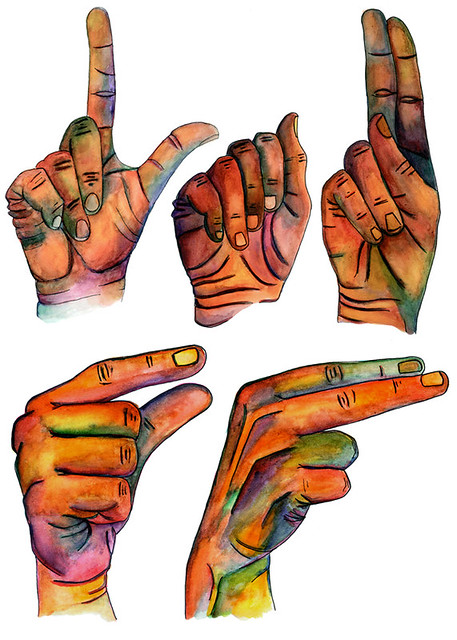
Fingers and Toes

Words for finger, toe and related things in Celtic languages.

Laugh

Proto-Celtic *makro = finger
Old Irish (Goídelc) mér [mʲeːr] = finger, digit, toe
Middle Irish (Gaoidhealg) mér, mer, meóir, meúir = finger, digit, toe
Irish (Gaeilge) méar [mʲeːɾˠ] = finger, digit, toe, leg (of crustaceans, mollusks, etc), arm (of a cuttle fish)
an mhéar thosaigh/cholbha = the forefinger, index finger
an mhéar fhada/láir/mheáin = (the) middle finger
méar an fháinne = ring finger
an mhéar bheag / lúidín / lúideog = (the) little finger
méar coise = toe
Scottish Gaelic (Gàidhlig) meur [miar] = finger, digit, branch (of an organisation/family), key (in music), point (of an antler), knot (in wood)
meur-meomhair = forefinger, index finger
meur-meadhain / (am) meur fada / (am) meur meadhanach = middle finger
màthair na lùdaige / mac an aba / am madadh fada = ring finger
meur beag an airgid / plaoisgeag = little finger
Manx (Gaelg) mair = finger, digit, prong, ray, (piano) key, hand (of clock), tributary (of river)
corrag / corvair = the forefinger, index finger
mair vooar = the middle finger
mair ny fainey = ring finger
mair veg = the little finger
mair chass / mair choshey = toe
mair choshey veg / mair veg ny coshey = little toe

Etymology: possibly from the Proto-Indo-European *mh₂ḱros (lean, meager), which is also the root of the English word meagre/meager, the French word maigre (meagre, skinny, lean, thin), and the Spanish word magro (lean)[source].

Proto-Celtic *bissī / *bistis = finger
Old Irish (Goídelc) biss = icicle
Middle Welsh (Kymraec) biss, byss, bys = finger, toe, latch
Welsh (Cymraeg) bys [bɨːs / biːs] = finger (of hand/glove), toe; medium, agency; hand (of clock); latch
bys bawd = thumb
bys blaen = forefinger, index finger
bys y cogwrn = middle finger (“knuckle finger”)
bys y gyfaredd = ring finger
bys bach = little finger, ear-finger; minute-hand
bys(i)aid = as much as can be held on or taken up by the finger, a pinch
byseddaf, byseddu, bysedda = to finger, thumb, use the fingers
byseddog = having fingers, fingered
byseg = thimble
bysfedd = finger’s breadth, digit
byson = ring for the finger
Old Cornish bis/bes = finger
Middle Cornish (Cernewec) bis, bes = finger
bis truit = toe
bisou, besaw = ring
Cornish (Kernewek) bys, bes = finger, digit
bys bras = thumb
bys rag = index finger
bys kres = middle finger
bys bysow = ring finger
bys byghan / bes bian = little finger
byskon = thimble
bysow, besow = ring
Middle Breton (Brezonec) bes, bys, bis = finger
besou, bisou = ring
Breton (Brezhoneg) biz [biːs] = finger, hand (of clock), tooth (of tool), leg (of anchor), tentacle, tendril
biz-meud = thumb
biz-yod = index finger
biz bras = middle finger
biz-gwalenn / biz bizou = ring finger
biz bihan / skouarnel = little finger
bizou, bizoù [ˈbiːzu] = ring, jewel
bizouier = jeweller
bizour = jewel

Etymology: from the Proto-Indo-European *gʷist- (twig, finger). The French word bijou (a piece of jewellry), comes from the same root, via the Breton bizoù (ring), from biz (finger) [source].

Proto-Celtic *māto = finger
Old Welsh (Kymraec) máut = finger, toe, latch
Middle Welsh (Kymraec) mawd, baut, bawd = finger, toe, latch
Welsh (Cymraeg) bawd = thumb, big toe; claw (of crab), hoof
bawd troed = big toe
bawdheglaf, bawdheglu = to hitch-hike
Middle Cornish (Cernewec) meut = thumb
Cornish (Kernewek) meus = thumb
meusva = inch
meusya = to hitchhike
Middle Breton (Brezonec) meut = thumb
Breton (Brezhoneg) meud [ˈmøːt] = thumb, pincer, claw
meud-troad = big toe, toe
meudadenn = grip (of the thumb)
meudata = to knead with one’s thumb

Etymology: from the Proto-Indo-European *mē- [source].

Old Irish (Goídelc) ordu = thumb, big toe
Middle Irish (Gaoidhealg) ordu, órdu = thumb, big toe
Irish (Gaeilge) ordóg [ˈəuɾˠd̪ˠoːɡ] = thumb, big toe, claw, pincers, bit, piece, fragment
ordóg coise = big toe
Scottish Gaelic (Gàidhlig) òrdag [ɔːr̪ˠdag] = thumb, big toe
òrdag-coise / òrdag-mhór = big toe
òrdag-làimhe = thumb
òrdag bheag an airgid = little toe, little finger
Manx (Gaelg) ordaag = thumb
ordaag chass / ordaag choshey / ordaag vooar = big toe

Etymology: possibly from the Old Irish ord/ordd (hammer, piece, fragment, stub), from the Proto-Celtic *ordos (hammer) [source].

Old Irish (Goídelc) ladar = grasp, grip
Middle Irish (Gaoidhealg) ladar, ladair = fork or space between the fingers or between the thumb and the rest of the hand; grip, grasp; space between the toes
Irish (Gaeilge) ladhar [lˠaiɾˠ] = space between toes or fingers, toe, claw, prong, (clawed) hand
ladhar mhór = big toe
ladhar bheag = little toe
laidhricín = little toe, little finger
lúidín / lúideog = little finger, little toe
lúidín coise = little toe
Scottish Gaelic (Gàidhlig) ladhar [l̪ˠɤ.ər] = hoof, prong, toe, claw (of lobster)
ladhrag [l̪ˠɤːrag] = toe, prong, hoof
an ladhar mór = big toe
lùdag / lùdag bheag / lùdag dhubh na catha [l̪ˠuːdag] = little finger, hinge

Etymology: unknown [source].

The Fastest Way to Learn Japanese Guaranteed with JapanesePod101.com

Sources: Wiktionary, Am Faclair Beag, Online Manx Dictionary, Teanglann.ie, eDIL – Electronic Dictionary of the Irish Language, In Dúil Bélrai English – Old Irish glossary, Geiriadur Prifysgol Cymru, Gerlyver Kernewek, Dictionaire Favereau, TermOfis, English – ProtoCeltic WordList (PDF), Etymological Dictionary Of Proto Celtic

Unlimited Web Hosting - Kualo

Swans

Words for swan (cygnus) in Celtic languages.

Swans, etc

Proto-Celtic *eli- = swan
Gaulish ala = swan
alauda = skylark
Old Irish (Goídelc) elu = swan
Middle Irish (Gaoidhealg) ela(e) = swan
Irish (Gaeilge) eala [ˈalˠə] = swan
ealach = frequented by swans
eala bhalbh = mute swan (Cygnus olor)
eala ghlorach = whooper swan (Cygnus cygnus)
Scottish Gaelic (Gàidhlig) eala [jal̪ˠə] = swan
eala bhàn = mute swan
eala fhiadhaich = whooper swan
ealag, eala-ghlas = cygnet, young swan
eala-bheag = Bewick’s (tundra) swan (Cygnus columbianus bewickii)
Manx (Gaelg) olla, ollay = (mute) swan
ollay chiaulee = whooper swan
eean olla = cygnet
Proto-Brythonic alarkos = swan
Middle Welsh (Kymraec) alarch = swan
Welsh (Cymraeg) alarch [ˈalarχ/ˈaːlarχ] = swan, the constellation Cygnus
alarchaidd = pertaining to a swan, swanlike
alarchen = cygnet
alarches = female swan
alarchwedd = swanlike
alarch dôf, alarch mud = mute swan
alarch y gogledd, alarch chwibanol, alarch gwyllt = whooper swan
Old Cornish elerch = swan
Middle Cornish (Cernewec) elerch = swan
Cornish (Kernewek) alargh = (mute) swan
Middle Breton (Brezonec) alarc’h = swan
alarc’hez = female cygnet
Breton (Brezhoneg) alarc’h = swan
alarc’h roueel = mute swan
alarc’h-kristilh = whooper swan

Etymology: from the Proto-Indo-European *h₁el- (swan, bird, waterfowl) [source].

Words from the same Proto-Celtic root include alondra (lark) in Spanish, alouette (lark) in French, and allodola (skylark) in Italian. They were probably borrowed from the Gaulish alauda (skylark), from ala (swan) [Source].

Words from the same PIE root include auk (swan) in English, alke (auk) in Danish and Norwegian, and álka (razorbill) in Faroese and Icelandic [Source].

Words marked with a * are reconstructions.

Sources: Wiktionary, Am Faclair Beag, Online Manx Dictionary, Teanglann.ie, eDIL – Electronic Dictionary of the Irish Language, In Dúil Bélrai English – Old Irish glossary, Geiriadur Prifysgol Cymru, Gerlyver Kernewek, Dictionaire Favereau, TermOfis, English – ProtoCeltic WordList (PDF), Etymological Dictionary Of Proto Celtic

The Fastest Way to Learn Japanese Guaranteed with JapanesePod101.com

Birds and Larks

Words for bird and (sky)lark in Celtic languages.

Proto-Celtic *ɸetnos = bird
Gaulish Etnosus = bird(?)
Old Irish (Goídelc) én [eːn] = bird
Irish (Gaeilge) éan [eːnˠ] = bird, young bird, chick
Scottish Gaelic (Gàidhlig) eun [ian] = bird, fowl, chicken
Manx (Gaelg) eean [jiːən] = chick, fowl, young (of birds); juvenile, cheeky child, brat
Proto-Brythonic edn = bird
Old Welsh atar = birds
Middle Welsh (Kymraec) edn [ˈɛdn] = bird
Welsh (Cymraeg) edn [ˈɛdn] = bird, fowl, fly, bee
adar [ˈadar] = birds
aderyn [aˈdɛrɨ̞n / aˈdeːrɪn] = bird
Old Cornish hethen = bird
Cornish (Kernewek) edhen = bird
Middle Breton ezn = bird
Breton (Brezhoneg) evn = bird

Etymology: from the Proto-Indo-European *péth₂r̥ (wind, feather), which is also the root of the English word feather [source].

Breton (Brezhoneg) labous = bird

Etymology: unknown

Old Irish (Goídelc) uiseóc = lark
Middle Irish (Gaoidhealg) (f)uiseóg = lark, skylark
Irish (Gaeilge) fuiseog = lark, skylark
Scottish Gaelic (Gàidhlig) uiseag [ɯʃag] = lark, skylark
Manx (Gaelg) ushag [ˈoʒaɡ] = bird, shuttlecock

Etymology: unknown

Proto-Celtic *alaudā = bird
Gaulish *alauda [ˈa.lau.daː] = skylark

Etymology: unknown. Also the root of the Latin alauda (lark, skylark), and words for (sky)lark in Romance languages, such as the French alouette, the Spanish alondra and the Italian allodola [source].

Welsh (Cymraeg) ehedydd [ɛˈhɛdɨ̞ð / ɛˈheːdɪð] = lark, skylark; flier, one that flies, bird or fowl
Old Cornish evidit = lark, skylark
Middle Breton ehuedez = lark, skylark

Etymology (Welsh): from ehedeg (to fly) and -ydd (-er) [source].

Cornish (Kernewek) ahwesydh = lark, skylark
Breton (Brezhoneg) alc’hweder = lark, skylark

Etymology: unknown

Words marked with a * are reconstructions.

Sources: Wiktionary, Am Faclair Beag, MacBain’s Dictionary, In Dúil Bélrai English – Old-Irish Glossary, teanglann.ie, On-Line Manx Dictionary, Geiriadur Prifysgol Cymru, Gerlyver Kernewek, Dictionnaire Favereau

Skylark

Ants

Words for ant and related things in Celtic languages.

Formica cf. rufibarbis

Words marked with a * are reconstructions.

Old Irish (Goídelc) sengán = ant
Middle Irish (Gaoidhealg) sengán, seangan = ant
Irish (Gaeilge) seangán = ant
seangánach = full of ants
nead seangán = anthill
Scottish Gaelic (Gàidhlig) seangan [ʃɛŋgan] = ant, mean fellow
seangan ‘nad bhriogais = to be fidgety, have the jtters (ants in your breeches)
seangananach [ʃɛŋganəx] = pertaining to or abounding in small ants
Manx (Gaelg) sniengan = ant
snienganagh = ant-infested, formic
crongan sniengan = anthill

Etymology: possibly from the Old Irish seng (thin, slender. meagre) [source].

Proto-Celtic *morwis = ant
Old Irish (Goídelc) moirb [morʲvʲ] = ant
Middle Irish (Gaoidhealg) moirb = ant
Middle Welsh (Kymraec) myr = ant
myrion = ants
morgrug, morcrug = ants
morgrugyn, morcrugyon = ant
Welsh (Cymraeg) mŷr, myrr [mɨːr/miːr] = ant
myrion = ants
myrdwyn = anthill
morgrug [ˈmɔrɡrɨ̞ɡ / ˈmɔrɡrɪɡ] = ants (from mŷr [ant] and crug [hill])
morgrugyn = ant
morgrugaidd, morgrugol = ant-like pertaining to ants, formic
Old Cornish menƿionen = ant
Middle Cornish (Cernewec) menwionen, meuwionen = ant, emmet
Cornish (Kernewek) moryonen = ant, tourists
moryoner = anteater
Old Breton moriuon = ant
Middle Breton (Brezonec) meryen = ant
Breton (Brezhoneg) merien [ˈmɛr.jɛn] = ants
merionenn = ant
merionaer = anteater
merieneg [mɛ.ˈrjẽː.nɛk] = anthill

Etymology: from the Proto-Indo-European *morwi- (ant). Words from the same roots include formic (pertaining to ants) and pismire (ant – archaic) in English, fourmi (ant) in French, mier (ant) in Dutch, maur (ant) in Icelandic and myra (ant) in Swedish [source].

The Fastest Way to Learn Japanese Guaranteed with JapanesePod101.com

Sources: Wiktionary, Am Faclair Beag, Online Manx Dictionary, Teanglann.ie, eDIL – Electronic Dictionary of the Irish Language, In Dúil Bélrai English – Old Irish glossary, Geiriadur Prifysgol Cymru, Gerlyver Kernewek, Dictionaire Favereau, TermOfis, English – ProtoCeltic WordList (PDF), Etymological Dictionary Of Proto Celtic

Unlimited Web Hosting - Kualo

Animals

Words for animal and related beasts in Celtic languages.

Animals / Anifeiliad

Words marked with a * are reconstructions.

Proto-Celtic *mīlom = animal
Old Irish (Goídelc) míl = animal, louse, hare
Middle Irish (Gaoidhealg) míl, miol [mʲiːl] = animal, louse
Irish (Gaeilge) míol [mʲiːlˠ, mʲiːl] = animal, creature, insect, louse
míolach = lousy, verminous, measly, mean, full of animals
míolachán = verminous person or animal
míoladóir = louse-picker, scrounger
míoladóireacht = picking live, scrounging
míoleolaí = zoologist
míoleolaíocht = zoology
míolra = vermin
Scottish Gaelic (Gàidhlig) mial [miəl̪ˠ] = louse, tick, animal (archaic)
mialach [miəl̪ˠəx] = lousy, abounding in live, harmless
mialachd [miəl̪ˠəxg] = lousiness, harmlessness
mialtag [miəl̪ˠdag] = gnat
mial-bhalla = bedbug
mial-eòlas = = zoology
Manx (Gaelg) meeyl [miːl] = gnat, insect, louse, gnat
meeyllagh = insectlike, lousy, verminous
meeyllyn = vermin, flies
meeyllaghys = lousiness
Proto-Brythonic *mil [ˈmiːl] = animal
Middle Welsh (Kymraec) mil = animal, beast, creature
Welsh (Cymraeg) mil [miːl] = animal, beast, creature
milaidd = pertaining to animals, like an animal, bestial
mildraeth, mildraith = zoology, zoography, natural history
mildraethydd = zoologist, zoographer
milfa = menagerie
milfeddyg = verterinary, surgeon, farrier
milgi = greyhound
enfil = animal, beast, creature
Middle Cornish (Cernewec) mil = animal, beast
milen = brutish, brutal, cruel
milgy = hound, greyhound
Cornish (Kernewek) mil = animal
milonieth = zoology
milus = brutal
miluster = brutality
milva = zoo
milvedhek = vet, vetinary surgeon
Middle Breton mil = animal
Breton (Brezhoneg) mil [ˈmiːl] = animal
euzhvil = monster
morvil = whale

Etymology: from the Proto-Indo-European *(s)meh₁l- (small animal) [source].

Proto-Celtic *luwā = louse
Proto-Brythonic *llow, *lou̯ā, *luu̯ā = lice
Middle Welsh (Kymraec) lleu, llav [ˈɬei̯] = lice
llay ena = to louse, to hunt for lice
lleuedic = full of lice, lousy
lleulyt = full of lice, lousy
lleuog, lleuawc, lleuoc = full of lice, lousy, dirty, vile
Welsh (Cymraeg) llau [ɬaɨ̯ / ɬai̯] = lice
lleuen = louse
lleuedig = full of lice, lousy, stinking
lleuenna = to louse, to hunt for lice
lleulyd = full of lice, lousy
lleuog = full of lice, lousy, dirty, vile
Middle Cornish (Cernewec) loow, lou = lice
louen, lewen, luan = louse
Cornish (Kernewek) low = lice
lowen = louse
Old Breton (Brethonoc) lewen = louse
Middle Breton (Brezonec) laou = lice
louenn = louse
louhec [ˈlɔ.wːek] = lousy
Breton (Brezhoneg) laou [ˈlɔw] = lice
laouenn = louse
laoueg [ˈlɔ.wːek] = lousy
laouek [ˈlɔ.wːek] = lousy

Etymology: from Proto-Indo-European *lewH- (louse). Words from the same root include louse in English, Laus (louse) in German, lus (louse) in Swedish, veš (louse) in Czech, and вошь (vošʹ – louse) in Russian [source]

Old Irish (Goídelc) anmandae, anmande = animal, creature
Middle Irish (Gaoidhealg) anmandae = living creature, animal, beast, head of cattle
Irish (Gaeilge) ainmhí [anʲəvʲiː]= animal, brute, monster
ainmhíoch = animal, brutish
ainmhíocht = animal nature, brutishness
Scottish Gaelic (Gàidhlig) ainmhidh [ɛnɛvɪ] = animal, beast of burden, heifer
ainmhidheach [ɛnɛvɪjəx] = brutish, beastly
ainmhidheachd [ɛnɛvɪjəxg] = brutality, brutishness

Etymology: from the Old Irish ainim(m) (soul, life), from the Latin anima (soul, spirt, life; breath), or from the Proto-Celtic *anaman (soul, spirit), from Proto-Indo-European *h₂enh₁mos, from *h₂enh₁- (breathe), which is also the root of the English word animal [source].

Middle Welsh (Kymraec) aniueileit, anyueyl, anieuil = animal, beast, creature
aniueileid, anifeilyeid, anifeiliaidd = animal-like, bestial
Welsh (Cymraeg) anifail [aˈnɪvai̯l / aˈniːvai̯l] = animal, beast, creature
anifeil(i)aidd = animal-like, bestial, brutish, savage, foul
anifeilig = animal(-like), bestial, brutal
anifeiliol = animal(-like), bestial, beastly, brutal
anifeilrwydd = carnality, sensuality
Middle Cornish (Cernewec) eneval = animal
enevales = female animal
Cornish (Kernewek) eneval = animal
eneval dov = pet
Middle Breton (Brezonec) aneual, anneual = animal
Breton (Brezhoneg) aneval [ãˈneːval] = animal

Etymology: from the Latin animal (animal, living creature), from animālis (animate, living), from anima (soul, spirt, life; breath) [source].

Proto-Celtic *betrixs = (?)
Old Irish (Goídelc) bethadach = animal
Middle Irish (Gaoidhealg) bethach, bethadach = animal, creature, beast
Irish (Gaeilge) beithíoch [bʲɛˈhiəx / ˈbʲɛhiəx / ˈbʲɛhiə(h)] = beast, (large) animal, brute; (large) specimen of creature, bovine animal; heifer, cow, cattle, horse
Scottish Gaelic (Gàidhlig) beathach [bɛhəx] = animal, beast, head of cattle, brute
beathachachadh [bɛhəxəɣ] = living, feeding, nourishing, sustaining, nourishment, nutrition
beathachail [bɛhəxal] = nutritious, nutritional
beathachair [bɛhəxɛrʲ] = animator
beathaich [bɛhɪç] = feed, nourish, support, sustain
beithir [behɪrʲ] = any wild or savage thing, beast; thunderbolt; lightning; strong gust of wind; warrior, hero
Manx (Gaelg) baagh = animal, pet, beast
beishtagh = beastly, bestial, brutish, monstrous, filthy

Etymology: from the Middle Irish betha (life), from Old Irish bethu (life), from Proto-Celtic *biwotūts (life), from *biwos (alive), from Proto-Indo-European *gʷih₃wós (alive) [source].

Words from the same roots include words for food and life in Celtic languages, quick and zoo in English, and vida (life) in Spanish [source].

Proto-Celtic *lutno- = (young) animal
Scottish Gaelic (Gàidhlig) loth [l̪ˠɔh] = fily, foal, colt
lothag [l̪ˠɔhag] = young colt / filly / foal
lothaire [l̪ˠɔhɪrʲə] = gangly / spindly person
lothach [l̪ˠɔhəx] = abounding in fillies / foals / colts
Manx (Gaelg) lhiy = colt
Middle Welsh (Kymraec) lluden, llydyn, llwdyn = (young) animal, beast
llwdyngar = involving (carnal) bestiality
Welsh (Cymraeg) llwdn = the young of an animal (colt, foal, kid, etc), animal, beast, young man, youth, oaf, dolt
llwdngar = involving (carnal) bestiality
Middle Cornish (Cernewec) lodn = young cow or sheep, young ox, bullock, steer, wether
Cornish (Kernewek) lodn = bullock, young ox
lodnek = bovine
lodnow = cattle
Middle Breton (Brezonec) loeznet, loezn, loznet = animal, beast
loeznedus = abounding in animals
Breton (Brezhoneg) loen [ˈlwẽːn] = animal, beast
loeniñ = to brutalise, labour, punish
loenedus = gamey
loenegezh = bestiality
loenek = animal, bestial, brutish

Etymology: from PIE *polH- (animal young), from *peh₂w- (smallness). Words from the same roots include few, filly, foal, pony and puppy in English [source].

Sources: Wiktionary, Etymological Dictionary Of Proto Celtic, In Dúil Bélrai English – Old Irish glossary, eDIL – Electronic Dictionary of the Irish Language, Teanglann.ie, Am Faclair Beag, An etymological dictionary of the Gaelic language, Fockleyreen: Manx – English Dictionary, Online Manx Dictionary, Gaelg Corpus, Geiriadur Prifysgol Cymru, Lexicon cornu-britannicum : a dictionary of the ancient Celtic language of Cornwall, Gerlyver Kernewek, Devri : Le dictionaire diachronique du breton, Geriafurch, TermOfis