Omniglot News (28/11/21)

This week there are two new language pages on Omniglot :

  • Amdo Tibetan (ཨ་མདོའི་སྐད་), a Tibetic language spoken in the provinces of Qinghai, Gansu and Sichuan and in the Tibet Autonomous Region in western China.
  • Khams Tibetan (ཁམས་སྐད), a Tibetic language spoken in the provinces of Qinghai, Sichuan, Yunnan, and in the Tibet Autonomous Region in western China, and also in eastern Bhutan and northern Myanmar / Burma.
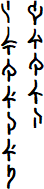
Surat Beringin
There’s a new constructed script: Surat Beringin, which was is a way to write Beka Melayu, a version of Malay with all the non-Austronesian elements replaced with words from Austronesian roots. It is in fact a version of the Aksara Beringin script, which was invented by Adam Damario in 2017 as an alternative way to write Indonesian. The person behind Surat Beringin script prefers to remain anonymous.

There are new numbers pages in: Botlikh (Буйхалъи мицӏцӏи), a Northeast Caucasian languages spoken in southwestern Dagestan in the Russian Federation, and Bamum (Shü Pamom), a Bantoid language spoken mainly in Cameroon.

There are Omniglot blog posts about being Lukewarm and Hairy Cats and Little Dogs, and the usual Language Quiz.

The mystery language in last week’s language quiz was Awngi (አውጚ), a Central Cushitic language spoken in northern Ethiopia.

The Celtiadur post this week is about words for Trousers, Socks and Sites in Celtic languages.

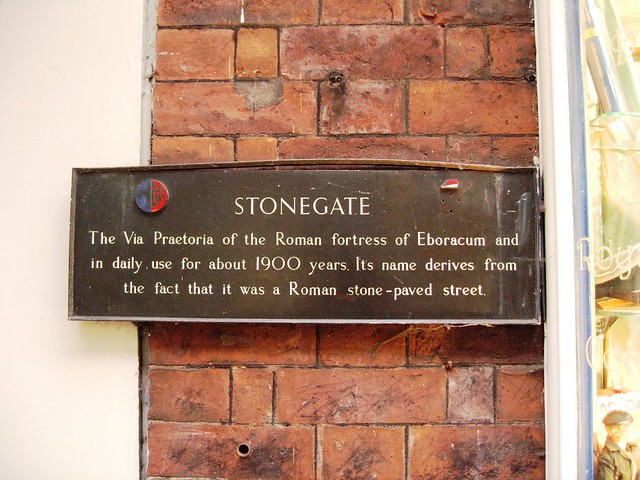
We find out when a gate is not a gate in this week’s Adventure in Etymology.
Stonegate

I also made improvements to the Botlikh and Chakma languages pages.

For more Omniglot News see:
https://www.omniglot.com/news/
https://twitter.com/Omniglossia
https://www.facebook.com/groups/omniglot/
https://www.facebook.com/Omniglot-100430558332117

You can also listen to this podcast on: Apple Podcasts, Amazon Music, Stitcher, TuneIn, Podchaser, PlayerFM or podtail.

If you would like to support this podcast, you can make a donation via PayPal or Patreon, or contribute to Omniglot in other ways.

Blubrry podcast hosting

Omniglot News (21/11/21)

There are two new constructed scripts on Omniglot this week: Tainonaíki, which was invented by Javier A. Hernández as a way to write his reconstructed version of the Taino language, and Khoh, a way to write Terengganu Malay devised by Amir Syafiq.

There are new language pages in:

  • Terengganu Malay (Base Tranung), a Malayan language spoken mainly in the state of Terengganu (Tranung) in eastern Peninsular Malaysia.
  • Gaddi (गदी), a Western Pahari language spoken mainly in the Chamba district in the state of Himachal Pradesh in northern India.
  • Rajbanshi (राजबंशी) a Bengali-Assamese language spoken mainly in southeastern Nepal.

There are new numbers page in: Algerian Arabic and Moroccan Arabic, and I made improvements to the Algerian Arabic and Moroccan Arabic language pages.

The Celtiadur post this week is about words for Bark and Beehives in Celtic languages.

This week on the Omniglot blog there’s a post about the Japanese word Otaku (nerd/geek), and a post about reaching 1,600 languages on Omniglot, and the usual Language Quiz.

The mystery language in last week’s language quiz was Gorontalo (Bahasa Hulontalo), a Philippine language spoken in the provinces of Gorontalo and Northern Sulawesi in Indonesia.

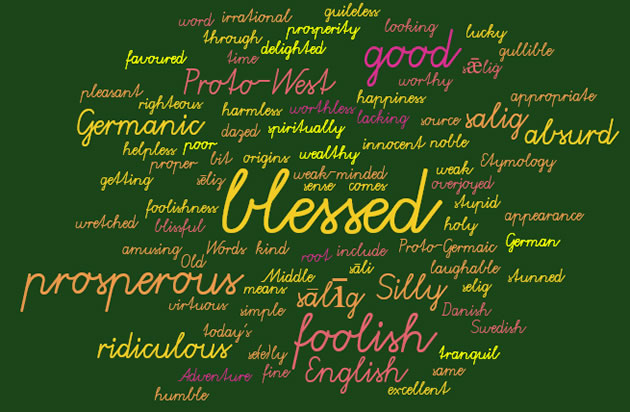
This week’s Adventure in Etymology is rather ridiculous and absurd and looks at the origins of the word silly.

A word cloud based on the contents of this post
Generated with WordItOUt

For more Omniglot News see:
https://www.omniglot.com/news/
https://twitter.com/Omniglossia
https://www.facebook.com/groups/omniglot/
https://www.facebook.com/Omniglot-100430558332117

You can also listen to this podcast on: Apple Podcasts, Amazon Music, Stitcher, TuneIn, Podchaser, PlayerFM or podtail.

If you would like to support this podcast, you can make a donation via PayPal or Patreon, or contribute to Omniglot in other ways.
Blubrry podcast hosting

Omniglot News (14/11/21)

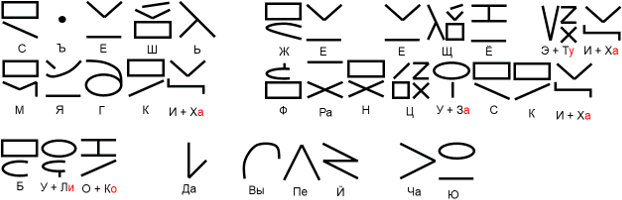
There’s a new constructed script on Omniglot this week called Abbekosima, which can be used to write English and Russian, and was inspired by the Japanese, Chinese and Korean scripts.

Sample text in Abbekosima in Russian

There are new language pages in:

  • East Frisian (Ōstfräisk), or East Frisian Low Saxon, a mixture of Eastlauwers Frisian, Low German, Dutch and French that is spoken in northern Germany.
  • Moloko (Ma Mǝloko), a Chadic language spoken in the Far North Province of Cameroon.
  • Wanetsi (وڼېڅي), an Eastern Iranian language spoken in southwest Pakistan.
  • Sukuma (Kɪsukuma), a northeast Bantu language spoken in northern Tanzania.
  • Migaama (mìgáàmá), an East Chadic language spoken in central Chad.

There’s also a new numbers page in: Migaama.

There’s a new phrases page in: Tamasheq (Tafaghist), a Berber language spoken in parts of Mali and Burkina Faso.

The Celtiadur post this week is about words for words, calls and cries in Celtic languages.

This week on the Omniglot blog there’s a post about IndyLan, a EU-funded project to promote and teach languages such as Scots, Scottish Gaelic, Cornish, Northern Saami, Basque and Galician. There’s a post called Misdirection about directional words such as upward, downward and awkward – read it to find out which direction awkward is, and the usual Language Quiz

The mystery language in last week’s language quiz was Blang (Pu Lang), a Palaungic language spoken in southern China, and northern Myanmar / Burma and northern Thailand.

This week’s Adventure in Etymology looks at the origins of the word nogging, which should not be confused with noggin, although they might be related.

I also made improvements to the Marwari language page.

Last week I wrote a blog post inspired by the Welsh idiom Mae e’n cadw draenog yn ei boced, which means that he is careful with his money, or literally “he keeps a hedgehog in his pocket”. This inspired me to write a new song this week called Pocket Hedgehogs. You can also hear this on Instagram, TikTok and YouTube:

For more Omniglot News see:
https://www.omniglot.com/news/
https://twitter.com/Omniglossia
https://www.facebook.com/groups/omniglot/
https://www.facebook.com/Omniglot-100430558332117

You can also listen to this podcast on: Apple Podcasts, Amazon Music, Stitcher, TuneIn, Podchaser, PlayerFM or podtail.

If you would like to support this podcast, you can make a donation via PayPal or Patreon, or contribute to Omniglot in other ways.

Blubrry podcast hosting

Omniglot News (07/11/21)

There’s a new writing system on Omniglot this week called Yezidi, which was used to write Northern Kurdish (Kurmanji) possibly from the 12th century AD. Recently efforts have been made to revive it, and it is now used to some extent by the Spiritual Council of Yezidis in Georgia.

New language pages on Omniglot this week are:

  • Somrai (bii gə chibne), an East Chadic language spoken in the southwest of Chad.
  • Chadian Arabic (تشادية), a variety of Arabic spoken mainly in Chad, and also in Nigeria, Cameroon, the Central African Republic, Niger, Sudan and South Sudan.
  • Libyan Arabic (ليبي‎), a variety of Arabic mainly in Libya, and also in Egypt, Tunisia, the UAE and Niger.

There’s a also new numbers pages in each of these languages: Somrai, Chadian Arabic and Libyan Arabic

The Celtiadur post this week is about words for Ditches and Trenches in Celtic languages.

This week on the Omniglot blog there’s the usual Language Quiz, and a post called Pocket Hedgehogs, which is about ways to say that someone is careful with their money in various languages – what’s that got to do with hedgehogs? You’ll have to read the post to find out.

The mystery language in last week’s language quiz was Miami (Myaamia), an Algonquian language that was spoken in parts of Illinois, Missouri, Indiana, Ohio and Oklahoma in the USA until 1962, and which is currently being revived.

This week’s Adventure in Etymology looks at the origins of the word ladder.

I also made improvements to the Javanese numbers page.

For more Omniglot News see:
https://www.omniglot.com/news/
https://twitter.com/Omniglossia
https://www.facebook.com/groups/omniglot/
https://www.facebook.com/Omniglot-100430558332117

You can also listen to this podcast on: Apple Podcasts, Amazon Music, Stitcher, TuneIn, Podchaser, PlayerFM or podtail.

If you would like to support this podcast, you can make a donation via PayPal or Patreon, or contribute to Omniglot in other ways.

Blubrry podcast hosting

Omniglot News (31/10/21)

There are three new language pages on Omniglot this week:

  • Makurap (Afséksta), a Tupari language spoken in state of Rondônia in western Brazil.
  • Sokoro (soŋoroŋ), an East Chadic language spoken in the Guéra Region of central Chad.
  • Valencian (valencià), a Western Catalan dialect/language spoken mainly in the Valencian Community in eastern Spain.

There’s a new numbers page in Sokoro.

There are two Celtiadur posts: one about words for Courts and Forts and one about words for Beaches and Shores in Celtic languages.

This week on the Omniglot blog there’s a post about whether the grass is really greener on the other side and related idioms in various languages, and the usual Language Quiz.

The mystery language in last week’s language quiz was Marathi (मराठी), a Southern Indo-Aryan language spoken mainly in the state of Maharashtra in the west of India.

This week’s Adventure in Etymology looks at the etymology of the word Etymology.

There’s a new episode of the Radio Omniglot Podcast about Gamification of language learning, particularly in apps like Duolingo.

For more Omniglot News see:
https://www.omniglot.com/news/
https://twitter.com/Omniglossia
https://www.facebook.com/groups/omniglot/
https://www.facebook.com/Omniglot-100430558332117

You can also listen to this podcast on: Apple Podcasts, Stitcher, TuneIn, Podchaser, PlayerFM or podtail.

If you would like to support this podcast, you can make a donation via PayPal or Patreon, or contribute to Omniglot in other ways.

Blubrry podcast hosting

Omniglot News (24/10/21)

There are three new language pages on Omniglot this week:

  • Kawésqar (Afséksta), a language isolate spoken mainly in the village of Puerto Edén on Wellington Island in the Última Esperanza Province of southern Chile.
  • Nambikwara (Kitãulhu), a Nambikwaran language spoken mainly in the state of Mato Grosso in western Brazil.
  • Yaghan (Háusi Kúta), a language isolate spoken on Navarino Island in Antártica Chilena Province in southern Chile.

The mystery language in last week’s language quiz was Yaghan.

There’s a new adapated script: Kagangana, an alternative way to write Indonesian, and other regional languages in Indonesia, using Japanese katakana which was invented by Erlangga Saputra.

There are new numbers pages in Yogad, and Itawis, which are Northern Luzon language spoken in northern Luzon in the Philippines.

There are new Omniglot blog posts entitled Carefully Garrulous, and Bark, Ruffles and Beehives, and the usual Language Quiz.

There are two Celtiadur posts this week: one about words for Islands and one about words for Headlands and Promontories in Celtic languages.

In this week’s Adventure in Etymology we look at the origins of the word adventure.

For more Omniglot News see:
https://www.omniglot.com/news/
https://twitter.com/Omniglossia
https://www.facebook.com/groups/omniglot/
https://www.facebook.com/Omniglot-100430558332117

You can also listen to this podcast on: Apple Podcasts, Stitcher, TuneIn, Podchaser, PlayerFM or podtail.

If you would like to support this podcast, you can make a donation via PayPal or Patreon, or contribute to Omniglot in other ways.

Blubrry podcast hosting

Omniglot News (17/10/21)

There are three new language pages on Omniglot this week:

  • Tukang Besi, a Celebic language spoken mainly in the Tukangbesi Islands in Wakatobi district of Southeast Sulawesi Province in central Indonesia.
  • Chittagonian (চিটাইঙ্গা), an Eastern Bengali-Assamese language spoken in the Chittagong Division in southeast Bangladesh.
  • Wolio, a Celebic language spoken in the province of Southeast Sulawesi in Indonesia.

There’s a new adapated script: Malay-Indonesian Cyrillic (Алфабэт Кирил Мэлайу-Индонэсиа), a way to write Malay and Indonesian with the Cyrillic alphabet devised by Naufal Rizky Rahardian.

There are new phrases and numbers in Kven (kvääni), a Finnic language spoken in northern Norway.

The mystery language in last week’s language quiz was Kven, and I’ve just posted a new Language Quiz.

There’s a new post on the Omniglot blog called Fighting Combs, about the Scots word fecht (to fight), and related words in Dutch, English, German, Swedish and Russian.

There are two new Celtiadur posts this week: one about Ale and Beer and one about Lakes and Ponds.

In this week’s Adventure in Etymology we find connections between Words and Verbs.

I made improvements to Maithili phrases page, which now has translations of all the phrases thanks to Binu V Nair of Languages Home.

In other news, I went to a folk music session on Tuesday night and spoke, and sang in, Welsh most of the time. We also spoke some Irish, German, Dutch, Finnish and English – just a typical night in Bangor.

For more Omniglot News see:
https://www.omniglot.com/news/
https://twitter.com/Omniglossia
https://www.facebook.com/groups/omniglot/
https://www.facebook.com/Omniglot-100430558332117

You can also listen to this podcast on: Apple Podcasts, Stitcher, TuneIn, Podchaser, PlayerFM or podtail.

If you would like to support this podcast, you can make a donation via PayPal or Patreon, or contribute to Omniglot in other ways.

Blubrry podcast hosting

Omniglot News (10/10/21)

There are four new language pages on Omniglot this week:

  • Mori Atas and Mori Bawah, closely related Celebic languages spoken in the southeast of Sulawesi in Indonesia.
  • Kulisusu (Pogau Kolinsusu), a Celebic language spoken on Buton Island in Southeast Sulawesi Province of Indonesia.
  • Red Karen or West Kayah (ꤊꤢꤛꤢꤟ), a Karen language spoken in eastern Myanmar and nearby parts of Thailand.

There’s a new numbers page in West Kayah (ꤊꤢꤛꤢꤟ), a variety of Red Karen spoken in northeastern Myanmar.

On the Omniglot blog this week there’s a post called Astringent Hestiation about Shibuya (渋谷), a part of Tokyo; a post about connections between words for Concerts and Beer in various European languages, and the Language Quiz.

The mystery language in last week’s language quiz was (Ong) Be, a Krai-Dai language spoken in northern Hainan Island in southern China.

This week’s Celtiadur post is about words for Cloaks and Veils in Celtic languages.

The Adventure in Etymology this week explores connections between Walls, Whelks and Helicopters.

I also made improvements to Kayah Li alphabet page.

For more Omniglot News see:
https://www.omniglot.com/news/
https://twitter.com/Omniglossia
https://www.facebook.com/groups/omniglot/
https://www.facebook.com/Omniglot-100430558332117

You can also listen to this podcast on: Apple Podcasts, Stitcher, TuneIn, Podchaser, PlayerFM or podtail.

If you would like to support this podcast, you can make a donation via PayPal or Patreon, or contribute to Omniglot in other ways.

Blubrry podcast hosting

Omniglot News (03/08/21)

There are three new languages on Omniglot this week:

  • Kusunda (मिहाक / कुसान्डा), a language isolate spoken in the southern Rolpa District of Lumbini province in west-central Nepal.
  • Kodeoha, a Celebic language spoken in Southeast Sulawesi province of Indonesia.
  • Bungku, a Celebic language spoken in the provinces of Central Sulawesi and Southeast Sulawesi in Indonesia.

There’s new constructed script on Omniglot this week called Aketal, an abugida invented by Kazimír Bodnár as an alternative way to write English.

There are new pages of phrases and numbers in Norfuk, an English and Taihitian-based creole language spoken on Norfolk Island in the Pacific, near Australia.

On the Omniglot blog this week there’s a post called Water Wagons, which looks into the origins of the phrase ‘to be on the wagon’, and the Language Quiz.

Last week’s mystery language was (Mambwe-)Lungu (ichiRungu), a Bantu language spoken at the southern end of Lake Tanganyika in Tanzania and Zambia.

In this week’s Celtiadur post you can find connections between circle-related words in Celtic languages, and the English word irrigate.

As quite a bit of wet stuff has been falling out of the sky this week, the Adventure in Etymology looks into the origins of the word rain.

I finally got round to making a new episode of the Radio Omniglot podcast, which looks at the history and use of Emoji (🖼️✍️).

I wrote a new song this week called Music in the Air, which you can also find on SoundCloud, Tiktok and YouTube:

For more Omniglot News see:
https://www.omniglot.com/news/
https://twitter.com/Omniglossia
https://www.facebook.com/groups/omniglot/
https://www.facebook.com/Omniglot-100430558332117

You can also listen to this podcast on: Apple Podcasts, Stitcher, TuneIn, Podchaser, PlayerFM or podtail.

If you would like to support this podcast, you can make a donation via PayPal or Patreon, or contribute to Omniglot in other ways.

Blubrry podcast hosting

Omniglot News (26/09/21)

There are three new languages on Omniglot this week:

  • Kambera (hilu Humba), a Sumba-Flores language spoken mainly in the east of Sumba Island in the Lesser Sunda Islands in East Nusa Tenggara province of Indonesia.
  • Mentawai (Behase Mentawei), a Malayo-Polynesian language spoken in the Mentawai Islands in West Sumatra province of Indonesia.
  • Gayo (Basa Gayo), a Malayo-Polynesian language spoken in Aceh province in the highland region of north Sumatra in Indonesia.

There’s new adapated script on Omniglot week called Hermosa española (هعرمۆسا عسپاڽۆلا), which is a way to write Spanish with the Arabic alphabet devised by Zayan Anwar.

There are new numbers pages in Proto-Italic, Umbrian, Oscan and Ket.

On the Omniglot blog this week I wrote a post about the Japanese word 賑やか / にぎやか (nigiyaka), because I just liked the sound of it, and related words in Japanese and Chinese, as well as the usual language quiz.

The mystery language in last week’s language quiz was Kanakanavu, a Southern Tsouic language spoken in the villages of Manga and Takanua in Namasia District (那瑪夏區) of Kaohsiung (高雄) in southern Taiwan.

In this week’s Celtiadur post you can find connections between words for victory in Celtic languages, the English word booty, and Queen Boudica.

This week’s Adventure in Etymology looks into the origins of the word neighbour, as I got to know some of my neighbours better this week. I found out that some of them speak other languages, including Mandarin Chinese, Spanish, French and Irish, and I got to speak a bit of all those languages, and some Welsh as well with one of my builders.

I made a new video this week featuring me play a tune I wrote a few years ago called the Dancing Donkeys on four different instruments, and it’s been getting a lot of views and likes on TikTok particularly.

In other news, work started on laying the foundations of my new garden studio this week:

Laying the foundations for my garden studio

For more Omniglot News see:
https://www.omniglot.com/news/
https://twitter.com/Omniglossia
https://www.facebook.com/groups/omniglot/
https://www.facebook.com/Omniglot-100430558332117

You can also listen to this podcast on: Apple Podcasts, Stitcher, TuneIn, Podchaser, PlayerFM or podtail.

If you would like to support this podcast, you can make a donation via PayPal or Patreon, or contribute to Omniglot in other ways.

Blubrry podcast hosting