Heads & Brains

Words for heads, brains, minds and related things in Celtic languages.

Aquileia

Words marked with a * are reconstructions.

Proto-Celtic *kʷennom = head
*en-kʷennio- = brain
Gaulish pennon, πεννο, πεννοου = head
Primitive Irish ᚉᚒᚅᚐ-ᚉᚓᚅᚅᚔ (cuna-cenni) = dog’s head
Old Irish (Goídelc) cenn [kʲen͈] = head, end, leader
inchinn = brain
Middle Irish (Gaoidhealg) cenn, cend = head, roof, end, chief, leader
cenna (adj.) = chief, principal
cennacht, ceannacht = headship, supremacy, leadership
cennas, cendus = headship, leadership, superiority, precedence
cennide = headgear, headdress, helmet
cennmar, cennmhar = big-headed
cennphort = capital, chief, leader
cenntromm, ceanntrom = heavy-handed
inchinn, inchind = brain(s), mind, intelligence, intention
Irish (Gaeilge) ceann [caun̪ˠ / cɑːn̪ˠ / can̪ˠ] = head; end, extremity; one; chief, main
ceannas = headship, sovereignty, authority, command, forwardnewss, self-assertiveness
ceannasach = ruling, sovereign, commanding, masterful, forward, self-assertive, bold, assured, dominant (chord)
ceannasaí = commander, controller
ceanntrom = bullying, oppression, top-heavy, sluggish, drowsy
inchinn [ˈɪɲçən̠ʲ] = brain
Scottish Gaelic (Gàidhlig) ceann [kʲaun̪ˠ] = head, end, close, finish, lid, roof, subject, topic, leader
ceann-suidhe = president
ceannadair [kʲan̪ˠədɪrʲ] = leader
ceannara [kʲan̪ˠər̪ˠə] = resolute, strong-headed
ceannard [kʲãũn̪ˠər̪ˠd] = chief, leader, head, boss, president, headland
ceannardach [kʲãũn̪ˠər̪ˠdəx] = chiefly, commanding, imperious
ceannas [kʲan̪ˠəs] = presidency, rule, superiority, dominance
eachainn [ɛnɛxɪn̪ʲ] = brain, brains
Manx (Gaelg) kione [caun / coːn / coᵈn] = head, headland, chief, ringleader, bottom, poll, end, extreme, close, finish, top-end, top, point of argument, termination, closing, extremity, point, dyke, tribune
kionard = chief
kionnoort = chief(tain), captain, governor, ruler, prince, deputy, constable
kioneys = dominance, domination, command, hegemony
Proto-Brythonic *penn [ˈpenː] = head
Cumbric pen = head
Middle Welsh (Kymraec) penn, pen = head, chief
pennadur = ruler, chief(tain), lord, nobleman, aristocrat, prince, king, sovereign
pennaethu = to act as a chief, to rule
pennaytheid = chieflike, princely
penryn, penrin, pennrynn = cape, promontory, headland, point, peninsula
talcen, talken = forehead, brow
Welsh (Cymraeg) pen [pɛn] = head, obverse (of coin); top, summit, roof, highest point; extremity, end, beginning; headland, promontory, projecting point of rock; pole
penadur = ruler, chief(tain), lord, nobleman, aristocrat, prince, king, sovereign
penaethu = to act as a chief, to rule
penr(h)yn = cape, promontory, headland, point, peninsula
talcen = forehead, brow
ymennydd [əˈmɛnɨ̞ð / əˈmɛnɪð] = brain, brains, intellectual capacity, mind
Old Cornish penn = head
Middle Cornish (Cernewec) pen = an extremity, end, conclusion, head, chief, beginning, the upper part, summit
pencanguer = centurion (“head of 100 men”)
pendevig, pensevic, pedhzhivig = prince, chief, nobleman
pendruppia = to nod, shake the head
penryn = promontory, cape, head-land
Cornish (Kernewek) penn, pedn [pɛn:] = end, head, summit, top, main, premier, top
pennek = big-headed
pennen = buddle-head
pennseviges = princess
pennsevik = chief, noble, prince
pennskol = university
ympynnyon brain
Old Breton penn = head, chief
Middle Breton (Brezonec) penn, pen = head, chief
pennec = big-headed, stubborn, obstinate
Breton (Brezhoneg) penn [pɛnː] = head, chief, leader
pennad [ˈpɛ.nːat] = piece, end, moment, chapter, article
pennadur = authority
pennan = main, dominant
pennañ = to form a head, to stand up to
pennek [ˈpɛnːɛk] = big-headed, stubborn, obstinate
penntir [ˈpɛntiʁ] = promontory
empenn = brain

Etymology: unknown. The words for brain all mean “in (the) head” [source]. The tal in Welsh talcen comes from tâl (end, extremity, top, side, edge, front), from Proto-Celtic *talu (front, forehead) – see the post about Foreheads, while the cen retains the c [k] from Proto-Celtic.

Old Irish (Goídelc) in(n)tinn [ˈin͈ʲtʲin͈ʲ] = head, end
Middle Irish (Gaoidhealg) in(n)tinn = mind, view, disposition, attention, intention, will, purpose, high spirits, courage
dall-inntinn = dullness, stupidity, dull, stupid, heavy
Irish (Gaeilge) intinn [ˈiːn̠ʲtʲən̠ʲ] = mind, mental state, disposition, attention, spirits, intention, accord
intinneach = willing, intent(ional), strong-willed, spirited, in high spirits
Scottish Gaelic (Gàidhlig) inntinn [ĩːn̪ʲdʲɪn̪ʲ] = (human) mind; intellect, intelligence; intention, purpose
inntinneach [ĩːn̪ʲdʲɪn̪ʲəx] = interesting, high-minded, high-spirited, jolly, merry
inntinneachd [ĩːn̪ʲdʲɪn̪ʲəxg] = high-mindedness
inntinneil = mental
Manx (Gaelg) inchyn, inçhyn = brain, grey matter, intellect, spirit
inchynagh = brainy, cerebral, intelligent, mental, witted
inchynaght = intellect, intelligence
ard-inchynys = brilliance
co-inchynys = telepathy
far-inchynaght = artificial intelligence

Etymology: from the Latin intentiō (strain, tension, increase, exertion, charge, purpose, intention), from intendō (to stretch out, strain, turn one’s attention to, focus (on), aim, direct), ultimately from Proto-Indo-European *ten- (to stretch, extend) [source]. Words from the same roots include tend, tent, tense, tenure and intention in English, entendre (to hear, mean) in French, tener (to have, possess, hold) in Spanish [source].

The Fastest Way to Learn Japanese Guaranteed with JapanesePod101.com

Sources: Wiktionary, Etymological Dictionary Of Proto Celtic, In Dúil Bélrai English – Old Irish glossary, eDIL – Electronic Dictionary of the Irish Language, Teanglann.ie, Am Faclair Beag, An etymological dictionary of the Gaelic language, Fockleyreen: Manx – English Dictionary, Online Manx Dictionary, Gaelg Corpus, Geiriadur Prifysgol Cymru, Lexicon cornu-britannicum : a dictionary of the ancient Celtic language of Cornwall, Gerlyver Kernewek, Devri : Le dictionaire diachronique du breton, Dictionaire Favereau, TermOfis

Unlimited Web Hosting - Kualo

Legs & Feet

Words for legs, feet and related things in Celtic languages.

Legs

Words marked with a * are reconstructions.

Proto-Celtic *koxsā = foot, leg
Old Irish (Goídelc) cos(s) [kos] = foot, leg
Middle Irish (Gaoidhealg) cos, cas = foot, leg, stem, support, handle, shaft, infantry
cosach = pertaining to feet or legs, long-legged
Irish (Gaeilge) cos [kɔsˠ] = leg, foot; handle, shaft, stem; lower end
cosán = path, footway, track, way, passage, direction
cosarálaí = trampler, clumsyfooted person
coiscéim = footstep
coisí = pedestrian
Scottish Gaelic (Gàidhlig) cas [kas] = foot, trotter; leg; handle, shaft shank (of a fishing hook
casach [kasəx] = (many-)footed, legged, abounding in feet
casachan [kasəxan] = pedal, treadle
cos [kɔs] = foot, leg, handle, shaft
Manx (Gaelg) cass [kaːs] = leg, barrel, foot, shaft, peg, bottom, outlet, mouth of river, stalk, hilt, stem of a pipe, crop of a whip
cassagh = footed, pedal, spiral, objective
kass = foot
Proto-Brythonic *koɨs = leg, shank, stem
Middle Welsh (Kymraec) coes = leg, shank
koescyn = leg, shank, stalk, stem
Welsh (Cymraeg) coes [koːɨ̯s / kɔi̯s / koːs] = leg, shank; handle, haft, stem, stalk
coes = little leg
coesgyn = leg, shank, stalk, stem
coesi(o) = to run away, leg it, walk, stride
Cornish (Kernewek) koos = leg

Etymology: from Proto-Indo-European *koḱs- (joint) [source]. Words from the same PIE root include cushion in English, Hachse (hock, shank, knuckle, leg) in German, coxa (thigh, drumstick) in Portuguese, and cuisse (thigh) in French [source].

Proto-Celtic *tregess = foot
Gaulish treide = foot
Old Irish (Goídelc) traig [traɣʲ] = foot (part of body / measurement), step
Middle Irish (Gaoidhealg) traig = foot, step
Irish (Gaeilge) troigh [t̪ˠɾˠɪɟ / t̪ˠɾˠɔ / t̪ˠɾˠiː] = foot (part of body / measurement), step
troitheach = foot-soldier, pedestrian
troitheán = pedal, treadle
troithíocht = sound of footsteps
Scottish Gaelic (Gàidhlig) troigh [trɔç] = foot (part of body / measurement), sole of foot
troighean = pedal
Manx (Gaelg) trie [strɛin] = foot, sole, twelve inches
Middle Welsh (Kymraec) troed, troet = foot
troeduet, troetued, troydvedd = foot (measurement)
troedaỽc, troedauc, troediog, troedyavc, troydawc = having a foot, footed, walking, ambulant, nimble-footed, sure-footed
Welsh (Cymraeg) troed [troːɨ̯d / trɔi̯d] = foot, shaft, handle, bottom, base, pedestal, foundation, extremity, end, stalk, foot-joint
troed-droed, troetroed = step by step, in step (with)
troedfa = pavement, foundation, base
troedfedd = foot (measurement)
troedfys = toe
troedffordd = footpath, footway
troediad = step, pace, walk, gait, kick
troed(i)o = to tread, step, walk, tample (on), plod, trudge
troed(i)og = having a foot, footed, walking, ambulant, nimble-footed, sure-footed
Old Cornish truit = foot
Middle Cornish trois, tros, trôs = foot
troishys = foot (length)
Cornish (Kernewek) troos [tro:z / tru:z] = foot, on foot
troos-hys, troos-hes = foot (length)
Old Breton treit, treyt = foot
Middle Breton troat = foot
troatet = foot (length)
Breton (Brezhoneg) troad [trwɑːt] = foot, handle
troadeg = with big feet, infantryman, pedestrian
troadek [ˈtrwɑː.dɛk] = having big feet, having a foot
troadikell [trwa.ˈdikː.ɛl] = pedal
troadikellañ [trwa.di.ˈkɛlː.ã] = to pedal
troadikeller [trwa.di.ˈkɛlː.ɛr] = pedalboard. pedaler
troatad [ˈtrwatː.at] = foot (length)

Etymology: from Proto-Indo-European *tregʰ- (to run, walk), apparently a variant of *dʰregʰ- (to run, drag, pull) [source]. Words from the same roots include drag, draw, train and treaty, and droichead (bridge) in Irish [source].

Proto-Celtic *garros = shank, leg, calf
Gaulish *garra = leg
Old Irish (Goídelc) gairr = calf of the leg
Middle Irish (Gaoidhealg) gairr, gair = calf of the leg
Proto-Brythonic *garr = shank, calf of the leg
Middle Welsh (Kymraec) garr, gar = leg, shank, thigh, ham, hough
Welsh (Cymraeg) gar [ɡar] = leg, shank, thigh, ham, hough
gar(r)an = leg, shank, shaft, axle
garanu = to fix a shank or handle, to fit with a shaft or axle, to crane
Middle Cornish (Cernewec) gar = shank, leg
Cornish (Kernewek) garr [ɡarː/ɡɒr] = leg, stem
garren = calf, stalk
Middle Breton (Brezonec) gar, garr = leg, paw
Breton (Brezhoneg) gar [ɡɑːr] = leg, paw
garegenn = leg (of trousers)
gargen = leg warmer
gallek [ˈɡa.rːɛk] = (having) long legs

Etymology: possibly from Proto-Indo-European *ǵʰs-r- (hand), from *ǵʰes- (hand, to take, give in exchange) [source]. Words from the same Proto-Celtic root include garra (shank, claw, talon) in Catalan, jarret (hough, hock) in French, garter (a band worn around the leg to hold up a sock or stocking) in English, and garra (claw, talon, paw, hook, passion, dedication) in Spanish [source].

Words from the same Proto-Info-European roots include dorë (hand) in Albanian, paže (arm) in Czech, and host (the consecrated bread of the Eucharist) in English [source].

The Fastest Way to Learn Japanese Guaranteed with JapanesePod101.com

Sources: Wiktionary, Etymological Dictionary Of Proto Celtic, In Dúil Bélrai English – Old Irish glossary, eDIL – Electronic Dictionary of the Irish Language, Teanglann.ie, Am Faclair Beag, An etymological dictionary of the Gaelic language, Fockleyreen: Manx – English Dictionary, Online Manx Dictionary, Gaelg Corpus, Geiriadur Prifysgol Cymru, Lexicon cornu-britannicum : a dictionary of the ancient Celtic language of Cornwall, Gerlyver Kernewek, Devri : Le dictionaire diachronique du breton, Dictionaire Favereau, TermOfis

Unlimited Web Hosting - Kualo

Lips, Mouths & Throats

Words for lip, mouth, throat and related things in Celtic languages.

Horses mouth

Words marked with a * are reconstructions.

Proto-Celtic *weblos = lip
Old Irish (Goídelc) bél [bʲeːl] = lip, mouth, opening
belach = gap, pass, road
bélat = crossroads
bélbach = horse’s bit
bélrae = speech, language
Middle Irish (Gaoidhealg) bél, beoil, beóil, beolu, beula = lip, mouth, edge, rim, orifice, opening
belach, bealach, beluch = gap, pass, defile, (narrow) passage, road, path, way
bélaire = reciter
bélairecht = (oral) tradition
bélat, belach = place where several roads meet, crossway, pass, frontier
bélbach = horse’s bit
bélrae = speech, language, people, nation
Irish (Gaeilge) béal [bʲia̯l̪ˠ / bʲeːlˠ] = mouth, opening, entrance, lip, edge, sound, front, face, beginning
béalach = loquacious, loose-tongued
béalán = mouthful
béalbhinn = mellifluous, flattering
béalóg = small opening, gap, mouthpiece, grip, bite, mouthful, muzzle
béaloideas = oral tradition, folklore
béaltais = soft-lipped, bland, damp, drizzly
Scottish Gaelic (Gàidhlig) beul [bial̪ˠ] = mouth, beginning, opening, edge, gunwale, oral
beulach [bial̪ˠəx] = plausible, two-faced, talkative, smooth-talking
beulachas [bial̪ˠəxəs] = flattery, being mealy-mouthed
beuladair [bial̪ˠədɪrʲ] = gossip (person)
beulaiche [bial̪ʲɪçə] = speaker, talker, reciter, newsmonger
beulas [bial̪ˠəs] = prattling, babbling, orality
Manx (Gaelg) beeal [ˈbiəl] = mouth, muzzle, rictus, flue, outlet, orifice, cone, crater, rim, approach, passage
beealagh = imprudent, impudent, thick-lipped
beealeraght = babble, chatter, talk
beealerey = babbler, talkative person
beealragh(yn) = (horse’s) bit, snaffle

Etymology: unknown [source].

Old Irish (Goídelc) gíall [ˈɡʲiːa̯l̪] = jaw
Middle Irish (Gaoidhealg) gíall, giall = jaw
Irish (Gaeilge) giall [ɟiəl̪ˠ] = jaw, cheek, (door) jamb, corner (of gable-end)
giallach = jaw-like, long-jawed
giallachán = a long-jawed / lantern-jawed person
Scottish Gaelic (Gàidhlig) giall [gʲiəl̪ˠ] = jaw, jowl, gill
Proto-Brythonic *gweβl = lip
Middle Welsh (Kymraec) guefl, gwefl, gwefyl = lip, jaw(s)
Welsh (Cymraeg) gwefl = lip, jaw(s)
gweflaf, gweflu, gweflo = to grin, grimace, pout, fret, snivel, blubbler, mouth (sth)
gweflaid = mouthful
gwefliad = labial
gweflog = large-lipped, blubber-lipped, thick-lipped
gweflwr = pouter, flatterer
Middle Cornish (Cernewec) gwelv = lip
Middle Breton (Brezonec) gweol = lip

Etymology: possibly from or related to Old English ċeafl (jaw, cheeck, bill, beak, snout), from Proto-West Germanic *kafl (jaw, cheek), from Proto-Germanic *kaflaz (jaw), from PIE *ǵep- (to eat, chew). Words from the same roots include jowl in English, gueule (gullet, snout, face, mouth) in French, and kæbe (jaw) in Danish [source].

Proto-Celtic *bussus = lip
Gaulish *bussus = lip (?)
Middle Irish (Gaoidhealg) bus = lip
Irish (Gaeilge) pus [pˠʊsˠ / pˠʌsˠ] = (protruding) mouth, sulky expression, pout, snout
pusach = pouting, in a huff, whimpering, ready to cry
pusachán = pouter, sulky person, sucking calf
pusaire = sulky person, blubberer
pusaireacht = (act of) pouting, sulking
puisín = lip, calf’s muzzle
Scottish Gaelic (Gàidhlig) bus [bus] = mouth, cheek, lip, muzzle, snout, grimace, pout
busach [busəx] = glum, sullen, pouting, blunt
busag [busag] = slap on the mouth, smacking kiss, smack, dummy (sucking preventer)
Manx (Gaelg) puiss = cheek, jowl, muzzle, pout
puissagh = pouting, sullen, puffy, chubby
Proto-Brythonic *gweβus =
Middle Welsh (Kymraec) gueus, gwëus, gweus = (human) lip, edge, brim, language, speech
Welsh (Cymraeg) gwefus, gwëus, gweus = (human) lip, edge, brim, language, speech
gwefuso = to lip, touch with the lips, kiss, murmur, utter
gwefusflew = moustache
gwefusog = having (large) lips, large-lipped
Old Cornish gueus = lip
Middle Cornish (Cernewec) gueus, gweuz = lip
Cornish (Kernewek) gweus = lip
Middle Breton (Brezonec) geux, gueux, gueus = lip
gueusiec, gueusyec = lippy, blubber-lipped
Breton (Brezhoneg) gweuz [ˈɡwøːs / ˈɡɥøːs] = lip, labial
gweuzek [ˈɡɥøːzɛk / ˈɡwøːzɛk] = lippy, blubber-lipped, labiate
gweuzkenn = lip, pout

Etymology: uncertain, possibly a sound-symbolic word [source].

Proto-Celtic *monis = neck
*moniklos = neck
Old Irish (Goídelc) muinél = neck, narrow part
Middle Irish (Gaoidhealg) muinél, muinel, muineol = neck, narrow part
Irish (Gaeilge) muineál [ˈmˠɪnɑːl] = neck
muineálach = of the neck, cervical, long-necked
Scottish Gaelic (Gàidhlig) muineal [mun̪ʲəl̪ˠ] = neck
muinealach [mun̪ʲəl̪ˠəx] = necked, long-necked
Manx (Gaelg) mwannal [ˈmonal] = neck
mwannalagh = cheeky, impudent, long-necked, giraffe
Proto-Brythonic *munugl = neck
Middle Welsh (Kymraec) mvnugyl, mwnvgyl, mynwgyl, mwnwgl = neck, throat
Welsh (Cymraeg) mwnwg(l), mynwgl [ˈmʊnʊɡl] = neck, throat, instep, collar, necklace
mwnwglwair = torque, collar
mwnwg(l) y troed = instep

Etymology: from PIE *mónis (neck), from *mon- (neck, nape). Words from the same roots include mane in English, Mähne (mane) in German, and maan (mane) in Dutch [source].

Proto-Celtic *wodwos = spoils
Old Irish (Goídelc) fodb = spoils
Middle Irish (Gaoidhealg) fodb, fadb = booty, spoils
Irish (Gaeilge) fadhbh = dead man’s possessions, plunder, spoils (literary)
fadhbhach = spoil-laden
faofa = stripped, despoiled, bare, naked
Scottish Gaelic (Gàidhlig) fadhbh [fɤːv] = spoils, booty (esp. of a dead person), windfall
fadhbh a’ chogaidh = the spoils of war
fadhbhachadh [fɤːvəxəɣ] = (act of) stripping (bare), denuding, despoiling, plundering, looting
Middle Welsh (Kymraec) gedueu, gwdwc, gwdyf, gwdwf, gwddw = neck, crag, throat
Welsh (Cymraeg) gwddf, gwddw(g) [ɡʊðv / ˈɡuːðu(g)] = neck, crag, throat
gyddfol [ˈɡəðvɔl] = jugular, gutteral, throaty, hoarse
Old Breton (Brethonoc) guodoc = throat, neck
Middle Breton (Brezonec) gouzouc = throat, neck
Breton (Brezhoneg) gouzoug = throat, neck

Etymology: uncertain, possibly related to Proto-Celtic *wodwo- (cutting), from Proto-Indo-European *wedʰH- (strike) [source].

Middle Welsh (Kymraec) ceg, ceeg, cêg = throat, gullet, windpipe, neck, mouth
Welsh (Cymraeg) ceg [keːɡ] = throat, gullet, windpipe, neck, mouth, opening, entrance, roup, pip, thrush
cega(f), cegu, cego = to swallow, consume greedily, guzzle, gulp, choke, throttle, scold, wrangle, gossip, shout
cegaid = mouthful, draught
cegen = gorge, gullet, windpipe
cegog = mouthy

Etymology: possibly from Old English ċēce (jaw, jawbone, cheek), from Proto-West Germanic *kākā (jaw, cheek), from Proto-Germanic *kēkǭ. The English words cheek and choke come from the same roots, as does kaak (jaw, cheek, gill) in Dutch [source].

Sources: Wiktionary, Etymological Dictionary Of Proto Celtic, In Dúil Bélrai English – Old Irish glossary, eDIL – Electronic Dictionary of the Irish Language, Teanglann.ie, Am Faclair Beag, An etymological dictionary of the Gaelic language, Fockleyreen: Manx – English Dictionary, Online Manx Dictionary, Gaelg Corpus, Geiriadur Prifysgol Cymru, Lexicon cornu-britannicum : a dictionary of the ancient Celtic language of Cornwall, Gerlyver Kernewek, Devri : Le dictionaire diachronique du breton, Geriafurch, TermOfis

Heavy

Words for heavy and related things in Celtic languages.

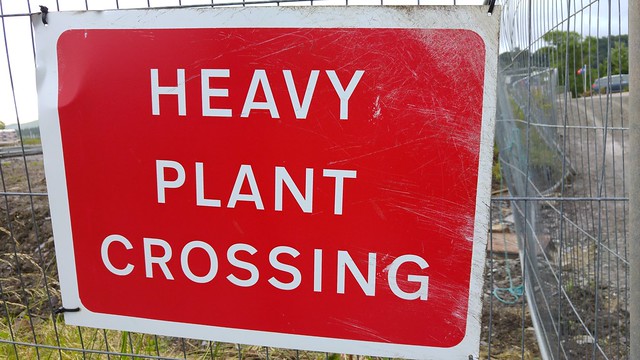
The plants are heavy in Bangor

Words marked with a * are reconstructions.

Proto-Celtic *trummos = heavy
Old Irish (Goídelc) trom = heavy, burden, distress, elder, weight
trummae = heaviness
Middle Irish (Gaoidhleag) trom = heavy, great, vast, powerful, mighty, weight, burden, bulk, severity, distress, difficulty, sorrow, blame, censure
trummae, truime = heaviness, weight, severity, rigour, sorrow, grief
Irish (Gaeilge) trom [t̪ˠɾˠuːmˠ] = weight, burden, oppression, bulk, preponderance, importance, blame, heavy, stodgy, dense, thick, abundant
tromábhal = massive
troime = heaviness, weightiness
tromaí = weighty, onerous, grave, serious, heavy-handed
tromaigh = to become heavier, make heavier, add weight to, intensify, deepen, press upon
tromán = weight
tromas = oppression, distress
Scottish Gaelic (Gàidhlig) trom [trɔum] = heavy; weighty, ponderous; pregnant; deep, profound; oppressive (mood); mournful, melancholic; burden, weight
tromach = heavy / clunky one
tromadach = bulky, large, substantial, massive, ample, weighty, lumpish
tromaich = make/become heavy, burden, load, oppress
troman = great weight
Manx (Gaelg) trome [t̪roːm] = heavy, difficult, grave, substantial, weighty, deep, sweated, emphatic, hard, gruelling, harsh
tromey = heavy, grievous
trommey = heavy
Proto-Brythonic *trumm = heavy
Middle Welsh (Kymraec) trum, trỼm, trom, trwm = heavy, solid, bulky, large
Welsh (Cymraeg) trwm [trʊm] = heavy, solid, bulky, large, thick, intense, severe, hard, excessive; extensive, plentiful; boring, abstruse; close, muggy, oppressive
trwmgalon, trymgalon = heavy-hearted, sad, sorrowful, downhearted, troubled, sadness
trymhau = to make/become heavier
pendrwm = downcast, downhearty, sorrowful, dejected
Middle Cornish (Cernewec) trom = heavy, weighty, sad
Old Breton trum = heavy (?)
Middle Breton (Brezonec) trum, trumm = quickly, fast, soon, sudden
Breton (Brezhoneg) trumm = sudden

The Breton words might not be cognate with the words in the other languages.

Etymology: from Proto-Indo-European *trewd (thrust, press) [source].

Words from the same roots include intrude, protrude, threat and thrust in English, troid (fight) in Irish, trod (quarrelling, wrangling, scolding) in Scottish Gaelic and troddan (campaign, fight, quarrel) in Manx [source].

Middle Irish (Gaoidhleag) pís = name of a weight, pennyweight
Proto-Brythonic *puɨs = heavy
Middle Welsh (Kymraec) pvys, pwys = weight
pwysedic = weighed, pressed, weighty, heavy
pvysuaur, pwys-fawr = heavy, important, momentous, serious
pwyssic = important, weighty, momentous
Welsh (Cymraeg) pwys [puːɨ̯s/pʊi̯s] = weight, pressure, impetus, burden, pound (lb)
pwysaf, pwyso = to weigh, be heavy, press, emphasize
pwysedig = weighed, pressed, weighty, heavy
pwysedd = pressure
pwysfawr = heavy, important, momentous, serious
pwysig = important, weighty, momentous, cautious
Middle Cornish (Cernewec) poys, pôs, poes, poays, boys = weighty, heavy, grevious
poesder, pysder = weight
Cornish (Kernewek) poos = heavy, emphasis, importance, pressure, weight, muggy
poosa = to weigh
posek = important
poster = heaviness
Old Breton pois, puisou = heavy, important, strong
Middle Breton (Brezonec) pouez = weight, authority, heavy
peosaff, poesa = to weigh
poesant = heavy
poesus = heavy
Breton (Brezhoneg) pouez [ˈpweːs] = weight, rhythm, importance
pouezañ [ˈpweːzã] = to weigh, insist
pouezadenn [pweˈzɑːdɛn] = weighing, pressure
pouezant = heavy
pouezer [ˈpweːzɛr] = weighing
pouezus [ˈpweːzys] = important

Words marked with a * are reconstructions.

Etymology: from Vulgar Latin *pēsum, from pēnsum (allotment, portion, weight) [source]. Words from the same roots include poids (weight) in French, and peso (weight) in Italian and Spanish [source].

Middle Breton (Brezonec) ponnher, ponner, pouner = heavy, important, strong
Breton (Brezhoneg) pounner [pu.nɛʁ] = heavy, exaggerated, strong, serious
pounneraat = to gain weight
pounnerder = gravity
pounnerglev = hard of hearing

Words marked with a * are reconstructions.

Etymology: unknown

Unlimited Web Hosting - Kualo

Sources: Wiktionary, Am Faclair Beag, Online Manx Dictionary, Teanglann.ie, eDIL – Electronic Dictionary of the Irish Language, In Dúil Bélrai English – Old Irish glossary, Geiriadur Prifysgol Cymru, Gerlyver Kernewek, Gerlyvyr Cernewec, Lexicon Cornu-britannicum: A Dictionary of the Ancient Celtic Language of Cornwall, Dictionaire Favereau, TermOfis, Le dictionnaire diachronique du breton, Geriafurch, English – ProtoCeltic WordList (PDF), Etymological Dictionary Of Proto Celtic

Full

Words for full and related things in Celtic languages.

The Crowded Summit of Snowdon

Words marked with a * are reconstructions.

Proto-Celtic *ɸlānos = full
Old Irish (Goídelc) lán [l͈aːn] = full
láine = fullness
línad = filling
Middle Irish (Gaoidhealg) lán, lan = full, filled (with), whole, complete
Irish (Gaeilge) lán [l̪ˠɑːnˠ / l̪ˠæːnˠ] = full, pride, arrogance
lánaigh = to fill out, give volume to, mould
lánán = charge, filling
iomlán = all, the whole, total, aggregate, full, whole, complete
Scottish Gaelic (Gàidhlig) làn [l̪ˠaːn] = full, replete; complete; filled, sat(iat)ed, satisfied; fullness; high tide; complement, fill
lànach[l̪ˠaːnəx] = filling, fruitful
lànachadh [l̪ˠaːnəxəɣ] = fulness, plentitude, prime
lànmhòr [̪ˠaːn(v)ər] = full, complete, plentiful
làntachd [[l̪ˠaːn̪ˠdəxg] = plethora
iomlan [imil̪ˠan] = full, complete, whole, entire
Manx (Gaelg) lane [lɛdn] = full, replete, crowded, swelling, fully, total, gravid, lot, unexpurgated (edition), much, loaded, plenary, sound, full-blooded, at full strength
laneid = fullness, repletion, satiety
lhieeney = to fill (in/out), load, flow
lhieent = completed, filled, full, fullfilled, stuffed
Proto-Brythonic *lọn [ˈlɔːn] = full
Middle Welsh (Kymraec) llawn, llaunt = full
llewny, llaỽna, lleỽni, llewni = to full
llawnder = abundance, plenty, fullness
Welsh (Cymraeg) llawn [ɬau̯n] = full; covered, saturated; filled to capacity; teeming with, abounding in; charged with emotion
llawnaeth = fullness, plentitude, plenty, abundance
llawnaf, llewni, llawnu = to full, satiate, be filled
llawnder = abundance, plenty, fullness
llawnedig = filled
Middle Cornish (Cernewec) leun, luen, lên = full, replete, complete
Cornish (Kernewek) leun [lø:n / le:n] = full, complete, thorough, total
leun a dus = crowded
leun a styr = meaningful
leunder = fill, fullness
leunhe = to fill
Old Breton lon = full
Middle Breton leun = full
leunhat = to fill
leunyaff = to fill, complete
leunidigaez, leunydigaez = fullness, filling, supply
Breton (Brezhoneg) leun [ˈlœ̃ːn] = full, covered
leunaat = to fill
leunded = fullnes
leunder = entirety
leuniadur = to fill, complete
leuniañ [ˈlœ̃njã] = to fill, complete
leunidigezh = filling

Words marked with a * are reconstructions.

Etymology: from Proto-Indo-European *pl̥h₁nós (full), from *pleh₁- (to fill) [source]. Words from the same roots include complete, fill, full, plain and plenty in English, voll (full, filled, drunk) in German, lleno (full) in Spanish, plein (full, plenty, solid) in French [source].

The Fastest Way to Learn Japanese Guaranteed with JapanesePod101.com

Sources: Wiktionary, Am Faclair Beag, Online Manx Dictionary, Teanglann.ie, eDIL – Electronic Dictionary of the Irish Language, In Dúil Bélrai English – Old Irish glossary, Geiriadur Prifysgol Cymru, Gerlyver Kernewek, Dictionaire Favereau, TermOfis, English – ProtoCeltic WordList (PDF), Etymological Dictionary Of Proto Celtic

Unlimited Web Hosting - Kualo

Brown & Dun

Words for brown, dun and related things in Celtic languages.

Horses

Words marked with a * are reconstructions.

Proto-Celtic *dusnos = dark brown
Old Irish (Goídelc) donn [don͈] = brown, tawny, dun; hazel (eyes), chestnut (animals)
Middle Irish (Gaoidhealg) donn = dun, brown
donnaid = to make brown or red
Irish (Gaeilge) donn [d̪ˠɔn̪ˠ / d̪ˠuːn̪ˠ / d̪ˠəun̪ˠ] = brown, brown-haired, hard brown timber
donnaigh = brown, tan, rust
donnbhuí = yellowish brown, fallow, biscuit(-coloured)
donnchiabhach = brown-haired
donndearg = reddish brown
donnfhionn = light brown
donnroscach = brown-eyed
donnrua = chestnut (colour), russet (cloth), bay (horse)
strong>donnúchán = browning
Scottish Gaelic (Gàidhlig) donn [dɔun̪ˠ ~ dɯn̪ʲə] = brown, brown-haired, brunette
donn-gheal = light brown, slightly tanned
donn-ruadh = bay, chestnut (coloured)
donn-uaine = olive(-brown)
donnachadh [dɔ̪nˠəxəɣ] = browning, making brown, tanning
Manx (Gaelg) dhoan, dhone, doan = brown, brown-haired, hazel, swarthy, dark-skinned
dhoanaghey = brown, tan
doan ruy = sepia
dhone-ruy = bay (colour)
dhoan-ruy = chestnut
Middle Welsh (Kymraec) dwnn, dwn = dun, dark red, brown
Welsh (Cymraeg) dwn = dun, dark red, brown; swarthy, dark

Etymology: from Proto-Indo-European *dʰews-/*dʰewh₂- (smoke, mist, haze) [source]. Words from the same root possibly include dew, dun, dusk, dust and fume in English [source].

Proto-Celtic *gelos = shining, white
Gaulish *gelā
Old Irish (Goídelc) gel = bright, clear, white
gile = brightness, whiteness
Middle Irish (Gaoidhealg) gel, geal = fair, white, bright, shining
gelach = moon
gelaid = to make white, bleach, make fair
gelaigid = to brighten, give light to
gelán = brightness, a flash, whiteness
gelcaid = to whiten
geldae = fair, bright
Irish (Gaeilge) geal [ɟalˠ] = white, bright, pure, glad, happy, dear, beloved, fond
gealach [ɟəˈl̪ˠɑx] = moon
gealacán = white (of egg/eye)
gealachán = bleaching, clothes hung out to dry
gealacht = brightening
gealadh = dawning, dawn, bleaching, greying, lightening of colour, gladness, fondness
gealán = gleam, flash, bright spell
gealánach = gleaming, flashing, bright
Scottish Gaelic (Gàidhlig) geal [gʲal̪ˠ] = white, fine
gealach [gʲal̪ˠəx] = moon
gealachd [gʲal̪ˠəxg] = whiteness
gealadh [gʲal̪ˠag] = blight, whitening, fade-in
gealaich [gʲal̪ɪç] = blanch, bleach, whiten
gealaichte [gʲal̪ɪçdʲə] = blanched, bleached, whitened
Manx (Gaelg) gial = bright, clear, white, shining, snowy, light-coloured, fulgent
giallagh = moon
gialan = egg white
giallaghey = to blanch, bleach, brighten, whiten
gillid = brightness, clearness, light, lustre
Middle Welsh (Kymraec) gell = bay, brown, auburn
Welsh (Cymraeg) gell = bay, brown, auburn, orange, yellow, tawny-coloured
Cornish (Kernewek) gell [gɛl:] = (light) brown
gellburpur = puce
gellrudh = auburn, russet brown
gellvelyn = tawny brown
Middle Breton (Brezonec) guel(l) = bay, fawn, red
Breton (Brezhoneg) gell [ˈɡɛlː] = bay, brown, ripe, exhausted
gellaat [ɡɛˈlɑːt] = to make or become brown
gellan, gellañ = = to brown, ripen
gelleg = bay colour

Etymology: from Proto-Indo-European *ǵʰelh₂os, from *ǵʰelh₂- (to shine) [source]. English words from the same PIE roots include arsenic, gall, gild, gild, gold and yellow [source].

Proto-Celtic *gurmos = dun, dark, blue
Old Irish (Goídelc) gorm = blue, dark, green
Middle Irish (Gaoidhealg) gorm = (deep) blue, green, dark, swarthy, black
Irish (Gaeilge) gorm [ˈɡɔɾˠəmˠ] = blue, dyeing-blue; azure, dark-blue; livid, purple
goirme = blueness
gormaigh, gormú = to colour blue, become blue
gormchló = blue-print
gormghlas = blue-green, sea-green, aquamarine
gormroscach, gormshúileach = blue-eyed
Scottish Gaelic (Gàidhlig) gorm [gɔrɔm] = blue; green, verdant; green, inexperienced, wet (behind the ears)
gorm-ghlas = azure, cerulean, dapple grey (horse)
gorm_shùileach = blue-eyed (person)
gorm-uaine = blue-green
gormachadh [gɔrɔməxəɣ] = making blue or grey
gormailean = blue-eyed person, highly naive person
muc-ghorm = blue whale
Manx (Gaelg) gorrym = blue, black, dark-skinned
gormaghey = blue, cyanosis
gorrymaghey = blue
gorrym dorraghey = dark blue
bane-ghorrym = light blue
doo-ghorrym = navy blue
Proto-Brythonic *gurm = dun, dark, blue
Middle Welsh (Kymraec) gurum, gurim, gwrym, gurem = brown, dark-brown
gwrymde, gurym de = dark-blue, greyish-blue, swarthy, wearing mourning
gwrymseirch, gwrmseirch, gurumseirch = dark-blue armour or harness, horse-trappings, traces
Welsh (Cymraeg) gwrm, gwrwm = brown, dark-brown, reddish, greyish-brown, dark-grey, dark, dusky, black, dark-blue, blue
gwr(w)mder = blackness, duskiness, murkiness, mist
gwr(w)mdde = dark-blue, greyish-blue, swarthy, wearing mourning
gwr(w)mddu = dusky, blackish, black garment
gwr(w)mseirch, gwrymseirch = dark-blue armour or harness, horse-trappings, traces
Cornish (Kernewek) gorm [gɔrm] = (dark/dull) brown
Old Breton uurm-haelon = with dark brows

Etymology: uncertain – possibly from a non-Indo-European substrate [source]

The Fastest Way to Learn Japanese Guaranteed with JapanesePod101.com

Sources: Wiktionary, Am Faclair Beag, Online Manx Dictionary, Teanglann.ie, eDIL – Electronic Dictionary of the Irish Language, In Dúil Bélrai English – Old Irish glossary, Geiriadur Prifysgol Cymru, Gerlyver Kernewek, Dictionaire Favereau, TermOfis, English – ProtoCeltic WordList (PDF), Etymological Dictionary Of Proto Celtic

Unlimited Web Hosting - Kualo

Grey

Words for grey and related words in Celtic languages.

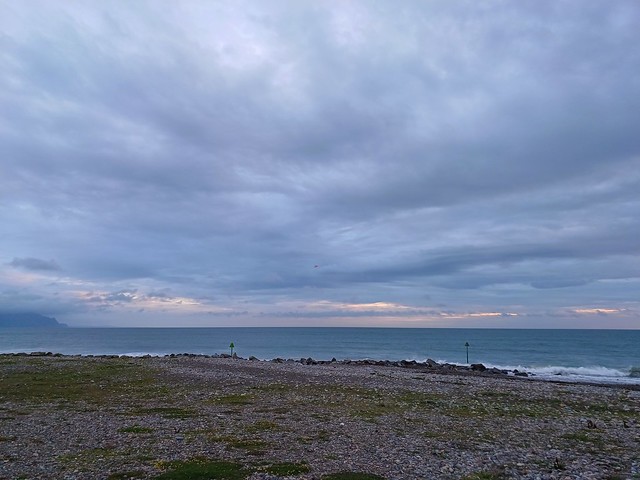
Traeth Dinas Dinlle Beach

Words marked with a * are reconstructions.

Proto-Celtic *ɸlētos = grey
Old Irish (Goídelc) líath [l͈ʲiːa̯θ] = grey, grey-haired
Middle Irish (Gaoidhealg) líath, liath = grey, grey-haired, aged
Irish (Gaeilge) liath [ˈl̠ʲiə] = grey, grey-haired (person), pale
liathábhar = grey matter
liathach = greyish
liathacht = greyness, greyishness
liathadh = greyness
liathbhán = greyish white, pale, wan
liathbhuí = sallow
liathdhearg = pale red, pinkish
liathghlas = pale green, pale grey
liathghorm = pale blue, blue-grey, livid
Scottish Gaelic (Gàidhlig) liath [l̪ʲiə] = grey, grizzled
liath-dhearg = pink
liath-ghlas = light grey, hoary
liath-ghorm = lilac
liathach = greyish, dirty white
liathachadh = making grey, creamer, whitener
liathad = degree of greyness, staleness
liathadh = making grey, becoming grey, greying, growing mouldy
liathtas = greyness
Manx (Gaelg) lheeah = grey, silver, grey- or white-haired, grey-headed, hoary, musty, mould
lheeaghid = greyness
lheeaghys = greyness, hoariness, mustiness
lheeah-ghlass = light grey, sage green
lheeah-ghorrym = blue-grey, glaucous, livid
lheeah gorrym-yiarg = mauve
lheeah-vane = whitish
lheeah-wuigh = yellowish
Proto-Brythonic *luɨd = grey
Middle Welsh (Kymraec) luit, llvid, lluid, lluyd, llwyt = grey, pale, pallid, wan
lwytlas = greyish-blue, pale
Welsh (Cymraeg) llwyd [ˈɬuːɨ̯d / ˈɬʊi̯d] = grey, faint; pale, pallid, wan; russet, brown; turbid, muddy (water); grey-haired, grey-headed, old, ancient; grey (hair), grizzled
llwydaf, llwydo = to turn grey or brown, to become turbid or muddy, turn pale, fade, grow old, deteriorate, decay
llwydaidd = greyish, rather pale, brownish, turbid, drab, poorish, dreary, dismal, lacking enthusism, lukewarm
llwyd-ddu = dark grey, greyish black, blackish, dusky, swarthy, dun
llwydedd = greyness, mouldiness, mould, mildew, mustiness, hoariness, pallor, paleness
llwyd-felyn = greyish-yellow, beige, fawn, pale brown, khaki, buff
llwydlas = greyish-blue, pale
Old Cornish luit, lot = grey, mouldy
Middle Cornish (Cernewec) loys = grey, mouldy
Cornish (Kernewek) loos [lo:z / lu:z] = grey, hoary, mouldy
Old Breton loit = mold, moldy
Middle Breton (Brezonec) loüet = mold, moldy
loedadur = moldy
Breton (Brezhoneg) loued = grey, mouldy
louedadur = mold, blight
louedan, louedañ = to turn grey, mold
louedek = to greyness

Etymology: from Proto-Indo-European *pelh₁- (pale). Words from the same roots include fallow, pale, pallid and polio in English, and the names Floyd and Lloyd [source].

Proto-Celtic *blāros = grey
Gaulish *blāros = (?)
Old Irish (Goídelc) blár = grey, blaze (on a horse)
Middle Irish (Gaoidhealg) blár = grey
Irish (Gaeilge) blár = blaze on animal’s forehead
Scottish Gaelic (Gàidhlig) blàr [bl̪ˠaːr] = blaze, white-faced, having a white foreheard (applied to cows and horses)
blàrach [bl̪ˠaːrəx] = white-faced (of an animal)
blàradh [bl̪ˠaːrəɣ] = (act of) blazing, roughly hewing
blàrag [bl̪ˠaːrag] = blaze, white-faced animal (cow or horse)
blàras [bl̪ˠaːrəs] = blace (i.e. white spot)
Proto-Brythonic *blọr = grey (?)
Middle Welsh (Kymraec) blawr, blaur, blaỽr = grey, greyish-blue, pale-blue, white, greyish-white, hoary, tawny, russet (of horses)
blawrfrych = speckled grey
Welsh (Cymraeg) blawr = grey, greyish-blue, pale-blue, white, greyish-white, hoary, tawny, russet (of horses)
blawrgoch = tawny, russet, greyish-red
blawrio = to turn pale, green or grey; become hoary, grow light
blawrwyn = grey, whitish-grey, light grey, white, hoary, pale blue

Etymology: possibly from Proto-Indo-European *bʰleh₁- (yellow, blue). The Occitan word blar (glaucous) comes from the root, via Gaulish *blāros and Latin Blārus. The English word blue comes from the same PIE root [source].

The Fastest Way to Learn Japanese Guaranteed with JapanesePod101.com

Sources: Wiktionary, Am Faclair Beag, Online Manx Dictionary, Teanglann.ie, eDIL – Electronic Dictionary of the Irish Language, In Dúil Bélrai English – Old Irish glossary, Geiriadur Prifysgol Cymru, Gerlyver Kernewek, Dictionaire Favereau, TermOfis, English – ProtoCeltic WordList (PDF), Etymological Dictionary Of Proto Celtic

Unlimited Web Hosting - Kualo

Red

Words for red in Celtic languages.

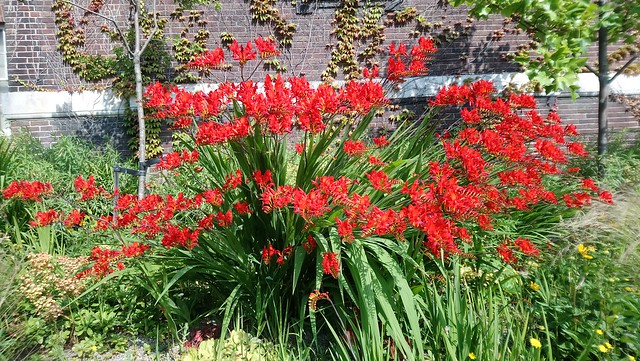
Flowers / Blodau

Words marked with a * are reconstructions.

Proto-Celtic *dergos = red, crimson
Old Irish (Goídelc) derg [dʲerɡ] = red
dergaid = to redden
Middle Irish (Gaoidhealg) derg, derc = red, ruddy, bloody, sanguinary, red-hot, incandescent
dergadas = to redden
dergaid = to redden, make red, kindle, burn
dergaide = reddish
derge = redness, ruddiness, flushing
dergthach = red, ruddy, hot, reddish
Irish (Gaeilge) dearg [ˈdʲaɾˠəɡ / ˈdʲæɾˠəɡ] = red, rouge, red ink, glowing, raw, bloody
deargadh = reddening, blushing, glow(ing), light(ing), bloodying, wounding, chafing, soil-turning, digging
deargán = red matter or object, chafed, patch, glow
dearglasta = blazing, red-hot
Scottish Gaelic (Gàidhlig) dearg [dʲɛrɛg] = red, ruddy, flamming, red-hot
dearg-amadan = bloody fool, complete idiot
dearg-bhuidhe = orange
dearg-lasrach [dʲɛrɛg l̪ˠasrəx] = flaming red, red hot
deargachadh [dʲɛrɛgəxəɣ] = reddening, making an impression, blushing, drawing blood
dearg-ruadh = bright red (hair, wool, etc)
Manx (Gaelg) jiarg = red, sanguine, ruddy, bloodshot, rouge, gules, glowing, stark, florid, live, burning, abandoned, fair (intensive), turned (land)
jiargey = chafe, sore, red
jiargaghey = to blush, flush, glow, redden, blushing, glowing
jiargid = grossness, reddishness, redness
jiarg-bwee = orange
jiarg-cheh = red hot
jirgid = blush, glow, reddness, ruddiness

Etymology from Proto-Indo-European *dʰerg- (to dim, darken) [source]. The English word dark comes from the same root [source].

Proto-Celtic *roudos = red
Gaulish *roudos = red
Old Irish (Goídelc) rúad [r͈uːa̯ð] = red, reddish
rúadnaid = to redden
forrúad = red, russet
Middle Irish (Gaoidhealg) rúad = red, brownish, dark red, strong, mighty
rúadnaid = to make red, redden
Irish (Gaeilge) rua [ɾˠuə] = red, reddish-browm, russet, copper-brown; wild, fierce; rough, strong
ruachan = reddening, rusting (vegetation
ruachorcra = puce
ruacht = redness (of hair)
ruafholtach = red-haired
Scottish Gaelic (Gàidhlig) ruadh [r̪ˠuəɣ] = (browny) red, rust-coloured, ginger, russet, red colour, redness; strength; red deer
ruadhachadh [r̪ˠuə.əxəɣ] = reddening, making red
ruadhan [r̪ˠuəɣan] = reddishness, overcooked good, tea which has been boiling all day
ruadh-bhuidhe = auburn
Manx (Gaelg) ruy [rɛi/riː] = red, ginger, tan, copper-complexioned, red-haired, foxy, sandy
ruyagh = reddish
ruyghey = bronze, brown, redden, tan(ned)
ruyid = brownness, reddishness, redness, tan
ruissagh = florid, reddish, rose-coloured, rosy, ruddy
ruissaght = reddishness, rosiness, ruddiness
Proto-Brythonic *rʉð = red
Old Welsh (Kembraec) rud = red
Middle Welsh (Kymraec) rud, rut, rhudd = red, ruddy
rudit, rutaỽ, rudaỽ, rhuddo = to make or become red, crimson or violet
rudell, ruddell = red, reddish
rutem, rud em, rudem = ruby, garnet, ruby-coloured
rudcoch, rruddgoch, rudgoch = red, crimson, purple, blood-red, bloody
ruddlas, ryddlas = reddish-blue, purple, violet
Welsh (Cymraeg) rhudd = red, ruddy, purplish, bay, tawny, brown, bloody, covered with blood, scorched, crimson, violet, purple
rhuddaf, rhuddo = to make or become red, crimson or violet
rhuddel(l) = red, reddish, brown, bay, red ochre, red colour
rhuddem = ruby, garnet, ruby-coloured
rhuddgoch = red, crimson, purple, blood-red, bloody
rhuddiad = becoming red or pink, blushing, redness
rhuddlas = reddish-blue, purple, violet
Old Cornish rud = red
Middle Cornish (Cernewec / Kernuak) rudh, rud, rûdh ruydh = red, crimson
Cornish (Kernewek) rudh [ry:ð / ri:ð] = ginger, red
rudh min = lipstick
rudhek = robin
rudhel = auburn, russet red
rudhem = ruby
rudhgogh = blood-red
rudhik = reddish
rudhlas = purple, reddish purple
rudhlasdu = crimson
rudhlos = greyish red, russet
rudhvelyn = orange, reddish orange
rudhwyn = gay, pink, reddish pink
rudhya = to blush, redden
Old Breton (Brethonoc) rud = red
Middle Breton (Brezonec) ruz, ru, rus = red
Breton (Brezhoneg) ruz = red
ruzded = redness
ruzdu = brown
ruzellat = to glow
ruzian, ruziañ = to blush

Etymology: from Proto-Indo-European *h₁rewdʰ- (red). Words from the same root include red, robust, ruby, ruddy, russet and rust in English [source].

Proto-Celtic *kokko-/*kokki = red
Proto-Brythonic *kox = red
Middle Welsh (Kymraec) coch = red
cochi, kochi = to make or become red, redden, brown, scorch, blush
cochder, cochter, kochder = redness, ruddiness, flush
kochdduy, coch-ddu, cochddû = reddish-black, russet, brown
cochliw = red-coloured, bloody, redness, ruddiness
kochwen = reddish-white, pink
coghyn, kochyn, cochen = red-haired person, hare
Welsh (Cymraeg) coch [koːχ] = red, redness, ruddy, scarlet, bloody; ginger (hair); brown; poor, feeble, unskilful
cochaf, cochi = to make or become red, redden, brown, scorch, blush
cochaidd = reddish, ruddy, bloody
cochder = redness, ruddiness, flush
cochddu = reddish-black, russet, brown
cochfelyn = copper-coloured, reddish yellow
cochlas = purple, violet, reddish blue
cochliw = red-coloured, bloody, redness, ruddiness
cochliwaf, cochliwio = to paint red
cochrudd = crimson, ruddy
cochwyn = reddish-white, pink
cochyn = red-haired person, hare
Middle Cornish (Cernewec / Kernuak) coch, couch = red, bloody
Cornish (Kernewek) kogh = blood-red, crimson, scarlet

Etymology: from the Latin coccum (a scarlet berry), from the Ancient Greek κόκκος (kókkos – berry). This is also the root of coccinus (scarlet, scarlet-dyed), from which comes the English word cochineal, and related words in other languages [source].

Proto-Celtic *wlannos = blood red
Old Irish (Goídelc) flann = red, blood-red
Middle Irish (Gaoidhealg) flann, fland [flan͈] = red, blood-red, blood
Irish (Gaeilge) flann = (blood-)red, bloody, sanguinary, blood (poetic)
flannbhuí = orange (colour)
flanndearg = vermilion
flannrua = blood-red
Scottish Gaelic (Gàidhlig) flann [fl̪ˠaun̪ˠ] = blood (archaic)
flann-dhearg = blood-red (archaic)

Etymology from Proto-Indo-European *welh₃- (to strike, hit, wound). Words from the same roots include vulnerable, valkyrie and Valhalla in English [source] and words for blood in Celtic languages.

The Fastest Way to Learn Japanese Guaranteed with JapanesePod101.com

Sources: Wiktionary, Am Faclair Beag, Online Manx Dictionary, Teanglann.ie, eDIL – Electronic Dictionary of the Irish Language, In Dúil Bélrai English – Old Irish glossary, Geiriadur Prifysgol Cymru, Gerlyver Kernewek, Dictionaire Favereau, TermOfis, English – ProtoCeltic WordList (PDF), Etymological Dictionary Of Proto Celtic

Unlimited Web Hosting - Kualo

Silver & Money

Words for silver, money and related things in Celtic languages.

Silver Coins From a Hoard

Words marked with a * are reconstructions.

Proto-Celtic *argantom = silver
Gaulish arangto- / *argantom = silver
Celtiberian arkanta / arkato- = silver
Old Irish (Goídelc) argat [ˈarɡad] = silver, money
airgdide = silver
Middle Irish (Gaoidhealg) argat = silver, currency, money
airgdide = (made of ) silver
airgetlach = mine
Irish (Gaeilge) airgead [ˈaɾʲɪɟəd̪ˠ / ˈæɾʲɪɟəd̪ˠ] = silver, money, sum of money
airgeadaí = financier
airgeadaigh = to silver, electroplate
airgeadaíocht = monetary policy, management
airgeadas = finance
airgeadóir = cashier, (bank) teller
airgeadra = currency
airgeadúil = silvery, financial, moneyed, profitable
Scottish Gaelic (Gàidhlig) airgead [ɛrʲɛgʲəd] = money, silver, cash, currency
airgead-beò = mercury (Me), quicksilver
airgead-làimhe = cash
airgead-urrais = insurance
airgeadach [ɛrʲɛgʲədəx] = silver(y), well-off, moneyed, lucrative
airgeadachadh = silvering, silverplating, monetizing
airgeadaichte [ɛrʲɛgədɪçdʲə] = silvered
airgeadas [ɛrʲɛgʲədəs] = finance
airgeadra [ɛrʲɛgʲədrə] = currency
Manx (Gaelg) argid = money, silver, coinage, wages, finance, exchequer
argidagh = fiscal, moneyed, financier, (the) rich, silver(ed)
argidaghey = silver, silver plate
argid-roie, argid cadjin = currency
argideyr = cashier, financier, teller
argidoil = financial, monetary
argidys = finance
Proto-Brythonic *arɣant [arˈɣant] = silver, money
Old Welsh (Kembraec) argant = silver
Middle Welsh (Kymraec) aryant, ariant, arian = silver
arandûy, ariandy = bank
arianllais = (having) a clear or melodious voice or sound
arianna, aryanna = to collect or accumulate money, beg for (money)
ariannu = to give money to, fund, finance
aryanheyt, areanneit, aryaneit = silvered, silver-plated, make of silver, silvery, wealthy, rich, moneyed
ariannog = wealthy, rich, moneyed, silver(y)
Welsh (Cymraeg) arian [ˈarjan] = silver, silvery; silver vessel; money, coin(s), coinage, currency, wealth
arianllais = (having) a clear or melodious voice or sound
arianna = to collect or accumulate money, beg for (money)
ariannaf, ariannu = to give money to, fund, finance, silver, inlay, plate
ariannaid = silvered, silver-plated, make of silver, silvery, wealthy, rich, moneyed
arianneg = financial management, finance
Ariannin = Argentinia, Argentinian
ariannog = wealthy, rich, moneyed, silver(y)
ariannwr, ariannydd = cashier, financier, banker, sponsor
Old Cornish argan, arʒant, argans = silver
Middle Cornish (Cernewec) archans, arhans, arrans = silver
Cornish (Kernewek) arghans [‘arhans / ‘ærhɐnz] = money, silver
arghans bew/byw = quicksilver
arghansek = financial, silvery
arghanser, arghansores = banker
arghans-gweres = subsidy
arghanti = bank
Arghantina = Argentina
Old Breton (Brethonoc) argant = silver
Middle Breton (Brezonec) archant = silver
Breton (Brezhoneg) arc’hant [ˈar.ɣãnt] = silver, money
arc’hantadur = silvering
arc’hantaj = silverware
arc’hantan, arc’hantañ = to silver, realize (in money), capitalize, sponsor, convert
arc’hantek = silver (adj)
arc’hanter = silverer
arc’hantiri = silverware
arc’hantus = money-producing, lucrative, capitalizable

Etymology: from Proto-Indo-European *h₂erǵn̥tom (silver), from *h₂erǵ- (white, glittering) [source]. Words from the same PIE root include Argentina and argentous (of, pertaining to or containing silver) in English, արծաթ (arcatʿ – silver) in Armenian, argento (silver) in Italian, argent (silver, money, cash) in French [source].

The Fastest Way to Learn Japanese Guaranteed with JapanesePod101.com

Sources: Wiktionary, Am Faclair Beag, Online Manx Dictionary, Teanglann.ie, eDIL – Electronic Dictionary of the Irish Language, In Dúil Bélrai English – Old Irish glossary, Geiriadur Prifysgol Cymru, Gerlyver Kernewek, Dictionaire Favereau, TermOfis, English – ProtoCeltic WordList (PDF), Etymological Dictionary Of Proto Celtic

Unlimited Web Hosting - Kualo

Sweet

Words for sweet and related things in Celtic languages.

Sweets

Words marked with a * are reconstructions.

Proto-Celtic *melissis, *melisti = sweet
Old Irish (Goídelc) milis [ˈmʲilʲisʲ] = sweet
Middle Irish (Gaoidhealg) milis = sweet, fresh (water)
Irish (Gaeilge) milis [ˈmʲɪlʲɪʃ] = sweet, tender, tasty, fresh (water); honeyed (words), flattering
milisbhriathrach = sweet-spoken, honey-tongued
milisín = sweet morsel
milseán = sweet, bonbon, candy; sweet dish, dessert
milseog = dessert; sweetheart, darling
milsigh = to sweeten
uisce milis = sweet/fresh water
teange mhilis = flattering tongue
Scottish Gaelic (Gàidhlig) milis [milɪʃ] = sweet; melodious, musical; flattering
aran-milis = gingerbread
baine milis = sweet milk, condensed milk
buntàta milis = sweet potato, yam
coirce-milis = sweet corn, maize
slaman-milis = jelly
Manx (Gaelg) millish = sweet, darling, sugary, dulcet, honeyed, luscious, fruity, balmy
bee millish = sweetmeat, sweet
feddan millish = recorder, fipple flute
fooillagh millish = trifle
slumm millish = jelly
ushtey millish = fresh water
focklyn millish = honeyed words
Proto-Brythonic *melɨs = sweet
Middle Welsh (Kymraec) melis, melys = sweet, pleasant-tasting, delicious
meledic = sweetened with honey
melysvwyt, melysvwyd, melys-fwyd = sweet food, sweet dish, delicacy, dainty food, sweetmeat, dessert
melûsrwyth, melyssrwydd = sweetness, sweet or delicious taste
Welsh (Cymraeg) melys [ˈmɛlɨ̞s/ˈmeːlɪs/ˈmɛlɪs] = sweet, pleasant-tasting, delicious, tasty; not salty, fresh (water); delightful, agreeable, pleasant, charming; sweet-sounding, euphonious, melodious; sweet-smelling, fragrant
dant melys = sweet tooth
pethau melys = sweets
tatws melys = sweet potato
melysaf, meluso = to sweeten, mitigate, alleviate
melysaidd, melusaidd = rather sweet, delightful, agreeable
melyfwyd, melusfwyd = sweet food, sweet dish, delicacy, dainty food, sweetmeat, dessert
melyfwyd, melusfwyd = sweet, delicious, delightful, agreeable, pleasant, melodious, fond of sweet food or drink, greedy, voracious
melysrwydd, melusrwydd = sweetness, sweet or delicious taste, melodiousness, fondness for delicate food
Cornish (Kernewek) melys [‘mɛlɪs/’mɛləʃ] = very sweet, honeyed
kleves melys = diabetes
Old Breton (Brethonoc) milis = honeyed
Middle Breton (Brezonec) milis = honeyed, sweetish, sneaky
Breton (Brezhoneg) melis, milis = honeyed

Etymology: from Proto-Indo-European *mélid (honey)), which is also the root of the English words mildew and mulch [source].

Proto-Celtic *su̯eko-s = to smell (good)
Middle Welsh (Kymraec) chwech = sweet
wech, chweg, chwec = sweet, lucious, pleasant, comely
Welsh (Cymraeg) chwech [χweːχ/hweːχ] = sweet
chweg = sweet, lucious, pleasant, comely
chwegaidd = sweetish
chwegrwydd = sweetness, lusciousness
Middle Cornish (Cernewec) hwec, hwecah, hweg, hwêg, whêk = sweet, pleasant, dear
hwecter, whecter = sweetness, pleasantness, suavity, delight
hwegol, whegol = dear
Cornish (Kernewek) hweg = sweet, dear, gentle, kind, nice, pleasant, pleasing
hwegednow, hwegnnow = candy
hwegen = darling, pet, lozenge, sweet
hwegoll = darling, delightful, sweetest
hwegys = sweetcorn, maize
hweg-oll = darling, delightful, sweetest
ys hweg = sweetcorn, maize
Middle Breton (Brezonec) huec = sweet, delicate
Breton (Brezhoneg) c’hwek [xweːk] = soft, suave, sugar, delicious, exquisite, pleasant
c’hwekaat = to sweeten
c’hwekted [ˈxwek.tet] = softness, suavity
c’hwekter = delicacy
mel c’hwek = sweet honey
gwin c’hwek = sweet wine

Etymology: unknown

The usual Breton word for sweet is dous, which probably comes from the Old French dous (soft, tender), form the Latin dulcis (sweet, fragrant, melodious), from the Proto-Indo-European *dl̥kú- (sweet) [source].

The Fastest Way to Learn Japanese Guaranteed with JapanesePod101.com

Sources: Wiktionary, Am Faclair Beag, Online Manx Dictionary, Teanglann.ie, eDIL – Electronic Dictionary of the Irish Language, In Dúil Bélrai English – Old Irish glossary, Geiriadur Prifysgol Cymru, Gerlyver Kernewek, Dictionaire Favereau, TermOfis, English – ProtoCeltic WordList (PDF), Etymological Dictionary Of Proto Celtic

Unlimited Web Hosting - Kualo