Leader in Chief

Words for chief, leader, prince and related things in Celtic languages.

Prime Minister Keir Starmer meets Irish Taoiseach

Words marked with a * are reconstructions.

Proto-Celtic *towissus, *tuwestus *tuwissus = act of leading, beginning, leadership
*towissākos = chief, primary, first
Primitive Irish ᚈᚑᚃᚔᚄᚐᚉᚔ (tovisaci) = chief (?)
Old Irish (Goídelc) tús, tuus [tuːs] = beginning, forefront
toísech [ˈtoːi̯sʲəx] = leader, chief, first, initial, primary
Middle Irish (Gaoidhealg) tús, tuus = act of leading, forefront, precedence, pre-eminence, rank
toísech, tósich, toissech = first, former, prior, first in importance, sooner, leader, chief
toísechda = first
toísecht, taiseachda, taiseachta = chieftainship, act of leading
toísenach, taoisinach = leadership, chieftainship
Irish (Gaeilge) tús [t̪ˠuːsˠ] = beginning, commencement, start, origin, forward, leading, position, precedence, pick, choice
taoiseach [ˈt̪ˠiːʃəx] = chieftain, leader, man of substance, important person, decent/generous person ; first, former
Taoiseach = (Irish) Prime Minister, Taoiseach
taoiseacht = chieftainship, leadership
Scottish Gaelic (Gàidhlig) tùs [tuːs] = beginning, origin, inception
tòiseach [tɔʃəx] = beginning, front, van, forefront, bow (of a ship); chief of a clan or tribe
Tòiseach [tɔːʃɪç] = a Macintosh, any member of Clan MacKintosh
tòiseachail [tɔʃəxal] = primitive, rudimentary
tòiseachd [tɔʃəxg] = (act of) beginning, starting, precedence
Manx (Gaelg) tosh = chieftain
toshiagh = chief(tain), leader, premier, offset, toe, forepart
toshiaght = beginning, fore(front), lead, opening, outset, bow (of a ship)
Toshiaght Arree = February (“start of spring”)
Toshiaght Fouyir = August (“start of autumn”)
Toshiaght Gheuree = November (“start of winter”)
toshiaghey = to begin, start, initiate
Proto-Brythonic *togwɨs = leadership
*towɨssọg = leader, chief, king, prince
Middle Welsh (Kymraec) tywys = forward position, front, fore, leader, lead, guidance
towys, tywyssav = to lead, guide, show the way, escort, direct
touyssoc, tywyssaỽc, tywyssavc, tywyssawc, tyỽyssaỽc = prince, lore, sovereign, leader, ruler, governor, captain, guide, leader
tehuyokaet, tywyssogaeth = principality, kingdom, rule, reign, sovereignty
tywysoges = princess, female sovereign, ruler or leader
Welsh (Cymraeg) tywys [təu̯.ˈis] = forward position, front, fore, leader, lead, guidance
tywysu, tywys(i)o = to lead, guide, show the way, escort, direct
tywysiad = leading, leadership, guidance, direction, introduction, (water) conduit
tywysog [təu̯.ˈəsɔɡ/ˈtwəsɔɡ] = prince, lord, sovereign, leader, ruler, governor, captain, guide, leader
tywysog(i)aeth = principality, kingdom, rule, reign, sovereignty, supremacy, government
tywysogaidd = princely, royal, noble, splendid
tywysoges = princess, female sovereign, ruler or leader
Old Breton (Brethonoc) toguisoc = ?

Etymology: from Proto-Celtic *towissus (leadership), *to- (to(wards)) and *wissus (knowledge), Proto-Indo-European *wéydtus, from *weyd- (to see) [source]. Words from the same roots include pavilion in English, papillon (butterfly, brilliant, versatile and inconstant person) in French, farfalla (butterfly, bow tie, butterly-shaped pasta) in Italian, papion (bowtie) in Romanian, paipala (quail) in Latvian [source].

Old Irish (Goídelc) úachtarán = chief, leader
Middle Irish (Gaoidhealg) úachtarán, uachtarán = head, leader, chief, president, governor, ruler, overseer
Irish (Gaeilge) uachtarán [uəxt̪ˠəɾˠɑːnˠ] = president, head, superior, headmaster, landowner (archaic)
Uachtarán = President
uachtaránacht = presidency, authority, power
Scottish Gaelic (Gàidhlig) uachdaran [uəxgəran] = laird, landowner, proprietor, superior
uachdaranach [uəxgərənəx] = superior, paramount
uachdaranachd [uəxgərənəxg] = dominion, supremacy
uachdaranas [uəxgranəs] = jurisdiction
Manx (Gaelg) eaghtyran(e) = president, superior, chief
eaghtyraneagh = presidential
eaghtyraneys = presidency

Etymology: from Old Irish *úachtar (surface, top, cream), from Proto-Celtic *ouxteros (upper), from *(o)uxs- (up) and *wissus (knowledge), Proto-Indo-European *h₃ewp- (up) [source]. Words for Up Above, etc in Celtic languages come from the same roots.

Proto-Brythonic *penno-tam-īkos = chief, leader
Middle Welsh (Kymraec) pendewic, pen(n)deuic, pendefig = chief, leader, ruler, king, prince, lord, noble(man), gentleman
pendevigiaeth, pendeuigaeth = kingship, principality, supremacy, pre-eminence, domination, government, power
pendevigyeid = aristocratic, noble
Welsh (Cymraeg) pendefig = chief, leader, ruler, king, prince, lord, noble(man), gentleman
pendefigaeth = kingship, principality, supremacy, pre-eminence, domination, government, power
pendefig(i)aidd = aristocratic, noble
pendefiges = queen, lady, peeress, noblewoman
Old Cornish pendeuig = prince, chief, noble(man)
Middle Cornish (Cernewec) pendevig, pensevic, pednz(h)ivig = prince, chief, noble(man), principal
pednzivigian = nobility, gentry
Cornish (Kernewek) pennseviges, pednsyviges = princess
pennsevigeth = principality
pennsevik, pednsyvik = chief, noble, prince
Old Breton (Brethonoc) *pendemic = rich (?)
Middle Breton (Brezonec) pynuizyc, pinuisic, pinuizic = rich man
pinuizigaez = wealth
pinuizic, pinuzic = rich
pinuizicat = to enrich, to get rich
Breton (Brezhoneg) pinvidik [pĩnˈviːdik] = rich
pinvidikaat = to enrich, to get rich
pinvidikaerezh = enrichment, wealth

Etymology: from Proto-Brythonic *penno-tamos = the most in chief, from *penn (head), from Proto-Celtic *kʷennom (head), the origins of which are not known [source].

More words for prince, chief, ruler, etc can be found in the Celtiadur posts Lord, Ruler and Country and Land.

The Fastest Way to Learn Japanese Guaranteed with JapanesePod101.com

Sources: Wiktionary, Am Faclair Beag, Online Manx Dictionary, Teanglann.ie, eDIL – Electronic Dictionary of the Irish Language, In Dúil Bélrai English – Old Irish glossary, Geiriadur Prifysgol Cymru, Gerlyver Kernewek, Dictionaire Favereau, TermOfis, English – ProtoCeltic WordList (PDF), Etymological Dictionary Of Proto Celtic

Unlimited Web Hosting - Kualo

Tented Pavilions

Words for tents, pavilions and related things in Celtic languages.

049_MTV_2004

Words marked with a * are reconstructions.

Old Irish (Goídelc) pupall [ˈpubal͈] = tent
Middle Irish (Gaoidhealg) pupall, pupaill, pupla = tent, pavilion, awning
Irish (Gaeilge) puball [ˈpˠʊbˠəl̪ˠ] = tent, pavilion
Scottish Gaelic (Gàidhlig) pùball [puːbəl̪ˠ] = marquee, pavilion, tent
pùballach = tented, full of tents or booths
Proto-Brythonic *pėbɨll = tent (?)
Middle Welsh (Kymraec) pebyll = tent
Welsh (Cymraeg) pabell, pebyll [ˈpabɛɬ] = tent, dwelling, portable shelter, camp, pavilion, tabernacle, booth, canopy, arbour, bower, sanctuary; mantle, cloak
pabell(i)af, pabelllu, pabellio = to pitch a tent, camp, encamp, dwell
pabellog = held in a tent, full of tents
Cornish (Kernewek) pabel = pavilion
Breton (Brezhoneg) pabell [pɑː.bɛl] = pavilion, large tent, marquee

Etymology: from Vulgar Latin păpiliō, from Latin pāpiliō (butterfly, moth, soul of a dead person, tent), probably a reduplicated form of Proto-Indo-European *pal- (to feel, touch, shake) [source]. The Breton word pabell was borrowed from Welsh [source].

Words from the same roots include pavilion in English, papillon (butterfly, brilliant, versatile and inconstant person) in French, farfalla (butterfly, bow tie, butterly-shaped pasta) in Italian, papion (bowtie) in Romanian, paipala (quail) in Latvian [source].

Middle Irish (Gaoidhealg) pailliún = tent, pavilion
Irish (Gaeilge) pailliún = pavilion
Scottish Gaelic (Gàidhlig) pàillean [paːlʲan] = pavilion, tabernacle
pàillean còmhlain = bandstand
Manx (Gaelg) paal = pavilion, pen, hedge, fence, coop, enclosure, ring, enclave
paalan = booth, tent
paalan buillvollee = marquee
paalan clagganagh = bell tent
Middle Breton (Brezonec) pauillon = pavilion, tent
Breton (Brezhoneg) pavilhon = pavilion, tent

Etymology: from Latin palla (cloak, mantle), possibly from Proto-Indo-European *pel- (to cover, to wrap, skin, hide, cloth), or possibly a substrate loan. Words from the same roots include camouflage, film, muffle, pall and pelt in English, piel (skin, fur) in Spanish, and peau (skin, hide, fur) in French [source].

Middle Welsh (Kymraec) lluesteu, lluest = tent
lluestu = to camp, live under canvas, etc
lluestuy = tent, booth, shieling, cottage, lodge, cabin, hut
Welsh (Cymraeg) lluest [ˈɬɨ.ɛst] = tent
lluestaf, lluestu = to lodge temporarily in the open, in a tent or in tents, live under canvas, accomodate, quarter, billet, pitch tent(s), set up camp
lluestai = quartermaster
lluestfa = camp, encampment, military quarters, barracks
lluesty [ˈɬjɛstɨ̞/ˈɬjɛsti] = tent, booth, shieling, cottage, lodge, cabin, hut

Etymology: from llu (host, multitude) and gwest (lodging) [source].

Old Irish (Goídelc) tabernacuil [ˈpubal͈] = booth, tabernacle, tent
Middle Irish (Gaoidhealg) tabernacuil, tabernacul = tent, booth, hut, heaven, tabernacle, temple, shrine
Irish (Gaeilge) taibernacal = tabernacle
Manx (Gaelg) tabernacle = tabernacle
Middle Breton (Brezonec) tabernacl = tabernacle
Breton (Brezhoneg) tabernakl, tabarlank [taˈbɛr.nak(l)] = tabernacle

Etymology: from Latin tabernāculum (tent, tabernacle), from taberna (shop, store, inn, tavern, saloon, hut, shed), from trabs (timber, beam, rafter, tree trunk), from PIE *treb- (wooden beam). Words from the same roots include tabernacle and tavern in English, taberna (pub, tavern) in Spanish, tafarn (pub, tavern) in Welsh, and other words for tavern / pub in Celtic languages [source].

The Fastest Way to Learn Japanese Guaranteed with JapanesePod101.com

Sources: Wiktionary, Am Faclair Beag, Online Manx Dictionary, Teanglann.ie, eDIL – Electronic Dictionary of the Irish Language, In Dúil Bélrai English – Old Irish glossary, Geiriadur Prifysgol Cymru, Gerlyver Kernewek, Dictionaire Favereau, TermOfis, English – ProtoCeltic WordList (PDF), Etymological Dictionary Of Proto Celtic

Unlimited Web Hosting - Kualo

Seeds

Words for seed and related things in Celtic languages.

Seeds

Words marked with a * are reconstructions.

Proto-Celtic *sīlom = seed
Old Irish (Goídelc) síl [sʲiːl] = seed, cause, origin, semen, race, progency, descendants, offspring, breed
Middle Irish (Gaoidhealg) síl = seed, race, progency, descendants, offspring, breed,
sílach = seed
sílaid = to sow spread, breed, sower
sílaige = disseminator, one who propagates
sílaigthid = sower
sílem = sower
sílne = seed, sperm
Irish (Gaeilge) síol [ʃiː(ə)l̪ˠ] = seed, semem, sperm, offspring, progeny
síolach = seedy
síoladóir = seedsman, sower, disseminator
síoladóireacht = (act of) seeding, sowing
síoladaí = disseminator, propagator
síolaicme = race, breed
síolaigh = to seed, sow, disseminate, spread
Scottish Gaelic (Gàidhlig) sìol [ʃiəl̪ˠ] = seed, sperm, descendants, progency, line, lineage, increase
sìolach [ʃiə̪ˠəx] = breed, brood, offspring
sìolachadh [ʃiəl̪ˠəxəɣ] = (act of) sowing seed, reproducing, propagating, breeding
sìoladair [ʃiəl̪ˠədɪrʲ] = seedsman, sower
sìolag [ʃiəl̪ˠag] = seedling, strainer
sìolaiche [ʃiəl̪ɪç] = propagator
Manx (Gaelg) sheel = seed, sperm,
sheelag = seedling
sheelagh = seedy, fruitful, seminal
sheeleyder = seedsman, distiller, dribbler, refiner
sheelraghey = to breed, propagate, breeding
Proto-Brythonic *hil = race, lineage
Middle Welsh (Kymraec) hil = seed, issue, offspring, progeny, descendents
hiliad = producing, generation, propagation
hylyo, hilyo = to bring forth, breed, beget
Welsh (Cymraeg) hil [hiːl] = seed, issue, offspring, progeny, descendents, posterity, stock, lineage, race
hiliad = producing, generation, propagation, procreation, progency, lineage, offspring
hiliaeth = generation, progeny, lineage
hilio = to bring forth, breed, beget, propagate, increase, populate
hiliog = prolific, fruitful, fecund, fertile, pregrant
hiliogaeth = issue, offspring, seed, breed, race, posterity, descendants, lingeage
hiliwr, hilydd = racist
Cornish (Kernewek) hil = ethnicity, race
hilegydh(es) = racist
hilgasieth = racism
Breton (Brezhoneg) hil = seed, posterity
hilian, hiliañ = to procreate

Etymology: from Proto-Indo-European *seh₁- (to sow, plant, impress, insert) [source].

Words from the same PIE root include earn, season, seed, seminar and sow in English, säen (to sow) in German, siać (to spread, leave smth and forgot its location) in Polish, and sēt (to sow) in Latvian [source].

Proto-Celtic *satos = seed
Proto-Brythonic *had = seed
Middle Welsh (Kymraec) hat, had = seeds
hadv, hadu = to bring forth or produce seed
Welsh (Cymraeg) had [haːd] = seeds, origin, source, bit, mite
hadaf, hadu = to bring forth or produce seed, grow seed, multiply, become fruitful, run to seed, sow, propagate
hadaidd = having seed, seedy, running to seed
hadblanhigyn = seedling
hadfa = seed-plot, nursery-garden
hadle = seed-plot, nursery, seminary, school
Middle Cornish (Cernewec) has, hâs = seed
Cornish (Kernewek) hasa = to sow
hasek = fruitful
has, hasen = seed, sperm
haslet = contraceptive
haslettyans = contraception
Old Breton (Brethonoc) att = seed
Middle Breton (Brezonec) hat = seed, grains, pips
hadaff, hadet, hada = to sow
Breton (Brezhoneg) had = seed, spawn, offspring
hadeg = seeding
hader = sower
haderezh = sowing
hadañ = to sow

Etymology: from Proto-Indo-European *seh₁- (to sow, plant, impress, insert) [source].

The Fastest Way to Learn Japanese Guaranteed with JapanesePod101.com

Sources: Wiktionary, Am Faclair Beag, Online Manx Dictionary, Teanglann.ie, eDIL – Electronic Dictionary of the Irish Language, In Dúil Bélrai English – Old Irish glossary, Geiriadur Prifysgol Cymru, Gerlyver Kernewek, Dictionaire Favereau, TermOfis, English – ProtoCeltic WordList (PDF), Etymological Dictionary Of Proto Celtic

Unlimited Web Hosting - Kualo

Central Hearts

Words for heart, core, centre and related things in Celtic languages.

calon /  heart

Words marked with a * are reconstructions.

Proto-Celtic *kridyom = heart, centre, focus, love, dear one, valour
Old Irish (Goídelc) cride [ˈkʲrʲiðʲe] = heart,
Middle Irish (Gaoidhealg) cride = heart, centre, middle part, focus, affection, love, dear one, valour
cridecán = little heart, heartlet (term of endearment)
cridech = stout-headed
cridechair = benign, kind, beloved
cridemail = hearty, courageous, kind
cridén = dear one, heartlet (term of endearment)
cridenas = heart-trembling, fright and terror
cridiscél = moving tale, special wish, darling
Irish (Gaeilge) croí [kɾˠiː] = heart
croíán = gallant, playboy
croíbhriseadh = heart-break
croíbhriste = heart-broken, heart-breaking
croíbhrú = contrition
croídín = cuddle, little darling
croíléis = light-heartedness, merriment, sport
croíléiseach = light-hearted, merry, sportive
Scottish Gaelic (Gàidhlig) cridhe [krʲi.ə] = heart, courage, centre, middle
cridheachan [krʲi.əxan] = small heart, chest brooch
cridhealas [krʲi.əl̪ˠəs] = cheerfulness, hilarity, gaiety,jollity
cridhean [krʲi.an] = small heart, gallant
cridheil [krʲi.al] = cheerful, hearty, jolly
cridhe briste = broken heart, broken spirit
cridhe-leòn = heartache
cridhe teòma = a tender heart
Manx (Gaelg) cree [kriː] = heart, hub, core, centre
creeoil = cheerful, hearty, inspiring, courage
cree brisht = bleeding heart, heartbroken
cree cloaie = hardhearted, stony, heart
y chree = dearest, my heart, my sweetheart
Proto-Brythonic *krėð = (?)
Middle Welsh (Kymraec) craidd = centre, middle, heart
Welsh (Cymraeg) craidd [krai̯ð] = centre, middle, heart, kernel, essence
craidd disgyrchiad, craidd disgyrchiant = centre of gravity
pwnc craidd = core subject
Middle Cornish (Cernewec) cres, crês, creys = middle, centre, midst, heart
Cornish (Kernewek) kres = centre, middle, waist
kresnna, kresedna = to centralise
kresek = average, medium
kresel = central
kresen = centre
kresfoesik = centrifugal
kreshwilus = centripetal
kresosel = medieval
kresvorek = Mediterranean
Middle Breton (Brezonec) creis, creiz, crais = centre, middle
creisen = centre, central
craisnos, crei-nos, creiss-noss = midnight, north
Breton (Brezhoneg) kreiz [ˈkrɛjs] = centre, middle
kreiznoz = midnight, north
kreisteiz [krɛjs.ˈtɛjs] = noon, south
kreizenn [ˈkrɛj.zɛn] = centre, central
kreizennañ [krɛjˈzɛ.nːã] = centraliser
kreiz-kêr [krɛjsˈkɛːr] = town/city centre

Etymology: from PIE *ḱr̥d- from *ḱḗr (heart) [source]. Words from the same roots include heart and cardiac in English, cor (heart) in Spanish, srdce (heart) in Czech and sirds (heart) in Latvian [source].

Proto-Celtic *kalwond- = heart
Proto-Brythonic *kalwon = (?)
Middle Welsh (Kymraec) callon, kallon = heart, bosom, breast
gallondit, kalondit = courage, bravery, fortitude
kallonni = to hearten, encourage, comfort
callonnyawc, callonawc, calonnawg, kylonog = valiant, courageous
Welsh (Cymraeg) calon [ˈkalɔn] = heart, bosom, breast, womb matrix, belly, entrails, centre, pith, core, essence, spirit, thought, intent, courage, confidence
calondid = courage, bravery, fortitude, magnanimity, willingness, generosity, gentleness, mercy
calonnaf, calonni = to hearten, encourage, comfort
calonnog = valiant, courageous, plucky, hearty, willing, ready, enthusiastic, sincere, genuine
Middle Cornish (Cernewec) calon = heart
Cornish (Kernewek) kolon = heart
kolonekter = courage, valour
kolonnek, kolodnek = brave, cordial, courageous, fearless, hearty, kindly, genuine, sincere, truthful
kolonnen = core
Middle Breton (Brezonec) calon = heart
Breton (Brezhoneg) kalon [ˈkɑː.lɔ̃n] = heart, soul, courage, chest, stomach, kindness
kalonad = heartache
kaloneg = cordial, courageous, warm, valiant
kalonegezh [ka.lɔ̃.ˈnɛː.ɡɛs] = cordiality, courage, encouragement
kalonek [ka.ˈlɔ̃ː.nɛk] = courageous, cordial, warm
kalonekaat [ka.lɔ̃.ne.ˈkɑːt] = to encourage
kalonenn = core, centre
kalonour [kaˈlɔ̃ː.nur] = cardiologist
kalonus = fortifying

Etymology: unknown, possibly related to colwedd (breast, heart) and/or coludd (bowels, intestines, guts) in Welsh [source].

The Fastest Way to Learn Japanese Guaranteed with JapanesePod101.com

Sources: Wiktionary, Am Faclair Beag, Online Manx Dictionary, Teanglann.ie, eDIL – Electronic Dictionary of the Irish Language, In Dúil Bélrai English – Old Irish glossary, Geiriadur Prifysgol Cymru, Gerlyver Kernewek, Dictionaire Favereau, TermOfis, English – ProtoCeltic WordList (PDF), Etymological Dictionary Of Proto Celtic

Unlimited Web Hosting - Kualo

Worms & Maggots

Today we’re looking at the words for worm, maggot and related things in Celtic languages.

Earth Worm

Words marked with a * are reconstructions.

Proto-Celtic *kʷrimis = worm
Old Irish (Goídelc) cruim [kruṽʲ] = maggot, worm
crumdoma = maggot heap
Middle Irish (Gaoidhleag) cruim, crúim = worm, maggot
crumach = full of reptiles
crumdoma = dunghill
cromóc = maggot
Irish (Gaeilge) cruimh = maggot, larva, grub, tiny insect, worm
crumhóg = maggot
cruimheach = maggoty
cruimheachán = venemous person
Scottish Gaelic (Gàidhlig) cnuimh [krɯ̃ĩv] = maggot, grub, worm
cnuimheach [krɯ̃ĩvəx] = maggoty
cnuimheag [krɯ̃ĩvag] = maggot, grub, worm
cnuimhneag [krɯ̃ĩvn̪ˠʲag] = maggot, worm
Manx (Gaelg) crooag = (flesh) worm, grub, maggot, worm
crooagagh = maggoty, wormy
Proto-Brythonic *prɨβ̃ [ˈprɨβ̃] = worm
Old Welsh prem = insect, fly, larva, maggot, grub, worm
Middle Welsh (Kymraec) pryuet, pryf = insect, fly, larva, maggot, grub, worm
pryuyedic = abounding in / infested with worms or maggots
Welsh (Cymraeg) pryf [prɨːv/priːv] = insect, fly, larva, maggot, grub, worm
pryfedaf, pryfedu, pryfedo = to breed worms of maggots, to become infested with worms or maggots
pryfediad = worm or maggot infestation
pryfedig = wormeaten, maggoty
pryfeteg = entomology
pryfiedig = abounding in / infested with worms or maggots
Middle Cornish (Cernewec) pref, prêv, pryf = any small animal, a vermin, an insect, a worm, a reptile
Cornish (Kernewek) pryv, prev = crawling animal, grub, insect, worm, weevil
pryv del = caterpillar
pryv prenn woodworm
pryvladher = insecticide
Middle Breton (Brezonec) preff, preuet, prenvv = worm
Breton (Brezhoneg) preñv = worm
preñvedik = vermiculated
preñvek = vermicular, wormlike, wormy
eneppreñveg, eneppreñvek = wormable

Etymology: from PIE *kʷŕ̥mis (worm) [source]. Words from the same root include cirmenis (maggot, grub) in Latvian, kirmis (worm) in Lithuanian, käärme (snake) in Finnish, کرم (kerm – worm) in Persian, and červ (worm, maggot) in Czech and Slovak [source].

Old Irish (Goídelc) dorb = worm, larva
Middle Irish (Gaoidhleag) dorb = small insect or worm
Irish (Gaeilge) doirb [kɑbʲ/kabʲ] = water beelte
doirbeach = infested with water beetles
Scottish Gaelic (Gàidhlig) doirb [dɤrʲɤb] = unspecific term for a small/tiny/insignificant creature (e.g. minnow, worm, leech, small person)
Manx (Gaelg) durrag = cabbage worm, larva of cabbage moth

Etymology: unknown

Sources: Wiktionary, Am Faclair Beag, Online Manx Dictionary, Teanglann.ie, eDIL – Electronic Dictionary of the Irish Language, In Dúil Bélrai English – Old Irish glossary, Geiriadur Prifysgol Cymru, Gerlyver Kernewek, Lexicon Cornu-britannicum: A Dictionary of the Ancient Celtic Language of Cornwall, Dictionaire Favereau, TermOfis, Le dictionnaire diachronique du breton, Etymological Dictionary Of Proto Celtic

italki - Win cash rewards for learning any language

Facing Opposition

Words for face, honour and related things in Celtic languages.

Mr. Funny Face

Words marked with a * are reconstructions.

Proto-Celtic *gnūstis = face
Old Irish (Goídelc) gnúis [ɡnuːsʲ] = face
Middle Irish (Gaoidhealg) gnúis = face, countenance, disc (of sun or moon), aspect, kind, form, species
dognúisach = ill-featured, ill-favoured
Irish (Gaeilge) gnúis [ɡn̪ˠuːʃ/ɡɾˠuːʃ] = face, mien, countenance, sour expression, frown, aspect, kind, form
gnúiseach = well-favoured, good-looking.
gnúiseachán = sour-faced person.
gnúisgheal = bright-faced
gnúis-searbh = sour-faced
Scottish Gaelic (Gàidhlig) gnùis [gruːʃ] = face, countenance, visage
gnùis-dhreach = aspect
gnùis-bhrat = veil
samhla-gnùis = smiley ☺️, emoticon
maise-gnùis = cosmetics
ruadhadh-gnùis = blush
Manx (Gaelg) grooish = countenance, visage, aspect
grooish-volley = deceit, deceive
geyre-ghrooishagh = sharp-faced
sharroo-ghrooishagh = vinegar-faced
Middle Welsh (Kymraec) gnis = jaw, chin, countenance, face
Welsh (Cymraeg) gnis [miːl] = jaw, chin, countenance, face
gnisiaf, gnisio = to low, neigh, sigh, pant, groan, grumble
Cornish (Kernewek) greuv = face, front

Etymology: from the Proto-Indo-European *ǵneh₃- (to recognise, know) [source]. Words from the same roots include cognition, cunning, gnome, ignorant, know, noble and uncouth in English [source].

Proto-Celtic *enekʷos = face
Old Irish (Goídelc) enech = face, honour, reputation
Middle Irish (Gaoidhealg) enech, ainech = face, front, opposite, against, in opposition to
enechgris = face-flushing
enechlóg = honour-price
Irish (Gaeilge) oineach = honour, good name, reputation, generosity, hospitality, bounty, favour
oineachúil = generous, good-natured
eineach = face (literary)
eineachlann = ‘honour-price’, proportionate compensation, satisfaction for injury, etc
eineachras = safeguard, protection
Scottish Gaelic (Gàidhlig) eanach [ɛnəx] = honour, praise
Proto-Brythonic *ėnib = face
Old Welsh enep = face
Middle Welsh (Kymraec) wynep, wyneb, vynep = face
wynebiat, wnepiat, wynepiat = surface, facing, behaviour, aspect
wynebion, wynebyon = surface, scum, froth,
Welsh (Cymraeg) wyneb [ˈwɨnɛb / ˈwɨnab] = face, countenance, expression, grimace, surface, area, front, side, honour, respect, status, effrontery, impudence, audacity, cheek
wynebaf, wynebu = to face, look towards, confront, oppose, encourage, support
(g)wynebiad = surface, facing, behaviour, aspect
wynebion = surface, scum, froth, head (of beer), cream
(g)wynebol = honourable, worthy, facial, front, facing, promising, favourable, handsome, beautiful
Old Cornish eneb = face
Middle Cornish (Cernewec) enep, enap = face, countenance, page (of a book)
Cornish (Kernewek) enep = face, surface
enebi = to face, oppose
enebieth = opposition
Old Breton enep = face
Middle Breton (Brezonec) enep = face, resistance, opposition, opposite
Breton (Brezhoneg) eneb [ˈẽːnep] = face, opposite, honour
enebenn [e.ˈneː.bɛn] = upper, front, page
eneberezh = opposition
enebiñ = to oppose

Etymology: from the PIE *h₁enih₃kʷos (face), from animālis (animate, living), from *h₁én (in) and *h₃ókʷs (eye), and okno (window) in Czech [source].

Words from the same roots include eye in English, acs (eye, vision, attention) in Latvian, akis (eye, loop) in Lithuanian [source].

Proto-Celtic *antonos = forehead
Old Irish (Goídelc) étan = brow, forehead
Middle Irish (Gaoidhealg) étan, édan = front, brow, forehead
étanán = frontlet
Irish (Gaeilge) éadan [ˈeːd̪ˠən̪ˠ/ˈeːd̪ˠənˠ] = front, face, flat surface, facet, table, end
éadána = timid, diffident
éadánacht = timidity, diffidence
éadanchlár = fascia
Scottish Gaelic (Gàidhlig) aodann [ɯːdən̪ˠ] = face, front, dial, side
aodannach [ɯːdən̪ˠəx] = little face, mask, frontispiece
aodann-clò = typeface
aodann-coimheach = mask
aodann creige = rockface, cliff-face
Manx (Gaelg) eddin = face, facade, feature, front, apron, dial, impudence, cheek
eddinagh = facial

Etymology: from the Proto-Indo-European *h₂ent- (face, forehead, front). Words from the same roots include answer, end in English, and anë (side, edge, verge, brink) in Albanian [source].

Old Irish (Goídelc) agad [ˈaɣəð] = face, honour, surface
Middle Irish (Gaoidhealg) agad, aiged = face, countenance, surface, front
Irish (Gaeilge) aghaidh [əiɟ/ai/əi̯] = face, front, aspect, dial (of clock), obverse (of coin)
aghaidhbhéasach = civil-looking
aghaidh-dhána = bold-faced
Scottish Gaelic (Gàidhlig) aghaidh [ɤː.ɪ] = face, visage, facade, front, facing, cheek, impudence, nerve
aghaidheachd [ɤː.ɪjəxg] = resistance
aghaidhich = oppose, face, confront, affront
aghaidhichte = opposed, opposing, fronting, facing, confronted
Manx (Gaelg) oai = countenance
oaie = dial, exposure, facade, face, facial, front, frontage
oaieagh = blasphemous, sepulchral

Etymology: uncertain, possibly related to the Old Irish aigid (to drive), from Proto-Celtic *ageti (to drive), from Proto-Indo-European *h₂éǵeti (to be driving) [source].

Proto-Celtic *drikā = face, front
*ɸaredrikā = face, front
Old Irish (Goídelc) drech = face
Middle Irish (Gaoidhealg) drech, dreach = face, countenance, front, surface
drechach = fair, comely, graceful, shapely
Irish (Gaeilge) dreach [dʲɾʲax] = facial appearance, look, expression, aspect, face, surface
dreachadh =delineation, portrayal, make-up
dreachadóir = delineator
dreachúil = good-looking, comely
Scottish Gaelic (Gàidhlig) dreach [drɛx] = figure, form, shape, appearance, complexion
dreachmhor [drɛxvər] = comely, handsome, a healthy complexion
dreachadh [drɛxəɣ] = portraying, shaping, adorning
dreachail [drɛxal] = handsome, personable
dreachalachd [drɛxəl̪ˠəxg] = handsomeness
Manx (Gaelg) dreagh = expression
Middle Welsh (Kymraec) dyrch = face
drychiolaeth = apparition, ghost, spectre, phantom
edrich, edrych = to look, view, observe
Welsh (Cymraeg) drych [drɨːχ / driːχ] = mirror, looking-glass, reflection, example, magnifying-glass, glasses, countenance, appearance, aspect
drachaf, drychu = to mirror, see, make apparent
drychiolaeth = apparition, ghost, spectre, phantom
edrych = regard, appearance
edrych(af) = to look, view, observe, watch, search
Middle Breton (Brezonec) derch = shape, aspect, appearance

Etymology: from Proto-Indo-European *dr̥ḱ-eh₂ from *derḱ- (to see) [source]. Words from the same roots include dragon, drake and tarragon in English [source].

Old Irish (Goídelc) onóir = honour
Middle Irish (Gaoidhealg) onóir, anóir = honour, respect, dignity
Irish (Gaeilge) onóir = honour
onórach = honourable, upright, honoured, esteemed, honorary
onóraigh = to honour
onórú = honouring, reverence, worship
Scottish Gaelic (Gàidhlig) onair [ɔnɪrʲ] = honour, respect, honesty
onaireach [ɔnɪrʲəx] = honourable, honest
Manx (Gaelg) honor, onnor = honour
onnoragh, onneragh = honest, honorary, creditable, worshipful
onnoraghey = to honour
onnorey = to honour
onnoroil = honourable, upstanding
Middle Welsh (Kymraec) anaỽr, anhaur, anawr = honour, praise, might, force, vigour
Welsh (Cymraeg) anawr = honour, praise, might, force, vigour
Middle Breton (Brezonec) enor, onour = honour
enorif, enoraff = to honour
Breton (Brezhoneg) enor [ˈẽː.nɔr] = honour
enoriñ = to honour
enorus = honourable

Etymology: from Anglo-Norman honur (honour), from Old French honor (honour), from Latin honor (honour, esteem, dignity, reputation, office), from Old Latin honōs (honour, etc), of unknown origin [source].

Words from the same roots may include honour and honest in English, onore (honour, reputation, credit) in Italian, honneur (honour) in French, and honrar (to honour) in Spanish [source].

Sources: Wiktionary, Am Faclair Beag, Online Manx Dictionary, Teanglann.ie, eDIL – Electronic Dictionary of the Irish Language, In Dúil Bélrai English – Old Irish glossary, Geiriadur Prifysgol Cymru, Gerlyver Kernewek, Lexicon Cornu-britannicum: A Dictionary of the Ancient Celtic Language of Cornwall, Dictionaire Favereau, TermOfis, Le dictionnaire diachronique du breton, Etymological Dictionary Of Proto Celtic

Blindness

Words for blind, one-eyed and related words in Celtic languages.

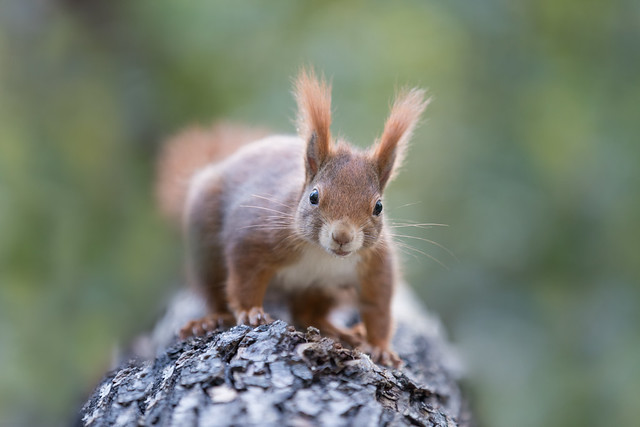
One-eyed squirrel

Proto-Celtic *dallos = blind
Old Irish (Goídelc) dall = blind
Middle Irish (Gaoidhealg) dall, dáll, = blind, dark, gloomy,
daillín = blind man
dalla(id) = to blind, deprive of sight, darken, obscure
dallóc = a little blind animal, mole, leech
Irish (Gaeilge) dall [d̪ˠaul̪ˠ/d̪ˠɑːl̪ˠ/d̪ˠɑl̪ˠ] = blind person, dull, uninformed person, dimness, gloom, obscurity, to blind, dazzle, daze, stupefy
dallacán = purblind person, dim-witted person, fool, mask
dallacántacht = purblindness, dim-wittedness
dallachar = dazzle
dalladh = blinding, dazzlement, plenty, lashings
dallaigeanta = dull-witted
dallamlán = stupid fool, dolt
Scottish Gaelic (Gàidhlig) dall [daul̪ˠ] = blind, obscure, blind person
dallaran = blind person
dalladh [dal̪ˠəɣ] = blinding, misleading
dall-bhrat = blindfold
dallanach = dark, gloomy, inebriated
dallta = blinded, deceived, mislead
Manx (Gaelg) doal = blind, sightless, unseeing
dallaghey = to befog, blind, daze, dazzle, glare
doallaghey, doalley, doallee = blind, blinding
Proto-Brythonic *dall [ˈdal͈] = blind
Middle Welsh (Kymraec) dall, dâll = blind, unseeing, dark, random
dallaf = to blind, dazzle, deceive, darken
dallineb, dallinep = blindness, folly, recklessness
Welsh (Cymraeg) dall [da(ː)ɬ] = blind, unseeing, dark, random, purblind, ignorant, rash, thoughtless, mistaken, blind person
dallaf, dallu = to blind, dazzle, deceive, darken
dallaidd = blindness, purblind
dallan = blind person
dalledig = blinded, darkened
dallineb = blindness, folly, recklessness
Old Cornish dal = blind
Middle Cornish (Cernewec) dall = blind
dalla = to (make) blind
Cornish (Kernewek) dall = blind
dalla = to blind
dallhe = to blind, dazzle
Middle Breton (Brezonec) dall, dal = blind, blunt, blinkered
dallaff, dallañ, dalliñ = to gouge out sb’s eyes, to blind, to fill a hole, to blunt, crumble
dallente, dallentez, dallezh = blindness
dallet = blinded
Breton (Brezhoneg) dall [ˈdalː] = blind, blunt, blinkered, dead end
dallentez, dallezh = blindness

Etymology: from PIE *dʰwl̥no-, from *dʰwolno (to dim, make obscure) [source].

Words from the same roots include dull and dwell in English, toll (great, nice, wonderful) in German, dol (crazy, silly, mad, mindless, irate) in Dutch, and dulls (crazy, mad) in Latvian.

Proto-Celtic *kaikos/*kayko- = one-eyed, blind
Old Irish (Goídelc) cáech [kaːi̯x] = blind in one eye, empty
cáechaid = to blind
cáechán = one-eyed person, blind creature
Middle Irish (Gaoidhealg) cáech = blind in one eye, empty
cáechaid = to blind
cáechán = one-eyed person, dimsighted creature
cáiche = state of being one-eyed, blind in one eye
cáichén = an ignorant person
Irish (Gaeilge) caoch [keːx/kiːx] = blind, purblind person / creature, empty, closed up; to blind, daze, dazzle, close, become blocked, wink
caochadh = to wink, close
caochadóir = purblind creature
caochaíl = purblindness, blockage
caochán = purblind creature, mole
caochóg = purblind person, cubby-hole
Scottish Gaelic (Gàidhlig) caoch [kɯːx] = empty, hollow, blind (creature)
caochag = empty / hollow object, dummy
caochadh [kɯːxəɣ] = blinking, shutting one eye, winking, peeping, ogling
bealach-caoch = cul-de-sac
Manx (Gaelg) kyagh = weak-eyed
kyaght = blindness
kyragh = blind
bollagh kyagh = cul-de-sac
Proto-Brythonic *koɨg = vain, empty, one-eyed, blind (?)
Middle Welsh (Kymraec) coeg, coec, koeg = vain, empty, false, deceitful; blind, one-eyed
koegi to deride, mock, deteriorate; become blind
koec ddall, koegddall = purblind, half-blind, shortsighted, one-eyed, squinting
Welsh (Cymraeg) coeg [koːɨ̯ɡ/kɔi̯ɡ] = vain, empty, false, deceitful, mean, evil, good-for-nothing, arrogant, scornful, sarcastic; blind, one-eyed, squinting
coegaf, coegi = to deride, mock, lampoon, use sarcasm; to be(come) worthless, deteriorate; to become blind, have defective eyesight, darken
coegaidd = vain, empty, haughty, conceited, saucy
coegathrawgar = pedantic
coegathro = pedant
coegbeth = worthless thing, triviality, trifle, bauble
coegddall = purblind, half-blind, shortsighted, one-eyed, squinting
Old Cornish cuic = one-eyed, blind
Middle Cornish (Cernewec) cuic = blind in one eye
Cornish (Kernewek) koog = vain, worthless, barren, infertile

Etymology: from PIE *kéh₂ikos (one-eyed, blind) [source].

Words from the same roots include caecus (blind) and caecum (uncertainity, obscurity) in Latin, cécité (blindness) in French, ciego (blind, blind person, very drunk, caecum) in Spanish, and caecum (a part of the intestine) in English [source].

Incidentally, purblind means partially blind, dim-sighted, dim-witted, unintelligent, and used to mean blind or having one eye [source].

Words marked with a * are reconstructions.

Sources: Wiktionary, Am Faclair Beag, Online Manx Dictionary, Teanglann.ie, eDIL – Electronic Dictionary of the Irish Language, In Dúil Bélrai English – Old Irish glossary, Geiriadur Prifysgol Cymru, Gerlyver Kernewek, Dictionaire Favereau, TermOfis, English – ProtoCeltic WordList (PDF), Etymological Dictionary Of Proto Celtic

Blubrry podcast hosting

Sieving Riddles

Today we’re looking at the words for sieve and related things in Celtic languages.

Sieving Flour

Words marked with a * are reconstructions.

Proto-Celtic *krētros = sieve
Old Irish (Gaoidhealg) críathar = sieve
Middle Irish (Gaoidhealg) críathar = sieve, riddle
críatharach = marsh, morass, boggy wasteland
críathrad = act of winnowing, sifting, riddling
críathraid = sifts, riddles, spreads
Irish (Gaeilge) criathar [ˈcɾʲiəhəɾˠ / ˈcɾʲiːhəɾˠ] = sieve, riddle
criathach = pitted, perforated, swampy
criathrú = winnowing, sifting, honeycombing
criathradóir = winnower, sifter, maker of sieves
criathraigh = to sieve, winnow, riddle, sift, honeycomb
criathróir = animal surefooted on boggy ground
criathar meala = honeycomb
criathar mín = fine sieve
Scottish Gaelic (Gàidhlig) criathar [krʲiə.ər] = riddle, sieve
criathar-tomhais = bushel (measure and implement)
criathar-garbh = riddle (implement)
criatharair [krʲiəhərɛrʲ] = sieve-maker
criathradh [krʲiarəɣ] = (act of) filtering
Manx (Gaelg) creear = sieve, riddle
creearey = sieve, pan, sift, riddle
creear meein = fine sieve
creear garroo = rough sieve
jannoo creear = to honeycomb
Proto-Brythonic *kruɨdr = wandering, sieve
Old Welsh cruitr = winnowing shovel
Middle Welsh (Kymraec) cruidir, crwydr = sieve
Welsh (Cymraeg) crwydr [ˈkrʰʊɨ̯dr̩ / ˈkrʰʊi̯dr̩] = a wandering, a roaming; misfortune, trouble, confusion, rout, dispersion; a straying, aberration, error; winnowing-fan, winnowing-shovel, sieve
crwydro = to wander, roam, stroll, gad about, stray, go astray, deviate, digress
crwydredig = wandering, vagrant, roving, stray
crwydro = barn, granary, farm building
crwydrwr = wanderer, vagrant, vagabond, rover, nomad
Old Cornish croider = sieve, riddle
Middle Cornish croider, crodar = sieve, riddle
Cornish (Kernewek) kroder = coarse sieve, strainer, riddle
kroder kroghen = bodhrán, hold-all
Old Breton croitir = sieve, riddle
Middle Breton croezr = sieve, riddle
Breton (Brezhoneg) krouer = sieve, riddle, screen
krouerañ = to sift, riddle, sieve
krouer liammoù = link generator
rakkroueriañ = pre-screening

Etymology: from the Proto-Indo-European *krey-trom (sieve) from *krey- (to sift, separate, divide) [source]. Words from the same PIE root include crime, crisis, riddle and secret in English, ceart (right, correct, true) in Irish, and crynu (to tremble, shake) and ergryn (horror, dread) in Welsh [source].

Proto-Celtic *sītlā = vase
Old Irish (Goídelc) síthal = bucket
síthlaid = to filter, sift, strain
soithech = container, vessel
Middle Irish síthal, sitheal = a vessel for drawing water, a bucket
síthlaid, síthlaigid, síthóilid = to strain, filter, sift, scour, sweep across, flow away, melt
soithech, soitheach = vessel, container (for liquids), blood vessel, boat
Irish (Gaeilge) síothal [ʃiː(h)ˈl̪ˠɑːn̪ˠ] = vessel for drawing water, pail, bucket (literary)
síothlaigh = to strain, filter, drain away, subside, settle, expire, die
síothlán = strainer, filter, colander
síothlóir = (of person) strainer, filterer (person), weakly, dying person
síothlú = filtration, percolation, subsidence, abatement, expiry, death
Scottish Gaelic (Gàidhlig) sìol [ʃiəl̪ˠ] = compose, settle, filter, strain
sìol(t)achan [ʃiəl̪ˠ(d)əxan] = filter, strainer
sìoltag [ʃiəl̪ˠdag] = strainer, filter, sieve
sìol(t)an [ʃiəl̪ˠ(d)an] = filter, strainer, sieve
sìoltachair [ʃiəl̪ˠdəxɛrʲ] = filter feeder
sìoltachadh [ʃiəl̪ˠdəxəɣ] = (act of) filter feeding
Manx (Gaelg) sheeley = to flow, run, drip, trickle, dribble, seep, oose, filter, strain, drain
sheelaghey = to strain off, to filter, to refine, clarification, sober
Proto-Brythonic *sidl, *hidl = filter, sieve (?)
Middle Welsh (Kymraec) hidl, hidyl, hityl = filter, strainer, sieve
hitler, hidlir, hidlaw = to strain, filter, purify, cleanse, percolate, pour, sprinkle, scatter, sift
hidleit, hidlaid = strained, clarified, clear, flowing
Welsh (Cymraeg) hidl, hiddl = filter, sieve, strainer
hidl(i)ad = straining, filtration, percolation
hidlai = strainer, filter
hidlaid = strained, clarified, clear, flowing
hidlo = to strain, filter, purify, cleanse, percolate, pour, sprinkle, scatter, sift
hidlwr, hidlydd = strainer, filter
Cornish (Kernewek) sidhel [ˈɹɔːz] = filter, strainer, colander
sidhla = to filter, strain, sift, sieve, percolate, purify, cleanse
Middle Breton (Brezonec) sizl = filter, strainer
sila, sizla = to filter
Breton (Brezhoneg) sil [siːl] = filter, strainer
silad = filtrate, grout
siladenn = filtering
siladur = filtering, filtration
silañ = to filter
silerezh = filtering, percolation

Etymology: possibly from Proto-Indo-European *seh₁- (to impress, insert, sow, plant), and influenced by Latin situla (a vessel used to hold water, a voting urn, basin, jar) [source]. Words from the same PIE root include siets (sieve, sifter) in Latvian, sito (sieve, filter) in Polish, (to) sow, season, seminar and seed in English, zaaian (to sow, plant seed, spread) in Dutch, sold (sieve) in Danish [source].

Old Irish (Goídelc) scacaid = to filter, sift, strain
Middle Irish (Gaoidhealg) scacaid, scacad, sgacadh = to strain, filter, sift, purify
Irish (Gaeilge) scag = to strain, filter, drain off, refine, sift, screen, derive, spring (from a source)
scagach = permeable, porour, thin, flimsy, sparse
scagachán = filtration
scagacht = porosity
scagadh = filtration, refinement, assortment, critical examination
scagaire = filter, screen, filterer, sifter, refiner
scagaireacht = (act of) filtering, sifting, refining
Scottish Gaelic (Gàidhlig) sgag [sgag] = split, crack, chap

Etymology: possibly from Old Norse [source].

Proto-Celtic *wokro- = (?)
Middle Welsh (Kymraec) goger, gogr, gogyr = sieve, riddle, screen, strainer
Welsh (Cymraeg) gogr [ˈɡɔɡɔr / ˈɡoːɡɔr] = sieve, riddle, screen, strainer
gogrwr, gogrydd = sieve-maker, sifter
gogru [ˈɡɔɡrɨ̞ / ˈɡɔɡri] = to sieve, sift

Etymology: from PIE *sker- (to separate, cut off) [source].

Sources: Wiktionary, Etymological Dictionary Of Proto Celtic, In Dúil Bélrai English – Old Irish glossary, eDIL – Electronic Dictionary of the Irish Language, Teanglann.ie, Am Faclair Beag, An etymological dictionary of the Gaelic language, Fockleyreen: Manx – English Dictionary, Online Manx Dictionary, Gaelg Corpus, Geiriadur Prifysgol Cymru, Lexicon cornu-britannicum : a dictionary of the ancient Celtic language of Cornwall, Gerlyver Kernewek, Devri : Le dictionaire diachronique du breton, Geriafurch, TermOfis


Ferns and Bracken

Today we’re looking at the words for fern, bracken and related things in Celtic languages.

Maidenhair Spleenwort

Proto-Celtic *ɸratis, *frati- = fern, bracken
Gaulish ratis = fern, bracken
Old Irish (Goídelc) raithnech [ˈr͈aθʲnʲex] = fern, bracken
Middle Irish (Gaoidhealg) raith = fern, bracken
Irish (Gaeilge) raithneach = fern, bracken
raithneachán = ferny place
raithneachúil = ferny
Scottish Gaelic (Gàidhlig) raineach [r̪ˠan̪ʲəx] = fern, bracken; hashish, weed
raith [r̪ˠɛ] = fern, bracken
raineachail = abounding in fern, ferny, like fern
Manx (Gaelg) renniagh = fern, bracken
renniaghoil = ferny
Proto-Brythonic *rrėdɨn = ferns, bracken
Middle Welsh (Kymraec) rhedyn = ferns, bracken
retinoc, redinauc, rhydynog = ferny
Welsh (Cymraeg) rhedyn [ˈr̥ɛdɨ̞n / ˈr̥eːdɪn] = ferns, bracken
rhedynen = fern
rhedyn eryraidd = bracken
rhedyna = to gather ferms
rhedynaidd = ferny
rhedyneg = ferny ground
rhedynog = ferny (land), abounding with ferns, fern-like, made of fern
Old Cornish reden = ferns, bracken
redenen = fern
Middle Cornish reden = ferns, bracken
redenen, redanen = fern
Cornish (Kernewek) reden = ferns, bracken
redenen = fern
Middle Breton reden = ferns, bracken
radenenn = fern
Breton (Brezhoneg) raden = ferns, bracken
radenenn = fern

Etymology: from the Proto-Indo-European *p(t)erH- (fern) [source].

The English word fern comes from the same PIE root, via the Old English fearn and the Proto-West-Germanic *farn [source].

Other words from the same PIE root include paparde (fern) in Latvian, paproć (fern) in Polish, and папрат (fern) in Bulgarian [source].

Words marked with a * are reconstructions.

Sources: Wiktionary, Am Faclair Beag, Online Manx Dictionary, Teanglann.ie, eDIL – Electronic Dictionary of the Irish Language, In Dúil Bélrai English – Old Irish glossary, Geiriadur Prifysgol Cymru, Gerlyver Kernewek, Gerlyvyr Cernewec, Dictionaire Favereau, TermOfis, Le dictionnaire diachronique du breton, Geriafurch, English – ProtoCeltic WordList (PDF), Etymological Dictionary Of Proto Celtic

The Fastest Way to Learn Japanese Guaranteed with JapanesePod101.com

Mind Sense

Today we’re looking at the words for mind, sense and related things in Celtic languages.

Mind, Sense, Widom, Intelligence, Meaning

Proto-Celtic *kʷēslā = mind; sense, wisdom, intelligence; meaning
Old Irish (Goídelc) cíall [kʲiːa̯l͈] = sense, intelligence, mind; wisdom, good sense, skill; intention, cause, reason, idea; signification, meaning, function
Irish (Gaeilge) ciall [kiəl̪ˠ/kʲal̪ˠ] = sense, sanity; normal state of mind; common sense; perception; meaning; reason, cause
ciallaigh = to mean, signify; explain, interpret
ciallchogar = confidential whisper
ciallmhaireacht = sensibleness, reasonableness
ciallmhar = sensible, reasonable, common sense
aingiall = unreason
fochiall = secondary meaning, connotation
gan chiall = meaningless, misguided, unmeaning, callow, lunatic, senseless, silly
Scottish Gaelic (Gàidhlig) ciall [kʲiəl̪ˠ] = meaning, sense, significance, connotation, implication, understanding, reason
ciallach = prudent, sensible, sane, tame
ciallaich = to mean, signify, imply
gun chiall = without sense, senseless, insane
eu-céillidheachd = insanity, madness, irrationality, foolishness
Manx (Gaelg) keeall = sense, significance
keeaylagh = eloquent, prudent
meecheeall = senselessness
meecheeallagh = senseless, unadvisedly
bun-cheeal = moral
gyn keeall = unmeaning, senseless
Proto-Brythonic *puɨll = mind; sense, wisdom, intelligence; meaning
Middle Welsh (Kymraec) puil, puilh = deliberation, consideration, care, caution
Welsh (Cymraeg) pwyll [puːɨ̯ɬ / pʊi̯ɬ] = deliberation, consideration, care, caution; discretion, prudence, wisdom, patience, understanding, intelligence, perception, judgement; nature, disposition; meaning, significance, sense
pwyll(i)ad = intention, intent, goal, aim, design
pwyllaf, pwyllo = to exercise discretion, deliberate, consider, contemplate
pwyllgor = committee, meeting
pwyllog = discreet, wise, intelligent, sane, rational, reasonable
pwyllwr, pwyllwraig = discreet, sensible or wise person
gan bwyll = gently, gradually, carefully, slowly
iawnbwyll = sanity, saneness, sane, sensible
o’i bwyll = out of one’s mind, beside oneself, insane
Cornish (Kernewek) poll = intelligence, reason
pollek = brainy, intelligent
Breton (Brezhoneg) poell = logical, logic
poellata = to reason, argue
poellakaat = to rationalize
poellel = logical, logic
poellelour = rationalist
poellgor = committee

Etymology from the Proto-Indo-European *kʷeyt- (to notice) [source].

Words from the same PIE root include číst (to read) and čítat (to count) in Czech, šķist (to seem, appear) and skaitīt (to count) in Latvian, skaitýti (to read) in Lithuanian, and चित्त [t͡ʃɪt̪t̪] (mind, heart) in Hindi [source].

Words marked with a * are reconstructions.

Sources: Wiktionary, Am Faclair Beag, Online Manx Dictionary, Teanglann.ie, eDIL – Electronic Dictionary of the Irish Language, In Dúil Bélrai English – Old Irish glossary, Geiriadur Prifysgol Cymru, Gerlyver Kernewek, Gerlyvyr Cernewec, Dictionaire Favereau, TermOfis, Le dictionnaire diachronique du breton, Geriafurch, English – ProtoCeltic WordList (PDF), Etymological Dictionary Of Proto Celtic

The Fastest Way to Learn Japanese Guaranteed with JapanesePod101.com