Ferns and Bracken

Today we’re looking at the words for fern, bracken and related things in Celtic languages.

Maidenhair Spleenwort

Proto-Celtic *ɸratis, *frati- = fern, bracken
Gaulish ratis = fern, bracken
Old Irish (Goídelc) raithnech [ˈr͈aθʲnʲex] = fern, bracken
Middle Irish (Gaoidhealg) raith = fern, bracken
Irish (Gaeilge) raithneach = fern, bracken
raithneachán = ferny place
raithneachúil = ferny
Scottish Gaelic (Gàidhlig) raineach [r̪ˠan̪ʲəx] = fern, bracken; hashish, weed
raith [r̪ˠɛ] = fern, bracken
raineachail = abounding in fern, ferny, like fern
Manx (Gaelg) renniagh = fern, bracken
renniaghoil = ferny
Proto-Brythonic *rrėdɨn = ferns, bracken
Middle Welsh (Kymraec) rhedyn = ferns, bracken
retinoc, redinauc, rhydynog = ferny
Welsh (Cymraeg) rhedyn [ˈr̥ɛdɨ̞n / ˈr̥eːdɪn] = ferns, bracken
rhedynen = fern
rhedyn eryraidd = bracken
rhedyna = to gather ferms
rhedynaidd = ferny
rhedyneg = ferny ground
rhedynog = ferny (land), abounding with ferns, fern-like, made of fern
Old Cornish reden = ferns, bracken
redenen = fern
Middle Cornish reden = ferns, bracken
redenen, redanen = fern
Cornish (Kernewek) reden = ferns, bracken
redenen = fern
Middle Breton reden = ferns, bracken
radenenn = fern
Breton (Brezhoneg) raden = ferns, bracken
radenenn = fern

Etymology: from the Proto-Indo-European *p(t)erH- (fern) [source].

The English word fern comes from the same PIE root, via the Old English fearn and the Proto-West-Germanic *farn [source].

Other words from the same PIE root include paparde (fern) in Latvian, paproć (fern) in Polish, and папрат (fern) in Bulgarian [source].

Words marked with a * are reconstructions.

Sources: Wiktionary, Am Faclair Beag, Online Manx Dictionary, Teanglann.ie, eDIL – Electronic Dictionary of the Irish Language, In Dúil Bélrai English – Old Irish glossary, Geiriadur Prifysgol Cymru, Gerlyver Kernewek, Gerlyvyr Cernewec, Dictionaire Favereau, TermOfis, Le dictionnaire diachronique du breton, Geriafurch, English – ProtoCeltic WordList (PDF), Etymological Dictionary Of Proto Celtic

The Fastest Way to Learn Japanese Guaranteed with JapanesePod101.com

Mind Sense

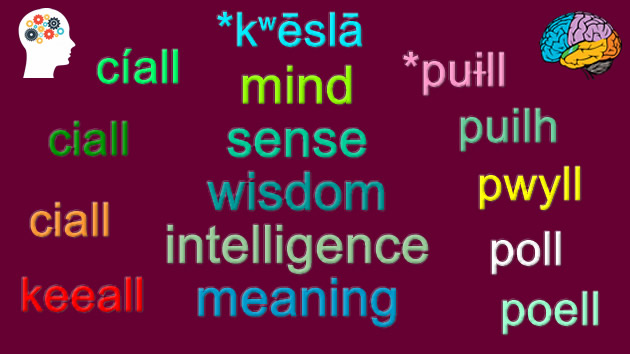
Today we’re looking at the words for mind, sense and related things in Celtic languages.

Mind, Sense, Widom, Intelligence, Meaning

Proto-Celtic *kʷēslā = mind; sense, wisdom, intelligence; meaning
Old Irish (Goídelc) cíall [kʲiːa̯l͈] = sense, intelligence, mind; wisdom, good sense, skill; intention, cause, reason, idea; signification, meaning, function
Irish (Gaeilge) ciall [kiəl̪ˠ/kʲal̪ˠ] = sense, sanity; normal state of mind; common sense; perception; meaning; reason, cause
ciallaigh = to mean, signify; explain, interpret
ciallchogar = confidential whisper
ciallmhaireacht = sensibleness, reasonableness
ciallmhar = sensible, reasonable, common sense
aingiall = unreason
fochiall = secondary meaning, connotation
gan chiall = meaningless, misguided, unmeaning, callow, lunatic, senseless, silly
Scottish Gaelic (Gàidhlig) ciall [kʲiəl̪ˠ] = meaning, sense, significance, connotation, implication, understanding, reason
ciallach = prudent, sensible, sane, tame
ciallaich = to mean, signify, imply
gun chiall = without sense, senseless, insane
eu-céillidheachd = insanity, madness, irrationality, foolishness
Manx (Gaelg) keeall = sense, significance
keeaylagh = eloquent, prudent
meecheeall = senselessness
meecheeallagh = senseless, unadvisedly
bun-cheeal = moral
gyn keeall = unmeaning, senseless
Proto-Brythonic *puɨll = mind; sense, wisdom, intelligence; meaning
Middle Welsh (Kymraec) puil, puilh = deliberation, consideration, care, caution
Welsh (Cymraeg) pwyll [puːɨ̯ɬ / pʊi̯ɬ] = deliberation, consideration, care, caution; discretion, prudence, wisdom, patience, understanding, intelligence, perception, judgement; nature, disposition; meaning, significance, sense
pwyll(i)ad = intention, intent, goal, aim, design
pwyllaf, pwyllo = to exercise discretion, deliberate, consider, contemplate
pwyllgor = committee, meeting
pwyllog = discreet, wise, intelligent, sane, rational, reasonable
pwyllwr, pwyllwraig = discreet, sensible or wise person
gan bwyll = gently, gradually, carefully, slowly
iawnbwyll = sanity, saneness, sane, sensible
o’i bwyll = out of one’s mind, beside oneself, insane
Cornish (Kernewek) poll = intelligence, reason
pollek = brainy, intelligent
Breton (Brezhoneg) poell = logical, logic
poellata = to reason, argue
poellakaat = to rationalize
poellel = logical, logic
poellelour = rationalist
poellgor = committee

Etymology from the Proto-Indo-European *kʷeyt- (to notice) [source].

Words from the same PIE root include číst (to read) and čítat (to count) in Czech, šķist (to seem, appear) and skaitīt (to count) in Latvian, skaitýti (to read) in Lithuanian, and चित्त [t͡ʃɪt̪t̪] (mind, heart) in Hindi [source].

Words marked with a * are reconstructions.

Sources: Wiktionary, Am Faclair Beag, Online Manx Dictionary, Teanglann.ie, eDIL – Electronic Dictionary of the Irish Language, In Dúil Bélrai English – Old Irish glossary, Geiriadur Prifysgol Cymru, Gerlyver Kernewek, Gerlyvyr Cernewec, Dictionaire Favereau, TermOfis, Le dictionnaire diachronique du breton, Geriafurch, English – ProtoCeltic WordList (PDF), Etymological Dictionary Of Proto Celtic
The Fastest Way to Learn Japanese Guaranteed with JapanesePod101.com

Old

Words for old and related things in Celtic languages.

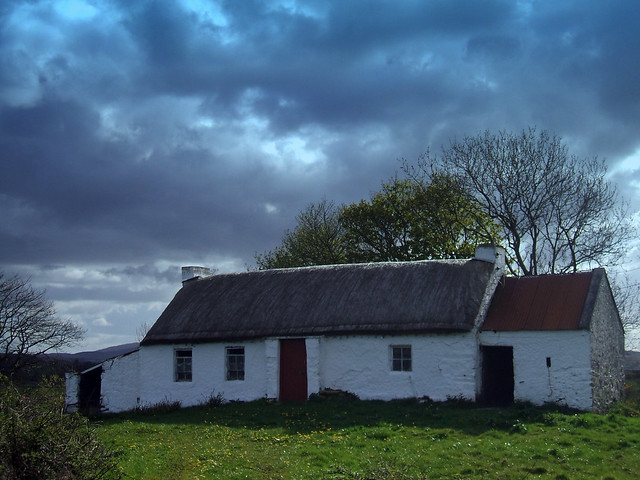
Old Irish Cottage & Out House

Words marked with a * are reconstructions.

Proto-Celtic *senos = old
Gaulish *senos = old
Old Irish (Goídelc) sen = old, ancester, old person,
sendatu = longevity, old age
senóir = elder, old person, senior
senórdacht = elderliness, old age
sentonn = old woman
sentu = old age
Middle Irish (Gaoidhealg) sen = old, ancient, long-standing, ancestor
sendatu = old age, long life
senóir, seanóir = senior, elder, old person
senórdacht, senordacht = old age, seniority
sentonn, sentuinne, sentain = old woman
sentu = old age
Irish (Gaeilge) sean [ʃanˠ] = old, aged, mature; senior, ancestor; long-established, old fashioned; great, exceeding
seanaimsir = old times
seanaois = old age
seanársa = primitive
seanda = old, aged, ancient, antique, stale
seanóir = old person, senior, elder
Scottish Gaelic (Gàidhlig) sean [ʃɛn] = old, aged, elderly; former
seanachd [ʃɛnəxg] = ancientness, oldness
seanair [ʃɛnɪrʲ] = grandfather, elder, ancestor
seanmhair [ʃɛnɛvɪrʲ] = grandmother, grandma
seannda [ʃãũndə] = ancient, old-fashioned
seanndaidh [ʃãũn̪ˠdɪ] = ancient, old-fashioned, infirm, frail
seantaidh [ʃan̪ˠdɪ] = primeval, primitive, shanty
Manx (Gaelg) shenn = old, stale, aged, former, time-fusty, inveterate, ancient, vintage, veteran, old-established, olden, antiquarian, worn, elderly, consecrated, archaic, ex, senile, long-standing
shennaghys = annals, antiquity, history, story-telling, tradition
shennayr, shaner = ancestor, father, forebear, grandfather
shenndeeagh = ancient, historical
Proto-Brythonic *hen = old
Middle Welsh (Kymraec) hen = old
henadur, henadûr = alderman, elder, presbyter, (church) father, senior in rank
henv, henu, hena = to grow old or decrepit, weaken, deteriorate, fail
henaidd = oldish, old, aged, ancient, archaic, antiquated
heneint, henaint = old age, oldness, antiquity, the aged
Welsh (Cymraeg) hen [heːn] = old, aged; ancient, antique, pristine, former; inveterate, chronic; original; senior, elder; stale, mouldy, musty, fusty
henadur = alderman, elder, presbyter, (church) father, senior in rank
henaf, henu = to grow old or decrepit, weaken, deteriorate, fail
henaidd = oldish, old, aged, ancient, archaic, antiquated
henaint = old age, oldness, antiquity, the aged
Middle Cornish (Cernewec) hen, hén, hên = old, ancient, antique
hendas = grandfather
hengog = great great grandfather
Cornish (Kernewek) hen [hɛ:n / he:n] = old, archaic, long-standing
henavek, henavoges = elder(ly), senior, older
hendas = ancestor, forefather
hendedhyow = the olden days
hendheskonieth = archaeology
henedh = generation
hengov = tradition
henlavar = proverb
Middle Breton (Brezonec) hen = old, ancient
henaff = elder, senior
henavelezh = birthright, right of primogeniture
Breton (Brezhoneg) hen = old, ancient
henadur = = archaism
henamzer = antiquity
henañ = elder, senior
henanded = primogeniture
henavelezh = birthright, right of primogeniture

Etymology: from the Proto-Indo-European *sénos (old) [source]. Words from the same PIE roots include senate and senior in English, sens (ancient, old) in Latvian, sẽnas (old) in Lithuanian [source].

Sources: Wiktionary, Am Faclair Beag, Online Manx Dictionary, Teanglann.ie, eDIL – Electronic Dictionary of the Irish Language, In Dúil Bélrai English – Old Irish glossary, Geiriadur Prifysgol Cymru, Gerlyver Kernewek, Lexicon Cornu-britannicum: A Dictionary of the Ancient Celtic Language of Cornwall, Dictionaire Favereau, TermOfis, Le dictionnaire diachronique du breton, Etymological Dictionary Of Proto Celtic

italki - Win cash rewards for learning any language