Knees

Here are some words for knee, and related words, in Celtic languages.

Proto-Celtic *glūnos = knee
Old Irish (Goídelc) glún [ɡluːn] = knee
Irish (Gaeilge) glúin [ɡl̪ˠuːnʲ / ɡlˠuːnʲ] = knee, generation, step (in a series), node
caipín glúine, gealacán glúine = kneecap, patella
bean ghlúine = midwife
Scottish Gaelic (Gàidhlig) glùin [ɡl̪ˠuːnʲ] = knee, generation, lap, joint (of boat)
copan na glùine / cnap-glùine / falman = kneecap, patella
lùbadh-glùin = curtsey
bean-ghlùine = midwife
Manx (Gaelg) glioon [ɡlʲuːnʲ] = joint, crooked timber, knee
rollian ny gliooney = kneecap, patella
moddey glioon = lap dog, toy dog
glioon-lhoobey = genuflect, genuflection
Proto-Brythonic *glin = knee
Welsh (Cymraeg) glin [ɡliːn], pen (g)lin [pɛnˈ(ɡ)liːn] = knee
clwyd y glin = kneecap, patella
llinach = lineage, genealogy, pedigree, ancestry, stock, kindred, offspring, succession, generation
camu glin = to curtsey
Cornish (Kernewek) glin [ˈɡliːn] = knee
padell bedn glin / penn glin = kneecap, patella
Breton (Brezhoneg) glin [ˈɡliːn] = knee
koubloù = kneecap, patella

Etymology: from the Proto-Indo-European *ǵónu (knee).

From the Proto-Celtic word *glūnos we also get the Proto-Celtic word *genwā ((river) bend), which is the root of the names Geneva, Genoa.

The word knee comes from the same PIE root, via the Middle English kne, from the Old English cnēow, from the Proto-West Germanic *kneu, from the Proto-Germanic *knewą.

The word genuflect (to bend the knee) also comes from the same PIE root, via the Latin genū (knee) and flectō (to bend) [source].

Sources: Wiktionary, Am Faclair Beag, MacBain’s Dictionary, In Dúil Bélrai English – Old-Irish Glossary, teanglann.ie, On-Line Manx Dictionary, Geiriadur Prifysgol Cymru, Gerlyver Kernewek, Dictionnaire Favereau, TermOfis

Nails, Claws and Talons

Words for nails in Celtic languages.

Proto-Celtic *angʷīnā = (finger/toe) nail
Old Irish (Goídelc) ingen [ˈiŋʲɡʲen] = (finger/toe) nail
Irish (Gaeilge) ionga [ˈɔŋə] = nail, claw, talon; hoof; clove (of garlic); quid (of tabacco)
ionga méire finger nail
ionga ordóige = thumbnail
ionga coise / ionga laidhre toenail
Scottish Gaelic (Gàidhlig) ionga [iŋgə] = (finger) nail, toenail, claw, talon, gusset
Manx (Gaelg) ingin [ˈiŋən] = claw, nail, talon, hoof; clove (of garlic)
ingin ordaag = thumbnail
ingin choshey toenail
Proto-Brythonic *ėɣwin = nail
Old Welsh eguin = nail
Middle Welsh (Kyrmraec) ewin = nail
Welsh (Cymraeg) ewin [ˈɛu̯.ɪn] = nail of a finger or toe; claw or talon (of bird), claw (of carnivorous beast); division of a cloven hoof; worthless remnant; power of grip; cog of a wheel; jutting edge of rock; clove (of garlic), small piece, particle
ewin bawd thumbnail
ewin troed toenail
Old Cornish euuin = fingernail
Cornish (Kernewek) ewyn = claw, fingernail, talon, toenail; clove (of garlic)
Old Breton eguin = fingernail
Middle Breton euin = fingernail
Breton (Brezhoneg) ivin [ˈboːs] = fingernail, tab

Etymology: from the Proto-Indo-European *h₃nṓgʰs ((finger/toe) nail) [source].

30: Shiny

Sources: Wiktionary, Am Faclair Beag, MacBain’s Dictionary, In Dúil Bélrai English – Old-Irish Glossary, teanglann.ie, On-Line Manx Dictionary, Geiriadur Prifysgol Cymru, Gerlyver Kernewek, Dictionnaire Favereau, TermOfis

Salmon

Words for salmon in the Celtic languages. The species of salmon most common found around Celtic speaking lands is the Atlantic salmon (Salmo salar). Other species of salmon are available.

There are three words for salmon in Proto-Celtic: *esoxs / *esāk, *φenk-īnjo and *φorko. Only the first one has descendents in the modern Celtic languages.

Proto-Celtic *esoxs / *esāk = salmon
Gallaecian *īsis = salmon
Gaulish *esoks = salmon
Old Irish (Goídelc) eo [eːo̯] = salmon
Irish (Gaeilge) eo [oː / ɔː] = salmon; noble being, prince
Scottish Gaelic (Gàidhlig) [jɔː] = salmon (archaic)
eog = salmon
Proto-Brythonic *esāx = salmon
Middle Welsh (Kymraec) ehawc = salmon
Welsh (Cymraeg) eog [ˈɛ.ɔɡ / ˈeː.ɔɡ] = salmon, sea-trout, sewin, samlet
Old Cornish ehoc = salmon
Cornish (Kernewek) eghek = salmon
Middle Breton eheuc = salmon
Breton (Brezhoneg) eog = salmon

Etymology: possibly from the Proto-Indo-European *peysḱ- (fish).

Old Irish (Goídelc) bratán = salmon
Irish (Gaeilge) bradán [bˠɾˠəˈd̪ˠaːn̪ˠ / ˈbˠɾˠad̪ˠaːnˠ / ˈbˠɾˠɑd̪ˠɑnˠ] = salmon
Scottish Gaelic (Gàidhlig) braden [bradan] = salmon
Manx (Gaelg) braddan = salmon

Etymology: from the Old Irish brat (captivity, bondage, robbery) and án (diminutive suffix).

Welsh (Cymraeg) samon / samwn = salmon
Cornish (Kernewek) sowman = salmon
Breton (Brezhoneg) somon = salmon

Etymology: from the English salmon, from the Middle English samoun, samon, saumon (salmon), from the Anglo-Norman saumon (salmon), from the Old French saumon, from the Latin salmō (salmon), either from the Proto-Celtic *esoxs / *esāk, or from the Latin saliō (to leap).

Salmon Jumping Falls (NPS/D. Jacob)

Sources: Wiktionary, Am Faclair Beag, MacBain’s Dictionary, In Dúil Bélrai English – Old-Irish Glossary, teanglann.ie, On-Line Manx Dictionary, Geiriadur Prifysgol Cymru, Gerlyver Kernewek, Dictionnaire Favereau, TermOfis

Fish

Words for fish in the Celtic languages.

Proto-Celtic *ɸēskos = fish
Old Irish (Goídelc) íasc = fish
Irish (Gaeilge) iasc [iəsˠk] = fish, to fish
iasc (uisce) abhann / locha [iəsˠk] = river / lake fish, freshwater fish
iasc farraige / iasc mara [iəsˠk] = sea-fish, saltwater fish
Scottish Gaelic (Gàidhlig) iasg [iəsg] = fish, Pisces
iasg fìor-uisge = freshwater fish
iasg mara = saltwater fish
Manx (Gaelg) eeast = fish
eeast awin = freshwater fish
eeast marrey = marine fish, sea fish
Proto-Brythonic *uɨsk = fish
Welsh (Cymraeg) Wysg [uːɨ̯sk / ʊi̯sk] = Usk (river)

Etymology: from the Proto-Indo-European *pisḱ-/peysḱ- (fish). The name of the river Exe comes from the same root, as does Exmoor, where the river rises, Exmouth, where it meets the sea, and Exeter, which stands on the river.

Welsh (Cymraeg) pysgod [ˈpəsɡɔd] = fish(es), Pisces
pysgod aweddwr / pysgod dŵr croyw / pysgod dŵr glân [iəsˠk] = freshwater fish
pysgod (y) môr [iəsˠk] = sea fish, saltwater fish
Cornish (Kernewek) pysk [pɪːsk] / pesk = fish
Breton (Brezhoneg) pesked = fish

Etymology: from the Latin piscātus, past participle of piscor (to fish), from piscis (fish), from Proto-Indo-European *pisḱ-/peysḱ- (fish).

Interesting idioms related to fish:

  • Irish: Iasc as uisce i do bhéal! = Restrain your tongue! (“Fish out of water in your mouth”)
  • Irish: Ar iascadh libh? = Did you catch fish / succeed in your quest
  • Irish: Ar iascach ar dhuine = to fish information from sb
  • Welsh: pysgota mewn dŵr llwyd = to fish in troubled waters

Fish

Sources: Wiktionary, Am Faclair Beag, MacBain’s Dictionary, In Dúil Bélrai English – Old-Irish Glossary, teanglann.ie, On-Line Manx Dictionary, Geiriadur Prifysgol Cymru, Gerlyver Kernewek, Dictionnaire Favereau, TermOfis

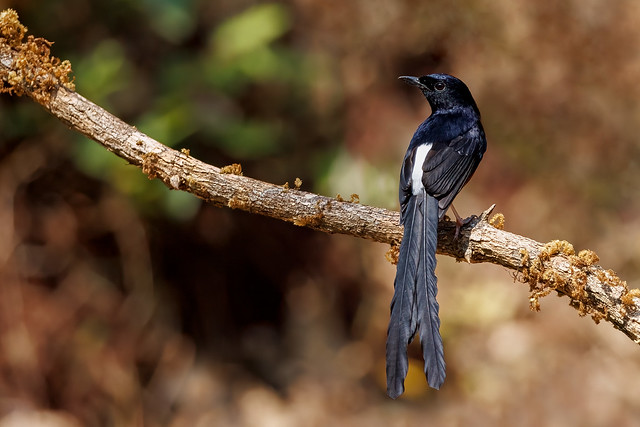
Blackbirds

Words for blackbirds, thrushes, ouzels and starlings in Celtic languages.

Proto-Celtic *mesal-(s)kā / *meisalko = blackbird
Irish (Gaeilge) smólach = thrush
smólach ceoil = song thursh (Turdus philomelos)
smólach mór = mistle thrush (Turdus viscivorus)
Scottish Gaelic (Gàidhlig) smèarach [smɛːrəx] / smaolach [smɯːl̪ˠəx] / smeòrach [smjɔːrəx] = thrush, mavis
smeòrach-choitcheann = song thrush
smólach mór = mistle thrush
Proto-Brythonic *miyalx- = blackbird
Welsh (Cymraeg) mwyalchen [muɨ̯ˈalχɛn / mui̯ˈalχɛn] = blackbird
mwyalchen y mynydd = ring ouzel
Cornish (Kernewek) molgh = thrush
molgh dhu = blackbird
molgh loos = song thrush
molgh glas = mistle thrush
molgh meneth = ring ouzel
Breton (Brezhoneg) moualc’h / moualc’h zu = blackbird
moualc’h-venez = ring ouzel

Etymology: from the Proto-Indo-European *h₂ems- (black, blackbird).

Old Irish (Goídelc) lon [l͈on] = blackbird
Irish (Gaeilge) lon / lon dubh = (Common / Eurasian) blackbird (Turdus merula),
lon creige ring ouzel (Turdus torquatus)
Scottish Gaelic (Gàidhlig) lon [l̪ˠɔn] / lòn-dubh [l̪ˠɔnˈduh] = blackbird, ouzel
lon-monaidh = ring ouzel
Manx (Gaelg) llondoo = blackbird
lhonnag = (immature) blackbird
lhon ny keylley = mistle thrush
lhon fainnit / lhon ny greg = ring ouzel

Etymology: unknown

Proto-Celtic *traskl / *trozdi = thrush
Old Irish (Goídelc) truit = starling
Irish (Gaeilge) truis = thrush
Scottish Gaelic (Gàidhlig) druid [drɯdʲ] = starling, thrush
Manx (Gaelg) treshlen = song thrush
treshlen vooar = mistle thrush
Welsh (Cymraeg) tresglen = (mistle) thrush
tresglen y crawel = mistle thrush
Breton (Brezhoneg) drask(l) = thrush
drask-su = song thrush
drask-rouee = mistle thrush

Etymology: from the Proto-Indo-European *trozdo- (thrush).

Other Welsh words for blackbird include aderyn du (“black bird”), and pigfelyn (“yellow beak”).

A song thrush in Welsh is y fronfraith (“the speckled breast”), crecer, bronfraith y grug, aderyn bronfraith or bronfraith fawr.

blackbird

Here’s a tune I wrote called The Blackbird’s Tail / Cynffon yr Aderyn Du:

Sources: Wiktionary, Am Faclair Beag, MacBain’s Dictionary, In Dúil Bélrai English – Old-Irish Glossary, teanglann.ie, On-Line Manx Dictionary, Geiriadur Prifysgol Cymru, Gerlyver Kernewek, Dictionnaire Favereau, TermOfis

Ducks

Words for ducks in Celtic languages.

Old Irish (Goídelc) *lachu [ˈl͈axu] = duck
Irish (Gaeilge) lacha [ˈl̪ˠaxə] = duck
lacha bhreac / lacha chriosrua / seil lacha = shelduck (Tadorna tadorna)
iolar mara / coirneach / mallard = mallard (Anas platyrhynchos)
Scottish Gaelic (Gàidhlig) lach [l̪ˠax] = (wild) duck
crà-ghèadh / cràighiadh / crà-eun = shelduck
lach-Mhoire / lach-riabhach = mallard
Manx (Gaelg) laagh = duck, wild goose
laagh chryss-ruy = shelduck
laagh voirrey / mallard = mallard

Etymology: possibly from the same Proto-Indo-European root as the Lithuanian word lak (to fly).

Irish (Gaeilge) tonóg = duck; dumpy little woman
Scottish Gaelic (Gàidhlig) tunnag [ˈtʰun̪ˠak] = duck
tunnag-mhonaidh / tunnag-fhiadhaich = mallard
Manx (Gaelg) thunnag = duck
thunnag vreck = shelduck

Etymology: unknown

Proto-Celtic *awis = bird (?)
Irish (Gaeilge) aí / ai / aoi = swan
Scottish Gaelic (Gàidhlig) ai = swan
Proto-Brythonic *(s)awyetos = duck (?)
Middle Welsh (Kymraec) hwyat / hwyeit = duck
Welsh (Cymraeg) hwyad(en) [ˈhʊɨ̯.ad / ˈhʊi̯.ad] = (female) duck
hwyaden yr eithin / hwayaden fraith = shelduck
hwyaden wyllt / meilad = mallard
Old Cornish hoet = duck
Cornish (Kernewek) hos = duck
hos eythyn = shelduck
hos gwyls / mallart = mallard
Breton (Brezhoneg) houad = duck
tadorn toveel = shelduck
houad-korz = mallard

Etymology: from the Proto-Indo-European *h₂éwis (bird) [source], which is also the root of such English words as avian, aviary, aviation and aviator, via the Latin avis (bird).

The species of ducks included here are found in Celtic-speaking lands. Other types of ducks are available.

Ducks!

Sources: Wiktionary, Am Faclair Beag, MacBain’s Dictionary, In Dúil Bélrai English – Old-Irish Glossary, teanglann.ie, On-Line Manx Dictionary, Geiriadur Prifysgol Cymru, Gerlyver Kernewek, Dictionnaire Favereau, TermOfis

Gulls

Celtic words for (sea)gull, seabirds of the genus Larus or of the family Laridae.

Blackheaded gulls

Proto-Celtic *wailannā = seagull
Old Irish (Goídelc) faílenn, foílenn = seagull
Irish (Gaeilge) faoileán, faoileog = gull, seagull
faoileán bán = common gull (Larus canus)
faoileán ceanndubh, faoileán an chaipín = black-headed gull (Chroicocephalus ridibundus)
faoileán droma duibh = greater black-backed gull (Larus marinus)
foillan scadán = (Larus argentatus)
Scottish Gaelic (Gàidhlig) faoileann [fɯːlən̪ˠ], faoileag [fɯːlag] = gull, seagull, common gull
faoileann-bheag = common gull
faoileann-dubh = black-headed gull
faoileann a’ chinn dhuibh = greater black-backed gull
faoileann-mhór = herring gull
Manx (Gaelg) foillan, foilleig, fooilleig = gull, seagull
foillan bane = common gull
foillan kione doo = black-headed gull
foillan saggyrt = greater black-backed gull
foillan skeddan = herring gull
Proto-Brythonic *gwuɨlann = seagull
Middle Welsh (Kymraec) gwylan = seagull
Welsh (Cymraeg) gwylan [ˈɡʊɨ̯lan / ˈɡʊi̯lan] = sea-gull, sea-mew; fair maiden; glutton
gwylan gyffredin = common gull
gwylan goes goch / gwylan benddu = black-headed gull
gwylan gefnddu = greater black-backed gull
gwylan y penwaig = herring gull
Old Cornish guilan = seagull
Cornish (Kernewek) golan [ˈɡoːlan / ˈɡʊlɐn] = gull, seagull
gwylan gemyn = common gull
skraw / skrawik / scraw = black-headed gull
gwylan keyn du = greater black-backed gull
gwylan hern = herring gull
Old Breton guilannou = seagull
Middle Breton goelann = seagull
Breton (Brezhoneg) gouelan = seagull
gouelan loue = common gull
gouelanig maskl du = black-headed gull
gouelan bras = greater black-backed gull
gouelan gris = herring gull

Etymology: thought to be from the Proto-Indo-European *wáy (oh! ah! woe! alas!), possibly related to *waylos (howler, wolf) [source].

The English word gull also comes from the same Proto-Celtic *wailannā, via the Middle English gulle [source].

The French word goéland (gull, herring gull) comes from the Breton gouelan [source].

Note: the types of gulls mentioned here are commonly seen in Celtic-speaking areas. Other gulls are available.

Words marked with a * are reconstructions.

Here’s a song I wrote in Manx and English about seagulls and their love of chips: Spollagyn son tey / Chips for tea

Sources: Wiktionary, Am Faclair Beag, MacBain’s Dictionary, In Dúil Bélrai English – Old-Irish Glossary, teanglann.ie, On-Line Manx Dictionary, Geiriadur Prifysgol Cymru, Gerlyver Kernewek, Dictionnaire Favereau, TermOfis

Swallows

Words for swallows, swifts and martins in Celtic languages.

Proto-Celtic *wesnālā = swallow
Old Irish (Goídelc) ainnel, fannall = swallow
Middle Irish (Gaoidhealg) áilleóc, fainleóc = swallow
Irish (Gaeilge) fáinleog, áinleóg = swallow
Scottish Gaelic (Gàidhlig) (f)ainnleag [(f)ãĩn̪ʲl̪ʲag] = swallow, martin, storm(y) petrel
Proto-Brythonic *gwennọl = swallow
Old Welsh guennol = swallow
Middle Welsh (Kymraec) gwennawl = swallow
Welsh (Cymraeg) gwennol [ˈɡwɛnɔl] = swallow, martin; weaver’s shuttle
Cornish (Kernewek) gwennol = swallow
Old Breton guennol = swallow
Middle Breton guennel = swallow
Breton (Brezhoneg) gwennel = swallow

Etymology: from the Proto-Indo-European *wós-r̥/*wés-n̥s (spring) [source].

Irish (Gaeilge) gabhlán = martin
gabhlán-binne = house martin (delichon urbicum))
gabhlán gainimh = sand martin (riparia riparia)
gabhlán gaoithe = swift (apus apus)
Scottish Gaelic (Gàidhlig) gòbhlan [gɔːl̪ˠan] = swallow, martin; prong, small fork
gòbhlan-gaoithe [goːl̪ˠan’gɤjə] = barn swallow (hirundo rustica)
gòbhlan-gainmhich [goːl̪ˠan gɛnɛvɪç] = sand martin, bank swallow
gòbhlan-dubh [goːl̪ˠan du] = (common) swift
gòbhlan-mara [goːl̪ˠan marə] = storm(y) petrel (hydrobatidae)
Manx (Gaelg) gollan = swift, martin; fork
gollan geayee = swallow
gollan gheinnee = sand martin
gollan mooar = swift
gollan thie = house martin

Etymology: from the Old Irish gabul (fork, forked branch), from the Proto-Celtic *gablā (fork, branch, gallows), from the Proto-Indo-European *gʰeh₁bʰ- (to grab, take) [source].

Words marked with a * are reconstructions.

Flying swallow

Here’s a tune I wrote called The Swallow / Y Wennol:

Sources: Wiktionary, Am Faclair Beag, MacBain’s Dictionary, In Dúil Bélrai English – Old-Irish Glossary, teanglann.ie, On-Line Manx Dictionary, Geiriadur Prifysgol Cymru, Gerlyver Kernewek, Dictionnaire Favereau

Herons

Words for heron in Celtic languages.

Proto-Celtic *korxsā / *korxsiyos = heron
Celtiberian *cárcia = heron
Middle Irish (Gaoidhealg) corr = (grey) heron, stork, crane, leg-necked person
Irish (Gaeilge) corr [kəuɾˠ] = (grey) heron, stork, crane, leg-necked person
Scottish Gaelic (Gàidhlig) corra [kɔr̪ˠə] = heron, stork, crane
Manx (Gaelg) coar = heron, stork, crane
Proto-Brythonic *krɨxɨð = heron
Welsh (Cymraeg) crychydd [ˈkrəχɨ̞ð / ˈkrəχɪð] = heron
Old Cornish cherhit = heron
Cornish (Kernewek) kerghydh = heron
Old Breton corcid = heron
Breton (Brezhoneg) kerc’heiz = heron

Etymology: possibly immitative in origin. Words for heron in Spanish (garza) and Portuguese (garça) come from the Celtiberian root [source].

Proto-Brythonic *krexVr = heron
Middle Welsh (Kymraec) crehyr = heron
Welsh (Cymraeg) crëyr [ˈkrɛ.ɨ̞r / kreː.ɪr] = heron

Etymology: possibly from the Proto-Indo-European *(s)ḱrey- (to scream, screech) [source].

Words marked with a * are reconstructions.

Heron

Sources: Wiktionary, Am Faclair Beag, MacBain’s Dictionary, In Dúil Bélrai English – Old-Irish Glossary, teanglann.ie, On-Line Manx Dictionary, Geiriadur Prifysgol Cymru, Gerlyver Kernewek, Dictionnaire Favereau

Cockerels / Roosters

Words for cockerel / rooster in Celtic languages.

Cockerel

Proto-Celtic *kalyākos = cockerel, rooster
Old Irish (Goídelc) cailech [ˈkalʲex] = cockerel, rooster
Irish (Gaeilge) coileach [ˈkalʲex / ˈkɛlʲəx / ˈkɛlʲax] = cockerel, rooster
Scottish Gaelic (Gàidhlig) coileach [ˈkɤləx] = cockerel, rooster; male bird of any species; male lobster;
coilich = cockerels, etc; eddies, rapids, white water
Manx (Gaelg) kellagh = cock(erel), cock (of anchor), rooster, cock bird
Proto-Brythonic *kėljọg [ke̝lˈjɔːɡ] = cockerel, rooster
Middle Welsh (Kymraec) keylyauc, keilyawc = cockerel, rooster
Welsh (Cymraeg) ceiliog [ˈkei̯ljɔɡ / ˈkei̯ljɔɡ] = cock(erel); plucky person; weather-cock; cock of gun; water-cock; clevis of a plough, plough-cock; snack taken by quarrymen to their work
Old Cornish chelioc = cockerel, rooster
Middle Cornish kullyek = cockerel, rooster
Cornish (Kernewek) kulyek = cockerel, rooster
Middle Breton kilhog = cockerel, rooster
Breton (Brezhoneg) kilhog [ˈkiljok] = cockerel, rooster

Etymology: from the Proto-Indo-European *kerkos [source].

Words marked with a * are reconstructions.

Sources: Wiktionary, Am Faclair Beag, MacBain’s Dictionary, In Dúil Bélrai English – Old-Irish Glossary, teanglann.ie, On-Line Manx Dictionary, Geiriadur Prifysgol Cymru, Gerlyver Kernewek, Dictionnaire Favereau