Streams and Currents

Words for stream, current and related things in Celtic languages.

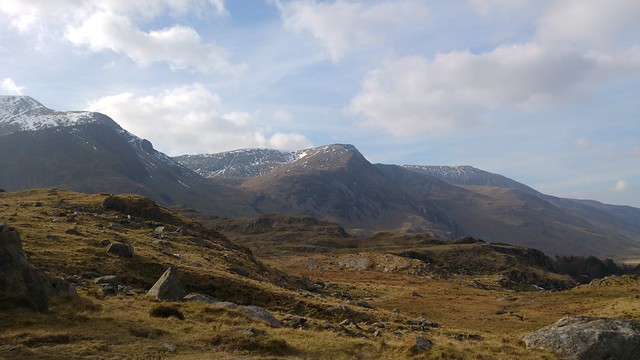
Cwm Idwal

Words marked with a * are reconstructions.

Proto-Celtic *srutom = stream, river; flow, current
Gaulish srut(u)a = torrent, stream, watercourse
Old Irish (Goídelc) sruth [sruθ] = stream, river, current; strait
Middle Irish (Gaoidhealg) sruth = stream, river, current, torrent, strait
Irish (Gaeilge) sruth [sˠɾˠʊ(h)] = stream, current, flow
sruthach = streaming, flowing, full of streams
sruthaigh = to stream, flow
sruthaire = stroller, vagabond, unbidden guest
sruthaireacht = (act of) roaming, vagabondage, (act of) scrounging
sruthán = (small) stream, rivulet, brook, gush, flow
sruthánach = abounding in streams, streaming
sruthlán = streamlet, rill
Scottish Gaelic (Gàidhlig) sruth [sdruh] = stream, current
sruthlag [sdrul̪ˠag] = runnel, streamlet
sruthan [sdruhdan] = long stream of words, long-winded talk
sruthach [sruhəɣ] = flowing, streaming, flow
sruthan [sdruhan] = brook, streamlet
sruthadair [sdruhədɪrʲ] = streamer
Manx (Gaelg) stroo [struː] = current, stream, race, watercourse, tide-race, tidal flow
strooan = brook, creek, river, rivulet, stream, waterway
strooaney = flowing, streamed
strooanagh = full of streams, streaming
Proto-Brythonic *frud = stream, river; flow, current
Middle Welsh (Kymraec) frut, ffrwt, ffryt = swift stream, torrent, flood, current
Welsh (Cymraeg) ffrwd [fruːd] = swift stream, torrent, flood, current
ffrwdel = leaves and branches piled together in a flooded river
ffrwd fâl, ffrwd y felin = mill-stream
ffryd(i)af, ffrydio, ffrydu = to flow, stream, gush, purl, shed
ffrydiedig = flowing, shed
ffrydiog = streaming, flowing
ffrydiol = flowing, streaming, gushing, fluid
ffrydiolrwydd = fluidity
ffrydlif, ffrwdlif = stream, streaming flood, torrent, current, tide
Old Cornish frot = stream
Middle Cornish (Cernewec) frot = strait, channel
Cornish (Kernewek) fros = current, flow
fros tredan = electric current
frosa = to flow
Old Breton (Brethonoc) frud, frut = torrent, stream
Middle Breton (Brezonec) froud = torrent, stream/td>
Breton (Brezhoneg) froud [fruːt] = torrent, stream

Etymology: from the Proto-Indo-European *srew- (to flow, stream). Words from the same PIE root include rheum, rhythm and stream in English, and Strom (large river, stream, current) in German [source].

Proto-Celtic *nantos / nantus = stream, valley
Proto-Brythonic *nant [ˈnant] = stream, river, valley
Gaulish *nanto = valley
Middle Welsh (Kymraec) nant [ˈnant] = river, stream, brook
Welsh (Cymraeg) nant [ˈnant] = river, stream, brook, rivulet; torrent, ditch, valley, glen, dale; ravine, gorge
nentig, nennig = small stream
Old Cornish nans = stream
Cornish (Kernewek) nans [nans / nænz] = dale, valley
Old Breton (Brethonoc) nant = valley
Middle Breton (Brezonec) nant, ant = valley
Breton (Brezhoneg) (n)ant [(n)ãnt] = valley with watercourses (archaic, used in place names)

Etymology: possibly from Proto-Celtic *nemetom (sacred place, sanctuary), from the Proto-Indo-European *nem- (to give, take, distribute) [source].

The Francoprovençal word nant (stream) comes from the same Proto-Celtic roots [source], as does the French place name Nanterre [source], the Irish word neimheadh (sanctuary, privilege of rank, holy thing), and the Breton word neved / neñved (sanctuary) [source].

Words from the same PIE root include numb, number in English. nemen (to take, grasp, grab) in Dutch, nehmen (to take, hold, grasp) in German, nimh (poison, venom) in Irish and Scottish Gaelic [source].

Irish (Gaeilge) fobhar = well, stream
Middle Welsh (Kymraec) guuer, gouer, gofer = stream
gouerei, goferu, goveru = to derive, emanate, gush, stream, run, cause to flow, pour
Welsh (Cymraeg) gofer = overflow of a well, stream, effluence, duct, stream, brook, rill, rivulet
goferaf, goferu = to derive, emanate, gush, stream, run, cause to flow, pour
goferllyd = oozy, marshy
Old Cornish guuer = brook, stream
Middle Cornish (Cernewec) gover = brook, stream
Cornish (Kernewek) gover = brook, stream
Old Breton (Brethonoc) gouher = stream
Middle Breton (Brezonec) gouuer, gouer, gouvea = stream
Breton (Brezhoneg) gou(v)er [ˈɡuː(v)ɛr] = stream, streamlet
gouverian, gouveriañ = to irrigate

Etymology: unknown [source].

Proto-Celtic *wētā, *wēttā = swamp, stream
Old Irish (Goídelc) féith [fʲeːθʲ] = vein, sinew, kidney
Middle Irish (Gaoidhealg) féith, feith = kidney, fibre, sinew, vein, artery, vessel
féithech = sinewy, veined
Irish (Gaeilge) féith [fʲeː(h)] = sinew, muscle, vein, soft seam in bogland, vine
féitheach = sinewy, muscular, veined, ribbed, swampy
féitheog = (small) sinew, muscle, vein
féitheogach = sinewy, muscular, brawny
Scottish Gaelic (Gàidhlig) fèith [feh] = muscle, sinew, vein, stagnant channel in a bog (often overgrown with moss and dry in summer)
fèith-dhìreach = gullet, oesophagus
fèith-lùthaidh = sinew, tendon
fèitheach [fɛː.əx] = muscled, muscly, sinewy, veiny
fèitheag [fɛː.ag] = small muscle, sinew or vein
Manx (Gaelg) feh = nerve, sinew, tendon
fehagh = sinewy
Middle Welsh (Kymraec) guyth, gwyth, gỽyth = vein, sinew, nerve, stream
gúithén, gwythen = vein, blood-vessel, artery, muscle
gwythiennawc, gwythennoc = veined, full of veins, venous, striated
Welsh (Cymraeg) gŵyth [ɡuːɨ̯θ/ɡʊi̯θ] = vein, sinew, nerve, stream, brook, ditch, gutter, drain, channel, firth, estuary
gwythennus = full of veins, veined, veiny
gwythïen, gwythen = vein, blood-vessel, artery, muscle, siney, (harp) string
gwyth(i)ennog = veined, full of veins, venous, striated
Old Cornish guid = channel, pipeline, vein
Middle Cornish (Cernewec) gwyth, goth = channel, pipeline, vein
Cornish (Kernewek) gooth = channel, pipeline, vein
Old Breton (Brethonoc) goed, guoeth = stream
Middle Breton (Brezonec) goazz, goaz, gouaz = stream
Breton (Brezhoneg) gwazh [ɡwaːs] = stream, canal, channel, washhouse, marshy meadow
gwazheg = watered, marshy
gwazhell = watered land
gwazhenn = vein
gwazhian, gwazhiañ = to dig a stream, to make a bed, to water
gwazhiennek = veined

Etymology: possibly from the Proto-Indo-European *weyh₁- (to whither), which is also the root of výsti (whither) in Lithuanian, and vissna (to wilt, whither) in Swedish [source].

The Fastest Way to Learn Japanese Guaranteed with JapanesePod101.com

Sources: Wiktionary, Am Faclair Beag, Online Manx Dictionary, Teanglann.ie, eDIL – Electronic Dictionary of the Irish Language, In Dúil Bélrai English – Old Irish glossary, Geiriadur Prifysgol Cymru, Gerlyver Kernewek, Dictionaire Favereau, TermOfis, English – ProtoCeltic WordList (PDF), Etymological Dictionary Of Proto Celtic

Unlimited Web Hosting - Kualo

Castles & fortresses

Words for castles and fortresses in Celtic languages.

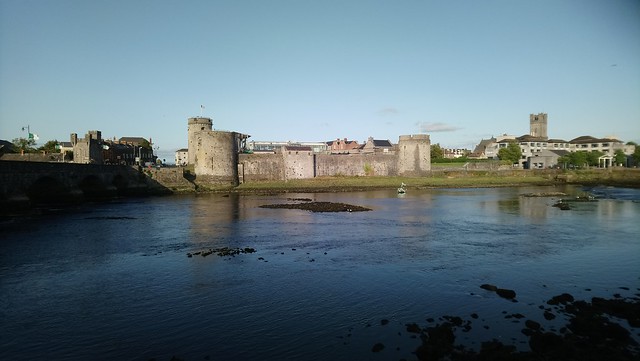
King John's Castle / Caisleán Luimnigh

Proto-Celtic *dūnom = stronghold
Old Irish (Goídelc) dún [duːn] = fort, fortress
Irish (Gaeilge) dún [d̪ˠuːnˠ] = fort; fortress; place of refuge, haven; residence, house; promontory fort; bluff
Scottish Gaelic (Gàidhlig) dùn [duːn] = fortress, heap
Manx (Gaelg) doon [duːn] = fort, fastness, stronghold, bastion, earth fort, dun, fortified rock
Proto-Brythonic *din [ˈdiːn] = hill, fortified hill, fort
Gaulish dunum, *dūnom = fort
Middle Welsh (Kymraec) din = fort
Welsh (Cymraeg) din [dɪn / ˈdiːn] = city, fort, fortress, fastness, stronghold
dinas [ˈdɪnas / ˈdiːnas] = city, large town; town
Cornish (Kernewek) din [di:n] = fort
dinas [‘dinas / ‘dinɐz ] = fort
Old Breton din = fort, fortress
Breton (Brezhoneg) din [dĩːn] = fort, fortress (archaic)
dinas = bastion, stronghold

Note: apart from dinas in Welsh, these words are mostly found in placenames, such as Dún Dealgan (Dundalk) in Ireland, Dún Dè(agh) (Dundee) in Scotland, Dinbych (Denbigh) in Wales, Dinmeur (Dunmere) in Cornwall, and Dinan in Brittany.

Etymology: from the Proto-Indo-European *dʰuHnom (enclosure), from *dʰewh₂- (to finish, come full circle) [source]. The English words down (a (chalk) hill, rolling grassland), dune and town possibly come from the Proto-Celtic *dūnom [source].

Proto-Celtic *katrixs / *katrik- / *kassrik- = fortification, fort
Old Irish (Goídelc) ca(i)thir [ˈkaθərʲ] = stone enclosure, fortress, castle; dwelling; monastic settlement, enclosure; monastery, convent; fortified city, city
Irish (Gaeilge) cathair [ˈkahɪɾʲ/kaːɾʲ] = city; enclosed church establishment, monastic city; circular stone fort; dwelling (place), bed, lair
Cathair an Phápa = Vatican City
cathair chorr = round fort
cathair ghríobháin = maze, labyrinth
cathróir = citizen
cathróireacht = citizenship
ardchathair, príomhchathair = capital city, metropolis
Scottish Gaelic (Gàidhlig) cathair [kahɪrʲ] = city
cathair-bhaile = city (with city status)
cathair-stàit = city state
Manx (Gaelg) caayr = dwelling place, city

Etymology: unknown. Possibly related to the Old English hēaþor (enclosure, prison) or Serbo-Croatian kȍtar ( country, district) [source].

Proto-Celtic *kagrom = fort
Welsh (Cymraeg) caer [kaːɨ̯r / kai̯r] = fort, fortress, enclosed stronghold, castle, citadel, fortified town or city; wall, rampart, bulwark
Cornish (Kernewek) ker [kɛ:r / ke:r] = fort, fortress, hill fort, city
Breton (Brezhoneg) ker = town, village, villa

Etymology: from the Proto-Celtic *kagyom (pen, enclosure), from the Proto-Indo-European *kagʰyóm (enclosure, hedge) [source], which is also the root of words for hedge in Germanic languages, such as hedge in English, Hecke (hedge) in German and hæk (hedge, hurdle) in Danish [source].

Words marked with a * are reconstructions.

Old Irish (Goídelc) caisel = fort, castle
Irish (Gaeilge) caiseal = (ancient) stone fort; unmortared stone wall; boundary wall (of church or cemetery); caslte (in chess); spinning top
caisleán [kəˈʃlʲɑːn̪ˠ / ˈkaʃl̠ʲɑːnˠ / ˈkaʃl̠ʲænˠ] = castle, mansion, cumulus (cloud)
Scottish Gaelic (Gàidhlig) caisteal [kaʃdʲəlˠ] = castle, fort, tower, garrison; turreted mansion
Manx (Gaelg) cashtal = castle, citadel, surrounding wall, bulwark, rook
Welsh (Cymraeg) castell [ˈkʰastɛɬ / ˈkʰastɛɬ] = castle, stronghold; castellated mansion; a kind of cloud; fortified town or city; village
Cornish (Kernewek) kastel = castle, hill fort
Breton (Brezhoneg) kastell = castle, fort, fortress

Etymology: from the Latin castellum (castle, fort, citadel, fortress, stronghold), a diminutive of castrum (fort) [source], from the Proto-Indo-European *ḱes- (to cut, cut off, separate) [source], which is also the root of words for castle in most European languages.

Proto-Celtic *frāti- = fort, rampart
*rāti- = a dugout, a digging
Gaulish ratin = appears in place names
Old Irish (Goídelc) ráth [r͈aːθ] = earthen rampart surrounding a chief’s residence, fort, rath
Irish (Gaeilge) ráth [ɾˠɑː/ɾˠaːx] = earthen rampart, earthen ring-fort, rath, layer (of thatch)
ráthach = having earthen forts
ráth sneachta = snow-drift
Scottish Gaelic (Gàidhlig) ràth [r̪ˠaː] = (ancient) fortress, mound, (ancient) royal seat; clearing, cleared swathe of land; fortress, barrow, village, town
Manx (Gaelg) raah = rath, ring-fort
Middle Welsh (Kymraec) bedd-rawd = cemetery
Welsh (Cymraeg) beddrod = tomb, vault, grave, cemetery
Middle Breton bez-ret = cemetery
Middle Breton bered = cemetery

Etymology: from the Proto-Indo-European *prehzt-i- (field). Possibly cognate with the Latin prātum (meadow) [source].

Middle Welsh (Kymraec) kyvelchy, gyuyllchi = circular fortress
Welsh (Cymraeg) cyfylchi = a kind of circular stronghold or fortress

Etymology: from cyfwlch (complete, entire, perfect, excellent). Found only in the placenames such as Dwygyfylchi [dʊɨɡəˈvəlχi], a village in Conwy county, which was first recorded as Dwykyvelchy in 1287 [source]. There is also Gyfylchi in the Afan Valley in Neath Port Talbot county [source].

Sources: Wiktionary, Am Faclair Beag, Online Manx Dictionary, Teanglann.ie, eDIL – Electronic Dictionary of the Irish Language, In Dúil Bélrai English – Old Irish glossary, Geiriadur Prifysgol Cymru, Gerlyver Kernewek, Dictionaire Favereau, TermOfis, English – ProtoCeltic WordList (PDF), Etymological Dictionary Of Proto Celtic

Blubrry podcast hosting

Towns and Tribes

Words for dwelling, settlement, town, tribe and related things in Celtic languages.

Trefor

Proto-Celtic *trebā = dwelling
Gaulish Atrebates = name of a tribe
Old Irish (Goídelc) treb = house, farm; household; tribe
Middle Irish (Gaoidhealg) treb = house, farm; household; tribe
Irish (Gaeilge) treibh [ˈtʲɾʲɛv] = house, homestead, farmstead; household, family; tribe, race
Scottish Gaelic (Gàidhlig) treabh [tro] = farming village
treubh [treːv] = tribe
Proto-Brythonic *treβ [ˈtrɛːβ] = town, settlement
Middle Welsh (Kymraec) tref [ˈtrɛːβ] = town, settlement
trefad, trevad, treuad, treuat = dwelling(-place), habitation
trefan, treuan = small town or city, village, dwelling, abode, manor-house, fort
Welsh (Cymraeg) tre(f) [treː(v)] = town; town centre; dwelling(-place), habitation, residence, home; house (and surrounding land), homestead, farm, estate, cluster of houses; township; tribe
trefad = dwelling(-place), habitation, residence, home, region, domain
trefaf, trefu= to dwell, live, settle
trefan = small town or city, village, dwelling, abode, manor-house, fort
Middle Cornish (Cernewec) tre, trev = dwelling place, homestead, home, town
tregva, trigva = dwelling place, habitation
trevedic = one from a country village, a country man, rustic
Cornish (Kernewek) tre [trɛ:/tre:] = farmstead, home, town, village
trigva = abode, address, dwelling, resdidence
trigys = settled, to reside, live
Old Breton treff, treb = town, settlement
Middle Breton (Brezonec) tre, trev = town
Breton (Brezhoneg) trev = town
trevour = civil

Etymology: From the Proto-Indo-European *treb- (dwelling, settlement) [source].

Words from the same Proto-Celtic root (via Latin) possibly include trobo (beehive, skep) in Galician, and truébanu (beehive, barrel, basket) in Asturian [source].

This is also the root of the archaic English word thorp(e) (a group of houses standing together in the country; a hamlet; a village), which appears in place names such as Milnthorpe and Scunthorpe.

Related words in other languages include Dorf (hamlet, village, town) in German, torp (village) in Danish, torp (farm, cottage, croft) in Swedish, þorp (village, farm) in Icelandic, and trevë (country, region, village) in Albanian [source].

Words marked with a * are reconstructions.

Sources: Wiktionary, Am Faclair Beag, Online Manx Dictionary, Teanglann.ie, eDIL – Electronic Dictionary of the Irish Language, In Dúil Bélrai English – Old Irish glossary, Geiriadur Prifysgol Cymru, Gerlyver Kernewek, Gerlyvyr Cernewec, Dictionaire Favereau, TermOfis, Le dictionnaire diachronique du breton, Geriafurch, English – ProtoCeltic WordList (PDF), Etymological Dictionary Of Proto Celtic

The Fastest Way to Learn Japanese Guaranteed with JapanesePod101.com

Kings and Queens

Words for king and related things in Celtic languages.

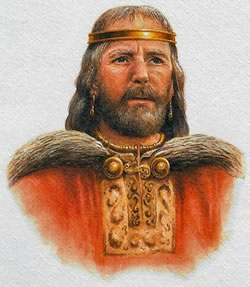
Brian Boru, High King of Ireland (1002-1014)
Brian Boru, High King of Ireland (1002-1014) / Brian Bóruma mac Cennétig, Ard-Rí ar Éirinn

Words marked with a * are reconstructions.

Proto-Celtic *rīxs/*rig- = king
Celtiberian reikis = king
Gaulish rīx = king – appears in names like Katurīx, Suādurīx, *Werkingetorīx (Vercingetorix) and Asterix
Primitive Irish ᚏᚔᚌᚐᚄ (rigas) = (of the) king
Old Irish (Goídelc) [r͈ʲiː] = king
rígdae = regal, kingly
rígdún = palace
Middle Irish (Gaoidhealg) rí, ríg, rig = king, head, chief
rígán = a sub-king, chief
rígamail, rioghamhail = royal
rígdacht = kingliness, kingly qualities, a kingdom
rígda(e) = a royal dwelling place, palace
rígrach = = royal, kingly
Irish (Gaeilge) [ɾˠiː] = king, sovereign, monarch
ríoga = regal, royal
ríora = kings, royal persons, royalty, dynasty
Scottish Gaelic (Gàidhlig) rìgh [r̪ʲiː] = king
banrìgh = queen
àrd-rìgh = high king
mòr-rìgh = emperor
rìoghachadh = reigning, reign
rìoghachd = kingdom, realm
Manx (Gaelg) ree = king
reejerey = cavalier, chevalier, king, knight, lord, paladin, prince
reeoil = kinglike, monarchy, regal, royal
reeaght, reeriaght, riaght, ream = kingdom
Proto-Brythonic *riɣ [ˈriːɣ] = king
Old Welsh rig = king
Middle Welsh (Kymraec) ri, rhi = king
rhiaidd, rhïaidd = regal, royal, noble, generous
rieu, riav = king, lord, ruler, chieftain
rriawdr, riawdr = lord, ruler, chieftain, God
Welsh (Cymraeg) rhi [r̥iː] = king, prince, lord, ruler, chieftain
rhiaidd = regal, noble, aristocratic, dignified
rhiau = king, lord, ruler, chieftain
rhiawdr = lord, ruler, chieftain, God
Middle Cornish (Cernewec) ruy, ruif = king, sovereign, ruler
ryal, real = royal, kingly
Cornish (Kernewek) riel = regal, royal
Old Breton ri = king
Middle Breton (Brezonec) ri, rí = king
Breton (Brezhoneg) ri [ˈʁiː] = king

Etymology: from Proto-Indo-European *h₃rḗǵs (king, ruler) [source]. Words from the same Proto-Celtic root include rich in English, ryk (rich, wealthy) in Afrikaans, ricco (rich, wealthy, affluent) in Italian, riche (rich) in French, Reich (empire, realm) in German, and rikas (rich, wealthy, opulent, plentiful) in Finnish [source].

English words with the suffix -ric, such as bishopric (a diocese or region of a church which a bishop governs), and comes from the same Proto-Celtic root [source].

Proto-Celtic *rīganī= queen
Gaulish rigani = queen
Old Irish (Goídelc) rígan = queen
Middle Irish (Gaoidhealg) rígain, rígan, rígnae = queen, noble lady
Irish (Gaeilge) ríon = queen, queenly, noble, lady, fair maiden
banríon = queen
(ban)ríonacht = queenship
ríonaí = queenly
ríonaigh = to queen (chess)
Scottish Gaelic (Gàidhlig) rìghinn [r̪ʲi.ɪn̪ʲ] = princess (archaic)
rìbhinn [r̪ʲiːvɪn̪ʲ] = maid, maiden, girl, Venus, adder, queen (archaic)
banrìgh = queen
Manx (Gaelg) reeven = queen
rein = queen
ben-rein = queen
Proto-Brythonic *rriɣėn [r͈iˈɣe̝ːn] = queen
Middle Welsh (Kymraec) riein, riain = (young) woman, girl, damsel, lass, maiden, virgin, queen, noble girl, lady
Welsh (Cymraeg) rhiain = (young) woman, girl, damsel, lass, maiden, virgin, queen, noble girl, lady

Etymology: from Proto-Indo-European *h₃rḗǵnih₂ (queen), from *h₃rḗǵs (king, ruler) [source]. Words from the same roots include reine (queen) in French, reina (queen) in Spanish, erregina (queen) in Basque, and regină (queen) in Romanian [source].

Middle Welsh (Kymraec) rhỼyf, rwyf, rỼy = king, lord, ruler, chieftain, leader
rwyfaỼ, rwyfaỼ = to have dominion over, govern, rule
rwyuannus, rhwyvanus = royal, kinglike, governing
ruyvenit = prince, king, ruler
rhwyfiadur, ruyfadur, rwyfyadur, rỼyfyadur = chief(tain), lord, leader, ruler, protector
Welsh (Cymraeg) rhwy(f) = king, lord, ruler, chieftain, leader
rhwyfo = to have dominion over, govern, rule, lead, be ostentatious, live in splendour
rhwyfanes = queen, lady
rhwyfaniad = reign, government, rule, kingdom
rhwyfanus = royal, kinglike, governing
rhwyfenydd = prince, king, ruler
rhwyf(i)adur = chief(tain), lord, leader, ruler, protector
Old Cornish ruifanes = queen
ruifadur = chief(tain), lord, leader
Middle Cornish (Cernewec) ruy, ruif = king, sovereign, ruler
ruifanes, ruivanes = a female ruler, queen
Cornish (Kernewek) ruvanes = queen
ruvaneth = kingdom
Old Breton roe = king
Middle Breton (Brezonec) roe, roé, roue, rouè = king
rouanes, roanez, rouanés = queen
rouantelez, roeantelez = kingdom
roueel = royal
roueeler = royalist
roueelezh = royalty
roueelouriezh = royalism
roueoni = reign
Breton (Brezhoneg) roue = king
rouanez = queen
rouantelezh = kingdom, monarchy
roueel = royal
roueelezh = royalty
roueelouriezh = royalism

Etymology: from Old French roi (king), from Latin rēgem (king, ruler, despot, tyrant), from Proto-Italic *rēks (king), from Proto-Indo-European *h₃rḗǵs (king, ruler) [source].

Words from the same Latin root include re (king) in Italian, roi (king) in French, viceroy in English and rey (king) in Spanish [source].

Proto-Celtic *brigantīnos = (someone) pre-eminent, outstanding
Proto-Brythonic *brɨɣėntin [brɨɣe̝nˈtiːn] = lord, king
Middle Welsh (Kymraec) breenhin, breennin, breyenhin, brenhin = king
brenhynes, brenhines = queen, goddess, queen bee
brenineiziaw = to become kingly
brenhynyaeth, brenhinyaeth = royalty, kingship, reign
Welsh (Cymraeg) brenin [ˈbrɛnɪn / ˈbreːnɪn] = king, sovereign, monarch, head of region
brenineiddio = to make/become regal/kingly, make (sb) a king
breninesaidd = queen-like, queenly
breninesol = queen-like, queenly, pertaining to a queen
breningarol = royalist
breniniaethu = to reign, govern
breninoldeb = kingship, royalty
brenhines = queen, goddess, queen bee
brenhiniaeth = royalty, kingship, reign, government
Middle Cornish (Cernewec) brentyn, bryntyn = privileged, sovereign, noble, excellent
Cornish (KerneweK) bryntin, brentin = grand, great, noble, splendid, superb
Old Breton brientin, brientinion = king
Middle Breton (Brezonec) brientin = aristocrat
brientinelezh = aristocracy
Breton (Brezhoneg) brientin = aristocrat
brientinel = aristocratic
brientinelezh = aristocracy
brienteg, brientek = privileged
brientekaat = to favour
briental = royalties

Etymology: from Proto-Indo-European *bʰérǵʰonts (high), from *bʰerǵʰ- (to rise up, ascend) [source].

From the same Proto-Celtic root, , we get the tribal name *Brigantī (Brigantes – a Celtic tribe that occupied much of what is now northern England), Brigantia (a Celtic goddess of victory, and the territory of the Brigantes), the name Bridget, the Irish name Bríd, the Scottish Gaelic name Brìghde, the Manx name Breeshey, and the placenames such as Bragança (a city in northeastern Portugal), Bregenz (a city in western Austria) and Brianza (a city in northern Italy), [source].

English words from the same PIE root include bourgeois, burrow, fort and maybe burgler [source].

Middle Welsh (Kymraec) mechdeyrn, mychdeyrn, machdeyrn = king, lord, monarch, emperor
mechteyrnged, mychteyrnged = tribute due to an overlord from an inferior lord
Welsh (Cymraeg) mechdeyrn, mychdeyrn, machdeyrn = king, lord, monarch, emperor, God, tributary prince, viceroy
mechdeyrnged, mychdeyrnged = tribute due to an overlord from an inferior lord
Middle Cornish (Cernewec) mychtern = sovereign, king
mychternes = queen
mychterneth = sovereignity, dominion, royalty, kingdom
Cornish (Kernewek) myghtern, metern [mɪx’tɛrn] = king, monarch
myghternes, meternes = monarch, queen
myghterneth, meterneth = kingdom
myghternses, meternses = kingship, monarchy
Old Breton machtiern = king

Etymology: from Welsh mach (surety, guarantor, sponsor, hostage) and teyrn (sovereign, monarch, king) [source].

Sources: Wiktionary, Am Faclair Beag, Online Manx Dictionary, Teanglann.ie, eDIL – Electronic Dictionary of the Irish Language, In Dúil Bélrai English – Old Irish glossary, Geiriadur Prifysgol Cymru, Gerlyver Kernewek, Dictionaire Favereau, TermOfis, English – ProtoCeltic WordList (PDF), Etymological Dictionary Of Proto Celtic

Blubrry podcast hosting

Trees, Wood(s) & Forests

Words for tree, wood and related things in Celtic languages.

There are various words for tree in the modern Celtic languages. In each language the usual word for tree is different and comes from different roots. Only the Cornish and Breton words are cognate. The usual words for tree are: crann (Irish), craobh (Scottish Gaelic), billey (Manx), coeden (Welsh), gwedhen (Cornish) and gwezenn (Breton).

Here be trees!

Proto-Celtic *kʷresnom = tree, wood
Old Irish (Goídelc) crann = tree
crannchor = casting of lots
crannda = wooden
Middle Irish (Gaoidhealg) crann, crand = tree, wood, timber, staff, pole, plank, beam, spearshaft, mast, steering oar, lot, destiny, fate
crannach, cranncha = trees, grove, wooded place
crannaige, crannaigi = shaft-trimmer, spearsman
crannaigid = to cast lots
crannán = small spearshaft
crannchor, crannchur = casting of lots
crannda, cranda = wooden, made of wood, wooded
cranngal, crannghal = timber, wooden structure or object, spear (shaft)
crannóc, crandoc = wooden structure, wooden drinking-container; basket, wooden lake-dwelling
cranntáball = sling, staff-sling
Irish (Gaeilge) crann [kɾˠaun̪ˠ / kɾˠan̪ˠ] = tree; mast, boom, pole; stock, handle; shaft, beam; stick
crannach = stake-fence, forest of spears, arboreal, wooded
crannadóir = arboriculturist, tree-climber
crannadóireacht = arboriculture, tree-climbing
crannail = timbering, timbers, lattice-work, ship’s masts
crannán = wooden shaft, handle, wooden vessel, hardening stand (for bread)
crannchur = casting of lots, sweepstake, lottery
crannlach = brushwood, (withered) stalks, haulm
crannmhar = full of trees, timbered, wooded
crannóg = piece of wood, pole, wooden frame
crannúil = tree-like, arborescent
Scottish Gaelic (Gàidhlig) crann [kraun̪ˠ] = mast; plough; beam; lot (in drawing lots); tree (archaic)
cranntair = wooden peg/pin
crannghail = wooden frame
crannach = pertaining to or abounding in masts, ploughs, beams, trees etc
crannchur = destiny, lot, draw, lottery
crannag = pulpit, crannog, island dun, crosstree
crannlach = brushwood, lanky wood, dummy
Manx (Gaelg) croan = boom, mast, flag pole
creenagh = brushwood, wither
crannag = dock, heap, desk, pulpit, rostrum, lookout
Gaulish prenne = big tree
Proto-Brythonic prenn [ˈprenː] = wood, tree
Middle Welsh (Kymraec) pren, prenn = tree, bush, timber, wood
prenvol, prenuol, prennol = (wooden) box, chest, coffer
Welsh (Cymraeg) pren [prɛn] = tree, bush, shrub; timber, wood, wooden; piece of wood, wooden stick; cross, gallows, gibbet
prenfol = (wooden) box, chest, coffer, case, coffin
preniaf, prennaf, prenio, prennu = to bolt (a door), bar, shut (sb) out
prensaer = carpenter
Old Cornish pren = wood
Middle Cornish (Cernewec) pren = tree, wood, timber, a piece of wood, a lot
prenic = wooden, woody
prenne = to fasten with a piece of wood, to bar
prennyer = pieces of wood
Cornish (Kernewek) prenn [prɛn:] = bar, beam, log, timber, (gambling) lot , wooden
prenna, predna = to bar, lock
prennek = wooden, woody
prennlown = plywood
prennweyth = woodwork
Old Breton pren = wood
Middle Breton (Brezonec) pren, prenn, preen = wood
prennaff, prena, prenna = to close, block
prennet = to lock
Breton (Brezhoneg) prenn = wood, piece of wood, fastner
prennañ = to close, fasten, shut

Etymology: from Proto-Indo-European *kʷres (bush, thicket) [source]. Words from the same roots include hurst (wood, grove – used in placenames, e.g. Lyndhurst) in English, and Horst (eyrie, bush, thicket, small forest) in German [source]

Old Irish (Goídelc) cráeb / cróeb = tree
Middle Irish (Gaoidhealg) cráeb, craib = branch, bough, sprig, rod, wand, post, tree, bush
cráebach, cræbacha = having branches, branchy, branches
Irish (Gaeilge) craobh = branch, bough; tree
craobhach = branches, branched, branching, flowing, spreading
craobhaigh = to branch, ramify, expand, spread
craobhóg = small branch, twig, sprig, spray, darling
Scottish Gaelic (Gàidhlig) craobh [krɯːv] = tree, bush
craobhaich = woody, wooded, full of trees, branching, spreading
craobhag [krɯːvag] = small tree
craobhadair [krɯːvədɪrʲ] = arborist, tree specialist
Manx (Gaelg) crouw = stock, bush, dwarf tree, stick, bunch, wide spreading tree, tributary of river

Etymology: unknown, possibly from Proto-Celtic krētros (sieve) [source].

Proto-Celtic *belyom = tree
Gaulish *bilia [ˈbi.liaː] = tall tree
Old Irish (Goídelc) bile [ˈbʲilʲe] = tree, especially a large, ancient, sacred one
Middle Irish (Gaoidhealg) bile [ˈbʲilʲe] = (large) tree (esp. an ancient and venerated one), tree trunk, mast, scion, hero
bilech = abounding in trees, (well-)wooded
bileóc, biléog = leaf, leaflet
Irish (Gaeilge) bile [ˈbʲɪlʲə] = (large, sacred) tree; scion; distinguished person
bileog = leaf, letter of freedom (to marry)
bileogach = leafy, laminated
biliúil = tree-like, stately
Scottish Gaelic (Gàidhlig) bile [bilə] = mast; plough; beam; lot (in drawing lots); tree (archaic); cluster of trees, sacred tree/grove
bileach = leaf, amount of leaves, leafy tree
bileag = blade (of vegetation), board, leaf, leaflet, pamphlet, ticket, label, slip (of paper)
bileagach = lipped, billed, bladed, fringed, edged
Manx (Gaelg) billey = tree, big bush
billagh = tree, wooded, woody
biljagh = arboreal, wooded
billey
Middle Welsh (Kymraec) bill, pill = (tree) trunk, stock, log, branch; fortress
billwydd = kindling, firewood, sticks, brushwood; joists, laths
Welsh (Cymraeg) pill [pɪɬ] = (tree) trunk, stock, log, branch, pole, stake, post; fortress, castle, stronghold, refuge, sanctuary, safety, strength, force; snatch of song, verse; still, crib; socket
pillwydd = kindling, firewood, sticks, brushwood; joists, laths
pillyn = peg
Middle Breton (Brezonec) bilh, bill = a felled tree trunk, log, lumber, timber
bilh-koad = chunk of wood
Breton (Brezhoneg) bill = trunk

Etymology: from Proto-Indo-European *bʰolh₃yo- (leaf), from *bʰleh₃- (blossom, flower) [source]. Words from the same Proto-Celtic root, via Gaulish, include bille (tree trunk, railway sleeper, rolling pin) and billon (a ridge in a ploughed field) in French, bilha (stem, trunk) in Provençal and possibly billa (spigot, faucet, stick) in Galician [source].

Words from the same PIE roots include folio and phyllo / fil(l)o (pastry), phyllomancy (diviniation by leaves) in English, feuille (leaf, sheet) in French, andhoja (leaf, petal, blade) in Spanish [source].

Proto-Celtic *widus = wood, trees
Old Irish (Goídelc) fid = tree, wood, letter in Ogham
fidchell = a boardgame similar to chess
fidrad = trees, a wood
Middle Irish (Gaoidhealg) fid = tree, wood, timber
fidach = wooded, abounding in trees, timber
fidchell = a boardgame similar to chess
fidrad = trees, a wood, letter (in Oghan)
Irish (Gaeilge) fiodh = tree, wood, timber
fiodhach = abounding in trees, wooded
fiodhneimheadh = sacred grove
fiodhradh = trees, timbers, letters (literary)
ficheall = chess, chess board
Scottish Gaelic (Gàidhlig) fiodh [fjɤɣ] = wood, timber, wooden, made of wood
fidhcheall = Celtic chess
fiodhach [fjɤɣəx] = shrubbery, shrubs, cheese press; wooden, ligneous, woody
fiodhan = cheese press
fiodhrach [fjɤɣan] = timber
Manx (Gaelg) fuygh = timber, wood
fuyghagh, fuyghoil = ligneous, wooden, woody
fuyghee = wooden
feeal = chess
Proto-Brythonic *gwɨð [ˈɡwɨːð] = wood, trees
Old Welsh guid = tree
Middle Welsh (Kymraec) guit, guyt, gwyd, gwŷdd = tree(s), forest, woods
gvytbuil, gvydbvll = a chess-like boardgame
guduit, gwyddfid, gwytuid, gwituid = wood, forest, bush, protective hedge
Welsh (Cymraeg) gwŷdd [ɡwɨːð / ɡwiːð] = tree(s), branches, twigs; forest, woods, shrub(s); lineage, genealogical tree, stock; stem
gwyddallt = wooded slope
gwyddbwyll = chess; knowledge, learning, science, reason
gwyddel = forest, grove, thicket, brake, wilderness
gwyddfid = wood, forest, bush, protective hedge
Old Cornish guit = trees
Middle Cornish (Cernewec) gwedh, gweydh, gwydh = trees
gwedhen, gwedhan = tree
gwydhbol = chess
Cornish (Kernewek) gwydh [gwɪ:ð] = trees
gwedhen = tree
gwedhek = woodland
gwedhlan = arboretum, tree plantation
Old Breton guid = trees
Middle Breton (Brezonec) guez, guid, gwyd, gwydh = tree(s)
Breton (Brezhoneg) gwez [ɡwe] = trees
gwezenn = tree
gwezeg = wooded
gwezek = abounding in trees
gwezboell = chess

Etymology: from Proto-Indo-European *h₁weydʰh₁-. (tree, beam) [source]. Words from the same roots include wood in English, vid (firewood, wood) in Swedish, and ved (wood) in Danish [source].

Proto-Celtic *kaitos = wood, forest
Proto-Brythonic *koɨd [ˈkoɨ̯d] = wood, forest
*argoɨd = surrounding forest
Old Welsh coit = wood, forest
coetlann = copse, grove, woodland, wooded glade
Middle Welsh (Kymraec) coyt, coit, koet, coet, coed = forest, wood, trees
coedallt = wooded slope, hillside
coedva, koedfa = grove, woodland, forest
koedach = shrubs, brushwood
coydiawc, coedawc, coedoc = woody, wooded
coydiawl, koedolyon = silvan, rustic, wild
coet, coedwig, coedwic = forest, wood
Welsh (Cymraeg) coed [koːɨ̯d / kɔi̯d] = forest, wood, trees; shrubs; timber, pieces of wood
coeden [koːɨ̯d / kɔi̯d] = tree
coedaidd = silvan, arboraceous, woody, wooden
coedallt = wooded slope, hillside
coedfa = grove, woodland, forest
coed(i)ach = shrubs, brushwood, underwood, withered branches
coed(i)af), coed(i)o = to prop or timber a pit or shaft
coed(i)og = woody, wooded, abounding with trees, silvan
coed(i)ol = pertaining to wood or timber, silvan, rustic, wild
coedlan = copse, grove, woodland, wooded glade
coedwig = forest, wood
argoed = trees, forest, surrounding forest
Old Cornish cuit = wood, forest
Middle Cornish (Cernewec) coys, coyd, coid = wood, forest
Cornish (Kernewek) koos [ko:z / ku:z] = forest
Middle Breton (Brezonec) coat, coet, coët = wood, forest
Breton (Brezhoneg) koad [ˈkwɑːt] = wood, forest
koadadur = afforestation, tree planting
koadaj = panelling, woodwork
koadeg = wooded, woody
koader = to timber, panel, plant trees
argoad = groove, copse, wooded

Etymology: from Proto-Indo-European *kayt-/*ḱayt- (forest, wasteland, pasture) [source]. Words from the same roots include heath and heather in English, Heide (heath, heathland, woodland, forest) in German, hed (moor, waste land) in Swedish.

Sources: Wiktionary, Am Faclair Beag, Online Manx Dictionary, Teanglann.ie, eDIL – Electronic Dictionary of the Irish Language, In Dúil Bélrai English – Old Irish glossary, Geiriadur Prifysgol Cymru, Gerlyver Kernewek, Dictionaire Favereau, TermOfis, English – ProtoCeltic WordList (PDF), Etymological Dictionary Of Proto Celtic



728×90 (Best VPN)

Shoulders

Words for shoulder and related things in Celtic languages.

Shouldered

Words marked with a * are reconstructions.

Old Irish (Goídelc) gúala = shoulder
Middle Irish gúala, gualann, gūaluinn = shoulder
gúaillech = shouldered, branched, branching
gúaillid = companion, comrade
gúalaire = load, burden
Irish (Gaeilge) gualainn [ˈɡuˑəl̪ˠənʲ] = shoulder
guailleadóireacht = (act of) shouldering, swaggering
guailleáil = to shoulder, to jostle with shoulder, to lurch with shoulders, to saunter, to swagger
guailleálaí = shoulderer, lurcher, saunterer, swaggerer
guailleán = shoulder-strap, braces
guailleog = epaulet(te)
guaillí = companion
guaillíocht = companionship
Scottish Gaelic (Gàidhlig) guaille [guəl̪ˠə] = shoulder
guailleach [guəl̪ˠəx] = pertaining to shoulders
guailleachan / guailleag [guəl̪ʲəxan / guəl̪ʲag] = shoulder-mantle, shawl
gualann [guəl̪ˠən̪ˠ] = shoulder, corner of a house, tack (nautical), brow (geography), shoulder (of mutton), shaft (of a cart), curve of a (ship’s) bow
Manx (Gaelg) geaylin = shoulder, corner (of house)
geayliney = shoulder
geaylinagh = shouldered
geaylaig = epaulette

Etymology: from Proto-Indo-European *gew- (to bend, curve, arch, vault) [source]. Words from the same roots include cuttlefish, gown, kidney, chitterling and gyration in English, Kuhle (hollow, depression) in German, kiel (keel) in Dutch, gonna (skirt) in Italian, and keula (bow, prow) in Finnish [source].

Proto-Celtic *skēdos = wing, shoulder
Old Irish (Goídelc) scíath = wing
Middle Irish scíath = wing
scíathán, sgíthéan, sgiathán = wing
scíathánach = winged
Irish (Gaeilge) sciathán [sˠciəˈhɑ̃ːn̪ˠ] = wing, side, extension, part, piece, arm
sciathánach = winged, long-armed
An tOileán Sciathánach = Isle of Skye
Scottish Gaelic (Gàidhlig) sgiath [sgʲiə] =wing, fin
sgiathan [sgʲiahan] = small wing
sgiathach [sgʲiəhəx] = pertaining to shoulders
sgiathadaich [sgʲiəhədɪç] = fluttering
sgiathadh [sgʲiəhəɣ] = (act of) flying
sgiathag [sgʲiəhag] = little wing
sgiathaire [sgʲiə.ɪrʲə] = winger (in sports)
An t-Eilean Sgitheanach = Isle of Skye
Manx (Gaelg) skian [skʲiən] = wing, pinion, mudguard, baffle
skianagh = winged, finned, pinioned, winged creature
Ellan Skianagh = Isle of Skye
Proto-Brythonic *skuïð = shoulder
Old Welsh (Kembraec) iscuid = shoulder
Middle Welsh (Kymraec) ysgwyt, ysgwyd, ysgỽyd = shoulder
ysgwydawc, yscwyddoc, ysgwyddoc = shoulder(-blade), (upper part of) arm, shoulder (meat), having shoulders
Welsh (Cymraeg) ysgwydd [ˈəsɡwɨ̞ð / ˈəsɡʊi̯ð] = shoulder
ysgwyddo = to shoulder, push with the shoulder(s), hustle, jostle, support, shrug
ysgwyddiad = standing out, jutting out, projection, protusion, cornice
ysgwyddog = shoulder(-blade), (upper part of) arm, shoulder (meat), having shoulders
ysgwyddol = scapular, like a shoulder in shape
Old Cornish scuid =shoulder
Middle Cornish (Cernewec / Kernuak) scuid, scudh, scoudh, scôdh, scûdh = shoulder
scuidlien = a hood
Cornish (Kernewek) skoodh [sko:ð / sku:ð] = shoulder
skoodhya = to assist, back, help, second, support
skoodhyans = assistance, help, support
skoodhyer = assistant, exponent, fan, supporter
Middle Breton (Brezonec) scoaz = shoulder
Breton (Brezhoneg) skoaz [ˈskwɑː(s)] = shoulder, help
skoazek = (person) with broad shoulders, killer whale
skoazell [ˈskwɑː.(z)ɛl] = help, assistance
skoazellañ [skwa.ˈ(z)ɛ.lːã] = to help, to rescue, to subsidize
skoazeller = assistant, helper, auxiliary
skoaziañ [ˈskwa(z)jã] = to support, to help, to assist

Etymology: unkown, possibly from Proto-Indo-European *skeyd- (to split, divide) [source].

The Fastest Way to Learn Japanese Guaranteed with JapanesePod101.com

Sources: Wiktionary, Etymological Dictionary Of Proto Celtic, In Dúil Bélrai English – Old Irish glossary, eDIL – Electronic Dictionary of the Irish Language, Teanglann.ie, Am Faclair Beag, An etymological dictionary of the Gaelic language, Fockleyreen: Manx – English Dictionary, Online Manx Dictionary, Gaelg Corpus, Geiriadur Prifysgol Cymru, Lexicon cornu-britannicum : a dictionary of the ancient Celtic language of Cornwall, Gerlyver Kernewek, Devri : Le dictionaire diachronique du breton, Geriafurch, TermOfis


Ears

Words for ears, hares and related things in Celtic languages.

Ears

Words marked with a * are reconstructions.

Proto-Celtic *kloustā = ear, hearing
Old Irish (Goídelc) clúas [kluːa̯s] = ear, hearing
Middle Irish (Gaoidhealg) clúas, cluas = (sense of) hearing, ear
clúasach, clūasach = pleasing to the ear, having (big) ears or handles, big-eared
Irish (Gaeilge) cluas [klˠuəsˠ] = ear; ear-shaped object; lug, handle; cleat; tab; corner, margin
cluasach = having ears, long-eared
cluasachán = long-eared person or animal
cluasaí = listener, eavesdropper
cluasaíocht = eavesdropping, whispering, listening, talking in a furtive manner
cluasán = earphone, headphone
cluasánach = listless, inattentive person
cluasántacht = listlessness, inattention
Scottish Gaelic (Gàidhlig) cluas [kl̪ˠuəs] = ear, lug, handle
cluasach [kl̪ˠuəsəx] = pertaining to ears, aural, having (a) handle(s)
cluasachan [kl̪ˠuəsəxan] = pillow
cluasag [kl̪ˠuəsag] = pillow, bolster
cluasagach [kl̪ˠuəsagəx] = pertaining to or abounding in pillows
cluasaire [kl̪ˠuəsɪrʲə] = (person with) bigs ears
cluasan [kl̪ˠuəsan] = earphone, headset
Manx (Gaelg) cleaysh [kleːʃ] = ear, cleat, handle, lug, top corner of net, corner of sail
cleayshagh = aural, (large-)eared, lugged
cleayshtynagh = audible, listener
Proto-Brythonic *klʉst = ear
Middle Welsh (Kymraec) clust = ear, hearing, handle
clustueinyd, clustfeinydd = attentive or eager listener, eavesdropper
clustiog, klustioc = (large-/long-) eared, having a handle, pertaining to the ear
clustot, clustog, clustoc = cushion, pillow, bolster
Welsh (Cymraeg) clust [klɨːst / klɪst] = ear, sense of hearing, attention, willingness to listen; handle of a vessel, tag of a boot, top part of a bell; creek or inlet; auricle (of the heart)
clustfeinio = to listen closely or attentively, prick up the ears, eavesdrop
clustfeiniol = listening attentively or intently
clustfeiniwr, clustfeinydd = attentive or eager listener, eavesdropper
clustffon, clustffôn = earphone, headphone
clustiog = (large-/long-) eared, having a handle, pertaining to the ear
clustog = cushion, pillow, bolster
clustogi = to cushion, pillow, bolster up, upholster

Etymology: from Proto-Indo-European *ḱlow-steh₂, from *ḱlew- (to hear) [source]. Words from the same roots include clement, client, listen and loud in English, quaj (to call, name, value, declare) in Albanian, luid (loud, sound, assertion) in Dutch, sláva (fame, glory) in Czech, and hljóður (quiet, silent) in Icelandic [source].

Words for Hearing, Fame and Renown in Celtic languages also come from the same PIE roots.

Hare

Scottish Gaelic (Gàidhlig) sgiarnag, sgibearnag = hare
Proto-Brythonic *skuβarn = ear
*skuβarnọg = hare
Middle Welsh (Kymraec) esgyuarn, ysgyuarn, yscyfarn, yskyuarn = ear
ysgyuarnauc, yscyfarnawc, y scyuarnaỽc, ysgyuarnawc, yscyfarnoc = hare
Welsh (Cymraeg) ysgyfar(n) = ear
(y)sgyfarnog, sgwarnog = hare
ysgyfarnogaidd = harelike, leporine
Old Cornish scouarn = ear
scouarnoc = hare
Middle Cornish (Cernewec) scovarn, scouarn, scovern, scovorn, scoforn = ear
scovarnog, scowarnak, scowarnog = hare
Cornish (Kernewek) skovarn [‘skɔvarn / ‘skɔvɐrn] = ear, handle
skovarnek = hare
Old Breton scobarn = ear
Middle Breton (Brezonec) scouarn = ear
scouarnec = having large or long ears, long-eared, having handles
Breton (Brezhoneg) skouarn [skwarn] = ear, gills, handle
skouarnad [ˈskwar.nat] = a slap (on the ear)
skouarnañ = to garnish with an ear or handle
skouarnata [skwarˈnatːa] = to slap, to rub or pull ears
skouarneg [ˈskwar.nɛk] = hare
skouarnek [ˈskwar.nɛk] = having large or long ears, long-eared, having handles

Etymology: possibly from Proto-Indo-European *(s)kewh₁- (to observe, perceive) [source]. Words from the same PIE root include cautious, caveat and show in English, schouwen (to inspect, examine) in Dutch, schauen (to look, watch, view) in German, and cauto (prudent, cautious, sly) in Italian [source].

Irish (Gaeilge) giorria [ˈɟɪɾˠiə/ˈɟaɾˠiə] = hare
Scottish Gaelic (Gàidhlig) geàrr [gʲaːr̪ˠ] = hare
gearrach [gʲar̪ˠəx] = hare
giorrasach [gʲir̪ˠəsəx] = hare
geàrr-fhiadh = hare
gearrag [gʲar̪ˠag] = leveret, young hare

Etymology: from Old Irish gerr (short) and fíad (deer, wild animal(s)) [source].

Old Irish (Goídelc) míl maige = hare
Middle Irish (Gaoidhealg) míl maige = hare
Scottish Gaelic (Gàidhlig) maigheach [mɤjəx] = hare
Manx (Gaelg) mwaagh = hare
cha follan as mwaagh = brimful of health (“as healthy as a hare”)

Etymology: from Old Irish míl (animal) and mag (plain, field) [source].

Proto-Celtic *kasnī = hare
Old Irish (Goídelc) Cainnech = personal name
Middle Welsh (Kymraec) ceinach = hare
Welsh (Cymraeg) ceinach [ˈkei̯naχ] = hare (archaic – originally meant “(the) grey/white one”)
ceinachgi = harrier, hare-hound

Etymology: from Proto-Indo-European *ḱeh₂s- (hare). Words from the same PIE root include hare in English, haas (hare) in Dutch, Hase (hare) in German, and hase (female rabbit, hare) in French [source].

Middle Cornish (Cernewec) gad = hare
Middle Breton (Brezonec) gat = hare
Breton (Brezhoneg) gad [ɡɑːt] = hare

Etymology: unknown [source].

The Fastest Way to Learn Japanese Guaranteed with JapanesePod101.com

Sources: Wiktionary, Etymological Dictionary Of Proto Celtic, In Dúil Bélrai English – Old Irish glossary, eDIL – Electronic Dictionary of the Irish Language, Teanglann.ie, Am Faclair Beag, An etymological dictionary of the Gaelic language, Fockleyreen: Manx – English Dictionary, Online Manx Dictionary, Gaelg Corpus, Geiriadur Prifysgol Cymru, Lexicon cornu-britannicum : a dictionary of the ancient Celtic language of Cornwall, Gerlyver Kernewek, Devri : Le dictionaire diachronique du breton, Dictionaire Favereau, TermOfis

Unlimited Web Hosting - Kualo

Legs & Feet

Words for legs, feet and related things in Celtic languages.

Legs

Words marked with a * are reconstructions.

Proto-Celtic *koxsā = foot, leg
Old Irish (Goídelc) cos(s) [kos] = foot, leg
Middle Irish (Gaoidhealg) cos, cas = foot, leg, stem, support, handle, shaft, infantry
cosach = pertaining to feet or legs, long-legged
Irish (Gaeilge) cos [kɔsˠ] = leg, foot; handle, shaft, stem; lower end
cosán = path, footway, track, way, passage, direction
cosarálaí = trampler, clumsyfooted person
coiscéim = footstep
coisí = pedestrian
Scottish Gaelic (Gàidhlig) cas [kas] = foot, trotter; leg; handle, shaft shank (of a fishing hook
casach [kasəx] = (many-)footed, legged, abounding in feet
casachan [kasəxan] = pedal, treadle
cos [kɔs] = foot, leg, handle, shaft
Manx (Gaelg) cass [kaːs] = leg, barrel, foot, shaft, peg, bottom, outlet, mouth of river, stalk, hilt, stem of a pipe, crop of a whip
cassagh = footed, pedal, spiral, objective
kass = foot
Proto-Brythonic *koɨs = leg, shank, stem
Middle Welsh (Kymraec) coes = leg, shank
koescyn = leg, shank, stalk, stem
Welsh (Cymraeg) coes [koːɨ̯s / kɔi̯s / koːs] = leg, shank; handle, haft, stem, stalk
coes = little leg
coesgyn = leg, shank, stalk, stem
coesi(o) = to run away, leg it, walk, stride
Cornish (Kernewek) koos = leg

Etymology: from Proto-Indo-European *koḱs- (joint) [source]. Words from the same PIE root include cushion in English, Hachse (hock, shank, knuckle, leg) in German, coxa (thigh, drumstick) in Portuguese, and cuisse (thigh) in French [source].

Proto-Celtic *tregess = foot
Gaulish treide = foot
Old Irish (Goídelc) traig [traɣʲ] = foot (part of body / measurement), step
Middle Irish (Gaoidhealg) traig = foot, step
Irish (Gaeilge) troigh [t̪ˠɾˠɪɟ / t̪ˠɾˠɔ / t̪ˠɾˠiː] = foot (part of body / measurement), step
troitheach = foot-soldier, pedestrian
troitheán = pedal, treadle
troithíocht = sound of footsteps
Scottish Gaelic (Gàidhlig) troigh [trɔç] = foot (part of body / measurement), sole of foot
troighean = pedal
Manx (Gaelg) trie [strɛin] = foot, sole, twelve inches
Middle Welsh (Kymraec) troed, troet = foot
troeduet, troetued, troydvedd = foot (measurement)
troedaỽc, troedauc, troediog, troedyavc, troydawc = having a foot, footed, walking, ambulant, nimble-footed, sure-footed
Welsh (Cymraeg) troed [troːɨ̯d / trɔi̯d] = foot, shaft, handle, bottom, base, pedestal, foundation, extremity, end, stalk, foot-joint
troed-droed, troetroed = step by step, in step (with)
troedfa = pavement, foundation, base
troedfedd = foot (measurement)
troedfys = toe
troedffordd = footpath, footway
troediad = step, pace, walk, gait, kick
troed(i)o = to tread, step, walk, tample (on), plod, trudge
troed(i)og = having a foot, footed, walking, ambulant, nimble-footed, sure-footed
Old Cornish truit = foot
Middle Cornish trois, tros, trôs = foot
troishys = foot (length)
Cornish (Kernewek) troos [tro:z / tru:z] = foot, on foot
troos-hys, troos-hes = foot (length)
Old Breton treit, treyt = foot
Middle Breton troat = foot
troatet = foot (length)
Breton (Brezhoneg) troad [trwɑːt] = foot, handle
troadeg = with big feet, infantryman, pedestrian
troadek [ˈtrwɑː.dɛk] = having big feet, having a foot
troadikell [trwa.ˈdikː.ɛl] = pedal
troadikellañ [trwa.di.ˈkɛlː.ã] = to pedal
troadikeller [trwa.di.ˈkɛlː.ɛr] = pedalboard. pedaler
troatad [ˈtrwatː.at] = foot (length)

Etymology: from Proto-Indo-European *tregʰ- (to run, walk), apparently a variant of *dʰregʰ- (to run, drag, pull) [source]. Words from the same roots include drag, draw, train and treaty, and droichead (bridge) in Irish [source].

Proto-Celtic *garros = shank, leg, calf
Gaulish *garra = leg
Old Irish (Goídelc) gairr = calf of the leg
Middle Irish (Gaoidhealg) gairr, gair = calf of the leg
Proto-Brythonic *garr = shank, calf of the leg
Middle Welsh (Kymraec) garr, gar = leg, shank, thigh, ham, hough
Welsh (Cymraeg) gar [ɡar] = leg, shank, thigh, ham, hough
gar(r)an = leg, shank, shaft, axle
garanu = to fix a shank or handle, to fit with a shaft or axle, to crane
Middle Cornish (Cernewec) gar = shank, leg
Cornish (Kernewek) garr [ɡarː/ɡɒr] = leg, stem
garren = calf, stalk
Middle Breton (Brezonec) gar, garr = leg, paw
Breton (Brezhoneg) gar [ɡɑːr] = leg, paw
garegenn = leg (of trousers)
gargen = leg warmer
gallek [ˈɡa.rːɛk] = (having) long legs

Etymology: possibly from Proto-Indo-European *ǵʰs-r- (hand), from *ǵʰes- (hand, to take, give in exchange) [source]. Words from the same Proto-Celtic root include garra (shank, claw, talon) in Catalan, jarret (hough, hock) in French, garter (a band worn around the leg to hold up a sock or stocking) in English, and garra (claw, talon, paw, hook, passion, dedication) in Spanish [source].

Words from the same Proto-Info-European roots include dorë (hand) in Albanian, paže (arm) in Czech, and host (the consecrated bread of the Eucharist) in English [source].

The Fastest Way to Learn Japanese Guaranteed with JapanesePod101.com

Sources: Wiktionary, Etymological Dictionary Of Proto Celtic, In Dúil Bélrai English – Old Irish glossary, eDIL – Electronic Dictionary of the Irish Language, Teanglann.ie, Am Faclair Beag, An etymological dictionary of the Gaelic language, Fockleyreen: Manx – English Dictionary, Online Manx Dictionary, Gaelg Corpus, Geiriadur Prifysgol Cymru, Lexicon cornu-britannicum : a dictionary of the ancient Celtic language of Cornwall, Gerlyver Kernewek, Devri : Le dictionaire diachronique du breton, Dictionaire Favereau, TermOfis

Unlimited Web Hosting - Kualo

Lips, Mouths & Throats

Words for lip, mouth, throat and related things in Celtic languages.

Horses mouth

Words marked with a * are reconstructions.

Proto-Celtic *weblos = lip
Old Irish (Goídelc) bél [bʲeːl] = lip, mouth, opening
belach = gap, pass, road
bélat = crossroads
bélbach = horse’s bit
bélrae = speech, language
Middle Irish (Gaoidhealg) bél, beoil, beóil, beolu, beula = lip, mouth, edge, rim, orifice, opening
belach, bealach, beluch = gap, pass, defile, (narrow) passage, road, path, way
bélaire = reciter
bélairecht = (oral) tradition
bélat, belach = place where several roads meet, crossway, pass, frontier
bélbach = horse’s bit
bélrae = speech, language, people, nation
Irish (Gaeilge) béal [bʲia̯l̪ˠ / bʲeːlˠ] = mouth, opening, entrance, lip, edge, sound, front, face, beginning
béalach = loquacious, loose-tongued
béalán = mouthful
béalbhinn = mellifluous, flattering
béalóg = small opening, gap, mouthpiece, grip, bite, mouthful, muzzle
béaloideas = oral tradition, folklore
béaltais = soft-lipped, bland, damp, drizzly
Scottish Gaelic (Gàidhlig) beul [bial̪ˠ] = mouth, beginning, opening, edge, gunwale, oral
beulach [bial̪ˠəx] = plausible, two-faced, talkative, smooth-talking
beulachas [bial̪ˠəxəs] = flattery, being mealy-mouthed
beuladair [bial̪ˠədɪrʲ] = gossip (person)
beulaiche [bial̪ʲɪçə] = speaker, talker, reciter, newsmonger
beulas [bial̪ˠəs] = prattling, babbling, orality
Manx (Gaelg) beeal [ˈbiəl] = mouth, muzzle, rictus, flue, outlet, orifice, cone, crater, rim, approach, passage
beealagh = imprudent, impudent, thick-lipped
beealeraght = babble, chatter, talk
beealerey = babbler, talkative person
beealragh(yn) = (horse’s) bit, snaffle

Etymology: unknown [source].

Old Irish (Goídelc) gíall [ˈɡʲiːa̯l̪] = jaw
Middle Irish (Gaoidhealg) gíall, giall = jaw
Irish (Gaeilge) giall [ɟiəl̪ˠ] = jaw, cheek, (door) jamb, corner (of gable-end)
giallach = jaw-like, long-jawed
giallachán = a long-jawed / lantern-jawed person
Scottish Gaelic (Gàidhlig) giall [gʲiəl̪ˠ] = jaw, jowl, gill
Proto-Brythonic *gweβl = lip
Middle Welsh (Kymraec) guefl, gwefl, gwefyl = lip, jaw(s)
Welsh (Cymraeg) gwefl = lip, jaw(s)
gweflaf, gweflu, gweflo = to grin, grimace, pout, fret, snivel, blubbler, mouth (sth)
gweflaid = mouthful
gwefliad = labial
gweflog = large-lipped, blubber-lipped, thick-lipped
gweflwr = pouter, flatterer
Middle Cornish (Cernewec) gwelv = lip
Middle Breton (Brezonec) gweol = lip

Etymology: possibly from or related to Old English ċeafl (jaw, cheeck, bill, beak, snout), from Proto-West Germanic *kafl (jaw, cheek), from Proto-Germanic *kaflaz (jaw), from PIE *ǵep- (to eat, chew). Words from the same roots include jowl in English, gueule (gullet, snout, face, mouth) in French, and kæbe (jaw) in Danish [source].

Proto-Celtic *bussus = lip
Gaulish *bussus = lip (?)
Middle Irish (Gaoidhealg) bus = lip
Irish (Gaeilge) pus [pˠʊsˠ / pˠʌsˠ] = (protruding) mouth, sulky expression, pout, snout
pusach = pouting, in a huff, whimpering, ready to cry
pusachán = pouter, sulky person, sucking calf
pusaire = sulky person, blubberer
pusaireacht = (act of) pouting, sulking
puisín = lip, calf’s muzzle
Scottish Gaelic (Gàidhlig) bus [bus] = mouth, cheek, lip, muzzle, snout, grimace, pout
busach [busəx] = glum, sullen, pouting, blunt
busag [busag] = slap on the mouth, smacking kiss, smack, dummy (sucking preventer)
Manx (Gaelg) puiss = cheek, jowl, muzzle, pout
puissagh = pouting, sullen, puffy, chubby
Proto-Brythonic *gweβus =
Middle Welsh (Kymraec) gueus, gwëus, gweus = (human) lip, edge, brim, language, speech
Welsh (Cymraeg) gwefus, gwëus, gweus = (human) lip, edge, brim, language, speech
gwefuso = to lip, touch with the lips, kiss, murmur, utter
gwefusflew = moustache
gwefusog = having (large) lips, large-lipped
Old Cornish gueus = lip
Middle Cornish (Cernewec) gueus, gweuz = lip
Cornish (Kernewek) gweus = lip
Middle Breton (Brezonec) geux, gueux, gueus = lip
gueusiec, gueusyec = lippy, blubber-lipped
Breton (Brezhoneg) gweuz [ˈɡwøːs / ˈɡɥøːs] = lip, labial
gweuzek [ˈɡɥøːzɛk / ˈɡwøːzɛk] = lippy, blubber-lipped, labiate
gweuzkenn = lip, pout

Etymology: uncertain, possibly a sound-symbolic word [source].

Proto-Celtic *monis = neck
*moniklos = neck
Old Irish (Goídelc) muinél = neck, narrow part
Middle Irish (Gaoidhealg) muinél, muinel, muineol = neck, narrow part
Irish (Gaeilge) muineál [ˈmˠɪnɑːl] = neck
muineálach = of the neck, cervical, long-necked
Scottish Gaelic (Gàidhlig) muineal [mun̪ʲəl̪ˠ] = neck
muinealach [mun̪ʲəl̪ˠəx] = necked, long-necked
Manx (Gaelg) mwannal [ˈmonal] = neck
mwannalagh = cheeky, impudent, long-necked, giraffe
Proto-Brythonic *munugl = neck
Middle Welsh (Kymraec) mvnugyl, mwnvgyl, mynwgyl, mwnwgl = neck, throat
Welsh (Cymraeg) mwnwg(l), mynwgl [ˈmʊnʊɡl] = neck, throat, instep, collar, necklace
mwnwglwair = torque, collar
mwnwg(l) y troed = instep

Etymology: from PIE *mónis (neck), from *mon- (neck, nape). Words from the same roots include mane in English, Mähne (mane) in German, and maan (mane) in Dutch [source].

Proto-Celtic *wodwos = spoils
Old Irish (Goídelc) fodb = spoils
Middle Irish (Gaoidhealg) fodb, fadb = booty, spoils
Irish (Gaeilge) fadhbh = dead man’s possessions, plunder, spoils (literary)
fadhbhach = spoil-laden
faofa = stripped, despoiled, bare, naked
Scottish Gaelic (Gàidhlig) fadhbh [fɤːv] = spoils, booty (esp. of a dead person), windfall
fadhbh a’ chogaidh = the spoils of war
fadhbhachadh [fɤːvəxəɣ] = (act of) stripping (bare), denuding, despoiling, plundering, looting
Middle Welsh (Kymraec) gedueu, gwdwc, gwdyf, gwdwf, gwddw = neck, crag, throat
Welsh (Cymraeg) gwddf, gwddw(g) [ɡʊðv / ˈɡuːðu(g)] = neck, crag, throat
gyddfol [ˈɡəðvɔl] = jugular, gutteral, throaty, hoarse
Old Breton (Brethonoc) guodoc = throat, neck
Middle Breton (Brezonec) gouzouc = throat, neck
Breton (Brezhoneg) gouzoug = throat, neck

Etymology: uncertain, possibly related to Proto-Celtic *wodwo- (cutting), from Proto-Indo-European *wedʰH- (strike) [source].

Middle Welsh (Kymraec) ceg, ceeg, cêg = throat, gullet, windpipe, neck, mouth
Welsh (Cymraeg) ceg [keːɡ] = throat, gullet, windpipe, neck, mouth, opening, entrance, roup, pip, thrush
cega(f), cegu, cego = to swallow, consume greedily, guzzle, gulp, choke, throttle, scold, wrangle, gossip, shout
cegaid = mouthful, draught
cegen = gorge, gullet, windpipe
cegog = mouthy

Etymology: possibly from Old English ċēce (jaw, jawbone, cheek), from Proto-West Germanic *kākā (jaw, cheek), from Proto-Germanic *kēkǭ. The English words cheek and choke come from the same roots, as does kaak (jaw, cheek, gill) in Dutch [source].

Sources: Wiktionary, Etymological Dictionary Of Proto Celtic, In Dúil Bélrai English – Old Irish glossary, eDIL – Electronic Dictionary of the Irish Language, Teanglann.ie, Am Faclair Beag, An etymological dictionary of the Gaelic language, Fockleyreen: Manx – English Dictionary, Online Manx Dictionary, Gaelg Corpus, Geiriadur Prifysgol Cymru, Lexicon cornu-britannicum : a dictionary of the ancient Celtic language of Cornwall, Gerlyver Kernewek, Devri : Le dictionaire diachronique du breton, Geriafurch, TermOfis

Thick

Words for thick and related things in Celtic languages.

Thick & Thin

Words marked with a * are reconstructions.

Proto-Celtic *tegus = thick
Old Irish (Goídelc) tiug [tʲiu̯ɣ] = thick, dense
tiget = thickness
Middle Irish (Gaoidhealg) tiug = thick, dense, solid, density, press, crowd
tiugaigid = to thicken
Irish (Gaeilge) tiú = thick, dense
tiubh [tʲuː / tʲʊ(w)] = thick, dense, closely set; fast
tiubhaigh = to thicken, conventrate
tiúchan = concentration
Scottish Gaelic (Gàidhlig) tiugh [tʲu] = thick; stout, portly, buxom; fat, viscous (paint); frequent
strong>tiughachadh [tʲu.əxəɣ] = (act of) thickening, squeezing
strong>tiughad(as) [tʲu.əd(əs)] = thickness
strong>tiughaich [tʲu.ɪç] = thicken, squeeze
strong>tiughalach [tʲu.əl̪ˠəx] = dregs
Manx (Gaelg) chiu = stout, thick, heavy, blubber, thick-set ( hedge), strong (solution), whipped (cream), intense; foggy, turbid
cheeid = thickness, density, grossness
chiughey = to become heavy, to clot, to concentrate, to congeal, to thicken
Proto-Brythonic *teɣ = thick
Old Welsh teu = thick
Middle Welsh (Kymraec) tew, teỽ, tev = thick, strong, sturdy, deep
teỽder, tewder thickness, depth, density, fatness
tewet, tewhet, teỽet = thickness, depth, fat
tewhau, tevhau = to make or become fat, to fatten, to thicken, to congeal
Welsh (Cymraeg) tew [teːu̯ / tɛu̯] = thick; made of thick cloth; strong, sturdy, powerful; deep
tewder thickness, depth, density, fatness, corpulence, obesity, hardness (of hearing)
tewed = thickness, depth, fat
tewhad = fattening, thickening, coagulation, condensation
tewhau = to make or become fat, to fatten, to thicken, to congeal
Middle Cornish (Cernewec) tew = thick, gross, fat, foggy
tewder = thickness, grossness, fatness
tewraga = to thicken
Cornish (Kernewek) tew [tɛˑʊ] = fat, bulky, dense, thick, chubby
tewder = bulk, consistency, density, thickness
tewhe = to thicken, fatten
Middle Breton teu, teo = thick, fat, big
teuhat = to thicken, grow
teuder, teoder = thickness, size
Breton (Brezhoneg) tev [ˈtew] = thick, fat, big, obese, opaque
tevaat {teˈvɑːt] = to thicken, grow
tevded [ˈtew.det] = thickness, size
tevder [ˈtew.dɛr] = thickness, size
tevdur = thickening, enlargment, coagulation

Etymology: from Proto-Indo-European *tégus (thick), from *teg- (to cover) [source]. Words from the same roots include thick, protect, thatch, thug and tile in English, dik (thick, fat, cool, nice) in Dutch, dick (thick, fat) in German, tjock (thick, fat) in Swedish, tykky (thick snow or rime on trees) in Finnish, and deahkki (muscle) in Northern Sami [source].

Proto-Celtic *remros = fat, thick
Old Irish (Goídelc) remor [ˈr͈ʲeβ̃or] = fat, stout, thick
Middle Irish (Gaoidhealg) remor, reamur, remar = stout, thick, bulky, corpulent
remraigid = to thicken, fatten, make stout
Irish (Gaeilge) ramhar [ɾˠauɾˠ / ˈɾˠãuəɾˠ] = fat, thick
ramharaigh = to fatten, thicken, batter, stupefy
ramharú = fattening, coagulation, fulling, dulling stupefying, beating
Scottish Gaelic (Gàidhlig) reamhar [r̪ˠãũ.ər] = fat, plump, meaty, fleshy
reamhrachd [r̪ˠɛ͂ũrəxg] = fatness, state of being overweight
ro-reamhar = obese
Manx (Gaelg) roauyr = fat, thick, stout, gross, bulky, plump, overweight
roauyragh = fattening, fatness, fat person
roauyraghey = to fatten, to thicken, to gain weight, fattening, thickening
roauyrey = fat
Proto-Brythonic *rreβ̃ = (?)
Middle Welsh (Kymraec) ref = thick, stout, great, large
Welsh (Cymraeg) rhef = thick, stout, great, large, bundle
rhefder = thickness, stoutness, girth

Etymology: unknown [source].

Sources: Wiktionary, Etymological Dictionary Of Proto Celtic, In Dúil Bélrai English – Old Irish glossary, eDIL – Electronic Dictionary of the Irish Language, Teanglann.ie, Am Faclair Beag, An etymological dictionary of the Gaelic language, Fockleyreen: Manx – English Dictionary, Online Manx Dictionary, Gaelg Corpus, Geiriadur Prifysgol Cymru, Lexicon cornu-britannicum : a dictionary of the ancient Celtic language of Cornwall, Gerlyver Kernewek, Devri : Le dictionaire diachronique du breton, Geriafurch, TermOfis