Fords

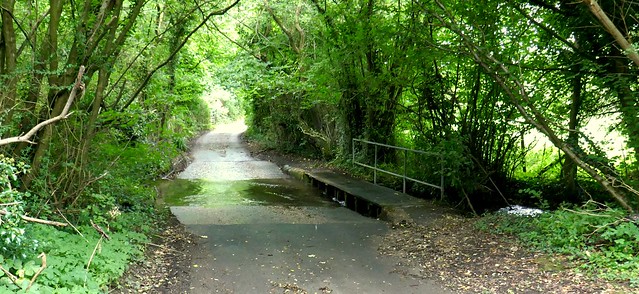
Words for ford in Celtic languages.

Ford

Proto-Celtic *yātus = ford
Old Irish (Goídelc) áth = ford
Irish (Gaeilge) áth = ford; spawning bed (in river); opening
Scottish Gaelic (Gàidhlig) àth [aːh] = ford
Manx (Gaelg) aah = ford, drift

Etymology: from the Proto-Indo-European *yeh₂- (to ride, travel) [source].

Proto-Celtic *ɸritus = ford
Gaulish ritu = ford
Irish (Gaeilge) rith = ford
Proto-Brythonic *ritum, *rrɨd = ford
Old Welsh rit = ford
MIddle Welsh (Kymraec) ryd, ryt = ford
Welsh (Cymraeg) rhyd = ford, strait
Old Cornish rid = ford
Cornish (Kernewek) rys [rɪ:z] / res [re:z] = ford
Old Breton rit = ford
Breton (Brezhoneg) red = ford

Etymology: from the Proto-Indo-European *pértus/*pr̥téw- (crossing) [source].

Words marked with a * are reconstructions.

Sources: Geiriadur Prifysgol Cymru, Gerlyver Kernewek, Dictionnaire Favereau

Roads

Words for roads in Celtic languages.

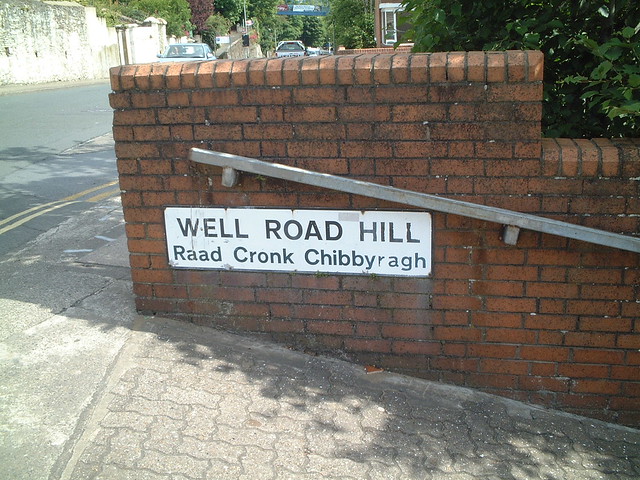
Bilingual sign

Words marked with a * are reconstructions.

Proto-Celtic *bow-itros = road (“cow path”)
Old Irish (Goídelc) bóthar = road, lane, track
Middle Irish (Gaoidhealg) bóthar, báthar, bothor, bothar = track, road
Irish (Gaeilge) bóthar [ˈbˠoːhəɾˠ / ˈbˠoːɾˠ / ˈbˠɔhəɾˠ] = road, way, manner
taobh-bhóthar = side-road
bóthar mór = main road
bóthar iarainn = railroad, railway
bóthar trasna = cross-road
bóithreoir = road-walker, traveller, vagrant
bóithreoireacht = (act of) walking, travelling the road, vagrancy
bóithrín = country lane, boreen
Scottish Gaelic (Gàidhlig) bòthar [boː.ər] = alley, lane
Manx (Gaelg) bayr = lane, (country) road, roadway, pad, drive, avenue, thoroughfare
beyr = lane
bayr mooar = highroad
bayr gleashtanagh = motorway
bayr fo-halloo = subway
Middle Welsh (Kymraec) beu der, benedyr = cattle track
Welsh (Cymraeg) beudr = cattle track
Old Cornish bouder = lane
Middle Cornish (Cernewec) bounder = feeding ground, pasture, common, lane
bounder tre = village
Cornish (Kernewek) bownder [‘bɔʊndɛr / ‘bɔʊndɐr] = farm lane, lane

Etymology: from Proto-Celtic *bāus (cow) and *itos (path [?]), from PIE *gʷṓws (cattle) and *h₁itós (passable) [source].

Old Irish (Goídelc) rót [r͈oːd] = road, highway
Middle Irish (Gaoidhealg) rót = road, highway
Irish (Gaeilge) ród [ɾˠoːd̪ˠ / ɾˠɔːd̪ˠ] = road, roadstead, route, anchorage, mooring
ródaí wayfarerm rover, road guide
ródaíocht = wayfaring, travelling, wandering from house to house tale-bearing, riding at anchor
ródán = little road, path
Scottish Gaelic (Gàidhlig) rathad [r̪ˠa.ad] = road, way, route, path, track
rathad-iarainn = road, way, route
rathad goirid = shortcut
rathad-mòr = highway, major road, highroad
rathadach [r̪ˠa.ədəx] = pertaining to or abounding in roads, ingenious, capable, go-ahead, enterprising
rathad-beag = minor road
rathad aon-slighe = one-way road
Manx (Gaelg) raad [reːd̪ / raːd̪] = road, track, route, direction, roadway, trail, way; vent, vent-hole
raad elley = elsewhere
raad ennagh = somewhere
raad erbee = any place, anywhere
raad mooar = highway, main road, major road
raad shaghnee = by-pass
raad ushtey = waterway
raad yiarn = railway (line)
Welsh (Cymraeg) rhawd = course, way, path, journey, career, period
Middle Breton (Brezonec) rout = route, trace, itinerary
Breton (Brezhoneg) roud = route, trace, itinerary
roudenn = line, ray, stripe
rouder = road
roudoureg = to ford (a river)

Etymology: possibly from Middle English rode (riding, ride, voyage), from Old English rād (riding, hostile incursion), from Proto-West Germanic *raidu (riding, ride), from Proto-Germanic *raidō (a ride), from PIE *reydʰ- (to ride). Words from the same roots include road and raid in English.

Alternatively, the Goidelic words come from Old Irish rout, from ro-ṡét, from ro- (very, great) and sét (path), from Proto-Celtic *φro-sentu- [source].

Old Irish (Goídelc) forás = growth, increase
Middle Irish (Gaoidhealg) forás, foras = growth, increase
Irish (Gaeilge) forás = growth, development, progess
Scottish Gaelic (Gàidhlig) foraimh [r̪ˠa.ad] = journey, excessiveness (archaic)
foras [fɔrəs] = growth, increase, (river) ford
Proto-Brythonic forð [forð] = road, path, way, mannerh
Middle Welsh (Kymraec) ford, fort, fordh, forth = road, way, street, path
yforthaul, ffordawl = traveller wayfarer, passer-by
Welsh (Cymraeg) ffordd = road, way, street, path, passage, course, route, journey
fforddiadol = acquianted with the road
ffordd(i)af, fforddi(o) = to make a way, instruct, direct, guide, travel
fforddol(yn) = traveller wayfarer, passer-by, road-mender
fforddolaf, fforddoli = to journey, traverse, guide, direct, train
fforddoliaeth = direction, instruction
ffordd(i)wr = guide, instructor, wayfarer
cyffordd = junction
croesffordd = crossroads
rheilffordd = railway\
Old Cornish ford = way, road, manner
Middle Cornish (Cernewec) fordh, ford = way, road, passage
Cornish (Kernewek) fordh [fɔrð] = way, road, manner
fordh a-dro = roundabout
fordh dhall = cul-de-sac, dead end
fordh dhibarth = junction
fordh veur = highway
fordh dremen
Breton (Brezhoneg) forzh = vagina

Etymology: from the Old English ford (ford) [source], from the Proto-West Germanic *furdu (ford), from Proto-Germanic *furduz (ford), from the Proto-Indo-European *pr̥téw-/*pértus (crossing) [source]. Words for ford in the Brythonic languages come from the same PIE root.

The Fastest Way to Learn Japanese Guaranteed with JapanesePod101.com

Sources: Wiktionary, Am Faclair Beag, Online Manx Dictionary, Teanglann.ie, eDIL – Electronic Dictionary of the Irish Language, In Dúil Bélrai English – Old Irish glossary, Geiriadur Prifysgol Cymru, Gerlyver Kernewek, Dictionaire Favereau, TermOfis, English – ProtoCeltic WordList (PDF), Etymological Dictionary Of Proto Celtic

Unlimited Web Hosting - Kualo

Land, Parishes & Enclosures

Words for land, parish, enclosure and related things in Celtic languages.

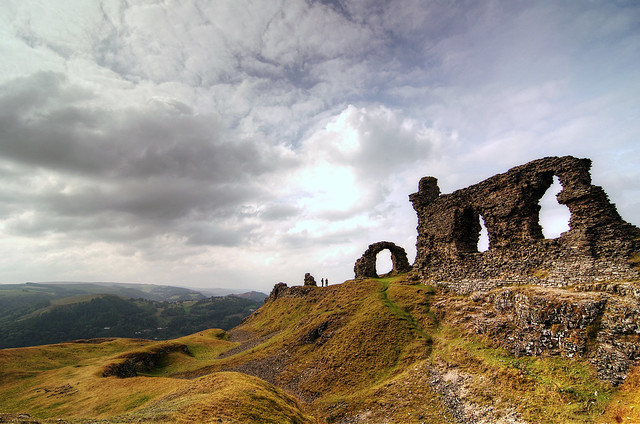
Llangwyfan church Eglwys Llangwyfan

Words marked with a * are reconstructions.

Proto-Celtic *landā = (open) land
Gaulish landa = land
Old Irish (Goídelc) land, lann = building, house, land, plot, plate
Middle Irish (Gaoidhealg) land, lann = building, house, land, plot, plate
íarlann = pantry
ithlann, ithla = threshing floor, barn, granary, storehouse; garden, orchard
Irish (Gaeilge) lann = land, ground, plot, house, building (especially a church)
bialann = canteen, restaurant
leabharlann = library
longlann = dockyard
réadlann = observatory
saotharlann = laboratory
Scottish Gaelic (Gàidhlig) lann [l̪ˠaun̪ˠ ~ l̪ˠan̪ˠən] = enclosure, enclosed area, precinct; repository; house, church
amharc-lann = observatory
biadh-lann = canteen, dinning hall, refectory
broc-lann = badger’s den, sett
long-lann = dockyard
fasg-lann = shelter
lann-eaglaise = church precinct
leabhar-lann = library
obair-lann = laboratory
suin-lann = dormitory
ur-lann = esplanade, green
Manx (Gaelg) lann = enclosure, habitation
lhonglann = dockyard
lioarlann = library
seyrlann = laboratory
reayrtlann = observatory
Proto-Brythonic *llann [ˈl͈anː] = land, area, plot, sacred place, churchyard
Middle Welsh (Kymraec) lánn, lann, lan, llann = land
lannerch, llanerch, llennyrch = a clearing, glade
Welsh (Cymraeg) llan [ɬan] = (parish) church, monastery, heaven, churchyard
llan gadeiriol = cathedral
llan (y) gwyryfon = nunnery
llan y plwyf = parish chuch
llandref = village, small town, church village
llandy = parsonnage, glebe-house
llangeidwad = churchwarden
llanaidd = glade-like, open, clear; ecclesiastical, (of a) church
llannerch = a clearing, glade, oasis, pasture, court, empty space, patch, place, area
Middle Cornish (Cernewec) lan = a church, an inclosure, yard, church-yard
lanherch = glade
Cornish (Kernewek) lann [lan:] = yard
lannergh = glade
Old Breton (Brethonoc) lann = moor, heath, moorland
Middle Breton (Brezonec) lann = moor, heath, moorland
lanneg, lannek, lannell = land covered with moor
landonenn = swath
lann = monastery, church
Breton (Brezhoneg) lann [ˈlãnː] = moor, heath, moorland
lanneg = land covered with moor

Etymology: from the Proto-Indo-European *lendʰ- (land, heath) [source].

Words from the same Proto-Celtic root, via Gaulish and Latin, include lande (moor, moorland, heath) in French, landa (a (sandy) plain) in Spanish, landa (country, field, piece of land) in Basque [source].

The (archaic) English word laund [lɔːnd] (a grassy plain or pasture, especially surround by woodland; a glade) possibly comes from the same Proto-Celtic root, via Middle English, Old French and Gaulish, or from the Proto-Germanic *landą (land), which comes from the same PIE root [Source].

Words from the same PIE roots include land and lawn in English, land (land, country) in Dutch, Land (country, state, province, land) in German, land (land, country, nation, state, ground, earth) in Swedish, land (country, land) in Danish, lado (uncultivated, wild land) in Czech, and ледина [ˈlɛdina] (untilled land) in Macedonian [source].

Proto-Brythonic *pluɨβ = countryside, parish, common people, parishoners
Middle Welsh (Kymraec) plwyf, plwy = parish, parishioners, people
plwyvog = parishioner, parochial
plwyfol = parochial, lawfully settled in a parish
Welsh (Cymraeg) plwy(f) [pluːɨ̯(v) / plʊi̯(v)] = parish, poor relief, parishioners, people
plwyfo = to settle in a parish
plwyfog = parishioner, parochial
plwyfol = parochial, lawfully settled in a parish
plwyfoldeb = parochialism
Old Cornish plui = parish
Middle Cornish (Cernewec) plew, plui, plu = parish
Cornish (Kernewek) pluw = parish
pluwek = parishioner (m), parochial
pluwoges = parishioner (f)
Old Breton (Brethonoc) pluiu, plueu, ploeu, ploi, ploe = country, countryside
Middle Breton (Brezonec) ploeou, ploe, ploé = country, countryside
plouisyen = peasant, rural
Breton (Brezhoneg) ploue [pluːe] = parish (historical – appears in placenames), countryside (literary)
plouead = country, earthy
plouezad = peasant, rural
plouk [pluːk] = yokel

Etymology: from Latin plēb(ē)s (common people, plebians), from Old Latin plēbēs, from Proto-Italic *plēðwēs Proto-Indo-European *pl̥h₁dʰwḗh₁s ~ *pl̥h₁dʰuh₁és, from *pleh₁- (fill) [source].

The French word plouc [pluk] (hick, country bumpkin, yokel) was borrowed from Breton plouk in the late 19th century [source].

Other words from the same roots include fill, folk, pleb (a commoner, a common, unsophisticated, cultureless person), plenty, plural, plus and public in English [source].

Middle Irish (Gaoidhealg) parráiste = parish
pairche = parish, diocese
Irish (Gaeilge) paróiste [ˈpˠaɾˠæʃtʲə] = parish
paróisteach = parishioner, presentable person, parochial
paróisteachas = parochialism
Scottish Gaelic (Gàidhlig) parasite [parɪʃdʲə] = parish
eaglais parasite = parish church
neach-parasite = parishioner

Etymology: from Anglo-Norman paroche (parish), from Late Latin parochia (parish), from Ancient Greek παροικίᾱ (paroikíā – a dwelling abroad), from πάροικος (pároikos – neighboring, foreigner), from παρά (pará, beside) + οἶκος (oîkos – house). [source].

Scottish Gaelic (Gàidhlig) sgìre [sgiːrʲə] = district, parish
sgìreachd [sgʲiːrʲəxg] = parish
Manx (Gaelg) skeerey = parish
skeeragh = parochial
skylley = parish

Etymology: from Old English sċīr (office, district, region, shire), from Proto-West Germanic *skīru (office, district), from PIE *(s)ker- (to cut). The English word shire comes from the same roots [source].

The Fastest Way to Learn Japanese Guaranteed with JapanesePod101.com

Sources: Wiktionary, Am Faclair Beag, Online Manx Dictionary, Teanglann.ie, eDIL – Electronic Dictionary of the Irish Language, In Dúil Bélrai English – Old Irish glossary, An Etymological Dictionary of the Gaelic Language, Geiriadur Prifysgol Cymru, Gerlyver Kernewek, Dictionaire Favereau, TermOfis, English – ProtoCeltic WordList (PDF), Etymological Dictionary Of Proto Celtic
Unlimited Web Hosting - Kualo

Dry land

Words for dry land in Celtic languages.

Proto-Celtic *tīros = dry land
Old Irish (Goídelc) tír = land, country, territory, ground
Irish (Gaeilge) tír [tʲiːɾʲ] = land, country, state, nation; region, district, territory
Scottish Gaelic (Gàidhlig) tìr [tʲiːrʲ] = land, country, territory
Manx (Gaelg) çheer = country, state, shore, home, land, territory
Proto-Brythonic *tir [ˈtiːr] = land
Old Welsh tir = land
Middle Welsh (Kymraec) tir = land
Welsh (Cymraeg) tir [tiːr] = land, ground, soil, turf; estate, landed property; open land, expanse of country, region, territory, domain, country, (the) earth; ridge
Old Cornish tir = land
Cornish (Kernewek) tir [ti:r] = land
Old Breton tir = land
Breton (Brezhoneg) tir = land

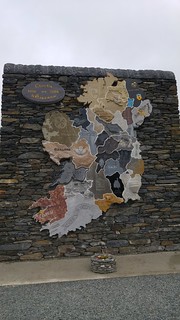
Map of Ireland

Etymology: from the Proto-Indo-European *ters- (dry), which is also the root of the Latin terra (dry land) [source].

Words marked with a * are reconstructions.

Sources: Wiktionary, Am Faclair Beag, teanglann.ie, Geiriadur Prifysgol Cymru, Gerlyver Kernewek, Dictionnaire Favereau

Houses and Dwellings

Words for house, dwelling and related things in Celtic languages.

Gleann Cholm Cille

Words marked with a * are reconstructions.

Proto-Celtic *tegos = house, dwelling
Gaulish *attegia = hut
Old Irish (Goídelc) tech [tʲex] = house
tech midchuarta, tech n·óil = banquet hall, drinking hall
tech n·othar, tech othrais = hospital
tech sét = treasury
tech talman = dungeon, underground chamber, vault
Middle Irish (Gaoidhealg) tech, teg = house, dwelling
tech mbecc = privy
tech cille = church
tech ósta = inn, hostelry
tech talman = dungeon, underground chamber, vault
Irish (Gaeilge) teach [tʲax / tʲæːx] = house, habitation, dwelling, public building
teachín = small house, cottage
teach ceann tuí = thatched house
teach gloinne = glass-house, greenhouse
teach solais = lighthouse
teach spéire = skyscraper
teach tábhairne = saloon
teach beag = latrine, privy
teach Dé = God’s house, church, heaven
Scottish Gaelic (Gàidhlig) taigh [tɤj] = house
taigh-barraide = terraced house
taigh-bathair = warehouse
taigh-beag = toilet, privy, convenience
taigh-bidh = restaurant
taigh-òsta = hotel, hostelry
taigh-seinnse = pub, public house
taigh-tuathanais = farmhouse
taighean [tɛhan] = little house
taigheadas [tɤjədəs] = residence, housing, housekeeping
taigheil [tɛhal] = domestic
Manx (Gaelg) thie = building, habitation, home, house, residence, homeward, domestic
teagh [tʃax] = habitation, house
çhaagh [tʃax] = house
thieoil = domestic, homely
thieoilagh = domestic, domestic servant
thie bee = café, restaurant
thie beg = small house, lavatory
thie lhionney = ale house, beer house, boozer, pub
thie oast = hotel, pub, saloon, tavern, inn
Proto-Brythonic *tɨɣ = house
Old Welsh tig = house
Middle Welsh (Kymraec) thy, ty = house
tyaid, tŷaid, tŷed = houseful, household, family
Welsh (Cymraeg) [tɨː / tiː] = house, home, room, cell, chamber
tŷ bach = lavatory, toilet
tŷ bwyta = restaurant, café
(tŷ) tafarn = tavern, public house, pub
tyaeth = household, family
tyaf, tyo = to provide a house, shelter, house
tyaid = houseful, household, family
tyaidd, tyol = domestic, family, household
Old Cornish ti = house
Middle Cornish (Cernewec) chy = house, dwelling
Cornish (Kernewek) chi, chy [ʧi:] = house
chi gweder = greenhouse
chi unnik = detached house
chi unnleur = bungalow
Old Breton tig = house
Middle Breton (Brezonec) ty = house, accommodation
tyeguez, tieguez = household, farm, family
Breton (Brezhoneg) ti [ˈtiː] = house, local
tiad = household, (large) family
tian, tiañ = to move in
tiegezh = household, farm, family
tiegezhian, tiegezhiañ = to settle down
tiekaat = to operate (a farm), to manage (a household)

Etymology: from the Proto-Indo-European *(s)teg- (cover, roof) [source], which is also the root of the words stegosaurus, toga, tile and thatch [source].

The Fastest Way to Learn Japanese Guaranteed with JapanesePod101.com

Sources: Wiktionary, Am Faclair Beag, Online Manx Dictionary, Teanglann.ie, eDIL – Electronic Dictionary of the Irish Language, In Dúil Bélrai English – Old Irish glossary, Geiriadur Prifysgol Cymru, Gerlyver Kernewek, Lexicon Cornu-britannicum: A Dictionary of the Ancient Celtic Language of Cornwall, Dictionaire Favereau, TermOfis, Le dictionnaire diachronique du breton, Etymological Dictionary Of Proto Celtic

Kings and Queens

Words for king and related things in Celtic languages.

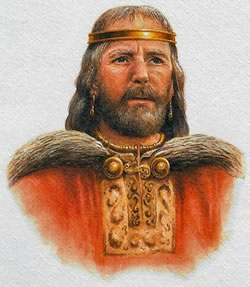
Brian Boru, High King of Ireland (1002-1014)
Brian Boru, High King of Ireland (1002-1014) / Brian Bóruma mac Cennétig, Ard-Rí ar Éirinn

Words marked with a * are reconstructions.

Proto-Celtic *rīxs/*rig- = king
Celtiberian reikis = king
Gaulish rīx = king – appears in names like Katurīx, Suādurīx, *Werkingetorīx (Vercingetorix) and Asterix
Primitive Irish ᚏᚔᚌᚐᚄ (rigas) = (of the) king
Old Irish (Goídelc) [r͈ʲiː] = king
rígdae = regal, kingly
rígdún = palace
Middle Irish (Gaoidhealg) rí, ríg, rig = king, head, chief
rígán = a sub-king, chief
rígamail, rioghamhail = royal
rígdacht = kingliness, kingly qualities, a kingdom
rígda(e) = a royal dwelling place, palace
rígrach = = royal, kingly
Irish (Gaeilge) [ɾˠiː] = king, sovereign, monarch
ríoga = regal, royal
ríora = kings, royal persons, royalty, dynasty
Scottish Gaelic (Gàidhlig) rìgh [r̪ʲiː] = king
banrìgh = queen
àrd-rìgh = high king
mòr-rìgh = emperor
rìoghachadh = reigning, reign
rìoghachd = kingdom, realm
Manx (Gaelg) ree = king
reejerey = cavalier, chevalier, king, knight, lord, paladin, prince
reeoil = kinglike, monarchy, regal, royal
reeaght, reeriaght, riaght, ream = kingdom
Proto-Brythonic *riɣ [ˈriːɣ] = king
Old Welsh rig = king
Middle Welsh (Kymraec) ri, rhi = king
rhiaidd, rhïaidd = regal, royal, noble, generous
rieu, riav = king, lord, ruler, chieftain
rriawdr, riawdr = lord, ruler, chieftain, God
Welsh (Cymraeg) rhi [r̥iː] = king, prince, lord, ruler, chieftain
rhiaidd = regal, noble, aristocratic, dignified
rhiau = king, lord, ruler, chieftain
rhiawdr = lord, ruler, chieftain, God
Middle Cornish (Cernewec) ruy, ruif = king, sovereign, ruler
ryal, real = royal, kingly
Cornish (Kernewek) riel = regal, royal
Old Breton ri = king
Middle Breton (Brezonec) ri, rí = king
Breton (Brezhoneg) ri [ˈʁiː] = king

Etymology: from Proto-Indo-European *h₃rḗǵs (king, ruler) [source]. Words from the same Proto-Celtic root include rich in English, ryk (rich, wealthy) in Afrikaans, ricco (rich, wealthy, affluent) in Italian, riche (rich) in French, Reich (empire, realm) in German, and rikas (rich, wealthy, opulent, plentiful) in Finnish [source].

English words with the suffix -ric, such as bishopric (a diocese or region of a church which a bishop governs), and comes from the same Proto-Celtic root [source].

Proto-Celtic *rīganī= queen
Gaulish rigani = queen
Old Irish (Goídelc) rígan = queen
Middle Irish (Gaoidhealg) rígain, rígan, rígnae = queen, noble lady
Irish (Gaeilge) ríon = queen, queenly, noble, lady, fair maiden
banríon = queen
(ban)ríonacht = queenship
ríonaí = queenly
ríonaigh = to queen (chess)
Scottish Gaelic (Gàidhlig) rìghinn [r̪ʲi.ɪn̪ʲ] = princess (archaic)
rìbhinn [r̪ʲiːvɪn̪ʲ] = maid, maiden, girl, Venus, adder, queen (archaic)
banrìgh = queen
Manx (Gaelg) reeven = queen
rein = queen
ben-rein = queen
Proto-Brythonic *rriɣėn [r͈iˈɣe̝ːn] = queen
Middle Welsh (Kymraec) riein, riain = (young) woman, girl, damsel, lass, maiden, virgin, queen, noble girl, lady
Welsh (Cymraeg) rhiain = (young) woman, girl, damsel, lass, maiden, virgin, queen, noble girl, lady

Etymology: from Proto-Indo-European *h₃rḗǵnih₂ (queen), from *h₃rḗǵs (king, ruler) [source]. Words from the same roots include reine (queen) in French, reina (queen) in Spanish, erregina (queen) in Basque, and regină (queen) in Romanian [source].

Middle Welsh (Kymraec) rhỼyf, rwyf, rỼy = king, lord, ruler, chieftain, leader
rwyfaỼ, rwyfaỼ = to have dominion over, govern, rule
rwyuannus, rhwyvanus = royal, kinglike, governing
ruyvenit = prince, king, ruler
rhwyfiadur, ruyfadur, rwyfyadur, rỼyfyadur = chief(tain), lord, leader, ruler, protector
Welsh (Cymraeg) rhwy(f) = king, lord, ruler, chieftain, leader
rhwyfo = to have dominion over, govern, rule, lead, be ostentatious, live in splendour
rhwyfanes = queen, lady
rhwyfaniad = reign, government, rule, kingdom
rhwyfanus = royal, kinglike, governing
rhwyfenydd = prince, king, ruler
rhwyf(i)adur = chief(tain), lord, leader, ruler, protector
Old Cornish ruifanes = queen
ruifadur = chief(tain), lord, leader
Middle Cornish (Cernewec) ruy, ruif = king, sovereign, ruler
ruifanes, ruivanes = a female ruler, queen
Cornish (Kernewek) ruvanes = queen
ruvaneth = kingdom
Old Breton roe = king
Middle Breton (Brezonec) roe, roé, roue, rouè = king
rouanes, roanez, rouanés = queen
rouantelez, roeantelez = kingdom
roueel = royal
roueeler = royalist
roueelezh = royalty
roueelouriezh = royalism
roueoni = reign
Breton (Brezhoneg) roue = king
rouanez = queen
rouantelezh = kingdom, monarchy
roueel = royal
roueelezh = royalty
roueelouriezh = royalism

Etymology: from Old French roi (king), from Latin rēgem (king, ruler, despot, tyrant), from Proto-Italic *rēks (king), from Proto-Indo-European *h₃rḗǵs (king, ruler) [source].

Words from the same Latin root include re (king) in Italian, roi (king) in French, viceroy in English and rey (king) in Spanish [source].

Proto-Celtic *brigantīnos = (someone) pre-eminent, outstanding
Proto-Brythonic *brɨɣėntin [brɨɣe̝nˈtiːn] = lord, king
Middle Welsh (Kymraec) breenhin, breennin, breyenhin, brenhin = king
brenhynes, brenhines = queen, goddess, queen bee
brenineiziaw = to become kingly
brenhynyaeth, brenhinyaeth = royalty, kingship, reign
Welsh (Cymraeg) brenin [ˈbrɛnɪn / ˈbreːnɪn] = king, sovereign, monarch, head of region
brenineiddio = to make/become regal/kingly, make (sb) a king
breninesaidd = queen-like, queenly
breninesol = queen-like, queenly, pertaining to a queen
breningarol = royalist
breniniaethu = to reign, govern
breninoldeb = kingship, royalty
brenhines = queen, goddess, queen bee
brenhiniaeth = royalty, kingship, reign, government
Middle Cornish (Cernewec) brentyn, bryntyn = privileged, sovereign, noble, excellent
Cornish (KerneweK) bryntin, brentin = grand, great, noble, splendid, superb
Old Breton brientin, brientinion = king
Middle Breton (Brezonec) brientin = aristocrat
brientinelezh = aristocracy
Breton (Brezhoneg) brientin = aristocrat
brientinel = aristocratic
brientinelezh = aristocracy
brienteg, brientek = privileged
brientekaat = to favour
briental = royalties

Etymology: from Proto-Indo-European *bʰérǵʰonts (high), from *bʰerǵʰ- (to rise up, ascend) [source].

From the same Proto-Celtic root, , we get the tribal name *Brigantī (Brigantes – a Celtic tribe that occupied much of what is now northern England), Brigantia (a Celtic goddess of victory, and the territory of the Brigantes), the name Bridget, the Irish name Bríd, the Scottish Gaelic name Brìghde, the Manx name Breeshey, and the placenames such as Bragança (a city in northeastern Portugal), Bregenz (a city in western Austria) and Brianza (a city in northern Italy), [source].

English words from the same PIE root include bourgeois, burrow, fort and maybe burgler [source].

Middle Welsh (Kymraec) mechdeyrn, mychdeyrn, machdeyrn = king, lord, monarch, emperor
mechteyrnged, mychteyrnged = tribute due to an overlord from an inferior lord
Welsh (Cymraeg) mechdeyrn, mychdeyrn, machdeyrn = king, lord, monarch, emperor, God, tributary prince, viceroy
mechdeyrnged, mychdeyrnged = tribute due to an overlord from an inferior lord
Middle Cornish (Cernewec) mychtern = sovereign, king
mychternes = queen
mychterneth = sovereignity, dominion, royalty, kingdom
Cornish (Kernewek) myghtern, metern [mɪx’tɛrn] = king, monarch
myghternes, meternes = monarch, queen
myghterneth, meterneth = kingdom
myghternses, meternses = kingship, monarchy
Old Breton machtiern = king

Etymology: from Welsh mach (surety, guarantor, sponsor, hostage) and teyrn (sovereign, monarch, king) [source].

Sources: Wiktionary, Am Faclair Beag, Online Manx Dictionary, Teanglann.ie, eDIL – Electronic Dictionary of the Irish Language, In Dúil Bélrai English – Old Irish glossary, Geiriadur Prifysgol Cymru, Gerlyver Kernewek, Dictionaire Favereau, TermOfis, English – ProtoCeltic WordList (PDF), Etymological Dictionary Of Proto Celtic
Blubrry podcast hosting

Cowherd, boy, child

Words for cowherd, boy, child and related people in Celtic languages.

Cowherd 1

Proto-Celtic *boukolyos = cowherd
Old Irish (Goídelc) búachaill [ˈbuːa̯xil͈ʲ] = cowherd, herder, herdsman
Irish (Gaeilge) buachaill [ˈbˠuəxɪlʲ] = boy, young unmarried; herdboy, herdsman; man-servant, male employee; lad
buachailleacht = herding (cattle)
Scottish Gaelic (Gàidhlig) buachaille, buachaill [buəçɪl̪ʲ(ə)] = herder, herdsman, cowherd, shepherd, youth
buachailleachd [buəxɪl̪ʲəxg] = herding, watching cattle, invigilation
buachailleadh [buəxɪl̪ʲəɣ] = to herd, watch cattle
buachailleach [buəxɪl̪ʲəx] = pastoral
Manx (Gaelg) bochilley = shepherd, herdsman
bochillagh = herd, pastoral
bochillaghey = to herd
bochillaght = drove, herd, look after, shepherd, pastoral
Proto-Brythonic *bʉgöl [bʉˈɡøːl] = herdsman
Middle Welsh (Kymraec) blucelid, bukeyl, bugeil = herdsman, shepherd
Welsh (Cymraeg) bugail [ˈbɪɡai̯l / ˈbiːɡai̯l] = herdsman, shepherd, guardian, keeper, leader, defender; bishop, priest, pastor, minister
bugeil(i)aeth = pastoral care, shepherd’s watch, pastorate, ministry
bugeilio = to shepherd, tend cattle, watch, keep guard, act as a pastor, minister
bugeil(i)aidd = pastoral, pertaining to a shepherd, shepherdly, ministerial
Middle Cornish (Cernewec) bugel, begel, bigel, bygel = herdsman, shepherd, pastor
Cornish (Kernewek) bugel = pastor, shepherd
bugeles = pastor, shepherd(ess)
bugelya = to herd
Middle Breton bugel, buguel, bugale = child, shepherd
bugelek = childlike, childish
bugelel = infantile
bugelez = shepherdess, herdswoman
bugeliañ = to keep, guard (animals)
Breton (Brezhoneg) bugel = child

Etymology
From the Proto-Indo-European gʷowkólos, from *gʷṓws (cow) and *kʷel- (to revolve, move around, sojourn) [source]. English words from the same roots include beef, bovine, bucolic, buffalo, butter and cow [source].

Here’s the Irish song Buachaill On Eirne (Boy from the Erne):

Here’s the Irish folk song Na Buachaillí Álainn (The Beautiful Lads):

Both songs are sung by Clannad, whose name comes from the same roots as the words below, and who get me interested in learn Irish songs and language.

Old Irish (Goídelc) cland [klan͈d] = children, family, offspring, plant
clannmar [ˈklan͈ṽar] = prolific
Middle Irish (Gaoidhealg) clann = plant, planting, off-shoot, produce, children, family, offspring, descendents, race, clan
clannach = having many children, prolific, fruitful, productive, abundant
Irish (Gaeilge) clann [kl̪ˠɑun̪ˠ/kl̪ˠɑːn̪ˠ/kl̪ˠan̪ˠ] = children, offspring, race, descendents, clan, followers, plant, lock (of hair)
clannach = having many children, prolific, luxuriant
clannaigh = to plant, procreate, luxuriate
clannú = procreation
planda [pl̪ˠaun̪ˠd̪ˠə] = plant, scion
plandaigh = to plant
plandáil = plantation
plandóg = shapely, comely woman; young plant
Scottish Gaelic (Gàidhlig) clann [kl̪ˠaun̪ˠ] = children, offspring, progeny, clan, lock of hair, curl
clannail [kl̪ˠan̪ˠal] = fruitful, prolific, abounding in locks, curls, curly, shining, sleek, luxurious
clanmhor [kl̪ˠãũn̪ˠvər] = fruitful, prolific
plannt [pl̪ˠãũn̪ˠd] = plant
Manx (Gaelg) cloan [klɔːn] = children, descendent, family circle
plant = plant
plantal = to plant
Old Welsh plant = children, young people, offspring
Middle Welsh (Kymraec) plant = children, young people, offspring
Welsh (Cymraeg) plant [plant] = children, young people, offspring, progeny, descendents, followers, disciples, servants
plentyn = child, young person, etc
panta(f) = to beget or bear (children), procreate, breed
plantaidd = childlike, innocent
Middle Cornish (Cernewec) plans = plant
plansa = to plant
Cornish (Kernewek) plans = plant
plansa = to plant, stick
Middle Breton plantenn, planten, plantenn = plant, beautiful woman
plantenniñ = to take root, to layer
planter = planter
planterez = planting
Breton (Brezhoneg) plantenn = plant

Etymology: from the Latin planta (vegetable, sprout, shoot, twig, shrub), possibly from the Proto-Indo-European *pleh₂- (flat) [source]. The Old Irish word cland was borrowed from Old Welsh plant [source]. English words from the same roots include clan (via Irish and/or Scottish Gaelic) and plant (via Middle and Old English) [source].

Sources: Wiktionary, Am Faclair Beag, Online Manx Dictionary, Teanglann.ie, eDIL – Electronic Dictionary of the Irish Language, In Dúil Bélrai English – Old Irish glossary, Geiriadur Prifysgol Cymru, Gerlyver Kernewek, Dictionaire Favereau, TermOfis, English – ProtoCeltic WordList (PDF), Etymological Dictionary Of Proto Celtic
The Fastest Way to Learn Japanese Guaranteed with JapanesePod101.com

Sons

Words for son in Celtic languages.

My sister and her son (my nephew)

Proto-Celtic *makʷos [ˈma.kʷos] = son
Primitive Irish ᚋᚐᚊᚔ (maqi), ᚋᚐᚊᚊᚔ (maqqi), ᚋᚐᚊ (maq), ᚋᚐᚉᚉᚔ (macci) = son
Old Irish (Goídelc) macc [mak] = boy, bond, surety
macc foesma = adoptive son
macc muine = love child
macc raite = illegimate child
macc tíre = wolf (“son of the land”)
Irish (Gaeilge) mac [mˠɑk / mˠaːk / mˠak] = son, descendent, boy
mac dearthár = nephew (brother’s son)
mac deirféar = nephew (sister’s son)
mac mic = grandson (son’s son)
mac iníne = grandson (daughter’s son)
mac uchta = favourite son, pet; adopted son
mac Dé = the Son of God
mac léinn = student (“son of the learning”)
mac rí = prince
mac tíre = wolf (“son of the land”)
macacht = childhood, youthful state
macán = little son, young boy, youngster, pet child
macánta = childlike, gentle, meek, mild; honest
macántacht = boyhood, childhood; gentleness, meekness, mildness; honesty
macaomh = young person, youth, boy
macaomhact = youth, youthfulness; youthful beauty
garmhac = grandson, adopted son, sister’ son
leasmhac = stepson
Scottish Gaelic (Gàidhlig) mac [maxg] = son, offspring
mac-bràthar = nephew (brother’s son)
mac-peathar = nephew (sister’s son)
mac-céile = stepson
mac-màthar = everyone, every man
mac-mallachd = the Devil
mac an duine = mankind, human being
macail [maxgal] = filial, affectionate
mac Dhé = the Son of God
mac-tìre = wolf (“son of the land”)
Manx (Gaelg) mac = son
mac braarey = nephew (brother’s son)
mac shayrey = nephew (sister’s son)
mac braar ayrey = first cousin (father’s brother’s son)
mac braar mayrey = first cousin (mother’s brother’s son)
oe mac = grandson
lhiass vac = stepson
mac mollaght, mac imshee = devil
Gaulish mapos = son
Proto-Brythonic *mab [ˈmaːb] = son
Old Welsh map = son
Middle Welsh (Kymraec) map = son
Welsh (Cymraeg) mab [maːb] = boy, son, infant, child, minor, youth; descendant; man, male
mab anweddog, mab gwedde = bachelor
mab bedydd = godson
mab caru = lover, suitor
mab cynnwys = adopted son
Mab Duw = the Son of God
mab (y) dyn = man, human being, living soul
mab mam = mother’s son, human being, living soul
mab maeth = foster son, foster child
mab yng nghyfraith = son-in-law, stepson
maban = baby, infant, young child, little boy, young son
Old Cornish mab, map = son
Cornish (Kernewek) mab [ma:b / mæ:b] = son, male child, boy
mab meythrin = foster son
mab wynn = grandson
mab den = humankind
mab an pla = devil, annoying man
maban, meppik = little son
Old Breton map, mab = son
Middle Breton mab = son
Breton (Brezhoneg) mab = son
mab henañ = older son
mab yaouañ = younger son
mab-kaer, mabeg = son-in-law
mab-bihan = grandson
mab-den= son of man
mab-lagad= pupil (of the eye)
mabel = filial

Etymology
From the Proto-Indo-European *mh₂ḱwos, from *meh₂ḱ- (to raise, grow) [source].

Words marked with a * are reconstructions.

Sources: Wiktionary, Am Faclair Beag, teanglann.ie, On-Line Manx Dictionary, Geiriadur Prifysgol Cymru, Gerlyver Kernewek, Dictionnaire Favereau

Woman / Wife

Words for woman / wife in Celtic languages.

Proto-Celtic *benā = woman
Gaulish benā = woman, wife
Old Irish (Goídelc) ben [bʲen] = woman
Irish (Gaeilge) bean [bʲanˠ] = woman, wife
Scottish Gaelic (Gàidhlig) bean [bɛn] = woman, wife
Manx (Gaelg) ben = woman, lady, wife
Proto-Brythonic *ben = woman
Old Welsh ben = woman
Welsh (Cymraeg) benyw = female, girl, woman, feminine
menyw = woman, female, feminine
Old Cornish benen = woman
Cornish (Kernewek) benyn [‘bɛnɪn / ‘bɛnən] = woman
Old Breton ban = woman
Breton (Brezhoneg) e-ben = woman

Etymology
From the Proto-Indo-European *gʷḗn (woman) [source], which is also the root of the English words queen and gynecology, words for woman in some other Germanic languages, such as kvinna in Swedish, and words for woman / wife in Slavic languages, such as žena in Czech.

Words marked with a * are reconstructions.

Sources: Wiktionary, Am Faclair Beag, teanglann.ie, On-Line Manx Dictionary, Geiriadur Prifysgol Cymru, Gerlyver Kernewek, Dictionnaire Favereau

Proto-Celtic *wrakkā = woman
Old Irish (Goídelc) frac = woman
Proto-Brythonic *gwrėg [ˈɡwre̝ːɡ] = woman, (human) female, wife
Middle Welsh (Kymraec) gureic, gwreic = wife, woman
Welsh (Cymraeg) gwraig [ɡuˈrai̯ɡ] = wife, woman, (human) female
Old Cornish greg, grueg = wife
Middle Cornish gurek = wife
Cornish (Kernewek) gwreg [gwrɛ:g / gwre:g] = wife
Middle Breton gruec = wife
Breton (Brezhoneg) gwreg [ˈɡwʁɛːk] = wife

Words marked with a * are reconstructions.

Sources: Wiktionary, Proto-Celtic English Word List, Geiriadur Prifysgol Cymru, Gerlyver Kernewek, Dictionnaire Favereau

Man / Husband

Words for man / husband in Celtic languages.

Proto-Celtic *wiros = man, husband
Celtiberian *uiros = man, husband
Gaulish *wiros = man, husband
Primitive Irish *ᚃᚔᚏᚐᚄ (*viras) [u̯irah] = man
Old Irish (Goídelc) fer [fʲer] = man, husband
Irish (Gaeilge) fear [fʲaɾˠ] = man, husband
Scottish Gaelic (Gàidhlig) fear [fɛr] = man, husband, male
Manx (Gaelg) fer [fɛr] = male, man, gentleman, individual, fellow, bloke, chap
Proto-Brythonic *gwur [ˈˠwur] = man, husband
Old Welsh gur = man, husband
Middle Welsh (Kymraec) gur = man, husband
Welsh (Cymraeg) gŵr [ɡuːr] = man, person, anyone, valiant warrior, brave man, hero; vassal; married man, husband; chessman, pawn
Old Cornish uir = husband
Cornish (Kernewek) gour [ɡu:r] = husband
Middle Breton gur = man, husband
Breton (Brezhoneg) gour [ˈɡuːʁ] = man, person, husband (rare)

Selfie / Hunlun

Etymology
From the Proto-Indo-European *wiHrós (man, husband, warrior, hero) [source], which is also the root of the English words virile and werewolf.

Words marked with a * are reconstructions.

Sources: Wiktionary, Am Faclair Beag, teanglann.ie, On-Line Manx Dictionary, Geiriadur Prifysgol Cymru, Gerlyver Kernewek, Dictionnaire Favereau