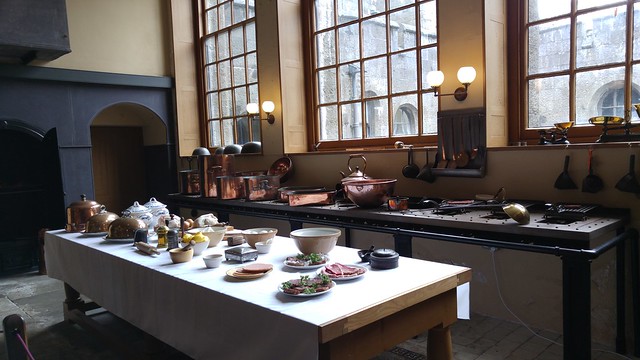
Food

Words for food in Celtic languages.

Proto-Celtic *bētom = food
Old Irish (Goídelc) bíad / bïad [bʲiːa̯ð] = food
Irish (Gaeilge) bia [bʲiə] = food, substance
Scottish Gaelic (Gàidhlig) biadh [biəɣ] = food, fare, repast, viand, victual, feed, a meal
Manx (Gaelg) bee [biː] = diet, feed, food, nourishment, provisions
Proto-Brythonic *buɨd [ˈbuɨ̯d] = food
Middle Welsh (Kymraec) bwyt = food
Welsh (Cymraeg) bwyd [buːɨ̯d / bʊi̯d] = food, nourishment, meat, victuals, provisions
Old Cornish buit = food
Cornish (Kernewek) bos / boys [ˈbɔːz] = food, meal, fare
Middle Breton boet, bouet = food
Breton (Brezhoneg) boued = food, eat, edible, bait, flesh (of fish), marrow, pulp, substance

Etymology: from the Proto-Indo-European *gʷeyh₃tom, from *gʷeyh₃- (to live) [source].

Words marked with a * are reconstructions.

Sources: Wiktionary, Am Faclair Beag, teanglann.ie, Fockleyreen: Manx – English Dictionary, Geiriadur Prifysgol Cymru, Gerlyver Kernewek, Dictionnaire Favereau

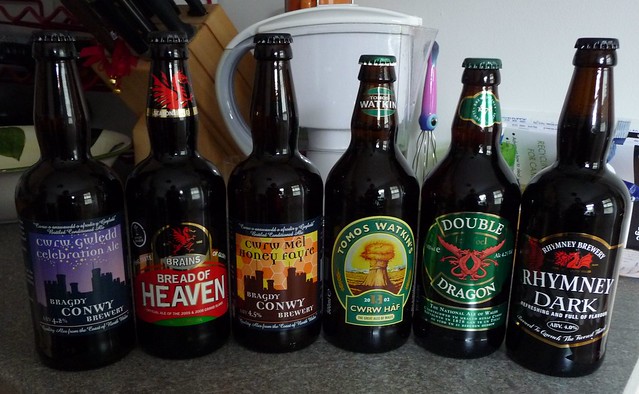
Welsh Rarebit

Death

Words for death in Celtic languages.

Proto-Celtic *bāstom / bāssom = death
Old Irish (Goídelc) bás [baːs] = death
Irish (Gaeilge) bás [bˠɑːsˠ / bˠæːsˠ] = death
Scottish Gaelic (Gàidhlig) bàs [baːs] = death, decease, demise
Manx (Gaelg) baase [bɛːs] = death

Etymology: from the Proto-Indo-European *gʷeh₂- (to go) [source].

Sources: Wiktionary, Am Faclair Beag, On-Line Manx Dictionary, Teaglann.ie

Proto-Celtic *marwos = dead
Old Irish (Goídelc) marb = dead; mortified, insensible, spiritually dead; inanimate; stagnant (water)
Irish (Gaeilge) marbh [ˈmˠɑɾˠəvˠ / ˈmˠarˠuː / ˈmˠarˠu] = dead person, death, defunct
Scottish Gaelic (Gàidhlig) marbh [marav] = dead person, the dead
Manx (Gaelg) marroo = dead, lifeless, inanimate, glassy (look), muggy, dull, dud, stagnant, defunct, mortified, slaughtered, departed, deceased, killed, extinct
merriu = dead men, departed souls
Proto-Brythonic *marw = dead
Welsh (Cymraeg) marw = dead, deceased, inanimate
marwolaeth = death, decease, demise; suffering, tribulation; deadly plague or pestilence, fatal disease
Cornish (Kernewek) mernans = death
Breton (Brezhoneg) marv = death

Etymology: from Proto-Indo-European *mer- (to die, disappear) [source].

Sources: Wiktionary, Geiriadur Prifysgol Cymru, Gerlyver Kernewek, Dictionnaire Favereau

Proto-Celtic *ankus = death
Old Irish (Goídelc) éc = death
Irish (Gaeilge) éag = Death, numbness, powerlessness
Scottish Gaelic (Gàidhlig) eug [eːg] = death, Death, ghost, spectre
Middle Welsh (Kymraec) angheu = death
Welsh (Cymraeg) angau = death, decease, demise, annihilation, cessation, mortal danger
Old Cornish ancou = death
Cornish (Kernewek) ankow = death
Old/Middle Breton ancou = death
Breton (Brezhoneg) ankow = death

Etymology: from Proto-Indo-European *nek̂- (to perish, disappear) [source].

Sources: Wiktionary, Am Faclair Beag, On-Line Manx Dictionary, Teaglann.ie, Geiriadur Prifysgol Cymru, Gerlyver Kernewek, Dictionnaire Favereau

Age

Words for age in Celtic languages.

Proto-Celtic *aiwestom = age, lifetime, era
Old Irish (Goídelc) áes [aːi̯s] = age, years; stage, period; era; lifetime
Irish (Gaeilge) aois [iːʃ] = age, length of life; old age; period, era
Scottish Gaelic (Gàidhlig) aois [ɯːʃ] = age, old age, antiquity
Manx (Gaelg) eash = eon, age, century; oldness, old age
Proto-Brythonic *oɨs = age
Old Welsh oit = time, period
Welsh (Cymraeg) oed [oːɨ̯d / ɔi̯d] = time, period, space (of time); life-span; age
oes [ˈoes] = age, long indefinite period; century; time, day(s); epoch
Old Cornish huis= age
Cornish (Kernewek) oos / ooj = age, period, epoch, era
Old Breton oit = age
Middle Breton oet = age
Breton (Brezhoneg) oad = age

Etymology: from the Proto-Indo-European *h₂ey-w-es-to-, from *h₂ey- (age, eternity), which is also the root of the English words age and eon [source].

Words marked with a * are reconstructions.

Sources: Wiktionary, Am Faclair Beag, teanglann.ie, Fockleyreen: Manx – English Dictionary, Geiriadur Prifysgol Cymru, Gerlyver Kernewek, Dictionnaire Favereau

Fords

Words for ford in Celtic languages.

Ford

Proto-Celtic *yātus = ford
Old Irish (Goídelc) áth = ford
Irish (Gaeilge) áth = ford; spawning bed (in river); opening
Scottish Gaelic (Gàidhlig) àth [aːh] = ford
Manx (Gaelg) aah = ford, drift

Etymology: from the Proto-Indo-European *yeh₂- (to ride, travel) [source].

Proto-Celtic *ɸritus = ford
Gaulish ritu = ford
Irish (Gaeilge) rith = ford
Proto-Brythonic *ritum, *rrɨd = ford
Old Welsh rit = ford
MIddle Welsh (Kymraec) ryd, ryt = ford
Welsh (Cymraeg) rhyd = ford, strait
Old Cornish rid = ford
Cornish (Kernewek) rys [rɪ:z] / res [re:z] = ford
Old Breton rit = ford
Breton (Brezhoneg) red = ford

Etymology: from the Proto-Indo-European *pértus/*pr̥téw- (crossing) [source].

Words marked with a * are reconstructions.

Sources: Geiriadur Prifysgol Cymru, Gerlyver Kernewek, Dictionnaire Favereau

Mountains

Words for mountain and related words in Celtic languages.

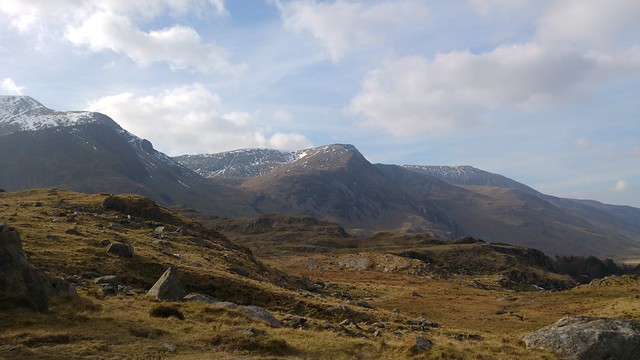
Cwm Idwal

Proto-Celtic *slēbos = mountain, slope
Old Irish (Goídelc) sliab [sʲl͈ʲiːa̯v] = mountain, mountain range; moor
Irish (Gaeilge) sliabh [ʃlʲiəvˠ / ʃl̠ʲiəvˠ / ʃl̠ʲiəw] = mountain, moor, moorland
Scottish Gaelic (Gàidhlig) sliabh [ʃl͈ʲiəv] = hillside, slope, mountain
Manx (Gaelg) slieau [slʲuː / ʃlʲuː] = mountain, fell, hillside, moor, berg
Proto-Celtic *moniyos = mountain
Pictish monid = mountain
Middle Irish (Gaoidhealg) moned, monad = mountain
Scottish Gaelic (Gàidhlig) monadh [mɔnəɣ] = mountain (covered with moors), high-lying moorland; expanse of heather
Manx (Gaelg) muyne = mountain
Proto-Brythonic *mönɨð = mountain
Middle Welsh (Kymraec) mynyð [ˈmənɨð] = mountain
Welsh (Cymraeg) mynydd [ˈmənɨ̞ð / ˈmənɪð] = mountain, (large) hill, large pile, great amount; common, unenclosed land, mountain land, moorland; agricultural land; plain
Old Cornish menit = mountain
Cornish (Kernewek) menydh [‘mɛnɪð] = mountain, hill, uphill
Old Breton monid = mountain
Breton (Brezhoneg) menez = mount, mountain

Etymology: from the Proto-Indo-European *men- (to tower, stand out) [source], which is also the root of English words such as mount, mountain, prominent and eminent [source].

Words marked with a * are reconstructions.

Sources: Wiktionary, Am Faclair Beag, Online Manx Dictionary, Teanglann.ie, eDIL – Electronic Dictionary of the Irish Language, In Dúil Bélrai English – Old Irish glossary, Geiriadur Prifysgol Cymru, Gerlyver Kernewek, Dictionaire Favereau, TermOfis, English – ProtoCeltic WordList (PDF), Etymological Dictionary Of Proto Celtic

Streams and Currents

Words for streams and currents in Celtic languages.

Cwm Idwal

Proto-Celtic *srutom = stream, river; flow, current
Old Irish (Goídelc) sruth [sruθ] = stream, river, current; strait
Irish (Gaeilge) sruth [sˠɾˠʊ(h)] = stream, current, flow
Scottish Gaelic (Gàidhlig) sruth [sdruh] = stream, current
Manx (Gaelg) stroo [struː] = current, stream, race, watercourse, tide-race, tidal flow
Proto-Brythonic *frud = stream, river; flow, current
Welsh (Cymraeg) ffrwd [fruːd] = swift stream, torrent, flood, current
Old Cornish frot = stream
Breton (Brezhoneg) froud = current, waterfall, torrent

Etymology: from the Proto-Indo-European *srew- (to flow, stream) [source].

Words marked with a * are reconstructions.

Sources: Wiktionary, Am Faclair Beag, teanglann.ie, Geiriadur Prifysgol Cymru, Dictionnaire Favereau

Proto-Celtic *nantos / nantus = stream, valley
Proto-Brythonic *nant [ˈnant] = stream, river, valley
Gaulish *nanto = valley
Middle Welsh (Kymraec) nant [ˈnant] = river, stream, brook
Welsh (Cymraeg) nant [ˈnant] = river, stream, brook, rivulet; torrent, ditch, valley, glen, dale; ravine, gorge
Old Cornish nans = stream
Cornish (Kernewek) nans [nans / nænz] = dale, valley
Middle Breton nant = valley
Breton (Brezhoneg) ant = furrow, groove

Etymology: from the Proto-Indo-European *nm̥-tu or *nem- (to bend) [source].

Words marked with a * are reconstructions.

Sources: Wiktionary, Geiriadur Prifysgol Cymru, Gerlyver Kernewek, Dictionnaire Favereau

Roads

Words for roads in Celtic languages.

Bilingual sign

Proto-Celtic *bow-itros = road (“cow path”)
Old Irish (Goídelc) bóthar = road, way, manner, stream
Irish (Gaeilge) bóthar [ˈbˠoːhəɾˠ / ˈbˠoːɾˠ / ˈbˠɔhəɾˠ] = road, way, manner
Scottish Gaelic (Gàidhlig) bòthar [boː.ər] = alley, lane, road, street
Manx (Gaelg) bayr = lane, road, roadway, pad, drive, avenue
Welsh (Cymraeg) beidr = lane, track
Cornish (Kernewek) bownder [‘bɔʊndɛr / ‘bɔʊndɐr] = lane

Words marked with a * are reconstructions.

Old Irish (Goídelc) rót [r͈oːd] = road, highway
Irish (Gaeilge) ród [ɾˠoːd̪ˠ / ɾˠɔːd̪ˠ] = road, roadstead, route, anchorage, mooring
Scottish Gaelic (Gàidhlig) rathad [r̪ˠa.ad] = road, way, route, path, track
Manx (Gaelg) raad [reːd̪ / raːd̪] = road, track, route, direction, roadway, trail, way; vent, vent-hole
Welsh (Cymraeg) rhawd = course, way, path, journey, career, period
Breton (Brezhoneg) roud = route, trace, itinerary

Etymology: probably from the Old English rad (journey, ride
raid, expedition) [source], from the Proto-Germanic *raidō (ride, journey), from the Proto-Indo-European *reydʰ- (ride), which is also the root of the English words road and raid [source].

Proto-Brythonic forð [forð] = road, path, way, mannerh
Middle Welsh (Kymraec) ford, fort, forth = road, way, street, path
Welsh (Cymraeg) ffordd = road, way, street, path, passage, course, route, journey
Old Cornish ford = way, road, manner
Cornish (Kernewek) fordh [fɔrð] = way, road, manner

Etymology: from the Old English ford (ford) [source], from the Proto-West Germanic *furdu (ford), from Proto-Germanic *furduz (ford), from the Proto-Indo-European *pr̥téw-/*pértus (crossing) [source]. Words for ford in the Brythonic languages come from the same PIE root.

Sources: Wiktionary, Am Faclair Beag, Online Manx Dictionary, Teanglann.ie, eDIL – Electronic Dictionary of the Irish Language, In Dúil Bélrai English – Old Irish glossary, Geiriadur Prifysgol Cymru, Gerlyver Kernewek, Dictionaire Favereau, TermOfis, English – ProtoCeltic WordList (PDF), Etymological Dictionary Of Proto Celtic

Dry land

Words for dry land in Celtic languages.

Proto-Celtic *tīros = dry land
Old Irish (Goídelc) tír = land, country, territory, ground
Irish (Gaeilge) tír [tʲiːɾʲ] = land, country, state, nation; region, district, territory
Scottish Gaelic (Gàidhlig) tìr [tʲiːrʲ] = land, country, territory
Manx (Gaelg) çheer = country, state, shore, home, land, territory
Proto-Brythonic *tir [ˈtiːr] = land
Old Welsh tir = land
Middle Welsh (Kymraec) tir = land
Welsh (Cymraeg) tir [tiːr] = land, ground, soil, turf; estate, landed property; open land, expanse of country, region, territory, domain, country, (the) earth; ridge
Old Cornish tir = land
Cornish (Kernewek) tir [ti:r] = land
Old Breton tir = land
Breton (Brezhoneg) tir = land

Map of Ireland

Etymology: from the Proto-Indo-European *ters- (dry), which is also the root of the Latin terra (dry land) [source].

Words marked with a * are reconstructions.

Sources: Wiktionary, Am Faclair Beag, teanglann.ie, Geiriadur Prifysgol Cymru, Gerlyver Kernewek, Dictionnaire Favereau

Families and Households

Words for family, tribe, household and related things in Celtic languages.

Family

Proto-Celtic *wenyā = family, kindred
Leptonic 𐌅𐌄𐌍𐌉𐌀 (venia)
Old Irish (Goídelc) fine [ˈfʲinʲe] = family, kin, group of people of common descent, clan, tribe, race
Irish (Gaeilge) fine [ˈfʲɪnʲə] = family group, race, territory of a family group
Scottish Gaelic (Gàidhlig) fine [finə] = tribe, clan, kindred, phylum
ceann-fine = chieftain, clan chief
finneach = clannish, tribal, heathen
fineachas = clanship, kindred
Middle Breton gouen(n) = race
Breton (Brezhoneg) gouenn = race

Etymology: from the Proto-Indo-European *wenh₁ (to wish, seek, desire, love, win). The name of Vannes, a town in Brittany, comes from the same Proto-Celtic root, via the Latin Veneti [source]

Words from the same PIE root include venom, Venus, wonder, wean and winsome in English, vän (friend) in Swedish, and gwenwyn (poison, venom) in Welsh [source].

Proto-Celtic *tego-slougo- / *tegeso-slougo- = family, household
Old Irish (Goídelc) teglach [ˈtʲeɣlax] = family, household
Irish (Gaeilge) teaghlach [ˈtʲalˠəx] = household, family, domestic establishment, household troops, retinue
teaghlachas = domestic economy, housekeeping, establishment
Scottish Gaelic (Gàidhlig) teaghlach [ˈtʲɤːɫ̪ˠəx] = family, household
teaghlachail = domestic
teaghlachas = domesticity
teaghlach ba gréine = the solar system (poetic)
Manx (Gaelg) thielagh = family, household
mooinjer thielagh = household
Middle Welsh (Kymraec) teulu, tuyly = family, tribe, nation, household
Welsh (Cymraeg) teulu = family, tribe, nation, household; retinue, retainers, entourage, host, crowd, people
teuluaeth = household management, housekeeping, husbandry
teuluaf, teuluo, teulua = to raise a family, run a household
teuluaidd = family, familial, household, domestic
teuluedd = familiarity, concord, harmony, peace
teulueiddrwydd = hospitality; familiarity
teulues = housewife
teuluol = family, familial
Old Cornish teilu = family
Cornish (Kernewek) teylu [‘tɛɪly / ‘təɪlɪʊ] = family
hanow teylu = surname
Breton (Brezhoneg) tiegezh = household, farm, family

Etymology: from the Proto-Indo-European *tegos (cover, roof) [source] and *slowgʰos / *slowgos (entourage) [source].

Old Irish (Goídelc) muinter = community, family or household (including servants), folks, followers, attendants
Irish (Gaeilge) munitir [ˈmˠiːn̠ʲtʲəɾ / ˈmˠɪn̠ʲtʲəɾʲ] = household, community, family; associates, adherents, followers; party, retinue; kinsfolk; folk, people
muniteartha = belonging to a household or community, associated, familiar, friendly, related
munitearthacht = friendliness
Scottish Gaelic (Gàidhlig) muinntir [mɯin̪ʲd̪ʲɪr̪ʲ] = folk, kindred, people; inhabitants
muinntireas = service, servitude, residency (of a writer, etc)
muinntireach = household servant
neach-muinntir = (household) servant
bean-mhuinntir = maidservant
muinntir taighe = the household, members of the household
Manx (Gaelg) mooinjer = family, people, tribe, relations, inhabitants, kin, servants, folk, entourage, farmhand
mooinjerey = domestic
dooinney mooinjerey = cousin, kinsman, kinsfolk, relation
mooinjereys = blood relationship, connection, domestic servce, kinship

Etymology: from the Proto-Celtic *moniterā, from *monis (protection, patronage), or possibly from the Latin monastērium (monastry,cell) [source], from the Ancient Greek μοναστήριον (monastḗrion – solitary dwelling, hermit’s cell, monastery) [source].

Proto-Celtic *luxtus = people, crowd
Old Irish (Goídelc) lucht [l͈uxt] = occupants, inhabitants, possessors, household
comlucht = accomplices, companions
Irish (Gaeilge) lucht [l̪ˠʊxt̪ˠ / l̪ˠʌxt̪ˠ] = people
lucht na mbothán = frequenters of neighbour’s houses
lucht an bhurdúin = tale-bearers
lucht míghrinn = mischief-makers
lucht tréachtais = hangers-on
Scottish Gaelic (Gàidhlig) luchd [l̪ˠuxg] = person
neach [n̪ʲɛx] = person, people (plural of luchd)
neach-dàimheachd = kin, relative
neach-eòlais = acquaintance
co-neach-dùthcha = fellow compatriot / countryman
Manx (Gaelg) lught = people, folk
lught eaishtagh = listener, audience, house
lught thie = family, household, household members
colught = body of people, company, firm
Old Welsh luidt, luith = tribe, lineage, family
Middle Welsh (Kymraec) luith, llwyth = family, tribe, nation, household
Welsh (Cymraeg) llwyth [ˈɬuːɨ̯θ / ˈɬʊi̯θ] = tribe, people
tylwyth = immediate family, household (“house tribe”)
Tylwyth Teg = fair folk (elves, fairies)
Old Cornish leid, luyte = tribe, family
Cornish (Kernewek) looth = tribe
Old Breton loit = household, farm, family
Breton (Brezhoneg) leizh = tribe

Etymology: unknown – possibly from a non-Proto-Indo-European substrate language [source].

Proto-Celtic *toutā [ˈtow.taː] = people, tribe, tribal land
*toutyos [ˈtow.tjos] = tribesman, tribal citizen
Gaulish touta, teuta = people, tribe, tribal land
Old Irish (Goídelc) túath [tuːa̯θ] = tribe, laity, people, tribal territory
Irish (Gaeilge) tuath [t̪ˠuə] = people tribe, country, territory
tuathánach = countryman, rustic, peasant
Scottish Gaelic (Gàidhlig) tuath [ˈtʲɤːɫ̪ˠəx] = family, household
tuathanach = domestic
teaghlachas = domesticity
teaghlach na gréine = the solar system (poetic)
Manx (Gaelg) theay = citizens, common people, general public. laity, peasantry, public, populace
Middle Welsh (Kymraec) tut, tud = people, tribe, nation, family
Welsh (Cymraeg) tud = people, tribe, nation, family, country, territory, district, region, kingdom, land, earth
tudlen = map (of the world)
tudliw = ochre
Middle Cornish (Cernewec) tus = a nation, people, men
Cornish (Kernewek) tus = men, people, persons
tus henavek = elderly
Breton (Brezhoneg) tud = people, parents, relatives, characters
tud-kozh = grand-parents

Etymology: from the Proto-Indo-European *tewtéh₂ (people, tribe) [source].

Words from the same PIE root include Dutch in English, Deutsch (German) in German, todo (all, every, each, everything) in Spanish, þjóð (a people, a nation) in Icelandic, [source].

The name Tudor was borrowed from the Welsh name Tudur, from the Old Welsh name Tutir, from the Proto-Brythonic name *Tʉdür, from the Proto-Celtic name *Toutorīxs, from *toutā (people, tribe) and *rīxs (king) [source].

Words marked with a * are reconstructions.

Sources: Wiktionary, Am Faclair Beag, Online Manx Dictionary, Teanglann.ie, eDIL – Electronic Dictionary of the Irish Language, In Dúil Bélrai English – Old Irish glossary, Geiriadur Prifysgol Cymru, Gerlyver Kernewek, Gerlyvyr Cernewec, Dictionaire Favereau, TermOfis, Le dictionnaire diachronique du breton, Geriafurch, English – ProtoCeltic WordList (PDF), Etymological Dictionary Of Proto Celtic

The Fastest Way to Learn Japanese Guaranteed with JapanesePod101.com

Craftsman

Words for craftsman in Celtic languages.

Proto-Celtic *saɸiros = craftsman
Old Irish (Goídelc) sáer [saːi̯r] = craftsman
Middle Irish (Gaoidhealg) saer = craftsman
Irish (Gaeilge) saor [sˠeːɾˠ / sˠiːɾˠ] = artificer, craftsman, (stone)mason
Scottish Gaelic (Gàidhlig) saor [sɯːr] = joiner, carpenter
Manx (Gaelg) seyr = carpenter, wright
Welsh (Cymraeg) saer [saːɨ̯r / sai̯r] = carpenter, joiner; craftsman, skilled worker, artisan, builder
Old Cornish sair = craftsman, carpenter
Cornish (Kernewek) ser [sɛ:r / ze:r] = craftsman

fine tuning

Etymology
From the Proto-Indo-European *sapiros, from *sap- (skill) [source].

Words marked with a * are reconstructions.

Sources: Wiktionary, Am Faclair Beag, teanglann.ie, On-Line Manx Dictionary, Geiriadur Prifysgol Cymru, Gerlyver Kernewek, Dictionnaire Favereau