River Mouths

Words for estuary / mouth (of a river) in Celtic languages.

Aberaeron

Proto-Celtic *adberos = mouth, confluence (of a river)
Pictish *ᚐᚁᚓᚏ (aber) = mouth, confluence (of a river)
Old Irish (Goídelc) abar [ˈfʲilʲi] = confluence, river mouth
Irish (Gaeilge) abar [ˈabˠəɾˠ] = boggy ground, morass
abarach = boggy, muddy, sloughy
abracht = boggy place
Scottish Gaelic (Gàidhlig) abar / obar = confluence, place where two or more streams meet; marsh, bog, fen
Manx (Gaelg) aber = range, pasturage, river mouth, bunker, run
Proto-Brythonic *aber [aˈbɛːr] = mouth, confluence (of a river)
Old Welsh) oper, aper = estuary, mouth of a river
Middle Welsh (Kymraec) aber = estuary, mouth of a river
Welsh (Cymraeg) aber [ˈabɛr/ˈaːbɛr] = river mouth, estuary, confluence, bay, harbour, port, anchorage
Old Cornish aber = estuary, mouth of a river
Middle Cornish (Cernewec) aber = confluence of waters, the junction of rivers
Cornish (Kernewek) aber = river mouth
Old Breton aperou = estuary, mouth of a river
Breton (Brezhoneg) aber = estuary, mouth of a river, confluence, creek

Etymology: from the Proto-Celtic *ad- (to(wards), at) and *beros (bearer, flow) [source].

Proto-Celtic *eni-berom = carrying in
Old Irish (Goídelc) *in(d)ber = river mouth
Middle Irish (Gaoidhealg) inber, indber, inbir = rivermouth
Irish (Gaeilge) inbhear / inbhir [ˈabˠəɾˠ] = river mouth, estuary, firth
inbhearach = having many estuaries
Scottish Gaelic (Gàidhlig) inbhir [in̪ʲɪrʲ] = estuary, river mouth, (internet) feed
Manx (Gaelg) inver = estuary, river mouth

Etymology: from the Proto-Celtic *eni- (in) and *beros (bearer, flow), from Proto-Indo-European *bʰer- (to bear, carry) [source].

Notes
These words appear mainly in placenames such as Aberaeron, Abererch, Aberffraw, Abergavenny (Y Fenni), Abergynolwyn, Aberystwyth, Abergwaun (Fishguard), Aberhonddu (Brecon), Aberteifi (Cardigan), Aberdaugleddau (Milford Haven), Aberpennar (Mountain Ash) and Abertawe (Swansea) in Wales.

Aberdeen (Obar Dheathain) , Aberfeldy (Obar Pheallaidh), Aberfoyle (Obar Phuill), Abernethy (Obar Neithich), Arbroath (Aber Brothaig), Invergowrie (Inbhir Ghobharaidh), Inverkeithing (Inbhir Chèitinn), Inverness (Inbhir Nis), Inbhir Nàrann (Nairn), Inbhir Pheofharain (Dingwall), Inbhir Ùige (Wick) in Scotland.

Aber/Obar appear in Scottish placenames of Pictish origin, and may have been borrowed from Pictish. Inbhir/Inver appear in other placenames [source].

More details of placenames featuring Aber and Inver.

Old Irish (Goídelc) gáeth = the sea, a stream, an estuary
Middle Irish (Gaoidhealg) gáeth, gáoth, gaoth = the sea, a stream, an estuary
gáethlach = marsh, swamp
Irish (Gaeilge) gaoth [ɡeːh / ɡiːh] = inlet of sea, estuary
Gaoth Dobhair [ɡiːˈd̪ˠoːɾʲ] = Gweedore (a parish in County Donegal)
Scottish Gaelic (Gàidhlig) geodha [gʲɔ.ə] = inlet, cove, gully (by the sea), indent(ation)
Manx (Gaelg) giau = creek, inlet, cove
Giau Vooar ny Pershey = Persian Gulf

Etymology: possibly from the Old Norse gjá (chasm, rift, crack) [source].

Words marked with a * are reconstructions.

Sources: Wiktionary, Am Faclair Beag, Online Manx Dictionary, Teanglann.ie, eDIL – Electronic Dictionary of the Irish Language, In Dúil Bélrai English – Old Irish glossary, Geiriadur Prifysgol Cymru, Gerlyver Kernewek, Dictionaire Favereau, TermOfis, English – ProtoCeltic WordList (PDF), Etymological Dictionary Of Proto Celtic

Blubrry podcast hosting

Wild

Words for wild and related words, in Celtic languages.

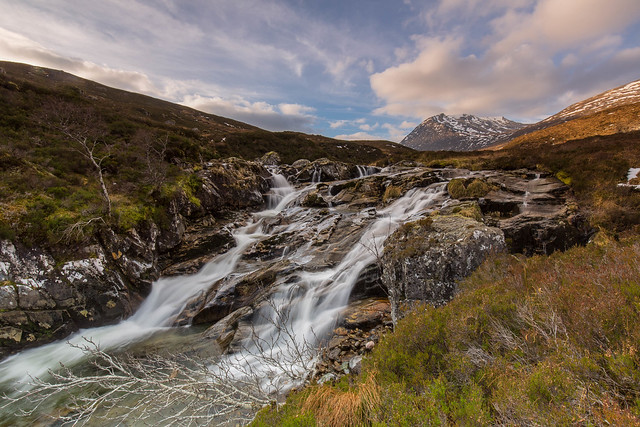
Gleann Nam Fiadh ..

Proto-Celtic *wēdus/*weido- [ˈweː.dus] = wild
*weido-mokku- wild pig
Old Irish (Goídelc) fíad [fʲiːa̯ð] = wasteland, wilderness; uncultivated land, territory, land
Irish (Gaeilge) fia [fʲiːɾˠ] = waste, wilderness; land, territory
fiabheatha = wildlife
fiáin = wild, uncultivated, undomesticated, uncontrolled, tempestuous, intensely eager
fiánta = wild, fierce, savage
fiántas = wildness, fierceness, savageness; wilderness
fiata = wild, fierce, angry; shy
fiatacht = wildness, fierceness, sternness, anger
fiatúil = wild, coarse, rough
Scottish Gaelic (Gàidhlig) fiadh [fiəɣ] = lord; wildness, wilderness (archaic)
fiadhan [fiə.an] = wildness, shyness, feral
fiadhaich [fiə.ɪç] = untamed, uncultivated, wild; fierce; off (food & drink); extremely
fiadhaichead [fiə.ɪçəd] = savageness, wildness, savagery
fiadhain [fia.ɛn̯ʲ] = wild, untamed
fiadhtachd [fiəhdəxg] = wildness, fierceness
faoileachail [fɯːləxal] = wild, savage
Manx (Gaelg) feie = natural, wild, savage
faasagh = wild, desolate, wilderness, waste place, desert
feiar, feiaragh = savage
Proto-Brythonic *guɨð = wild
Middle Welsh (Kymraec) gŵydd, gvyd = rude (uncultivated), savage, wild
Welsh (Cymraeg) gŵydd [ɡuːɨ̯ð/ɡʊi̯ð] = wild, untamed, savage, untilled, uncultivated, woody, overgrown, desolate, desert; unploughed land, fallow land
Old Cornish guir = wild
Middle Cornish gwyr, guyr = wild
Cornish (Kernewek) goodh = wild
Old Breton guoid, guoed = wild
Middle Breton goez = wild
Breton (Brezhoneg) gouez = wild, fierce, ferocious, brutal, rustic

Etmology: possibly from the Proto-Indo-European *weydʰ- (wood, wilderness). Words for Gael(ic) come from the same root [source].

Disambiguation
There are several words in Welsh similar to gŵydd, each of which has different meanings and origins:

  • gŵydd = wild, untamed, savage
  • gŵydd = presence, sight, face, from the Proto-Celtic *wēdos (sight, presence) [source]
  • gŵydd = goose, simpleton. From the Proto-Celtic *gesdā (goose) [source]
  • gŵydd = grave, sepulchre, burial-mound, tumulus. Possibly related to gwŷdd (tree), or to gŵydd (wild)
  • gwŷdd/gŵydd = knowledge, science. Related to gwybod (to know)
  • gwŷdd = tree(s), branches, twigs, forest, woods, shrub(s), lineage. From the Proto-Celtic *widus (wood, trees) [more details]
  • gwëydd/gwehydd/gwŷdd = weaver, composer of poetry, weaver of songs. From gwau (to weave), from the Proto-Celtic *wegyeti (to weave) [source]
Proto-Celtic *gʷeltis wild
Old Irish (Goídelc) geilt [fʲiːa̯ð] = wasteland, wilderness; uncultivated land, territory, land
Middle Irish (Gaoidhealg) geilt/gelt = madman, lunatic
Irish (Gaeilge) gealt [ɟal̪ˠt̪ˠ] = crazy person, lunatic; panic-stricken person, naked fugitive
gealtach = crazed, insane, wild, panic-stricken person or animal
gealtachas = craziness, lunacy, panic, terror
gealtacht = lunacy, insanity, wildness, panic
gealtlann = lunatic asylum
gealtra = (gang of) wild, mischievous children
Scottish Gaelic (Gàidhlig) geilt [gʲeldʲ] = terror, fear, dread, skittishness
gaelachan [gʲal̪ˠəxan] = lunatic
tinneas na gealaich = lunacy, madness, insanity (archaic)
Manx (Gaelg) doghanagh = ill, diseased, disoredered, morbid, sickly
eayst-ghoghanagh = lunatic
far-ghoghanagh = malingerer
Proto-Brythonic *gwɨlt [ˈɡwiːr] = wild
Middle Welsh (Kymraec) guyll, gwyllt = rude (uncultivated), savage, wild
Welsh (Cymraeg) gwyllt [ɡwɨːɬt/ɡwɪɬt] = wild, timid, untamed, angry, furious, fierce; uncultivated, uninhabited, desolate, desert; stormy, tempestuous, raging, turbulent
gwylltineb = wildness, rashness, rage, fury
gwylltio = to lose one’s temper, be scared, flee, grow wild
gwylltaidd = wildish, turbulent, unruly, irresponsible
gwylltâf/gwylltáu = to become wild, grow wild
Old Cornish guill = wild
Cornish (Kernewek) gwyls = wild, fierce, savage, violent
gwylvos = wilderness
Old Breton gueld = wild, untamed

Etmology: from the Proto-Indo-European *gʷʰel-t- [source].

Words marked with a * are reconstructions.

Sources: Wiktionary, Am Faclair Beag, Online Manx Dictionary, Teanglann.ie, eDIL – Electronic Dictionary of the Irish Language, In Dúil Bélrai English – Old Irish glossary, Geiriadur Prifysgol Cymru, Gerlyver Kernewek, Dictionaire Favereau, TermOfis, English – ProtoCeltic WordList (PDF)

Really True

Words for true and related words, in Celtic languages.

Creu Gwir fel gwydr o ffwrnais awen

Proto-Celtic *wīros = true
*wīrjā-/wīrjānjā- = truth
*wīrjāno- = truthful, just
Old Irish (Goídelc) fír [fʲiːr] = true, truth
fír fer = fair play
fír flatha = just rule
fír nDé = ordeal (true)
Irish (Gaeilge) fíor [fʲiːɾˠ] = true, real, intense, very, ultra; noble
fíoraigh = to verify
fíoreolas = real knowledge
fíorfhuil = pure, noble, blood
fíorga = righteous
fíorgacht = righteousness
fíorghrá = true love
Scottish Gaelic (Gàidhlig) fìor [fiər] = true, veritable; genuine, real, actual, authentic
fìreanta [fiːrʲən̪ˠdə] = true, just, righteous
fìrinn [fiːrʲɪn̪ʲ] = truth, verity, fact, reality; the Gospel
fìrinneach [fiːrʲɪn̪ʲəx] = true, truthful, factual, real, just, honest
fìrinnich, fìreanaich = to verify, justify, exonerate
fìorghlan = chaste, immaculate, pure
fìor-riochdail = realistic
fìor-uisge = springwater, freshwater
Manx (Gaelg) feer = very, exceptionally, true, real, authentic, regular
feeraghey, feerey, firrinaghey = to verity, affirm
feeraghey, firrinaghey = to authenticate, authentication, certify, confirm
feerid = truth, reality, simplicity, veracity, authenticity
feer ushtey = fresh water
firrinagh = authentic, candid, devout, faithful, honest, real
Proto-Brythonic *gwir [ˈɡwiːr] = true
Middle Welsh (Kymraec) gwir, guir, gvir = true
Welsh (Cymraeg) gwir [ɡwiːr] = true, certain, genuine, real, very, right, sure
gwiriad = confirmation, verification, proof, check, assertion
gwir(i)af, gwir(i)o = to prove right or correct, confirm, verify
gwiriant = confirmation, verification
gwirion = pure, sinless, blameless, chaste, true, faithful; weak-minded, silly, daft, foolish, unwise; simpleton, fool, idiot
gwir(i)edig = verified, checked, proved, attested, confirmed
gwiriedigol = positive, certain
gwir golau = Right Honourable
Gwir Anrhydeddus = the plain/naked/honest truth
yn wir = in truth, indeed, verily
cael y gwir = to get justice, get one’s due
Old Cornish guir = true
Middle Cornish gwyr, guyr = true
Cornish (Kernewek) gwir = true, genuine, real, right, actual; authentic
gwiryonedh, gwrionedh = truth
gwiryon = truthful
gwirvos = reality
gwirya, gwirhe = to verify
gwir-pryntya = copyright
y’n gwir = really
yn hwir, dhe wir = truly, really
Old Breton gwuir = true
Breton (Brezhoneg) gwir [ɡwiʁ] = right, true, correct; truth
gwiriañ = to verify
gwirionez = truth
gwirvoud = reality
e(n) gwir = really

Etmology: possibly from the Proto-Indo-European *weh₁ros (true) from *weh₁- (true). English words such as verdict, verity, very and warlock come from the same root [source].

Words marked with a * are reconstructions.

Sources: Wiktionary, Am Faclair Beag, Online Manx Dictionary, Teanglann.ie, eDIL – Electronic Dictionary of the Irish Language, In Dúil Bélrai English – Old Irish glossary, Geiriadur Prifysgol Cymru, Gerlyver Kernewek, Dictionaire Favereau, TermOfis, English – ProtoCeltic WordList (PDF)

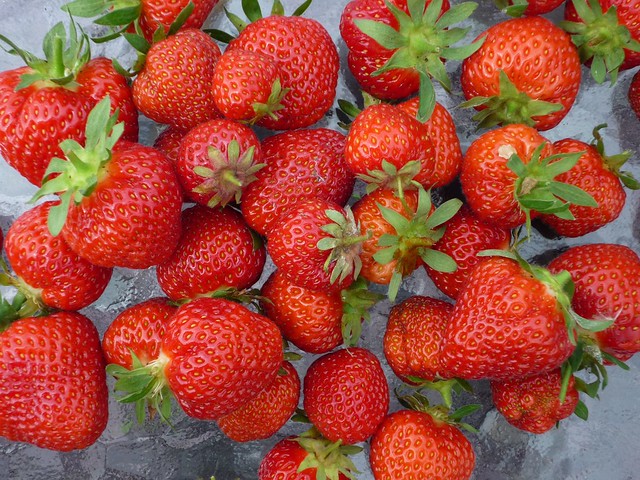
Strawberries

Words for strawberries and related words, in Celtic languages.

Strawberries

Proto-Celtic *subhī = strawberries
Old Irish (Goídelc) sub = strawberry
sub craéb = raspberry
Irish (Gaeilge) [sˠuː] = (red) berry
sú craobh = raspberry
sú talún = strawberry
Scottish Gaelic (Gàidhlig) sùbh [suː] = berry, soft fruit
sùbh-craobh = raspberry
sùbh-craobh ruiteach = salmonberry (Rubus spectabilis)
sùbh-làir fiadhain = wild / Alpine strawberry (Fragaria vesca)
sùbh nam ban-sìthe = stone bramble (Rubus saxatilis)
sùbh-thalmhainn = strawberry
Manx (Gaelg) soo [suː] = berry
soo crouw = raspberry
soo thallooin = strawberry
Middle Welsh (Kymraec) yssyui / syui / syvi = strawberries
Welsh (Cymraeg) syfi(en) [ˈsəvi] = (wild) strawberries
syfi coch/gwyllt/bach = wild strawberries
syfi gardd = cultivated strawberries)
syfïa = to gather (wild) strawberries
Old Cornish syvyen = strawberry
Cornish (Kernewek) sevi(en) = strawberries
Old Breton s(u)iuy = strawberries
Middle Breton siuy = strawberries
Breton (Brezhoneg) sivi(enn) = strawberries
sivia = to pick strawberries
sivi-garzh = wild strawberries

Etmology: possibly from a non-Indo-European substrate [source]

Middle Welsh (Kymraec) ymevvs / mefys / mefvs / mevys = strawberries
Welsh (Cymraeg) mefus(en) [ˈmɛvɨ̞s / ˈmeːvɪs] = strawberries
mefus y goedwig / mefus y coed = wild strawberries

Etmology: from the Vulgar Latin majusa (“mayberry”), or from the Basque mart (blackberry, bramble), or from the Gaulish *majoþa [source]

Words marked with a * are reconstructions.

Sources: Wiktionary, Am Faclair Beag, Online Manx Dictionary, Teanglann.ie, eDIL – Electronic Dictionary of the Irish Language, In Dúil Bélrai English – Old Irish glossary, Geiriadur Prifysgol Cymru, Gerlyver Kernewek, Dictionaire Favereau, TermOfis, English – ProtoCeltic WordList (PDF)

Blackberries

Words for blackberries and related words, in Celtic languages.

Blackberries

Proto-Celtic *smiyoros = berry, berries
Old Irish (Goídelc) smér = blackberry
Middle Irish (Gaoidhealg) smér = blackberry
Irish (Gaeilge) sméar [sˠmʲiaɾˠ/sˠmʲeːɾˠ] = berry, blackberry
sméarach = abounding in blackberries
sméardhris = blackberry bush, bramble
sméara dubha = blackberries
púca na sméar = fruit-destroying pooka, herald of winter
Scottish Gaelic (Gàidhlig) smeur [smiar] = bramble, blackberry, mulberry
smeur-dhubh = blackberry
smeur-craoibhe = mulberry
smeur-loganach = loganberry
smeur-Artaigeach = nagoonberry, Arctic bramble/raspberry (Rubus arcticus)
craobh nan smeur = mulberry tree (Morus)
Manx (Gaelg) smeyr = blackberry, berry
smeyr ghoo = blackberry
smeyr churree = cranberry
smeyr fannag = crowberry
smeyr loaganagh = cloudberry
crouw smeyr = mulberry
Proto-Brythonic *muɨar = blackberries, berries
Welsh (Cymraeg) mwyar(en) [ˈmʊɨ̯.ar/ˈmʊi̯.ar] = blackberries, dewberries, brambles, briers, berries
mwyara = to gather blackberries; to be idle
mwyarbren = mulberry bush, blackberry bush, bramble
mwyar Berwyn/ mwyar Doewan = wild raspberries, (Rubus idæus), cloudberries, (Rubus chamæmorus)
mwyar y brain = bilberries, whimberries, whortleberries (Vaccinium myrtillus)
mwyar y ddaear = dewberries (Rubus cæsius), cloudberries
mwyar du(on) = blackberries (Rubus fruticosus)
mwyar Ffrengig = mulberries, blackberries
mwyar glas = dewberries
mwyar Mair = mulberries, dewberries
Old Cornish moyr(bren) = berries
Cornish (Kernewek) mor(en) = berries
mora = to gather blackberries
mor du = blackberries
Old Breton moiaroc = berries
Breton (Brezhoneg) mouar(enn) = blackberries, berries; bramble, mulberry tree
mouar du / mouar gouez = blackberries, dewberries
mouar gwenn = mulberries
mouar ruz = red mulberries

Etmology: unknown

Words marked with a * are reconstructions.

Sources: Wiktionary, Am Faclair Beag, Online Manx Dictionary, Teanglann.ie, eDIL – Electronic Dictionary of the Irish Language, In Dúil Bélrai English – Old Irish glossary, Geiriadur Prifysgol Cymru, Gerlyver Kernewek, Dictionaire Favereau, TermOfis, English – ProtoCeltic WordList (PDF)

Plums

Words for plums, damsons, sloes, and related words, in Celtic languages.

Plums

Words marked with a * are reconstructions.

Proto-Celtic *agrinyom/*agrinyā = sloe, small plum, berry
Old Irish (Goídelc) áirne = sloe
Middle Irish (Gaoidhealg) áirne, airnne = sloe, kernel
áirnech = abounding in sloes
áirnechán = little sloe
Irish (Gaeilge) airne [ˈɑːɾˠn̠ʲə / ˈæːɾˠn̠ʲə] = sloe, gland
airneog = sloe tree, blackthorn
biotáille airní = sloe gin
Scottish Gaelic (Gàidhlig) àirne [aːr̪n̪ʲə] = blackthorn, sloe (berry), wild plum (prunus domestica), damson (prunus domestica insititia)
àirneag = sloe bush
Manx (Gaelg) airn = sloe, bullace
airnagh = sloe-covered
soo airney = sloe jam
drine airn = blackthorn, sloe tree (Prunus spinosa)
Middle Welsh (Kymraec) eirin(en) = plum(s), damson(s), sloe(s)
eirinha = to collect sloes or bullace
eirinwyd = plum trees, sloe trees, blackthorn
Welsh (Cymraeg) eirin(en) [ˈei̯rɪn] = plum(s), damson(s), sloe(s), bullace, berries, testicle(s)
eirina = to collect sloes or bullace
eirinog = bearing plums or sloes
eirinwydd = plum trees, sloe trees, blackthorn
eirin bwlas = bullace, wild plums (Prunus insititia), damsons
eirin damasg/Damasgus = damson
eirin Ffrainc/Ffrengig = prunes
eirin gwlanog = peaches, apricots
eirin gwynion = greengages
eirin Mair = gooseberries
eirin y moch = haws, hawthorn berries
eirin morwydd = mulberries
eirin peatus = nectarines
eirin ysgaw = elderberries
eirin y gors = crowberries
Old Cornish yryn = sloes
Cornish (Kernewek) eyrin(en) = sloe(s)
Middle Breton (Brezonec) <hirin, irin = sloes
yrinenn = blackthorn
Breton (Brezhoneg) irin(enn) [ˈiː.rĩn(n)] = sloe(s), sloe gin; pupil, eye
irina = to look for sloes
irineg = a place with sloes
irinenn = blackthorn

Etmology: from the Proto-Indo-European *h₂ógeh₂ (berry) [source]. The English word acorn comes from the same root, via the Proto-Germanic *h₂ógeh₂ [source]

Damsons

Irish (Gaeilge) pluma [ˈpˠlˠʊmˠə] = plum
daimsín [ˈpˠlˠʊmˠə] = damson
Scottish Gaelic (Gàidhlig) plumais / plùmbais [pl̪ˠumɪʃ / pl̪ˠuːmbɪʃ] = plum
daimsin [dãĩmʃɪn] = damson
Manx (Gaelg) plumbis = plum
damsyl = damson
Welsh (Cymraeg) plemys(en) = plum(s)
Middle Cornish (Cernewec) pluman = plum
plumbren = plum tree
Cornish (Kernewek) ploum(en) = plum(s)
ploum(en) sygh = prune(s)
Middle Breton (Brezonec) prun(enn), prun(en) = plum(s), testicule(s)
prunec = sloe grove
prunenn, prunen = plum tree
Breton (Brezhoneg) prun(enn) = plum(s), testicule(s)
pruneg, prunek = plum grove
prunenn = plum tree

Etmology (plum): from the Middle English ploume/plomme (plum) from the Old English plūme/plume (plum), from the Proto-West Germanic *plūmā (plum), from the Latin prūnum (plum), from the Ancient Greek προῦμνον (proûmnon – plum). Prune comes from the same root [source]

Etmology (damson): from the Middle English damascene/damasyn/damacene (damson), from the Latin prūnum damascēnum (Damascene plum, plum of Damascus), from the Ancient Greek προῦμνον (proûmnon – plum) [source].

The Fastest Way to Learn Japanese Guaranteed with JapanesePod101.com

Sources: Wiktionary, Am Faclair Beag, Online Manx Dictionary, Teanglann.ie, eDIL – Electronic Dictionary of the Irish Language, In Dúil Bélrai English – Old Irish glossary, Geiriadur Prifysgol Cymru, Gerlyver Kernewek, Dictionaire Favereau, TermOfis, English – ProtoCeltic WordList (PDF), Etymological Dictionary Of Proto Celtic

Unlimited Web Hosting - Kualo

Milk

Words for milk, and related words, in Celtic languages.

North versus South

Words marked with a * are reconstructions.

Proto-Celtic *laxto- = milk
Old Irish (Goídelc) lacht [l͈axt] = milk
Irish (Gaeilge) lacht [l̪ˠɑxt̪ˠ / l̪ˠaxt̪ˠ] = milk, yield of milk; tears
lachtadh = lacation; flooding (of eyes)
lachaí = nursling
lachtach = lactic, milky; tearful
lachtbhán = milkwhite
lachtmhar = lactiferous, milky, abounding in milk
Scottish Gaelic (Gàidhlig) lac, lachd = sweet milk
Manx (Gaelg) laghtveih = milk gauge, milk tester
Proto-Brythonic *llaɨθ = milk
Middle Welsh (Kymraec) llaeth = milk
Welsh (Cymraeg) llaeth [ɬaːɨ̯θ / ɬai̯θ] = milk; milk-like substance, latex; milt, soft roe
llaetha(f), llaethu = to yield milk, lactate, feed with milk, turn to milk
llaetheiddrwydd = milkiness, lactescence
llaethiad = lactation
llaethlyd = milk-like, milky
llaethog = milky, abounding in milk
llaethogrwydd, llaethedd = milkiness
llaethwraig = milkmaid, dairymaid, good milker
llaethyddol = dairy, dairying
y Llwybr Llaethog the Milky Way
Old Cornish lait = milk
Middle Cornish leth, leyth = milk
Cornish (Kernewek) leth = milk
Breton (Brezhoneg) laezh [ˈlɛːs] = milk

Etmology: from the Vulgar Latin *lacte (milk), from the Latin *lac (milk), from the Proto-Indo-European *ǵlákt [source].

Proto-Celtic *mlixtus = milk
Old Irish (Goídelc) mlicht [mʲlʲixt] = milch, in milk (of cattle)
Middle Irish (Gaoidhealg) blicht = milk
Irish (Gaeilge) bleacht [bʲlʲaxt̪ˠ] = milk, milk yield
Scottish Gaelic (Gàidhlig) bliochd [blixg] = milkiness, milk
bliochdmhor [blixg(v)ər] = milky, full of milk
bliochdach = milky, like milk, lacteous
Manx (Gaelg) bluight = lactiferous, lacteal, galactic
bluightagh, ollagh vluight = milking cows
Proto-Brythonic *bliθ = milk
Middle Welsh (Kymraec) blyth = milk
lleurith = milk
Welsh (Cymraeg) blith [bliːθ] = milch, lactating (of cow, etc), full of milk, in calf, in lamb, pregant, fruitful, productive, nourising; milk, dairy produce, lactation, dairying; profit, gain, advantage
blithog, blithiog = milch, giving milk, full of milk, fruitful, productive, bearing offspring
llefrith [ˈɬɛvrɪθ] = milk, new milk, sweet milk, fresh milk
Old Cornish leuerid = milk
Breton (Brezhoneg) livrizh = milk

Etmology: from the Proto-Indo-European *h₂ml̥ǵtus, from *h₂melǵ- (milk, to milk) [source].

The Welsh word llefrith, which is used in North Wales, comes from llef (weak) and blith (milk) [source].

Proto-Celtic *bandyo- = drop
Old Irish (Goídelc) banne = drop, pustule
bannán = small drop, droplet
Middle Irish (Gaoidhealg) bannae, bainne, banne = drop, pustule, milk
Irish (Gaeilge) bainne [ˈbˠaɲə / ˈbˠan̠ʲə] = milk
bainniúil = milky, milk-yielding
bainniúilacht = milkiness
Scottish Gaelic (Gàidhlig) bainne = milk
boinne [bɔn̪ʲə] = drop, small quantity, liquid measure
boinneag [bɔn̪ʲag] = droplet, little/small drop, (alcoholic) drink
boinnean [bɔn̪ʲan] = droplet, wee drop
Manx (Gaelg) bainney [banʲə] = milk
Middle Welsh (Kymraec) ban = drop (?)
Middle Cornish (Cernewec) ban, banna, banné = drop, a jot, the smallest portion of anything
Cornish (Kernewek) banna = bit, drop
Middle Breton (Brezonec) banne, bannhe, bannech = drop, droplet
Breton (Brezhoneg) banne [ˈbã.nːe] = drop, droplet, glass
banneata = to drink shots

Etymology: uncertain. Possibly related to French bain (bath) in French, baño (bath, bathroom, toilet), bagno (bath, to swin, bathe, bathroom) in Italian, and bania (jug, can, container, churn) in Polish [source].

Other words for milk in Proto-Celtic include: *glaxtā-, *melgos-, *mlig-e/o-, *seigi- and *sutu-.

The Fastest Way to Learn Japanese Guaranteed with JapanesePod101.com

Sources: Wiktionary, Etymological Dictionary Of Proto Celtic, In Dúil Bélrai English – Old Irish glossary, eDIL – Electronic Dictionary of the Irish Language, Teanglann.ie, Am Faclair Beag, An etymological dictionary of the Gaelic language, Fockleyreen: Manx – English Dictionary, Online Manx Dictionary, Gaelg Corpus, Geiriadur Prifysgol Cymru, Lexicon cornu-britannicum : a dictionary of the ancient Celtic language of Cornwall, Gerlyver Kernewek, Devri : Le dictionaire diachronique du breton, Dictionnaires bilingues de Francis Favereau / Edition Skol Vreizh, TermOfis

Unlimited Web Hosting - Kualo

Butter

Words for butter and related words in Celtic languages.

Butter

Proto-Celtic *emban = butter
Old Irish (Goídelc) imb/imm [imʲbʲ] = butter
Irish (Gaeilge) im [aimʲ / iːmʲ / ɪmʲ] = butter
saill ime = butterfat
uachtar ime = buttercream
Scottish Gaelic (Gàidhlig) ìm [iːm] = butter
imeach [iməx] = buttery, producing butter
Manx (Gaelg) eeym = butter
eeymagh = buttery
Middle Welsh (Kymraec) ymenyn = butter
Welsh (Cymraeg) (y)menyn [əˈmɛnɨ̞n / əˈmeːnɪn] = butter, curds
blodyn menyn = buttercup
(y)menyneiddiwch = butteriness
(y)menynaidd = buttery
Old Cornish amanen = butter
Cornish (Kernewek) (a)manyn = butter
Middle Breton amanen = butter
Breton (Brezhoneg) amann [ã.ˈmãnː] = butter
amanennañ [ã.ˈmãnː] = to butter
amanenner [ã.ˈmãnː] = butter dish
kouign-amann = kouign-amann (a traditional Breton butter cake)

Etymology: from the Proto-Indo-European *h₃engʷen- (fat, butter), from *h₃engʷ- (to smear, anoint) [source].

Words marked with a * are reconstructions.

Sources: Wiktionary, Am Faclair Beag, Online Manx Dictionary, Teanglann.ie, eDIL – Electronic Dictionary of the Irish Language, Geiriadur Prifysgol Cymru, Gerlyver Kernewek, Dictionaire Favereau, TermOfis

Hillsides

Words for hillsides, cliffs and related words in Celtic languages.

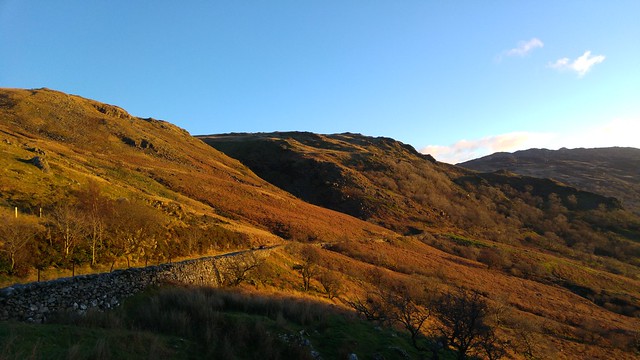
Snowdonia in the sun

Proto-Celtic *altos = height, cliff
Old Irish (Goídelc) alt, allt = height, cliff, valley, abyss
Middle Irish (Gaoidhealg) als = hillock
Irish (Gaeilge) ailt = steep-sided glen, ravine, height, cliff
ailteán = small ravine
alt = steep-sided ravine, hillock
altach = undulating (road), wavy (hair)
altán = streamlet, ravine, hillock
Scottish Gaelic (Gàidhlig) alt [al̪ˠd] = rugged/steep bank, precipice
allt [aul̪ˠd] = brook, burn, stream, brook, rill, river with precipitous banks
alltan = brook, little stream, streamlet
Manx (Gaelg) alt = mountain stream, glen in mountains, high place, altitude, alto
Middle Welsh (Kymraec) alt, allt = hill(side)
Welsh (Cymraeg) allt [aːɬt / aɬt] = hill(side), (steep) gradient or slope, steep road or path, (steep) ascent, cliff, woods, wooded slope
allt (o) goed = wood, grove
allt (y) môr, allt fôr = sea-cliff
yr allt bren = staircase, facet (“the wooden hill”)
Old Cornish als = cliff
Cornish (Kernewek) als [ɒlz / ælz] = cliff
Middle Breton a(o)ut = coast, shore, bank
Breton (Brezhoneg) aod = coast, shore
aod bili = pebble beach
aod vev = foreshore

Etymology: from the Proto-Indo-European *h₂eltós, from Proto-Indo-European *h₂el- (to grow, nourish) [source].

English words such as altitude, adult and old come from the same PIE root, as do alt (old, ancient, elderly) in German, oud (old) in Dutch, haut (high, tall) in French and alto (high, tall, deep, loud) in Italian [source].

Words marked with a * are reconstructions.

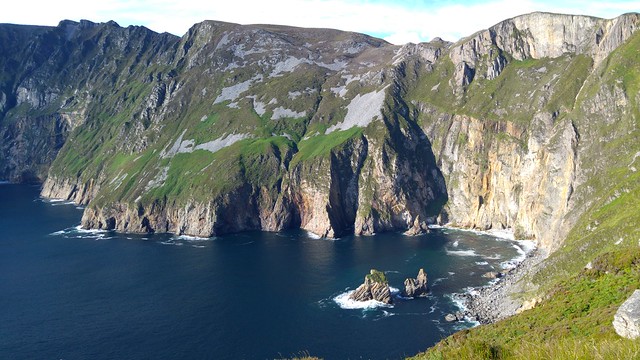
Slieve League / Sliabh Liag

Sources: Wiktionary, Am Faclair Beag, Online Manx Dictionary, Teanglann.ie, eDIL – Electronic Dictionary of the Irish Language, Geiriadur Prifysgol Cymru, Gerlyver Kernewek, Dictionaire Favereau, TermOfis

Bridges

Words for bridges and related words in Celtic languages.

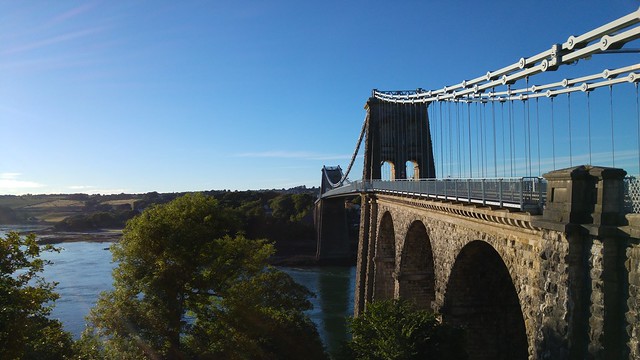
Menai Bridge / Pont y Borth

Words marked with a * are reconstructions.

Old Irish (Goídelc) drochet [ˈdroxʲed] = bridge
Middle Irish (Gaoidhealg) drochet, drochat, droichet = bridge, causeway
drochetech, drochetóir = bridge-maker
Irish (Gaeilge) droichead [ˈd̪ˠɾˠɛçəd̪ˠ] = bridge
droichead crochta = suspension bridge
droichead tógála = drawbridge
droichead meáite = weigh bridge
droichead veidhlín = bridge of a violin
droichead sróine = bridge of the nose
Scottish Gaelic (Gàidhlig) drochaid [drɔxɪdʲ] = bridge
drochaid air fleodradh = pontoon
drochaid-thogalach, drochaid-thogail = drawbridge
drochaid-choise = footbridge
drochaid-rathaid = road bridge, viaduct
drochaid-thionndain = swing bridge
Manx (Gaelg) droghad = bridge, bridge of ship, arch, gantry
droghad aae = viaduct
droghad cassee = swing bridge
droghad coshey = gangway, footbridge
droghad croghit = suspension bridge
droghad keesh = toll bridge
droichead meihaghey = weigh bridge

Etymology: from Old Irish droch (wheel, circlet) and sét (path) [source].

Gaulish ponto = bridge
Proto-Brythonic *pont = bridge
Cumbric *pont = bridge
Old Welsh (Kembraec) pont = bridge
Middle Welsh (Kymraec) pont, pynt = bridge, drawbridge
Welsh (Cymraeg) pont [pɔnt] = bridge, drawbridge, viaduct, aqueduct
pontio = to bridge (a gap), to transition
pont godi = drawbridge
pont grog = suspension bridge
pont trwyn = bridge of the nose
pont y glaw, pont law = rainbow
pont ysgwydd = collar-bone, clavicle
pontio = to bridge, span, arch
pont(i)og = like a bridge, arched of the nature of a bridge
pont(i)wr, pontydd = a bridge-builder
pontyddiaeth = bridge-building
Old Cornish (Cernewec) pons = bridge
Middle Cornish (Cernewec) pons = bridge
Cornish (Kernewek) pons = bridge
ponsfordh = viaduct
pons travalya = travelling bridge
Middle Breton (Brezonec) pont = bridge
Breton (Brezhoneg) pont [pɔ̃nt] = bridge, top of the furrow, culvert, trigger guard
pontan, pontañ = to bridge, lay flat stones (on a ditch or stream)
pont-tro = swing bridge
pont hent-houarn = railway bridge
pont dilestrañ = bridge, deck (of ship)
pont kargañ = loading deck
pont-tro = swing bridge

Etymology: from Latin pōns (bridge, deck), from Proto-Indo-European *pónteh₁s (path, road), from *pent- (path). Words from the same roots include pont (bridge) in French, puente (bridge) in Spanish, път [pɤt] (road, way, path, journey, way) in Bulgarian source].

Proto-Celtic *brīwā = bridge
Gaulish briua = bridge
Leptonic 𐌐𐌓𐌖𐌉𐌀𐌌 (pruiam) = funerary construction (perhaps a grave)

Etymology: from Proto-Indo-European *bʰerw/*bʰrēw (wooden flooring, decking, bridge), which is also the root of the English words bridge and brig, and Brücke (bridge) in German [source].

The Fastest Way to Learn Japanese Guaranteed with JapanesePod101.com

Sources: Wiktionary, Am Faclair Beag, Online Manx Dictionary, Teanglann.ie, eDIL – Electronic Dictionary of the Irish Language, In Dúil Bélrai English – Old Irish glossary, Geiriadur Prifysgol Cymru, Gerlyver Kernewek, Dictionaire Favereau, TermOfis, English – ProtoCeltic WordList (PDF), Etymological Dictionary Of Proto Celtic
Unlimited Web Hosting - Kualo