Poets, Seers & Bards

Words for poets, seers & bards in Celtic languages.

The Cheif Bard of The Fens

Proto-Celtic *weless = seer, poet
Gaulish uelets = seer, poet
Primitive Irish ᚃᚓᚂᚔᚈᚐᚄ (velitas) = seer, poet
Old Irish (Goídelc) fili [ˈfʲilʲi] = poet, seer
Irish (Gaeilge) file = poet; satirist, scold
filíocht = poetry
Scottish Gaelic (Gàidhlig) filidh [filɪ] = poet, bard, minstrel, warbler, songster, philosopher, orator
filidheachd [filɪjəxg] = poetry of a filidh; versification
Manx (Gaelg) feelee = poet
feeleeaght = poetry

Etymology: from the Proto-Celtic *weleti (to see), from the Proto-Indo-European *wel- (to see) [source].

Proto-Celtic *wātis = soothsayer, prophet
Gaulish οὐάτεις (uatis) = seer
Old Irish (Goídelc) fáíth [faːθʲ] = seer, soothsayer, prophet
fáíthsine = prophecy, augury
Irish (Gaeilge) fáigh = seer, prophet, wise man, sage
fáighbhean = prophetess, wise woman
fáidheadóir = prophet, predictor, soothsayer; profound, sage
fáidheadóireacht = prophecy, prediction; wise, sagacious, speech
fáidhiúil = prophetic, wise, sagacious
fáidhiúilacht = prophetic quality, sagaciousness
Scottish Gaelic (Gàidhlig) fàidh [faːj] = prophet, seer; soothsayer
fàidheadair [faːjədɛrʲ] = prophet
fàisneachd = prophecy, prediction, foretelling
fàidheadaireachd = prophesying, prophecy, prediction, divination
Manx (Gaelg) fadeyr = prophet
Middle Welsh (Kymraec) guant, gwaud, gwawt = song of praise
Welsh (Cymraeg) gwawd = song of praise, panegyric, eulogy, praise, exaltation; mockery, derision, ridicule, lampoon, scorn, satire
gwawdaidd = scornful, jeering, satirical
gwawdair = poem, eulogy, praise, commendation
gwawdawr = poet
gwawdio = to mock deride
gwawdlun = caricature
gwawdlyd = mocking, scornful

Etymology: from the Proto-Indo-European *weh₂t- (excited, inspired, possessed, excited) [source].

Proto-Celtic *bardos = poet, bard
Old Irish (Goídelc) bard [bar͈d] = bard, poet
Irish (Gaeilge) bard [bˠɑːɾˠd̪ˠ / bˠæːɾˠd̪ˠ] = poet, bard, scold
Scottish Gaelic (Gàidhlig) bàrd [baːr̪ˠd] = poet, versifier (traditionally ranked below the seven grades of filidh), bard, rhymer
Manx (Gaelg) bard = poet, bard
Proto-Brythonic *barð [ˈbarð] = poet, bard
Middle Welsh (Kymraec) bart, bard, bardd = poet, bard
Welsh (Cymraeg) bardd [barð] = poet, bard, literary person, author, prophet, philosopher, priest
Old Cornish barth = poet, bard
Cornish (Kernewek) bardh [barð / bærð] = (male) bard, poet
Middle Breton barz = bard, poet
Breton (Brezhoneg) barzh = bard, poet

Etymology: from the Proto-Indo-European *gʷerH- (to approve, praise) [source].

Sources: Wiktionary, Am Faclair Beag, Online Manx Dictionary, Teanglann.ie, eDIL – Electronic Dictionary of the Irish Language, In Dúil Bélrai English – Old Irish glossary, Geiriadur Prifysgol Cymru, Gerlyver Kernewek, Dictionaire Favereau, TermOfis, English – ProtoCeltic WordList (PDF)

Talkative

Words for talkative in Celtic languages.

Proto-Celtic *ɸlabros = talkative
Old Irish (Goídelc) labar = talkative; arrogant, boastful
Irish (Gaeilge) labhar = talkative, arrogant, boastful
Scottish Gaelic (Gàidhlig) labhar [l̪ˠau.ər] = speaking loudly; loquacious; boastful; loud, noisy; boastful, clamorous
Proto-Brythonic *laβar [laβaːr] = prone to talking, eloquent
Welsh (Cymraeg) llafar = loud, clear, vociferous, resounding, resonant, sonorous; pertaining to the voice, vocal (of music, in contrast with instrumental); talkative, loquacious; spoken (language), oral, verbal
Old Cornish lauar = talkative
Cornish (Kernewek) lavar = expression
Old Breton labar = talkative
Breton (Brezhoneg) lavar = talkative

Words marked with a * are reconstructions.

Sources: Wiktionary, Am Faclair Beag, Online Manx Dictionary, Dictionary of the Irish Language, Geiriadur Prifysgol Cymru, Gerlyver Kernewek, Dictionnaire Favereau

Hair

Words for hair in Celtic languages.

Proto-Celtic *woltos = hair
Old Irish (Goídelc) folt [fol͈t] = hair
Irish (Gaeilge) folt = hair, locks, tresses
Scottish Gaelic (Gàidhlig) falt [fal̪ˠd] = hair, locks, ringlets, tail
Manx (Gaelg) folt [folt̪] = hair
Proto-Brythonic *gwolt = hair
Welsh (Cymraeg) gwallt [ɡwaːɬt / ɡwaɬt] = hair
Old Cornish gols = hair
Cornish (Kernewek) gols [gɔlz] = hair
Old Breton guolt = hair

Etymology: from Proto-Indo-European *woltos (hair), from *welH- (to turn, to wind) [source].

Sources: Wiktionary, Am Faclair Beag, Online Manx Dictionary, Teanglann.ie, Geiriadur Prifysgol Cymru, Gerlyver Kernewek, Dictionnaire Favereau

Old Irish (Goídelc) grúac = hair
Irish (Gaeilge) gruaig [ɡɾˠuəɟ] = hair (mass), locks (of hair)
Scottish Gaelic (Gàidhlig) gruag [gruəg] = hair (esp. of female), wig, head of hair, lock of hair
Manx (Gaelg) gruag = hair

Sources: Wiktionary, Am Faclair Beag, Online Manx Dictionary, Teanglann.ie

Welsh (Cymraeg) blew = hair, hairs, bristles, fur; small fish bones; blade of grass
Old Cornish bleu = hair
Cornish (Kernewek) blew [blɛˑʊ] = hair
Old Breton bleuou = hair
Breton (Brezhoneg) blev = hair, bristles, fish bones

The words most commonly used for hair are: gruaig (Irish), falt (Scottish Gaelic), folt (Manx), gwallt (Welsh), gols (Cornish), blev (Breton).

Words marked with a * are reconstructions.

Sources: Wiktionary, Geiriadur Prifysgol Cymru, Gerlyver Kernewek, Dictionnaire Favereau

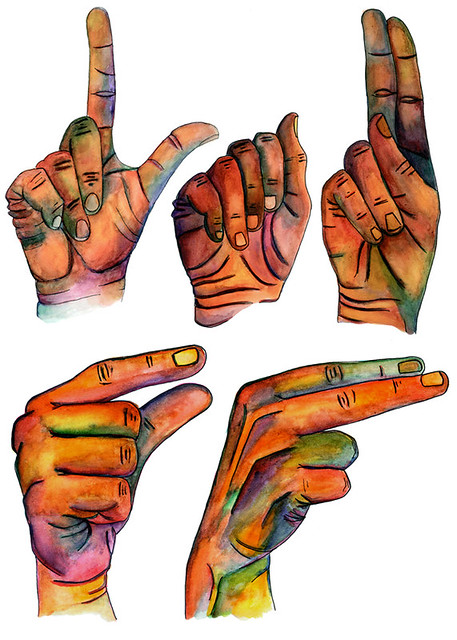
Fists, Palms, Hands & Arms

Words for fist, palm, hand & arm in Celtic languages.

Proto-Celtic *ɸlāmā = palm, hand
Old Irish (Goídelc) lám [l͈aːṽ] = hand, arm, prowess, accomplishment, power
Irish (Gaeilge) lámh [l̪ˠɑːvˠ / l̪ˠæːw] = hand, arm, handle, signature, measure (of horses)
Scottish Gaelic (Gàidhlig) làmh [l̪ˠaːv] = hand, arm, handle
Manx (Gaelg) laue [læu] = hand, handful, foreleg, grasp (of oar), arm
Proto-Brythonic *lọβ̃ [ˈlɔːβ̃] = palm, hand
Old Welsh lau = hand
Middle Welsh (Kymraec) llaw = hand
Welsh (Cymraeg) llaw [ɬaːu̯ / ɬau̯] = hand; authority, control, rule, management, power; ownership, possession; influence; agency, instrumentality, part; guardianship, keeping, custody, care, protection; side, direction, position; skill, touch
Old Cornish lof = hand
Cornish (Kernewek) leuv [lœ:v / le:v] = hand
Old Breton lom = hand
Middle Breton lau = hand

Words marked with a * are reconstructions.

Etymology: from Proto-Indo-European *pl̥h₂meh₂ (palm, hand) [source].

Proto-Celtic *bostā = palm, fist
Gaulish *bostyā = palm, fist
Old Irish (Goídelc) bos / bas = palm
Irish (Gaeilge) bos = palm (of hand); handful; slap; flat end, blade
Scottish Gaelic (Gàidhlig) bas [l̪ˠaːv] = hand, arm, handle
Manx (Gaelg) bass = palm, flat of hand, blade of oar, scale pan, bass
Proto-Brythonic *bos [ˈbos] = hand
Old Welsh bos = palm
Middle Welsh (Kymraec) bos = palm
Welsh (Cymraeg) bos = palm (of the hand), unit of length
Cornish (Kernewek) bas [ba:z / bæ:z] = shallow
Middle Breton boz = hollow of the hand
Breton (Brezhoneg) boz [ˈboːs] = hollow of the hand

Words marked with a * are reconstructions.

Etymology: possibly from the Proto-Indo-European *gʷésdos (branch) [source]. The Middle Latin word bostia (small box, reliquaire was borrowed from the Gaulish *bostyā, and became bostellus (bushel), the root of the French word boisseau (bushel, hollow cylinder), and the English word bushel [source].

Old Irish (Goídelc) rig = forearm
Irish (Gaeilge) [d̪ˠoːɾˠn̪ˠ] = forearm
Scottish Gaelic (Gàidhlig) ruighe [r̪ˠujə] = plain; forearm
Manx (Gaelg) roih = arm, forearm

Etymology: possibly from the Old Irish *reg (to stretch) [source].

Welsh (Cymraeg) braich [brai̯χ] = arm
Cornish (Kernewek) bregh [brɛ:x /bre:ʰ] = arm
Breton (Brezhoneg) brec’h = hand

Etymology: from Latin bracchium (hand) [source].

Proto-Celtic *durnos = fist
Old Irish (Goídelc) dorn = fist
Irish (Gaeilge) dorn [d̪ˠoːɾˠn̪ˠ] = fist; punch; fistful, small quantity; handle, grip
Scottish Gaelic (Gàidhlig) dòrn [dɔːr̪ˠn̪ˠ] = fist; punch; hilt; handle
Manx (Gaelg) doarn = fist, pad, sword handle, grip
Welsh (Cymraeg) dwrn = fist, hand, paw; hilt, handle, haft, pommel; knob
Cornish (Kernewek) dorn [dɔrn] = fist, hand, handle
Breton (Brezhoneg) dorn [ˈdɔʁn] = hand, fist

Etymology: probably loaned from a non-Indo-European substrate language [source].

palm

Sources: Wiktionary, Am Faclair Beag, MacBain’s Dictionary, In Dúil Bélrai English – Old-Irish Glossary, teanglann.ie, On-Line Manx Dictionary, Geiriadur Prifysgol Cymru, Gerlyver Kernewek, Dictionnaire Favereau, TermOfis

Ears

Words for ears in Celtic languages.

Proto-Celtic *kloustā = ear
Old Irish (Goídelc) clúas = ear, hearing
Irish (Gaeilge) cluas [klˠuəsˠ] = ear; ear-shaped object; lug, handle; cleat; tab; corner, margin
Scottish Gaelic (Gàidhlig) cluas [kl̪ˠuəs] = ear, lug; handle; clew (of a sail) ; flyer bearing (of a spinning wheel)
Manx (Gaelg) cleaysh [kleːʃ] = ear, cleat, handle, lug, top corner of net, corner of sail
Proto-Brythonic *klʉst = ear
Welsh (Cymraeg) clust [klɨːst / klɪst] = ear, sense of hearing, attention, willingness to listen; handle of a vessel, tag of a boot, top part of a bell; creek or inlet; auricle (of the heart)

Etymology: from Proto-Indo-European *ḱlow-steh₂, from *ḱlew- (to hear) [source].

Sources: Wiktionary, Am Faclair Beag, Online Manx Dictionary, Teanglann.ie, Geiriadur Prifysgol Cymru

Welsh (Cymraeg) ysgyfarn = ear
Old Cornish scouarn = ear
Cornish (Kernewek) skovarn [‘skɔvarn / ‘skɔvɐrn] = ear, handle (of jar)
Old Breton scobarn = ear
Breton (Brezhoneg) skouarn [skwaʁn] = ear; gills; handle (of vase); moldboard (of plow)

Sources: Wiktionary, Geiriadur Prifysgol Cymru, Gerlyver Kernewek, Dictionnaire Favereau

Words marked with a * are reconstructions.

Heads & Brains

Words for heads, brains and minds in Celtic languages.

Proto-Celtic *kʷennom = head
*en-kʷennio- = brain
Gaulish pennon / πεννοου = head
Primitive Irish ᚉᚒᚅᚐ-ᚉᚓᚅᚅᚔ (cuna-cenni) = head
Old Irish (Goídelc) cenn [kʲen͈] = head, end
inchinn [kʲen͈] = brain
Irish (Gaeilge) ceann [caun̪ˠ / cɑːn̪ˠ / can̪ˠ] = head; end, extremity; one; chief, main
inchinn [ˈɪɲçən̠ʲ] = brain
Scottish Gaelic (Gàidhlig) ceann [kʲaun̪ˠ] = head; end, close, finish; lid; roof; subject, topic
eachainn [ɛnɛxɪn̪ʲ] = brain, brains
Manx (Gaelg) kione [caun / coːn / coᵈn] = head, headland, chief, ringleader, bottom, poll, end, extreme, close, finish, top-end, top, point of argument, termination, closing, extremity, point, dyke, tribune
Proto-Brythonic *penn [ˈpenː] = head
Middle Welsh (Kymraec) penn = head, chief
Welsh (Cymraeg) pen [əˈmɛnɨ̞ð / əˈmɛnɪð] = head, obverse (of coin); top, summit, roof, highest point; extremity, end, beginning; headland, promontory, projecting point of rock; pole
ymennydd brain, brains, intellectual capacity, mind
Old Cornish penn = head
Cornish (Kernewek) penn [pɛn:] = head, end, top
ympynnyon brain
Old Breton penn = head, chief
Breton (Brezhoneg) pen(n) [pɛ̃n] = head, chief, leader
empenn = brain

Etymology: unknown, possibly from the Proto-Indo-European *kap- (to hold, seize). The words for brain all mean “in head”.

Old Irish (Goídelc) in(n)tinn [ˈin͈ʲtʲin͈ʲ] = head, end
Irish (Gaeilge) intinn [ˈiːn̠ʲtʲən̠ʲ] = mind, mental state, disposition, attention, spirits, intention, accord
Scottish Gaelic (Gàidhlig) inntinn [ĩːn̪ʲdʲɪn̪ʲ] = (human) mind; intellect, intelligence; intention, purpose
Manx (Gaelg) inçhyn = brain, grey matter, intellect, spirit

Etymology: from the Latin intentiō (strain, tension, increase, exertion, charge, purpose, intention).

Words marked with a * are reconstructions.

Chile-03046 - More...

Sources: Wiktionary, Am Faclair Beag, Online Manx Dictionary, Teanglann.ie, Geiriadur Prifysgol Cymru, Gerlyver Kernewek

Legs & Feet

Words for legs and feet in Celtic languages.

Proto-Celtic *koxsā = foot, leg
Old Irish (Goídelc) cos(s) [kos] = foot, leg
Irish (Gaeilge) cos [kɔsˠ] = leg, foot; handle, shaft, stem; lower end
Scottish Gaelic (Gàidhlig) cas [kas] = foot, trotter; leg; handle, shaft shank (of a fishing hook
cos [kɔs] = foot, leg, handle, shaft
Manx (Gaelg) cass [kaːs] = leg, barrel, foot, shaft, peg, bottom, outlet, mouth of river, stalk, hilt, stem of pipe, crop of whip
Proto-Brythonic *koɨs = leg, shank, stem
Welsh (Cymraeg) coes [koːɨ̯s / kɔi̯s / koːs] = leg, shank; handle, haft, stem (of pipe); stalk, stem

Etymology
From Proto-Indo-European *koḱs- (joint) [source].

Words marked with a * are reconstructions.

Sources: Wiktionary, Am Faclair Beag, Online Manx Dictionary, Teanglann.ie, Geiriadur Prifysgol Cymru

Proto-Celtic *tregess = foot
Gaulish treide = foot
Old Irish (Goídelc) traig [traɣʲ] = foot (part of body / measurement), step
Irish (Gaeilge) troigh [t̪ˠɾˠɪɟ / t̪ˠɾˠɔ / t̪ˠɾˠiː] = foot (part of body / measurement), step
Scottish Gaelic (Gàidhlig) troigh [trɔç] = foot (part of body / measurement), sole of foot
Manx (Gaelg) trie [strɛin] = sole, twelve inches, foot
Middle Welsh (Kymraec) troet = foot
Welsh (Cymraeg) troed [troːɨ̯d / trɔi̯d] = foot; shaft, handle; bottom, base, pedestal, foundation, extremity, end; stalk; foot-joint
Old Cornish truit = foot
Middle Cornish troys / tros = foot
Cornish (Kernewek) troos [tro:z / tru:z] = foot, on foot
Old Breton troat = foot
Middle Breton troat = foot
Breton (Brezhoneg) troad = foot, handle

Etymology: from Proto-Indo-European *tregʰ- (to run, walk), apparently a variant of *dʰregʰ- (to run) [source].

Sources: Wiktionary, Am Faclair Beag, Online Manx Dictionary, Teanglann.ie, Geiriadur Prifysgol Cymru, Gerlyver Kernewek, Dictionnaire Favereau

Green & Verdant

Words for green in Celtic languages.

Welsh (Cymraeg) gwyrdd [ɡwɨ̞rð / ɡwɪrð] = green, verdant, bluish green, pale (blue), grey; fresh, lively; grassy
Old Cornish guirt = green
Cornish (Kernewek) gwyrdh [gwɪrð] = green
gwer [gwɛ:r / gwe:r] = green
Breton (Brezhoneg) gwer = green (artificial)

Etymology
From Latin viridis (green, young, fresh, lively, youthful), from vireo (to be verdant, to sprout) [source].

Words marked with a * are reconstructions.

Sources: Wiktionary, Geiriadur Prifysgol Cymru, Gerlyver Kernewek, Dictionnaire Favereau

Yellow & Gold

Words for yellow in Celtic languages.

Proto-Celtic *bodyos = yellow
Gaulish Baius = proper name
Old Irish (Goídelc) buide [ˈbuðʲe] = yellow, yellowness, buttercup, honey, pollen
Irish (Gaeilge) buí [bˠiː] = yellow, sallow, tan
Scottish Gaelic (Gàidhlig) buidhe [bujə] = yellow, golden, glad, grateful, fortunate, lucky
Manx (Gaelg) bwee / buigh = yellow, jaundiced, tan, sallow, fair headed

Etymology
From Proto-Indo-European *bodyos (yellow) [source]. Related to the English word bay [source].

Spring blossom / Blodau'r Gwanwyn

Proto-Celtic *melinos = yellow
Welsh (Cymraeg) melyn [ˈmɛlɨ̞n / ˈmɛlɪn] = yellow, golden, (made of) gold; yellow-haired, blond; light-bay (horse); yellow, sallow, livid, or brown (skin); brown (sugar); deadly, implacable, unpleasant
Old Cornish milin = yellow
Cornish (Kernewek) melyn [‘mɛlɪn / ‘mɛlən ] = yellow, fair, blonde
Breton (Brezhoneg) melen = yellow, blonde

Etymology
From Proto-Indo-European *méli (honey) [source].

Words for gold in Celtic languages.

Old Irish (Goídelc) ór = gold
Irish (Gaeilge) ór [oːɾˠ] = gold
Scottish Gaelic (Gàidhlig) òr [ɔːr] = gold
Manx (Gaelg) airh = gold, bullion, gilt
Welsh (Cymraeg) aur [aɨ̯r/ai̯r] = gold, gold money or coin(s), wealth; gold (colour); gold(en)
Cornish (Kernewek) owr [ɔʊr] = gold
Breton (Brezhoneg) aour = gold

Etymology
From Latin aureus (gold, golden, gilded), from aurum (gold) [source]

Words marked with a * are reconstructions.

yellow

Sources: Wiktionary, Am Faclair Beag, Online Manx Dictionary, Teanglann.ie, Geiriadur Prifysgol Cymru, Gerlyver Kernewek

White

Words for white in Celtic languages.

Proto-Celtic *windos [ˈwin.dos] = white
Old Irish (Goídelc) finn [fʲin͈] = white, bright, blessed
Irish (Gaeilge) fionn = white; fair-haired, blond, bright, clear
Scottish Gaelic (Gàidhlig) fionn [fjũːn̪ˠ] = white, fair, pale; sincere, true, certain; small; fine, pleasant; wan; lilac; resplendent, bright; prudent
Manx (Gaelg) fynn = blond(e), fair (hair, skin), pure white, sprite; cataract
Proto-Brythonic *gwinn [ˈɡwɨnː] = white (m)
*gwenn = white (f)
Middle Welsh (Kymraec) gwynn = white (m)
gwen = white (f)
Welsh (Cymraeg) gwyn [ɡwɨ̞n / ɡwɪn] = white (m), greyish-white, pale; light, shining, bright; brilliant, white-hot; silver; amber-coloured; fair-haired, fair-faced, of fair complexion; holy, blessed, beatific, good, happy; splendid, excellent, beautiful, fair, pleasant; favourite, darling, white-headed
gwen = white (f)
Old Cornish guyn = white
Cornish (Kernewek) gwynn [gwɪn:] = white, fair, blessed
Old/Middle Breton guinn = white
Breton (Brezhoneg) gwenn = white, pale, pure
Proto-Celtic *banos = white
Old Irish (Goídelc) bán [baːn] = white, pure
Irish (Gaeilge) bán [bˠɑːn̪ˠ / bˠæːn̪ˠ] = white, white-headed, fair, pale, blank, empty, idle, wild crazy
Scottish Gaelic (Gàidhlig) bàn [baːn] = fair(-haired), white (haired); blank, empty, unoccupied, vacant; pallid, pale; fallow
Manx (Gaelg) bane = white, blank, fair, blond(e), pallid; fallow, unbroken (ground)
Welsh (Cymraeg) bân [baːn] = white, whitish, grey, pale

Etymology: from Proto-Indo-European *bʰeh₂- (to shine) [source], or from *bhā (shine) [source]

Proto-Celtic *gelos = shining, white
Gaulish *gelā
Old Irish (Goídelc) gel = bright, clear, white
Irish (Gaeilge) geal [ɟalˠ] = white, bright
Scottish Gaelic (Gàidhlig) geal [gʲal̪ˠ] = white, fine
Manx (Gaelg) gial = bright, clear, white, shining, snowy, light-coloured, fulgent
Welsh (Cymraeg) gell = bay, brown, auburn, orange, yellow, tawny-coloured
Cornish (Kernewek) gell [gɛl:] = (light) brown
Breton (Brezhoneg) gell = bay, brown

Etymology: from Proto-Indo-European *ǵʰelh₂os, from *ǵʰelh₂- (to shine) [source]

Words marked with a * are reconstructions.

Sources: Wiktionary, Am Faclair Beag, Online Manx Dictionary, Teanglann.ie, Geiriadur Prifysgol Cymru, Gerlyver Kernewek, Dictionnaire Favereau