Seasons

Words for seasons in Celtic languages.

Spring

Proto-Celtic *wesrakos / *wesantos = spring
Old Irish (Goídelc) errach [ˈer͈ax] = spring
Irish (Gaeilge) earrach [əˈɾˠax / ˈaɾˠəx / ˈaɾˠa(h)] = spring
Scottish Gaelic (Gàidhlig) earrach [jar̪ˠəx] = spring
Manx (Gaelg) arragh [ˈarax] = spring
Proto-Brythonic *wesantēnos = spring
Old Welsh guiannuin = spring
Middle Welsh (Kymraec) gwaeanhwyn / gwaeannwyn / gwannwyn = spring
Welsh (Cymraeg) gwanwyn [ˈɡwanwɨ̞n / ˈɡwanwɪn] = spring, springtime
Old Cornish guaintoin = spring
Cornish (Kernewek) gwaynten = spring
Breton (Brezhoneg) nevez-amzer = spring

Etymology, from the Proto-Indo-European *wósr̥ (spring) [source].

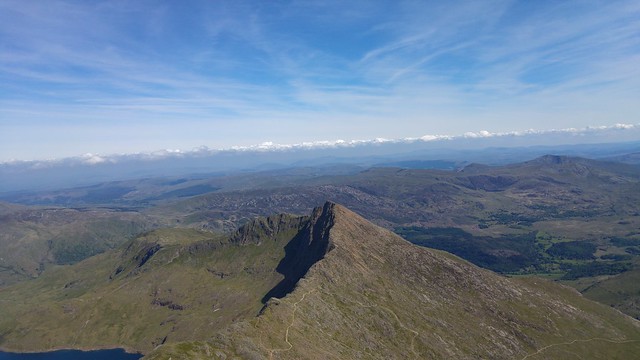
Spring Blossom / Blodau y Gwanwyn

Summer

Proto-Celtic *samos = summer
Gaulish samo- = summer
Old Irish (Goídelc) sam [saṽ] / samrad [ˈsaṽrað] = summer
Irish (Gaeilge) samhradh [ˈsˠəuɾˠə / ˈsˠəuɾˠuː / ˈsˠəuɾˠu] = summer, summer garland
Scottish Gaelic (Gàidhlig) samhradh [sãũrəɣ] = summer
Manx (Gaelg) sourey [ˈsaurə] = summer
Proto-Brythonic *haβ̃ = summer
Old Welsh ham = summer
Middle Welsh (Kymraec) haf = summer
Welsh (Cymraeg) haf [haːv / haː] = summer
Old Cornish haf = summer
Cornish (Kernewek) hav = summer
Old Breton ham = summer
Middle Breton haff = summer
Breton (Brezhoneg) hañv = summer

Etymology, from the Proto-Indo-European *sm̥-h₂-ó- (summer) [source].

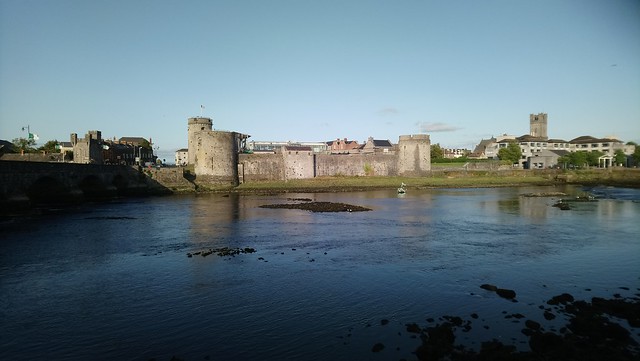
King John's Castle / Caisleán Luimnigh

Autumn

Old Irish (Goídelc) fogamar / fogomur [ˈɡʲaṽʲrʲəð] = autumn
Middle Irish (Gaoidhealg) fogamur = harvest
Irish (Gaeilge) fómhar [ˈfˠoːɾˠ / ˈfˠoːvˠəɾˠ / ˈfˠɔːwəɾˠ] = autumn, harvest season, harvest
Scottish Gaelic (Gàidhlig) foghar [fo.ər] = autumn, harvest, (act of) harvesting
Manx (Gaelg) fouyr = harvets, autumn
Middle Welsh (Kymraec) heduref / heduueref = autumn
possibly from hydd (stag) &‎ bref (bellow)
Welsh (Cymraeg) hydref [ˈhədrɛ(v) / ˈhədra] = autumn, period of full maturity, rutting season, mating time
Cornish (Kernewek) hedra / kynnyay / kydnyadh = autumn
Breton (Brezhoneg) here / kozhamzer / diskar-amzer = autumn

Etymology (Goidelic languages), from the Proto-Celtic *wo-gamur (under winter) from *gamur (winter) [source].

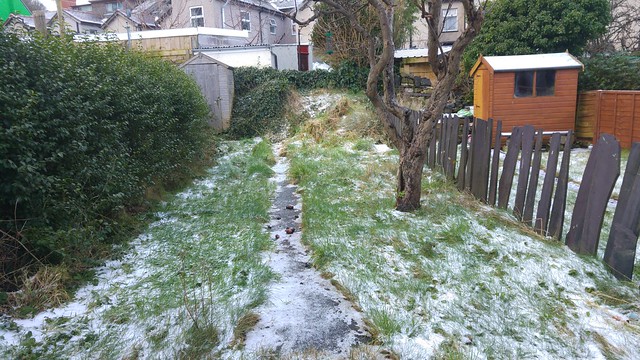
autumn falls...

Winter

Proto-Celtic *gyemos / *gamur = winter
Gaulish giamos = winter (personal name)
Primitive Irish ᚌᚐᚋᚔ- (gami/gen) = winter
Old Irish (Goídelc) gam / gaim = winter, winter storm
gaimred [ˈɡʲaṽʲrʲəð] = winter
Irish (Gaeilge) geimhreadh [ˈɟiːɾʲə / ˈɟiːvʲɾʲə / ˈɟɛvʲɾʲu] = winter
Scottish Gaelic (Gàidhlig) geamhradh [gʲãũrəɣ] = winter
Manx (Gaelg) geurey [ˈɡʲeurə / ˈɡʲuːrə] = winter
Old Welsh gaem = winter
Middle Welsh (Kymraec) gayaf = winter
Welsh (Cymraeg) gaeaf [ˈɡeɨ̯av / ˈɡei̯av] = winter
Old Cornish goyf = winter
Cornish (Kernewek) gwav / gwâv = winter
Old Breton guoiam = winter
Middle Breton gouaff = winter
Breton (Brezhoneg) goañv [ˈɡwãw / ˈɡwã] = winter

Etymology, from the Proto-Indo-European *ǵʰyem- (winter, year, frost, snow) [source].

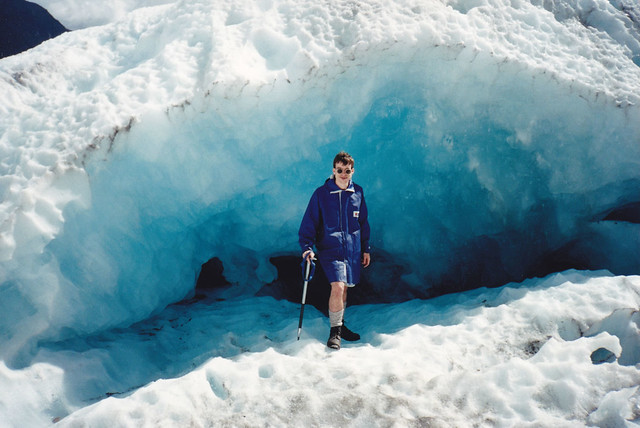
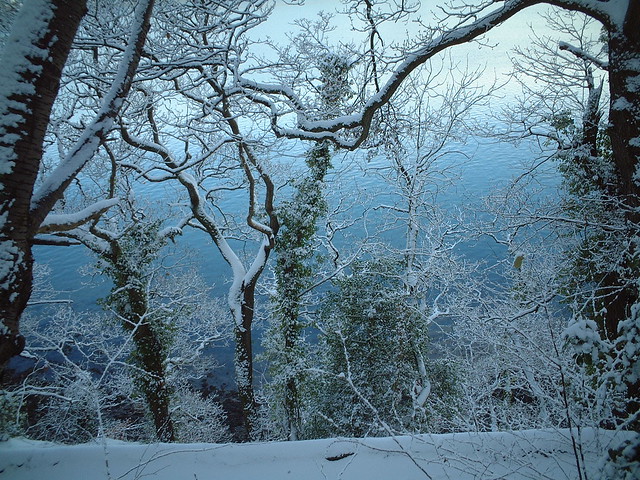
Coed efo eira arno

Words marked with a * are reconstructions.

The names of the seasons, days and seasons in Celtic languages

Sources: Wiktionary, Am Faclair Beag, Online Manx Dictionary, Teanglann.ie, Geiriadur Prifysgol Cymru, Gerlyver Kernewek

Salmon

Words for salmon in the Celtic languages. The species of salmon most common found around Celtic speaking lands is the Atlantic salmon (Salmo salar). Other species of salmon are available.

There are three words for salmon in Proto-Celtic: *esoxs / *esāk, *φenk-īnjo and *φorko. Only the first one has descendents in the modern Celtic languages.

Proto-Celtic *esoxs / *esāk = salmon
Gallaecian *īsis = salmon
Gaulish *esoks = salmon
Old Irish (Goídelc) eo [eːo̯] = salmon
Irish (Gaeilge) eo [oː / ɔː] = salmon; noble being, prince
Scottish Gaelic (Gàidhlig) [jɔː] = salmon (archaic)
eog = salmon
Proto-Brythonic *esāx = salmon
Middle Welsh (Kymraec) ehawc = salmon
Welsh (Cymraeg) eog [ˈɛ.ɔɡ / ˈeː.ɔɡ] = salmon, sea-trout, sewin, samlet
Old Cornish ehoc = salmon
Cornish (Kernewek) eghek = salmon
Middle Breton eheuc = salmon
Breton (Brezhoneg) eog = salmon

Etymology: possibly from the Proto-Indo-European *peysḱ- (fish).

Old Irish (Goídelc) bratán = salmon
Irish (Gaeilge) bradán [bˠɾˠəˈd̪ˠaːn̪ˠ / ˈbˠɾˠad̪ˠaːnˠ / ˈbˠɾˠɑd̪ˠɑnˠ] = salmon
Scottish Gaelic (Gàidhlig) braden [bradan] = salmon
Manx (Gaelg) braddan = salmon

Etymology: from the Old Irish brat (captivity, bondage, robbery) and án (diminutive suffix).

Welsh (Cymraeg) samon / samwn = salmon
Cornish (Kernewek) sowman = salmon
Breton (Brezhoneg) somon = salmon

Etymology: from the English salmon, from the Middle English samoun, samon, saumon (salmon), from the Anglo-Norman saumon (salmon), from the Old French saumon, from the Latin salmō (salmon), either from the Proto-Celtic *esoxs / *esāk, or from the Latin saliō (to leap).

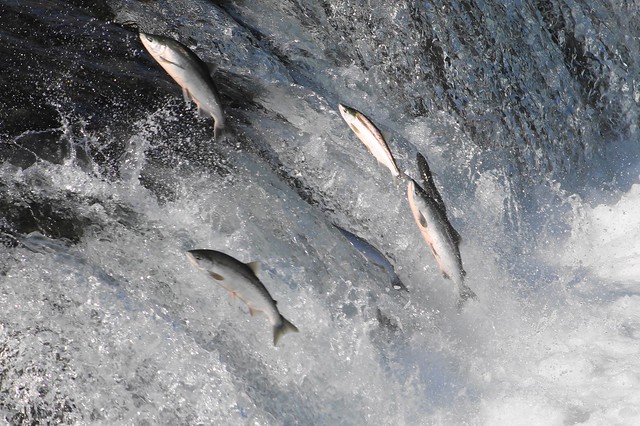
Salmon Jumping Falls (NPS/D. Jacob)

Sources: Wiktionary, Am Faclair Beag, MacBain’s Dictionary, In Dúil Bélrai English – Old-Irish Glossary, teanglann.ie, On-Line Manx Dictionary, Geiriadur Prifysgol Cymru, Gerlyver Kernewek, Dictionnaire Favereau, TermOfis

Owls

Words for owls in Celtic languages.

Old Irish (Goídelc) ulchobc(h)án / ulchubc(h)án = owl
Irish (Gaeilge) ulchabhán / ulcachán = (barn) owl (Tyto alba)
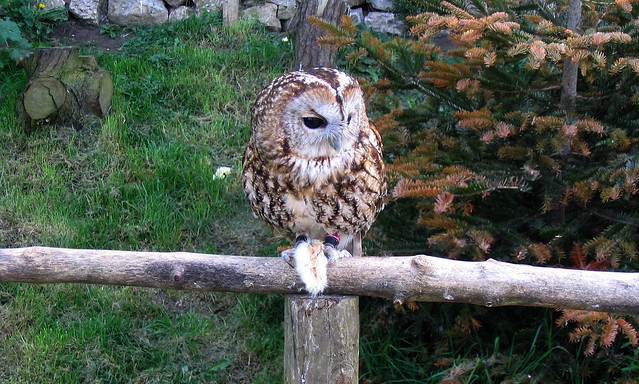
ulchabhán donn = tawny/brown owl (Strix aluco)
ulchabhán réisc / ulchabhán chluasgearr = short-eared owl (Asio flammeus)
Scottish Gaelic (Gàidhlig) ullaid [ul̪ˠadʲ] = (barn) owl
ullaid-sgreuch = barn owl
Manx (Gaelg) hullad = owl
hullad vane / hullad soailt = barn owl
hullad ghoan = tawny/brown owl
hullad eairkagh = long-eared owl (Asio otus)
hullad ny gurreeyn = short-eared owl
Cornish (Kernewek) oula / ula = owl
ula gwynn = barn owl
ula kernek = long-eared owl
ula gwenn = short-eared owl

Etymology: probably of imitative origin

Irish (Gaeilge) cailleach oíche = barn owl
Scottish Gaelic (Gàidhlig) cailleach-oidhche [kal̪ʲəxˈɤ̃ĩçə] = (tawny) owl, spiritless fellow
cailleach-oidhche gheal = barn owl
Manx (Gaelg) caillagh oie = barn owl, white owl

Etymology: means literally “night crone/witch”

Irish (Gaeilge) ceann cait = long-eared owl
Manx (Gaelg) kione kiyt = long-eared owl

Etymology: means literally “cat head”

Proto-Celtic *kawannos = owl
Gaulish *cauannos = owl
Scottish Gaelic (Gàidhlig) comhachag [kõ.əxag] = owl
comhachag-ruadh / comhachag-dhonn = tawny/brown owl
comhachag-adharcach = long-eared owl
comhachag-chluasach = short-eared owl
Welsh (Cymraeg) cuan = owl
Cornish (Kernewek) kowan [ˈkɔwan / ˈkɔwɐn] = owl
Old Breton couann = owl
Breton (Brezhoneg) kaouenn = owl
kaouenn penn-tev = tawny/brown owl

Etymology: from the Proto-Indo-European *kaw- (owl) – of imitative origin. Related to the Latin căvannus (night owl) [source].

Welsh (Cymraeg) tylluan [təˈɬɨ̞.an / təˈɬiː.an] = owl
tylluan wen / tylluan ysgubor = barn owl
tylluan frech / tylluan felynddu / tylluan y coed / tylluan lwyd / tylluan rudd / y dylluan fig = tawny/brown owl
Breton (Brezhoneg) toud penn-kazh = long-eared owl
toud-lann = short-eared owl

Etymology: probably of imitative origin. I’m not sure if these words are cognate.

Breton (Brezhoneg) grell voutin = barn owl

Etymology: unknown

Welsh (Cymraeg) gwdihŵ [ɡʊdɪˈhuː] = owl
gwdihŵ frech / gwdihŵ goch = tawny/brown owl

Etymology: probably of imitative origin

The owls included here are commonly found in Celtic-speaking lands. Other types of owls are available.

tylluan/owl

Sources: Wiktionary, Am Faclair Beag, MacBain’s Dictionary, In Dúil Bélrai English – Old-Irish Glossary, teanglann.ie, On-Line Manx Dictionary, Geiriadur Prifysgol Cymru, Gerlyver Kernewek, Dictionnaire Favereau, TermOfis

Swans

Words for swan (cygnus) in Celtic languages.

Swans, etc

Proto-Celtic *eli- = swan
Gaulish ala = swan
alauda = skylark
Old Irish (Goídelc) elu = swan
Middle Irish (Gaoidhealg) ela(e) = swan
Irish (Gaeilge) eala [ˈalˠə] = swan
ealach = frequented by swans
eala bhalbh = mute swan (Cygnus olor)
eala ghlorach = whooper swan (Cygnus cygnus)
Scottish Gaelic (Gàidhlig) eala [jal̪ˠə] = swan
eala bhàn = mute swan
eala fhiadhaich = whooper swan
ealag, eala-ghlas = cygnet, young swan
eala-bheag = Bewick’s (tundra) swan (Cygnus columbianus bewickii)
Manx (Gaelg) olla, ollay = (mute) swan
ollay chiaulee = whooper swan
eean olla = cygnet
Proto-Brythonic alarkos = swan
Middle Welsh (Kymraec) alarch = swan
Welsh (Cymraeg) alarch [ˈalarχ/ˈaːlarχ] = swan, the constellation Cygnus
alarchaidd = pertaining to a swan, swanlike
alarchen = cygnet
alarches = female swan
alarchwedd = swanlike
alarch dôf, alarch mud = mute swan
alarch y gogledd, alarch chwibanol, alarch gwyllt = whooper swan
Old Cornish elerch = swan
Middle Cornish (Cernewec) elerch = swan
Cornish (Kernewek) alargh = (mute) swan
Middle Breton (Brezonec) alarc’h = swan
alarc’hez = female cygnet
Breton (Brezhoneg) alarc’h = swan
alarc’h roueel = mute swan
alarc’h-kristilh = whooper swan

Etymology: from the Proto-Indo-European *h₁el- (swan, bird, waterfowl) [source].

Words from the same Proto-Celtic root include alondra (lark) in Spanish, alouette (lark) in French, and allodola (skylark) in Italian. They were probably borrowed from the Gaulish alauda (skylark), from ala (swan) [Source].

Words from the same PIE root include auk (swan) in English, alke (auk) in Danish and Norwegian, and álka (razorbill) in Faroese and Icelandic [Source].

Words marked with a * are reconstructions.

Sources: Wiktionary, Am Faclair Beag, Online Manx Dictionary, Teanglann.ie, eDIL – Electronic Dictionary of the Irish Language, In Dúil Bélrai English – Old Irish glossary, Geiriadur Prifysgol Cymru, Gerlyver Kernewek, Dictionaire Favereau, TermOfis, English – ProtoCeltic WordList (PDF), Etymological Dictionary Of Proto Celtic

The Fastest Way to Learn Japanese Guaranteed with JapanesePod101.com

Herons

Words for heron and related creatures in Celtic languages.

Heron

Words marked with a * are reconstructions.

Proto-Celtic *korxsā / *korxsiyos = heron, crane
Celtiberian *cárcia = heron
Gaulish curcio- = heron
Old Irish (Goídelc) corr = crane, heron, stork, crane
Middle Irish (Gaoidhealg) corr = (grey) heron, stork, crane, leg-necked person
Irish (Gaeilge) corr [kəuɾˠ] = (grey) heron, stork, crane, leg-necked person
Scottish Gaelic (Gàidhlig) corra [kɔr̪ˠə] = heron, stork, crane
Manx (Gaelg) coar = heron, stork, crane
Proto-Brythonic *krɨxɨð = heron
Middle Welsh (Kymraec) crychyd, krechydd, crechydd = heron
Welsh (Cymraeg) crychydd [ˈkrəχɨ̞ð / ˈkrəχɪð] = heron
Old Cornish cherhit = heron
Middle Cornish (Cernewec) cerhidh = heron
Cornish (Kernewek) kerghydh = heron
Old Breton corcid = heron
Middle Breton (Brezonec) quercheiz, querch-eïz, querc’heiz, qarc’hleyz kerc’heiz = heron
Breton (Brezhoneg) kercʼheiz [kɛrˈɣɛjs] = heron

Etymology: possibly from Proto-Indo-European *(s)kreik- / *(s)kreig- (to screech, creak), which is imitative in origin [source]. Words for heron in Galician & Spanish (garza) and Portuguese (garça), probably come from the Celtiberian root [source].

Words from the same PIE root may include reiger (heron) in Dutch, Reiher (heron) in German, häger (heron) in Swedish, heron and egret in English, and haikara (heron, stork) in Finnish [source].

Gaulish crehyr = heron
Proto-Brythonic *krexVr = heron
Middle Welsh (Kymraec) crehyr, creir, cr(e)yr = heron
Welsh (Cymraeg) crëyr [ˈkrɛ.ɨ̞r / kreː.ɪr] = heron
Middle Breton (Brezonec) querhair = heron

Etymology: possibly from the Proto-Indo-European *(s)ḱrey- (to scream, screech) [source].

Proto-Celtic *garanos = crane
Gaulish garanus = crane
Proto-Brythonic *garan = crane, heron
Middle Welsh (Kymraec) caran, garan = crane, heron
Welsh (Cymraeg) garan [ˈɡaran] = crane, heron
Old Cornish garan = crane
Middle Cornish (Cernewec) garan = crane
Cornish (Kernewek) garan = crane
Old Breton (Brethonoc) garan = crane
Middle Breton (Brezonec) garan = crane
Breton (Brezhoneg) garan [ˈɡɑː.rãn] = crane (bird, tool), groove, gallery
garanadur = grooving
garanan = to groove

Etymology: from Proto-Indo-European *gérh₂n-o-s, from *gerh₂- (crane, to cry hoarsely) [source]. Words from the same roots include crack, croon, crow and possibly grouse in English, kraai (crow) in Dutch, Krähe (crow) in German [source].

The Fastest Way to Learn Japanese Guaranteed with JapanesePod101.com

Sources: Wiktionary, Etymological Dictionary Of Proto Celtic, In Dúil Bélrai English – Old Irish glossary, eDIL – Electronic Dictionary of the Irish Language, Teanglann.ie, Am Faclair Beag, An etymological dictionary of the Gaelic language, Fockleyreen: Manx – English Dictionary, Online Manx Dictionary, Gaelg Corpus, Geiriadur Prifysgol Cymru, Lexicon cornu-britannicum : a dictionary of the ancient Celtic language of Cornwall, Gerlyver Kernewek, Devri : Le dictionaire diachronique du breton, Dictionaire Favereau, TermOfis


Unlimited Web Hosting - Kualo

Hens & Chickens

Words for hen, chicken and related things in Celtic languages:

Hens

Proto-Celtic *kerkā = hen
Old Irish (Goídelc) cerc [kʲerk] = hen, female bird
Middle Irish (Gaoidhealg) cerc [kʲerk] = hen, female bird
Irish (Gaeilge) cearc [kaɾˠk] = hen, female bird
cearcach = gallinaceous (relating to, or resembling the domestic fowl)
Scottish Gaelic (Gàidhlig) cearc [kʲɛrxg] = hen, chicken; poultry; female crab or lobster
cearc-uisge = moorhen
cearc-Fhrangach = turkey
cearc-fhraoich = female red grouse, moorhen
cearcach = of, or belonging to a hen or hens
Manx (Gaelg) kiark = fowl, hen, hen bird, female bird
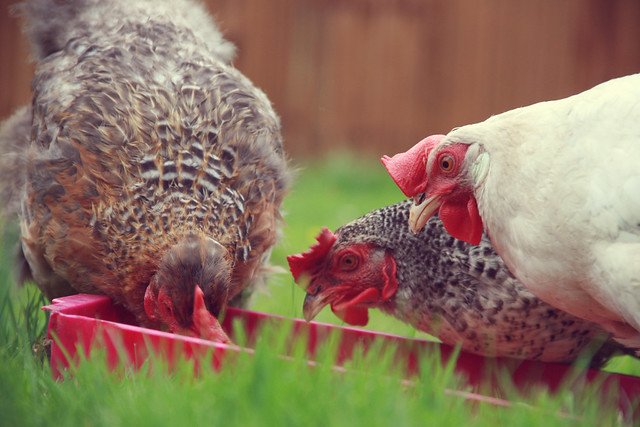
kiark

Etymology: from the Proto-Indo-European *ḱer- (to grow, nourish) [source]. These words are possibly related to words for heron and crane in Celtic languages.

English words from the same root include cereal, create, increase, creature, crew and crescent [source].

Proto-Celtic *yarā = chicken
Gaulish Iaros = personal name
Old Irish (Goídelc) eirín = pullet, young hen
Middle Irish (Gaoidhealg) eréne, éirín(e) = chicken, chick, pullet
Irish (Gaeilge) eireog = pullet, chicken; young girl, tiny woman
Scottish Gaelic (Gàidhlig) eireag [erʲag] = pullet, young chick(en) (between 8 months and 1 year old)
Manx (Gaelg) earrag = pullet, poult
Old Welsh iar = hen
Middle Welsh (Kymraec) yar = hen
yeyr, yeir = domestic fowls, chickens
yares = flock of chichens
ieirdy = hen-house, hen-coop
Welsh (Cymraeg) iâr [jaːr] = hen, hen-bird
ieir = domestic fowls, chickens
iarbren = perch for hens, hen-roost
iardy, ieirdy = hen-house, hen-coop
iares = flock of chichens
iargyw = chichen, young fowl
ieirwr = poulterer
Middle Cornish (Cernewec) iar, yar = hen, female bird
Cornish (Kernewek) yar = chicken, hen
yar frankres = free-range hen
yar gowellys = battery hen
yar Gyni = turkey
bregh/brygh yar = chicken pox
yarji = chichen coop, hen house
Middle Breton (Brezonec) yar, iar = chicken, hen
Breton (Brezhoneg) yar = chicken, hen

Etymology: unknown

Sources: Wiktionary, Am Faclair Beag, Online Manx Dictionary, Teanglann.ie, eDIL – Electronic Dictionary of the Irish Language, In Dúil Bélrai English – Old Irish glossary, Geiriadur Prifysgol Cymru, Gerlyver Kernewek, Gerlyvyr Cernewec, Dictionaire Favereau, TermOfis, Le dictionnaire diachronique du breton, Geriafurch, English – ProtoCeltic WordList (PDF), Etymological Dictionary Of Proto Celtic

Crows and Ravens

Words for crow and raven in Celtic languages.

Proto-Celtic *branos = crow, raven
Gaulish Branodūnon = place name
Primitive Irish ᚁᚏᚐᚅᚐ brana = crow, raven
Old Irish (Goídelc) bran [bran] = crow, raven
Irish (Gaeilge) bran = raven
Scottish Gaelic (Gàidhlig) bran [bran] = raven (corvus corax)
Proto-Brythonic *bran = crow, raven
Welsh (Cymraeg) brân [braːn] = crow, rook, raven; warrior; crowbar
branos = little crows, young crows; warriors
cigfran = raven
Cornish (Kernewek) bran [bɹæːn] = crow
branvras = raven
Breton (Brezhoneg) bran = raven, crow

Etymology: from the Proto-Indo-European *werneh₂- (crow), from *wer- (to burn) [source].

Old Irish (Goídelc) fennóc = a scald; royston crow (hooded crow)
Irish (Gaeilge) feannóg = (hooded) crow (corvus cornix)
Scottish Gaelic (Gàidhlig) feannag [fjan̪ˠag] = crow, rook
Manx (Gaelg) fannag = crow, crake

Etymology: unknown [source].

Proto-Celtic *wesākos = raven, grebe
Old Irish (Goídelc) fiach, fíach [fʲi.əx] = raven
Irish (Gaeilge) fiach [ˈfʲiəx] = raven
Scottish Gaelic (Gàidhlig) fitheach [fi.əx] = raven
Manx (Gaelg) feeagh = crake, raven
Welsh (Cymraeg) gwyach [ɡʊɨ̯.aχ /ɡʊi̯.aχ] = grebe

Etymology: possibly from the Proto-Celtic *wes- (to feed, feast) [source].

Words marked with a * are reconstructions.

Sources: Wiktionary, Am Faclair Beag, MacBain’s Dictionary, In Dúil Bélrai English – Old-Irish Glossary, teanglann.ie, On-Line Manx Dictionary, Geiriadur Prifysgol Cymru, Gerlyver Kernewek, Dictionnaire Favereau

Raven.

Birds and Larks

Words for bird and (sky)lark in Celtic languages.

Proto-Celtic *ɸetnos = bird
Gaulish Etnosus = bird(?)
Old Irish (Goídelc) én [eːn] = bird
Irish (Gaeilge) éan [eːnˠ] = bird, young bird, chick
Scottish Gaelic (Gàidhlig) eun [ian] = bird, fowl, chicken
Manx (Gaelg) eean [jiːən] = chick, fowl, young (of birds); juvenile, cheeky child, brat
Proto-Brythonic edn = bird
Old Welsh atar = birds
Middle Welsh (Kymraec) edn [ˈɛdn] = bird
Welsh (Cymraeg) edn [ˈɛdn] = bird, fowl, fly, bee
adar [ˈadar] = birds
aderyn [aˈdɛrɨ̞n / aˈdeːrɪn] = bird
Old Cornish hethen = bird
Cornish (Kernewek) edhen = bird
Middle Breton ezn = bird
Breton (Brezhoneg) evn = bird

Etymology: from the Proto-Indo-European *péth₂r̥ (wind, feather), which is also the root of the English word feather [source].

Breton (Brezhoneg) labous = bird

Etymology: unknown

Old Irish (Goídelc) uiseóc = lark
Middle Irish (Gaoidhealg) (f)uiseóg = lark, skylark
Irish (Gaeilge) fuiseog = lark, skylark
Scottish Gaelic (Gàidhlig) uiseag [ɯʃag] = lark, skylark
Manx (Gaelg) ushag [ˈoʒaɡ] = bird, shuttlecock

Etymology: unknown

Proto-Celtic *alaudā = bird
Gaulish *alauda [ˈa.lau.daː] = skylark

Etymology: unknown. Also the root of the Latin alauda (lark, skylark), and words for (sky)lark in Romance languages, such as the French alouette, the Spanish alondra and the Italian allodola [source].

Welsh (Cymraeg) ehedydd [ɛˈhɛdɨ̞ð / ɛˈheːdɪð] = lark, skylark; flier, one that flies, bird or fowl
Old Cornish evidit = lark, skylark
Middle Breton ehuedez = lark, skylark

Etymology (Welsh): from ehedeg (to fly) and -ydd (-er) [source].

Cornish (Kernewek) ahwesydh = lark, skylark
Breton (Brezhoneg) alc’hweder = lark, skylark

Etymology: unknown

Words marked with a * are reconstructions.

Sources: Wiktionary, Am Faclair Beag, MacBain’s Dictionary, In Dúil Bélrai English – Old-Irish Glossary, teanglann.ie, On-Line Manx Dictionary, Geiriadur Prifysgol Cymru, Gerlyver Kernewek, Dictionnaire Favereau

Skylark

Foxes

Words for fox in Celtic languages.

Old Irish (Goídelc) sinnach / sindach = fox
Irish (Gaeilge) sionnach [ˈʃɪn̪ˠəx / ʃɪˈn̪ˠɑx / ˈʃɪn̪ˠax] = fox
Scottish Gaelic (Gàidhlig) sionnach [ˈʃun̪ˠəx] / seannach [ˈʃan̪ˠəx] = fox, bagpipe reed
Manx (Gaelg) shynnagh = fox

Etymology: unknown

Irish (Gaeilge) madra rua [madəɣ ‘r̪ˠuəɣ] = fox, red fox
Scottish Gaelic (Gàidhlig) madadh-ruadh [madəɣ ‘r̪ˠuəɣ] = fox, red fox

Etymology: from the Old Irish madrad (dog) and the rúad (red) [source].

Scottish Gaelic (Gàidhlig) balgair [bal̪ˠagɛrʲ] = fox

Etymology: unknown.

Proto-Celtic *loɸernos = fox
Gaulish *louernos = fox
Old Irish (Goídelc) loarn = fox
Proto-Brythonic llowern = fox
Old Welsh louern = fox
Middle Welsh (Kymraec) llewyrn = fox
Welsh (Cymraeg) llewyrn = foxes
Old Cornish louuern = fox
Cornish (Kernewek) lowarn = fox
Old Breton louuern = fox
Middle Breton louarn = fox
Breton (Brezhoneg) louarn [ˈluː.aʁn] / luhern = fox

Etymology: from Proto-Indo-European *h₂wlop- (fox) [source].

Welsh (Cymraeg) llwynog [ˈɬʊɨ̯nɔɡ] = fox, a cunning, craft or willy person, bundle
llwynoges = vixen, female fox
llwynogyn = little fox

Etymology: from llwyn (bush, shrub, brake, thicket, copse, grove, arbour, woods, forest) and the suffix -og, from Latin lignum (firewood, tree), Proto-Indo-European *leǵ-no- (that which is collected) [source].

Welsh (Cymraeg) cadno [ˈkadnɔ] = fox; craft person, foxy, deceptive day; bundle of straw used for constructing an air passage in a stack of corn not well-seasoned; skid, scotch, trigger
cadnawes = vixen, female fox

Etymology: probably from the personal name Cadno, from cad (battle), from the Proto-Celtic *katus (battle), from the Proto-Indo-European *kéh₃tus (fight); and the suffix -no, from the Proto-Celtic *gnāw- (knowing) [source].

Words marked with a * are reconstructions.

Sources: Wiktionary, Am Faclair Beag, MacBain’s Dictionary, In Dúil Bélrai English – Old-Irish Glossary, teanglann.ie, On-Line Manx Dictionary, Geiriadur Prifysgol Cymru, Gerlyver Kernewek, Dictionnaire Favereau

Fox

Deer

Words for deer in Celtic languages. There were several different words for deer in Proto-Celtic: *wēdus, *karwos, *ellan(t)ī-, *danī- and *yorkos, and also *sidos (stag). They may have referred to different types of deer, but it is not certain which types, apart from *yorkos, which is a roe deer.

Deer

Words marked with a * are reconstructions.

Proto-Celtic *wēdus [ˈweː.dus] = wild
Old Irish (Goídelc) fíad [fʲiːa̯ð] = wild animals, game, especially deer
Middle Irish (Gaoidhealg) fíad, fiad = wild animals, game, esp. deer
fíadamail = deer-like, wild, uncultivated
Irish (Gaeilge) fia [fʲiə] = deer
Scottish Gaelic (Gàidhlig) fiadh [fiəɣ] = deer
fiadhach [iə.əx] = deer hunting, venision, wildness, wilderness
fiadhachadh = deer hunting
Manx (Gaelg) feeaih, feeaïh = deer, hart
feeaihagh = deer hunting
feeaihaght = deer hunt

Etymology: from the Proto-Indo-European *weydʰ- (wood, wilderness) [source].

Proto-Celtic *karwos = deer, stag
Gaulish caruus, carvos, *caruos = deer
Old Irish (Goídelc) carbh = deer
Middle Irish (Gaoidhealg) cairrḟiad, cairrfiadh = stag
Irish (Gaeilge) carria / cairrfhiadh = deer, stag
Scottish Gaelic (Gàidhlig) cair-fhiadh / carbh-fheadh = hart, stag
Manx (Gaelg) çharroo, charroo = stag
Proto-Brythonic *karw = deer, stag
Old Welsh *caru = deer
Middle Welsh (kymraec) caru, carv, keyru, carw, karw = deer, hart, stag
carwaidd = having the attributes of a stag, pertaining to a stag, noble, wise
carwnaid, karwnaid = stag’s leap, a great leap
Welsh (Cymraeg) carw [ˈkaru / ˈkaːru] = deer, hart, stag; lord, nobleman, patron
carw coch / carw rhudd = red deer, stag
carw Llychlyn = reindeer
carwfarch = camel, elephant
carwfil = stag, camel
Old Cornish caruu = stag
Middle Cornish carow = stag
Cornish (Kernewek) karow = stag, buck, hart, stag
karow ergh = caribou, reindeer
karow rudh = red deer
Middle Breton caro, carv, caru = deer
Breton (Brezhoneg) karv [ˈkarw / ˈkɑːro] = deer, roe deer, red deer
karv-erc’h = caribou, reindeer
karvez = doe
karvig = fawn
karvken = deer hide

Etymology: from Proto-Indo-European *ḱerh₂wós, from *ḱerh₂- (horn) [source].

Proto-Celtic *sidos = stag
Old Irish (Goídelc) séd = deer
Middle Irish (Gaoidhealg) ség, ség, sedh = deer
Middle Welsh (Kymraec) hit, hyd, hed, hydd = stag, hart
hyddgarw, hawddgar = stag, deer, lord, patron, wise leader, horse
hyddgen, hydgen = deer-skin, buckskin
hyddgi = buck-hound, stag-hound, greyhound
Welsh (Cymraeg) hydd = stag, hart
hyddaidd = having the attributes of a stag, cervine
hyddgarw = stag, deer, lord, patron, wise leader, horse
hyddgen, hyddgroen = deer-skin, buckskin
hyddgi = buck-hound, stag-hound, greyhound
hyddgig = venison
Cornish (Kernewek) hedh = buck, hart, stag
Old Breton (Brethonoc) hed = deer, fallow deer
Middle Breton (Brezonec) heizes, eizec = doe, hind
Breton (Brezhoneg) heizez = doe, hind
heizezig = darling

Etymology: uncertain

Proto-Celtic *ellan(t)ī- / *agliones = deer
Old Irish (Goídelc) ag [aɣ] = bullock, cow, ox, deer, stag
Middle Irish (Gaoidhealg) ag, agh = cow, ox, deer, stag
Irish (Gaeilge) agh = cow, ox
agh alla = deer
agh dára = cow, ox
Scottish Gaelic (Gàidhlig) agh [ɤɣ] = heifer, hind
Middle Welsh (Kymraec) eilon, eilion = deer, hart, stag
Welsh (Cymraeg) eil(i)on = deer, hart, stag

Etymology: possible from the same root as the English word eland (a type of antelope found in South Africa), which from the Dutch eland (elk), from the Old High German elent.

Proto-Celtic *ou̯ījkā = ?
Gaulish cerua = ?
Old Welsh eguic = hind, deer
Middle Welsh (Kymraec) eguic, euic, euychet, euchyc, ewic, ewig = deer, hart, stag
ewigaidd = pertaining to hind(s), hind-like
Welsh (Cymraeg) ewig = hind, doe, roe; graceful light-footed woman; deer, hart
ewigfa = deer-park
Old Cornish euhic = hind, deer
Middle Cornish (Cernewec) ewic, euhic, ewig = hind, deer
Cornish (Kernewek) ewik = deer, doe, hind
ewik ergh = caribou, reindeer
ewik gowr = elk, moose
ewik rudh = red deer

Etymology: possibly from the Proto-Indo-European *h₂ówis (sheep) [source]

Proto-Celtic *yorkos = roebuck, deer
Gaulish iorkos, iorcos = deer
Proto-Brythonic *jorx = deer, stag
Welsh (Cymraeg) iwrch [jʊrχ] = roe-deer, roebuck
Old Cornish yorch = roe-deer
Middle Cornish (Cernewec) iorch, yorch = roe buck
iorches = roe deer
Cornish (Kernewek) yorgh = roe deer
yorghes = (female) roe deer
Old Breton iorch = roe deer
Middle Breton (Brezonec) yourch = roe deer
Breton (Brezhoneg) yourc’h [ˈjurx] = roe deer, venison, intrepid boy, wild
yourc’hez = (female) roe deer

Etymology: from the Proto-Indo-European *york- (antelope, gazelle) [source].

Proto-Celtic *danī- = deer
Middle Welsh (Kymraec) danys, danas = deer, fallow deer
Welsh (Cymraeg) danas, danys, daenas [ˈdanas] = deer, fallow deer
Middle Breton (Brezonec) dem = deer, fallow deer
Breton (Brezhoneg) demm = deer, fallow deer

Etymology: related to the French daim (hind, doe), from the Latin dāma (fallow deer, buck, doe) [source]

Sources: Wiktionary, Etymological Dictionary Of Proto Celtic, In Dúil Bélrai English – Old Irish glossary, eDIL – Electronic Dictionary of the Irish Language, Teanglann.ie, Am Faclair Beag, An etymological dictionary of the Gaelic language, Fockleyreen: Manx – English Dictionary, Online Manx Dictionary, Gaelg Corpus, Geiriadur Prifysgol Cymru, Lexicon cornu-britannicum : a dictionary of the ancient Celtic language of Cornwall, Gerlyver Kernewek, Devri : Le dictionaire diachronique du breton, Geriafurch, TermOfis