Battle

Words for battle and related things in Celtic languages.

St Fagan's National Museum of Wales

Words marked with a * are reconstructions.

Proto-Celtic *katus = battle
*Katutigernos = “battle lord/master” (male name)
*Katuwelnāmnos = “battle ruler” (male name)
Gaulish catu, katu = battle
Katutigernos (male name)
Primitive Irish ᚉᚐᚈᚈᚒ (cattu) = battle
Old Irish (Goídelc) cath [kaθ] = battle, fight, troop, battalion
cathach = bellicose, warlike
cathaigecht = warfare
cathaige = warrior
cathaigid = to fight, give battle
cocad = war, conflict (from com (with) and cath)
Middle Irish (Gaoidhealg) cath, = battle, fight, troop, battalion
cathach = bellicose, vehement
cathaigecht = warfare
cathaige = fighter, warrior
cathaigid = to fight, give battle
cocad = war, conflict, act of waging war
Irish (Gaeilge) cath [kah] = battle, conflict, trial, battalion
cathach = battling, warlike
cathaí = battler, fighter
cathaigh to battle, fight, tempt
cogadh [ˈkɔɡə/ˈkʌɡu] = war, warfare
Scottish Gaelic (Gàidhlig) cath [kah] = battle, fight, contest, struggle, battalion, warfare
cathach = warlike
cath nan con = dogfight
cath-thuagh = battle axe
blàr-catha = battlefield
gairm-chatha = warcry
cogadh [kogəɣ] = war, fighting, warfare
Manx (Gaelg) cah = military action battle
crooseyr cah = battle-cruiser
caggey [ˈkaːɣə] = war, fight, scrap, combat, campaign, clash, battle
Proto-Brythonic *kad = battle
*Kadüdɨɣern (male name)
*Kaduwallọn (male name)
Old Welsh Categern, Catigern (male name)
Cadwallawn (male name)
Categern, Catigern (male name)
Middle Welsh (Kymraec) kad, kat = battle
Cattegirn (male name)
Catgollaun, Catguallaun, Katwallaun (male name)
Welsh (Cymraeg) cad [kaːd] = battle, conflict, war, strife, struggle, trouble, army, host, throng, multitude, band
cad ar faes = at loggerheads
cadfan = battlefield
Cadfan (male name) = 6th century Breton missionary to Wales [more details]
Cadeyrn (male name)
Cadwallon (male name)
Middle Cornish (Cernewec) cad, câs = battle, war
cadlys = camp, intrenchment
cadwur = warrior, soldier, champion
Cornish (Kernewek) kas = armed conflict, battle, war
kasor, kasores = fighter
kasorek = militant
Kaswallawn (male name)
Old Breton Kaduuallon, Catuuallon (male name)
Middle Breton (Brezonec) kad = combat
Breton (Brezhoneg) kad = battle
Kadwallawn (male name)

Etymology: possibly from the Proto-Indo-European *kéh₃tus (fight), which is also the root of the German words Hader (dispute, quarrel) and hadern (to bicker, quarrel, struggle) [source].

Proto-Celtic *agrom = slaughter, battle
Old Irish (Goídelc) ár = slaugter
Middle Irish (Gaoidhealg) ár = slaugter, carnage, defeat, destruction
Irish (Gaeilge) ár [ɑːɾˠ] = slaughter, havoc
ármhá = battlefied, scene of slaughter
ármhach = slaughter
ármhar = slaugterous, destructive
Scottish Gaelic (Gàidhlig) àr [aːr] = battle, battlefield, slaughter, death
àr-fhaich, àr-mhagh = battlefield
àrmhach = destructive
Manx (Gaelg) haar [ˈhɛːr] = slaughter, slaughtering
Proto-Brythonic *aɨr [aɨ̯r] = battle, carnage
Old Welsh hair = battle, fight, war
Middle Welsh (Kymraec) aer = battle, fight, war
aerbeir, aerbair = battle-lord, battle-leader
aerbais = coat of mail
aerbar = battle-spear, spear of slaughter
aerbybyr = bright, fine, valiant, zealous, strong in battle
aerdawelỽch, aerdawelwch = silence after battle
Welsh (Cymraeg) aer [aːɨ̯r / ai̯r] = battle, fight, war, skirmish, carnage, slaughter, army
Old Cornish hair = slaughter, battle
Middle Cornish (Cernewec) ar, hâr, har = slaughter, battle
Old Breton (Brethonoc) air = battle, combat, carnage, massacre
airma = battlefield
Middle Breton (Brezonec) hair, aer, ár = battle, combat, carnage, massacre
aerva, aerfa, ármag = battlefield
Breton (Brezhoneg) aer [ɛːr] = battle, combat, carnage (archaic)
aergi [ˈɛrɡi] = fighting dog, war dog, warrior (archaic)
aerva [ˈɛr.va] = battlefield (archaic)

Etymology: from the Proto-Indo-European *h₂eǵros (field, pasturage), possibly from *h₂eǵ- (to drive). Words from the same roots include act, action, agent and agile in English [source].

The Fastest Way to Learn Japanese Guaranteed with JapanesePod101.com

Sources: Wiktionary, Am Faclair Beag, Online Manx Dictionary, Teanglann.ie, eDIL – Electronic Dictionary of the Irish Language, In Dúil Bélrai English – Old Irish glossary, Geiriadur Prifysgol Cymru, Gerlyver Kernewek, Dictionaire Favereau, TermOfis, English – ProtoCeltic WordList (PDF), Etymological Dictionary Of Proto Celtic

Unlimited Web Hosting - Kualo

Wool

Words for wool and related words in Celtic languages.
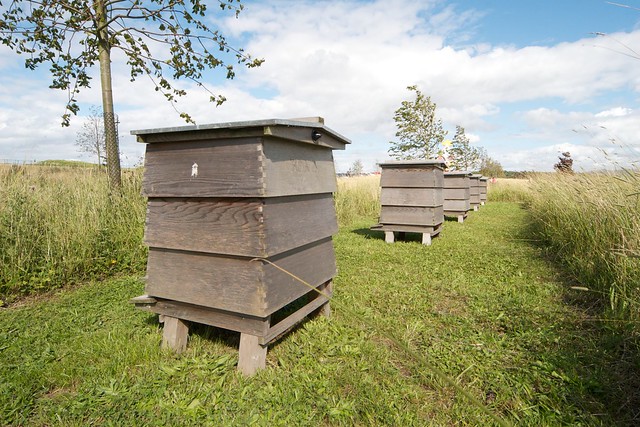
Glorious wool

Proto-Celtic *ulanā, *wlanā, *w(u)lāno-, *w(u)lano- = wool
Gaulish *wlanā = wool
Old Irish (Goídelc) olann [ˈolan͈] = wool
ollach = woolly
Irish (Gaeilge) olann [ˈɔlˠən̪ˠ] = wool, woolly hair, mop of hair; woollen
olanda = woolly
olannacht = woolliness
olanntáirgeach = wool-bearing
ollach = woolly, fleecy
ollacht = woolliness, fleeciness
Scottish Gaelic (Gàidhlig) olann [ˈɔl̪ˠən̪ˠ] = wool (usually while on sheep)
ola = woollen, made of wool
olach = woolly, fleecy
Manx (Gaelg) ollan = wool
ollanagh, olley = woolly
ollanaght = woolliness
Proto-Brythonic *gwlan [ˈɡwlaːn] = wool
Old Welsh gulan = wool
Middle Welsh (Kymraec) gluan, gwlan = wool
Welsh (Cymraeg) gwlân [ɡwlaːn] = wool, down, soft hair, grass, herbage; woollen, soft, made of wool
gwlana = to gather wool, beg or solicit wool
gwlanen = flannel, face-cloth; man of weak character, spineless person, unreliable person
gwlanendra = softness, lack of backbone
gwlanenêd = flannelette
gwlanel = flannel
gwlanennaidd, gwlanennog = flannelly, flannel-like, soft; weak-willed, without backbone, spineless (person), unreliable
gwlanennu = to provide with woollen clothing
gwlanennwr, gwlanennydd = flannel-maker, woollen-manufacturer, flannel-merchant, woollen-draper
gwlanog = woollen
Old Cornish gluan = wool
Middle Cornish glan, glawn = wool
Cornish (Kernewek) gwlan = wool
gwlanek = woollen, woolly
Middle Breton glan, gloan = wool
Breton (Brezhoneg) gloan = wool
gloanaj, gloanenn = woollen garment / material
gloanegenn = cozy, soft, snug
gloanell = cotten

Etymology: from the Proto-Indo-European *h₂wĺ̥h₁neh₂ (wool). The English word flannel comes ultimately from the Gaulish *wlanā, via Old French and Norman [source].

Sources: Wiktionary, Am Faclair Beag, Online Manx Dictionary, Teanglann.ie, eDIL – Electronic Dictionary of the Irish Language, In Dúil Bélrai English – Old Irish glossary, Geiriadur Prifysgol Cymru, Gerlyver Kernewek, Dictionaire Favereau, TermOfis, English – ProtoCeltic WordList (PDF), Etymological Dictionary Of Proto Celtic

Hurdle Fences

Words for hurdles, fences and related words in Celtic languages.

timeless gateway

Proto-Celtic *klētā = wattled frame, palisade, hurdle
Gaulish *cleta = hurdle
Old Irish (Goídelc) clíath = hurdle, litter, stretcher, wattlework
Middle Irish (Gaoidhealg) clíath = hurdle; wattle panels of walls, doors or gates; woven fence, palisade, outwork
Irish (Gaeilge) cliath [klʲiə] = wattled, latticed, frame, hurdle, phalanx, staff, stave (music)
cliathach = ribbed frame, engagement, battle
cliathobair = wattle-work, wickerwork
cliathóg = (small) hurdle
cliathóir = hurdler, hurdle-maker
cliathrás = hurdle race
cliathreathaí = hurdler
cliathreathaíocht = hurdling
Baile Átha Cliath Dublin (“Hurdle Ford Settlement”)
Scottish Gaelic (Gàidhlig) cliath [kliə] = grid, lattice, grate, grating, shoal (of fish), hurdle, harrow, stockade, stave, staff (music)
cliathag = small hurdle
cliath-bhogsa = crate
cliath-dhuilleag = spreadsheet
obair-chliath = trellis
Manx (Gaelg) cleeah = lattice, wicker, fret, darn, stave, staff, grid, stretcher, grate, grating, criss-cross, school of fish
cleea = hurdle
cleeader = hurdler
Proto-Brythonic *kluɨd = palisade, hurdle
Middle Welsh (Kymraec cluyt, clwyt = hurdle
Welsh (Cymraeg) clwyd [kluːɨ̯d / klʊi̯d] = movable hurdle, wattle, lattice, rack, crate, gate, door; protection, cover, defence
clwydo = to wattle, weave, hurdle, tangle; roost, sleep
clwydaid = a crateful, pannierful, kilnful
clwydedd = door, gate
clwydwaith = wickerwork, wattle
clwydwr = gate-keeper, porter
Old Cornish cluit = hurdle
Middle Cornish (Cernewec) cluit, clita = hurdle, wattle, crate, wattled gate
Cornish (Kernewek) kloos = fence, rack
Middle Breton klouet, cloet, kloued, klwed = hurdle
Breton (Brezhoneg) kloued = fence, barrier, gate, railings, grating, grid
klouedenn = openwork, fence, skylight, harrow, portcullis

Etymology: from the Proto-Indo-European *ḱléyteh₂ (leaning, sloped, inclined) from *ḱley- (to lean, incline) [source].

Words from the same Proto-Celtic root, via Gaulish and Latin, include claie (wicker rack, trellis, hurdle) in French and cheda (wattled laterals at the base of a traditional cart) in Galician [source].

Words from the same PIE root include client, climate, clinic, incline and lean in English, leunen (to lean) in Dutch, lehnen (to lean) in German, chinàre (to bend) in Italian, clemente (lenient) in Spanish [source], clé (left) and cleith (pole, cudgel, wattle) in Irish, cledd (left hand/side) in Welsh, and related words in Celtic languages [more details].

Sources: Wiktionary, Am Faclair Beag, Online Manx Dictionary, Teanglann.ie, eDIL – Electronic Dictionary of the Irish Language, In Dúil Bélrai English – Old Irish glossary, Geiriadur Prifysgol Cymru, Gerlyver Kernewek, Dictionaire Favereau, TermOfis, English – ProtoCeltic WordList (PDF), Etymological Dictionary Of Proto Celtic

Country and Land

Words for land, country and related words in Celtic languages.

Cwm Idwal

Proto-Celtic *tīros = dry land, land, earth
*wo-tīro- = piece of land
Old Irish (Goídelc) tír = land, country, territory, ground
Tír inna n-Óc = (mythical) Land of Youth
Irish (Gaeilge) tír [tʲiːɾʲ] = country, land, state, nation; region, district. territory, rural district, country native, ordinary
tírdhreach = landscape
tíreach = native, of the country
tíreachas = domesticity
tíreánach = mainlander
tíreolaí = geographer
tíreolaíocht = geography
tírghrá = patriotism
tírghrách = patriotic
tírghráthóir = patriot
Tír na nÓg = (mythical) Land of the Young/Youth
Scottish Gaelic (Gàidhlig) tìr [tʲiːrʲ] = land, country, territory
tìreach = countryman, patriot
tìr-eòlas = geography
tìr-ghràdhaiche = patriot
tìr-mór = mainland, continent
Tìr nan Òg = (mythical) Land of the Young/Youth
àrd-tìr = highland
Manx (Gaelg) çheer = land, country, state, territory, shore
çheeragh = native
çheer-ghraihagh = patriotic
çheer-oayllee = geographer
çheer-oaylleeaght = geography
çheer vooar = mainland
çheer yalloo = landscape
Çheer ny Aeg = (mythical) Land of Youth
Proto-Brythonic *tir [ˈtiːr] = land
Old Welsh tir = land
Middle Welsh (Kymraec) tir, tyr = land
Welsh (Cymraeg) tir [tiːr] = land, ground, soil, turf, estate, open land, region, territory, domain, country, earth, ridge
tiriaf, tirio = to land, come ashore, disembark, arrive, reach
tir(i)og = landowning, landed
tiriogaeth = territory, realm, district, tract, (piece of) land
tiriogaethol = territorial
tirwedd = landscape, scenery, (geographic) relief
Cornish (Kernewek) tir = land, earth
tira = to land, come ashore
tiredh = territory
tirlanow = landfill
tir meur = mainland
tirnos = landmark
tirwedh = landscape
konna tir = peninsula
penn tir = headland
Breton (Brezhoneg) tir = land
penn-tir = headland

Etymology: possibly from the Proto-Indo-European *tērs-os/tḗrs (to heap up, increase, enlarge) [source].

Princes Street Gardens

Proto-Celtic *wlatis = sovereignty, rule
*walo- = prince, chief
*walatro- = ruler
Old Irish (Goídelc) flaith [flaθʲ] = lordship, sovereignty, rule, kingdom, realm, prince, ruler
flaithem = prince, ruler
flaithemail = princely, munificent
flaithemnacht = rule
flaithemnas, flaithius = rule, sovereignty
flaithiúlacht = princeliness, munificence, lavishness, generosity
Irish (Gaeilge) flaith [fˠlˠah/fˠlˠa] = lordship, sovereignty, ruler, prince, lord, chief
banfhlaith = princess
flaithbheartach = princely, generous
flaithbhile = princely scion, noble champion
flaitheas = rule, sovereignty, kingdom, realm
flaitheasach = heavenly, celestial
co-fhlaitheas = confederation
flaithiúil = princely, munificent, lavish, generous
flaithiúlach = lavish, generous
flaithiúnta = sovereign, heavenly
mì-fhlathail = ignoble
Scottish Gaelic (Gàidhlig) flath [fl̪ˠah] = king, prince, ruler, noble
banfhlath = wife of a chieftain, noblewoman
flath-shonas [fl̪ˠahənəs] = dominion, kingdom, heaven, the heavens
flathail = noble, gallant, patrician, princely, majestic; blithesome
mì-fhlathail = ignoble
Manx (Gaelg) flah = prince, potentate
flaunys = heaven, utopia, paradise
Proto-Brythonic *gwlad [ˈɡwlaːd] = sovereignty, country
*gwlėdig = civil, secular, established, national
*gwaladr [ɡwaˈladr̩] = ruler
Old Welsh gulat = country, realm
Middle Welsh (Kymraec) gulat, gulad, gwlat, gwlad = country, realm
Welsh (Cymraeg) gwlad [ɡwlaːd/ɡlaːd] = country, land, province, region, district, kingdom, realm, domain; nation, the people of a country
gwaladr = ruler, sovereign
gwladaidd = rural, rustic countrified, homely, plain, mean, poor, boorish, vulgar, rough, clumsy, awkward
gwladiath = native tongue, mother tongue
gwladwr = countryman, peasant, rustic, compatriot, inhabitant, citizen
gwledig = rural
rhyngwladol = international
Old Cornish gulat = country
Cornish (Kernewek) gwlas = country
gwlaskar = patriotic
gwlaskarer / gwlaskarores = patriot
gwlaskarenja / gwlaskerensa = patriotism
gwlaskor = kingdom, realm
Old Breton guletic = prince
Middle Breton gloat = kingdom, wealth
gloedic = count
Breton (Brezhoneg) glad [ɡlɑːt] = inheritance, heritage, patrimony

Etymology: from the Proto-Indo-European *h₂wélh₁tis/*h₂wl̥h₁téy-, from *h₂welh₁- (to rule, strong, powerful) [source].

Proto-Celtic *talamū = earth
Gaulish *talamon = ?
Old Irish (Goídelc) talam [ˈtalaṽ] = earth, (dry) land, country, soil, dirt, clay
Irish (Gaeilge) talamh [ˈt̪ˠɑlˠəvˠ/ˈt̪ˠalˠə/ˈt̪ˠalˠu] = earth, ground, land, dry land, soil, soild base (for discussion, understanding)
talamhchreathach = seismic
talamhchrith = earthquake
talamhiata = land-locked
talamhluas = ground speed
Scottish Gaelic (Gàidhlig) talamh [tal̪ˠav] = earth, ground, Earth
talamh bàn = fallow/unmanured ground
talamh-dearg = tiled soil, ploughed land
talamh-làidir, talamh-glas = unploughed land
talamh-rèisg = marshy/boggy ground
talamh-àitich = arable land, cultivable land
Manx (Gaelg) thalloo = country, land, shore, terrain, territory, clod, earth, ground , soil
thallooinaghey = to earth, earthing

Etymology: from the Proto-Indo-European *telh₂- (ground) [source]. The French surname Talmont, and the placenames Talmont-sur-Gironde and Talmont-Saint-Hilaire come from the same Proto-Celtic root, via the Gaulish *talamon, and the Latin Talamone / Talmun.

Words from the same PIE root include tellurian (of or relating to the earth) in English, тло [tɫɔ] (background, environment, ground, basis) in Ukrainian, потолок [pətɐˈɫok] (ceiling, upper limit, roof) in Russian, tło [twɔ] (background) in Polish, तल [t̪əl] (bottom, level, storey, floor) in Hindi [source].

Sources: Wiktionary, Am Faclair Beag, Online Manx Dictionary, Teanglann.ie, eDIL – Electronic Dictionary of the Irish Language, In Dúil Bélrai English – Old Irish glossary, Geiriadur Prifysgol Cymru, Gerlyver Kernewek, Dictionaire Favereau, TermOfis, English – ProtoCeltic WordList (PDF), Etymological Dictionary Of Proto Celtic

The Fastest Way to Learn Japanese Guaranteed with JapanesePod101.com

Apples

Words for apples and related words, in Celtic languages.

Apples / afalau

Proto-Celtic *abalom = apple
*abalnā = apple tree
Gaulish abalon, aballon = apple, apple tree
Old Irish (Goídelc) ubull, uball [ˈu.vul͈/ˈu.val͈] = apple
aball = apple tree
Irish (Gaeilge) úll [uːl̪ˠ] = apple; ball-and-socket joint; globular object, ball
úllach = bearing apples, abounding in apples
úllachán = little apple, little ball (of thread, etc)
úlllgharraí, úllghort, úllord = orchard
úllghlas = apple-green
úll óir = golden apple, precious thing
abhaill = apple tree
fia-úll = crab-apple
Scottish Gaelic (Gàidhlig) ubhal [u.əl̪ˠ] = apple
ubhal-chrann, abhaill = apple tree
ubhal-cridhe = tomato
ubhal-fiadhain, fiadh-ubhal, searbh-ubhal = crab/wild apple (malus sylvestris)
ubhal-ghort = apple orchard
dearc-ubhal = oak apple
lionn-ubhal = (apple) cider
òr-ubhal = orange
Manx (Gaelg) ooyl = apple, pommel
ooylagh = orchard
billey ooyl = apple tree
ooyl feie = crab-apple
ooyl ghraih = tomato
ooyl ghraney, ooyl ghrineagh = pomegranate
Proto-Brythonic *aβal = apple
*aβaln = apple tree
Middle Welsh (Kymraec) aual, aval, afal = apple
auallen, avallen, yfallen = apple tree
Welsh (Cymraeg) afal [ˈaval/ˈaːval] = apple
afallen = apple tree
afal cariad = tomato, love-apple
afal cwins = quince
afal drain = haw, hawthorn berry
afal gwlanog = peach
afal sur (bach) = crab apple
Cornish (Kernewek) aval [ˈaval/ˈævɐl] = apple
avalen = apple tree
aval briansen = larynx
aval dor = potato
aval gwlanek = peach
aval kerenja/kerensa = tomato
aval lagas = eyeball
aval paradhis = grapefruit
aval saben = pine cone
Old Breton abal = apple
Middle Breton aval [ˈɑː.val] = apple
Breton (Brezhoneg) aval = apple
avalwez = apple tree
aouraval = orange
greunaval = pomegranate
aval-douar = potato

Etmology: possibly from the Proto-Indo-European *h₂ébōl (apple), which is also the root of words for apple in Baltic, Slavic, Celtic, Germanic and Italic languages [source].

Avalon, the legendary island in the west to which King Arthur was taken after the Battle of Camlann, probably comes from the same root, via the Latin Insula Avallonis – the name used by Geoffrey of Monmonth in his Historia Regum Britanniae (c. 1136). Avalon may have been the Isle of Man, or the Isle of Arran, which were known as Emain Ablach in Old Irish poems [source.

Words marked with a * are reconstructions.

Sources: Wiktionary, Am Faclair Beag, Online Manx Dictionary, Teanglann.ie, eDIL – Electronic Dictionary of the Irish Language, In Dúil Bélrai English – Old Irish glossary, Geiriadur Prifysgol Cymru, Gerlyver Kernewek, Dictionaire Favereau, TermOfis, English – ProtoCeltic WordList (PDF)

Strawberries

Words for strawberries and related words, in Celtic languages.

Strawberries

Proto-Celtic *subhī = strawberries
Old Irish (Goídelc) sub = strawberry
sub craéb = raspberry
Irish (Gaeilge) [sˠuː] = (red) berry
sú craobh = raspberry
sú talún = strawberry
Scottish Gaelic (Gàidhlig) sùbh [suː] = berry, soft fruit
sùbh-craobh = raspberry
sùbh-craobh ruiteach = salmonberry (Rubus spectabilis)
sùbh-làir fiadhain = wild / Alpine strawberry (Fragaria vesca)
sùbh nam ban-sìthe = stone bramble (Rubus saxatilis)
sùbh-thalmhainn = strawberry
Manx (Gaelg) soo [suː] = berry
soo crouw = raspberry
soo thallooin = strawberry
Middle Welsh (Kymraec) yssyui / syui / syvi = strawberries
Welsh (Cymraeg) syfi(en) [ˈsəvi] = (wild) strawberries
syfi coch/gwyllt/bach = wild strawberries
syfi gardd = cultivated strawberries)
syfïa = to gather (wild) strawberries
Old Cornish syvyen = strawberry
Cornish (Kernewek) sevi(en) = strawberries
Old Breton s(u)iuy = strawberries
Middle Breton siuy = strawberries
Breton (Brezhoneg) sivi(enn) = strawberries
sivia = to pick strawberries
sivi-garzh = wild strawberries

Etmology: possibly from a non-Indo-European substrate [source]

Middle Welsh (Kymraec) ymevvs / mefys / mefvs / mevys = strawberries
Welsh (Cymraeg) mefus(en) [ˈmɛvɨ̞s / ˈmeːvɪs] = strawberries
mefus y goedwig / mefus y coed = wild strawberries

Etmology: from the Vulgar Latin majusa (“mayberry”), or from the Basque mart (blackberry, bramble), or from the Gaulish *majoþa [source]

Words marked with a * are reconstructions.

Sources: Wiktionary, Am Faclair Beag, Online Manx Dictionary, Teanglann.ie, eDIL – Electronic Dictionary of the Irish Language, In Dúil Bélrai English – Old Irish glossary, Geiriadur Prifysgol Cymru, Gerlyver Kernewek, Dictionaire Favereau, TermOfis, English – ProtoCeltic WordList (PDF)

Bridges

Words for bridges and related words in Celtic languages.

Menai Bridge / Pont y Borth

Words marked with a * are reconstructions.

Old Irish (Goídelc) drochet [ˈdroxʲed] = bridge
Middle Irish (Gaoidhealg) drochet, drochat, droichet = bridge, causeway
drochetech, drochetóir = bridge-maker
Irish (Gaeilge) droichead [ˈd̪ˠɾˠɛçəd̪ˠ] = bridge
droichead crochta = suspension bridge
droichead tógála = drawbridge
droichead meáite = weigh bridge
droichead veidhlín = bridge of a violin
droichead sróine = bridge of the nose
Scottish Gaelic (Gàidhlig) drochaid [drɔxɪdʲ] = bridge
drochaid air fleodradh = pontoon
drochaid-thogalach, drochaid-thogail = drawbridge
drochaid-choise = footbridge
drochaid-rathaid = road bridge, viaduct
drochaid-thionndain = swing bridge
Manx (Gaelg) droghad = bridge, bridge of ship, arch, gantry
droghad aae = viaduct
droghad cassee = swing bridge
droghad coshey = gangway, footbridge
droghad croghit = suspension bridge
droghad keesh = toll bridge
droichead meihaghey = weigh bridge

Etymology: from Old Irish droch (wheel, circlet) and sét (path) [source].

Gaulish ponto = bridge
Proto-Brythonic *pont = bridge
Cumbric *pont = bridge
Old Welsh (Kembraec) pont = bridge
Middle Welsh (Kymraec) pont, pynt = bridge, drawbridge
Welsh (Cymraeg) pont [pɔnt] = bridge, drawbridge, viaduct, aqueduct
pontio = to bridge (a gap), to transition
pont godi = drawbridge
pont grog = suspension bridge
pont trwyn = bridge of the nose
pont y glaw, pont law = rainbow
pont ysgwydd = collar-bone, clavicle
pontio = to bridge, span, arch
pont(i)og = like a bridge, arched of the nature of a bridge
pont(i)wr, pontydd = a bridge-builder
pontyddiaeth = bridge-building
Old Cornish (Cernewec) pons = bridge
Middle Cornish (Cernewec) pons = bridge
Cornish (Kernewek) pons = bridge
ponsfordh = viaduct
pons travalya = travelling bridge
Middle Breton (Brezonec) pont = bridge
Breton (Brezhoneg) pont [pɔ̃nt] = bridge, top of the furrow, culvert, trigger guard
pontan, pontañ = to bridge, lay flat stones (on a ditch or stream)
pont-tro = swing bridge
pont hent-houarn = railway bridge
pont dilestrañ = bridge, deck (of ship)
pont kargañ = loading deck
pont-tro = swing bridge

Etymology: from Latin pōns (bridge, deck), from Proto-Indo-European *pónteh₁s (path, road), from *pent- (path). Words from the same roots include pont (bridge) in French, puente (bridge) in Spanish, път [pɤt] (road, way, path, journey, way) in Bulgarian source].

Proto-Celtic *brīwā = bridge
Gaulish briua = bridge
Leptonic 𐌐𐌓𐌖𐌉𐌀𐌌 (pruiam) = funerary construction (perhaps a grave)

Etymology: from Proto-Indo-European *bʰerw/*bʰrēw (wooden flooring, decking, bridge), which is also the root of the English words bridge and brig, and Brücke (bridge) in German [source].

The Fastest Way to Learn Japanese Guaranteed with JapanesePod101.com

Sources: Wiktionary, Am Faclair Beag, Online Manx Dictionary, Teanglann.ie, eDIL – Electronic Dictionary of the Irish Language, In Dúil Bélrai English – Old Irish glossary, Geiriadur Prifysgol Cymru, Gerlyver Kernewek, Dictionaire Favereau, TermOfis, English – ProtoCeltic WordList (PDF), Etymological Dictionary Of Proto Celtic
Unlimited Web Hosting - Kualo

Peaks

Words for peaks and tops and related words in Celtic languages.

View from Snowdon

Words marked with a * are reconstructions.

Proto-Celtic *bandā = top, peak; horn
*benno- = peak, top
Gaulish benn/*bannā = peak
Old Irish (Goídelc) benn [bʲen͈] = mountain, crag, peak, point, crest, summit, pinnacle, spire; gable, corner, horn (of animal), drinking horn, prong, crest
bennán = horned animal, cow, calf; horned or peaked object
Middle Irish (Gaoidhealg) benn = mountain, crag, peak, point, crest, summit, pinnacle, spire, gable, corner, prong, crest
bennacán = little horned one, calf
bennach = pointed, peaked, horned
bennán = a horned animal, calf
bennchopor = steeple, tower
Irish (Gaeilge) beann = horn, antler; drinking horn; prong (of fork)
beannach = horned, antlered, pronged, peaked, gabled, angular
beannógach = peaked,angular
binn = peak; gable; cliff; corner, edge, margin; lap; side, portion
Scottish Gaelic (Gàidhlig) beann [bjaun̪ˠ] = horn, peak, top, corner, skirt
beannach = [bjan̪ˠəx] = pointed, horned
beinn [bein̪ʲ] = mountain, mount, high hill
beinn-theine = volcano
eigh-bheinn = iceberg
Manx (Gaelg) beinn = mountain, ben, summit, pinnacle, apex, tine of deer
beinn rioee = iceberg
Proto-Brythonic *bann = top, peak
Middle Welsh (Kymraec) bann, = top, tip, peak, summit
Welsh (Cymraeg) ban [ban] = top, tip, peak, summit, crest, peak, beacon, height, pinnacle, turret, hill, mountain, bare hill; chief; drinking horn, horn (of animal); arm, branch, beam, point (of cross)
bannau’r byd = corners, quarters or regions of the world, the ends of the earth
ban caer, ban y gaer = rampart of a fort; top or height of a fortess
ban lleuad = quarters of the moon, new moon
Middle Cornish (Cernewec) ban = that which is high, a height, mountain, summit
Cornish (Kernewek) ban = prominence
Breton (Brezhoneg) bann = rising, uphill, upright, post, column

Etymology: from the Proto-Indo-European *bn̥dʰéh₂ from *bendʰ- (pin, point). The Scots word ben (mountain, hill) comes from the Scottish Gaelic beinn. From Gaulish we get the Catalan words banya (horn) and banyut (horned, unfaithful), and the Occitan bana (horn), and the English word pin comes from the same PIE root [source].

See the post about Mountains for other mountain-related words, such as sliabh in Irish and Scottish Gaelic, and mynydd in Welsh.

The Fastest Way to Learn Japanese Guaranteed with JapanesePod101.com

Sources: Wiktionary, Am Faclair Beag, Online Manx Dictionary, Teanglann.ie, eDIL – Electronic Dictionary of the Irish Language, In Dúil Bélrai English – Old Irish glossary, Geiriadur Prifysgol Cymru, Gerlyver Kernewek, Dictionaire Favereau, TermOfis, English – ProtoCeltic WordList (PDF), Etymological Dictionary Of Proto Celtic

Unlimited Web Hosting - Kualo

Water

Words for water and related words in Celtic languages.

Afon Ogwen River

Words marked with a * are reconstructions.

Proto-Celtic *dubros = water, dark
*dubrokū = otter (“water dog”)
*dubro-jarā = water-hen
Gaulish Dubra, Uerno-dubrum = names of rivers
Old Irish (Goídelc) dobur [ˈdovur] = water, river
doburchú [ˈdovurˌxuː] = otter (“water dog”)
Middle Irish (Gaoidhealg) dobrán = water
Irish (Gaeilge) dobhar = water; flood, torrent; darkness, dullness, obscurity
dobhartha = watery, wet; dull, gloomy.
dobharchú = otter (“water dog”)
dobharchlog = water clock
dobhardhroim = watershed
dobhareach = hippopotamus
dobharlí = water-colour
dobhrán = otter; dull-witted, stupid, person
Scottish Gaelic (Gàidhlig) dobhar [do.ər] = water (archaic)
dobhar-chù [do.ərxu] = otter, beaver (“water dog”)
dobhar-lus [r̪ˠɔːhdəx] = (water)cress
dòbhran [dɔːran] = otter
Manx (Gaelg) dooarchoo = otter, beaver (“water dog”)
doour = reservoir, dam
Proto-Brythonic *duβr = water
*düβrgi = otter
Middle Welsh (Kymraec) dwfyr [ˈduvər] = water
Welsh (Cymraeg) dŵr [duːr], dwfr [dʊvr] = water; urine; pus
dyfrgi, dwrgi = otter (“water dog”)
dyfrgiad = watering, irrigation, urination
dyfrio, dyfru = to water, to irrigate, to run, to urinate
dyfrig = dripping, foaming (of a horse)
dyfraidd = aqueous, waterish, aquatic
Cornish (Kernewek) dowr [doʊɹ] = water; river
dowrgi = otter (“water dog”)
dowra = to water
dowrhe = to irrigate
dowrvagh = hippopotamus
dowrliw = water-colour
Middle Breton dour = water
Breton (Brezhoneg) dour [ˈduːr] = water; rain, tears, sweat, saliva
dourgi = otter (“water dog”)
douraerouant = hydra
dourliv, dourlivadur = water-colour
dournijerez = seaplane, flying boat, hydroplane

Etymology: from the Proto-Indo-European *dʰubrós (dark) from *dʰewb- (deep). The River Douro in Portugual, which is called the Duero in Spain, gets its names from the same Proto-Celtic root, via the Latin Dūrius. The River Dubra in Galicia in the northwest of Spain also gets its name from Proto-Celtic *dubros, as does the English town Dover, and French towns such as Douvres-la-Délivrande in the department of Calvados in Normandy, and Douvres in the department of Ain in the Auvergne-Rhône-Alpes region [source].

Words from the same PIE roots include deep, dip, dope and possibly abyss in English, dubra (puddle) in Latvian, debra (gorge, ravine) in Slovak, debrza (dell, dingle) in Polish, and döpa (to baptize, name, christen) in Swedish [source].

Proto-Celtic *udenskyos = water
Old Irish (Goídelc) uisce [ˈusʲkʲe] = water
Irish (Gaeilge) uisce [ˈɪʃk̟ɪ] = water; rain, tears, saliva
uisceadán = aquarium
uiscebhealach = waterway
uiscedhath = watercolour
uiscedhíonach = waterproof
uisce-obach = watertight
uiscerian = aqueduct
uiscigh = to water, irrigate
uisciú = irrigation
uisce beatha = (Irish) whiskey
Scottish Gaelic (Gàidhlig) uisge [ɯʃgʲə] = water; rain; river (in place names)
uisgeadan [ɯʃgʲədan] = aquarium; body of water
uisge-dhath, dath-uisge = watercolour
uisge-dhìonach = waterproof, impervious; watertight
uisgrian = aqueduct
fuar-uisge = cold rain, cold water
slighe-uisge = waterway
uisgich [ɯʃgʲɪç] = to water, irrigate
uisgeachadh [ɯʃgʲəxəɣ] = watering, irrigation
uisge-beatha = (Scottish) whisky
Manx (Gaelg) ushtey [ˈuʃtʲə] = water
ushteydane = aquarium
bollagh ushtey, coorse ushtey, raad ushtey = waterway
ammyr ushtey, droghad ushtey = aqueduct
ushtaghey = to water, irrigate, steep, watering irrigation
ushtey bea = whisk(e)y

Etymology from the Proto-Indo-European *udén, from *wódr̥ (water). The English word whiskey comes from Irish uisce beatha (whiskey), and whisky comes from Scottish Gaelic uisge-beatha (whisky): the former is used in Ireland, England and the USA, while the latter is used in Scotland, Canada and Australia [source].

Words from the same PIE root include water, undulation, inundation and vodka in English, Wasser (water) in German, onda (wave) in Spanish, vanduõ (water, current, flow) in Lithuanian, and woda (water, flood) in Polish [source].

Slieve League / Sliabh Liag

Proto-Celtic *sālos = saltwater
*saleinos = salt
Old Irish (Goídelc) sál [saːl], sáile [ˈsaːlʲe] = salt water, brine, seawater; sea, ocean (poetic)
Middle Irish (Gaoidhealg) sál, sal, sāil = the sea, ocean, seawater, brine
Irish (Gaeilge) sáile [ˈsˠɑːlʲə] = sea water, sea, salt water, brine
loch sáile = sea-water loch, lagoon
thar sáile = overseas
Scottish Gaelic (Gàidhlig) sàl, sàile = the sea, sea water, salt water
Manx (Gaelg) sailley = salt water
Proto-Brythonic *salī = salt, sea water
Middle Welsh (Kymraec) hely, heli = brine, salt water, pickle, sea-water, sea
Welsh (Cymraeg) hâl [haːl] = salt, salty, saline, akaline
heli = brine, salt water, pickle, sea-water, sea
helïad = a salting, seasoning
helïo = to salt, preserve, pickle, season
helïaidd = salty, briny, saline, brackish
Middle Cornish (Cernewec) hyly = brine, salt water, sea water
Cornish (Kernewek) hyli = salt water
Middle Breton (Brezonec) hili, hyli = brine
Breton (Brezhoneg) hal = salt water, salt
hili = brine, strong sauce

Etymology from the Proto-Indo-European *séh₂ls (salt) [source]. Words from the same PIE root include salt, saline (containing salt, salty) and salad in English, sel (salt) in French, sal (salt) in Spanish, sůl (salt) in Czech, and suola (salt) in Finnish [source].

Scottish Gaelic (Gàidhlig) bùrn [buːr̪ˠn̪ˠ] = (fresh) water, amount of water, (act of) raining
bùrn-éirigh = spring water
bùrn-iarainn = mineral water
bùrn mìn = fine drizzle

Etymology from the Scots burn (a small river), from the Middle English bourne (small stream), from the Old English burne, burna (spring, fountain), from Proto-Germanic *brunnô (stream, brook). the Proto-Indo-European *bʰrun- (a bubbling forth; a fountain, wellspring, source) [source].
The Fastest Way to Learn Japanese Guaranteed with JapanesePod101.com

Sources: Wiktionary, Etymological Dictionary Of Proto Celtic, In Dúil Bélrai English – Old Irish glossary, eDIL – Electronic Dictionary of the Irish Language, Teanglann.ie, Am Faclair Beag, An etymological dictionary of the Gaelic language, Fockleyreen: Manx – English Dictionary, Online Manx Dictionary, Gaelg Corpus, Geiriadur Prifysgol Cymru, Lexicon cornu-britannicum : a dictionary of the ancient Celtic language of Cornwall, Gerlyver Kernewek, Devri : Le dictionaire diachronique du breton, Dictionaire Favereau, TermOfis

Unlimited Web Hosting - Kualo

Frosty Ice

Words for frost, ice, cold and related words in Celtic languages.

A cold and frosty morning / Bore oer a rhewllyd

Words marked with a * are reconstructions.

Proto-Celtic *ɸreswos = frost
Old Irish (Goídelc) réúd [r͈ʲeːu̯ð] = frost
Middle Irish (Gaoidhealg) reód = frost
Irish (Gaeilge) reo [ɾˠoː / ɾˠɔː] = frost
reodóg = icicle
reoigh = to freeze, congeal, solidify
reoiteach = frosty, chilling
reoiteacht = frostiness
reoiteog, uachtar reoite = ice cream
reomhar = frigid
Scottish Gaelic (Gàidhlig) reòth [r̪ˠɔː] = frost, freeze, become frozen, congeal
reòite [r̪ˠɔːdʲə] = frozen, frosty, icy
reòthtach [r̪ˠɔːhdəx] = freezing, frosty
reòthadh = freeze
reòthadair [r̪ˠɔ.ədɪrʲ] = deep-freeze, freezer
stob reòta, caisean-reòta, boidean-reòthaidh = icicle
Manx (Gaelg) rio = frost, freezing, ice
riojey = to freeze, ice up
rioeeagh = freezing, frosty
rioeeaght = frostiness
rioghar, bwoid rioee, kibbin rioee = icicle
riojag, key riojey, key riojit = ice-cream
rio-stroo, awin rioee = glacier
Middle Welsh (Kymraec) rew, reo, rev = frost
rewlyt, rewlyd, rewllid = icy, freezing, frozen
Welsh (Cymraeg) rhew [r̥eːu̯ / r̥ɛu̯] = (hoar-) frost, ice
rhewaidd = freezing, frosty, icy
rhewedig = frozen, icy, extremely cold
rhewi = to freeze, preserve; anaesthetize, make numb
rhewiadur = refrigerator
rhewin = frosty weather
rhewllyd, rhewlyd = icy, freezing, frozen, very cold, frigid
rhew bargod = icicle
rhew du = black ice
gwŷn rhew = frost-bite
rhedlif rhew = glacier
Old Cornish reu = ice, frost
Middle Cornish (Cernewec) rew, reu = frost, ice
Cornish (Kernewek) rew = ice, frost
rewer = freezer
rewi = to freeze
rewys = frozen
downrewi = deep-freeze, freezer
dehen rew = ice cream
furvell rew = ice tray
kub rew = ice cube
skes rew = ice skate
Middle Breton (Brezonec) reau, reo, réau, rëu = frost, frozen
Breton (Brezhoneg) rev = frost, freezing, freeze
rev du = black ice
rev noz = night frost

Etymology: from the Proto-Indo-European *prews- (to freeze, frost), which is also the root of the word frost in English [source].

Ice cave on Franz Josef Glacier

Proto-Celtic *yegis = ice
Old Irish (Goídelc) aigred = ice
aigretta = icy, frozen
Middle Irish (Gaoidhealg) aig = ice
aigide = icy
Irish (Gaeilge) oighear [əiɾʲ] = ice
oighear dubh = black ice
oighreach = glacial
leac oighir = (sheet of) ice
Scottish Gaelic (Gàidhlig) eigh [ej] = ice
eigh-bheinn = iceberg
eigh-shruth = glacier
leac-eighe = ice-floe
linn-eighe = ice age
pac-eigh = pack ice
taigh-eighe = ice house
Proto-Brythonic *jaɣ = ice
Middle Welsh (Kymraec) ia, ya = ice, frost
Welsh (Cymraeg) [jaː] = ice, (hoar-) frost
iaaidd = glacical, icy
iaënnol = glacical, icy
iaeth, iaaeth = iciness, frost, cold, severe winter weather
ialyd = icy, freezing, very cold
iaog = icy, freezing, frozen
iain = very cold, freezing, icy
Old Cornish iein = ice
Middle Cornish (Cernewec) iein, iên, yein, yeyn, yên = cold (as ice), frigid
ieinder, iender, yender, yeinder = frigidity, coolness
Cornish (Kernewek) yey = ice
yeyn = cold
yeynder = cold
yeynell, yeyner = fridge
yeynhe = to chill, become cold
Middle Breton (Brezoneg) yen = cold
Breton (Brezhoneg) yen = cold
yenaat = to cool down, relax
yenadur = coolness, cooling, chill
yenañ = to cool, refrigerate, detach
yender = cold, coolness

Etymology from the Proto-Indo-European *h₁yeg- (ice, frost), which is also the root of the English word icicle [source].

Proto-Celtic *ougros = cold
Gaulish Ogronnios = personal name
Old Irish (Goídelc) úar [uːa̯rʲ] = cold
úacht = cold, coldness
Middle Irish (Gaoidhealg) úar = cold, cool. refreshing, unfriendly
ind(ḟ)úar = very cold, chilly, cool, refreshing, pleasing, entertaining
úacht, ócht, ocht = cold, coldness, numbness
Irish (Gaeilge) fuar [fˠuəɾˠ] = cold, apathetic, raw, uncooked
fuaraigh = to cool, make cold, chill, relieve, pass (away)
fuaráil = coolness, indifference, reserve
fuaraíocht = coldness, chilliness
fuarálach = cold, indifferent, reserved
fuacht = cold, chill, apathy
fuachtán = chilblain
Scottish Gaelic (Gàidhlig) fuar [fuər] = cold
fuarachd [fuərəxg] = coldness, chilliness, chilblain, mildew, dampness
fuarachdainn [fuərəxgɪn̪ʲ] = cooling, easing, relieving
fuaradair [fuərədɪrʲ] = fridge, refrigerator
fuaraichte [fuərɪçdʲə] = cooled, refrigerated, eased, relieved
fuarail [fuəral] = chilly, chilling
fuaralachd [fuərəl̪ˠəxg] = coldness, frigidity
Manx (Gaelg) feayr = chill, cold, cool, frigid, frosty, ice, distant (of person)
feayght = chill, cold, exposure
feayraghey = chill, cool, refrigerate, alienation
feayraght = chill, cold, coldness
feayrit = chilled, cooled, refrigerated
Middle Welsh (Kymraec) oir, oer = cold, cool
oerai, oeri = to make/become/grow cold or cool
oyrder = cold(ness), cool(ness), chill, indifference, apathy
oered = coldness, chill
oervel, oeruel = cold(ness), chill
Welsh (Cymraeg) oer [jaː] = cold, cool, sad, dejected, miserable, coldness, child, cold vegetables, fruit and salad
oeraf, oeri = to make/become/grow cold or cool, lose zeal, become depressed
oeraidd = rater cold, coolish, coldish, chilly, unenthusiastic, apathetic, indifferent
oerder = cold(ness), cool(ness), chill, indifference, apathy
oeredd = coldness, chill
oerfa = cool place, shade
oerfel = cold(ness), chill
oergell = refrigerator, freezer, cold cell
Middle Cornish (Cernewec) oir = cold, frigid
Cornish (Kernewek) oor = bitterly cold, glacial, icy

Etymology from the Proto-Indo-European *h₃ewǵ- (cold), which is also the root of the Lithuanian word aušti (cold) [source].

Another word for ice in Breton is skorn – etymology unknown.

Sources: Wiktionary, Am Faclair Beag, Online Manx Dictionary, Teanglann.ie, eDIL – Electronic Dictionary of the Irish Language, In Dúil Bélrai English – Old Irish glossary, Geiriadur Prifysgol Cymru, Gerlyver Kernewek, Gerlyvyr Cernewec, Lexicon Cornu-britannicum: A Dictionary of the Ancient Celtic Language of Cornwall, Dictionaire Favereau, TermOfis, Le dictionnaire diachronique du breton, Geriafurch, English – ProtoCeltic WordList (PDF), Etymological Dictionary Of Proto Celtic