Fords

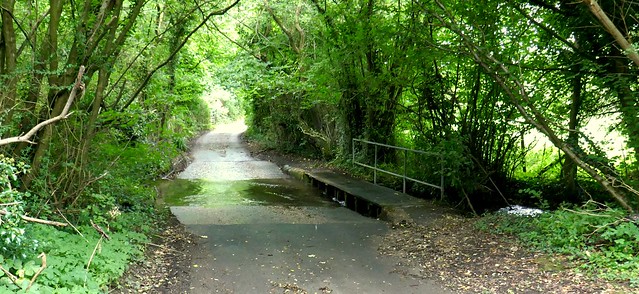
Words for ford in Celtic languages.

Ford

Proto-Celtic *yātus = ford
Old Irish (Goídelc) áth = ford
Irish (Gaeilge) áth = ford; spawning bed (in river); opening
Scottish Gaelic (Gàidhlig) àth [aːh] = ford
Manx (Gaelg) aah = ford, drift

Etymology: from the Proto-Indo-European *yeh₂- (to ride, travel) [source].

Proto-Celtic *ɸritus = ford
Gaulish ritu = ford
Irish (Gaeilge) rith = ford
Proto-Brythonic *ritum, *rrɨd = ford
Old Welsh rit = ford
MIddle Welsh (Kymraec) ryd, ryt = ford
Welsh (Cymraeg) rhyd = ford, strait
Old Cornish rid = ford
Cornish (Kernewek) rys [rɪ:z] / res [re:z] = ford
Old Breton rit = ford
Breton (Brezhoneg) red = ford

Etymology: from the Proto-Indo-European *pértus/*pr̥téw- (crossing) [source].

Words marked with a * are reconstructions.

Sources: Geiriadur Prifysgol Cymru, Gerlyver Kernewek, Dictionnaire Favereau

Mountains

Words for mountain and related words in Celtic languages.

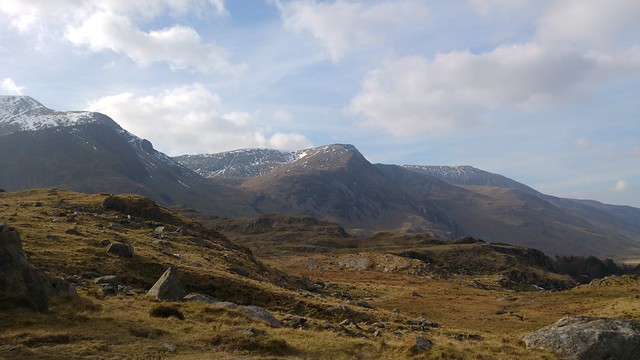
Cwm Idwal

Words marked with a * are reconstructions.

Proto-Celtic *slēbos = mountain, slope
Old Irish (Goídelc) sliab [sʲl͈ʲiːa̯v] = mountain, mountain range; moor
Middle Irish (Gaoidhealg) sliab = mountain, mountain range, moor, moorland
Irish (Gaeilge) sliabh [ʃlʲiəvˠ / ʃl̠ʲiəvˠ / ʃl̠ʲiəw] = mountain, moor, moorland
sliabhraon = mountain range
sléibhteánach = mountain dweller
sléibhteoir = mountaineer
sléibhteoireacht = mountaineering
sléibhtiúil = mountainous, hilly,moorish
sléibhtiúlacht = hilliness
Scottish Gaelic (Gàidhlig) sliabh [ʃl̪ʲiəv] = hillside, slope, mountain
sliabh-mònach = peat moor
sliabhach, slèibhteach = mountainous
sliabhair [ʃl̪ʲiəvɛrʲ] = mountaineer
slèibhteag [ʃl̪ʲeːvdʲag] = small hillside/slope, small mountain
Manx (Gaelg) slieau [slʲuː / ʃlʲuː] = mountain, fell, hillside, moor, berg

Etymology: possibly from PIE *sley-bʰo- from *sley- (to smear), or from PIE *slewb(ʰ)- (to slip, glide) [source].

Proto-Celtic *moniyos = mountain
Pictish monid = mountain
Middle Irish (Gaoidhealg) moned, monad = mountain
Scottish Gaelic (Gàidhlig) monadh [mɔnəɣ] = mountain (covered with moors), high-lying moorland; expanse of heather
Manx (Gaelg) muyne = mountain
Proto-Brythonic *mönɨð = mountain
Middle Welsh (Kymraec) minid, menyd, mynyd, mynyth [ˈmənɨð] = mountain
mynyddig, mynyddic = mountainous, hilly, highland, wild, rustic
Welsh (Cymraeg) mynydd [ˈmənɨ̞ð / ˈmənɪð] = mountain, (large) hill, large pile, great amount; common, unenclosed land, mountain land, moorland; agricultural land; plain
mynydda = to climb mountains, go mountain walking, plough and harrow
mynyddaidd = mountainous, like a mountain
mynyddbarth = mountainous region
mynyddig = mountainous, hilly, highland, wild, rustic
mynyddigion = inhabitants of the mountains
mynyddwr = mountain dweller, highlander, mountaineer
Old Cornish menit = mountain
Middle Cornish (Cernewec) menedh, menydh, mynydh = mountain
Cornish (Kernewek) menydh, menedh [‘mɛnɪð] = mountain, hill, uphill
menydh rew / menydh yey = iceberg
Old Breton monid = mountain
Middle Breton (Brezonec) menez, = mount, mountain
Breton (Brezhoneg) menez = mount, mountain
menezeg = mountainous
meneziad = mountaineer
menezus = mountainous

Etymology: from the Proto-Indo-European *men- (to tower, stand out) [source], which is also the root of English words such as mount, mountain, prominent and eminent [source].

See the post about Peaks for other mountain-related words, such as beann in Irish and Scottish Gaelic.

The Fastest Way to Learn Japanese Guaranteed with JapanesePod101.com

Sources: Wiktionary, Am Faclair Beag, Online Manx Dictionary, Teanglann.ie, eDIL – Electronic Dictionary of the Irish Language, In Dúil Bélrai English – Old Irish glossary, Geiriadur Prifysgol Cymru, Gerlyver Kernewek, Dictionaire Favereau, TermOfis, English – ProtoCeltic WordList (PDF), Etymological Dictionary Of Proto Celtic

Unlimited Web Hosting - Kualo

Streams and Currents

Words for stream, current and related things in Celtic languages.

Cwm Idwal

Words marked with a * are reconstructions.

Proto-Celtic *srutom = stream, river; flow, current
Gaulish srut(u)a = torrent, stream, watercourse
Old Irish (Goídelc) sruth [sruθ] = stream, river, current; strait
Middle Irish (Gaoidhealg) sruth = stream, river, current, torrent, strait
Irish (Gaeilge) sruth [sˠɾˠʊ(h)] = stream, current, flow
sruthach = streaming, flowing, full of streams
sruthaigh = to stream, flow
sruthaire = stroller, vagabond, unbidden guest
sruthaireacht = (act of) roaming, vagabondage, (act of) scrounging
sruthán = (small) stream, rivulet, brook, gush, flow
sruthánach = abounding in streams, streaming
sruthlán = streamlet, rill
Scottish Gaelic (Gàidhlig) sruth [sdruh] = stream, current
sruthlag [sdrul̪ˠag] = runnel, streamlet
sruthan [sdruhdan] = long stream of words, long-winded talk
sruthach [sruhəɣ] = flowing, streaming, flow
sruthan [sdruhan] = brook, streamlet
sruthadair [sdruhədɪrʲ] = streamer
Manx (Gaelg) stroo [struː] = current, stream, race, watercourse, tide-race, tidal flow
strooan = brook, creek, river, rivulet, stream, waterway
strooaney = flowing, streamed
strooanagh = full of streams, streaming
Proto-Brythonic *frud = stream, river; flow, current
Middle Welsh (Kymraec) frut, ffrwt, ffryt = swift stream, torrent, flood, current
Welsh (Cymraeg) ffrwd [fruːd] = swift stream, torrent, flood, current
ffrwdel = leaves and branches piled together in a flooded river
ffrwd fâl, ffrwd y felin = mill-stream
ffryd(i)af, ffrydio, ffrydu = to flow, stream, gush, purl, shed
ffrydiedig = flowing, shed
ffrydiog = streaming, flowing
ffrydiol = flowing, streaming, gushing, fluid
ffrydiolrwydd = fluidity
ffrydlif, ffrwdlif = stream, streaming flood, torrent, current, tide
Old Cornish frot = stream
Middle Cornish (Cernewec) frot = strait, channel
Cornish (Kernewek) fros = current, flow
fros tredan = electric current
frosa = to flow
Old Breton (Brethonoc) frud, frut = torrent, stream
Middle Breton (Brezonec) froud = torrent, stream/td>
Breton (Brezhoneg) froud [fruːt] = torrent, stream

Etymology: from the Proto-Indo-European *srew- (to flow, stream). Words from the same PIE root include rheum, rhythm and stream in English, and Strom (large river, stream, current) in German [source].

Proto-Celtic *nantos / nantus = stream, valley
Proto-Brythonic *nant [ˈnant] = stream, river, valley
Gaulish *nanto = valley
Middle Welsh (Kymraec) nant [ˈnant] = river, stream, brook
Welsh (Cymraeg) nant [ˈnant] = river, stream, brook, rivulet; torrent, ditch, valley, glen, dale; ravine, gorge
nentig, nennig = small stream
Old Cornish nans = stream
Cornish (Kernewek) nans [nans / nænz] = dale, valley
Old Breton (Brethonoc) nant = valley
Middle Breton (Brezonec) nant, ant = valley
Breton (Brezhoneg) (n)ant [(n)ãnt] = valley with watercourses (archaic, used in place names)

Etymology: possibly from Proto-Celtic *nemetom (sacred place, sanctuary), from the Proto-Indo-European *nem- (to give, take, distribute) [source].

The Francoprovençal word nant (stream) comes from the same Proto-Celtic roots [source], as does the French place name Nanterre [source], the Irish word neimheadh (sanctuary, privilege of rank, holy thing), and the Breton word neved / neñved (sanctuary) [source].

Words from the same PIE root include numb, number in English. nemen (to take, grasp, grab) in Dutch, nehmen (to take, hold, grasp) in German, nimh (poison, venom) in Irish and Scottish Gaelic [source].

Irish (Gaeilge) fobhar = well, stream
Middle Welsh (Kymraec) guuer, gouer, gofer = stream
gouerei, goferu, goveru = to derive, emanate, gush, stream, run, cause to flow, pour
Welsh (Cymraeg) gofer = overflow of a well, stream, effluence, duct, stream, brook, rill, rivulet
goferaf, goferu = to derive, emanate, gush, stream, run, cause to flow, pour
goferllyd = oozy, marshy
Old Cornish guuer = brook, stream
Middle Cornish (Cernewec) gover = brook, stream
Cornish (Kernewek) gover = brook, stream
Old Breton (Brethonoc) gouher = stream
Middle Breton (Brezonec) gouuer, gouer, gouvea = stream
Breton (Brezhoneg) gou(v)er [ˈɡuː(v)ɛr] = stream, streamlet
gouverian, gouveriañ = to irrigate

Etymology: unknown [source].

Proto-Celtic *wētā, *wēttā = swamp, stream
Old Irish (Goídelc) féith [fʲeːθʲ] = vein, sinew, kidney
Middle Irish (Gaoidhealg) féith, feith = kidney, fibre, sinew, vein, artery, vessel
féithech = sinewy, veined
Irish (Gaeilge) féith [fʲeː(h)] = sinew, muscle, vein, soft seam in bogland, vine
féitheach = sinewy, muscular, veined, ribbed, swampy
féitheog = (small) sinew, muscle, vein
féitheogach = sinewy, muscular, brawny
Scottish Gaelic (Gàidhlig) fèith [feh] = muscle, sinew, vein, stagnant channel in a bog (often overgrown with moss and dry in summer)
fèith-dhìreach = gullet, oesophagus
fèith-lùthaidh = sinew, tendon
fèitheach [fɛː.əx] = muscled, muscly, sinewy, veiny
fèitheag [fɛː.ag] = small muscle, sinew or vein
Manx (Gaelg) feh = nerve, sinew, tendon
fehagh = sinewy
Middle Welsh (Kymraec) guyth, gwyth, gỽyth = vein, sinew, nerve, stream
gúithén, gwythen = vein, blood-vessel, artery, muscle
gwythiennawc, gwythennoc = veined, full of veins, venous, striated
Welsh (Cymraeg) gŵyth [ɡuːɨ̯θ/ɡʊi̯θ] = vein, sinew, nerve, stream, brook, ditch, gutter, drain, channel, firth, estuary
gwythennus = full of veins, veined, veiny
gwythïen, gwythen = vein, blood-vessel, artery, muscle, siney, (harp) string
gwyth(i)ennog = veined, full of veins, venous, striated
Old Cornish guid = channel, pipeline, vein
Middle Cornish (Cernewec) gwyth, goth = channel, pipeline, vein
Cornish (Kernewek) gooth = channel, pipeline, vein
Old Breton (Brethonoc) goed, guoeth = stream
Middle Breton (Brezonec) goazz, goaz, gouaz = stream
Breton (Brezhoneg) gwazh [ɡwaːs] = stream, canal, channel, washhouse, marshy meadow
gwazheg = watered, marshy
gwazhell = watered land
gwazhenn = vein
gwazhian, gwazhiañ = to dig a stream, to make a bed, to water
gwazhiennek = veined

Etymology: possibly from the Proto-Indo-European *weyh₁- (to whither), which is also the root of výsti (whither) in Lithuanian, and vissna (to wilt, whither) in Swedish [source].

The Fastest Way to Learn Japanese Guaranteed with JapanesePod101.com

Sources: Wiktionary, Am Faclair Beag, Online Manx Dictionary, Teanglann.ie, eDIL – Electronic Dictionary of the Irish Language, In Dúil Bélrai English – Old Irish glossary, Geiriadur Prifysgol Cymru, Gerlyver Kernewek, Dictionaire Favereau, TermOfis, English – ProtoCeltic WordList (PDF), Etymological Dictionary Of Proto Celtic

Unlimited Web Hosting - Kualo

Land, Parishes & Enclosures

Words for land, parish, enclosure and related things in Celtic languages.

Llangwyfan church Eglwys Llangwyfan

Words marked with a * are reconstructions.

Proto-Celtic *landā = (open) land
Gaulish landa = land
Old Irish (Goídelc) land, lann = building, house, land, plot, plate
Middle Irish (Gaoidhealg) land, lann = building, house, land, plot, plate
íarlann = pantry
ithlann, ithla = threshing floor, barn, granary, storehouse; garden, orchard
Irish (Gaeilge) lann = land, ground, plot, house, building (especially a church)
bialann = canteen, restaurant
leabharlann = library
longlann = dockyard
réadlann = observatory
saotharlann = laboratory
Scottish Gaelic (Gàidhlig) lann [l̪ˠaun̪ˠ ~ l̪ˠan̪ˠən] = enclosure, enclosed area, precinct; repository; house, church
amharc-lann = observatory
biadh-lann = canteen, dinning hall, refectory
broc-lann = badger’s den, sett
long-lann = dockyard
fasg-lann = shelter
lann-eaglaise = church precinct
leabhar-lann = library
obair-lann = laboratory
suin-lann = dormitory
ur-lann = esplanade, green
Manx (Gaelg) lann = enclosure, habitation
lhonglann = dockyard
lioarlann = library
seyrlann = laboratory
reayrtlann = observatory
Proto-Brythonic *llann [ˈl͈anː] = land, area, plot, sacred place, churchyard
Middle Welsh (Kymraec) lánn, lann, lan, llann = land
lannerch, llanerch, llennyrch = a clearing, glade
Welsh (Cymraeg) llan [ɬan] = (parish) church, monastery, heaven, churchyard
llan gadeiriol = cathedral
llan (y) gwyryfon = nunnery
llan y plwyf = parish chuch
llandref = village, small town, church village
llandy = parsonnage, glebe-house
llangeidwad = churchwarden
llanaidd = glade-like, open, clear; ecclesiastical, (of a) church
llannerch = a clearing, glade, oasis, pasture, court, empty space, patch, place, area
Middle Cornish (Cernewec) lan = a church, an inclosure, yard, church-yard
lanherch = glade
Cornish (Kernewek) lann [lan:] = yard
lannergh = glade
Old Breton (Brethonoc) lann = moor, heath, moorland
Middle Breton (Brezonec) lann = moor, heath, moorland
lanneg, lannek, lannell = land covered with moor
landonenn = swath
lann = monastery, church
Breton (Brezhoneg) lann [ˈlãnː] = moor, heath, moorland
lanneg = land covered with moor

Etymology: from the Proto-Indo-European *lendʰ- (land, heath) [source].

Words from the same Proto-Celtic root, via Gaulish and Latin, include lande (moor, moorland, heath) in French, landa (a (sandy) plain) in Spanish, landa (country, field, piece of land) in Basque [source].

The (archaic) English word laund [lɔːnd] (a grassy plain or pasture, especially surround by woodland; a glade) possibly comes from the same Proto-Celtic root, via Middle English, Old French and Gaulish, or from the Proto-Germanic *landą (land), which comes from the same PIE root [Source].

Words from the same PIE roots include land and lawn in English, land (land, country) in Dutch, Land (country, state, province, land) in German, land (land, country, nation, state, ground, earth) in Swedish, land (country, land) in Danish, lado (uncultivated, wild land) in Czech, and ледина [ˈlɛdina] (untilled land) in Macedonian [source].

Proto-Brythonic *pluɨβ = countryside, parish, common people, parishoners
Middle Welsh (Kymraec) plwyf, plwy = parish, parishioners, people
plwyvog = parishioner, parochial
plwyfol = parochial, lawfully settled in a parish
Welsh (Cymraeg) plwy(f) [pluːɨ̯(v) / plʊi̯(v)] = parish, poor relief, parishioners, people
plwyfo = to settle in a parish
plwyfog = parishioner, parochial
plwyfol = parochial, lawfully settled in a parish
plwyfoldeb = parochialism
Old Cornish plui = parish
Middle Cornish (Cernewec) plew, plui, plu = parish
Cornish (Kernewek) pluw = parish
pluwek = parishioner (m), parochial
pluwoges = parishioner (f)
Old Breton (Brethonoc) pluiu, plueu, ploeu, ploi, ploe = country, countryside
Middle Breton (Brezonec) ploeou, ploe, ploé = country, countryside
plouisyen = peasant, rural
Breton (Brezhoneg) ploue [pluːe] = parish (historical – appears in placenames), countryside (literary)
plouead = country, earthy
plouezad = peasant, rural
plouk [pluːk] = yokel

Etymology: from Latin plēb(ē)s (common people, plebians), from Old Latin plēbēs, from Proto-Italic *plēðwēs Proto-Indo-European *pl̥h₁dʰwḗh₁s ~ *pl̥h₁dʰuh₁és, from *pleh₁- (fill) [source].

The French word plouc [pluk] (hick, country bumpkin, yokel) was borrowed from Breton plouk in the late 19th century [source].

Other words from the same roots include fill, folk, pleb (a commoner, a common, unsophisticated, cultureless person), plenty, plural, plus and public in English [source].

Middle Irish (Gaoidhealg) parráiste = parish
pairche = parish, diocese
Irish (Gaeilge) paróiste [ˈpˠaɾˠæʃtʲə] = parish
paróisteach = parishioner, presentable person, parochial
paróisteachas = parochialism
Scottish Gaelic (Gàidhlig) parasite [parɪʃdʲə] = parish
eaglais parasite = parish church
neach-parasite = parishioner

Etymology: from Anglo-Norman paroche (parish), from Late Latin parochia (parish), from Ancient Greek παροικίᾱ (paroikíā – a dwelling abroad), from πάροικος (pároikos – neighboring, foreigner), from παρά (pará, beside) + οἶκος (oîkos – house). [source].

Scottish Gaelic (Gàidhlig) sgìre [sgiːrʲə] = district, parish
sgìreachd [sgʲiːrʲəxg] = parish
Manx (Gaelg) skeerey = parish
skeeragh = parochial
skylley = parish

Etymology: from Old English sċīr (office, district, region, shire), from Proto-West Germanic *skīru (office, district), from PIE *(s)ker- (to cut). The English word shire comes from the same roots [source].

The Fastest Way to Learn Japanese Guaranteed with JapanesePod101.com

Sources: Wiktionary, Am Faclair Beag, Online Manx Dictionary, Teanglann.ie, eDIL – Electronic Dictionary of the Irish Language, In Dúil Bélrai English – Old Irish glossary, An Etymological Dictionary of the Gaelic Language, Geiriadur Prifysgol Cymru, Gerlyver Kernewek, Dictionaire Favereau, TermOfis, English – ProtoCeltic WordList (PDF), Etymological Dictionary Of Proto Celtic
Unlimited Web Hosting - Kualo

Houses and Dwellings

Words for house, dwelling and related things in Celtic languages.

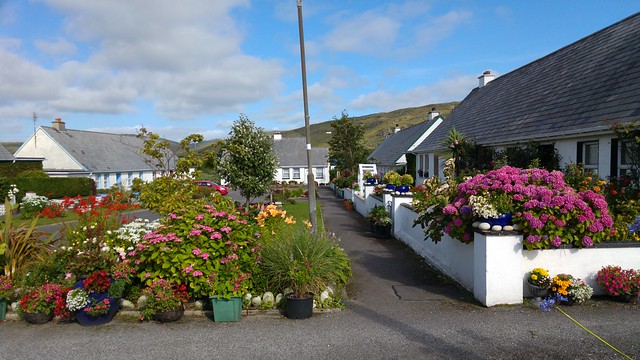
Gleann Cholm Cille

Words marked with a * are reconstructions.

Proto-Celtic *tegos = house, dwelling
Gaulish *attegia = hut
Old Irish (Goídelc) tech [tʲex] = house
tech midchuarta, tech n·óil = banquet hall, drinking hall
tech n·othar, tech othrais = hospital
tech sét = treasury
tech talman = dungeon, underground chamber, vault
Middle Irish (Gaoidhealg) tech, teg = house, dwelling
tech mbecc = privy
tech cille = church
tech ósta = inn, hostelry
tech talman = dungeon, underground chamber, vault
Irish (Gaeilge) teach [tʲax / tʲæːx] = house, habitation, dwelling, public building
teachín = small house, cottage
teach ceann tuí = thatched house
teach gloinne = glass-house, greenhouse
teach solais = lighthouse
teach spéire = skyscraper
teach tábhairne = saloon
teach beag = latrine, privy
teach Dé = God’s house, church, heaven
Scottish Gaelic (Gàidhlig) taigh [tɤj] = house
taigh-barraide = terraced house
taigh-bathair = warehouse
taigh-beag = toilet, privy, convenience
taigh-bidh = restaurant
taigh-òsta = hotel, hostelry
taigh-seinnse = pub, public house
taigh-tuathanais = farmhouse
taighean [tɛhan] = little house
taigheadas [tɤjədəs] = residence, housing, housekeeping
taigheil [tɛhal] = domestic
Manx (Gaelg) thie = building, habitation, home, house, residence, homeward, domestic
teagh [tʃax] = habitation, house
çhaagh [tʃax] = house
thieoil = domestic, homely
thieoilagh = domestic, domestic servant
thie bee = café, restaurant
thie beg = small house, lavatory
thie lhionney = ale house, beer house, boozer, pub
thie oast = hotel, pub, saloon, tavern, inn
Proto-Brythonic *tɨɣ = house
Old Welsh tig = house
Middle Welsh (Kymraec) thy, ty = house
tyaid, tŷaid, tŷed = houseful, household, family
Welsh (Cymraeg) [tɨː / tiː] = house, home, room, cell, chamber
tŷ bach = lavatory, toilet
tŷ bwyta = restaurant, café
(tŷ) tafarn = tavern, public house, pub
tyaeth = household, family
tyaf, tyo = to provide a house, shelter, house
tyaid = houseful, household, family
tyaidd, tyol = domestic, family, household
Old Cornish ti = house
Middle Cornish (Cernewec) chy = house, dwelling
Cornish (Kernewek) chi, chy [ʧi:] = house
chi gweder = greenhouse
chi unnik = detached house
chi unnleur = bungalow
Old Breton tig = house
Middle Breton (Brezonec) ty = house, accommodation
tyeguez, tieguez = household, farm, family
Breton (Brezhoneg) ti [ˈtiː] = house, local
tiad = household, (large) family
tian, tiañ = to move in
tiegezh = household, farm, family
tiegezhian, tiegezhiañ = to settle down
tiekaat = to operate (a farm), to manage (a household)

Etymology: from the Proto-Indo-European *(s)teg- (cover, roof) [source], which is also the root of the words stegosaurus, toga, tile and thatch [source].

The Fastest Way to Learn Japanese Guaranteed with JapanesePod101.com

Sources: Wiktionary, Am Faclair Beag, Online Manx Dictionary, Teanglann.ie, eDIL – Electronic Dictionary of the Irish Language, In Dúil Bélrai English – Old Irish glossary, Geiriadur Prifysgol Cymru, Gerlyver Kernewek, Lexicon Cornu-britannicum: A Dictionary of the Ancient Celtic Language of Cornwall, Dictionaire Favereau, TermOfis, Le dictionnaire diachronique du breton, Etymological Dictionary Of Proto Celtic

Castles & fortresses

Words for castles and fortresses in Celtic languages.

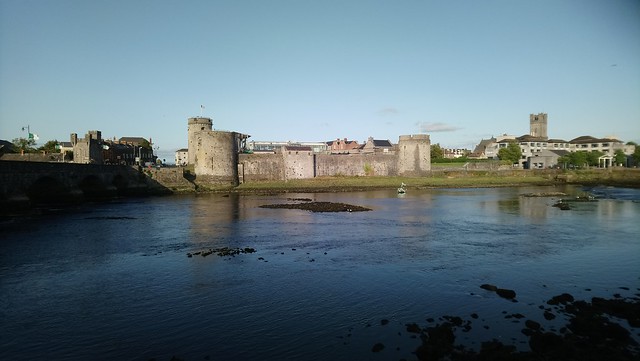
King John's Castle / Caisleán Luimnigh

Proto-Celtic *dūnom = stronghold
Old Irish (Goídelc) dún [duːn] = fort, fortress
Irish (Gaeilge) dún [d̪ˠuːnˠ] = fort; fortress; place of refuge, haven; residence, house; promontory fort; bluff
Scottish Gaelic (Gàidhlig) dùn [duːn] = fortress, heap
Manx (Gaelg) doon [duːn] = fort, fastness, stronghold, bastion, earth fort, dun, fortified rock
Proto-Brythonic *din [ˈdiːn] = hill, fortified hill, fort
Gaulish dunum, *dūnom = fort
Middle Welsh (Kymraec) din = fort
Welsh (Cymraeg) din [dɪn / ˈdiːn] = city, fort, fortress, fastness, stronghold
dinas [ˈdɪnas / ˈdiːnas] = city, large town; town
Cornish (Kernewek) din [di:n] = fort
dinas [‘dinas / ‘dinɐz ] = fort
Old Breton din = fort, fortress
Breton (Brezhoneg) din [dĩːn] = fort, fortress (archaic)
dinas = bastion, stronghold

Note: apart from dinas in Welsh, these words are mostly found in placenames, such as Dún Dealgan (Dundalk) in Ireland, Dún Dè(agh) (Dundee) in Scotland, Dinbych (Denbigh) in Wales, Dinmeur (Dunmere) in Cornwall, and Dinan in Brittany.

Etymology: from the Proto-Indo-European *dʰuHnom (enclosure), from *dʰewh₂- (to finish, come full circle) [source]. The English words down (a (chalk) hill, rolling grassland), dune and town possibly come from the Proto-Celtic *dūnom [source].

Proto-Celtic *katrixs / *katrik- / *kassrik- = fortification, fort
Old Irish (Goídelc) ca(i)thir [ˈkaθərʲ] = stone enclosure, fortress, castle; dwelling; monastic settlement, enclosure; monastery, convent; fortified city, city
Irish (Gaeilge) cathair [ˈkahɪɾʲ/kaːɾʲ] = city; enclosed church establishment, monastic city; circular stone fort; dwelling (place), bed, lair
Cathair an Phápa = Vatican City
cathair chorr = round fort
cathair ghríobháin = maze, labyrinth
cathróir = citizen
cathróireacht = citizenship
ardchathair, príomhchathair = capital city, metropolis
Scottish Gaelic (Gàidhlig) cathair [kahɪrʲ] = city
cathair-bhaile = city (with city status)
cathair-stàit = city state
Manx (Gaelg) caayr = dwelling place, city

Etymology: unknown. Possibly related to the Old English hēaþor (enclosure, prison) or Serbo-Croatian kȍtar ( country, district) [source].

Proto-Celtic *kagrom = fort
Welsh (Cymraeg) caer [kaːɨ̯r / kai̯r] = fort, fortress, enclosed stronghold, castle, citadel, fortified town or city; wall, rampart, bulwark
Cornish (Kernewek) ker [kɛ:r / ke:r] = fort, fortress, hill fort, city
Breton (Brezhoneg) ker = town, village, villa

Etymology: from the Proto-Celtic *kagyom (pen, enclosure), from the Proto-Indo-European *kagʰyóm (enclosure, hedge) [source], which is also the root of words for hedge in Germanic languages, such as hedge in English, Hecke (hedge) in German and hæk (hedge, hurdle) in Danish [source].

Words marked with a * are reconstructions.

Old Irish (Goídelc) caisel = fort, castle
Irish (Gaeilge) caiseal = (ancient) stone fort; unmortared stone wall; boundary wall (of church or cemetery); caslte (in chess); spinning top
caisleán [kəˈʃlʲɑːn̪ˠ / ˈkaʃl̠ʲɑːnˠ / ˈkaʃl̠ʲænˠ] = castle, mansion, cumulus (cloud)
Scottish Gaelic (Gàidhlig) caisteal [kaʃdʲəlˠ] = castle, fort, tower, garrison; turreted mansion
Manx (Gaelg) cashtal = castle, citadel, surrounding wall, bulwark, rook
Welsh (Cymraeg) castell [ˈkʰastɛɬ / ˈkʰastɛɬ] = castle, stronghold; castellated mansion; a kind of cloud; fortified town or city; village
Cornish (Kernewek) kastel = castle, hill fort
Breton (Brezhoneg) kastell = castle, fort, fortress

Etymology: from the Latin castellum (castle, fort, citadel, fortress, stronghold), a diminutive of castrum (fort) [source], from the Proto-Indo-European *ḱes- (to cut, cut off, separate) [source], which is also the root of words for castle in most European languages.

Proto-Celtic *frāti- = fort, rampart
*rāti- = a dugout, a digging
Gaulish ratin = appears in place names
Old Irish (Goídelc) ráth [r͈aːθ] = earthen rampart surrounding a chief’s residence, fort, rath
Irish (Gaeilge) ráth [ɾˠɑː/ɾˠaːx] = earthen rampart, earthen ring-fort, rath, layer (of thatch)
ráthach = having earthen forts
ráth sneachta = snow-drift
Scottish Gaelic (Gàidhlig) ràth [r̪ˠaː] = (ancient) fortress, mound, (ancient) royal seat; clearing, cleared swathe of land; fortress, barrow, village, town
Manx (Gaelg) raah = rath, ring-fort
Middle Welsh (Kymraec) bedd-rawd = cemetery
Welsh (Cymraeg) beddrod = tomb, vault, grave, cemetery
Middle Breton bez-ret = cemetery
Middle Breton bered = cemetery

Etymology: from the Proto-Indo-European *prehzt-i- (field). Possibly cognate with the Latin prātum (meadow) [source].

Middle Welsh (Kymraec) kyvelchy, gyuyllchi = circular fortress
Welsh (Cymraeg) cyfylchi = a kind of circular stronghold or fortress

Etymology: from cyfwlch (complete, entire, perfect, excellent). Found only in the placenames such as Dwygyfylchi [dʊɨɡəˈvəlχi], a village in Conwy county, which was first recorded as Dwykyvelchy in 1287 [source]. There is also Gyfylchi in the Afan Valley in Neath Port Talbot county [source].

Sources: Wiktionary, Am Faclair Beag, Online Manx Dictionary, Teanglann.ie, eDIL – Electronic Dictionary of the Irish Language, In Dúil Bélrai English – Old Irish glossary, Geiriadur Prifysgol Cymru, Gerlyver Kernewek, Dictionaire Favereau, TermOfis, English – ProtoCeltic WordList (PDF), Etymological Dictionary Of Proto Celtic

Blubrry podcast hosting

Towns and Tribes

Words for dwelling, settlement, town, tribe and related things in Celtic languages.

Trefor

Proto-Celtic *trebā = dwelling
Gaulish Atrebates = name of a tribe
Old Irish (Goídelc) treb = house, farm; household; tribe
Middle Irish (Gaoidhealg) treb = house, farm; household; tribe
Irish (Gaeilge) treibh [ˈtʲɾʲɛv] = house, homestead, farmstead; household, family; tribe, race
Scottish Gaelic (Gàidhlig) treabh [tro] = farming village
treubh [treːv] = tribe
Proto-Brythonic *treβ [ˈtrɛːβ] = town, settlement
Middle Welsh (Kymraec) tref [ˈtrɛːβ] = town, settlement
trefad, trevad, treuad, treuat = dwelling(-place), habitation
trefan, treuan = small town or city, village, dwelling, abode, manor-house, fort
Welsh (Cymraeg) tre(f) [treː(v)] = town; town centre; dwelling(-place), habitation, residence, home; house (and surrounding land), homestead, farm, estate, cluster of houses; township; tribe
trefad = dwelling(-place), habitation, residence, home, region, domain
trefaf, trefu= to dwell, live, settle
trefan = small town or city, village, dwelling, abode, manor-house, fort
Middle Cornish (Cernewec) tre, trev = dwelling place, homestead, home, town
tregva, trigva = dwelling place, habitation
trevedic = one from a country village, a country man, rustic
Cornish (Kernewek) tre [trɛ:/tre:] = farmstead, home, town, village
trigva = abode, address, dwelling, resdidence
trigys = settled, to reside, live
Old Breton treff, treb = town, settlement
Middle Breton (Brezonec) tre, trev = town
Breton (Brezhoneg) trev = town
trevour = civil

Etymology: From the Proto-Indo-European *treb- (dwelling, settlement) [source].

Words from the same Proto-Celtic root (via Latin) possibly include trobo (beehive, skep) in Galician, and truébanu (beehive, barrel, basket) in Asturian [source].

This is also the root of the archaic English word thorp(e) (a group of houses standing together in the country; a hamlet; a village), which appears in place names such as Milnthorpe and Scunthorpe.

Related words in other languages include Dorf (hamlet, village, town) in German, torp (village) in Danish, torp (farm, cottage, croft) in Swedish, þorp (village, farm) in Icelandic, and trevë (country, region, village) in Albanian [source].

Words marked with a * are reconstructions.

Sources: Wiktionary, Am Faclair Beag, Online Manx Dictionary, Teanglann.ie, eDIL – Electronic Dictionary of the Irish Language, In Dúil Bélrai English – Old Irish glossary, Geiriadur Prifysgol Cymru, Gerlyver Kernewek, Gerlyvyr Cernewec, Dictionaire Favereau, TermOfis, Le dictionnaire diachronique du breton, Geriafurch, English – ProtoCeltic WordList (PDF), Etymological Dictionary Of Proto Celtic

The Fastest Way to Learn Japanese Guaranteed with JapanesePod101.com

Lord, Ruler

Words for lord, master, ruler and related words in Celtic languages.

lord and lady

Words marked with a * are reconstructions.

Proto-Celtic *tigerno(s) = lord, master
*tigernākos = lordly, ruler
Gaulish Tigernum = placename
Primitive Irish ᚈᚔᚌᚔᚏᚅ (tigirn) = lord
Old Irish (Goídelc) tigerna = lord
tigernas = lordship
Middle Irish (Gaoidhealg) tigerna = sovereignty, lord, superior, chief
tigernach, tigernaide, tigernamail = lordly
tigernaid = rules
tigernaigid = to rule, dominate
tigernas = lordship, dominion, possession, power, dominance
tigernatas = lordship, dominion
Irish (Gaeilge) tiarna [ˈtʲiəɾˠn̪ˠə] = lord, master, ruler
tiarnaigh = to rule, dominate
tiarnas = lordship, rule, dominion, domain
tiarnúil = lordly, masterful, overbearing, domineering, cheeky
tiarnúlacht = lordliness, overbearingness, domination, cheekiness
aintiarna = despotic lord, tyrant
aintiarnas = tyranny
bantiarna = lady
Scottish Gaelic (Gàidhlig) tighearna [tʲi.əɾˠn̪ˠə] = lord, The Lord, laird, chief, ruler, baronet, master, superior
tighearnach, tighearnail = lordly, magisterial
tighearnas = lordship, dominion, peerage
aintighearna = despot, oppressor, tyrant
aintighearnas = oppression, tyranny
baintighearna = lady
Manx (Gaelg) çhiarn [ˈtʃaːrn] = laird, lord, peer
çhiarnaght = dominion, lordship
çhiarnys = domain, domination, dominion, lordship, manor, peerage
ben çhiarn = lady
Proto-Brythonic *tɨɣern = lord, ruler
*tɨɣernọg = lordly, noble
Middle Welsh (Kymraec) teyrn, tegyrn = lord, master
teyrneit, teyrneidd, têyrnaidd = monarchical, royal, kinglike, princely, majestic, dignified
tyrnas, ternas, teyrnas, teernas, teÿnas = monarchy, kingdom, realm, dominion
tyrnasa, tëyrnasa, teyrnasa = to reign (over), rule, govern
tëyrnasaidd = monarchical, royal, dignified
Welsh (Cymraeg) teyrn [teɨ̯rn / tei̯rn] = monarch, sovereign, king, prince, lord, ruler, leader, dictator, tyrant, royal
teyrnach, teyrnachaeth = royal line, dynasty
teyrnaidd = monarchical, royal, kinglike, princely, majestic, dignified
teyrnas = monarchy, kingdom, realm, dominion
teyrnasaf, teyrnasu = to reign (over), rule, govern
teyrnasaidd = monarchical, royal, dignified
Middle Cornish (Cerenwec) mychtern = king
Cornish (Kernewek) machdeyrn = king
Old Breton (Brethonoc) *tiarn, *tiern = lord, master
*tiarnoc = lordly, noble
Middle Breton (Brezonec) tyèrn, tiern = prince, sovereign
Breton (Brezhoneg) tiern [ˈtiː.ɛrn] = prince, sovereign

Etymology: possibly from Proto-Celtic *tiger (raid, raiding party) and *-inos (of, pertaining to). *Tigerno(s) may originally have meant something like “the chief of the raiding party” [source].

The name Vortigern from the same roots, as do versions in Welsh, Gwrtheyrn and Breton, Gourziern [source].

More about words for Kings and Queens.

The Fastest Way to Learn Japanese Guaranteed with JapanesePod101.com

Sources: Wiktionary, Am Faclair Beag, Online Manx Dictionary, Teanglann.ie, eDIL – Electronic Dictionary of the Irish Language, In Dúil Bélrai English – Old Irish glossary, Geiriadur Prifysgol Cymru, Gerlyver Kernewek, Lexicon Cornu-britannicum: A Dictionary of the Ancient Celtic Language of Cornwall, Dictionaire Favereau, TermOfis, Le dictionnaire diachronique du breton, Etymological Dictionary Of Proto Celtic

Doctor

Words for doctor and related things in Celtic languages.

Doctor

Words marked with a * are reconstructions.

Middle Irish (Gaoidhealg) dochtúir, doctúir = learned ma, teacher, professor, physician
Irish (Gaeilge) dochtúir [d̪ˠɔxˈt̪ˠuːɾʲ / ˈd̪ˠʌxt̪ˠuɾʲ] = doctor
dochtúireacht = doctorate, medical practice, doctoring
Scottish Gaelic (Gàidhlig) dotair [dɔhdɛrʲ] = doctor, surgeon, physician
dotaireachd [dɔhdɪrʲəxg] = doctorate, knowledge of medicine, (act of) curing, healing
dotaireas [dɔhdɪrʲəs] = doctorate, knowledge of medicine
Manx (Gaelg) doghtoor = doctor
doghtoorahgt = doctorate
Middle Welsh (Kymraec) doethur = doctor, teacher, sage, learned man
Welsh (Cymraeg) doethur, doethor = doctor, teacher, sage, learned man
Cornish (Kernewek) doktour = doctor

Etymology: from the Latin doctor (teacher, instructor), from doceō (teach), from the Proto-Italic *dokeō (tell, inform, teach, instruct), from the Proto-Indo-European *deḱ- (to take) [source].

Proto-Celtic *lī(φ)agi- = doctor
Old Irish (Goídelc) líaig = leech, doctor, physician
fáithlíaig = doctor, physician
leiges = healing, medicine, curing
Middle Irish (Gaoidhealg) líaig, liag, leaga, lega, lieig = leech, doctor, physician, adviser, healer
leiges. leges, leighis = healing, medical treatment, cure, remedey, medicine, medicament, curing, healing
leigesamail = medicinal, healing
leigisid, leigiste = medicinal, healing, to cure, to heal
Irish (Gaeilge) lia [l̠ʲiə] = healer, physician
lia ban = gynaecologist
lia súl = oculist
leigheas = art of healing, medicine, medical treatment
leigheasach = healing, curative, medicinal
leigheasóir = healer, curer
leigheasra = cures, medicines
Scottish Gaelic (Gàidhlig) lèigh [l̪ʲeː] = physician, surgeon
lèighadair = pharmacist
lèigheadairachd = pharmacy
lèigheadh = (act of) healing
leigheas [l̪ʲe.əs] = curing, healing, medicine
lèigheil = medical
lighiche [l̪ʲi.ɪçə] = healer, physician, surgeon
Manx (Gaelg) (fer/ben) lhee = (male/female) doctor, physician
lheihys = cure, curing, heal(ing), remedy
lheihyssagh = curable, curative, healing

Etymology: possibly from Proto-Germaic *lēkiz (healing, medicine, healer), or directly from the Proto-Indo-European *h₂leg- (to care for) [source]. Words from the same Proto-Celtic / PIE root possibly include leech in English, læknir (medical practitioner, doctor) in Icelandic, läkare (doctor, physician) and läka (to heal) in Swedish, lääkäri (phyisican, doctor) in Finnish, and læge (doctor, physician, surgeon) in Danish [source].

Old Irish (Goídelc) midach = physician
Middle Irish (Gaoidhealg) midach, midech, midaig = physician
Proto-Brythonic *meðïg = doctor
Middle Welsh (Kymraec) metic, medyc, med(d)ic, meddig = doctor, medical practitioner, physician, surgeon, healer
methygaeth = (science of) medicine, surgery, drug
medyges, meddyges female doctor or healer, female herbalist
medegynyaeth, medeginyaeth, medegynyaeth = medicine, remedy, medical treatment, surgery, cure, healing
Welsh (Cymraeg) meddyg [ˈmɛðɪɡ / ˈmeːðɪɡ] = doctor, medical practitioner, physician, surgeon, healer
meddyg(i)adwy = curable, treatable
meddyg(i)aeth = (science of) medicine, surgery, drug
meddygu = to practise medicine, to treat medically, to prescribe, to heal, to cure
meddyges female doctor or healer, female herbalist
meddygfa = surgery, clinic, pharmacy, hospital
meddygin(i)aeth = medicine, remedy, medical treatment, surgery, cure, healing
meddygol = medical, medicinal, healing, curative
Old Cornish medhec = physician
Middle Cornish (Cernewec) methic, medhic = physician
Cornish (Kernewek) medhek [mɛðɛk / ‘mɛðɐk] = doctor, physician
medhegel = medical
medhegieth = medical science, medicine
medhegiethel = medicinal
medhegneth = medication, medicine
medhegva = clinic, (doctor’s) surgery
medhegvael = clinical
Middle Breton (Brezonec) mezec = doctor
mezeyaff = to treat, to care for
mezeyet, mezeguet = medicine
mezegioez = medicine
Breton (Brezhoneg) mezeg [ˈmeː(z)ek] = doctor
mezegañ [meˈ(z)eː.ɡã] = to care for (medically), to treat
mezegiezh [me(z)eˈɡiːɛs] = medicine

Etymology: from the Latin medicus (doctor), from medeor (I heal, cure, remedy), from the Proto-Italic *medēōr (to heal), from Proto-Indo-European *med- (to measure, give advice, heal). Words from the same roots include medico (doctor, physician, medical) in Italian, medicus (doctor, physician) in Dutch, medic, medical, medicine, meditate and remedy in English, and médico (doctor, physician) in Spanish [source].

Sources: Wiktionary, Etymological Dictionary Of Proto Celtic, In Dúil Bélrai English – Old Irish glossary, eDIL – Electronic Dictionary of the Irish Language, Teanglann.ie, Am Faclair Beag, An etymological dictionary of the Gaelic language, Fockleyreen: Manx – English Dictionary, Online Manx Dictionary, Gaelg Corpus, Geiriadur Prifysgol Cymru, Lexicon cornu-britannicum : a dictionary of the ancient Celtic language of Cornwall, Gerlyver Kernewek, Devri : Le dictionaire diachronique du breton, Geriafurch, TermOfis


Kings and Queens

Words for king and related things in Celtic languages.

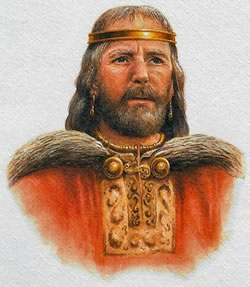
Brian Boru, High King of Ireland (1002-1014)
Brian Boru, High King of Ireland (1002-1014) / Brian Bóruma mac Cennétig, Ard-Rí ar Éirinn

Words marked with a * are reconstructions.

Proto-Celtic *rīxs/*rig- = king
Celtiberian reikis = king
Gaulish rīx = king – appears in names like Katurīx, Suādurīx, *Werkingetorīx (Vercingetorix) and Asterix
Primitive Irish ᚏᚔᚌᚐᚄ (rigas) = (of the) king
Old Irish (Goídelc) [r͈ʲiː] = king
rígdae = regal, kingly
rígdún = palace
Middle Irish (Gaoidhealg) rí, ríg, rig = king, head, chief
rígán = a sub-king, chief
rígamail, rioghamhail = royal
rígdacht = kingliness, kingly qualities, a kingdom
rígda(e) = a royal dwelling place, palace
rígrach = = royal, kingly
Irish (Gaeilge) [ɾˠiː] = king, sovereign, monarch
ríoga = regal, royal
ríora = kings, royal persons, royalty, dynasty
Scottish Gaelic (Gàidhlig) rìgh [r̪ʲiː] = king
banrìgh = queen
àrd-rìgh = high king
mòr-rìgh = emperor
rìoghachadh = reigning, reign
rìoghachd = kingdom, realm
Manx (Gaelg) ree = king
reejerey = cavalier, chevalier, king, knight, lord, paladin, prince
reeoil = kinglike, monarchy, regal, royal
reeaght, reeriaght, riaght, ream = kingdom
Proto-Brythonic *riɣ [ˈriːɣ] = king
Old Welsh rig = king
Middle Welsh (Kymraec) ri, rhi = king
rhiaidd, rhïaidd = regal, royal, noble, generous
rieu, riav = king, lord, ruler, chieftain
rriawdr, riawdr = lord, ruler, chieftain, God
Welsh (Cymraeg) rhi [r̥iː] = king, prince, lord, ruler, chieftain
rhiaidd = regal, noble, aristocratic, dignified
rhiau = king, lord, ruler, chieftain
rhiawdr = lord, ruler, chieftain, God
Middle Cornish (Cernewec) ruy, ruif = king, sovereign, ruler
ryal, real = royal, kingly
Cornish (Kernewek) riel = regal, royal
Old Breton ri = king
Middle Breton (Brezonec) ri, rí = king
Breton (Brezhoneg) ri [ˈʁiː] = king

Etymology: from Proto-Indo-European *h₃rḗǵs (king, ruler) [source]. Words from the same Proto-Celtic root include rich in English, ryk (rich, wealthy) in Afrikaans, ricco (rich, wealthy, affluent) in Italian, riche (rich) in French, Reich (empire, realm) in German, and rikas (rich, wealthy, opulent, plentiful) in Finnish [source].

English words with the suffix -ric, such as bishopric (a diocese or region of a church which a bishop governs), and comes from the same Proto-Celtic root [source].

Proto-Celtic *rīganī= queen
Gaulish rigani = queen
Old Irish (Goídelc) rígan = queen
Middle Irish (Gaoidhealg) rígain, rígan, rígnae = queen, noble lady
Irish (Gaeilge) ríon = queen, queenly, noble, lady, fair maiden
banríon = queen
(ban)ríonacht = queenship
ríonaí = queenly
ríonaigh = to queen (chess)
Scottish Gaelic (Gàidhlig) rìghinn [r̪ʲi.ɪn̪ʲ] = princess (archaic)
rìbhinn [r̪ʲiːvɪn̪ʲ] = maid, maiden, girl, Venus, adder, queen (archaic)
banrìgh = queen
Manx (Gaelg) reeven = queen
rein = queen
ben-rein = queen
Proto-Brythonic *rriɣėn [r͈iˈɣe̝ːn] = queen
Middle Welsh (Kymraec) riein, riain = (young) woman, girl, damsel, lass, maiden, virgin, queen, noble girl, lady
Welsh (Cymraeg) rhiain = (young) woman, girl, damsel, lass, maiden, virgin, queen, noble girl, lady

Etymology: from Proto-Indo-European *h₃rḗǵnih₂ (queen), from *h₃rḗǵs (king, ruler) [source]. Words from the same roots include reine (queen) in French, reina (queen) in Spanish, erregina (queen) in Basque, and regină (queen) in Romanian [source].

Middle Welsh (Kymraec) rhỼyf, rwyf, rỼy = king, lord, ruler, chieftain, leader
rwyfaỼ, rwyfaỼ = to have dominion over, govern, rule
rwyuannus, rhwyvanus = royal, kinglike, governing
ruyvenit = prince, king, ruler
rhwyfiadur, ruyfadur, rwyfyadur, rỼyfyadur = chief(tain), lord, leader, ruler, protector
Welsh (Cymraeg) rhwy(f) = king, lord, ruler, chieftain, leader
rhwyfo = to have dominion over, govern, rule, lead, be ostentatious, live in splendour
rhwyfanes = queen, lady
rhwyfaniad = reign, government, rule, kingdom
rhwyfanus = royal, kinglike, governing
rhwyfenydd = prince, king, ruler
rhwyf(i)adur = chief(tain), lord, leader, ruler, protector
Old Cornish ruifanes = queen
ruifadur = chief(tain), lord, leader
Middle Cornish (Cernewec) ruy, ruif = king, sovereign, ruler
ruifanes, ruivanes = a female ruler, queen
Cornish (Kernewek) ruvanes = queen
ruvaneth = kingdom
Old Breton roe = king
Middle Breton (Brezonec) roe, roé, roue, rouè = king
rouanes, roanez, rouanés = queen
rouantelez, roeantelez = kingdom
roueel = royal
roueeler = royalist
roueelezh = royalty
roueelouriezh = royalism
roueoni = reign
Breton (Brezhoneg) roue = king
rouanez = queen
rouantelezh = kingdom, monarchy
roueel = royal
roueelezh = royalty
roueelouriezh = royalism

Etymology: from Old French roi (king), from Latin rēgem (king, ruler, despot, tyrant), from Proto-Italic *rēks (king), from Proto-Indo-European *h₃rḗǵs (king, ruler) [source].

Words from the same Latin root include re (king) in Italian, roi (king) in French, viceroy in English and rey (king) in Spanish [source].

Proto-Celtic *brigantīnos = (someone) pre-eminent, outstanding
Proto-Brythonic *brɨɣėntin [brɨɣe̝nˈtiːn] = lord, king
Middle Welsh (Kymraec) breenhin, breennin, breyenhin, brenhin = king
brenhynes, brenhines = queen, goddess, queen bee
brenineiziaw = to become kingly
brenhynyaeth, brenhinyaeth = royalty, kingship, reign
Welsh (Cymraeg) brenin [ˈbrɛnɪn / ˈbreːnɪn] = king, sovereign, monarch, head of region
brenineiddio = to make/become regal/kingly, make (sb) a king
breninesaidd = queen-like, queenly
breninesol = queen-like, queenly, pertaining to a queen
breningarol = royalist
breniniaethu = to reign, govern
breninoldeb = kingship, royalty
brenhines = queen, goddess, queen bee
brenhiniaeth = royalty, kingship, reign, government
Middle Cornish (Cernewec) brentyn, bryntyn = privileged, sovereign, noble, excellent
Cornish (KerneweK) bryntin, brentin = grand, great, noble, splendid, superb
Old Breton brientin, brientinion = king
Middle Breton (Brezonec) brientin = aristocrat
brientinelezh = aristocracy
Breton (Brezhoneg) brientin = aristocrat
brientinel = aristocratic
brientinelezh = aristocracy
brienteg, brientek = privileged
brientekaat = to favour
briental = royalties

Etymology: from Proto-Indo-European *bʰérǵʰonts (high), from *bʰerǵʰ- (to rise up, ascend) [source].

From the same Proto-Celtic root, , we get the tribal name *Brigantī (Brigantes – a Celtic tribe that occupied much of what is now northern England), Brigantia (a Celtic goddess of victory, and the territory of the Brigantes), the name Bridget, the Irish name Bríd, the Scottish Gaelic name Brìghde, the Manx name Breeshey, and the placenames such as Bragança (a city in northeastern Portugal), Bregenz (a city in western Austria) and Brianza (a city in northern Italy), [source].

English words from the same PIE root include bourgeois, burrow, fort and maybe burgler [source].

Middle Welsh (Kymraec) mechdeyrn, mychdeyrn, machdeyrn = king, lord, monarch, emperor
mechteyrnged, mychteyrnged = tribute due to an overlord from an inferior lord
Welsh (Cymraeg) mechdeyrn, mychdeyrn, machdeyrn = king, lord, monarch, emperor, God, tributary prince, viceroy
mechdeyrnged, mychdeyrnged = tribute due to an overlord from an inferior lord
Middle Cornish (Cernewec) mychtern = sovereign, king
mychternes = queen
mychterneth = sovereignity, dominion, royalty, kingdom
Cornish (Kernewek) myghtern, metern [mɪx’tɛrn] = king, monarch
myghternes, meternes = monarch, queen
myghterneth, meterneth = kingdom
myghternses, meternses = kingship, monarchy
Old Breton machtiern = king

Etymology: from Welsh mach (surety, guarantor, sponsor, hostage) and teyrn (sovereign, monarch, king) [source].

Sources: Wiktionary, Am Faclair Beag, Online Manx Dictionary, Teanglann.ie, eDIL – Electronic Dictionary of the Irish Language, In Dúil Bélrai English – Old Irish glossary, Geiriadur Prifysgol Cymru, Gerlyver Kernewek, Dictionaire Favereau, TermOfis, English – ProtoCeltic WordList (PDF), Etymological Dictionary Of Proto Celtic

Blubrry podcast hosting