Sons

Words for son in Celtic languages.

My sister and her son (my nephew)

Proto-Celtic *makʷos [ˈma.kʷos] = son
Primitive Irish ᚋᚐᚊᚔ (maqi), ᚋᚐᚊᚊᚔ (maqqi), ᚋᚐᚊ (maq), ᚋᚐᚉᚉᚔ (macci) = son
Old Irish (Goídelc) macc [mak] = boy, bond, surety
macc foesma = adoptive son
macc muine = love child
macc raite = illegimate child
macc tíre = wolf (“son of the land”)
Irish (Gaeilge) mac [mˠɑk / mˠaːk / mˠak] = son, descendent, boy
mac dearthár = nephew (brother’s son)
mac deirféar = nephew (sister’s son)
mac mic = grandson (son’s son)
mac iníne = grandson (daughter’s son)
mac uchta = favourite son, pet; adopted son
mac Dé = the Son of God
mac léinn = student (“son of the learning”)
mac rí = prince
mac tíre = wolf (“son of the land”)
macacht = childhood, youthful state
macán = little son, young boy, youngster, pet child
macánta = childlike, gentle, meek, mild; honest
macántacht = boyhood, childhood; gentleness, meekness, mildness; honesty
macaomh = young person, youth, boy
macaomhact = youth, youthfulness; youthful beauty
garmhac = grandson, adopted son, sister’ son
leasmhac = stepson
Scottish Gaelic (Gàidhlig) mac [maxg] = son, offspring
mac-bràthar = nephew (brother’s son)
mac-peathar = nephew (sister’s son)
mac-céile = stepson
mac-màthar = everyone, every man
mac-mallachd = the Devil
mac an duine = mankind, human being
macail [maxgal] = filial, affectionate
mac Dhé = the Son of God
mac-tìre = wolf (“son of the land”)
Manx (Gaelg) mac = son
mac braarey = nephew (brother’s son)
mac shayrey = nephew (sister’s son)
mac braar ayrey = first cousin (father’s brother’s son)
mac braar mayrey = first cousin (mother’s brother’s son)
oe mac = grandson
lhiass vac = stepson
mac mollaght, mac imshee = devil
Gaulish mapos = son
Proto-Brythonic *mab [ˈmaːb] = son
Old Welsh map = son
Middle Welsh (Kymraec) map = son
Welsh (Cymraeg) mab [maːb] = boy, son, infant, child, minor, youth; descendant; man, male
mab anweddog, mab gwedde = bachelor
mab bedydd = godson
mab caru = lover, suitor
mab cynnwys = adopted son
Mab Duw = the Son of God
mab (y) dyn = man, human being, living soul
mab mam = mother’s son, human being, living soul
mab maeth = foster son, foster child
mab yng nghyfraith = son-in-law, stepson
maban = baby, infant, young child, little boy, young son
Old Cornish mab, map = son
Cornish (Kernewek) mab [ma:b / mæ:b] = son, male child, boy
mab meythrin = foster son
mab wynn = grandson
mab den = humankind
mab an pla = devil, annoying man
maban, meppik = little son
Old Breton map, mab = son
Middle Breton mab = son
Breton (Brezhoneg) mab = son
mab henañ = older son
mab yaouañ = younger son
mab-kaer, mabeg = son-in-law
mab-bihan = grandson
mab-den= son of man
mab-lagad= pupil (of the eye)
mabel = filial

Etymology
From the Proto-Indo-European *mh₂ḱwos, from *meh₂ḱ- (to raise, grow) [source].

Words marked with a * are reconstructions.

Sources: Wiktionary, Am Faclair Beag, teanglann.ie, On-Line Manx Dictionary, Geiriadur Prifysgol Cymru, Gerlyver Kernewek, Dictionnaire Favereau

Woman / Wife

Words for woman / wife in Celtic languages.

Proto-Celtic *benā = woman
Gaulish benā = woman, wife
Old Irish (Goídelc) ben [bʲen] = woman
Irish (Gaeilge) bean [bʲanˠ] = woman, wife
Scottish Gaelic (Gàidhlig) bean [bɛn] = woman, wife
Manx (Gaelg) ben = woman, lady, wife
Proto-Brythonic *ben = woman
Old Welsh ben = woman
Welsh (Cymraeg) benyw = female, girl, woman, feminine
menyw = woman, female, feminine
Old Cornish benen = woman
Cornish (Kernewek) benyn [‘bɛnɪn / ‘bɛnən] = woman
Old Breton ban = woman
Breton (Brezhoneg) e-ben = woman

Etymology
From the Proto-Indo-European *gʷḗn (woman) [source], which is also the root of the English words queen and gynecology, words for woman in some other Germanic languages, such as kvinna in Swedish, and words for woman / wife in Slavic languages, such as žena in Czech.

Words marked with a * are reconstructions.

Sources: Wiktionary, Am Faclair Beag, teanglann.ie, On-Line Manx Dictionary, Geiriadur Prifysgol Cymru, Gerlyver Kernewek, Dictionnaire Favereau

Proto-Celtic *wrakkā = woman
Old Irish (Goídelc) frac = woman
Proto-Brythonic *gwrėg [ˈɡwre̝ːɡ] = woman, (human) female, wife
Middle Welsh (Kymraec) gureic, gwreic = wife, woman
Welsh (Cymraeg) gwraig [ɡuˈrai̯ɡ] = wife, woman, (human) female
Old Cornish greg, grueg = wife
Middle Cornish gurek = wife
Cornish (Kernewek) gwreg [gwrɛ:g / gwre:g] = wife
Middle Breton gruec = wife
Breton (Brezhoneg) gwreg [ˈɡwʁɛːk] = wife

Words marked with a * are reconstructions.

Sources: Wiktionary, Proto-Celtic English Word List, Geiriadur Prifysgol Cymru, Gerlyver Kernewek, Dictionnaire Favereau

Troop, host, throng

Today we’re looking at troop, host, throng and related word in Celtic languages.

The crowd grows ...

Proto-Celtic *slougos = troop, army
Gaulish *slugi = troop, army
Old Irish (Goídelc) slóg, slúag = army, host; throng, crowd, company, assembly
Middle Irish (Gaoidhealg) slúagh = army, host; throng, crowd, company, assembly
Irish (Gaeilge) slua [sˠl̪ˠuə] = host, force, army; crowd, multitude, throng
sluaghán = slogan
sluamhar = having large forces, multitudinous
slógadh = mobilization, hosting
Scottish Gaelic (Gàidhlig) sluagh [sl̪ˠuəɣ] = folk, people, populace; the fairy host; crowd
sluaghmhor = populous, densely, inhabited
sluagh-ghairm = slogan
an sluagh cumanta = the common folk
sluagh na sìthe = the fairies (poetic)
sluagh Innse Fàil = the people of Ireland (poetic)
Manx (Gaelg) sleih = commonalty, crowd, family, inhabitants, people, populace, public, relations
sleih gerrym = slogan
Proto-Brythonic *lʉɣ [ˈlʉːɣ] = troop
Middle Welsh (Kymraec) llu, llv = host, throng, multitude
Welsh (Cymraeg) llu [ɬɨː / ɬiː] = host, a large number (of people), a great many, multitude, throng, crowd, flock (of birds); army, body of armed men, regiment
lluaf, lluo = to throng, crowd, flock together, gather, bring together
lluarth = military camp
lluarthaf, lluarthu = to pitch camp, encamp, camp
heddlu = police
Old Cornish lu = army
Middle Cornish (Cernewec) lu = a great multitude, host, army
Cornish (Kernewek) lu [ly: / liˑʊ] = army, military, troop
morlu, lu lestri = navy
Old Breton lu = army
Middle Breton (Brezonec) lu = army
morlu = navy
Breton (Brezhoneg) lu = army
aerlu = airforce
morlu = navy

Etymology: from the Proto-Indo-European *slowgʰos / *slowgos (entourage), which is also the root of the English word slew [source].

The English word slogan comes from the Scottish Gaelic sluagh-ghairm [ˈsɫ̪uəɣɤɾʲəm] (battle cry) from the Old Irish slóg/slúag (army, host, throng, crowd), and gairm (call, cry, crow, proclamation) [source].

Sources: Wiktionary, Am Faclair Beag, Online Manx Dictionary, Teanglann.ie, eDIL – Electronic Dictionary of the Irish Language, In Dúil Bélrai English – Old Irish glossary, Geiriadur Prifysgol Cymru, Gerlyver Kernewek, Dictionaire Favereau, TermOfis, English – ProtoCeltic WordList (PDF), Etymological Dictionary Of Proto Celtic

The Fastest Way to Learn Japanese Guaranteed with JapanesePod101.com

Person, people, human

Words for person, people and related words in Celtic languages.

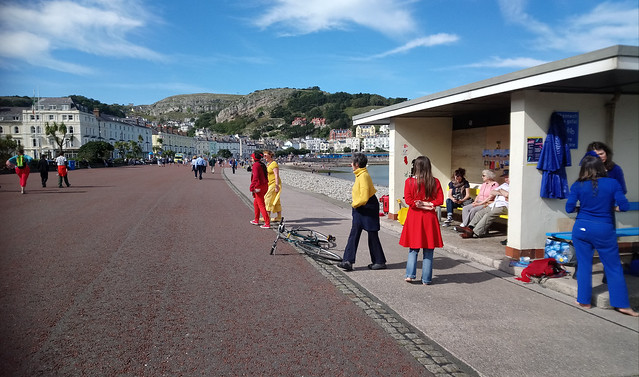
Colourful people in Llandudno

Proto-Celtic *gdonyos = person
Old Irish (Goídelc) duine [ˈdunʲe] = person
duineta = human
dóenacht [ˈdoːi̯naxt] = humanity
Middle Irish (Gaoidhealg) duine = human, human being, man, mankind, person
Irish (Gaeilge) duine [ˈd̪ˠɪnʲə] = human being, man, mankind, person, people, one
duineata = human, kindly
duineatacht = humaneness, kindliness
duiniúil = human, natural, kindly
duiniúlacht = humanity, kindliness
Scottish Gaelic (Gàidhlig) duine [dɯn̪ʲə] = fellow, person, man, husband, (any)one
daonnachd [dɯːn̪ˠəxg] = humanity, charity, benevolence, liberality, hospitality
duine-uasal = gentleman
Manx (Gaelg) dooinney [ˈd̪uːnʲə] = human, man, fellow, husband
deiney = human, man, menfolk
dooinnalys = humanity, human nature
dooinnidaght = humaneness
Proto-Brythonic *dün [ˈdyːn] = human, person
Middle Welsh (Kymraec) din, dyn = man, human being
Welsh (Cymraeg) dyn [dɨːn / diːn] = man, human being; person, one, anyone; mankind, the human race; manservant, vassal; manly or competent person
dynes [ˈdənɛs] = woman
dynegwr, dynegydd = anthropologist
dynfarch [ˈdənvarχ] = centaur
dyneidd(i)o = to render man-like or human, personify, humanize, civilize, tame, refine
dyneiddiol = humanistic, humanitarian, humanizing, civilizing
Old Cornish den = man, person
Cornish (Kernewek) den [dɛ:n / de:n] = man, guy, human, person
dengerenjedhek, dengerensedhek = humanitarian
denladh = homicide, manslaughter
denladhyas = assassin, killer, murderer
denses = humanity
Old Breton den / don = man, person
Middle Breton den = man, person
Breton (Brezhoneg) den [ˈdẽːn] = human being, person, man, husband

Etymology: from the Proto-Indo-European *dʰéǵʰom-yo- (earthling, human), from *dʰéǵʰōm (earth), which is also the root of the English words human, humus and (bride)groom [source].

Old Irish (Goídelc) popul [ˈpobul] = people; tribe, nation, inhabitants; folk; populace, crowd
Middle Irish (Gaoidhealg) popul = people
Irish (Gaeilge) pobal [ˈpˠɔbˠəlˠ / ˈpˠʌbˠəlˠ] = people, community; parish, congregation; population
pobalscoil = community school
poblacht = republic
poblachtach = republican
teach pobail = church, chapel
teange an phobail = vernacular
Scottish Gaelic (Gàidhlig) poball [pobəl̪ˠ] = folk, people; community; laity, lay people
poballach [pobəl̪ˠəx] = popular, populous
poblachd [pɔbl̪ˠəxg] = republic
Manx (Gaelg) pobble = people, population, community, folk, congregation, masses
pobbylagh = public, populous
pobblaght = republic
Proto-Brythonic *pobl = people
Middle Welsh (Kymraec) pobyl = people
Welsh (Cymraeg) pobl [ˈpʰɔbl̩ˠ / ˈpʰɔbl̩] = people, public, nation, tribe, crowd, inhabitants
pybl = people, the common person, folk
poblog = populous, peopled, populated; popular, acceptable; common
poblogaeth = population, populousness
poblogedig = populated, inhabited
poblogeiddio = to popularize
poblogi = to populate, people, inhabit; to popularize
Old Cornish popel = people
Cornish (Kernewek) pobel = people
pobla = to populate
poblans = population
poblansorieth = demographics
poblansoriethek = demographic
Breton (Brezhoneg) pobl = people, multitude

Etymology: from the Latin populus (people, nation, community), from the Proto-Italic *poplos (army) [source].

Words marked with a * are reconstructions.

Sources: Wiktionary, Am Faclair Beag, Online Manx Dictionary, Teanglann.ie, eDIL – Electronic Dictionary of the Irish Language, In Dúil Bélrai English – Old Irish glossary, Geiriadur Prifysgol Cymru, Gerlyver Kernewek, Gerlyvyr Cernewec, Dictionaire Favereau, TermOfis, Le dictionnaire diachronique du breton, Geriafurch, English – ProtoCeltic WordList (PDF), Etymological Dictionary Of Proto Celtic

The Fastest Way to Learn Japanese Guaranteed with JapanesePod101.com

To Burn

Words for to burn and related things in Celtic languages.

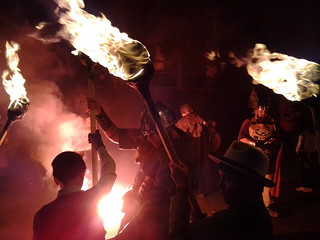
Junior Jarl squad

Words marked with a * are reconstructions.

Proto-Celtic *lasketi = to burn
*laxsaros = shining, burning
*losk-os = ?
Old Irish (Goídelc) loscid = to burn
loiscnech = burning
loscud = burning, fire
fo·loisci = to scorch
Middle Irish (Gaoidhealg) loscid, laiscedh, losced = to burn, consume by fire, lay waste by fire, inflame, afflict, revile
Irish (Gaeilge) loisc = to burn, fire, scorch, sear, sting – (verb noun = loscadh)
loiscadh = burning, searing, scorching, stinging
loisceanta = flaming, fiery
loisceantacht = fieriness
loisceoir = incinerator
loiscneach = firing, firewood, caustic, burning, stinging, pain, scorched, arid, fiery, fierce
loiscní = fiery intensity, fieriness, aridity, burned, parched, condition
Scottish Gaelic (Gàidhlig) loisg [l̪ˠɔʃɡ̊ʲ] = to burn, inflame, consume, parch, singe; scorch, scald; fire (a gun) – (verb noun = losagadh)
loisgeach [l̪ˠɔʃgʲəx] = burning, fiery, flaming, incendiary, inflammatory, igneous, caustic, corroding
loisgeadair [l̪ˠɔʃgʲədɪrʲ] = burner, incinerator
loisgte [l̪ˠɔʃdʲə] = burnt, scorched, scalded, drunk
Manx (Gaelg) losht = to burn, burn up, burn away, incinerate, cremate, fire, alight – (verb noun = lostey)
loshtee, loshtit = igneous, burnt
loshteyr = arsonist, firebrand, incendiarist
loshteyder = arsonist, burner, incinerator
yn-loshtey = combustible
Middle Welsh (Kymraec) llosc = burning, scalding, burn
lloscadwy = combustible, burning, fiery, scorching
lloscy, llosci, llosgi = to be on fire, blaze, be alight
lloscetic, lloskedic, llosgedic, lloscedic = burnt, charred, burning, fiery
Welsh (Cymraeg) llosg = burning, scalding, burn, scald, fire, conflagration, blaze, arson, singeing, inflammation
llosgadwy = combustible, burning, fiery, scorching
llosgi [ˈɬɔskɪ / ˈɬɔski] = to be on fire, blaze, be alight, be burnt or be fired, burn up, burn down, burn away; be inflamed, smart, sting, be sunburnt; be inflamed with anger, passion, etc
llosg(i)edig = burnt, charred, burning, fiery
Middle Cornish (Cernewec) losc = a burning, inflammation, searing
lescy, loscy = to burn, to be burning
losow, lusow = ashes
Cornish (Kernewek) leski [lɛski] = to burn
losk = burning, combustion
loskadow = flammable
loskrias, loskriades = arsonist
loskrians = arson
loskven = sulphur
loskvenydh, loskvena = volcano
Old Breton lescsit = to burn
Middle Breton (Brezonec) lisquiff, lesquiff, losquan = to burn
losquadur [los.ˈkɑː.dyr] = burning
Breton (Brezhoneg) leskiñ, loskañ [ˈles.kɪ̃] = to burn, calcine, irriate
losk = burnt, burning
loskadur [los.ˈkɑː.dyr] = burning
loskus = burning

Etymology: from the Proto-Indo-European *lh₂p-sḱéti, from *leh₂p- (to light, shine), or from PIE *luk-s-ko-s, from *lewk- (bright, to shine, to see) [source]. Words from the same roots include lamp in English, λάμπω (lámpo – to shine) in Greek, and lāpa (torch) in Latvian.

The Fastest Way to Learn Japanese Guaranteed with JapanesePod101.com

Sources: Wiktionary, Etymological Dictionary Of Proto Celtic, In Dúil Bélrai English – Old Irish glossary, eDIL – Electronic Dictionary of the Irish Language, Teanglann.ie, Am Faclair Beag, An etymological dictionary of the Gaelic language, Fockleyreen: Manx – English Dictionary, Online Manx Dictionary, Gaelg Corpus, Geiriadur Prifysgol Cymru, Lexicon cornu-britannicum : a dictionary of the ancient Celtic language of Cornwall, Gerlyver Kernewek, Devri : Le dictionaire diachronique du breton, Dictionnaires bilingues de Francis Favereau / Edition Skol Vreizh, TermOfis

Unlimited Web Hosting - Kualo

To search

Words for to search, track and related things in Celtic languages.

Searching

Words marked with a * are reconstructions.

Proto-Celtic *lorgom, *lergo- = track, trace
Old Irish (Goídelc) lorg = path, track, trace
Middle Irish (Gaoidhealg) lorg = trace, vestige, mark, impression, track, trail, path, course
Irish (Gaeilge) lorg [ˈl̪ˠɔɾˠəɡ / ˈl̪ˠʌɾˠəɡ] = to track, trace; seek, search for; trace, vestige, mark, impresssion, track, trail, path, course
lorgaire = tracker, pursuer, detective, seeker, searcher, follower, adherent
lorgaireacht = (act of) tracking, tracing, pursuing, seeking, searching, detection
Scottish Gaelic (Gàidhlig) lorg [ˈl̪ˠɔrɔg] = to trace, track, search, pursue, follow by scent or footprints
air lorg = on the track of, in search of, found, located
lorgadh [l̪ˠɔrɔgɪç] = (act of) discovering, finding
lorgaich = track! trace! pry! ferret out!
lorgadh [l̪ˠɔrɔgɛrʲə] = detective, detector, finder, tracker
lorganach [l̪ˠɔrɔganəx] = sluggard, slowcoach, trail, track
meur-lorg = fingerprint
Manx (Gaelg) lorg = trace, track, trail, vestige, spoor
lorgey = to trace, to track, to pursue, pursuit, tracing, trailing, urging
lorgaghey = to drive (on/along), to urge on, urging
Proto-Brythonic *llurɣ, ˈɬuːru = track, trail (?)
Middle Welsh (Kymraec) llwrw, llwry = track, trail, path, way, direction
Welsh (Cymraeg) llwrw, llwry [ˈɬʊru / ˈɬuːru] = track, trail, path, way, direction, course, career, manner, mode, form, semblance; tax, fee, fine, penalty; opportunity, convenince
Middle Cornish (Cernewec) lerch, lyrch, ler = trace, vestige, footstep
war lerch = after
Cornish (Kernewek) lergh = track, trail, trace
a-lergh = lately, recently
war-lergh = according to, after, behind
Old Breton (Brethonoc) lerg = trace, sequel
Middle Breton (Brezonec) lerch = trace, sequel
Breton (Brezhoneg) lerc’h [ˈlɛrx] = trace, sequel, continued
lerc’h-ouzh-lerc’h = next, right away, successively
lerc’henn = postposition
dilercʼh = remainder, consequence, delay
war-lercʼh = after, behind, because of

Etymology: uncertain [source] or from Proto-Indo-European *lerg- (slippery, even) [source]

Proto-Celtic *swelos = to turn
Old Irish (Goídelc) sel = a turn, a while, a spell
dessel = sunwise, clockwise
túaithbel = anticlockwise, widdershins, lefthandwise
Middle Irish (Gaoidhealg) sel, seal = a turn, a time, a while
dessel, deisell, dessiul = direction of the sun, right-hand course, sunwise, clockwise
túaithbel, tuaithbil, tuaithbiul = against the sun, withershins, lefthandwise
Irish (Gaeilge) seal [ˈʃal̪ˠ] = turn, while, spell, span
sealad = turn, while, space of time
sealadach = temporary, provisional
sealaíocht = (act of) alternating, taking turns, alternation
deiseal [ˈdʲeʃəlˠ] = righthand direction, direction of the sun, clockwise, sunwise
tuathal [ˈt̪ˠuəhəl̪ˠ] = anticlockwise, counterclockwise
Scottish Gaelic (Gàidhlig) seal [ʃal̪ˠ] = while, space of time
sealach [ʃal̪ˠəx] = temporary, transient, transitory
sealad [ʃal̪ˠəd] = while, period of time
sealadach [ʃal̪ˠədəx] = transitional, transitory, caretaker, provisional
sealaidheachd [ʃal̪ʲɪjəxg] = course of time, transitoriness, relay
sealan [ʃal̪ˠan] = a little/short while
deiseal [dʲeʃal] = clockwise, facing south, finished, ready, poised, prepared, handy, dexterous
tuathal [tuəhəl̪ˠ] = anticlockwise, counterclockwise, unlucky, ill-omened, confused, agitated, disorien(ta)ted
Manx (Gaelg) shalee = design, intention, project, purpose, pursuit, quest
shayll = piece of work, spell, turn
shallidagh = provisional, provisory, temporary, transient, interim
jeshal = clockwise
Proto-Brythonic *hwel = (?)
Old Welsh (Kembraec) chwel, cheil = turn, course, period
Middle Welsh (Kymraec) chwyl = turn of events, course, destiny
whel = turn, course, period
chwilyaw, chwiliaw, chwilio = to search, seek, trace, investigate, examine, rummage, ransack, try
Welsh (Cymraeg) chwŷl [χwɨːl / χwiːl] = turn of events, course, destiny
chwyl(i)ad = a turning round, roation, revolution
chwyl(i)o = to revolve, rotate, turn around
chwêl = turn, course, period, while, commotion, disturbance
chwilio [ˈχwɪljɔ / ˈχwɪljɔ] = to search, seek, trace, investigate, examine, rummage, ransack, try
chwiliadur = search engine
chwiliedydd = searcher, examiner, investigator
chwiliwr = searcher, investigator, examiner, trier, inquirer, spy, inquisitor
chwilys = inquisition
chwilyswr = inquisitor
chwiliota(f) = to rummage, pry, grope for, grabble, pilfer
Middle Cornish (Cernewec) chwila, whela(s), hwila(s), hwillaz = to seek, to seach for
hwiliog a searcher, seeker, conjuror
Cornish (Kernewek) hwilas [‘ʍilas / ‘ʍilɐz] = to seek, look for, attempt, try, search
hwilerbownder, hwiler hyns = pathfinder
hwilreseger = orienteer
hwilresek = orienteering
hwilva = laboratory
Middle Breton (Brezonec) chouilia = to search, look for
Breton (Brezhoneg) hoal = age, ascendancy, attractiveness
hoal-vat = happiness, prosperity
hoalad = career, era, epoc, period
hoaladur = delectation
hoalat = to seduce, to delight
holc’hiñ = to search

Etymology: possibly from Proto-Indo-European *welH- (to turn, revolve). Words from the same roots in English include helicopter, helix, valve, wallow, whelk, and deiseal (clockwise, sunwise – borrowed from Irish) [source]

Sources: Wiktionary, Etymological Dictionary Of Proto Celtic, In Dúil Bélrai English – Old Irish glossary, eDIL – Electronic Dictionary of the Irish Language, Teanglann.ie, Am Faclair Beag, An etymological dictionary of the Gaelic language, Fockleyreen: Manx – English Dictionary, Online Manx Dictionary, Gaelg Corpus, Geiriadur Prifysgol Cymru, Lexicon cornu-britannicum : a dictionary of the ancient Celtic language of Cornwall, Gerlyver Kernewek, Devri : Le dictionaire diachronique du breton, Geriafurch, TermOfis


Wet

Words for to wet in Celtic languages.

Proto-Celtic *wlikʷos = to wet
Old Irish (Goídelc) fliuch [fʲlʲiu̯x] = wet
Irish (Gaeilge) fliuch [fʲlʲʊx] = wet
Scottish Gaelic (Gàidhlig) fliuch [flux] = wet, watery, rainy, moist, damp, oozy, fluid, liquid
Manx (Gaelg) fliugh = wet, soggy, inclement, marshy, swampy, humid, dank, watery or waxy (of potatoes)
Proto-Brythonic *gwlɨb [ˈɡwlɨːb] = wet
Old Welsh gulip = wet
Middle Welsh (Kyrmaec) gulip / gwlyp = wet
Welsh (Cymraeg) gwlyb [ɡwlɨːb / ɡwliːb] = wet, moist, fluid, liquid; rainy; addicted to drink; drink, liquor, gravy
Cornish (Kernewek) glyb [glɪ:b] = moist, damp, wet
gleb [gle:b] = moist, damp, wet
Old Breton gulip = wet
Middle Breton gloeb / glueb = wet
Breton (Brezhoneg) gleb = wet, humid

Macro Mondays: Wet.

Etymology: from the Proto-Indo-European *wleykʷ- (moist, to wet) [source].

Sources: Wiktionary, Am Faclair Beag, teanglann.ie, On-Line Manx Dictionary, Geiriadur Prifysgol Cymru, Gerlyver Kernewek, Dictionnaire Favereau

To Run

Words for to run in Celtic languages.

Proto-Celtic *reteti = to run
Old Irish (Gaídelc) reithid = to run, to speed
Irish (Gaeilge) rith [ɾˠɪ(h)] = to run, hurry, flow
Scottish Gaelic (Gàidhlig) ruith [r̪ˠih] = to run, race, rush, melt, flow
Manx (Gaelg) roie = to run, race, scurry, bolt, dart, burst, flow, smuggle
Proto-Brythonic *rėdɨd = to run
Middle Welsh (Kymraec) redec [ˈr̥edeɡ] = to run
Welsh (Cymraeg) rhedeg [ˈr̥ɛdɛɡ] = to run, gallop, canter, race, rush; run away, flee; glide, stretch
Middle Cornish resek = to run
Cornish (Kernewek) resek [‘rɛzɛk / ‘rɛzɐk] = to run, race
Old Breton redec = to run
Breton (Brezhoneg) redek = to run, flow, open up

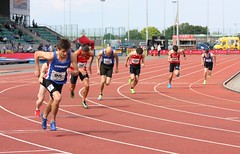
Welsh Athletics Championships / Commonwealth Games Trials

Etymology: from the Proto-Indo-European *Hret- (to run, roll) [source].

Sources: Wiktionary, Am Faclair Beag, teanglann.ie, On-Line Manx Dictionary, Geiriadur Prifysgol Cymru, Gerlyver Kernewek, Dictionnaire Favereau

Trees, Wood(s) & Forests

Words for tree, wood and related things in Celtic languages.

There are various words for tree in the modern Celtic languages. In each language the usual word for tree is different and comes from different roots. Only the Cornish and Breton words are cognate. The usual words for tree are: crann (Irish), craobh (Scottish Gaelic), billey (Manx), coeden (Welsh), gwedhen (Cornish) and gwezenn (Breton).

Here be trees!

Proto-Celtic *kʷresnom = tree, wood
Old Irish (Goídelc) crann = tree
crannchor = casting of lots
crannda = wooden
Middle Irish (Gaoidhealg) crann, crand = tree, wood, timber, staff, pole, plank, beam, spearshaft, mast, steering oar, lot, destiny, fate
crannach, cranncha = trees, grove, wooded place
crannaige, crannaigi = shaft-trimmer, spearsman
crannaigid = to cast lots
crannán = small spearshaft
crannchor, crannchur = casting of lots
crannda, cranda = wooden, made of wood, wooded
cranngal, crannghal = timber, wooden structure or object, spear (shaft)
crannóc, crandoc = wooden structure, wooden drinking-container; basket, wooden lake-dwelling
cranntáball = sling, staff-sling
Irish (Gaeilge) crann [kɾˠaun̪ˠ / kɾˠan̪ˠ] = tree; mast, boom, pole; stock, handle; shaft, beam; stick
crannach = stake-fence, forest of spears, arboreal, wooded
crannadóir = arboriculturist, tree-climber
crannadóireacht = arboriculture, tree-climbing
crannail = timbering, timbers, lattice-work, ship’s masts
crannán = wooden shaft, handle, wooden vessel, hardening stand (for bread)
crannchur = casting of lots, sweepstake, lottery
crannlach = brushwood, (withered) stalks, haulm
crannmhar = full of trees, timbered, wooded
crannóg = piece of wood, pole, wooden frame
crannúil = tree-like, arborescent
Scottish Gaelic (Gàidhlig) crann [kraun̪ˠ] = mast; plough; beam; lot (in drawing lots); tree (archaic)
cranntair = wooden peg/pin
crannghail = wooden frame
crannach = pertaining to or abounding in masts, ploughs, beams, trees etc
crannchur = destiny, lot, draw, lottery
crannag = pulpit, crannog, island dun, crosstree
crannlach = brushwood, lanky wood, dummy
Manx (Gaelg) croan = boom, mast, flag pole
creenagh = brushwood, wither
crannag = dock, heap, desk, pulpit, rostrum, lookout
Gaulish prenne = big tree
Proto-Brythonic prenn [ˈprenː] = wood, tree
Middle Welsh (Kymraec) pren, prenn = tree, bush, timber, wood
prenvol, prenuol, prennol = (wooden) box, chest, coffer
Welsh (Cymraeg) pren [prɛn] = tree, bush, shrub; timber, wood, wooden; piece of wood, wooden stick; cross, gallows, gibbet
prenfol = (wooden) box, chest, coffer, case, coffin
preniaf, prennaf, prenio, prennu = to bolt (a door), bar, shut (sb) out
prensaer = carpenter
Old Cornish pren = wood
Middle Cornish (Cernewec) pren = tree, wood, timber, a piece of wood, a lot
prenic = wooden, woody
prenne = to fasten with a piece of wood, to bar
prennyer = pieces of wood
Cornish (Kernewek) prenn [prɛn:] = bar, beam, log, timber, (gambling) lot , wooden
prenna, predna = to bar, lock
prennek = wooden, woody
prennlown = plywood
prennweyth = woodwork
Old Breton pren = wood
Middle Breton (Brezonec) pren, prenn, preen = wood
prennaff, prena, prenna = to close, block
prennet = to lock
Breton (Brezhoneg) prenn = wood, piece of wood, fastner
prennañ = to close, fasten, shut

Etymology: from Proto-Indo-European *kʷres (bush, thicket) [source]. Words from the same roots include hurst (wood, grove – used in placenames, e.g. Lyndhurst) in English, and Horst (eyrie, bush, thicket, small forest) in German [source]

Old Irish (Goídelc) cráeb / cróeb = tree
Middle Irish (Gaoidhealg) cráeb, craib = branch, bough, sprig, rod, wand, post, tree, bush
cráebach, cræbacha = having branches, branchy, branches
Irish (Gaeilge) craobh = branch, bough; tree
craobhach = branches, branched, branching, flowing, spreading
craobhaigh = to branch, ramify, expand, spread
craobhóg = small branch, twig, sprig, spray, darling
Scottish Gaelic (Gàidhlig) craobh [krɯːv] = tree, bush
craobhaich = woody, wooded, full of trees, branching, spreading
craobhag [krɯːvag] = small tree
craobhadair [krɯːvədɪrʲ] = arborist, tree specialist
Manx (Gaelg) crouw = stock, bush, dwarf tree, stick, bunch, wide spreading tree, tributary of river

Etymology: unknown, possibly from Proto-Celtic krētros (sieve) [source].

Proto-Celtic *belyom = tree
Gaulish *bilia [ˈbi.liaː] = tall tree
Old Irish (Goídelc) bile [ˈbʲilʲe] = tree, especially a large, ancient, sacred one
Middle Irish (Gaoidhealg) bile [ˈbʲilʲe] = (large) tree (esp. an ancient and venerated one), tree trunk, mast, scion, hero
bilech = abounding in trees, (well-)wooded
bileóc, biléog = leaf, leaflet
Irish (Gaeilge) bile [ˈbʲɪlʲə] = (large, sacred) tree; scion; distinguished person
bileog = leaf, letter of freedom (to marry)
bileogach = leafy, laminated
biliúil = tree-like, stately
Scottish Gaelic (Gàidhlig) bile [bilə] = mast; plough; beam; lot (in drawing lots); tree (archaic); cluster of trees, sacred tree/grove
bileach = leaf, amount of leaves, leafy tree
bileag = blade (of vegetation), board, leaf, leaflet, pamphlet, ticket, label, slip (of paper)
bileagach = lipped, billed, bladed, fringed, edged
Manx (Gaelg) billey = tree, big bush
billagh = tree, wooded, woody
biljagh = arboreal, wooded
billey
Middle Welsh (Kymraec) bill, pill = (tree) trunk, stock, log, branch; fortress
billwydd = kindling, firewood, sticks, brushwood; joists, laths
Welsh (Cymraeg) pill [pɪɬ] = (tree) trunk, stock, log, branch, pole, stake, post; fortress, castle, stronghold, refuge, sanctuary, safety, strength, force; snatch of song, verse; still, crib; socket
pillwydd = kindling, firewood, sticks, brushwood; joists, laths
pillyn = peg
Middle Breton (Brezonec) bilh, bill = a felled tree trunk, log, lumber, timber
bilh-koad = chunk of wood
Breton (Brezhoneg) bill = trunk

Etymology: from Proto-Indo-European *bʰolh₃yo- (leaf), from *bʰleh₃- (blossom, flower) [source]. Words from the same Proto-Celtic root, via Gaulish, include bille (tree trunk, railway sleeper, rolling pin) and billon (a ridge in a ploughed field) in French, bilha (stem, trunk) in Provençal and possibly billa (spigot, faucet, stick) in Galician [source].

Words from the same PIE roots include folio and phyllo / fil(l)o (pastry), phyllomancy (diviniation by leaves) in English, feuille (leaf, sheet) in French, andhoja (leaf, petal, blade) in Spanish [source].

Proto-Celtic *widus = wood, trees
Old Irish (Goídelc) fid = tree, wood, letter in Ogham
fidchell = a boardgame similar to chess
fidrad = trees, a wood
Middle Irish (Gaoidhealg) fid = tree, wood, timber
fidach = wooded, abounding in trees, timber
fidchell = a boardgame similar to chess
fidrad = trees, a wood, letter (in Oghan)
Irish (Gaeilge) fiodh = tree, wood, timber
fiodhach = abounding in trees, wooded
fiodhneimheadh = sacred grove
fiodhradh = trees, timbers, letters (literary)
ficheall = chess, chess board
Scottish Gaelic (Gàidhlig) fiodh [fjɤɣ] = wood, timber, wooden, made of wood
fidhcheall = Celtic chess
fiodhach [fjɤɣəx] = shrubbery, shrubs, cheese press; wooden, ligneous, woody
fiodhan = cheese press
fiodhrach [fjɤɣan] = timber
Manx (Gaelg) fuygh = timber, wood
fuyghagh, fuyghoil = ligneous, wooden, woody
fuyghee = wooden
feeal = chess
Proto-Brythonic *gwɨð [ˈɡwɨːð] = wood, trees
Old Welsh guid = tree
Middle Welsh (Kymraec) guit, guyt, gwyd, gwŷdd = tree(s), forest, woods
gvytbuil, gvydbvll = a chess-like boardgame
guduit, gwyddfid, gwytuid, gwituid = wood, forest, bush, protective hedge
Welsh (Cymraeg) gwŷdd [ɡwɨːð / ɡwiːð] = tree(s), branches, twigs; forest, woods, shrub(s); lineage, genealogical tree, stock; stem
gwyddallt = wooded slope
gwyddbwyll = chess; knowledge, learning, science, reason
gwyddel = forest, grove, thicket, brake, wilderness
gwyddfid = wood, forest, bush, protective hedge
Old Cornish guit = trees
Middle Cornish (Cernewec) gwedh, gweydh, gwydh = trees
gwedhen, gwedhan = tree
gwydhbol = chess
Cornish (Kernewek) gwydh [gwɪ:ð] = trees
gwedhen = tree
gwedhek = woodland
gwedhlan = arboretum, tree plantation
Old Breton guid = trees
Middle Breton (Brezonec) guez, guid, gwyd, gwydh = tree(s)
Breton (Brezhoneg) gwez [ɡwe] = trees
gwezenn = tree
gwezeg = wooded
gwezek = abounding in trees
gwezboell = chess

Etymology: from Proto-Indo-European *h₁weydʰh₁-. (tree, beam) [source]. Words from the same roots include wood in English, vid (firewood, wood) in Swedish, and ved (wood) in Danish [source].

Proto-Celtic *kaitos = wood, forest
Proto-Brythonic *koɨd [ˈkoɨ̯d] = wood, forest
*argoɨd = surrounding forest
Old Welsh coit = wood, forest
coetlann = copse, grove, woodland, wooded glade
Middle Welsh (Kymraec) coyt, coit, koet, coet, coed = forest, wood, trees
coedallt = wooded slope, hillside
coedva, koedfa = grove, woodland, forest
koedach = shrubs, brushwood
coydiawc, coedawc, coedoc = woody, wooded
coydiawl, koedolyon = silvan, rustic, wild
coet, coedwig, coedwic = forest, wood
Welsh (Cymraeg) coed [koːɨ̯d / kɔi̯d] = forest, wood, trees; shrubs; timber, pieces of wood
coeden [koːɨ̯d / kɔi̯d] = tree
coedaidd = silvan, arboraceous, woody, wooden
coedallt = wooded slope, hillside
coedfa = grove, woodland, forest
coed(i)ach = shrubs, brushwood, underwood, withered branches
coed(i)af), coed(i)o = to prop or timber a pit or shaft
coed(i)og = woody, wooded, abounding with trees, silvan
coed(i)ol = pertaining to wood or timber, silvan, rustic, wild
coedlan = copse, grove, woodland, wooded glade
coedwig = forest, wood
argoed = trees, forest, surrounding forest
Old Cornish cuit = wood, forest
Middle Cornish (Cernewec) coys, coyd, coid = wood, forest
Cornish (Kernewek) koos [ko:z / ku:z] = forest
Middle Breton (Brezonec) coat, coet, coët = wood, forest
Breton (Brezhoneg) koad [ˈkwɑːt] = wood, forest
koadadur = afforestation, tree planting
koadaj = panelling, woodwork
koadeg = wooded, woody
koader = to timber, panel, plant trees
argoad = groove, copse, wooded

Etymology: from Proto-Indo-European *kayt-/*ḱayt- (forest, wasteland, pasture) [source]. Words from the same roots include heath and heather in English, Heide (heath, heathland, woodland, forest) in German, hed (moor, waste land) in Swedish.
Sources: Wiktionary, Am Faclair Beag, Online Manx Dictionary, Teanglann.ie, eDIL – Electronic Dictionary of the Irish Language, In Dúil Bélrai English – Old Irish glossary, Geiriadur Prifysgol Cymru, Gerlyver Kernewek, Dictionaire Favereau, TermOfis, English – ProtoCeltic WordList (PDF), Etymological Dictionary Of Proto Celtic


728×90 (Best VPN)

Christmas

Words for Christmas in Celtic languages.

Old Irish (Goídelc) Notlaic = Christmas
Irish (Gaeilge) Nollaig [ˈn̪ˠɔl̪ˠəɟ / ˈn̪ˠɔl̪ˠəc / ˈn̪ˠʌl̪ˠəc] = Christmas
Scottish Gaelic (Gàidhlig) Nollaig [n̪ˠɔl̪ɪgʲ] = Christmas
Manx (Gaelg) Nollick [ˈnɔlik] = Christmas
Old Welsh Natolic = Christmas
Welsh (Cymraeg) Nadolig = Christmas, birthday
Cornish (Kernewek) Nadelik [na’dɛlɪk / nə’dɛlɐk] = Christmas
Old Breton Notolic = Christmas
Breton (Brezhoneg) Nedeleg = Christmas

Etymology: from Latin nātālīcius (birth, birthday). [source].

Sources: Wiktionary, Am Faclair Beag, teanglann.ie, Fockleyreen: Manx – English Dictionary, Geiriadur Prifysgol Cymru, Gerlyver Kernewek, Dictionnaire Favereau