Ale and Beer

Words for ale, beer and related words in Celtic languages.
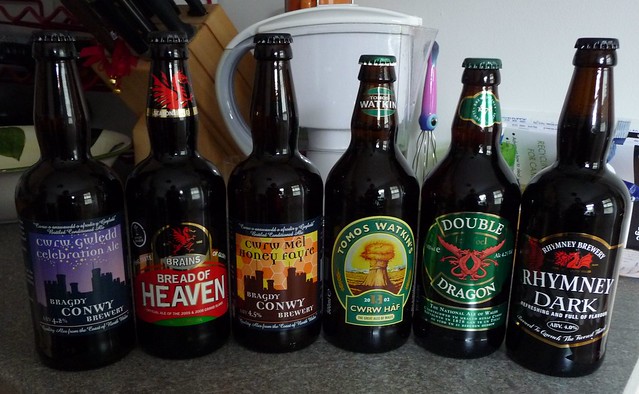
beer haul

Proto-Celtic *lindo- = drink
Gaulish linda = drink
Old Irish (Goídelc) linn [ˈl͈ʲin͈ʲ] = drink, liquid, brew, ale, beer, intoxicating drink
lind = liquid, drink, ale
Irish (Gaeilge) leann = (pale) ale, beer; liquid, fluid
lionn = humour (of the body)
lionndubhach = melancholy, depressed
leannadóir = ale-merchant
leannlus = hop
leann bó = milk
leann donn = brown ale
leann dubh = stout
leann piorra = perry
leann sinséir = ginger ale
leann úll = cider
iarleann = small, weak beer
seomra leanna = tap-room
teach leanna = ale-house
Scottish Gaelic (Gàidhlig) leann [l̪ʲãũn̪ˠ] / lionn [l̪ʲũːn̪ˠ]= ale, beer; humour (of the body); fluid, liquid
lionn-dubh = dejection, melancholy
lionn searbh = bitter (ale)
lionn-ubhal = cider
Manx (Gaelg) lhune = ale, beer
lhune doo = stout, porter
lhune freillagh = lager
lhune jinshar = ginger beer
lhune ooyl = cider
lhune peear = perry
lhune sharroo = bitter (beer/ale)
shamyr lhionney = bar room, lounge bar, tap room
thie lhionney = ale house, pub
Middle Welsh (Kymraec) llynn = drink
Welsh (Cymraeg) llyn [ɬɨ̞n/ɬɪn] = drink, beverage, intoxicating liquor, cordial, juice; liquid, humour
llyn afalau = cider, apple juice
llyn y bustl = bile
llyn gellyg = perry
Old Cornish lin = fluid, liquid, lotion
Cornish (Kernewek) lin = fluid, liquid, lotion
lin-golghi = washing detergent
lin leur = floor cleaner
lin sebon = detergent, washing-up liquid
Old Breton linnou = drink
Breton (Brezhoneg) liñvenn = liquid

Etymology: possibly from the Proto-Indo-European *liH-nd-o- [source].

Proto-Celtic *kormi, *kurman = beer
Gaulish curmi, curmím, κόρμα (kórma), κούρμι (koúrmi) = beer
Old Irish (Goídelc) cuirm = ale, beer
Irish (Gaeilge) coirm, cuirm [kɞɾʲəmʲ] = ale, drinking-party, feast, banquet
coirmeach = ale-drinking, festive
coirmtheach = ale-house
coirm cheoil, ceolchoirm = concert
Scottish Gaelic (Gàidhlig) cuirm [kurʲum] = feast, banquet, entertainment; ale, beer (archaic)
co(i)rm = ale, beer
cuirm-chiùil = concert
cuirm-chnuic = picnic
Manx (Gaelg) cuirrey = banquet, feast
cuirrey kiaull = concert
Proto-Brythonic *kuruβ ̃, *kurβ̃ = beer, ale
Old Welsh curum = beer, ale
Middle Welsh (Kymraec) kuref, kwryf, kwrwf, cwrwf, cyryw = beer, ale
Welsh (Cymraeg) cwrw [ˈkʊru / ˈkuːru] = beer, ale
cwrw Adda = Adam’s ale, water
cwrw casgen = draught beer
cwrw coch = brown ale
cwrw cychwyn = a drink of beer on setting out on a journey, one for the road
coesau cwrw = a drunken gait (“beer legs”)
Old Cornish coref, coruf = ale, beer
Middle Cornish (CerneweC) cor = ale, beer
coref = ale, beer
Cornish (Kernewek) korev, kor = ale, beer
Breton (Brezhoneg) korev = ale, beer

Etymology: possibly from the Proto-Indo-Eurpean *kremH- (to burn) [source], or *ḱr̥h₃-m- (porridge, soup), or *ḱh₁erh₂- (to mix) [source].

The Latin word cervēs(i)a (beer) comes from the same Proto-Celtic root, as do words for beer in several Romance languages, including Spanish (cerveza), Portuguese (cerveja), Galician (cervexa) and Catalan (cervesa) [source].

More about words for beer in European languages.

Irish (Gaeilge) beoir [bʲoːɾʲ] = beer, a woman (rare, colloquial)
beoir bhairille = draught beer
beoir shinséir = ginger beer
Scottish Gaelic (Gàidhlig) beòir [bjɔːrʲ] = beer
beòir chaol = small beer
roipean beòir = beer moustache
Manx (Gaelg) beer = beer
Middle Welsh (Kymraec) ber, berr, berre = beer, ale
Welsh (Cymraeg) bir = beer, ale
Breton (Brezhoneg) bier = ale, beer

Etymology (Irish, Scottish Gaelic and Manx): from the Old Norse bjórr, from the Proto-Germanic *beuzą (beer), from the Proto-Indo-Eurpean *bʰews- (dross, sediment) [source].

Etymology (Welsh): from the English beer, from the Middle English bere (beer), from the Old English bēor (beer), from the Proto-West Germanic *beuʀ (beer), from the Proto-Germanic *beuzą (beer) [source].

Etymology (Breton): from the French bière (beer), from the Old French biere (beer), from the Middle Dutch bier/bēr (beer), from the Frankish *bior (beer), from Proto-Germanic *beuzą (beer) [source].

Words marked with a * are reconstructions.

Sources: Wiktionary, Am Faclair Beag, Online Manx Dictionary, Teanglann.ie, eDIL – Electronic Dictionary of the Irish Language, In Dúil Bélrai English – Old Irish glossary, Geiriadur Prifysgol Cymru, Gerlyver Kernewek, Dictionaire Favereau, TermOfis, English – ProtoCeltic WordList (PDF), Etymological Dictionary Of Proto Celtic

Blubrry podcast hosting

Victory

Words for victory and related things in Celtic languages.

Boudica

Words marked with a * are reconstructions.

Proto-Celtic *boudi = profit, gain, victory
*boudīkos = victorious
*Boudīkā = a female given name
Gaulish *boudi = profit, gain, victory
*Boudīkā = a female given name
Old Irish (Goídelc) búaid [buːa̯ðʲ] = benefit, gift, profit, quality, triumph, victory, virtue
búadach = gifted, triumphant, victorious
Middle Irish (Gaoidhealg) búaid, boid, boad = victory, triumph, virtue, attribute, gift, advantage, profit, benefit
búadred = act of troubling, distrubing, confusing; trouble, disturbance, perturbation, confusion; act of stirring up, making turbid, turbidity
Irish (Gaeilge) bua [bˠuə] = victory, truimph; gift, talent; virtue merit; special quality
bua morálta = moral victory
ollbhua [ˈɔl̪ˠˌwuə] = landslide victory
buach = victorious
buachan = gain, victory
buaigh = to win, gain; defeat, overcome; succeed
Scottish Gaelic (Gàidhlig) buaidh [buəj] = success, conquest, victory, consequence, effect, impact, influence, sway, mastery, predominance
buaidh-làrach = decisive victory
buaidh-chaithream = triumph, triumphant shout or song
buaidheach = victorious, effective
buadhach = victorious, effective, influential, talented, gifted
buadhalach = victorious, triumphant
diombuaidheach = unsuccessful, unlucky, defeatist
Buaidheach = Boudica (female given name)
Manx (Gaelg) booie = victorious, victory, triumph
Proto-Brythonic *bʉd = profit
*bʉðig = victorious
*Bʉðig = a female given name
Middle Welsh (Kymraec) ysbud, bud, but = profit, gain, booty
butic, budic = victorious, truimphant, prosperous, successful, beneficial, generous, kind
Welsh (Cymraeg) budd [bɨːð / biːð] = profit, gain, booty, riches, wealth, blessing, favour, advantage, emolument, benefit, usefulness
buddfawr = bearing much booty or spoils, profitable, beneficial
buddfawredd = generosity, gain
buddgar = conferring blessings, beneficial, generous, covetous
buddged = benefit, adventage, gain, gift, reward
buddio = to profit, succeed, prosper, benefit
buddig / buddug = victorious, truimphant, prosperous, successful, beneficial, generous, kind
Buddug = Boudica (female given name)
buddugaf, buddugo = to triumph, gain a victory, conquer
buddugiol = victorious, conquering, triumphant, mighty, successful
buddugioliaeth = victory, conquest, supremacy, precedence, glory, triumph, exulation, jubliation
Cornish (Kernewek) budh = profit
budhek = victorious
Old Breton bud = profit
Breton (Brezhoneg) buz [byː(s)] = profit
Budic = Boudica (female given name)

Etymology: from the Proto-Indo-European *bʰówdʰi (victory) [source]. Words from the same Proto-Celtic root possibly include booty in English, butin (loot, booty) in French, botí (booty, spoils) in Catalan, bottino (booty, loot, cesspit, swag) in Italian, and Beute (booty, spoils, haul, prey, quarry) in German [source].

The name Boudica (the Queen of the Iceni who led an uprising against the Romans in 60/61 AD) comes from the Latin Boudicca / Boadicea, from the Gaulish *Boudīkā [source].

The Fastest Way to Learn Japanese Guaranteed with JapanesePod101.com

Sources: Wiktionary, Etymological Dictionary Of Proto Celtic, In Dúil Bélrai English – Old Irish glossary, eDIL – Electronic Dictionary of the Irish Language, Teanglann.ie, Am Faclair Beag, An etymological dictionary of the Gaelic language, Fockleyreen: Manx – English Dictionary, Online Manx Dictionary, Gaelg Corpus, Geiriadur Prifysgol Cymru, Lexicon cornu-britannicum : a dictionary of the ancient Celtic language of Cornwall, Gerlyver Kernewek, Devri : Le dictionaire diachronique du breton, Dictionnaires bilingues de Francis Favereau / Edition Skol Vreizh, TermOfis

Unlimited Web Hosting - Kualo

Stable Enclosures

Words for stable, enclosure and related words in Celtic languages.

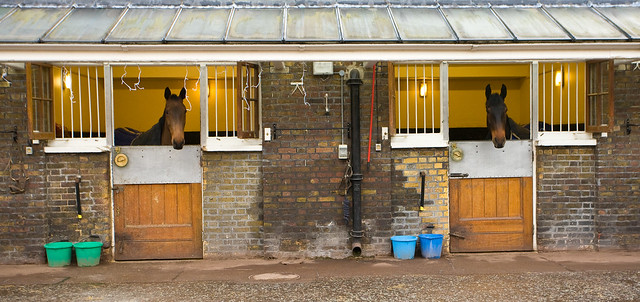
Stables

Words marked with a * are reconstructions.

Proto-Celtic *kruw(y)os = enclosure
*krāfo- = stable, enclosure
Old Irish (Goídelc) cró, cróe, cróa = enclosure, socket, stall, sty, horse-shoe, encirclement
Middle Irish (Gaoidhealg) cró, cro = enclosure, fold, pen, sty, stall, hut, cell, prision, socket, box, container
Irish (Gaeilge) cró [kɾˠoː / kɾˠɔː] = eye, socket; bore; aperture; ring; enclosure, fold, pen; (small) outhouse; mean dwelling, hovel; hollow
cróicín = litte hut, hovel
cróitín = small (sheep) fold, small outhouse
cróbhuaile = enclosed milking-place
cró beithíoch = byre, cowshed
cró caorach = sheepfold, shieling
cró cearc = henhouse
cró coinín = rabbit hutch
cró madra = (dog) kennel
cró muc / muice = pigsty, piggery
cró sorcais = circus ring
Scottish Gaelic (Gàidhlig) crò [krɔː] = circle, surround; enclosure, fold, pen; fishing weir; eye (of needle), socket; hay ladder
crò-snàthaid = eye of a needle
crò-chearc = chicken coop
crò-mhuc = pigsty
crò-buntàta = enclosed potato patch
crò-chaorach = sheepfold
Manx (Gaelg) croa = enclosure, compound, enclave, coop, fold, ring, corral, pen, aperture, notch
croa cheyrragh = sheepcote
croa chonning = rabbit hutch
croa gheayil = (coal) bunker
Middle Welsh (Kymraec) creu, crau, kreu, craw = shed
Welsh (Cymraeg) crau / craw [kraɨ̯ / krai̯] = sty, hovel, pigsty; place of defence, stockade
crau = hole, eye, aperture, perforation
crewyn = pile, heap, rick, clamp, load
crowyn, crywyn, crewyn = shed where animals are kept, sty, coop, kennel, creel, basket; belly, paunch
Middle Cornish (Cernewec) crow = hovel, hut, sty
crow môh = pigsty
Cornish (Kernewek) krow = hut
krow deves = sheep-cot
krow mogh = pigsty
krow prenn = chalet
krow yer = chicken shed
Old Breton crou = pigsty
Middle Breton kraou = pigsty
Breton (Brezhoneg) krao = eye (of a needle)
krao an nadoz = eye of a needle
kraou = stable
kraou-deñved = sheep pen, sheepfold
kraou lapined = (rabbit) hutch
kraou-saout, kraou oc’hen = cowshed

Etymology: from the Proto-Indo-European *krāwə- (to cover, heap). The English word roof comes from the same PIE root (via Proto-Germanic), as does the Dutch word roef (cabin (on a boat), coffin lid), and the French word rouf (deckhouse) [source].

Old Irish (Goídelc) saball = barn
Middle Irish (Gaoidhealg) stábla = stable
saball = barn
Irish (Gaeilge) stábla = stable
stáblachán = large unadorned house
Scottish Gaelic (Gàidhlig) stàball [sdaːbəl̪ˠ]= stable
stàballach = of, or belonging to a stable, like a stable
sabhal [sa.əl̪ˠ] = barn, granary
Manx (Gaelg) stabyl = stable
soalt = barn, granary
Proto-Brythonic *ɨstavell = room
Old Welsh (Kembraec) stebíll = room
Middle Welsh (Kymraec) estauell, ystauell, ystavell = room
(e)stauellauc, ystauellawc = having a room, chambered, roomy
Welsh (Cymraeg) (y)stafell [(ə)sˈtavɛɬ] = room, building, hall, house, chamber, cave, ventricle, stable (?)
(y)stafellu = to occupy a room, place in a room, become stuck
ystafellaid = roomful
(y)stafellaidd = pertaining to, held in, or like, a room, chambered
ystafelles = chambermaid
(y)stafellog = having a room, chambered, roomy
(y)stafellty = cloister, close
(y)stafellydd, ystafellwr = bedroom attendant, chamberlain, eunuch
Middle Cornish (Cernewec) stevel, steuel = chamber, dining room
Cornish (Kernewek) stevel = room
stevel an klass = classroom
stevel an lys = courtroom
stevel-dhybri = dining room
stevel-wortos = waiting room
Middle Breton staul = room (?)

Etymology: from Middle English stable (stable) or from Anglo-Norman stable (a place for keeping animals), from Latin stab(u)la (dwellings, stables), from stabulum (dwelling, stable, hut, tavern), from stō (to stand, stay, remain) and‎ -bulum (instrumental suffix) [source].

The Brythonic words probably come directly from Vulgar Latin *(i)stabellum, from stabulum (dwelling, stable, hut, tavern) [source].

The Fastest Way to Learn Japanese Guaranteed with JapanesePod101.com

Sources: Wiktionary, Am Faclair Beag, Online Manx Dictionary, Teanglann.ie, eDIL – Electronic Dictionary of the Irish Language, In Dúil Bélrai English – Old Irish glossary, Geiriadur Prifysgol Cymru, Gerlyver Kernewek, Dictionaire Favereau, TermOfis, English – ProtoCeltic WordList (PDF), Etymological Dictionary Of Proto Celtic

Unlimited Web Hosting - Kualo

Wool

Words for wool and related words in Celtic languages.

Glorious wool

Proto-Celtic *ulanā, *wlanā, *w(u)lāno-, *w(u)lano- = wool
Gaulish *wlanā = wool
Old Irish (Goídelc) olann [ˈolan͈] = wool
ollach = woolly
Irish (Gaeilge) olann [ˈɔlˠən̪ˠ] = wool, woolly hair, mop of hair; woollen
olanda = woolly
olannacht = woolliness
olanntáirgeach = wool-bearing
ollach = woolly, fleecy
ollacht = woolliness, fleeciness
Scottish Gaelic (Gàidhlig) olann [ˈɔl̪ˠən̪ˠ] = wool (usually while on sheep)
ola = woollen, made of wool
olach = woolly, fleecy
Manx (Gaelg) ollan = wool
ollanagh, olley = woolly
ollanaght = woolliness
Proto-Brythonic *gwlan [ˈɡwlaːn] = wool
Old Welsh gulan = wool
Middle Welsh (Kymraec) gluan, gwlan = wool
Welsh (Cymraeg) gwlân [ɡwlaːn] = wool, down, soft hair, grass, herbage; woollen, soft, made of wool
gwlana = to gather wool, beg or solicit wool
gwlanen = flannel, face-cloth; man of weak character, spineless person, unreliable person
gwlanendra = softness, lack of backbone
gwlanenêd = flannelette
gwlanel = flannel
gwlanennaidd, gwlanennog = flannelly, flannel-like, soft; weak-willed, without backbone, spineless (person), unreliable
gwlanennu = to provide with woollen clothing
gwlanennwr, gwlanennydd = flannel-maker, woollen-manufacturer, flannel-merchant, woollen-draper
gwlanog = woollen
Old Cornish gluan = wool
Middle Cornish glan, glawn = wool
Cornish (Kernewek) gwlan = wool
gwlanek = woollen, woolly
Middle Breton glan, gloan = wool
Breton (Brezhoneg) gloan = wool
gloanaj, gloanenn = woollen garment / material
gloanegenn = cozy, soft, snug
gloanell = cotten

Etymology: from the Proto-Indo-European *h₂wĺ̥h₁neh₂ (wool). The English word flannel comes ultimately from the Gaulish *wlanā, via Old French and Norman [source].

Sources: Wiktionary, Am Faclair Beag, Online Manx Dictionary, Teanglann.ie, eDIL – Electronic Dictionary of the Irish Language, In Dúil Bélrai English – Old Irish glossary, Geiriadur Prifysgol Cymru, Gerlyver Kernewek, Dictionaire Favereau, TermOfis, English – ProtoCeltic WordList (PDF), Etymological Dictionary Of Proto Celtic

Country and Land

Words for land, country and related words in Celtic languages.

Cwm Idwal

Proto-Celtic *tīros = dry land, land, earth
*wo-tīro- = piece of land
Old Irish (Goídelc) tír = land, country, territory, ground
Tír inna n-Óc = (mythical) Land of Youth
Irish (Gaeilge) tír [tʲiːɾʲ] = country, land, state, nation; region, district. territory, rural district, country native, ordinary
tírdhreach = landscape
tíreach = native, of the country
tíreachas = domesticity
tíreánach = mainlander
tíreolaí = geographer
tíreolaíocht = geography
tírghrá = patriotism
tírghrách = patriotic
tírghráthóir = patriot
Tír na nÓg = (mythical) Land of the Young/Youth
Scottish Gaelic (Gàidhlig) tìr [tʲiːrʲ] = land, country, territory
tìreach = countryman, patriot
tìr-eòlas = geography
tìr-ghràdhaiche = patriot
tìr-mór = mainland, continent
Tìr nan Òg = (mythical) Land of the Young/Youth
àrd-tìr = highland
Manx (Gaelg) çheer = land, country, state, territory, shore
çheeragh = native
çheer-ghraihagh = patriotic
çheer-oayllee = geographer
çheer-oaylleeaght = geography
çheer vooar = mainland
çheer yalloo = landscape
Çheer ny Aeg = (mythical) Land of Youth
Proto-Brythonic *tir [ˈtiːr] = land
Old Welsh tir = land
Middle Welsh (Kymraec) tir, tyr = land
Welsh (Cymraeg) tir [tiːr] = land, ground, soil, turf, estate, open land, region, territory, domain, country, earth, ridge
tiriaf, tirio = to land, come ashore, disembark, arrive, reach
tir(i)og = landowning, landed
tiriogaeth = territory, realm, district, tract, (piece of) land
tiriogaethol = territorial
tirwedd = landscape, scenery, (geographic) relief
Cornish (Kernewek) tir = land, earth
tira = to land, come ashore
tiredh = territory
tirlanow = landfill
tir meur = mainland
tirnos = landmark
tirwedh = landscape
konna tir = peninsula
penn tir = headland
Breton (Brezhoneg) tir = land
penn-tir = headland

Etymology: possibly from the Proto-Indo-European *tērs-os/tḗrs (to heap up, increase, enlarge) [source].

Princes Street Gardens

Proto-Celtic *wlatis = sovereignty, rule
*walo- = prince, chief
*walatro- = ruler
Old Irish (Goídelc) flaith [flaθʲ] = lordship, sovereignty, rule, kingdom, realm, prince, ruler
flaithem = prince, ruler
flaithemail = princely, munificent
flaithemnacht = rule
flaithemnas, flaithius = rule, sovereignty
flaithiúlacht = princeliness, munificence, lavishness, generosity
Irish (Gaeilge) flaith [fˠlˠah/fˠlˠa] = lordship, sovereignty, ruler, prince, lord, chief
banfhlaith = princess
flaithbheartach = princely, generous
flaithbhile = princely scion, noble champion
flaitheas = rule, sovereignty, kingdom, realm
flaitheasach = heavenly, celestial
co-fhlaitheas = confederation
flaithiúil = princely, munificent, lavish, generous
flaithiúlach = lavish, generous
flaithiúnta = sovereign, heavenly
mì-fhlathail = ignoble
Scottish Gaelic (Gàidhlig) flath [fl̪ˠah] = king, prince, ruler, noble
banfhlath = wife of a chieftain, noblewoman
flath-shonas [fl̪ˠahənəs] = dominion, kingdom, heaven, the heavens
flathail = noble, gallant, patrician, princely, majestic; blithesome
mì-fhlathail = ignoble
Manx (Gaelg) flah = prince, potentate
flaunys = heaven, utopia, paradise
Proto-Brythonic *gwlad [ˈɡwlaːd] = sovereignty, country
*gwlėdig = civil, secular, established, national
*gwaladr [ɡwaˈladr̩] = ruler
Old Welsh gulat = country, realm
Middle Welsh (Kymraec) gulat, gulad, gwlat, gwlad = country, realm
Welsh (Cymraeg) gwlad [ɡwlaːd/ɡlaːd] = country, land, province, region, district, kingdom, realm, domain; nation, the people of a country
gwaladr = ruler, sovereign
gwladaidd = rural, rustic countrified, homely, plain, mean, poor, boorish, vulgar, rough, clumsy, awkward
gwladiath = native tongue, mother tongue
gwladwr = countryman, peasant, rustic, compatriot, inhabitant, citizen
gwledig = rural
rhyngwladol = international
Old Cornish gulat = country
Cornish (Kernewek) gwlas = country
gwlaskar = patriotic
gwlaskarer / gwlaskarores = patriot
gwlaskarenja / gwlaskerensa = patriotism
gwlaskor = kingdom, realm
Old Breton guletic = prince
Middle Breton gloat = kingdom, wealth
gloedic = count
Breton (Brezhoneg) glad [ɡlɑːt] = inheritance, heritage, patrimony

Etymology: from the Proto-Indo-European *h₂wélh₁tis/*h₂wl̥h₁téy-, from *h₂welh₁- (to rule, strong, powerful) [source].

Proto-Celtic *talamū = earth
Gaulish *talamon = ?
Old Irish (Goídelc) talam [ˈtalaṽ] = earth, (dry) land, country, soil, dirt, clay
Irish (Gaeilge) talamh [ˈt̪ˠɑlˠəvˠ/ˈt̪ˠalˠə/ˈt̪ˠalˠu] = earth, ground, land, dry land, soil, soild base (for discussion, understanding)
talamhchreathach = seismic
talamhchrith = earthquake
talamhiata = land-locked
talamhluas = ground speed
Scottish Gaelic (Gàidhlig) talamh [tal̪ˠav] = earth, ground, Earth
talamh bàn = fallow/unmanured ground
talamh-dearg = tiled soil, ploughed land
talamh-làidir, talamh-glas = unploughed land
talamh-rèisg = marshy/boggy ground
talamh-àitich = arable land, cultivable land
Manx (Gaelg) thalloo = country, land, shore, terrain, territory, clod, earth, ground , soil
thallooinaghey = to earth, earthing

Etymology: from the Proto-Indo-European *telh₂- (ground) [source]. The French surname Talmont, and the placenames Talmont-sur-Gironde and Talmont-Saint-Hilaire come from the same Proto-Celtic root, via the Gaulish *talamon, and the Latin Talamone / Talmun.

Words from the same PIE root include tellurian (of or relating to the earth) in English, тло [tɫɔ] (background, environment, ground, basis) in Ukrainian, потолок [pətɐˈɫok] (ceiling, upper limit, roof) in Russian, tło [twɔ] (background) in Polish, तल [t̪əl] (bottom, level, storey, floor) in Hindi [source].

Sources: Wiktionary, Am Faclair Beag, Online Manx Dictionary, Teanglann.ie, eDIL – Electronic Dictionary of the Irish Language, In Dúil Bélrai English – Old Irish glossary, Geiriadur Prifysgol Cymru, Gerlyver Kernewek, Dictionaire Favereau, TermOfis, English – ProtoCeltic WordList (PDF), Etymological Dictionary Of Proto Celtic
The Fastest Way to Learn Japanese Guaranteed with JapanesePod101.com

Milk

Words for milk, and related words, in Celtic languages.

North versus South

Words marked with a * are reconstructions.

Proto-Celtic *laxto- = milk
Old Irish (Goídelc) lacht [l͈axt] = milk
Irish (Gaeilge) lacht [l̪ˠɑxt̪ˠ / l̪ˠaxt̪ˠ] = milk, yield of milk; tears
lachtadh = lacation; flooding (of eyes)
lachaí = nursling
lachtach = lactic, milky; tearful
lachtbhán = milkwhite
lachtmhar = lactiferous, milky, abounding in milk
Scottish Gaelic (Gàidhlig) lac, lachd = sweet milk
Manx (Gaelg) laghtveih = milk gauge, milk tester
Proto-Brythonic *llaɨθ = milk
Middle Welsh (Kymraec) llaeth = milk
Welsh (Cymraeg) llaeth [ɬaːɨ̯θ / ɬai̯θ] = milk; milk-like substance, latex; milt, soft roe
llaetha(f), llaethu = to yield milk, lactate, feed with milk, turn to milk
llaetheiddrwydd = milkiness, lactescence
llaethiad = lactation
llaethlyd = milk-like, milky
llaethog = milky, abounding in milk
llaethogrwydd, llaethedd = milkiness
llaethwraig = milkmaid, dairymaid, good milker
llaethyddol = dairy, dairying
y Llwybr Llaethog the Milky Way
Old Cornish lait = milk
Middle Cornish leth, leyth = milk
Cornish (Kernewek) leth = milk
Breton (Brezhoneg) laezh [ˈlɛːs] = milk

Etmology: from the Vulgar Latin *lacte (milk), from the Latin *lac (milk), from the Proto-Indo-European *ǵlákt [source].

Proto-Celtic *mlixtus = milk
Old Irish (Goídelc) mlicht [mʲlʲixt] = milch, in milk (of cattle)
Middle Irish (Gaoidhealg) blicht = milk
Irish (Gaeilge) bleacht [bʲlʲaxt̪ˠ] = milk, milk yield
Scottish Gaelic (Gàidhlig) bliochd [blixg] = milkiness, milk
bliochdmhor [blixg(v)ər] = milky, full of milk
bliochdach = milky, like milk, lacteous
Manx (Gaelg) bluight = lactiferous, lacteal, galactic
bluightagh, ollagh vluight = milking cows
Proto-Brythonic *bliθ = milk
Middle Welsh (Kymraec) blyth = milk
lleurith = milk
Welsh (Cymraeg) blith [bliːθ] = milch, lactating (of cow, etc), full of milk, in calf, in lamb, pregant, fruitful, productive, nourising; milk, dairy produce, lactation, dairying; profit, gain, advantage
blithog, blithiog = milch, giving milk, full of milk, fruitful, productive, bearing offspring
llefrith [ˈɬɛvrɪθ] = milk, new milk, sweet milk, fresh milk
Old Cornish leuerid = milk
Breton (Brezhoneg) livrizh = milk

Etmology: from the Proto-Indo-European *h₂ml̥ǵtus, from *h₂melǵ- (milk, to milk) [source].

The Welsh word llefrith, which is used in North Wales, comes from llef (weak) and blith (milk) [source].

Proto-Celtic *bandyo- = drop
Old Irish (Goídelc) banne = drop, pustule
bannán = small drop, droplet
Middle Irish (Gaoidhealg) bannae, bainne, banne = drop, pustule, milk
Irish (Gaeilge) bainne [ˈbˠaɲə / ˈbˠan̠ʲə] = milk
bainniúil = milky, milk-yielding
bainniúilacht = milkiness
Scottish Gaelic (Gàidhlig) bainne = milk
boinne [bɔn̪ʲə] = drop, small quantity, liquid measure
boinneag [bɔn̪ʲag] = droplet, little/small drop, (alcoholic) drink
boinnean [bɔn̪ʲan] = droplet, wee drop
Manx (Gaelg) bainney [banʲə] = milk
Middle Welsh (Kymraec) ban = drop (?)
Middle Cornish (Cernewec) ban, banna, banné = drop, a jot, the smallest portion of anything
Cornish (Kernewek) banna = bit, drop
Middle Breton (Brezonec) banne, bannhe, bannech = drop, droplet
Breton (Brezhoneg) banne [ˈbã.nːe] = drop, droplet, glass
banneata = to drink shots

Etymology: uncertain. Possibly related to French bain (bath) in French, baño (bath, bathroom, toilet), bagno (bath, to swin, bathe, bathroom) in Italian, and bania (jug, can, container, churn) in Polish [source].

Other words for milk in Proto-Celtic include: *glaxtā-, *melgos-, *mlig-e/o-, *seigi- and *sutu-.

The Fastest Way to Learn Japanese Guaranteed with JapanesePod101.com

Sources: Wiktionary, Etymological Dictionary Of Proto Celtic, In Dúil Bélrai English – Old Irish glossary, eDIL – Electronic Dictionary of the Irish Language, Teanglann.ie, Am Faclair Beag, An etymological dictionary of the Gaelic language, Fockleyreen: Manx – English Dictionary, Online Manx Dictionary, Gaelg Corpus, Geiriadur Prifysgol Cymru, Lexicon cornu-britannicum : a dictionary of the ancient Celtic language of Cornwall, Gerlyver Kernewek, Devri : Le dictionaire diachronique du breton, Dictionnaires bilingues de Francis Favereau / Edition Skol Vreizh, TermOfis

Unlimited Web Hosting - Kualo

Juice

Words for juice and related words in Celtic languages.

juice

Proto-Celtic *sūgos = juice
Old Irish (Goídelc) súg = juice, sap; vigour, energy, strength; essence, inner nature
Irish (Gaeilge) sú [sˠuː] = juice; sap, vigor, energy; soup, broth
sú caoireola = mutton broth
sú circe = chicken broth
sú crainn = (tree) sap
sú na fíniúna = wine
sú na heorna = whiskey (“juice of barley”)
sú oráistí = orange juice
sú tobac = nicotine
Scottish Gaelic (Gàidhlig) sùgh [suː] = juice, sap, jus, stock, soup, broth
sùgh an eòrna = barley water, whisky (poetic)
sùgh an daimh = venison broth
sùgh circe = chicken stock
sùgh fheanntagan = nettle soup
sùgh feòla = gravy
sùgh glasraich = vegetable stock
sùgh-measa = fruit juice
sùgh meirbheach = gastic juices
sùigh-pheuran = perry (pear wine)
sùgh-ubhail = apple juice
Manx (Gaelg) soo = sap, juice
soolagh = juicy, pithy; sauce, juice
soo foalley = meat essence, beef extract, gravy
soo-mess = fruit juice
soo ny braghey = malt whisky
soo ny hoarn = ale
soo-ny-hooyl = cider
soo y ghailley = bile
Middle Welsh (Kymraec) svg / suc / sug = juice. sap
Welsh (Cymraeg) sug = juice, sap, bodily fluid, liquid, moisture, gray
sudd [sɨːð/siːð] = juice, sap, bodily fluid, liquid, moisture, sauce, gray, ketchup, syrup
sudd afal = apple juice
sudd ffrwyth(au) = fruit juice
sudd oren = orange juice
sudd y cylla / sudd cyllaol = gastric juices
sudd yr heli = stock expression for something worthless
sudd treulio / suddau traul = digestive juices
Cornish (Kernewek) sugen = juice, sap, essence
sugen aval = apple juice
sugen frooth = fruit juice
sugen kig = gravy
sugen owraval = orange juice
Breton (Brezhoneg) chug = juice
chug-frouezh = fruit juice
soubenn = soup
soubenneg, soubennouer = (soup) tureen
soubenn al laezh = quick-tempered (person)
soubenn al lard = bacon soup
soubenn an ognon = onion soup
soubenn ar c’haol = cabbage soup

Etymology: from the from Proto-Indo-European *sug-/*suk-. The Latin word sūcus (juice, sap, moisture, strength, vitality) comes from the same root, as do related words in Romance languages, such as suc (juice) in French, sugo (tomato juice, sauce) and succo (juice, gist, pith, essence) in Italian, and jugo (juice, substance) in Spanish [source].

The English word succulent (juicy, lush, luscious), comes from the same Latin root, via the French succulent (succulent, juicy), and the Latin sūculentus (sappy, succulent) from sūcus (juice) and‎ -ulentus (full of, abounding in) [source].

Words marked with a * are reconstructions.

Sources: Wiktionary, Am Faclair Beag, Online Manx Dictionary, Teanglann.ie, eDIL – Electronic Dictionary of the Irish Language, Geiriadur Prifysgol Cymru, Gerlyver Kernewek, Dictionaire Favereau, TermOfis

Bread

Words for bread and related words in Celtic languages.

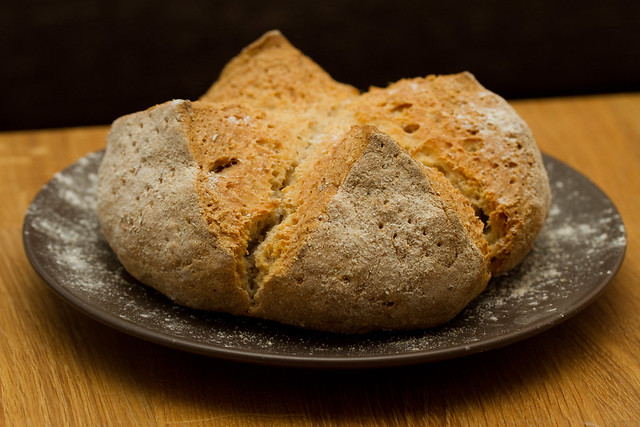
Soda Bread

Proto-Celtic *ar(-akno)- = bread
Old Irish (Goídelc) arán [ˈaraːn] = bread, loaf of bread
Middle Irish (Gaoidhealg) arán [ˈaraːn] = bread
Irish (Gaeilge) arán [əˈɾˠɑːn̪ˠ / ˈaɾˠanˠ] = bread
arán baile = home-baked bread
arán bán = white bread, baker’s bread
arán coirce = oatbread, oatcake
arán donn, arán rua = brown bread
arán prátaí = potato cake
Scottish Gaelic (Gàidhlig) aran [aɾan] = bread, loaf; livelihood, sustenance
aran-coircearan-donn, aran ruadharan-eòrnaaran milisaran-seagail
Manx (Gaelg) arran = bread
arran Albinagh = shortbread
arran bainney = bread roll
arran bane = white bread
arran dhone, arran ruy = brown bread
arran greddan(it) = toast
arran shoggyl = rye bread

Etymology: from the Proto-Celtic *arankā- (grain) [source].

Proto-Celtic *bargo / *baragenā / *barginā = cake, bread
Old Irish (Goídelc) barigen [ˈˈbarʲ.ɣʲən] = bread, loaf of bread
Irish (Gaeilge) bairín = loaf
bairín breac = barmbreac
Scottish Gaelic (Gàidhlig) bairghin = bread, cake
Manx (Gaelg) berreen = cake
Welsh (Cymraeg) bara [ˈbara / ˈbaːra] = bread, loaf, slice; food, meal, sustenance, livelihood
bara barlys = barley bread
bara beunyddiol = daily bread
bara brith = currant bread
bara byr = buscuit
bara ceirch = oat bread, oatcake
bara coch = brown bread, barley bread
bara drwg = bad bread, bad state, difficulties
bara gwyn = white bread
bara lawr = laverbread (made with edible seaweed)
bara poeth = gingerbread, hot bread
Old Cornish bara = bread
Cornish (Kernewek) bara = bread
bara byghan/bian = roll
bara gwaneth = wheaten bread
bara leun = wholemeal bread
bara sugal = rye bread
Breton (Brezhoneg) bara [ˈbɑː.ra] = bread
bara bis = brown bread
bara brazed = wholemeal bread
bara brizh = currant bread
bara gwenn = white bread
bara kras = toast

Etymology: from the Proto-Indo-European *bʰars- (spike, prickle). Words from the same root include the English barley, the Scots bere/beir (barley), the Swedish barr (pine/fir needle), the Icelandic barr (pine needle), the Old Norse barr (corn, grain, barley), and the Latin far (spelt, coarse meal, grits), and words for flour in Romance languages, such as farine in French [source].

Words marked with a * are reconstructions.

You can find the origins of the English words bread and loaf on Radio Omniglot.

Sources: Wiktionary, Am Faclair Beag, Online Manx Dictionary, Teanglann.ie, eDIL – Electronic Dictionary of the Irish Language, Geiriadur Prifysgol Cymru, Gerlyver Kernewek, Dictionaire Favereau, TermOfis

Hillsides

Words for hillsides, cliffs and related words in Celtic languages.

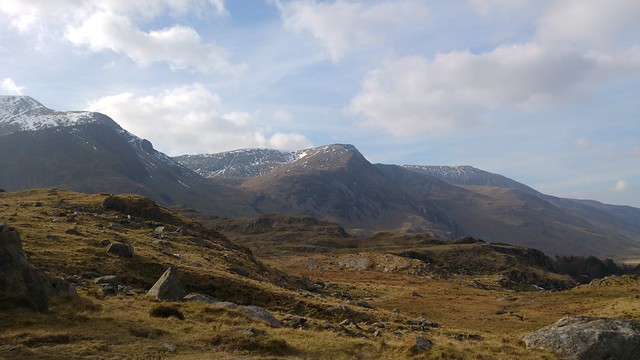
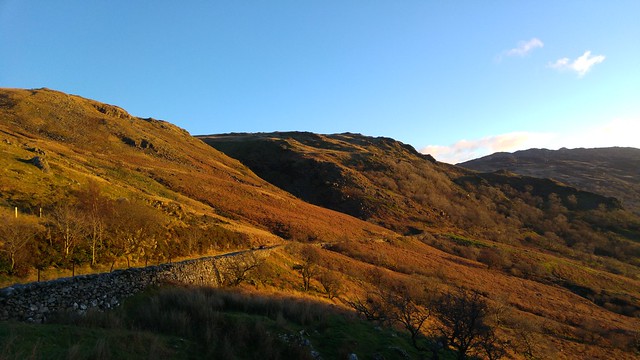
Snowdonia in the sun

Proto-Celtic *altos = height, cliff
Old Irish (Goídelc) alt, allt = height, cliff, valley, abyss
Middle Irish (Gaoidhealg) als = hillock
Irish (Gaeilge) ailt = steep-sided glen, ravine, height, cliff
ailteán = small ravine
alt = steep-sided ravine, hillock
altach = undulating (road), wavy (hair)
altán = streamlet, ravine, hillock
Scottish Gaelic (Gàidhlig) alt [al̪ˠd] = rugged/steep bank, precipice
allt [aul̪ˠd] = brook, burn, stream, brook, rill, river with precipitous banks
alltan = brook, little stream, streamlet
Manx (Gaelg) alt = mountain stream, glen in mountains, high place, altitude, alto
Middle Welsh (Kymraec) alt, allt = hill(side)
Welsh (Cymraeg) allt [aːɬt / aɬt] = hill(side), (steep) gradient or slope, steep road or path, (steep) ascent, cliff, woods, wooded slope
allt (o) goed = wood, grove
allt (y) môr, allt fôr = sea-cliff
yr allt bren = staircase, facet (“the wooden hill”)
Old Cornish als = cliff
Cornish (Kernewek) als [ɒlz / ælz] = cliff
Middle Breton a(o)ut = coast, shore, bank
Breton (Brezhoneg) aod = coast, shore
aod bili = pebble beach
aod vev = foreshore

Etymology: from the Proto-Indo-European *h₂eltós, from Proto-Indo-European *h₂el- (to grow, nourish) [source].

English words such as altitude, adult and old come from the same PIE root, as do alt (old, ancient, elderly) in German, oud (old) in Dutch, haut (high, tall) in French and alto (high, tall, deep, loud) in Italian [source].

Words marked with a * are reconstructions.

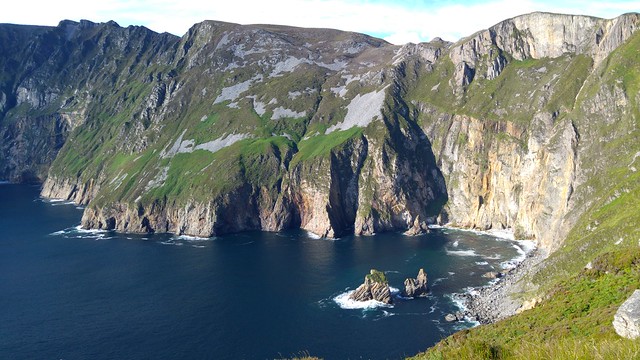
Slieve League / Sliabh Liag

Sources: Wiktionary, Am Faclair Beag, Online Manx Dictionary, Teanglann.ie, eDIL – Electronic Dictionary of the Irish Language, Geiriadur Prifysgol Cymru, Gerlyver Kernewek, Dictionaire Favereau, TermOfis

Bridges

Words for bridges and related words in Celtic languages.

Menai Bridge / Pont y Borth

Words marked with a * are reconstructions.

Old Irish (Goídelc) drochet [ˈdroxʲed] = bridge
Middle Irish (Gaoidhealg) drochet, drochat, droichet = bridge, causeway
drochetech, drochetóir = bridge-maker
Irish (Gaeilge) droichead [ˈd̪ˠɾˠɛçəd̪ˠ] = bridge
droichead crochta = suspension bridge
droichead tógála = drawbridge
droichead meáite = weigh bridge
droichead veidhlín = bridge of a violin
droichead sróine = bridge of the nose
Scottish Gaelic (Gàidhlig) drochaid [drɔxɪdʲ] = bridge
drochaid air fleodradh = pontoon
drochaid-thogalach, drochaid-thogail = drawbridge
drochaid-choise = footbridge
drochaid-rathaid = road bridge, viaduct
drochaid-thionndain = swing bridge
Manx (Gaelg) droghad = bridge, bridge of ship, arch, gantry
droghad aae = viaduct
droghad cassee = swing bridge
droghad coshey = gangway, footbridge
droghad croghit = suspension bridge
droghad keesh = toll bridge
droichead meihaghey = weigh bridge

Etymology: from Old Irish droch (wheel, circlet) and sét (path) [source].

Gaulish ponto = bridge
Proto-Brythonic *pont = bridge
Cumbric *pont = bridge
Old Welsh (Kembraec) pont = bridge
Middle Welsh (Kymraec) pont, pynt = bridge, drawbridge
Welsh (Cymraeg) pont [pɔnt] = bridge, drawbridge, viaduct, aqueduct
pontio = to bridge (a gap), to transition
pont godi = drawbridge
pont grog = suspension bridge
pont trwyn = bridge of the nose
pont y glaw, pont law = rainbow
pont ysgwydd = collar-bone, clavicle
pontio = to bridge, span, arch
pont(i)og = like a bridge, arched of the nature of a bridge
pont(i)wr, pontydd = a bridge-builder
pontyddiaeth = bridge-building
Old Cornish (Cernewec) pons = bridge
Middle Cornish (Cernewec) pons = bridge
Cornish (Kernewek) pons = bridge
ponsfordh = viaduct
pons travalya = travelling bridge
Middle Breton (Brezonec) pont = bridge
Breton (Brezhoneg) pont [pɔ̃nt] = bridge, top of the furrow, culvert, trigger guard
pontan, pontañ = to bridge, lay flat stones (on a ditch or stream)
pont-tro = swing bridge
pont hent-houarn = railway bridge
pont dilestrañ = bridge, deck (of ship)
pont kargañ = loading deck
pont-tro = swing bridge

Etymology: from Latin pōns (bridge, deck), from Proto-Indo-European *pónteh₁s (path, road), from *pent- (path). Words from the same roots include pont (bridge) in French, puente (bridge) in Spanish, път [pɤt] (road, way, path, journey, way) in Bulgarian source].

Proto-Celtic *brīwā = bridge
Gaulish briua = bridge
Leptonic 𐌐𐌓𐌖𐌉𐌀𐌌 (pruiam) = funerary construction (perhaps a grave)

Etymology: from Proto-Indo-European *bʰerw/*bʰrēw (wooden flooring, decking, bridge), which is also the root of the English words bridge and brig, and Brücke (bridge) in German [source].

The Fastest Way to Learn Japanese Guaranteed with JapanesePod101.com

Sources: Wiktionary, Am Faclair Beag, Online Manx Dictionary, Teanglann.ie, eDIL – Electronic Dictionary of the Irish Language, In Dúil Bélrai English – Old Irish glossary, Geiriadur Prifysgol Cymru, Gerlyver Kernewek, Dictionaire Favereau, TermOfis, English – ProtoCeltic WordList (PDF), Etymological Dictionary Of Proto Celtic

Unlimited Web Hosting - Kualo