Hard Steel

Today we’re looking at the words for steel and related things in Celtic languages.

Steel

Old Irish (Goídelc) dúr = hard, hardy, resolute, rigid
Middle Irish (Gaoidhealg) dúr = rigid, hard, solid; difficult; hard to bear; strict, austere; hardy, resolute; unfeeling, dour, obdurate
Irish (Gaeilge) dúr = hard, rigid, solid; dour, grim, obstinate; dense, stupid, blunt, insensitive; sluggish
dúramán = dull-witted, stupid person
dúramánta = dull-witted, stupid
dúranta = dour, grim, morose, sullen
dúrantacht = dourness, sullenness
dúrapóg = surly person
dúrchroí = hard heart, hardness of heart
dúrchroíoch = hard hearted
Scottish Gaelic (Gàidhlig) dùr [duːr] = stubborn, intractable; obstinate, dull, stupid; persevering
durganta = rigid, stiff, hardened; robust, rigorous; obstinate, dogged; sullen, morose; grim, forbidding
Manx (Gaelg) douyr = mournful, uncomfortable, unhappy, afflicting
Proto-Brythonic *dʉr = hard, hard metal, steel
Middle Welsh (Kymraec) dur = steel
Welsh (Cymraeg) dur [dɨːr / diːr] = steel, steel weapon; hard, cruel
duraidd = steely, hard, faithful, true
durawdr = steel sword or lance
dur bwrw = cast steel
edau ddur = wire
fel y dur = true as steel, like steel
llifddur = file, rasp
Cornish (Kernewek) dur = steel
dur dinamm = stainless steel
Breton (Brezhoneg) dir = steel
dir disvergi = stainless steel
kazeg-dir = bicycle (“steel mare”)

Etymology from the Latin dūrus (hard, rough, harsh), from the Proto-Indo-European *drew- (hard, fast), from *dóru (tree) [source].

Words from the same Latin root include the Scots word dour (hard, stern, severe, relentless), possibly via Middle Irish, which was also borrowed into English and means stern, harsh or forbidding; the French word dur (hard, tough, harsh), the Italian word duro (hard, tough, harsh), and the Spanish word duro (hard, form, solid) [source].

Words from the same PIE root include Celtic words for oak (tree), and the English words true, trough and trim [source].

Irish (Gaeilge) cruach [kɾˠuəx / kɾˠɔx] = steel
cruachghreanadóireacht = steel-engraving
cruachobair = steelwork
cruachphláta = steel-plate
cruachphlátáilte = steel-plated
Scottish Gaelic (Gàidhlig) cruaidh [kruəj] = steel; stone anchor; hard, rocky ground
Manx (Gaelg) creoighey = steel

Etymology from the Irish crua (hard), from the Old Irish crúaid (hard, hardy, harsh, stern, strict), from the Proto-Celtic *kroudis (rude), possibly from *krū- (blood), from the Proto-Indo-European *krewh₂-. (blood) [source].

Scottish Gaelic (Gàidhlig) stàilinn [sdaːl̪ʲɪn̪ʲ] = steel
clòimh-stàilinn = steel wool
obraiche-stàilinn = steelworker
ionad-stàilinn = steelworks
Manx (Gaelg) staillin, steillyn, steillin = steel
staillinagh = steel-maker, steel
obbyr staillinagh = steelwork
ollan staillinagh = steel wool
snaie staillinagh = steel wire
towse staillinagh = steelyard

Etymology from the Old Norse stál (steel, sword), from the Proto-Germanic stahlą (steel), from the Proto-Indo-European *stek- (to be firm, stand fast) [source].

Words from the same Proto-Germanic root include steel in English, staal (steel) in Dutch, Stahl (steel) in German, and stål (steel, tool) in Danish [source].

Words marked with a * are reconstructions.

Sources: Wiktionary, Am Faclair Beag, Online Manx Dictionary, Teanglann.ie, eDIL – Electronic Dictionary of the Irish Language, In Dúil Bélrai English – Old Irish glossary, Geiriadur Prifysgol Cymru, Gerlyver Kernewek, Gerlyvyr Cernewec, Dictionaire Favereau, TermOfis, Le dictionnaire diachronique du breton, Geriafurch, English – ProtoCeltic WordList (PDF), Etymological Dictionary Of Proto Celtic

The Fastest Way to Learn Japanese Guaranteed with JapanesePod101.com

Doors

Today we’re looking at the words for door, gate, port, harbour and related things in Celtic languages.

Priory Church of St Mary in Chepstow, Wales

Words marked with a * are reconstructions.

Proto-Celtic *dwār = door
Gaulish *durom = door – was borrowed into Latin and appeared in placenames such as Augustodurum (now Bayeux), and Nemetodurum (now Nanterre)
Proto-Brythonic *dor = door
Old Welsh dor = door
Middle Welsh (Kymraec) dor = door
Welsh (Cymraeg) dôr [druːs] = door; defence, refuge, shield; opportunity; protector, defender, chief, leader
dôr blyg(edig) = folding door
dôr ddyrchafad = portcullis
Middle Breton dor = door
Breton (Brezhoneg) dor [doːr] = door
dor-dal = front door, portal
dorlec’h = door frame
dor a-dreñv = rear door
dor a-raok = front door
dor emgefre = automatic door
dor greñvaet = fortified gate
dor harz tan = fire door
dor-borzh = gate (of a courtyard)
dor brenestr = French window
gwir treuz-dor = doorstep

Etymology from the Proto-Indo-European *dʰwṓr (door), from *dʰwer- (doorway, door, gate) [source].

Words from the sane Proto-Indo-European root include: door and forum in English, deur (door) in Dutch, Tür (door, doorway) in German, dehors (outside) in French, fuori (outside) in Italian, and fuera (outside) in Spanish [source].

Proto-Celtic *dworestus = door
Old Irish (Goídelc) dorus [ˈdorus] = door
Middle Irish (Gaoidhealg) dorus [ˈdorus] = door
Irish (Gaeilge) doras [ˈd̪ˠɔɾˠəsˠ] = door, doorway
doras isteach = entrance
doras amach = exit
doras tosaigh / béil = front door
doras cúil / thiar = backdoor
doirseach = having doors, open, accessible, gaping (wound)
doirseoir = door-keeper, (hall) porter
doirseoireacht = occupation of door-keeper
Scottish Gaelic (Gàidhlig) dorus [dɔrəs] = door, valve
dorus-beag = back door, inner door
dorus-mór = front door, main entrance
doras a-mach = exit
àrd-doras = lintel
ath-dhoras = next door
deoch an dorais = stirrup cup, one for the door/road, Jock and Doris
Manx (Gaelg) dorrys = door, doorway, gate, portal; back (of cart), fly (of tent)
dorrys doont = back door
dorrys toshee = front door
dorrys egin = emergency exit, exit
jough yn dorrys = parting drink, stirrup cup
sole y dorrys = doorstep, threshold
Proto-Brythonic *drus = doorway, entrance, door
Old Welsh drus = doorway, entrance, door
Middle Welsh (Kymraec) drus, drvs, drws = doorway, entrance, door
Welsh (Cymraeg) drws [druːs] = doorway, entrance, door, pass, estuary, opening, opportunity, facility
drws codi/cudd = trap-door
drws nesaf = next door (to), very near (to), bordering (on)
wrth y drws = at hand, close, near
o ddrws = from before
drysaf, drwsaf, dryo, drwso = to mind a door (in a coal-mine)
dryswr, drwswr = door-boy (in a coal-mine)
drysor = doorkeepr, janitor, porter
Middle Cornish daras, darat = door
darador = doorkeeper
Cornish (Kernewek) daras = door
darasik = wicket
penn/pedn daras = lintel

Etymology from the Proto-Celtic *dwār (door) – see above [source].

Old Irish (Goídelc) port [por͈t] = place, shore, bank
Middle Irish (Gaoidhealg) port = place, spot, locality, stead, abode, settlement, bank, shore, mound, entrenchment
Irish (Gaeilge) port [ˈd̪ˠɔɾˠəsˠ] = landing-place, harbour, port, bank, place of refuge, haven, resort, fortified place, stronghold
aerfort = airport
calafort = port, harbour
Scottish Gaelic (Gàidhlig) port [pɔr̪ˠʃd] = port, dock
port-adhair = airport
baile-puirt = seaside village, port town
long-phort = seaport
Manx (Gaelg) purt = harbour, port, station
purt aer = airport
purt awiney = river port
purt lhuingey, lhong-phurt = seaport
Middle Welsh (Kymraec) porth = port, harbour, haven
porthua, porthfa = harbour, port, coast, haven, refuge
Welsh (Cymraeg) porth [pɔrθ] = port, harbour, haven, estuary, landing-place, ferry
porthfa = harbour, port, coast, haven, refuge
porthfad = ferryboat, wherry
porthladd = harbour, port, coast, safe anchorage
porthwas = ferryman, boatman, porter, carrier
Middle Cornish porth = (sea) port, harbour, bay
Cornish (Kernewek) porth = cove, harbour, haven, port
porth klos = docks
porthva = wharf
Middle Breton porz = port
porz mor, portz mor = seaport
Breton (Brezhoneg) porzh [pors] = port
porzh-mor [pɔrzˈmoːr] = seaport

Etymology from Latin portus (harbour, port, haven, refuge, warehouse), from Proto-Italic *portus (harbour) the Proto-Indo-European *pértus (crossing, from *per- (to lead, cross over, pass) [source].

Words from the same roots include port, portal, porter and portico in English, porte (door, gate, means) in French, puerta (door, gate, goal) in Spanish, póirse (porch, lobby, passage, closet) in Irish, and furta (wicket gate, port) in Polish [source].

Proto-Brythonic *porθ = door, gate, gateway
*porθọr = porter, gatekeeper
Middle Welsh (Kymraec) porth, pyrth, pirth = portal, door, gate(way)
porthavr, porthaur, porthawr, porthor = porter, gatekeeper, doorkeeper
Welsh (Cymraeg) porth [pɔrθ] = portal, door, gate(way), porch, lobby, vestibule, portico, gap, pass
porthfa = entrance, gate, portico
porthor(es) = porter, gatekeeper, doorkeeper
Middle Cornish porth = door, gate, entrance
porther, porthawr, portheres = doorkeeper, porter, janitor
Cornish (Kernewek) porth = portico, gate
porther, porthores = porter, janitor
porthji = gatehouse, lodge
Middle Breton porz = (monumental / city) gate
Breton (Brezhoneg) porzh [pors] = (monumental) gate, courtyard
porzhad = courtyard
porzhier = doorman, concierge
porzhierezh = courtyard, concierge
porzh-gwint [pɔrzˈɡɥĩnt] = drawbridge

Etymology from Latin porta (gate, entrance, passage, door, way), from Proto-Italic *portā (gate) the Proto-Indo-European *porteh₂, from *per- (to lead, cross over, pass) [source].

Old Irish (Goídelc) calad [por͈t] = shore, port, landing
Middle Irish (Gaoidhealg) calad, caladh = shore, port, landing-place, land
Irish (Gaeilge) caladh [ˈkɑl̪ˠə / ˈkalˠuː] = landing-place, ferry, port, harbour, river-meadow, break, large wave
calafort = port, harbour
Scottish Gaelic (Gàidhlig) cala [kal̪ˠə] = harbour, port, haven
cala-phort = harbour, haven
Manx (Gaelg) callee = landing place
calloo = breakwater, bulwark, column, landing stage
calloo marrey = pier

Etymology possibly from Late Latin calātum from Latin calō (to call, announce solemnly) [source], or from Proto-Celtic *kaletos (hard, strong cruel) [more details].

The Fastest Way to Learn Japanese Guaranteed with JapanesePod101.com

Sources: Wiktionary, Am Faclair Beag, Online Manx Dictionary, Teanglann.ie, eDIL – Electronic Dictionary of the Irish Language, In Dúil Bélrai English – Old Irish glossary, An Etymological Dictionary of the Gaelic Language, Geiriadur Prifysgol Cymru, Gerlyver Kernewek, Dictionaire Favereau, TermOfis, English – ProtoCeltic WordList (PDF), Etymological Dictionary Of Proto Celtic

Unlimited Web Hosting - Kualo

Bolts and Locks

Today we’re looking at the words for locks, bolts and related things in Celtic languages.

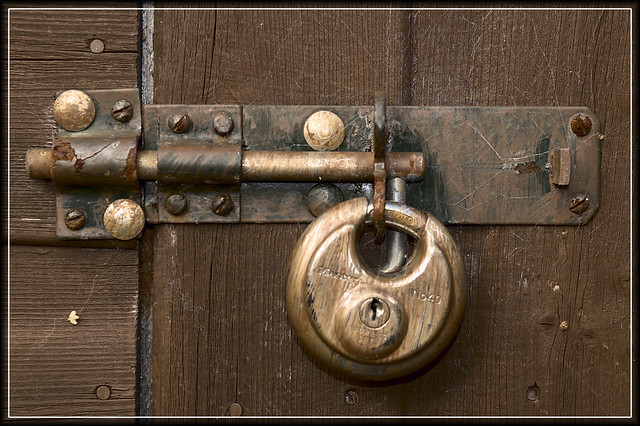
shed door bolt lock

Proto-Celtic *klāwos = bolt
Old Irish (Goídelc) cló, cloë = nail, spike
Irish (Gaeilge) cló [klˠoː] = form, shape, appearance; impression, mould; print, type; nail, spike
clóbhuail = print
clóchur = (type) setting
clóchuradóir = type-setter
clódóir = printer, dyer
clódóireacht = printing; dyeing, colouring; misrepresentation
clóghrafaíocht = typography
clóphreas = printing press
clóscríobh = typing, typewriting; to type
cló-eagar = composition
cló-eagraí = compositor
cló-eagraigh = to compose
Scottish Gaelic (Gàidhlig) clò [kl̪ˠɔː] = cloth, woven material, tweed; print; imprint; spike, nail; peg, pin
clò-bhualadh = printing, publication, printout
clò-bhualadair = printer (machine & printing house)
clò-ghrafachd = typography
clò-sgrìobhadair = typist, typewriter
clò-shuidheachadh = typesetting
Clò na Hearadh = Harris Tweed
cruth-clò = font
Manx (Gaelg) clou = edition, print, printed matter, printing press, publication, type
clouder = printer
clougraafeeaght = typography
clouscreeudeyr = typist
clou doo, clou trome = bold type
clou Gaelgagh = Gaelic type
clou gorrym = blueprint
soiaghey clou = type-setting
soieder clou = type-setter
Proto-Brythonic *klọw = bolt
Middle Welsh (Kymraec) clo, klo = lock, bolt
Welsh (Cymraeg) clo [kloː] = lock, bolt; impediment, difficulty; brake; cluster, bunch; conclusion
ar glo = locked
clo clap, clo clec, clo clwt = padlock
clo rheswm = conclusion
cyfnod clo = lockdown
tan glo (ac allwydd) = locked (up), under lock and key
cload = locking, end, conclusion, closure
cloadwy = lockable, locked, final
cloëdig, cloiedig = locked, secure, closed, concealed, bound, confined
cloi = to lock, shut, bind, clinch, conclude
Old Breton clou = bolt
Middle Breton clao = bolt
Breton (Brezhoneg) klaou = gear, key, mesh

Words marked with a * are reconstructions.

Etymology from the Proto-Indo-European *kleh₂w-os (bolt, bar, hook), from *(s)kleh₂w- (hook, crook, peg) [source].

Words from the same PIE root, via the Latin clāvis (key), include: chiave (key, spanner) in Italian, clé (key, wrench, spanner) and clef (clef (in music)) in French, clef, clavicle and clavichord in English, and llave (key, spanner, wrench, tap, spigot, switch) in Spanish [source].

I can’t find a cognate word in Cornish. A lock is a strother, and a bolt is a ebil. The origins of these words are not known.

Sources: Wiktionary, Am Faclair Beag, Online Manx Dictionary, Teanglann.ie, eDIL – Electronic Dictionary of the Irish Language, In Dúil Bélrai English – Old Irish glossary, Geiriadur Prifysgol Cymru, Gerlyver Kernewek, Gerlyvyr Cernewec, Dictionaire Favereau, TermOfis, Le dictionnaire diachronique du breton, Geriafurch, English – ProtoCeltic WordList (PDF), Etymological Dictionary Of Proto Celtic

The Fastest Way to Learn Japanese Guaranteed with JapanesePod101.com

Heather

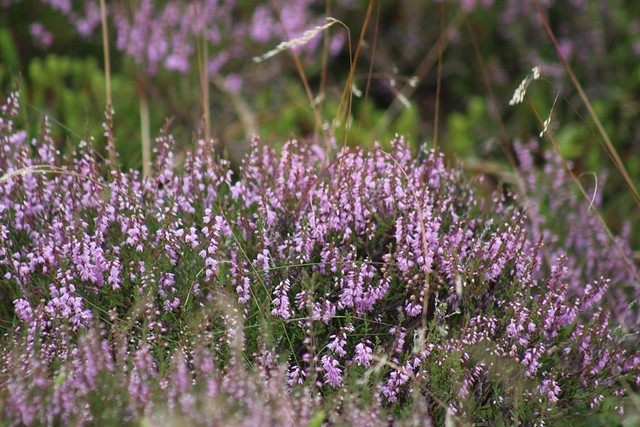
Today we’re looking at the words for heather and related things in Celtic languages.

Heather

Words marked with a * are reconstructions.

Proto-Celtic *wroikos = heather
Gaulish *wroika = heather
brucaria / uroica = field of heather
Celtiberian *broikios = heather
Old Irish (Goídelc) froích, fróech = heather
Middle Irish (Gaoidhealg) fráech = heather
Irish (Gaeilge) fraoch [fˠɾˠeːx / fˠɾˠiːx / fˠɾˠiːx] = heather, heath, moor
fraochán = bilberry, whortleberry, ring-ouzel
fraochlach = heath
fraochmhá = heath
fraochmhar = heathery
fraoch bán = white heather
fraoch coitianta = Scotch heather, ling
píobaire fraoch = grasshopper
Scottish Gaelic (Gàidhlig) fraoch [frɯːx] = heather, ling
fraoch-geal = white common heather (Calluna vulgaris alba
fraoch-bheinn = heather-covered mountain
fraochan = whortleberry, blaeberry, lingonberry, cranberry
fraochach = heathy, heathery
Manx (Gaelg) freoagh = heather, ling, heath
freoagh bane = brier, white heather
freoagh marrey = sea fern
freoagh mooar = Scotch heather
Proto-Brythonic *gwrʉg [ˈɡwrʉːɡ] = heather
Middle Welsh (Kymraec) gruc, gerug, gwrug = heather
Welsh (Cymraeg) grug [ɡrɨːɡ / ɡriːɡ] = heather, ling heath
grug cyffredin = heather, ling, common heath, Calluna vulgaris
grugiar = (red) grouse, willow grouse, heath-hen
gruglus = heath-berries
gruglwyn = bush of heather, sweet broom
grugnythu = to nest or nestle in the heather
grugog = heath-covered, heathery, abounding in heather
Cornish (Kernwek) grug [ɡryːɡ / ɡriːɡ] = heath, heather, ling
grugyar = partridge
Middle Breton groegan = heather
Breton (Brezhoneg) brug [bryːk] = heather
brugek [ˈbryː.ɡɛk] = (a place) abundant in heather, covered with heather

Etymology unknown, possibly from a non-Proto-Indo-European root [source]. The Breton word brug was borrowed from Latin brūcus (heather), which comes from Gaulish brucaria (field of heather), from Proto-Celtic *wroikos (heather) [source]. It replaced the Middle Breton word groegan, which comes from the same roots [source].

Words from the same Proto-Celtic roots, via Gaulish *wroikos (heather), and Latin *brūcus (heather) or Vulgar Latin *broccius, include brezo (heath) in Spanish, breixo (heather) in Galician, brugo (heather) and brughiera (heath, moor) in Italian, bruc (heather) and bruguera (heath) in Catalan, and bruyère (heather, heath, brier) in French [source].

Eilean Fraoch (Heather Isle) is a nickname for the Isle of Lewis / Eilean Leòdhais in the Western Isles / Na h-Eileanan Siar. Here’s a song about it:

Sources: Wiktionary, Am Faclair Beag, Online Manx Dictionary, Teanglann.ie, eDIL – Electronic Dictionary of the Irish Language, In Dúil Bélrai English – Old Irish glossary, Geiriadur Prifysgol Cymru, Gerlyver Kernewek, Gerlyvyr Cernewec, Dictionaire Favereau, TermOfis, Le dictionnaire diachronique du breton, Geriafurch, English – ProtoCeltic WordList (PDF), Etymological Dictionary Of Proto Celtic
The Fastest Way to Learn Japanese Guaranteed with JapanesePod101.com

Druids

Today we’re looking at the words for druids in Celtic languages.

Druids

Proto-Celtic *druwits = druid, priest
Gaulish *druwits / *druwides = druid
Old Irish (Goídelc) druí [ˈdruːi̯] = druid, sorcerer, magician
Irish (Gaeilge) draoi [d̪ˠɾˠiː] = druid, wizard, magician, augur, diviner, trickster
draíocht = druidic art, druidism, witchcraft, magic, charm, enchantment
draíochtach = magicial, bewitching, entrancing
draíodóir = magician
draíodóireacht = magic, sly, cunning, hypocrisy, trickery, secretiveness
Scottish Gaelic (Gàidhlig) draoidh [drɯj] = druid, sorcerer, magician, wizard
draoidheachd [drɯjəxg] = magic, sorcery, druidism
draoidheil [drɤjal] = druidic(al), magic(al)
ceò-draoidh = magic mist
eun-draoidh = augur
Manx (Gaelg) druaight = charm, druid
druaightagh = smithcraft, smithery, smithywork
druaightys = charming, druid, druidism, magic
Proto-Brythonic *drüw [ˈdryu̯] = druid, seer
Welsh (Cymraeg) dryw [drɨu̯/drɪu̯] = druid, seer
derwydd [ˈdɛrwɨ̞ð / ˈdɛrwɪð] = prophet, wise man, druid
derwyddaidd = druidical
derwyddiaeth = druidism, the druid cult
derwyddol = druidic, druidical
archderwydd = archdruid
Old Cornish druw = druid
Cornish (Kernewek) drewydh = druid
Breton (Brezhoneg) drouiz [ˈdruː.is] = druid
drouizek / drouizel = druidic
drouizelezh / drouiziezh = druidism

Etymology: from the Proto-Celtic *daru (oak) and *wid-/*windeti (to know, to see), from the Proto-Indo-European *dóru (tree) and *weyd (to see, know) [source].

The Gaulish words for druid were borrowed by Ancient Greek, as δρυΐδαι (druḯdai), and Latin, as Druidēs. The Latin word was borrowed into French as druide, which was borrowed into English as druid [source].

The Proto-Brythonic word *drüw was borrowed into Old English as drȳ (sorcerer, magician), which became drī(mann)/driʒ(mann) (sorcerer, magician) in Middle English [source]. A few modern druids use the word drymann, or something similiar, to refer to themselves.

Here’s a traditional Welsh tune called Y Derwydd (The Druid):

Words marked with a * are reconstructions.

Sources: Wiktionary, Am Faclair Beag, Online Manx Dictionary, Teanglann.ie, eDIL – Electronic Dictionary of the Irish Language, In Dúil Bélrai English – Old Irish glossary, Geiriadur Prifysgol Cymru, Gerlyver Kernewek, Gerlyvyr Cernewec, Dictionaire Favereau, TermOfis, Le dictionnaire diachronique du breton, Geriafurch, English – ProtoCeltic WordList (PDF), Etymological Dictionary Of Proto Celtic
Blubrry podcast hosting

Walls

Today we’re looking at the words for walls, weirs and related things in Celtic languages.

wall

Irish (Gaeilge) balla [ˈbˠal̪ˠə] = wall
cúlbhalla = back wall
idirbhalla = party wall
uchtbhalla = parapet
Scottish Gaelic (Gàidhlig) balla [bal̪ˠə] = wall
balla-tòin = back wall
balla-tarsainn = partition (wall)
balla-dìon = protective wall, safety barrier
Manx (Gaelg) boalley = bulwark, dyke, wall
boallee = to wall, enclose, impale
boallit = walled, dyked, enclosed
Middle Welsh (Kymraec) wal/gwal = wall
Welsh (Cymraeg) (g)wal [(ɡ)wal] = wall
walio = to wall
Middle Cornish gwal = wall

Etymology: from the Old English weall (wall, dike), from the Proto-Germanic *wallaz / *wallą (wall, rampart, entrenchment), from the Latin vallum (rampart, military wall), from vallus (stake, pallisade, point), from the Proto-Indo-European *welH-/*wel- (to turn, wind, roll) [source].

Words from the same roots include wall, wallow, well and valve in English, wal (coast, shore, earthen levee) in Dutch, Wall (rampart, parapet, earthwork, levee, embankment) in German, valla (fence, barricade, obstacle) in Spanish, and vall (moat) in Catalan [source].

Old Irish (Goídelc) múr = wall
Irish (Gaeilge) múr [mˠuːɾˠ] = wall, rampart, pile, building, dwelling, bank, mound, heap, mass, shower, profussion, abundance
múrach = having walls, walled, mural
múrdhathadóireacht = wall-painting
múr báistí = rain-cloud, heavy fall of rain
múr cathrach = city wall
múr ceo = bank of fog
múr tine = wall of flame, conflagration
Scottish Gaelic (Gàidhlig) mùr [muːr] = (defensive) wall, rampart, fortification
Proto-Brythonic *mʉr = wall
Old Welsh mur = wall
Middle Welsh (Kymraec) mur = wall
Welsh (Cymraeg) mur [mɨːr/miːr] = wall, rampart, fortification, defender
murio = to build (a wall) to wall, fortify, lay bricks or stones
muriog = walled, fortified, wall-like, defensive
murlen = poster, placard
murlun = mural, frieze
Breton (Brezhoneg) mur = (exterior) wall

Etymology: from the Latin mūrus (wall), from the Proto-Italic *moiros, from the Proto-Indo-European *mey- (to fix, to build fortifications or fences) [source].

Words from the same roots include mere (boundry, limit) in English, mur (wall) in French, muro (wall) in Italian, and muur (wall, barrier) in Dutch [source].

Proto-Celtic *wraga = ?
Gaulish *brāca = ?
Old Irish (Goídelc) fraig = wall (interior)
Irish (Gaeilge) fraigh = (interior of) wall, rafters, roof
fraighfhliulch = damp-walled, damp from contact with a wet wall (of clothes)
fraighleach = roofing, rafters
Scottish Gaelic (Gàidhlig) fraigh [frɤj] = partition, partitioning wall, border, edge, fringe, shelf
fraighnidh [frɤin̪ʲɪ] = water oozing through a wall

Etymology: unknown

Middle Welsh (Kymraec) paret, parwyt = wall
Welsh (Cymraeg) pared = wall, surface of a wall, dividing-wall, partition
Old Cornish poruit = wall

Etymology: from the Latin pariēs (the wall of a house or room). Words from the same roots include parete (wall, side, surface) in Italian, pared (wall) in Spanish, and paroi (inner wall, inside surface, side) in French [source].

Proto-Celtic *koret = palisade, wall
Old Irish (Goídelc) cora = weir
Middle Irish (Gaoidhealg) cora = stone fence, weir
Irish (Gaeilge) cora [ˈkɔɾˠə] = weir, rocky crossing-place in river, rocky ridge extending into sea or lake
cora éisc = fish weir
cloch chora = stepping-stone
Scottish Gaelic (Gàidhlig) caradh [karəɣ], cairidh [karʲɪ] = weir, mound (in a body of water)
cairidh-iasgaich = fishing weir
Middle Welsh (Kymraec) kored, cored, coret = weir, dam, fishgarth
Welsh (Cymraeg) cored = weir, dam
Old Breton kored / gored = fish weir
Breton (Brezhoneg) kored = fish weir

Etymology: uncertain – possibly related to the German word Hürde (hurdle) and/or the Old English word *hyrd (framework, door), which is the root of the English word hurdle.

The usual word for wall in Cornish is fos, which is cognate with words for ditch in other Celtic languages. See Ditches and Trenches.

Another word for wall in Breton is moger. See Fields, Meadows and Pastures.

Words marked with a * are reconstructions.

Sources: Wiktionary, Am Faclair Beag, Online Manx Dictionary, Teanglann.ie, eDIL – Electronic Dictionary of the Irish Language, In Dúil Bélrai English – Old Irish glossary, Geiriadur Prifysgol Cymru, Gerlyver Kernewek, Gerlyvyr Cernewec, Dictionaire Favereau, TermOfis, Le dictionnaire diachronique du breton, Geriafurch, English – ProtoCeltic WordList (PDF), Etymological Dictionary Of Proto Celtic

Blubrry podcast hosting

Steps

Words for steps and related words in Celtic languages.

Medieval Estella.

Proto-Celtic *kanxsman = step, act of stepping
Gaulish *kamman = step
Old Irish (Goídelc) céimm [ˈkʲeːmʲ] = step; rank (in a hierarchy)
Irish (Gaeilge) céim [ceːmʲ] = step, degree, rank, pass, ravine, difficulty
céimnigh = to step, grade, graduate
céimniú = stepping, tread, grading, graduation
aischéim = backward step
ardchéim = high rank, dignity, higher degree
bunchéim = primary degree, positive (degree)
coiscéim = footstep, pace
Scottish Gaelic (Gàidhlig) ceum [kʲeːm] = step, footstep, pace, tread, path, degree, measure
cois-cheum = step, pace
ceum-coise = footstep, footpath
Manx (Gaelg) keim = phase, step, degree, stage, standard, stile, grade
keimagh = postgraduate
keimee = to graduate, promote
Proto-Brythonic *kamman = step
Old Welsh cemmein = step
Middle Welsh (Kymraec) cam, camm, kam = step
Welsh (Cymraeg) cam [kam] = step, stride, pace, leap, foot-fall, footprint, trace, progress
camu, camaf = to step over, take a stride, take strides, pace
camâd = stile
Cornish (Kernewek) kamm = pace, step, track
Middle Breton cam = step
Breton (Brezhoneg) kamm = pace, walk tread, (foot)step
kammed = step

Etymology: from the Proto-Celtic *kengeti (to step), from the Proto-Indo-European *(s)keng- (to limp, walk lamely) [source]

Words from the same Gaulish root (*kamman) include: cammīnus (way) in Latin, camino (track, path, road, way, route, journey) and caminar (to walk, stroll, travel) in Spanish, caminho (way, road, path) in Portugese, cammino (walk, path, way) and camminare (to walk, work (function)) in Italian, and chemin (path, way, pathway) in French [source].

Words marked with a * are reconstructions.

Sources: Wiktionary, Am Faclair Beag, Online Manx Dictionary, Teanglann.ie, eDIL – Electronic Dictionary of the Irish Language, logainm.ie, In Dúil Bélrai English – Old Irish glossary, Geiriadur Prifysgol Cymru, Gerlyver Kernewek, Dictionaire Favereau, TermOfis, Le dictionnaire diachronique du breton, Geriafurch, English – ProtoCeltic WordList (PDF), Etymological Dictionary Of Proto Celtic

Blubrry podcast hosting

Parts and Portions

Words for part, portion, piece, thing and related words in Celtic languages.

Words marked with a * are reconstructions.

Puzzle pieces

Proto-Celtic *rannā = part
Old Irish (Goídelc) rann = part (of a whole)
randatu = the property of belonging to a part of speech
rannaid = to divide (into parts), to apportion
ranngabáil = participle
Middle Irish (Gaoidhealg) rann, rand, ran, rán = part, lot, portion, faction, alliance
Irish (Gaeilge) rann [ɾˠanˠ] = part, side (in dispute), partition
rannach = apportioning, sharing, open-handed
rannadóir = divider, sharer
rannán = division
rannóg = section
rannpháirt = participation, part, share
roinn = share, portion, distribution, dealing, trading, division
Scottish Gaelic (Gàidhlig) rann [r̪ˠaun̪ˠ] = stanza, quatrain, verse, bond, deed, division, part, portion, section
rann-phàirt = participation, portion, participle
roinn [r̪ˠɤin̪ʲ / r̪ˠɤn̪ʲə] = dividing, partitioning, section, share, allotment, partition, department, division
roinneadair = divider, divisor, sorter
Manx (Gaelg) rheynn = divide, classify, distribute, dispense, share
fo-rheynn = section
so-rheynn = divisible
Proto-Brythonic *rrann = part
Middle Welsh (Kymraec) rann = part
Welsh (Cymraeg) rhan [r̥an] = part (of something), portion, division, element, constituent, component
rhanadwy = divisible, dividend
rhanedig = shared (out), divided, parted, split, separate
rhannu = to divide, separate, part, divide
Old Cornish radn = part, portion
Cornish (Kernewek) radn = lot, part, portion, role, share
ranna = to share
Middle Breton (Brezonec) rannaff = to share, separate, divide, pronounce, split
Breton (Brezhoneg) rann [rãnː] = part, fraction, division, slot
rannañ [ˈrã.nːã] = to share, separate, divide, pronounce, split
ranned [ˈrã.nːet] = dividend
ranngalon [ʁɑ̃nˈɡɑːlɔ̃n] = deep sorrow, desolation, heartbreak
rann

Etymology: from the Proto-Indo-European *per- (to sell) [source], which is also the root of such English words as depart, jeopardy, parcel, part, partition and portion [source].

Proto-Celtic *kʷezdis = piece, portion
Old Irish (Goídelc) cuit [kudʲ] = part, portion, share
cuit adaill, cuit adíll = a passing visit, a brief visit
cuitigid = to share, partake
Middle Irish (Gaoidhealg) cuit = share, part, portion
cuit(gi)d = to share, partake, participate
Irish (Gaeilge) cuid [kɪdʲ] = part (of whole), share, portion, some,
cuideach = wealthy, prosperous
cuideachta = company, companionship, social amusement, fun
cuideachtaigh = to bring together, associate
cuideachtúil = companionable, sociable
cuideachtúlacht = sociableness
cuidí = component
cuidigh = to share, help, requite, repay (usually for misdeed), do for, do away with
cuiditheoir = helper, supporter, seconder
cuidiú = to help, assistance
cuidiúil = helpful, cocky, conceited
Scottish Gaelic (Gàidhlig) cuid [kudʲ] = portion, share, allotment, ration, effects, means, belongings, some (people), accommodation, victuals
cuid-eigin [kudʲegʲɪn] = someone, somebody
cuideachail [kudʲəxal] = helpful, constructive, subsidiary
cuideachair [kudʲəxɛrʲ] = auxiliary, helper
cuideachas [kudʲəxəs] = help, suppprt
cuideachd [kudʲəxg] = company, society, throng, troop; also, too, jointly, together
cuideachdadh [kudʲəxgəɣ] = accompanying
cuideag [kudʲag] = small portion / share
Manx (Gaelg) cooid = certain, some, stuff, assets, goods, helping, means, part, possessions, proportion, resources
cooidjagh = accompanying, jointly, together, inclusive
cooidjaghtagh = companion, companionable
Gaulish *pettiā, = (?)
Pictish *ᚚᚔᚈ (pit) = (a parcel of) land, a portion (?) – found in placenames like Pitlochry
Proto-Brythonic *peθ = part
Old Welsh (Kembraec) ped = thing, object
Middle Welsh (Kymraec) peth = thing, object
Welsh (Cymraeg) peth [peːθ] = thing, object, material, suff, substance, device, instrument, personal possessions, belongings, tools, equipment, something, anything
peth(eu)ach = (unimportant) things, trifles
pethdod = thingness, thinghood, reality, substantiality
petheiddio = to reify, make real or concrete
Middle Cornish (Cernewec) peth, pêth, peyth, pŷth = thing, something, article
pethow = things, riches, wealth
Cornish (Kernewek) pyth, peth [pɪːθ / pɛθ] = commodity, material, matter, possession, property, thing, that which, what, appliance
pyth ha da, peth ha da = possessions
pythek, pethek = concrete
pythow, pethow = belongings, wealth
Middle Breton (Brezonec) pez, pezz = piece, bit, part
Breton (Brezhoneg) pezh [peːs] = piece, bit, room, part, what
pezhiad = (big) piece, piece (of)
pezhig = (an) ugly piece

Etymology: unknown, possibly borrowed from a non-Indo-European substrate source [source]. Words from the same roots via Gaulish *pettyā and Latin pettia (piece, portion), include piece in English, pièce (room, patch, piece, play, document) in French, peza (piece, fragment, part) in Galician, pieze (piece, part) in Spanish, biisi (song) in Finnish, and ピース (pīsu – piece) in Japanese [source].

Middle Irish (Gaoidhealg) písa, pissa = piece, fragment, coin
Irish (Gaeilge) piosa [ˈpʲiːsˠə] = piece, bit, patch, piece-work, literary or musical composition, coin
piosaáil = to piece together, patch
Scottish Gaelic (Gàidhlig) pìos [piːs] = bit, piece, sandwich, piece, (musical) composition, hunk (person)
pìosach [piːsəx] = in pieces / fragments
pìosail [piːsal] = sexy, attractive
pìosan [piːsan] = small piece / bit
Manx (Gaelg) peesh = bit, cutting, patch, piece, length (of thread), parcel
Cornish (Kernewek) pis = piece

Etymology: from Middle English pece (piece, morsel, bit), from Anglo-Norman piece (piece, bit, part), from Late Latin petttia (piece, portion), from Gaulish *pettyā, from Proto-Celtic *kʷezdis (piece, portion) – see above [source].

Proto-Celtic *darnos, *darnā = piece, part
Old Irish (Goídelc) drécht [dʲrʲeːxt] = portion, part
Middle Irish (Gaoidhealg) drecht, drécht = part, portion, section; poem, literary composition
dréchtach = numerous; skilled in song or poetry
dréchtfaid = to divide up
Irish (Gaeilge) dréacht [dʲɾʲeːxt̪ˠ]= part, portion, draft, detachment, number; (literary) piece, composition; draft
dréachtach = composer, poet; skilled in/diligent at compostion
dréachtaigh = to draft
dréachtín = versicle, stanza
dréachtóir = drafter, draughtsman (of documents)
Scottish Gaelic (Gàidhlig) dreachd [drɛxg] = draft
dreachd-aithisge = draft report
dreachd-dhealbh = working drawing
Manx (Gaelg) draght, dreaght = draft
draghtey = to draw up
dreaght feeleeaght = a piece of poetry
Gaulish *darnā = piece
Proto-Brythonic *darn = piece (?)
Middle Welsh (Kymraec) darn = piece, fragment, part
darnaw, darnio, darnu = to break or tear in pieces
Welsh (Cymraeg) darn [darn] = piece, fragment, part, coin, passage
darn(i), darnu = to break or tear in pieces
darn(i)edig = broken or torn to pieces
darniog = broken, shattered, fragmentary
Middle Cornish (Cernewec) darn = fragment, piece
pethow = things, riches, wealth
Cornish (Kernewek) darn = bit, fragment, part, piece
darnas = portion
Middle Breton (Brezonec) darn = fragment, part
darnaou = broken, very tired
darnaouet = torn to pieces, very tired, bored
Breton (Brezhoneg) darn [peːs] = fragment, part, some
darnan, darnañ = to fragment, chip, shorten
darnaou = broken, very tired
darnaouin = to break
darnek = partial

Etymology: from PIE *der- (to split, separate, tear, crack, shatter). The French word darne (steak, fillet) was borrowed from Breton darn (fragment, part, some). Words from the same PIE root include dermal, tear and tier in English, and tirar (to throw) in Spanish, zehren (to live on, feed on, undermine, wear out) in German, and драть [dratʲ] (to tear to pieces) in Russian [source].

The Fastest Way to Learn Japanese Guaranteed with JapanesePod101.com

Sources: Wiktionary, Am Faclair Beag, Online Manx Dictionary, Teanglann.ie, eDIL – Electronic Dictionary of the Irish Language, In Dúil Bélrai English – Old Irish glossary, An Etymological Dictionary of the Gaelic Language, Geiriadur Prifysgol Cymru, Gerlyver Kernewek, Dictionaire Favereau, TermOfis, English – ProtoCeltic WordList (PDF), Etymological Dictionary Of Proto Celtic

Unlimited Web Hosting - Kualo

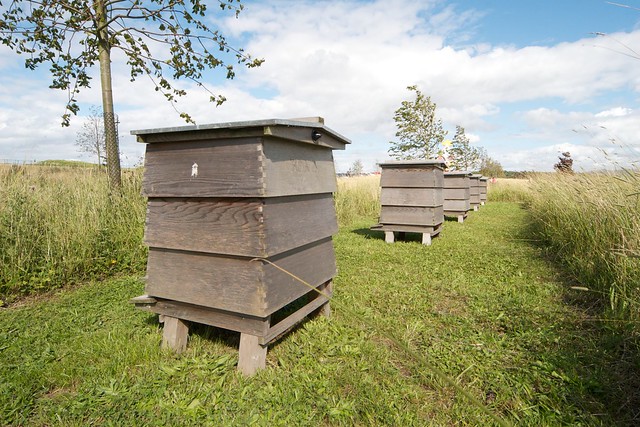
Bark and Beehives

Words for bark, beehives and related words in Celtic languages.

Beehives

Proto-Celtic *ruskos = bark, beehive
Gaulish rusca / ruskā = bark, beehive
Old Irish (Goídelc) rúsc [ruːsk] = (tree) bark, basket, covering
Irish (Gaeilge) rúsc [ɾˠuːsˠk] = (tree) bark, vessel made of bark
rúscach = bark-like; rough, wrinkled (skin)
rúscán = strip of bark, vessel made of bark, kind of seaweed
Scottish Gaelic (Gàidhlig) rùsg [r̪ˠuːsg] = (tree) bark, peel, rind, husk, crust, fleece
rùsg-caorach = sheep’s fleece
rùsg-abhaill = apple peel
rùsg na Talmhainn = crust of the Earth
rùsgan [r̪ˠuːsgan] = thin (tree) bark, thin peel/rind/husk, thin crust, small fleece, bark boat
rùsgach = fleecy
Manx (Gaelg) roost [ruːst] = peel, bark, rind
roostey = strip, peel, hull, rob, bare, rind, debunk, rifle, unbark, deprive, peeling, exposure
Proto-Brythonic *rrisk = bark
Middle Welsh (Kymraec) risgl, risg, rhisg, risc = bark
Welsh (Cymraeg) rhisg(l) [ˈr̥ɪsɡ(l)/ˈr̥ɪsɡɪ(l)] = (piece of) bark, rind, peel (of fruit) husk (of grain)
rhisg(l)ach = pieces of bark
rhisgen = (bark) dish or pan
rhisglen = (piece of) bark, rind; hackle, flax comb
rhisgl(i)af, rhisgaf, rhisgl(i)o, rhisgo = to bark, decorticate, peel (off), develop bark (on), encrust
rhisg(l)aidd = having bark or rind, corticate(d), covered with bark
Old Cornish rusc = bark
Middle Cornish risc = bark
Cornish (Kernewek) rusken = bark, peel
ruskek = rough-barked
Middle Breton rusquenn = beehive
Breton (Brezhoneg) rusk = bark, peel, zest
ruskek = rough, rugged, coarse
ruskenn = (bee)hive, apiary
ruskennad = beehive
ruskenner = beehive maker

Etymology: from the Proto-Indo-European *h₃rewk- (to dig up), possibly from *h₃er- (to move, stir) [source].

The French word ruche (beehive, ruffle, flounce) and the Catalan word rusc (beehive) come from the Gaulish root rusca, via the Late Latin rusca (bark), and the English word ruche (pleated fabric, ruff), and the German word Rüsche (ruffle, ruche) were borrowed from French [source].

Words marked with a * are reconstructions.

Sources: Wiktionary, Am Faclair Beag, Online Manx Dictionary, Teanglann.ie, eDIL – Electronic Dictionary of the Irish Language, logainm.ie, In Dúil Bélrai English – Old Irish glossary, Geiriadur Prifysgol Cymru, Gerlyver Kernewek, Dictionaire Favereau, TermOfis, English – ProtoCeltic WordList (PDF), Etymological Dictionary Of Proto Celtic

Blubrry podcast hosting

Lakes and Ponds

Words for lakes, ponds and related things in Celtic languages.

Llyn Idwal

Proto-Celtic *lindā = pool, lake
Gaulish lindon = pool, lake; sea, ocean
Old Irish (Goídelc) lind [l̠ʲiːn̠ʲ / l̠ʲɪn̠ʲ] = pool, pond, body of water, lake, sea
Irish (Gaeilge) linn = pool, pond, body of water, lake, sea
linn mhuilinn = mill-pond
linn lachan = duck pond
linneach = full of pools, watery
linneolaíocht = limnology (freshwater science)
linntreog = small pool, puddle, pot-hole
Scottish Gaelic (Gàidhlig) linne [l̪ʲin̪ʲə] deep pool; strait, sound, firth
linne-thuathal, faochag-linne = whirlpool
Linne Giùdain = Firth of Forth
Linne Shalmhaigh = Solway Firth
éisg-linn = fishpond
Manx (Gaelg) lhingey = pool, pond, backwater
lhingey chassee = small whirlpool
lhingey eeast = fishpond
Proto-Brythonic *llɨnn = lake, liquid
Middle Welsh (Kymraec) llynn = lake, liquid
Welsh (Cymraeg) llyn [ɬɨ̞n/ɬɪn] = lake, pool, pond, puddle, moat
llyn anoddun = bottomless pit, the deep
llyn melin = mill pond
llyn tro = whirlpool
Old Cornish lin = lake
Cornish (Kernewek) lynn, lydn = lake
Old Breton lin = lake
Breton (Brezhoneg) lenn = lake, basin, washhouse, fishpond, body of water

Etymology: possibly from the Proto-Indo-European *liH-nd-o-/*liH-nd-u [source].

These words appear in places names such as Lincoln in England, Dublin in Ireland, Lintgen in Luxembourg, Limmat – a river in Switzerland (originally Lindimacus), and possibly strong>Lindern in Germany.

Proto-Celtic *loku = lake, pool
Old Irish (Goídelc) loch [l͈ox] = lake, inlet of the sea
Irish (Gaeilge) loch [l̪ˠɔx] = lake, pool, (body of) water, arm of the sea, lough, fiord
lochach = having (many) lakes
lochán = small lake, pond
lochánach = having (many) small lakes
loch-chuach = lake basin
Scottish Gaelic (Gàidhlig) loch [l̪ˠɔx] = loch, lake
lochach = pertaining to or abounding in lochs/lakes
lochan = small lake, loch
loch-mara = sea loch
loch-tasgaidh = reservoir
loch-uisge = freshwater loch/lake
feur-lochan = small grassy loch (which tends to dry up)
Manx (Gaelg) logh [laːx] = lake, lough, loch, arm of the sea
loghan = small lake, pond, dam, tank, dock, pool
loghanagh = full of lakes
logh-hailjey = saltwater lake
logh-ushtey = freshwater lake
Old Welsh lichou = lake, pool
Middle Welsh (Kymraec) luch, lluch = lake, pool
Welsh (Cymraeg) llwch [ɬuːχ] = lake, pool, stagnant water, bog, swamp, marsh, mud, mire, grime, filth, dung
Cornish (Kernewek) logh = inlet
Middle Breton laguenn = flooded field
Breton (Brezhoneg) loc’h = pond, lagoon, flooded meadow

Etymology: from the Proto-Indo-European *lókus (pond, pool), which is also the root of the Icelandic lögur (liquid, fluid, lake, sea), and words for lake in Romance languages, including lac in French, Occitan and Romanian, and lago in Galician, Italian, Spanish and Portuguese [source].

Words marked with a * are reconstructions.

Sources: Wiktionary, Am Faclair Beag, Online Manx Dictionary, Teanglann.ie, eDIL – Electronic Dictionary of the Irish Language, In Dúil Bélrai English – Old Irish glossary, Geiriadur Prifysgol Cymru, Gerlyver Kernewek, Dictionaire Favereau, TermOfis, English – ProtoCeltic WordList (PDF), Etymological Dictionary Of Proto Celtic

Blubrry podcast hosting