Towns and Tribes

Words for dwelling, settlement, town, tribe and related things in Celtic languages.

Trefor

Proto-Celtic *trebā = dwelling
Gaulish Atrebates = name of a tribe
Old Irish (Goídelc) treb = house, farm; household; tribe
Middle Irish (Gaoidhealg) treb = house, farm; household; tribe
Irish (Gaeilge) treibh [ˈtʲɾʲɛv] = house, homestead, farmstead; household, family; tribe, race
Scottish Gaelic (Gàidhlig) treabh [tro] = farming village
treubh [treːv] = tribe
Proto-Brythonic *treβ [ˈtrɛːβ] = town, settlement
Middle Welsh (Kymraec) tref [ˈtrɛːβ] = town, settlement
trefad, trevad, treuad, treuat = dwelling(-place), habitation
trefan, treuan = small town or city, village, dwelling, abode, manor-house, fort
Welsh (Cymraeg) tre(f) [treː(v)] = town; town centre; dwelling(-place), habitation, residence, home; house (and surrounding land), homestead, farm, estate, cluster of houses; township; tribe
trefad = dwelling(-place), habitation, residence, home, region, domain
trefaf, trefu= to dwell, live, settle
trefan = small town or city, village, dwelling, abode, manor-house, fort
Middle Cornish (Cernewec) tre, trev = dwelling place, homestead, home, town
tregva, trigva = dwelling place, habitation
trevedic = one from a country village, a country man, rustic
Cornish (Kernewek) tre [trɛ:/tre:] = farmstead, home, town, village
trigva = abode, address, dwelling, resdidence
trigys = settled, to reside, live
Old Breton treff, treb = town, settlement
Middle Breton (Brezonec) tre, trev = town
Breton (Brezhoneg) trev = town
trevour = civil

Etymology: From the Proto-Indo-European *treb- (dwelling, settlement) [source].

Words from the same Proto-Celtic root (via Latin) possibly include trobo (beehive, skep) in Galician, and truébanu (beehive, barrel, basket) in Asturian [source].

This is also the root of the archaic English word thorp(e) (a group of houses standing together in the country; a hamlet; a village), which appears in place names such as Milnthorpe and Scunthorpe.

Related words in other languages include Dorf (hamlet, village, town) in German, torp (village) in Danish, torp (farm, cottage, croft) in Swedish, þorp (village, farm) in Icelandic, and trevë (country, region, village) in Albanian [source].

Words marked with a * are reconstructions.

Sources: Wiktionary, Am Faclair Beag, Online Manx Dictionary, Teanglann.ie, eDIL – Electronic Dictionary of the Irish Language, In Dúil Bélrai English – Old Irish glossary, Geiriadur Prifysgol Cymru, Gerlyver Kernewek, Gerlyvyr Cernewec, Dictionaire Favereau, TermOfis, Le dictionnaire diachronique du breton, Geriafurch, English – ProtoCeltic WordList (PDF), Etymological Dictionary Of Proto Celtic

The Fastest Way to Learn Japanese Guaranteed with JapanesePod101.com

Lord, Ruler

Words for lord, master, ruler and related words in Celtic languages.

lord and lady

Words marked with a * are reconstructions.

Proto-Celtic *tigerno(s) = lord, master
*tigernākos = lordly, ruler
Gaulish Tigernum = placename
Primitive Irish ᚈᚔᚌᚔᚏᚅ (tigirn) = lord
Old Irish (Goídelc) tigerna = lord
tigernas = lordship
Middle Irish (Gaoidhealg) tigerna = sovereignty, lord, superior, chief
tigernach, tigernaide, tigernamail = lordly
tigernaid = rules
tigernaigid = to rule, dominate
tigernas = lordship, dominion, possession, power, dominance
tigernatas = lordship, dominion
Irish (Gaeilge) tiarna [ˈtʲiəɾˠn̪ˠə] = lord, master, ruler
tiarnaigh = to rule, dominate
tiarnas = lordship, rule, dominion, domain
tiarnúil = lordly, masterful, overbearing, domineering, cheeky
tiarnúlacht = lordliness, overbearingness, domination, cheekiness
aintiarna = despotic lord, tyrant
aintiarnas = tyranny
bantiarna = lady
Scottish Gaelic (Gàidhlig) tighearna [tʲi.əɾˠn̪ˠə] = lord, The Lord, laird, chief, ruler, baronet, master, superior
tighearnach, tighearnail = lordly, magisterial
tighearnas = lordship, dominion, peerage
aintighearna = despot, oppressor, tyrant
aintighearnas = oppression, tyranny
baintighearna = lady
Manx (Gaelg) çhiarn [ˈtʃaːrn] = laird, lord, peer
çhiarnaght = dominion, lordship
çhiarnys = domain, domination, dominion, lordship, manor, peerage
ben çhiarn = lady
Proto-Brythonic *tɨɣern = lord, ruler
*tɨɣernọg = lordly, noble
Middle Welsh (Kymraec) teyrn, tegyrn = lord, master
teyrneit, teyrneidd, têyrnaidd = monarchical, royal, kinglike, princely, majestic, dignified
tyrnas, ternas, teyrnas, teernas, teÿnas = monarchy, kingdom, realm, dominion
tyrnasa, tëyrnasa, teyrnasa = to reign (over), rule, govern
tëyrnasaidd = monarchical, royal, dignified
Welsh (Cymraeg) teyrn [teɨ̯rn / tei̯rn] = monarch, sovereign, king, prince, lord, ruler, leader, dictator, tyrant, royal
teyrnach, teyrnachaeth = royal line, dynasty
teyrnaidd = monarchical, royal, kinglike, princely, majestic, dignified
teyrnas = monarchy, kingdom, realm, dominion
teyrnasaf, teyrnasu = to reign (over), rule, govern
teyrnasaidd = monarchical, royal, dignified
Middle Cornish (Cerenwec) mychtern = king
Cornish (Kernewek) machdeyrn = king
Old Breton (Brethonoc) *tiarn, *tiern = lord, master
*tiarnoc = lordly, noble
Middle Breton (Brezonec) tyèrn, tiern = prince, sovereign
Breton (Brezhoneg) tiern [ˈtiː.ɛrn] = prince, sovereign

Etymology: possibly from Proto-Celtic *tiger (raid, raiding party) and *-inos (of, pertaining to). *Tigerno(s) may originally have meant something like “the chief of the raiding party” [source].

The name Vortigern from the same roots, as do versions in Welsh, Gwrtheyrn and Breton, Gourziern [source].

More about words for Kings and Queens.

The Fastest Way to Learn Japanese Guaranteed with JapanesePod101.com

Sources: Wiktionary, Am Faclair Beag, Online Manx Dictionary, Teanglann.ie, eDIL – Electronic Dictionary of the Irish Language, In Dúil Bélrai English – Old Irish glossary, Geiriadur Prifysgol Cymru, Gerlyver Kernewek, Lexicon Cornu-britannicum: A Dictionary of the Ancient Celtic Language of Cornwall, Dictionaire Favereau, TermOfis, Le dictionnaire diachronique du breton, Etymological Dictionary Of Proto Celtic

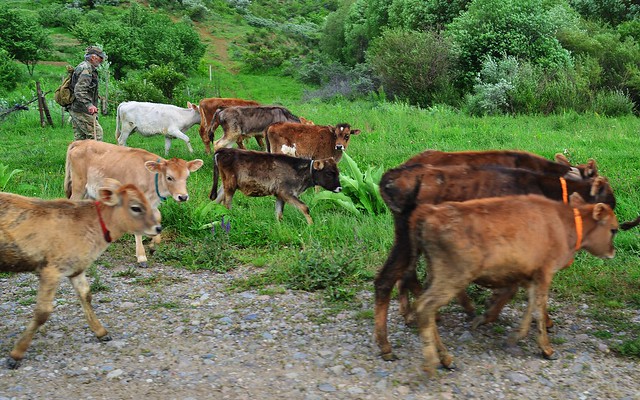
Cowherd, boy, child

Words for cowherd, boy, child and related people in Celtic languages.

Cowherd 1

Proto-Celtic *boukolyos = cowherd
Old Irish (Goídelc) búachaill [ˈbuːa̯xil͈ʲ] = cowherd, herder, herdsman
Irish (Gaeilge) buachaill [ˈbˠuəxɪlʲ] = boy, young unmarried; herdboy, herdsman; man-servant, male employee; lad
buachailleacht = herding (cattle)
Scottish Gaelic (Gàidhlig) buachaille, buachaill [buəçɪl̪ʲ(ə)] = herder, herdsman, cowherd, shepherd, youth
buachailleachd [buəxɪl̪ʲəxg] = herding, watching cattle, invigilation
buachailleadh [buəxɪl̪ʲəɣ] = to herd, watch cattle
buachailleach [buəxɪl̪ʲəx] = pastoral
Manx (Gaelg) bochilley = shepherd, herdsman
bochillagh = herd, pastoral
bochillaghey = to herd
bochillaght = drove, herd, look after, shepherd, pastoral
Proto-Brythonic *bʉgöl [bʉˈɡøːl] = herdsman
Middle Welsh (Kymraec) blucelid, bukeyl, bugeil = herdsman, shepherd
Welsh (Cymraeg) bugail [ˈbɪɡai̯l / ˈbiːɡai̯l] = herdsman, shepherd, guardian, keeper, leader, defender; bishop, priest, pastor, minister
bugeil(i)aeth = pastoral care, shepherd’s watch, pastorate, ministry
bugeilio = to shepherd, tend cattle, watch, keep guard, act as a pastor, minister
bugeil(i)aidd = pastoral, pertaining to a shepherd, shepherdly, ministerial
Middle Cornish (Cernewec) bugel, begel, bigel, bygel = herdsman, shepherd, pastor
Cornish (Kernewek) bugel = pastor, shepherd
bugeles = pastor, shepherd(ess)
bugelya = to herd
Middle Breton bugel, buguel, bugale = child, shepherd
bugelek = childlike, childish
bugelel = infantile
bugelez = shepherdess, herdswoman
bugeliañ = to keep, guard (animals)
Breton (Brezhoneg) bugel = child

Etymology
From the Proto-Indo-European gʷowkólos, from *gʷṓws (cow) and *kʷel- (to revolve, move around, sojourn) [source]. English words from the same roots include beef, bovine, bucolic, buffalo, butter and cow [source].

Here’s the Irish song Buachaill On Eirne (Boy from the Erne):

Here’s the Irish folk song Na Buachaillí Álainn (The Beautiful Lads):

Both songs are sung by Clannad, whose name comes from the same roots as the words below, and who get me interested in learn Irish songs and language.

Old Irish (Goídelc) cland [klan͈d] = children, family, offspring, plant
clannmar [ˈklan͈ṽar] = prolific
Middle Irish (Gaoidhealg) clann = plant, planting, off-shoot, produce, children, family, offspring, descendents, race, clan
clannach = having many children, prolific, fruitful, productive, abundant
Irish (Gaeilge) clann [kl̪ˠɑun̪ˠ/kl̪ˠɑːn̪ˠ/kl̪ˠan̪ˠ] = children, offspring, race, descendents, clan, followers, plant, lock (of hair)
clannach = having many children, prolific, luxuriant
clannaigh = to plant, procreate, luxuriate
clannú = procreation
planda [pl̪ˠaun̪ˠd̪ˠə] = plant, scion
plandaigh = to plant
plandáil = plantation
plandóg = shapely, comely woman; young plant
Scottish Gaelic (Gàidhlig) clann [kl̪ˠaun̪ˠ] = children, offspring, progeny, clan, lock of hair, curl
clannail [kl̪ˠan̪ˠal] = fruitful, prolific, abounding in locks, curls, curly, shining, sleek, luxurious
clanmhor [kl̪ˠãũn̪ˠvər] = fruitful, prolific
plannt [pl̪ˠãũn̪ˠd] = plant
Manx (Gaelg) cloan [klɔːn] = children, descendent, family circle
plant = plant
plantal = to plant
Old Welsh plant = children, young people, offspring
Middle Welsh (Kymraec) plant = children, young people, offspring
Welsh (Cymraeg) plant [plant] = children, young people, offspring, progeny, descendents, followers, disciples, servants
plentyn = child, young person, etc
panta(f) = to beget or bear (children), procreate, breed
plantaidd = childlike, innocent
Middle Cornish (Cernewec) plans = plant
plansa = to plant
Cornish (Kernewek) plans = plant
plansa = to plant, stick
Middle Breton plantenn, planten, plantenn = plant, beautiful woman
plantenniñ = to take root, to layer
planter = planter
planterez = planting
Breton (Brezhoneg) plantenn = plant

Etymology: from the Latin planta (vegetable, sprout, shoot, twig, shrub), possibly from the Proto-Indo-European *pleh₂- (flat) [source]. The Old Irish word cland was borrowed from Old Welsh plant [source]. English words from the same roots include clan (via Irish and/or Scottish Gaelic) and plant (via Middle and Old English) [source].

Sources: Wiktionary, Am Faclair Beag, Online Manx Dictionary, Teanglann.ie, eDIL – Electronic Dictionary of the Irish Language, In Dúil Bélrai English – Old Irish glossary, Geiriadur Prifysgol Cymru, Gerlyver Kernewek, Dictionaire Favereau, TermOfis, English – ProtoCeltic WordList (PDF), Etymological Dictionary Of Proto Celtic

The Fastest Way to Learn Japanese Guaranteed with JapanesePod101.com

To Carry / Flow

Words for to carry, to flow and related things in Celtic languages.

Carrying a Catch

Words marked with a * are reconstructions.

Proto-Celtic *bereti = to carry
*ɸarebereti = to use
Old Irish (Gaídelc) beirid [ˈbʲerʲiðʲ] = to carry, bear, bring forth, judge
ar·beir [arˈbʲerʲ] = to live, use, employ, eat, reproach, subdue, express
Middle Irish (Gaoidhealg) beirid, berid = to carry, infer, bear, bring forth, be born, yield, produce, judge, pass judgement
ar-beir, airbir = to live, eat, use, employ, plead, subdue, express
Irish (Gaeilge) beir [bʲɛɾʲ] = to bear, give birth to; lay (eggs); bear away, win; bring, take; catch, overtake; proceed, advance
Scottish Gaelic (Gàidhlig) beir [berʲ] = to take hold; bring forth, bear, produce; carry
beirachd [berʲəxg] = bearing (children), giving birth, birthing, bringing forth, birth, nativity, taking hold, holding, catching up with
Manx (Gaelg) behr = to bear (give birth to)
ruggyr = birth, nativity
laa ruggyr, laa ruggyree = birthday
Proto-Brythonic *bėrɨd [be̝ˈrɨːd] = to flow, carry
*ėrβėrɨd [be̝ˈrɨːd] = to make use of, employ, take
Middle Welsh (Kymraec) beru = to flow
Welsh (Cymraeg) beru = to flow, drip; drizzle
arfer [ˈarvɛr] = to use, be used to, be accustomed to; custom, practice, procedure, habit
Middle Cornish (Cernewec) berthy = to bear, carry, sustain, entertain, take
perthy = to bear, carry, sustain, entertain, take
porthy = to bear (with), carry, endure, sustain, suffer
Cornish (Kernewek) perthi = to bear, endure, put up with, stand, suffer, tolerate
perthyans = endurance, patience, tolerance
Middle Breton beraff = to flow
Breton (Brezhoneg) berañ [ˈbeːrã] = to drip, flow

Etymology: from the Proto-Indo-European *bʰéreti (to be carrying), from *bʰer- (to bear, carry) [source]. Words from the same roots include: barn, barrow, (to) bear, birth, broad and (to) thole (to endure) in English, bie (to bring, deliver) Albanian, բերել (berel – to bring, fetch) Armenian, and berti (to throw, strew, scatter, shed) Lithuanian [source].

The Fastest Way to Learn Japanese Guaranteed with JapanesePod101.com

Sources: Wiktionary, Etymological Dictionary Of Proto Celtic, In Dúil Bélrai English – Old Irish glossary, eDIL – Electronic Dictionary of the Irish Language, Teanglann.ie, Am Faclair Beag, An etymological dictionary of the Gaelic language, Fockleyreen: Manx – English Dictionary, Online Manx Dictionary, Gaelg Corpus, Geiriadur Prifysgol Cymru, Lexicon cornu-britannicum : a dictionary of the ancient Celtic language of Cornwall, Gerlyver Kernewek, Devri : Le dictionaire diachronique du breton, Dictionnaires bilingues de Francis Favereau / Edition Skol Vreizh, TermOfis

Unlimited Web Hosting - Kualo

To Choke

Words for to choke and related things in Celtic languages.

*choke*

Words marked with a * are reconstructions.

Proto-Celtic *taketi/*tageti = to choke, strangle
Old Irish (Goídelc) tachtad = choking, strangulation
Middle Irish (Gaoidhealg) tachtad, teachtadh = choking, strangulation
tachtaid = to choke, stifle, strangle, hang, oppress, vex, seize, arrest
Irish (Gaeilge) tacht [t̪ˠɑxt̪ˠ] = to choke, strangle,suffocate
tachtadh = choking, stangulation
tachtaire = choker, strangler
tachtarnach = (act of) choking, choking sound
Scottish Gaelic (Gàidhlig) tachd [taxg] = choke, smother, strangle, throttle, clog
tachdach = choking, strangulation
tachdadair [taxgədɪrʲ] = choker, throttler, strangler, choke, throttle
Manx (Gaelg) toght = to strangulate
toaghtey = to choke, strangle, throttle, clog; choking, strangulation, clogging
toaghteyr = choke
Middle Welsh (Kymraec) tag = choke, choking, suffocation, strangulation
tagedic, tagedig choked, strangled
tagell = jowl, wattle
tacua, tagfa = choking, throttling
tagu, tagy = to choke, stifle, strangle, throttle, suffocate
Welsh (Cymraeg) tag = choke, choking, suffocation, strangulation
tagedig choked, strangled
tagell = jowl, wattle, double chin, throat, windpipe, barb, snare
tagfa = choking, throttling, bottleneck
tagiad = choking, strangulation, obstruction
tagu = to choke, stifle, strangle, throttle, suffocate; to cough (in North Wales)
tagwr, tagydd = choker, strangler, choke (in an engine)
Middle Cornish (Cernewec) tag, tâg = choking, strangling
taga = to stifle, strangle, choke, throttle
Cornish (Kernewek) tag = choking
taga = to choke, clog, strangle, suffocate
Middle Breton (Brezonec) tag = acrid, strangulation
tagaff = to attack, devour, suffocate, smother, strangle
Breton (Brezhoneg) tag [tɑːk] = acrid, strangulation
tagañ [ˈtɑː.ɡã] = to attack, devour, suffocate, smother, strangle
tagus [ˈtɑːɡys] = offensive, suffocation, acrid, acidic

Etymology: possibly from Proto-Indo-European *tak-, which is also the root of tacit (implied) in English, taire (to be/keep quiet, shut up) in French, and tiga (to keep silent, deliberately ignore) in Swedish [source].

Sources: Wiktionary, Am Faclair Beag, teanglann.ie, On-Line Manx Dictionary, Geiriadur Prifysgol Cymru, Gerlyver Kernewek, Dictionnaire Favereau

To search

Words for to search, track and related things in Celtic languages.

Searching

Words marked with a * are reconstructions.

Proto-Celtic *lorgom, *lergo- = track, trace
Old Irish (Goídelc) lorg = path, track, trace
Middle Irish (Gaoidhealg) lorg = trace, vestige, mark, impression, track, trail, path, course
Irish (Gaeilge) lorg [ˈl̪ˠɔɾˠəɡ / ˈl̪ˠʌɾˠəɡ] = to track, trace; seek, search for; trace, vestige, mark, impresssion, track, trail, path, course
lorgaire = tracker, pursuer, detective, seeker, searcher, follower, adherent
lorgaireacht = (act of) tracking, tracing, pursuing, seeking, searching, detection
Scottish Gaelic (Gàidhlig) lorg [ˈl̪ˠɔrɔg] = to trace, track, search, pursue, follow by scent or footprints
air lorg = on the track of, in search of, found, located
lorgadh [l̪ˠɔrɔgɪç] = (act of) discovering, finding
lorgaich = track! trace! pry! ferret out!
lorgadh [l̪ˠɔrɔgɛrʲə] = detective, detector, finder, tracker
lorganach [l̪ˠɔrɔganəx] = sluggard, slowcoach, trail, track
meur-lorg = fingerprint
Manx (Gaelg) lorg = trace, track, trail, vestige, spoor
lorgey = to trace, to track, to pursue, pursuit, tracing, trailing, urging
lorgaghey = to drive (on/along), to urge on, urging
Proto-Brythonic *llurɣ, ˈɬuːru = track, trail (?)
Middle Welsh (Kymraec) llwrw, llwry = track, trail, path, way, direction
Welsh (Cymraeg) llwrw, llwry [ˈɬʊru / ˈɬuːru] = track, trail, path, way, direction, course, career, manner, mode, form, semblance; tax, fee, fine, penalty; opportunity, convenince
Middle Cornish (Cernewec) lerch, lyrch, ler = trace, vestige, footstep
war lerch = after
Cornish (Kernewek) lergh = track, trail, trace
a-lergh = lately, recently
war-lergh = according to, after, behind
Old Breton (Brethonoc) lerg = trace, sequel
Middle Breton (Brezonec) lerch = trace, sequel
Breton (Brezhoneg) lerc’h [ˈlɛrx] = trace, sequel, continued
lerc’h-ouzh-lerc’h = next, right away, successively
lerc’henn = postposition
dilercʼh = remainder, consequence, delay
war-lercʼh = after, behind, because of

Etymology: uncertain [source] or from Proto-Indo-European *lerg- (slippery, even) [source]

Proto-Celtic *swelos = to turn
Old Irish (Goídelc) sel = a turn, a while, a spell
dessel = sunwise, clockwise
túaithbel = anticlockwise, widdershins, lefthandwise
Middle Irish (Gaoidhealg) sel, seal = a turn, a time, a while
dessel, deisell, dessiul = direction of the sun, right-hand course, sunwise, clockwise
túaithbel, tuaithbil, tuaithbiul = against the sun, withershins, lefthandwise
Irish (Gaeilge) seal [ˈʃal̪ˠ] = turn, while, spell, span
sealad = turn, while, space of time
sealadach = temporary, provisional
sealaíocht = (act of) alternating, taking turns, alternation
deiseal [ˈdʲeʃəlˠ] = righthand direction, direction of the sun, clockwise, sunwise
tuathal [ˈt̪ˠuəhəl̪ˠ] = anticlockwise, counterclockwise
Scottish Gaelic (Gàidhlig) seal [ʃal̪ˠ] = while, space of time
sealach [ʃal̪ˠəx] = temporary, transient, transitory
sealad [ʃal̪ˠəd] = while, period of time
sealadach [ʃal̪ˠədəx] = transitional, transitory, caretaker, provisional
sealaidheachd [ʃal̪ʲɪjəxg] = course of time, transitoriness, relay
sealan [ʃal̪ˠan] = a little/short while
deiseal [dʲeʃal] = clockwise, facing south, finished, ready, poised, prepared, handy, dexterous
tuathal [tuəhəl̪ˠ] = anticlockwise, counterclockwise, unlucky, ill-omened, confused, agitated, disorien(ta)ted
Manx (Gaelg) shalee = design, intention, project, purpose, pursuit, quest
shayll = piece of work, spell, turn
shallidagh = provisional, provisory, temporary, transient, interim
jeshal = clockwise
Proto-Brythonic *hwel = (?)
Old Welsh (Kembraec) chwel, cheil = turn, course, period
Middle Welsh (Kymraec) chwyl = turn of events, course, destiny
whel = turn, course, period
chwilyaw, chwiliaw, chwilio = to search, seek, trace, investigate, examine, rummage, ransack, try
Welsh (Cymraeg) chwŷl [χwɨːl / χwiːl] = turn of events, course, destiny
chwyl(i)ad = a turning round, roation, revolution
chwyl(i)o = to revolve, rotate, turn around
chwêl = turn, course, period, while, commotion, disturbance
chwilio [ˈχwɪljɔ / ˈχwɪljɔ] = to search, seek, trace, investigate, examine, rummage, ransack, try
chwiliadur = search engine
chwiliedydd = searcher, examiner, investigator
chwiliwr = searcher, investigator, examiner, trier, inquirer, spy, inquisitor
chwilys = inquisition
chwilyswr = inquisitor
chwiliota(f) = to rummage, pry, grope for, grabble, pilfer
Middle Cornish (Cernewec) chwila, whela(s), hwila(s), hwillaz = to seek, to seach for
hwiliog a searcher, seeker, conjuror
Cornish (Kernewek) hwilas [‘ʍilas / ‘ʍilɐz] = to seek, look for, attempt, try, search
hwilerbownder, hwiler hyns = pathfinder
hwilreseger = orienteer
hwilresek = orienteering
hwilva = laboratory
Middle Breton (Brezonec) chouilia = to search, look for
Breton (Brezhoneg) hoal = age, ascendancy, attractiveness
hoal-vat = happiness, prosperity
hoalad = career, era, epoc, period
hoaladur = delectation
hoalat = to seduce, to delight
holc’hiñ = to search

Etymology: possibly from Proto-Indo-European *welH- (to turn, revolve). Words from the same roots in English include helicopter, helix, valve, wallow, whelk, and deiseal (clockwise, sunwise – borrowed from Irish) [source]

Sources: Wiktionary, Etymological Dictionary Of Proto Celtic, In Dúil Bélrai English – Old Irish glossary, eDIL – Electronic Dictionary of the Irish Language, Teanglann.ie, Am Faclair Beag, An etymological dictionary of the Gaelic language, Fockleyreen: Manx – English Dictionary, Online Manx Dictionary, Gaelg Corpus, Geiriadur Prifysgol Cymru, Lexicon cornu-britannicum : a dictionary of the ancient Celtic language of Cornwall, Gerlyver Kernewek, Devri : Le dictionaire diachronique du breton, Geriafurch, TermOfis


Wet

Words for to wet in Celtic languages.

Proto-Celtic *wlikʷos = to wet
Old Irish (Goídelc) fliuch [fʲlʲiu̯x] = wet
Irish (Gaeilge) fliuch [fʲlʲʊx] = wet
Scottish Gaelic (Gàidhlig) fliuch [flux] = wet, watery, rainy, moist, damp, oozy, fluid, liquid
Manx (Gaelg) fliugh = wet, soggy, inclement, marshy, swampy, humid, dank, watery or waxy (of potatoes)
Proto-Brythonic *gwlɨb [ˈɡwlɨːb] = wet
Old Welsh gulip = wet
Middle Welsh (Kyrmaec) gulip / gwlyp = wet
Welsh (Cymraeg) gwlyb [ɡwlɨːb / ɡwliːb] = wet, moist, fluid, liquid; rainy; addicted to drink; drink, liquor, gravy
Cornish (Kernewek) glyb [glɪ:b] = moist, damp, wet
gleb [gle:b] = moist, damp, wet
Old Breton gulip = wet
Middle Breton gloeb / glueb = wet
Breton (Brezhoneg) gleb = wet, humid

Macro Mondays: Wet.

Etymology: from the Proto-Indo-European *wleykʷ- (moist, to wet) [source].

Sources: Wiktionary, Am Faclair Beag, teanglann.ie, On-Line Manx Dictionary, Geiriadur Prifysgol Cymru, Gerlyver Kernewek, Dictionnaire Favereau

Dry

Words for dry and to dry in Celtic languages.

Old Irish (Goídelc) tírim = dry
Irish (Gaeilge) tirim [tʲɾʲɪmʲ] = dry, parched, thirsty, without mortar, solid, bare
triomú = to dry
Scottish Gaelic (Gàidhlig) tirim [tʲirʲɪm] = arid, dry; droughty, mealy
tiormaich [tʲirəmɪç] = to dry, make dry, parch, dry up
Manx (Gaelg) çhirrym [tʲɾʲɪmʲ] = arid, dry, waterless, sapless
chyrmaghey = to dry, dry up

Sources: Wiktionary, Am Faclair Beag, teanglann.ie, On-Line Manx Dictionary

Proto-Brythonic *sɨx [ˈsɨːx] = dry
Old Welsh sech = dry, arid
Middle Welsh (Kymraec) sych = dry, arid
Welsh (Cymraeg) sych [sɨːχ / siːχ] = dry, arid
sychu [ˈsəχɨ / ˈsəχi] = to dry; drain, deplete; become dry, dry up, wither; heal, wipe
Cornish (Kernewek) segh [ze:h] / sygh [sɪ:x] = arid, dry
segha [‘sɛha / ‘zɛhɐ] = to dry, wipe
Breton (Brezhoneg) sec’h [ˈsɛːχ] = dry, unproductive (field)
sec’hañ = to dry

Etymology: from the Latin siccus (dry, sober, thirsty) [source].

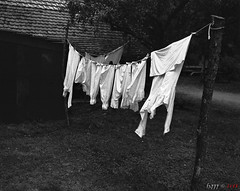
Drying Laundry

Sources: Wiktionary, Geiriadur Prifysgol Cymru, Gerlyver Kernewek, Dictionnaire Favereau

Trees, Wood(s) & Forests

Words for tree, wood and related things in Celtic languages.

There are various words for tree in the modern Celtic languages. In each language the usual word for tree is different and comes from different roots. Only the Cornish and Breton words are cognate. The usual words for tree are: crann (Irish), craobh (Scottish Gaelic), billey (Manx), coeden (Welsh), gwedhen (Cornish) and gwezenn (Breton).

Here be trees!

Proto-Celtic *kʷresnom = tree, wood
Old Irish (Goídelc) crann = tree
crannchor = casting of lots
crannda = wooden
Middle Irish (Gaoidhealg) crann, crand = tree, wood, timber, staff, pole, plank, beam, spearshaft, mast, steering oar, lot, destiny, fate
crannach, cranncha = trees, grove, wooded place
crannaige, crannaigi = shaft-trimmer, spearsman
crannaigid = to cast lots
crannán = small spearshaft
crannchor, crannchur = casting of lots
crannda, cranda = wooden, made of wood, wooded
cranngal, crannghal = timber, wooden structure or object, spear (shaft)
crannóc, crandoc = wooden structure, wooden drinking-container; basket, wooden lake-dwelling
cranntáball = sling, staff-sling
Irish (Gaeilge) crann [kɾˠaun̪ˠ / kɾˠan̪ˠ] = tree; mast, boom, pole; stock, handle; shaft, beam; stick
crannach = stake-fence, forest of spears, arboreal, wooded
crannadóir = arboriculturist, tree-climber
crannadóireacht = arboriculture, tree-climbing
crannail = timbering, timbers, lattice-work, ship’s masts
crannán = wooden shaft, handle, wooden vessel, hardening stand (for bread)
crannchur = casting of lots, sweepstake, lottery
crannlach = brushwood, (withered) stalks, haulm
crannmhar = full of trees, timbered, wooded
crannóg = piece of wood, pole, wooden frame
crannúil = tree-like, arborescent
Scottish Gaelic (Gàidhlig) crann [kraun̪ˠ] = mast; plough; beam; lot (in drawing lots); tree (archaic)
cranntair = wooden peg/pin
crannghail = wooden frame
crannach = pertaining to or abounding in masts, ploughs, beams, trees etc
crannchur = destiny, lot, draw, lottery
crannag = pulpit, crannog, island dun, crosstree
crannlach = brushwood, lanky wood, dummy
Manx (Gaelg) croan = boom, mast, flag pole
creenagh = brushwood, wither
crannag = dock, heap, desk, pulpit, rostrum, lookout
Gaulish prenne = big tree
Proto-Brythonic prenn [ˈprenː] = wood, tree
Middle Welsh (Kymraec) pren, prenn = tree, bush, timber, wood
prenvol, prenuol, prennol = (wooden) box, chest, coffer
Welsh (Cymraeg) pren [prɛn] = tree, bush, shrub; timber, wood, wooden; piece of wood, wooden stick; cross, gallows, gibbet
prenfol = (wooden) box, chest, coffer, case, coffin
preniaf, prennaf, prenio, prennu = to bolt (a door), bar, shut (sb) out
prensaer = carpenter
Old Cornish pren = wood
Middle Cornish (Cernewec) pren = tree, wood, timber, a piece of wood, a lot
prenic = wooden, woody
prenne = to fasten with a piece of wood, to bar
prennyer = pieces of wood
Cornish (Kernewek) prenn [prɛn:] = bar, beam, log, timber, (gambling) lot , wooden
prenna, predna = to bar, lock
prennek = wooden, woody
prennlown = plywood
prennweyth = woodwork
Old Breton pren = wood
Middle Breton (Brezonec) pren, prenn, preen = wood
prennaff, prena, prenna = to close, block
prennet = to lock
Breton (Brezhoneg) prenn = wood, piece of wood, fastner
prennañ = to close, fasten, shut

Etymology: from Proto-Indo-European *kʷres (bush, thicket) [source]. Words from the same roots include hurst (wood, grove – used in placenames, e.g. Lyndhurst) in English, and Horst (eyrie, bush, thicket, small forest) in German [source]

Old Irish (Goídelc) cráeb / cróeb = tree
Middle Irish (Gaoidhealg) cráeb, craib = branch, bough, sprig, rod, wand, post, tree, bush
cráebach, cræbacha = having branches, branchy, branches
Irish (Gaeilge) craobh = branch, bough; tree
craobhach = branches, branched, branching, flowing, spreading
craobhaigh = to branch, ramify, expand, spread
craobhóg = small branch, twig, sprig, spray, darling
Scottish Gaelic (Gàidhlig) craobh [krɯːv] = tree, bush
craobhaich = woody, wooded, full of trees, branching, spreading
craobhag [krɯːvag] = small tree
craobhadair [krɯːvədɪrʲ] = arborist, tree specialist
Manx (Gaelg) crouw = stock, bush, dwarf tree, stick, bunch, wide spreading tree, tributary of river

Etymology: unknown, possibly from Proto-Celtic krētros (sieve) [source].

Proto-Celtic *belyom = tree
Gaulish *bilia [ˈbi.liaː] = tall tree
Old Irish (Goídelc) bile [ˈbʲilʲe] = tree, especially a large, ancient, sacred one
Middle Irish (Gaoidhealg) bile [ˈbʲilʲe] = (large) tree (esp. an ancient and venerated one), tree trunk, mast, scion, hero
bilech = abounding in trees, (well-)wooded
bileóc, biléog = leaf, leaflet
Irish (Gaeilge) bile [ˈbʲɪlʲə] = (large, sacred) tree; scion; distinguished person
bileog = leaf, letter of freedom (to marry)
bileogach = leafy, laminated
biliúil = tree-like, stately
Scottish Gaelic (Gàidhlig) bile [bilə] = mast; plough; beam; lot (in drawing lots); tree (archaic); cluster of trees, sacred tree/grove
bileach = leaf, amount of leaves, leafy tree
bileag = blade (of vegetation), board, leaf, leaflet, pamphlet, ticket, label, slip (of paper)
bileagach = lipped, billed, bladed, fringed, edged
Manx (Gaelg) billey = tree, big bush
billagh = tree, wooded, woody
biljagh = arboreal, wooded
billey
Middle Welsh (Kymraec) bill, pill = (tree) trunk, stock, log, branch; fortress
billwydd = kindling, firewood, sticks, brushwood; joists, laths
Welsh (Cymraeg) pill [pɪɬ] = (tree) trunk, stock, log, branch, pole, stake, post; fortress, castle, stronghold, refuge, sanctuary, safety, strength, force; snatch of song, verse; still, crib; socket
pillwydd = kindling, firewood, sticks, brushwood; joists, laths
pillyn = peg
Middle Breton (Brezonec) bilh, bill = a felled tree trunk, log, lumber, timber
bilh-koad = chunk of wood
Breton (Brezhoneg) bill = trunk

Etymology: from Proto-Indo-European *bʰolh₃yo- (leaf), from *bʰleh₃- (blossom, flower) [source]. Words from the same Proto-Celtic root, via Gaulish, include bille (tree trunk, railway sleeper, rolling pin) and billon (a ridge in a ploughed field) in French, bilha (stem, trunk) in Provençal and possibly billa (spigot, faucet, stick) in Galician [source].

Words from the same PIE roots include folio and phyllo / fil(l)o (pastry), phyllomancy (diviniation by leaves) in English, feuille (leaf, sheet) in French, andhoja (leaf, petal, blade) in Spanish [source].

Proto-Celtic *widus = wood, trees
Old Irish (Goídelc) fid = tree, wood, letter in Ogham
fidchell = a boardgame similar to chess
fidrad = trees, a wood
Middle Irish (Gaoidhealg) fid = tree, wood, timber
fidach = wooded, abounding in trees, timber
fidchell = a boardgame similar to chess
fidrad = trees, a wood, letter (in Oghan)
Irish (Gaeilge) fiodh = tree, wood, timber
fiodhach = abounding in trees, wooded
fiodhneimheadh = sacred grove
fiodhradh = trees, timbers, letters (literary)
ficheall = chess, chess board
Scottish Gaelic (Gàidhlig) fiodh [fjɤɣ] = wood, timber, wooden, made of wood
fidhcheall = Celtic chess
fiodhach [fjɤɣəx] = shrubbery, shrubs, cheese press; wooden, ligneous, woody
fiodhan = cheese press
fiodhrach [fjɤɣan] = timber
Manx (Gaelg) fuygh = timber, wood
fuyghagh, fuyghoil = ligneous, wooden, woody
fuyghee = wooden
feeal = chess
Proto-Brythonic *gwɨð [ˈɡwɨːð] = wood, trees
Old Welsh guid = tree
Middle Welsh (Kymraec) guit, guyt, gwyd, gwŷdd = tree(s), forest, woods
gvytbuil, gvydbvll = a chess-like boardgame
guduit, gwyddfid, gwytuid, gwituid = wood, forest, bush, protective hedge
Welsh (Cymraeg) gwŷdd [ɡwɨːð / ɡwiːð] = tree(s), branches, twigs; forest, woods, shrub(s); lineage, genealogical tree, stock; stem
gwyddallt = wooded slope
gwyddbwyll = chess; knowledge, learning, science, reason
gwyddel = forest, grove, thicket, brake, wilderness
gwyddfid = wood, forest, bush, protective hedge
Old Cornish guit = trees
Middle Cornish (Cernewec) gwedh, gweydh, gwydh = trees
gwedhen, gwedhan = tree
gwydhbol = chess
Cornish (Kernewek) gwydh [gwɪ:ð] = trees
gwedhen = tree
gwedhek = woodland
gwedhlan = arboretum, tree plantation
Old Breton guid = trees
Middle Breton (Brezonec) guez, guid, gwyd, gwydh = tree(s)
Breton (Brezhoneg) gwez [ɡwe] = trees
gwezenn = tree
gwezeg = wooded
gwezek = abounding in trees
gwezboell = chess

Etymology: from Proto-Indo-European *h₁weydʰh₁-. (tree, beam) [source]. Words from the same roots include wood in English, vid (firewood, wood) in Swedish, and ved (wood) in Danish [source].

Proto-Celtic *kaitos = wood, forest
Proto-Brythonic *koɨd [ˈkoɨ̯d] = wood, forest
*argoɨd = surrounding forest
Old Welsh coit = wood, forest
coetlann = copse, grove, woodland, wooded glade
Middle Welsh (Kymraec) coyt, coit, koet, coet, coed = forest, wood, trees
coedallt = wooded slope, hillside
coedva, koedfa = grove, woodland, forest
koedach = shrubs, brushwood
coydiawc, coedawc, coedoc = woody, wooded
coydiawl, koedolyon = silvan, rustic, wild
coet, coedwig, coedwic = forest, wood
Welsh (Cymraeg) coed [koːɨ̯d / kɔi̯d] = forest, wood, trees; shrubs; timber, pieces of wood
coeden [koːɨ̯d / kɔi̯d] = tree
coedaidd = silvan, arboraceous, woody, wooden
coedallt = wooded slope, hillside
coedfa = grove, woodland, forest
coed(i)ach = shrubs, brushwood, underwood, withered branches
coed(i)af), coed(i)o = to prop or timber a pit or shaft
coed(i)og = woody, wooded, abounding with trees, silvan
coed(i)ol = pertaining to wood or timber, silvan, rustic, wild
coedlan = copse, grove, woodland, wooded glade
coedwig = forest, wood
argoed = trees, forest, surrounding forest
Old Cornish cuit = wood, forest
Middle Cornish (Cernewec) coys, coyd, coid = wood, forest
Cornish (Kernewek) koos [ko:z / ku:z] = forest
Middle Breton (Brezonec) coat, coet, coët = wood, forest
Breton (Brezhoneg) koad [ˈkwɑːt] = wood, forest
koadadur = afforestation, tree planting
koadaj = panelling, woodwork
koadeg = wooded, woody
koader = to timber, panel, plant trees
argoad = groove, copse, wooded

Etymology: from Proto-Indo-European *kayt-/*ḱayt- (forest, wasteland, pasture) [source]. Words from the same roots include heath and heather in English, Heide (heath, heathland, woodland, forest) in German, hed (moor, waste land) in Swedish.


Sources: Wiktionary, Am Faclair Beag, Online Manx Dictionary, Teanglann.ie, eDIL – Electronic Dictionary of the Irish Language, In Dúil Bélrai English – Old Irish glossary, Geiriadur Prifysgol Cymru, Gerlyver Kernewek, Dictionaire Favereau, TermOfis, English – ProtoCeltic WordList (PDF), Etymological Dictionary Of Proto Celtic


728×90 (Best VPN)

Tasteful

Words for taste in Celtic languages.

Proto-Celtic *mlastā / *mlasto = taste
Old Irish (Goídelc) mlas [mlas] = flavour, savour, taste
blasid = to taste
Irish (Gaeilge) blas [bˠl̪ˠɑsˠ / bˠlˠasˠ] = taste, flavour, accent
blais [bˠlˠaʃ] = to taste
Scottish Gaelic (Gàidhlig) blas [bl̪as] = flavour, savour, taste; body (of wine); accent; gusto, relish
blais [bl̪ˠaʃ] = to taste, try by the mouth; sip; relish
Manx (Gaelg) blass = accent, flavour, overtone, spiciness, taste, tinge, tang
blas(s)tyn = to taste, relish, savour
Welsh (Cymraeg) blas [blas] = taste, sense of taste, flavour, relish, savour, appetite; liking, enjoyment, pleasure; taste; flavourings, seasonings; spices, odoriferous herbs
blasu = to taste, have a flavour; flavour, season; experience; have a liking (for), savour, enjoy, relish, appreciate
Cornish (Kernewek) blas = smell, stench, flavour, taste
blasa [‘blaza / ‘blæzɐ] = to smell, taste
Breton (Brezhoneg) blaz = taste, flavour, smell
blasa = to taste, sniff (at), scent

Etymology: from the Proto-Indo-European *mel-s- [source].

Sources: Wiktionary, In Dúil Bélrai English – Old-Irish Glossary, Am Faclair Beag, teanglann.ie, Fockleyreen: Manx – English Dictionary, Geiriadur Prifysgol Cymru, Gerlyver Kernewek, Dictionnaire Favereau