Short Cuts

Words for short, cut and related things in Celtic languages:

Scout Cardigan Corgi

Proto-Celtic *birros = short
Old Irish (Goídelc) berr [bʲer͈] = short
berraid = to shear, clip, shave, cut, shear, tonsure
Middle Irish (Gaoidhealg) berr, bearr = short
berrad = to cut, clip, shave, cut, tonsure
Irish (Gaeilge) bearr [bʲɑːɾˠ/bʲaːɾˠ] = to clip, cut, trim, cut (hair), shave, fleece (sb)
bearradh = cutting
bearrthóir = trimmer, shearer
bearrthóireacht = trimming, cutting speech
Scottish Gaelic (Gàidhlig) beàrr = short, brief (archaic)
beàrr [bjaːr̪ˠ] = to cut, shave, crop, shear, pare, prune, clip, poll, dehorn
Manx (Gaelg) baarey = to bare, clip, cut, dress, poll, prune, shave, trimmed
baareyder = barber, cutter, shaver, clipper
baarys = tonsure
Gaulish *birros = a coarse kind of thick woollen cloth; a woollen cap or hood worn over the shoulders or head<
Proto-Brythonic *bɨrr [ˈbɨr͈] = short
Middle Welsh (Kymraec) birr, byrr = short, small, brief
bŷr-brŷd = a short meal of meat
uyrder, byrder = shortness, brevity
Welsh (Cymraeg) byr [bɨ̞r/bɪr] = short, small, brief, concise, condensed, abrupt, curt, stingy, sparing, deficient, faulty
byrbryd = light meal, lunch, snack
byrbwyll = rash, reckless, thoughtless
byrder = shortness, brevity, smallness, conciseness, scarity, deficiency
byrdra = shortness, brevity, smallness, curtness
Middle Cornish (Cernewec) ber = short, diminutive, brief
beranal = asthma, shortness of breath
Cornish (Kernewek) berr [bɛɹ] = short, brief
berrhe = to abbreviate, shorten
berrheans = abrreviation
berrskrifa = to summarise
berrwelyek = short-sighted
Middle Breton (Brezonec) berr, ber, bèr = short, brief
berr-ha-berr = very short, shortly briefly
berraat = to shorten, abbreivate, reduce
berradenn = shortening
berradur = abbreviation
Breton (Brezhoneg) berr = short, brief
berr-ha-berr = very short, shortly briefly
berradenn = shortening
berradur = abbreviation

Etymology: unknown

Words from the same Proto-Celtic root, via Latin and Gaulish, include beret in English, béret (beret) in French, berret (cap) in Gascon, biretta (a square cap worm by Roman Catholic priests) in English and Italian, berretto (beanie, cap) in Italian, barrete (biretta, cap) in Portuguese, birrete (biretta) in French, and βίρρος [ˈβir.ros] (a type of cloak or mantle) in Ancient Greek [source].

Proto-Celtic *gerros = short
*gari- = short
Old Irish (Goídelc) gerr, gearr = short, a short time, castrated
gerraid = to cut, mutilate, shorten, carve
garait [ˈɡarədʲ] = short
Middle Irish (Gaoidhealg) gerr [ɡʲer͈] = short
gairaid = to cut short, cut off, mutilate
garit, garait, gairit = short (time/distance/length)
Irish (Gaeilge) gearr [ɟɑːɾˠ/ɟaːɾˠ] = short; to cut, shorten, reduce
gearrachán = cutting remark
gearradh = cutting, cut, levy, rate, speed
gearrán = gelding, pack-horse, small horse, nag, strong-boned woman
gearróg = short bit, scrap, short drill or furrow, short stocky girl, short answer
gearrthóg = cutting, snippet, trimmings, cutlet
gearrthóir = cutter, chisel
gairid [ˈɡaɾʲədʲ] = short, near, close
Scottish Gaelic (Gàidhlig) geàrr [gʲaːr̪ˠ] = short, thick-set, squat, dumpy, brief, concise, succinct, scanty; to cut, carve, sever, dock
goirid [gɤrʲɪdʲ] = short, brief, brusque
giorraich [gʲir̪ɪç] = abbreviate, abrige, shorten, curtail
giorrachadh [gʲir̪ˠəxəɣ] = abbreviation, abridgement, summary
Manx (Gaelg) giare = abbreviated, abridged, abrupt, brief, brusque, compact, concise, curt, short, summary
giarey = to abbreviate, abridge, axe, carve castrate, clip, cut
girraghey = to abbreviate, abridge, contract, shorten

Etymology: from the Proto-Indo-European *ǵʰer- (short). Words from the same PIE root include ह्रस्व [ˈɦɾɐs̪.ʋɐ] (short, small, dwarfish, little, low; a dwarf) in Sanskrit, and ह्रस्व [ɦɾəs̪.ʋᵊ] (a short vowel) in Hindi, and possibly girl in English [source].

Sources: Wiktionary, Am Faclair Beag, Online Manx Dictionary, Teanglann.ie, eDIL – Electronic Dictionary of the Irish Language, In Dúil Bélrai English – Old Irish glossary, Geiriadur Prifysgol Cymru, Gerlyver Kernewek, Gerlyvyr Cernewec, Dictionaire Favereau, TermOfis, Le dictionnaire diachronique du breton, Geriafurch, English – ProtoCeltic WordList (PDF), Etymological Dictionary Of Proto Celtic


Top Peaks

Words for top, peaks and related things in Celtic languages.

The Crowded Summit of Snowdon

Proto-Celtic *barros = top, point, peak
Gaulish Cunobarrus = personal name
Old Irish (Goídelc) barr = abundance, crop, crown, surplus, top, top, tree-top
Middle Irish (Gaoidhealg) barr = top, tip, end, crop, produce, climax, end, crown, supremacy, preeminence, transcendence
Irish (Gaeilge) barr [bˠɑːɾˠ] = tip, point, top, summit, upper part, surface, crop, yield, result, addition, excess, superiority, extremity
barrachas = predominance, surplus
barradh = hindrance
barraí = champion, superior person, arrogant person, bully
barraicín = tip, toe (of foot, stocking), toe-cap
barraíocht = excess
Scottish Gaelic (Gàidhlig) bàrr [baːr̪ˠ] = apex, crest, crown, summit, tip, top, zenith, surface, crop, produce, cream, son
barrachd = more, predominance, preponderance
barraidheachd = more, predominance, preponderance
barran = crest, hood, band(age), swaddling clothes
Manx (Gaelg) baare = apex, cap, climax, end, point, summit, tip, top, crest (of a wave), curl, interval, ruin, bare, film on milk, surface, crown
baarey = to bare, clip, dress, poll, prune, shave; trimmed
Middle Welsh (Kymraec) barr, bar [bar] = top, summit crest
Welsh (Cymraeg) bar [bar] = head, top, summit, crest, bush, tuft, branch
barbiaf, barbio = to trim, shave
Middle Cornish (Cernewec) bar = top, summit, branch
Cornish (Kernewek) barr = summit
Old Breton barr = branch, summit, ridge, peak
Middle Breton (Brezonec) barr, bar = branch, summit, ridge, peak
Breton (Brezhoneg) barr = summit, surface, access, paroxysm

Words marked with a * are reconstructions.

Etymology: from Proto-Indo-European *bʰr̥s-ó-s, from *bʰers- (point, top, tip). Words from the same PIE roots include barley in English, farine (flour) in French, bara (bread) in Welsh, Cornish and Breton, bairín (loaf) in Irish, and related words in Celtic languages [source].

Words from the same Proto-Celtic roots, via Gaulish, include baràz (bramble) in Romansh, barra (garret, loft, upper platform) in Galician [source].

Sources: Wiktionary, Am Faclair Beag, Online Manx Dictionary, Teanglann.ie, eDIL – Electronic Dictionary of the Irish Language, In Dúil Bélrai English – Old Irish glossary, Geiriadur Prifysgol Cymru, Gerlyver Kernewek, Gerlyvyr Cernewec, Dictionaire Favereau, TermOfis, Le dictionnaire diachronique du breton, Geriafurch, English – ProtoCeltic WordList (PDF), Etymological Dictionary Of Proto Celtic

The Fastest Way to Learn Japanese Guaranteed with JapanesePod101.com

Baskets

Words for baskets and related things in Celtic languages.

Baskets

Proto-Celtic *kleibo = (?)
Old Irish (Goídelc) clíab = basket, breast, chest, ribcage
Middle Irish (Gaoidhealg) clíab = basket, skep, bee-hive, coracle, currach, breast, bosom
cliabach = slender-bodied
cliabaire = infant
cliabán = cradle, bird-trip, bird-cage
Irish (Gaeilge) cliabh [klʲiəvˠ/klʲiəw] = ribbed frame; body, chest, bosom; creel, pannier basket
cliabhadóir = creel-maker
cliabhadóireacht = creel-making
cliabhaire = basket-carrier, travelling poultry-dealer
cliabhán = cradle, wicker cage
cliabhrach = bodily frame, chest, thorax; (person of) large frame
Scottish Gaelic (Gàidhlig) cliabh [kliəv] = basket, creel, pannier, ribcage, straightjacket
cliabhadh [kliəvəɣ] = (act of) putting into a creel
cliabhan = small creel, small hamper, wreckage, broken timbers
cliabhadair, cliabhair [kliəvədɪrʲ] = basket-maker
Manx (Gaelg) clean = pannier, potato creel, twig basket; cot, cradle
Middle Welsh (Kymraec) kauell, cawell = basket, pannier, cradle
cawelleit = basketful, hamperful, quiverful
Welsh (Cymraeg) cawell = basket, pannier; cradle; fish-trap, creel, cage; quiver; belly, breast
cawellaf, cawellu = to put into a hamper or basket; cradle
cawellaid = basketful, hamperful, quiverful
cawellig = little basket
cawellwr = basket-maker, maker of wicker fish-traps
Middle Cornish (Cernewec) cawal, cauwal, cowal = hamper, basket, pannier
cawel gwanan beehive
Cornish (Kernewek) kowel = hamper, basket, cage
kowel gwenen beehive
kowel-gwari = playpen
kowella = to cage
Old Breton cauell, cauèl, queuel, qavell = cradle, trap, locker
Middle Breton (Brezonec) kavell, kavel, kevell, cauell = cradle, trap, locker
kavell-bez = tomb
kavellad = contents of a trap
kavellañ = to put in a basket
Breton (Brezhoneg) kavell = cradle, trap, locker
kavell-bez = tomb

Etymology: from the Proto-Indo-European *ḱley- (to lean) [source]. Celtic words for fence, hurdle, lattice and related things come from the same root: more details, as do words for left and related things.

Words from the same Proto-Celtic root, via Gaulish and Latin, include claie (wicker rack, trellis, hurdle) in French and cheda (wattled laterals at the base of a traditional cart) in Galician [source].

Words from the same PIE root include client, climate, clinic, incline and lean in English, leunen (to lean) in Dutch, lehnen (to lean) in German, chinàre (to bend) in Italian, and clemente (lenient) in Spanish [source].

Old Irish (Goídelc) ces = basket
Middle Irish (Gaoidhealg) ces = basket, hamper, pannier, bee-hive, skep, causeway of hurdles
Irish (Gaeilge) cis [cɪʃ] = wicker container, basket, crate, plaited or crossed twigs as support for causeway
ciseach = wattled causeway, improved path, footbridge, over soft ground or drain, hamper
ciseachán = breadbasket, stomach
ciseán = (wicker) basket
ciseadóir = wicker-worker, basket-maker
ciseadóireacht = wicker-work, basketry
ciseog = shallow basket (for potatoes, etc)
cispheil = basketball
Scottish Gaelic (Gàidhlig) cis [kʲiʃ] = (large) woven/wicker basket, wickerwork panel, hurdle
ciseach [kʲiʃəx] = wickerwork path/bridge
ciseag, cisean, ciosan = small woven basket or creel, kishie
cisean [kliəvədɪrʲ] = basket-maker
Manx (Gaelg) kishan = skep
kishan pabyr = waste paper basket
kishan shellan = hive

Etymology: from Old Norse kista (chest, box), from Latin cista (trunk, chest, casket), from Ancient Greek κίστη (kístē – box, chest, casket), from Proto-Indo-European *kisteh₂ (woven container) [source].

Words from the same roots include chest in English, kist (chest, box, trunk, coffer) in Scots, Kiste (box, crate, case, chest) in German, ciste (chest, coffer, treasure, fund) in French, cesta (basket, hamper) in Spanish [source].

Irish (Gaeilge) bascaed = basket
Scottish Gaelic (Gàidhlig) basgaid [basgɪdʲ] = basket
basgaid-arain = breadbasket
basgaid-bidhe = hamper
basgaid-sgudail = wastebasket
ball-basgaid = basketball
Manx (Gaelg) basca(i)d, baskad, bastag = pannier, potato creel, twig basket; cot, cradle
bastag arran = breadbasket
bastageyr = basket maker
Middle Welsh (Kymraec) basged, bascet, basced = basket, basketful
basgedeit = basketful, hamperful
Welsh (Cymraeg) basgeg = basket, basketful
basgedaf, basgedu = to place in a basket, to make baskets
basged(i)aid = basketful, hamperful
basgedwaith = basketry, basketwork, wickerwork
basgedwr, basgedydd = basket-maker
Middle Cornish (Cernewec) basced = basket
Cornish (Kernewek) basket = basket

Etymology: from Middle English basket, from Anglo-Norman bascat (basket), possibly from Late Latin bascauda (a woven mat or vessel to hold basketwork), from Proto-Celtic *baskis (bundle, load), from Proto-Indo-European *bʰask- (bundle), or non-Indo-European source.

Words from the same Proto-Celtic root include bâche (tarpaulin, canvas sheet, cover) in French, vascullo (broom, bundle of straw) in Galician, basket in English, فَشْقَار (fašqār – a heap of sheaves) in Arabic [source].

Other words from the PIE root *bʰask- include fascis (bundle, burden, load, high office) in Latin, and possibly bast (fibre made from certain plants used for matting and cord) in English, bast (bast, raffia) in Danish, bast (inner bark, velvet, skin, hide) in Dutch, and bashkë (together, simultaneously) in Albanian [source].

There are more details on the Burdensome Loads Celtiadur post, and the Celtic Pathways Baskets episode.

Words marked with a * are reconstructions.

Sources: Wiktionary, Am Faclair Beag, Online Manx Dictionary, Teanglann.ie, eDIL – Electronic Dictionary of the Irish Language, In Dúil Bélrai English – Old Irish glossary, Geiriadur Prifysgol Cymru, Gerlyver Kernewek, Gerlyvyr Cernewec, Dictionaire Favereau, TermOfis, Le dictionnaire diachronique du breton, Geriafurch, English – ProtoCeltic WordList (PDF), Etymological Dictionary Of Proto Celtic
The Fastest Way to Learn Japanese Guaranteed with JapanesePod101.com

Burdensome Loads

Words for loads, burdens and related things in Celtic languages.

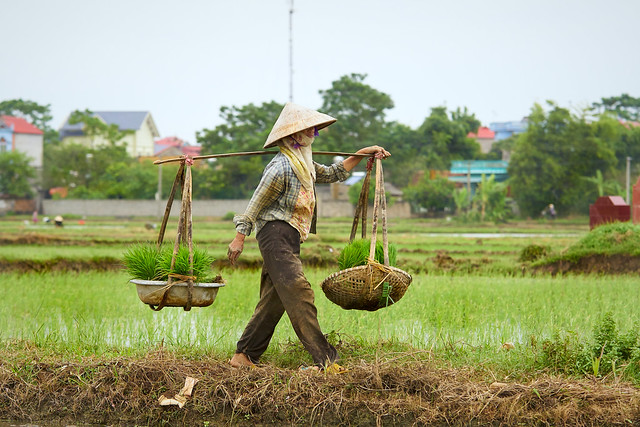
Worker carrying rice seedlings to her field

Proto-Celtic *baskis = bundle, load
Middle Irish (Gaoidhealg) basc = circular necklet or neckband
Scottish Gaelic (Gàidhlig) basc = round, red, scarlet (archaic)
Middle Welsh (Kymraec) beich = burden, load
Welsh (Cymraeg) baich [bai̯χ] = burden, heavy load, labour, duty, sin, sorrow, woe, responsibility, a load, a dry measure
baich gwaith = workload
beichiaf, beichio = to burden, load, weigh (down), overwhelm, encumber
beichiedig = burdened, laden
beichiog = pregnant, expectant, burdened, laden, fertile, prolific, teeming
beichiogaeth = pregnancy
beichiogaf, beichiogi = to become pregnant, impregnate, conceive
beichiogi = pregnancy, conception, feture, childbirth, delivery (of child)
Cornish (Kernewek) begh = burden, load
begh-ober = workload
beghus = burdensome, onerous
beghya = to burden, impose upon, overload
Middle Breton (Brezonec) bec’h = burden
bec’hiet = loaded, charged, full
bec’h(i)us = heavy, overwhelming, oppressive
bec’h-bec’h = with great difficulty
bec’hiadurezh = oppression
Breton (Brezhoneg) bec’h = difficulty, effort
bec’hiad = load, charge, responsibility, burden
bec’hadenn = physical effort
bec’hded = saturation

Etymology: from the Proto-Indo-European *bʰask- (bundle, band), or from a non-Indo-European source. Words from the same Proto-Celtic root include bascauda (woven mat or vessel to hold basketwork) in Late Latin, bâche (tarpaulin, canvas sheet, cover) in French, vascullo (broom, bundle of straw) in Galician, basket in English, فَشْقَار (fašqār – a heap of sheaves) in Arabic (via Aragonese or Galician) [source].

Words from the same PIE root include fascis (bundle, burden, load, high office) in Latin, and possibly bast (fibre made from certain plants used for matting and cord) in English, bast (bast, raffia) in Danish, bast (inner bark, velvet, skin, hide) in Dutch, and bashkë (together, simultaneously) in Albanian [source].

Old Irish (Goídelc) aire = load, burden
Middle Irish (Gaoidhealg) aire, oire, ere = load, burden
Irish (Gaeilge) eire = load, burden
eireadóir = encumbrancer
Scottish Gaelic (Gàidhlig) eire [erʲə] = burden, load
eireach [erʲəx] = burdensome, heavy
Manx (Gaelg) errey = burden, impost, imposition, load
thie errey = infirmary
Middle Welsh (Kymraec) areu = burden, sorrow, grief
Welsh (Cymraeg) arau = burden, sorrow, grief

Etymology: unknown [source].

Old Irish (Goídelc) úalach = burden, load, duty
Middle Irish (Gaoidhealg) úalach = burden, charge, load, duty, obligation
Irish (Gaeilge) ualach = load, burden
ualaigh = to load, burden, encumber
Scottish Gaelic (Gàidhlig) uallach = round, red, scarlet (archaic)

Etymology: possibly from uala (shoulder), a version of guala (shoulder), from Middle Irish gúala (shoulder), from Old Irish gúalu (shoulder), from Proto-Indo-European *gew (to bend, curve) [source].

Words from the same PIE root include giro and gyre (a swirling vortex) in English, giro (turn, twist, rotation) in Italian, and giro (turn, spin, tour) in Spanish [source].

Words marked with a * are reconstructions.

Sources: Wiktionary, Am Faclair Beag, Online Manx Dictionary, Teanglann.ie, eDIL – Electronic Dictionary of the Irish Language, In Dúil Bélrai English – Old Irish glossary, Geiriadur Prifysgol Cymru, Gerlyver Kernewek, Dictionaire Favereau, TermOfis, Dictionnaire de la langue gauloise, English – ProtoCeltic WordList (PDF), Etymological Dictionary Of Proto Celtic

The Fastest Way to Learn Japanese Guaranteed with JapanesePod101.com

Fees and Charges

Words for fee, charge and related things in Celtic languages.

the tally

Proto-Celtic talī = pay
Middle Irish (Gaoidhealg) táille = reckoning, account, amount
Irish (Gaeilge) táille [ˈt̪ˠɑːl̠ʲə / ˈt̪ˠæːl̠ʲə] = tally, score, charge, reckoning, number, fee, premium, rate, tariff, fare
Scottish Gaelic (Gàidhlig) tàille [taːl̪ˠə] = fee, charge, wages, tax, tribute
tàilleabh = consequence, result, premium
tàilleabhan [taːl̪ʲəvan] = derivative
tàilleabhach = apprentice
tàilleabhachd = apprenticeship
Manx (Gaelg) tailley = duty, fare, fee, impost, notch, premium, score, tally (stick), tariff
Middle Welsh (Kymraec) tal, tâl = payment, wage, fee
Welsh (Cymraeg) tâl [taːl] = payment, wage, fee, reward, tax, tribute, value, compensation, recompense, reparation, atonement, retribution, punishment
tal(i)adwy = valuable, precious, flawless, perfect
talaf, talu = to pay (for)
tal(i)awdr = payer, rewarder, debtor, creditor
Middle Cornish (Cernewec) talves = worth, of value
taly = to pay, requite, recompense
Cornish (Kernewek) talas = payment
talvedhys = worth
talvesa = to be worth
talvos = to be priced, rate
talvosek = valuable
talvosogeth = usefulness, value, worth
Old Breton tal = to worthy, cost
Middle Breton (Brezonec) tailh = waist, cutting, pruning, tax
tailhadiñ = to cut, slash
tailhadur = cut
tailhañ, tailhiñ = to cut, prune, trim
Breton (Brezhoneg) tailh = waist, cutting, pruning
tailhañ = to ration, cut down

Etymology: from the Old French taille (cit, wound, incision, count, tally, charge, levy, tax), from the Latin tālea (rod, stick, stake, bar, cutting, scion, twig), from the Proto-Indo-European *teh₂l- (to grow, young animal) [source]. The Goidelic languages borrowed these words from Old French, while the Brythonic words came via Proto-Celtic and PIE.

Words from the same roots include tally in English, taille (cutting, pruning, trimming, size, waist) in French, talea (cutting, scion) in Italian, tajar (to cut, slice, chop) in Spanish [source].

Words marked with a * are reconstructions.

Sources: Wiktionary, Am Faclair Beag, Online Manx Dictionary, Teanglann.ie, eDIL – Electronic Dictionary of the Irish Language, In Dúil Bélrai English – Old Irish glossary, Geiriadur Prifysgol Cymru, Gerlyver Kernewek, Dictionaire Favereau, TermOfis, Dictionnaire de la langue gauloise, English – ProtoCeltic WordList (PDF), Etymological Dictionary Of Proto Celtic

The Fastest Way to Learn Japanese Guaranteed with JapanesePod101.com

Region and Country

Words for region, country and related things in Celtic languages.

Marches 040519 884

Words marked with a * are reconstructions.

Proto-Celtic *mrogis = border(land), march, mark; region, country, territory, province
Gaulish *brogis = border(land) (?)
Old Irish (Goídelc) mruig [mruɣʲ] = cultivated land; march, borderland, country, territory
Middle Irish (Gaoidhealg) bruig = land, cultivated land, holding, region, district, border, (farm)house, abode, hall, mansion, castle
Irish (Gaeilge) brugh = dwelling, mansion
brughaidh = landowner, hosteler
Scottish Gaelic (Gàidhlig) brugh [bruh] = broch, fortified tower, large house, mansion, fairy mound, underground house
brughadair [bru.ədɪrʲ] = broch dweller, fairy mound dweller, elf
brughaire [bru.ɪrʲə] = inhabitant of a fairy mound
Manx (Gaelg) brogh = broch
Proto-Brythonic *broɣ [ˈbroːɣ] = country, region, territory
Middle Welsh (Kymraec) bro = region, country, land
Welsh (Cymraeg) bro [broː] = region, country, land, neighbourhood, native haunt; border, limit, boundary, march; vale, lowland
broaidd = pleasant like a vale
Middle Cornish (Cernewec) bro = country, region, land, territory, coast
Cornish (Kernewek) bro = country, land
Middle Breton (Brezonec) bro = country, nation, region
broa = to return to the country
broad = inhabitants, compatriots
broadel = national
Bro-C’hall = France
Bro-Gernev = Cornwall
Bro-Saoz = England
Bro-Skos = Scotland
Breton (Brezhoneg) bro [broː] = counry(-side)
broadadur = naturalization
broadeladur = nationalisation
broadelañ = to naturalize (a person)
Bro-C’hall = France
Bro-Saoz = England
Bro-Skos = Scotland

Etymology: from the Proto-Indo-European *morǵ- (frontier, border). Words from the same Proto-Celtic root, via Gaulish and Latin, include brolo (vegetable garden, orchard, grove) in Italian, and breuil (wood, copse, coppice) in French [source].

Words from the same PIE root include margin, mark (boundary, border, frontier) and march (a border region) in English, and marge (margin, markup) in French, margine (margin, border, edge) in Italian, and margen (margin, edge, leeway) in Spanish [source], Mark (a fortified border area, marches) in German, mark (field) in Danish, and marg (march, boundary) in Irish (via Old Norse) [source].

Sources: Wiktionary, Am Faclair Beag, Online Manx Dictionary, Teanglann.ie, eDIL – Electronic Dictionary of the Irish Language, In Dúil Bélrai English – Old Irish glossary, Geiriadur Prifysgol Cymru, Gerlyver Kernewek, Dictionaire Favereau, TermOfis, Dictionnaire de la langue gauloise, English – ProtoCeltic WordList (PDF), Etymological Dictionary Of Proto Celtic

The Fastest Way to Learn Japanese Guaranteed with JapanesePod101.com

Taking Hold

Words for to take, hold and related things in Celtic languages.

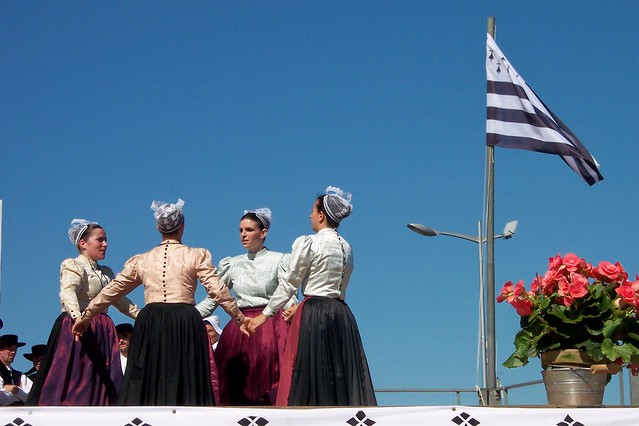
Breton Dancers

Proto-Celtic *gabyeti = to grab, seize, take, hold
*gabaglā = taking
*atigabaglā = distraint (the legal right of a landlord to seize the property of a tenant in the event of nonpayment of rent)
Celtiberian kabizeti = (?)
Gaulish *gabi- = to give (?)
*gabali = taking, seizure
Old Irish (Goídelc) gaibid [ˈɡavʲiðʲ] = to hold, grasp, take, seize, capture, gain (victory), put on (clothing), recite, declare
gabál = taking
argaib [arˈɡavʲ] = to seize, capture
athgabáil = recovery
congaibid [konˈɡavʲ] = to contain, preserve, keep, uphold
conocaibid [konˈhoɡəvʲ] = to raise, rise, uplift, exalt, extol
fogaibid [foˈɡavʲ] = to find, discover, get, gain, obtain
Middle Irish (Gaoidhealg) gaibid = to hold, grasp, take, seize, capture, gain (victory), put on (clothing), recite, declare
gabáil = taking
athgabáil = the process of recovery of debts, etc. by distraint, plunder, booty
aurgaibid = to seize, capture
congmaid = to contain, preserve, keep, uphold
Irish (Gaeilge) gabh [ɡavʲ/ɡo(ː)] = to take, arrest, go, come
gabháil = taking
aisghabh = to retake, recover possession of
athghabháil = recapture, recovery, re-engagement
gabh mo leithscéal = excuse me
urghabh = to seize, capture
Scottish Gaelic (Gàidhlig) gabh [gav] = take, go, recite, break (in)
ath-ghabh = retake, recover, regain, impound
gabh mo lethsgeul = excuse me, pardon
gabhail [gahal] = taking, lease, tenure, conquest
Manx (Gaelg) gow = to take
gow my leshtal = excuse me, sorry, I beg your pardon
goaill = acceptance, affect, apprehend, apprehension, arrest, capture, catch, contraction, engage, seizure, receive, take
aaghoaill = to recapture, reconquer, re-engage, retake
Proto-Brythonic *gabal- = breadth, side
*gavaɣl = to hold, grasp
Old Welsh gabael = to hold, grasp, grip
Middle Welsh (Kymreac) gauayleu, gauael = to hold, grasp, grip
gauaelant, gauaelu, gavailio = to hold tight, take hold, clutch
adauael, adafael = distraint (in law), distress, pledge
Welsh (Cymraeg) gafael [ˈɡavaɨ̯l/ˈɡaːvai̯l] = to hold, grasp, grip
gafaeladwy = available
gafaelaf, gafaelio = to hold tight, take hold, clutch, grip, arrest, grapple, snatch, seize
gafaeliad = a holding, hold, grasp, capture, attachment, comprehension, adherence, spasm
adafael = distraint (in law), distress, pledge
Middle Cornish (Cernewec) gaval = to hold, lay hold of, grasp, have
gavel = a hold, a grasp
Cornish (Kernewek) gavel = capacity, grasp
Old Breton gabael = to hold (?)
adgabael = to recover (?)

Etymology: from the Proto-Indo-European *gʰeh₁bʰ- (to grab, take) [source].

The Spanish word gavilla (sheaf, gang, band) comes from the same Proto-Celtic root, via the Late Latin gabella and the Gaulish *gabali (taking, seizure) [source].

Words from the same PIE roots include able, debt, debit, doubt and habit in English, avere (to have) in Italian, avoir (to have) in French, and haber (to hold, possess) in Spanish [source].

Words marked with a * are reconstructions.

The Fastest Way to Learn Japanese Guaranteed with JapanesePod101.com

Sources: Wiktionary, Am Faclair Beag, Online Manx Dictionary, Teanglann.ie, eDIL – Electronic Dictionary of the Irish Language, In Dúil Bélrai English – Old Irish glossary, Geiriadur Prifysgol Cymru, Gerlyver Kernewek, Lexicon Cornu-britannicum: A Dictionary of the Ancient Celtic Language of Cornwall, Dictionaire Favereau, TermOfis, Le dictionnaire diachronique du breton, Etymological Dictionary Of Proto Celtic

Coracles

Today we’re looking at words for coracles and related things in Celtic languages.

coracle race

A coracle is a small, rounded, lightweight boat traditionally used in Wales; in parts of the West Country of England; in Ireland, particularly the River Boyne,and in Scotland, particularly the River Spey. A coracle is made of a framework of split and interwoven willow rods, tied with willow bark and traditionally covered with an animal skin such as horse or bullock hide, with a thin layer of tar to waterproof it. These days calico, canvas or fibreglass are used instead of animal hide. They are also known as curraghs in Scotland, and currachs in Ireland [source].

Proto-Celtic *korukos = leather boat
Old Irish (Goídelc) curach = coracle
Middle Irish (Gaoidhealg) curach = coracle, skiff, boat
curchán = little coracle, boat, skiff
Irish (Gaeilge) curach [kəˈɾˠax/ˈkʊɾˠəx/ˈkɤɾˠax] = currach, coracle
curachán = small currach, small vehicle, (boat-shape) work-basket
curachóir = currachman
curachóireacht = rowing or paddling a currach
Scottish Gaelic (Gàidhlig) curach [kurəx] = coracle, curragh, frame (of a coracle or an animal), a boat made of wicker and covered with skins or hids
curach Innseanach = canoe
curach-àile = balloon (airship)
Manx (Gaelg) curragh = coracle, canoe
Proto-Brythonic *korug = coracle
Middle Welsh (Kymraec) corwc, corwgl, korwgyl, kwrwgyl = coracle
Welsh (Cymraeg) corwg(l) [ˈkɔrʊɡ/ˈkoːrʊɡ] = coracle, skiff; vessel, drinking vessel
cwrwgl = coracle
Cornish (Kerneweg) koroug = coracle
Breton (Brezhoneg) korac’h = coracle

Etymology: probably from the PIE *(s)koro- (leather), from *(s)ker- (to cut off) [source]. The English word coracle was borrowed from Welsh [source].

Words from the same PIE roots include cuir (leather) in French, cuero (leather, animal skin, hide) in Spanish and couro (leather, hide) in Portuguese [source].

Sources: Wiktionary, Am Faclair Beag, Online Manx Dictionary, Teanglann.ie, eDIL – Electronic Dictionary of the Irish Language, In Dúil Bélrai English – Old Irish glossary, Geiriadur Prifysgol Cymru, Gerlyver Kernewek, Dictionaire Favereau, TermOfis, English – ProtoCeltic WordList (PDF), Etymological Dictionary Of Proto Celtic

The Fastest Way to Learn Japanese Guaranteed with JapanesePod101.com

Gloves and Sleeves

Words for gloves, sleeves and related things in Celtic languages:

Gloves

Old Irish (Goídelc) muinchille = sleeve
Irish (Gaeilge) muinchille = sleeve, sleeving
muinchilleach = sleeved
Scottish Gaelic (Gàidhlig) manag = glove, mitten
muinchill [munuçɪl̪ʲ] = sleeve
muinchill-gaoithe = windsock
muinchil léine = shirt sleeve
ceann-muinchill = cuff
Manx (Gaelg) muinneel = sleeve, sleeving
fent mhuinneel = cuff, shirt cuff, wristband
doarn-mhuinneel = cuff
Proto-Brythonic *maneg = glove, gauntlet
Middle Welsh (Kymraec) manec, maneg = glove, gauntlet
Welsh (Cymraeg) maneg [kruːθ] = glove, gauntlet
manegog = gloved
Middle Cornish (Cernewec) maneg = glove
Cornish (Kernewek) manek = glove
manegen = mitten
manek blag = gauntlet
manek lowarn = foxglove
Breton (Brezhoneg) maneg = glove, bribe
manegoù = gloves, handcuffs
maneg-emwalc’hiñ = washcloth
maneg-veudek = mitten
maneg-houarn = gauntlet
maneg-kegin = potholder

Etymology: from the Latin manica (long sleeve of a tunic, manacles, handcuffs), from manus (hand) [source].

Words from the same Latin root include manche (sleeve) in French, manica (sleeve) in Italian, manga (sleeve) in Spanish and Portuguese, and mëngë (sleeve) in Albanian [source].

Old Irish (Goídelc) lámann = sleeve
Irish (Gaeilge) lámhainn = glove
lámhainneoir = glove-maker
lámhainneoireacht = glove-making
lámhainn iarainn = gauntlet
Scottish Gaelic (Gàidhlig) làmhainn [l̪ˠãːvɪn̪ʲ] = glove, mitten, gauntlet
làmhainneach = pertaining to or abounding in gloves, gloved
làmhainnear = glove-maker
làmhainnearachd = art or trade of glove-making
làmhainnich = to provide with gloves, put gloves on the hands
Manx (Gaelg) lauean = glove
lauean liauyr/yiarn = gauntlet

Etymology: from the Old Irish lám (hand, arm), from the Proto-Celtic *ɸlāmā (palm, hand), the the Proto-Indo-European *pl̥h₂meh₂ (palm, hand) [source].

The word lámur (flipper, paw, left hand) In Icelandic and Faroese comes from the same Old Irish root, via Old Norse [source], and words for hand in Celtic languages come from the same Proto-Celtic root [more details].

Middle Irish (Gaoidhealg) lámos = sleeve
Middle Welsh (Kymraec) lleuys, llawes = sleeve
Welsh (Cymraeg) llawes = sleeve, edge, strip (of land)

Etymology: from the Proto-Celtic *ɸlāmā (see above).

Irish (Gaeilge) miotóg = mitten, glove
mitín = mitten
Scottish Gaelic (Gàidhlig) miotag [mihdag], meatag [mɛhdag], mògag [mɔːgag], miteag [mihdʲag] = glove, mitten
miotagach [mihdagəx] = wearing mittens, having mittens, full of gloves or mittens
Welsh (Cymraeg) miten, mitin = mitten
Breton (Brezhoneg) miton = mitten

Etymology: from the English mitten, from the Middle English myteyne (glove, mitten), from the Old French mitaine (fingerless glove, mitten) [source]. The Breton word miton probably comes from the French miton (gauntlet).

Words marked with a * are reconstructions.

Sources: Wiktionary, Am Faclair Beag, Online Manx Dictionary, Teanglann.ie, eDIL – Electronic Dictionary of the Irish Language, In Dúil Bélrai English – Old Irish glossary, Geiriadur Prifysgol Cymru, Gerlyver Kernewek, Gerlyvyr Cernewec, Dictionaire Favereau, TermOfis, Le dictionnaire diachronique du breton, Geriafurch, English – ProtoCeltic WordList (PDF), Etymological Dictionary Of Proto Celtic
The Fastest Way to Learn Japanese Guaranteed with JapanesePod101.com

Flour

In this post we’re looking into words for flour and related things in Celtic languages.

Skiing slope of flour

Proto-Celtic *mlātos = flour
Gaulish *blatos = flour
Proto-Brythonic *blọd = flour
Middle Welsh (Kymraec) blawd, blaỼt = flour
Welsh (Cymraeg) blawd = flour, meal, powder
blawdaidd = mealy, floury, friable
blodiaf, blawdiaf, blawdio = to grind into meal, produce flour, become powdery, turn to dust, sprinkle (with) flour
blodiwr, blawdiwr = flour or meal merchant
Old Cornish blot = flour, meal
Middle Cornish (Cernewec) blot, blês = flour, meal
Cornish (Kernewek) bleus = flour
bleus hesken = sawdust
bleus leun = wholemeal
bleusa = to flour
Old Breton (Brethonoc) blot = flour
Middle Breton (Brezonec) bleut = flour, powder
Breton (Brezhoneg) bleud = flour, powder
bleudañ = to flour
bleudek = floury
bleud brazed = wholemeal flour
bleud goellet = self-raising flour
bleud gwinizh = wheat flour

Etymology: from the Proto-Indo-European *ml̥h₂-tó-s, from *melh₂- (to crush, grind) [source]. Words from the same root include melancholy and melanin in English, and μελανός (melanós – black, dark, blue, bruised) in Greek [source].

Old Irish (Góidelc) men = flour
Middle Irish (Gaoidhealg) men, min = flour, meal, fine powder, dust
Irish (Gaeilge) min [ˈmʲɪnʲ/ˈmʲɨ̞nʲ] = meal; powedered matter
min choirce = oatmeal
min chruithneachta = wheatmeal
min sáibh = sawdust
Scottish Gaelic (Gàidhlig) min [min] = flour, meal, grounds, filings
min-fhlùir = flour
min-eòrna = barley flour/meal
min-sheagail = rye flour
min-chruithneachd = wheat flour
muileann-mine = flour mill
Manx (Gaelg) meinn = meal
meinn chorkey = oatmeal
meinn churnaght = wheatmeal flour
meinn hoggyl = rye meal
meinn oarn = barley meal
meinn saaue = sawdust

Etymology: unknown

Middle Welsh (Kymraec) peyllyeyt, peillit = flour
Welsh (Cymraeg) paill = pollen, flour
peill(i)aid = flour, fine flour, wheat flour, white flour, powder
peilliaid gwenith = (fine) wheat flour
peilliaid haidd = barley flour
peilliaid rhyg = rye flour

Etymology: from the Latin pollen (fine flower, powder, dust), from the Proto-Indo-European *pel- (flour, dust) [source].

Words from the same roots, via the Latin pulvis (dust, powder, ashes), include polve (dust, ashes) in Italian, polvo (dust, powder) in Spanish, poussière (dust) in French, and pulverise (to render into dust or powder) in English [source].

Irish (Gaeilge) plúr [pˠlˠuːɾˠ] = flour, flower
plúr geal = white flour
plúr cruithneachta = wheaten flour
plúrach = floury, farinaceous; flower-like, pretty
plúraigh = to effloresce
plúróg = pretty girl
plúrscoth = choicest flower, pick, choice
plúrú = efflorescence
Scottish Gaelic (Gàidhlig) flùr [fl̪ˠuːr] = flour
flùr lom = plain flour
flùr-éirigh = self-raising flour
Manx (Gaelg) flooyr = flour
flooyr churnaght = wheaten flour
grine-flooyr = cornflour
Middle Welsh (Kymraec) fflwr = flour
Welsh (Cymraeg) fflŵr [fluːr], fflowr = flour (in South Wales)
fflŵr can = wheat flour

Etymology: from the Anglo-Norman flur (flower), from the Old French flor (flower), from the Latin flōrem (flower), from flōs (flower, blossom), from Proto-Italic *flōs (flower, blossom), from Proto-Indo-European *bʰleh₃- (flower, blossom) [source].

Words from the same PIE roots include flour, flower, flora, blossom and bloom in English, blé (flour) and fleur (flower) in French, and blat (wheat) in Catalan [source].

Words marked with a * are reconstructions.

The Fastest Way to Learn Japanese Guaranteed with JapanesePod101.com

Sources: Wiktionary, Am Faclair Beag, Online Manx Dictionary, Teanglann.ie, eDIL – Electronic Dictionary of the Irish Language, In Dúil Bélrai English – Old Irish glossary, Geiriadur Prifysgol Cymru, Gerlyver Kernewek, Dictionaire Favereau, TermOfis, English – ProtoCeltic WordList (PDF), Etymological Dictionary Of Proto Celtic

Unlimited Web Hosting - Kualo