Dough

Today we’re looking at the words for dough and related things in Celtic languages.

Rested Pasta Dough 2

Proto-Celtic *taistos, *taysto- = dough
Old Irish (Goídelc) taís, taés [ˈtai̯s] = dough
Middle Irish (Gaoidhealg) tóes, táes = dough
Irish (Gaeilge) taos [t̪ˠeːsˠ/t̪ˠiːsˠ/t̪ˠiːsˠ] = dough, paste
taosach = doughy, pasty
taosaigh = to paste
taosrán = pastry
taoschnó = doughnut
taos fiacla = toothpaste
taos géar = sourdough
Scottish Gaelic (Gàidhlig) taois [tɯːʃ] = dough, paste
taoiseach = doughy, pasty
taoiseag = doughnut
taois-uighe = (egg) batter
taois-chailce = putty
taois gheur = sourdough
Manx (Gaelg) teayst = dough, pastry, paste
teaystag = dumpling
teaystagh = doughy, ill-baked, pasty, under-cooked
teaystyn, teaystnee = to knead
Proto-Brythonic *toɨs = dough
Middle Welsh (Kymraec) toes = (lump of) dough or pastry
Welsh (Cymraeg) toes [toːɨ̯s/tɔi̯s] = (lump of) dough or pastry, paste, sticky mass
toesaidd = doughy, doughlike
toesen = lump of dough, doughnut
toesi = to make into dough, become a dough, knead, soften
toeslud = putty
toeslyd = doughy, doughlike, badly baked, soft, pasty, sticky, clammy, stodgy, heavy
surdoes = leaven, sourdough, ferment
Cornish (Kernewek) toos = dough
know toos = doughnuts
toos alamandys = marzipan
toos gwari = playdough
Middle Breton toas = dough, batter
Breton (Brezhoneg) toaz = dough, batter
toazadur = thickening, pastiness
toazenn = noodle
toazenner = pasta machine
toazennoù = pasta
toazennek = pasted, thickened

Etymology possibly from the Proto-Indo-European *teh₂ys-t- (dough), from *teh₂- (to knead, melt, flow) [source].

Words from the same PIE root include desem (sourdough, leaven, yeast) in Dutch, těsto (dough) in Czech, ciasto (dough, batter, cake, pie) in Polish, тесто [ˈtʲestə] (dough, paste, batter) in Russian, and тісто [ˈtʲistɔ] (dough) in Ukrainian [source].

Words marked with a * are reconstructions.

Sources: Wiktionary, Am Faclair Beag, Online Manx Dictionary, Teanglann.ie, eDIL – Electronic Dictionary of the Irish Language, In Dúil Bélrai English – Old Irish glossary, Geiriadur Prifysgol Cymru, Gerlyver Kernewek, Gerlyvyr Cernewec, Dictionaire Favereau, TermOfis, Le dictionnaire diachronique du breton, Geriafurch, English – ProtoCeltic WordList (PDF), Etymological Dictionary Of Proto Celtic

italki - Win cash rewards for learning any language

Walls

Today we’re looking at the words for walls, weirs and related things in Celtic languages.

wall

Irish (Gaeilge) balla [ˈbˠal̪ˠə] = wall
cúlbhalla = back wall
idirbhalla = party wall
uchtbhalla = parapet
Scottish Gaelic (Gàidhlig) balla [bal̪ˠə] = wall
balla-tòin = back wall
balla-tarsainn = partition (wall)
balla-dìon = protective wall, safety barrier
Manx (Gaelg) boalley = bulwark, dyke, wall
boallee = to wall, enclose, impale
boallit = walled, dyked, enclosed
Middle Welsh (Kymraec) wal/gwal = wall
Welsh (Cymraeg) (g)wal [(ɡ)wal] = wall
walio = to wall
Middle Cornish gwal = wall

Etymology: from the Old English weall (wall, dike), from the Proto-Germanic *wallaz / *wallą (wall, rampart, entrenchment), from the Latin vallum (rampart, military wall), from vallus (stake, pallisade, point), from the Proto-Indo-European *welH-/*wel- (to turn, wind, roll) [source].

Words from the same roots include wall, wallow, well and valve in English, wal (coast, shore, earthen levee) in Dutch, Wall (rampart, parapet, earthwork, levee, embankment) in German, valla (fence, barricade, obstacle) in Spanish, and vall (moat) in Catalan [source].

Old Irish (Goídelc) múr = wall
Irish (Gaeilge) múr [mˠuːɾˠ] = wall, rampart, pile, building, dwelling, bank, mound, heap, mass, shower, profussion, abundance
múrach = having walls, walled, mural
múrdhathadóireacht = wall-painting
múr báistí = rain-cloud, heavy fall of rain
múr cathrach = city wall
múr ceo = bank of fog
múr tine = wall of flame, conflagration
Scottish Gaelic (Gàidhlig) mùr [muːr] = (defensive) wall, rampart, fortification
Proto-Brythonic *mʉr = wall
Old Welsh mur = wall
Middle Welsh (Kymraec) mur = wall
Welsh (Cymraeg) mur [mɨːr/miːr] = wall, rampart, fortification, defender
murio = to build (a wall) to wall, fortify, lay bricks or stones
muriog = walled, fortified, wall-like, defensive
murlen = poster, placard
murlun = mural, frieze
Breton (Brezhoneg) mur = (exterior) wall

Etymology: from the Latin mūrus (wall), from the Proto-Italic *moiros, from the Proto-Indo-European *mey- (to fix, to build fortifications or fences) [source].

Words from the same roots include mere (boundry, limit) in English, mur (wall) in French, muro (wall) in Italian, and muur (wall, barrier) in Dutch [source].

Proto-Celtic *wraga = ?
Gaulish *brāca = ?
Old Irish (Goídelc) fraig = wall (interior)
Irish (Gaeilge) fraigh = (interior of) wall, rafters, roof
fraighfhliulch = damp-walled, damp from contact with a wet wall (of clothes)
fraighleach = roofing, rafters
Scottish Gaelic (Gàidhlig) fraigh [frɤj] = partition, partitioning wall, border, edge, fringe, shelf
fraighnidh [frɤin̪ʲɪ] = water oozing through a wall

Etymology: unknown

Middle Welsh (Kymraec) paret, parwyt = wall
Welsh (Cymraeg) pared = wall, surface of a wall, dividing-wall, partition
Old Cornish poruit = wall

Etymology: from the Latin pariēs (the wall of a house or room). Words from the same roots include parete (wall, side, surface) in Italian, pared (wall) in Spanish, and paroi (inner wall, inside surface, side) in French [source].

Proto-Celtic *koret = palisade, wall
Old Irish (Goídelc) cora = weir
Middle Irish (Gaoidhealg) cora = stone fence, weir
Irish (Gaeilge) cora [ˈkɔɾˠə] = weir, rocky crossing-place in river, rocky ridge extending into sea or lake
cora éisc = fish weir
cloch chora = stepping-stone
Scottish Gaelic (Gàidhlig) caradh [karəɣ], cairidh [karʲɪ] = weir, mound (in a body of water)
cairidh-iasgaich = fishing weir
Middle Welsh (Kymraec) kored, cored, coret = weir, dam, fishgarth
Welsh (Cymraeg) cored = weir, dam
Old Breton kored / gored = fish weir
Breton (Brezhoneg) kored = fish weir

Etymology: uncertain – possibly related to the German word Hürde (hurdle) and/or the Old English word *hyrd (framework, door), which is the root of the English word hurdle.

The usual word for wall in Cornish is fos, which is cognate with words for ditch in other Celtic languages. See Ditches and Trenches.

Another word for wall in Breton is moger. See Fields, Meadows and Pastures.

Words marked with a * are reconstructions.

Sources: Wiktionary, Am Faclair Beag, Online Manx Dictionary, Teanglann.ie, eDIL – Electronic Dictionary of the Irish Language, In Dúil Bélrai English – Old Irish glossary, Geiriadur Prifysgol Cymru, Gerlyver Kernewek, Gerlyvyr Cernewec, Dictionaire Favereau, TermOfis, Le dictionnaire diachronique du breton, Geriafurch, English – ProtoCeltic WordList (PDF), Etymological Dictionary Of Proto Celtic

Blubrry podcast hosting

Thunder

Words for thunder and related words in Celtic languages.

Thunder

Proto-Celtic *toranos = thunder
Gaulish *taranus = thunder
Tanaris / *Toranos / *Tonaros / *Tanaros = Celtic god of thunder.
Old Irish (Goídelc) torann = thunder
Irish (Gaeilge) torann [ˈt̪ˠɔɾˠən̪ˠ/ˈt̪ˠʌɾˠən̪ˠ] = noise, thunder, (tumult of) battle
toirneach [ˈt̪ˠoːɾˠn̠ʲəx/ˈt̪ˠaːɾˠn̠ʲa(x)] = thunder, thunderclap
toirniúil = thundery, thundering, noisy
torannach / toranda = noisy
torannáil = (act of) making noise, rumbling
marbhthoirneach = subdued, distant thunder
Scottish Gaelic (Gàidhlig) torrann [tɔr̪ˠən̪ˠ] = loud murmur, rumble, thunder
torrunn [tɔr̪ˠən̪ˠ] = loud murmur, rumble, thunder
toireann [tɤrʲən̪ˠ] = thunder
tàirneach [taːr̪ˠn̪ʲəx] = thunder
tàirneanach [taːr̪ˠn̪ʲənəx] = thunder
torrann-sgòth = thundercloud
mòthar an tàirneanaich = the roar of thunder
Manx (Gaelg) taarnagh / taarnaghey = thunder, thundering
rooit haarnee = thunder-clap
bodjal taarnee = thunder cloud
frass taarnee = thunder shower
Proto-Brythonic *taran = thunder
Middle Welsh (Kymraec) taran = (peal of) thunder, thunderclap
Welsh (Cymraeg) taran [ˈtaran/ˈtaːran] = thunder, thunderclap, thunderbolt
taranau = thunder
taranu = to thunder, roar, fulminate, vociferate, cause/give forth thunder
taran(i)ad = thundering, clap of thunder, roar, loud noise like thunder
mellt a tharanau = thunder and lightning
Old Cornish taran = thunder
Cornish (Kernewek) taran = thunder
tarenna, taredna = to thunder
taran sonek = sonic boom
tardh taran = thunderclap
Old Breton taran = thunder
Breton (Brezhoneg) taran = thunder, thundering, flashes, growls, grumbling

Etymology: from the Proto-Indo-European *(s)tenh₂- (to thunder) [source].

Words for thunder in Germanic languages come from the same PIE root, via the Proto-Germanic *þunraz (thunder, Germanic deity), including thunder in English, donder in Dutch, Donner in German, and torden in Norwegian, and also the Old Norse Þórr (Thor – god of thunder), from whom we get the word Thursday [source].

The English word tornado comes from the same PIE root, via the Spanish tronada (thunderstorm), from tronar (to thunder), from the Latin tonō (to thunder), from which we also get words for thunder in Romance languages [source].

The name of the River Tanaro in northwestern Italy comes from the Latin Tanarus, from the Gaulish *Tanaros [source].

Words marked with a * are reconstructions.

Sources: Wiktionary, Am Faclair Beag, Online Manx Dictionary, Teanglann.ie, eDIL – Electronic Dictionary of the Irish Language, logainm.ie, In Dúil Bélrai English – Old Irish glossary, Geiriadur Prifysgol Cymru, Gerlyver Kernewek, Dictionaire Favereau, TermOfis, Le dictionnaire diachronique du breton, Geriafurch, English – ProtoCeltic WordList (PDF), Etymological Dictionary Of Proto Celtic
Blubrry podcast hosting

Calling Words

Words for word, call, cry and related things in Celtic languages.

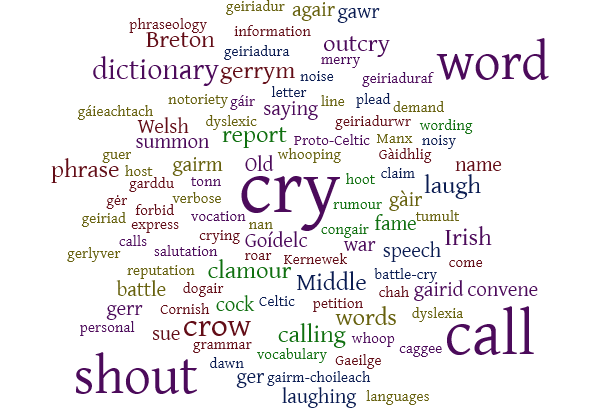
words is various languages
Word cloud created with WordItOut

Words marked with a * are reconstructions.

Proto-Celtic *gāri = shout, call
*garyeti = to cry, shout
*gar(r)man- = cry, shout
*garyo- = word, command
*garyos = call, cry
Gaulish *Garomaros / Garo-marus = personal name
adgarion = accuser (?)
Old Irish (Goídelc) gairm = call, name, summons
gairid [ˈɡarʲiðʲ] = to call, cry out, summon
adgair [aðˈɡarʲ] = to summon
congair [konˈɡarʲ] = to call, summon; invite
dogair = to call
Middle Irish (Goídelc) gairm = call, name, summons, cry, name, title, calling, employment, profession
gairid = to call
Irish (Gaeilge) gáir [ɡɑːɾʲ/ɡæːɾʲ] = cry, shout; report, fame, notoriety; to cry shout; laugh
gáire = to laugh
gáieach = laughing, smiling
gáieachtach = noisy, vociferous; laughing, merry
gairm [ˈɡaɾʲəmʲ/ˈɡɪɾʲəmʲ] = call, calling, acclaim
(an tuiseal) gairmeach = vocative (case)
gairmí = professional
gairmiúil = vocational, professional
slua gairm = slogan
Scottish Gaelic (Gàidhlig) goir [gɤrʲ] = to call, cry, hoot, crow
gàir [gaːrʲ] = to laugh, cry shout; outcry, shout, clamour
gàir nan tonn = the roar of the waves
gairm [ɡɤrʲɤm] = calling, crying, call, cry, announcing, declaring, convenning, call of the cockerel
gairmeachadh = (act of) calling
gairm-choileach = cock-crow
gairm-chatha, gairm-chogaidh = war-cry
sluagh-gairm = slogan
tuiseal gairmeach = vocative case
Manx (Gaelg) gerr = crow, shout
gerr chah = war cry
gerrym = crowing, outcry, shouting, whoop, whooping, (cock) crow), avocation, mission, profession, vocation
gerrymagh = vocative
gerrymoil = professional, vocational
gerrym caggee = battle cry, call up, war cry
gerrym chellee = cock crow
sleih gerrym = slogan
Proto-Brythonic *gėr [ɡe̝ːr] = word, speech
Middle Welsh (Kymraec) geir = word
gaur, gawr = shout, cry
garddu = groan
garym, garm = shout, cry, outcry, clamour
garymleis, garamleis = scream, clamour
Welsh (Cymraeg) gair [ɡai̯r] = word, speech, phrase, greeting, salutation, short exhortation, saying, proverb; verb; line of poetry, verse; report, rumour, information, letter, reputation, fame, praise
geiriad = wording, phraseology, phrase
geiriadaf, geiriadu = to word, phrase, express
geiriadur = dictionary
geiriaduraf, geiriaduro, geiriadura = to compile a dictionary
geiriaduriaeth, geiriaduraeth = lexicography; vocabulary; grammar
geiriadurwr = lexicographer, dictionary-maker
geiriog = wordy, verbose
garm = shout, cry, outcry, clamour
garmlais = scream, clamour
Middle Cornish (Cernewec) garm = a cry, shout, outcry
garme = to shout, raise a shout, cry aloud, cry out
Cornish (Kernewek) ger [ɡɛːr/ɡeːr] = word, saying, report
gerdhal = dyslexic
gerdhalni = dyslexia
gerlyver = dictionary
garm = to shout, whoop, yell
garm argemynna = (advertising) slogan
garm vresel = battle cry
garm wormola = ovation
garma = to cry out, whoop, yell
garma yn lowen = to cheer
Old Breton gerent = word. say
Middle Breton guer = word
garm = loud crying, yelping of a fox, war cry, cry
garmadeg, garmadenn = clamour
garmer = to cry, crying, brawler
garmiñ = to cry, bellow, yelp
Breton (Brezhoneg) ger [ɡeːr] = word
geriadur = dictionary
garm = cry, clamour, weeping

Etymology: from the Proto-Indo-European *ǵeh₂r- (to shout, call) [source]. The English words garrulous (excessively talkative), care and charm (sound of many voices (esp. of birds or children), a flock or group (esp. of finches)) come from the same PIE root [source].

Proto-Celtic *woxtlom = dispute
Old Irish (Goídelc) focul [ˈɸokul] = word
Middle Irish (Gaoidhealg) focal, foc(c)ull, focla, facul = word, vocable, phrase, estimate, award, judgement, promise
Irish (Gaeilge) focal [ˈfˠɞkəl̪ˠ/ˈfˠɔkəlˠ] = word, phrase, remark, observation, saying, intelligence, message, promise, assurance
focalhbhá = ellipsis …
foclach = wordy, verbose
foclachas = wordiness, verbiage
focleolaí = philologist
focleolaíoch = philological
focleolaíocht = philology
foclóir = dictionary, lexicon, vocabulary
foclóireacht = lexicography
foclóireolaíocht/strong> = lexicology
foclóirí = lexicographer
foclóirín = word-list, vocabulary
Scottish Gaelic (Gàidhlig) facal [faxgəl̪] = word, comment, remark
facal air an fhacal = word for word, literally, verbatim
facal-faire = password
facal-fhreumhail = etymology
facal-mùirne = an endearment
facal-toisich = introduction, preamble
Manx (Gaelg) fockle [ˈfɔːɡəl] = word, charm, vocable
focklagh = wordy, verbose, voluble, loquacious
focklaghys = wordiness, verbiage
fockleyr = dictionary, lexicon, thesaurus
fockleyragh = lexicographic
fockleyreen = vocabulary, wordbook
fockleyreyder = lexicographer
fockleyrys = lexicography
Proto-Brythonic *gwoɨθl = dispute
Middle Welsh (Kymraec) gwaethyl = debate, dispute, contention, battle
gwaethyl uann, gwaethyluann = loud in dispute, strenuous, striving
gwaethyl gwyr = fighter, warrior
Welsh (Cymraeg) gwaethl = debate, dispute, contention, battle
gwaethlfan = loud in dispute, strenuous, striving
gwaethlwr = fighter, warrior
gwaethl =

Etymology: from Proto-Indo-European *wókʷtlom, from *wekʷ- (to speak, sound out) [source]. Words from the same PIE roots include advocate, epic, vocal, voice, vouch and , vowel in English; gewagen (to report, notify) in Dutch; voce (voice, call, word) in Italian; and उक्ति (ukti – saying, expression) in Hindi [source].

Proto-Celtic *brētrā = word, battle
Old Irish (Goídelc) bríathar [ˈbʲrʲiːa̯θər] = word, speech, utterance, verb, discourse
Middle Irish (Gaoidhealg) bríathar, briathor = word, utterance, talk, saying, speech, discourse, blessing, prayer, curse, promise, vow, pledge, verb
bríathardae = wordy, verbal
bríatharach = wordy, verbose
bríathad = act of speaking
bríatharaigid = to speak, pronounce
Irish (Gaeilge) briathar [ˈbʲɾʲiəhəɾˠ / ˈbʲɾʲiːhəɾˠ] = word, verb
briathartha = verbal
briathrach = wordy, verbose
briathrachas = wordiness, verbosity
briathraíocht = diction
Scottish Gaelic (Gàidhlig) briathar [brʲiəhər] = word, term
briathrail [brʲiəral] = loquacious, talkative, wordy, verbose
briathrach [brʲiərəx] = talkative, loquacious, wordy, verbose
Manx (Gaelg) breear = verb
breearagh = verbal
Middle Welsh (Kymraec) brwyder, brwydyr = battle
brwydraw = to battle, fight, struggle, attack
brwydrin = battle, conflict, fierce, pugnacious
brwydyrdaer = resolute in battle, fighting with all one’s might
brwytyrgar, brwydyrgar = delighting in fighting, eager for battle, bellicose
brwydryar = tumult of battle, battle-cry
brwydr-wr = fighter, warrior, combatant
Welsh (Cymraeg) brwydr [ˈbrʊɨ̯dr / ˈbrʊi̯dr] = pitched battle, conflict, attack, campaign, struggle, bother, dispute, controversy, host, army
brwydrin = battle, conflict, fierce, pugnacious
brwydro = to battle, fight, struggle, attack
brwydrwr = fighter, warrior, combatant

Etymology: possibly from Proto-Indo-European *bʰerH- (to strike, pierce) [source]. Words from the same PIE root include boren (to) bore in English, (to drill) in Dutch, and foràre (to pierce, puncture) in Italian [source].

Proto-Celtic *galw-o- = call
Old Irish (Goídelc) gláed = shout, loud call
gláedach = noisy, blustering, adjective
gláedid = to cry out, name; verb
gláedem = wolf
glegrach = noisy
Middle Irish (Gaoidhealg) gláed, glaid = shout, loud call
gláedach = calling, crying out, shouting, noisy, blustering
gláedid = to cry out, to name
glegrach = noisy, resounding, clamorous
Irish (Gaeilge) glao [ɡl̪ˠeː/ɡlˠiː] = call, shout
glaoch = calling, to call
glaoigh = to call, cry out, shout
glaoiteach = calling, vociferous
glaomaire = loud-mouthing, vociferous, boastful person
glaomaireacht = shouting, bragging, boastfulness
Scottish Gaelic (Gàidhlig) glaodh [gl̪ˠɯː] = cry, shout, yell, proclamation
glaodhach [gl̪ˠɯː.əx] = crying, shouting, yelling
glaodhaire [gl̪ˠɯː.ɪrʲə] = crier, loudspeaker
glaodhar [gl̪ˠɯː.ər] = noise, rattling, clang, clash
glaodhte = cried, shouted, yelled
Manx (Gaelg) gyllagh = calling, crying
gyllaghey = to cry, roar, shout
Proto-Brythonic *gėlwɨd = to call
Middle Welsh (Kymraec) galw = a call, calling, shout, cry, invitation
gelwi, galw, galwaf = to call, shout, bawl, summon, invite
galwedic, galwedig = called, named, summoned
galwedigaeth, galwedygaeth = call, a calling, vocation, profession, occupation
Welsh (Cymraeg) galw [ˈɡalu / ˈɡaːlu] = a call, calling, shout, cry, invitation
galwad = a calling, call, shout, sounding
galwaf, galw, gelwain = to call, shout, bawl, summon, invite
galwdig = called, named, summoned
galwdigaeth = call, a calling, vocation, profession, occupation
galwdigaethol = vocational, occupational, professional
Middle Cornish (Cernewec) galow = a call, invitation
gelwel, gylwel = to call (for), invoke, name
Cornish (Kernewek) galow = appeal, call, calling, invitation, vocation
galwansek = vocational
galwen = call
galwesigeth = calling, profession, vocation
galwesik = professional
gelwel = to call, appeal, invite, summon
Old Breton (Brethonoc) galu = appeal, summons
Middle Breton (Brezonec) galu = appeal, summons
gueruell, gueluer = to call, summon
Breton (Brezhoneg) galv [ˈɡalw/ˈɡalɥ/ˈɡalf] = appeal, summons
galvedigezh [ɡalveˈdiːɡɛs] = vocation, calling
galvel, galven, galver, gervel = to call, summon

Etymology: from the Proto-Indo-European *gal(o)s- (voice, cry). The English word call comes from the same PIE root, as do galsas (sound, echo) in Lithuanian, голос [ˈɡoɫəs] (voice, word, remark, vote) in Russian, hlas (voice, vote) in Czech, and gallo (rooter, cockerel) in Spanish [Source].

The Fastest Way to Learn Japanese Guaranteed with JapanesePod101.com

Sources: Wiktionary, Am Faclair Beag, Online Manx Dictionary, Teanglann.ie, eDIL – Electronic Dictionary of the Irish Language, In Dúil Bélrai English – Old Irish glossary, Geiriadur Prifysgol Cymru, Gerlyver Kernewek, Dictionaire Favereau, TermOfis, English – ProtoCeltic WordList (PDF), Etymological Dictionary Of Proto Celtic

Unlimited Web Hosting - Kualo

Stable Enclosures

Words for stable, enclosure and related words in Celtic languages.

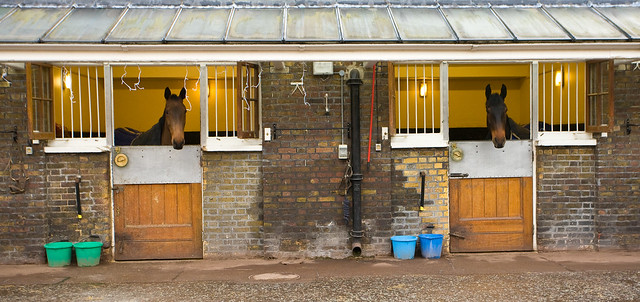
Stables

Words marked with a * are reconstructions.

Proto-Celtic *kruw(y)os = enclosure
*krāfo- = stable, enclosure
Old Irish (Goídelc) cró, cróe, cróa = enclosure, socket, stall, sty, horse-shoe, encirclement
Middle Irish (Gaoidhealg) cró, cro = enclosure, fold, pen, sty, stall, hut, cell, prision, socket, box, container
Irish (Gaeilge) cró [kɾˠoː / kɾˠɔː] = eye, socket; bore; aperture; ring; enclosure, fold, pen; (small) outhouse; mean dwelling, hovel; hollow
cróicín = litte hut, hovel
cróitín = small (sheep) fold, small outhouse
cróbhuaile = enclosed milking-place
cró beithíoch = byre, cowshed
cró caorach = sheepfold, shieling
cró cearc = henhouse
cró coinín = rabbit hutch
cró madra = (dog) kennel
cró muc / muice = pigsty, piggery
cró sorcais = circus ring
Scottish Gaelic (Gàidhlig) crò [krɔː] = circle, surround; enclosure, fold, pen; fishing weir; eye (of needle), socket; hay ladder
crò-snàthaid = eye of a needle
crò-chearc = chicken coop
crò-mhuc = pigsty
crò-buntàta = enclosed potato patch
crò-chaorach = sheepfold
Manx (Gaelg) croa = enclosure, compound, enclave, coop, fold, ring, corral, pen, aperture, notch
croa cheyrragh = sheepcote
croa chonning = rabbit hutch
croa gheayil = (coal) bunker
Middle Welsh (Kymraec) creu, crau, kreu, craw = shed
Welsh (Cymraeg) crau / craw [kraɨ̯ / krai̯] = sty, hovel, pigsty; place of defence, stockade
crau = hole, eye, aperture, perforation
crewyn = pile, heap, rick, clamp, load
crowyn, crywyn, crewyn = shed where animals are kept, sty, coop, kennel, creel, basket; belly, paunch
Middle Cornish (Cernewec) crow = hovel, hut, sty
crow môh = pigsty
Cornish (Kernewek) krow = hut
krow deves = sheep-cot
krow mogh = pigsty
krow prenn = chalet
krow yer = chicken shed
Old Breton crou = pigsty
Middle Breton kraou = pigsty
Breton (Brezhoneg) krao = eye (of a needle)
krao an nadoz = eye of a needle
kraou = stable
kraou-deñved = sheep pen, sheepfold
kraou lapined = (rabbit) hutch
kraou-saout, kraou oc’hen = cowshed

Etymology: from the Proto-Indo-European *krāwə- (to cover, heap). The English word roof comes from the same PIE root (via Proto-Germanic), as does the Dutch word roef (cabin (on a boat), coffin lid), and the French word rouf (deckhouse) [source].

Old Irish (Goídelc) saball = barn
Middle Irish (Gaoidhealg) stábla = stable
saball = barn
Irish (Gaeilge) stábla = stable
stáblachán = large unadorned house
Scottish Gaelic (Gàidhlig) stàball [sdaːbəl̪ˠ]= stable
stàballach = of, or belonging to a stable, like a stable
sabhal [sa.əl̪ˠ] = barn, granary
Manx (Gaelg) stabyl = stable
soalt = barn, granary
Proto-Brythonic *ɨstavell = room
Old Welsh (Kembraec) stebíll = room
Middle Welsh (Kymraec) estauell, ystauell, ystavell = room
(e)stauellauc, ystauellawc = having a room, chambered, roomy
Welsh (Cymraeg) (y)stafell [(ə)sˈtavɛɬ] = room, building, hall, house, chamber, cave, ventricle, stable (?)
(y)stafellu = to occupy a room, place in a room, become stuck
ystafellaid = roomful
(y)stafellaidd = pertaining to, held in, or like, a room, chambered
ystafelles = chambermaid
(y)stafellog = having a room, chambered, roomy
(y)stafellty = cloister, close
(y)stafellydd, ystafellwr = bedroom attendant, chamberlain, eunuch
Middle Cornish (Cernewec) stevel, steuel = chamber, dining room
Cornish (Kernewek) stevel = room
stevel an klass = classroom
stevel an lys = courtroom
stevel-dhybri = dining room
stevel-wortos = waiting room
Middle Breton staul = room (?)

Etymology: from Middle English stable (stable) or from Anglo-Norman stable (a place for keeping animals), from Latin stab(u)la (dwellings, stables), from stabulum (dwelling, stable, hut, tavern), from stō (to stand, stay, remain) and‎ -bulum (instrumental suffix) [source].

The Brythonic words probably come directly from Vulgar Latin *(i)stabellum, from stabulum (dwelling, stable, hut, tavern) [source].

The Fastest Way to Learn Japanese Guaranteed with JapanesePod101.com

Sources: Wiktionary, Am Faclair Beag, Online Manx Dictionary, Teanglann.ie, eDIL – Electronic Dictionary of the Irish Language, In Dúil Bélrai English – Old Irish glossary, Geiriadur Prifysgol Cymru, Gerlyver Kernewek, Dictionaire Favereau, TermOfis, English – ProtoCeltic WordList (PDF), Etymological Dictionary Of Proto Celtic

Unlimited Web Hosting - Kualo

Hurdle Fences

Words for hurdles, fences and related words in Celtic languages.

timeless gateway

Proto-Celtic *klētā = wattled frame, palisade, hurdle
Gaulish *cleta = hurdle
Old Irish (Goídelc) clíath = hurdle, litter, stretcher, wattlework
Middle Irish (Gaoidhealg) clíath = hurdle; wattle panels of walls, doors or gates; woven fence, palisade, outwork
Irish (Gaeilge) cliath [klʲiə] = wattled, latticed, frame, hurdle, phalanx, staff, stave (music)
cliathach = ribbed frame, engagement, battle
cliathobair = wattle-work, wickerwork
cliathóg = (small) hurdle
cliathóir = hurdler, hurdle-maker
cliathrás = hurdle race
cliathreathaí = hurdler
cliathreathaíocht = hurdling
Baile Átha Cliath Dublin (“Hurdle Ford Settlement”)
Scottish Gaelic (Gàidhlig) cliath [kliə] = grid, lattice, grate, grating, shoal (of fish), hurdle, harrow, stockade, stave, staff (music)
cliathag = small hurdle
cliath-bhogsa = crate
cliath-dhuilleag = spreadsheet
obair-chliath = trellis
Manx (Gaelg) cleeah = lattice, wicker, fret, darn, stave, staff, grid, stretcher, grate, grating, criss-cross, school of fish
cleea = hurdle
cleeader = hurdler
Proto-Brythonic *kluɨd = palisade, hurdle
Middle Welsh (Kymraec cluyt, clwyt = hurdle
Welsh (Cymraeg) clwyd [kluːɨ̯d / klʊi̯d] = movable hurdle, wattle, lattice, rack, crate, gate, door; protection, cover, defence
clwydo = to wattle, weave, hurdle, tangle; roost, sleep
clwydaid = a crateful, pannierful, kilnful
clwydedd = door, gate
clwydwaith = wickerwork, wattle
clwydwr = gate-keeper, porter
Old Cornish cluit = hurdle
Middle Cornish (Cernewec) cluit, clita = hurdle, wattle, crate, wattled gate
Cornish (Kernewek) kloos = fence, rack
Middle Breton klouet, cloet, kloued, klwed = hurdle
Breton (Brezhoneg) kloued = fence, barrier, gate, railings, grating, grid
klouedenn = openwork, fence, skylight, harrow, portcullis

Etymology: from the Proto-Indo-European *ḱléyteh₂ (leaning, sloped, inclined) from *ḱley- (to lean, incline) [source].

Words from the same Proto-Celtic root, via Gaulish and Latin, include claie (wicker rack, trellis, hurdle) in French and cheda (wattled laterals at the base of a traditional cart) in Galician [source].

Words from the same PIE root include client, climate, clinic, incline and lean in English, leunen (to lean) in Dutch, lehnen (to lean) in German, chinàre (to bend) in Italian, clemente (lenient) in Spanish [source], clé (left) and cleith (pole, cudgel, wattle) in Irish, cledd (left hand/side) in Welsh, and related words in Celtic languages [more details].

Sources: Wiktionary, Am Faclair Beag, Online Manx Dictionary, Teanglann.ie, eDIL – Electronic Dictionary of the Irish Language, In Dúil Bélrai English – Old Irish glossary, Geiriadur Prifysgol Cymru, Gerlyver Kernewek, Dictionaire Favereau, TermOfis, English – ProtoCeltic WordList (PDF), Etymological Dictionary Of Proto Celtic

Hillsides

Words for hillsides, cliffs and related words in Celtic languages.

Snowdonia in the sun

Proto-Celtic *altos = height, cliff
Old Irish (Goídelc) alt, allt = height, cliff, valley, abyss
Middle Irish (Gaoidhealg) als = hillock
Irish (Gaeilge) ailt = steep-sided glen, ravine, height, cliff
ailteán = small ravine
alt = steep-sided ravine, hillock
altach = undulating (road), wavy (hair)
altán = streamlet, ravine, hillock
Scottish Gaelic (Gàidhlig) alt [al̪ˠd] = rugged/steep bank, precipice
allt [aul̪ˠd] = brook, burn, stream, brook, rill, river with precipitous banks
alltan = brook, little stream, streamlet
Manx (Gaelg) alt = mountain stream, glen in mountains, high place, altitude, alto
Middle Welsh (Kymraec) alt, allt = hill(side)
Welsh (Cymraeg) allt [aːɬt / aɬt] = hill(side), (steep) gradient or slope, steep road or path, (steep) ascent, cliff, woods, wooded slope
allt (o) goed = wood, grove
allt (y) môr, allt fôr = sea-cliff
yr allt bren = staircase, facet (“the wooden hill”)
Old Cornish als = cliff
Cornish (Kernewek) als [ɒlz / ælz] = cliff
Middle Breton a(o)ut = coast, shore, bank
Breton (Brezhoneg) aod = coast, shore
aod bili = pebble beach
aod vev = foreshore

Etymology: from the Proto-Indo-European *h₂eltós, from Proto-Indo-European *h₂el- (to grow, nourish) [source].

English words such as altitude, adult and old come from the same PIE root, as do alt (old, ancient, elderly) in German, oud (old) in Dutch, haut (high, tall) in French and alto (high, tall, deep, loud) in Italian [source].

Words marked with a * are reconstructions.

Slieve League / Sliabh Liag

Sources: Wiktionary, Am Faclair Beag, Online Manx Dictionary, Teanglann.ie, eDIL – Electronic Dictionary of the Irish Language, Geiriadur Prifysgol Cymru, Gerlyver Kernewek, Dictionaire Favereau, TermOfis

Knees

Here are some words for knee and related things in Celtic languages, as well as related words in other languages.

Bellona, goddess of war

Words marked with a * are reconstructions.

Proto-Celtic *glūnos = knee
Old Irish (Goídelc) glún [ɡluːn] = knee
Middle Irish (Gaoidhealg) glún, glun, glūn = knee, generation, pedigree
glúnmar, glunmár = big-kneed
Irish (Gaeilge) glúin [ɡl̪ˠuːnʲ / ɡlˠuːnʲ] = knee, generation, step (in a series), node
glúineach = (big-)kneed, noded, nodulous, branching, proliferous
glúinfheacadh = genuflection
glúiníneach = swelling in knees
glúinteas = housemaid’s knee
bean ghlúine = midwife
Scottish Gaelic (Gàidhlig) glùin [ɡl̪ˠuːn̪ʲ] = knee, generation, lap
glùn [gl̪ˠuːn] = knee, generation
glùineach [ɡl̪ˠuːn̪ʲəx] = pertaining to knees, kneed, jointed; large-kneed woman
glùineachan [ɡl̪ˠuːn̪ʲəxan] = garter
glùineag [ɡl̪ˠuːn̪ʲag] = (act of) kneeing
bean-ghlùine = midwife
Manx (Gaelg) glioon [ɡlʲuːnʲ] = joint, knee crooked timber
glioon-lhoobey = genuflect, genuflection
glioonagh = jointed, kneed
gliooney = to kneel, kneeling
glioon(i)t = kneed, kneeled
Proto-Brythonic *glin = knee
Middle Welsh (Kymraec) glin = knee
pen y lin, penn glin = knee
Welsh (Cymraeg) glin [ɡliːn] = knee
pen (g)lin [pɛnˈ(ɡ)liːn] = knee
glingam = knock-kneed, bow-legged
gliniadur = laptop (computer)
glinio = to kneel, knee, pod
gliniog = kneed, jointed, knotty
Middle Cornish (Cernewec) glin = knee
penglin, penclin, pedn glin = knee
Cornish (Kernewek) glin [ˈɡliːn] = knee
penn glin / pedn glin = kneecap
Middle Breton (Brezonec) glin = knee
Breton (Brezhoneg) glin [ɡlĩːn] = knee
penn-glin = knee
(penn)glinañ = to kneel down, worship, bow one’s knee
glinad = knee pain
glineg = strong knees
glinwisk = knee brace

Etymology: from the Proto-Indo-European *ǵónu (knee) [source]. Words from the same roots include genuflect (to bend the knee, grovel), knee and jeans in English; genou (knee, lap) in French; and knie (knee) in Dutch [source].

From the Proto-Celtic word *glūnos we also get the Proto-Celtic word *genwā ((river) bend), which is the root of the names Geneva, Genoa.

The Fastest Way to Learn Japanese Guaranteed with JapanesePod101.com

Sources: Wiktionary, Etymological Dictionary Of Proto Celtic, In Dúil Bélrai English – Old Irish glossary, eDIL – Electronic Dictionary of the Irish Language, Teanglann.ie, Am Faclair Beag, An etymological dictionary of the Gaelic language, Fockleyreen: Manx – English Dictionary, Online Manx Dictionary, Gaelg Corpus, Geiriadur Prifysgol Cymru, Lexicon cornu-britannicum : a dictionary of the ancient Celtic language of Cornwall, Gerlyver Kernewek, Devri : Le dictionaire diachronique du breton, Dictionaire Favereau, TermOfis

Unlimited Web Hosting - Kualo

Herons

Words for heron and related creatures in Celtic languages.

Heron

Words marked with a * are reconstructions.

Proto-Celtic *korxsā / *korxsiyos = heron, crane
Celtiberian *cárcia = heron
Gaulish curcio- = heron
Old Irish (Goídelc) corr = crane, heron, stork, crane
Middle Irish (Gaoidhealg) corr = (grey) heron, stork, crane, leg-necked person
Irish (Gaeilge) corr [kəuɾˠ] = (grey) heron, stork, crane, leg-necked person
Scottish Gaelic (Gàidhlig) corra [kɔr̪ˠə] = heron, stork, crane
Manx (Gaelg) coar = heron, stork, crane
Proto-Brythonic *krɨxɨð = heron
Middle Welsh (Kymraec) crychyd, krechydd, crechydd = heron
Welsh (Cymraeg) crychydd [ˈkrəχɨ̞ð / ˈkrəχɪð] = heron
Old Cornish cherhit = heron
Middle Cornish (Cernewec) cerhidh = heron
Cornish (Kernewek) kerghydh = heron
Old Breton corcid = heron
Middle Breton (Brezonec) quercheiz, querch-eïz, querc’heiz, qarc’hleyz kerc’heiz = heron
Breton (Brezhoneg) kercʼheiz [kɛrˈɣɛjs] = heron

Etymology: possibly from Proto-Indo-European *(s)kreik- / *(s)kreig- (to screech, creak), which is imitative in origin [source]. Words for heron in Galician & Spanish (garza) and Portuguese (garça), probably come from the Celtiberian root [source].

Words from the same PIE root may include reiger (heron) in Dutch, Reiher (heron) in German, häger (heron) in Swedish, heron and egret in English, and haikara (heron, stork) in Finnish [source].

Gaulish crehyr = heron
Proto-Brythonic *krexVr = heron
Middle Welsh (Kymraec) crehyr, creir, cr(e)yr = heron
Welsh (Cymraeg) crëyr [ˈkrɛ.ɨ̞r / kreː.ɪr] = heron
Middle Breton (Brezonec) querhair = heron

Etymology: possibly from the Proto-Indo-European *(s)ḱrey- (to scream, screech) [source].

Proto-Celtic *garanos = crane
Gaulish garanus = crane
Proto-Brythonic *garan = crane, heron
Middle Welsh (Kymraec) caran, garan = crane, heron
Welsh (Cymraeg) garan [ˈɡaran] = crane, heron
Old Cornish garan = crane
Middle Cornish (Cernewec) garan = crane
Cornish (Kernewek) garan = crane
Old Breton (Brethonoc) garan = crane
Middle Breton (Brezonec) garan = crane
Breton (Brezhoneg) garan [ˈɡɑː.rãn] = crane (bird, tool), groove, gallery
garanadur = grooving
garanan = to groove

Etymology: from Proto-Indo-European *gérh₂n-o-s, from *gerh₂- (crane, to cry hoarsely) [source]. Words from the same roots include crack, croon, crow and possibly grouse in English, kraai (crow) in Dutch, Krähe (crow) in German [source].

The Fastest Way to Learn Japanese Guaranteed with JapanesePod101.com

Sources: Wiktionary, Etymological Dictionary Of Proto Celtic, In Dúil Bélrai English – Old Irish glossary, eDIL – Electronic Dictionary of the Irish Language, Teanglann.ie, Am Faclair Beag, An etymological dictionary of the Gaelic language, Fockleyreen: Manx – English Dictionary, Online Manx Dictionary, Gaelg Corpus, Geiriadur Prifysgol Cymru, Lexicon cornu-britannicum : a dictionary of the ancient Celtic language of Cornwall, Gerlyver Kernewek, Devri : Le dictionaire diachronique du breton, Dictionaire Favereau, TermOfis

Unlimited Web Hosting - Kualo

Ants

Words for ant and related things in Celtic languages.

Formica cf. rufibarbis

Words marked with a * are reconstructions.

Old Irish (Goídelc) sengán = ant
Middle Irish (Gaoidhealg) sengán, seangan = ant
Irish (Gaeilge) seangán = ant
seangánach = full of ants
nead seangán = anthill
Scottish Gaelic (Gàidhlig) seangan [ʃɛŋgan] = ant, mean fellow
seangan ‘nad bhriogais = to be fidgety, have the jtters (ants in your breeches)
seangananach [ʃɛŋganəx] = pertaining to or abounding in small ants
Manx (Gaelg) sniengan = ant
snienganagh = ant-infested, formic
crongan sniengan = anthill

Etymology: possibly from the Old Irish seng (thin, slender. meagre) [source].

Proto-Celtic *morwis = ant
Old Irish (Goídelc) moirb [morʲvʲ] = ant
Middle Irish (Gaoidhealg) moirb = ant
Middle Welsh (Kymraec) myr = ant
myrion = ants
morgrug, morcrug = ants
morgrugyn, morcrugyon = ant
Welsh (Cymraeg) mŷr, myrr [mɨːr/miːr] = ant
myrion = ants
myrdwyn = anthill
morgrug [ˈmɔrɡrɨ̞ɡ / ˈmɔrɡrɪɡ] = ants (from mŷr [ant] and crug [hill])
morgrugyn = ant
morgrugaidd, morgrugol = ant-like pertaining to ants, formic
Old Cornish menƿionen = ant
Middle Cornish (Cernewec) menwionen, meuwionen = ant, emmet
Cornish (Kernewek) moryonen = ant, tourists
moryoner = anteater
Old Breton moriuon = ant
Middle Breton (Brezonec) meryen = ant
Breton (Brezhoneg) merien [ˈmɛr.jɛn] = ants
merionenn = ant
merionaer = anteater
merieneg [mɛ.ˈrjẽː.nɛk] = anthill

Etymology: from the Proto-Indo-European *morwi- (ant). Words from the same roots include formic (pertaining to ants) and pismire (ant – archaic) in English, fourmi (ant) in French, mier (ant) in Dutch, maur (ant) in Icelandic and myra (ant) in Swedish [source].

The Fastest Way to Learn Japanese Guaranteed with JapanesePod101.com

Sources: Wiktionary, Am Faclair Beag, Online Manx Dictionary, Teanglann.ie, eDIL – Electronic Dictionary of the Irish Language, In Dúil Bélrai English – Old Irish glossary, Geiriadur Prifysgol Cymru, Gerlyver Kernewek, Dictionaire Favereau, TermOfis, English – ProtoCeltic WordList (PDF), Etymological Dictionary Of Proto Celtic

Unlimited Web Hosting - Kualo