Sticks and Rods

Today we’re looking at words for sticks, rods and related things in Celtic languages.

Plaster lath

Words marked with a * are reconstructions.

Proto-Celtic *slattā = staff, stalk
Old Irish (Goídelc) slat = rod, lath, twig; ceremonial rod, staff; branch of a tree; scion, youth, stripling; yard (measure of length)
Middle Irish (Gaoidhealg) slat = rod, lath, twig, branch of a tree, scion, youth, stripling, a yard
Irish (Gaeilge) slat [sˠl̪ˠɑt̪ˠ/sˠlˠat̪ˠ] = rod, slender stick, cane, switch, wand, yard, outskirts
slatach = rodlike, made of rods, wickered
slatáil = beat with a switch or birch
slataire = slip (of a person), sapling, tall supple youth
slatamáil = (act of) birching
slatfhear = slender supple man
slatóg = small rod, twig
Scottish Gaelic (Gàidhlig) slat [sl̪ˠahd] = long stick, rod, yard (measure), penis
slatag = small branch, twig
slat Ghàidhealach = Highland yard (8′)
slat-tomhais = standard, yardstick
slatan-draoidheachd = magic wand, fairy wand
Manx (Gaelg) slat(t) = batten, birch, cane, mace, rail, rod, slat, stem, switch, verge, wand
slat hendreil = lightning-rod
slat hows(h)e = criterion, yardstick
slat hummee = dipper, dipstick
slattag = perch, small rod, small stick, stripe, swizzle stick, twig
Proto-Brythonic *llaθ = rod, staff, stick, spear, beam, rafter, pole
Middle Welsh (Kymraec) lath = rod, staff, wand, stick
Welsh (Cymraeg) llath [ɬaːθ] = rod, staff, wand, stick, lath, spear, lance, spar, rafter, beam, offshoot, descendant
llath Gymreig = Welsh yard (about 40 inches)
llathaid = yard’s length, yardstick, length of rod, pole or perch, square yard
lathen = rod, wand, staff, stick, lath
llathennaf, llathennu = to measure, be critical (of)
hudlath = magic wand
Middle Cornish (Cernewec) lath = hook, hinge
Cornish (Kernewek) lath = stick, staff, yard
Old Breton lath = pole, rod
Middle Breton (Brezonec) lazh, laz, lah = pole, rod
Breton (Brezhoneg) lazh = slat (of a plough), board, batten

Etymology: unknown – possibly from a substrate language of northwestern Europe [source].

Words that may be related include lath (a thin, narrow strip, fastened to the rafters) in English, Latte (batten, lath, slat) in German, lat (slate, lath, ruler, yardstick) in Dutch, and lata (can, tin, plate) in Spanish [source].

Proto-Celtic *mazdyo- = stick
Old Irish (Goídelc) maide = stick
Middle Irish (Gaoidhealg) maide, mada = stick, staff, beam, log, wood, timber
Irish (Gaeilge) maide [ˈmˠadʲə/ˈmˠædʲə] = stick, bar, beam
Scottish Gaelic (Gàidhlig) maide [madʲə] = piece of wood, stick, rod
maide-brataich = flagstaff
maide-làimhe = walking stick
maide-làraich = floorboard
maidean [madʲan] = small piece of wood / stick, small rod
Manx (Gaelg) maidjey [ˈmaːʒə / ˈmaːjə] = stick, rod, pole, leve, bat, club, cue, lever, bar
maidjey cassee = steering oar
maidjey obbee = magic wand
maidjey shooyl = walking stick

Etymology: from PIE *masdo- (plank, board, pole) [source].

Words from the same PIE roots include mast in English, Mast (mast, pylon) in German, and most (bridge) in Czech, Polish and Slovak [source].

Proto-Celtic *sɸondos, *sfondo- = stick, staff
Old Irish (Goídelc) sonn = beam, palisade, post, prop, stake
Middle Irish (Gaoidhealg) sond, sonn, sunn = stake, post, beam, prop, club, palisade
Irish (Gaeilge) sonn = stake, post, upright (in a structure), shaft, pole, stout handle (of a weapon)
sonnach = paling, palisade, stockade
Scottish Gaelic (Gàidhlig) sonn [sɔun̪ˠ] = champion, hero, post, stake
sonnach [sɔn̪ˠəx] = paling, palisade, palisaded
Proto-Brythonic *fonn = stick (?)
Old Welsh (Kembraec) finn = stick, staff, rod
fonnaul = pertaining to a stick or spear
Middle Welsh (Kymraec) ffonn, ffon = stick, staff, rod
effonnaut, ffonod = stroke with a stick, blow, stripe
fonog = carrying a staff or spear, spearman
Welsh (Cymraeg) ffon [fɔn] = stick, walking-stick, staff, crook, rod, club, cudgel, lance, bar, rung, stave
ffondorio = to beat with a stick
ffoniad = blow with a stick, beating
ffonio = to beat with a stick, thrash
ffonnod = stroke with a stick, blow, stripe
cynffon = tail

Etymology: from PIE *sph₂en- (to cut off; chip, shaving, log, length of wood) [source].

Words from the same roots possibly include spoon and sphene (titanite – a kind of mineral) in English, sponda (bank, shore, side, bedstead) in Italian, Span (chip, shaving, clipping) in German, and piena (cleat) in Finnish.

Old Irish (Goídelc) fé = rod for measuring a grave
Proto-Brythonic *u̯ii̯ə-l- = rod
Middle Welsh (Kymraec) gweyelin, guaylen, gwyeil, gwyalen = rod, twig, sapling, cane, stick, offshot
gwialenffon, gwialen ffon = staff, stick, cudgel, pole
guialennig = small rod or stick, switch
gwiailffyn = stick, staff
Welsh (Cymraeg) gwialen, gwyalen = rod, twig, sapling, cane, stick, offshot
gwialenffon = staff, stick, cudgel, pole
gwialennig = small rod or stick, switch, short line, measure of length, perch, pole
gwialfa = wicker-basket, pannier, place where osiers grow
gwialffon = stick, staff
Old Cornish guaylen = rod, yard
Middle Cornish (Cernewec) gwelen, gwelan = rod, yard (measure)
gwel = rods, sticks
gwelen = rod, stick
Cornish (Kernewek) gwelen = cane, pole, rod, shaft, stick, wand
gwelen frynkek = baguette
gwelen hus = magic wand
gwelennik = chopstick
Middle Breton (Brezonec) guiall, guial, guyal = rods
guialen = rod, wand
Breton (Brezhoneg) gwial = rods, flexible wood
gwalenn = pole, rod, yardstick
gwalennaj, gwalenner = yardstick
gwalennata = to pole, reprimand

Etymology: related to Latin vieo (to bend, twist, plait, weave), from Proto-Italic *wijejō, from Proto-Indo-European *wh₁iéye-, from *weh₁y- (to twist, to twine). Words from the same roots include wire and garland in English [source].

The Fastest Way to Learn Japanese Guaranteed with JapanesePod101.com

Sources: Wiktionary, Am Faclair Beag, Online Manx Dictionary, Teanglann.ie, eDIL – Electronic Dictionary of the Irish Language, In Dúil Bélrai English – Old Irish glossary, Geiriadur Prifysgol Cymru, Gerlyver Kernewek, Dictionaire Favereau, TermOfis, English – ProtoCeltic WordList (PDF), Etymological Dictionary Of Proto Celtic

Unlimited Web Hosting - Kualo

Bareness

Words for bare, naked and related things in Celtic languages.

A view from Inis Mór

Words marked with a * are reconstructions.

Proto-Celtic *luxsmos = bare
Old Irish (Goídelc) lomm [l͈om] = bare, naked, smooth, exact, threadbare, exact, strict, pure, unadulterated, clear (sounds), unlenited
Middle Irish (Gaoidhealg) lomm, lom = bare, naked, smooth, exact, threadbare, exact, strict, pure, unadulterated, clear (sounds), unlenited
lomnocht, lomnacht = (stark) naked, barefaced
Irish (Gaeilge) lom [l̪ˠɑumˠ/l̪ˠoumˠ/l̪ˠʌmˠ] = bare, thin, close; to lay bare, strip, denude, become bare
lomadh = baring, shearing, stripping, denudation, improveishement, fleecing
lomair = to shear, fleece, denude, despoil
lomaire = shearer, fleecer, shark
lomairt = shearing, clip, denudation, spoliation
Scottish Gaelic (Gàidhlig) lom [l̪ˠɔum] = bare, naked, nude, bleak, plain, unadorned, defenceless, destitute, gaunt, meagre, threadbare, leafless, net (weight)
lomnochd = nakedness, nudity, bare, naked
lomradh = denuding, fleecing, shearing, fleece
lomadair = shearer, shaver, barber
lomadh = shaving, shearing, shave, making bare, stripping
moir lom = smooth / calm sea
Manx (Gaelg) lhome = arid, bald, bare, fleshless, leafless, meagre, naked, nude, scraggy, severe, spare, unset, unvarnished, open, neat
lhoamid = smoothness, nakedness
lommyrt = clipping, shear, (sheep-)shearing
lhomeyder = plunderer, shearer, stripper
loamreyder = fleecer, shearer
Middle Welsh (Kymraec) llum, llwm, llom = devoid, bare, barren, naked, threadbare, worn, ragged
Welsh (Cymraeg) llwm [ɬʊm] = bare, barren, naked, threadbare, worn, ragged; destitute, needy, poor, plain, simple, humble, empty
llwmder = poverty, nakedness, bareness
llwmhau = to denude, lay bare, despoil, impoverish, deprive
llwmedafedd, llwm ei gotwm = threadbare
y llety llwm = poor place or situation, state of starvation, destitution
troednoeth = barefoot
Cornish (Kernewek) lomm = bare, naked
lommder = bareness
lommas = area of unprofitable farmland
lommhe = to bare, strip bare
Old Breton (Brethonoc) lom = nude, naked
Middle Breton (Brezonec) loum, lom = drop
Breton (Brezhoneg) lomm [ˈlɔmː] = drop, shot (of drink), a modest, insignificant quantity, nothing
lommad = drop (of)
lommig [ˈlɔ̃mːik] = small drop, a modest quantity, insignificant

Etymology: from Proto-Indo-European *lewp- (to strip, peel). Words from the same roots include lupt (to peel, eat) in Latvian, and maybe loupit (to plunder, to rob) in Czech, and лупить (to peel, beat, thrash, fleece) in Russian [source].

Proto-Celtic *noxtos = naked
Old Irish (Goídelc) nocht [n͈oxt] = naked, bare, uncovered
Middle Irish (Gaoidhealg) nocht, noco = nkaed, bare, uncovered
Irish (Gaeilge) nocht [n̪ˠɔxt̪ˠ] = naked, bare, exposed; to bare, strip, uncover
nochtach = naked person
nochtachas = nudity
nochtadh = baring, exposure, disclosure, revelation, appearance
nochtaine = nakedness
Scottish Gaelic (Gàidhlig) nochd [n̪ˠɔ̃xg] = naked person, nakedness
Proto-Brythonic noeth = wave
Middle Welsh (Kymraec) noɨθ = naked, bare
Welsh (Cymraeg) noeth [noːɨ̯θ/nɔi̯θ] = naked, nude, undressed, stripped, bare, ill-clad; bare, exposed, bleak, uncovered, bald, hairless, blank
noethi = to bare, undress, denude, remove from, strip, uncover, expore, go bald, deprive, lay bare
noethlun = a nude (in art), destitute
noethlwm = naked, unclothed, ill-clad, bare, bleak, desolate
noethlymunwr = nudist, naturist, stripper, streaker
noethni = nakedness, nudity, barrenness, bleakness
Middle Cornish (Cernewec) noath = naked, bare
noatha = nakedness
noeth = bare, uncovered, void, destitute
Cornish (Kernewek) noth = bare, naked, nude
nothedh = nudity
Old Breton (Brethonoc) noit = nude, green
Middle Breton (Brezonec) noaz, noas = nude, green
Breton (Brezhoneg) noazh [ˈnwɑːs] = nude, green
noazhkorfer = nudist
noazhkorferezh = nudism

Etymology: from the Proto-Indo-European *nogʷtos from *negʷ- (bare, naked) [source]. Words from the same PIE root include gymnasium, naked and nude in English, naakt (nude, naked, bald) in Dutch, and nacht (naked, bare) in German [source].

Sources: Wiktionary, Am Faclair Beag, Online Manx Dictionary, Teanglann.ie, eDIL – Electronic Dictionary of the Irish Language, In Dúil Bélrai English – Old Irish glossary, Geiriadur Prifysgol Cymru, Gerlyver Kernewek, Gerlyvyr Cernewec, Dictionaire Favereau, TermOfis, Le dictionnaire diachronique du breton, Geriafurch, English – ProtoCeltic WordList (PDF), Etymological Dictionary Of Proto Celtic

The Fastest Way to Learn Japanese Guaranteed with JapanesePod101.com

Sailing

Words for sail and related things in Celtic languages.

sailing ship

Proto-Celtic *siglom = sail, course, run
Old Irish (Goídelc) séol [sʲeːu̯l] = sail
Middle Irish (Gaoidhealg) séol = sail
séolaid = to sail
Irish (Gaeilge) seol [ʃoːl̪ˠ/ʃɔːlˠ] = sail; covering, canopy; drift, tend, course, direction, flow, motion
seoladh = to sail, sailing; course, direction, guidance, dispatch
seoladóir = shipper
seoladóireacht = shipping
seolchrann = mast
seoltóir = sailor, sender, remitter, drover, (electrical) conductor
seoltóireacht = sailing
long seol = sailing ship
Scottish Gaelic (Gàidhlig) seòl [ʃɔːl̪ˠ] = sail; navigate, direct, guide, govern, regulate
seòlaid = shipping route, passage, sway(ing), nervous movement
seòl-mara = tide
seòladair = sailor
seòladaireach = nautical
Manx (Gaelg) shiauill = sail, navigate,
shiauilley = to sail, navigate, sailing
shiauilteyr = ferryman, sailor, seafarer, seaman
shiaulteyragh = nautical
Proto-Brythonic *hɨɣl = sail, course, run
Old Welsh huil = sail
Middle Welsh (Kymraec) hwyl, hvyl, huyl = sail
Welsh (Cymraeg) hwyl [huːɨ̯l/hʊi̯l] = sail, sheet, covering, pall; journey, progress, revolution, orbit, course, route, career, rush, assault; hilarity, jollity, mirth, amusement, fun, humour
hwylbawl, hwylbolyn = boom, bowspirt
hwylbren = mast, flagstaff
hwyldroaf, hwyldroi = to tack, change course, veer
hwylfa = way, narrow road or street, lane, path, alley, voyage
hwylfwrdd = sailboard, windsurfer
hwylfyrddio = to sailboard, windsurf
hwylio = to sail, embark, set out on a voyage or journey, navigate
hwyliwr = navigator, mariner, sailor, leader, organizer
Old Cornish guio = sail
Middle Cornish (Cernewec / Kernuak) gol, goyl, guil = sail (of a ship)
gwelan gôl = sail yard
Cornish (Kernewek) gool = sail
golya = to sail
skath-wolya = sailing boat
gorhel golyow = sailing ship
Breton (Brezhoneg) gouel = sail
gouelier = to sail
gouelierezh = sailmaker

Etymology: uncertain. Possibly from the Old English seġ(e)l (sail), from the Proto-Germanic *segl (sail), from *seglą (sheet, sail), the origins of which are uncertain. Possibly cognate with the Latin sagum (coarse woolen coat), from the Gaulish *sagos (wool cloak). Related words include sail in English, zeil (sail, tarpaulin) in Dutch, Segel (sail) in German, and sejl (sail) in Danish [source].

Words marked with a * are reconstructions.

Here’s Leis an Lurgainn, a song in Scottish Gaelic about sailing:

Sources: Wiktionary, Am Faclair Beag, Online Manx Dictionary, Teanglann.ie, eDIL – Electronic Dictionary of the Irish Language, In Dúil Bélrai English – Old Irish glossary, Geiriadur Prifysgol Cymru, Gerlyver Kernewek, Gerlyvyr Cernewec, Dictionaire Favereau, TermOfis, Le dictionnaire diachronique du breton, Geriafurch, English – ProtoCeltic WordList (PDF), Etymological Dictionary Of Proto Celtic

The Fastest Way to Learn Japanese Guaranteed with JapanesePod101.com

Lamentation

Words for lamentation and related things in Celtic languages:

Lament

Proto-Celtic *kiyeti = to fall, cry
Old Irish (Goídelc) caí = weeping, lamentation
ciïd [ˈkʲi.ɨðʲ] = to lament, weep
caínid [ˈkoːi̯nʲiðʲ] = to lament, mourn, keen, regret, deplore
Middle Irish (Gaoidhealg) caí = weeping, wailing, lamentation
ciïd = to cry, weep, lament, mourn
caínid = lament
Irish (Gaeilge) caí = lament, lamentation
caoin [kiːnʲ] = to keen, lament, cry, weep
caoineadh = to keen, lament, crying weeping, elegy
caoineachán = crying, mewling, lamentation
caointeach = plaintive, mournful
caointeachán = whimperer, crier
caointeoir = mourner, crier
caointeoireacht = lamenting, crying, lamentation
Scottish Gaelic (Gàidhlig) caoidh [kɤj] = lamenting, bewailing, lamentation, mourning, grieving
caoin [kɯːn̪ʲ] = to weep, wail, deplore, howl, regret
caoineach = mournful, mourning
caoineadh = weeping for, mourning, crying, lamenting, wailing
caoineag, caointeach = wailing women (foretells death)
caoineadh cù Chaluim = crocodile tears
Manx (Gaelg) coe = weep, mourn, weeping, woe
keayney = weep. weeping, cry, crying, greet, keening, lament, lamentation, mourn, mourning, wail, wailing, deplore
keaynoil = lamentable, mournful
Middle Welsh (Kymraec) kwyn, cwyn, cŵyn = complaint, greivance, lament
Welsh (Cymraeg) cwyn [kuːɨ̯n/kʊi̯n] = complaint, greivance, lament, grief; sympathy, commiseration
cwyno [ˈkʊɨ̯nɔ / ˈkʊi̯nɔ] = to complain, lament, bemoan, mourn, condole with, pity, take legal action
cwynfannu = to complain, lament, moan, groan, mourn for; lamentation, groan, moan, mourning
cwynfanllyd = moanful, querulous, grumbling, peevish
Middle Cornish (Cernewec) cyny, kyny = to mourn, lament, weep
Cornish (Kernewek) kyni = to lament, moan, mourn, wail
kynvan = lament, lamentation, moan, mourning
Middle Breton (Brezonec) keinal, keinat, keiniñ = to complain
Breton (Brezoneg) keuziañ = to deplore, bemoan
keuziadenn = lament

Etymology: from the Proto-Indo-European *gʷey- (to lament, complain) [source]. Words from the same root include ween (to weep, wail) in Scots, wenen (to cry, weep) in Dutch, weinen (to weep, cry) in German, and kveina (to wail, cry, lament) in Icelandic, via the Proto-Germanic *kwainōną (to lament) [source].

The English word keen (to mourn, utter with a loud wailing voice or wordless cry) was borrowed from the Irish caoin [source].

Words marked with a * are reconstructions.

Sources: Wiktionary, Am Faclair Beag, Online Manx Dictionary, Teanglann.ie, eDIL – Electronic Dictionary of the Irish Language, In Dúil Bélrai English – Old Irish glossary, Geiriadur Prifysgol Cymru, Gerlyver Kernewek, Gerlyvyr Cernewec, Dictionaire Favereau, TermOfis, Le dictionnaire diachronique du breton, Geriafurch, English – ProtoCeltic WordList (PDF), Etymological Dictionary Of Proto Celtic

The Fastest Way to Learn Japanese Guaranteed with JapanesePod101.com

Sieving Riddles

Today we’re looking at the words for sieve and related things in Celtic languages.

Sieving Flour

Words marked with a * are reconstructions.

Proto-Celtic *krētros = sieve
Old Irish (Gaoidhealg) críathar = sieve
Middle Irish (Gaoidhealg) críathar = sieve, riddle
críatharach = marsh, morass, boggy wasteland
críathrad = act of winnowing, sifting, riddling
críathraid = sifts, riddles, spreads
Irish (Gaeilge) criathar [ˈcɾʲiəhəɾˠ / ˈcɾʲiːhəɾˠ] = sieve, riddle
criathach = pitted, perforated, swampy
criathrú = winnowing, sifting, honeycombing
criathradóir = winnower, sifter, maker of sieves
criathraigh = to sieve, winnow, riddle, sift, honeycomb
criathróir = animal surefooted on boggy ground
criathar meala = honeycomb
criathar mín = fine sieve
Scottish Gaelic (Gàidhlig) criathar [krʲiə.ər] = riddle, sieve
criathar-tomhais = bushel (measure and implement)
criathar-garbh = riddle (implement)
criatharair [krʲiəhərɛrʲ] = sieve-maker
criathradh [krʲiarəɣ] = (act of) filtering
Manx (Gaelg) creear = sieve, riddle
creearey = sieve, pan, sift, riddle
creear meein = fine sieve
creear garroo = rough sieve
jannoo creear = to honeycomb
Proto-Brythonic *kruɨdr = wandering, sieve
Old Welsh cruitr = winnowing shovel
Middle Welsh (Kymraec) cruidir, crwydr = sieve
Welsh (Cymraeg) crwydr [ˈkrʰʊɨ̯dr̩ / ˈkrʰʊi̯dr̩] = a wandering, a roaming; misfortune, trouble, confusion, rout, dispersion; a straying, aberration, error; winnowing-fan, winnowing-shovel, sieve
crwydro = to wander, roam, stroll, gad about, stray, go astray, deviate, digress
crwydredig = wandering, vagrant, roving, stray
crwydro = barn, granary, farm building
crwydrwr = wanderer, vagrant, vagabond, rover, nomad
Old Cornish croider = sieve, riddle
Middle Cornish croider, crodar = sieve, riddle
Cornish (Kernewek) kroder = coarse sieve, strainer, riddle
kroder kroghen = bodhrán, hold-all
Old Breton croitir = sieve, riddle
Middle Breton croezr = sieve, riddle
Breton (Brezhoneg) krouer = sieve, riddle, screen
krouerañ = to sift, riddle, sieve
krouer liammoù = link generator
rakkroueriañ = pre-screening

Etymology: from the Proto-Indo-European *krey-trom (sieve) from *krey- (to sift, separate, divide) [source]. Words from the same PIE root include crime, crisis, riddle and secret in English, ceart (right, correct, true) in Irish, and crynu (to tremble, shake) and ergryn (horror, dread) in Welsh [source].

Proto-Celtic *sītlā = vase
Old Irish (Goídelc) síthal = bucket
síthlaid = to filter, sift, strain
soithech = container, vessel
Middle Irish síthal, sitheal = a vessel for drawing water, a bucket
síthlaid, síthlaigid, síthóilid = to strain, filter, sift, scour, sweep across, flow away, melt
soithech, soitheach = vessel, container (for liquids), blood vessel, boat
Irish (Gaeilge) síothal [ʃiː(h)ˈl̪ˠɑːn̪ˠ] = vessel for drawing water, pail, bucket (literary)
síothlaigh = to strain, filter, drain away, subside, settle, expire, die
síothlán = strainer, filter, colander
síothlóir = (of person) strainer, filterer (person), weakly, dying person
síothlú = filtration, percolation, subsidence, abatement, expiry, death
Scottish Gaelic (Gàidhlig) sìol [ʃiəl̪ˠ] = compose, settle, filter, strain
sìol(t)achan [ʃiəl̪ˠ(d)əxan] = filter, strainer
sìoltag [ʃiəl̪ˠdag] = strainer, filter, sieve
sìol(t)an [ʃiəl̪ˠ(d)an] = filter, strainer, sieve
sìoltachair [ʃiəl̪ˠdəxɛrʲ] = filter feeder
sìoltachadh [ʃiəl̪ˠdəxəɣ] = (act of) filter feeding
Manx (Gaelg) sheeley = to flow, run, drip, trickle, dribble, seep, oose, filter, strain, drain
sheelaghey = to strain off, to filter, to refine, clarification, sober
Proto-Brythonic *sidl, *hidl = filter, sieve (?)
Middle Welsh (Kymraec) hidl, hidyl, hityl = filter, strainer, sieve
hitler, hidlir, hidlaw = to strain, filter, purify, cleanse, percolate, pour, sprinkle, scatter, sift
hidleit, hidlaid = strained, clarified, clear, flowing
Welsh (Cymraeg) hidl, hiddl = filter, sieve, strainer
hidl(i)ad = straining, filtration, percolation
hidlai = strainer, filter
hidlaid = strained, clarified, clear, flowing
hidlo = to strain, filter, purify, cleanse, percolate, pour, sprinkle, scatter, sift
hidlwr, hidlydd = strainer, filter
Cornish (Kernewek) sidhel [ˈɹɔːz] = filter, strainer, colander
sidhla = to filter, strain, sift, sieve, percolate, purify, cleanse
Middle Breton (Brezonec) sizl = filter, strainer
sila, sizla = to filter
Breton (Brezhoneg) sil [siːl] = filter, strainer
silad = filtrate, grout
siladenn = filtering
siladur = filtering, filtration
silañ = to filter
silerezh = filtering, percolation

Etymology: possibly from Proto-Indo-European *seh₁- (to impress, insert, sow, plant), and influenced by Latin situla (a vessel used to hold water, a voting urn, basin, jar) [source]. Words from the same PIE root include siets (sieve, sifter) in Latvian, sito (sieve, filter) in Polish, (to) sow, season, seminar and seed in English, zaaian (to sow, plant seed, spread) in Dutch, sold (sieve) in Danish [source].

Old Irish (Goídelc) scacaid = to filter, sift, strain
Middle Irish (Gaoidhealg) scacaid, scacad, sgacadh = to strain, filter, sift, purify
Irish (Gaeilge) scag = to strain, filter, drain off, refine, sift, screen, derive, spring (from a source)
scagach = permeable, porour, thin, flimsy, sparse
scagachán = filtration
scagacht = porosity
scagadh = filtration, refinement, assortment, critical examination
scagaire = filter, screen, filterer, sifter, refiner
scagaireacht = (act of) filtering, sifting, refining
Scottish Gaelic (Gàidhlig) sgag [sgag] = split, crack, chap

Etymology: possibly from Old Norse [source].

Proto-Celtic *wokro- = (?)
Middle Welsh (Kymraec) goger, gogr, gogyr = sieve, riddle, screen, strainer
Welsh (Cymraeg) gogr [ˈɡɔɡɔr / ˈɡoːɡɔr] = sieve, riddle, screen, strainer
gogrwr, gogrydd = sieve-maker, sifter
gogru [ˈɡɔɡrɨ̞ / ˈɡɔɡri] = to sieve, sift

Etymology: from PIE *sker- (to separate, cut off) [source].

Sources: Wiktionary, Etymological Dictionary Of Proto Celtic, In Dúil Bélrai English – Old Irish glossary, eDIL – Electronic Dictionary of the Irish Language, Teanglann.ie, Am Faclair Beag, An etymological dictionary of the Gaelic language, Fockleyreen: Manx – English Dictionary, Online Manx Dictionary, Gaelg Corpus, Geiriadur Prifysgol Cymru, Lexicon cornu-britannicum : a dictionary of the ancient Celtic language of Cornwall, Gerlyver Kernewek, Devri : Le dictionaire diachronique du breton, Geriafurch, TermOfis


Soft and Tender

Today we’re looking at the words for soft and tender and related things in Celtic languages.

soft

Words marked with an * are reconstructions.

Proto-Celtic *buggos = soft, tender
Old Irish (Goídelc) boc = soft, gentle, tender
Middle Irish (Gaoidhealg) boc = soft, gentle, tender, tepid
Irish (Gaeilge) bog [bˠɔɡ / bˠʌɡ] (noun) = soft, tender, flabby, indulgent, lenient, mellow (voice), mild (weather), loose, lukewarm
bog (verb) = to soften, become soft, ease, warm, get milder, move, loosen, rock
bogach = soft, boggy ground
bogachar = softness, bogginess
bogadh = softening, easement, movement, stir
bogánta = soft, squelchy
bogearraí = software
an rud a fhaightear go bog caitear go bog é = easy come, easy go
tóg go bog é = take it easy
Scottish Gaelic (Gàidhlig) bog [boɡ] = flabby, soft, limp, pulpy; moist, marshy, boggy, slopp; foolish; damp, humid; indulgent; spiritless; flat (in music); lax (in linguistics)
bogach = bog, fen, marsh, swamp, morass, quagmire
bogachadh = wetting, steeping, moistening, mellowing, softening, swilling
bathar-bog = software
Manx (Gaelg) bog = soft, easy, tender, flabby, pulpy, slack, limp, moist, soft-hearted, callow
boggagh = to soften, steep
strong>boggaghey = to soften, relax, ease, moisten, dissolve
boggyr = soft
boglagh = quagmire, morass, swamp, oozy, boggy
bog-roauyr = podgy
bog-vroiet = soft-boiled
bog- vroojit = squashy
Old Breton (Brethonoc) buc = soft, tender
Middle Breton (Brezonec) boug = soft, tender
Breton (Brezhoneg) bouk [buːk] = soft, cozy, heavy, stifling (weather)
boukaat [buˈkɑːt] = to soften, tenderize
boukted = softness, weakness

Etymology: from the Proto-Indo-European *bʰewgʰ- (to bend, curve, arch) [source].

The English word bog (wet spongy ground, marsh, swamp), was borrowed from the Irish or Scottish Gaelic bog [source]. English words from the same PIE root include badge, bagel, (to) bow, buck and bow (and arrow) [source].

Old Irish (Goídelc) muad = cloud, mist, fumes
Middle Irish (Gaoidhealg) muad, muadh = cloud, mist, fumes
Scottish Gaelic (Gàidhlig) muadh = soft, moist
Manx (Gaelg) meeley = soft, bland, smooth, yielding, soft-spoken, moisten, delicate, fine
Middle Welsh (Kymraec) medal, meddal [kam] = soft, yielding, tender, delicate, pliable
Welsh (Cymraeg) meddal [ˈmɛðal / ˈmeːðal] = soft, yielding, tender, delicate, pliable; mild, gentle, placid, tolerant, merciful, lax, inexperienced, foolish, weak
meddalu = to soften, become soft, thaw; to lenite, cause lenition
meddalaidd = soft, softish, tender, immature, foolish, weak
meddalder = softness, soft spot, tenderness, sensitivity
meddaledig = softened, soft, tender
meddalwedd = software
treiglad meddal = soft mutation
Middle Cornish medhal, meddal = soft, mollient, tender
medhalder = softness, tenderness, mildness, gentleness
Cornish (Kernewek) medhel = soft
medhelhe = to lenite, soften, absorb
medhelheans = lenition
medhelweyth = software
Middle Breton mezell = malleable, mean
Breton (Brezhoneg) mezel = malleable, mean, leprosy

Etymology: possibly from Proto-Indo-European *ml̥dus (soft, weak) [source]. Words from the same PIE root include mild in English, mild (mild, gentle, lenient) in Dutch, mladý (young) in Czech, molle (soft, flabby, weak, feeble) in Italian, mou (soft, mushy, squishy, slow, weak, comfortable) in French, and muelle (soft, mild) in Spanish [source].

Proto-Celtic *mīnis = smooth, soft, gentle
*meinos = tender, soft, gentle
Gaulish *mēnos = (?)
Old Irish (Goídelc) mín = fine, minor, petty, small, level, smooth
Middle Irish (Gaoidhealg) mín, min = smooth, level, calm, gentle, placid, courteous, docile, digestible, palatable, soft
Irish (Gaeilge) mín [mʲiːnʲ] = smooth, fine
míneadas = gentleness, refinement
míneog = gentle, placid woman
mínigh = to smooth, polish, level, reclaim, make gentle, assuage, quiet, explain, expound, interpret
míníneacht = daintiness, refinement, gentleness, quietness, subtlety, preciosity, dainty, delicacy
mínitheoir = smoother, polisher, leveller, reclaimer, assuager, pacifier, explainer, interpreter
Scottish Gaelic (Gàidhlig) mìn [miːn] = smooth, silky, sleek, gentle, dainty, downy, powdery, fine, bland
mìneachd [miːnəxg] = smoothness, softness, delicacy, minuteness
mìnealas = softness, gentleness
Manx (Gaelg) meen = soft, sweet, meek, mild, bland, darling, dear, patient, quiet
meeninagh = soft, tameable, emollient
meeinid = softness, smoothness, patience, mildness, gentleness, blandness
Proto-Brythonic *muɨn = mild, gentle
Middle Welsh (Kymraec) mwyn = tender, mild, gentle, meek
mwynaidd = tender, mild, gentle, kind
mwynas = good, turn, kindness, courtesy, love
Welsh (Cymraeg) mwyn [muːɨ̯n / mʊi̯n] = tender, mild, gentle, meek, amiable, loving, kind, obliging, courteous, noble, fair, pleasant, sweet-sounding, melodious, soft, soothing
mwynaidd = tender, mild, gentle, kind
mwynas = good, turn, kindness, courtesy, love
mwyndeb = mildness, gentleness, pleasure
mwyndeg = gentle and fair, tender, genial, affable
Old Cornish muin = gracile
Middle Cornish (Cernewec) mon, moyn = slender,
Cornish (Kernewek) moon = slender, slim, thin
Old Breton (Brethonoc) moin = delicate
Middle Breton (Brezonec) moan = thin, slim, slender
Breton (Brezhoneg) moan [mwãːn] = thin, slim, slender, fine, subtle
moanaat = to get thinner, get slimmer, thin down, lose weight
moanard = a thin, slender, skinny person
moanded = slimming

Etymology: from Proto-Indo-European *meyh₁- (mild, soft). Words from the same root possible include mite (mild, moderate, balmy, mild, meek) and mezzo (half, middle, means, method) in Italian, miły (nice, pleasant, dear, gentle, soft) in Polish, and mielas (nice, sweet, cute) in Lithuanian [source].

The Fastest Way to Learn Japanese Guaranteed with JapanesePod101.com

Sources: Wiktionary, Etymological Dictionary Of Proto Celtic, In Dúil Bélrai English – Old Irish glossary, eDIL – Electronic Dictionary of the Irish Language, Teanglann.ie, Am Faclair Beag, An etymological dictionary of the Gaelic language, Fockleyreen: Manx – English Dictionary, Online Manx Dictionary, Gaelg Corpus, Geiriadur Prifysgol Cymru, Lexicon cornu-britannicum : a dictionary of the ancient Celtic language of Cornwall, Gerlyver Kernewek, Devri : Le dictionaire diachronique du breton, Geriafurch, TermOfis


Second Others

Today we’re looking at the words for second or other and related things in Celtic languages.

Second, Other

Proto-Celtic *alyos [ˈal.jos] = other, second
Leptonic 𐌀𐌋𐌉𐌏𐌔 (alios) = second, other
Gaulish allos, alos = second, other
Old Irish (Goídelc) aile = other, second
indala [in͈ˈdala] = other (of two)
Middle Irish (Goídelc) aile, oile, eile = other, second, another
indala = one (of two), less often, the other, later, the second
Irish (Gaeilge) eile [ˈɛlʲə] = other, another, next, more, else
dara [ˈd̪ˠɑɾˠə / ˈd̪ˠaɾˠə] = second (2ⁿᵈ), next, other
Scottish Gaelic (Gàidhlig) eile [elə] = other, another, else
eileadh [eləɣ] = other
eilich [elɪç] = alienate
eileachadh = (act of) alienating, alienation, othering
dala [dal̪ˠə] = second (2ⁿᵈ)
Manx (Gaelg) elley = other, else, another, additional, alternative
derrey = second in command, till, pending
yn derrey = second (2ⁿᵈ)
Proto-Brythonic *ėl [ˈe̝ːlˑ] = second, other
Middle Welsh (Kymraec) ail, eil, eyl = second, other
Welsh (Cymraeg) ail [ai̯l] = second, like, similar, equivalent, equal; son, grandson, heir, descendant; helper, supporter
ailgylchu = to recycle
eilaidd = secondary
eilfed = second (number)
eilaid = second (of time)
Middle Cornish eil = second, another
Cornish (Kernewek) eyl = one of two, second
eyla = to second
eylafinans = refurbishment
eylgelghya = to recycle
eylskrifa = to copy
Middle Breton) eil = second
Breton (Brezhoneg) eil [ˈɛjl] = second
eilvet = second (number)
eilad = second, copy, reproduction
eilañ = to accompany, copy
eiladiñ = to duplicate
eiladuriñ = to reproduce, reproduction

Words marked with a * are reconstructions.

Etymology: from the Proto-Indo-European *h₂élyos (other, another), from *h₂el- (beyond, other) [source]. The Old Irish word indala, which is the root of the Irish dara, the Scottish Gaelic dala and the Manx derrey, comes from the Old Irish ind (the) and aile (second) [source]..

Some words from the same PIE roots include else, all and ultra in English, al (all, all of) in Dutch, eller (else, otherwise) in Danish, Norwegian and Swedish, and այլ (ayl – another, other) in Armenian [source].

Sources: Wiktionary, Am Faclair Beag, Online Manx Dictionary, Teanglann.ie, eDIL – Electronic Dictionary of the Irish Language, In Dúil Bélrai English – Old Irish glossary, Geiriadur Prifysgol Cymru, Gerlyver Kernewek, Gerlyvyr Cernewec, Dictionaire Favereau, TermOfis, Le dictionnaire diachronique du breton, Geriafurch, English – ProtoCeltic WordList (PDF), Etymological Dictionary Of Proto Celtic

The Fastest Way to Learn Japanese Guaranteed with JapanesePod101.com

Lead (Metal)

Today we’re looking at the words for lead (metal) and related things in Celtic languages.

Cwmystwyth Lead Mine, Wales.
Cwmystwyth Lead Mine, Ceredigion, Cymru

Proto-Celtic *ɸloudom = lead (metal)
Gaulish *laudon = lead (metal)
Old Irish (Goídelc) lúaide = lead (metal)
Irish (Gaeilge) luaidhe [ˈl̪ˠuːiː] = lead (metal), (sounding-) lead, plummet, (fishing) sinker
luaidhiúil = lead-like, leaden
luaidhnimh = lead-poisoning
peann luaidhe = pencil
Scottish Gaelic (Gàidhlig) luaidhe [l̪ˠuəjə] = lead (metal), leaden
luaidheach = leaden
peann-luaidhe = pencil
Manx (Gaelg) leoaie = lead (metal), leaden, sounding lead
penn leoaie = pencil

Words marked with a * are reconstructions.

Etymology: from the Proto-Indo-European *plewd- (to fly, flow, run), from *plew- (to fly, flow, run), from the Proto-West Germanic *laud [source].

Some words from the same PIE root include fleet, float, flood and pneumonia in English, vlieten (to flow) in Dutch, fließen (to flow) in German, flyte (to float, flow) in Swedish [source].

The English word lead comes from the Middle English le(e)d (lead) from the Old English lēad (lead) from the Proto-West-Germanic *laud (lead), from the Gaulish *laudon (lead) [source], and words for lead in other Germanic language languages come from the same root [source].

Proto-Brythonic *plum = lead (metal)
Middle Welsh (Kymraec) pluum, plwm = lead (metal)
Welsh (Cymraeg) plwm [plʊm] = lead (metal); mass or ball of lead, plumb, plummet, straight(ness), vertical(ness)
plymaidd = leaden, lead-like, heavy, oppressive, worthless
plymen = lead weight, plummet, sheet, of lead
plymio = to sound (for depth), fathom, dive, plunge, plummet; to cover or solder with lead, line (pottery) with lead, glaze
plymwr = plumber, dealer/worker in lead, plunger, diver
plymliw = lead-coloured, blackish-blue, greyish blue, pale blue
Cornish (Kernewek) plomm, plobm = lead (metal)
plommer = plumber
plommwedhek = vertical
pyncel plomm = pencil
Breton (Brezhoneg) plom = lead (metal)
plomek = lead(en)
plomer = plumber
plomerezh = plumbing

Etymology: from the Latin plumbum (lead, pencil), may be borrowed from Etruscan, Iberian or some other pre-Indo-European Mediterranean substrate language [source].

Some words from the same Latin root include plumb (truly vertical, as indicated by a plumb line) in English, piombo (lead, grey, bullet) in Italian, plomb (lead, fuse, sinker) in French, and Plombe (seal, filling) in German [source].

Sources: Wiktionary, Am Faclair Beag, Online Manx Dictionary, Teanglann.ie, eDIL – Electronic Dictionary of the Irish Language, In Dúil Bélrai English – Old Irish glossary, Geiriadur Prifysgol Cymru, Gerlyver Kernewek, Gerlyvyr Cernewec, Dictionaire Favereau, TermOfis, Le dictionnaire diachronique du breton, Geriafurch, English – ProtoCeltic WordList (PDF), Etymological Dictionary Of Proto Celtic
The Fastest Way to Learn Japanese Guaranteed with JapanesePod101.com

Tin

Today we’re looking at the words for tin and related things in Celtic languages.

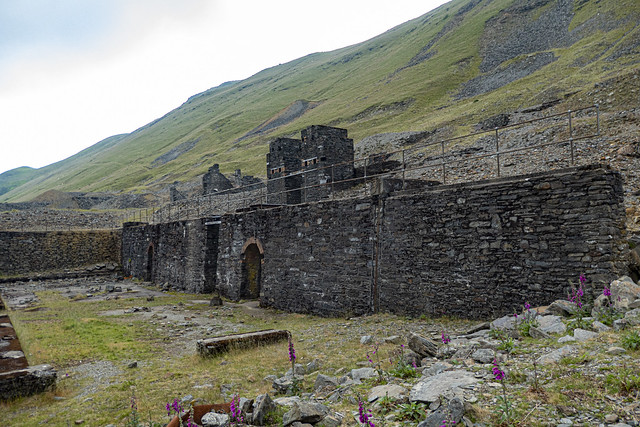
Tin Mines
Botallack tin mine in Cornwall

Words marked with a * are reconstructions.

Proto-Celtic *stagnos = tin
Gaulish *stagnom = tin
Old Irish (Goídelc) stán [mʲeːnʲ] = tin, tin vessel
Middle Irish (Gaoidhealg) stán, stan, sdán, sdan = tin
Irish (Gaeilge) stán = tin, tin vessel
stánach = tin-bearing, stannic
stánadóir = tinner, tinsmith
stánadóireacht = tin-work, (act of) tinkering
stánaigh = to tin, to coat with tin, to pack in tin(s)
stáncheárta = tinworks
stánphláta = tin-plate
stántáirgeach = tin-bearing
stánúil = tinny, stannous
feadóg stáin = tin whistle
Scottish Gaelic (Gàidhlig) staoin [sdɯːn̪ʲ] = tin, pewter
stàin [sdɯːn̪ʲ] = tin
stànadair = tinsmith, tinker
staoinseil = tinsel
fìdeag-staoin = tin whistle
muileann-staoin = tin mill
sgragall-staoine = tinfoil
Manx (Gaelg) stainney = tin, can, tin-plate
stainnagh = tin-bearing
stainnaghey = to tin-plate
stainneyder = tin-miner
stainnit = tin-plated
stainn-oshleyder, fosleyder stainney = tin-opener
feddan (stainney) = tin whistle, flageolot
gaaue stainney = tinner, tinsmith
Proto-Brythonic *staɨn = tin
Middle Welsh (Kymraec) stain, ystain, staen, ystaen = tin, pewter
Welsh (Cymraeg) (y)staen [ˈ(ə)staɨ̯n] = tin, pewter
ystaenaid, staenaid = tinned, tin
ystaenwr, ystaeniwr = pewterer, tinsmith
Middle Cornish (Cernewec) stean, stên = tin
stener, stynnar = a tinner, a pewterer
Cornish (Kernewek) sten [stɛːn / steːn] = tin
stenek = tin ground, stannary
stenor = tinner
sten du = tin ore
poll sten = tin pit
Old Breton (Brethonoc) sten = tin
Middle Breton (Brezonec) sten, stean, staen = tin
Breton (Brezhoneg) staen [ˈstɛːn] = tin
staenañ = to tinplate
staenek = stannic (of or containing tin)
staenus = stannous (of or containing tin)

Etymology: probably from the Proto-Indo-European *sth₂gʰ-nó-s (standing, firm), from *steh₂-gʰ- + *-nós, from *steh₂- (to stand) [source].

The Latin word stannum (an alloy of silver and lead; tin) was borrowed from the Gaulish *stagnom, and words for tin in Romance languages developed from this, including étain in French, stagno in Italian, and estaño in Spanish [source].

The scientific abbreviation for tin is Sn, from the Latin stannum. The old Latin name for tin was plumbum candidum (white lead) [source].

Scottish Gaelic (Gàidhlig) tiona = tin (container, metal)
á tiona = tinned, from a tin
crogan-tiona = tin can
Middle Welsh (Kymraec) tynn, tin, tinn = tin, tin plate
Welsh (Cymraeg) tun, tyn = tin (metal / container), tin plate, tin can
tunio, tuniaf = to tin, coat with tin, seal in a tin
tun tân = blower, metal plate placed before an open fire to increase the draught
tun te = tin used by workmen to carry leaf tea (and sugar) to work

Etymology: from the English tin, from the Middle English tin, tyn(e), tynne (tin), from the Old English tin (tin), from the Proto-Germanic *tiną (tin), probably from a pre-Indo-European language [source].

Words for tin in Germanic languages come from the same Proto-Germanic root, including tin in Dutch, Zinn in German, tenn in Swedish, and tinn in Norwegian, as do words for tin in some Slavic and Finno-Ugric languages [source].

Sources: Wiktionary, Am Faclair Beag, Online Manx Dictionary, Teanglann.ie, eDIL – Electronic Dictionary of the Irish Language, In Dúil Bélrai English – Old Irish glossary, Geiriadur Prifysgol Cymru, Gerlyver Kernewek, Gerlyvyr Cernewec, Dictionaire Favereau, TermOfis, Le dictionnaire diachronique du breton, Geriafurch, English – ProtoCeltic WordList (PDF), Etymological Dictionary Of Proto Celtic
The Fastest Way to Learn Japanese Guaranteed with JapanesePod101.com

Iron

Today we’re looking at the words for iron and related things in Celtic languages.

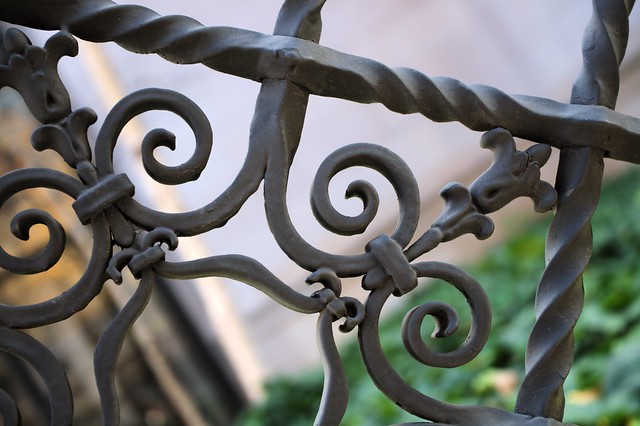
iron fence

Proto-Celtic *īsarnom = iron
Old Irish (Goídelc) íarn [iːa̯rn] = iron
Irish (Gaeilge) iarann [ˈiəɾˠən̪ˠ] = iron (element, appliance, golf club); iron part of a tool; brass (money)
amhiarann, iarnmhian = iron ore
iarann rocach = corrugated iron
iaranach = irons, iron implements, fetters, ploughshare
iaranaigh = to put in irons, fit, cover with iron
iaranaí = (made of) iron, iron-hard
iaranáil = to iron (clothes)
iarnmhangaire = ironmonger
iarannaois = the Iron Age
iarna = hardware
iarnród = railway
iarnúil = iron-like, ferrous
Scottish Gaelic (Gàidhlig) iarann [iər̪ˠən̪ˠ] = iron, (metal) blade; day’s worth cutting peat (for two)
iarnaidh = ferrous, iron-hard, iron-coloured, stingy
iarnaigeadh, iarnachadh = (act of) ironing
iarnair = ironmonger
iarainn-tàthainn, iarann-sobhdraidh = soldering iron
iarann-dreasaigidh = clothes iron
iarann mòlltaichte = cast iron
iarann preasach = corrugated iron
rathad-iarainn = railway
Manx (Gaelg) yiarn = iron; tool, scythe, blade; dough (money); tip (gratuity)
yiarnagh = ferric
yiarnal = iron, ironing
yiarneyder = ironmonger
yiarnrey = hardware
yiarnaghey, yiarney = to cover with iron, to iron
yiarnoil = ferrous
Proto-Brythonic *hijarn = hard, hard metal, iron
Middle Welsh (Kymraec) heirn, hyarn, heyrn, hayarnn, haearn = iron
Welsh (Cymraeg) haearn = iron, iron bar, hardness, strength, resoluteness, hard, strong, unyielding; sword, spear, lance; iron armour, coat of mail; fetters, shackles; branding-iron, pincers; flat-iron; spur
haearnaidd = like iron, ferrous; strong, hard, callous, oppressive
haearneiddio = to harden, make (one) unfeeling or callous
haearnol = of iron, iron-like, hard, unfeeling, rigid, stern
haearnwr = ironmonger, ironworker
haearn bwrw = cast iron
haearn gwaith = wrought iron
haearn gwrymiog = corrugated iron
Middle Cornish heorn, horn, hôrn = iron
Cornish (Kernewek) horn = iron
hornek = ferric, iron
hornell = iron (for clothes)
hornella = to iron
horner = ironmonger
horn margh = horseshoe
hyns horn = railway
Old Breton hoiarn = iron
Middle Breton houarnn = iron
Breton (Brezhoneg) houarn [ˈhuː.arn] = iron; flat iron; horseshoe
houarnek = ferric
houarnus = ferrous
houarnaj = scrap iron
houarnajer = scrap merchant
houarnañ = to shoe (a horse)
houarn-marc’h = horseshoe
houarn da zistennañ = iron (for clothes)
hent-houarn = railway

Words marked with a * are reconstructions.

Etymology: probably from the Proto-Indo-European *h₁ēsh₂r̥no- (bloody, red), from *h₁ésh₂r̥ (blood) [source].

Words for iron in Germanic languages come from the same Proto-Celtic root, via the Proto-Germanic *īsarną (iron), including iron in English, ijzer in Dutch, Eisen in German, and järn in Swedish [source].

Words for blood in Romance languages come from the same PIE root, via the Latin sanguīs (blood, descent, progeny, family), including sang in Catalan and French, sangue in Italian and Portuguese, and sangre in Spanish, and also the English word sanguine (blood red; warm, optimistic, confident) [source].

Sources: Wiktionary, Am Faclair Beag, Online Manx Dictionary, Teanglann.ie, eDIL – Electronic Dictionary of the Irish Language, In Dúil Bélrai English – Old Irish glossary, Geiriadur Prifysgol Cymru, Gerlyver Kernewek, Gerlyvyr Cernewec, Dictionaire Favereau, TermOfis, Le dictionnaire diachronique du breton, Geriafurch, English – ProtoCeltic WordList (PDF), Etymological Dictionary Of Proto Celtic

The Fastest Way to Learn Japanese Guaranteed with JapanesePod101.com