Darkness

Words for dark, gloom and related things in Celtic languages.

Beach Road, Bangor at night

Words marked with a * are reconstructions.

Proto-Celtic *temeslos = darkness
Old Irish (Goídelc) teimen = dark, obscure
teimel, teimne [ˈtʲeβ̃ʲel] = darkness
Middle Irish (Gaoidhealg) teim. tem = dark
teimen, temen, teimean = dark, obscure
teimel, temel, temul = darkness, gloom, dejection, stain, blemish, fault, death
Irish (Gaeilge) teimheal = darkness, gloom, tarnish, stain, smudge, trace, sign
teimhleach = dark, gloomy, tarnished, stained
teimhleacht = spottiness, smudigness
teimhligh = to darken, obscure, tarnish, stain
teimhlitheach = tarnishing, staining
teimhneach = dark, opaque
teimhneacht = darkness, opacity
Scottish Gaelic (Gàidhlig) teamhall [tʲiəv] = slight swoon, stun
Proto-Brythonic *temēl(os) = darkness
*tɨβ̃uɨl = darkness
Old Welsh (Kembraec) timuil = darkness, gloom
Middle Welsh (Kymraec) tywyll, tyỽyll = dark, opaque
tywyllu, tyỽylla = to make or become dark, darken, make or become blind
tewyllvc = to darken, grow dim
tyỽyllỽc, tywyllỽc, tywylluc, tywyllwc = darkness, opacity, blindness, dim-sightedness
Welsh (Cymraeg) tywyll [ˈtəu̯.ɨ̞ɬ/ˈtəu̯.ɪɬ] = dark, opaque, blind, dim (of sight), obscure, neutral, darkness, gloom
tywyllu = to make or become dark, darken, make or become blind
tywyllhau = to darken, grow dim
tywyllwch [ˈtwəɬʊχ/ˈtʊɬʊχ] = darkness, opacity, blindness, dim-sightedness, eclipse
Old Cornish tiwoulgou = darkness
Middle Cornish (Cernewec) tewal = dark, dusky, obscure
tewlder, tulder = darkness
tewolgow, tiwulgou = darkness, obscurity
Cornish (Kernewek) tewal, tewl = dark, gloomy, murky, sombre
tewlder = darkness, gloom
tewlhe = to darken
tewlwolow = dusk, half-light
tewolgow = darkness
Old Breton (Brethonoc) temoel = dark, gloomy
Middle Breton (Brezonec) teffoal, teffal, teual = dark, gloomy
teffalhat = to darken, obscure
Breton (Brezhoneg) teñval [ˈtẽː.val] = dark, gloomy, sad, dreary, suspicious, deaf, unintelligible, incomprehensible
teñvalaat [tẽvaˈlɑːt] = to darken, obscure
teñvalded [tẽˈval.det] = darkness
teñvalijenn [tẽ.vaˈliː.ʒɛn] = darkness, shadow
teñvalus [tẽˈvaːlys] = dark, obscure, mysterious, sombre

Etymology: from Proto-Indo-European *témHos (darkness), from *temH- (dark) [source]. Words from the same roots include temerity, tenebrous (dark, gloomy, obscure) in English, tamsa (darkness) in Lithuanian, finster (dark, gloomy) and Dämmerung (twilight) in German, tenebre (darkness, obscurity) in Italian, and tiniebla (shadow) in Spanish [source].

Old Irish (Goídelc) dorchae [ˈdorxɘ] = dark, gloomy, obscure, morose
dorchaide = dark, dense
dorchatus = darkness
Middle Irish (Gaoidhealg) dorcha(e) = dark, gloomy, obscure, morose
dorchaigid = to grow dark, eclipse, darken, obscure
dorchatu, dorchato = darkness
Irish (Gaeilge) dorcha [ˈd̪ˠɔɾˠəxə] = darkness, obscurity, dark, obscure, blind, secretive
dorchacht = dark state, darkness
dorchadas = darkness, secrecy, reserve
dorchaigh = to darken, become secretive, reserved
Scottish Gaelic (Gàidhlig) dorch [dɔrɔx] = dark, black, dusky, mysterious, obscure
dorcha [dɔrɔxə] = dark, dusky, sombre, murky
dorchadas [dɔrɔxədəs] = darkness, obscurity, mysteriousness
dorchaich [dɔrɔxɪç] = darken, make dark
Manx (Gaelg) doorey = obscurity, shade, eclipse
dorraghey = dark, dusk(y), gloomy, enigmatic, mysterious, obscure
dorraghys = blackness, darkness, obscurity

Etymology: uncertain [source].

The Fastest Way to Learn Japanese Guaranteed with JapanesePod101.com

Sources: Wiktionary, Etymological Dictionary Of Proto Celtic, In Dúil Bélrai English – Old Irish glossary, eDIL – Electronic Dictionary of the Irish Language, Teanglann.ie, Am Faclair Beag, An etymological dictionary of the Gaelic language, Fockleyreen: Manx – English Dictionary, Online Manx Dictionary, Gaelg Corpus, Geiriadur Prifysgol Cymru, Lexicon cornu-britannicum : a dictionary of the ancient Celtic language of Cornwall, Gerlyver Kernewek, Devri : Le dictionaire diachronique du breton, Dictionaire Favereau, TermOfis

Unlimited Web Hosting - Kualo

Near and Close

Words for near, close and and and related things in Celtic languages.

A group of meerkats

Words marked with a * are reconstructions.

Proto-Celtic *adgostus = near
Old Irish (Goídelc) ocus [ˈoɡus] = near, close, nearness, proximity, and
Middle Irish (Gaoidhealg) ocus, acus = and, near, nearness, proximity
com(ḟ)ocus, comacus = near, proximate, neighbouring; equidistant, proximity; relationship
focus = near, close
bean fagas, bean ḟogas = kinswoman
Irish (Gaeilge) agus (⁊) [ˈɑɡəsˠ/ˈaɡəsˠ] = and, while, although, as
agusóir = halting, inarticulate, speaker
aguisín = addition, addendum
fogas [ˈfˠʌɡəsˠ] = nearness, closeness, near, close
fogasghaol = near relationship, near relative
foisceacht = nearness, proximity
bráthair fogas = near kinsman
Scottish Gaelic (Gàidhlig) agus (⁊) [agəs] = and, plus, as, while, although
agusan = Tironian/Gaelic ampersand (⁊)
fagas [fagəs] = close, near
fagasg [fagəsg] = proximity, nearness
fagasachd [fagəsəxg] = adjacency, nearness, proximity
fagasach [fagəsəx] = adjacent
faisg [faʃgʲ] = close, near
faisgead [faʃgʲəd] = degree of nearness/proximity
Manx (Gaelg) as = and, as
faggys = almost, close, contiguous, handy, near, nearby, neighbouring
faggys-yalloo = closeup
faggysaght = adjacency, nearness
Middle Welsh (Kymraec) agos = near, close
agoseieit = close relations or friends
Welsh (Cymraeg) agos [ˈaɡɔs / ˈa(ː)ɡɔs] = near, close, almost, nearly, on the verge of, about to
agosâd = a drawing near, approach
agosaf, agosi = to draw near, approach
agosaol = approaching
agoseiaid = close relations or friends
agosiad = close relation or friend
agosrwydd = closeness, nearness, proximity
agoster = closeness, nearness, proximity
Old Cornish ogos = near, close
Middle Cornish (CerneweC) ogas, oges, ogos, agos = near, neighbouring
Cornish (Kernewek) ogas = adjoining, close, near, almost, nearly, vicinity
ogas ha = approximately
ogas lowr = approximate
yn ogas, en ogas = closely, nearby
ogasti, ogatti = almost, nearly
Old Breton ocos = near, close
Middle Breton (Brezonec) hogos, hegos, ogos, egos = almost, barely, close, near
hogoster, hogosder = proximity
hogozik, hogosicq, hogosic = almost, close, near
Breton (Brezhoneg) hogos = near, close, almost
hogosder = proximity

Etymology: from Proto-Celtic *ad- (to, at towards), from Proto-Indo-European *h₂éd (to, at), and PIE *ǵʰes- (hand, to take, give in exchange) [source]. Words from the same PIE roots include chiropractor, host, million, surgeon and words beginning with kilo- and milli- in English [source].

Proto-Celtic *nessais, *nezdais = nearer, closer
*nessamos = nearest, next
Gaulish neđđamon = nearest (?)
Old Irish (Goídelc) nessa [ˈn̠ʲe.sa] = nearer, closer
nessam = nearest
Middle Irish (Gaoidhealg) nes(s)a, nes(s)o, nes(s)u = nearer
nes(s)a, nes(s)am = nearest
Irish (Gaeilge) neas [nʲasˠ / n̠ʲasˠ] = approximate, near
neasa = nearer, nearest
neasach = proximal
neasacht = nearness, proximity
neasaigh = approximate
Scottish Gaelic (Gàidhlig) neasan† = next, or nearest place
Manx (Gaelg) niessey = nearer
s’niessey = closer, closest, nearer, nearest
sniessey = adjacent, nearer, next, proximate
niessid = contiguity, nearness, proximity, compactness
Proto-Brythonic *nes = nearer (?)
Old Welsh (Kembraec) nes = nearer
Middle Welsh (Kymraec) nes = nearer, until
nessaw, nessaf, nesaf = neatest, closest, next (to)
nessa, nesa, nessu = to draw near, come nearer, approach, bring near
nes(e)d, nesset = as near as, so near, how near
nesder = nearness, proximity
Welsh (Cymraeg) nes [neːs] = nearer, until, till
nesâd = an approach(ing), a coming
nesaf = nearest, closest, next (to)
nesaf, nesu, nesyd = to draw near, come nearer, approach, bring near
nesed = as near as, so near, how near
nester = nearness, proximity
Old Cornish nes = nearer, near
Middle Cornish (CerneweC) nes, nês = nearer, near, again
neshevin = neighbour
nessa = nearest, next, hithermost, second
nesse = to draw near, approach
Cornish (Kernewek) nes = close, nearer
yn-nes, en-nes = closer, nearer
nesa = to approach
nesadow = approachable
neshe = to approach, close, near
neshevin, neskar = next of kin, relative, cognate
nesogas = approximate
nessa = nearer, next, second, secondary
nester = proximity
Old Breton nes = close, next
nesham = next
Middle Breton (Brezonec) nes = close, next
nessaff = closest, next
nessat = to approach, get closer
Breton (Brezhoneg) nes [ˈneːs] = close, next, intimate
nesaat [ne.ˈsɑːt] = to approach, get closer
nesadur = approximation
nesaek = intimate
nesaet = approximate
nesañ [ˈnesː.ã] = closest, next, other
nesañded = alliance, proximity, genealogy

Etymology: uncertain [source].

Proto-Brythonic *atkʷe = and
Old Welsh ha, hac, hay, ac = and
Middle Welsh (Kymraec) ha, a, hac, hay, ac = and
Welsh (Cymraeg) a, ac [a(k), a(ɡ)] = and, considering, in view of
a(c) … a(c) = both … and, not only … but also
Old Cornish ha = and
Middle Cornish (CerneweC) ha(g), a = and
Cornish (Kernewek) ha(g) [ha(ɡ)] = and, plus, while
hag erel (h.e.) = etc.
hag oll = moreover
Old Breton a, ha, hac = and
Middle Breton (Brezonec) ha, hag, ham, haz = and
hag all, ha a, hag e-se = etc.
Breton (Brezhoneg) ha(g) = and
hag all (h.a.) = etc.

Etymology: from Proto-Indo-European *h₂ét-kʷe. The Latin word atque (and, yet, nevertheless, as, than) comes from the same root [source].

Language skills in just 10 minutes a day with Ling

Sources: Wiktionary, Etymological Dictionary Of Proto Celtic, In Dúil Bélrai English – Old Irish glossary, eDIL – Electronic Dictionary of the Irish Language, Teanglann.ie, Am Faclair Beag, An etymological dictionary of the Gaelic language, Fockleyreen: Manx – English Dictionary, Online Manx Dictionary, Gaelg Corpus, Geiriadur Prifysgol Cymru, Lexicon cornu-britannicum : a dictionary of the ancient Celtic language of Cornwall, Gerlyver Kernewek, Devri : Le dictionaire diachronique du breton, Geriafurch, TermOfis

Unlimited Web Hosting - Kualo

Sieving Riddles

Today we’re looking at the words for sieve and related things in Celtic languages.

Sieving Flour

Words marked with a * are reconstructions.

Proto-Celtic *krētros = sieve
Old Irish (Gaoidhealg) críathar = sieve
Middle Irish (Gaoidhealg) críathar = sieve, riddle
críatharach = marsh, morass, boggy wasteland
críathrad = act of winnowing, sifting, riddling
críathraid = sifts, riddles, spreads
Irish (Gaeilge) criathar [ˈcɾʲiəhəɾˠ / ˈcɾʲiːhəɾˠ] = sieve, riddle
criathach = pitted, perforated, swampy
criathrú = winnowing, sifting, honeycombing
criathradóir = winnower, sifter, maker of sieves
criathraigh = to sieve, winnow, riddle, sift, honeycomb
criathróir = animal surefooted on boggy ground
criathar meala = honeycomb
criathar mín = fine sieve
Scottish Gaelic (Gàidhlig) criathar [krʲiə.ər] = riddle, sieve
criathar-tomhais = bushel (measure and implement)
criathar-garbh = riddle (implement)
criatharair [krʲiəhərɛrʲ] = sieve-maker
criathradh [krʲiarəɣ] = (act of) filtering
Manx (Gaelg) creear = sieve, riddle
creearey = sieve, pan, sift, riddle
creear meein = fine sieve
creear garroo = rough sieve
jannoo creear = to honeycomb
Proto-Brythonic *kruɨdr = wandering, sieve
Old Welsh cruitr = winnowing shovel
Middle Welsh (Kymraec) cruidir, crwydr = sieve
Welsh (Cymraeg) crwydr [ˈkrʰʊɨ̯dr̩ / ˈkrʰʊi̯dr̩] = a wandering, a roaming; misfortune, trouble, confusion, rout, dispersion; a straying, aberration, error; winnowing-fan, winnowing-shovel, sieve
crwydro = to wander, roam, stroll, gad about, stray, go astray, deviate, digress
crwydredig = wandering, vagrant, roving, stray
crwydro = barn, granary, farm building
crwydrwr = wanderer, vagrant, vagabond, rover, nomad
Old Cornish croider = sieve, riddle
Middle Cornish croider, crodar = sieve, riddle
Cornish (Kernewek) kroder = coarse sieve, strainer, riddle
kroder kroghen = bodhrán, hold-all
Old Breton croitir = sieve, riddle
Middle Breton croezr = sieve, riddle
Breton (Brezhoneg) krouer = sieve, riddle, screen
krouerañ = to sift, riddle, sieve
krouer liammoù = link generator
rakkroueriañ = pre-screening

Etymology: from the Proto-Indo-European *krey-trom (sieve) from *krey- (to sift, separate, divide) [source]. Words from the same PIE root include crime, crisis, riddle and secret in English, ceart (right, correct, true) in Irish, and crynu (to tremble, shake) and ergryn (horror, dread) in Welsh [source].

Proto-Celtic *sītlā = vase
Old Irish (Goídelc) síthal = bucket
síthlaid = to filter, sift, strain
soithech = container, vessel
Middle Irish síthal, sitheal = a vessel for drawing water, a bucket
síthlaid, síthlaigid, síthóilid = to strain, filter, sift, scour, sweep across, flow away, melt
soithech, soitheach = vessel, container (for liquids), blood vessel, boat
Irish (Gaeilge) síothal [ʃiː(h)ˈl̪ˠɑːn̪ˠ] = vessel for drawing water, pail, bucket (literary)
síothlaigh = to strain, filter, drain away, subside, settle, expire, die
síothlán = strainer, filter, colander
síothlóir = (of person) strainer, filterer (person), weakly, dying person
síothlú = filtration, percolation, subsidence, abatement, expiry, death
Scottish Gaelic (Gàidhlig) sìol [ʃiəl̪ˠ] = compose, settle, filter, strain
sìol(t)achan [ʃiəl̪ˠ(d)əxan] = filter, strainer
sìoltag [ʃiəl̪ˠdag] = strainer, filter, sieve
sìol(t)an [ʃiəl̪ˠ(d)an] = filter, strainer, sieve
sìoltachair [ʃiəl̪ˠdəxɛrʲ] = filter feeder
sìoltachadh [ʃiəl̪ˠdəxəɣ] = (act of) filter feeding
Manx (Gaelg) sheeley = to flow, run, drip, trickle, dribble, seep, oose, filter, strain, drain
sheelaghey = to strain off, to filter, to refine, clarification, sober
Proto-Brythonic *sidl, *hidl = filter, sieve (?)
Middle Welsh (Kymraec) hidl, hidyl, hityl = filter, strainer, sieve
hitler, hidlir, hidlaw = to strain, filter, purify, cleanse, percolate, pour, sprinkle, scatter, sift
hidleit, hidlaid = strained, clarified, clear, flowing
Welsh (Cymraeg) hidl, hiddl = filter, sieve, strainer
hidl(i)ad = straining, filtration, percolation
hidlai = strainer, filter
hidlaid = strained, clarified, clear, flowing
hidlo = to strain, filter, purify, cleanse, percolate, pour, sprinkle, scatter, sift
hidlwr, hidlydd = strainer, filter
Cornish (Kernewek) sidhel [ˈɹɔːz] = filter, strainer, colander
sidhla = to filter, strain, sift, sieve, percolate, purify, cleanse
Middle Breton (Brezonec) sizl = filter, strainer
sila, sizla = to filter
Breton (Brezhoneg) sil [siːl] = filter, strainer
silad = filtrate, grout
siladenn = filtering
siladur = filtering, filtration
silañ = to filter
silerezh = filtering, percolation

Etymology: possibly from Proto-Indo-European *seh₁- (to impress, insert, sow, plant), and influenced by Latin situla (a vessel used to hold water, a voting urn, basin, jar) [source]. Words from the same PIE root include siets (sieve, sifter) in Latvian, sito (sieve, filter) in Polish, (to) sow, season, seminar and seed in English, zaaian (to sow, plant seed, spread) in Dutch, sold (sieve) in Danish [source].

Old Irish (Goídelc) scacaid = to filter, sift, strain
Middle Irish (Gaoidhealg) scacaid, scacad, sgacadh = to strain, filter, sift, purify
Irish (Gaeilge) scag = to strain, filter, drain off, refine, sift, screen, derive, spring (from a source)
scagach = permeable, porour, thin, flimsy, sparse
scagachán = filtration
scagacht = porosity
scagadh = filtration, refinement, assortment, critical examination
scagaire = filter, screen, filterer, sifter, refiner
scagaireacht = (act of) filtering, sifting, refining
Scottish Gaelic (Gàidhlig) sgag [sgag] = split, crack, chap

Etymology: possibly from Old Norse [source].

Proto-Celtic *wokro- = (?)
Middle Welsh (Kymraec) goger, gogr, gogyr = sieve, riddle, screen, strainer
Welsh (Cymraeg) gogr [ˈɡɔɡɔr / ˈɡoːɡɔr] = sieve, riddle, screen, strainer
gogrwr, gogrydd = sieve-maker, sifter
gogru [ˈɡɔɡrɨ̞ / ˈɡɔɡri] = to sieve, sift

Etymology: from PIE *sker- (to separate, cut off) [source].

Sources: Wiktionary, Etymological Dictionary Of Proto Celtic, In Dúil Bélrai English – Old Irish glossary, eDIL – Electronic Dictionary of the Irish Language, Teanglann.ie, Am Faclair Beag, An etymological dictionary of the Gaelic language, Fockleyreen: Manx – English Dictionary, Online Manx Dictionary, Gaelg Corpus, Geiriadur Prifysgol Cymru, Lexicon cornu-britannicum : a dictionary of the ancient Celtic language of Cornwall, Gerlyver Kernewek, Devri : Le dictionaire diachronique du breton, Geriafurch, TermOfis


Corners

Today we’re looking at the words for corners, backs and related things in Celtic languages.

corner

Words marked with a * are reconstructions.

Proto-Celtic *kūlos = corner
Old Irish (Goídelc) cúl [kuːl] = back, rear
iarcúl = remote place
Irish (Gaeilge) cúl [kuːlˠ] = back, reserve, support, rear, reverse (of coin), counter
cúlaí = back (in rugby, etc)
cúlaigh = to back, move back, reverse, retreat
cúláire = recess, nook, back of throat
cúlaistín = backer, henchman
cúlsráid = back street
iargcúil = remote corner, backward, out-of-the-way place, isolated
Scottish Gaelic (Gàidhlig) cùl [kuːl̪ˠ] = back, hind part, tress, shadow
cùl-fraon = background
cùl-chainnt = backbiting, slander, defamation, calumny
cùl-taic = patron, supporter, patronage, support, (military) reserves
cùl-shràid = back street
Manx (Gaelg) cooyl = back, behind, astern, reverse
cooyl-charrey = backer
cooyl-eaishtagh = to eavesdrop
cooyl-pholt(al) = backfire
cooyl-raad = back street
Proto-Brythonic *kil = corner, angle
Middle Welsh (Kymraec) kil = corner, angle
Welsh (Cymraeg) cil [kiːl] = corner, angle, back, nape of the neck, retreat, flight, recess, covert, nook, eclipse, wane
cilaidd = retiring, elusive, furtive
cilio = to retreat, withdraw, depart, recede, retire, pass away
Old Cornish chil = back
Cornish (Kernewek) kil = back, nape of the neck, book, reverse
kilans = recession
kilden = retreat
kildenna / kildedna = to back off, withdraw
kildennans / kildednans = withdrawal
Breton (Brezhoneg) kil = back, reverse, lapel, neck, heel
kiladenn = reverse
kilañ = to return
kilober = feedback
kilseller = retrospective

Etymology: from the Proto-Indo-European *(s)kewH-lo-, from *(s)kewH- (to cover, conceal, hide). The English words such as hide, hose, house and sky come from the same PIE root [source].

Proto-Celtic *kernā = corner, angle
*Kornowī = Cornwall (“people of the horn”)
Old Irish (Goídelc) cern = angle, corner
cernach = angular
Middle Irish (Gaoidhealg) cern = angle, corner, recess, swelling
cernach = angular, having corners
Irish (Gaeilge) cearn [caːɾˠn̪ˠ] = corner, angle, (geographical) quarter
cearnach = angular, square, quadratic
cearnacht = squareness
cearnaigh = to square
cearnóg = square
Scottish Gaelic (Gàidhlig) ceàrn [kʲaːr̪ˠn̪ˠ] = corner, area, district, part, region, quarter, square / rectangular container, angle
ceàrnach [kʲaːr̪ˠn̪ˠəx] = square
ceàrnagaichte [kʲaːr̪ˠn̪ˠagɪçdʲə] = squared
ceàrnaichte [kʲaːr̪ˠn̪ʲɪçdʲə] = angled
Proto-Brythonic *kern = side, corner (?)
*Körnɨw = Cornwall, Cornouaille
Middle Welsh (Kymraec) cern, kern = side, corner
Kernyw = Cornwall
Kerniweg = Cornish (language)
Welsh (Cymraeg) cern = cheek-bone, side of the head, side (of hill, mountain, etc), exposed slope, corner
cernio, cernu = to slap or smack on the cheek, to butt
cerniog = having prominent cheek-bones, whiskered
Cernyw = Cornwall
Cernyweg = Cornish (language)
Middle Cornish (Cernewec / Kernuak) corn = horn, trumpet, corner
Kernow = Cornwall
Cornish (Kernewek) korn = horn, corner
kornel = small corner, recess
kornella = to corner
kornet = nook
Kernow [ˈkɜːnəʊ] = Cornwall
Kernewek, Kernowek [kɛrˈnɛwɛk / kərˈnuːɐk] = Cornish
Middle Breton (Brezonec) quern, quernn, quern = peak, the top of the head
Querne(au) = Cornouaille
Breton (Brezhoneg) kern [kɛrn] = summit, peak, point, tonsure, hopper, crest
Kernev(-veur) = Cornwall
Kerne(v) = Cornouaille (historic region in western Brittany, also known as Bro-Gernev in Breton)
Kernneveg = Cornish (language)

Etymology: from Proto-Indo-European *ḱerh₂- (head, top, horn) [source]. Words from the same roots possibly include cerebral (relating to the brain, intellectual), hart (male deer) and hornet in English, cerebro (brain, nerd) in Spanish, hirvas (reindeer, stag) in Finnish, kráva (cow) in Czech, and carn (hoof, handle, hilt) in Welsh [source].

Words for Cornish in the Goidelic languages ultimately come from the same roots, but via Latin cornū (horn, antler, tusk) rather than Proto-Celtic.

Sources: Wiktionary, Etymological Dictionary Of Proto Celtic, In Dúil Bélrai English – Old Irish glossary, eDIL – Electronic Dictionary of the Irish Language, Teanglann.ie, Am Faclair Beag, An etymological dictionary of the Gaelic language, Fockleyreen: Manx – English Dictionary, Online Manx Dictionary, Gaelg Corpus, Geiriadur Prifysgol Cymru, Lexicon cornu-britannicum : a dictionary of the ancient Celtic language of Cornwall, Gerlyver Kernewek, Devri : Le dictionaire diachronique du breton, Geriafurch, TermOfis


Stony Rocks

Words for rocks and stones in Celtic languages.

A view from Inis Mór

Proto-Celtic *klukā, *kluggā = stone, rock
*klukaros = pile of stones
Old Irish (Goídelc) cloch [klox] = stone, rock, precious stone, gem, bead (in a rosary), something built of stone, castle, fortress, stronghold
Irish (Gaeilge) cloch [klˠɔx, klˠʌx] = rock, large stone
clochach = stony, rocky
clochaid = stone, covered with stones
clochamail = stony, unyielding
clochán = paved road, causeway
clochda = made of stony, stony
Scottish Gaelic (Gàidhlig) clach [kl̪ˠax] = rock, stone, testicle, ball
clach-stéidhe = foundation stone
clach an teinntein = hearthstone
clach-uaighe = gravestone, headstone
clach-mheallain = hail(stone)
clach-mhìle = milestone
clachach [kl̪ˠaxəx] = rocky, stony
Manx (Gaelg) clagh [klaːx] = stone, testicle, stone monument
clagh eayil = limestone
clagh eayl = kidney stone
clagh gheayil = coal
clagh gheinnee = sandstone
clagh hayrn = magnet, magnetite, lodestone
claghagh = stony, flinty
Proto-Brythonic *klog = stone, rock
Middle Welsh (Kymraec) clok, cloc, clog = stone, rock
Welsh (Cymraeg) clog [kloːɡ] = rock, cliff, precipice; skull
clegyr, clegr = rocks, stones, rock, crag, cairn, stony place
clogfaen = boulder, large stone, rock
clogfryn = cliff, steep rock, precipice
clogyr = rock, crag
clogwrn = cliff, rock, tump, knoll
clogwyn = cliff, precipice, crag, boulder
clogwynog = precipitous, craggy, rocky
Middle Cornish (Cernewec / Kernuak) clog = a steep rock
Old Breton (Brethonoc) clecher = rocky outcrop
Breton (Brezhoneg) klog = steep, precipice
kleger [ˈkleːgɛr] = rocky outcrop
klegerek [kleˈgɛ:rɛk] = rocky, stony, rugged

Etymology: unknown [source].

Proto-Celtic *karrikā, *karrikī = stone, rock
Old Irish (Goídelc) carrac = rock
Irish (Gaeilge) carraig [ˈkɑɾˠɪɟ, ˈkaːɾˠɪɟ, ˈkaɾˠəc] = rock
carraigeach = rocky
carraigeolaí = petrologist
carraigeolaíocht = petrology
Scottish Gaelic (Gàidhlig) carraig [kar̪ˠɪɡʲ] = rock, crag, cliff, pinnacle, hard mass
Manx (Gaelg) carrick = cliff, crag, rock in the sea, fortress
Proto-Brythonic *karreg = stone, rock
Old Welsh carrecc, cerricc = stone
Middle Welsh (Kymraec) carrec, cerric, karreg = stone
Welsh (Cymraeg) carreg [ˈkarɛɡ/ˈkaraɡ] = stone; gall-stone; (fruit) pip; testicle
carreg (yr) aelwyd = hearthstone
carreg a thwll = gibberish, worthless thing (“stone with a hole”)
carreg fedd/bedd = gravestone
carreg (y) filltir = milestone
carreg sarn = stepping-stone, causeway
carreg sylfaen foundation-stone
carreg werthfawr = precious stone
Cornish (Kernewek) karrek = rock
Breton (Brezhoneg) karreg = rock, reef, shell
karregoniel = petrographic
karregoniezh = petrography
karregoniour = petrograph

Etymology: from the Proto-Indo-European *kh₂er- (hard) [source].

Proto-Celtic *maginos = stone, place
Old Irish (Goídelc) magan, maigen = a piece of open land, a spot, home, a place belonging to (someone)
Irish (Gaeilge) maighean = place, steading
Proto-Brythonic *maɣɨn = stone
Middle Welsh (Kymraec) maen, main, mein, mayn = stone
Welsh (Cymraeg) maen [maːɨ̯n/mai̯n] = stone (with a particular use), griddle stone, bakestone, griddle, precious stone
maenaf, maenu = to stone, pelt with stones, petrify
maenaidd = stony, like stone, full of stones
maenwaith = stonework, masonry
calchfaen, conglfaen = limestone
gwenithfaen, ithfaen = granite
llosgfaen = brimstone, sulphur
sylfaen = foundation, base, basis
tywodfaen = sandstone
Cornish (Kernewek) men = stone
Old Breton main = stone
Middle Breton main, maen, men = stone
Breton (Brezhoneg) maen = stone

Etymology: possibly related to the Proto-Celtic word *magos (plain, field), from the Proto-Indo-European *meǵh₂- (big, great) [source].

Proto-Celtic *ɸlikkā = (flat) stone
Old Irish (Goídelc) lecc = plate, stone, flat slab or rock
Irish (Gaeilge) leac [l̠ʲak, l̠ʲæk] = flat stone or rock, flagstone, slab, lid
leacach = area of flat rocks or flagstones; strewn with flat stones, flagged, stony
leacán = small flat stone, slab, tile
Scottish Gaelic (Gàidhlig) leac [l̪ʲɛxg] = flagstone, slab; tile; cheek; callus
leacag = small slab, tile
leacan = small slab, flagstone
Manx (Gaelg) leac = slab, sheet, flagstone, headstone, plaque, monolith, slate
leacan = tile
Proto-Brythonic *llex = (flat) stone
Middle Welsh (Kymraec) llech, lec = slate, slab of stone
Welsh (Cymraeg) llech [ɬeːχ] = slate, bakestone, griddle, slab of stone, paving stone, gravestone, rock, boulder, cliff
cromllech = cromlech, dolmen
llechfaen = slate, slab, flag, tablet, bakestone, griddle
priddlech = tile, brick
Cornish (Kernewek) legh = slates
Breton (Brezhoneg) lec’h = megalith. dolmen, flat rock

Etymology: from the Proto-Indo-European *pl̥keh₂ (flat surface), from *pleh₂- (flat), which is also the root of English words such as floor, palm, piano, plain, plan and plane [source].

Sources: Wiktionary, Am Faclair Beag, Online Manx Dictionary, Teanglann.ie, eDIL – Electronic Dictionary of the Irish Language, In Dúil Bélrai English – Old Irish glossary, Geiriadur Prifysgol Cymru, Gerlyver Kernewek, Dictionaire Favereau, TermOfis, English – ProtoCeltic WordList (PDF), Etymological Dictionary Of Proto Celtic

River Mouths

Words for estuary / mouth (of a river) in Celtic languages.

Aberaeron

Proto-Celtic *adberos = mouth, confluence (of a river)
Pictish *ᚐᚁᚓᚏ (aber) = mouth, confluence (of a river)
Old Irish (Goídelc) abar [ˈfʲilʲi] = confluence, river mouth
Irish (Gaeilge) abar [ˈabˠəɾˠ] = boggy ground, morass
abarach = boggy, muddy, sloughy
abracht = boggy place
Scottish Gaelic (Gàidhlig) abar / obar = confluence, place where two or more streams meet; marsh, bog, fen
Manx (Gaelg) aber = range, pasturage, river mouth, bunker, run
Proto-Brythonic *aber [aˈbɛːr] = mouth, confluence (of a river)
Old Welsh) oper, aper = estuary, mouth of a river
Middle Welsh (Kymraec) aber = estuary, mouth of a river
Welsh (Cymraeg) aber [ˈabɛr/ˈaːbɛr] = river mouth, estuary, confluence, bay, harbour, port, anchorage
Old Cornish aber = estuary, mouth of a river
Middle Cornish (Cernewec) aber = confluence of waters, the junction of rivers
Cornish (Kernewek) aber = river mouth
Old Breton aperou = estuary, mouth of a river
Breton (Brezhoneg) aber = estuary, mouth of a river, confluence, creek

Etymology: from the Proto-Celtic *ad- (to(wards), at) and *beros (bearer, flow) [source].

Proto-Celtic *eni-berom = carrying in
Old Irish (Goídelc) *in(d)ber = river mouth
Middle Irish (Gaoidhealg) inber, indber, inbir = rivermouth
Irish (Gaeilge) inbhear / inbhir [ˈabˠəɾˠ] = river mouth, estuary, firth
inbhearach = having many estuaries
Scottish Gaelic (Gàidhlig) inbhir [in̪ʲɪrʲ] = estuary, river mouth, (internet) feed
Manx (Gaelg) inver = estuary, river mouth

Etymology: from the Proto-Celtic *eni- (in) and *beros (bearer, flow), from Proto-Indo-European *bʰer- (to bear, carry) [source].

Notes
These words appear mainly in placenames such as Aberaeron, Abererch, Aberffraw, Abergavenny (Y Fenni), Abergynolwyn, Aberystwyth, Abergwaun (Fishguard), Aberhonddu (Brecon), Aberteifi (Cardigan), Aberdaugleddau (Milford Haven), Aberpennar (Mountain Ash) and Abertawe (Swansea) in Wales.

Aberdeen (Obar Dheathain) , Aberfeldy (Obar Pheallaidh), Aberfoyle (Obar Phuill), Abernethy (Obar Neithich), Arbroath (Aber Brothaig), Invergowrie (Inbhir Ghobharaidh), Inverkeithing (Inbhir Chèitinn), Inverness (Inbhir Nis), Inbhir Nàrann (Nairn), Inbhir Pheofharain (Dingwall), Inbhir Ùige (Wick) in Scotland.

Aber/Obar appear in Scottish placenames of Pictish origin, and may have been borrowed from Pictish. Inbhir/Inver appear in other placenames [source].

More details of placenames featuring Aber and Inver.

Old Irish (Goídelc) gáeth = the sea, a stream, an estuary
Middle Irish (Gaoidhealg) gáeth, gáoth, gaoth = the sea, a stream, an estuary
gáethlach = marsh, swamp
Irish (Gaeilge) gaoth [ɡeːh / ɡiːh] = inlet of sea, estuary
Gaoth Dobhair [ɡiːˈd̪ˠoːɾʲ] = Gweedore (a parish in County Donegal)
Scottish Gaelic (Gàidhlig) geodha [gʲɔ.ə] = inlet, cove, gully (by the sea), indent(ation)
Manx (Gaelg) giau = creek, inlet, cove
Giau Vooar ny Pershey = Persian Gulf

Etymology: possibly from the Old Norse gjá (chasm, rift, crack) [source].

Words marked with a * are reconstructions.

Sources: Wiktionary, Am Faclair Beag, Online Manx Dictionary, Teanglann.ie, eDIL – Electronic Dictionary of the Irish Language, In Dúil Bélrai English – Old Irish glossary, Geiriadur Prifysgol Cymru, Gerlyver Kernewek, Dictionaire Favereau, TermOfis, English – ProtoCeltic WordList (PDF), Etymological Dictionary Of Proto Celtic

Blubrry podcast hosting

Deer

Words for deer in Celtic languages. There were several different words for deer in Proto-Celtic: *wēdus, *karwos, *ellan(t)ī-, *danī- and *yorkos, and also *sidos (stag). They may have referred to different types of deer, but it is not certain which types, apart from *yorkos, which is a roe deer.

Deer

Words marked with a * are reconstructions.

Proto-Celtic *wēdus [ˈweː.dus] = wild
Old Irish (Goídelc) fíad [fʲiːa̯ð] = wild animals, game, especially deer
Middle Irish (Gaoidhealg) fíad, fiad = wild animals, game, esp. deer
fíadamail = deer-like, wild, uncultivated
Irish (Gaeilge) fia [fʲiə] = deer
Scottish Gaelic (Gàidhlig) fiadh [fiəɣ] = deer
fiadhach [iə.əx] = deer hunting, venision, wildness, wilderness
fiadhachadh = deer hunting
Manx (Gaelg) feeaih, feeaïh = deer, hart
feeaihagh = deer hunting
feeaihaght = deer hunt

Etymology: from the Proto-Indo-European *weydʰ- (wood, wilderness) [source].

Proto-Celtic *karwos = deer, stag
Gaulish caruus, carvos, *caruos = deer
Old Irish (Goídelc) carbh = deer
Middle Irish (Gaoidhealg) cairrḟiad, cairrfiadh = stag
Irish (Gaeilge) carria / cairrfhiadh = deer, stag
Scottish Gaelic (Gàidhlig) cair-fhiadh / carbh-fheadh = hart, stag
Manx (Gaelg) çharroo, charroo = stag
Proto-Brythonic *karw = deer, stag
Old Welsh *caru = deer
Middle Welsh (kymraec) caru, carv, keyru, carw, karw = deer, hart, stag
carwaidd = having the attributes of a stag, pertaining to a stag, noble, wise
carwnaid, karwnaid = stag’s leap, a great leap
Welsh (Cymraeg) carw [ˈkaru / ˈkaːru] = deer, hart, stag; lord, nobleman, patron
carw coch / carw rhudd = red deer, stag
carw Llychlyn = reindeer
carwfarch = camel, elephant
carwfil = stag, camel
Old Cornish caruu = stag
Middle Cornish carow = stag
Cornish (Kernewek) karow = stag, buck, hart, stag
karow ergh = caribou, reindeer
karow rudh = red deer
Middle Breton caro, carv, caru = deer
Breton (Brezhoneg) karv [ˈkarw / ˈkɑːro] = deer, roe deer, red deer
karv-erc’h = caribou, reindeer
karvez = doe
karvig = fawn
karvken = deer hide

Etymology: from Proto-Indo-European *ḱerh₂wós, from *ḱerh₂- (horn) [source].

Proto-Celtic *sidos = stag
Old Irish (Goídelc) séd = deer
Middle Irish (Gaoidhealg) ség, ség, sedh = deer
Middle Welsh (Kymraec) hit, hyd, hed, hydd = stag, hart
hyddgarw, hawddgar = stag, deer, lord, patron, wise leader, horse
hyddgen, hydgen = deer-skin, buckskin
hyddgi = buck-hound, stag-hound, greyhound
Welsh (Cymraeg) hydd = stag, hart
hyddaidd = having the attributes of a stag, cervine
hyddgarw = stag, deer, lord, patron, wise leader, horse
hyddgen, hyddgroen = deer-skin, buckskin
hyddgi = buck-hound, stag-hound, greyhound
hyddgig = venison
Cornish (Kernewek) hedh = buck, hart, stag
Old Breton (Brethonoc) hed = deer, fallow deer
Middle Breton (Brezonec) heizes, eizec = doe, hind
Breton (Brezhoneg) heizez = doe, hind
heizezig = darling

Etymology: uncertain

Proto-Celtic *ellan(t)ī- / *agliones = deer
Old Irish (Goídelc) ag [aɣ] = bullock, cow, ox, deer, stag
Middle Irish (Gaoidhealg) ag, agh = cow, ox, deer, stag
Irish (Gaeilge) agh = cow, ox
agh alla = deer
agh dára = cow, ox
Scottish Gaelic (Gàidhlig) agh [ɤɣ] = heifer, hind
Middle Welsh (Kymraec) eilon, eilion = deer, hart, stag
Welsh (Cymraeg) eil(i)on = deer, hart, stag

Etymology: possible from the same root as the English word eland (a type of antelope found in South Africa), which from the Dutch eland (elk), from the Old High German elent.

Proto-Celtic *ou̯ījkā = ?
Gaulish cerua = ?
Old Welsh eguic = hind, deer
Middle Welsh (Kymraec) eguic, euic, euychet, euchyc, ewic, ewig = deer, hart, stag
ewigaidd = pertaining to hind(s), hind-like
Welsh (Cymraeg) ewig = hind, doe, roe; graceful light-footed woman; deer, hart
ewigfa = deer-park
Old Cornish euhic = hind, deer
Middle Cornish (Cernewec) ewic, euhic, ewig = hind, deer
Cornish (Kernewek) ewik = deer, doe, hind
ewik ergh = caribou, reindeer
ewik gowr = elk, moose
ewik rudh = red deer

Etymology: possibly from the Proto-Indo-European *h₂ówis (sheep) [source]

Proto-Celtic *yorkos = roebuck, deer
Gaulish iorkos, iorcos = deer
Proto-Brythonic *jorx = deer, stag
Welsh (Cymraeg) iwrch [jʊrχ] = roe-deer, roebuck
Old Cornish yorch = roe-deer
Middle Cornish (Cernewec) iorch, yorch = roe buck
iorches = roe deer
Cornish (Kernewek) yorgh = roe deer
yorghes = (female) roe deer
Old Breton iorch = roe deer
Middle Breton (Brezonec) yourch = roe deer
Breton (Brezhoneg) yourc’h [ˈjurx] = roe deer, venison, intrepid boy, wild
yourc’hez = (female) roe deer

Etymology: from the Proto-Indo-European *york- (antelope, gazelle) [source].

Proto-Celtic *danī- = deer
Middle Welsh (Kymraec) danys, danas = deer, fallow deer
Welsh (Cymraeg) danas, danys, daenas [ˈdanas] = deer, fallow deer
Middle Breton (Brezonec) dem = deer, fallow deer
Breton (Brezhoneg) demm = deer, fallow deer

Etymology: related to the French daim (hind, doe), from the Latin dāma (fallow deer, buck, doe) [source]

Sources: Wiktionary, Etymological Dictionary Of Proto Celtic, In Dúil Bélrai English – Old Irish glossary, eDIL – Electronic Dictionary of the Irish Language, Teanglann.ie, Am Faclair Beag, An etymological dictionary of the Gaelic language, Fockleyreen: Manx – English Dictionary, Online Manx Dictionary, Gaelg Corpus, Geiriadur Prifysgol Cymru, Lexicon cornu-britannicum : a dictionary of the ancient Celtic language of Cornwall, Gerlyver Kernewek, Devri : Le dictionaire diachronique du breton, Geriafurch, TermOfis

Birch (trees)

Words for birch (genus Betula) in Celtic languages.

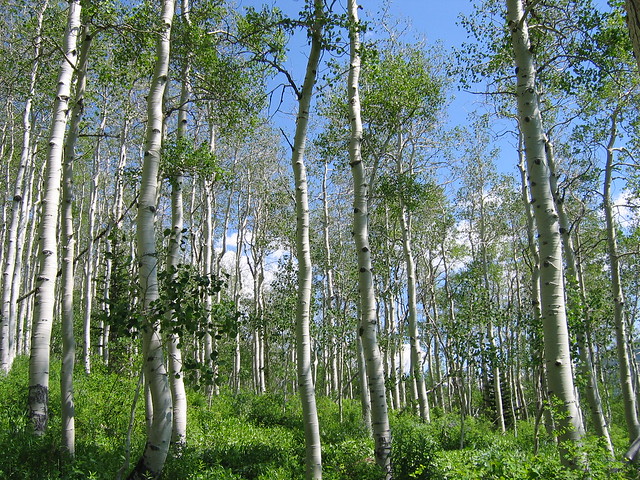
Birch Trees

Words marked with a * are reconstructions.

Proto-Celtic *betwiyos / *betuyā = birch (tree)
Gaulish betulla, *bitu, *betua = birch
Old Irish (Goídelc) beithe = birch (tree)
Middle Irish (Gaoidhealg) beithe. beith = birch tree, birch wood, the letter b in Ogham (ᚁ)
beithech = birch land, grove of birch
beithe-luis(-nin) = Ogham alphabet (ᚁᚂᚅ) – named after the first few letters
Irish (Gaeilge) beith = birch (tree), letter B in Ogham (ᚁ)
beith gheal = silver birch (Betula pendula)
beitheach = covered or planted with birches
Scottish Gaelic (Gàidhlig) beithe [behə] birch, the letter B in Ogham, birch wood/forest
beith-gheal = silver birch
beith luis nuin = ABC
Manx (Gaelg) beih = birch (tree)
beih argid = silver birch
beihagh = birch, birchen
Proto-Brythonic *bedu = birch (tree)
Middle Welsh (Kymraec) bedw, bedỽ = birch
bedwen = birch tree
bedwaỽt = song of the birch, song of good omen
betuerỽ = birch grove, place abounding with birch trees
betguos, bedwes = birch grove
Welsh (Cymraeg) bedw [ˈbɛdʊ / ˈbeːdu] = birch, birch grove, maypole, birch-rod
bedwen = birch tree
bedw arian = silver birch
bedwerw = birch grove, place abounding with birch trees
bedwos, bedwes = birch grove
Old Cornish bedewen = birch
Middle Cornish (Cernewec) bedewen = birch tree, poplar tree, aspen tree
Cornish (Kernewek) besow = birches
besowen = birch (tree)
besow arghas = silver birch
Old Breton (Brethonoc) bedu = birches
beduan = birch
Middle Breton bezu = birches
bezuenn = birch
Breton (Brezhoneg) bezv [ˈbɛ(z)w] = birches
bezvenn [ˈbe(z).vɛn] = birch
bezveg [ˈbe(z).vɛk] = birch grove
bezvenneg = birch grove
bezvennek = abounding in birches

Etymology: from Proto-Indo-European *gʷetu-yo-s, from *gʷet- (resin, gum) [source]. Words from the same Proto-Celtic roots, via Gaulish *bitu/betua and Latin *betius, include betulla (birch) in Italian, bouleau (birch) in French, bedoll (birch) in Catalan, bétula (birch) in Portuguese, βετούλη (vetoúli – birch) in Greek, and abedul (birch) in Spanish. The botanical Latin name for the genus Betula (birch) also comes from the same roots [source].

Sources: Wiktionary, Etymological Dictionary Of Proto Celtic, In Dúil Bélrai English – Old Irish glossary, eDIL – Electronic Dictionary of the Irish Language, Teanglann.ie, Am Faclair Beag, An etymological dictionary of the Gaelic language, Fockleyreen: Manx – English Dictionary, Online Manx Dictionary, Gaelg Corpus, Geiriadur Prifysgol Cymru, Lexicon cornu-britannicum : a dictionary of the ancient Celtic language of Cornwall, Gerlyver Kernewek, Devri : Le dictionaire diachronique du breton, Geriafurch, TermOfis

Oak (trees)

Words for oak (tree) and related things in Celtic languages.

Here be trees!

Words marked with a * are reconstructions.

Proto-Celtic *daru [d̪ˠaɾʲ] = oak
Gaulish Dervo = used in placenames
Old Irish (Goídelc) dair [d̪ˠaɾʲ] = oak
Middle Irish (Gaoidhealg) dair, daur = an oak, the letter D in the Ogham alphabet (ᚇ)
dairbre, dairbhre = an oak, oakling, a grove of oak grees, an oak wood
dairde, daurde = oaken
dair-ḟid, dauruth = an oak wood
Irish (Gaeilge) dair [d̪ˠaɾʲ] = oak, the letter D in the Ogham alphabet (ᚇ)
dairbhre = oaks, oak-grove
daireach = planted with / full of oaks
doire [ˈd̪ˠɛɾʲə] = oak-wood; wood, grove, thicket
Scottish Gaelic (Gàidhlig) dair [darʲ] = oak (archaic), the letter D, ᚛ᚇ᚜ in Ogham
dairbhre = oak, nursery or grove of oaks
darach [darəx] = oak, oaken, made of oak; ship (poetic)
darag [darag] = small/dwarf oak, stunted/branchy tree (which is not useable for working)
Manx (Gaelg) darragh = oak, oaken, oak grove, oak wood
darrag = oak, beam, cast (fishing), snood, hairline
darree = oak
Proto-Brythonic *dar [ˈdar] = oak tree
Middle Welsh (Kymraec) dar, dâr = oak
derwd(y) = oak house, oratory, prayer house, coffin
derwin, deruin = make of oak, oaken, abounding in oaks, strong, robust, oak timber
Welsh (Cymraeg) dâr [ˈdaːr] = oak tree, foremost warrior, leader, mighty lord
derw = oak trees
derwen [ˈdɛrwɛn] = oak tree
derwin = make of oak, oaken, abounding in oaks, strong, robust, oak timber
der(w)lwyn = oak grove, oak wood
Old Cornish dar = oak
Middle Cornish (Cernewec) dar = an oak
Cornish (Kernewek) dar [daːr / dæːr] = oak
derwen = oak tree
derw = oak trees
Old Breton daeru = oaks
Middle Breton (Brezonec) deru = oaks
Breton (Brezhoneg) dar [dɑːr] = oak
derv [ˈdɛrw/ˈdɛː.ro] = oaks
dervenneg = with oak trees
dervoed [dɛʁwət] = oak grove, oak wood

Etymology: from the Proto-Indo-European *dóru (tree) [source].

Words from the same Proto-Celtic root possibly include làrix (larch) in Catalan, lariks (larch) in Dutch learag (larch) in Scottish Gaelic, larch in English, Lärche (larch) in German, and lærk (larch) in Danish [source].

Words from the same PIE root include δόρυ (dóry – spear) in Greek, dervà (tar, resin) in Lithuanian terva (tar) in Finnish, dearbh (sure, certain) in Irish, tree, trim, and trough, true in English, and trä (wood) in Swedish [source].

Proto-Celtic *tannos = green oak
Gaulish *tannos = oak
Old Irish (Goídelc) tinne = holly, elder
Middle Irish (Gaoidhealg) tinne = holly, elder, the letter t in the Ogham alphabet (ᚈ)
Irish (Gaeilge) tinne = the letter t in the Ogham alphabet (ᚈ)
Scottish Gaelic (Gàidhlig) teine/tinne [tʲenə] = gorse, whin, furze (archaic), the letter t (ᚈ) in Ogham
Welsh (Cymraeg) taneru, tener(i)o = to tan (hide)
tanerdy = tannery
tanerwr = tanner (of hides)
Old Cornish tannen = oak (?)
Middle Cornish (Cernewec) tonnen = bark
glastanen, glastennen, glastan = (scarlet) oak
Cornish (Kernewek) glastanen gelyn = holly/holm oak
glastanen gork = cork oak
Middle Breton (Brezonec) glastann(enn) = holm oak(s)
Breton (Brezhoneg) tann [tānː] = sessile oaks
tannañ = to tan
glastann = holm oaks

Note: the Welsh words were borrowed from English tanner, which ultimately comes from Proto-Celtic *tannos, via French, Latin and Gaulish.

Etymology: from Proto-Celtic *(s)tannos, the Proto-Indo-European *(s)dʰnwos/*(s)dʰonu (fir). Words from the same Proto-Celtic roots, via Gaulish and Latin tannum (oak bark), include tan (pulped oak bark used in the tanning process of leather) in French, tano (stem, slip) in Galician, tanería (tannery), Tannenbaum (fir tree, Christmas tree) in German, θάμνος (thámnos – bush) in Greek, and tan, tannery, tannin (tannic acid) in English.

Words from the same PIE roots include thanë (cranberry bush) in Albanian, and धनु (dhanu – bow) in Sanskrit. [source].

The Fastest Way to Learn Japanese Guaranteed with JapanesePod101.com

Sources: Wiktionary, Etymological Dictionary Of Proto Celtic, In Dúil Bélrai English – Old Irish glossary, eDIL – Electronic Dictionary of the Irish Language, Teanglann.ie, Am Faclair Beag, An etymological dictionary of the Gaelic language, Fockleyreen: Manx – English Dictionary, Online Manx Dictionary, Gaelg Corpus, Geiriadur Prifysgol Cymru, Lexicon cornu-britannicum : a dictionary of the ancient Celtic language of Cornwall, Gerlyver Kernewek, Devri : Le dictionaire diachronique du breton, Dictionnaires bilingues de Francis Favereau / Edition Skol Vreizh, TermOfis

Unlimited Web Hosting - Kualo

Death

Words for death and related things in Celtic languages.

Death

Words marked with a * are reconstructions.

Proto-Celtic *bāstom / bāssom = death
*bayeti = to die
*batom = death, pestilence
*dībatom = extinction, extinguisment
Gaulish dib = ?
Old Irish (Goídelc) bás [baːs] = death
baïd [ˈba.əðʲ] = to die
bath = death
díbad = extinction, quenching, estate of deceased
Middle Irish (Gaoidhealg) bás(a), báas = death
básaid, basat = to kill, put to death
básaigid, bäsaiged = to kill put to death, slay
básaire = executioner
básamuil = mortal
bath, baath, báth = death, destruction
díbad, dibud, dibath = destruction, extinction, quenching
Irish (Gaeilge) bás [bˠɑːsˠ / bˠæːsˠ] = death
básachán = dying, feeble, creature
básadóir = executioner
básaigh = to put to death, execute, die
básmhaireacht = mortality
básmhar = mortal
básúil = deathlike, deadly
díobhadh = elimination, extinction
díobhaí = without issue, extinct
Scottish Gaelic (Gàidhlig) bàs [baːs] = death, fatality, decease, demise
bàsachadh [baːsəxəɣ] = (act of) dying, expiring
bàsail [baːsal] = deadly, fatal, death-like
bàsaire [baːsɪrʲə] = executioner
bàsmhor [baːs(v)ər] = mortal, deadly, fatal, lethal
bàsmhorach [baːsvərəx] = mortal
bàsmhorachd [baːsvərəxg] = mortality, deadliness, lethalness
diobhadh† = destruction, death, inheritance
Manx (Gaelg) baase [bɛːs] = death
baasoil = deadly, deathlike, fatal
baasoiley = deadly
baasoilid = deadliness, mortality
Proto-Brythonic *bad = ?
Middle Welsh (Kymraec) bad, bat = plague, pestilence, death
Welsh (Cymraeg) bad = plague, pestilence, death
Old Cornish badus = lunatic
Middle Cornish (Cernewec) badus = lunatic
Cornish (Kernewek) badus = lunatic
Old Breton (Brethonoc) bat = ?
Middle Breton (Brezonec) bad(ou) = dizziness
badet = dazzled
Breton (Brezhoneg) bad [bɑːt] = daze
badañ = to daze
badet = stupefied

Etymology: from the Proto-Indo-European *gʷeh₂- (to go, step, stand) [source].

Proto-Celtic *marwos = dead
*marwāti = to die, kill
*marwonatus, *marwonatā = elegy, eulogy
Gaulish *maruos = dead
Old Irish (Goídelc) marb = dead; mortified, insensible, spiritually dead; inanimate; stagnant (water)
marbaid = to die, kill
marbán = corpse, dead person
marbdae = mortal, lifeless, inanimate
mart = death, dead animal, slaughtered cow or ox
Middle Irish (Gaoidhealg) marb = dead (person), mortal, mortified, insensible, spiritually dead, dying, lifeless, unconscious
marbaid = to kill, slay
marbnad, marbna, marbnadh = elegy
Irish (Gaeilge) marbh [ˈmˠɑɾˠəvˠ / ˈmˠarˠuː / ˈmˠarˠu] = dead person, death, defunct
marbhán = dead person, corpse, lethargic person, sultry weather
marbhánta = lifeless, spirtless, lethargic, dull, stagnant, airless, sultry, oppressive
marbhlann = morgue
marbhna = elegy
marfach = killing, slaying, carnage, slaughter, deadly, fatal, lethal
marfóir = killer
Scottish Gaelic (Gàidhlig) marbh [marav] = dead person, the dead
marbhach [maravəx] = deadly, mortal
marbhachadh [maravəxəɣ] = (act of) killing
marbhadair, marbhaiche = killer, slayer, murderer
marbhadh [maravəɣ] = (act of) killing
marbhan [maravan] = corpse
marbhrann [maravrən] = elegy
Manx (Gaelg) marroo = dead, lifeless, inanimate, glassy (look), muggy, dull, dud, stagnant, defunct, mortified, slaughtered, departed, deceased, killed, extinct
marrooagh = deadly, fatal, lethal, overpowering, internecine
marvaanagh = mortal, earthborn, fatal, vile
merriu = (the) dead, dead men, departed souls
Proto-Brythonic *marw = dead
*marwọd [marˈwɔːd] = to die
*marwnad = elegy (?)
Middle Welsh (Kymraec) marw, maru = dead, deceased, inanimate, spiritually dead
maru, merwi, marw = to die, expire, cease to exist, vanish, fade away
marwnad, marwnat = elegy, dirge, funeral song, epitaph
marwavl, marwawl, marwol = mortal, transitory, transient
Welsh (Cymraeg) marw = dead, deceased, inanimate, spiritually dead, insensible, lifeless, dull, languid
marwolaeth = death, decease, demise; suffering, tribulation; deadly plague or pestilence, fatal disease
marw(af), merwi = to die, expire, cease to exist, vanish, fade away
marwaidd = lifeless, languid, torpid, listless, dull, slugglish, drowsy, numb
marwnad [ˈmar.(w)nad] = elegy, dirge, funeral song, epitaph
marwol = mortal, transitory, transient
Middle Cornish (Cernewec) marow = dead, deceased, lifeless
marwel, merwel = to die, become lifeness
Cornish (Kernewek) marow = dead (person), switched off
marwel = mortal
marwostel = mortgage
marwostla = to mortgage
mernans = death
merwel = to decease, die, pass away
Middle Breton (Brezonec) marf, maru = death
maruel = mortal
meruell, meruel = to die
Breton (Brezhoneg) marv [mɑːro/ˈmarw] = death
marvedigezh = extinction
marvel = mortal
marvelezh = mortality
marvenn = necrosis
marveenniñ = to necrotize, become gangrenous
marvus = mortal, perishable
mervel [mɛr.vɛl] = to die, pass away, become insensible, extinguish

Etymology: from Proto-Indo-European *mr̥wós (dead), from *mer- (to die, disappear) [source]. Words from the same roots include morbid, moribund, mortal, mortgage, murder, nightmare and postmortem in English, мереть (to die, stand still, sink) in Russian, mìrt (to die, stop working) in Latvian, and mir̃ti (to die) in Lithuanian [source].

Proto-Celtic *ankus = death
Old Irish (Goídelc) éc = death
Middle Irish (Gaoidhealg) éc, ec = death
Irish (Gaeilge) éag = Death, numbness, powerlessness
éagach = deceased (person)
éagbhás = dead-and-alive person
éaglach = (state of) extinction, death
éagmhar = fatal, causing death
Scottish Gaelic (Gàidhlig) eug [eːg] = death, Death, ghost, spectre
eug-lios = burial ground, churchyard, cemetery
eugach [iəgəx] = deathly, death-like, ghastly
eugachdainn [eːgəxgɪnʲ] = (act of) perishing, giving up the ghost
eugail [iəgal] = deathly, death-like, ghastly
Middle Welsh (Kymraec) agheu, angheu, aghev = death, decease, demise
Welsh (Cymraeg) angau = death, decease, demise, annihilation, cessation, mortal danger
Old Cornish ancou = death
Middle Cornish (Cernewec) ancow = death
Cornish (Kernewek) ankow = death
Old Breton (Brethonoc) ancou = Death
Middle Breton (Brezonec) ancou, ancquou, anquou = Death
Breton (Brezhoneg) ankoù [ˈãŋkow/ˈãŋku] = Death, skeleton

Etymology: from Proto-Indo-European *neḱ- (to perish, disappear). Words from the same PIE roots include innocent, necropolis, nectar, noxious and nuisance in English, nuocere (to harm, injure, damage) in Italian, nuire (to harm, spoil) in French, anegar (to inundate, flood, drown) in Spanish, éacht (slaying, slaughter, feat, exploit) in Irish, aeth (pain, woe, grief, sorrow) in Welsh, and related words in the other Celtic languages [source].

The Fastest Way to Learn Japanese Guaranteed with JapanesePod101.com

Sources: Wiktionary, Etymological Dictionary Of Proto Celtic, In Dúil Bélrai English – Old Irish glossary, eDIL – Electronic Dictionary of the Irish Language, Teanglann.ie, Am Faclair Beag, An etymological dictionary of the Gaelic language, Fockleyreen: Manx – English Dictionary, Online Manx Dictionary, Gaelg Corpus, Geiriadur Prifysgol Cymru, Lexicon cornu-britannicum : a dictionary of the ancient Celtic language of Cornwall, Gerlyver Kernewek, Devri : Le dictionaire diachronique du breton, Dictionnaires bilingues de Francis Favereau / Edition Skol Vreizh, TermOfis

Unlimited Web Hosting - Kualo