Magic and Spells

Today we’re looking at words for magic, spells, charms, prayers and related things in Celtic languages.

Witch

Proto-Celtic *brixtā = spell, magical formula, incantation
Celtiberian *bruxtia
Gaulish brixtia
Old Irish (Goídelc) bricht = charm, spell, incantation
Middle Irish (Gaoidhealg) bricht = incanation, charm, magic spell
Irish (Gaeilge) briocht = charm, spell, amulet
briocht sí = fairy charm
briocht a chanadh = to chant a spell
briocht draíochta = magic spell
Proto-Brythonic *briθ [ˈbriːθ] = charm, incantation
Middle Welsh (Kymraec) lleturith, lledrith, ledryth = magic, spell, charm, enchantment
llethrithawc, lledrithyawc, lleturithawc = magic, magical, enchanted
Welsh (Cymraeg) lled(f)rith = magic, spell, charm, enchantment; apparition, spectre, phantom; illusion, delusion, fantasy, imagination
lledrithaid = pretence, dissembling, deception
lledrithiaf, lledrithio = to counterfeit, fake, pretend, simulate
lledrithiog = magic, magical, enchanted
Old Breton brith = charm, incantation (?)
Breton (Brezhoneg) bre = incantation, magic

Etymology: from the Proto-Indo-European *bʰerHǵ- (enlighten). Words that probably come from the same Proto-Celtic root, via the Celtiberian *bruxtia, include bruja (witch, crone, hag, owl) in Spanish, bruxa (witch, hex) in Galician, bruxa (witch) in Portuguese, and bruixa (witch) in Catalan [source].

Old Irish (Goídelc) druídecht, draídecht = magic, wizardry, secret lore and arts of the druids
Middle Irish (Gaoidhealg) druídecht, draídecht, dráoidheachd = secret lore and arts of the druids, occult science, wizardry
Irish (Gaeilge) dríocht [ˈd̪ˠɾˠihaxt̪ˠə] = druidic art, druidism, witchcraft, magic, charm, enchantment
draíochtach = magical, bewitching, entrancing
draíochtúil = magic, magical
Scottish Gaelic (Gàidhlig) draoidheachd [drɯjəxg] = magic, socery, druidism
eun-draoidheachd = augury
slat-draoidheachd = magic wand/td>
Manx (Gaelg) druaight = charm, druid
druaightagh = charmer, charming, druid, magician, occult
druaightys = charming, druid, druidism, magic
fo druaight = charmed
Welsh (Cymraeg) derwyddiaeth [dɛrˈwəðjaɨ̯θ/dɛrˈwəðjai̯θ] = druidism, the druid cult
Cornish (Kerneweg) drewydhieth = druidism
Breton (Brezhoneg) drouizelezh / drouiziezh = druidism

Etymology: these words come from the same roots as words for druid.

Old Irish (Goídelc) ortha = prayer, incantation, spell, charm
oráit = prayer
Middle Irish (Gaoidhealg) ortha, órtha = prayer, incantation, spell, charm
orthanach = of prayers, wont to pray
oróit, oráit, oráid, oraoid = prayer, speech, oration
anoráit, anóráid = curse
Irish (Gaeilge) ortha = incantation, spell, charm, prayer
im ortha = unsalted butter used in charm-cure
óráid = oration, speech, address
óráideach = oratorical, declamatory.
óráidí = orator, speech-maker
óráidíocht = oratory, speech-making
Scottish Gaelic (Gàidhlig) ortha [ɔr̪ˠə] = incantation, (magical) prayer, amulet
ortha-bhàis = death incantation
ortha-ghràidh = love amulet / charm
òraid [ɔːrɪdʲ] = address, speech, lecture, talk
òraidiche [ɔːrɪdʲɪçə] = lecturer, orator, speechmaker
òraidearachd = oratory
talla-òraid = lecture hall / theatre
Manx (Gaelg) oraid = address, oration, speech
oraatagh = orator, speaker, oratorial
oraataght = oration
Proto-Brythonic *arọd = prayer, oration
Old Welsh (Kembraec) araut = speech, language, eloquence, address, oration
Middle Welsh (Kymraec) araỽd, arawt, araỽt, arawd = speech, language, eloquence, address, oration
Welsh (Cymraeg) arawd = speech, language, eloquence, address, oration, utterance, report, eulogy, prayer
arawduriaeth = oratory, rhetoric
Middle Cornish (Cernewec) areth = speech, oration
Cornish (Kerneweg) areth = lecture, oration, speech
arethek = rhetorical
arethor, arethores = lecturer, orator, speaker
arethva = platform
arethya = to lecture

Etymology: from Latin ōrātiō (speech, discourse, language, oration), from ōrō (to speak as an orator, plead, pray) from Latin ōs, ōris (mouth), or from Proto-Indo-European *h₂er- (to pronounce a ritual) [source].

The words for prayer and oration come from this Latin root, and the words for charm and incantation may do as well [source]. The Brythonic words come via Vulgar Latin *arātiō [source].

Words from the same roots include oration in English, oración (oration, sentence, clause, prayer) in Spanish, and oratorio (oratory, oratorio, oratorical, solemn) in Italian.

Old Irish (Goídelc) sén = blessing, charm, incantation, omen, prosperity, sign, snare
sénaid = to bless, charm (with spell), deny, reject, repudiate, sign
Middle Irish (Gaoidhealg) sén, seon, seún, sena, séna = sign, omen, augury, portent, incantation, charm, blessing, good luck, prosperity, happiness
sénaid, seanaidh = to mark with a sign, bless, put a spell on, put a charm on
Irish (Gaeilge) séan [ʃeːnˠ] = sign, omen, good luck, prosperity; to mark with a sign, to bless
séanaire = diviner, augur
séanaireacht = divination, augury
Scottish Gaelic (Gàidhlig) seun [ʃiən] = charm, magic invocation, protective spell
seunach [ʃiənəx] = charming, enchanting, charm-like
seunadair [ʃiənədɪrʲ] = enchanter
seunadaireachd [ʃiənədɪrʲəxg] = conjuring, enchanting
seunail [ʃiənal] = charmed, magical, happy, prosperous
seunmhorachd [ʃiənvərəxg] = magical power(s)
seunta [ʃiən̪ˠdə] = charmed, enchanted
seuntachan [ʃiəndəxan] = charm, enchantment
Manx (Gaelg) sheean = charm, fortune
Proto-Brythonic *suɨɣn = spell, incantation (?)
Middle Welsh (Kymraec) swyn, suen, = spell, incantation, sorcery, witchcraft, magic, remedy, charm
swyno, suyno = to charm, fascinate, allure, cast a spell (on), bewitch
swynedig, sỽynedic, swynedic = charmed, fascinated, charming, bewitched, blessed, happy
Welsh (Cymraeg) swyn [suːɨ̯n / sʊi̯n] = spell, incantation, sorcery, witchcraft, magic, remedy, charm
swyn(i)o = to charm, fascinate, allure, cast a spell (on), bewitch, divine, bless, protect
swynaidd = charming, enchanting
swynedig = charmed, fascinated, charming, bewitched, blessed, happy
swynwr, swynydd = sorcerer, magician, bewitcher, soothsayer
swynyddiaeth = sorcery, witchcraft, magic
Middle Cornish (Cernewec) sona, sone = to bless, hallow, sanctify, consecrate, charm
zona = to charm, hallow
Cornish (Kerneweg) sona = to bless, charm
sonell = charm
Breton (Brezhoneg) saouzan = disorientation, bewilderment, stupor, hypnosis
saouzanan, saouzanañ = to disorientate, hypnotise, go astray, misplace
saouzanidigezh = hypnotism
saouzanus = hypnotic

Etymology: from Latin signum (sign, mark, signal, miracle), from Proto-Italic *seknom (sign, statue), from Proto-Indo-European *sek- (to cut) or *sekʷ- (to follow). [source].

Words from the same roots include sign and signal in English, seña (sign, indication, gesture) and sino (destiny, fate, lot) in Spanish, and Segen (blessing) in German [source].

Proto-Celtic *soitos. *soyto- = magic
Proto-Brythonic *hʉd = magic, charm
hʉdol = charming, illusory
Middle Welsh (Kymraec) hut, hud = magic, wizardry, sorcery, witchcraft
hûdadwy, hydadwy = persuasive, enticing, seducible
Welsh (Cymraeg) hud [hɨːd/hiːd] = magic, wizardry, sorcery, witchcraft, spell, enchantment, charm, fascination, allurement, persuasion
hudadwy = persuasive, enticing, seducible
hudaf, hudo = to fashion or produce by magic, conjure, cast a spell upon, enchant, charm, entice, allure, persuade, seduce, beguile
hudaidd = alluring, charming, seductive
hudol = charming, enchanting, enticing, alluring, illusory, deceptive, deceitful
Old Cornish hudol = charming, illusory
Middle Cornish (Cernewec) huder = a deceiver, hypocritic, juggler, sorcerer
hudol = sorcerer
Cornish (Kerneweg) hus = charm, enchantment, illusion, magic, sorcery, spell
husa = to charm, create an illusion, enchant
Middle Breton (Brezonec) hud = magic
hudek, hudel = magic, magical
hudiñ = to charm, enchant, bewitch, delight
hudour = magician, wizard
hudouriezh = magic
Breton (Brezhoneg) hud = magic
hudek = magic, magical
hudour = magician, wizard

Etymology: from the Proto-Indo-Etymology *sh₂oy-tó-s (magic), from *sh₂ey (to bind, fetter) [source]. Words from the same PIE roots include seiður (magic, witchcraft, sorcery) in Icelandic, sejd (sorcery, witchcraft, magic potion) in Swedish, and seid (magic) in Norwegian [source].

Middle Irish (Gaoidhealg) pis(e)óc = charm, spell, sorcery, witchcraft
Irish (Gaeilge) piseog = charm, spell, superstition
piseogach = practising charms or spells, superstitious
piseogacht = superstitious practices
piseogaí = charm-setter, superstitious person
Scottish Gaelic (Gàidhlig) pisreag [ʃiən] = charm, spell, ensorcellment, sorcery, superstition
Manx (Gaelg) pishag = charm, incantation, spell, witchcraft
pishagagh = incantatory, magical, sorcerer, superstitious
pishagys = enchantment, magic
Middle Cornish (Cernewec) pystyc = witchery, magic, sorcery
pystry = witchcraft, magic, sorcery
Cornish (Kerneweg) pystri = magic, sorcery
pystrier = sorcerer, warlock, wizard
pystriores = sorcereress

Etymology: probably from Latin pyxis (a small box, for holding medicines or toiletries), from Ancient Greek πυξίς (puxís – box, tablet, cylinder), from πῠ́ξος (púxos – boxwood) [source]. The Hibero-English word piseog (an evil spell, curse) comes from the same roots, via Irish [source].

Old Irish (Goídelc) airnigde [ˈar͈ʲn͈ʲiɣʲðʲe] = prayer, praying
ar·neget = to pray
Middle Irish (Gaoidhealg) airnigde, airnaigde, airna(i)gthe, urnaidhi, urnaith = praying, prayer
airnaigid, ernaigit = to pray
airnaigthech, ernaigtech, urnaigtheach = prayerful, devout
Irish (Gaeilge) urnaí [uːɾˠˈn̪ˠiː / ˈʌɾˠn̪ˠi] = praying, prayer
urnaitheach = prayful, devout
Scottish Gaelic (Gàidhlig) ùrnaigh [ur̪ˠn̪ʲɪ] = praying, prayer
ùrnaigheach [ur̪ˠn̪ʲijəx] = pertaining to or abounding in prayers
Manx (Gaelg) yeearree = prayer, request, urge, wish, desire, aspiration; to solicit, importune
yeearreeagh = wistful, soliciting, yearning

Etymology: uncertain [source].

Middle Irish (Gaoidhealg) paitir, paidear = the Lord’s Prayer, paternoster
Irish (Gaeilge) paidir [ˈpˠɑdʲəɾʲ / ˈpˠædʲəɾʲ] = Paternoster, prayer
An Phaidir, Paidir an Tiarna = the Lord’s Prayer
paidreoireacht = praying
paidrín = Rosary
Scottish Gaelic (Gàidhlig) paidir [padʲɪrʲ] = the Lord’s Prayer, Pater Noster, rosary
Manx (Gaelg) padjer [ˈpaːʒər] = prayer, devotion
Padjer y Çhiarn = the Lord’s Prayer
goaill padjer = to pray, prayer

Etymology: from Latin pater (father), the first word of the Lord’s Prayer in Latin (Pater noster) [source].

The Fastest Way to Learn Japanese Guaranteed with JapanesePod101.com

Sources: Wiktionary, Am Faclair Beag, Online Manx Dictionary, Teanglann.ie, eDIL – Electronic Dictionary of the Irish Language, In Dúil Bélrai English – Old Irish glossary, Geiriadur Prifysgol Cymru, Gerlyver Kernewek, Dictionaire Favereau, TermOfis, English – ProtoCeltic WordList (PDF), Etymological Dictionary Of Proto Celtic
Unlimited Web Hosting - Kualo

Speckled and Spotted

Today we’re looking at words for speckled, spotted and related things in Celtic languages.

Speckled

Proto-Celtic *brikkos = speckled, spotted
Gaulish *brikkos
Old Irish (Goídelc) brecc [bʲrʲek] = checked, flecked, speckled, spotted, variegated
brecht = variegated
brechtnaigthe = variegated
Middle Irish (Gaoidhealg) brecc, breac, brec = speckled, spotted, variegated, patterned, ornamented, dappled
brecht = variegated, varied, various
brecht(g)na = many-hued
Irish (Gaeilge) breac [bʲɾʲak] = speckled, dappled, indifferent
breacachan = variegation
breachadh = speckling, dappling; variegation, scribbling writing, lightening (of colour)
breacaimsir = middling, fair but unsettled weather
breacaire = carver, engraver, engraving tool, scribbler
breacaireacht = variegation, chequering, carving, engraving, scribbling, doodling
breacán = tartan, plaid
Scottish Gaelic (Gàidhlig) breac [brʲɛxg] = speckled, spotted, spotty, dappled, variegated
breacadh = speckling, spotting, chequering, sprinkling, scattering
breacanach = pertaining to tartan, plaided
breacaichte = spotted, stippled
breac-seun = freckle
Breac a’ Mhuilinn = The Milky Way
Manx (Gaelg) breck = brindle, dapple-grey, medley, piebald, pied, speckle, spot, spotty, tartan, chequered, spotted, variegated
breck greiney = freckle
breck kiark = chickenpox
breckag = fleck of colour
breckan = brindle, medley, colour, plaid, tartan
breckanagh = tartan
breckey = brindle, chequering, dapple, freckle, mottle
Proto-Brythonic *brɨx = speckled, spotted
Middle Welsh (Kymraec) brych, brech = mottled, spotted, speckled
Middle Welsh (Kymraec) brych, brech = mottled, spotted, brindled
brychy = to dapple, mottle
brychau, brychav, brychæ = spots, marks, stains
brychedic, bryçedig = mottled, brindled, speckled, spotted
Welsh (Cymraeg) brych [brɨːχ/briːχ] = mottled, spotted, brindled, variegated, stained, defiled, freckled, spot, mark, blemish, stain, afterbirth, placenta
brychaf, brychu = to dapple, mottle, mark, stain, sully
brychau = spots, marks, stains
brych(i)edig = mottled, brindled, speckled, spotted
brech [brɛχ] = rash, pox, inoculation, vaccination, cowpox
brechaf, brechu, brecho = to vaccinate, innoculate
brechedig = vaccinated, vaccinee
brechiad = vaccination, inoculation, injection
brechlyn = vaccine
Cornish (Kernewek) brygh = pox, smallpox, spot
brygh rudh = measles
brygh yar = chickenpox
bryghlin = vaccine
bryghlina = to vaccinate
bryghlinans = vaccination
Middle Breton (Brezonec) brech, bræch = smallpox, vaccine, sheep pox
brahaing, brehain, brec’hagn = sterile
Breton (Brezhoneg) brec’h [ˈbrɛːx] = smallpox, vaccine
brec’hidigezh = vaccination
brec’h-den = smallpox, vaccine
brec’h-nij = chickenpox
brec’h-zu = thyphus

Etymology: from the Proto-Indo-European *perḱ- (motley, coloured, spotted) source]. Words for trout in Celtic languages are probably related.

Words from the same PIE root include perch in English, färg (colour) in Swedish, väri (colour) in Finnish, Farbe (colour, paint, dye) in German, and barva (colour, paint, ink) in Czech [source].

Proto-Celtic *ɸerkos, *ferko- = perch, speckled
Old Irish (Goídelc) erc = speckled, spotted, cow, salmon
Middle Irish (Gaoidhealg) erc = speckled, dark red, trout, salmon, a spotted or red-eared cow
Scottish Gaelic (Gàidhlig) earc [ɛr̪ˠxg] = speckled, spotted, striped, dark/blood red
Middle Welsh (Kymraec) erch = mottled, speckled, dappled, dun, bay, dusky, dark
Welsh (Cymraeg) erch [ɛrχ] = mottled, speckled, dappled, dun, bay, dusky, dark
erchlas = dapple-grey (of horse), dark blue colour
erchyll = horrible, hideous, ghastly, dire, terrible, dreadful, awful, frightful

Etymology: from the Proto-Indo-European *perḱ- (motley, coloured, spotted) source].

Proto-Celtic *mrixtos = painted, speckled
Proto-Brythonic *briθ [ˈbriːθ] = painted, speckled, variegated
Old Welsh brith = variegated, coloured
Middle Welsh (Kymraec) brith, breith, braith = variegated, coloured
Welsh (Cymraeg) brith [briːθ] = variegated, coloured, chequered, mottled, pied, spotted, speckled, brindled, grey; numerous, abundant
brith(i)af, brith(i)o = to colour, variegate, speckle, dapple, adorn, embroider, to turn grey (hair), to curdle, blot
brithder = spottedness, speckledness, gaudiness
britheg [ˈbriθɛɡ] = snake’s head fritillary (Fritillaria meleagris)
brithyll = (brown) trout
bara brith = bara brith (Welsh current loaf, lit. “speckled bread”)
Middle Cornish (Cernewec) brith = streaked, motley, variegated, parti-coloured, pied, speckled
brithel, breithil = mackerel
Cornish (Kernewek) brith = streaked, striped, tartan
britha = to dapple, mottle, streak
brithednek = freckled
brithel = mackerel
brithen = freckle
brithennek = freckled; fallow deer
brithki = mongrel
brithlen = tapestry
brithweyth = mosaic
brithys = dappled, mottled, spotted
Middle Breton (Brezonec) bris, brih, breh, briz = colourful, stained, dirty, piebald
brizadur = speckles, freckles
Breton (Brezhoneg) brizh = colourful, stained, piebald
brizhadenn = freckle
brizhellet = dappled, flecked

Etymology: from the Proto-Indo-European word *mr̥gʷ-tó-s, from *mergʷ- (dark, coloured) [source].

Sources: Wiktionary, Am Faclair Beag, Online Manx Dictionary, Teanglann.ie, eDIL – Electronic Dictionary of the Irish Language, In Dúil Bélrai English – Old Irish glossary, Geiriadur Prifysgol Cymru, Gerlyver Kernewek, Dictionaire Favereau, TermOfis, English – ProtoCeltic WordList (PDF), Etymological Dictionary Of Proto Celtic

The Fastest Way to Learn Japanese Guaranteed with JapanesePod101.com

Foreheads

Today we’re looking at words for foreheads, brows and related things in Celtic languages.

Big forehead!

Old Irish (Goídelc) étan = brow, forehead
Irish (Gaeilge) éadan [ˈeːd̪ˠənˠ] = front, face, forehead, flat surface, facet, end
éadanán = headstall
éadanchlár = fascia
in éadan = against, opposed to
as éadan = one by one, in (rapid) succession, indiscriminately
Scottish Gaelic (Gàidhlig) aodann [ɯːdən̪ˠ] = face, front, dial
aodannan = little face, mask, frontispiece
aodann-clò = typeface
aodann-fuadain = mask
dà-aodannach = two-faced, double-skinned (in architecture)
Manx (Gaelg) eddin = apron (of a dam), rockface, countenance, dial, disc, facade, face, facet, facial, fascia, front, frontage
far-eddin = mask
eddin harroo = sour-faced

Etymology: from the Proto-Indo-European *h₂ent- (forehead) [source].

Words from the same root include end, answer and antimony in English, and ante (before, earlier, instead of) in Italian [source].

Proto-Celtic *talu = front, forehead
Gaulish *talu = ?
Celtiberian talukokum = ?
Old Irish (Goídelc) tul, taul, tel, til = protruberance, projecting part, swelling, boss of a shield
Irish (Gaeilge) tul = protuberance, prominence, front, forehead
tulach = low hill, hillock, mound
tulán = protuberance, mound, knoll, hummock
Scottish Gaelic (Gàidhlig) tul [tul̪ˠ] = face
Manx (Gaelg) tool = ?
tool-vuilley = forehand stroke
Proto-Brythonic *tal
Old Welsh tal = end
Middle Welsh (Kymraec) tal = end
Welsh (Cymraeg) tâl [taːl] = end (of an object), gable end, extremity, top, side, edge, rampart, front, face (of shield), forehead, brow, head
tâl bainc, talbainc = end of bench, place of honour, best kind, first class
ar dâl = at the top, end, by the side, near
talaith = state, province, district, area, principality
talar = headland (of ploughed field), boundary
talaraf, talaru = to reach the headland, set a boundary
Middle Cornish (Cernewec) tal = the front, forehead, end, top
Cornish (Kernewek) tal = brow, forehead, front, temple
talar = headland
talgamma = to frown
plegya tal = to frown, knit one’s brows
Middle Breton (Brezonec) tal = forehead
taleg = sb with a big forehead
Breton (Brezhoneg) tal = face, forehead

Etymology: possibly from the Proto-Indo-European *telh₂- (ground, bottom), or from *teHlu- [source].

Sources: Wiktionary, Am Faclair Beag, Online Manx Dictionary, Teanglann.ie, eDIL – Electronic Dictionary of the Irish Language, In Dúil Bélrai English – Old Irish glossary, Geiriadur Prifysgol Cymru, Gerlyver Kernewek, Dictionaire Favereau, TermOfis, English – ProtoCeltic WordList (PDF), Etymological Dictionary Of Proto Celtic

The Fastest Way to Learn Japanese Guaranteed with JapanesePod101.com

Up Above

Today we’re looking at up, over, above and related words in Celtic languages.

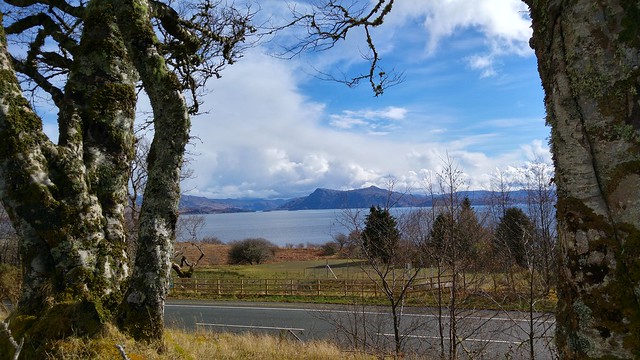
The Crowded Summit of Snowdon
A quiet day on the summit of Snowden / Dydd tawel ar gopa’r Wyddfa

Proto-Celtic *ouxsos = above
*ouxselos = high, elevated
Gaulish *uxelos = high, elevated
Old Irish (Goídelc) úas [uːa̯s] = above, over
anúas [aˈn͈uːa̯s] = from above
súas = up, upwards, back (in time), forward on (in time),
túas = up, above, of heaven, above (mentioned)
úasal = high, lofty, noble, high-born, gallant, genteel, honourable
Irish (Gaeilge) suas [ˈɡaɾʲəmʲ/ˈɡɪɾʲəmʲ] = up, to higher place or station, at, towards, a high level, to the south, onwards, backwards, on high, risen
anuas = down (from above)
thuas = up, in higher place, in the south, put up, on top, successful, profiting
uasal [ˈuəsˠəlˠ] = noble, high-born, aristocratic, gentle, gallant, genteel, lofty, precious, fine, hallowed, enchanted, inhabited by fairies
na huaisle the good people, the fairies
Scottish Gaelic (Gàidhlig) suas [suəs] = up, upwards, upright, standing
shuas [huəs] = above, aloft up (location), upper
a-nuas [əˈn̪ˠuəs] = down(wards) / up(wards) – towards the speaker
uasal [uəsəl̪ˠ] = noble, nobleman, nobility, high-minded, genteel
Manx (Gaelg) seose = heavenwards, up, upward, upwards
heose = above, aloft, up, upper
neose = down, downward, downwards
ooasle = aristocratic, classy, creditable, dignified, esteemed, gentlemanly, goodly, highborn, honourable, illustrious, lofty, lordly, magnificent, noble, respected
Brythonic *ʉx [ˈʉːx] = above, on top of, over
*ʉxel [ʉˈxɛːlˑ] = high, elevated
Old Welsh uuc = above, on top of, over
Middle Welsh (Kymraec) uch = above, on top of, over
uchel = shigh, tall, exalted
Welsh (Cymraeg) uwch [ɨ̞u̯χ/ɪu̯χ] = above, on top of, over, on, beyond, in front of
uchel [ˈɨ̞χɛl/ˈiːχɛl] = high, tall, exalted, important, solemn, sublime, splendid, excellent, noble, stately, respectable, commendable
uchelder = high place, height, highness, nobility
uchelaf, uchelu = to raise, heighten, exalt, increase
uchelwr = landed, proprietor, freeholder, landlord, gentleman, nobelman, aristocrat, a superior
Middle Cornish (Cernewec) uhel = high, lofty, elevated
uhelder = height, highness
uhelle = to raise up on high, to exalt
Cornish (Kernewek) a-ugh = above
a-ugh dhe = over
ughel = high, grand, loud, tall
ughelder = height, loudness
Old Breton uh = on high
uchel = high
Middle Breton (Brezonec) uc’h = on high
uhel = high, noble, generous
uhelaat = to increase, rise in the sky, raise
uheladur = to shrug, enhancement
uhelañ = the highest point
Breton (Brezhoneg) uhel [ˈy.ɛl] = high, uphill, upstream
uhelaat = to promote
uc’hek = maximal

Etymology: from the Proto-Indo-European *h₃ewpso- (above) from *h₃ewps- (high, elevated) [source].

Sources: Wiktionary, Am Faclair Beag, Online Manx Dictionary, Teanglann.ie, eDIL – Electronic Dictionary of the Irish Language, In Dúil Bélrai English – Old Irish glossary, Geiriadur Prifysgol Cymru, Gerlyver Kernewek, Dictionaire Favereau, TermOfis, English – ProtoCeltic WordList (PDF), Etymological Dictionary Of Proto Celtic
The Fastest Way to Learn Japanese Guaranteed with JapanesePod101.com

Flour

In this post we’re looking into words for flour and related things in Celtic languages.

Skiing slope of flour

Proto-Celtic *mlātos = flour
Gaulish *blatos = flour
Proto-Brythonic *blọd = flour
Middle Welsh (Kymraec) blawd, blaỼt = flour
Welsh (Cymraeg) blawd = flour, meal, powder
blawdaidd = mealy, floury, friable
blodiaf, blawdiaf, blawdio = to grind into meal, produce flour, become powdery, turn to dust, sprinkle (with) flour
blodiwr, blawdiwr = flour or meal merchant
Old Cornish blot = flour, meal
Middle Cornish (Cernewec) blot, blês = flour, meal
Cornish (Kernewek) bleus = flour
bleus hesken = sawdust
bleus leun = wholemeal
bleusa = to flour
Old Breton (Brethonoc) blot = flour
Middle Breton (Brezonec) bleut = flour, powder
Breton (Brezhoneg) bleud = flour, powder
bleudañ = to flour
bleudek = floury
bleud brazed = wholemeal flour
bleud goellet = self-raising flour
bleud gwinizh = wheat flour

Etymology: from the Proto-Indo-European *ml̥h₂-tó-s, from *melh₂- (to crush, grind) [source]. Words from the same root include melancholy and melanin in English, and μελανός (melanós – black, dark, blue, bruised) in Greek [source].

Old Irish (Góidelc) men = flour
Middle Irish (Gaoidhealg) men, min = flour, meal, fine powder, dust
Irish (Gaeilge) min [ˈmʲɪnʲ/ˈmʲɨ̞nʲ] = meal; powedered matter
min choirce = oatmeal
min chruithneachta = wheatmeal
min sáibh = sawdust
Scottish Gaelic (Gàidhlig) min [min] = flour, meal, grounds, filings
min-fhlùir = flour
min-eòrna = barley flour/meal
min-sheagail = rye flour
min-chruithneachd = wheat flour
muileann-mine = flour mill
Manx (Gaelg) meinn = meal
meinn chorkey = oatmeal
meinn churnaght = wheatmeal flour
meinn hoggyl = rye meal
meinn oarn = barley meal
meinn saaue = sawdust

Etymology: unknown

Middle Welsh (Kymraec) peyllyeyt, peillit = flour
Welsh (Cymraeg) paill = pollen, flour
peill(i)aid = flour, fine flour, wheat flour, white flour, powder
peilliaid gwenith = (fine) wheat flour
peilliaid haidd = barley flour
peilliaid rhyg = rye flour

Etymology: from the Latin pollen (fine flower, powder, dust), from the Proto-Indo-European *pel- (flour, dust) [source].

Words from the same roots, via the Latin pulvis (dust, powder, ashes), include polve (dust, ashes) in Italian, polvo (dust, powder) in Spanish, poussière (dust) in French, and pulverise (to render into dust or powder) in English [source].

Irish (Gaeilge) plúr [pˠlˠuːɾˠ] = flour, flower
plúr geal = white flour
plúr cruithneachta = wheaten flour
plúrach = floury, farinaceous; flower-like, pretty
plúraigh = to effloresce
plúróg = pretty girl
plúrscoth = choicest flower, pick, choice
plúrú = efflorescence
Scottish Gaelic (Gàidhlig) flùr [fl̪ˠuːr] = flour
flùr lom = plain flour
flùr-éirigh = self-raising flour
Manx (Gaelg) flooyr = flour
flooyr churnaght = wheaten flour
grine-flooyr = cornflour
Middle Welsh (Kymraec) fflwr = flour
Welsh (Cymraeg) fflŵr [fluːr], fflowr = flour (in South Wales)
fflŵr can = wheat flour

Etymology: from the Anglo-Norman flur (flower), from the Old French flor (flower), from the Latin flōrem (flower), from flōs (flower, blossom), from Proto-Italic *flōs (flower, blossom), from Proto-Indo-European *bʰleh₃- (flower, blossom) [source].

Words from the same PIE roots include flour, flower, flora, blossom and bloom in English, blé (flour) and fleur (flower) in French, and blat (wheat) in Catalan [source].

Words marked with a * are reconstructions.

The Fastest Way to Learn Japanese Guaranteed with JapanesePod101.com

Sources: Wiktionary, Am Faclair Beag, Online Manx Dictionary, Teanglann.ie, eDIL – Electronic Dictionary of the Irish Language, In Dúil Bélrai English – Old Irish glossary, Geiriadur Prifysgol Cymru, Gerlyver Kernewek, Dictionaire Favereau, TermOfis, English – ProtoCeltic WordList (PDF), Etymological Dictionary Of Proto Celtic

Unlimited Web Hosting - Kualo

Foundations

Words for foundation and related words in Celtic languages.

Foundations

Proto-Celtic *bonus = foundation, base, butt
Gaulish *bona = foundation, base
Old Irish (Goídelc) bun [bun] = base, bottom, butt, end
Irish (Gaeilge) bun [bˠʊnˠ/bˠʌnˠ] = base, bottom; stock, stump; lower end; extremity; basis origin; basic provision; settled state; source, direction; trace
bunábhar = raw material; substance, main outlines
bunachar = base, foundation
bunadh = origin; stock, kind; native inhabitants; fundamental, basic
bunaigh = to found, establish
bunoscionn = upside down
bunú = foundation, establishment
bunús = origin, basis, foundation, settlement, substance, essence
Scottish Gaelic (Gàidhlig) bun [bun] = base, basis, bottom, foot; derivation, origin, source; butt, stub, stump; mouth (of a river)
bunach = squat/sturdy person, stumps, stubble
bunachar = base, foundation, root
bunasach = original, basic, fundamental
bunachas = base, foundation, root
buntach = stocky, stout, truncated, broken off
Manx (Gaelg) bun = author, basis, details, origin, original, prime, principle, raw material, stem, stool
bunneydagh = authoritative, basic, elemental, firsthand, fundamental, fundamentalist, original, primitive
bunneydys = basis, foundation, groundwork, origin, root
Middle Welsh (Kymraec) bon = bottom, base
Welsh (Cymraeg) bôn [boːn] = base, bottom, tree trunk, stump, stem, root
bondew = thick-based, fat-bottomed, broad-hipped, short and fat, fat-legged
Middle Cornish (Cernewec) ben = stem, base, trunk, butt, end
Cornish (Kernewek) ben = trunk, base, foot
Breton (Brezhoneg) ben = mouth of a river

Etymology: from the Proto-Indo-European **bʰuH- (to be, become) [source]. English words from the same PIE root include to be, moribund and possibly bunny [source].

Words marked with a * are reconstructions.

Sources: Wiktionary, Am Faclair Beag, Online Manx Dictionary, Teanglann.ie, eDIL – Electronic Dictionary of the Irish Language, In Dúil Bélrai English – Old Irish glossary, Geiriadur Prifysgol Cymru, Gerlyver Kernewek, Gerlyvyr Cernewec, Dictionaire Favereau, TermOfis, Le dictionnaire diachronique du breton, Geriafurch, English – ProtoCeltic WordList (PDF), Etymological Dictionary Of Proto Celtic

The Fastest Way to Learn Japanese Guaranteed with JapanesePod101.com

Hammers

Words for hammer and related things in Celtic languages:

Hammer

Proto-Celtic *ordos = hammer
Gaulish Ordo-vices = placename, tribal name
Old Irish (Goídelc) ord = hammer
Irish (Gaeilge) ord [əuɾˠd̪ˠ / ɔːɾˠd̪ˠ] = sledgehammer
Scottish Gaelic (Gàidhlig) òrd [ɔːr̪ˠd] = hammer; cock, hammer (of a fireman): rounded but steep mountain
òrd-fiodha = mallet
òrd-ladhrach = claw hammer
òrd-mòr = sledgehammer
Manx (Gaelg) oard = hammer, sledgehammer
oard inginagh = claw hammer
gaal-oard = steam hammer
Proto-Brythonic *orð = hammer
Middle Welsh (Kymraec) ord, orth, yrd, orð = hammer
Welsh (Cymraeg) gordd [ɡɔrð] = hammer, mallet, sledgehammer
gorddio = to hammer with a mallet, drive with a sledgehammer
gordd haearn = sledgehammer
gordd bren = wooden mallet
Old Breton ord = mallet, hammer,
Middle Breton orz, horz = mallet, hammer,
Breton (Brezhoneg) horzh = mallet, gavel, hammer, pestle
horzhig = sledgehammer
horzh-fuzuilh = rifle butt

Etymology: possibly from the Proto-Indo-European *h₃erg-dʰh₁o-, from *h₃erg- (to perish) and *dʰeh₁- (to do) [source].

Ordovīcēs is the Latin name for a Celtic tribe who lived in what is now North Wales (where I live) and nearby parts of England. In Common Brittonic there were known as *Ordowīcī. The Ordovician geological period (c. 485 – 443 million years ago) is named after them as rocks associated with that period were first found in their former territory by Charles Lapworth in 1879 [source].

Irish (Gaeilge) casúr [əuɾˠd̪ˠ / ɔːɾˠd̪ˠ] = hammer
casúr ladhrach = claw hammer
Scottish Gaelic (Gàidhlig) casar [kasər] = small hammer, gavel, knocker
Manx (Gaelg) casoor = hammer (of a gun)

Etymology: from the Anglo-Norman cassur, from the Latin quassō (I shake, quake, wave, flourish), from quatiō (I shake, agitate), from the Proto-Indo-European *kʷeh₁t- (to shake) [source].

Words from the same Latin roots include quash (to suppress, crush) in English, casser (to break) in French, and cascar (to crack, split, hit) in Spanish [source].

Proto-Brythonic *morθul = hammer
Middle Welsh (Kymraec) morthol, morthwl, morthuyl, mwrthol, myrthwyl = hammer
Welsh (Cymraeg) morthwyl [ˈmɔrθuɨ̯l / ˈmɔrθui̯l] = hammer, mallet
morthwylio = to hammer, beat with a hammer, forge
morthwylwr = hammerer
morthwylfa = forge, smithy
morthwyl drws = door knocker
Middle Cornish (Cernewec) morthol = hammer
Cornish (Kernewek) morthol = hammer, beetle, maul
mortholya = to hammer
Middle Breton morzol = hammer
morzol dor = door knocker
Breton (Brezhoneg) morzhol = hammer
morzholad = hammer blow
morzholat = to hammer
morzholer = hammerer, horthumper
morzholig = hammer
morzhol-dor, morzhol an nor = door knocker

Etymology: from the British Latin *mortulus, from the Latin martulus (hammer), from marculus (small hammer), possibly from the Proto-Indo-European *melh₂tlo-, from *melh₂- (to grind) [source].

Words marked with a * are reconstructions.

Sources: Wiktionary, Am Faclair Beag, Online Manx Dictionary, Teanglann.ie, eDIL – Electronic Dictionary of the Irish Language, In Dúil Bélrai English – Old Irish glossary, Geiriadur Prifysgol Cymru, Gerlyver Kernewek, Gerlyvyr Cernewec, Dictionaire Favereau, TermOfis, Le dictionnaire diachronique du breton, Geriafurch, English – ProtoCeltic WordList (PDF), Etymological Dictionary Of Proto Celtic
The Fastest Way to Learn Japanese Guaranteed with JapanesePod101.com

Surfaces

Words for surface, skin and related things in Celtic languages:

Wildflower meadow at Mount Stewart

Words marked with a * are reconstructions.

Proto-Celtic *tondā = surface, skin
Gaulish *tondā = surface, skin
Old Irish (Goídelc) tonn, tond = surface, skin
Irish (Gaeilge) tonn [t̪ˠɑun̪ˠ / t̪ˠuːn̪ˠ / t̪ˠʌn̪ˠ] = surface, skin
faoi mo thoinn = under my skin, within me
Scottish Gaelic (Gàidhlig) tonn [tɔun̪ˠ] = skin, hide
Middle Welsh (Kymraec) tonn, ton, ton(n)en = ley, unploughed land
Welsh (Cymraeg) ton [tɔn] = ley, unploughed land, turf, sod, sward, green, lawn, (earth’s) surface’ skin, rind, crust, peel, appearance, look
tonnen = skin, rind, crust, peel, surface, sod, sward, bog, swamp, quagmire
tondir = ley, lea-land
toniaraf, toniaru = to cover with planks, boards, etc
Middle Cornish (Cernewec) ton = unploughed land, meadow, lay
Cornish (Kernewek) tonn = grass
Old Breton tonnenn = rind, surface
Middle Breton ton = rind, surface
Breton (Brezhoneg) tonn = rind, surface

Etymology: from the Proto-Indo-European *tend- (to cut off). Words from the same Gaulish / Proto-Celtic roots include tonne in English and French, tunna / tonna (tun, box) in Latin, and tona (surface, kin, bark) in Galician [source].

Proto-Celtic *krokkeno- = skin
Old Irish (Goídelc) croiccenn [ˈkrokʲen͈] = skin, hide, bark, husk
Irish (Gaeilge) craiceann [ˈkɾˠacən̪ˠ / ˈkɾˠæcən̪ˠ] = skin, surface
cruachraicneach = hide-bound
Scottish Gaelic (Gàidhlig) craiceann [krɛçgʲən̪ˠ] = skin, parchment
craiceannaiche = skinner
far-chraiceann = epidermis
fo-chraiceann = hypodermic
pàipear-craicinn = parchment
Manx (Gealg) crackan [ˈkraːɣən] = skin, pelt, fur, hide, rind, peel, slough
crackanagh = (of the) skin, cutaneous
aachrackan = veneer
fochrackanagh = hypodermic
crackan screeuee = parchment
Proto-Brythonic *krʉn = skin
Old Welsh groen = skin
Middle Welsh (Kymraec) croen, cruyn, croyn, crwyn = skin, hide, pelt
Welsh (Cymraeg) croen [kroːɨ̯n / krɔi̯n] = skin, hide, pelt, peel, rind, surface, crust; film; a crusty or contemptible fellow
croeni, croenio = to form skin, skin over, heal up
croendenau = thin-skinned, sensitive, easily hurt, touchy
croendew = thick-skinned, insensible, insensitive, callous
croenen = thin skin, cuticle, pellicle, film
Middle Cornish (Cernewec) crochen = skin
Cornish (Kernewek) kroghen = hide
kroghen lagas = eyelid
kroghendanow = sensitive
Middle Breton kroc’hen, krec’hen, krec’hin = skin, crust, membrane
Breton (Brezhoneg) kroc’hen [ˈkʁoːχɛn] = skin, crust
kroc’henenn = membrane

Etymology: probably loaned from a non-Indo-European substrate language [source].

Old Irish (Goídelc) pell = animal skin, rug
Middle Irish (Gaoidhealg) pell, peall = (animal) skin, fur, rug, blanket
Irish (Gaeilge) peall [pʲaul̪ˠ/pʲal̪ˠ] = pelt, skin, hide, rug, blanket, piece of coarse cloth
peallach = hairy, matted, coarse-spun
peallóg = (piece of) coarse cloth, woman dressing rough clothing
Scottish Gaelic (Gàidhlig) peall [pjaul̪ˠ] = shaggy hide/skin, mat, rough cloth/sheet, bunch of matter hair
Proto-Brythonic *pall = (?)
Middle Welsh (Kymraec) pall = cloak, curtain, covering, pall, tent, tabernacle, throne, bed of state
Welsh (Cymraeg) pall [paɬ] = cloak, curtain, covering, pall, tent, tabernacle, throne, bed of state
Cornish (Kernewek) pall = mantle

Etymology: from Latin palla (cloak, mantle), from pellis (skin), possibly from Proto-Indo-European *pel- (to cover, to wrap, skin, hide, cloth), or possibly a substrate loan. Words from the same roots include camouflage, film, muffle, pall and pelt in English, piel (skin, fur) in Spanish, and peau (skin, hide, fur) in French [source].

Sources: Wiktionary, Am Faclair Beag, Online Manx Dictionary, Teanglann.ie, eDIL – Electronic Dictionary of the Irish Language, In Dúil Bélrai English – Old Irish glossary, Geiriadur Prifysgol Cymru, Gerlyver Kernewek, Gerlyvyr Cernewec, Dictionaire Favereau, TermOfis, Le dictionnaire diachronique du breton, Geriafurch, English – ProtoCeltic WordList (PDF), Etymological Dictionary Of Proto Celtic
The Fastest Way to Learn Japanese Guaranteed with JapanesePod101.com

This & That

Words for this and that in Celtic languages.

That & That

Proto-Celtic *so [so] = this
Gaulish so = this
Old Irish (Goídelc) so, sa, se, sea, seo, siu = this
Irish (Gaeilge) seo [ʃɔ] = this, here
anseo = here, in this place
go dtí seo = up to now
faoi seo = by now
roimhe seo = before this, formerly
seo dhuit = here, take it
seo linn = here we go
seo leat = come on
seo d’am (agat)! = now is your chance!
Scottish Gaelic (Gàidhlig) seo [ʃɔ] = this, these
seo, seo … = (well) now then, …
an-seo = here
an déidh seo = after this, afterwards, hereupon, later on
chuige seo = hitherto, until now
feadh an-seo = around here, hereabouts
gu seo = up until now
roimhe seo = before, by now
Manx (Gaelg) shoh = this, this here
ad shoh = those, those here
ayns shoh = here
myr shoh = in this manner, thus
roish shoh = previously
(yn chiaghtin) shoh cheet = coming / next (week)

Etymology: from the Proto-Indo-European *só (this, that), which is also the root of the English words this, that, the, then, than and there [source].

Proto-Celtic *sindos = this
*sondo- = that
Gaulish sinde, sindas = that
Old Irish (Goídelc) sin [sʲinʲ] = that
in [inʲ] = the
Irish (Gaeilge) sin [ʃɪnʲ / ʃɨ̞nʲ] = that
an [ənˠ / ə.n̠ʲ / ə] = the
ó shin = ago, back, since then, from then
mar sin = like that, thus
mar sin de = in that case, therefore
agus mar sin de = and so on
go dtí sin = up to that point, until then
iar sin = after that, thereupon
roimhe sin = before that
faoi sin = by then
Scottish Gaelic (Gàidhlig) sin [ʃin] = that, those, there
an, am, a’ = the
an-sin = there, therein, thither, then
sin thu! = well done, bravo!, well done
mar sin dheth = consequently …, so, therefore
uime sin = therefore, thereupon, then
Manx (Gaelg) shen = that
yn = the
ad shen = those
ayns shen = there
myr shen = in that manner, so, therefore, thus
roish shen = before then, prior to that
Old Welsh hinn = this, that
ir = the
Middle Welsh (Kymraec) hvnn, hunn, hun, hon, hwnn = this, that
y, yr, ‘r = the
Welsh (Cymraeg) hyn [hɨ̞n /hɪn] = this, these, this time,this place, these, they; such (a), so much, so many
hynny = that, that time, that place, that number/amount, those
hyn a hyn = so much, so many, a certain quantity, such and such
ar hyn o bryd = now, at this (point in) time, at the present moment
hwn [hʊn] = this (one), he (him, she (her), it; that (with masculine nouns)
hwnnw, hwnna = that
hwn a hwn = such a one, such as such a person, so-and-so
hwn/hon/hyn a’r llall = this and that; this, that and the other
hon [hɔn] = that (with feminine nouns)
honno, honna = that
y, yr, ‘r = the
Middle Cornish (Cernewec) hen = this
henna = the one there, that one, that
homma = this female here, this one, this
hon = this female, this
an = the
Cornish (Kernewek) henn, hedn = that
henna, honna = that (one)
dres henna = moreover, besides
wosa henna = after that, later, thereafter
an = the
Middle Breton henn, hen = that, after that
an, ar, al = the
Breton (Brezhoneg) an, ar, al = the

Etymology: from the Proto-Indo-European *sḗm (one) or *só (this, that) [source].

Old Irish (Goídelc) siút, sút = that, yon
út = yon, yonder
Irish (Gaeilge) siúd [ʃuːd̪ˠ] = that, yon
ansiúd = yonder, there beyond
úd = yon, yonder, that … over there
Scottish Gaelic (Gàidhlig) siud [ʃid] = that (over there), yon (those)
an-siud = there, yonder
Manx (Gaelg) shid = yonder, that
ad shid = those
ayns shid hoal = over yonder

Etymology: uncertain

Words marked with a * are reconstructions.

Sources: Wiktionary, Am Faclair Beag, Online Manx Dictionary, Teanglann.ie, eDIL – Electronic Dictionary of the Irish Language, In Dúil Bélrai English – Old Irish glossary, Geiriadur Prifysgol Cymru, Gerlyver Kernewek, Gerlyvyr Cernewec, Dictionaire Favereau, TermOfis, Le dictionnaire diachronique du breton, Geriafurch, English – ProtoCeltic WordList (PDF), Etymological Dictionary Of Proto Celtic

The Fastest Way to Learn Japanese Guaranteed with JapanesePod101.com

Servants

Words for servants, ploughmen and related people in Celtic languages.

Tour Scotland March Horse Ploughing

Proto-Celtic *ambaxtos = servant
Gaulish *ambaxtos = vassal, high-ranking servant
Old Irish (Goídelc) amus = servant
amsach = mercenary
Irish (Gaeilge) amhas = hireling, servant, mercenary, hooligan
amhsach = wild, unruly
amhasóireacht = hooliganism
Scottish Gaelic (Gàidhlig) amhas [au.əs] = savage, wild person, madman
amhsach = wild, uncontrollable, stupid, dull
Proto-Brythonic *ammaɨθ [amˈmaɨ̯θ] = servant, worker, labourer
Middle Welsh (Kymraec) amaeth = ploughman, husbandman, farmer, agriculture
Welsh (Cymraeg) amaeth [ˈameɨ̯θ / ˈamei̯θ] = ploughman, husbandman, farmer, agriculture, ploughmanship, tillage
amaethadwy = farmable, cultivable
amaetha(f), amaethu = to farm, husband, plough, cultivate
amaethdir = arable land, land suitable for cultivation, farm land
amaethdy = farmhouse
amaethddyn = agriculturalist, farmer
amaethedig = farmed, cultivated, cultured
amaethyddiaeth = agriculture, farming
Cornish (Kernewek) ammeth = agriculture, farming
Old Breton ambaith = agriculture, farming

Etymology: from the Proto-Celtic *ambi- (around),‎ *ageti (to drive) and‎ *-os, from the Proto-Indo-European word *h₂m̥bʰi-h₂eǵ- (drive around) [source].

The English word amassador comes from the same root, via the Middle English ambassadore from the Anglo-Norman ambassadeur (ambassador), from the Old Italian ambassadore, from the Old Occitan ambaisador (ambassador), from ambaissa (service, mission, errand), from the Medieval Latin ambasiator (ambassador), from the Gothic 𐌰𐌽𐌳𐌱𐌰𐌷𐍄𐌹 (andbahti – service, function), from the Proto-Germanic *ambahtaz (servant), from the Gaulish *ambaxtos [source]. The word embassy comes from the same Gaulish word [source].

Proto-Celtic *wastos = servant
Gaulish *wassos = young man, squire
Old Irish (Goídelc) foss = attendant, man-servant, servant
Proto-Brythonic *gwass = boy, servant
Middle Welsh (Kymraec) guas, gwas = boy, lad, servant
Welsh (Cymraeg) gwas [ɡwaːs] = boy, lad, stripling, youngster, young man; servant, attendant, employee, officer, vassal, slave
gwasanaeth = service, attendance, a ministering, office, duty, employment
gwasanaethu = to serve, be a servant, attend, wait upon, minister
Middle Cornish (Cernewec) guas = servant
gwas = a youth, servant, one of the common people, a mean person, a fellow, rogue, rascal
gwasanaeth = attendance, service, bondage, slavery
Cornish (Kernewek) gwas = chap, fellow, guy, servant
gwas hwel = workman
gwas ti = housemaker
Old Breton guos = vassal, man, husband, farmer
Middle Breton goas = vassal, man, husband, farmer (who rents a farm)
Breton (Brezhoneg) gwaz [ˈɡwaːs] = (young) man, vassal, valet, servant, husband, mermaid

Etymology: possibly comes from the Proto-Indo-European word *upo-sth₂-o-s (standing beneath) [source].

The English word vassal comes from the same Celtic roots, via the Old French vassal, the Medieval Latin vassallus (manservant, domestic, retainer), from the Latin vassus (servant) from the Gaulish *wassos [source].

Old Irish (Goídelc) seirbísech = auxiliary, ancillary, servant, agent
Irish (Gaeilge) seirbhíseach = servant
Scottish Gaelic (Gàidhlig) seirbheiseach [ʃerʲevɪʃəx] = servant, servitor
seirbheisiche = servant
Manx (Gaelg) shirveishagh = attendant, clergyman, minister, servant, server, vassal

Etymology: from the Old French servise (service, servitude, vasselage), from the Latin servitium (slavery, servitude, service), from servus (servant, serf, slave) [source]

Words marked with a * are reconstructions.

Sources: Wiktionary, Am Faclair Beag, Online Manx Dictionary, Teanglann.ie, eDIL – Electronic Dictionary of the Irish Language, In Dúil Bélrai English – Old Irish glossary, Geiriadur Prifysgol Cymru, Gerlyver Kernewek, Gerlyvyr Cernewec, Dictionaire Favereau, TermOfis, Le dictionnaire diachronique du breton, Geriafurch, English – ProtoCeltic WordList (PDF), Etymological Dictionary Of Proto Celtic

The Fastest Way to Learn Japanese Guaranteed with JapanesePod101.com