Really True

Words for true and related words, in Celtic languages.

Creu Gwir fel gwydr o ffwrnais awen

Proto-Celtic *wīros = true
*wīrjā-/wīrjānjā- = truth
*wīrjāno- = truthful, just
Old Irish (Goídelc) fír [fʲiːr] = true, truth
fír fer = fair play
fír flatha = just rule
fír nDé = ordeal (true)
Irish (Gaeilge) fíor [fʲiːɾˠ] = true, real, intense, very, ultra; noble
fíoraigh = to verify
fíoreolas = real knowledge
fíorfhuil = pure, noble, blood
fíorga = righteous
fíorgacht = righteousness
fíorghrá = true love
Scottish Gaelic (Gàidhlig) fìor [fiər] = true, veritable; genuine, real, actual, authentic
fìreanta [fiːrʲən̪ˠdə] = true, just, righteous
fìrinn [fiːrʲɪn̪ʲ] = truth, verity, fact, reality; the Gospel
fìrinneach [fiːrʲɪn̪ʲəx] = true, truthful, factual, real, just, honest
fìrinnich, fìreanaich = to verify, justify, exonerate
fìorghlan = chaste, immaculate, pure
fìor-riochdail = realistic
fìor-uisge = springwater, freshwater
Manx (Gaelg) feer = very, exceptionally, true, real, authentic, regular
feeraghey, feerey, firrinaghey = to verity, affirm
feeraghey, firrinaghey = to authenticate, authentication, certify, confirm
feerid = truth, reality, simplicity, veracity, authenticity
feer ushtey = fresh water
firrinagh = authentic, candid, devout, faithful, honest, real
Proto-Brythonic *gwir [ˈɡwiːr] = true
Middle Welsh (Kymraec) gwir, guir, gvir = true
Welsh (Cymraeg) gwir [ɡwiːr] = true, certain, genuine, real, very, right, sure
gwiriad = confirmation, verification, proof, check, assertion
gwir(i)af, gwir(i)o = to prove right or correct, confirm, verify
gwiriant = confirmation, verification
gwirion = pure, sinless, blameless, chaste, true, faithful; weak-minded, silly, daft, foolish, unwise; simpleton, fool, idiot
gwir(i)edig = verified, checked, proved, attested, confirmed
gwiriedigol = positive, certain
gwir golau = Right Honourable
Gwir Anrhydeddus = the plain/naked/honest truth
yn wir = in truth, indeed, verily
cael y gwir = to get justice, get one’s due
Old Cornish guir = true
Middle Cornish gwyr, guyr = true
Cornish (Kernewek) gwir = true, genuine, real, right, actual; authentic
gwiryonedh, gwrionedh = truth
gwiryon = truthful
gwirvos = reality
gwirya, gwirhe = to verify
gwir-pryntya = copyright
y’n gwir = really
yn hwir, dhe wir = truly, really
Old Breton gwuir = true
Breton (Brezhoneg) gwir [ɡwiʁ] = right, true, correct; truth
gwiriañ = to verify
gwirionez = truth
gwirvoud = reality
e(n) gwir = really

Etmology: possibly from the Proto-Indo-European *weh₁ros (true) from *weh₁- (true). English words such as verdict, verity, very and warlock come from the same root [source].

Words marked with a * are reconstructions.

Sources: Wiktionary, Am Faclair Beag, Online Manx Dictionary, Teanglann.ie, eDIL – Electronic Dictionary of the Irish Language, In Dúil Bélrai English – Old Irish glossary, Geiriadur Prifysgol Cymru, Gerlyver Kernewek, Dictionaire Favereau, TermOfis, English – ProtoCeltic WordList (PDF)

Apples

Words for apples and related words, in Celtic languages.

Apples / afalau

Proto-Celtic *abalom = apple
*abalnā = apple tree
Gaulish abalon, aballon = apple, apple tree
Old Irish (Goídelc) ubull, uball [ˈu.vul͈/ˈu.val͈] = apple
aball = apple tree
Irish (Gaeilge) úll [uːl̪ˠ] = apple; ball-and-socket joint; globular object, ball
úllach = bearing apples, abounding in apples
úllachán = little apple, little ball (of thread, etc)
úlllgharraí, úllghort, úllord = orchard
úllghlas = apple-green
úll óir = golden apple, precious thing
abhaill = apple tree
fia-úll = crab-apple
Scottish Gaelic (Gàidhlig) ubhal [u.əl̪ˠ] = apple
ubhal-chrann, abhaill = apple tree
ubhal-cridhe = tomato
ubhal-fiadhain, fiadh-ubhal, searbh-ubhal = crab/wild apple (malus sylvestris)
ubhal-ghort = apple orchard
dearc-ubhal = oak apple
lionn-ubhal = (apple) cider
òr-ubhal = orange
Manx (Gaelg) ooyl = apple, pommel
ooylagh = orchard
billey ooyl = apple tree
ooyl feie = crab-apple
ooyl ghraih = tomato
ooyl ghraney, ooyl ghrineagh = pomegranate
Proto-Brythonic *aβal = apple
*aβaln = apple tree
Middle Welsh (Kymraec) aual, aval, afal = apple
auallen, avallen, yfallen = apple tree
Welsh (Cymraeg) afal [ˈaval/ˈaːval] = apple
afallen = apple tree
afal cariad = tomato, love-apple
afal cwins = quince
afal drain = haw, hawthorn berry
afal gwlanog = peach
afal sur (bach) = crab apple
Cornish (Kernewek) aval [ˈaval/ˈævɐl] = apple
avalen = apple tree
aval briansen = larynx
aval dor = potato
aval gwlanek = peach
aval kerenja/kerensa = tomato
aval lagas = eyeball
aval paradhis = grapefruit
aval saben = pine cone
Old Breton abal = apple
Middle Breton aval [ˈɑː.val] = apple
Breton (Brezhoneg) aval = apple
avalwez = apple tree
aouraval = orange
greunaval = pomegranate
aval-douar = potato

Etmology: possibly from the Proto-Indo-European *h₂ébōl (apple), which is also the root of words for apple in Baltic, Slavic, Celtic, Germanic and Italic languages [source].

Avalon, the legendary island in the west to which King Arthur was taken after the Battle of Camlann, probably comes from the same root, via the Latin Insula Avallonis – the name used by Geoffrey of Monmonth in his Historia Regum Britanniae (c. 1136). Avalon may have been the Isle of Man, or the Isle of Arran, which were known as Emain Ablach in Old Irish poems [source.

Words marked with a * are reconstructions.

Sources: Wiktionary, Am Faclair Beag, Online Manx Dictionary, Teanglann.ie, eDIL – Electronic Dictionary of the Irish Language, In Dúil Bélrai English – Old Irish glossary, Geiriadur Prifysgol Cymru, Gerlyver Kernewek, Dictionaire Favereau, TermOfis, English – ProtoCeltic WordList (PDF)

Plums

Words for plums, damsons, sloes, and related words, in Celtic languages.

Plums

Words marked with a * are reconstructions.

Proto-Celtic *agrinyom/*agrinyā = sloe, small plum, berry
Old Irish (Goídelc) áirne = sloe
Middle Irish (Gaoidhealg) áirne, airnne = sloe, kernel
áirnech = abounding in sloes
áirnechán = little sloe
Irish (Gaeilge) airne [ˈɑːɾˠn̠ʲə / ˈæːɾˠn̠ʲə] = sloe, gland
airneog = sloe tree, blackthorn
biotáille airní = sloe gin
Scottish Gaelic (Gàidhlig) àirne [aːr̪n̪ʲə] = blackthorn, sloe (berry), wild plum (prunus domestica), damson (prunus domestica insititia)
àirneag = sloe bush
Manx (Gaelg) airn = sloe, bullace
airnagh = sloe-covered
soo airney = sloe jam
drine airn = blackthorn, sloe tree (Prunus spinosa)
Middle Welsh (Kymraec) eirin(en) = plum(s), damson(s), sloe(s)
eirinha = to collect sloes or bullace
eirinwyd = plum trees, sloe trees, blackthorn
Welsh (Cymraeg) eirin(en) [ˈei̯rɪn] = plum(s), damson(s), sloe(s), bullace, berries, testicle(s)
eirina = to collect sloes or bullace
eirinog = bearing plums or sloes
eirinwydd = plum trees, sloe trees, blackthorn
eirin bwlas = bullace, wild plums (Prunus insititia), damsons
eirin damasg/Damasgus = damson
eirin Ffrainc/Ffrengig = prunes
eirin gwlanog = peaches, apricots
eirin gwynion = greengages
eirin Mair = gooseberries
eirin y moch = haws, hawthorn berries
eirin morwydd = mulberries
eirin peatus = nectarines
eirin ysgaw = elderberries
eirin y gors = crowberries
Old Cornish yryn = sloes
Cornish (Kernewek) eyrin(en) = sloe(s)
Middle Breton (Brezonec) <hirin, irin = sloes
yrinenn = blackthorn
Breton (Brezhoneg) irin(enn) [ˈiː.rĩn(n)] = sloe(s), sloe gin; pupil, eye
irina = to look for sloes
irineg = a place with sloes
irinenn = blackthorn

Etmology: from the Proto-Indo-European *h₂ógeh₂ (berry) [source]. The English word acorn comes from the same root, via the Proto-Germanic *h₂ógeh₂ [source]

Damsons

Irish (Gaeilge) pluma [ˈpˠlˠʊmˠə] = plum
daimsín [ˈpˠlˠʊmˠə] = damson
Scottish Gaelic (Gàidhlig) plumais / plùmbais [pl̪ˠumɪʃ / pl̪ˠuːmbɪʃ] = plum
daimsin [dãĩmʃɪn] = damson
Manx (Gaelg) plumbis = plum
damsyl = damson
Welsh (Cymraeg) plemys(en) = plum(s)
Middle Cornish (Cernewec) pluman = plum
plumbren = plum tree
Cornish (Kernewek) ploum(en) = plum(s)
ploum(en) sygh = prune(s)
Middle Breton (Brezonec) prun(enn), prun(en) = plum(s), testicule(s)
prunec = sloe grove
prunenn, prunen = plum tree
Breton (Brezhoneg) prun(enn) = plum(s), testicule(s)
pruneg, prunek = plum grove
prunenn = plum tree

Etmology (plum): from the Middle English ploume/plomme (plum) from the Old English plūme/plume (plum), from the Proto-West Germanic *plūmā (plum), from the Latin prūnum (plum), from the Ancient Greek προῦμνον (proûmnon – plum). Prune comes from the same root [source]

Etmology (damson): from the Middle English damascene/damasyn/damacene (damson), from the Latin prūnum damascēnum (Damascene plum, plum of Damascus), from the Ancient Greek προῦμνον (proûmnon – plum) [source].

The Fastest Way to Learn Japanese Guaranteed with JapanesePod101.com

Sources: Wiktionary, Am Faclair Beag, Online Manx Dictionary, Teanglann.ie, eDIL – Electronic Dictionary of the Irish Language, In Dúil Bélrai English – Old Irish glossary, Geiriadur Prifysgol Cymru, Gerlyver Kernewek, Dictionaire Favereau, TermOfis, English – ProtoCeltic WordList (PDF), Etymological Dictionary Of Proto Celtic

Unlimited Web Hosting - Kualo

Bridges

Words for bridges and related words in Celtic languages.

Menai Bridge / Pont y Borth

Words marked with a * are reconstructions.

Old Irish (Goídelc) drochet [ˈdroxʲed] = bridge
Middle Irish (Gaoidhealg) drochet, drochat, droichet = bridge, causeway
drochetech, drochetóir = bridge-maker
Irish (Gaeilge) droichead [ˈd̪ˠɾˠɛçəd̪ˠ] = bridge
droichead crochta = suspension bridge
droichead tógála = drawbridge
droichead meáite = weigh bridge
droichead veidhlín = bridge of a violin
droichead sróine = bridge of the nose
Scottish Gaelic (Gàidhlig) drochaid [drɔxɪdʲ] = bridge
drochaid air fleodradh = pontoon
drochaid-thogalach, drochaid-thogail = drawbridge
drochaid-choise = footbridge
drochaid-rathaid = road bridge, viaduct
drochaid-thionndain = swing bridge
Manx (Gaelg) droghad = bridge, bridge of ship, arch, gantry
droghad aae = viaduct
droghad cassee = swing bridge
droghad coshey = gangway, footbridge
droghad croghit = suspension bridge
droghad keesh = toll bridge
droichead meihaghey = weigh bridge

Etymology: from Old Irish droch (wheel, circlet) and sét (path) [source].

Gaulish ponto = bridge
Proto-Brythonic *pont = bridge
Cumbric *pont = bridge
Old Welsh (Kembraec) pont = bridge
Middle Welsh (Kymraec) pont, pynt = bridge, drawbridge
Welsh (Cymraeg) pont [pɔnt] = bridge, drawbridge, viaduct, aqueduct
pontio = to bridge (a gap), to transition
pont godi = drawbridge
pont grog = suspension bridge
pont trwyn = bridge of the nose
pont y glaw, pont law = rainbow
pont ysgwydd = collar-bone, clavicle
pontio = to bridge, span, arch
pont(i)og = like a bridge, arched of the nature of a bridge
pont(i)wr, pontydd = a bridge-builder
pontyddiaeth = bridge-building
Old Cornish (Cernewec) pons = bridge
Middle Cornish (Cernewec) pons = bridge
Cornish (Kernewek) pons = bridge
ponsfordh = viaduct
pons travalya = travelling bridge
Middle Breton (Brezonec) pont = bridge
Breton (Brezhoneg) pont [pɔ̃nt] = bridge, top of the furrow, culvert, trigger guard
pontan, pontañ = to bridge, lay flat stones (on a ditch or stream)
pont-tro = swing bridge
pont hent-houarn = railway bridge
pont dilestrañ = bridge, deck (of ship)
pont kargañ = loading deck
pont-tro = swing bridge

Etymology: from Latin pōns (bridge, deck), from Proto-Indo-European *pónteh₁s (path, road), from *pent- (path). Words from the same roots include pont (bridge) in French, puente (bridge) in Spanish, път [pɤt] (road, way, path, journey, way) in Bulgarian source].

Proto-Celtic *brīwā = bridge
Gaulish briua = bridge
Leptonic 𐌐𐌓𐌖𐌉𐌀𐌌 (pruiam) = funerary construction (perhaps a grave)

Etymology: from Proto-Indo-European *bʰerw/*bʰrēw (wooden flooring, decking, bridge), which is also the root of the English words bridge and brig, and Brücke (bridge) in German [source].

The Fastest Way to Learn Japanese Guaranteed with JapanesePod101.com

Sources: Wiktionary, Am Faclair Beag, Online Manx Dictionary, Teanglann.ie, eDIL – Electronic Dictionary of the Irish Language, In Dúil Bélrai English – Old Irish glossary, Geiriadur Prifysgol Cymru, Gerlyver Kernewek, Dictionaire Favereau, TermOfis, English – ProtoCeltic WordList (PDF), Etymological Dictionary Of Proto Celtic

Unlimited Web Hosting - Kualo

Peaks

Words for peaks and tops and related words in Celtic languages.

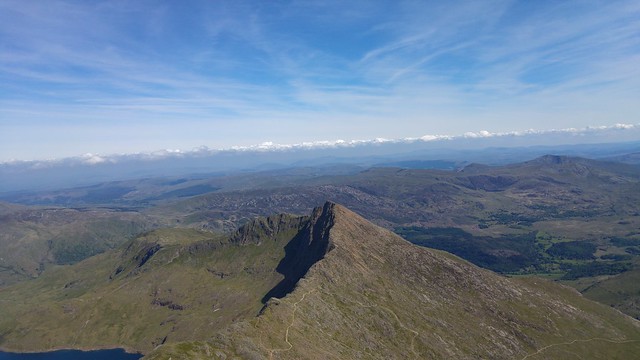
View from Snowdon

Words marked with a * are reconstructions.

Proto-Celtic *bandā = top, peak; horn
*benno- = peak, top
Gaulish benn/*bannā = peak
Old Irish (Goídelc) benn [bʲen͈] = mountain, crag, peak, point, crest, summit, pinnacle, spire; gable, corner, horn (of animal), drinking horn, prong, crest
bennán = horned animal, cow, calf; horned or peaked object
Middle Irish (Gaoidhealg) benn = mountain, crag, peak, point, crest, summit, pinnacle, spire, gable, corner, prong, crest
bennacán = little horned one, calf
bennach = pointed, peaked, horned
bennán = a horned animal, calf
bennchopor = steeple, tower
Irish (Gaeilge) beann = horn, antler; drinking horn; prong (of fork)
beannach = horned, antlered, pronged, peaked, gabled, angular
beannógach = peaked,angular
binn = peak; gable; cliff; corner, edge, margin; lap; side, portion
Scottish Gaelic (Gàidhlig) beann [bjaun̪ˠ] = horn, peak, top, corner, skirt
beannach = [bjan̪ˠəx] = pointed, horned
beinn [bein̪ʲ] = mountain, mount, high hill
beinn-theine = volcano
eigh-bheinn = iceberg
Manx (Gaelg) beinn = mountain, ben, summit, pinnacle, apex, tine of deer
beinn rioee = iceberg
Proto-Brythonic *bann = top, peak
Middle Welsh (Kymraec) bann, = top, tip, peak, summit
Welsh (Cymraeg) ban [ban] = top, tip, peak, summit, crest, peak, beacon, height, pinnacle, turret, hill, mountain, bare hill; chief; drinking horn, horn (of animal); arm, branch, beam, point (of cross)
bannau’r byd = corners, quarters or regions of the world, the ends of the earth
ban caer, ban y gaer = rampart of a fort; top or height of a fortess
ban lleuad = quarters of the moon, new moon
Middle Cornish (Cernewec) ban = that which is high, a height, mountain, summit
Cornish (Kernewek) ban = prominence
Breton (Brezhoneg) bann = rising, uphill, upright, post, column

Etymology: from the Proto-Indo-European *bn̥dʰéh₂ from *bendʰ- (pin, point). The Scots word ben (mountain, hill) comes from the Scottish Gaelic beinn. From Gaulish we get the Catalan words banya (horn) and banyut (horned, unfaithful), and the Occitan bana (horn), and the English word pin comes from the same PIE root [source].

See the post about Mountains for other mountain-related words, such as sliabh in Irish and Scottish Gaelic, and mynydd in Welsh.

The Fastest Way to Learn Japanese Guaranteed with JapanesePod101.com

Sources: Wiktionary, Am Faclair Beag, Online Manx Dictionary, Teanglann.ie, eDIL – Electronic Dictionary of the Irish Language, In Dúil Bélrai English – Old Irish glossary, Geiriadur Prifysgol Cymru, Gerlyver Kernewek, Dictionaire Favereau, TermOfis, English – ProtoCeltic WordList (PDF), Etymological Dictionary Of Proto Celtic

Unlimited Web Hosting - Kualo

Frosty Ice

Words for frost, ice, cold and related words in Celtic languages.

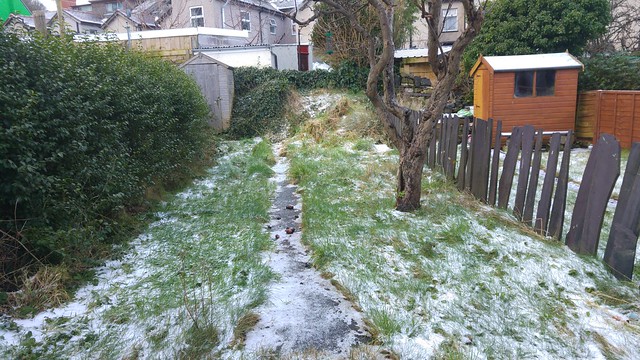
A cold and frosty morning / Bore oer a rhewllyd

Words marked with a * are reconstructions.

Proto-Celtic *ɸreswos = frost
Old Irish (Goídelc) réúd [r͈ʲeːu̯ð] = frost
Middle Irish (Gaoidhealg) reód = frost
Irish (Gaeilge) reo [ɾˠoː / ɾˠɔː] = frost
reodóg = icicle
reoigh = to freeze, congeal, solidify
reoiteach = frosty, chilling
reoiteacht = frostiness
reoiteog, uachtar reoite = ice cream
reomhar = frigid
Scottish Gaelic (Gàidhlig) reòth [r̪ˠɔː] = frost, freeze, become frozen, congeal
reòite [r̪ˠɔːdʲə] = frozen, frosty, icy
reòthtach [r̪ˠɔːhdəx] = freezing, frosty
reòthadh = freeze
reòthadair [r̪ˠɔ.ədɪrʲ] = deep-freeze, freezer
stob reòta, caisean-reòta, boidean-reòthaidh = icicle
Manx (Gaelg) rio = frost, freezing, ice
riojey = to freeze, ice up
rioeeagh = freezing, frosty
rioeeaght = frostiness
rioghar, bwoid rioee, kibbin rioee = icicle
riojag, key riojey, key riojit = ice-cream
rio-stroo, awin rioee = glacier
Middle Welsh (Kymraec) rew, reo, rev = frost
rewlyt, rewlyd, rewllid = icy, freezing, frozen
Welsh (Cymraeg) rhew [r̥eːu̯ / r̥ɛu̯] = (hoar-) frost, ice
rhewaidd = freezing, frosty, icy
rhewedig = frozen, icy, extremely cold
rhewi = to freeze, preserve; anaesthetize, make numb
rhewiadur = refrigerator
rhewin = frosty weather
rhewllyd, rhewlyd = icy, freezing, frozen, very cold, frigid
rhew bargod = icicle
rhew du = black ice
gwŷn rhew = frost-bite
rhedlif rhew = glacier
Old Cornish reu = ice, frost
Middle Cornish (Cernewec) rew, reu = frost, ice
Cornish (Kernewek) rew = ice, frost
rewer = freezer
rewi = to freeze
rewys = frozen
downrewi = deep-freeze, freezer
dehen rew = ice cream
furvell rew = ice tray
kub rew = ice cube
skes rew = ice skate
Middle Breton (Brezonec) reau, reo, réau, rëu = frost, frozen
Breton (Brezhoneg) rev = frost, freezing, freeze
rev du = black ice
rev noz = night frost

Etymology: from the Proto-Indo-European *prews- (to freeze, frost), which is also the root of the word frost in English [source].

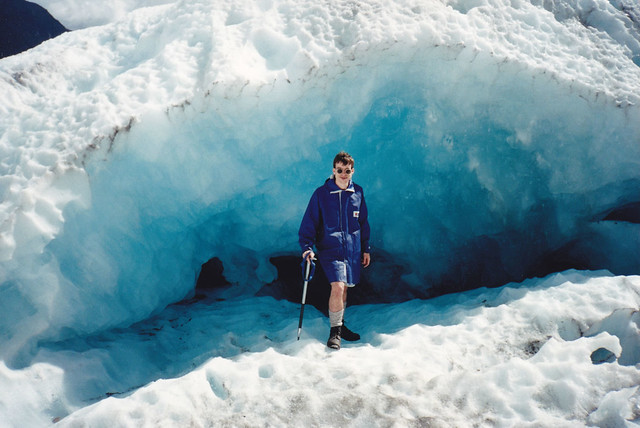
Ice cave on Franz Josef Glacier

Proto-Celtic *yegis = ice
Old Irish (Goídelc) aigred = ice
aigretta = icy, frozen
Middle Irish (Gaoidhealg) aig = ice
aigide = icy
Irish (Gaeilge) oighear [əiɾʲ] = ice
oighear dubh = black ice
oighreach = glacial
leac oighir = (sheet of) ice
Scottish Gaelic (Gàidhlig) eigh [ej] = ice
eigh-bheinn = iceberg
eigh-shruth = glacier
leac-eighe = ice-floe
linn-eighe = ice age
pac-eigh = pack ice
taigh-eighe = ice house
Proto-Brythonic *jaɣ = ice
Middle Welsh (Kymraec) ia, ya = ice, frost
Welsh (Cymraeg) [jaː] = ice, (hoar-) frost
iaaidd = glacical, icy
iaënnol = glacical, icy
iaeth, iaaeth = iciness, frost, cold, severe winter weather
ialyd = icy, freezing, very cold
iaog = icy, freezing, frozen
iain = very cold, freezing, icy
Old Cornish iein = ice
Middle Cornish (Cernewec) iein, iên, yein, yeyn, yên = cold (as ice), frigid
ieinder, iender, yender, yeinder = frigidity, coolness
Cornish (Kernewek) yey = ice
yeyn = cold
yeynder = cold
yeynell, yeyner = fridge
yeynhe = to chill, become cold
Middle Breton (Brezoneg) yen = cold
Breton (Brezhoneg) yen = cold
yenaat = to cool down, relax
yenadur = coolness, cooling, chill
yenañ = to cool, refrigerate, detach
yender = cold, coolness

Etymology from the Proto-Indo-European *h₁yeg- (ice, frost), which is also the root of the English word icicle [source].

Proto-Celtic *ougros = cold
Gaulish Ogronnios = personal name
Old Irish (Goídelc) úar [uːa̯rʲ] = cold
úacht = cold, coldness
Middle Irish (Gaoidhealg) úar = cold, cool. refreshing, unfriendly
ind(ḟ)úar = very cold, chilly, cool, refreshing, pleasing, entertaining
úacht, ócht, ocht = cold, coldness, numbness
Irish (Gaeilge) fuar [fˠuəɾˠ] = cold, apathetic, raw, uncooked
fuaraigh = to cool, make cold, chill, relieve, pass (away)
fuaráil = coolness, indifference, reserve
fuaraíocht = coldness, chilliness
fuarálach = cold, indifferent, reserved
fuacht = cold, chill, apathy
fuachtán = chilblain
Scottish Gaelic (Gàidhlig) fuar [fuər] = cold
fuarachd [fuərəxg] = coldness, chilliness, chilblain, mildew, dampness
fuarachdainn [fuərəxgɪn̪ʲ] = cooling, easing, relieving
fuaradair [fuərədɪrʲ] = fridge, refrigerator
fuaraichte [fuərɪçdʲə] = cooled, refrigerated, eased, relieved
fuarail [fuəral] = chilly, chilling
fuaralachd [fuərəl̪ˠəxg] = coldness, frigidity
Manx (Gaelg) feayr = chill, cold, cool, frigid, frosty, ice, distant (of person)
feayght = chill, cold, exposure
feayraghey = chill, cool, refrigerate, alienation
feayraght = chill, cold, coldness
feayrit = chilled, cooled, refrigerated
Middle Welsh (Kymraec) oir, oer = cold, cool
oerai, oeri = to make/become/grow cold or cool
oyrder = cold(ness), cool(ness), chill, indifference, apathy
oered = coldness, chill
oervel, oeruel = cold(ness), chill
Welsh (Cymraeg) oer [jaː] = cold, cool, sad, dejected, miserable, coldness, child, cold vegetables, fruit and salad
oeraf, oeri = to make/become/grow cold or cool, lose zeal, become depressed
oeraidd = rater cold, coolish, coldish, chilly, unenthusiastic, apathetic, indifferent
oerder = cold(ness), cool(ness), chill, indifference, apathy
oeredd = coldness, chill
oerfa = cool place, shade
oerfel = cold(ness), chill
oergell = refrigerator, freezer, cold cell
Middle Cornish (Cernewec) oir = cold, frigid
Cornish (Kernewek) oor = bitterly cold, glacial, icy

Etymology from the Proto-Indo-European *h₃ewǵ- (cold), which is also the root of the Lithuanian word aušti (cold) [source].

Another word for ice in Breton is skorn – etymology unknown.

Sources: Wiktionary, Am Faclair Beag, Online Manx Dictionary, Teanglann.ie, eDIL – Electronic Dictionary of the Irish Language, In Dúil Bélrai English – Old Irish glossary, Geiriadur Prifysgol Cymru, Gerlyver Kernewek, Gerlyvyr Cernewec, Lexicon Cornu-britannicum: A Dictionary of the Ancient Celtic Language of Cornwall, Dictionaire Favereau, TermOfis, Le dictionnaire diachronique du breton, Geriafurch, English – ProtoCeltic WordList (PDF), Etymological Dictionary Of Proto Celtic

Time & Weather

Words for time and weather in Celtic languages.
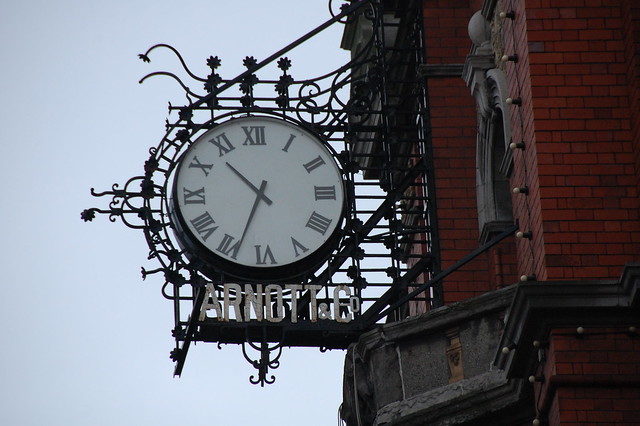
DUBLIN

Words marked with a * are reconstructions.

Proto-Celtic *ammen-, *amo- = time
Old Irish (Goídelc) amm = time
Middle Irish (Gaoidhealg) amm = time, point of time
Irish (Gaeilge) am [aumˠ / ɑːmˠ / amˠ] = time, point of time, occasion, usual, due, proper, opportune, season, period
am ar bith = at any time
ó am go ham = from time to time
amadóir = timepiece, timer
amchlár, clár ama = time-table
amchrios = time zone
amscála = time scale
Scottish Gaelic (Gàidhlig) àm [ãũm/amə] = time, occasion, period
àm air bith = whenever
àm-latha = daytime
àm nam pòg = honeymoon (“time of kissing”)
Manx (Gaelg) am = time
ec yn am = in the nick of time

Etymology: possibly from Proto-Indo-European *h₂etmn̥ (wandering), from *h₂et- (to go), which is also the root of words such as annual in English, an(née) (year) in French and año (year, age) in Spanish [source].

Proto-Celtic *amsterā = time, moment
Old Irish (Goídelc) aimser [ˈamʲsʲer] = time, age, period, season
Middle Irish (Gaoidhealg) aimser [ˈamʲɕər] = point of time, period of time, span, spell, period, age, epoch, season. weather
aimseradt = period, duration
aimserdae = belonging to time, temporal
Irish (Gaeilge) aimsir [ˈamʲʃəɾʲ / ˈæːmʲʃəɾʲ] = mind, mental state, disposition, attention, spirits, intention, accord
aimseartha = temporal
Scottish Gaelic (Gàidhlig) aimsir [ɛmɛʃɪrʲ] = climate, weather, season, era, time, reign
aimsireil [ɛmɛʃɪrʲal] = of this world, temporal
Manx (Gaelg) emshir [ˈɛmʃər] = weather, weather conditions, tense, time
Old Welsh amser = time
Middle Welsh (Kymraec) amser [ˈamser] = time
amserav = to time, date
amserawl, amseraỽl = timely
Welsh (Cymraeg) amser [ˈamsɛr / ˈamsar] = time, occasion, date, opportunity
amseraf, amseru = to time, date, occur, come to pass
amseriad = date, a timing, time, tempo (in music)
amserlen = timetable
amserlin = timeline, schedule
amsernod = noteworty, epoch, period, era, time signature
amserol = timely, well-timed, topical, seasonable, opportune, suitable, temporal, transient, temporary
amserolder = timeliness, seasonableness
Old Cornish anser = time
Middle Cornish (Cernewec) amser = time
Cornish (Kernewek) amser = (grammatical) tense
amseryow = menstruation, period
Middle Breton (Brezonec) amser, amzer = time, weather
Breton (Brezhoneg) amzer [ˈãm.zɛr] = time, weather
amzeran, amzerañ = to delay, to fix (in time)
amzereg = timer
amzeroni = chronology
amzervezh = time, era

Etymology: possibly from the Proto-Indo-European *h₂meh₁- (to mow, reap, harvest), from Proto-Celtic *amm (time) – see above [source].

Proto-Celtic *trātu = time, hour
Old Irish (Goídelc) tráth [traːθ] = time, hour, period (of time)
Middle Irish (Gaoidhealg) tráth [traːθ] = period of time, hour, point in time, day
tráthach = timely
tráthamail = timely
Irish (Gaeilge) tráth [t̪ˠɾˠɑː / t̪ˠɾˠæː] = hour, time, occasion, day, period
tráthaí = person who keeps regular hours
tráthchlár = timetable
tráthchuid = instalment
tráthnóna = afternoon, evening (up to nightfall)
tráthrialta = at regular times, regularly, punctually
tráthúil = timely, opportune, apt, felicitous, witty
tráthúlacht = timeliness, opportuneness, aptness, wittiness
Scottish Gaelic (Gàidhlig) tràth [traː] = time, meal, (grammatical) tense, when, phrase, season
Manx (Gaelg) traa = duration, time, period, occasion, tempo
Proto-Brythonic *trọd = course, voyage
Middle Welsh (Kymraec) traỽt, traỽd, trawt, trawd = course, way, journey, career, movement, gait, assault, attack
Welsh (Cymraeg) trawd, trawdd = course, way, journey, career, movement, gait, assault, attack
trawenaf, trawenu = to go (over/through), cross, travel
Cornish (Kernewek) trad = trade, way

Etymology: from the Proto-Indo-European *terh₂- (to cross over, pass through, overcome) [source]. Words from the same roots include enter, term, terminal, thorough, through and transaction in English, and tarddu (to emerge, sprout, explode) in Welsh [source].

Proto-Celtic *kʷritus = time, movement, shape, magical transformation
Old Irish (Goídelc) cruth [kruθ] / crud [kruð] = form, shape, manner, way
Middle Irish (Gaoidhealg) cruth = form, shape, appearance, shapeliness
cruthach = shapely, fair, beautiful
cruthaid = to create, form
cruthaigidir = to create, shape, form, produce
cruthmar = shapely
Irish (Gaeilge) cruth [kɾˠʊ(h)] = shape, appearance, state, condition, manner, mode
cruthach = shapely
cruthaigh = to create, form, prove
cruthaíocht = shape, appearance, good physique
cruthaitheach = creative
cruthú = creation, proof, testimony
cruthúil = shapely, beautiful, likely, plausible
Scottish Gaelic (Gàidhlig) cruth [kruh] = form, shape, figure
cruthach [kruhəx] = real, shapely, well-formed
cruthachadh [kruhəxəɣ] = (act of) creating, creation, (act of) forming
cruthachas [kruhəxəs] = creativity
cruthachd [kruhəxg] = form, complexion, creation
cruthadair [kruhədɪrʲ] = creator
Manx (Gaelg) croo = shape, appearance, format, coinage, creation, create, coining, form, build
crooaghey = shape
crootagh = creative, creator
crootaght = creativity
Proto-Brythonic *prɨd = shape, form
Middle Welsh (Kymraec) pryd, prid, pryt = sight, appearance
prydu, prydaf = to compose poetry
prydaw = beautiful, lovely
prydfawr, pryduawr = very beautiful or graceful, splendid, inspired
pryduerth, prytuerth = beautiful, splendid, handsome, fine, fair, seemly, decent
Welsh (Cymraeg) pryd [prɨːd / priːd] = sight, appearance, aspect, complexion, colouring, face, shape, form, comeliness, beauty
prydaf, prydu = to compose poetry, versify, write (a poem), to devise, compose
prydaw = beautiful, lovely
prydfawr = very beautiful or graceful, splendid, inspired
prydferth = beautiful, splendid, handsome, fine,
fair, seemly, decent
prydferthaf, prydferthu = to make beautiful, beautify, grace, adorn, embellish, flourish
Proto-Celtic *kʷritus = time, movement, shape, magical transformation
Proto-Brythonic *prɨd = time
Middle Welsh (Kymraec) pryt, pryd = time. occasion, period, season
Welsh (Cymraeg) pryd [prɨːd / priːd] = time, occasion, period, season, day, meal(time), when, while
prydlon = punctual, prompt, timely, seasonable; suitable, appropriate, proper
prydlondeb, prydlonder, prydlonedd = punctuality, timeliness, seasonableness
pryd(i)ol = timely, seasonable, punctual
Old Cornish prit = hour, time
Middle Cornish (Cernewec) prys, prês, preys = a stated time, a while, time, season, mealtime, a meal
Cornish (Kernewek) prys = season, time, while
prysweyth = instant, occasion
Middle Breton (Brezonec) pret = moment
Breton (Brezhoneg) pred = moment, meal
predadenn = (good) meal

Etymology (of both the above words): from the Proto-Indo-European *kʷer- (to do, make, build). Words from the same roots include Britain, Brittany and karma in English, and words for cauldron in Celtic languages [source].

Middle Welsh (Kymraec) tywyd = weather
Welsh (Cymraeg) tywydd [ˈtəu̯.ɨ̞ð / ˈtəu̯.ɪð] = weather, bad or stormy weather
tywyddiant = meterology
tywyddol = pertaining to the weather
Cornish (Kernewek) tewedh = storm
tewedha = to weather

Etymology: unknown

The Fastest Way to Learn Japanese Guaranteed with JapanesePod101.com

Sources: Wiktionary, Am Faclair Beag, Online Manx Dictionary, Teanglann.ie, eDIL – Electronic Dictionary of the Irish Language, In Dúil Bélrai English – Old Irish glossary, Geiriadur Prifysgol Cymru, Gerlyver Kernewek, Lexicon Cornu-britannicum: A Dictionary of the Ancient Celtic Language of Cornwall, Dictionaire Favereau, TermOfis, Le dictionnaire diachronique du breton, Etymological Dictionary Of Proto Celtic

Knees

Here are some words for knee and related things in Celtic languages, as well as related words in other languages.

Bellona, goddess of war

Words marked with a * are reconstructions.

Proto-Celtic *glūnos = knee
Old Irish (Goídelc) glún [ɡluːn] = knee
Middle Irish (Gaoidhealg) glún, glun, glūn = knee, generation, pedigree
glúnmar, glunmár = big-kneed
Irish (Gaeilge) glúin [ɡl̪ˠuːnʲ / ɡlˠuːnʲ] = knee, generation, step (in a series), node
glúineach = (big-)kneed, noded, nodulous, branching, proliferous
glúinfheacadh = genuflection
glúiníneach = swelling in knees
glúinteas = housemaid’s knee
bean ghlúine = midwife
Scottish Gaelic (Gàidhlig) glùin [ɡl̪ˠuːn̪ʲ] = knee, generation, lap
glùn [gl̪ˠuːn] = knee, generation
glùineach [ɡl̪ˠuːn̪ʲəx] = pertaining to knees, kneed, jointed; large-kneed woman
glùineachan [ɡl̪ˠuːn̪ʲəxan] = garter
glùineag [ɡl̪ˠuːn̪ʲag] = (act of) kneeing
bean-ghlùine = midwife
Manx (Gaelg) glioon [ɡlʲuːnʲ] = joint, knee crooked timber
glioon-lhoobey = genuflect, genuflection
glioonagh = jointed, kneed
gliooney = to kneel, kneeling
glioon(i)t = kneed, kneeled
Proto-Brythonic *glin = knee
Middle Welsh (Kymraec) glin = knee
pen y lin, penn glin = knee
Welsh (Cymraeg) glin [ɡliːn] = knee
pen (g)lin [pɛnˈ(ɡ)liːn] = knee
glingam = knock-kneed, bow-legged
gliniadur = laptop (computer)
glinio = to kneel, knee, pod
gliniog = kneed, jointed, knotty
Middle Cornish (Cernewec) glin = knee
penglin, penclin, pedn glin = knee
Cornish (Kernewek) glin [ˈɡliːn] = knee
penn glin / pedn glin = kneecap
Middle Breton (Brezonec) glin = knee
Breton (Brezhoneg) glin [ɡlĩːn] = knee
penn-glin = knee
(penn)glinañ = to kneel down, worship, bow one’s knee
glinad = knee pain
glineg = strong knees
glinwisk = knee brace

Etymology: from the Proto-Indo-European *ǵónu (knee) [source]. Words from the same roots include genuflect (to bend the knee, grovel), knee and jeans in English; genou (knee, lap) in French; and knie (knee) in Dutch [source].

From the Proto-Celtic word *glūnos we also get the Proto-Celtic word *genwā ((river) bend), which is the root of the names Geneva, Genoa.

The Fastest Way to Learn Japanese Guaranteed with JapanesePod101.com

Sources: Wiktionary, Etymological Dictionary Of Proto Celtic, In Dúil Bélrai English – Old Irish glossary, eDIL – Electronic Dictionary of the Irish Language, Teanglann.ie, Am Faclair Beag, An etymological dictionary of the Gaelic language, Fockleyreen: Manx – English Dictionary, Online Manx Dictionary, Gaelg Corpus, Geiriadur Prifysgol Cymru, Lexicon cornu-britannicum : a dictionary of the ancient Celtic language of Cornwall, Gerlyver Kernewek, Devri : Le dictionaire diachronique du breton, Dictionaire Favereau, TermOfis

Unlimited Web Hosting - Kualo

Fingers and Toes

Words for finger, toe and related things in Celtic languages.

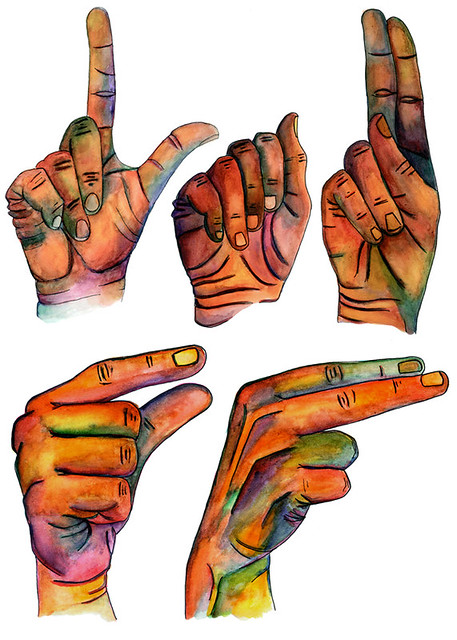
Laugh

Proto-Celtic *makro = finger
Old Irish (Goídelc) mér [mʲeːr] = finger, digit, toe
Middle Irish (Gaoidhealg) mér, mer, meóir, meúir = finger, digit, toe
Irish (Gaeilge) méar [mʲeːɾˠ] = finger, digit, toe, leg (of crustaceans, mollusks, etc), arm (of a cuttle fish)
an mhéar thosaigh/cholbha = the forefinger, index finger
an mhéar fhada/láir/mheáin = (the) middle finger
méar an fháinne = ring finger
an mhéar bheag / lúidín / lúideog = (the) little finger
méar coise = toe
Scottish Gaelic (Gàidhlig) meur [miar] = finger, digit, branch (of an organisation/family), key (in music), point (of an antler), knot (in wood)
meur-meomhair = forefinger, index finger
meur-meadhain / (am) meur fada / (am) meur meadhanach = middle finger
màthair na lùdaige / mac an aba / am madadh fada = ring finger
meur beag an airgid / plaoisgeag = little finger
Manx (Gaelg) mair = finger, digit, prong, ray, (piano) key, hand (of clock), tributary (of river)
corrag / corvair = the forefinger, index finger
mair vooar = the middle finger
mair ny fainey = ring finger
mair veg = the little finger
mair chass / mair choshey = toe
mair choshey veg / mair veg ny coshey = little toe

Etymology: possibly from the Proto-Indo-European *mh₂ḱros (lean, meager), which is also the root of the English word meagre/meager, the French word maigre (meagre, skinny, lean, thin), and the Spanish word magro (lean)[source].

Proto-Celtic *bissī / *bistis = finger
Old Irish (Goídelc) biss = icicle
Middle Welsh (Kymraec) biss, byss, bys = finger, toe, latch
Welsh (Cymraeg) bys [bɨːs / biːs] = finger (of hand/glove), toe; medium, agency; hand (of clock); latch
bys bawd = thumb
bys blaen = forefinger, index finger
bys y cogwrn = middle finger (“knuckle finger”)
bys y gyfaredd = ring finger
bys bach = little finger, ear-finger; minute-hand
bys(i)aid = as much as can be held on or taken up by the finger, a pinch
byseddaf, byseddu, bysedda = to finger, thumb, use the fingers
byseddog = having fingers, fingered
byseg = thimble
bysfedd = finger’s breadth, digit
byson = ring for the finger
Old Cornish bis/bes = finger
Middle Cornish (Cernewec) bis, bes = finger
bis truit = toe
bisou, besaw = ring
Cornish (Kernewek) bys, bes = finger, digit
bys bras = thumb
bys rag = index finger
bys kres = middle finger
bys bysow = ring finger
bys byghan / bes bian = little finger
byskon = thimble
bysow, besow = ring
Middle Breton (Brezonec) bes, bys, bis = finger
besou, bisou = ring
Breton (Brezhoneg) biz [biːs] = finger, hand (of clock), tooth (of tool), leg (of anchor), tentacle, tendril
biz-meud = thumb
biz-yod = index finger
biz bras = middle finger
biz-gwalenn / biz bizou = ring finger
biz bihan / skouarnel = little finger
bizou, bizoù [ˈbiːzu] = ring, jewel
bizouier = jeweller
bizour = jewel

Etymology: from the Proto-Indo-European *gʷist- (twig, finger). The French word bijou (a piece of jewellry), comes from the same root, via the Breton bizoù (ring), from biz (finger) [source].

Proto-Celtic *māto = finger
Old Welsh (Kymraec) máut = finger, toe, latch
Middle Welsh (Kymraec) mawd, baut, bawd = finger, toe, latch
Welsh (Cymraeg) bawd = thumb, big toe; claw (of crab), hoof
bawd troed = big toe
bawdheglaf, bawdheglu = to hitch-hike
Middle Cornish (Cernewec) meut = thumb
Cornish (Kernewek) meus = thumb
meusva = inch
meusya = to hitchhike
Middle Breton (Brezonec) meut = thumb
Breton (Brezhoneg) meud [ˈmøːt] = thumb, pincer, claw
meud-troad = big toe, toe
meudadenn = grip (of the thumb)
meudata = to knead with one’s thumb

Etymology: from the Proto-Indo-European *mē- [source].

Old Irish (Goídelc) ordu = thumb, big toe
Middle Irish (Gaoidhealg) ordu, órdu = thumb, big toe
Irish (Gaeilge) ordóg [ˈəuɾˠd̪ˠoːɡ] = thumb, big toe, claw, pincers, bit, piece, fragment
ordóg coise = big toe
Scottish Gaelic (Gàidhlig) òrdag [ɔːr̪ˠdag] = thumb, big toe
òrdag-coise / òrdag-mhór = big toe
òrdag-làimhe = thumb
òrdag bheag an airgid = little toe, little finger
Manx (Gaelg) ordaag = thumb
ordaag chass / ordaag choshey / ordaag vooar = big toe

Etymology: possibly from the Old Irish ord/ordd (hammer, piece, fragment, stub), from the Proto-Celtic *ordos (hammer) [source].

Old Irish (Goídelc) ladar = grasp, grip
Middle Irish (Gaoidhealg) ladar, ladair = fork or space between the fingers or between the thumb and the rest of the hand; grip, grasp; space between the toes
Irish (Gaeilge) ladhar [lˠaiɾˠ] = space between toes or fingers, toe, claw, prong, (clawed) hand
ladhar mhór = big toe
ladhar bheag = little toe
laidhricín = little toe, little finger
lúidín / lúideog = little finger, little toe
lúidín coise = little toe
Scottish Gaelic (Gàidhlig) ladhar [l̪ˠɤ.ər] = hoof, prong, toe, claw (of lobster)
ladhrag [l̪ˠɤːrag] = toe, prong, hoof
an ladhar mór = big toe
lùdag / lùdag bheag / lùdag dhubh na catha [l̪ˠuːdag] = little finger, hinge

Etymology: unknown [source].

The Fastest Way to Learn Japanese Guaranteed with JapanesePod101.com

Sources: Wiktionary, Am Faclair Beag, Online Manx Dictionary, Teanglann.ie, eDIL – Electronic Dictionary of the Irish Language, In Dúil Bélrai English – Old Irish glossary, Geiriadur Prifysgol Cymru, Gerlyver Kernewek, Dictionaire Favereau, TermOfis, English – ProtoCeltic WordList (PDF), Etymological Dictionary Of Proto Celtic

Unlimited Web Hosting - Kualo

Seals

Words for seal and other creatures in Celtic languages.

Seals

Species of seals that may be found around the Celtic lands include the common or harbour seal (Phoca vitulina) and the grey seal (Halichoerus grypus). Other species are available.

Words marked with a * are reconstructions.

Old Irish (Goídelc) rón = seal
Middle Irish (Gaoidhealg) rón, ron = seal
Irish (Gaeilge) rón = seal
rón beag = harbour/common seal
rón glas = grey seal
rónach = seals, abounding in seals
cladach rónta = shoal of seals
Scottish Gaelic (Gàidhlig) ròn [r̪ˠɔːn] = seal
ròn cumanta / ròn-dubh = harbour/common seal
ròn glas = grey seal
rònan [r̪ˠɔːnan] = little seal
rònach [r̪ˠɔːnəx] = pertaining to or abounding in seals
rònanach [r̪ˠɔːnanəx] = pertaining to or abounding in little seals
Manx (Gaelg) raun = seal
raun beg = harbour/common seal
raun glass/ghlass = grey seal
raunagh = seal-like, seal hunt
Middle Welsh (Kymraec) moelronyeit, moelrawn, moelrhawn = hippopotamus, seal
Welsh (Cymraeg) moelrhon, moelrhawn = seal, porpoise, dophin, hippopotamus
moelrhonaidd = seal-like
moelrhoniwr = seal hunter
Cornish (Kernewek) reun = seal
reun kemmyn = harbour/common seal
reun loos = grey seal
Breton (Brezhoneg) reunig = seal
reunig morleue = harbour/common seal
reunig gris = grey seal

Etymology: possibly from Old English hran (whale), from Proto-Germanic *harza/harza- (a kind of fish). Incidentally, the Irish name Rónán means “little seal” [source].

Middle Welsh (Kymraec) morhwch, morwch = seal, porpoise, dolphin
Welsh (Cymraeg) morwch, môr-hwch = seal, porpoise, dolphin
Old Cornish morhoch = porpoise
Middle Cornish (Cernewec) morhoch = porpoise
Cornish (Kernewek) morhogh = porpoise
Middle Breton (Brezonec) morhouch, mourouch, moroch = porpoise
Breton (Brezhoneg) morhoc’h = porpoise

Etymology (Welsh): from môr (sea) and hwch (calf). The words in Cornish and Breton come from similar roots [source].

Middle Welsh (Kymraec) morylo = seal
Welsh (Cymraeg) morlo [ˈmɔrlɔ] = seal, sealskin
morlo cyffredin = common seal
morlo llwyd = grey seal
Breton (Brezhoneg) leue-mor = seal

Etymology (Welsh): from môr (sea) and llo (calf). The word in Breton come from similar roots [source].

The Fastest Way to Learn Japanese Guaranteed with JapanesePod101.com

Sources: Wiktionary, Am Faclair Beag, Online Manx Dictionary, Teanglann.ie, eDIL – Electronic Dictionary of the Irish Language, In Dúil Bélrai English – Old Irish glossary, Geiriadur Prifysgol Cymru, Gerlyver Kernewek, Dictionaire Favereau, TermOfis, English – ProtoCeltic WordList (PDF), Etymological Dictionary Of Proto Celtic

Unlimited Web Hosting - Kualo