Ants

Words for ant and related things in Celtic languages.

Formica cf. rufibarbis

Words marked with a * are reconstructions.

Old Irish (Goídelc) sengán = ant
Middle Irish (Gaoidhealg) sengán, seangan = ant
Irish (Gaeilge) seangán = ant
seangánach = full of ants
nead seangán = anthill
Scottish Gaelic (Gàidhlig) seangan [ʃɛŋgan] = ant, mean fellow
seangan ‘nad bhriogais = to be fidgety, have the jtters (ants in your breeches)
seangananach [ʃɛŋganəx] = pertaining to or abounding in small ants
Manx (Gaelg) sniengan = ant
snienganagh = ant-infested, formic
crongan sniengan = anthill

Etymology: possibly from the Old Irish seng (thin, slender. meagre) [source].

Proto-Celtic *morwis = ant
Old Irish (Goídelc) moirb [morʲvʲ] = ant
Middle Irish (Gaoidhealg) moirb = ant
Middle Welsh (Kymraec) myr = ant
myrion = ants
morgrug, morcrug = ants
morgrugyn, morcrugyon = ant
Welsh (Cymraeg) mŷr, myrr [mɨːr/miːr] = ant
myrion = ants
myrdwyn = anthill
morgrug [ˈmɔrɡrɨ̞ɡ / ˈmɔrɡrɪɡ] = ants (from mŷr [ant] and crug [hill])
morgrugyn = ant
morgrugaidd, morgrugol = ant-like pertaining to ants, formic
Old Cornish menƿionen = ant
Middle Cornish (Cernewec) menwionen, meuwionen = ant, emmet
Cornish (Kernewek) moryonen = ant, tourists
moryoner = anteater
Old Breton moriuon = ant
Middle Breton (Brezonec) meryen = ant
Breton (Brezhoneg) merien [ˈmɛr.jɛn] = ants
merionenn = ant
merionaer = anteater
merieneg [mɛ.ˈrjẽː.nɛk] = anthill

Etymology: from the Proto-Indo-European *morwi- (ant). Words from the same roots include formic (pertaining to ants) and pismire (ant – archaic) in English, fourmi (ant) in French, mier (ant) in Dutch, maur (ant) in Icelandic and myra (ant) in Swedish [source].

The Fastest Way to Learn Japanese Guaranteed with JapanesePod101.com

Sources: Wiktionary, Am Faclair Beag, Online Manx Dictionary, Teanglann.ie, eDIL – Electronic Dictionary of the Irish Language, In Dúil Bélrai English – Old Irish glossary, Geiriadur Prifysgol Cymru, Gerlyver Kernewek, Dictionaire Favereau, TermOfis, English – ProtoCeltic WordList (PDF), Etymological Dictionary Of Proto Celtic

Unlimited Web Hosting - Kualo

Deafness

Words for deaf in Celtic languages.

Proto-Celtic *bodaros = deaf
Old Irish (Goídelc) bodar [ˈboðar] = deaf
Irish (Gaeilge) bodhar [bˠəuɾˠ] = deaf; bothered, confused; dull; numb; immovable, stagnant
Scottish Gaelic (Gàidhlig) bodhar [bo.ər] = deaf; dull; diseased (of cattle, esp. with anthrax)
Manx (Gaelg) bouyr = deaf
Proto-Brythonic *boðar = deaf
Welsh (Cymraeg) byddar = deaf, hard of hearing, deaf person; not giving ear to request, pigheaded; dead, deadened, numb
Cornish (Kernewek) bodhar = deaf
Breton (Brezhoneg) bouzar = deaf; on the house (free of charge)

Etymology: from the Proto-Indo-European *bʰodʰHrós (deaf) [Source].

Words marked with a * are reconstructions.

Sources: Wiktionary, , Am Faclair Beag, MacBain’s Dictionary, In Dúil Bélrai English – Old-Irish Glossary, teanglann.ie, On-Line Manx Dictionary, Geiriadur Prifysgol Cymru, Gerlyver Kernewek, Dictionnaire Favereau

Roundness

Words for round and related things in Celtic languages.

Sabhal Mòr Ostaig

Words marked with a * are reconstructions.

Proto-Celtic *krundis = round
Old Irish (Goídelc) cruinn = round, globular, circular
Middle Irish (Gaoidhealg) cruinn, cruind = round, globular, circular, compact, precise
cruinne, cruindae = roundness, rotundity, round mass, universe, world, thrift, hoarding
cruinniucc, cruindiucc = dew-drop
Irish (Gaeilge) cruinn [kɾˠiːnʲ / kɾˠɪn̠ʲ] = round; gathered; exact, accurate; clear, coherent; concentrated; frugal, sparing, miserly
cruinne = roundness
cruinneachán = dome
cruinneog = round object, (small) orb, globe
cruinneogach = globular
cruinnteach = rotunda
Scottish Gaelic (Gàidhlig) cruinn [krɯin̪ʲ] = round, circular, spherical; rotund; neat, succinct, well-formed; assembled, gathered together
cruinne [krɯn̪ʲə] = roundness, globe, sphere, orb
cruinneachail [krɯn̪ʲəxal] = (ac)cumulative
cruinneachan [krɯn̪ʲəxan] = round heap/pile
cruinneachd [krɯn̪ʲəxg] = roundness
cruinnte [krɯn̪ʲdʲə] = curved, rounded
Manx (Gaelg) cruinn = accurate, detailed, unambigous, round, spherical, circular, circumstantial, compact, consummate, exact, scrupulous, strict
cruinnid = circularity, closeness, roundness, strictness, compactness
cruinnaghey = assemblage, congregation, enclose, focus, gather, huddle, round
Proto-Brythonic *krunn = round
Old Welsh (Kembraec) crunn = round, circular, rotund
Middle Welsh (Kymraec) cronn, crwn, cron = round, circular, rotund
Welsh (Cymraeg) crwn [krʊn] = round, circular, rotund, spherical, globular; cylindrical; fat, plump, fleshy; complete, entire; young, small
crynder = roundness
cân gron = round (in music); continual harping upon the same string
hirgrwn = oval
Middle Cornish (Cernewec) cren = round, circular
Cornish (Kernewek) krenn = round
Old Breton (Brethonoc) cren, cron = round
Middle Breton (Brezonec) crenn = round
crennaat = to round off
crenaff, crenna [ˈkrɛnːã] = to round up
Breton (Brezhoneg) krenn [ˈkrɛnː] = medium, round, rounded, full
krennañ [ˈkrɛnːã] = to trim, shorten, slice
krennaat = to round off
krennadur = rounding, trimmings
krennder = roundness

Etymology: unknown, possibly borrowed from a non-Indo-European language [Source].

The Fastest Way to Learn Japanese Guaranteed with JapanesePod101.com

Sources: Wiktionary, Am Faclair Beag, Online Manx Dictionary, Teanglann.ie, eDIL – Electronic Dictionary of the Irish Language, In Dúil Bélrai English – Old Irish glossary, Geiriadur Prifysgol Cymru, Gerlyver Kernewek, Dictionaire Favereau, TermOfis, English – ProtoCeltic WordList (PDF), Etymological Dictionary Of Proto Celtic

Unlimited Web Hosting - Kualo

Wickedly Bad

Words for bad in Celtic languages.

Proto-Celtic *drukos = bad
Old Irish (Goídelc) droch [drox] = bad
Irish (Gaeilge) droch = bad, poor, evil, ill
Scottish Gaelic (Gàidhlig) droch [drɔx] = bad, evil, wicked
Manx (Gaelg) drogh = evil, wicked, bad, abusive, unenviable, misfortune, badness
Proto-Brythonic *drug = bad
Welsh (Cymraeg) drwg [druːɡ] = bad, rotten, putrid, poor, piteous, wretched, sorry, grievous, sad; unfavourable, injurious, harmful, unpleasant, indecent, obscene, counterfeit, false, harsh, cruel, severe, ruthless
Cornish (Kernewek) drog = bad, evil, invalid, naughty, wicked, nasty
Breton (Brezhoneg) drouk [ˈdruːk] = bad, evil

Etymology: from the Proto-Indo-European *dʰrewgʰ- (to deceive) [Source].

Words marked with a * are reconstructions.

Sources: Wiktionary, , Am Faclair Beag, MacBain’s Dictionary, In Dúil Bélrai English – Old-Irish Glossary, teanglann.ie, On-Line Manx Dictionary, Geiriadur Prifysgol Cymru, Gerlyver Kernewek, Dictionnaire Favereau

Clean & Pure

Words for clean in Celtic languages.

Proto-Celtic *glanos = clean, clear
Old Irish (Goídelc) glan [ɡlan] = clear, pure, clear
Irish (Gaeilge) glan [ɡlˠanˠ] = clean, clear, pure, bright, well-made, distinct; complete, extact
Scottish Gaelic (Gàidhlig) glan [gl̪ˠan] = clean, pure, bright, sheer, downright, great, grand, grovy
Manx (Gaelg) glen = clean, fair, fresh-coloured, clear, pure, chaste, hygienic, sheer, emphatic, downright, peremptory, flat (refusal), cloudless, undefiled, clearcut, unclouded
Proto-Brythonic *glan [ˈɡlan] = clean, clear
Middle Welsh (Kymraec) glan = clean, clear
Welsh (Cymraeg) glân [glan] = clean, cleansed, neat; clear of sin, pure, good, virtuous, uncorrupted, undefiled, fair, honest, sincere; holy; fair of countenance, beautiful, handsome; complete, clean, utter, entire
Cornish (Kernewek) glan = clear, clean, pure
Old Breton glan = pure
Middle Breton glan = pure
Breton (Brezhoneg) glan = pure

Etymology: possibly from the Proto-Indo-European *ǵʰl̥h₃-nó-s, *ǵʰelh₃- (green, yellow) [Source].

Words marked with a * are reconstructions.

Sources: Wiktionary, , Am Faclair Beag, MacBain’s Dictionary, In Dúil Bélrai English – Old-Irish Glossary, teanglann.ie, On-Line Manx Dictionary, Geiriadur Prifysgol Cymru, Gerlyver Kernewek, Dictionnaire Favereau

Gentle treasure

Words for gift, treasure, benefit in Celtic languages.

Proto-Celtic *moinis = treasure, precious object
Old Irish (Goídelc) moín = gift, benefit
Irish (Gaeilge) maoin [mˠiːnʲ] = gift, benefit, property, wealth, treasure (term of endearment)
Scottish Gaelic (Gàidhlig) maoin [mɯːn̪ʲ] = asset, wealth, fund, gear, goods
Manx (Gaelg) mayn = property, good order
Proto-Brythonic *muɨn = beautiful
Old Welsh muin = worth, value
Middle Welsh (Kymraec) mwyn = worth, value
Welsh (Cymraeg) mwyn [muːɨ̯n / mʊi̯n] = tender, mild, gentle, meek, amiable, loving, kind, obliging, courteous, noble, fair, pleasant, sweet-sounding, melodious, soft, soothing
Old Cornish muin = gracile
Old Breton moin = delicate
Middle Breton moen = thin
Breton (Brezhoneg) moan [ˈmwãːn] = thin, slender

Etymology: from the Proto-Indo-European moynis [Source].

Words marked with a * are reconstructions.

Sources: Wiktionary, , Am Faclair Beag, MacBain’s Dictionary, In Dúil Bélrai English – Old-Irish Glossary, teanglann.ie, On-Line Manx Dictionary, Geiriadur Prifysgol Cymru, Gerlyver Kernewek, Dictionnaire Favereau

Treasure 013-1

Pigs

Words for pig and related beasts in Celtic languages:

Pigs

Words marked with a * are reconstructions.

Proto-Celtic *mokkus = pig
*mokk(w)yatis = swineherd
Old Irish (Goídelc) mucc [muk] = pig, sow; a war engine: a shed to cover sappers
muccaid [ˈmukiðʲ] = swineherd
muccaidecht [ˈmukiðʲext] = herding swine
Middle Irish (Gaoidhealg) muc, mucc = pig, sow
muc(c)ach = pertaining to swine
muc(c)aid = swineherd
muc(c)aidecht = herding swine
muc(c)álach = a brood or litter of pigs
muc(c)lach = piggery
Irish (Gaeilge) muc [mˠʊk] = pig; heap, bank, drift; scowl; sow
mucachán = (of person) pig, swine
mucaire = slovenly worker
mucaireacht = slovenly work
mucais = pit sty; dirty, slovely person; hogback
muicí = swineherd
muicíocht = swine-herding
Scottish Gaelic (Gàidhlig) muc [muxɡ] = pig, sow
mucag [muxgag] = little pig, piggy, (rose)hip
mucaidh = swineherd
mucaireachd = swineherding, herding pigs
muicfheoil [muçgʲɔl] = pork
muc-mhara [muxgˈvarə] = whale
muc-stigean = porpoise
Manx (Gaelg) muc = hog, swine, pig, grunter
muclagh = piggery, pigsty, sty
muick = swine
bochilley muickey = swineherd
muc hallooin = aardvark
muc varrey = whale, porpoise
Proto-Brythonic *mox = pig
*möxjad = swineherd
Middle Welsh (Kymraec) moch = pigs, swine
mochduy = pigsty
mochawg = piggish, swinish
meichiat, meicheit, meichad = swineherd
Welsh (Cymraeg) moch [moːχ] = pigs, swine, hogs; greedy, dirty, lazy, drunk, or immoral persons; small pumps used underground in coal-mines to remove water
mochyn [ˈmɔχɨ̞n / ˈmoːχɪn] = pig, swine, hog
mocha, mochi, mochian = to behave like a pig, wallow, grunt, defile, sully
mochach = contemptible or swinish people
mochaidd = swinish, filthy, dirty, vile, immoral, greedy
mochdra = filthiness, dirtines
mochdy = pigsty
mochgig = pork, ham, bacon
mochog = piggish, swinish
mochwr = swineherd, pig-dealer, untidy workman
meich(i)ad = swineherd
Middle Cornish (Cernewec) moch, môch = pigs
mochyn = pig
Cornish (Kernewek) mogh [mɔːx / moːʰ] = pigs, swine
Old Breton moch = pigs, swine
mochiat = swineherd
Middle Breton (Brezonec) moch = pigs, swine
Breton (Brezhoneg) moc’h [moːχ] = pigs, swine
moc’haer = swineherd

Etymology: borrowed from a non-Indo-European substrate language. Words from the same Proto-Celtic root include mocke (a slovenly woman) in Middle Dutch and moche (sow, female pig) in Middle High German [source].

Old Irish (Goídelc) cullach [ˈkul͈ax] = boar, stallion
muccullach = boar
Middle Irish (Gaoidhealg) cullach, colach = boar, stallion
Irish (Gaeilge) collach [kəˈl̪ˠɑx / ˈkɔl̪ˠəx / ˈkʌl̪ˠax] = boar (male pig); male crab; crude, fleshy, person
Scottish Gaelic (Gàidhlig) cullach = mature male (unneutered) animal (such as boars, hogs, etc)
Manx (Gaelg) collagh = boar, male, stallion
collagh muc = boar (domestic)
Welsh (Cymraeg) ceilliog = having testicles, uncastrated, entire, male
Middle Breton (Brezonec) callouch, qalloc’h, calloc’h = entire, standard, stallion
Breton (Brezhoneg) kalloc’h = entire

Etymology: from Proto-Celtic *kalljo- (testicle).

Proto-Celtic *t(w)orkos = boar (pig)
Old Irish (Goídelc) torc [tork] = (wild) boar, chieften, hero
Middle Irish (Gaoidhealg) torc = (wild) boar, chieftan, hero
Irish (Gaeilge) torc [t̪ˠɔɾˠk / t̪ˠʌɾˠk] = (wild) boar, hog; portly, corpulent person, man of substance
torcán = little, young boar; small corpulent person
torc allta = wild boar
torc-chú = boar hound
torcshleá = boar-spear
Scottish Gaelic (Gàidhlig) torc = [tɔr̪ˠxg] = boar, hog
torc-nimhe, torc-fiadhaich = wild boar
Middle Welsh (Kymraec) tỽrch, twrch, tyrch = hog, (wild) boar, mole
Welsh (Cymraeg) twrch [tʊrχ] = hog, (wild) boar, mole
twrch (y) coed = woodlouse
twrch daear = mole, badger
tyrchu, tyrchio = to burrow, dig (up), root up, nuzzle, rummage; to catch (moles)
tyrchaidd = hoglike, hoggish, swinish, greedy
tyrchwr, trychydd = mole-catcher, bulldozer
Old Cornish torch = hog
Middle Cornish (Cernewc) torch = hog
Cornish (Kernewek) torgh = hog, boar
Old Breton torch = boar
Middle Breton (Brezonec) tourch = boar, ram; a debauched man
Breton (Brezhoneg) tourc’h = boar, macho, debauched

Etymology: from the Proto-Indo-European *twerḱ- (to cut) [source]. English words from the same PIE root include trunk, truculent and sarcasm [source].

Proto-Celtic *sukkos = pig
Old Irish (Goídelc) socc = pig, sow
Middle Irish (Gaoidhealg) suic, socc, soc = snout, ploughshare
Irish (Gaeilge) soc [sˠɔk] = sow
socach = nozzled, snouted, beaked, pointed
socadán = person with pointed face, nosy person, interloper, busybody
Scottish Gaelic (Gàidhlig) soc [sɔxg] = beak, snout, sockt, ploughshare, short, chubby person
socach [sɔxgəx] = snouted, beaked
Manx (Gaelg) sock = bow, nose, snout, tow; ploughshare, nozzle
Proto-Brythonic *hux = pig
*sux = ploughshare
Welsh (Cymraeg) hwch [huːχ] = sow, pig, swine, dirty creature
Old Cornish hoch = pig, hog
Middle Cornish (Cernewec) hoch = pig, hog
hochwayu = hog-spear
Cornish (Kernewek) hogh = hog, pig, swine
hogh Gyni = Guinea pig
hoghwuwa = to pigstick
hoghwuwans = pig sticking
Old Breton hoch = sow
Middle Breton (Brezonec) houch, houc’h, hoh = sow
oc’hal, hoc’ha, hoc’he = to grunt, oink
oc’hellât, houc’hellat = to burrow, dig
hoch-goez, houch guez = wild boar
oh mor, hoc’h-mor = porpoise
houc’h-tourc’h = boar
Breton (Brezhoneg) houc’h = pig (male, often neutered)

Etymology: from the Proto-Indo-European suH- (pig, hog, swine). The English word hog was possibly borrowed into Old English from Welsh. Other words from the same Proto-Celtic root include socket in English, and soc (ploughshare) in French [source].

Proto-Celtic *ɸorkos = piglet
Gaulish *orkos = pork, piglet
Old Irish (Goídelc) orc [ork] = piglet
Middle Irish (Gaoidhealg) orc = young pig
Irish (Gaeilge) arc(án) = piglet
Scottish Gaelic (Gàidhlig) orc [ɔr̪ˠxg] = young animal, offspring (esp. piglet or sheep); whale (archaic)
orcan [ɔr̪ˠxgan] = piglet, young pig
Manx (Gaelg) ark = young pig, piglet, sucking pig
Pictish orc = piglet, young pig

Etymology: from the Proto-Indo-European pórḱos (piglet), which is also the root of the English word farrow (a litter of piglets), and the German word Ferkel (piglet) [source].

The name Orkney comes from the Old Norse Orkneyjar (seal islands), from orkn (seal) and ey (island). It is thought that Norwegian settlers reinterpreted the original Pictish tribal name element orc (piglet) [source].

Proto-Celtic *banwos = pig
Gaulish Banuus, Banuo = pig
Old Irish (Goídelc) banb [ban͈v] = piglet, young pig
Middle Irish (Gaoidhealg) banb, bainb = young pig
Irish (Gaeilge) banbh [ˈbˠanˠəvˠ] = piglet; Ace of Hearts
Middle Irish (Gaoidhealg) banb, bainb = young pig
Scottish Gaelic (Gàidhlig) banbh [banav] = young pig, piglet
banbhan [banavan] = small piglet
banbhradh [banavrəɣ] = herd of piglets
Manx (Gaelg) bannoo = sucking pig, piglet
Middle Welsh (Kymraec) banv = (young) pig, piglet
Welsh (Cymraeg) banw = (young) pig, piglet, weaned pig, hog; young animal
Old Cornish baneu = sow
Middle Cornish (Cernewec) banb = sow
Cornish (Kernewek) banow = sow
Middle Breton (Brezonec) banv = sow, pig
Breton (Brezhoneg) banv = mother sow

Etymology: unknown – possibly from a non-Indo-European language [source].

Proto-Brythonic *porxell = piglet
Middle Welsh (Kymraec) porchell, parchell = (young) pig, piglet
Welsh (Cymraeg) porchell [ˈpɔrχɛɬ] = sucking-pig, piglet, little pig, porker, pig, swine, hog
Old Cornish porchel = young pig, piglet
Middle Cornish (Cernewec) porhel = young pig, piglet
Cornish (Kernewek) porghel = young pig, piglet
porghellik = piglet, sucking pig
Old Breton porchill = piglet
Middle Breton (Brezonec) porhell, porchell, porchel = piglet
porchelles = sow
Breton (Brezhoneg) porc’helleg = piglet

Etymology: from the Late Latin porcellus (piglet), from the Latin porcus (pig), from the Proto-Italic *porkos (pig) from the Proto-Indo-European pórḱos (piglet) [source]. Words from the same PIE root include varken (pig) in Dutch, pork in English, and porc (pig, pork) in French [source].

Words marked with a * are reconstructions.

Sources: Wiktionary, Am Faclair Beag, Online Manx Dictionary, Teanglann.ie, eDIL – Electronic Dictionary of the Irish Language, In Dúil Bélrai English – Old Irish glossary, Geiriadur Prifysgol Cymru, Gerlyver Kernewek, Gerlyvyr Cernewec, Dictionaire Favereau, TermOfis, Le dictionnaire diachronique du breton, Geriafurch, English – ProtoCeltic WordList (PDF), Etymological Dictionary Of Proto Celtic

Horses

Words for horse, stallion, mare, foal and related things in Celtic languages.

Ceffylau / Horses

Note: the commonly-used words for horse in each Celtic language are: capall in Irish, each in Scottish Gaelic, cabbyl in Manx, ceffyl in Welsh, margh in Cornish, and marc’h in Breton.

Words marked with a * are reconstructions.

Proto-Celtic *kaballos, *kapallos, *kappilos = horse
Gaulish *caballos = horse
Old Irish (Goídelc) capall [ˈkapal͈] = horse
Middle Irish (Gaoidhealg) capall, capail = horse
Irish (Gaeilge) capall ˈkapˠəl̪ˠ] = horse, mare
capallach = equine
capaillín = pony
capall maide = wooden, vaulting horse, hobby-horse
Scottish Gaelic (Gàidhlig) capall [kahbəl̪ˠ] = mare, colt, horse, small horse
capall-aibhne = hippopotamus
capall-coille = capercaillie
capall-mara = seahorse
capallach [kahbəl̪ˠəx] = pertaining to or abounding in mares/colts
capallan [kahbəl̪ˠan] = small horse, pony
Manx (Gaelg) cabbyl = horse, mount
cabbyl awin = hippopotamus
cabbyl assylagh = mule
Proto-Brythonic *kėfɨl = horse
Middle Welsh (Kymraec) keffyl, ceffyl = horse
keffylyn = little horse, nag, pony
cavall, cauall = horse, steed
Welsh (Cymraeg) ceffyl [ˈkɛfɨ̞l / ˈkɛfɪl] = horse, nag, hobby
ceffyl yr afon = hippopotamus
ceffylaf, ceffylu = to put on horseback, put one to ride the high horse, extol
ceffylaidd = pertaining to horses, equine, horsy
ceffylan = little horse, nag
ceffyles = mare
ceffylyn = little horse, nag, pony
cafall = horse, steed
Middle Cornish (Cernewec) cevil, kevil = horse
Old Breton (Brethonoc) cefel = horse

Etymology: uncertain – related to the Late Latin caballus (horse, nag) and Ancient Greek καβάλλης (kabállēs – nag) and maybe Persian کول (kaval – second class horse of mixed blood). Possibly ultimately from PIE *kebʰ- (worn-out horse, nag). Words from the same roots include cheval (horse) in French, cavalier in English and caballo (horse) in Spanish [source].

The Breton word kefeleg (woodcock) comes from the same Proto-Brythonic root, as does kevelek (woodcock) in Cornish and cyffylog (woodcock) in Welsh [source].

Proto-Celtic *markos = horse
Galatian *μάρκαν (márkan) = horse
Gaulish *markos = horse
Old Irish (Goídelc) marc [mark] = horse
Middle Irish (Gaoidhealg) marc = horse
Irish (Gaeilge) marc [mˠaɾˠk] = horse (literary / archaic)
marcach = horseman, rider, jockey; cavalryman, Cavalier
marcachas = horsemanship
marchaigh = to ride
marcaíocht = riding, horsemanship, ride drive lift
Scottish Gaelic (Gàidhlig) marc [marxk] = charger (warhorse – literary)
marc-shluagh = horsemen, riders, cavalry
marchach = equestrian, mounted; riding
Manx (Gaelg) mark = horse
mark-sleih = horseman
markiagh = to ride, riding, cavalier, equestrian, horseman, jockey, rider
markiaghey = riding
markiaght = drive, equitation, horsemanship, (horse) riding, lift, rider
Proto-Brythonic *marx = horse
Middle Welsh (Kymraec) march = horse
Welsh (Cymraeg) march [marχ] = horse, stallion, war-horse, steed
marchaidd = pertaining to a horse, horsy, horselike, equine
marchallu = horsepower
marchasyn = jackass, male donkey
marchdy = stable
marchfeddyg = horse doctor, farrier
marchfilwr = dragoon, cavalryman, cavalier, trooper
marchog = horseman, rider, jockey, mounted warrior, knight
Old Cornish march = horse
Middle Cornish (Cernewec) march = horse
Cornish (Kernewek) margh [ˈmaɾx] = horse
marghek = knight, rider
margh-leska = rocking horse
marghnerth = horsepower
marghogeth = to ride (a horse)
marghti = stable
Old Breton (Brethonoc) marh = horse
Middle Breton (Brezonec) march = horse
marcheg, marhec = horseman, rider, knight
marecat = to ride (a horse)
marheguez = to ride (a horse), to dominate
Breton (Brezhoneg) marc’h [marx] = horse, easel
marc’h-tan [marxˈtãː.n] = motorbike
marc’heg [ˈmar.ɣɛk] = horseman, rider, knight
marc’hegkaat [mar.ɣe.ˈkɑːt] = to ride (a horse)
marc’hegañ =
marc’hegezh [marˈɣeːɡɛs] = to ride (a horse), to dominate
marc’hegiezh = chivalry, cavalry

Etymology: thought to be from the Proto-Indo-European *márkos, which is also the root of the English words mare and marshal, the French word maréchal (marshal), and related words in other languages [source].

Proto-Celtic *ekʷos [ˈe.kʷos] = horse
Celtiberian ekua- = horse
Gaulish epos = horse
Primitive Irish *ᚓᚊᚐᚄ (*eqas) [exʷah] = horse
Old Irish (Goídelc) ech [ex] = horse
Middle Irish (Gaoidhealg) ech = horse
airech = packhorse
Irish (Gaeilge) each [ax] = horse, steed (archaic)
eachach = abounding in horses
eachaí = horseman, jockey, equine
eachaire = horse-attendant, groom
each-chumhacht = horse-power
eachmharcach = horseman
Scottish Gaelic (Gàidhlig) each [ɛx] = horse
each-aibhne = hippopotamus
each-coimhlinge = racehorse
eachach [ɛxəx] = pertaining to or abounding in horses, horsy
eachaire [ɛxɪrʲə] = equerry
eachan [ɛxan] = small horse, yarnwindle
eachlach [ɛxl̪ˠəx] = horse groom, jockey
Manx (Gaelg) agh [ax] = steed, riding horse
aghee = equine
aghlagh, aghragh = equestrian
eagh = horse, racehorse, riding horse, steed
eagh marrey = sea horse
eagh-veg = hobbyhorse
Early Brittonic *epālos = foal
Proto-Brythonic *eb [ɛːb] = horse
*ebọl [ɛˈbɔːl] = foal
Old Welsh eb = horse
Middle Welsh (Kymraec) ep, ebawl = colt, foal
ebawluarch, ebolfarch, ebawlfarch = colt, young horse
ebolyauc, eboliauc = in foal, capable of bearing a foal
Welsh (Cymraeg) ebol [ˈɛbɔl / ˈeːbɔl] = colt, foal, sucker
eboles [ɛˈbɔlɛs] = filly, foal
ebolaidd = coltish, frisky, playful, wanton
ebolfarch = colt, young horse
cyfeb = mare in foal
ebolig = coltish
eboliog = in foal, capable of bearing a foal
Middle Cornish (Cernewec) ebel = foal, colt
Cornish (Kernewek) ebel = horse
Old Breton (Brethonoc) ebol = horse
Middle Breton (Brezonec) ebeul = foal, filly
Breton (Brezhoneg) ebeul [ˈe.bøl] = foal
ebeulan, ebeuliañ = to foal
ebeulez = filly
keneb = mare in foal

Etymology: from the Proto-Indo-European *h₁éḱwos, which is also the root of the Latin word for horse, equus, and the English word equine, and related words in English and other languages [source]. The horse goddess, Epona, may be related as well.

Proto-Celtic *uɸorēdos = horse
Gaulish *werēdos = horse
Proto-Brythonic *gworuɨð = horse
Middle Welsh (Kymraec) goruytaur, goruit, gorwyd , gorŵydd = steed, horse
gorwyddfarch = (war-)horse, steed
Welsh (Cymraeg) gorwydd = steed, horse
gorwyddfarch = (war-)horse, steed

Etymology: from the Proto-Celtic *uɸo- (under) and *rēdo- (to ride; riding, chariot), from Proto-Indo-European *(H)reydʰ- (to ride). Words from the same Celtic roots include palfrey (a small horse with a smooth, ambling gait), Pferd (horse) in German, and vereda (path, lane) in Spanish [source].

Proto-Celtic *(φ?)lārek- = mare
Old Irish (Goídelc) láir = mare
Middle Irish (Gaoidhealg) láir, lair = mare
Irish (Gaeilge) láír [l̪ˠɑːɾʲ] = mare
An Láír Bhán = the Milky Way
láír bhán = hobby-horse
láíreog = little mare, young mare, filly, well-built girl, woman
Scottish Gaelic (Gàidhlig) làir [l̪ˠaːrʲ] = mare
Manx (Gaelg) laair = mare
laaireen = small mare

Etymology: possibly from PIE *pōlH- (animal young), which is also the root of pony and foal in English, pollo (chicken) in Spanish, and poule (hen) in French [source].

Proto-Celtic *kanxstikā = mare
Middle Welsh (Kymraec) cassec, kassec = mare
Welsh (Cymraeg) caseg [ˈkasɛg] = mare
Old Cornish casec, cassec, casac = mare
Middle Cornish (Cernewec) casek = mare
Cornish (Kernewek) kasek = mare
Middle Breton (Brezonec) casec, casecq = mare
Breton (Brezhoneg) kazeg [ˈkɑː.zek] = mare

Etymology: from Proto-Indo-European *ḱonḱ- (horse) [source]. Words from the same root possibly include henchman in English, hengst (stallion) in Dutch, and häst (horse, knight) in Swedish [source].

Proto-Celtic *stirrākos = small animal, chick
Old Irish (Goídelc) serrach = colt, faol
Middle Irish (Gaoidhealg) serrach = colt, faol
Irish (Gaeilge) searrach = colt, faol
searrachúil = foal-like, lively, flighty
Scottish Gaelic (Gàidhlig) searrach [ʃɛr̪ˠəx] = colt, faol, filly
searrachan [ʃɛr̪ˠəxan] = little foal
searrach-ruadh = buzzard
Manx (Gaelg) sharragh = faol
sharraghoil = faol-like

Etymology: from PIE *stirp- (progeny). Words from the same root possibly include estirpe (lingeage) in Spanish, and sterpo (dry twig or branch, brushwood) in Italian [source].

The Fastest Way to Learn Japanese Guaranteed with JapanesePod101.com

Sources: Wiktionary, Am Faclair Beag, Online Manx Dictionary, Teanglann.ie, eDIL – Electronic Dictionary of the Irish Language, In Dúil Bélrai English – Old Irish glossary, Geiriadur Prifysgol Cymru, Gerlyver Kernewek, Dictionaire Favereau, TermOfis, English – ProtoCeltic WordList (PDF), Etymological Dictionary Of Proto Celtic


Unlimited Web Hosting - Kualo

Wolves & Sea Monsters

Words for whale, sea monster, wolf and other creatures in Celtic languages.

WHALE

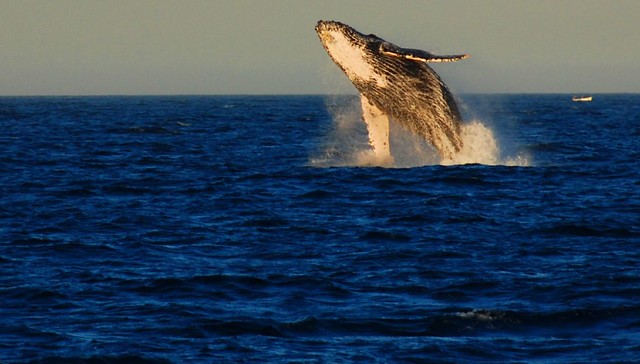
Some species of whales that may be found around the Celtic lands include the humpback whale (Megaptera novaeangliae), the North Atlantic right whale (Eubalaena glacialis), the common minke whale (Balaenoptera acutorostrata), the sei whale (Balaenoptera borealis), the fin whale (Balaenoptera physalus), and the killer whale or orca (Orcinus orca). Other species are available.

Words marked with a * are reconstructions.

Old Irish (Goídelc) míl mór = whale, sea monster
Middle Irish (Gaoidhealg) míl mór = whale
Irish (Gaeilge) míol mór = whale
míol mór an oighir = humpback whale
míol mór dronnach = North Atlantic right whale
Scottish Gaelic (Gàidhlig) mial-mhór = whale
mial-mhór a’ chuain = sea-serpent/monster
Manx (Gaelg) meeyl mooar = whale

Etymology: from Proto-Celtic *mīlom (animal) and *mori (sea) [source].

Middle Irish (Gaoidhealg) muirmhil, muirmil = sea animal, fish
Middle Welsh (Kymraec) moruyl, moruill, morfil, morvil = whale, sea monster
Welsh (Cymraeg) morfil [ˈmɔrvɪl] = whale, sea monster, the constellation Cetus (the Whale)
morfilaidd, morfilog = whale-like, cetacean
morfilydd = whaler, whaling ship
morfil cefngrwm = humpback whale
morfil cywir / morfil walbon = right whale
morfil pigfain = common minke whale
morfil (asgellog) sei = sei whale
morfil asgellog llwyd = fin whale
morfil danheddog / morfil ffyrnig = killer whale
Old Cornish moruil = whale
Middle Cornish (Cernewec) morvil = whale
Cornish (Kernewek) morvil = whale
Old Breton (Brethonoc) mormil = whale
Middle Breton (Brezonec) mormil = whale
Breton (Brezhoneg) morvil [ˈmor.vil] = whale
morvileta = to whale, hunt whales

Etymology: from Proto-Celtic *mori (sea) and *mīlom (animal) [source].

Proto-Celtic *bledyos = wolf, large predator (?)
Old Irish (Goídelc) bled, bleith = whale, sea monster
bledech, bledach, bladach = abounding in monsters, beasts, whales; monstrous, huge
bledmíl = whale, sea monster
Middle Irish (Gaoidhealg) bled = whale, sea monster
bledech = abounding in monsters, beasts, whales; monstrous, huge; whale-haunted
bledmil = whale, sea monster
Irish (Gaeilge) bleidhmhíol = monster, whale
Scottish Gaelic (Gàidhlig) bleidh-mhial [ble viəlˠ] = sea monster (esp. whale – archaic)
Proto-Brythonic *blėð = wolf
Middle Welsh (Kymraec) bleit, bleyd, bleid = wolf
bleidgi, bleiddgi = wolfhound, wolf-dog
bleituar = ferocity of a wolf
bleidyat, bleityad, bleidiat = wolf-like person, fierce fighter or defender
bleidian = (young) wolf, wolf cub
Welsh (Cymraeg) blaidd [blai̯ð] = wolf, hyena
blaidd y dŵr = pike (fish)
blaidd y môr = wolf fish
bleiddaidd = lupine, wolfish, wolf-like
bleidd(i)an = (young) wolf, wolf cub
bleiddfil = wolverine
bleiddgi = wolfhound, wolf-dog, husky
bleidd-ddyn = werewolf, wolf-like person
Old Cornish bleit = wolf
Middle Cornish (Cernewec) bleidh, bleit = wolf
Cornish (Kernewek) bleydh [blɛɪð / bləɪð] = wolf
bleydh-brogh = hyena
ki bleydh = German shepherd dog
Old Breton bleid = wolf
Middle Breton (Brezonec) bleiz = wolf
Breton (Brezhoneg) bleiz [ˈblɛj(s)] = wolf
bleiz-broc’h [blɛj(z)ˈbroːx] = hyena
bleiz-garv [blɛj(z)ˈɡarw] = werewolf, lycanthrope
bleizlouarn [blɛjzˈluːarn] = jackal
bleiz-mor = grey seal, fruit bat
ki bleiz [kiˈblɛj(s)] = wolf-dog

Etymology: unknown – probably borrowed from a non-Indo-European substrate language [source].

Proto-Celtic *waylos = wolf
Old Irish (Goídelc) fáel = wolf
fáelchu = wolf
Middle Irish (Gaoidhealg) fáel, fael, faol [faːi̯l] = wolf
fáelaire = wolfhunter (?)
fáelchú, faolchú = wolf
fáelda = wolfish
Irish (Gaeilge) faol [fˠeːlˠ / fˠiːlˠ] = wolf
faolchonda = wolfish
faolchondach = wolfishness
faolchú = wild dog, wolf
Scottish Gaelic (Gàidhlig) faol [fɯːlˠ] = wolf, wild dog
faol-damhan = wold spider
faol-duine = werewolf
faolach = wolfish
Manx (Gaelg) filliu = wolf
filliu thallooin = aardwolf

Etymology: from the Proto-Indo-European *waylos (wolf, howler) – this was apparently used instead of the usual PIE word for wolf, *wĺ̥kʷos, due to taboos [source].

The Fastest Way to Learn Japanese Guaranteed with JapanesePod101.com

Sources: Wiktionary, Am Faclair Beag, Online Manx Dictionary, Teanglann.ie, eDIL – Electronic Dictionary of the Irish Language, In Dúil Bélrai English – Old Irish glossary, An Etymological Dictionary of the Gaelic Language, Geiriadur Prifysgol Cymru, Gerlyver Kernewek, Dictionaire Favereau, TermOfis, English – ProtoCeltic WordList (PDF), Etymological Dictionary Of Proto Celtic
Unlimited Web Hosting - Kualo

Bald & bare

Words for bald / bare in Celtic languages:

Proto-Celtic *mailos = bald, bare
Primitive Irish ᚋᚐᚔᚂᚐᚌᚅᚔ (mailagni) = bald, bare
Old Irish (Goídelc) máel [maːi̯l] = bald, bare, shaved, shorn, tonsured; (of cattle) hornless; blunt, flattened, obtuse, pointless, exposed, defenceless
Irish (Gaeilge) maol [mˠeːl̪ˠ / mˠiːlˠ] = bald, bare, unprotected; flat (in music)
Scottish Gaelic (Gàidhlig) maol [mɯːl̪ˠ] = bare, blunt, hornless, polled; easily deceived; dense, dull; flat (in music)
Manx (Gaelg) meayl = bald, hairless, bleak (place), hornless, obtuse; flat (in music)
Proto-Brythonic *moɨl = bold
Old Welsh mail = sea
Middle Welsh (Kymraec) moel = sea
Welsh (Cymraeg) moel [moːɨ̯l / mɔi̯l] = bald, bald-headed, crop-haired, tonsured, beardless; bare, barren, mere; unadorned, plain, discourteous, barefaced; empty (hands); hornless, earless; lacking a tower (of a castle), defective; (bare) mountain, (treeless) hill, top of a hill or mountain, summit, mound; heap
Cornish (Kernewek) mool = bald, bare
Middle Breton moel = bald, bare
Breton (Brezhoneg) moal = bald, bare, naked

Etymology: uncertain, possibly related to the Proto-Germanic *maitaną (cut) [source].

Sources: Wiktionary, Am Faclair Beag, teanglann.ie, On-Line Manx Dictionary, Geiriadur Prifysgol Cymru, Gerlyver Kernewek, Dictionnaire Favereau

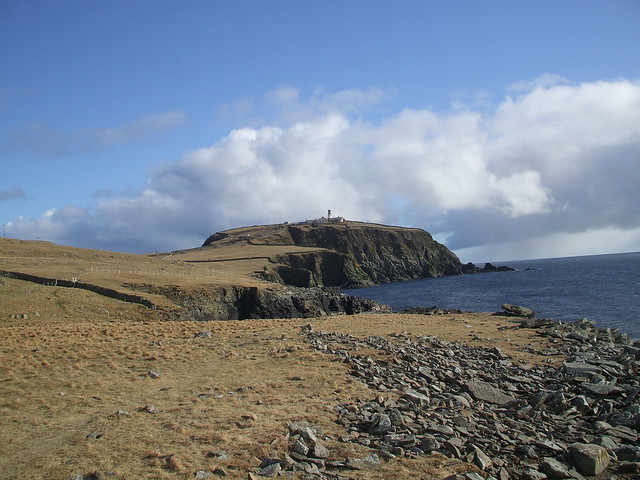
Sumburgh Head