Lead (Metal)

Today we’re looking at the words for lead (metal) and related things in Celtic languages.
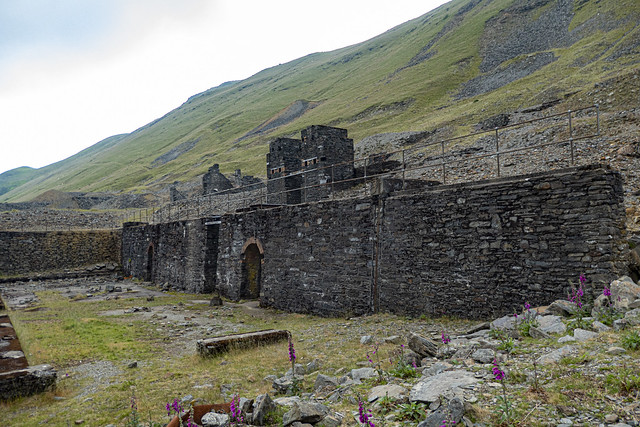
Cwmystwyth Lead Mine, Wales.
Cwmystwyth Lead Mine, Ceredigion, Cymru

Proto-Celtic *ɸloudom = lead (metal)
Gaulish *laudon = lead (metal)
Old Irish (Goídelc) lúaide = lead (metal)
Irish (Gaeilge) luaidhe [ˈl̪ˠuːiː] = lead (metal), (sounding-) lead, plummet, (fishing) sinker
luaidhiúil = lead-like, leaden
luaidhnimh = lead-poisoning
peann luaidhe = pencil
Scottish Gaelic (Gàidhlig) luaidhe [l̪ˠuəjə] = lead (metal), leaden
luaidheach = leaden
peann-luaidhe = pencil
Manx (Gaelg) leoaie = lead (metal), leaden, sounding lead
penn leoaie = pencil

Words marked with a * are reconstructions.

Etymology: from the Proto-Indo-European *plewd- (to fly, flow, run), from *plew- (to fly, flow, run), from the Proto-West Germanic *laud [source].

Some words from the same PIE root include fleet, float, flood and pneumonia in English, vlieten (to flow) in Dutch, fließen (to flow) in German, flyte (to float, flow) in Swedish [source].

The English word lead comes from the Middle English le(e)d (lead) from the Old English lēad (lead) from the Proto-West-Germanic *laud (lead), from the Gaulish *laudon (lead) [source], and words for lead in other Germanic language languages come from the same root [source].

Proto-Brythonic *plum = lead (metal)
Middle Welsh (Kymraec) pluum, plwm = lead (metal)
Welsh (Cymraeg) plwm [plʊm] = lead (metal); mass or ball of lead, plumb, plummet, straight(ness), vertical(ness)
plymaidd = leaden, lead-like, heavy, oppressive, worthless
plymen = lead weight, plummet, sheet, of lead
plymio = to sound (for depth), fathom, dive, plunge, plummet; to cover or solder with lead, line (pottery) with lead, glaze
plymwr = plumber, dealer/worker in lead, plunger, diver
plymliw = lead-coloured, blackish-blue, greyish blue, pale blue
Cornish (Kernewek) plomm, plobm = lead (metal)
plommer = plumber
plommwedhek = vertical
pyncel plomm = pencil
Breton (Brezhoneg) plom = lead (metal)
plomek = lead(en)
plomer = plumber
plomerezh = plumbing

Etymology: from the Latin plumbum (lead, pencil), may be borrowed from Etruscan, Iberian or some other pre-Indo-European Mediterranean substrate language [source].

Some words from the same Latin root include plumb (truly vertical, as indicated by a plumb line) in English, piombo (lead, grey, bullet) in Italian, plomb (lead, fuse, sinker) in French, and Plombe (seal, filling) in German [source].

Sources: Wiktionary, Am Faclair Beag, Online Manx Dictionary, Teanglann.ie, eDIL – Electronic Dictionary of the Irish Language, In Dúil Bélrai English – Old Irish glossary, Geiriadur Prifysgol Cymru, Gerlyver Kernewek, Gerlyvyr Cernewec, Dictionaire Favereau, TermOfis, Le dictionnaire diachronique du breton, Geriafurch, English – ProtoCeltic WordList (PDF), Etymological Dictionary Of Proto Celtic

The Fastest Way to Learn Japanese Guaranteed with JapanesePod101.com

Copper

Today we’re looking at the words for copper and related things in Celtic languages.

copper pots

Proto-Celtic *omiyom = copper, bronze
Old Irish (Goídelc) umae, humae [ˈu.ṽe] = copper, bronze, brass
Middle Irish (Gaoidhealg) uma = copper, bronze, brass
Irish (Gaeilge) umha = copper, copper alloy, bronze
umhadhaite = bronze-coloured, bronzed
umhaí = worker in copper or bronze
cré-umha = bronze
cré-umhaigh = to bronze
salachar-umha = verdigris
Scottish Gaelic (Gàidhlig) umha [ũ.ə] = bronze, copper, brass
umhach = coppery, brassy
umha-dhathte = copper-coloured, bronze-coloured
ceàrd-umha = coppersmith
Linn an Umha = the Bronze Age
meirg-umha = verdigris
Manx (Gaelg) ooha = bronze
cur ooha er = to bronze, bronzing
Yn Eash Ooha = the Bronze Age
Proto-Brythonic *öβ̃ɨð = bronze, copper
Old Welsh emid, emed = bronze, copper
Middle Welsh (Kymraec) euyð, euyd = bronze, copper
Welsh (Cymraeg) efydd [ˈɛvɨ̞ð / ˈeːvɪð] = bronze, brass, copper; made of bronze brass or copper; brazen; bronze colour, coppery
efyddaf, efyddu = to cover or adorn with brass or copper, to braze
efyddaid = made of bronze or brass; brazen, brazed
efyddog = brassy, coppery
efyddwr = brass-smith, copper-smith
medal efydd = bronze medal
mwyn efydd = copper ore, copper mine
Oes yr Efydd = Bronze Age

Words marked with a * are reconstructions.

Etymology: possibly from the Proto-Celtic *omos (raw), from the Proto-Indo-European *h₂eh₃mós (raw, uncooked, bitter, sour) [source].

Some words from the same PIE root, via the Latin amārus (bitter, harsh, sour, dire), include amaro (bitter) in Italian, amer (bitter, sour) in French, amarillo (yellow, golden coloured) in Spanish [source], and marulă (lettuce) in Romanian [source].

Irish (Gaeilge) copar [ˈkopˠəɾˠ] = copper
gabha copair = coppersmith
coparás = copperas, copper sulphate
Scottish Gaelic (Gàidhlig) copar [kɔhbər] = copper
coparach = cuperous, like copper, coppery
copar-dubhaidh = copperas, green vitriol (iron(II) sylphate)
Manx (Gaelg) cobbyr, copuir = copper
cobbyragh = copperish, cupric
gaaue cobbyr = coppersmith
plait cobbyr = copperplate
Middle Welsh (Kymraec) copyr, copr, kopyr = copper
Welsh (Cymraeg) copr, copor, coper = copper; something of little value; red hair
gof copr = copper-smith
gwaith copr = copper-works, vessels made of copper
mwyn copr = copper ore, copper mine
Cornish (Kernewek) kober [stɛːn / steːn] = copper
kobrek = copper (colour)
Breton (Brezhoneg) kouevr = copper
kouevrek = cupric (relating to or containing copper)
kouevrus = cuprous (relating to or containing copper)

Etymology: from the Middle English coper (copper, bronze), from the Old English copor (copper), from the Proto-Germanic *kuprą (copper), from the Latin Latin cuprum (copper) from the Ancient Greek Κύπρος (Cyprus – where large reserves of copper can be found). The Breton word kouevr was borrowed from the French cuivre (copper, brass), from the same Latin root [source].

Sources: Wiktionary, Am Faclair Beag, Online Manx Dictionary, Teanglann.ie, eDIL – Electronic Dictionary of the Irish Language, In Dúil Bélrai English – Old Irish glossary, Geiriadur Prifysgol Cymru, Gerlyver Kernewek, Gerlyvyr Cernewec, Dictionaire Favereau, TermOfis, Le dictionnaire diachronique du breton, Geriafurch, English – ProtoCeltic WordList (PDF), Etymological Dictionary Of Proto Celtic

The Fastest Way to Learn Japanese Guaranteed with JapanesePod101.com

Tin

Today we’re looking at the words for tin and related things in Celtic languages.

Tin Mines
Botallack tin mine in Cornwall

Words marked with a * are reconstructions.

Proto-Celtic *stagnos = tin
Gaulish *stagnom = tin
Old Irish (Goídelc) stán [mʲeːnʲ] = tin, tin vessel
Middle Irish (Gaoidhealg) stán, stan, sdán, sdan = tin
Irish (Gaeilge) stán = tin, tin vessel
stánach = tin-bearing, stannic
stánadóir = tinner, tinsmith
stánadóireacht = tin-work, (act of) tinkering
stánaigh = to tin, to coat with tin, to pack in tin(s)
stáncheárta = tinworks
stánphláta = tin-plate
stántáirgeach = tin-bearing
stánúil = tinny, stannous
feadóg stáin = tin whistle
Scottish Gaelic (Gàidhlig) staoin [sdɯːn̪ʲ] = tin, pewter
stàin [sdɯːn̪ʲ] = tin
stànadair = tinsmith, tinker
staoinseil = tinsel
fìdeag-staoin = tin whistle
muileann-staoin = tin mill
sgragall-staoine = tinfoil
Manx (Gaelg) stainney = tin, can, tin-plate
stainnagh = tin-bearing
stainnaghey = to tin-plate
stainneyder = tin-miner
stainnit = tin-plated
stainn-oshleyder, fosleyder stainney = tin-opener
feddan (stainney) = tin whistle, flageolot
gaaue stainney = tinner, tinsmith
Proto-Brythonic *staɨn = tin
Middle Welsh (Kymraec) stain, ystain, staen, ystaen = tin, pewter
Welsh (Cymraeg) (y)staen [ˈ(ə)staɨ̯n] = tin, pewter
ystaenaid, staenaid = tinned, tin
ystaenwr, ystaeniwr = pewterer, tinsmith
Middle Cornish (Cernewec) stean, stên = tin
stener, stynnar = a tinner, a pewterer
Cornish (Kernewek) sten [stɛːn / steːn] = tin
stenek = tin ground, stannary
stenor = tinner
sten du = tin ore
poll sten = tin pit
Old Breton (Brethonoc) sten = tin
Middle Breton (Brezonec) sten, stean, staen = tin
Breton (Brezhoneg) staen [ˈstɛːn] = tin
staenañ = to tinplate
staenek = stannic (of or containing tin)
staenus = stannous (of or containing tin)

Etymology: probably from the Proto-Indo-European *sth₂gʰ-nó-s (standing, firm), from *steh₂-gʰ- + *-nós, from *steh₂- (to stand) [source].

The Latin word stannum (an alloy of silver and lead; tin) was borrowed from the Gaulish *stagnom, and words for tin in Romance languages developed from this, including étain in French, stagno in Italian, and estaño in Spanish [source].

The scientific abbreviation for tin is Sn, from the Latin stannum. The old Latin name for tin was plumbum candidum (white lead) [source].

Scottish Gaelic (Gàidhlig) tiona = tin (container, metal)
á tiona = tinned, from a tin
crogan-tiona = tin can
Middle Welsh (Kymraec) tynn, tin, tinn = tin, tin plate
Welsh (Cymraeg) tun, tyn = tin (metal / container), tin plate, tin can
tunio, tuniaf = to tin, coat with tin, seal in a tin
tun tân = blower, metal plate placed before an open fire to increase the draught
tun te = tin used by workmen to carry leaf tea (and sugar) to work

Etymology: from the English tin, from the Middle English tin, tyn(e), tynne (tin), from the Old English tin (tin), from the Proto-Germanic *tiną (tin), probably from a pre-Indo-European language [source].

Words for tin in Germanic languages come from the same Proto-Germanic root, including tin in Dutch, Zinn in German, tenn in Swedish, and tinn in Norwegian, as do words for tin in some Slavic and Finno-Ugric languages [source].

Sources: Wiktionary, Am Faclair Beag, Online Manx Dictionary, Teanglann.ie, eDIL – Electronic Dictionary of the Irish Language, In Dúil Bélrai English – Old Irish glossary, Geiriadur Prifysgol Cymru, Gerlyver Kernewek, Gerlyvyr Cernewec, Dictionaire Favereau, TermOfis, Le dictionnaire diachronique du breton, Geriafurch, English – ProtoCeltic WordList (PDF), Etymological Dictionary Of Proto Celtic
The Fastest Way to Learn Japanese Guaranteed with JapanesePod101.com

Metal

Today we’re looking at the words for metal, ore, mines and related things in Celtic languages.

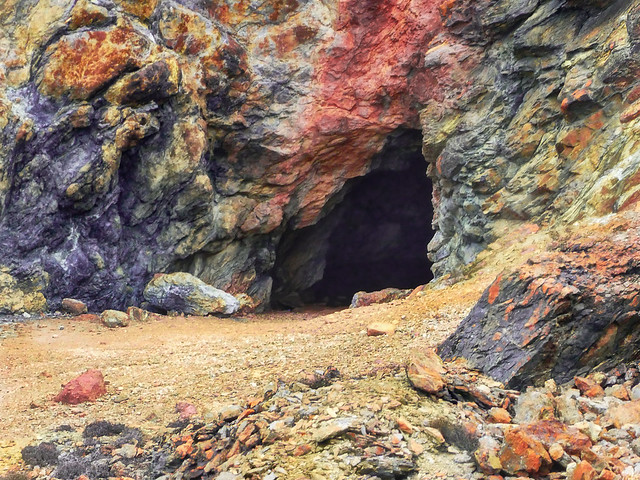
The cave at Parys mountain.

Proto-Celtic *mēnis = ore, metal, mine
Old Irish (Goídelc) méin, mían [mʲeːnʲ] = mineral, ore, metal
Middle Irish (Goídelc) méin, mían [mʲeːnʲ] = mineral, ore, metal
míanach = vein of ore, mine
míanaige = miner
Irish (Gaeilge) mianach = ore; stuff, material, substance, quality
mianadóir = miner
mianrach = mineral
mianreolaí = mineralogist
mianreolaíocht = mineralogy
mianadóireacht = mining; burrowing, excavating, digging deep
Scottish Gaelic (Gàidhlig) mèinn [mɛːn̪ʲ] = mine, ore
mèinnear, mèinneadair = miner
mèinnireach = mineral
mèinn-guail = coal mine, colliery
mèinn-talmhainn = landmine
mèinn salainn = salt mine
mèinneadh = mining
mèinnearach = mining
mèinn-eòlas = mineralogy
mèinneadh = mineralogical
mèinnearach = mineralogist
Manx (Gaelg) meain = ore, mine
meainagh = ore
meain-oayllys, meaineraght = metallurgy
meain-oaylee, meaineraght = mineralogist
meain arih = gold mine
meain argid = silver mine
meain chobbyr = copper mine
meain gheayil = coal mine, colliery
meain hollan = salt mine
meain leoaie = lead mine
Proto-Brythonic *muɨn = ore, metal, mine
Middle Welsh (Kymraec) mwyn, mŵn = mineral, ore, mine
Welsh (Cymraeg) mwyn = mineral, ore, mine
mwynwr = miner, sapper
mwyn arian = silver ore, silver mine
mwyn aur = gold ore, gold mine
mwyn cellt = quartz
mwyn coch = red lead, red ochre, haematite, other red ores
mwyn copr = copper ore, copper mine
mywn du = blacklead, graphite
mwyn efydd = copper ore, copper mine
mwyn haearn = iron ore
Cornish (Kernewek) moon = fusible metal mineral, mineral
Middle Breton *men = iron
Breton (Brezhoneg) mengleuz = quarry, slate quarry, mine
mengleuzer = slate quarry worker
mengleuzerezh = mining industry
mengleuziañ = to mine
mengleuziek = mining
mengleuzier = quarryman

Words marked with a * are reconstructions.

Etymology: probably from the Proto-Indo-European *mēy(H)nis, from *(s)mēy(H)- (to cut, hew) [source].

The English word mine (an excavation from which ore or solid minerals are taken) comes from the same Proto-Celtic root, via the Old French myne, mine, the Late Latin mina and Gaulish [source].

Middle Irish (Goídelc) mital(l) = metal
Irish (Gaeilge) miotal [ˈmʲɪt̪ˠəlˠ] = metal; mettle, spirit, hardihood
miotalach = metallic; mettlesome, spirited; hardy, wiry
miotalagrafaíocht = metallography
miotalóir = metallurgist
miotalóireach = metallurgic(al)
miotalóireacht = metal-work, metallurgy
Scottish Gaelic (Gàidhlig) miotal, meiteal = metal
= miner
meatailteach = metallic
obair-mheatailtean, obair-mheatailt = metalwork, metallurgy
meatailt uasal = precious metal
Manx (Gaelg) metal = metal
Middle Welsh (Kymraec) mettel = metal
Welsh (Cymraeg) metel, metal = metal, metal weapon or armour; substance, mettle, bravery, courage
metelaidd, metelig = metallic
meteleg = metallurgy
metelegol = metallurgical
metelegwr, metelegydd = metallurgist
Cornish (Kernewek) metol = metal
metolyek = metallic
Breton (Brezhoneg) metal = metal
metalerezh = metallurgy
metalour = metallurgist

Etymology (Welsh): from the Middle English metel(l), metal(l) (metal, ore), from the Old French metal (metal), from the Latin metallum (metal, precious metals, mine), from the Ancient Greek μέταλλον (métallon – metal, precious metals, mine) [source].

Etymology (Irish): from the Old French metal (metal), then as above [source].

The English word metal comes from the same roots, via Middle English, Old French, etc [source]. The word mettle (a quality of endurance and courage) was originally a variant of metal, and later came to have a figurative sense [source].

Sources: Wiktionary, Am Faclair Beag, Online Manx Dictionary, Teanglann.ie, eDIL – Electronic Dictionary of the Irish Language, In Dúil Bélrai English – Old Irish glossary, Geiriadur Prifysgol Cymru, Gerlyver Kernewek, Gerlyvyr Cernewec, Dictionaire Favereau, TermOfis, Le dictionnaire diachronique du breton, Geriafurch, English – ProtoCeltic WordList (PDF), Etymological Dictionary Of Proto Celtic
The Fastest Way to Learn Japanese Guaranteed with JapanesePod101.com

Iron

Today we’re looking at the words for iron and related things in Celtic languages.

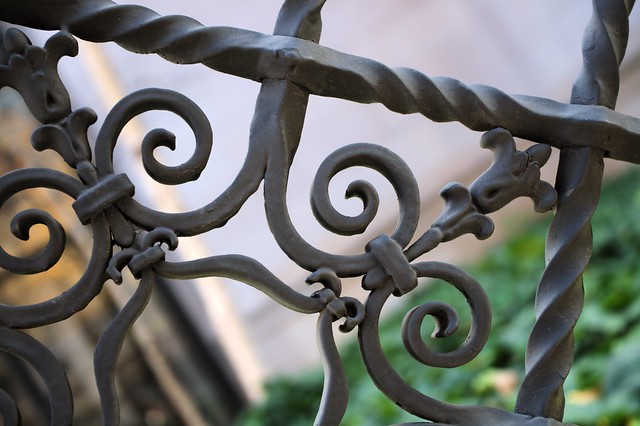
iron fence

Proto-Celtic *īsarnom = iron
Old Irish (Goídelc) íarn [iːa̯rn] = iron
Irish (Gaeilge) iarann [ˈiəɾˠən̪ˠ] = iron (element, appliance, golf club); iron part of a tool; brass (money)
amhiarann, iarnmhian = iron ore
iarann rocach = corrugated iron
iaranach = irons, iron implements, fetters, ploughshare
iaranaigh = to put in irons, fit, cover with iron
iaranaí = (made of) iron, iron-hard
iaranáil = to iron (clothes)
iarnmhangaire = ironmonger
iarannaois = the Iron Age
iarna = hardware
iarnród = railway
iarnúil = iron-like, ferrous
Scottish Gaelic (Gàidhlig) iarann [iər̪ˠən̪ˠ] = iron, (metal) blade; day’s worth cutting peat (for two)
iarnaidh = ferrous, iron-hard, iron-coloured, stingy
iarnaigeadh, iarnachadh = (act of) ironing
iarnair = ironmonger
iarainn-tàthainn, iarann-sobhdraidh = soldering iron
iarann-dreasaigidh = clothes iron
iarann mòlltaichte = cast iron
iarann preasach = corrugated iron
rathad-iarainn = railway
Manx (Gaelg) yiarn = iron; tool, scythe, blade; dough (money); tip (gratuity)
yiarnagh = ferric
yiarnal = iron, ironing
yiarneyder = ironmonger
yiarnrey = hardware
yiarnaghey, yiarney = to cover with iron, to iron
yiarnoil = ferrous
Proto-Brythonic *hijarn = hard, hard metal, iron
Middle Welsh (Kymraec) heirn, hyarn, heyrn, hayarnn, haearn = iron
Welsh (Cymraeg) haearn = iron, iron bar, hardness, strength, resoluteness, hard, strong, unyielding; sword, spear, lance; iron armour, coat of mail; fetters, shackles; branding-iron, pincers; flat-iron; spur
haearnaidd = like iron, ferrous; strong, hard, callous, oppressive
haearneiddio = to harden, make (one) unfeeling or callous
haearnol = of iron, iron-like, hard, unfeeling, rigid, stern
haearnwr = ironmonger, ironworker
haearn bwrw = cast iron
haearn gwaith = wrought iron
haearn gwrymiog = corrugated iron
Middle Cornish heorn, horn, hôrn = iron
Cornish (Kernewek) horn = iron
hornek = ferric, iron
hornell = iron (for clothes)
hornella = to iron
horner = ironmonger
horn margh = horseshoe
hyns horn = railway
Old Breton hoiarn = iron
Middle Breton houarnn = iron
Breton (Brezhoneg) houarn [ˈhuː.arn] = iron; flat iron; horseshoe
houarnek = ferric
houarnus = ferrous
houarnaj = scrap iron
houarnajer = scrap merchant
houarnañ = to shoe (a horse)
houarn-marc’h = horseshoe
houarn da zistennañ = iron (for clothes)
hent-houarn = railway

Words marked with a * are reconstructions.

Etymology: probably from the Proto-Indo-European *h₁ēsh₂r̥no- (bloody, red), from *h₁ésh₂r̥ (blood) [source].

Words for iron in Germanic languages come from the same Proto-Celtic root, via the Proto-Germanic *īsarną (iron), including iron in English, ijzer in Dutch, Eisen in German, and järn in Swedish [source].

Words for blood in Romance languages come from the same PIE root, via the Latin sanguīs (blood, descent, progeny, family), including sang in Catalan and French, sangue in Italian and Portuguese, and sangre in Spanish, and also the English word sanguine (blood red; warm, optimistic, confident) [source].

Sources: Wiktionary, Am Faclair Beag, Online Manx Dictionary, Teanglann.ie, eDIL – Electronic Dictionary of the Irish Language, In Dúil Bélrai English – Old Irish glossary, Geiriadur Prifysgol Cymru, Gerlyver Kernewek, Gerlyvyr Cernewec, Dictionaire Favereau, TermOfis, Le dictionnaire diachronique du breton, Geriafurch, English – ProtoCeltic WordList (PDF), Etymological Dictionary Of Proto Celtic

The Fastest Way to Learn Japanese Guaranteed with JapanesePod101.com

Hard Steel

Today we’re looking at the words for steel and related things in Celtic languages.

Steel

Old Irish (Goídelc) dúr = hard, hardy, resolute, rigid
Middle Irish (Gaoidhealg) dúr = rigid, hard, solid; difficult; hard to bear; strict, austere; hardy, resolute; unfeeling, dour, obdurate
Irish (Gaeilge) dúr = hard, rigid, solid; dour, grim, obstinate; dense, stupid, blunt, insensitive; sluggish
dúramán = dull-witted, stupid person
dúramánta = dull-witted, stupid
dúranta = dour, grim, morose, sullen
dúrantacht = dourness, sullenness
dúrapóg = surly person
dúrchroí = hard heart, hardness of heart
dúrchroíoch = hard hearted
Scottish Gaelic (Gàidhlig) dùr [duːr] = stubborn, intractable; obstinate, dull, stupid; persevering
durganta = rigid, stiff, hardened; robust, rigorous; obstinate, dogged; sullen, morose; grim, forbidding
Manx (Gaelg) douyr = mournful, uncomfortable, unhappy, afflicting
Proto-Brythonic *dʉr = hard, hard metal, steel
Middle Welsh (Kymraec) dur = steel
Welsh (Cymraeg) dur [dɨːr / diːr] = steel, steel weapon; hard, cruel
duraidd = steely, hard, faithful, true
durawdr = steel sword or lance
dur bwrw = cast steel
edau ddur = wire
fel y dur = true as steel, like steel
llifddur = file, rasp
Cornish (Kernewek) dur = steel
dur dinamm = stainless steel
Breton (Brezhoneg) dir = steel
dir disvergi = stainless steel
kazeg-dir = bicycle (“steel mare”)

Etymology from the Latin dūrus (hard, rough, harsh), from the Proto-Indo-European *drew- (hard, fast), from *dóru (tree) [source].

Words from the same Latin root include the Scots word dour (hard, stern, severe, relentless), possibly via Middle Irish, which was also borrowed into English and means stern, harsh or forbidding; the French word dur (hard, tough, harsh), the Italian word duro (hard, tough, harsh), and the Spanish word duro (hard, form, solid) [source].

Words from the same PIE root include Celtic words for oak (tree), and the English words true, trough and trim [source].

Irish (Gaeilge) cruach [kɾˠuəx / kɾˠɔx] = steel
cruachghreanadóireacht = steel-engraving
cruachobair = steelwork
cruachphláta = steel-plate
cruachphlátáilte = steel-plated
Scottish Gaelic (Gàidhlig) cruaidh [kruəj] = steel; stone anchor; hard, rocky ground
Manx (Gaelg) creoighey = steel

Etymology from the Irish crua (hard), from the Old Irish crúaid (hard, hardy, harsh, stern, strict), from the Proto-Celtic *kroudis (rude), possibly from *krū- (blood), from the Proto-Indo-European *krewh₂-. (blood) [source].

Scottish Gaelic (Gàidhlig) stàilinn [sdaːl̪ʲɪn̪ʲ] = steel
clòimh-stàilinn = steel wool
obraiche-stàilinn = steelworker
ionad-stàilinn = steelworks
Manx (Gaelg) staillin, steillyn, steillin = steel
staillinagh = steel-maker, steel
obbyr staillinagh = steelwork
ollan staillinagh = steel wool
snaie staillinagh = steel wire
towse staillinagh = steelyard

Etymology from the Old Norse stál (steel, sword), from the Proto-Germanic stahlą (steel), from the Proto-Indo-European *stek- (to be firm, stand fast) [source].

Words from the same Proto-Germanic root include steel in English, staal (steel) in Dutch, Stahl (steel) in German, and stål (steel, tool) in Danish [source].

Words marked with a * are reconstructions.

Sources: Wiktionary, Am Faclair Beag, Online Manx Dictionary, Teanglann.ie, eDIL – Electronic Dictionary of the Irish Language, In Dúil Bélrai English – Old Irish glossary, Geiriadur Prifysgol Cymru, Gerlyver Kernewek, Gerlyvyr Cernewec, Dictionaire Favereau, TermOfis, Le dictionnaire diachronique du breton, Geriafurch, English – ProtoCeltic WordList (PDF), Etymological Dictionary Of Proto Celtic
The Fastest Way to Learn Japanese Guaranteed with JapanesePod101.com

Heather

Today we’re looking at the words for heather and related things in Celtic languages.

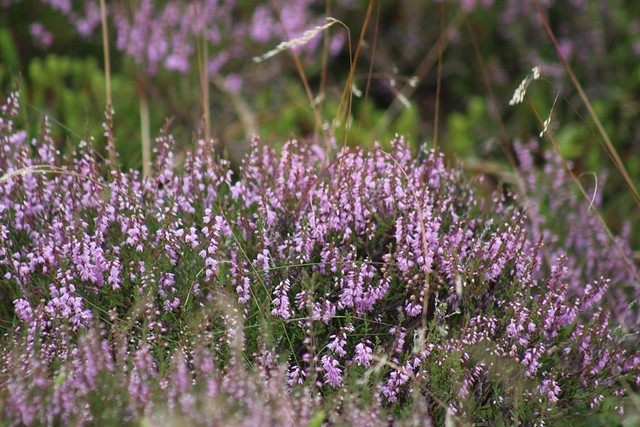
Heather

Words marked with a * are reconstructions.

Proto-Celtic *wroikos = heather
Gaulish *wroika = heather
Celtiberian *broikios = heather
Old Irish (Goídelc) froích, fróech = heather
Middle Irish (Gaoidhealg) fráech = heather
Irish (Gaeilge) fraoch [fˠɾˠeːx / fˠɾˠiːx / fˠɾˠiːx] = heather, heath, moor
fraochán = bilberry, whortleberry, ring-ouzel
fraochlach = heath
fraochmhá = heath
fraochmhar = heathery
fraoch bán = white heather
fraoch coitianta = Scotch heather, ling
píobaire fraoch = grasshopper
Scottish Gaelic (Gàidhlig) fraoch [frɯːx] = heather, ling
fraoch-geal = white common heather (Calluna vulgaris alba
fraoch-bheinn = heather-covered mountain
fraochan = whortleberry, blaeberry, lingonberry, cranberry
fraochach = heathy, heathery
Manx (Gaelg) freoagh = heather, ling, heath
freoagh bane = brier, white heather
freoagh marrey = sea fern
freoagh mooar = Scotch heather
Proto-Brythonic *gwrʉg [ˈɡwrʉːɡ] = heather
Middle Welsh (Kymraec) gruc, gerug, gwrug = heather
Welsh (Cymraeg) grug [ɡrɨːɡ / ɡriːɡ] = heather, ling heath
grug cyffredin = heather, ling, common heath, Calluna vulgaris
grugiar = (red) grouse, willow grouse, heath-hen
gruglus = heath-berries
gruglwyn = bush of heather, sweet broom
grugnythu = to nest or nestle in the heather
grugog = heath-covered, heathery, abounding in heather
Cornish (Kernwek) grug [ɡryːɡ / ɡriːɡ] = heath, heather, ling
grugyar = partridge
Middle Breton groegan = heather
Breton (Brezhoneg) brug [bryːk] = heather
brugek [ˈbryː.ɡɛk] = (a place) abundant in heather, covered with heather

Etymology unknown, possibly from a non-Proto-Indo-European root [source].

Words from the same Proto-Celtic roots, via Gaulish *wroikos (heather), and Latin *brūcus (heather) or Vulgar Latin *broccius, include brezo (heath) in Spanish, breixo (heather) in Galician, brugo (heather) and brughiera (heath, moor) in Italian, bruc (heather) and bruguera (heath) in Catalan, and bruyère (heather, heath, brier) in French [source].

Eilean Fraoch (Heather Isle) is a nickname for the Isle of Lewis / Eilean Leòdhais in the Western Isles / Na h-Eileanan Siar. Here’s a song about it:

Sources: Wiktionary, Am Faclair Beag, Online Manx Dictionary, Teanglann.ie, eDIL – Electronic Dictionary of the Irish Language, In Dúil Bélrai English – Old Irish glossary, Geiriadur Prifysgol Cymru, Gerlyver Kernewek, Gerlyvyr Cernewec, Dictionaire Favereau, TermOfis, Le dictionnaire diachronique du breton, Geriafurch, English – ProtoCeltic WordList (PDF), Etymological Dictionary Of Proto Celtic
The Fastest Way to Learn Japanese Guaranteed with JapanesePod101.com

Sisters

Today we’re looking at the words for sister and related people in Celtic languages.

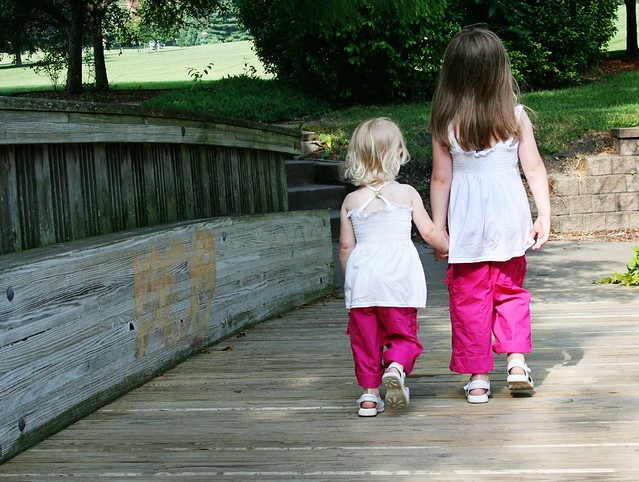
Sisters

Words marked with a * are reconstructions.

Proto-Celtic *swesūr [ˈswe.suːr] = sister
Gaulish suiorebe = sister
Old Irish (Goídelc) siur = sister, kinswoman, female relation
derbṡiur [ˈdʲerʲvʲ.fʲi.ur] = sister (by blood / in a religious community)
sinserṡiur [ˈsʲinsʲerˌhi.ur] = elder sister
Middle Irish (Gaoidhealg) siur = sister, kinswoman, female relation
derbsiur = sister (by blood / in a religious community)
Irish (Gaeilge) siúr [ʃuːɾˠ] = sister, kinswoman; Sister (member of a religious community); (nursing) sister
deirfiúr = sister
deirfiúr athar = paternal aunt
deirfiúr máthar = maternal aunt
deirfiúr céile = sister-in-law
leathchúpla deirféar = twin sister
iníon deirféar = brother’s son, niece
mac deirféar = sister’s son, nephew
deirféar = sisterly
Scottish Gaelic (Gàidhlig) siùir [ʃuːrʲ] = sister (archaic)
piuthar [pju.ə] = sister
piùthrag [pjuːrag] = little sister, sis
piutharail [pju.əral] = sisterly
peathrachas [pɛrəxəs] = sisterhood, soroity
piuthar-chèile = sister-in-law
piuthar leth-aon = twin sister
piuthar-altraim = foster-sister
piuthar-athar = paternal aunt
piuthar-màthar = maternal aunt
Manx (Gaelg) shuyr [ʃuːr] = sister
shayragh, shuyroil = sisterly
shuyrys = sisterhood
shuyr (v)ayrey = aunt
shuyr gholtit = foster-sister
shuyr lannoonagh = twin sister
shuyr ‘sy leigh = sister-in-law
Proto-Brythonic *hwehir = sister
Middle Welsh (Kymraec) chwaer = sister
Welsh (Cymraeg) chwaer [χwaːɨ̯r / χwai̯r] = sister, half-sister, female mate or partner; maiden, sweetheart, mistress; nun, sister (in hospital)
chwaer efell = twin sister
chwaer faeth = foster sister
chwaer fedydd = god-sister
chwaer yng nghyfraith = sister-in-law
hanner chwaer = half-sister, step-sister
chwaerol = sisterly
chwaeroliaeth = sisterhood
Old Cornish huir = sister
Middle Cornish (Cernewec) hoer, huir, wuir, hôr = sister
Cornish (Kernwek) hwor = sister
hanter-hwor = half-sister
Old Breton guoer = sister
Middle Breton hoar, choar = sister (female sibling, nun)
Breton (Brezhoneg) c’hoar = sister
c’hoarig = sis, little sister; twin sister
c’hoarelezh = sisterhood
c’hoar-gaer, c’hoareg = sister-in-law, stepsister

Etymology from the Proto-Indo-European *swésōr (sister) [source]. Words for sister in many Indo-European languages come from the same roots [source].

Here’s a traditional Scottish Gaelic song about sisters – A’ phiuthrag ’sa phiuthar

The Fastest Way to Learn Japanese Guaranteed with JapanesePod101.com

Sources: Wiktionary, Am Faclair Beag, Online Manx Dictionary, Teanglann.ie, eDIL – Electronic Dictionary of the Irish Language, In Dúil Bélrai English – Old Irish glossary, Geiriadur Prifysgol Cymru, Gerlyver Kernewek, Lexicon Cornu-britannicum: A Dictionary of the Ancient Celtic Language of Cornwall, Dictionaire Favereau, TermOfis, Le dictionnaire diachronique du breton, Etymological Dictionary Of Proto Celtic

Brothers

Today we’re looking at the words for brother and related people in Celtic languages.

Brothers

Proto-Celtic *brātīr [ˈbraː.tiːr] = brother
Gaulish *bratir = brother
Old Irish (Goídelc) bráthair [ˈbraːθirʲ] = brother, cousin, kinsman
bráthardacht = brotherly
bráthardae = brotherly, fraternal
derbráthair = brother (by blood), from derb (certain) & bráthair
sinserbráthair = elder brother, senior kinsman
Irish (Gaeilge) bráthair [ˈɑhəɾʲ/ˈahæɾʲ] = brother (member of a religious community), friar, kinsman; monkfish, angelfish
bráithriúil = brotherly
bráithriúlacht = brotherliness
deartháir = brother, male sibling
Scottish Gaelic (Gàidhlig) bràthair [ahɪrʲ] = brother, male sibling
bràithreil = brotherly
bràthair-altraim = foster brother
bràthair-athar = parternal uncle
bràthair-màthar = maternal uncle
bràthair-cèile = brother-in-law
comh-bhràthaireil = fraternal
leth-bhràthair = half-brother
Manx (Gaelg) braar = brother, monk, friar
braar ayrey = parternal uncle
braar mayrey = maternal uncle
braar keeilley, braar ‘sy leigh = brother-in-law
braar lannoonagh = twin brother
braaragh, braaroil = brotherly, fraternal
braarys = brotherhood
jarroo-vraar = blood brother
lhiass-vraar = stepbrother
lieh-vraar = half brother
Proto-Brythonic *brọdr = brother
Middle Welsh (Kymraec) brawt, braud, bravt = brother
Welsh (Cymraeg) brawd [brau̯d] = brother, half-brother, male relative; clansman, fellow-countryman, male friend, fellow-man, like-minded person; monk; friar
brawd crefydd = friar, brother of a religious order
brawdoliaeth = brotherhood, brotherliness, brotherly feeling, brotherly love, fraternity, fellowship, relationship
brawdoli = to fraternize
brawdoldeb = brotherliness, brotherhood, brotherly love
brodorol = brotherly, fraternal; native, indigenous, vernacular
brawdyn = (little) brother, poor brother, wretch, male friend
Cornish (Kernwek) broder [taːz/tæːz] = brother
hanter-broder = half-brother
broder da = brother-in-law
brederedh = brotherhood
Old Breton brotr = brother
Middle Breton breuzr = brother
Breton (Brezhoneg) breur [ˈbrøːr] = brother
breur gevell = twin brother
breur-kaer, breureg = brother-in-law
breur-laezh, breur-mager = foster brother
breurel = fraternal
breuriezh = frairie
breuriad = siblings
hantervreur = half-brother

Etymology from the Proto-Indo-European *bʰréh₂tēr (brother) [source].

Words marked with a * are reconstructions.

Sources: Wiktionary, Am Faclair Beag, Online Manx Dictionary, Teanglann.ie, eDIL – Electronic Dictionary of the Irish Language, In Dúil Bélrai English – Old Irish glossary, Geiriadur Prifysgol Cymru, Gerlyver Kernewek, Gerlyvyr Cernewec, Dictionaire Favereau, TermOfis, Le dictionnaire diachronique du breton, Geriafurch, English – ProtoCeltic WordList (PDF), Etymological Dictionary Of Proto Celtic

italki - Win cash rewards for learning any language

Fathers

Today we’re looking at the words for father and related people in Celtic languages.

Father & son

Words marked with a * are reconstructions.

Proto-Celtic *ɸatīr [ˈɸa.tiːr] = father
*ɸatriyos = paternal
Old Irish (Goídelc) ath(a)ir [ˈaθɨrʲ] = father
athramail = fatherly, paternal, fatherlike
Middle Irish (Gaoidhealg) athair, athir = father
aithre, aithreacha = parents, forefathers, ancestor
Irish (Gaeilge) athair [ˈɑhəɾʲ/ˈahæɾʲ] = father, ancestor, sire
aithriúil = fatherly
ardathair = patriarch
athair mór = maternity, fatherhood
leasathair = stepfather
seanathair = grandfather
Scottish Gaelic (Gàidhlig) athair [ahɪrʲ] = father, progenitor, sire
athair-baistidh = godfather
athair-cèile = father-in-law
bràthair-athar = parternal uncle
leas-athair = stepfather
piuthar-athar = parternal aunt
prìomh-athair = forefather, patriarch
taobh athar = paternal
Manx (Gaelg) ayr [ˈeːar] = father, matron, mater, queen, dam; focus, fountainhead, generator
ayroil = fatherly, parternal
ayrvarroo = patricide
shennayr = grandfather
Old Welsh -atr = ?

Etymology from the Proto-Indo-European *ph₂tḗr (father) [source]. Words from the same PIE root include father, padre, paternal in English, and Vatter (father) in German [source].

Proto-Celtic *attyo-, *attiyos = father, foster-father
Old Irish (Goídelc) aite [ˈadʲe] = foster-father; tutor, teacher
Middle Irish (Gaoidhealg) aite = foster-father, tutor, teacher
aitecht = tutorage, instruction
Irish (Gaeilge) oide [ˈɛdʲə] = foster-father; tutor, teacher
oideachas = education
oideachasóir = educationalist
oideachasúil = educational
oideas = instruction, teaching, prescription, recipe
oideoir = educator
oideolaíoch = pedagogic(al)
Scottish Gaelic (Gàidhlig) oide [ɤdʲə] = tutor, foster-father, stepfather, godfather
oide-altraim = foster-father
oide-baistidh = godfather
oide-foghlaim = instructor
oide-ionnsachaidh = tutor
oide-sgoile = schoolmaster
oidich = instruction
Manx (Gaelg) gedjey = foster-father, godfather, guardian, sponsor

Etymology from the Proto-Indo-European *átta (father) [source].

Proto-Celtic *tatos = dad, daddy
Proto-Brythonic *tad = father
Middle Welsh (Kymraec) tad = father
Welsh (Cymraeg) tad [taːd] = father
tadaidd = fatherly, paternal
tadeiddiad = fatherhood
tadenw = patronymic
tadol = paternal, fatherly, inherited from the father
tadu = to father (a child), become a father; ascribe, attribute (to)
tadwlad = fatherland, native land
tadwys = family, lineage, fatherhood
tadwysaeth = paternity
Old Cornish tat = father
Middle Cornish (Cernewec) tad, tat = father
tadvath, tatvat = nurser, breeder
Cornish (Kernwek) tas [taːz/tæːz] = father
tasek = patron
tasrewl = patriarchy
tasveth = foster-father
tas bejydh = godfather
tas gwynn = grandfather
Tas Nadelik = Father Christmas
tas sans = patron saint
ugheldas = patriarch
Middle Breton tat = father
tadelez = paternity
Breton (Brezhoneg) tad [ˈtɑːt] = father
tadeg = father-in-law
tadek = paternal
tadelezh = paternity
tadig = dad, daddy
tad-kaer = father-in-law
tad-kozh = grandfather
tad-kuñv = great-grandfather
tata = dad

Etymology from the Proto-Celtic *attiyos (father, foster-father), the Proto-Indo-European *átta (father) [source]. The English word dad possibly has Celtic roots [source].

Proto-Celtic *altrawū = foster uncle
Old Irish (Goídelc) altra = foster-father
Middle Irish (Gaoidhealg) altra = foster-father
altrannas = fostering, fosterage, nurture
banaltra = foster-mother, nurse
Irish (Gaeilge) altra [ˈɛdʲə] = nurse (gender-neutral), foster-father†
banaltra = (female) nurse
altram = fosterage
altramaí = fosterer, foster-parent
altramaigh = to foster
altranas = nursing
Scottish Gaelic (Gàidhlig) altram [al̪ˠdrəm] = nursing, nurturing, dandling, fostering, fosterage, rearing
altraim = nurse, nurture, dandle, foster, rear
altrach = fosterer, one who fosters, nurse
banaltram [ban̪ˠal̪ˠdrəm] = nurse, wet-nurse
neach-altram = nurse, nursing profession
Manx (Gaelg) boandyr = nanny, nurse, nursemaid
boandyrys = to nourish, nurse, nursing
Proto-Brythonic *alltrọw = ?
Middle Welsh (Kymraec) athro, athraw = teacher, instructor, tutor
athrawes, athravves = female teacher, tutor, governess, school mistress
athronddysg, athrondysc, athronddysc = doctrine, teaching, instruction, learning
alldraỽ, alldraw = godfather, godparent
Welsh (Cymraeg) athro [ˈaθrɔ] = teacher, instructor, tutor, doctor (of law, literature, etc), scholar, master, professor
athrawes [aˈθrau̯ɛs] = female teacher, tutor, governess, school mistress
athronddysg = doctrine, teaching, instruction, learning
alltraw [ˈaɬtrau̯] = godfather, godparent; (ecclesiastical) sponsor, representative, attorney
alltrewes [aɬˈtrau̯ɛs] = godmother
Old Cornish alltrow = stepfather
Middle Cornish (Cernewec) altrou = stepfather
altruan = stepmother
aultra = godfather
aultruan = godmother
Cornish (Kernwek) altrow = stepfather
altrewen = stepmother
Old Breton (Brethonoc) altro = foster-father
Middle Breton autrou, otrou, eutreu = lord, foster-father
Breton (Brezhoneg) aotroù [ˈɔ.tru] = lord, gentleman, Mr
aotrouniaj = lordly, stately, manorial, seigneurial
aotrouiek = seigneurial, authoritarian.
aotrouniekaat = to act authoritarian
aotrouiezh = authority
aotrounius = imperious

Etymology from the Proto-Celtic *altros (foster), from *altos (nourished, fostered) + *awū (uncle), ultimately from Proto-Indo-European *h₂éwh₂os (maternal grandfather, maternal uncle). Words from the same roots include uncle in English, abbi (grandfather, old man) in Faroese, and oncle (uncle) in French [source].

The Fastest Way to Learn Japanese Guaranteed with JapanesePod101.com

Sources: Wiktionary, Am Faclair Beag, Online Manx Dictionary, Teanglann.ie, eDIL – Electronic Dictionary of the Irish Language, In Dúil Bélrai English – Old Irish glossary, An Etymological Dictionary of the Gaelic Language, Geiriadur Prifysgol Cymru, Gerlyver Kernewek, Dictionaire Favereau, TermOfis, English – ProtoCeltic WordList (PDF), Etymological Dictionary Of Proto Celtic

Unlimited Web Hosting - Kualo