Squirrels

Words for squirrel in Celtic languages.

Proto-Celtic wiweros = squirrel
Old Irish (Goídelc) íaru = squirrel
Irish (Gaeilge) iora = squirrel
Scottish Gaelic (Gàidhlig) feòrag [fjɔːrag] = squirrel
Manx (Gaelg) fiorag = squirrel
Proto-Brythonic gwɨwer = squirrel
Middle Welsh (Kymraec) gwiwair, gwiweir = squirrel
Welsh (Cymraeg) gwiwer [ˈɡwɪu̯.ɛr / ˈɡwɪu̯.ar] = squirrel
Cornish (Kernewek) gwiwer = squirrel
Breton (Brezhoneg) gwiñver = squirrel

Etymology: from the Proto-Indo-European *wer- (squirrel, stoat) [source].

In Manx a squirrel is also a roddan biljagh (“tree rat”).

Words marked with a * are reconstructions.

Sources: Wiktionary, Am Faclair Beag, MacBain’s Dictionary, In Dúil Bélrai English – Old-Irish Glossary, teanglann.ie, On-Line Manx Dictionary, Geiriadur Prifysgol Cymru, Gerlyver Kernewek, Dictionnaire Favereau

Here’s a tune I wrote called The Scampering Squirrels / Y Gwiwerod sy’n Prancio:

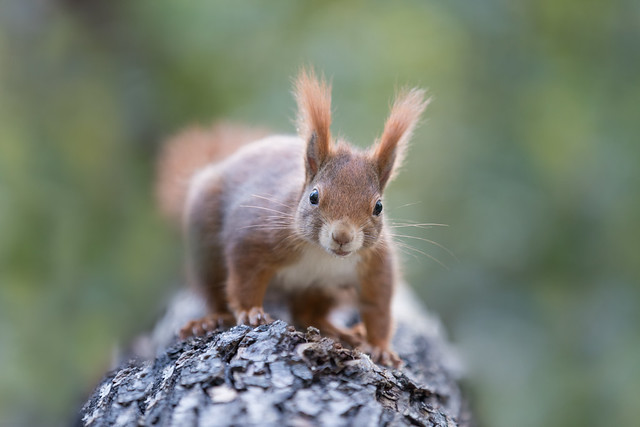
Red Squirrel

Hedgehogs

Words for hedgehog in Celtic languages.

Irish (Gaeilge) gráinneog [ˈɡɾˠɑːnʲoːɡ] = hedgehog; bristly, short-tempered, person
Scottish Gaelic (Gàidhlig) gràineag [ˈgraːnʲag] = hedgehog
Manx (Gaelg) graynoge = hedgehog

Etymology: from gráin/gràin/grayn (hatred, abhorrence), from the Proto-Celtic *grā̆gnis (disgust), & -eog/eag/oge (a noun suffix) [source].

Welsh (Cymraeg) draenog [ˈdrɑːɨ̯nɔɡ / ˈdrai̯nɔɡ] = hedgehog, (sea-)urchin, procupine; a cross-grained peevish person; ferret, bittern, thorny, prickly
Breton (Brezhoneg) draeneg = hedgehog, wolf, barbel

Etymology: from draen (prickle, thorn), from the Proto-Celtic *dragino-, & -og/eg (a noun suffix) [source].

Cornish (Kernewek) sort = hedgehog

Etymology: unkonwn

Words marked with a * are reconstructions.

Sources: Wiktionary, Am Faclair Beag, MacBain’s Dictionary, In Dúil Bélrai English – Old-Irish Glossary, teanglann.ie, On-Line Manx Dictionary, Geiriadur Prifysgol Cymru, Gerlyver Kernewek, Dictionnaire Favereau

hedgehog

Deer

Words for deer in Celtic languages. There were several different words for deer in Proto-Celtic: *wēdus, *karwos, *ellan(t)ī-, *danī- and *yorkos, and also *sidos (stag). They may have referred to different types of deer, but it is not certain which types, apart from *yorkos, which is a roe deer.

Deer

Proto-Celtic *wēdus [ˈweː.dus] = wild
Old Irish (Goídelc) fíad [fʲiːa̯ð] = wild animals, game, especially deer
Irish (Gaeilge) fia [fʲiə] = deer
Scottish Gaelic (Gàidhlig) fiadh [fiəɣ] = deer
Manx (Gaelg) feeaih = deer

Etymology: from the Proto-Indo-European *weydʰ- (wood, wilderness) [source].

Proto-Celtic *karwos = deer, stag
Gaulish caruus / carvos = deer
Old Irish (Goídelc) carbh = deer
Irish (Gaeilge) carria / cairrfhiadh = deer, stag
Scottish Gaelic (Gàidhlig) cair-fhiadh / carbh-fheadh = hart, stag
Manx (Gaelg) çharroo = stag
Proto-Brythonic *karw = deer, stag
Old Welsh *caru = deer
Middle Welsh (kymraec) caru, carv, carw = deer, hart, stag
Welsh (Cymraeg) carw [ˈkaru / ˈkaːru] = deer, hart, stag; lord, nobleman, patron
Old Cornish caruu = stag
Middle Cornish carow = stag
Cornish (Kernewek) karow = stag
Middle Breton caro, qaro = deer
Breton (Brezhoneg) karv = deer

Etymology: from the Proto-Indo-European *ḱerh₂wós, from *ḱerh₂- (horn) [source].

Proto-Celtic *sidos = stag
Old Irish (Goídelc) séd = deer
Welsh (Cymraeg) hydd = stag, hart
Breton (Brezhoneg) heizes = roe-deer, venison, intrepid boy

Etymology: uncertain

Proto-Celtic *ellan(t)ī- / *agliones = deer
Old Irish (Goídelc) ag [aɣ] = bullock, cow, ox; deer, stag
Irish (Gaeilge) agh = cow, ox
agh alla = deer
Scottish Gaelic (Gàidhlig) agh [ɤɣ] = heifer, hind
Welsh (Cymraeg) eilon/eilion = stag, hart

Etymology: possible from the same root as the English word eland (a type of antelope found in South Africa), which from the Dutch eland (elk), from the Old High German elent.

Proto-Celtic *ou̯ījkā = ?
Gaulish cerua = ?
Old Cornish euhic = hind, deer
Old Welsh eguic = hind, deer
Welsh (Cymraeg) ewig = hind, doe, roe; graceful light-footed woman; deer, hart

Etymology: possibly from the Proto-Indo-European *h₂ówis (sheep) [source]

Proto-Celtic *yorkos = roebuck, deer
Gaulish iorkos = deer
Proto-Brythonic *jorx = deer, stag
Welsh (Cymraeg) iwrch [jʊrχ] = roe-deer, roebuck
Old Cornish yorch = roe-deer
Cornish (Kernewek) yorgh = roe-deer
Old Breton iorch = roe-deer
Breton (Brezhoneg) yourc’h = roe-deer, venison, intrepid boy

Etymology: from the Proto-Indo-European *york- (antelope, gazelle) [source].

Proto-Celtic *danī- = deer
Welsh (Cymraeg) danas = deer, fallow deer
Breton (Brezhoneg) demm = deer, fallow deer

Etymology: related to the French daim (hind, doe), from the Latin dāma (fallow deer, buck, doe) [source]

Words marked with a * are reconstructions.

Sources: Wiktionary, Am Faclair Beag, MacBain’s Dictionary, In Dúil Bélrai English – Old-Irish Glossary, teanglann.ie, On-Line Manx Dictionary, Geiriadur Prifysgol Cymru, Gerlyver Kernewek, Dictionnaire Favereau

Water Dogs

Words for otter in Celtic languages.

Proto-Celtic *dubrokū = otter, beaver
Old Irish (Goídelc) doburchú [ˈdovurˌxuː] = otter
dobrán = otter, beaver
Irish (Gaeilge) dobharchú = otter
dobhrán = otter, dull-witted, stupid, person
Scottish Gaelic (Gàidhlig) dobhar-chù [do.ərxu] = otter
dòbhran [dɔːran] = otter
Manx (Gaelg) dooarchoo = otter, beaver
Proto-Celtic *düβrgi = otter, beaver
Middle Welsh (Kymraec) deuerky, deifyrgi, dyfyrgi, dwfyrgi = otter
Welsh (Cymraeg) dyfrgi [ˈdəvrɡɪ / ˈdəvrɡi] = otter
dyfrast = she-otter
dwrgi = otter
ci dŵr = otter
Old Cornish doferghi = otter
Middle Cornish dofergi = otter
Cornish (Kernewek) dowrgi = otter
Breton (Brezhoneg) dourgi = otter

Etymology: from the Proto-Celtic *dubros (water) and *kū (dog) [source].

The words for water beginning with d in the Goidelic languages only appear in this compound.

Irish (Gaeilge) madra uisce [ˈmˠad̪ˠɾˠə ˈɪʃcɪ] = otter
Scottish Gaelic (Gàidhlig) madadh-uisge [ˈmadəɣ ˈɯʃgʲə] = otter
Manx (Gaelg) moddey ushtey = otter

Etymology: from the Old Irish madrad /matrad (dog); and the Old Irish uisce (water), from the Proto-Celtic *udenskyos (water), from the Proto-Indo-European *wódr̥ (water) [source].

Words marked with a * are reconstructions.

Sources: Wiktionary, Am Faclair Beag, MacBain’s Dictionary, In Dúil Bélrai English – Old-Irish Glossary, teanglann.ie, On-Line Manx Dictionary, Geiriadur Prifysgol Cymru, Gerlyver Kernewek, Dictionnaire Favereau

Otters!

Cats

Words for cat in Celtic languages.

Proto-Celtic *kattā = cat
Old Irish (Goídelc) cath = cat
Irish (Gaeilge) cat = cat
cat fireann = tomcat
piscín = kitten
Scottish Gaelic (Gàidhlig) cat [kahd] = cat
cat fireann / moth-chat / cullach-cait = tomcat, bossy child
baircne = female cat, white cat
piseag [piʃag] = kitten
Manx (Gaelg) kayt = feline, cat, puss
kayt firryn = tomcat
pishin / pishanagh = kitten
Proto-Brythonic *kaθ = cat
Middle Welsh (Kymraec) cath, kath = cat
Welsh (Cymraeg) cath [kaθ] = cat, wild cat
cwrcath / gwrcath / cwrcyn = tomcat
cath fenyw = queen, female cat
cath fach = kitten
Old Cornish kat = cat
Middle Cornish cath = cat
Cornish (Kernewek) kath [kaːθ / kæːθ] = cat
kathik = kitten
Breton (Brezhoneg) kazh [ˈkɑːs] = cat, tomcat
kazheg [ˈkɑː.zes] = queen, female cat
kazhig [ˈkɑː.zik] = kitten

Words marked with a * are reconstructions.

Sources: Wiktionary, Am Faclair Beag, MacBain’s Dictionary, In Dúil Bélrai English – Old-Irish Glossary, teanglann.ie, On-Line Manx Dictionary, Geiriadur Prifysgol Cymru, Gerlyver Kernewek, Dictionnaire Favereau

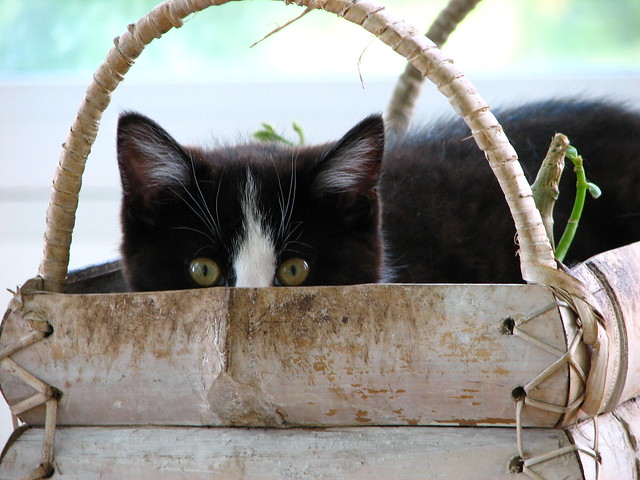
Smudge, one of my sister's cats

Badgers

Words for badger in Celtic languages.

Proto-Celtic *brokkos = badger
Gaulish *broco / *brokkos = badger
Primitive Irish ᚁᚏᚑᚉᚔ (broci) = badger (genitive)
Old Irish (Goídelc) brocc [brok] = badger
Irish (Gaeilge) broc [bˠɾˠɔk / bˠɾˠʌk] = badger, dirty-faced person, short thick-set person
Scottish Gaelic (Gàidhlig) broc [brɔxg] = badger, wolf (obselete)
Manx (Gaelg) brock = badger
Proto-Brythonic *brox = badger
Welsh (Cymraeg) broch [broːχ] = badger
Old Cornish broch = badger
Cornish (Kernewek) brogh [bɹoːx] = badger
Breton (Brezhoneg) broc’h [ˈbʁoːx] = badger, quarrel

Etymology: unknown, possibly cognate with Old High German braccho (sniffer dog) [Source].

Welsh (Cymraeg) mochyn daear / daearfochyn = badger

Etymology: from the Welsh mochyn (pig) and daear (earth, ground) [Source].

Words marked with a * are reconstructions.

Sources: Wiktionary, Am Faclair Beag, MacBain’s Dictionary, In Dúil Bélrai English – Old-Irish Glossary, teanglann.ie, On-Line Manx Dictionary, Geiriadur Prifysgol Cymru, Gerlyver Kernewek, Dictionnaire Favereau

Badgers, Dinefwr Park, Llandeilo

Bears

Words for bear in Celtic languages.

Proto-Celtic *artos = bear
Noric *𐌀𐌓𐌕𐌄(𐌁𐌖𐌈𐌆) (Arte(budz)) = bear(?)
Gaulish *artio = bear
Old Irish (Goídelc) art [ar͈t] = bear, hero, warrior
Scottish Gaelic (Gàidhlig) art [ar̪ˠʃd] = bear (archaic), hero
Proto-Brythonic *arθ [arθ] = bear
Middle Welsh (Kymraec) arth [arθ] = bear
Welsh (Cymraeg) arth [arθ] = bear, fierce or rough person
Cornish (Kernewek) arth [ɒɹθ] = bear
Old Breton ard / arth = bear
Breton (Brezhoneg) arzh = bear

Etymology: from the Proto-Indo-European *h₂ŕ̥tḱos (bear) [Source].

Scottish Gaelic (Gàidhlig) ursa [ur̪ˠsə] = bear
Cornish (Kernewek) ors = bear
Breton (Brezhoneg) ourz = ourz

Etymology: possibly from the Latin ursa (she-bear), from ursus (bear), from the Proto-Italic *orssos (bear), from Proto-Indo-European *h₂ŕ̥tḱos (bear) [Source].

Old Irish (Goídelc) mathgamain [ˈmaθɣəṽənʲ] = bear
Irish (Gaeilge) mathúin [ˈmˠahuːnʲ] = bear
Scottish Gaelic (Gàidhlig) mathan [ˈmahan] = bear
Manx (Gaelg) maghouin = bear

Etymology: from the Old Irish math (good) and gamuin (calf) [Source].

Words marked with a * are reconstructions.

Sources: Wiktionary, Am Faclair Beag, MacBain’s Dictionary, In Dúil Bélrai English – Old-Irish Glossary, teanglann.ie, On-Line Manx Dictionary, Geiriadur Prifysgol Cymru, Gerlyver Kernewek, Dictionnaire Favereau

bears

Eating

Words for to eat in Celtic languages.

Proto-Celtic *essi = to eat
Old Irish (Goídelc) ithid [ˈiθʲiðʲ] = to eat
Irish (Gaeilge) ith [ɪ / ɪh] = to eat, feed, graze, bite, corrode, erode, consume, destroy, abuse, scold, revile, chew
Scottish Gaelic (Gàidhlig) ith [iç] = to eat, gnaw, chew, devour, corrode, consume
Manx (Gaelg) ee [i] = to eat, devour, feed, erode, kill off, dispose; consumption, eating, depletion
Welsh (Cymraeg) ysu [ˈəsɨ / ˈəsi] = to consume, eat, devour, destroy, ruin, corrode, erode, wear away, torment, itch
Old Cornish esat = to eat, eating

Etymology: from the Proto-Indo-European *h₁édti (to eat) [Source].

Welsh (Cymraeg) bwyta [ˈbʊɨ̯ta / ˈbʊi̯ta] = to eat, consume, devour, ravage, waste, wear away, corrode, rust

Etymology: bwyd (food) +‎ –ha (denominative suffix) [Source].

Cornish (Kernewek) dybri / debry = to eat
Old Breton diprim = to eat
Breton (Brezhoneg) debriñ [ˈde.bʁɪ̃] = to eat

Etymology: uncertain

Words marked with a * are reconstructions.

Sources: Wiktionary, Am Faclair Beag, MacBain’s Dictionary, In Dúil Bélrai English – Old-Irish Glossary, teanglann.ie, On-Line Manx Dictionary, Geiriadur Prifysgol Cymru, Gerlyver Kernewek, Dictionnaire Favereau

Going, Going, Gone

Words for to go in Celtic languages.

Note: this is one of the few irregular verbs in the celtic languages, and some different parts of the conjugations come from different roots.

Proto-Celtic *tēgeti = to go, step
Old Irish (Goídelc) téít [tʲeːdʲ] = to go, process, depart leave
Irish (Gaeilge) téigh [tʲeːɟ / tʲeːj / tʲeː] = to go, move, proceed, get on, fare, make, cost
Scottish Gaelic (Gàidhlig) tèid = will go – (future form of rach)

Etymology: from the Proto-Indo-European *stéygʰeti (to be walking, to be climbing) [Source].

Old Irish (Goídelc) dul = to go, going
Irish (Gaeilge) dul [d̪ˠʊlˠ] = going, passing, departure, way, method, means, proper, natural, arrangement, style – (verb noun of téigh)
Scottish Gaelic (Gàidhlig) dol [dɔl̪ˠ] = (act of) going, (act of) proceeding
Manx (Gaelg) goll = to go, show out, disembark, going, sinking, passage, departure

Etymology: unknown

Proto-Celtic *monītor = go
Middle Irish (Gaoidhealg) muinithir = goes around
Proto-Brythonic *moned = go
Welsh (Cymraeg) mynd [mɨ̞nd / mɪnd] = to go, leave, depart, die, disappear, perish, come to an end, elapse, pass
Cornish (Kernewek) mos = to go, become
Breton (Brezhoneg) monet = to go, to become

Etymology: from the Proto-Indo-European *menH- [Source].

Words marked with a * are reconstructions.

Sources: Wiktionary, Am Faclair Beag, MacBain’s Dictionary, In Dúil Bélrai English – Old-Irish Glossary, teanglann.ie, On-Line Manx Dictionary, Geiriadur Prifysgol Cymru, Gerlyver Kernewek, Dictionnaire Favereau

Roundness

Words for round in Celtic languages.

Proto-Celtic *krundis = round
Old Irish (Goídelc) cruind, cruinn = round
Irish (Gaeilge) cruinn [kɾˠiːnʲ / kɾˠɪn̠ʲ] = round; gathered; exact, accurate; clear, coherent; concentrated; frugal, sparing, miserly
Scottish Gaelic (Gàidhlig) cruinn [krɯin̪ʲ] = round, circular, spherical; rotund; neat, succinct, well-formed; assembled, gathered together
Manx (Gaelg) cruinn = accurate, detailed, unambigous, round, spherical, circular, circumstantial, compact, consummate, exact, scrupulous, strict
Proto-Brythonic *krunn = round
Welsh (Cymraeg) crwn [krʊn] = round, circular, rotund, spherical, globular; cylindrical; fat, plump, fleshy; complete, entire; young, small
Cornish (Kernewek) krenn = round
Breton (Brezhoneg) krenn = medium, clean, full, round,

Etymology: unknown, possibly borrowed from a non-Indo-European language [Source].

Words marked with a * are reconstructions.

Sources: Wiktionary, , Am Faclair Beag, MacBain’s Dictionary, In Dúil Bélrai English – Old-Irish Glossary, teanglann.ie, On-Line Manx Dictionary, Geiriadur Prifysgol Cymru, Gerlyver Kernewek, Dictionnaire Favereau

On the roundabout / Ar y cwmpasog