Talkative

Words for talkative, to speak, to sing and related things in Celtic languages.
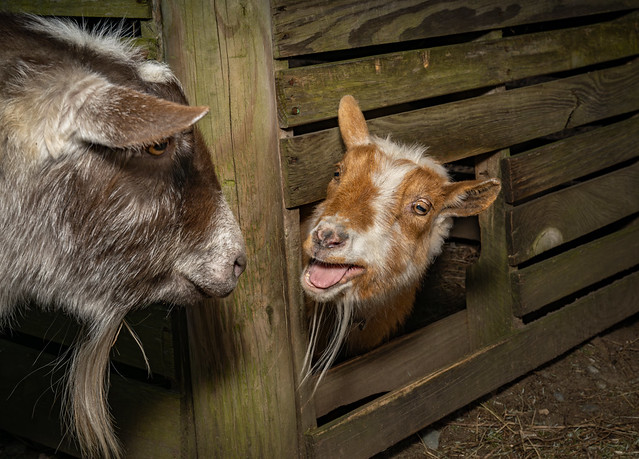
"Hello, friend!"

Words marked with a * are reconstructions.

Proto-Celtic *ɸlabros = talkative
*amɸlabros = dumb, mute
Gaulish lab(a)ro- = talkative, eloquent, sonorous, speaker – appears in the names Labarus and Labrios
Old Irish (Goídelc) labar = talkative, boastful
labraithir = to talk, speak
amlabar = dumb, mute
Middle Irish (Gaoidhealg) labar = talkative, arrogant, boastful
labraithir = to talk, speak
labarthach = talkative, noisy
labra = gift of speech, talkativeness, utterance, sound, speaking
labraithir = to speak, talk, utter, say
amlabar = dumb, mute
Irish (Gaeilge) labhair = to speak, hail
labhairt = speaking, speech, utterance, voice, call
labharthacch = talkative, vociferous, noisy
labharthacht = talkativeness
labhra = speech, utterance
amhlabhra = inarticulateness, bad delivery
amhlabhrach = crude of speech, inarticulate
Scottish Gaelic (Gàidhlig) labhair [l̪ˠau.ɪrʲ] = to speak, say, talk, speak!, utter!
labhar = speaking loudly, loquacious, boastful
labhairt = speaking, uttering, utterance
labhairteach = loquacious, oral
labhairte = said, spoken
amhlabhair = mute, dumb, speechless (obsolete)
co-labhairt = conference, symposium
neach-labhairt = speaker, spokesperson
ro-labhairt = prologue
Manx (Gaelg) loayr = to speak, extemporise
loayreyder = mouthpiece, speaker, talker
loayrt = to speak, talk, utter, express
loayrit = oral, spoken
amloayrtagh = dumb, mute
Proto-Brythonic *laβar [laβaːr] = prone to talking, eloquent
*aβ̃laβar = dumb, mute
Middle Welsh (Kymraec) llawar, llavar, llauar = loud, clear, vociferous
lleueir, llauarei, llafaraf = to speak, say, tell
aflauar = mute, dumb, speechless, silent
Welsh (Cymraeg) llafar [ˈɬa(ː)var] = loud, clear, vociferous, resounding, resonant, sonorous; pertaining to the voice, vocal (of music, in contrast with instrumental); talkative, loquacious; spoken (language), oral, verbal
llafarder = talkativeness, loquaciousness
llafaredig = spoken, uttered, oral, verbal, articulate
llafareiddio = to make more colloquial, speak naturally
llafariad = vowel
llefaru = to speak, say, tell, declare
lleferydd = speech, voice, expression, uttereance, pronunciation
aflafar [avˈlavar] = mute, dumb, speechless, silent
Old Cornish lauar = talkative
aflauar = dumb, mute
Middle Cornish (Cernewec) lavar = utterance, speech, voice, a saying, word, proverb
lavary = to speak, say, tell, pronounce, declare
avlavar, afavar = speechless, dumb, mute
Cornish (Kernewek) lavar = expression, idiom, utterance, sentence
lavaren = phrase
amlavar = dumb, mute
leverel, lawl = to pronounce, say, tell
leveryans = pronunciation
avlavar = dumb
Old Breton labar = talkative
Middle Breton (Brezonec) lauaret = to say, promise
Breton (Brezhoneg) lavar [ˈlɑːvar] = to say, word, language
lavaradenn – to tell
lavarenn [laˈvɑːrɛn] = proposal
lavaret = to say, promise
lavariant = communicative
lavariantiz = communication
amlavar = dumb, mute

Etymology: possibly from Proto-Indo-European *pl̥b-ró-s, from *pleb- (to babble), which is also the root of words such as barbarian in English, pleurer (to cry) in French, and llorar (to cry, weep) in Spanish [Wiktionary].

Old Irish (Goídelc) asbeir [asˈbʲerʲ] = to say, utter, mention, speak
Middle Irish (Gaoidhealg) atbeir = to say, speak
Irish (Gaeilge) abair [ˈabˠəɾʲ] = to say, utter, speak, express, state, allege, give opinion, suppose, assume, mean, direct, report
abairt sentence, phrase
abartha given to repartee
Scottish Gaelic (Gàidhlig) abair [abɪrʲ] = to say, speak, utter, tell
abairt [abər̪ˠʃdʲ] expression, phrase, collocation, saying, comment
abartach [abər̪ˠʃdəx] talkative, bold. impudent
Manx (Gaelg) abbyr = to say, state, assume
abbyrt = sentence, dialect, phrase, expression, period

Etymology: from the Proto-Celtic *ess (ex-, out) and *beirid (to carry, bring, bear, give) [source].

Proto-Celtic *kaneti = to sing
*kantlom = singing
*toɸareuɸokaneti = to prophesize
Old Irish (Goídelc) canaid = to chant, praise, recite, sing, speak
cainnt [kan͈ʲtʲ] = speech, talk, conversation; act of speaking
Middle Irish (Gaoidhealg) canaid = to sing, recite, chant
canamain = singing, chanting
cantain = singing, reciting, chanting, uttering
cainnt = speach, talk, conversation, act of speaking
cainntech = talkative, loquacious
Irish (Gaeilge) can [kan̪ˠ/kanˠ] = to chant, sing, speak, talk, call, name
canadh [kan̪ˠə/ˈkanˠuː] = singing, chanting
cantaire = chanter, chorister
caint [kan̠ʲtʲ / kəin̠ʲtʲ] = speech, talking
cainteach = talkative, chatty
cainteoir = speaker, talker
caintigh = to speak, address, accost
Scottish Gaelic (Gàidhlig) can [kan] = (to) say
cainnt [kãĩn̠ʲdʲ] = to speak, talk, commune
cainnteach [kãĩn̠ʲdʲəx] = loquacious, talkative
cainnteanas [kãĩn̠ʲdʲənəs] = speech
cainntear [kãĩn̠ʲdʲər] = orator, speaker
cainntearachd [kãĩn̠ʲdʲərəxg] = eloquence, rhetorical expression
cainnteas [kãĩn̠ʲdʲəs] = attractive speech
cànan [kaːnan] = language
cànanachas = linguistics
cànanaiche = linguist
Manx (Gaelg) caaynt = spoken language, spoken word, talk
caayntagh = loquacious
Proto-Brythonic *kėnɨd [ke̝ˈnɨːd] = to sing
Old Welsh canam = to sing
Middle Welsh (Kymraec) kan, cân = song
kanu, canu = to sing
kantor, kantoryeit = singer, songster, vocalist, musician, cantor
kanwr, kantoryeit = singer, vocalist
ynganv = to speak, talk, say
Welsh (Cymraeg) cân [kaːn] = song
canaf, canu [ˈkanɨ̞/ˈka(ː)ni] to sing; to intone, chant, to state, say, to produce musical sounds, to play (the harp, piano, etc), to compose poetry, to celebrate in song
cantor, cantores = singer, vocalist, musician, cantor
canwr = singer, vocalist
ynganu = to speak, talk, say, tell, declare, express, pronounce
Middle Cornish (Cernewec) can = song
canas = song
cane, cana = to sing (a song), to sing as birds, to crow
canor, canores = singer
Cornish (Kernewek) kan = poem, song
kana [‘kana / ‘kɒnɐ] = to sing
kaner, kanores = singer
kanik = ditty, jingle
Middle Breton (Brezonec) can = song
canaff = to sing
caner = singer
Breton (Brezhoneg) kan [ˈkãːn] = song
kanadeg = concert, cantata
kanañ [ˈkãː.nã] = to sing
kanaouenn [kã.ˈnɔ.wːɛn] = song
kaner [ˈkãː.nɛr] = singer

Etymology: from the Proto-Indo-European *keh₂n- (to sing) [source]. The English words accent, cant, chant, charm, enchant, hen and incantation come from the same root, as does the Breton word kentel (lesson, moral), the French word chanter (to sing), and the Spanish word cantar (to sing) [source].

Proto-Celtic *kom-wep-s- = conversation
Welsh (Cymraeg) comio = to talk converse
ymgom = (subject of) chat or conversation
ymgomiad = chat, conversatoin, talk, dispute, debate
ymgomio, ymgoniaf = to chat, converse, mention, discuss, dispute, debate
ymgomiol = chatty, conversational, colloquial
ymgomiwr = conversationalist, talker, speaker
Middle Cornish (Cernewec) cews, cowms, cows = speech, discourse, talk
cewsel, cowsa = to speak, say, tell, relate
cows = to speak, say, tell
cowses = a speech, discourse
Cornish (Kernewek) kows [kɔʊz] = to speak, talk
kewsel [ˈkɛʊzɛl] = to speak, talk
Middle Breton comps = speech, to say, tell, pronounce
Breton (Brezhoneg) komz [ˈkɔ̃ms] = to speak, talk, express oneself
komzapl = expressible
komzer = speaker
komzerzh = expression
komzidigezh = speech
komzus = expressive

Etymology: from Proto-Celtic *kom- (with) and *wepos (speech, voice), from Proto-Indo-European *wekʷ- (to speak), which is also the root of epic, vocal, voice and vowel in English [source].

Proto-Celtic *kom-wep-s- = conversation
Old Irish (Goídelc) comrád = conversation, dialogue, talking
Middle Irish (Gaoidhealg) comrád. comrad = conversing, talking, dialogue, speech, utterance, saying
comráidid = to converse
comráitech = chatty, talkative
Irish (Gaeilge) comhrá [ˈkoːɾˠɑː/ˈkõːɾˠɑ̃] = conversation
comhráiteach = conversationalist, conversational
Scottish Gaelic (Gàidhlig) còmhradh [kɔ̃ːrəɣ] = conversing, conversatoin, dialogue, discussion, negotiation
Manx (Gaelg) cowag = babble, chat

Etymology: from Old Irish com- (mutual, joint, co-) and rád (speech, talk, conversation), from Proto-Celtic *kom- (with) and *rādīti, from *rādī (to talk) [source].

The Fastest Way to Learn Japanese Guaranteed with JapanesePod101.com

Sources: Wiktionary, Am Faclair Beag, Online Manx Dictionary, Teanglann.ie, eDIL – Electronic Dictionary of the Irish Language, In Dúil Bélrai English – Old Irish glossary, Geiriadur Prifysgol Cymru, Gerlyver Kernewek, Dictionaire Favereau, TermOfis, English – ProtoCeltic WordList (PDF), Etymological Dictionary Of Proto Celtic

Unlimited Web Hosting - Kualo

To Do & To Make

The verb to do & to make in Celtic languages.

Proto-Celtic *gniyeti = to make, to do
Old Irish (Goídelc) dénai = to do
gníid [ɡʲnʲiː.iðʲ] = to do
Irish (Gaeilge) déan [dʲeːnˠ] = to do, to make
Scottish Gaelic (Gàidhlig) dèan [ʲian] = to do, to make, to act, to work, to perform
Manx (Gaelg) jean = to do, to make
Welsh (Cymraeg) geni [ˈɡɛnɪ / ˈɡeːni] = to be born, give birth to, bring forth; beget, produce

Etymology: from Proto-Indo-European *werǵ- (to make) [source].

Words marked with a * are reconstructions.

Sources: Wiktionary, Am Faclair Beag, Online Manx Dictionary, Teanglann.ie, Geiriadur Prifysgol Cymru

Proto-Celtic *wregeti = to make, to do
Old Irish fairged = to make, to do
Middle Welsh (Kymraec) gwneuthur = to make, to do
Welsh (Cymraeg) gwneud [ɡwneɨ̯d / ɡwnei̯d] = to make, create, fashion, compose, construct, found, establish, pitch (a tent)
Cornish (Kernewek) gul [gy:l / gi:l ] = to do, to create, to make
Old Breton oper = to do, to make
Breton (Brezhoneg) ober = to do, to make

Etymology: from Proto-Indo-European *werǵ- (to make), which is also the root of the English words work and wrought [source].

Words marked with a * are reconstructions.

Sources: Wiktionary, Geiriadur Prifysgol Cymru, Gerlyver Kernewek, Dictionnaire Favereau

Shoulders

Words for shoulder and related things in Celtic languages.

Shouldered

Words marked with a * are reconstructions.

Old Irish (Goídelc) gúala = shoulder
Middle Irish gúala, gualann, gūaluinn = shoulder
gúaillech = shouldered, branched, branching
gúaillid = companion, comrade
gúalaire = load, burden
Irish (Gaeilge) gualainn [ˈɡuˑəl̪ˠənʲ] = shoulder
guailleadóireacht = (act of) shouldering, swaggering
guailleáil = to shoulder, to jostle with shoulder, to lurch with shoulders, to saunter, to swagger
guailleálaí = shoulderer, lurcher, saunterer, swaggerer
guailleán = shoulder-strap, braces
guailleog = epaulet(te)
guaillí = companion
guaillíocht = companionship
Scottish Gaelic (Gàidhlig) guaille [guəl̪ˠə] = shoulder
guailleach [guəl̪ˠəx] = pertaining to shoulders
guailleachan / guailleag [guəl̪ʲəxan / guəl̪ʲag] = shoulder-mantle, shawl
gualann [guəl̪ˠən̪ˠ] = shoulder, corner of a house, tack (nautical), brow (geography), shoulder (of mutton), shaft (of a cart), curve of a (ship’s) bow
Manx (Gaelg) geaylin = shoulder, corner (of house)
geayliney = shoulder
geaylinagh = shouldered
geaylaig = epaulette

Etymology: from Proto-Indo-European *gew- (to bend, curve, arch, vault) [source]. Words from the same roots include cuttlefish, gown, kidney, chitterling and gyration in English, Kuhle (hollow, depression) in German, kiel (keel) in Dutch, gonna (skirt) in Italian, and keula (bow, prow) in Finnish [source].

Proto-Celtic *skēdos = wing, shoulder
Old Irish (Goídelc) scíath = wing
Middle Irish scíath = wing
scíathán, sgíthéan, sgiathán = wing
scíathánach = winged
Irish (Gaeilge) sciathán [sˠciəˈhɑ̃ːn̪ˠ] = wing, side, extension, part, piece, arm
sciathánach = winged, long-armed
An tOileán Sciathánach = Isle of Skye
Scottish Gaelic (Gàidhlig) sgiath [sgʲiə] =wing, fin
sgiathan [sgʲiahan] = small wing
sgiathach [sgʲiəhəx] = pertaining to shoulders
sgiathadaich [sgʲiəhədɪç] = fluttering
sgiathadh [sgʲiəhəɣ] = (act of) flying
sgiathag [sgʲiəhag] = little wing
sgiathaire [sgʲiə.ɪrʲə] = winger (in sports)
An t-Eilean Sgitheanach = Isle of Skye
Manx (Gaelg) skian [skʲiən] = wing, pinion, mudguard, baffle
skianagh = winged, finned, pinioned, winged creature
Ellan Skianagh = Isle of Skye
Proto-Brythonic *skuïð = shoulder
Old Welsh (Kembraec) iscuid = shoulder
Middle Welsh (Kymraec) ysgwyt, ysgwyd, ysgỽyd = shoulder
ysgwydawc, yscwyddoc, ysgwyddoc = shoulder(-blade), (upper part of) arm, shoulder (meat), having shoulders
Welsh (Cymraeg) ysgwydd [ˈəsɡwɨ̞ð / ˈəsɡʊi̯ð] = shoulder
ysgwyddo = to shoulder, push with the shoulder(s), hustle, jostle, support, shrug
ysgwyddiad = standing out, jutting out, projection, protusion, cornice
ysgwyddog = shoulder(-blade), (upper part of) arm, shoulder (meat), having shoulders
ysgwyddol = scapular, like a shoulder in shape
Old Cornish scuid =shoulder
Middle Cornish (Cernewec / Kernuak) scuid, scudh, scoudh, scôdh, scûdh = shoulder
scuidlien = a hood
Cornish (Kernewek) skoodh [sko:ð / sku:ð] = shoulder
skoodhya = to assist, back, help, second, support
skoodhyans = assistance, help, support
skoodhyer = assistant, exponent, fan, supporter
Middle Breton (Brezonec) scoaz = shoulder
Breton (Brezhoneg) skoaz [ˈskwɑː(s)] = shoulder, help
skoazek = (person) with broad shoulders, killer whale
skoazell [ˈskwɑː.(z)ɛl] = help, assistance
skoazellañ [skwa.ˈ(z)ɛ.lːã] = to help, to rescue, to subsidize
skoazeller = assistant, helper, auxiliary
skoaziañ [ˈskwa(z)jã] = to support, to help, to assist

Etymology: unkown, possibly from Proto-Indo-European *skeyd- (to split, divide) [source].

The Fastest Way to Learn Japanese Guaranteed with JapanesePod101.com

Sources: Wiktionary, Etymological Dictionary Of Proto Celtic, In Dúil Bélrai English – Old Irish glossary, eDIL – Electronic Dictionary of the Irish Language, Teanglann.ie, Am Faclair Beag, An etymological dictionary of the Gaelic language, Fockleyreen: Manx – English Dictionary, Online Manx Dictionary, Gaelg Corpus, Geiriadur Prifysgol Cymru, Lexicon cornu-britannicum : a dictionary of the ancient Celtic language of Cornwall, Gerlyver Kernewek, Devri : Le dictionaire diachronique du breton, Geriafurch, TermOfis


Noses & Nostrils

Words for nose and nostril in Celtic languages.

Proto-Celtic *srognā = nose
Gaulish *srognā = nose, nostril
Old Irish (Goídelc) srón [sroːn] = nose, nostril
Irish (Gaeilge) srón [sˠɾˠoːnˠ] = nose; sense of smell; prow, projection
Scottish Gaelic (Gàidhlig) sròn [sdrɔːn] = nose, snout, trunk; promontory; snout (of a glacier); toe (of a shoe)
Manx (Gaelg) stroin [strɛin] = nose, promontory, headland, ness, naze, nose-piece
Proto-Brythonic *froɨn = nose
Middle Welsh (Kymraec) ffroen = nostril
Welsh (Cymraeg) ffroen = nostril; muzzle of a gun, mouth of a cannon, nozzle of a pair of bellows; hole, entrance, opening (of a pipe), cock, spout
Cornish (Kernewek) frig [fri:g] = nostril
Old Breton fron = nostril
Middle Breton froan / fron = nostril
Breton (Brezhoneg) froen = nostril
fri = nose

Etymology: from Proto-Indo-European *sregʰ- (snore), from *welH- (to turn, to wind) [source].

Sources: Wiktionary, Am Faclair Beag, Online Manx Dictionary, Teanglann.ie, Geiriadur Prifysgol Cymru, Gerlyver Kernewek, Dictionnaire Favereau

Gaulish *trugnā = nose
Welsh (Cymraeg) trwyn [truːɨ̯n / trʊi̯n] = nose, snout; sense of smell
Old Cornish trein = nose
Cornish (Kernewek) tron [tro:n] = nose, point (of land), snout, tunnel
Breton (Brezhoneg) stroen = dirt, snot

Sources: Wiktionary, Geiriadur Prifysgol Cymru, Gerlyver Kernewek

Words marked with a * are reconstructions.

Backs & Ridges

Words for back, ridge and related things in Celtic languages.

View from Snowdon

Words marked with a * are reconstructions.

Proto-Celtic *drosman =
Old Irish (Goídelc) druimm [ˈd̪ɾumʲ] = back, ridge
druimm tar ais = backwards, upside down
druimm tar druimm = topsy-turvy, upside down
Middle Irish (Gaoidhealg) druim(m) = back, surface, ridge, hill
druimne = back, elevation, ridge, hill
drumman = humped, back, hillock
Irish (Gaeilge) droim [d̪ˠɾˠiːmʲ / d̪ˠɾˠɪmʲ] = back, ridge, carapace, wave
droimeann = white-backed, white-backed cow
droimfhada = long-backed, long-ridged
droimín = low ridge, slight elevation, saddle, arch (in back)
droimíneach = tiny humpbacked person
droiminne = white colour, white streak, on back
droimne = ridge
droimeach = black-backed gull, ridged, undulating, arched, convex
Scottish Gaelic (Gàidhlig) druim [drɯim] = back, ridge, keel, backline, camber
druimeag [drɯmag] = small ridge, small load, lump, hump
druimean [drɯman] = (mountain) saddle
druimneach [drɯimnəx] = dorsal, pertaining to backs, ridged
Manx (Gaelg) dreeym = back, ridge, hillside, down, terrace, shed, camber, saddle, fret, arch, edge
dreeymagh = ridged
drommey = dorsal, spinal

Etymology: possibly from Proto-Indo-European (end, boundry), which is also the root of the English word tram, or related to Latin dorsum (back, ridge) [source].

Proto-Celtic *kebno- = back
Gaulish Cebenna [keˈben.na] = ridge, height, and name of the mountins now known as the Cévennes
Old Welsh (Kembraec) ceng, cemn, kewin = back, ridge
Middle Welsh (Kymraec) keuen, kefneu, kefyn, cefn, cefen [ˈke.ven] = back, ridge
kein, cain, ceing = back, ridge
cefnai, kefnu, kefnv, cevnu = to turn one’s back upon
Welsh (Cymraeg) cefn [kɛvn / ˈkeːvɛn] = back, support, ridge, middle, center
cefnaf, cefnu = to turn one’s back upon, to forsake, to withdraw, to give way, to finish, to accomplish, to settle, to overcome, to back, to support
cefnog = valiant, stout, brave, strong, wealthy, backed, ridged
cefnogaeth = support, encouragement, backing
cefnogi = to encourage, support, back, strengthen
Middle Cornish (Cernewec / Kernuak) cein, chein, keyn = back, ridge
Cornish (Kernewek) keyn [kɛɪn / kəɪn] = back, keel, ridge
keynek = convex
keyner = full back
Middle Breton (Brezonec) queyn, quein = back
Breton (Brezhoneg) kein [ˈkɛjn] = back, keel, binding, convexity
keinañ = to lean back, to support, to connect, to put a keel on
keineg = having a good back, important, mackerel
keinek = having a back
keinel = dorsal
keinet = backed

Etymology: possibly related to Proto-Celtic *kambos (crooked, bent) [source].

Old Irish (Goídelc) escir = ridge, elevation
Middle Irish (Gaoidhealg) e(i)scir = ridge, elevation
Irish (Gaeilge) eiscir [ˈeʃcəɾʲ] = glacial ridge, esker (a long, narrow, sinuous ridge created by deposits from a stream running beneath a glacier)
Scottish Gaelic (Gàidhlig) aisgeir = rocky mountain, ridge of high mountains
Manx (Gaelg) sker = ridge, crag, rockface, skerry, sea rock
Old Welsh (Kembraec) escier = limb
Middle Welsh (Kymraec) eskeir, esgeir, ysgeir, esgair = leg, shank, ridge, mountain spur
Welsh (Cymraeg) esgair, ysgair = leg, shank, limb, ridge, mountain spur
Old Cornish (el)escher = the shank, shin bone
Middle Cornish (Cernewec / Kernuak) elesc(h)er = the shank, shin bone
Cornish (Kernewek) esker = esker (long hill of outwash formed at glacier snout)
el esker = shin
Breton (Brezhoneg) esker = (carpenter’s) leg, knee

Etymology: unknown [source].

Sources: Wiktionary, Etymological Dictionary Of Proto Celtic, In Dúil Bélrai English – Old Irish glossary, eDIL – Electronic Dictionary of the Irish Language, Teanglann.ie, Am Faclair Beag, An etymological dictionary of the Gaelic language, Fockleyreen: Manx – English Dictionary, Online Manx Dictionary, Gaelg Corpus, Geiriadur Prifysgol Cymru, Lexicon cornu-britannicum : a dictionary of the ancient Celtic language of Cornwall, Gerlyver Kernewek, Devri : Le dictionaire diachronique du breton, Geriafurch, TermOfis


Fists, Palms, Hands & Arms

Words for fist, palm, hand, arm and related things in Celtic languages.

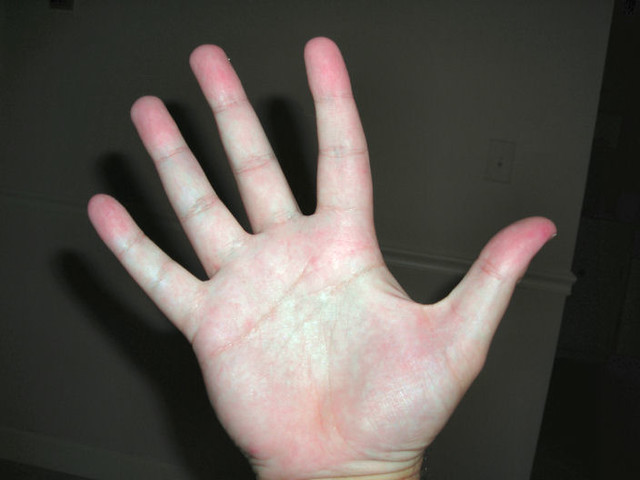
palm

Words marked with a * are reconstructions.

Proto-Celtic *ɸlāmā = palm, hand
Old Irish (Goídelc) lám [l͈aːṽ] = hand, arm, prowess, accomplishment, power
Middle Irish (Gaoidhleag) lám = hand, arm, prowess, accomplishment, power
lámann, lámand, lámínd = glove, gauntlet, sleeve
lámannán, lamannan = bladder
Irish (Gaeilge) lámh [l̪ˠɑːvˠ / l̪ˠæːw] = hand, arm, handle, signature, measure (of horses)
lámhach = skill in handling, in casting, dexterity
lámhadóir = handler
lámhainn = glove
lámhainneoir = glove-maker
lámhainneoireacht = glove-making
lámhaíocht = helping hand, subscription
Scottish Gaelic (Gàidhlig) làmh [l̪ˠaːv] = hand, arm, handle
làmhainn [l̪ˠaːvɪn̪ʲ] = glove, mitten, gauntlet
làmhchaireach = handy
làmhcharach = dexterous, handy
làmhchran, làmhrachan = handle
làmhnan = handyman
làmhadh = pawing, handling, groping
Manx (Gaelg) laue [læu] = hand, handful, foreleg, grasp (of oar), arm
lauee = dexterous, handy, useful, versatile, manual
lauean = glove
laueys = alacrity, elbow grease, skilfulness, industy
Proto-Brythonic *lọβ̃ [ˈlɔːβ̃] = palm, hand
Old Welsh lau = hand
Middle Welsh (Kymraec) lav, law, llav, llaw = hand
llaw agor, llawegor, llaw egor = generous, bountiful
Welsh (Cymraeg) llaw [ɬaːu̯ / ɬau̯] = hand; authority, control, rule, management, power; ownership, possession; influence; agency, instrumentality, part; guardianship, keeping, custody, care, protection; side, direction, position; skill, touch
llawagor, llawegor = generous, bountiful, liberal, open-handed, creeping thistle, water-pepper
llawaid = handful
llawan = little hand
Old Cornish lof = hand
Middle Cornish (Cernewec) lau, lef, lof, luef = hand
lofgurchel = utensil
Cornish (Kernewek) leuv [lœ:v / le:v] = hand
leuvdosa = to massage
leuvdosans = massage
leuvherdhya = to hand-off
leuvvedhegel = surgical
leuvvedhek, leuvvedhoges = surgeon
leuvwelen = baton
Old Breton lom = hand
Middle Breton (Brezonec) lau = hand
Breton (Brezhoneg) lav [lav] = feathered hand

Etymology: from Proto-Indo-European *pl̥h₂meh₂ (palm, hand). The Faroese word lámur (flipper, paw, left hand) comes from the same Proto-Celtic root, via the Old Norse lámr (hand, arm) [source].

Proto-Celtic *bostā = palm, fist
Gaulish *bostyā = palm, fist
Old Irish (Goídelc) bos / bas = palm
Middle Irish (Gaoidhleag) bas, bos, bass = palm of the hand
basach = having hoofs or claws
baslach = handful
Irish (Gaeilge) bos = palm (of hand); handful; slap; flat end, blade
bosach = bladed, flat-footed
bosachán = flat-footed person
bosaíl = patting, flat-footedness
boslach = handful
Scottish Gaelic (Gàidhlig) bas [bas] = palm (of hand), lower end of a shinty stick, eye (of a fishing hook)
bas-bhualadh = clapping of hands, applause
baslachadh= clapping, cupping (in one’s hands)
basgar = applause, skirl (in music)
baslach = handful, palmful, baptism
Manx (Gaelg) bass = palm, flat of hand, blade of oar, scale pan, bass
bassag = backhander, clap, clout, pat, slap, smack
bassey = applause, clap, clapping
basslagh = double handful, enough to cover palm, palmful
Proto-Brythonic *bos [ˈbos] = hand
Old Welsh bos = palm
Middle Welsh (Kymraec) bos = palm
Welsh (Cymraeg) bos = palm (of the hand), unit of length
Middle Breton (Brezonec) boz = hollow of the hand
Breton (Brezhoneg) boz [ˈboːs] = hollow of the hand

Words marked with a * are reconstructions.

Etymology: possibly from the Proto-Indo-European *gʷésdos (branch) [source]. The Middle Latin word bostia (small box, reliquaire was borrowed from the Gaulish *bostyā, and became bostellus (bushel), the root of the French word boisseau (bushel, hollow cylinder), and the English word bushel [source].

Old Irish (Goídelc) rig [r͈ʲiɣ] = forearm
Middle Irish (Gaoidhleag) rig = forearm from wrist to elbow
Irish (Gaeilge) [ɾˠiː] = forearm
Scottish Gaelic (Gàidhlig) ruighe [r̪ˠujə] = plain, flat ground, (at base of a mountain), shieling area, forearm
ruigheadh = laying out a body, shrouding, stretching out
ruigheachas = tussle, armwrestling
ruigheachdail = accessible
Manx (Gaelg) roih = arm, forearm

Etymology: possibly from the Old Irish *reg (to stretch) [source].

Middle Irish (Gaoidhleag) brac, brach = arm, hand
bracann, bracand = sleeve
braccaille = glove
Irish (Gaeilge) brac = arm (literary), bracket
bracach = brachial
bracaíl = brachiation
Scottish Gaelic (Gàidhlig) brac [braxg] = arm, curve (of a breaking wave), branch (of antlers), deer (poetic)
Middle Welsh (Kymraec) ureich, ureych, braich = arm
Welsh (Cymraeg) braich [brai̯χ] = arm, care, assistance, support, power, might, strength, forelimb of animal, wing, headland, creek
braich olwyn = spoke (of wheel)
braich o’r môr, braich o fôr = arm of the sea, inlet
braich ym mraich = arm-in-arm
Old Cornish bregh = arm
Middle Cornish (Cernewec) brech, brêch, breh = arm
brechol = sleeve
Cornish (Kernewek) bregh [brɛ:x /bre:ʰ] = arm
breghel = sleeve
breghellik = bracelet
Middle Breton (Brezonec) brech, breach, bræch = hand, paw
Breton (Brezhoneg) brec’h = hand
brec’had = handful
brec’hata = to grasp round the waist, embrace

Etymology: from Latin bracchium (hand). Words from the same Latin root include brachium (upper arm) in English, bras (arm) in French, brazo (arm, branch, (tree) limb) in Spanish, and braccio (arm) in Italian [source].

Proto-Celtic *durnos = fist
Old Irish (Goídelc) dorn = fist
Middle Irish (Gaoidhleag) dorn, dornn, dord = hand, fist, possession, handle
dornach = generous-handed
dornán = fistful, handful, sheaf
dornasc = bracelet
dornóc = glove, mitten
Irish (Gaeilge) dorn [d̪ˠoːɾˠn̪ˠ] = fist; punch; fistful, small quantity; handle, grip
dornáil = boxing
dornálaí = boxer
dornán = fistful, handful, small quantity or number, small handle, grip
dornóg = mitten
dornúil = pugilistic
Scottish Gaelic (Gàidhlig) dòrn [dɔːr̪ˠn̪ˠ] = fist; punch, hilt, handle
dòrnach = fistful, boxer, pugilist
dòrnadaireachd = boxing, pugilism
dòrnan = small fist, handful, grip,
dòrnag = fist-sized pebble/stone, oar handle, gauntlet
dòrnair = boxer, pugilist
dòrnlach = handful, batch
Manx (Gaelg) doarn = fist, pad, sword handle, grip
doarnane = haft, hilt, spoke, handle, hand grip, fistful
doarney = box, boxing, buffet
doarneyr = boxer
doarneyrys = boxing (match), fighting
Middle Welsh (Kymraec) durn, dwrn,, dyrn = fist, hand, paw, hilt, handle
Welsh (Cymraeg) dwrn = fist, hand, paw, hilt, handle, haft, pommel, knob
dwrn caead = clenched fist
Middle Cornish (Cernewec) dorn = fist, hand, handle, hilt
Cornish (Kernewek) dorn [dɔrn] = fist, hand, handle
dorna = to bash, beat, punch, strike, thrash
dornas = fistful, handful
dornbel = handball
dornel = manual
dornlyver, dornlever = handbook
dornskrif = manuscript
dornweyth = handicraft
Middle Breton (Brezonec) dornn, dorn, dourn = hand
dornat, dournat, dournad = handle, handful
dornaff, dournaff = to beat, hit
dornec = large-handed
Breton (Brezhoneg) dorn [ˈdɔʁn] = hand, fist
dornad = handle, handful
dornañ = to beat, hit
dornek = large-handed

Etymology: probably loaned from a non-Indo-European substrate language [source].

Unlimited Web Hosting - Kualo

Sources: Wiktionary, Am Faclair Beag, Online Manx Dictionary, Teanglann.ie, eDIL – Electronic Dictionary of the Irish Language, In Dúil Bélrai English – Old Irish glossary, Geiriadur Prifysgol Cymru, Gerlyver Kernewek, Gerlyvyr Cernewec, Lexicon Cornu-britannicum: A Dictionary of the Ancient Celtic Language of Cornwall, Dictionaire Favereau, TermOfis, Le dictionnaire diachronique du breton, Geriafurch, English – ProtoCeltic WordList (PDF), Etymological Dictionary Of Proto Celtic

Bones

Words for bones and related things in Celtic languages.

Bones

Proto-Celtic *knāmis = bone
Old Irish (Goídelc) cnáim [knaːṽʲ] = bone
Irish (Gaeilge) cnámh [knɑːvʲ / knaːvʲ] = bone; strip (in ploughing); submerged reef
Scottish Gaelic (Gàidhlig) cnàimh [krɛ̃ːv] = bone; unploughed area
Manx (Gaelg) craue [kreːw] = bone, whine, wild garlic, crow
Middle Welsh (Kymraec) knaw [knau̯] = bone, skull
Welsh (Cymraeg) cnaw [knau̯] = bone, skull

Etymology: from Proto-Indo-European *kónh₂m (leg) [source]. Words from the same root include ham in English and κνήμη [ˈknimi] (shin, tibia) in Greek [source].

Proto-Celtic *astū = bone
*astn(iy)o- = rib
*astkornu = bone
Old Irish (Goídelc) asna, esna = rib
Irish (Gaeilge) easna [ˈɑsˠn̪ˠə] = rib, strake, timber
easnach = costal, ribbed
Scottish Gaelic (Gàidhlig) asna [asn̪ˠə] = rib
aisean [aʃən] = rib
Manx (Gaelg) asney [kreːw] = fin, nerve, rib, timber
Proto-Brythonic *assī = rib
Middle Welsh (Kymraec) eis / asseu / assen = rib
Welsh (Cymraeg) asen = rib, breast, bosom; bar, spar, lath
ais [ai̯s] = ribs, laths
asennog = ribbed
asgwrn = bone; mortal remains, corpse, skeleton; stone (of fruit)
Middle Cornish (Cernewec) asow, asen = rib
ascorn = bone
asgornec = bony
Cornish (Kernewek) asowen = rib
askorn [‘askɔrn / ‘æskɐrn] = bone
askornek = skinny
Breton (Brezhoneg) askorn [ˈla.ɡat] = bone
askornek = bony

Etymology: from the Proto-Indo-European *h₃ésth₁ (bone) [source]. Words from the same root include ossify (to transform into bone) and ossuary (a container/building for holding bones) in English, asht (bone) in Albanian, os (bone) in Latin and its descendents in Romance languages, such as os (bone) in Catalan, French and Romanian, and hueso (bone) in Spanish [source].

Words marked with a * are reconstructions.

Sources: Wiktionary, Am Faclair Beag, Online Manx Dictionary, Teanglann.ie, eDIL – Electronic Dictionary of the Irish Language, In Dúil Bélrai English – Old Irish glossary, Geiriadur Prifysgol Cymru, Gerlyver Kernewek, Gerlyvyr Cernewec, Dictionaire Favereau, TermOfis, Le dictionnaire diachronique du breton, Geriafurch, English – ProtoCeltic WordList (PDF), Etymological Dictionary Of Proto Celtic
The Fastest Way to Learn Japanese Guaranteed with JapanesePod101.com

Hearing, fame & renown

Words for hearing, fame renown and related things in Celtic languages.

Hall of Fame

Words marked with a * are reconstructions.

Proto-Celtic *klowos = hearing, fame, renown
Old Irish (Goídelc) clú [kluː] = fame
Middle Irish (Gaoidhealg) clú, clúu, clū = good repute, reputation, fame, good name, rumour, sound
clúach = famous, famed, renowned, celebrated
clúitech = famous, renowned
clúmar = famous, renowned
clúugud = act of singing the praises of, glorifying
Irish (Gaeilge) clú [klˠuː] = reputation, honour, renown
clúiteach = of good repute, honoured, renowned
Scottish Gaelic (Gàidhlig) cliù [kluː] = reputation, repute, fame, renown, prestige; credit; glory, praise
cliùteach [kluːhdʲəx] = celebrated, famous, renowned, commendable, laudable
cliùteachadh [kluːdʲəxəɣ] = celebrating, praising, lauding
cliùteachd [kluːhdʲəxg] = celebrity, fame, renown
cliùtich [kluːhdʲɪç] = celebrate, praise, laud
cliùmhor [kluː(v)ər] = famous, renowned, prestigious
Middle Welsh (Kymraec) clywet, clywit, keleuuet = to hear, listen, feel, smell, taste, hearing, earshot, report
Welsh (Cymraeg) clyw [ˈklɨu̯ / ˈklɪu̯] = hearing, earshot
clywaf, clywed = to hear, listen, feel, smell, taste, hearing, earshot, report
Middle Cornish (Cernewec) clevet = the hearing
clewas, clowas = to hear, perceive, feel, smell
clowans = the hearing, an echo
Cornish (Kernewek) klew [klɛˑʊ] = hearing
klewansek = aesthetic
klewell = hearing aid
klewes = to feel, hear, perceive, sense, smell
klewwelyek = audio-visual
Middle Breton (Brezonec) cleuet, claeuet, cleufuet = hearing
Breton (Brezhoneg) klev [klew/klef] = hearing
klevedenn = hearsay
kleved = hearing, hearsay
klevigezh = to hear, feel
klevijer = acoustic
klevout = to hear

Etymology: from Proto-Indo-European *ḱléwos (fame), from *ḱlew- (to hear) [source]. Words from the same roots include clement, client, listen and loud in English,
luid (loud, sound, assertion) in Dutch, sláva (fame, glory) in Czech, and hljóður (quiet, silent) in Icelandic [source].

Some words for Ears in Celtic languages also come from the same PIE roots.

Proto-Celtic *klutom = rumour, fame, reputation
Celtiberian *kolouton = fame (?)
Gaulish *kl(o)uton = fame (?)
Old Irish (Goídelc) cloth [kluː] = fame, reputation
Middle Irish (Gaoidhealg) cloth, clóth = report, rumour, tidings, fame, reputation, generosity
Irish (Gaeilge) cloth [klˠuː] = report, rumour, fame, renown
clothach = renowned
clothaigh = to praise extol (literary)
Scottish Gaelic (Gàidhlig) clòth† [klˠɔː] = victory, fame, praise, wind
Proto-Brythonic *klod = praise, fame (?)
Middle Welsh (Kymraec) clod, clot, klod = praise, fame, renown, reputation, honour, credit, famous, renowned
clod ueith, clotueith = renowned, celebrated, famed
Welsh (Cymraeg) clod [ˈklɨu̯ / ˈklɪu̯] = hearing, earshot
clodach = vain praise, flattery
clodadwy = laudable, commendable, praiseworthy
clodaf, clodi = to fill with praise, to praise
clodebus = eulogistic, commendatory
clodfolaf, clodfoli = to praise, eulogize, laud, extol
Middle Cornish (Cernewec) clos = glory, happiness, praise
Old Breton (Brethonoc) clot = fame, glory
Middle Breton (Brezonec) clot = fame, glory
Breton (Brezhoneg) klod [kloːt] = fame, glory
diglod = without glory

Etymology: from Proto-Indo-European *ḱlutós (famous) *ḱlew- (to hear) [source] – see above.

Manx words for fame include ard-ennym (eminence, fame, renown, title), ard-ghoo (fame, illustriousness, renown), and goo (voice, word, utterance, reputation, fame). Goo is cognate with guth (voice) in Irish and Scottish Gaelic.

The Fastest Way to Learn Japanese Guaranteed with JapanesePod101.com

Sources: Wiktionary, Etymological Dictionary Of Proto Celtic, In Dúil Bélrai English – Old Irish glossary, eDIL – Electronic Dictionary of the Irish Language, Teanglann.ie, Am Faclair Beag, An etymological dictionary of the Gaelic language, Fockleyreen: Manx – English Dictionary, Online Manx Dictionary, Gaelg Corpus, Geiriadur Prifysgol Cymru, Lexicon cornu-britannicum : a dictionary of the ancient Celtic language of Cornwall, Gerlyver Kernewek, Devri : Le dictionaire diachronique du breton, Dictionaire Favereau, TermOfis

Unlimited Web Hosting - Kualo

Ears

Words for ears, hares and related things in Celtic languages.

Ears

Words marked with a * are reconstructions.

Proto-Celtic *kloustā = ear, hearing
Old Irish (Goídelc) clúas [kluːa̯s] = ear, hearing
Middle Irish (Gaoidhealg) clúas, cluas = (sense of) hearing, ear
clúasach, clūasach = pleasing to the ear, having (big) ears or handles, big-eared
Irish (Gaeilge) cluas [klˠuəsˠ] = ear; ear-shaped object; lug, handle; cleat; tab; corner, margin
cluasach = having ears, long-eared
cluasachán = long-eared person or animal
cluasaí = listener, eavesdropper
cluasaíocht = eavesdropping, whispering, listening, talking in a furtive manner
cluasán = earphone, headphone
cluasánach = listless, inattentive person
cluasántacht = listlessness, inattention
Scottish Gaelic (Gàidhlig) cluas [kl̪ˠuəs] = ear, lug, handle
cluasach [kl̪ˠuəsəx] = pertaining to ears, aural, having (a) handle(s)
cluasachan [kl̪ˠuəsəxan] = pillow
cluasag [kl̪ˠuəsag] = pillow, bolster
cluasagach [kl̪ˠuəsagəx] = pertaining to or abounding in pillows
cluasaire [kl̪ˠuəsɪrʲə] = (person with) bigs ears
cluasan [kl̪ˠuəsan] = earphone, headset
Manx (Gaelg) cleaysh [kleːʃ] = ear, cleat, handle, lug, top corner of net, corner of sail
cleayshagh = aural, (large-)eared, lugged
cleayshtynagh = audible, listener
Proto-Brythonic *klʉst = ear
Middle Welsh (Kymraec) clust = ear, hearing, handle
clustueinyd, clustfeinydd = attentive or eager listener, eavesdropper
clustiog, klustioc = (large-/long-) eared, having a handle, pertaining to the ear
clustot, clustog, clustoc = cushion, pillow, bolster
Welsh (Cymraeg) clust [klɨːst / klɪst] = ear, sense of hearing, attention, willingness to listen; handle of a vessel, tag of a boot, top part of a bell; creek or inlet; auricle (of the heart)
clustfeinio = to listen closely or attentively, prick up the ears, eavesdrop
clustfeiniol = listening attentively or intently
clustfeiniwr, clustfeinydd = attentive or eager listener, eavesdropper
clustffon, clustffôn = earphone, headphone
clustiog = (large-/long-) eared, having a handle, pertaining to the ear
clustog = cushion, pillow, bolster
clustogi = to cushion, pillow, bolster up, upholster

Etymology: from Proto-Indo-European *ḱlow-steh₂, from *ḱlew- (to hear) [source]. Words from the same roots include clement, client, listen and loud in English, quaj (to call, name, value, declare) in Albanian, luid (loud, sound, assertion) in Dutch, sláva (fame, glory) in Czech, and hljóður (quiet, silent) in Icelandic [source].

Words for Hearing, Fame and Renown in Celtic languages also come from the same PIE roots.

Hare

Scottish Gaelic (Gàidhlig) sgiarnag, sgibearnag = hare
Proto-Brythonic *skuβarn = ear
*skuβarnọg = hare
Middle Welsh (Kymraec) esgyuarn, ysgyuarn, yscyfarn, yskyuarn = ear
ysgyuarnauc, yscyfarnawc, y scyuarnaỽc, ysgyuarnawc, yscyfarnoc = hare
Welsh (Cymraeg) ysgyfar(n) = ear
(y)sgyfarnog, sgwarnog = hare
ysgyfarnogaidd = harelike, leporine
Old Cornish scouarn = ear
scouarnoc = hare
Middle Cornish (Cernewec) scovarn, scouarn, scovern, scovorn, scoforn = ear
scovarnog, scowarnak, scowarnog = hare
Cornish (Kernewek) skovarn [‘skɔvarn / ‘skɔvɐrn] = ear, handle
skovarnek = hare
Old Breton scobarn = ear
Middle Breton (Brezonec) scouarn = ear
scouarnec = having large or long ears, long-eared, having handles
Breton (Brezhoneg) skouarn [skwarn] = ear, gills, handle
skouarnad [ˈskwar.nat] = a slap (on the ear)
skouarnañ = to garnish with an ear or handle
skouarnata [skwarˈnatːa] = to slap, to rub or pull ears
skouarneg [ˈskwar.nɛk] = hare
skouarnek [ˈskwar.nɛk] = having large or long ears, long-eared, having handles

Etymology: possibly from Proto-Indo-European *(s)kewh₁- (to observe, perceive) [source]. Words from the same PIE root include cautious, caveat and show in English, schouwen (to inspect, examine) in Dutch, schauen (to look, watch, view) in German, and cauto (prudent, cautious, sly) in Italian [source].

Irish (Gaeilge) giorria [ˈɟɪɾˠiə/ˈɟaɾˠiə] = hare
Scottish Gaelic (Gàidhlig) geàrr [gʲaːr̪ˠ] = hare
gearrach [gʲar̪ˠəx] = hare
giorrasach [gʲir̪ˠəsəx] = hare
geàrr-fhiadh = hare
gearrag [gʲar̪ˠag] = leveret, young hare

Etymology: from Old Irish gerr (short) and fíad (deer, wild animal(s)) [source].

Old Irish (Goídelc) míl maige = hare
Middle Irish (Gaoidhealg) míl maige = hare
Scottish Gaelic (Gàidhlig) maigheach [mɤjəx] = hare
Manx (Gaelg) mwaagh = hare
cha follan as mwaagh = brimful of health (“as healthy as a hare”)

Etymology: from Old Irish míl (animal) and mag (plain, field) [source].

Proto-Celtic *kasnī = hare
Old Irish (Goídelc) Cainnech = personal name
Middle Welsh (Kymraec) ceinach = hare
Welsh (Cymraeg) ceinach [ˈkei̯naχ] = hare (archaic – originally meant “(the) grey/white one”)
ceinachgi = harrier, hare-hound

Etymology: from Proto-Indo-European *ḱeh₂s- (hare). Words from the same PIE root include hare in English, haas (hare) in Dutch, Hase (hare) in German, and hase (female rabbit, hare) in French [source].

Middle Cornish (Cernewec) gad = hare
Middle Breton (Brezonec) gat = hare
Breton (Brezhoneg) gad [ɡɑːt] = hare

Etymology: unknown [source].

The Fastest Way to Learn Japanese Guaranteed with JapanesePod101.com

Sources: Wiktionary, Etymological Dictionary Of Proto Celtic, In Dúil Bélrai English – Old Irish glossary, eDIL – Electronic Dictionary of the Irish Language, Teanglann.ie, Am Faclair Beag, An etymological dictionary of the Gaelic language, Fockleyreen: Manx – English Dictionary, Online Manx Dictionary, Gaelg Corpus, Geiriadur Prifysgol Cymru, Lexicon cornu-britannicum : a dictionary of the ancient Celtic language of Cornwall, Gerlyver Kernewek, Devri : Le dictionaire diachronique du breton, Dictionaire Favereau, TermOfis

Unlimited Web Hosting - Kualo

Heads & Brains

Words for heads, brains, minds and related things in Celtic languages.

Aquileia

Words marked with a * are reconstructions.

Proto-Celtic *kʷennom = head
*en-kʷennio- = brain
Gaulish pennon, πεννο, πεννοου = head
Primitive Irish ᚉᚒᚅᚐ-ᚉᚓᚅᚅᚔ (cuna-cenni) = dog’s head
Old Irish (Goídelc) cenn [kʲen͈] = head, end, leader
inchinn = brain
Middle Irish (Gaoidhealg) cenn, cend = head, roof, end, chief, leader
cenna (adj.) = chief, principal
cennacht, ceannacht = headship, supremacy, leadership
cennas, cendus = headship, leadership, superiority, precedence
cennide = headgear, headdress, helmet
cennmar, cennmhar = big-headed
cennphort = capital, chief, leader
cenntromm, ceanntrom = heavy-handed
inchinn, inchind = brain(s), mind, intelligence, intention
Irish (Gaeilge) ceann [caun̪ˠ / cɑːn̪ˠ / can̪ˠ] = head; end, extremity; one; chief, main
ceannas = headship, sovereignty, authority, command, forwardnewss, self-assertiveness
ceannasach = ruling, sovereign, commanding, masterful, forward, self-assertive, bold, assured, dominant (chord)
ceannasaí = commander, controller
ceanntrom = bullying, oppression, top-heavy, sluggish, drowsy
inchinn [ˈɪɲçən̠ʲ] = brain
Scottish Gaelic (Gàidhlig) ceann [kʲaun̪ˠ] = head, end, close, finish, lid, roof, subject, topic, leader
ceann-suidhe = president
ceannadair [kʲan̪ˠədɪrʲ] = leader
ceannara [kʲan̪ˠər̪ˠə] = resolute, strong-headed
ceannard [kʲãũn̪ˠər̪ˠd] = chief, leader, head, boss, president, headland
ceannardach [kʲãũn̪ˠər̪ˠdəx] = chiefly, commanding, imperious
ceannas [kʲan̪ˠəs] = presidency, rule, superiority, dominance
eachainn [ɛnɛxɪn̪ʲ] = brain, brains
Manx (Gaelg) kione [caun / coːn / coᵈn] = head, headland, chief, ringleader, bottom, poll, end, extreme, close, finish, top-end, top, point of argument, termination, closing, extremity, point, dyke, tribune
kionard = chief
kionnoort = chief(tain), captain, governor, ruler, prince, deputy, constable
kioneys = dominance, domination, command, hegemony
Proto-Brythonic *penn [ˈpenː] = head
Cumbric pen = head
Middle Welsh (Kymraec) penn, pen = head, chief
pennadur = ruler, chief(tain), lord, nobleman, aristocrat, prince, king, sovereign
pennaethu = to act as a chief, to rule
pennaytheid = chieflike, princely
penryn, penrin, pennrynn = cape, promontory, headland, point, peninsula
talcen, talken = forehead, brow
Welsh (Cymraeg) pen [pɛn] = head, obverse (of coin); top, summit, roof, highest point; extremity, end, beginning; headland, promontory, projecting point of rock; pole
penadur = ruler, chief(tain), lord, nobleman, aristocrat, prince, king, sovereign
penaethu = to act as a chief, to rule
penr(h)yn = cape, promontory, headland, point, peninsula
talcen = forehead, brow
ymennydd [əˈmɛnɨ̞ð / əˈmɛnɪð] = brain, brains, intellectual capacity, mind
Old Cornish penn = head
Middle Cornish (Cernewec) pen = an extremity, end, conclusion, head, chief, beginning, the upper part, summit
pencanguer = centurion (“head of 100 men”)
pendevig, pensevic, pedhzhivig = prince, chief, nobleman
pendruppia = to nod, shake the head
penryn = promontory, cape, head-land
Cornish (Kernewek) penn, pedn [pɛn:] = end, head, summit, top, main, premier, top
pennek = big-headed
pennen = buddle-head
pennseviges = princess
pennsevik = chief, noble, prince
pennskol = university
ympynnyon brain
Old Breton penn = head, chief
Middle Breton (Brezonec) penn, pen = head, chief
pennec = big-headed, stubborn, obstinate
Breton (Brezhoneg) penn [pɛnː] = head, chief, leader
pennad [ˈpɛ.nːat] = piece, end, moment, chapter, article
pennadur = authority
pennan = main, dominant
pennañ = to form a head, to stand up to
pennek [ˈpɛnːɛk] = big-headed, stubborn, obstinate
penntir [ˈpɛntiʁ] = promontory
empenn = brain

Etymology: unknown. The words for brain all mean “in (the) head” [source]. The tal in Welsh talcen comes from tâl (end, extremity, top, side, edge, front), from Proto-Celtic *talu (front, forehead) – see the post about Foreheads, while the cen retains the c [k] from Proto-Celtic.

Old Irish (Goídelc) in(n)tinn [ˈin͈ʲtʲin͈ʲ] = head, end
Middle Irish (Gaoidhealg) in(n)tinn = mind, view, disposition, attention, intention, will, purpose, high spirits, courage
dall-inntinn = dullness, stupidity, dull, stupid, heavy
Irish (Gaeilge) intinn [ˈiːn̠ʲtʲən̠ʲ] = mind, mental state, disposition, attention, spirits, intention, accord
intinneach = willing, intent(ional), strong-willed, spirited, in high spirits
Scottish Gaelic (Gàidhlig) inntinn [ĩːn̪ʲdʲɪn̪ʲ] = (human) mind; intellect, intelligence; intention, purpose
inntinneach [ĩːn̪ʲdʲɪn̪ʲəx] = interesting, high-minded, high-spirited, jolly, merry
inntinneachd [ĩːn̪ʲdʲɪn̪ʲəxg] = high-mindedness
inntinneil = mental
Manx (Gaelg) inchyn, inçhyn = brain, grey matter, intellect, spirit
inchynagh = brainy, cerebral, intelligent, mental, witted
inchynaght = intellect, intelligence
ard-inchynys = brilliance
co-inchynys = telepathy
far-inchynaght = artificial intelligence

Etymology: from the Latin intentiō (strain, tension, increase, exertion, charge, purpose, intention), from intendō (to stretch out, strain, turn one’s attention to, focus (on), aim, direct), ultimately from Proto-Indo-European *ten- (to stretch, extend) [source]. Words from the same roots include tend, tent, tense, tenure and intention in English, entendre (to hear, mean) in French, tener (to have, possess, hold) in Spanish [source].

The Fastest Way to Learn Japanese Guaranteed with JapanesePod101.com

Sources: Wiktionary, Etymological Dictionary Of Proto Celtic, In Dúil Bélrai English – Old Irish glossary, eDIL – Electronic Dictionary of the Irish Language, Teanglann.ie, Am Faclair Beag, An etymological dictionary of the Gaelic language, Fockleyreen: Manx – English Dictionary, Online Manx Dictionary, Gaelg Corpus, Geiriadur Prifysgol Cymru, Lexicon cornu-britannicum : a dictionary of the ancient Celtic language of Cornwall, Gerlyver Kernewek, Devri : Le dictionaire diachronique du breton, Dictionaire Favereau, TermOfis

Unlimited Web Hosting - Kualo
