Words for back, ridge and related things in Celtic languages.
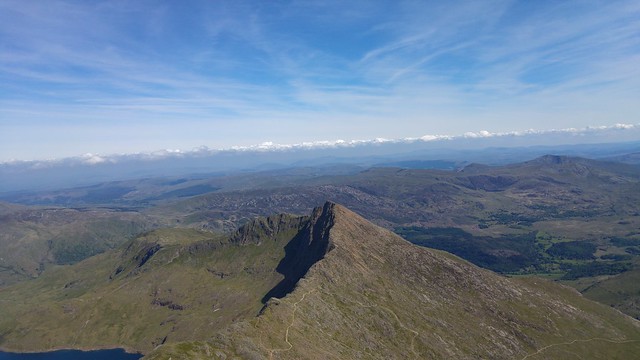
Words marked with a * are reconstructions.
| Proto-Celtic | *drosman = |
|---|---|
| Old Irish (Goídelc) | druimm [ˈd̪ɾumʲ] = back, ridge druimm tar ais = backwards, upside down druimm tar druimm = topsy-turvy, upside down |
| Middle Irish (Gaoidhealg) | druim(m) = back, surface, ridge, hill druimne = back, elevation, ridge, hill drumman = humped, back, hillock |
| Irish (Gaeilge) | droim [d̪ˠɾˠiːmʲ / d̪ˠɾˠɪmʲ] = back, ridge, carapace, wave droimeann = white-backed, white-backed cow droimfhada = long-backed, long-ridged droimín = low ridge, slight elevation, saddle, arch (in back) droimíneach = tiny humpbacked person droiminne = white colour, white streak, on back droimne = ridge droimeach = black-backed gull, ridged, undulating, arched, convex |
| Scottish Gaelic (Gàidhlig) | druim [drɯim] = back, ridge, keel, backline, camber druimeag [drɯmag] = small ridge, small load, lump, hump druimean [drɯman] = (mountain) saddle druimneach [drɯimnəx] = dorsal, pertaining to backs, ridged |
| Manx (Gaelg) | dreeym = back, ridge, hillside, down, terrace, shed, camber, saddle, fret, arch, edge dreeymagh = ridged drommey = dorsal, spinal |
Etymology: possibly from Proto-Indo-European (end, boundry), which is also the root of the English word tram, or related to Latin dorsum (back, ridge) [source].
| Proto-Celtic | *kebno- = back |
|---|---|
| Gaulish | Cebenna [keˈben.na] = ridge, height, and name of the mountins now known as the Cévennes |
| Old Welsh (Kembraec) | ceng, cemn, kewin = back, ridge |
| Middle Welsh (Kymraec) | keuen, kefneu, kefyn, cefn, cefen [ˈke.ven] = back, ridge kein, cain, ceing = back, ridge cefnai, kefnu, kefnv, cevnu = to turn one’s back upon |
| Welsh (Cymraeg) | cefn [kɛvn / ˈkeːvɛn] = back, support, ridge, middle, center cefnaf, cefnu = to turn one’s back upon, to forsake, to withdraw, to give way, to finish, to accomplish, to settle, to overcome, to back, to support cefnog = valiant, stout, brave, strong, wealthy, backed, ridged cefnogaeth = support, encouragement, backing cefnogi = to encourage, support, back, strengthen |
| Middle Cornish (Cernewec / Kernuak) | cein, chein, keyn = back, ridge |
| Cornish (Kernewek) | keyn [kɛɪn / kəɪn] = back, keel, ridge keynek = convex keyner = full back |
| Middle Breton (Brezonec) | queyn, quein = back |
| Breton (Brezhoneg) | kein [ˈkɛjn] = back, keel, binding, convexity keinañ = to lean back, to support, to connect, to put a keel on keineg = having a good back, important, mackerel keinek = having a back keinel = dorsal keinet = backed |
Etymology: possibly related to Proto-Celtic *kambos (crooked, bent) [source].
| Old Irish (Goídelc) | escir = ridge, elevation |
|---|---|
| Middle Irish (Gaoidhealg) | e(i)scir = ridge, elevation |
| Irish (Gaeilge) | eiscir [ˈeʃcəɾʲ] = glacial ridge, esker (a long, narrow, sinuous ridge created by deposits from a stream running beneath a glacier) |
| Scottish Gaelic (Gàidhlig) | aisgeir = rocky mountain, ridge of high mountains |
| Manx (Gaelg) | sker = ridge, crag, rockface, skerry, sea rock |
| Old Welsh (Kembraec) | escier = limb |
| Middle Welsh (Kymraec) | eskeir, esgeir, ysgeir, esgair = leg, shank, ridge, mountain spur |
| Welsh (Cymraeg) | esgair, ysgair = leg, shank, limb, ridge, mountain spur |
| Old Cornish | (el)escher = the shank, shin bone |
| Middle Cornish (Cernewec / Kernuak) | elesc(h)er = the shank, shin bone |
| Cornish (Kernewek) | esker = esker (long hill of outwash formed at glacier snout) el esker = shin |
| Breton (Brezhoneg) | esker = (carpenter’s) leg, knee |
Etymology: unknown [source].
Sources: Wiktionary, Etymological Dictionary Of Proto Celtic, In Dúil Bélrai English – Old Irish glossary, eDIL – Electronic Dictionary of the Irish Language, Teanglann.ie, Am Faclair Beag, An etymological dictionary of the Gaelic language, Fockleyreen: Manx – English Dictionary, Online Manx Dictionary, Gaelg Corpus, Geiriadur Prifysgol Cymru, Lexicon cornu-britannicum : a dictionary of the ancient Celtic language of Cornwall, Gerlyver Kernewek, Devri : Le dictionaire diachronique du breton, Geriafurch, TermOfis