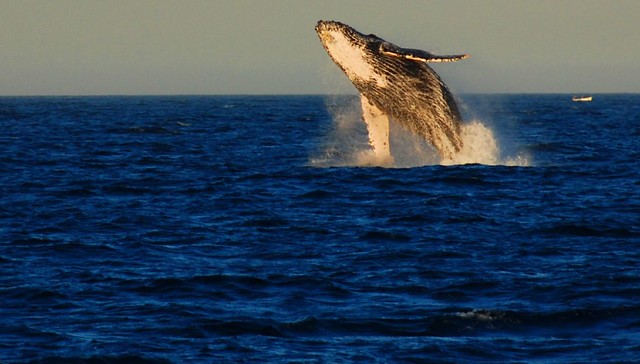
Fish

Words for fish and related things in the Celtic languages.

Fish

Proto-Celtic *ɸēskos = fish
Old Irish (Goídelc) íasc = fish
íascach = fish, fishing
Middle Irish (Gaoidhealg) íasc, iasc, īesc, éisc, escc = fish
íascach, iasccach = abounding in fish
íascaire, iscaire = fisherman
íasmar, iascchmar = full of fish, productive in fish
Irish (Gaeilge) iasc [iəsˠk] = fish, to fish
iasc = fishing, fishery
iascaire = fisherman
iascaireacht = fishing, fishery
iasceolaíocht = ichthyology (scientific study of fish)
iasciteach = fish-eating, ichthyophagous
iascúil = abounding in fish, easy to fish, good at fishing
Scottish Gaelic (Gàidhlig) iasg [iəsg] = fish, Pisces
iasgach [iəsgəx] = fishing, angling, fishery
iasgachadh [iəsgəxəɣ] = (act of) fishing
iasgadair [iəsgədɪrʲ] = fisher(man)
iasgail [iəsgal] = fishy, pertaining to fish, good for fishing
iasgan [iəsgan] = small fish, mussel
Manx (Gaelg) (y)eeast = fish
eeastagh(ey) = to angle, to fish, angling, fishing
eeasteyr = fisherman
eeasteyraght = fishery, fishing
eeasteyrys = fishing
eeastoil = abounding in fish, fishy
eeast-oaylleeaght = ichthyology
Proto-Brythonic *uisk = fish
*Uɨsk = fish, river name (originally meaning “abundant in fish”)
Welsh (Cymraeg) Wysg [uːɨ̯sk / ʊi̯sk] = Usk (a river and town in south Wales)
Caerwysg = Exeter

Etymology: from the Proto-Indo-European *pisḱ-/peysḱ- (fish) [source]. The name of the river Exe in Devon comes from the same root, as does Exmoor, where the river rises, Exmouth, where it meets the sea, and Exeter, which stands on the river. The rivers Esk (North Yorkshire, Cumbria, Dumfries and Galloway, and East Lothian) and Axe (one in Dorset, Somerset, Devon; and another in Somerset) get their names from the same root [source].

Proto-Brythonic *pɨsk [pɨsk] = fish
*pɨskọd [pɨˈsˑkɔːd] = fish (pl)
Middle Welsh (Kymraec) pisscaud, psycgaut, pesgod = fish(es), Pisces
pysgodfwyd = ichthyophagous, piscivorous, fish-eating, fish-meal
pysgodlyn, pyscotlyn = fish-pool, fish-pond
peskod ha, pyscotta, pyscota = to fish, angle, fishing
pyscodwr, pyscod-wr, pyscottwr = fisherman, fisher
Welsh (Cymraeg) pysgod [ˈpəsɡɔd] = fish(es), Pisces
pysgodaidd = fishy, piscine, piscatory, piscatorial
pysgodfwyd = ichthyophagous, piscivorous, fish-eating, fish-meal
pysgodig = full of fish
pysgodlyn = fish-pool, fish-pond
pysgota = to fish, angle, fishing industry
pysgotwr = fisherman, fisher, angler, kingfisher, fishmonger
Middle Cornish (Cernewec) pisc, pysc = fish
piscadur, pysgadyr = fisherman
pisclin = fishpond
pisgetta, pysgetta = to fish
Cornish (Kernewek) pysk [pɪːsk] / pesk = fish
pyskador, peskador = fisherman
pyskadores, peskadores = fisherwoman
pyskessa, peskecha = to fish
pysklyn, pesklyn = fishpond
pyskva, peskva = aquarium
Middle Breton (Brezonec) pesq(uet) = fish
Breton (Brezhoneg) pesk(ed) [ˈpes.k(et)] = fish
pesker [ˈpeskɛʁ] = fishmonger, fisher(man)
pesketa [pɛs.ˈke.ta] = to fish
pesketaerezh [pɛs.ke.ˈtɛː.rɛs] = fishing, fisheries

Etymology: from the Latin piscātus, past participle of piscor (to fish), from piscis (fish), from Proto-Indo-European *péysks (fish) [source]. Words from the same PIE root include peshk (fish) in Albanian, pesce (fish) in Italian, poisson (fish) in French, fish, piscine (pertaining to fish), Pisces in English, and fisk (fish, Pisces) in Danish [source].

Interesting idioms related to fish:

  • Irish: Iasc as uisce i do bhéal! = Restrain your tongue! (“Fish out of water in your mouth”)
  • Irish: Ar iascadh libh? = Did you catch fish / succeed in your quest
  • Irish: Ar iascach ar dhuine = to fish information from sb
  • Scottish Gaelic: gaoth an iar, iasg is bainne = wind from the West, fish and milk
  • Welsh: pysgota mewn dŵr llwyd = to fish in troubled waters (“to fish in grey water”)

The Fastest Way to Learn Japanese Guaranteed with JapanesePod101.com

Sources: Wiktionary, Etymological Dictionary Of Proto Celtic, In Dúil Bélrai English – Old Irish glossary, eDIL – Electronic Dictionary of the Irish Language, Teanglann.ie, Am Faclair Beag, An etymological dictionary of the Gaelic language, Fockleyreen: Manx – English Dictionary, Online Manx Dictionary, Gaelg Corpus, Geiriadur Prifysgol Cymru, Lexicon cornu-britannicum : a dictionary of the ancient Celtic language of Cornwall, Gerlyver Kernewek, Devri : Le dictionaire diachronique du breton, Dictionnaires bilingues de Francis Favereau / Edition Skol Vreizh, TermOfis

Unlimited Web Hosting - Kualo

Eagles

Words for eagles in Celtic languages.

Proto-Celtic *eriros = eagle
Old Irish (Goídelc) *irar [ˈirar] = eagle
Middle Irish (Gaoidhealg) ilar = eagle
Irish (Gaeilge) iolar [ɟəˈlˠuːn̪ˠ] = eagle
iolar fíréan = golden eagle (Aquila chrysaetos)
iolar mara / coirneach = white-tailed eagle (Haliaeetus albicilla)
Scottish Gaelic (Gàidhlig) iolair [jul̪ˠɪrʲ] = eagle
iolair dhubh / iolair bhuidhe = golden eagle
earn / iolair mhara’ / iolair bhàn = white-tailed eagle
Manx (Gaelg) urley = eagle
urley buigh = golden eagle
urley marrey = white-tailed eagle
Welsh (Cymraeg) eryr [ˈɛrɨ̞r / ˈeːrɪr] = eagle; hero, chief, prince, leader; the constellation of Aquila
eryr aur = golden eagle
eryr y Môr = white-tailed eagle
Cornish (Kernewek) er [eːɹ] = eagle
er / er melyn / ourer = golden eagle
morer / er an mor = white-tailed eagle
Breton (Brezhoneg) erer [ˈeːʁɛʁ] = eagle
erer meur = golden eagle
morer lost gwenn = white-tailed eagle

The species of eagles included here are found in Celtic-speaking lands. Other types of eagles are available.

Etymology: from the Proto-Indo-European *h₃érō (eagle, large bird) [source].

Golden eagle (2)

Sources: Wiktionary, Am Faclair Beag, MacBain’s Dictionary, In Dúil Bélrai English – Old-Irish Glossary, teanglann.ie, On-Line Manx Dictionary, Geiriadur Prifysgol Cymru, Gerlyver Kernewek, Dictionnaire Favereau, TermOfis

Swans

Words for swan (cygnus) in Celtic languages.

Swans, etc

Proto-Celtic *eli- = swan
Gaulish ala = swan
alauda = skylark
Old Irish (Goídelc) elu = swan
Middle Irish (Gaoidhealg) ela(e) = swan
Irish (Gaeilge) eala [ˈalˠə] = swan
ealach = frequented by swans
eala bhalbh = mute swan (Cygnus olor)
eala ghlorach = whooper swan (Cygnus cygnus)
Scottish Gaelic (Gàidhlig) eala [jal̪ˠə] = swan
eala bhàn = mute swan
eala fhiadhaich = whooper swan
ealag, eala-ghlas = cygnet, young swan
eala-bheag = Bewick’s (tundra) swan (Cygnus columbianus bewickii)
Manx (Gaelg) olla, ollay = (mute) swan
ollay chiaulee = whooper swan
eean olla = cygnet
Proto-Brythonic alarkos = swan
Middle Welsh (Kymraec) alarch = swan
Welsh (Cymraeg) alarch [ˈalarχ/ˈaːlarχ] = swan, the constellation Cygnus
alarchaidd = pertaining to a swan, swanlike
alarchen = cygnet
alarches = female swan
alarchwedd = swanlike
alarch dôf, alarch mud = mute swan
alarch y gogledd, alarch chwibanol, alarch gwyllt = whooper swan
Old Cornish elerch = swan
Middle Cornish (Cernewec) elerch = swan
Cornish (Kernewek) alargh = (mute) swan
Middle Breton (Brezonec) alarc’h = swan
alarc’hez = female cygnet
Breton (Brezhoneg) alarc’h = swan
alarc’h roueel = mute swan
alarc’h-kristilh = whooper swan

Etymology: from the Proto-Indo-European *h₁el- (swan, bird, waterfowl) [source].

Words from the same Proto-Celtic root include alondra (lark) in Spanish, alouette (lark) in French, and allodola (skylark) in Italian. They were probably borrowed from the Gaulish alauda (skylark), from ala (swan) [Source].

Words from the same PIE root include auk (swan) in English, alke (auk) in Danish and Norwegian, and álka (razorbill) in Faroese and Icelandic [Source].

Words marked with a * are reconstructions.

Sources: Wiktionary, Am Faclair Beag, Online Manx Dictionary, Teanglann.ie, eDIL – Electronic Dictionary of the Irish Language, In Dúil Bélrai English – Old Irish glossary, Geiriadur Prifysgol Cymru, Gerlyver Kernewek, Dictionaire Favereau, TermOfis, English – ProtoCeltic WordList (PDF), Etymological Dictionary Of Proto Celtic

The Fastest Way to Learn Japanese Guaranteed with JapanesePod101.com

Starlings

Words for starling (sturnus vulgaris) in Celtic languages.

Proto-Celtic *trozdis = starling
Old Irish (Goídelc) truit = starling
Middle Irish (Gaoidhealg) truit = starling
Irish (Gaeilge) druid [d̪ˠɾˠɪdʲ] = starling
Scottish Gaelic (Gàidhlig) druid [drɯdʲ] = starling, thrush
Manx (Gaelg) truitlag = starling
Middle Welsh (Kymraec) trydw, drydwen, drudwy, drydw, drudw = starling
Welsh (Cymraeg) drudw [ˈdrɨ̞dʊ/ˈdrɪdʊ], drudwy, drydwy, drydw = starling, stare
Old Cornish troet = starling
Cornish (Kernewek) trojen = starling
Middle Breton (Brezonec) tret = starling
Breton (Brezhoneg) tred [ˈtʁeːt], tridig = starling

Etymology: from the Proto-Indo-European *trosdos (thrush) [source].

Words marked with a * are reconstructions.

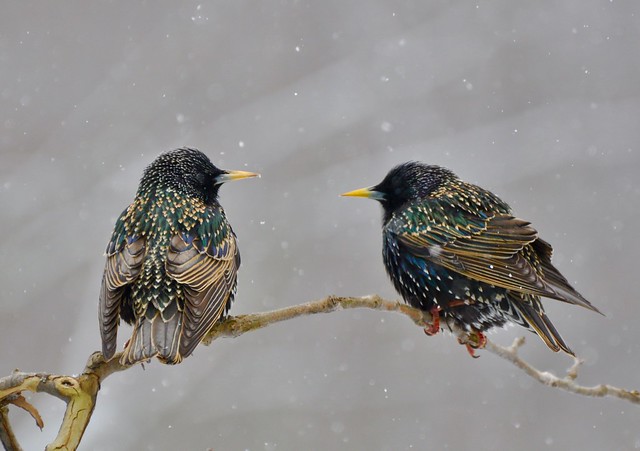
Starlings

Sources: Wiktionary, Am Faclair Beag, MacBain’s Dictionary, In Dúil Bélrai English – Old-Irish Glossary, teanglann.ie, On-Line Manx Dictionary, Geiriadur Prifysgol Cymru, Gerlyver Kernewek, Dictionnaire Favereau

Herons

Words for heron and related creatures in Celtic languages.

Heron

Words marked with a * are reconstructions.

Proto-Celtic *korxsā / *korxsiyos = heron, crane
Celtiberian *cárcia = heron
Gaulish curcio- = heron
Old Irish (Goídelc) corr = crane, heron, stork, crane
Middle Irish (Gaoidhealg) corr = (grey) heron, stork, crane, leg-necked person
Irish (Gaeilge) corr [kəuɾˠ] = (grey) heron, stork, crane, leg-necked person
Scottish Gaelic (Gàidhlig) corra [kɔr̪ˠə] = heron, stork, crane
Manx (Gaelg) coar = heron, stork, crane
Proto-Brythonic *krɨxɨð = heron
Middle Welsh (Kymraec) crychyd, krechydd, crechydd = heron
Welsh (Cymraeg) crychydd [ˈkrəχɨ̞ð / ˈkrəχɪð] = heron
Old Cornish cherhit = heron
Middle Cornish (Cernewec) cerhidh = heron
Cornish (Kernewek) kerghydh = heron
Old Breton corcid = heron
Middle Breton (Brezonec) quercheiz, querch-eïz, querc’heiz, qarc’hleyz kerc’heiz = heron
Breton (Brezhoneg) kercʼheiz [kɛrˈɣɛjs] = heron

Etymology: possibly from Proto-Indo-European *(s)kreik- / *(s)kreig- (to screech, creak), which is imitative in origin [source]. Words for heron in Galician & Spanish (garza) and Portuguese (garça), probably come from the Celtiberian root [source].

Words from the same PIE root may include reiger (heron) in Dutch, Reiher (heron) in German, häger (heron) in Swedish, heron and egret in English, and haikara (heron, stork) in Finnish [source].

Gaulish crehyr = heron
Proto-Brythonic *krexVr = heron
Middle Welsh (Kymraec) crehyr, creir, cr(e)yr = heron
Welsh (Cymraeg) crëyr [ˈkrɛ.ɨ̞r / kreː.ɪr] = heron
Middle Breton (Brezonec) querhair = heron

Etymology: possibly from the Proto-Indo-European *(s)ḱrey- (to scream, screech) [source].

Proto-Celtic *garanos = crane
Gaulish garanus = crane
Proto-Brythonic *garan = crane, heron
Middle Welsh (Kymraec) caran, garan = crane, heron
Welsh (Cymraeg) garan [ˈɡaran] = crane, heron
Old Cornish garan = crane
Middle Cornish (Cernewec) garan = crane
Cornish (Kernewek) garan = crane
Old Breton (Brethonoc) garan = crane
Middle Breton (Brezonec) garan = crane
Breton (Brezhoneg) garan [ˈɡɑː.rãn] = crane (bird, tool), groove, gallery
garanadur = grooving
garanan = to groove

Etymology: from Proto-Indo-European *gérh₂n-o-s, from *gerh₂- (crane, to cry hoarsely) [source]. Words from the same roots include crack, croon, crow and possibly grouse in English, kraai (crow) in Dutch, Krähe (crow) in German [source].

The Fastest Way to Learn Japanese Guaranteed with JapanesePod101.com

Sources: Wiktionary, Etymological Dictionary Of Proto Celtic, In Dúil Bélrai English – Old Irish glossary, eDIL – Electronic Dictionary of the Irish Language, Teanglann.ie, Am Faclair Beag, An etymological dictionary of the Gaelic language, Fockleyreen: Manx – English Dictionary, Online Manx Dictionary, Gaelg Corpus, Geiriadur Prifysgol Cymru, Lexicon cornu-britannicum : a dictionary of the ancient Celtic language of Cornwall, Gerlyver Kernewek, Devri : Le dictionaire diachronique du breton, Dictionaire Favereau, TermOfis

Unlimited Web Hosting - Kualo

Pigeons and Doves

Words for pigeon and doves in Celtic languages.

Old Irish (Goídelc) columb [ˈkolumb] = dove
colmán = wood-pigeon, ring-dove
Middle Irish (Gaoidhealg) colum [ˈkolumb] = dove
Irish (Gaeilge) colm [ˈkɔl̪ˠəmˠ / ˈkʌl̪ˠəmˠ] = dove, pigeon
colmán = (little) dove, pigeon
Scottish Gaelic (Gàidhlig) calman [kal̪ˠaman] = dove, pigeon
colman [kɔl̪ˠɔman] = dove, pigeon
Manx (Gaelg) calmane / colmane = pigeon, dove
Welsh (Cymraeg) colomen / clomen = dove, pigeon, culver; symbol of peace
Old Cornish colom = dove, pigeon
Middle Cornish colomen = dove, pigeon
Cornish (Kernewek) kolom = dove, pigeon
Breton (Brezhoneg) koulm / koulom = dove

Etymology: from the Latin columbus (dove, pigeon), from Ancient Greek κόλυμβος (kólumbos – a diver), from κολυμβάω (kolumbáō – dive, plunge headlong, swim) [source].

Breton (Brezhoneg) pichon = pigeon

Etymology: unknown

Words marked with a * are reconstructions.

Our Doves

Here’s a tune I wrote called The Curious Pigeon / Y Colomen Chwilfrydig:

Sources: Wiktionary, Am Faclair Beag, MacBain’s Dictionary, In Dúil Bélrai English – Old-Irish Glossary, teanglann.ie, On-Line Manx Dictionary, Geiriadur Prifysgol Cymru, Gerlyver Kernewek, Dictionnaire Favereau

Hens & Chickens

Words for hen, chicken and related things in Celtic languages:

Hens

Proto-Celtic *kerkā = hen
Old Irish (Goídelc) cerc [kʲerk] = hen, female bird
Middle Irish (Gaoidhealg) cerc [kʲerk] = hen, female bird
Irish (Gaeilge) cearc [kaɾˠk] = hen, female bird
cearcach = gallinaceous (relating to, or resembling the domestic fowl)
Scottish Gaelic (Gàidhlig) cearc [kʲɛrxg] = hen, chicken; poultry; female crab or lobster
cearc-uisge = moorhen
cearc-Fhrangach = turkey
cearc-fhraoich = female red grouse, moorhen
cearcach = of, or belonging to a hen or hens
Manx (Gaelg) kiark = fowl, hen, hen bird, female bird
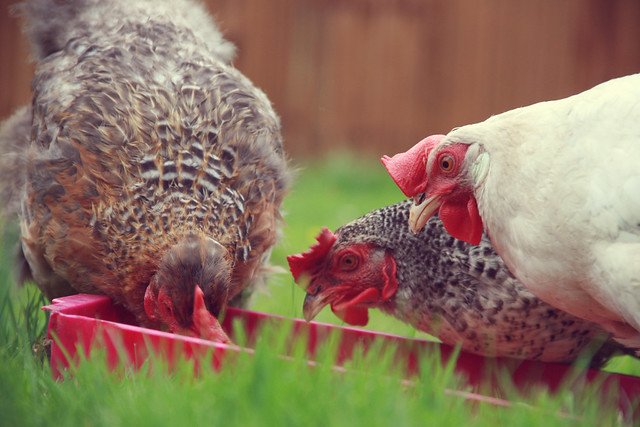
kiark

Etymology: from the Proto-Indo-European *ḱer- (to grow, nourish) [source]. These words are possibly related to words for heron and crane in Celtic languages.

English words from the same root include cereal, create, increase, creature, crew and crescent [source].

Proto-Celtic *yarā = chicken
Gaulish Iaros = personal name
Old Irish (Goídelc) eirín = pullet, young hen
Middle Irish (Gaoidhealg) eréne, éirín(e) = chicken, chick, pullet
Irish (Gaeilge) eireog = pullet, chicken; young girl, tiny woman
Scottish Gaelic (Gàidhlig) eireag [erʲag] = pullet, young chick(en) (between 8 months and 1 year old)
Manx (Gaelg) earrag = pullet, poult
Old Welsh iar = hen
Middle Welsh (Kymraec) yar = hen
yeyr, yeir = domestic fowls, chickens
yares = flock of chichens
ieirdy = hen-house, hen-coop
Welsh (Cymraeg) iâr [jaːr] = hen, hen-bird
ieir = domestic fowls, chickens
iarbren = perch for hens, hen-roost
iardy, ieirdy = hen-house, hen-coop
iares = flock of chichens
iargyw = chichen, young fowl
ieirwr = poulterer
Middle Cornish (Cernewec) iar, yar = hen, female bird
Cornish (Kernewek) yar = chicken, hen
yar frankres = free-range hen
yar gowellys = battery hen
yar Gyni = turkey
bregh/brygh yar = chicken pox
yarji = chichen coop, hen house
Middle Breton (Brezonec) yar, iar = chicken, hen
Breton (Brezhoneg) yar = chicken, hen

Etymology: unknown

Sources: Wiktionary, Am Faclair Beag, Online Manx Dictionary, Teanglann.ie, eDIL – Electronic Dictionary of the Irish Language, In Dúil Bélrai English – Old Irish glossary, Geiriadur Prifysgol Cymru, Gerlyver Kernewek, Gerlyvyr Cernewec, Dictionaire Favereau, TermOfis, Le dictionnaire diachronique du breton, Geriafurch, English – ProtoCeltic WordList (PDF), Etymological Dictionary Of Proto Celtic

Hound Dogs

Words for dog in Celtic languages.

Proto-Celtic *kū = dog, wolf
Gaulish cuna = dog
Primitive Irish ᚉᚒᚅᚐ (cuna) = hound, wolf
Old Irish (Goídelc) [kuː] = dog
Irish (Gaeilge) [kuː] = dog, hound, greyhound; wolf; hero, champion
Scottish Gaelic (Gàidhlig) [kuː] = dog, canine
Manx (Gaelg) coo [kuː] = dog, cur, hound, wolf-dog
Proto-Brythonic ki [kiː] = dog
Middle Welsh (Kymraec) ci / ki = dog
Welsh (Cymraeg) ci [kiː] = dog, hound, cur
Old Cornish ci = dog
Cornish (Kernewek) ki [kiː] = dog
Middle Breton ci / qui = dog
Breton (Brezhoneg) ki [kiː] = dog

Etymology: from the Proto-Indo-European *ḱwṓ (dog), which is also the root of the English words hound and canine [source].

Old Irish (Goídelc) madrad, matrad = dog
Middle Irish (Gaoidhealg) matad = common dog, cur
Irish (Gaeilge) madra [ˈmˠad̪ˠɾˠə] / madadh [ˈmˠad̪ˠə / ˈmˠad̪ˠu] = dog, cur
Scottish Gaelic (Gàidhlig) madadh [madəɣ] = dog, mastiff
Manx (Gaelg) moddey [ˈmɔːðə] = dog, tyke
Welsh (Cymraeg) madyn / madog = fox

Etymology: unknown

Old Irish (Goídelc) gagar [ɡaɣər] = beagle, hunting dog
Middle Irish (Gaoidhealg) gadar = beagle, hunting dog
Irish (Gaeilge) gadhar [ɡəiɾˠ] = (hunting) dog, harrier, beagle, cur
Scottish Gaelic (Gàidhlig) gadhar [gɤ.ər] = lurcher, mastiff, greyhound

Etymology: from the Old Norse gagarr [source].

Proto-Celtic *kulēnos = whelp
Old Irish (Goídelc) cuilén [ˈkulʲeːn] = puppy, cub, kitten
Irish (Gaeilge) coiléan [kɪˈlʲaːn̪ˠ] = pup, cub, whelp; youth, scion; trickster
Scottish Gaelic (Gàidhlig) cuilean [kulan] = puppy, whelp; cub; seal pup; darling, dear; short/small bone
Manx (Gaelg) quallian = puppy
Welsh (Cymraeg) colwyn [kiː] = whelp, puppy, cub; lap-dog; spaniel
Old Cornish coloin = puppy
Cornish (Kernewek) kolen [ˈkɔlɪn] = puppy, cub
Breton (Brezhoneg) kolen = puppy, fawn, rabbit

Etymology: unknown

Old Irish (Goídelc) cana [ˈkana] = cub, puppy
Middle Irish (Gaoidhealg) cana [ˈkana] = cub, puppy
Irish (Gaeilge) cana [ˈkanˠə] = cub, whelp; bardic poet of fourth order
Scottish Gaelic (Gàidhlig) cana [kanə] = puppy, whelp
Welsh (Cymraeg) cenau / cenaw = cub, whelp, puppy, kitten; son, descendant, scion, young warrior; knave, imp, rascal; catkin, cat’s tail

Etymology: possibly from the Latin canis (dog), from the Proto-Indo-European *ḱwṓ (dog) [source], or from the Proto-Celtic *kanawo (young animal).

Words marked with a * are reconstructions.

Sources: Wiktionary, Am Faclair Beag, MacBain’s Dictionary, In Dúil Bélrai English – Old-Irish Glossary, teanglann.ie, On-Line Manx Dictionary, Geiriadur Prifysgol Cymru, Gerlyver Kernewek, Dictionnaire Favereau

Irish Wolfhounds

Foxes

Words for fox in Celtic languages.

Old Irish (Goídelc) sinnach / sindach = fox
Irish (Gaeilge) sionnach [ˈʃɪn̪ˠəx / ʃɪˈn̪ˠɑx / ˈʃɪn̪ˠax] = fox
Scottish Gaelic (Gàidhlig) sionnach [ˈʃun̪ˠəx] / seannach [ˈʃan̪ˠəx] = fox, bagpipe reed
Manx (Gaelg) shynnagh = fox

Etymology: unknown

Irish (Gaeilge) madra rua [madəɣ ‘r̪ˠuəɣ] = fox, red fox
Scottish Gaelic (Gàidhlig) madadh-ruadh [madəɣ ‘r̪ˠuəɣ] = fox, red fox

Etymology: from the Old Irish madrad (dog) and the rúad (red) [source].

Scottish Gaelic (Gàidhlig) balgair [bal̪ˠagɛrʲ] = fox

Etymology: unknown.

Proto-Celtic *loɸernos = fox
Gaulish *louernos = fox
Old Irish (Goídelc) loarn = fox
Proto-Brythonic llowern = fox
Old Welsh louern = fox
Middle Welsh (Kymraec) llewyrn = fox
Welsh (Cymraeg) llewyrn = foxes
Old Cornish louuern = fox
Cornish (Kernewek) lowarn = fox
Old Breton louuern = fox
Middle Breton louarn = fox
Breton (Brezhoneg) louarn [ˈluː.aʁn] / luhern = fox

Etymology: from Proto-Indo-European *h₂wlop- (fox) [source].

Welsh (Cymraeg) llwynog [ˈɬʊɨ̯nɔɡ] = fox, a cunning, craft or willy person, bundle
llwynoges = vixen, female fox
llwynogyn = little fox

Etymology: from llwyn (bush, shrub, brake, thicket, copse, grove, arbour, woods, forest) and the suffix -og, from Latin lignum (firewood, tree), Proto-Indo-European *leǵ-no- (that which is collected) [source].

Welsh (Cymraeg) cadno [ˈkadnɔ] = fox; craft person, foxy, deceptive day; bundle of straw used for constructing an air passage in a stack of corn not well-seasoned; skid, scotch, trigger
cadnawes = vixen, female fox

Etymology: probably from the personal name Cadno, from cad (battle), from the Proto-Celtic *katus (battle), from the Proto-Indo-European *kéh₃tus (fight); and the suffix -no, from the Proto-Celtic *gnāw- (knowing) [source].

Words marked with a * are reconstructions.

Sources: Wiktionary, Am Faclair Beag, MacBain’s Dictionary, In Dúil Bélrai English – Old-Irish Glossary, teanglann.ie, On-Line Manx Dictionary, Geiriadur Prifysgol Cymru, Gerlyver Kernewek, Dictionnaire Favereau

Fox

Ants

Words for ant and related things in Celtic languages.
Formica cf. rufibarbis

Words marked with a * are reconstructions.

Old Irish (Goídelc) sengán = ant
Middle Irish (Gaoidhealg) sengán, seangan = ant
Irish (Gaeilge) seangán = ant
seangánach = full of ants
nead seangán = anthill
Scottish Gaelic (Gàidhlig) seangan [ʃɛŋgan] = ant, mean fellow
seangan ‘nad bhriogais = to be fidgety, have the jtters (ants in your breeches)
seangananach [ʃɛŋganəx] = pertaining to or abounding in small ants
Manx (Gaelg) sniengan = ant
snienganagh = ant-infested, formic
crongan sniengan = anthill

Etymology: possibly from the Old Irish seng (thin, slender. meagre) [source].

Proto-Celtic *morwis = ant
Old Irish (Goídelc) moirb [morʲvʲ] = ant
Middle Irish (Gaoidhealg) moirb = ant
Middle Welsh (Kymraec) myr = ant
myrion = ants
morgrug, morcrug = ants
morgrugyn, morcrugyon = ant
Welsh (Cymraeg) mŷr, myrr [mɨːr/miːr] = ant
myrion = ants
myrdwyn = anthill
morgrug [ˈmɔrɡrɨ̞ɡ / ˈmɔrɡrɪɡ] = ants (from mŷr [ant] and crug [hill])
morgrugyn = ant
morgrugaidd, morgrugol = ant-like pertaining to ants, formic
Old Cornish menƿionen = ant
Middle Cornish (Cernewec) menwionen, meuwionen = ant, emmet
Cornish (Kernewek) moryonen = ant, tourists
moryoner = anteater
Old Breton moriuon = ant
Middle Breton (Brezonec) meryen = ant
Breton (Brezhoneg) merien [ˈmɛr.jɛn] = ants
merionenn = ant
merionaer = anteater
merieneg [mɛ.ˈrjẽː.nɛk] = anthill

Etymology: from the Proto-Indo-European *morwi- (ant). Words from the same roots include formic (pertaining to ants) and pismire (ant – archaic) in English, fourmi (ant) in French, mier (ant) in Dutch, maur (ant) in Icelandic and myra (ant) in Swedish [source].

The Fastest Way to Learn Japanese Guaranteed with JapanesePod101.com

Sources: Wiktionary, Am Faclair Beag, Online Manx Dictionary, Teanglann.ie, eDIL – Electronic Dictionary of the Irish Language, In Dúil Bélrai English – Old Irish glossary, Geiriadur Prifysgol Cymru, Gerlyver Kernewek, Dictionaire Favereau, TermOfis, English – ProtoCeltic WordList (PDF), Etymological Dictionary Of Proto Celtic

Unlimited Web Hosting - Kualo