Mind Sense

Today we’re looking at the words for mind, sense and related things in Celtic languages.
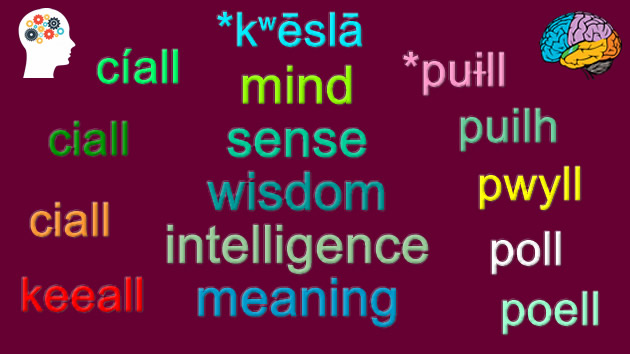
Mind, Sense, Widom, Intelligence, Meaning

Proto-Celtic *kʷēslā = mind; sense, wisdom, intelligence; meaning
Old Irish (Goídelc) cíall [kʲiːa̯l͈] = sense, intelligence, mind; wisdom, good sense, skill; intention, cause, reason, idea; signification, meaning, function
Irish (Gaeilge) ciall [kiəl̪ˠ/kʲal̪ˠ] = sense, sanity; normal state of mind; common sense; perception; meaning; reason, cause
ciallaigh = to mean, signify; explain, interpret
ciallchogar = confidential whisper
ciallmhaireacht = sensibleness, reasonableness
ciallmhar = sensible, reasonable, common sense
aingiall = unreason
fochiall = secondary meaning, connotation
gan chiall = meaningless, misguided, unmeaning, callow, lunatic, senseless, silly
Scottish Gaelic (Gàidhlig) ciall [kʲiəl̪ˠ] = meaning, sense, significance, connotation, implication, understanding, reason
ciallach = prudent, sensible, sane, tame
ciallaich = to mean, signify, imply
gun chiall = without sense, senseless, insane
eu-céillidheachd = insanity, madness, irrationality, foolishness
Manx (Gaelg) keeall = sense, significance
keeaylagh = eloquent, prudent
meecheeall = senselessness
meecheeallagh = senseless, unadvisedly
bun-cheeal = moral
gyn keeall = unmeaning, senseless
Proto-Brythonic *puɨll = mind; sense, wisdom, intelligence; meaning
Middle Welsh (Kymraec) puil, puilh = deliberation, consideration, care, caution
Welsh (Cymraeg) pwyll [puːɨ̯ɬ / pʊi̯ɬ] = deliberation, consideration, care, caution; discretion, prudence, wisdom, patience, understanding, intelligence, perception, judgement; nature, disposition; meaning, significance, sense
pwyll(i)ad = intention, intent, goal, aim, design
pwyllaf, pwyllo = to exercise discretion, deliberate, consider, contemplate
pwyllgor = committee, meeting
pwyllog = discreet, wise, intelligent, sane, rational, reasonable
pwyllwr, pwyllwraig = discreet, sensible or wise person
gan bwyll = gently, gradually, carefully, slowly
iawnbwyll = sanity, saneness, sane, sensible
o’i bwyll = out of one’s mind, beside oneself, insane
Cornish (Kernewek) poll = intelligence, reason
pollek = brainy, intelligent
Breton (Brezhoneg) poell = logical, logic
poellata = to reason, argue
poellakaat = to rationalize
poellel = logical, logic
poellelour = rationalist
poellgor = committee

Etymology from the Proto-Indo-European *kʷeyt- (to notice) [source].

Words from the same PIE root include číst (to read) and čítat (to count) in Czech, šķist (to seem, appear) and skaitīt (to count) in Latvian, skaitýti (to read) in Lithuanian, and चित्त [t͡ʃɪt̪t̪] (mind, heart) in Hindi [source].

Words marked with a * are reconstructions.

Sources: Wiktionary, Am Faclair Beag, Online Manx Dictionary, Teanglann.ie, eDIL – Electronic Dictionary of the Irish Language, In Dúil Bélrai English – Old Irish glossary, Geiriadur Prifysgol Cymru, Gerlyver Kernewek, Gerlyvyr Cernewec, Dictionaire Favereau, TermOfis, Le dictionnaire diachronique du breton, Geriafurch, English – ProtoCeltic WordList (PDF), Etymological Dictionary Of Proto Celtic

The Fastest Way to Learn Japanese Guaranteed with JapanesePod101.com

Wood Intelligence

Today we’re looking at the words for chess and related things in Celtic languages.

Chess

According to legend, the ancient Irish game of fidchell was invented by Lugh (god of light and inspiration) in the 9th century. It played an important role in the celebrations at the Festival of Lughnasa (in August), and was played by kings, druids, warriors – more details. See also: https://totallyirishgifts.com/fidchell-the-ancient-celtic-chess-game/.

The old Welsh game of gwyddbwyll is mentioned in medieval Welsh literature, however there are no surviving examples of the game.

Chess is thought to have originated in India in the 6th century AD, and was brought to Britian by the Normans in the 12th century.

See also: https://lornasmithers.wordpress.com/2017/06/16/gwyddbwyll-why-the-war-games/.

Old Irish (Goídelc) fidchell [ˈfɪðʲçɛlː] = an old Irish board game similar to chess
Irish (Gaeilge) ficheall [ˈfʲɪhəl̪ˠ / ˈfʲɪhəl̪ˠ / ˈfʲɪçəl̪ˠ] = chess, chessboard
flcheallacht = chess-playing
flcheallaí = chess-player
clár fichille = chessboard
fear fichille = chessman
fíann/forieann fichille = set of chessmen
Scottish Gaelic (Gàidhlig) fidhcheall = Celtic chess
Manx (Gaelg) feeal = chess
feealee = chess player
fer feeal, babban feeal = chess piece
claare feeal = chessboard
Proto-Brythonic *gwɨðbuɨll = a board-game similar to chess
Middle Welsh (Kymraec) gvytbuill, gvydbvll, gvydbvyll = one of the twenty-four feats of skill or prowess performed in Wales in medieval times; a board-game similar to chess
Welsh (Cymraeg) gwyddbwyll [ˈɡwɨ̞ðbʊɨ̯ɬ] / ˈɡʊi̯ðbʊi̯ɬ] = chess; knowledge, learning, science; reason, sense, discretion
gwyddbwyllwr = chess player, chess piece, chess man
Cornish (Kernewek) gwydhbol = chess
Old Breton guidpoill, guidpull = chess
Breton (Brezhoneg) gwezboell = (Celtic) chess
gwezboellet = chequered

Etymology from the Proto-Celtic *widukʷēslā [source], *widu (wood), from the Proto-Indo-European *h₁widʰ(h₁)-u-s [source]; and *kʷēslā (mind, sense, wisdom, intelligence, meaning), from the Proto-Indo-European *kʷeyt- (to notice) [source].

The English word wood also comes from the PIE root *h₁widʰ(h₁)-u-s, via the Middle English wode (wood), the Old English widu, wudu (wood) the Proto-West-Germanic *widu (forest, tree, wood), and the Proto-Germanic *widuz (wood) [source].

See also the post about Trees, Wood(s) & Forests

In Welsh, chess is also sies or ses, which were borrowed from the Middle English ches(se) (chess, chess set, chessboard, chess pieces) [source].

Middle Irish (Gaoidhealg) táiplis, táibhleis = tables, backgammon, backgammon-board
Scottish Gaelic (Gàidhlig) tàileasg [taːl̪ˠəsg] = chess, backgammon, draughts / checkers
Manx (Gaelg) tawlish = draughts / checkers
tawlish beg = draughts / checkers
tawlish mooar = backgammon
Welsh (Cymraeg) tawlfwrdd, towlfwrdd, tolfwrdd = a board game similar to chess, game-board; chess; chessboard, draughtboard

Etymology: from the Old Norse tafl (chess-like game, chess, backgammon), from the Latin tabula (tablet; board, plank) [source].

Words marked with a * are reconstructions.

Sources: Wiktionary, Am Faclair Beag, Online Manx Dictionary, Teanglann.ie, eDIL – Electronic Dictionary of the Irish Language, In Dúil Bélrai English – Old Irish glossary, Geiriadur Prifysgol Cymru, Gerlyver Kernewek, Gerlyvyr Cernewec, Dictionaire Favereau, TermOfis, Le dictionnaire diachronique du breton, Geriafurch, English – ProtoCeltic WordList (PDF), Etymological Dictionary Of Proto Celtic
The Fastest Way to Learn Japanese Guaranteed with JapanesePod101.com

Bolts and Locks

Today we’re looking at the words for locks, bolts and related things in Celtic languages.

shed door bolt lock

Proto-Celtic *klāwos = bolt
Old Irish (Goídelc) cló, cloë = nail, spike
Irish (Gaeilge) cló [klˠoː] = form, shape, appearance; impression, mould; print, type; nail, spike
clóbhuail = print
clóchur = (type) setting
clóchuradóir = type-setter
clódóir = printer, dyer
clódóireacht = printing; dyeing, colouring; misrepresentation
clóghrafaíocht = typography
clóphreas = printing press
clóscríobh = typing, typewriting; to type
cló-eagar = composition
cló-eagraí = compositor
cló-eagraigh = to compose
Scottish Gaelic (Gàidhlig) clò [kl̪ˠɔː] = cloth, woven material, tweed; print; imprint; spike, nail; peg, pin
clò-bhualadh = printing, publication, printout
clò-bhualadair = printer (machine & printing house)
clò-ghrafachd = typography
clò-sgrìobhadair = typist, typewriter
clò-shuidheachadh = typesetting
Clò na Hearadh = Harris Tweed
cruth-clò = font
Manx (Gaelg) clou = edition, print, printed matter, printing press, publication, type
clouder = printer
clougraafeeaght = typography
clouscreeudeyr = typist
clou doo, clou trome = bold type
clou Gaelgagh = Gaelic type
clou gorrym = blueprint
soiaghey clou = type-setting
soieder clou = type-setter
Proto-Brythonic *klọw = bolt
Middle Welsh (Kymraec) clo, klo = lock, bolt
Welsh (Cymraeg) clo [kloː] = lock, bolt; impediment, difficulty; brake; cluster, bunch; conclusion
ar glo = locked
clo clap, clo clec, clo clwt = padlock
clo rheswm = conclusion
cyfnod clo = lockdown
tan glo (ac allwydd) = locked (up), under lock and key
cload = locking, end, conclusion, closure
cloadwy = lockable, locked, final
cloëdig, cloiedig = locked, secure, closed, concealed, bound, confined
cloi = to lock, shut, bind, clinch, conclude
Old Breton clou = bolt
Middle Breton clao = bolt
Breton (Brezhoneg) klaou = gear, key, mesh

Words marked with a * are reconstructions.

Etymology from the Proto-Indo-European *kleh₂w-os (bolt, bar, hook), from *(s)kleh₂w- (hook, crook, peg) [source].

Words from the same PIE root, via the Latin clāvis (key), include: chiave (key, spanner) in Italian, clé (key, wrench, spanner) and clef (clef (in music)) in French, clef, clavicle and clavichord in English, and llave (key, spanner, wrench, tap, spigot, switch) in Spanish [source].

I can’t find a cognate word in Cornish. A lock is a strother, and a bolt is a ebil. The origins of these words are not known.

Sources: Wiktionary, Am Faclair Beag, Online Manx Dictionary, Teanglann.ie, eDIL – Electronic Dictionary of the Irish Language, In Dúil Bélrai English – Old Irish glossary, Geiriadur Prifysgol Cymru, Gerlyver Kernewek, Gerlyvyr Cernewec, Dictionaire Favereau, TermOfis, Le dictionnaire diachronique du breton, Geriafurch, English – ProtoCeltic WordList (PDF), Etymological Dictionary Of Proto Celtic
The Fastest Way to Learn Japanese Guaranteed with JapanesePod101.com

Heather

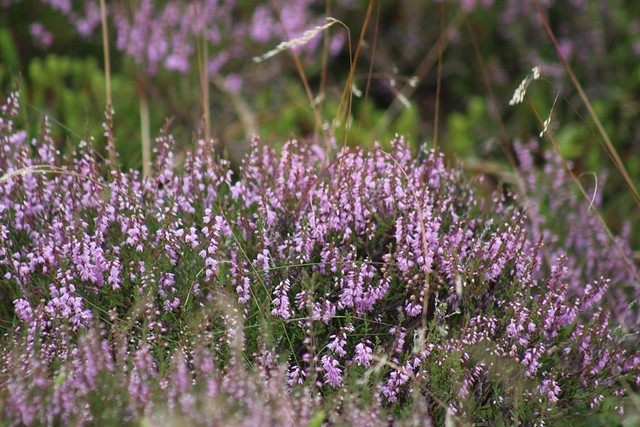
Today we’re looking at the words for heather and related things in Celtic languages.

Heather

Words marked with a * are reconstructions.

Proto-Celtic *wroikos = heather
Gaulish *wroika = heather
Celtiberian *broikios = heather
Old Irish (Goídelc) froích, fróech = heather
Middle Irish (Gaoidhealg) fráech = heather
Irish (Gaeilge) fraoch [fˠɾˠeːx / fˠɾˠiːx / fˠɾˠiːx] = heather, heath, moor
fraochán = bilberry, whortleberry, ring-ouzel
fraochlach = heath
fraochmhá = heath
fraochmhar = heathery
fraoch bán = white heather
fraoch coitianta = Scotch heather, ling
píobaire fraoch = grasshopper
Scottish Gaelic (Gàidhlig) fraoch [frɯːx] = heather, ling
fraoch-geal = white common heather (Calluna vulgaris alba
fraoch-bheinn = heather-covered mountain
fraochan = whortleberry, blaeberry, lingonberry, cranberry
fraochach = heathy, heathery
Manx (Gaelg) freoagh = heather, ling, heath
freoagh bane = brier, white heather
freoagh marrey = sea fern
freoagh mooar = Scotch heather
Proto-Brythonic *gwrʉg [ˈɡwrʉːɡ] = heather
Middle Welsh (Kymraec) gruc, gerug, gwrug = heather
Welsh (Cymraeg) grug [ɡrɨːɡ / ɡriːɡ] = heather, ling heath
grug cyffredin = heather, ling, common heath, Calluna vulgaris
grugiar = (red) grouse, willow grouse, heath-hen
gruglus = heath-berries
gruglwyn = bush of heather, sweet broom
grugnythu = to nest or nestle in the heather
grugog = heath-covered, heathery, abounding in heather
Cornish (Kernwek) grug [ɡryːɡ / ɡriːɡ] = heath, heather, ling
grugyar = partridge
Middle Breton groegan = heather
Breton (Brezhoneg) brug [bryːk] = heather
brugek [ˈbryː.ɡɛk] = (a place) abundant in heather, covered with heather

Etymology unknown, possibly from a non-Proto-Indo-European root [source].

Words from the same Proto-Celtic roots, via Gaulish *wroikos (heather), and Latin *brūcus (heather) or Vulgar Latin *broccius, include brezo (heath) in Spanish, breixo (heather) in Galician, brugo (heather) and brughiera (heath, moor) in Italian, bruc (heather) and bruguera (heath) in Catalan, and bruyère (heather, heath, brier) in French [source].

Eilean Fraoch (Heather Isle) is a nickname for the Isle of Lewis / Eilean Leòdhais in the Western Isles / Na h-Eileanan Siar. Here’s a song about it:

Sources: Wiktionary, Am Faclair Beag, Online Manx Dictionary, Teanglann.ie, eDIL – Electronic Dictionary of the Irish Language, In Dúil Bélrai English – Old Irish glossary, Geiriadur Prifysgol Cymru, Gerlyver Kernewek, Gerlyvyr Cernewec, Dictionaire Favereau, TermOfis, Le dictionnaire diachronique du breton, Geriafurch, English – ProtoCeltic WordList (PDF), Etymological Dictionary Of Proto Celtic
The Fastest Way to Learn Japanese Guaranteed with JapanesePod101.com

Nephews

Today we’re looking at the words for nephew and related people in Celtic languages.

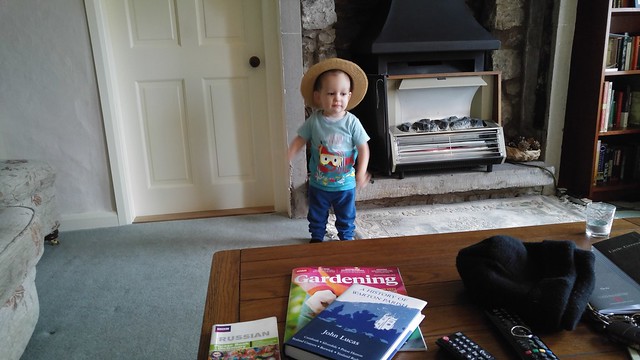
My nephew in a hat
My nephew. Mo nia. Mac my shayrey. Fy nai. Ma noy. Ma niz.

Proto-Celtic *neɸūss = nephew
Primitive Irish ᚅᚔᚑᚈᚈᚐ (niotta) = nephew (sister’s son)
Old Irish (Goídelc) nia [ˈn͈ʲi.a] = nephew, sister’s son
Irish (Gaeilge) nia [n̪ʲiə] = nephew
garneacht = great-nephew
Scottish Gaelic (Gàidhlig) nia [n̪ʲiə] = nephew (sister’s son)
Manx (Gaelg) neear = nephew
Proto-Brythonic *nei = nephew
Old Welsh nei = nephew
Middle Welsh (Kymraec) ney, nei = nephew
Welsh (Cymraeg) nai [nai̯] = nephew, first cousin’s son
nai fab brawd = nephew (brother’s son)
nai fab chwaer = nephew (sister’s son)
mab nai = great-nephew
naigarwch = nepotism
Middle Cornish noi = nephew
Cornish (Kernwek) noy = nephew
Old Breton ny = nephew
Middle Breton ni = nephew
Breton (Brezhoneg) niz = nephew
gourniz = great-nephew

Etymology from the Proto-Indo-European *népōts (grandson, descendent, nephew), possibly from *ne (not) and *pótis (master, lord, husband) [source].

Other words for nephew:

  • Irish: mac deirféar (sister’s son), mac dearthár (brother’s son)
  • Scottish Gaelic: mac-peathar (sister’s son), mac-bràthar (brother’s son)
  • Manx: mac shayrey (sister’s son), mac braarey (brother’s son)

See also the post about sons.

Words in Germanic language that come from the same PIE root, via the Proto-Germanic *nefô (nephew, grandson), include: Neffe (nephew) in German, neef (male cousin, nephew) in Dutch, and the obsolete English word neve (nephew, male cousin, grandson) [source].

The English word nephew comes from the same PIE root, via the Middle English nevew, neveu (nephew, grandson), the Old French neveu (nephew), and the Latin nepos (grandson, granddaughter, nephew, niece, descendent) [source].

Words marked with a * are reconstructions.

Sources: Wiktionary, Am Faclair Beag, Online Manx Dictionary, Teanglann.ie, eDIL – Electronic Dictionary of the Irish Language, In Dúil Bélrai English – Old Irish glossary, Geiriadur Prifysgol Cymru, Gerlyver Kernewek, Gerlyvyr Cernewec, Dictionaire Favereau, TermOfis, Le dictionnaire diachronique du breton, Geriafurch, English – ProtoCeltic WordList (PDF), Etymological Dictionary Of Proto Celtic

italki - Win cash rewards for learning any language

Nieces

Today we’re looking at the words for niece and related people in Celtic languages.

Sasha and Nick
My brother and my niece

Words marked with a * are reconstructions.

Proto-Celtic *nextī = niece
Old Irish (Goídelc) necht = niece, grand-daughter
Middle Irish (Gaoidhealg) necht, neachd = niece, grand-daughter
Irish (Gaeilge) neacht [n̠ʲæxt̪ˠ] = niece
garneacht = grand-niece
Scottish Gaelic (Gàidhlig) nigh [n̪iːj] = daughter, niece
Proto-Brythonic *nėθ = niece
Middle Welsh (Kymraec) nith = niece
Welsh (Cymraeg) nith [niːθ] = niece
gor-nith = great-niece
Old Cornish noit = niece
Middle Cornish (Cernwec) noit = niece
Cornish (Kernwek) nith = niece
Old Breton nith = niece
Middle Breton nyz, niz = niece
Breton (Brezhoneg) nizh, nizez = niece
gou(r)nizez = great-niece

Etymology from the Proto-Indo-European *néptih₂ (niece, granddaughter) [source].

Words in Germanic language the come from the same PIE root, via the Proto-Germanic *niftiz (female descendent, granddaughter, niece), including: Nichte (niece) in German, nicht (female cousin, niece) in Dutch, and the obsolete English word nift (niece) [source].

The English word niece comes from the same PIE root, via the Middle English nece (niece, granddaughter), from the Old French nece (niece, granddaughter), from the Vulgar Latin *neptia (niece), from the Latin neptis (granddaughter) [source].

Other words for niece:

  • Irish: iníon deirféar (sister’s daughter), iníon dearthár (brother’s daughter)
  • Scottish Gaelic: nighean-pheathar (sister’s daughter), nighean-bhràthar (brother’s daughter), ban-ogha = granddaughter, niece
  • Manx: inneen shayrey (sister’s daughter), inneen vraarey (brother’s daughter)

See also the post about daughters.

The Fastest Way to Learn Japanese Guaranteed with JapanesePod101.com

Sources: Wiktionary, Am Faclair Beag, Online Manx Dictionary, Teanglann.ie, eDIL – Electronic Dictionary of the Irish Language, In Dúil Bélrai English – Old Irish glossary, Geiriadur Prifysgol Cymru, Gerlyver Kernewek, Lexicon Cornu-britannicum: A Dictionary of the Ancient Celtic Language of Cornwall, Dictionaire Favereau, TermOfis, Le dictionnaire diachronique du breton, Etymological Dictionary Of Proto Celtic

Festive Feasts

Today we’re looking at the words for festival, feast and related things in Celtic languages.

Crowds with St David's Flags / Tyrfa, Baner Dewi Sant

Words marked with a * are reconstructions.

Proto-Celtic *lītus = feast, celebration
Old Irish (Goídelc) líth [l͈ʲiːθ] = festival, feast-day, festivity, luck
Middle Irish (Gaoidhleag) líth = festival, feast-day, festivity, entertainment, rejoicing, luck, properity
líthech = festive
Irish (Gaeilge) líth [ˈfʲeːlʲə] = festival, festivity, rejoicing; (good) omen, good luck, prosperity
lítheach = festive
Scottish Gaelic (Gàidhlig) lì, lìthe [l̪ʲiː] =paint, colour, tinge, hue, complexion, properity, happiness
Middle Breton (Brezonec) lyt, lid = ceremony, rite
Breton (Brezhoneg) lid = ceremony, rite, worship, jubilation

Etymology possibly from the Proto-Indo-European *leyH- (flow) [source].

Proto-Celtic *westā = food, feast
Old Irish (Goídelc) feis, fess, feiss = entertainment, feast; night’s lodging
Middle Irish (Gaoidhleag) feis(s), fess = spending the night, sleeping, accommodation for the night, entertainment for the night, food, supper, feast, festival
fes(s)id = spend the night, stops (in a place), remains
Irish (Gaeilge) feis [fʲɛʃ] = festival, carnival; act of sleeping, accommodation, entertainment, bed and supper
Scottish Gaelic (Gàidhlig) fèis [feːʃ] = festival
fèist [feʃdʲ] = entertainment, feast
fèistear [feːʃdʲər] = entertainer
fèisteas [feːʃdʲəs] = entertainment
Manx (Gaelg) feish = assembly, carnival, festival, fete
Middle Welsh (Kymraec) gwest = night’s stay/lodging, night’s sleep/rest, lodging, hospitality
guestei, gwestai = guest, visitor, visiting stranger, sojourner; beggar, parasite, host
guesti, gwesti = to stay, rest, remain, lodge, lodging, abode, welcome, reception, sustenance, guest, lodger
gwestwyr, gwestywr = guest visitor, host
Welsh (Cymraeg) gwest [ɡweːsd/ɡwɛsd] = night’s stay/lodging, night’s sleep/rest, lodging, hospitality, welcome, entertainment, provision, maintenance, food-rent, feast, banquet; guest, visitor
gwestai = guest, visitor, visiting stranger, sojourner; beggar, parasite, host
gwesti = to stay, rest, remain, lodge, lodging, abode, welcome, reception, sustenance, guest, lodger
gwest(i)wr = guest visitor, host
gwestu = to spend a night, sleep, rest, lodge, visit, feast, borrow, beg, sponge (upon)
gwesty = lodging, guest-house, inn, hotel
gwestya = to lodge, live in lodgings, show hospitality to (guests), welcome
Cornish (Kernewek) gwester = guest
gwesti = guesthouse
gwestva = hospitality
Old Breton guest = feast

Etymology possibly from the Proto-Indo-European *h₂wes- (to reside) [source].

Proto-Celtic *wlidā = food, feast
Old Irish (Goídelc) fled [fʲlʲeð] = banquet, feast
Middle Irish (Gaoidhleag) fled = feast, banquet, carousal, beverage
fletech = a banqueting-house or hall
Irish (Gaeilge) fleá [fʲlʲaː / fʲlʲɑː / fʲlʲæː] = (drinking) feast
fleá cheoil = festival of music
fleách = festive, convivial
fleáchas = festivity, conviviality
fleadhaigh = to feast, carouse<
Scottish Gaelic (Gàidhlig) fleadh [flɤɣ] = feast, reception
fleadh-bainnse = wedding reception
fleadhach [flɤɣəx] = feasting, banqueting, entertaining
fleadhadh = (act of) conviving, gathering for feasting/td>
Manx (Gaelg) fleah = banquet, feast
fleah foalley = barbeque
Proto-Brythonic *gwleð [ˈɡwlɛːð] = feast, banquet
Old Welsh guled = feast, banquet
Middle Welsh (Kymraec) gwledd = feast, banquet
Welsh (Cymraeg) gwledd [ɡwleːð] = feast, banquet, repast, carousal, revelry, sumptuous meal
gwleddu = to partake of a feast or banquet, feed with relish or enjoyment, carouse, revel, observe a festival
gwleddol = convivial, festive, banqueting, feasting, feaster
gwleddoldeb = festivity
gwleddwr = banqueter, guest, frequenter of feasts, reveller, carouser
Cornish (Kernewek) gwledh = banquet
Old Breton gloê = feast, banquet

Etymology possibly from the Proto-Indo-European *wldeh₂, from *welh₁- (to wish, desire, want) [source].

Old Irish (Goídelc) féil = festival, feast-day
Middle Irish (Gaoidhleag) féil, fel = a festival, feast-day
féilire = a calendar, almanac
fletech = a banqueting-house or hall
Irish (Gaeilge) féile [ˈfʲeːlʲə] = festival, feast (day)
féilire = calendar
féiltiúil = pertaining to festival, festive; periodic, recurrent, regular, punctual
féiltiúlacht = observance of feast days, seasonableness, regularity, punctuality
Scottish Gaelic (Gàidhlig) féill [feːl̪ˠ(ə)] = feast, festival, holy day fair, sale, market
féilleachd [feːl̪ˠəxɡ] = festivity, festivities
Manx (Gaelg) feaill [ˈsolan] = festival, holy day
feailley = feast, festival, fête, holiday, holy day, sacred
feaillys = festivity, sacredness, vacation
Middle Welsh (Kymraec) gwyl, gŵyl = holiday, holy-day, religious festival
Welsh (Cymraeg) gŵyl [ˈhalɛn / ˈhalan] = holiday, holy-day, religious festival, fête; watch, guard, vigil
gŵyl y Banc = Bank Holiday
Middle Cornish goil = festival, holiday
Cornish (Kernewek) gool = fair, feast, festival, vigil, wake
Gool Enys = carnival
Middle Breton (Brezonec) goel = (religious) festival, fête
Breton (Brezhoneg) gouel = (religious) festival, fête

Etymology from the Latin vigilia (wakefulness, watch), from vigil (awake), from the Proto-Indo-European *weǵ- (to be strong) [source].

The English words vigil, vigilant come from the same Latin root, and wake and watch come from the same PIE root, via Proto-Germanic [source].

Sources: Wiktionary, Am Faclair Beag, Online Manx Dictionary, Teanglann.ie, eDIL – Electronic Dictionary of the Irish Language, In Dúil Bélrai English – Old Irish glossary, Geiriadur Prifysgol Cymru, Gerlyver Kernewek, Lexicon Cornu-britannicum: A Dictionary of the Ancient Celtic Language of Cornwall, Dictionaire Favereau, TermOfis, Le dictionnaire diachronique du breton, Etymological Dictionary Of Proto Celtic

italki - Win cash rewards for learning any language

Key Openings

Today we’re looking at the words for to open, keys and related things in Celtic languages.

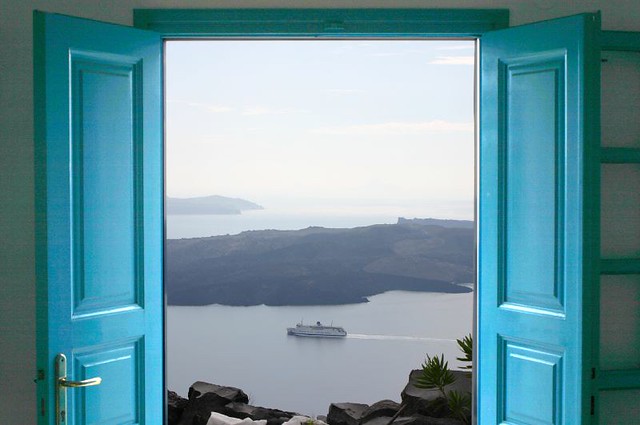
Crete thru open doors

Proto-Celtic *koros = putting, casting
*exs-koris = the opener
Old Irish (Goídelc) cor [kor] = putting, setting, throwing
eochair = key
Irish (Gaeilge) cor [kɔɾˠ] = to turn, turn, turning movement, cast, lively air, reel
corach = turning, twisting
coradh = to turn, bend
eochair [ˈɔxəɾʲ] = key, clef
Scottish Gaelic (Gàidhlig) car [kar] = to bend, spin, turn, twist, trick, fraud, movement, job, task
iuchair [ˈɔxəɾʲ] = key, clef
Manx (Gaelg) cor = twirl
ogher = key, peg, headstone, keystone, clef, legend
Middle Welsh (Kymraec) agory, agori, egor = open
egoriad = key
Welsh (Cymraeg) agor [ˈaɡɔr] = to open, unlock, unfasten, undo, loosen, disclose, divulge, reveal, declare, expound, explain, interpret
agored = open(ed), ajar, clear, dilated, spread, broad, wide
agoredrwydd = openness
agoriad = key, opening, hatch, aperture, gap, entrance
agoriawdr = opener, (musical) clef
agorwr / agorydd = opener, expounder, interpreter
Middle Cornish ygor(i) = to open
ygor = open
Cornish (Kernewek) ygor(i), egor(i) = to open
ygor, egor = open
ygorys, egerys = opened
ygeryans, egeryans = opening
Middle Breton igueriff, igor = open
Breton (Brezhoneg) digor = open
digoriñ = to open

Etymology: possibly from the Proto-Indo-European (s)ker- (to turn, curve) [source].

From the same PIE root we get the Latin word cancer (crab, tumor, cancer, lattice, grid), and related words in other languages, such as cancer, canker and incarcerate in English, and cangrejo (crab) and cáncer (cancer) in Spanish [source].

Proto-Brythonic *alchwedd = key
Middle Welsh (Kymraec) allwed = key
Welsh (Cymraeg) allwedd [ˈaɬwɛð/ˈaɬwɛð] = key, corkscrew, pedal
allweddu = to key or type, keyboard
allweddair = keyboard, password, buzz-word, catchword, slogan
allweddog = bearing/having keys, keyed
allweddol = key, critical, pivotal, crucial, strategic
Old Cornish alped = key
Middle Cornish alwheth = key
Cornish (Kernewek) alhwedh = key
alhwedha = to lock
alhwedhor(es) = treasurer
Middle Breton alhouez = key
Breton (Brezhoneg) alc’hwez [ˈal.ɣwe/ˈal.ɣwɛs] = key
alc’hweziek = keyed

Etymology: from the Proto-Indo-European *(s)kleh₂w- (hook, peg) [source].

Words marked with a * are reconstructions.

Sources: Wiktionary, Am Faclair Beag, Online Manx Dictionary, Teanglann.ie, eDIL – Electronic Dictionary of the Irish Language, In Dúil Bélrai English – Old Irish glossary, Geiriadur Prifysgol Cymru, Gerlyver Kernewek, Gerlyvyr Cernewec, Dictionaire Favereau, TermOfis, Le dictionnaire diachronique du breton, Geriafurch, English – ProtoCeltic WordList (PDF), Etymological Dictionary Of Proto Celtic

The Fastest Way to Learn Japanese Guaranteed with JapanesePod101.com

Arrows

Today we’re looking at the words for arrows and related things in Celtic languages.

Archers

Old Irish (Goídelc) saiget [ˈsa.ɣʲəd] = arrow, dart, javelin
saigetbolc = quiver
saiget geláin (flash of) ligthning
Middle Irish (Gaoidhealg) saiget = arrow, dart, javelin
Irish (Gaeilge) saighead [sˠəid̪ˠ/sˠeːd̪ˠ] = arrow, bolt, shaft, dart, pang, incitation
saigheadmhar = arrow-like, sharp, piercing
saighdeoir = archer, bowman, inciter
saighdeoireacht = archery, (act of) spearing (fish)
Scottish Gaelic (Gàidhlig) saighead [sajəd] = arrow, stabbing pain, knot (in wood)
saigheadair [sajədɪrʲ] = arrow-maker, archer
Manx (Gaelg) side = arrow, bolt, dart, shaft
sideyr = archer
sideyraght / sideyrys = archery
Proto-Brythonic *saɣeθ = arrow
Middle Welsh (Kymraec) saeth = arrow
Welsh (Cymraeg) saeth [saːɨ̯θ/sai̯θ] = arrow
saethu = to shoot, fire, hit (a target), go shooting
saethwr /saethydd = archer, bowman, shooter, marksman striker
saethol = shooting, darting, radiating
saethiad = shooting, shot, blast, projection, squirt, jet
Middle Cornish seth = arrow
Cornish (Kernewek) seth = arrow
setha = to shoot
sether = archer
sethigow = darts
Middle Breth saez = arrow
Breton (Brezhoneg) saezh = arrow, sunbeam
saezhataer / saezhour = Sagittarius

Etymology: from the Latin sagitta (arrow, shaft, bolt), proabably from a pre-Latin Mediterranean language [source].

From the same root we get the Latin word sagittārius (armed with a bow and arrows; archer, bowman, fletcher) which became Sagittarius (a sign of the zodiac) and sagittary (centaur, archer, Sagittarius) in English [source].

Words marked with a * are reconstructions.

Sources: Wiktionary, Am Faclair Beag, Online Manx Dictionary, Teanglann.ie, eDIL – Electronic Dictionary of the Irish Language, In Dúil Bélrai English – Old Irish glossary, Geiriadur Prifysgol Cymru, Gerlyver Kernewek, Gerlyvyr Cernewec, Dictionaire Favereau, TermOfis, Le dictionnaire diachronique du breton, Geriafurch, English – ProtoCeltic WordList (PDF), Etymological Dictionary Of Proto Celtic

Blubrry podcast hosting

Walls

Today we’re looking at the words for walls, weirs and related things in Celtic languages.

wall

Irish (Gaeilge) balla [ˈbˠal̪ˠə] = wall
cúlbhalla = back wall
idirbhalla = party wall
uchtbhalla = parapet
Scottish Gaelic (Gàidhlig) balla [bal̪ˠə] = wall
balla-tòin = back wall
balla-tarsainn = partition (wall)
balla-dìon = protective wall, safety barrier
Manx (Gaelg) boalley = bulwark, dyke, wall
boallee = to wall, enclose, impale
boallit = walled, dyked, enclosed
Middle Welsh (Kymraec) wal/gwal = wall
Welsh (Cymraeg) (g)wal [(ɡ)wal] = wall
walio = to wall
Middle Cornish gwal = wall

Etymology: from the Old English weall (wall, dike), from the Proto-Germanic *wallaz / *wallą (wall, rampart, entrenchment), from the Latin vallum (rampart, military wall), from vallus (stake, pallisade, point), from the Proto-Indo-European *welH-/*wel- (to turn, wind, roll) [source].

Words from the same roots include wall, wallow, well and valve in English, wal (coast, shore, earthen levee) in Dutch, Wall (rampart, parapet, earthwork, levee, embankment) in German, valla (fence, barricade, obstacle) in Spanish, and vall (moat) in Catalan [source].

Old Irish (Goídelc) múr = wall
Irish (Gaeilge) múr [mˠuːɾˠ] = wall, rampart, pile, building, dwelling, bank, mound, heap, mass, shower, profussion, abundance
múrach = having walls, walled, mural
múrdhathadóireacht = wall-painting
múr báistí = rain-cloud, heavy fall of rain
múr cathrach = city wall
múr ceo = bank of fog
múr tine = wall of flame, conflagration
Scottish Gaelic (Gàidhlig) mùr [muːr] = (defensive) wall, rampart, fortification
Proto-Brythonic *mʉr = wall
Old Welsh mur = wall
Middle Welsh (Kymraec) mur = wall
Welsh (Cymraeg) mur [mɨːr/miːr] = wall, rampart, fortification, defender
murio = to build (a wall) to wall, fortify, lay bricks or stones
muriog = walled, fortified, wall-like, defensive
murlen = poster, placard
murlun = mural, frieze
Breton (Brezhoneg) mur = (exterior) wall

Etymology: from the Latin mūrus (wall), from the Proto-Italic *moiros, from the Proto-Indo-European *mey- (to fix, to build fortifications or fences) [source].

Words from the same roots include mere (boundry, limit) in English, mur (wall) in French, muro (wall) in Italian, and muur (wall, barrier) in Dutch [source].

Proto-Celtic *wraga = ?
Gaulish *brāca = ?
Old Irish (Goídelc) fraig = wall (interior)
Irish (Gaeilge) fraigh = (interior of) wall, rafters, roof
fraighfhliulch = damp-walled, damp from contact with a wet wall (of clothes)
fraighleach = roofing, rafters
Scottish Gaelic (Gàidhlig) fraigh [frɤj] = partition, partitioning wall, border, edge, fringe, shelf
fraighnidh [frɤin̪ʲɪ] = water oozing through a wall

Etymology: unknown

Middle Welsh (Kymraec) paret, parwyt = wall
Welsh (Cymraeg) pared = wall, surface of a wall, dividing-wall, partition
Old Cornish poruit = wall

Etymology: from the Latin pariēs (the wall of a house or room). Words from the same roots include parete (wall, side, surface) in Italian, pared (wall) in Spanish, and paroi (inner wall, inside surface, side) in French [source].

Proto-Celtic *koret = palisade, wall
Old Irish (Goídelc) cora = weir
Middle Irish (Gaoidhealg) cora = stone fence, weir
Irish (Gaeilge) cora [ˈkɔɾˠə] = weir, rocky crossing-place in river, rocky ridge extending into sea or lake
cora éisc = fish weir
cloch chora = stepping-stone
Scottish Gaelic (Gàidhlig) caradh [karəɣ], cairidh [karʲɪ] = weir, mound (in a body of water)
cairidh-iasgaich = fishing weir
Middle Welsh (Kymraec) kored, cored, coret = weir, dam, fishgarth
Welsh (Cymraeg) cored = weir, dam
Old Breton kored / gored = fish weir
Breton (Brezhoneg) kored = fish weir

Etymology: uncertain – possibly related to the German word Hürde (hurdle) and/or the Old English word *hyrd (framework, door), which is the root of the English word hurdle.

The usual word for wall in Cornish is fos, which is cognate with words for ditch in other Celtic languages. See Ditches and Trenches.

Another word for wall in Breton is moger. See Fields, Meadows and Pastures.

Words marked with a * are reconstructions.

Sources: Wiktionary, Am Faclair Beag, Online Manx Dictionary, Teanglann.ie, eDIL – Electronic Dictionary of the Irish Language, In Dúil Bélrai English – Old Irish glossary, Geiriadur Prifysgol Cymru, Gerlyver Kernewek, Gerlyvyr Cernewec, Dictionaire Favereau, TermOfis, Le dictionnaire diachronique du breton, Geriafurch, English – ProtoCeltic WordList (PDF), Etymological Dictionary Of Proto Celtic
Blubrry podcast hosting