Ceilidh Companions

Words for companion, friend, ceilidh and related things in Celtic languages.

Cèilidh at Sabhal Mòr Ostaig
Ceilidh at Sabhal Mòr Ostaig in the Isle of Skye / Cèilidh aig Sabhal Mòr Ostaig san Eilean Sgitheanach

Words marked with a * are reconstructions.

Proto-Celtic *kēlyos = companion, servant
Primitive Irish ᚉᚓᚂᚔ (celi) = follower, devotee (genitive)
Old Irish (Goídelc) céile [ˈkʲeːlʲe] = client, companion, husband, liege, servant, spouse, subject, vassal
céilide [ˈkʲeːlʲiðʲe] = visit, visiting
coicéile = companion, comrade, friend, friendship
Middle Irish (Gaoidhealg) céile, ceile, céli = servant, bondsman, vassal, subject, fellow, companion, husband
céileachas = adultery
céilide = visit, act of visiting
coicéile, cocéle, coceli = vassal, bondsman, companion, fellow, friend
coicéilsine, cocéilsine, cocélsine = fellowship, clientship
Irish (Gaeilge) céile [ˈceːlʲə] = companion, spouse
céileachas = companionship, cohabitation, copulation
céilí = friend call, visit, social evening, Irish dancing session
céilíoch = person fond of social visits, sociable person
céilíocht = sociableness, companionableness
céiliúil = companionable
coigéile = mate, companion
coigéilsine = fellowship, companionship
Scottish Gaelic (Gàidhlig) cèile [kʲeːlə] = fellow, partner, significant other, spouse, counterpart
cèile-còmhraige = opponent, antagonist
cèile-pòsta = married partner (husband or wife)
cèileach [kʲeːləx] = entertaining
cèileachadh [kʲeːləxəɣ] = participating/sharing in, twinning, partnering (of a city)
cèiliche [kʲeːlɪçə] = visitor
cèilidh [kʲeːlɪ] = ceilidh, visit, (act of) visiting
cèilidheach [kʲeːlɪjəx] = companionable, fond of company, sociable
Manx (Gaelg) keilley = match
dy cheilley = joined, together
e cheilley = fellow
ry-cheilley = en masse, together, with each other
kaylee = ceilidh
Proto-Brythonic *kuɨlð = servant, companion
Middle Welsh (Kymraec) cilit, cilid, kilid, kilyd = servant, companion
Welsh (Cymraeg) cilydd [ˈkɪlɨ̞ð/ˈkiːlɪð] = fellow, companion, neighbour, enemy, other
cilyddol = reciprocal, mutual
at ei gilydd = together
gyda’i gilydd = together
ei gilydd = each other
o bryd i’w gilydd = from time to time
Middle Cornish (Cernewec) cele = companion, fellow, one of two
Cornish (Kernewek) kila = companion
Old Breton kiled = friend
Middle Breton (Brezonec) kile = the other (one), friend
Breton (Brezhoneg) kile = associate, stooge, colleague, sidekick

Etymology: possibly the Proto-Celtic word originally meant ‘wayfarer’, from Proto-Indo-European *ḱey- (to settle, to be lying down) [source].

The English word ceilidh [ˈkeɪli] (an informal social gathering where traditional Irish or Scottish folk music is played, with dancing and storytelling; a ceilidh dance; to dance a ceilidh) was borrowed from Scottish Gaelic and/or from Irish [source]. Someone who attends a ceilidh is apparently a ceilidher [source].

The Welsh equivalent of a ceilidh is a twmpath, which also meanings hillock, knoll, mound, pile, gathering or assembly. It’s also a known as a twmpath dawns (folk-dance, barn dance, public dance) or noson lawen (“merry/joyful evening”). In Cornish a ceilidh is a troyll, which also means spiral or swirl, and in Breton they are known as fest-noz (“night party / ”) [source].

Proto-Celtic *karants = friend
*karantodyos = friendly
Gaulish Caranto-, Carantōna = personal names
*Carantodios = personal name
Old Irish (Goídelc) cara [ˈkarɘ] = friend, relation, relative, kinsman
cairdes = friendship, alliance, pact
cairdine = friendship, alliance
caratad = friendship, alliance
caraid = to love
Middle Irish (Gaoidhealg) cara, carae [ˈkarə] = friend
cairdide = friendly
caratrad = friendship, alliance
cairdech, cairdeac, cairdeach = friendly, having many friends
cairdes, cardes, cairdius = friendship, alliance, covenant, pact, relationship, kinship
cairdemail [ˈkɑːɾˠdʲuːlʲ] = friendly
caraid, carad = to love
caratrad, caratrid = friendship, alliane
Irish (Gaeilge) cara [ˈkɑɾˠə / ˈkaɾˠə] = friend, relative
anamchara = spiritual adviser, confidant, kindred spirit, soulmate
cairdeach [ˈkɑːrdʲəx] = generous, friendly
cairdeas = friendship
cairdine = friendship, pact, truce
cairdiúil [ˈkɑːɾˠdʲuːlʲ] = friendly
cairdiúlacht = friendliness
Scottish Gaelic (Gàidhlig) caraid [karɪdʲ] = friend, relation, kinsman, Quaker
càirde [kaːr̪dʲə] = friendship, entente
càirdeas [kaːr̪dʲəs] = kinship, friendship, friendliness
càirdeach [kaːr̪dʲəx] = kin, related, friendly
Manx (Gaelg) carrey = friend, well-wisher
caardys, caarjys = friendship, kin(ship), pedigree, blood relationship, allied to
caarjoil = amiable, friendly, friendliness
caarjysagh = friendly
caarjysaght = friendliness
Proto-Brythonic *kar [kar] = friend, relative
Middle Welsh (Kymraec) kar, kereint, kerenhit, car, karant = kinsman, relative, cousin, friend, companion, dear one
keredic, keradwy, karatwy = loveable, amiable, dear, beloved
caru, karu, kary = to love, woo, court
carannawc = dear, beloved
kerenhit, kerennyd, carennydd = kindred, kinship, relationship, descent, affinity, friendship, love
Welsh (Cymraeg) câr [kaːr] = kinsman, relative, cousin, friend, companion, dear one
carad = loved
caradwy, ceradwy = loveable, amiable, dear, beloved
caru = to love, woo, court
carennydd = kindred, kinship, relationship, descent, affinity, friendship, love
Old Cornish car = friend, ally, a dear neighbour, kinsman, cousin
Middle Cornish (Cernewec) car, câr, = friend, ally, a dear neighbour, kinsman, cousin, father
caradow = beloved, loving, dear
care = to love
carense, cerense = love, friendship
Cornish (Kernewek) kar = parent, relation, relative
kara = to care for, like, love
kardewder = loving-kindness
karadow = beloved, fond, loveable, loving
karder = loveliness, splender
karer = boyfriend, lover
kares = girlfriend, relation, relative, mistress (lover)
Old Breton (Brethonoc) car = agreeable, dear
Middle Breton (Brezonec) car = friend, relative
carantez = love
caret = to love, cherish, desire
Breton (Brezhoneg) kar [ˈkɑːr] = relative, friend
karadegezh = kindness
karadek [kaˈrɑːdek] = kind, nice, amiable
karantegezh = affection, love
karantek [kaˈrãntek] = affectionate, pleasant
karantez [kaˈrãn.tɛs] = love
karedig [kaˈreːdik] = lover, loving
karout [ ˈkɑː.rut] = to love, cherish, desire
karet [ˈkɑː.ret] = favourite, beloved

Etymology: from Proto-Celtic *karāti (to love, desire), from *karos (dear, beloved), from Proto-Indo-European *kh₂-ró-s, from *keh₂- (to desire) &‎ *-rós (adjectival suffix) [source]. Words from the same PIE roots include charity, cheer, and cherish in English, caro (dear, precious, expensive) in Italian, cher (dear(ly), expensive) in French, caro (dear, expensive) in Spanish, kär (in love, enamored, dear, beloved) in Swedish, and kær (dear, adorable, cute) in Danish [source].

Irish (Gaeilge) comhar [kõːɾˠ] = combined work, mutual assistance, co-operation, partnership
Scottish Gaelic (Gàidhlig) coimheart [kɔ̃jəRʃd] = companion
Manx (Gaelg) commeeys = communion, connection, league, mess, participation, partnership, relations (between people)
Proto-Brythonic *kumpar = peer, fellow, spouse, partner, companion
Middle Welsh (Kymraec) kymar = peer, fellow, spouse, partner, companion
Welsh (Cymraeg) cymar [ˈkəmar] = equal, peer, companion, mate, fellow, spouse, consort
cymar bywyd = life partner
cymhares = female partner, wife, mate, companion, equal
cymharus = well matched, well paired, corresponding, matching, appropriate, fitting
cymheiriaeth = a coupling together, partnership
Middle Cornish (Cernewec) cespar = spouse, married person, mate
Cornish (Kernewek) kespar / kespares = partner
kesplegadow = compatible

Etymology (Brythonic words): from Latin compār (fellow, partner, equal [person], spouse), from con- (used to indicate being or bringing together), from cum (with), and pār (even, equal, like; companion, comrade, mate, spouse) [source]. The Goidelic words may come from different roots.

Words from the same roots include compare, pair, par (equal value) and peer in English, paar (pair, couple, some) in Dutch, and péire (pair) in Irish [source].

Proto-Brythonic *ko-u̯ekt- = companion, comrade, friend (?)
*ko-u̯ektii̯ŏ- = company, band or gathering of companions, troop, host, retinue
Old Welsh (Kembraec) coueidid = company, band or gathering of companions, troop, host, retinue
Middle Welsh (Kymraec) kyueith, kyweith = companion, comrade, friend
kiueithad = society, company, partnership
kyweithaed = gathering, company
kyweythas, kyweithas, keuey[th]as = soceity, company, fellowship, companionship
kweithasgar = sociable, gentle, kind(ly), gracious
kyweithit, ky()eithyd, kyweithyd = company, band or gathering of companions, troop, host, retinue
Welsh (Cymraeg) cywaith = companion, comrade, friend; association, harmony
cyweithad = society, company, partnership
cyweithäed = gathering, company
cyweithas = soceity, company, fellowship, companionship, alliance, commerce; sociable, gentle, kindly
cyweithasu = to associate, civilze, treat with courtesy
cyweithasgar = sociable, gentle, kind(ly), gracious
cyweith(i)asol = social, kind, gentle courteous
cyweithydd = company, band or gathering of companions, troop, host, retinue
Middle Cornish (Cernewec) coweth, cowyth = companion, fellow, mate, comrade
cowethas = company, society
cowethe = company, sociery
cowethes = female companion, help-mate
cowetheyans = communion, fellowship
cowethys = acquainted
Cornish (Kernewek) koweth / kowethes = companion, comrade, friend, mate, peer
kowethas = association, society
kowethasek = social
kowethegeth = friendship
kowethek = friendly
kowethus = gregarious
kowethyades, kowethyas = colleague
kowethyadow = socialable
kowethyans = company, organisation

Etymology: from Proto-Brythonic *ko- (together, equal, similar) u̯ekt- (to move, go) [source].

The Fastest Way to Learn Japanese Guaranteed with JapanesePod101.com

Sources: Wiktionary, Etymological Dictionary Of Proto Celtic, In Dúil Bélrai English – Old Irish glossary, eDIL – Electronic Dictionary of the Irish Language, Teanglann.ie, Am Faclair Beag, An etymological dictionary of the Gaelic language, Fockleyreen: Manx – English Dictionary, Online Manx Dictionary, Gaelg Corpus, Geiriadur Prifysgol Cymru, Lexicon cornu-britannicum : a dictionary of the ancient Celtic language of Cornwall, Gerlyver Kernewek, Devri : Le dictionaire diachronique du breton, Geriafurch, TermOfis


Booths

Words for booths, huts and related things in Celtic languages:

Bothy

Proto-Celtic *butā = place, dwelling, hut
Old Irish (Goídelc) both [boθ] = hut, cabin
Middle Irish (Gaoidhealg) both = hut, bothy, cot, cabin
bothach = full of huts/hovels, hovel-like; crofter
bothán = little hut, cabin, cottage
Irish (Gaeilge) both [bˠɔ(h)/bˠoh]= booth, hut
bothach = hutted, full of huts
bothán = shanty, cabin, hut, shed, coop
bothánach = given to visiting and gossiping
bothánaí = a frequenter of neighbours’ houses
bothánaíocht = (act of) visiting houses for pastime or gossip
bothóg = shanty, cabin
Scottish Gaelic (Gàidhlig) bothan [bɔhan] = cottage, hut, bothy, hovel, shed
bothag [bɔhag] = bothy, small hut, hovel, playhouse
bùth [buː] = shop, booth
bùthan [buː.an] = small booth, small bothy, tent
bùthach [buː.əx] = pertaining to or abounding in shops/booths
bùthanach [buː.anəx] = one who dwells in a small bothy or tent, tent-dweller
Manx (Gaelg) bwaane = booth, cottage, hovel, hut, kiosk, outhouse, shack, shanty, shed
bwaag = booth, bower, cabin, lodge, hut, pavilion, shed
booage = booth, tent
Middle Welsh (Kymraec) bod, bot, bôd = permanent home, dwelling place, residence, abode
bwth = cabin, booth, cottage
Welsh (Cymraeg) bod = permanent home, dwelling place, residence, abode
bwd = booth, cottage, cabin
bwth = cabin, booth, cottage, shed, hut, outhouse, shack
bwthyn = booth, cot, cottage, hut
Middle Cornish (Cernewec) bod, bos, bo- = a dwelling house (found in place names)
bôth = hut, booth
bothoc = hut, cottage
Middle Breton (Brezonec) bôt, bod = residence, refuge, asylum
Breton (Brezhoneg) bod = cottage, dwelling

Etymology: the Proto-Celtic word *butā might come from an unknown language, or from the same PIE root as booth [source].

Etymology (Scottish Gaelic bùth and Welsh bwth): from the Middle English bothe (a store, kiosk, booth, shack, cabin), from the Old Norse búð (booth, shop), from the Proto-Germanic *bōþō/*bōþǭ (buidling, dwelling), from the PIE *bʰuH- (to become, grow, appear) [source].

Words from the same roots include búð (shop, tent, pavilion) in Icelandic, bothy (a primitive dwelling or shelter) in Scots, booth in English, Bude (booth, stall, kiosk, shack, hut) and Baude (mountain hut or inn) in German, bouda (hut, shack, lodge, cabin, booth, stall) in Czech, and bod (shed, shack, shop) in Swedish [source].

Incidentally, the German word Baude comes from Silesian German, from the Czech bouda, from the Old Czech būda, from Middle High German buode, from the Proto-Germanic *bōþō/*bōþǭ [source].

Sources: Wiktionary, Am Faclair Beag, Online Manx Dictionary, Teanglann.ie, eDIL – Electronic Dictionary of the Irish Language, In Dúil Bélrai English – Old Irish glossary, Geiriadur Prifysgol Cymru, Gerlyver Kernewek, Gerlyvyr Cernewec, Dictionaire Favereau, TermOfis, Le dictionnaire diachronique du breton, Geriafurch, English – ProtoCeltic WordList (PDF), Etymological Dictionary Of Proto Celtic

Magic and Spells

Today we’re looking at words for magic, spells, charms, prayers and related things in Celtic languages.

Witch

Proto-Celtic *brixtā = spell, magical formula, incantation
Celtiberian *bruxtia
Gaulish brixtia
Old Irish (Goídelc) bricht = charm, spell, incantation
Middle Irish (Gaoidhealg) bricht = incanation, charm, magic spell
Irish (Gaeilge) briocht = charm, spell, amulet
briocht sí = fairy charm
briocht a chanadh = to chant a spell
briocht draíochta = magic spell
Proto-Brythonic *briθ [ˈbriːθ] = charm, incantation
Middle Welsh (Kymraec) lleturith, lledrith, ledryth = magic, spell, charm, enchantment
llethrithawc, lledrithyawc, lleturithawc = magic, magical, enchanted
Welsh (Cymraeg) lled(f)rith = magic, spell, charm, enchantment; apparition, spectre, phantom; illusion, delusion, fantasy, imagination
lledrithaid = pretence, dissembling, deception
lledrithiaf, lledrithio = to counterfeit, fake, pretend, simulate
lledrithiog = magic, magical, enchanted
Old Breton brith = charm, incantation (?)
Breton (Brezhoneg) bre = incantation, magic

Etymology: from the Proto-Indo-European *bʰerHǵ- (enlighten). Words that probably come from the same Proto-Celtic root, via the Celtiberian *bruxtia, include bruja (witch, crone, hag, owl) in Spanish, bruxa (witch, hex) in Galician, bruxa (witch) in Portuguese, and bruixa (witch) in Catalan [source].

Old Irish (Goídelc) druídecht, draídecht = magic, wizardry, secret lore and arts of the druids
Middle Irish (Gaoidhealg) druídecht, draídecht, dráoidheachd = secret lore and arts of the druids, occult science, wizardry
Irish (Gaeilge) dríocht [ˈd̪ˠɾˠihaxt̪ˠə] = druidic art, druidism, witchcraft, magic, charm, enchantment
draíochtach = magical, bewitching, entrancing
draíochtúil = magic, magical
Scottish Gaelic (Gàidhlig) draoidheachd [drɯjəxg] = magic, socery, druidism
eun-draoidheachd = augury
slat-draoidheachd = magic wand/td>
Manx (Gaelg) druaight = charm, druid
druaightagh = charmer, charming, druid, magician, occult
druaightys = charming, druid, druidism, magic
fo druaight = charmed
Welsh (Cymraeg) derwyddiaeth [dɛrˈwəðjaɨ̯θ/dɛrˈwəðjai̯θ] = druidism, the druid cult
Cornish (Kerneweg) drewydhieth = druidism
Breton (Brezhoneg) drouizelezh / drouiziezh = druidism

Etymology: these words come from the same roots as words for druid.

Old Irish (Goídelc) ortha = prayer, incantation, spell, charm
oráit = prayer
Middle Irish (Gaoidhealg) ortha, órtha = prayer, incantation, spell, charm
orthanach = of prayers, wont to pray
oróit, oráit, oráid, oraoid = prayer, speech, oration
anoráit, anóráid = curse
Irish (Gaeilge) ortha = incantation, spell, charm, prayer
im ortha = unsalted butter used in charm-cure
óráid = oration, speech, address
óráideach = oratorical, declamatory.
óráidí = orator, speech-maker
óráidíocht = oratory, speech-making
Scottish Gaelic (Gàidhlig) ortha [ɔr̪ˠə] = incantation, (magical) prayer, amulet
ortha-bhàis = death incantation
ortha-ghràidh = love amulet / charm
òraid [ɔːrɪdʲ] = address, speech, lecture, talk
òraidiche [ɔːrɪdʲɪçə] = lecturer, orator, speechmaker
òraidearachd = oratory
talla-òraid = lecture hall / theatre
Manx (Gaelg) oraid = address, oration, speech
oraatagh = orator, speaker, oratorial
oraataght = oration
Proto-Brythonic *arọd = prayer, oration
Old Welsh (Kembraec) araut = speech, language, eloquence, address, oration
Middle Welsh (Kymraec) araỽd, arawt, araỽt, arawd = speech, language, eloquence, address, oration
Welsh (Cymraeg) arawd = speech, language, eloquence, address, oration, utterance, report, eulogy, prayer
arawduriaeth = oratory, rhetoric
Middle Cornish (Cernewec) areth = speech, oration
Cornish (Kerneweg) areth = lecture, oration, speech
arethek = rhetorical
arethor, arethores = lecturer, orator, speaker
arethva = platform
arethya = to lecture

Etymology: from Latin ōrātiō (speech, discourse, language, oration), from ōrō (to speak as an orator, plead, pray) from Latin ōs, ōris (mouth), or from Proto-Indo-European *h₂er- (to pronounce a ritual) [source].

The words for prayer and oration come from this Latin root, and the words for charm and incantation may do as well [source]. The Brythonic words come via Vulgar Latin *arātiō [source].

Words from the same roots include oration in English, oración (oration, sentence, clause, prayer) in Spanish, and oratorio (oratory, oratorio, oratorical, solemn) in Italian.

Old Irish (Goídelc) sén = blessing, charm, incantation, omen, prosperity, sign, snare
sénaid = to bless, charm (with spell), deny, reject, repudiate, sign
Middle Irish (Gaoidhealg) sén, seon, seún, sena, séna = sign, omen, augury, portent, incantation, charm, blessing, good luck, prosperity, happiness
sénaid, seanaidh = to mark with a sign, bless, put a spell on, put a charm on
Irish (Gaeilge) séan [ʃeːnˠ] = sign, omen, good luck, prosperity; to mark with a sign, to bless
séanaire = diviner, augur
séanaireacht = divination, augury
Scottish Gaelic (Gàidhlig) seun [ʃiən] = charm, magic invocation, protective spell
seunach [ʃiənəx] = charming, enchanting, charm-like
seunadair [ʃiənədɪrʲ] = enchanter
seunadaireachd [ʃiənədɪrʲəxg] = conjuring, enchanting
seunail [ʃiənal] = charmed, magical, happy, prosperous
seunmhorachd [ʃiənvərəxg] = magical power(s)
seunta [ʃiən̪ˠdə] = charmed, enchanted
seuntachan [ʃiəndəxan] = charm, enchantment
Manx (Gaelg) sheean = charm, fortune
Proto-Brythonic *suɨɣn = spell, incantation (?)
Middle Welsh (Kymraec) swyn, suen, = spell, incantation, sorcery, witchcraft, magic, remedy, charm
swyno, suyno = to charm, fascinate, allure, cast a spell (on), bewitch
swynedig, sỽynedic, swynedic = charmed, fascinated, charming, bewitched, blessed, happy
Welsh (Cymraeg) swyn [suːɨ̯n / sʊi̯n] = spell, incantation, sorcery, witchcraft, magic, remedy, charm
swyn(i)o = to charm, fascinate, allure, cast a spell (on), bewitch, divine, bless, protect
swynaidd = charming, enchanting
swynedig = charmed, fascinated, charming, bewitched, blessed, happy
swynwr, swynydd = sorcerer, magician, bewitcher, soothsayer
swynyddiaeth = sorcery, witchcraft, magic
Middle Cornish (Cernewec) sona, sone = to bless, hallow, sanctify, consecrate, charm
zona = to charm, hallow
Cornish (Kerneweg) sona = to bless, charm
sonell = charm
Breton (Brezhoneg) saouzan = disorientation, bewilderment, stupor, hypnosis
saouzanan, saouzanañ = to disorientate, hypnotise, go astray, misplace
saouzanidigezh = hypnotism
saouzanus = hypnotic

Etymology: from Latin signum (sign, mark, signal, miracle), from Proto-Italic *seknom (sign, statue), from Proto-Indo-European *sek- (to cut) or *sekʷ- (to follow). [source].

Words from the same roots include sign and signal in English, seña (sign, indication, gesture) and sino (destiny, fate, lot) in Spanish, and Segen (blessing) in German [source].

Proto-Celtic *soitos. *soyto- = magic
Proto-Brythonic *hʉd = magic, charm
hʉdol = charming, illusory
Middle Welsh (Kymraec) hut, hud = magic, wizardry, sorcery, witchcraft
hûdadwy, hydadwy = persuasive, enticing, seducible
Welsh (Cymraeg) hud [hɨːd/hiːd] = magic, wizardry, sorcery, witchcraft, spell, enchantment, charm, fascination, allurement, persuasion
hudadwy = persuasive, enticing, seducible
hudaf, hudo = to fashion or produce by magic, conjure, cast a spell upon, enchant, charm, entice, allure, persuade, seduce, beguile
hudaidd = alluring, charming, seductive
hudol = charming, enchanting, enticing, alluring, illusory, deceptive, deceitful
Old Cornish hudol = charming, illusory
Middle Cornish (Cernewec) huder = a deceiver, hypocritic, juggler, sorcerer
hudol = sorcerer
Cornish (Kerneweg) hus = charm, enchantment, illusion, magic, sorcery, spell
husa = to charm, create an illusion, enchant
Middle Breton (Brezonec) hud = magic
hudek, hudel = magic, magical
hudiñ = to charm, enchant, bewitch, delight
hudour = magician, wizard
hudouriezh = magic
Breton (Brezhoneg) hud = magic
hudek = magic, magical
hudour = magician, wizard

Etymology: from the Proto-Indo-Etymology *sh₂oy-tó-s (magic), from *sh₂ey (to bind, fetter) [source]. Words from the same PIE roots include seiður (magic, witchcraft, sorcery) in Icelandic, sejd (sorcery, witchcraft, magic potion) in Swedish, and seid (magic) in Norwegian [source].

Middle Irish (Gaoidhealg) pis(e)óc = charm, spell, sorcery, witchcraft
Irish (Gaeilge) piseog = charm, spell, superstition
piseogach = practising charms or spells, superstitious
piseogacht = superstitious practices
piseogaí = charm-setter, superstitious person
Scottish Gaelic (Gàidhlig) pisreag [ʃiən] = charm, spell, ensorcellment, sorcery, superstition
Manx (Gaelg) pishag = charm, incantation, spell, witchcraft
pishagagh = incantatory, magical, sorcerer, superstitious
pishagys = enchantment, magic
Middle Cornish (Cernewec) pystyc = witchery, magic, sorcery
pystry = witchcraft, magic, sorcery
Cornish (Kerneweg) pystri = magic, sorcery
pystrier = sorcerer, warlock, wizard
pystriores = sorcereress

Etymology: probably from Latin pyxis (a small box, for holding medicines or toiletries), from Ancient Greek πυξίς (puxís – box, tablet, cylinder), from πῠ́ξος (púxos – boxwood) [source]. The Hibero-English word piseog (an evil spell, curse) comes from the same roots, via Irish [source].

Old Irish (Goídelc) airnigde [ˈar͈ʲn͈ʲiɣʲðʲe] = prayer, praying
ar·neget = to pray
Middle Irish (Gaoidhealg) airnigde, airnaigde, airna(i)gthe, urnaidhi, urnaith = praying, prayer
airnaigid, ernaigit = to pray
airnaigthech, ernaigtech, urnaigtheach = prayerful, devout
Irish (Gaeilge) urnaí [uːɾˠˈn̪ˠiː / ˈʌɾˠn̪ˠi] = praying, prayer
urnaitheach = prayful, devout
Scottish Gaelic (Gàidhlig) ùrnaigh [ur̪ˠn̪ʲɪ] = praying, prayer
ùrnaigheach [ur̪ˠn̪ʲijəx] = pertaining to or abounding in prayers
Manx (Gaelg) yeearree = prayer, request, urge, wish, desire, aspiration; to solicit, importune
yeearreeagh = wistful, soliciting, yearning

Etymology: uncertain [source].

Middle Irish (Gaoidhealg) paitir, paidear = the Lord’s Prayer, paternoster
Irish (Gaeilge) paidir [ˈpˠɑdʲəɾʲ / ˈpˠædʲəɾʲ] = Paternoster, prayer
An Phaidir, Paidir an Tiarna = the Lord’s Prayer
paidreoireacht = praying
paidrín = Rosary
Scottish Gaelic (Gàidhlig) paidir [padʲɪrʲ] = the Lord’s Prayer, Pater Noster, rosary
Manx (Gaelg) padjer [ˈpaːʒər] = prayer, devotion
Padjer y Çhiarn = the Lord’s Prayer
goaill padjer = to pray, prayer

Etymology: from Latin pater (father), the first word of the Lord’s Prayer in Latin (Pater noster) [source].

The Fastest Way to Learn Japanese Guaranteed with JapanesePod101.com

Sources: Wiktionary, Am Faclair Beag, Online Manx Dictionary, Teanglann.ie, eDIL – Electronic Dictionary of the Irish Language, In Dúil Bélrai English – Old Irish glossary, Geiriadur Prifysgol Cymru, Gerlyver Kernewek, Dictionaire Favereau, TermOfis, English – ProtoCeltic WordList (PDF), Etymological Dictionary Of Proto Celtic


Unlimited Web Hosting - Kualo

Second Others

Today we’re looking at the words for second or other and related things in Celtic languages.

Second, Other

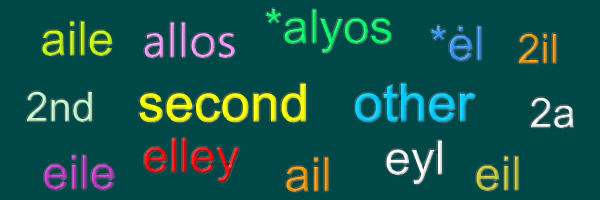
Proto-Celtic *alyos [ˈal.jos] = other, second
Leptonic 𐌀𐌋𐌉𐌏𐌔 (alios) = second, other
Gaulish allos, alos = second, other
Old Irish (Goídelc) aile = other, second
indala [in͈ˈdala] = other (of two)
Middle Irish (Goídelc) aile, oile, eile = other, second, another
indala = one (of two), less often, the other, later, the second
Irish (Gaeilge) eile [ˈɛlʲə] = other, another, next, more, else
dara [ˈd̪ˠɑɾˠə / ˈd̪ˠaɾˠə] = second (2ⁿᵈ), next, other
Scottish Gaelic (Gàidhlig) eile [elə] = other, another, else
eileadh [eləɣ] = other
eilich [elɪç] = alienate
eileachadh = (act of) alienating, alienation, othering
dala [dal̪ˠə] = second (2ⁿᵈ)
Manx (Gaelg) elley = other, else, another, additional, alternative
derrey = second in command, till, pending
yn derrey = second (2ⁿᵈ)
Proto-Brythonic *ėl [ˈe̝ːlˑ] = second, other
Middle Welsh (Kymraec) ail, eil, eyl = second, other
Welsh (Cymraeg) ail [ai̯l] = second, like, similar, equivalent, equal; son, grandson, heir, descendant; helper, supporter
ailgylchu = to recycle
eilaidd = secondary
eilfed = second (number)
eilaid = second (of time)
Middle Cornish eil = second, another
Cornish (Kernewek) eyl = one of two, second
eyla = to second
eylafinans = refurbishment
eylgelghya = to recycle
eylskrifa = to copy
Middle Breton) eil = second
Breton (Brezhoneg) eil [ˈɛjl] = second
eilvet = second (number)
eilad = second, copy, reproduction
eilañ = to accompany, copy
eiladiñ = to duplicate
eiladuriñ = to reproduce, reproduction

Words marked with a * are reconstructions.

Etymology: from the Proto-Indo-European *h₂élyos (other, another), from *h₂el- (beyond, other) [source]. The Old Irish word indala, which is the root of the Irish dara, the Scottish Gaelic dala and the Manx derrey, comes from the Old Irish ind (the) and aile (second) [source]..

Some words from the same PIE roots include else, all and ultra in English, al (all, all of) in Dutch, eller (else, otherwise) in Danish, Norwegian and Swedish, and այլ (ayl – another, other) in Armenian [source].

Sources: Wiktionary, Am Faclair Beag, Online Manx Dictionary, Teanglann.ie, eDIL – Electronic Dictionary of the Irish Language, In Dúil Bélrai English – Old Irish glossary, Geiriadur Prifysgol Cymru, Gerlyver Kernewek, Gerlyvyr Cernewec, Dictionaire Favereau, TermOfis, Le dictionnaire diachronique du breton, Geriafurch, English – ProtoCeltic WordList (PDF), Etymological Dictionary Of Proto Celtic

The Fastest Way to Learn Japanese Guaranteed with JapanesePod101.com

Lead (Metal)

Today we’re looking at the words for lead (metal) and related things in Celtic languages.

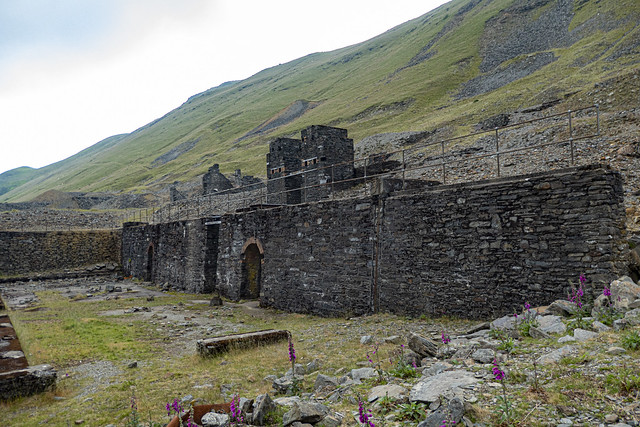
Cwmystwyth Lead Mine, Wales.
Cwmystwyth Lead Mine, Ceredigion, Cymru

Proto-Celtic *ɸloudom = lead (metal)
Gaulish *laudon = lead (metal)
Old Irish (Goídelc) lúaide = lead (metal)
Irish (Gaeilge) luaidhe [ˈl̪ˠuːiː] = lead (metal), (sounding-) lead, plummet, (fishing) sinker
luaidhiúil = lead-like, leaden
luaidhnimh = lead-poisoning
peann luaidhe = pencil
Scottish Gaelic (Gàidhlig) luaidhe [l̪ˠuəjə] = lead (metal), leaden
luaidheach = leaden
peann-luaidhe = pencil
Manx (Gaelg) leoaie = lead (metal), leaden, sounding lead
penn leoaie = pencil

Words marked with a * are reconstructions.

Etymology: from the Proto-Indo-European *plewd- (to fly, flow, run), from *plew- (to fly, flow, run), from the Proto-West Germanic *laud [source].

Some words from the same PIE root include fleet, float, flood and pneumonia in English, vlieten (to flow) in Dutch, fließen (to flow) in German, flyte (to float, flow) in Swedish [source].

The English word lead comes from the Middle English le(e)d (lead) from the Old English lēad (lead) from the Proto-West-Germanic *laud (lead), from the Gaulish *laudon (lead) [source], and words for lead in other Germanic language languages come from the same root [source].

Proto-Brythonic *plum = lead (metal)
Middle Welsh (Kymraec) pluum, plwm = lead (metal)
Welsh (Cymraeg) plwm [plʊm] = lead (metal); mass or ball of lead, plumb, plummet, straight(ness), vertical(ness)
plymaidd = leaden, lead-like, heavy, oppressive, worthless
plymen = lead weight, plummet, sheet, of lead
plymio = to sound (for depth), fathom, dive, plunge, plummet; to cover or solder with lead, line (pottery) with lead, glaze
plymwr = plumber, dealer/worker in lead, plunger, diver
plymliw = lead-coloured, blackish-blue, greyish blue, pale blue
Cornish (Kernewek) plomm, plobm = lead (metal)
plommer = plumber
plommwedhek = vertical
pyncel plomm = pencil
Breton (Brezhoneg) plom = lead (metal)
plomek = lead(en)
plomer = plumber
plomerezh = plumbing

Etymology: from the Latin plumbum (lead, pencil), may be borrowed from Etruscan, Iberian or some other pre-Indo-European Mediterranean substrate language [source].

Some words from the same Latin root include plumb (truly vertical, as indicated by a plumb line) in English, piombo (lead, grey, bullet) in Italian, plomb (lead, fuse, sinker) in French, and Plombe (seal, filling) in German [source].

Sources: Wiktionary, Am Faclair Beag, Online Manx Dictionary, Teanglann.ie, eDIL – Electronic Dictionary of the Irish Language, In Dúil Bélrai English – Old Irish glossary, Geiriadur Prifysgol Cymru, Gerlyver Kernewek, Gerlyvyr Cernewec, Dictionaire Favereau, TermOfis, Le dictionnaire diachronique du breton, Geriafurch, English – ProtoCeltic WordList (PDF), Etymological Dictionary Of Proto Celtic

The Fastest Way to Learn Japanese Guaranteed with JapanesePod101.com

Tin

Today we’re looking at the words for tin and related things in Celtic languages.

Tin Mines
Botallack tin mine in Cornwall

Words marked with a * are reconstructions.

Proto-Celtic *stagnos = tin
Gaulish *stagnom = tin
Old Irish (Goídelc) stán [mʲeːnʲ] = tin, tin vessel
Middle Irish (Gaoidhealg) stán, stan, sdán, sdan = tin
Irish (Gaeilge) stán = tin, tin vessel
stánach = tin-bearing, stannic
stánadóir = tinner, tinsmith
stánadóireacht = tin-work, (act of) tinkering
stánaigh = to tin, to coat with tin, to pack in tin(s)
stáncheárta = tinworks
stánphláta = tin-plate
stántáirgeach = tin-bearing
stánúil = tinny, stannous
feadóg stáin = tin whistle
Scottish Gaelic (Gàidhlig) staoin [sdɯːn̪ʲ] = tin, pewter
stàin [sdɯːn̪ʲ] = tin
stànadair = tinsmith, tinker
staoinseil = tinsel
fìdeag-staoin = tin whistle
muileann-staoin = tin mill
sgragall-staoine = tinfoil
Manx (Gaelg) stainney = tin, can, tin-plate
stainnagh = tin-bearing
stainnaghey = to tin-plate
stainneyder = tin-miner
stainnit = tin-plated
stainn-oshleyder, fosleyder stainney = tin-opener
feddan (stainney) = tin whistle, flageolot
gaaue stainney = tinner, tinsmith
Proto-Brythonic *staɨn = tin
Middle Welsh (Kymraec) stain, ystain, staen, ystaen = tin, pewter
Welsh (Cymraeg) (y)staen [ˈ(ə)staɨ̯n] = tin, pewter
ystaenaid, staenaid = tinned, tin
ystaenwr, ystaeniwr = pewterer, tinsmith
Middle Cornish (Cernewec) stean, stên = tin
stener, stynnar = a tinner, a pewterer
Cornish (Kernewek) sten [stɛːn / steːn] = tin
stenek = tin ground, stannary
stenor = tinner
sten du = tin ore
poll sten = tin pit
Old Breton (Brethonoc) sten = tin
Middle Breton (Brezonec) sten, stean, staen = tin
Breton (Brezhoneg) staen [ˈstɛːn] = tin
staenañ = to tinplate
staenek = stannic (of or containing tin)
staenus = stannous (of or containing tin)

Etymology: probably from the Proto-Indo-European *sth₂gʰ-nó-s (standing, firm), from *steh₂-gʰ- + *-nós, from *steh₂- (to stand) [source].

The Latin word stannum (an alloy of silver and lead; tin) was borrowed from the Gaulish *stagnom, and words for tin in Romance languages developed from this, including étain in French, stagno in Italian, and estaño in Spanish [source].

The scientific abbreviation for tin is Sn, from the Latin stannum. The old Latin name for tin was plumbum candidum (white lead) [source].

Scottish Gaelic (Gàidhlig) tiona = tin (container, metal)
á tiona = tinned, from a tin
crogan-tiona = tin can
Middle Welsh (Kymraec) tynn, tin, tinn = tin, tin plate
Welsh (Cymraeg) tun, tyn = tin (metal / container), tin plate, tin can
tunio, tuniaf = to tin, coat with tin, seal in a tin
tun tân = blower, metal plate placed before an open fire to increase the draught
tun te = tin used by workmen to carry leaf tea (and sugar) to work

Etymology: from the English tin, from the Middle English tin, tyn(e), tynne (tin), from the Old English tin (tin), from the Proto-Germanic *tiną (tin), probably from a pre-Indo-European language [source].

Words for tin in Germanic languages come from the same Proto-Germanic root, including tin in Dutch, Zinn in German, tenn in Swedish, and tinn in Norwegian, as do words for tin in some Slavic and Finno-Ugric languages [source].

Sources: Wiktionary, Am Faclair Beag, Online Manx Dictionary, Teanglann.ie, eDIL – Electronic Dictionary of the Irish Language, In Dúil Bélrai English – Old Irish glossary, Geiriadur Prifysgol Cymru, Gerlyver Kernewek, Gerlyvyr Cernewec, Dictionaire Favereau, TermOfis, Le dictionnaire diachronique du breton, Geriafurch, English – ProtoCeltic WordList (PDF), Etymological Dictionary Of Proto Celtic

The Fastest Way to Learn Japanese Guaranteed with JapanesePod101.com

Iron

Today we’re looking at the words for iron and related things in Celtic languages.

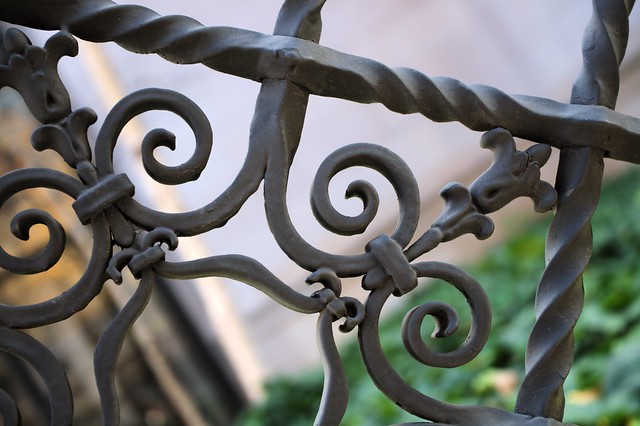
iron fence

Proto-Celtic *īsarnom = iron
Old Irish (Goídelc) íarn [iːa̯rn] = iron
Irish (Gaeilge) iarann [ˈiəɾˠən̪ˠ] = iron (element, appliance, golf club); iron part of a tool; brass (money)
amhiarann, iarnmhian = iron ore
iarann rocach = corrugated iron
iaranach = irons, iron implements, fetters, ploughshare
iaranaigh = to put in irons, fit, cover with iron
iaranaí = (made of) iron, iron-hard
iaranáil = to iron (clothes)
iarnmhangaire = ironmonger
iarannaois = the Iron Age
iarna = hardware
iarnród = railway
iarnúil = iron-like, ferrous
Scottish Gaelic (Gàidhlig) iarann [iər̪ˠən̪ˠ] = iron, (metal) blade; day’s worth cutting peat (for two)
iarnaidh = ferrous, iron-hard, iron-coloured, stingy
iarnaigeadh, iarnachadh = (act of) ironing
iarnair = ironmonger
iarainn-tàthainn, iarann-sobhdraidh = soldering iron
iarann-dreasaigidh = clothes iron
iarann mòlltaichte = cast iron
iarann preasach = corrugated iron
rathad-iarainn = railway
Manx (Gaelg) yiarn = iron; tool, scythe, blade; dough (money); tip (gratuity)
yiarnagh = ferric
yiarnal = iron, ironing
yiarneyder = ironmonger
yiarnrey = hardware
yiarnaghey, yiarney = to cover with iron, to iron
yiarnoil = ferrous
Proto-Brythonic *hijarn = hard, hard metal, iron
Middle Welsh (Kymraec) heirn, hyarn, heyrn, hayarnn, haearn = iron
Welsh (Cymraeg) haearn = iron, iron bar, hardness, strength, resoluteness, hard, strong, unyielding; sword, spear, lance; iron armour, coat of mail; fetters, shackles; branding-iron, pincers; flat-iron; spur
haearnaidd = like iron, ferrous; strong, hard, callous, oppressive
haearneiddio = to harden, make (one) unfeeling or callous
haearnol = of iron, iron-like, hard, unfeeling, rigid, stern
haearnwr = ironmonger, ironworker
haearn bwrw = cast iron
haearn gwaith = wrought iron
haearn gwrymiog = corrugated iron
Middle Cornish heorn, horn, hôrn = iron
Cornish (Kernewek) horn = iron
hornek = ferric, iron
hornell = iron (for clothes)
hornella = to iron
horner = ironmonger
horn margh = horseshoe
hyns horn = railway
Old Breton hoiarn = iron
Middle Breton houarnn = iron
Breton (Brezhoneg) houarn [ˈhuː.arn] = iron; flat iron; horseshoe
houarnek = ferric
houarnus = ferrous
houarnaj = scrap iron
houarnajer = scrap merchant
houarnañ = to shoe (a horse)
houarn-marc’h = horseshoe
houarn da zistennañ = iron (for clothes)
hent-houarn = railway

Words marked with a * are reconstructions.

Etymology: probably from the Proto-Indo-European *h₁ēsh₂r̥no- (bloody, red), from *h₁ésh₂r̥ (blood) [source].

Words for iron in Germanic languages come from the same Proto-Celtic root, via the Proto-Germanic *īsarną (iron), including iron in English, ijzer in Dutch, Eisen in German, and järn in Swedish [source].

Words for blood in Romance languages come from the same PIE root, via the Latin sanguīs (blood, descent, progeny, family), including sang in Catalan and French, sangue in Italian and Portuguese, and sangre in Spanish, and also the English word sanguine (blood red; warm, optimistic, confident) [source].

Sources: Wiktionary, Am Faclair Beag, Online Manx Dictionary, Teanglann.ie, eDIL – Electronic Dictionary of the Irish Language, In Dúil Bélrai English – Old Irish glossary, Geiriadur Prifysgol Cymru, Gerlyver Kernewek, Gerlyvyr Cernewec, Dictionaire Favereau, TermOfis, Le dictionnaire diachronique du breton, Geriafurch, English – ProtoCeltic WordList (PDF), Etymological Dictionary Of Proto Celtic

The Fastest Way to Learn Japanese Guaranteed with JapanesePod101.com

Mysterious Secrets

In this post we’re looking at words for secret and mystery, and related words, in Celtic languages.

Secret words

Words marked with a * are reconstructions.

Proto-Celtic *rūnā = secret, mystery, magic
Gaulish Cobrunus = personal name
com(b)runos = (?)
Leptonic Runatis = personal name
Old Irish (Goídelc) rún [r͈uːn] = mystery, secret
rúnde [ˈr͈uːn͈de] = mysterious, mystical
Middle Irish (Gaoidhealg) rún, rúun, rúin = something hidden or occult, a mystery, mystic or hidden meaning, a secret, secret thoughts or wishes, intention, purpose, design
Irish (Gaeilge) rún [ɾˠuːnˠ] = mystery, secret, intention, purpose, resolution, love, affection
rúnach = darling, sweetheart; runic, secret, mysterious
rúnaí = secretary, confidant, secretary-bird
rúnchara = confidant(e)
rúnda = mystical, mysterious, secret, confidential
rúndacht = secrecy
rúnmhar = close, secretive
rúnscríbhin = runic script, secret writing, cipher
comhrún = joint secret, common intent
Scottish Gaelic (Gàidhlig) rùn [r̪ˠuːn] = secret, intention, design, resolution, motive, purpose, desire, love
rùnach = secretarial, mysterious, mystical, beloved, runic
rùnag = small secret, dearie, sweetie
rùnaire = secretary
rùinean = small secret, quietly
co-rùn = collusion
Manx (Gaelg) roon = rune
roon-screeu = cipher
roonagh = runic
Proto-Brythonic *rrin = mystery
Middle Welsh (Kymraec) rin = mystery, charm
Welsh (Cymraeg) rhin [r̥iːn] = secret, mystery, miracle; privacy, intimacy, intercourse; enchanment, magic spell, charm, sorcery, witchcraft, rune; virtue, attribute, property, quality, essence; secret, private, mysterious, occult
rhin(i)af / rhin(i)o = to whisper, speak secretly, charm, enchant, secrete
rhiniwr = charmer, enchanter, sorcerer, magician
rhinaidd = obscure, profound, enchanting
rhinwedd = virtue, rectitude, moral excellence, nature, quality
cyfrin = mysterious, esoteric; mystic, mystery, secret.
cyfrinach = secret, mystery, deliberation
Cornish (Kernewek) rin = mystery
kevrin(ek) = secret
Middle Breton queffrin = secret
queffrinez = mystical spirit
Breton (Brezhoneg) rin [rĩːn] = secret, mystery, arcane
kevrin [ˈkeː.vrĩn] = secret, mystery
kevrin(ad)egezh = mysticism
kevrinek, kevrinus [keˈvrĩːnek / ke.ˈvrĩː.nys] = mystical, mysterious, occult, secret

Etymology: possibly from the Proto-Indo-European *rewHn-, from *rewH-/*rēwH- (to roar, grumble, murmur, mumble, whisper). The Proto-Germanic word *rūnō (secret, mystery, rune) and related words in modern Germanic languages, including rune in English and Dutch, and runa (rune) in Swedish, possibly come from the same Proto-Celtic root, or from the same PIE root [source].

Proto-Celtic *kowdo- = hiding place, concealment
*koudeti = hide
Proto-Brythonic *kʉðɨd = to hide
Middle Welsh (Kymraec) cud = concealment, covering, hidden
Welsh (Cymraeg) cudd [kɨð/kɪð] = concealment, hiding-place, secrecy, covering, veil; concealed, hidden, dark, hiding
cuddedig = hidden, concealed, unknown, covered,mysterious, secret, dark
cuddfa = hiding-place, retreat, hoard
cuddiad = a hiding, concealment, secret
cuddio = to hide, conceal, bury, cover
Middle Cornish (Cernewec) cudhe, cidha, citha, cudhb = to hide, conceal, cover
cudhygyc = one that conceals himself, bashful, ashamed
Cornish (Kernewek) kudh = concealed, hidden, secret
kudha (rag) = to conceal, hide (from)
kudhlen = cover, veil
kudhoberys = underhand
kudhva = hideout, lair
kudhys = veiled
Middle Breton cuzaff = secret, confidential
Breton (Brezhoneg kuzh = secret, confidential
kuzh(iadell) / toull-kuzh = hiding place
kuzhat = to hide (oneself)
kuzhet = masked
kuzhadur = eclipse, blanking, concealment
kuzhuter = confidant(e)

Etymology: from the Proto-Indo-European *(s)kewdʰ- from *(s)kewH- (to hide, cover, wrap). Words from the same roots include custodian, hide, house, hut and sky in English [source].

Proto-Celtic *sanestos = secret (advice), whisper, counsel, history
Old Irish (Goídelc) sana(i)s = advice, counsel, whisper, privacy
Irish (Gaeilge) sanas [ˈsˠanˠasˠ] = whisper, hint, suggestion, gloss, glossary
sanasaí = etymologist
sanasaíocht = etymology
Scottish Gaelic (Gàidhlig) sanas [ˈsanəs] = notice, sign, signal, warning, hint, cue, whisper
sanasach = warning, hinting
Manx (Gaelg) sannish = whisper, hint, allusion, suggestion
sansheraght = to whisper, annunciate, speak under breath, whispering
Proto-Brythonic *hanes = history, secret
Middle Welsh (Kymraec) hanes = history, secret
Welsh (Cymraeg) hanes [ˈhanɛs/ˈhanas] = history, chronicle, tale, account, narrative, record, report, intelligence; secret, mystery, whisper, murmur
hanesaf / hanesu = to narrate/write history
hanesydd = historian, historiographer, chronicler
Middle Cornish (Cernewec) hanas = a low sound, whisper
Cornish (Kernewek) hanas = groan, murmur, sigh, whisper
hanasa = to groan, murmur, sigh, whisper

Etymology: uncertain [source].

The Fastest Way to Learn Japanese Guaranteed with JapanesePod101.com

Sources: Wiktionary, Am Faclair Beag, Online Manx Dictionary, Teanglann.ie, eDIL – Electronic Dictionary of the Irish Language, In Dúil Bélrai English – Old Irish glossary, Geiriadur Prifysgol Cymru, Gerlyver Kernewek, Dictionaire Favereau, TermOfis, English – ProtoCeltic WordList (PDF), Etymological Dictionary Of Proto Celtic

Unlimited Web Hosting - Kualo

Bread

Words for bread and related words in Celtic languages.

Soda Bread

Proto-Celtic *ar(-akno)- = bread
Old Irish (Goídelc) arán [ˈaraːn] = bread, loaf of bread
Middle Irish (Gaoidhealg) arán [ˈaraːn] = bread
Irish (Gaeilge) arán [əˈɾˠɑːn̪ˠ / ˈaɾˠanˠ] = bread
arán baile = home-baked bread
arán bán = white bread, baker’s bread
arán coirce = oatbread, oatcake
arán donn, arán rua = brown bread
arán prátaí = potato cake
Scottish Gaelic (Gàidhlig) aran [aɾan] = bread, loaf; livelihood, sustenance
aran-coircearan-donn, aran ruadharan-eòrnaaran milisaran-seagail
Manx (Gaelg) arran = bread
arran Albinagh = shortbread
arran bainney = bread roll
arran bane = white bread
arran dhone, arran ruy = brown bread
arran greddan(it) = toast
arran shoggyl = rye bread

Etymology: from the Proto-Celtic *arankā- (grain) [source].

Proto-Celtic *bargo / *baragenā / *barginā = cake, bread
Old Irish (Goídelc) barigen [ˈˈbarʲ.ɣʲən] = bread, loaf of bread
Irish (Gaeilge) bairín = loaf
bairín breac = barmbreac
Scottish Gaelic (Gàidhlig) bairghin = bread, cake
Manx (Gaelg) berreen = cake
Welsh (Cymraeg) bara [ˈbara / ˈbaːra] = bread, loaf, slice; food, meal, sustenance, livelihood
bara barlys = barley bread
bara beunyddiol = daily bread
bara brith = currant bread
bara byr = buscuit
bara ceirch = oat bread, oatcake
bara coch = brown bread, barley bread
bara drwg = bad bread, bad state, difficulties
bara gwyn = white bread
bara lawr = laverbread (made with edible seaweed)
bara poeth = gingerbread, hot bread
Old Cornish bara = bread
Cornish (Kernewek) bara = bread
bara byghan/bian = roll
bara gwaneth = wheaten bread
bara leun = wholemeal bread
bara sugal = rye bread
Breton (Brezhoneg) bara [ˈbɑː.ra] = bread
bara bis = brown bread
bara brazed = wholemeal bread
bara brizh = currant bread
bara gwenn = white bread
bara kras = toast

Etymology: from the Proto-Indo-European *bʰars- (spike, prickle). Words from the same root include the English barley, the Scots bere/beir (barley), the Swedish barr (pine/fir needle), the Icelandic barr (pine needle), the Old Norse barr (corn, grain, barley), and the Latin far (spelt, coarse meal, grits), and words for flour in Romance languages, such as farine in French [source].

Words marked with a * are reconstructions.

You can find the origins of the English words bread and loaf on Radio Omniglot.

Sources: Wiktionary, Am Faclair Beag, Online Manx Dictionary, Teanglann.ie, eDIL – Electronic Dictionary of the Irish Language, Geiriadur Prifysgol Cymru, Gerlyver Kernewek, Dictionaire Favereau, TermOfis

Water

Words for water and related words in Celtic languages.

Afon Ogwen River

Words marked with a * are reconstructions.

Proto-Celtic *dubros = water, dark
*dubrokū = otter (“water dog”)
*dubro-jarā = water-hen
Gaulish Dubra, Uerno-dubrum = names of rivers
Old Irish (Goídelc) dobur [ˈdovur] = water, river
doburchú [ˈdovurˌxuː] = otter (“water dog”)
Middle Irish (Gaoidhealg) dobrán = water
Irish (Gaeilge) dobhar = water; flood, torrent; darkness, dullness, obscurity
dobhartha = watery, wet; dull, gloomy.
dobharchú = otter (“water dog”)
dobharchlog = water clock
dobhardhroim = watershed
dobhareach = hippopotamus
dobharlí = water-colour
dobhrán = otter; dull-witted, stupid, person
Scottish Gaelic (Gàidhlig) dobhar [do.ər] = water (archaic)
dobhar-chù [do.ərxu] = otter, beaver (“water dog”)
dobhar-lus [r̪ˠɔːhdəx] = (water)cress
dòbhran [dɔːran] = otter
Manx (Gaelg) dooarchoo = otter, beaver (“water dog”)
doour = reservoir, dam
Proto-Brythonic *duβr = water
*düβrgi = otter
Middle Welsh (Kymraec) dwfyr [ˈduvər] = water
Welsh (Cymraeg) dŵr [duːr], dwfr [dʊvr] = water; urine; pus
dyfrgi, dwrgi = otter (“water dog”)
dyfrgiad = watering, irrigation, urination
dyfrio, dyfru = to water, to irrigate, to run, to urinate
dyfrig = dripping, foaming (of a horse)
dyfraidd = aqueous, waterish, aquatic
Cornish (Kernewek) dowr [doʊɹ] = water; river
dowrgi = otter (“water dog”)
dowra = to water
dowrhe = to irrigate
dowrvagh = hippopotamus
dowrliw = water-colour
Middle Breton dour = water
Breton (Brezhoneg) dour [ˈduːr] = water; rain, tears, sweat, saliva
dourgi = otter (“water dog”)
douraerouant = hydra
dourliv, dourlivadur = water-colour
dournijerez = seaplane, flying boat, hydroplane

Etymology: from the Proto-Indo-European *dʰubrós (dark) from *dʰewb- (deep). The River Douro in Portugual, which is called the Duero in Spain, gets its names from the same Proto-Celtic root, via the Latin Dūrius. The River Dubra in Galicia in the northwest of Spain also gets its name from Proto-Celtic *dubros, as does the English town Dover, and French towns such as Douvres-la-Délivrande in the department of Calvados in Normandy, and Douvres in the department of Ain in the Auvergne-Rhône-Alpes region [source].

Words from the same PIE roots include deep, dip, dope and possibly abyss in English, dubra (puddle) in Latvian, debra (gorge, ravine) in Slovak, debrza (dell, dingle) in Polish, and döpa (to baptize, name, christen) in Swedish [source].

Proto-Celtic *udenskyos = water
Old Irish (Goídelc) uisce [ˈusʲkʲe] = water
Irish (Gaeilge) uisce [ˈɪʃk̟ɪ] = water; rain, tears, saliva
uisceadán = aquarium
uiscebhealach = waterway
uiscedhath = watercolour
uiscedhíonach = waterproof
uisce-obach = watertight
uiscerian = aqueduct
uiscigh = to water, irrigate
uisciú = irrigation
uisce beatha = (Irish) whiskey
Scottish Gaelic (Gàidhlig) uisge [ɯʃgʲə] = water; rain; river (in place names)
uisgeadan [ɯʃgʲədan] = aquarium; body of water
uisge-dhath, dath-uisge = watercolour
uisge-dhìonach = waterproof, impervious; watertight
uisgrian = aqueduct
fuar-uisge = cold rain, cold water
slighe-uisge = waterway
uisgich [ɯʃgʲɪç] = to water, irrigate
uisgeachadh [ɯʃgʲəxəɣ] = watering, irrigation
uisge-beatha = (Scottish) whisky
Manx (Gaelg) ushtey [ˈuʃtʲə] = water
ushteydane = aquarium
bollagh ushtey, coorse ushtey, raad ushtey = waterway
ammyr ushtey, droghad ushtey = aqueduct
ushtaghey = to water, irrigate, steep, watering irrigation
ushtey bea = whisk(e)y

Etymology from the Proto-Indo-European *udén, from *wódr̥ (water). The English word whiskey comes from Irish uisce beatha (whiskey), and whisky comes from Scottish Gaelic uisge-beatha (whisky): the former is used in Ireland, England and the USA, while the latter is used in Scotland, Canada and Australia [source].

Words from the same PIE root include water, undulation, inundation and vodka in English, Wasser (water) in German, onda (wave) in Spanish, vanduõ (water, current, flow) in Lithuanian, and woda (water, flood) in Polish [source].

Slieve League / Sliabh Liag

Proto-Celtic *sālos = saltwater
*saleinos = salt
Old Irish (Goídelc) sál [saːl], sáile [ˈsaːlʲe] = salt water, brine, seawater; sea, ocean (poetic)
Middle Irish (Gaoidhealg) sál, sal, sāil = the sea, ocean, seawater, brine
Irish (Gaeilge) sáile [ˈsˠɑːlʲə] = sea water, sea, salt water, brine
loch sáile = sea-water loch, lagoon
thar sáile = overseas
Scottish Gaelic (Gàidhlig) sàl, sàile = the sea, sea water, salt water
Manx (Gaelg) sailley = salt water
Proto-Brythonic *salī = salt, sea water
Middle Welsh (Kymraec) hely, heli = brine, salt water, pickle, sea-water, sea
Welsh (Cymraeg) hâl [haːl] = salt, salty, saline, akaline
heli = brine, salt water, pickle, sea-water, sea
helïad = a salting, seasoning
helïo = to salt, preserve, pickle, season
helïaidd = salty, briny, saline, brackish
Middle Cornish (Cernewec) hyly = brine, salt water, sea water
Cornish (Kernewek) hyli = salt water
Middle Breton (Brezonec) hili, hyli = brine
Breton (Brezhoneg) hal = salt water, salt
hili = brine, strong sauce

Etymology from the Proto-Indo-European *séh₂ls (salt) [source]. Words from the same PIE root include salt, saline (containing salt, salty) and salad in English, sel (salt) in French, sal (salt) in Spanish, sůl (salt) in Czech, and suola (salt) in Finnish [source].

Scottish Gaelic (Gàidhlig) bùrn [buːr̪ˠn̪ˠ] = (fresh) water, amount of water, (act of) raining
bùrn-éirigh = spring water
bùrn-iarainn = mineral water
bùrn mìn = fine drizzle

Etymology from the Scots burn (a small river), from the Middle English bourne (small stream), from the Old English burne, burna (spring, fountain), from Proto-Germanic *brunnô (stream, brook). the Proto-Indo-European *bʰrun- (a bubbling forth; a fountain, wellspring, source) [source].
The Fastest Way to Learn Japanese Guaranteed with JapanesePod101.com

Sources: Wiktionary, Etymological Dictionary Of Proto Celtic, In Dúil Bélrai English – Old Irish glossary, eDIL – Electronic Dictionary of the Irish Language, Teanglann.ie, Am Faclair Beag, An etymological dictionary of the Gaelic language, Fockleyreen: Manx – English Dictionary, Online Manx Dictionary, Gaelg Corpus, Geiriadur Prifysgol Cymru, Lexicon cornu-britannicum : a dictionary of the ancient Celtic language of Cornwall, Gerlyver Kernewek, Devri : Le dictionaire diachronique du breton, Dictionaire Favereau, TermOfis

Unlimited Web Hosting - Kualo