Woman / Wife

Words for woman / wife in Celtic languages.

Proto-Celtic *benā = woman
Gaulish benā = woman, wife
Old Irish (Goídelc) ben [bʲen] = woman
Irish (Gaeilge) bean [bʲanˠ] = woman, wife
Scottish Gaelic (Gàidhlig) bean [bɛn] = woman, wife
Manx (Gaelg) ben = woman, lady, wife
Proto-Brythonic *ben = woman
Old Welsh ben = woman
Welsh (Cymraeg) benyw = female, girl, woman, feminine
menyw = woman, female, feminine
Old Cornish benen = woman
Cornish (Kernewek) benyn [‘bɛnɪn / ‘bɛnən] = woman
Old Breton ban = woman
Breton (Brezhoneg) e-ben = woman

Etymology
From the Proto-Indo-European *gʷḗn (woman) [source], which is also the root of the English words queen and gynecology, words for woman in some other Germanic languages, such as kvinna in Swedish, and words for woman / wife in Slavic languages, such as žena in Czech.

Words marked with a * are reconstructions.

Sources: Wiktionary, Am Faclair Beag, teanglann.ie, On-Line Manx Dictionary, Geiriadur Prifysgol Cymru, Gerlyver Kernewek, Dictionnaire Favereau

Proto-Celtic *wrakkā = woman
Old Irish (Goídelc) frac = woman
Proto-Brythonic *gwrėg [ˈɡwre̝ːɡ] = woman, (human) female, wife
Middle Welsh (Kymraec) gureic, gwreic = wife, woman
Welsh (Cymraeg) gwraig [ɡuˈrai̯ɡ] = wife, woman, (human) female
Old Cornish greg, grueg = wife
Middle Cornish gurek = wife
Cornish (Kernewek) gwreg [gwrɛ:g / gwre:g] = wife
Middle Breton gruec = wife
Breton (Brezhoneg) gwreg [ˈɡwʁɛːk] = wife

Words marked with a * are reconstructions.

Sources: Wiktionary, Proto-Celtic English Word List, Geiriadur Prifysgol Cymru, Gerlyver Kernewek, Dictionnaire Favereau

Man / Husband

Words for man / husband in Celtic languages.

Proto-Celtic *wiros = man, husband
Celtiberian *uiros = man, husband
Gaulish *wiros = man, husband
Primitive Irish *ᚃᚔᚏᚐᚄ (*viras) [u̯irah] = man
Old Irish (Goídelc) fer [fʲer] = man, husband
Irish (Gaeilge) fear [fʲaɾˠ] = man, husband
Scottish Gaelic (Gàidhlig) fear [fɛr] = man, husband, male
Manx (Gaelg) fer [fɛr] = male, man, gentleman, individual, fellow, bloke, chap
Proto-Brythonic *gwur [ˈˠwur] = man, husband
Old Welsh gur = man, husband
Middle Welsh (Kymraec) gur = man, husband
Welsh (Cymraeg) gŵr [ɡuːr] = man, person, anyone, valiant warrior, brave man, hero; vassal; married man, husband; chessman, pawn
Old Cornish uir = husband
Cornish (Kernewek) gour [ɡu:r] = husband
Middle Breton gur = man, husband
Breton (Brezhoneg) gour [ˈɡuːʁ] = man, person, husband (rare)

Selfie / Hunlun

Etymology
From the Proto-Indo-European *wiHrós (man, husband, warrior, hero) [source], which is also the root of the English words virile and werewolf.

Words marked with a * are reconstructions.

Sources: Wiktionary, Am Faclair Beag, teanglann.ie, On-Line Manx Dictionary, Geiriadur Prifysgol Cymru, Gerlyver Kernewek, Dictionnaire Favereau

Troop, host, throng

Words for troop / army in Celtic languages.

Proto-Celtic *slougos = troop, army
Gaulish *slugi = troop, army
Old Irish (Goídelc) slóg, slúag = army, host; throng, crowd, company, assembly
Middle Irish (Gaoidhealg) slúagh = army, host; throng, crowd, company, assembly
Irish (Gaeilge) slua [sˠl̪ˠuə] = host, force, army; crowd, multitude, throng
Scottish Gaelic (Gàidhlig) sluagh [sl̪ˠuəɣ] = folk, people, populace; the fairy host; crowd
Manx (Gaelg) sleih = people, public, family, relations, inhabitants, crowd, populace
Proto-Brythonic *lʉɣ [ˈlʉːɣ] = troop
Middle Welsh (Kymraec) llu = host, throng, multitude
Welsh (Cymraeg) llu [ɬɨː / ɬiː] = host, a large number (of people), a great many, multitude, throng, crowd, flock (of birds); army, body of armed men, regiment
Old Cornish lu = army
Cornish (Kernewek) lu [ly: / liˑʊ] = army, military, troop
Old Breton lu = army
Breton (Brezhoneg) lu = army

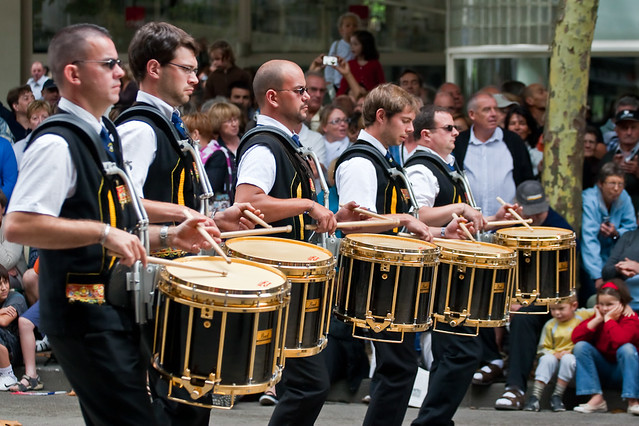
Manchester Day Parade

Etymology: from the Proto-Indo-European *slowgʰos / *slowgos (entourage), which is also the root of the English words slew and slogan [source].

Sources: Wiktionary, Am Faclair Beag, teanglann.ie, On-Line Manx Dictionary, Geiriadur Prifysgol Cymru, Gerlyver Kernewek, Dictionnaire Favereau

Person, people, human

Words for person, people and related words in Celtic languages.

Colourful people in Llandudno

Proto-Celtic *gdonyos = person
Old Irish (Goídelc) duine [ˈdunʲe] = person
duineta = human
dóenacht [ˈdoːi̯naxt] = humanity
Middle Irish (Gaoidhealg) duine = human, human being, man, mankind, person
Irish (Gaeilge) duine [ˈd̪ˠɪnʲə] = human being, man, mankind, person, people, one
duineata = human, kindly
duineatacht = humaneness, kindliness
duiniúil = human, natural, kindly
duiniúlacht = humanity, kindliness
Scottish Gaelic (Gàidhlig) duine [dɯn̪ʲə] = fellow, person, man, husband, (any)one
daonnachd [dɯːn̪ˠəxg] = humanity, charity, benevolence, liberality, hospitality
duine-uasal = gentleman
Manx (Gaelg) dooinney [ˈd̪uːnʲə] = human, man, fellow, husband
deiney = human, man, menfolk
dooinnalys = humanity, human nature
dooinnidaght = humaneness
Proto-Brythonic *dün [ˈdyːn] = human, person
Middle Welsh (Kymraec) din, dyn = man, human being
Welsh (Cymraeg) dyn [dɨːn / diːn] = man, human being; person, one, anyone; mankind, the human race; manservant, vassal; manly or competent person
dynes [ˈdənɛs] = woman
dynegwr, dynegydd = anthropologist
dynfarch [ˈdənvarχ] = centaur
dyneidd(i)o = to render man-like or human, personify, humanize, civilize, tame, refine
dyneiddiol = humanistic, humanitarian, humanizing, civilizing
Old Cornish den = man, person
Cornish (Kernewek) den [dɛ:n / de:n] = man, guy, human, person
dengerenjedhek, dengerensedhek = humanitarian
denladh = homicide, manslaughter
denladhyas = assassin, killer, murderer
denses = humanity
Old Breton den / don = man, person
Middle Breton den = man, person
Breton (Brezhoneg) den [ˈdẽːn] = human being, person, man, husband

Etymology: from the Proto-Indo-European *dʰéǵʰom-yo- (earthling, human), from *dʰéǵʰōm (earth), which is also the root of the English words human, humus and (bride)groom [source].

Old Irish (Goídelc) popul [ˈpobul] = people; tribe, nation, inhabitants; folk; populace, crowd
Middle Irish (Gaoidhealg) popul = people
Irish (Gaeilge) pobal [ˈpˠɔbˠəlˠ / ˈpˠʌbˠəlˠ] = people, community; parish, congregation; population
pobalscoil = community school
poblacht = republic
poblachtach = republican
teach pobail = church, chapel
teange an phobail = vernacular
Scottish Gaelic (Gàidhlig) poball [pobəl̪ˠ] = folk, people; community; laity, lay people
poballach [pobəl̪ˠəx] = popular, populous
poblachd [pɔbl̪ˠəxg] = republic
Manx (Gaelg) pobble = people, population, community, folk, congregation, masses
pobbylagh = public, populous
pobblaght = republic
Proto-Brythonic *pobl = people
Middle Welsh (Kymraec) pobyl = people
Welsh (Cymraeg) pobl [ˈpʰɔbl̩ˠ / ˈpʰɔbl̩] = people, public, nation, tribe, crowd, inhabitants
pybl = people, the common person, folk
poblog = populous, peopled, populated; popular, acceptable; common
poblogaeth = population, populousness
poblogedig = populated, inhabited
poblogeiddio = to popularize
poblogi = to populate, people, inhabit; to popularize
Old Cornish popel = people
Cornish (Kernewek) pobel = people
pobla = to populate
poblans = population
poblansorieth = demographics
poblansoriethek = demographic
Breton (Brezhoneg) pobl = people, multitude

Etymology: from the Latin populus (people, nation, community), from the Proto-Italic *poplos (army) [source].

Words marked with a * are reconstructions.

Sources: Wiktionary, Am Faclair Beag, Online Manx Dictionary, Teanglann.ie, eDIL – Electronic Dictionary of the Irish Language, In Dúil Bélrai English – Old Irish glossary, Geiriadur Prifysgol Cymru, Gerlyver Kernewek, Gerlyvyr Cernewec, Dictionaire Favereau, TermOfis, Le dictionnaire diachronique du breton, Geriafurch, English – ProtoCeltic WordList (PDF), Etymological Dictionary Of Proto Celtic

The Fastest Way to Learn Japanese Guaranteed with JapanesePod101.com

To Carry / Flow

Words for to carry / flow in Celtic languages.

Proto-Celtic bereti = to carry
Old Irish (Goídelc) beirid [ˈbʲerʲiðʲ] = to carry
Irish (Gaeilge) beir [bʲɛɾʲ] = to bear, give birth, lay, bear away, bring, take (verb noun = béarfaidh)
Scottish Gaelic (Gàidhlig) beir [berʲ] = to take hold, bring forth, bear, produce (verb noun = breith)
Manx (Gaelg) behr = to bear (give birth to) (verb noun: brey)
Proto-Brythonic *bėrɨd [be̝ˈrɨːd] = to flow, carry
Middle Welsh (Kymraec) beru = to flow, drip; drizzle
Middle Breton beraff = to flow
Breton (Brezhoneg) berañ = to drip, drain, wring out; to flow, run

Afon Ogwen River

Etymology: possibly related to the Proto-Indo-European *bʰéreti (to be carrying) [source].

Sources: Wiktionary, Am Faclair Beag, teanglann.ie, On-Line Manx Dictionary, Geiriadur Prifysgol Cymru, Dictionnaire Favereau

Wet

Words for to wet in Celtic languages.

Proto-Celtic *wlikʷos = to wet
Old Irish (Goídelc) fliuch [fʲlʲiu̯x] = wet
Irish (Gaeilge) fliuch [fʲlʲʊx] = wet
Scottish Gaelic (Gàidhlig) fliuch [flux] = wet, watery, rainy, moist, damp, oozy, fluid, liquid
Manx (Gaelg) fliugh = wet, soggy, inclement, marshy, swampy, humid, dank, watery or waxy (of potatoes)
Proto-Brythonic *gwlɨb [ˈɡwlɨːb] = wet
Old Welsh gulip = wet
Middle Welsh (Kyrmaec) gulip / gwlyp = wet
Welsh (Cymraeg) gwlyb [ɡwlɨːb / ɡwliːb] = wet, moist, fluid, liquid; rainy; addicted to drink; drink, liquor, gravy
Cornish (Kernewek) glyb [glɪ:b] = moist, damp, wet
gleb [gle:b] = moist, damp, wet
Old Breton gulip = wet
Middle Breton gloeb / glueb = wet
Breton (Brezhoneg) gleb = wet, humid

Macro Mondays: Wet.

Etymology: from the Proto-Indo-European *wleykʷ- (moist, to wet) [source].

Sources: Wiktionary, Am Faclair Beag, teanglann.ie, On-Line Manx Dictionary, Geiriadur Prifysgol Cymru, Gerlyver Kernewek, Dictionnaire Favereau

Dry

Words for dry and to dry in Celtic languages.

Old Irish (Goídelc) tírim = dry
Irish (Gaeilge) tirim [tʲɾʲɪmʲ] = dry, parched, thirsty, without mortar, solid, bare
triomú = to dry
Scottish Gaelic (Gàidhlig) tirim [tʲirʲɪm] = arid, dry; droughty, mealy
tiormaich [tʲirəmɪç] = to dry, make dry, parch, dry up
Manx (Gaelg) çhirrym [tʲɾʲɪmʲ] = arid, dry, waterless, sapless
chyrmaghey = to dry, dry up

Sources: Wiktionary, Am Faclair Beag, teanglann.ie, On-Line Manx Dictionary

Proto-Brythonic *sɨx [ˈsɨːx] = dry
Old Welsh sech = dry, arid
Middle Welsh (Kymraec) sych = dry, arid
Welsh (Cymraeg) sych [sɨːχ / siːχ] = dry, arid
sychu [ˈsəχɨ / ˈsəχi] = to dry; drain, deplete; become dry, dry up, wither; heal, wipe
Cornish (Kernewek) segh [ze:h] / sygh [sɪ:x] = arid, dry
segha [‘sɛha / ‘zɛhɐ] = to dry, wipe
Breton (Brezhoneg) sec’h [ˈsɛːχ] = dry, unproductive (field)
sec’hañ = to dry

Etymology: from the Latin siccus (dry, sober, thirsty) [source].

Drying Laundry

Sources: Wiktionary, Geiriadur Prifysgol Cymru, Gerlyver Kernewek, Dictionnaire Favereau

To Sit

Words for to sit in Celtic languages.

Proto-Celtic *sedo- = to sit
Irish (Gaeilge) suigh [sˠɪɟ / sˠiː] = to sit; set, let, rent; seat, place, locate, settle, arrange, fix, establish
Scottish Gaelic (Gàidhlig) suidh [suj] = to sit down; incubate, sit on eggs
Manx (Gaelg) soie = to sit, situate, mount, invest
Proto-Brythonic *estied = to sit
Old Welsh estid = to sit
Welsh (Cymraeg) eistedd [ˈei̯sdɛð / ˈei̯sdɛð] = to sit, be seated, kneel, exercise judicial authority, sit in judgement; be in session, rest, be still; fit well; occupy, be in possession (of land), settle, remain, dwell; incubate, brood
Old Cornish estid = to sit
Cornish (Kernewek) esedha [ɛ’zɛða / (ə)’zɛðɐ] = to sit, take a seat
Breton (Brezhoneg) sichañ = to sit, lie, be located; beseige, lay siege to

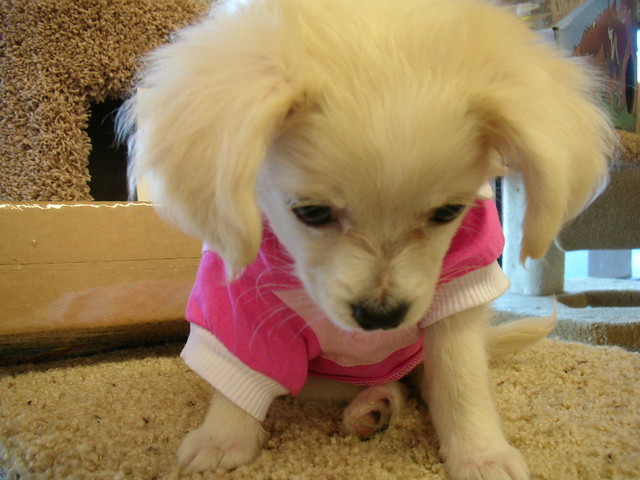
One of the doggie denizens of Gleann Cholm Cille

Etymology: from the Proto-Indo-European *sed- (to sit) [source].

Sources: Wiktionary, Am Faclair Beag, teanglann.ie, On-Line Manx Dictionary, Geiriadur Prifysgol Cymru, Gerlyver Kernewek, Dictionnaire Favereau

To Stand

Words for to stand in Celtic languages.

Proto-Celtic *sista- = to stand
Celtiberian sistat = to stand
Old Irish (Gaídelc) sessam = standing (by/fast), defending, standing resisting, holding out, making a stand
Irish (Gaeilge) seas [ʃasˠ] = to stand, stop, stay, last, keep, remain valid, bear, endure, resist, withstand, stand up for, defend
Scottish Gaelic (Gàidhlig) seas [ʃes] = to stand, maintain, support, defend, continue, endure, stop, stand by
Manx (Gaelg) shass [ʃas] = to stand
Proto-Brythonic *stab- = to stand
Welsh (Cymraeg) sefyll [ˈsɛvɨ̞ɬ / ˈseːvɪɬ] = to stand, be standing or upright, be or remain on one’s feet; stand (up), get up; stand or tread (on); to be located, lie; to come to a halt, stand still, stop, come to end, cease, fail
Cornish (Kernewek) sevel [‘sɛvɛl / ‘zɛvɐl] = to stand, arise, get up, rise, halt, raise up, abstain from
Breton (Brezhoneg) sevel = to rise, lift, remove, draw, build, train, compose, sell, invent, push, repay

Polyglot Conference 2018

Note: the Brythonic words may not come from the same root as the Goidelic words.

Etymology: from the Proto-Indo-European *stísteh₂ti (to be standing up, be getting up), from *steh₂- (to stand) [source].

The sist part of exist, resist, desist, consist, etc comes from the same root, via the Latin sisto (I stand, set, place, appear) [source]

Sources: Wiktionary, Am Faclair Beag, teanglann.ie, On-Line Manx Dictionary, Geiriadur Prifysgol Cymru, Gerlyver Kernewek, Dictionnaire Favereau

To Carry

Words for to carry in Celtic languages.

Proto-Celtic *bereti = to carry
Old Irish (Gaídelc) beirid [ˈbʲerʲiðʲ] = to carry, bear, bring forth
Irish (Gaeilge) beir [bʲɛɾʲ] = to bear, give birth to; lay (eggs); bear away, win; bring, take; catch, overtake; proceed, advance
Scottish Gaelic (Gàidhlig) beir [berʲ] = to take hold; bring forth, bear, produce; carry
Manx (Gaelg) behr = to bear (give birth to)
Proto-Brythonic bėrɨd [be̝ˈrɨːd] = to flow, carry
Middle Welsh (Kymraec) beru = to flow
Welsh (Cymraeg) beru = to flow, drip; drizzle
Middle Breton beraff = to flow
Breton (Brezhoneg) berañ = to drip, flow

Scottish Highland Games 2010

Etymology: from the Proto-Indo-European *bʰéreti (to be carrying) [source].

Sources: Wiktionary, Am Faclair Beag, teanglann.ie, On-Line Manx Dictionary, Geiriadur Prifysgol Cymru, Dictionnaire Favereau