Wood Intelligence

Today we’re looking at the words for chess and related things in Celtic languages.
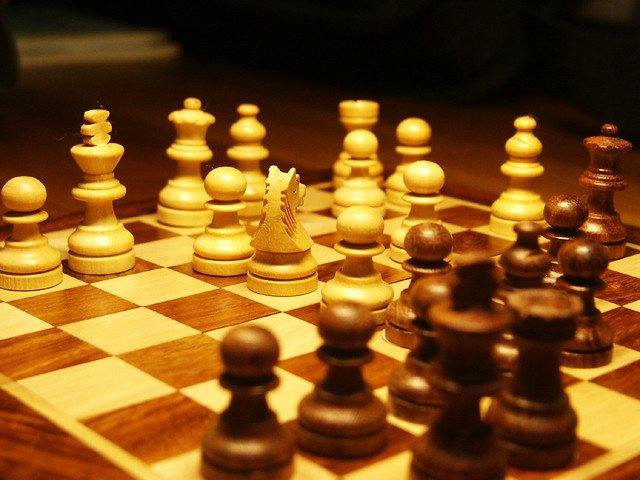
Chess

According to legend, the ancient Irish game of fidchell was invented by Lugh (god of light and inspiration) in the 9th century. It played an important role in the celebrations at the Festival of Lughnasa (in August), and was played by kings, druids, warriors – more details. See also: https://totallyirishgifts.com/fidchell-the-ancient-celtic-chess-game/.

The old Welsh game of gwyddbwyll is mentioned in medieval Welsh literature, however there are no surviving examples of the game.

Chess is thought to have originated in India in the 6th century AD, and was brought to Britian by the Normans in the 12th century.

See also: https://lornasmithers.wordpress.com/2017/06/16/gwyddbwyll-why-the-war-games/.

Old Irish (Goídelc) fidchell [ˈfɪðʲçɛlː] = an old Irish board game similar to chess
Irish (Gaeilge) ficheall [ˈfʲɪhəl̪ˠ / ˈfʲɪhəl̪ˠ / ˈfʲɪçəl̪ˠ] = chess, chessboard
flcheallacht = chess-playing
flcheallaí = chess-player
clár fichille = chessboard
fear fichille = chessman
fíann/forieann fichille = set of chessmen
Scottish Gaelic (Gàidhlig) fidhcheall = Celtic chess
Manx (Gaelg) feeal = chess
feealee = chess player
fer feeal, babban feeal = chess piece
claare feeal = chessboard
Proto-Brythonic *gwɨðbuɨll = a board-game similar to chess
Middle Welsh (Kymraec) gvytbuill, gvydbvll, gvydbvyll = one of the twenty-four feats of skill or prowess performed in Wales in medieval times; a board-game similar to chess
Welsh (Cymraeg) gwyddbwyll [ˈɡwɨ̞ðbʊɨ̯ɬ] / ˈɡʊi̯ðbʊi̯ɬ] = chess; knowledge, learning, science; reason, sense, discretion
gwyddbwyllwr = chess player, chess piece, chess man
Cornish (Kernewek) gwydhbol = chess
Old Breton guidpoill, guidpull = chess
Breton (Brezhoneg) gwezboell = (Celtic) chess
gwezboellet = chequered

Etymology from the Proto-Celtic *widukʷēslā [source], *widu (wood), from the Proto-Indo-European *h₁widʰ(h₁)-u-s [source]; and *kʷēslā (mind, sense, wisdom, intelligence, meaning), from the Proto-Indo-European *kʷeyt- (to notice) [source].

The English word wood also comes from the PIE root *h₁widʰ(h₁)-u-s, via the Middle English wode (wood), the Old English widu, wudu (wood) the Proto-West-Germanic *widu (forest, tree, wood), and the Proto-Germanic *widuz (wood) [source].

See also the post about Trees, Wood(s) & Forests

In Welsh, chess is also sies or ses, which were borrowed from the Middle English ches(se) (chess, chess set, chessboard, chess pieces) [source].

Middle Irish (Gaoidhealg) táiplis, táibhleis = tables, backgammon, backgammon-board
Scottish Gaelic (Gàidhlig) tàileasg [taːl̪ˠəsg] = chess, backgammon, draughts / checkers
Manx (Gaelg) tawlish = draughts / checkers
tawlish beg = draughts / checkers
tawlish mooar = backgammon
Welsh (Cymraeg) tawlfwrdd, towlfwrdd, tolfwrdd = a board game similar to chess, game-board; chess; chessboard, draughtboard

Etymology: from the Old Norse tafl (chess-like game, chess, backgammon), from the Latin tabula (tablet; board, plank) [source].

Words marked with a * are reconstructions.

Sources: Wiktionary, Am Faclair Beag, Online Manx Dictionary, Teanglann.ie, eDIL – Electronic Dictionary of the Irish Language, In Dúil Bélrai English – Old Irish glossary, Geiriadur Prifysgol Cymru, Gerlyver Kernewek, Gerlyvyr Cernewec, Dictionaire Favereau, TermOfis, Le dictionnaire diachronique du breton, Geriafurch, English – ProtoCeltic WordList (PDF), Etymological Dictionary Of Proto Celtic

The Fastest Way to Learn Japanese Guaranteed with JapanesePod101.com

Bolts and Locks

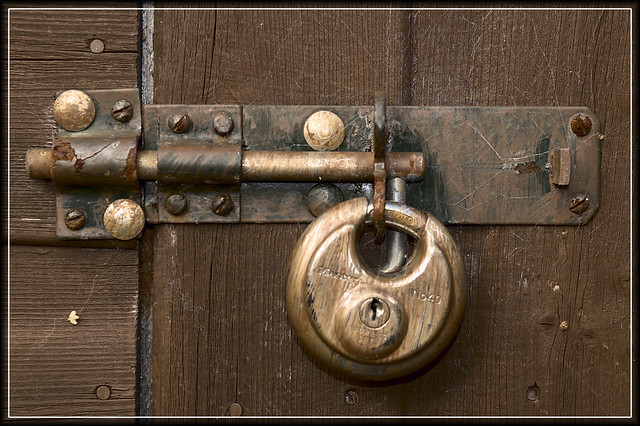
Today we’re looking at the words for locks, bolts and related things in Celtic languages.

shed door bolt lock

Proto-Celtic *klāwos = bolt
Old Irish (Goídelc) cló, cloë = nail, spike
Irish (Gaeilge) cló [klˠoː] = form, shape, appearance; impression, mould; print, type; nail, spike
clóbhuail = print
clóchur = (type) setting
clóchuradóir = type-setter
clódóir = printer, dyer
clódóireacht = printing; dyeing, colouring; misrepresentation
clóghrafaíocht = typography
clóphreas = printing press
clóscríobh = typing, typewriting; to type
cló-eagar = composition
cló-eagraí = compositor
cló-eagraigh = to compose
Scottish Gaelic (Gàidhlig) clò [kl̪ˠɔː] = cloth, woven material, tweed; print; imprint; spike, nail; peg, pin
clò-bhualadh = printing, publication, printout
clò-bhualadair = printer (machine & printing house)
clò-ghrafachd = typography
clò-sgrìobhadair = typist, typewriter
clò-shuidheachadh = typesetting
Clò na Hearadh = Harris Tweed
cruth-clò = font
Manx (Gaelg) clou = edition, print, printed matter, printing press, publication, type
clouder = printer
clougraafeeaght = typography
clouscreeudeyr = typist
clou doo, clou trome = bold type
clou Gaelgagh = Gaelic type
clou gorrym = blueprint
soiaghey clou = type-setting
soieder clou = type-setter
Proto-Brythonic *klọw = bolt
Middle Welsh (Kymraec) clo, klo = lock, bolt
Welsh (Cymraeg) clo [kloː] = lock, bolt; impediment, difficulty; brake; cluster, bunch; conclusion
ar glo = locked
clo clap, clo clec, clo clwt = padlock
clo rheswm = conclusion
cyfnod clo = lockdown
tan glo (ac allwydd) = locked (up), under lock and key
cload = locking, end, conclusion, closure
cloadwy = lockable, locked, final
cloëdig, cloiedig = locked, secure, closed, concealed, bound, confined
cloi = to lock, shut, bind, clinch, conclude
Old Breton clou = bolt
Middle Breton clao = bolt
Breton (Brezhoneg) klaou = gear, key, mesh

Words marked with a * are reconstructions.

Etymology from the Proto-Indo-European *kleh₂w-os (bolt, bar, hook), from *(s)kleh₂w- (hook, crook, peg) [source].

Words from the same PIE root, via the Latin clāvis (key), include: chiave (key, spanner) in Italian, clé (key, wrench, spanner) and clef (clef (in music)) in French, clef, clavicle and clavichord in English, and llave (key, spanner, wrench, tap, spigot, switch) in Spanish [source].

I can’t find a cognate word in Cornish. A lock is a strother, and a bolt is a ebil. The origins of these words are not known.

Sources: Wiktionary, Am Faclair Beag, Online Manx Dictionary, Teanglann.ie, eDIL – Electronic Dictionary of the Irish Language, In Dúil Bélrai English – Old Irish glossary, Geiriadur Prifysgol Cymru, Gerlyver Kernewek, Gerlyvyr Cernewec, Dictionaire Favereau, TermOfis, Le dictionnaire diachronique du breton, Geriafurch, English – ProtoCeltic WordList (PDF), Etymological Dictionary Of Proto Celtic
The Fastest Way to Learn Japanese Guaranteed with JapanesePod101.com

Heather

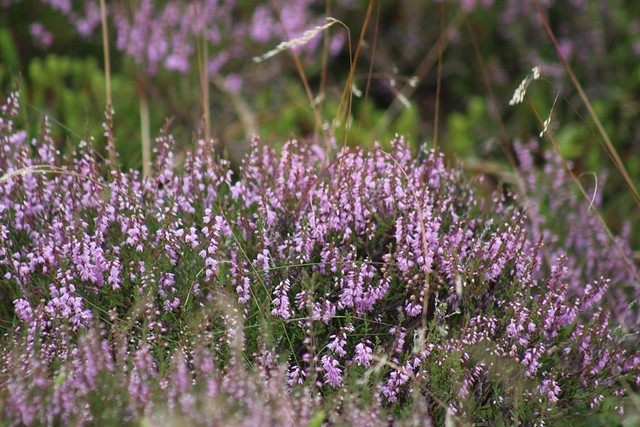
Today we’re looking at the words for heather and related things in Celtic languages.

Heather

Words marked with a * are reconstructions.

Proto-Celtic *wroikos = heather
Gaulish *wroika = heather
Celtiberian *broikios = heather
Old Irish (Goídelc) froích, fróech = heather
Middle Irish (Gaoidhealg) fráech = heather
Irish (Gaeilge) fraoch [fˠɾˠeːx / fˠɾˠiːx / fˠɾˠiːx] = heather, heath, moor
fraochán = bilberry, whortleberry, ring-ouzel
fraochlach = heath
fraochmhá = heath
fraochmhar = heathery
fraoch bán = white heather
fraoch coitianta = Scotch heather, ling
píobaire fraoch = grasshopper
Scottish Gaelic (Gàidhlig) fraoch [frɯːx] = heather, ling
fraoch-geal = white common heather (Calluna vulgaris alba
fraoch-bheinn = heather-covered mountain
fraochan = whortleberry, blaeberry, lingonberry, cranberry
fraochach = heathy, heathery
Manx (Gaelg) freoagh = heather, ling, heath
freoagh bane = brier, white heather
freoagh marrey = sea fern
freoagh mooar = Scotch heather
Proto-Brythonic *gwrʉg [ˈɡwrʉːɡ] = heather
Middle Welsh (Kymraec) gruc, gerug, gwrug = heather
Welsh (Cymraeg) grug [ɡrɨːɡ / ɡriːɡ] = heather, ling heath
grug cyffredin = heather, ling, common heath, Calluna vulgaris
grugiar = (red) grouse, willow grouse, heath-hen
gruglus = heath-berries
gruglwyn = bush of heather, sweet broom
grugnythu = to nest or nestle in the heather
grugog = heath-covered, heathery, abounding in heather
Cornish (Kernwek) grug [ɡryːɡ / ɡriːɡ] = heath, heather, ling
grugyar = partridge
Middle Breton groegan = heather
Breton (Brezhoneg) brug [bryːk] = heather
brugek [ˈbryː.ɡɛk] = (a place) abundant in heather, covered with heather

Etymology unknown, possibly from a non-Proto-Indo-European root [source].

Words from the same Proto-Celtic roots, via Gaulish *wroikos (heather), and Latin *brūcus (heather) or Vulgar Latin *broccius, include brezo (heath) in Spanish, breixo (heather) in Galician, brugo (heather) and brughiera (heath, moor) in Italian, bruc (heather) and bruguera (heath) in Catalan, and bruyère (heather, heath, brier) in French [source].

Eilean Fraoch (Heather Isle) is a nickname for the Isle of Lewis / Eilean Leòdhais in the Western Isles / Na h-Eileanan Siar. Here’s a song about it:

Sources: Wiktionary, Am Faclair Beag, Online Manx Dictionary, Teanglann.ie, eDIL – Electronic Dictionary of the Irish Language, In Dúil Bélrai English – Old Irish glossary, Geiriadur Prifysgol Cymru, Gerlyver Kernewek, Gerlyvyr Cernewec, Dictionaire Favereau, TermOfis, Le dictionnaire diachronique du breton, Geriafurch, English – ProtoCeltic WordList (PDF), Etymological Dictionary Of Proto Celtic
The Fastest Way to Learn Japanese Guaranteed with JapanesePod101.com

Nephews

Today we’re looking at the words for nephew and related people in Celtic languages.

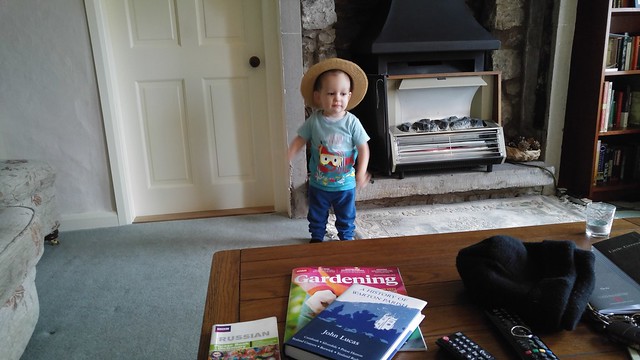
My nephew in a hat
My nephew. Mo nia. Mac my shayrey. Fy nai. Ma noy. Ma niz.

Proto-Celtic *neɸūss = nephew
Primitive Irish ᚅᚔᚑᚈᚈᚐ (niotta) = nephew (sister’s son)
Old Irish (Goídelc) nia [ˈn͈ʲi.a] = nephew, sister’s son
Irish (Gaeilge) nia [n̪ʲiə] = nephew
garneacht = great-nephew
Scottish Gaelic (Gàidhlig) nia [n̪ʲiə] = nephew (sister’s son)
Manx (Gaelg) neear = nephew
Proto-Brythonic *nei = nephew
Old Welsh nei = nephew
Middle Welsh (Kymraec) ney, nei = nephew
Welsh (Cymraeg) nai [nai̯] = nephew, first cousin’s son
nai fab brawd = nephew (brother’s son)
nai fab chwaer = nephew (sister’s son)
mab nai = great-nephew
naigarwch = nepotism
Middle Cornish noi = nephew
Cornish (Kernwek) noy = nephew
Old Breton ny = nephew
Middle Breton ni = nephew
Breton (Brezhoneg) niz = nephew
gourniz = great-nephew

Etymology from the Proto-Indo-European *népōts (grandson, descendent, nephew), possibly from *ne (not) and *pótis (master, lord, husband) [source].

Other words for nephew:

  • Irish: mac deirféar (sister’s son), mac dearthár (brother’s son)
  • Scottish Gaelic: mac-peathar (sister’s son), mac-bràthar (brother’s son)
  • Manx: mac shayrey (sister’s son), mac braarey (brother’s son)

See also the post about sons.

Words in Germanic language that come from the same PIE root, via the Proto-Germanic *nefô (nephew, grandson), include: Neffe (nephew) in German, neef (male cousin, nephew) in Dutch, and the obsolete English word neve (nephew, male cousin, grandson) [source].

The English word nephew comes from the same PIE root, via the Middle English nevew, neveu (nephew, grandson), the Old French neveu (nephew), and the Latin nepos (grandson, granddaughter, nephew, niece, descendent) [source].

Words marked with a * are reconstructions.

Sources: Wiktionary, Am Faclair Beag, Online Manx Dictionary, Teanglann.ie, eDIL – Electronic Dictionary of the Irish Language, In Dúil Bélrai English – Old Irish glossary, Geiriadur Prifysgol Cymru, Gerlyver Kernewek, Gerlyvyr Cernewec, Dictionaire Favereau, TermOfis, Le dictionnaire diachronique du breton, Geriafurch, English – ProtoCeltic WordList (PDF), Etymological Dictionary Of Proto Celtic

italki - Win cash rewards for learning any language

Nieces

Today we’re looking at the words for niece and related people in Celtic languages.

Sasha and Nick
My brother and my niece

Words marked with a * are reconstructions.

Proto-Celtic *nextī = niece
Old Irish (Goídelc) necht = niece, grand-daughter
Middle Irish (Gaoidhealg) necht, neachd = niece, grand-daughter
Irish (Gaeilge) neacht [n̠ʲæxt̪ˠ] = niece
garneacht = grand-niece
Scottish Gaelic (Gàidhlig) nigh [n̪iːj] = daughter, niece
Proto-Brythonic *nėθ = niece
Middle Welsh (Kymraec) nith = niece
Welsh (Cymraeg) nith [niːθ] = niece
gor-nith = great-niece
Old Cornish noit = niece
Middle Cornish (Cernwec) noit = niece
Cornish (Kernwek) nith = niece
Old Breton nith = niece
Middle Breton nyz, niz = niece
Breton (Brezhoneg) nizh, nizez = niece
gou(r)nizez = great-niece

Etymology from the Proto-Indo-European *néptih₂ (niece, granddaughter) [source].

Words in Germanic language the come from the same PIE root, via the Proto-Germanic *niftiz (female descendent, granddaughter, niece), including: Nichte (niece) in German, nicht (female cousin, niece) in Dutch, and the obsolete English word nift (niece) [source].

The English word niece comes from the same PIE root, via the Middle English nece (niece, granddaughter), from the Old French nece (niece, granddaughter), from the Vulgar Latin *neptia (niece), from the Latin neptis (granddaughter) [source].

Other words for niece:

  • Irish: iníon deirféar (sister’s daughter), iníon dearthár (brother’s daughter)
  • Scottish Gaelic: nighean-pheathar (sister’s daughter), nighean-bhràthar (brother’s daughter), ban-ogha = granddaughter, niece
  • Manx: inneen shayrey (sister’s daughter), inneen vraarey (brother’s daughter)

See also the post about daughters.

The Fastest Way to Learn Japanese Guaranteed with JapanesePod101.com

Sources: Wiktionary, Am Faclair Beag, Online Manx Dictionary, Teanglann.ie, eDIL – Electronic Dictionary of the Irish Language, In Dúil Bélrai English – Old Irish glossary, Geiriadur Prifysgol Cymru, Gerlyver Kernewek, Lexicon Cornu-britannicum: A Dictionary of the Ancient Celtic Language of Cornwall, Dictionaire Favereau, TermOfis, Le dictionnaire diachronique du breton, Etymological Dictionary Of Proto Celtic

Sisters

Today we’re looking at the words for sister and related people in Celtic languages.

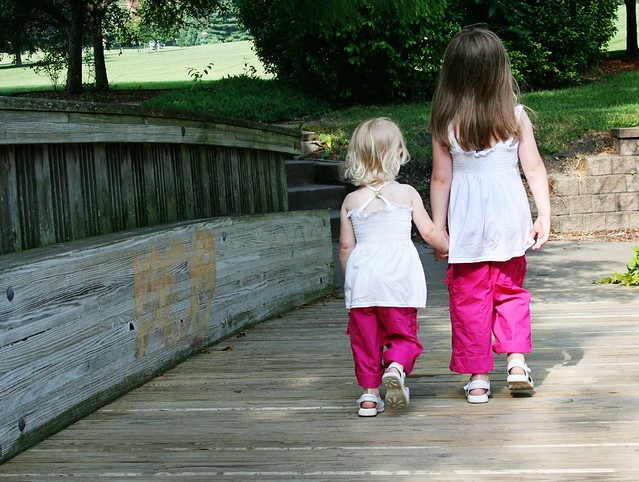
Sisters

Words marked with a * are reconstructions.

Proto-Celtic *swesūr [ˈswe.suːr] = sister
Gaulish suiorebe = sister
Old Irish (Goídelc) siur = sister, kinswoman, female relation
derbṡiur [ˈdʲerʲvʲ.fʲi.ur] = sister (by blood / in a religious community)
sinserṡiur [ˈsʲinsʲerˌhi.ur] = elder sister
Middle Irish (Gaoidhealg) siur = sister, kinswoman, female relation
derbsiur = sister (by blood / in a religious community)
Irish (Gaeilge) siúr [ʃuːɾˠ] = sister, kinswoman; Sister (member of a religious community); (nursing) sister
deirfiúr = sister
deirfiúr athar = paternal aunt
deirfiúr máthar = maternal aunt
deirfiúr céile = sister-in-law
leathchúpla deirféar = twin sister
iníon deirféar = brother’s son, niece
mac deirféar = sister’s son, nephew
deirféar = sisterly
Scottish Gaelic (Gàidhlig) siùir [ʃuːrʲ] = sister (archaic)
piuthar [pju.ə] = sister
piùthrag [pjuːrag] = little sister, sis
piutharail [pju.əral] = sisterly
peathrachas [pɛrəxəs] = sisterhood, soroity
piuthar-chèile = sister-in-law
piuthar leth-aon = twin sister
piuthar-altraim = foster-sister
piuthar-athar = paternal aunt
piuthar-màthar = maternal aunt
Manx (Gaelg) shuyr [ʃuːr] = sister
shayragh, shuyroil = sisterly
shuyrys = sisterhood
shuyr (v)ayrey = aunt
shuyr gholtit = foster-sister
shuyr lannoonagh = twin sister
shuyr ‘sy leigh = sister-in-law
Proto-Brythonic *hwehir = sister
Middle Welsh (Kymraec) chwaer = sister
Welsh (Cymraeg) chwaer [χwaːɨ̯r / χwai̯r] = sister, half-sister, female mate or partner; maiden, sweetheart, mistress; nun, sister (in hospital)
chwaer efell = twin sister
chwaer faeth = foster sister
chwaer fedydd = god-sister
chwaer yng nghyfraith = sister-in-law
hanner chwaer = half-sister, step-sister
chwaerol = sisterly
chwaeroliaeth = sisterhood
Old Cornish huir = sister
Middle Cornish (Cernewec) hoer, huir, wuir, hôr = sister
Cornish (Kernwek) hwor = sister
hanter-hwor = half-sister
Old Breton guoer = sister
Middle Breton hoar, choar = sister (female sibling, nun)
Breton (Brezhoneg) c’hoar = sister
c’hoarig = sis, little sister; twin sister
c’hoarelezh = sisterhood
c’hoar-gaer, c’hoareg = sister-in-law, stepsister

Etymology from the Proto-Indo-European *swésōr (sister) [source]. Words for sister in many Indo-European languages come from the same roots [source].

Here’s a traditional Scottish Gaelic song about sisters – A’ phiuthrag ’sa phiuthar

The Fastest Way to Learn Japanese Guaranteed with JapanesePod101.com

Sources: Wiktionary, Am Faclair Beag, Online Manx Dictionary, Teanglann.ie, eDIL – Electronic Dictionary of the Irish Language, In Dúil Bélrai English – Old Irish glossary, Geiriadur Prifysgol Cymru, Gerlyver Kernewek, Lexicon Cornu-britannicum: A Dictionary of the Ancient Celtic Language of Cornwall, Dictionaire Favereau, TermOfis, Le dictionnaire diachronique du breton, Etymological Dictionary Of Proto Celtic

Knotty Bulges

Today we’re looking at the words for knots, bulges, and related things in Celtic languages.

Knot - words for knot in Celtic languages

Proto-Celtic *odbos = knot, bulge
Old Irish (Goídelc) odb [oðb] = knot (in a wood); lump, swelling, protuberance; difficulty, problem
odbach
Middle Irish (Gaoidhealg) fodb, fobd = knot (in a wood); lump, swelling, protuberance; difficulty, problem
Irish (Gaeilge) fadhb [fˠəibˠ] = knot (in a wood); callosity; lump (from blow); lumpy object; knotty problem, poser
fadhbach = knotty, callous, lumpy; problematical, puzzling
fadhbairne = lumpy object
fadhbán = (small) knot, lump
fadhbóg = (small) lump, whopping lie
Scottish Gaelic (Gàidhlig) faob [fɯːb] = lump, knob, knot (in wood)
faobach [fɯːbəx] = lumpy, knotty
Manx (Gaelg) uddan = lump, node, knob
Welsh (Cymraeg) oddf [ˈɔðv] = hard swelling or growth, hump, knob (on horn), gall, burl, knot (in wood), tuber, bulb, knob, lump, node
oddfog = knobby, bulbous, tuberous, having a hump
oddfynnog = bulbous, tubercular, tuberous

Etymology possibly from the Proto-Indo-European *h₃ésth₁ / *h₂óst (bone) [source].

Old Irish (Goídelc) colmméne = skin
Middle Irish (Gaoidhealg) colum = skin
Middle Welsh (Kymraec) kulym, clwm, cwlm, kwlwm = knot, tie, bond
kylymy, klymv, clymmu, c(y)lymaf, c(y)lymu = to tie, bind
Welsh (Cymraeg cwlwm [ˈkʊlʊm / ˈkuːlʊm] = knot, tie; bond, connection, union, fetter, plot; bunch, cluster, bundle; node, nodule, knot in timber
cwlwm gwlwm = knot tied twice
clymu [ˈkləmɨ̞ / ˈkləmi] = to tie, bind, set, unite, couple, rally
clymog = knotted, knotty, gnarled, tied, intricate, complex
Middle Cornish colm = knot, tie, bond
colma = to bind, tie
colmen = knot, tie, bond, halter
colmur = binder
Cornish (Kernewek) kolm = knot
kelmi = to knot
kelmys = knotted
Middle Breton scoulm, sclom, sklom = knot
Breton (Brezhoneg) skoulmoù, skoulm = knot
kouloumañ, kolomiñ = to knot

Etymology uncertain

Proto-Celtic *nad-sko- = to bind
Old Irish (Goídelc) snaidm [sn͈aðʲmʲ] = bond, contract, knot, pact
snaidmid = to bind, knot
nasicid = to bind
airnaidmid = to bind, pledge
Middle Irish (Gaoidhealg) snaidm = knot, bond
Irish (Gaeilge) snaidm = knot, bond, constriction, contortion, tie, brace, problem, difficulty, problem; to knot, bind, tie, entwine, join, unite, knit
snaidmeach = knotted, knotty
snaidmeacht = knottiness
snaidmeadóir = knotter, binder, tier, setter
snaidmeach = knotty, knotted
nasc = to tie, tether, chain, link, clasp, bond
Scottish Gaelic (Gàidhlig) snaidhm [sn̪ˠaim] = knot, joint, knotting, tying a knot
snaidhmeach [sn̪ˠaiməx] = knotty, abounding in knots
snaidhmte [sn̪ˠaimdʲə] = knotted, tied with a knot
nasg [n̪ˠasg] = tie-band, membrane of an egg, skeleton
nasgadh
Manx (Gaelg) sniem = bow, knot, snare; to knot
sniemmit = joined, knitted, knotted, noosed, tied
sniemmagh = knotted
sniemmey = join, knit, knot, knotting, noose, tie, tying
nast = award, bond, gift, gratuity, betroth
naisht = affianced, bind, engaged
Middle Breton nasca = to bind
Breton (Brezhoneg) naskañ = to hinder, impede, obstruct

Etymology from the Proto-Indo-European *gned-/*gnod- (to bind) [source]. The English word knot comes from the same PIE root, via Middle English, Old English and Proto-Germanic [source].

Words marked with a * are reconstructions.

Sources: Wiktionary, Am Faclair Beag, Online Manx Dictionary, Teanglann.ie, eDIL – Electronic Dictionary of the Irish Language, In Dúil Bélrai English – Old Irish glossary, Geiriadur Prifysgol Cymru, Gerlyver Kernewek, Gerlyvyr Cernewec, Dictionaire Favereau, TermOfis, Le dictionnaire diachronique du breton, Geriafurch, English – ProtoCeltic WordList (PDF), Etymological Dictionary Of Proto Celtic

italki - Win cash rewards for learning any language

Festive Feasts

Today we’re looking at the words for festival, feast and related things in Celtic languages.

Crowds with St David's Flags / Tyrfa, Baner Dewi Sant

Words marked with a * are reconstructions.

Proto-Celtic *lītus = feast, celebration
Old Irish (Goídelc) líth [l͈ʲiːθ] = festival, feast-day, festivity, luck
Middle Irish (Gaoidhleag) líth = festival, feast-day, festivity, entertainment, rejoicing, luck, properity
líthech = festive
Irish (Gaeilge) líth [ˈfʲeːlʲə] = festival, festivity, rejoicing; (good) omen, good luck, prosperity
lítheach = festive
Scottish Gaelic (Gàidhlig) lì, lìthe [l̪ʲiː] =paint, colour, tinge, hue, complexion, properity, happiness
Middle Breton (Brezonec) lyt, lid = ceremony, rite
Breton (Brezhoneg) lid = ceremony, rite, worship, jubilation

Etymology possibly from the Proto-Indo-European *leyH- (flow) [source].

Proto-Celtic *westā = food, feast
Old Irish (Goídelc) feis, fess, feiss = entertainment, feast; night’s lodging
Middle Irish (Gaoidhleag) feis(s), fess = spending the night, sleeping, accommodation for the night, entertainment for the night, food, supper, feast, festival
fes(s)id = spend the night, stops (in a place), remains
Irish (Gaeilge) feis [fʲɛʃ] = festival, carnival; act of sleeping, accommodation, entertainment, bed and supper
Scottish Gaelic (Gàidhlig) fèis [feːʃ] = festival
fèist [feʃdʲ] = entertainment, feast
fèistear [feːʃdʲər] = entertainer
fèisteas [feːʃdʲəs] = entertainment
Manx (Gaelg) feish = assembly, carnival, festival, fete
Middle Welsh (Kymraec) gwest = night’s stay/lodging, night’s sleep/rest, lodging, hospitality
guestei, gwestai = guest, visitor, visiting stranger, sojourner; beggar, parasite, host
guesti, gwesti = to stay, rest, remain, lodge, lodging, abode, welcome, reception, sustenance, guest, lodger
gwestwyr, gwestywr = guest visitor, host
Welsh (Cymraeg) gwest [ɡweːsd/ɡwɛsd] = night’s stay/lodging, night’s sleep/rest, lodging, hospitality, welcome, entertainment, provision, maintenance, food-rent, feast, banquet; guest, visitor
gwestai = guest, visitor, visiting stranger, sojourner; beggar, parasite, host
gwesti = to stay, rest, remain, lodge, lodging, abode, welcome, reception, sustenance, guest, lodger
gwest(i)wr = guest visitor, host
gwestu = to spend a night, sleep, rest, lodge, visit, feast, borrow, beg, sponge (upon)
gwesty = lodging, guest-house, inn, hotel
gwestya = to lodge, live in lodgings, show hospitality to (guests), welcome
Cornish (Kernewek) gwester = guest
gwesti = guesthouse
gwestva = hospitality
Old Breton guest = feast

Etymology possibly from the Proto-Indo-European *h₂wes- (to reside) [source].

Proto-Celtic *wlidā = food, feast
Old Irish (Goídelc) fled [fʲlʲeð] = banquet, feast
Middle Irish (Gaoidhleag) fled = feast, banquet, carousal, beverage
fletech = a banqueting-house or hall
Irish (Gaeilge) fleá [fʲlʲaː / fʲlʲɑː / fʲlʲæː] = (drinking) feast
fleá cheoil = festival of music
fleách = festive, convivial
fleáchas = festivity, conviviality
fleadhaigh = to feast, carouse<
Scottish Gaelic (Gàidhlig) fleadh [flɤɣ] = feast, reception
fleadh-bainnse = wedding reception
fleadhach [flɤɣəx] = feasting, banqueting, entertaining
fleadhadh = (act of) conviving, gathering for feasting/td>
Manx (Gaelg) fleah = banquet, feast
fleah foalley = barbeque
Proto-Brythonic *gwleð [ˈɡwlɛːð] = feast, banquet
Old Welsh guled = feast, banquet
Middle Welsh (Kymraec) gwledd = feast, banquet
Welsh (Cymraeg) gwledd [ɡwleːð] = feast, banquet, repast, carousal, revelry, sumptuous meal
gwleddu = to partake of a feast or banquet, feed with relish or enjoyment, carouse, revel, observe a festival
gwleddol = convivial, festive, banqueting, feasting, feaster
gwleddoldeb = festivity
gwleddwr = banqueter, guest, frequenter of feasts, reveller, carouser
Cornish (Kernewek) gwledh = banquet
Old Breton gloê = feast, banquet

Etymology possibly from the Proto-Indo-European *wldeh₂, from *welh₁- (to wish, desire, want) [source].

Old Irish (Goídelc) féil = festival, feast-day
Middle Irish (Gaoidhleag) féil, fel = a festival, feast-day
féilire = a calendar, almanac
fletech = a banqueting-house or hall
Irish (Gaeilge) féile [ˈfʲeːlʲə] = festival, feast (day)
féilire = calendar
féiltiúil = pertaining to festival, festive; periodic, recurrent, regular, punctual
féiltiúlacht = observance of feast days, seasonableness, regularity, punctuality
Scottish Gaelic (Gàidhlig) féill [feːl̪ˠ(ə)] = feast, festival, holy day fair, sale, market
féilleachd [feːl̪ˠəxɡ] = festivity, festivities
Manx (Gaelg) feaill [ˈsolan] = festival, holy day
feailley = feast, festival, fête, holiday, holy day, sacred
feaillys = festivity, sacredness, vacation
Middle Welsh (Kymraec) gwyl, gŵyl = holiday, holy-day, religious festival
Welsh (Cymraeg) gŵyl [ˈhalɛn / ˈhalan] = holiday, holy-day, religious festival, fête; watch, guard, vigil
gŵyl y Banc = Bank Holiday
Middle Cornish goil = festival, holiday
Cornish (Kernewek) gool = fair, feast, festival, vigil, wake
Gool Enys = carnival
Middle Breton (Brezonec) goel = (religious) festival, fête
Breton (Brezhoneg) gouel = (religious) festival, fête

Etymology from the Latin vigilia (wakefulness, watch), from vigil (awake), from the Proto-Indo-European *weǵ- (to be strong) [source].

The English words vigil, vigilant come from the same Latin root, and wake and watch come from the same PIE root, via Proto-Germanic [source].

Sources: Wiktionary, Am Faclair Beag, Online Manx Dictionary, Teanglann.ie, eDIL – Electronic Dictionary of the Irish Language, In Dúil Bélrai English – Old Irish glossary, Geiriadur Prifysgol Cymru, Gerlyver Kernewek, Lexicon Cornu-britannicum: A Dictionary of the Ancient Celtic Language of Cornwall, Dictionaire Favereau, TermOfis, Le dictionnaire diachronique du breton, Etymological Dictionary Of Proto Celtic

italki - Win cash rewards for learning any language

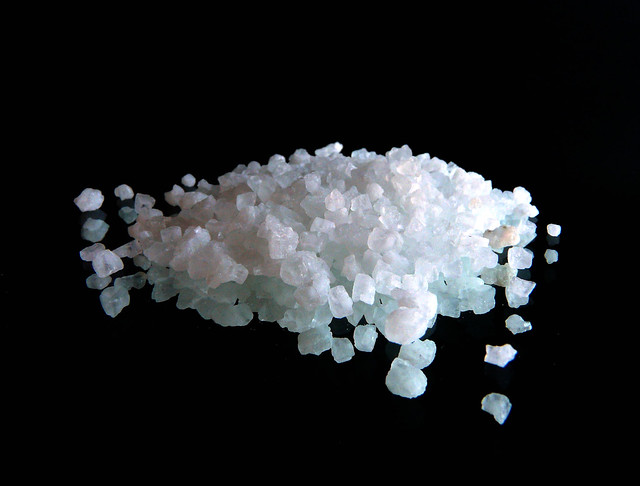
Salt

Today we’re looking at the words for salt and related things in Celtic languages.

salt

Proto-Celtic *salanos = salt
Old Irish (Goídelc) salann [ˈsalan͈] = salt
Irish (Gaeilge) salann [ˈsˠɑl̪ˠən̪ˠ / ˈsˠalˠən̪ˠ / ˈsˠɔlˠən̪ˠ] = salt
saill = to salt, cure, season
sailleadh = salting, curing
saillteacht = saltiness
saillteoir = salter, curer
sáiltéar = salt-cellar
Scottish Gaelic (Gàidhlig) salann [sal̪ˠən̪ˠ] = salt
salainneach [sal̪ˠɪn̪ʲəx] = salty
salainneachadh [sal̪ˠɪn̪ʲəxəɣ] = (act of) salting, (act of) curing with salt, salinisation
Manx (Gaelg) sollan [ˈsolan] = salt
sailjey = brackish, briny, corned, pickled, saline, salt, salty
Proto-Brythonic *haluɨn = salt
Middle Welsh (Kymraec) halaen, halen = salt
Welsh (Cymraeg) halen [ˈhalɛn / ˈhalan] = salt, sodium chloride; brine; moral élite, the excellent of the earth, wit, eloquence
halenu = to salt, become salt
halenaidd = saline, salty, brackish
halenydd = salt, saline, brackish
halenog = salt, saliferous, saline, salty
halenwr = salt dealer, salt maker
hâl = salt, alkali, salty, saline, alkaline
hallt = salt, salty, briny, brackish, sharp, preserved in salt, pickled; bitter, sharp, harsh, severe; sea, the brine, the briny
halltog = salt, salty
Old Cornish haloin = salt
Middle Cornish halan, halen = salt
Cornish (Kernewek) holan = salt
holanen = grain of salt
Middle Breton halon = salt
Breton (Brezhoneg) holen = salt
holener = salt cellar
holenañ = salt dealer/seller

Etymology from the Proto-Indo-European *séh₂ls (salt) [source].

The English words salt, salary, salad, sauce and salsa come from the same PIE root [source].

Words marked with a * are reconstructions.

Sources: Wiktionary, Am Faclair Beag, Online Manx Dictionary, Teanglann.ie, eDIL – Electronic Dictionary of the Irish Language, In Dúil Bélrai English – Old Irish glossary, Geiriadur Prifysgol Cymru, Gerlyver Kernewek, Gerlyvyr Cernewec, Dictionaire Favereau, TermOfis, Le dictionnaire diachronique du breton, Geriafurch, English – ProtoCeltic WordList (PDF), Etymological Dictionary Of Proto Celtic
italki - Win cash rewards for learning any language

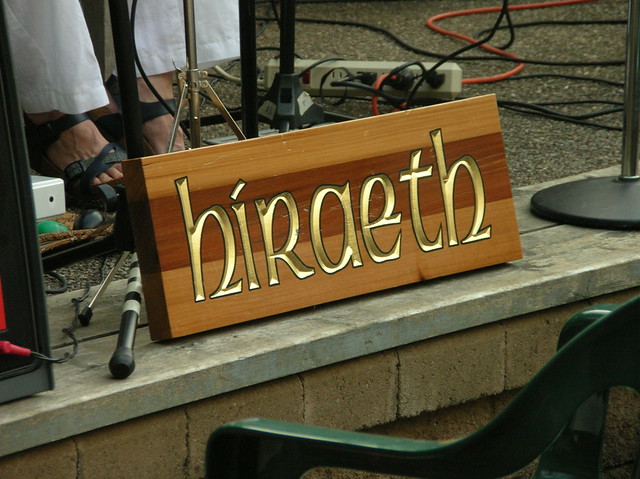
Yearning

Today we’re looking at the words for longing, yearning and related things in Celtic languages.

hiraethceltic09

Proto-Celtic *sīraxto- = roof
Gaulish siraxta = longing
Old Irish (Goídelc) sírecht = lack, longing, sadness
Irish (Gaeilge) síreacht = wistfulness, longing, plaint, plaintive music
síreachtach = wistful, longing, plaintive (music)
Scottish Gaelic (Gàidhlig) sireachd [ʃirʲəxg] = (act of) searching, seeking
Manx (Gaelg) shirrey = seeking, solicitation
Proto-Brythonic *hiraɨθ = nostalgia, longing, yearning, homesickness
Middle Welsh (Kymraec) hiraeth, hyreyth = longing, yearning, nostalgia
Welsh (Cymraeg) hiraeth [ˈhɪraɨ̯θ/ˈhiːrai̯θ] = grief or sadness after the lost or departed, longing, yearning, nostalgia, wistfulness, homesickness, earnest desire
hiraethgar = full of longing, yearning, wistful
hiraethiad = a yearning
hiraethol = sad, longing, yearning, hankering, wistful, nostalgic
hiraethu = to long, yearn, be earnestly desirous, sorrow, grieve
hiraethus = yearning, hankering, longing, wistful, sorrowful, eager, ardent, longed for, desired
Middle Cornish hireth, hyreth, hereth = longing, an earnest desire, regretting, regret
Cornish (Kernewek) hireth [ˈhɪrɛθ] = loneliness, longing, nostalgia, yearning
hirethek = homesick, lonely, longing, yearning
Old Breton hiraez = yearning, desire
Middle Breton hirrez, hirez, hireh, hireah = yearning, desire
Breton (Brezhoneg) hiraezh = yearning, desire, aspiration
hiraezhiñ (da) = to yearn (for), desire, aspire (to)

Etymology: from the Proto-Celtic *siros (long), from the Proto-Indo-European *seh₁- (long, lasting), and the Proto-Celtic *anxtu (slaughter), from the Proto-Indo-European *neḱ- (perish, disappear) [source].

Old Irish (Goídelc) cuma = grief, sorrow
Irish (Gaeilge) cumha [kuː / kuə] = loneliness, homesickness, parting sorrow
cumhach = lonesome, homesick, wistful, nostalgic
miancumha = longing, yearning
Scottish Gaelic (Gàidhlig) cumha [kũ.ə] = lament, (act of) lamenting
cumhach [kũ.əx] = mournful, sorrowful

Etymology: possibly from the Proto-Indo-European *qem/qom (hum) [source].

Irish (Gaeilge) fadaíocht [kuː / kuə] = lengthiness, longsomeness
Scottish Gaelic (Gàidhlig) fadachd [fadəxg] = longing, yearning; length
Manx (Gaelg) foddeeagh = homesick, longing, nostalgic
foddeeaght, foddiaght = distance, fervent, desire, hankering, longing, nostalgia

Etymology: from the Old Irish fota (long) [source].

Words marked with a * are reconstructions.

Sources: Wiktionary, Am Faclair Beag, Online Manx Dictionary, Teanglann.ie, eDIL – Electronic Dictionary of the Irish Language, In Dúil Bélrai English – Old Irish glossary, Geiriadur Prifysgol Cymru, Gerlyver Kernewek, Gerlyvyr Cernewec, Dictionaire Favereau, TermOfis, Le dictionnaire diachronique du breton, Geriafurch, English – ProtoCeltic WordList (PDF), Etymological Dictionary Of Proto Celtic

italki - Win cash rewards for learning any language