Nieces

Today we’re looking at the words for niece and related people in Celtic languages.

Sasha and Nick
My brother and my niece

Words marked with a * are reconstructions.

Proto-Celtic *nextī = niece
Old Irish (Goídelc) necht = niece, grand-daughter
Middle Irish (Gaoidhealg) necht, neachd = niece, grand-daughter
Irish (Gaeilge) neacht [n̠ʲæxt̪ˠ] = niece
garneacht = grand-niece
Scottish Gaelic (Gàidhlig) nigh [n̪iːj] = daughter, niece
Proto-Brythonic *nėθ = niece
Middle Welsh (Kymraec) nith = niece
Welsh (Cymraeg) nith [niːθ] = niece
gor-nith = great-niece
Old Cornish noit = niece
Middle Cornish (Cernwec) noit = niece
Cornish (Kernwek) nith = niece
Old Breton nith = niece
Middle Breton nyz, niz = niece
Breton (Brezhoneg) nizh, nizez = niece
gou(r)nizez = great-niece

Etymology from the Proto-Indo-European *néptih₂ (niece, granddaughter) [source].

Words in Germanic language the come from the same PIE root, via the Proto-Germanic *niftiz (female descendent, granddaughter, niece), including: Nichte (niece) in German, nicht (female cousin, niece) in Dutch, and the obsolete English word nift (niece) [source].

The English word niece comes from the same PIE root, via the Middle English nece (niece, granddaughter), from the Old French nece (niece, granddaughter), from the Vulgar Latin *neptia (niece), from the Latin neptis (granddaughter) [source].

Other words for niece:

  • Irish: iníon deirféar (sister’s daughter), iníon dearthár (brother’s daughter)
  • Scottish Gaelic: nighean-pheathar (sister’s daughter), nighean-bhràthar (brother’s daughter), ban-ogha = granddaughter, niece
  • Manx: inneen shayrey (sister’s daughter), inneen vraarey (brother’s daughter)

See also the post about daughters.

The Fastest Way to Learn Japanese Guaranteed with JapanesePod101.com

Sources: Wiktionary, Am Faclair Beag, Online Manx Dictionary, Teanglann.ie, eDIL – Electronic Dictionary of the Irish Language, In Dúil Bélrai English – Old Irish glossary, Geiriadur Prifysgol Cymru, Gerlyver Kernewek, Lexicon Cornu-britannicum: A Dictionary of the Ancient Celtic Language of Cornwall, Dictionaire Favereau, TermOfis, Le dictionnaire diachronique du breton, Etymological Dictionary Of Proto Celtic

Sisters

Today we’re looking at the words for sister and related people in Celtic languages.

Sisters

Words marked with a * are reconstructions.

Proto-Celtic *swesūr [ˈswe.suːr] = sister
Gaulish suiorebe = sister
Old Irish (Goídelc) siur = sister, kinswoman, female relation
derbṡiur [ˈdʲerʲvʲ.fʲi.ur] = sister (by blood / in a religious community)
sinserṡiur [ˈsʲinsʲerˌhi.ur] = elder sister
Middle Irish (Gaoidhealg) siur = sister, kinswoman, female relation
derbsiur = sister (by blood / in a religious community)
Irish (Gaeilge) siúr [ʃuːɾˠ] = sister, kinswoman; Sister (member of a religious community); (nursing) sister
deirfiúr = sister
deirfiúr athar = paternal aunt
deirfiúr máthar = maternal aunt
deirfiúr céile = sister-in-law
leathchúpla deirféar = twin sister
iníon deirféar = brother’s son, niece
mac deirféar = sister’s son, nephew
deirféar = sisterly
Scottish Gaelic (Gàidhlig) siùir [ʃuːrʲ] = sister (archaic)
piuthar [pju.ə] = sister
piùthrag [pjuːrag] = little sister, sis
piutharail [pju.əral] = sisterly
peathrachas [pɛrəxəs] = sisterhood, soroity
piuthar-chèile = sister-in-law
piuthar leth-aon = twin sister
piuthar-altraim = foster-sister
piuthar-athar = paternal aunt
piuthar-màthar = maternal aunt
Manx (Gaelg) shuyr [ʃuːr] = sister
shayragh, shuyroil = sisterly
shuyrys = sisterhood
shuyr (v)ayrey = aunt
shuyr gholtit = foster-sister
shuyr lannoonagh = twin sister
shuyr ‘sy leigh = sister-in-law
Proto-Brythonic *hwehir = sister
Middle Welsh (Kymraec) chwaer = sister
Welsh (Cymraeg) chwaer [χwaːɨ̯r / χwai̯r] = sister, half-sister, female mate or partner; maiden, sweetheart, mistress; nun, sister (in hospital)
chwaer efell = twin sister
chwaer faeth = foster sister
chwaer fedydd = god-sister
chwaer yng nghyfraith = sister-in-law
hanner chwaer = half-sister, step-sister
chwaerol = sisterly
chwaeroliaeth = sisterhood
Old Cornish huir = sister
Middle Cornish (Cernewec) hoer, huir, wuir, hôr = sister
Cornish (Kernwek) hwor = sister
hanter-hwor = half-sister
Old Breton guoer = sister
Middle Breton hoar, choar = sister (female sibling, nun)
Breton (Brezhoneg) c’hoar = sister
c’hoarig = sis, little sister; twin sister
c’hoarelezh = sisterhood
c’hoar-gaer, c’hoareg = sister-in-law, stepsister

Etymology from the Proto-Indo-European *swésōr (sister) [source]. Words for sister in many Indo-European languages come from the same roots [source].

Here’s a traditional Scottish Gaelic song about sisters – A’ phiuthrag ’sa phiuthar

The Fastest Way to Learn Japanese Guaranteed with JapanesePod101.com

Sources: Wiktionary, Am Faclair Beag, Online Manx Dictionary, Teanglann.ie, eDIL – Electronic Dictionary of the Irish Language, In Dúil Bélrai English – Old Irish glossary, Geiriadur Prifysgol Cymru, Gerlyver Kernewek, Lexicon Cornu-britannicum: A Dictionary of the Ancient Celtic Language of Cornwall, Dictionaire Favereau, TermOfis, Le dictionnaire diachronique du breton, Etymological Dictionary Of Proto Celtic

Knotty Bulges

Today we’re looking at the words for knots, bulges, and related things in Celtic languages.
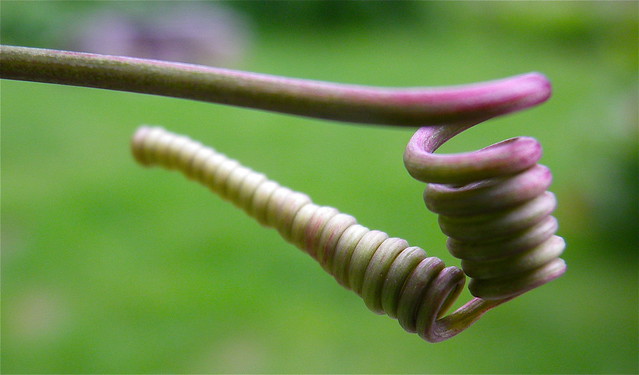
Knot - words for knot in Celtic languages

Proto-Celtic *odbos = knot, bulge
Old Irish (Goídelc) odb [oðb] = knot (in a wood); lump, swelling, protuberance; difficulty, problem
odbach
Middle Irish (Gaoidhealg) fodb, fobd = knot (in a wood); lump, swelling, protuberance; difficulty, problem
Irish (Gaeilge) fadhb [fˠəibˠ] = knot (in a wood); callosity; lump (from blow); lumpy object; knotty problem, poser
fadhbach = knotty, callous, lumpy; problematical, puzzling
fadhbairne = lumpy object
fadhbán = (small) knot, lump
fadhbóg = (small) lump, whopping lie
Scottish Gaelic (Gàidhlig) faob [fɯːb] = lump, knob, knot (in wood)
faobach [fɯːbəx] = lumpy, knotty
Manx (Gaelg) uddan = lump, node, knob
Welsh (Cymraeg) oddf [ˈɔðv] = hard swelling or growth, hump, knob (on horn), gall, burl, knot (in wood), tuber, bulb, knob, lump, node
oddfog = knobby, bulbous, tuberous, having a hump
oddfynnog = bulbous, tubercular, tuberous

Etymology possibly from the Proto-Indo-European *h₃ésth₁ / *h₂óst (bone) [source].

Old Irish (Goídelc) colmméne = skin
Middle Irish (Gaoidhealg) colum = skin
Middle Welsh (Kymraec) kulym, clwm, cwlm, kwlwm = knot, tie, bond
kylymy, klymv, clymmu, c(y)lymaf, c(y)lymu = to tie, bind
Welsh (Cymraeg cwlwm [ˈkʊlʊm / ˈkuːlʊm] = knot, tie; bond, connection, union, fetter, plot; bunch, cluster, bundle; node, nodule, knot in timber
cwlwm gwlwm = knot tied twice
clymu [ˈkləmɨ̞ / ˈkləmi] = to tie, bind, set, unite, couple, rally
clymog = knotted, knotty, gnarled, tied, intricate, complex
Middle Cornish colm = knot, tie, bond
colma = to bind, tie
colmen = knot, tie, bond, halter
colmur = binder
Cornish (Kernewek) kolm = knot
kelmi = to knot
kelmys = knotted
Middle Breton scoulm, sclom, sklom = knot
Breton (Brezhoneg) skoulmoù, skoulm = knot
kouloumañ, kolomiñ = to knot

Etymology uncertain

Proto-Celtic *nad-sko- = to bind
Old Irish (Goídelc) snaidm [sn͈aðʲmʲ] = bond, contract, knot, pact
snaidmid = to bind, knot
nasicid = to bind
airnaidmid = to bind, pledge
Middle Irish (Gaoidhealg) snaidm = knot, bond
Irish (Gaeilge) snaidm = knot, bond, constriction, contortion, tie, brace, problem, difficulty, problem; to knot, bind, tie, entwine, join, unite, knit
snaidmeach = knotted, knotty
snaidmeacht = knottiness
snaidmeadóir = knotter, binder, tier, setter
snaidmeach = knotty, knotted
nasc = to tie, tether, chain, link, clasp, bond
Scottish Gaelic (Gàidhlig) snaidhm [sn̪ˠaim] = knot, joint, knotting, tying a knot
snaidhmeach [sn̪ˠaiməx] = knotty, abounding in knots
snaidhmte [sn̪ˠaimdʲə] = knotted, tied with a knot
nasg [n̪ˠasg] = tie-band, membrane of an egg, skeleton
nasgadh
Manx (Gaelg) sniem = bow, knot, snare; to knot
sniemmit = joined, knitted, knotted, noosed, tied
sniemmagh = knotted
sniemmey = join, knit, knot, knotting, noose, tie, tying
nast = award, bond, gift, gratuity, betroth
naisht = affianced, bind, engaged
Middle Breton nasca = to bind
Breton (Brezhoneg) naskañ = to hinder, impede, obstruct

Etymology from the Proto-Indo-European *gned-/*gnod- (to bind) [source]. The English word knot comes from the same PIE root, via Middle English, Old English and Proto-Germanic [source].

Words marked with a * are reconstructions.

Sources: Wiktionary, Am Faclair Beag, Online Manx Dictionary, Teanglann.ie, eDIL – Electronic Dictionary of the Irish Language, In Dúil Bélrai English – Old Irish glossary, Geiriadur Prifysgol Cymru, Gerlyver Kernewek, Gerlyvyr Cernewec, Dictionaire Favereau, TermOfis, Le dictionnaire diachronique du breton, Geriafurch, English – ProtoCeltic WordList (PDF), Etymological Dictionary Of Proto Celtic

italki - Win cash rewards for learning any language

Festive Feasts

Today we’re looking at the words for festival, feast and related things in Celtic languages.

Crowds with St David's Flags / Tyrfa, Baner Dewi Sant

Words marked with a * are reconstructions.

Proto-Celtic *lītus = feast, celebration
Old Irish (Goídelc) líth [l͈ʲiːθ] = festival, feast-day, festivity, luck
Middle Irish (Gaoidhleag) líth = festival, feast-day, festivity, entertainment, rejoicing, luck, properity
líthech = festive
Irish (Gaeilge) líth [ˈfʲeːlʲə] = festival, festivity, rejoicing; (good) omen, good luck, prosperity
lítheach = festive
Scottish Gaelic (Gàidhlig) lì, lìthe [l̪ʲiː] =paint, colour, tinge, hue, complexion, properity, happiness
Middle Breton (Brezonec) lyt, lid = ceremony, rite
Breton (Brezhoneg) lid = ceremony, rite, worship, jubilation

Etymology possibly from the Proto-Indo-European *leyH- (flow) [source].

Proto-Celtic *westā = food, feast
Old Irish (Goídelc) feis, fess, feiss = entertainment, feast; night’s lodging
Middle Irish (Gaoidhleag) feis(s), fess = spending the night, sleeping, accommodation for the night, entertainment for the night, food, supper, feast, festival
fes(s)id = spend the night, stops (in a place), remains
Irish (Gaeilge) feis [fʲɛʃ] = festival, carnival; act of sleeping, accommodation, entertainment, bed and supper
Scottish Gaelic (Gàidhlig) fèis [feːʃ] = festival
fèist [feʃdʲ] = entertainment, feast
fèistear [feːʃdʲər] = entertainer
fèisteas [feːʃdʲəs] = entertainment
Manx (Gaelg) feish = assembly, carnival, festival, fete
Middle Welsh (Kymraec) gwest = night’s stay/lodging, night’s sleep/rest, lodging, hospitality
guestei, gwestai = guest, visitor, visiting stranger, sojourner; beggar, parasite, host
guesti, gwesti = to stay, rest, remain, lodge, lodging, abode, welcome, reception, sustenance, guest, lodger
gwestwyr, gwestywr = guest visitor, host
Welsh (Cymraeg) gwest [ɡweːsd/ɡwɛsd] = night’s stay/lodging, night’s sleep/rest, lodging, hospitality, welcome, entertainment, provision, maintenance, food-rent, feast, banquet; guest, visitor
gwestai = guest, visitor, visiting stranger, sojourner; beggar, parasite, host
gwesti = to stay, rest, remain, lodge, lodging, abode, welcome, reception, sustenance, guest, lodger
gwest(i)wr = guest visitor, host
gwestu = to spend a night, sleep, rest, lodge, visit, feast, borrow, beg, sponge (upon)
gwesty = lodging, guest-house, inn, hotel
gwestya = to lodge, live in lodgings, show hospitality to (guests), welcome
Cornish (Kernewek) gwester = guest
gwesti = guesthouse
gwestva = hospitality
Old Breton guest = feast

Etymology possibly from the Proto-Indo-European *h₂wes- (to reside) [source].

Proto-Celtic *wlidā = food, feast
Old Irish (Goídelc) fled [fʲlʲeð] = banquet, feast
Middle Irish (Gaoidhleag) fled = feast, banquet, carousal, beverage
fletech = a banqueting-house or hall
Irish (Gaeilge) fleá [fʲlʲaː / fʲlʲɑː / fʲlʲæː] = (drinking) feast
fleá cheoil = festival of music
fleách = festive, convivial
fleáchas = festivity, conviviality
fleadhaigh = to feast, carouse<
Scottish Gaelic (Gàidhlig) fleadh [flɤɣ] = feast, reception
fleadh-bainnse = wedding reception
fleadhach [flɤɣəx] = feasting, banqueting, entertaining
fleadhadh = (act of) conviving, gathering for feasting/td>
Manx (Gaelg) fleah = banquet, feast
fleah foalley = barbeque
Proto-Brythonic *gwleð [ˈɡwlɛːð] = feast, banquet
Old Welsh guled = feast, banquet
Middle Welsh (Kymraec) gwledd = feast, banquet
Welsh (Cymraeg) gwledd [ɡwleːð] = feast, banquet, repast, carousal, revelry, sumptuous meal
gwleddu = to partake of a feast or banquet, feed with relish or enjoyment, carouse, revel, observe a festival
gwleddol = convivial, festive, banqueting, feasting, feaster
gwleddoldeb = festivity
gwleddwr = banqueter, guest, frequenter of feasts, reveller, carouser
Cornish (Kernewek) gwledh = banquet
Old Breton gloê = feast, banquet

Etymology possibly from the Proto-Indo-European *wldeh₂, from *welh₁- (to wish, desire, want) [source].

Old Irish (Goídelc) féil = festival, feast-day
Middle Irish (Gaoidhleag) féil, fel = a festival, feast-day
féilire = a calendar, almanac
fletech = a banqueting-house or hall
Irish (Gaeilge) féile [ˈfʲeːlʲə] = festival, feast (day)
féilire = calendar
féiltiúil = pertaining to festival, festive; periodic, recurrent, regular, punctual
féiltiúlacht = observance of feast days, seasonableness, regularity, punctuality
Scottish Gaelic (Gàidhlig) féill [feːl̪ˠ(ə)] = feast, festival, holy day fair, sale, market
féilleachd [feːl̪ˠəxɡ] = festivity, festivities
Manx (Gaelg) feaill [ˈsolan] = festival, holy day
feailley = feast, festival, fête, holiday, holy day, sacred
feaillys = festivity, sacredness, vacation
Middle Welsh (Kymraec) gwyl, gŵyl = holiday, holy-day, religious festival
Welsh (Cymraeg) gŵyl [ˈhalɛn / ˈhalan] = holiday, holy-day, religious festival, fête; watch, guard, vigil
gŵyl y Banc = Bank Holiday
Middle Cornish goil = festival, holiday
Cornish (Kernewek) gool = fair, feast, festival, vigil, wake
Gool Enys = carnival
Middle Breton (Brezonec) goel = (religious) festival, fête
Breton (Brezhoneg) gouel = (religious) festival, fête

Etymology from the Latin vigilia (wakefulness, watch), from vigil (awake), from the Proto-Indo-European *weǵ- (to be strong) [source].

The English words vigil, vigilant come from the same Latin root, and wake and watch come from the same PIE root, via Proto-Germanic [source].

Sources: Wiktionary, Am Faclair Beag, Online Manx Dictionary, Teanglann.ie, eDIL – Electronic Dictionary of the Irish Language, In Dúil Bélrai English – Old Irish glossary, Geiriadur Prifysgol Cymru, Gerlyver Kernewek, Lexicon Cornu-britannicum: A Dictionary of the Ancient Celtic Language of Cornwall, Dictionaire Favereau, TermOfis, Le dictionnaire diachronique du breton, Etymological Dictionary Of Proto Celtic

italki - Win cash rewards for learning any language

Salt

Today we’re looking at the words for salt and related things in Celtic languages.

salt

Proto-Celtic *salanos = salt
Old Irish (Goídelc) salann [ˈsalan͈] = salt
Irish (Gaeilge) salann [ˈsˠɑl̪ˠən̪ˠ / ˈsˠalˠən̪ˠ / ˈsˠɔlˠən̪ˠ] = salt
saill = to salt, cure, season
sailleadh = salting, curing
saillteacht = saltiness
saillteoir = salter, curer
sáiltéar = salt-cellar
Scottish Gaelic (Gàidhlig) salann [sal̪ˠən̪ˠ] = salt
salainneach [sal̪ˠɪn̪ʲəx] = salty
salainneachadh [sal̪ˠɪn̪ʲəxəɣ] = (act of) salting, (act of) curing with salt, salinisation
Manx (Gaelg) sollan [ˈsolan] = salt
sailjey = brackish, briny, corned, pickled, saline, salt, salty
Proto-Brythonic *haluɨn = salt
Middle Welsh (Kymraec) halaen, halen = salt
Welsh (Cymraeg) halen [ˈhalɛn / ˈhalan] = salt, sodium chloride; brine; moral élite, the excellent of the earth, wit, eloquence
halenu = to salt, become salt
halenaidd = saline, salty, brackish
halenydd = salt, saline, brackish
halenog = salt, saliferous, saline, salty
halenwr = salt dealer, salt maker
hâl = salt, alkali, salty, saline, alkaline
hallt = salt, salty, briny, brackish, sharp, preserved in salt, pickled; bitter, sharp, harsh, severe; sea, the brine, the briny
halltog = salt, salty
Old Cornish haloin = salt
Middle Cornish halan, halen = salt
Cornish (Kernewek) holan = salt
holanen = grain of salt
Middle Breton halon = salt
Breton (Brezhoneg) holen = salt
holener = salt cellar
holenañ = salt dealer/seller

Etymology from the Proto-Indo-European *séh₂ls (salt) [source].

The English words salt, salary, salad, sauce and salsa come from the same PIE root [source].

Words marked with a * are reconstructions.

Sources: Wiktionary, Am Faclair Beag, Online Manx Dictionary, Teanglann.ie, eDIL – Electronic Dictionary of the Irish Language, In Dúil Bélrai English – Old Irish glossary, Geiriadur Prifysgol Cymru, Gerlyver Kernewek, Gerlyvyr Cernewec, Dictionaire Favereau, TermOfis, Le dictionnaire diachronique du breton, Geriafurch, English – ProtoCeltic WordList (PDF), Etymological Dictionary Of Proto Celtic
italki - Win cash rewards for learning any language

Yearning

Today we’re looking at the words for longing, yearning and related things in Celtic languages.

hiraethceltic09

Proto-Celtic *sīraxto- = roof
Gaulish siraxta = longing
Old Irish (Goídelc) sírecht = lack, longing, sadness
Irish (Gaeilge) síreacht = wistfulness, longing, plaint, plaintive music
síreachtach = wistful, longing, plaintive (music)
Scottish Gaelic (Gàidhlig) sireachd [ʃirʲəxg] = (act of) searching, seeking
Manx (Gaelg) shirrey = seeking, solicitation
Proto-Brythonic *hiraɨθ = nostalgia, longing, yearning, homesickness
Middle Welsh (Kymraec) hiraeth, hyreyth = longing, yearning, nostalgia
Welsh (Cymraeg) hiraeth [ˈhɪraɨ̯θ/ˈhiːrai̯θ] = grief or sadness after the lost or departed, longing, yearning, nostalgia, wistfulness, homesickness, earnest desire
hiraethgar = full of longing, yearning, wistful
hiraethiad = a yearning
hiraethol = sad, longing, yearning, hankering, wistful, nostalgic
hiraethu = to long, yearn, be earnestly desirous, sorrow, grieve
hiraethus = yearning, hankering, longing, wistful, sorrowful, eager, ardent, longed for, desired
Middle Cornish hireth, hyreth, hereth = longing, an earnest desire, regretting, regret
Cornish (Kernewek) hireth [ˈhɪrɛθ] = loneliness, longing, nostalgia, yearning
hirethek = homesick, lonely, longing, yearning
Old Breton hiraez = yearning, desire
Middle Breton hirrez, hirez, hireh, hireah = yearning, desire
Breton (Brezhoneg) hiraezh = yearning, desire, aspiration
hiraezhiñ (da) = to yearn (for), desire, aspire (to)

Etymology: from the Proto-Celtic *siros (long), from the Proto-Indo-European *seh₁- (long, lasting), and the Proto-Celtic *anxtu (slaughter), from the Proto-Indo-European *neḱ- (perish, disappear) [source].

Old Irish (Goídelc) cuma = grief, sorrow
Irish (Gaeilge) cumha [kuː / kuə] = loneliness, homesickness, parting sorrow
cumhach = lonesome, homesick, wistful, nostalgic
miancumha = longing, yearning
Scottish Gaelic (Gàidhlig) cumha [kũ.ə] = lament, (act of) lamenting
cumhach [kũ.əx] = mournful, sorrowful

Etymology: possibly from the Proto-Indo-European *qem/qom (hum) [source].

Irish (Gaeilge) fadaíocht [kuː / kuə] = lengthiness, longsomeness
Scottish Gaelic (Gàidhlig) fadachd [fadəxg] = longing, yearning; length
Manx (Gaelg) foddeeagh = homesick, longing, nostalgic
foddeeaght, foddiaght = distance, fervent, desire, hankering, longing, nostalgia

Etymology: from the Old Irish fota (long) [source].

Words marked with a * are reconstructions.

Sources: Wiktionary, Am Faclair Beag, Online Manx Dictionary, Teanglann.ie, eDIL – Electronic Dictionary of the Irish Language, In Dúil Bélrai English – Old Irish glossary, Geiriadur Prifysgol Cymru, Gerlyver Kernewek, Gerlyvyr Cernewec, Dictionaire Favereau, TermOfis, Le dictionnaire diachronique du breton, Geriafurch, English – ProtoCeltic WordList (PDF), Etymological Dictionary Of Proto Celtic

italki - Win cash rewards for learning any language

Roofs

Today we’re looking at the words for roof and related things in Celtic languages.

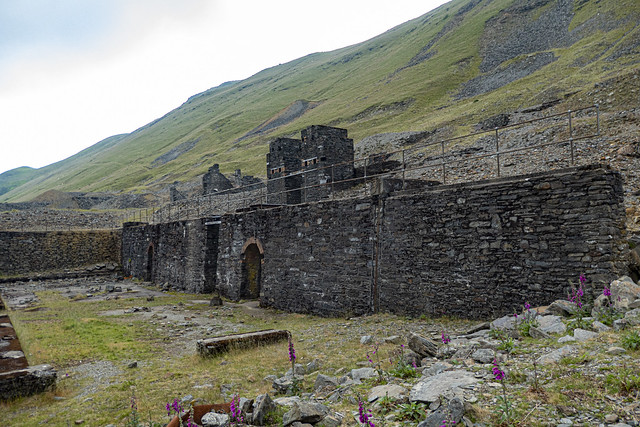
Harry Kelly's cottage, Cregneash, Isle of Man

Proto-Celtic *togos = roof
Old Irish (Goídelc) tuige = thatching, roofing material, straw
tugae = covering, cover, thatching
Irish (Gaeilge) tuí [t̪ˠiː] = thatch, straw
tuíodóir = thatcher
tuíodóireacht = thatching
Scottish Gaelic (Gàidhlig) tugha [tu.ə] = thatch
tughadair [tu.ədɪrʲ] = thatcher
tughadaireachd [tu.ədɪrʲəxɡ] = thatching
Manx (Gaelg) thoo = thatch
Proto-Brythonic *toɣ = roof, covering
Middle Welsh (Kymraec) to, tô = roof, ceiling, thatch
Welsh (Cymraeg) to [toː] = roof, ceiling, roofing, (straw) thatch, sheaf (of wheat), layer; penthouse; set, row; generation, lineage, order
toeau = roofscape
toi = to roof, roofing
töwr = roofer
to bach = circumflex
to gwellt = thatched roof, thatch
Old Cornish to = roof
Middle Cornish to = roof
Cornish (Kernewek) to = roof
Middle Breton toenn = roof
Breton (Brezhoneg) to = roofing, covering
toenn = roof
toennoù = covering

Etymology: from the Proto-Indo-European *(s)teg- (to cover) [source].

From the same PIE root we get words for house, household and family in Celtic languages, the English words protect, stegosaurus, thatch, tile and toga in English, [source].

Old Irish (Goídelc) mullach [ˈmul͈əx] = top
Irish (Gaeilge) mullach [mˠəˈl̪ˠɑx / ˈmˠʊl̪ˠəx] = top, highest point, summit, crown, height, eminence, capital, round top, heaped load
Scottish Gaelic (Gàidhlig) mullach [mul̪ˠəx] = roof, peak, summit, top, lid, crest, crown, height,upland
mullach-taighe = house roof
Manx (Gaelg) mullagh = top, ridge, apex, peak, crest, pinnacle, summit, eminence, roofing, crest, crisis, ceiling, capital
mullagh-thie = roof
mullagh-thooee = straw/thatched roof
mullagh sclate = slated roof

Etymology: possibly from the Old Irish mul (lump, heap) [source].

Proto-Celtic *dênu
Old Irish (Goídelc) dín = protection, defence, shelter, covering, thatch, roofing
Irish (Gaeilge) díon [dʲiːnˠ] = protection, shelter, covering, roof; to protect, shelter, make watertight, roof, thatch, immunize
díonach = protective, impermeable, proof
díonacht = protectiveness, impermeability, staunchness
díonadóir = protector, roofer, thatcher
díonadóireacht = roofing, thatching
Scottish Gaelic (Gàidhlig) dìon [dʲiən] = protecting, safeguarding, protection, safeguard, sheltering, shelter, defening, defence. guard
dìonach = airtight, waterproof, watertight, secure, firm
dìonachd = security, shelter, watertightness, immunity
dìonadach = defensive, preventive
dìonadair = defender, defendant, safeguarder, fender
Manx (Gaelg) jeen = dry, impermeable, proof, staunch, waterproof, watertight, weatherproof
jeenagh = impermeable, resistant, rinsing, staunch, waterproof
felt jeen = roofing felt

Etymology: possibly from the Proto-Indo-European *dʰeh₁- (to do, put, place) [source].

Words marked with a * are reconstructions.

Sources: Wiktionary, Am Faclair Beag, Online Manx Dictionary, Teanglann.ie, eDIL – Electronic Dictionary of the Irish Language, In Dúil Bélrai English – Old Irish glossary, Geiriadur Prifysgol Cymru, Gerlyver Kernewek, Gerlyvyr Cernewec, Dictionaire Favereau, TermOfis, Le dictionnaire diachronique du breton, Geriafurch, English – ProtoCeltic WordList (PDF), Etymological Dictionary Of Proto Celtic

italki - Win cash rewards for learning any language

Key Openings

Today we’re looking at the words for to open, keys and related things in Celtic languages.

Crete thru open doors

Proto-Celtic *koros = putting, casting
*exs-koris = the opener
Old Irish (Goídelc) cor [kor] = putting, setting, throwing
eochair = key
Irish (Gaeilge) cor [kɔɾˠ] = to turn, turn, turning movement, cast, lively air, reel
corach = turning, twisting
coradh = to turn, bend
eochair [ˈɔxəɾʲ] = key, clef
Scottish Gaelic (Gàidhlig) car [kar] = to bend, spin, turn, twist, trick, fraud, movement, job, task
iuchair [ˈɔxəɾʲ] = key, clef
Manx (Gaelg) cor = twirl
ogher = key, peg, headstone, keystone, clef, legend
Middle Welsh (Kymraec) agory, agori, egor = open
egoriad = key
Welsh (Cymraeg) agor [ˈaɡɔr] = to open, unlock, unfasten, undo, loosen, disclose, divulge, reveal, declare, expound, explain, interpret
agored = open(ed), ajar, clear, dilated, spread, broad, wide
agoredrwydd = openness
agoriad = key, opening, hatch, aperture, gap, entrance
agoriawdr = opener, (musical) clef
agorwr / agorydd = opener, expounder, interpreter
Middle Cornish ygor(i) = to open
ygor = open
Cornish (Kernewek) ygor(i), egor(i) = to open
ygor, egor = open
ygorys, egerys = opened
ygeryans, egeryans = opening
Middle Breton igueriff, igor = open
Breton (Brezhoneg) digor = open
digoriñ = to open

Etymology: possibly from the Proto-Indo-European (s)ker- (to turn, curve) [source].

From the same PIE root we get the Latin word cancer (crab, tumor, cancer, lattice, grid), and related words in other languages, such as cancer, canker and incarcerate in English, and cangrejo (crab) and cáncer (cancer) in Spanish [source].

Proto-Brythonic *alchwedd = key
Middle Welsh (Kymraec) allwed = key
Welsh (Cymraeg) allwedd [ˈaɬwɛð/ˈaɬwɛð] = key, corkscrew, pedal
allweddu = to key or type, keyboard
allweddair = keyboard, password, buzz-word, catchword, slogan
allweddog = bearing/having keys, keyed
allweddol = key, critical, pivotal, crucial, strategic
Old Cornish alped = key
Middle Cornish alwheth = key
Cornish (Kernewek) alhwedh = key
alhwedha = to lock
alhwedhor(es) = treasurer
Middle Breton alhouez = key
Breton (Brezhoneg) alc’hwez [ˈal.ɣwe/ˈal.ɣwɛs] = key
alc’hweziek = keyed

Etymology: from the Proto-Indo-European *(s)kleh₂w- (hook, peg) [source].

Words marked with a * are reconstructions.

Sources: Wiktionary, Am Faclair Beag, Online Manx Dictionary, Teanglann.ie, eDIL – Electronic Dictionary of the Irish Language, In Dúil Bélrai English – Old Irish glossary, Geiriadur Prifysgol Cymru, Gerlyver Kernewek, Gerlyvyr Cernewec, Dictionaire Favereau, TermOfis, Le dictionnaire diachronique du breton, Geriafurch, English – ProtoCeltic WordList (PDF), Etymological Dictionary Of Proto Celtic
The Fastest Way to Learn Japanese Guaranteed with JapanesePod101.com

Arrows

Today we’re looking at the words for arrows and related things in Celtic languages.

Archers

Old Irish (Goídelc) saiget [ˈsa.ɣʲəd] = arrow, dart, javelin
saigetbolc = quiver
saiget geláin (flash of) ligthning
Middle Irish (Gaoidhealg) saiget = arrow, dart, javelin
Irish (Gaeilge) saighead [sˠəid̪ˠ/sˠeːd̪ˠ] = arrow, bolt, shaft, dart, pang, incitation
saigheadmhar = arrow-like, sharp, piercing
saighdeoir = archer, bowman, inciter
saighdeoireacht = archery, (act of) spearing (fish)
Scottish Gaelic (Gàidhlig) saighead [sajəd] = arrow, stabbing pain, knot (in wood)
saigheadair [sajədɪrʲ] = arrow-maker, archer
Manx (Gaelg) side = arrow, bolt, dart, shaft
sideyr = archer
sideyraght / sideyrys = archery
Proto-Brythonic *saɣeθ = arrow
Middle Welsh (Kymraec) saeth = arrow
Welsh (Cymraeg) saeth [saːɨ̯θ/sai̯θ] = arrow
saethu = to shoot, fire, hit (a target), go shooting
saethwr /saethydd = archer, bowman, shooter, marksman striker
saethol = shooting, darting, radiating
saethiad = shooting, shot, blast, projection, squirt, jet
Middle Cornish seth = arrow
Cornish (Kernewek) seth = arrow
setha = to shoot
sether = archer
sethigow = darts
Middle Breth saez = arrow
Breton (Brezhoneg) saezh = arrow, sunbeam
saezhataer / saezhour = Sagittarius

Etymology: from the Latin sagitta (arrow, shaft, bolt), proabably from a pre-Latin Mediterranean language [source].

From the same root we get the Latin word sagittārius (armed with a bow and arrows; archer, bowman, fletcher) which became Sagittarius (a sign of the zodiac) and sagittary (centaur, archer, Sagittarius) in English [source].

Words marked with a * are reconstructions.

Sources: Wiktionary, Am Faclair Beag, Online Manx Dictionary, Teanglann.ie, eDIL – Electronic Dictionary of the Irish Language, In Dúil Bélrai English – Old Irish glossary, Geiriadur Prifysgol Cymru, Gerlyver Kernewek, Gerlyvyr Cernewec, Dictionaire Favereau, TermOfis, Le dictionnaire diachronique du breton, Geriafurch, English – ProtoCeltic WordList (PDF), Etymological Dictionary Of Proto Celtic
Blubrry podcast hosting

Druids

Today we’re looking at the words for druids in Celtic languages.

Druids

Proto-Celtic *druwits = druid, priest
Gaulish *druwits / *druwides = druid
Old Irish (Goídelc) druí [ˈdruːi̯] = druid, sorcerer, magician
Irish (Gaeilge) draoi [d̪ˠɾˠiː] = druid, wizard, magician, augur, diviner, trickster
draíocht = druidic art, druidism, witchcraft, magic, charm, enchantment
draíochtach = magicial, bewitching, entrancing
draíodóir = magician
draíodóireacht = magic, sly, cunning, hypocrisy, trickery, secretiveness
Scottish Gaelic (Gàidhlig) draoidh [drɯj] = druid, sorcerer, magician, wizard
draoidheachd [drɯjəxg] = magic, sorcery, druidism
draoidheil [drɤjal] = druidic(al), magic(al)
ceò-draoidh = magic mist
eun-draoidh = augur
Manx (Gaelg) druaight = charm, druid
druaightagh = smithcraft, smithery, smithywork
druaightys = charming, druid, druidism, magic
Proto-Brythonic *drüw [ˈdryu̯] = druid, seer
Welsh (Cymraeg) dryw [drɨu̯/drɪu̯] = druid, seer
derwydd [ˈdɛrwɨ̞ð / ˈdɛrwɪð] = prophet, wise man, druid
derwyddaidd = druidical
derwyddiaeth = druidism, the druid cult
derwyddol = druidic, druidical
archderwydd = archdruid
Old Cornish druw = druid
Cornish (Kernewek) drewydh = druid
Breton (Brezhoneg) drouiz [ˈdruː.is] = druid
drouizek / drouizel = druidic
drouizelezh / drouiziezh = druidism

Etymology: from the Proto-Celtic *daru (oak) and *wid-/*windeti (to know, to see), from the Proto-Indo-European *dóru (tree) and *weyd (to see, know) [source].

The Gaulish words for druid were borrowed by Ancient Greek, as δρυΐδαι (druḯdai), and Latin, as Druidēs. The Latin word was borrowed into French as druide, which was borrowed into English as druid [source].

The Proto-Brythonic word *drüw was borrowed into Old English as drȳ (sorcerer, magician), which became drī(mann)/driʒ(mann) (sorcerer, magician) in Middle English [source]. A few modern druids use the word drymann, or something similiar, to refer to themselves.

Here’s a traditional Welsh tune called Y Derwydd (The Druid):

Words marked with a * are reconstructions.

Sources: Wiktionary, Am Faclair Beag, Online Manx Dictionary, Teanglann.ie, eDIL – Electronic Dictionary of the Irish Language, In Dúil Bélrai English – Old Irish glossary, Geiriadur Prifysgol Cymru, Gerlyver Kernewek, Gerlyvyr Cernewec, Dictionaire Favereau, TermOfis, Le dictionnaire diachronique du breton, Geriafurch, English – ProtoCeltic WordList (PDF), Etymological Dictionary Of Proto Celtic

Blubrry podcast hosting