Deer

Words for deer in Celtic languages. There were several different words for deer in Proto-Celtic: *wēdus, *karwos, *ellan(t)ī-, *danī- and *yorkos, and also *sidos (stag). They may have referred to different types of deer, but it is not certain which types, apart from *yorkos, which is a roe deer.

Deer

Words marked with a * are reconstructions.

Proto-Celtic *wēdus [ˈweː.dus] = wild
Old Irish (Goídelc) fíad [fʲiːa̯ð] = wild animals, game, especially deer
Middle Irish (Gaoidhealg) fíad, fiad = wild animals, game, esp. deer
fíadamail = deer-like, wild, uncultivated
Irish (Gaeilge) fia [fʲiə] = deer
Scottish Gaelic (Gàidhlig) fiadh [fiəɣ] = deer
fiadhach [iə.əx] = deer hunting, venision, wildness, wilderness
fiadhachadh = deer hunting
Manx (Gaelg) feeaih, feeaïh = deer, hart
feeaihagh = deer hunting
feeaihaght = deer hunt

Etymology: from the Proto-Indo-European *weydʰ- (wood, wilderness) [source].

Proto-Celtic *karwos = deer, stag
Gaulish caruus, carvos, *caruos = deer
Old Irish (Goídelc) carbh = deer
Middle Irish (Gaoidhealg) cairrḟiad, cairrfiadh = stag
Irish (Gaeilge) carria / cairrfhiadh = deer, stag
Scottish Gaelic (Gàidhlig) cair-fhiadh / carbh-fheadh = hart, stag
Manx (Gaelg) çharroo, charroo = stag
Proto-Brythonic *karw = deer, stag
Old Welsh *caru = deer
Middle Welsh (kymraec) caru, carv, keyru, carw, karw = deer, hart, stag
carwaidd = having the attributes of a stag, pertaining to a stag, noble, wise
carwnaid, karwnaid = stag’s leap, a great leap
Welsh (Cymraeg) carw [ˈkaru / ˈkaːru] = deer, hart, stag; lord, nobleman, patron
carw coch / carw rhudd = red deer, stag
carw Llychlyn = reindeer
carwfarch = camel, elephant
carwfil = stag, camel
Old Cornish caruu = stag
Middle Cornish carow = stag
Cornish (Kernewek) karow = stag, buck, hart, stag
karow ergh = caribou, reindeer
karow rudh = red deer
Middle Breton caro, carv, caru = deer
Breton (Brezhoneg) karv [ˈkarw / ˈkɑːro] = deer, roe deer, red deer
karv-erc’h = caribou, reindeer
karvez = doe
karvig = fawn
karvken = deer hide

Etymology: from Proto-Indo-European *ḱerh₂wós, from *ḱerh₂- (horn) [source].

Proto-Celtic *sidos = stag
Old Irish (Goídelc) séd = deer
Middle Irish (Gaoidhealg) ség, ség, sedh = deer
Middle Welsh (Kymraec) hit, hyd, hed, hydd = stag, hart
hyddgarw, hawddgar = stag, deer, lord, patron, wise leader, horse
hyddgen, hydgen = deer-skin, buckskin
hyddgi = buck-hound, stag-hound, greyhound
Welsh (Cymraeg) hydd = stag, hart
hyddaidd = having the attributes of a stag, cervine
hyddgarw = stag, deer, lord, patron, wise leader, horse
hyddgen, hyddgroen = deer-skin, buckskin
hyddgi = buck-hound, stag-hound, greyhound
hyddgig = venison
Cornish (Kernewek) hedh = buck, hart, stag
Old Breton (Brethonoc) hed = deer, fallow deer
Middle Breton (Brezonec) heizes, eizec = doe, hind
Breton (Brezhoneg) heizez = doe, hind
heizezig = darling

Etymology: uncertain

Proto-Celtic *ellan(t)ī- / *agliones = deer
Old Irish (Goídelc) ag [aɣ] = bullock, cow, ox, deer, stag
Middle Irish (Gaoidhealg) ag, agh = cow, ox, deer, stag
Irish (Gaeilge) agh = cow, ox
agh alla = deer
agh dára = cow, ox
Scottish Gaelic (Gàidhlig) agh [ɤɣ] = heifer, hind
Middle Welsh (Kymraec) eilon, eilion = deer, hart, stag
Welsh (Cymraeg) eil(i)on = deer, hart, stag

Etymology: possible from the same root as the English word eland (a type of antelope found in South Africa), which from the Dutch eland (elk), from the Old High German elent.

Proto-Celtic *ou̯ījkā = ?
Gaulish cerua = ?
Old Welsh eguic = hind, deer
Middle Welsh (Kymraec) eguic, euic, euychet, euchyc, ewic, ewig = deer, hart, stag
ewigaidd = pertaining to hind(s), hind-like
Welsh (Cymraeg) ewig = hind, doe, roe; graceful light-footed woman; deer, hart
ewigfa = deer-park
Old Cornish euhic = hind, deer
Middle Cornish (Cernewec) ewic, euhic, ewig = hind, deer
Cornish (Kernewek) ewik = deer, doe, hind
ewik ergh = caribou, reindeer
ewik gowr = elk, moose
ewik rudh = red deer

Etymology: possibly from the Proto-Indo-European *h₂ówis (sheep) [source]

Proto-Celtic *yorkos = roebuck, deer
Gaulish iorkos, iorcos = deer
Proto-Brythonic *jorx = deer, stag
Welsh (Cymraeg) iwrch [jʊrχ] = roe-deer, roebuck
Old Cornish yorch = roe-deer
Middle Cornish (Cernewec) iorch, yorch = roe buck
iorches = roe deer
Cornish (Kernewek) yorgh = roe deer
yorghes = (female) roe deer
Old Breton iorch = roe deer
Middle Breton (Brezonec) yourch = roe deer
Breton (Brezhoneg) yourc’h [ˈjurx] = roe deer, venison, intrepid boy, wild
yourc’hez = (female) roe deer

Etymology: from the Proto-Indo-European *york- (antelope, gazelle) [source].

Proto-Celtic *danī- = deer
Middle Welsh (Kymraec) danys, danas = deer, fallow deer
Welsh (Cymraeg) danas, danys, daenas [ˈdanas] = deer, fallow deer
Middle Breton (Brezonec) dem = deer, fallow deer
Breton (Brezhoneg) demm = deer, fallow deer

Etymology: related to the French daim (hind, doe), from the Latin dāma (fallow deer, buck, doe) [source]

Sources: Wiktionary, Etymological Dictionary Of Proto Celtic, In Dúil Bélrai English – Old Irish glossary, eDIL – Electronic Dictionary of the Irish Language, Teanglann.ie, Am Faclair Beag, An etymological dictionary of the Gaelic language, Fockleyreen: Manx – English Dictionary, Online Manx Dictionary, Gaelg Corpus, Geiriadur Prifysgol Cymru, Lexicon cornu-britannicum : a dictionary of the ancient Celtic language of Cornwall, Gerlyver Kernewek, Devri : Le dictionaire diachronique du breton, Geriafurch, TermOfis

Water Dogs

Words for otter in Celtic languages.

Proto-Celtic *dubrokū = otter, beaver
Old Irish (Goídelc) doburchú [ˈdovurˌxuː] = otter
dobrán = otter, beaver
Irish (Gaeilge) dobharchú = otter
dobhrán = otter, dull-witted, stupid, person
Scottish Gaelic (Gàidhlig) dobhar-chù [do.ərxu] = otter
dòbhran [dɔːran] = otter
Manx (Gaelg) dooarchoo = otter, beaver
Proto-Celtic *düβrgi = otter, beaver
Middle Welsh (Kymraec) deuerky, deifyrgi, dyfyrgi, dwfyrgi = otter
Welsh (Cymraeg) dyfrgi [ˈdəvrɡɪ / ˈdəvrɡi] = otter
dyfrast = she-otter
dwrgi = otter
ci dŵr = otter
Old Cornish doferghi = otter
Middle Cornish dofergi = otter
Cornish (Kernewek) dowrgi = otter
Breton (Brezhoneg) dourgi = otter

Etymology: from the Proto-Celtic *dubros (water) and *kū (dog) [source].

The words for water beginning with d in the Goidelic languages only appear in this compound.

Irish (Gaeilge) madra uisce [ˈmˠad̪ˠɾˠə ˈɪʃcɪ] = otter
Scottish Gaelic (Gàidhlig) madadh-uisge [ˈmadəɣ ˈɯʃgʲə] = otter
Manx (Gaelg) moddey ushtey = otter

Etymology: from the Old Irish madrad /matrad (dog); and the Old Irish uisce (water), from the Proto-Celtic *udenskyos (water), from the Proto-Indo-European *wódr̥ (water) [source].

Words marked with a * are reconstructions.

Sources: Wiktionary, Am Faclair Beag, MacBain’s Dictionary, In Dúil Bélrai English – Old-Irish Glossary, teanglann.ie, On-Line Manx Dictionary, Geiriadur Prifysgol Cymru, Gerlyver Kernewek, Dictionnaire Favereau

Otters!

Rabbits

Words for rabbit in Celtic languages.

Irish (Gaeilge) coinín = rabbit
Scottish Gaelic (Gàidhlig) coineanach [kɔn̪ʲanəx] = rabbit, bunny, coney
coinean [kɔn̪ʲan] = rabbit, bunny, coney
Manx (Gaelg) conning / conneeyn = rabbit, bunny, coney
Welsh (Cymraeg) cwningen [kʊˈnɪŋɛn] = rabbit, cony, hyrax
cwning [ˈkʊnɪŋ] = rabbit, cony, hyrax
Cornish (Kernewek) konin = rabbit
Breton (Brezhoneg) koulin / konifl / konikl = rabbit

Etymology: from the Anglo-Norman conil/connil (rabbit, idiot), from Latin cunīculus (rabbit, rabbit burrow, mine, subterranean tunnel) [source]

Scottish Gaelic (Gàidhlig) rabaid [r̪ˠabɪdʲ] = rabbit, bunny, coney

Etymology: from the English rabbit, from the Middle English rabet, rabette (rabbit), from the Old French rabbotte / rabouillet (baby rabbit), from the Middle Dutch robbe (rabbit, seal) [source]

Words marked with a * are reconstructions.

Sources: Wiktionary, Am Faclair Beag, MacBain’s Dictionary, In Dúil Bélrai English – Old-Irish Glossary, teanglann.ie, On-Line Manx Dictionary, Geiriadur Prifysgol Cymru, Gerlyver Kernewek, Dictionnaire Favereau

Rabbit

Cats

Words for cat in Celtic languages.

Proto-Celtic *kattā = cat
Old Irish (Goídelc) cath = cat
Irish (Gaeilge) cat = cat
cat fireann = tomcat
piscín = kitten
Scottish Gaelic (Gàidhlig) cat [kahd] = cat
cat fireann / moth-chat / cullach-cait = tomcat, bossy child
baircne = female cat, white cat
piseag [piʃag] = kitten
Manx (Gaelg) kayt = feline, cat, puss
kayt firryn = tomcat
pishin / pishanagh = kitten
Proto-Brythonic *kaθ = cat
Middle Welsh (Kymraec) cath, kath = cat
Welsh (Cymraeg) cath [kaθ] = cat, wild cat
cwrcath / gwrcath / cwrcyn = tomcat
cath fenyw = queen, female cat
cath fach = kitten
Old Cornish kat = cat
Middle Cornish cath = cat
Cornish (Kernewek) kath [kaːθ / kæːθ] = cat
kathik = kitten
Breton (Brezhoneg) kazh [ˈkɑːs] = cat, tomcat
kazheg [ˈkɑː.zes] = queen, female cat
kazhig [ˈkɑː.zik] = kitten

Words marked with a * are reconstructions.

Sources: Wiktionary, Am Faclair Beag, MacBain’s Dictionary, In Dúil Bélrai English – Old-Irish Glossary, teanglann.ie, On-Line Manx Dictionary, Geiriadur Prifysgol Cymru, Gerlyver Kernewek, Dictionnaire Favereau

Smudge, one of my sister's cats

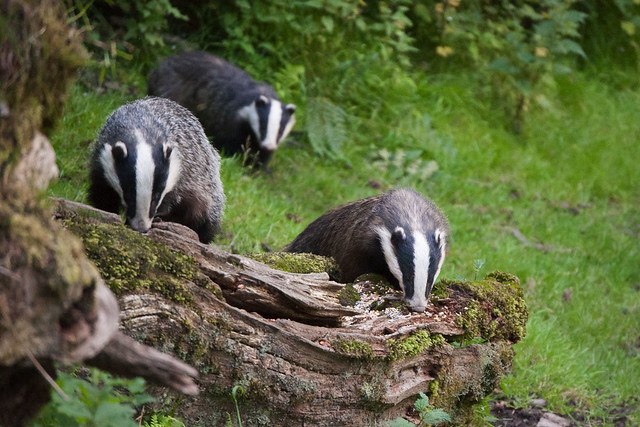
Badgers

Words for badger in Celtic languages.

Badgers, Dinefwr Park, Llandeilo

Proto-Celtic *brokkos = badger
Gaulish *broco / *brokkos = badger
Primitive Irish ᚁᚏᚑᚉᚔ (broci) = badger (genitive)
Old Irish (Goídelc) brocc [brok] = badger
Middle Irish (Gaoidhealg) brocc, broc = badger, brock
broclas = brock-holes
brocnait = she-badger
broic(th)enach = badger-warren, haunt of badgers
Irish (Gaeilge) broc [bˠɾˠɔk / bˠɾˠʌk] = badger, dirty-faced person, short thick-set person
brocach = badger’s burrow, fox’s earth
brocaire = terrier
brocaireacht = (act of) badger-baiting
Scottish Gaelic (Gàidhlig) broc [brɔxg] = badger, brock, grumpy/surly person
brocair [brɔxgɛrʲ] = badger/fox hunter
broc-lann [brɔxgl̪ˠən̪ˠ] = badger’s den/sett
broclach = (badger / fox) warren, messy area, rubbish, messy person
brocach [brɔxgəx] = badger-like, pertaining to or abounding in badgers, black-faced, stinking, squalid, filthy, odious
brocail [brɔxgal] = badger-like, pertaining to badgers
Manx (Gaelg) broc(k) = badger
brockagh = badger’s den
Proto-Brythonic *brox = badger
Middle Welsh (Kymraec) broch = badger, brock
brochwart = badger ward, keeper of a badger
Welsh (Cymraeg) broch [broːχ] = badger, brock
brochwart = badger ward, keeper of a badger
Old Cornish broch = badger
Middle Cornish (Cernewec) broch, bróch = badger
Cornish (Kernewek) brogh [bɹoːx] = badger
broghki = dachsund
Middle Breton (Brezonec) broch, broh, broc’h = badger
Breton (Brezhoneg) broc’h [ˈbʁoːx] = badger
broc’heta = to hunt badgers

Etymology: unknown, possibly cognate with Old High German braccho (sniffer dog). Words from the same Celtic roots include brochure, brooch and brock (male badger – northern England) in English, brock (badger) in Scott, broche (brooch, spit, spike, peg, pin) in French, brocco (thorn, stick) in Italian, and broco (having long projecting horns; bad-tempered) in Galician [Source].

Proto-Celtic *taskos = badger
Gaulish *tasgos = badger
Galatian τασκός (taksos) = badger

Etymology: unknown [Source].

Welsh (Cymraeg) mochyn daear / daearfochyn = badger

Etymology: from the Welsh mochyn (pig) and daear (earth, ground) [Source].

Words marked with a * are reconstructions.

Here’s a tune I wrote in 2017 called The Unexpected Badger / Y Mochyn Daear Annisgwyl

Sources: Wiktionary, Am Faclair Beag, Online Manx Dictionary, Teanglann.ie, eDIL – Electronic Dictionary of the Irish Language, In Dúil Bélrai English – Old Irish glossary, Geiriadur Prifysgol Cymru, Gerlyver Kernewek, Dictionaire Favereau, TermOfis, English – ProtoCeltic WordList (PDF), Etymological Dictionary Of Proto Celtic

Blubrry podcast hosting

Bears

Words for bear in Celtic languages.

Proto-Celtic *artos = bear
Noric *𐌀𐌓𐌕𐌄(𐌁𐌖𐌈𐌆) (Arte(budz)) = bear(?)
Gaulish *artio = bear
Old Irish (Goídelc) art [ar͈t] = bear, hero, warrior
Scottish Gaelic (Gàidhlig) art [ar̪ˠʃd] = bear (archaic), hero
Proto-Brythonic *arθ [arθ] = bear
Middle Welsh (Kymraec) arth [arθ] = bear
Welsh (Cymraeg) arth [arθ] = bear, fierce or rough person
Cornish (Kernewek) arth [ɒɹθ] = bear
Old Breton ard / arth = bear
Breton (Brezhoneg) arzh = bear

Etymology: from the Proto-Indo-European *h₂ŕ̥tḱos (bear) [Source].

Scottish Gaelic (Gàidhlig) ursa [ur̪ˠsə] = bear
Cornish (Kernewek) ors = bear
Breton (Brezhoneg) ourz = ourz

Etymology: possibly from the Latin ursa (she-bear), from ursus (bear), from the Proto-Italic *orssos (bear), from Proto-Indo-European *h₂ŕ̥tḱos (bear) [Source].

Old Irish (Goídelc) mathgamain [ˈmaθɣəṽənʲ] = bear
Irish (Gaeilge) mathúin [ˈmˠahuːnʲ] = bear
Scottish Gaelic (Gàidhlig) mathan [ˈmahan] = bear
Manx (Gaelg) maghouin = bear

Etymology: from the Old Irish math (good) and gamuin (calf) [Source].

Words marked with a * are reconstructions.

Sources: Wiktionary, Am Faclair Beag, MacBain’s Dictionary, In Dúil Bélrai English – Old-Irish Glossary, teanglann.ie, On-Line Manx Dictionary, Geiriadur Prifysgol Cymru, Gerlyver Kernewek, Dictionnaire Favereau

bears

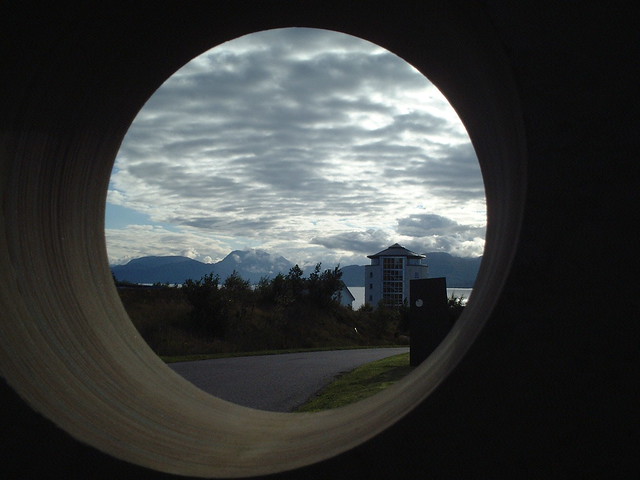
Roundness

Words for round and related things in Celtic languages.

Sabhal Mòr Ostaig

Words marked with a * are reconstructions.

Proto-Celtic *krundis = round
Old Irish (Goídelc) cruinn = round, globular, circular
Middle Irish (Gaoidhealg) cruinn, cruind = round, globular, circular, compact, precise
cruinne, cruindae = roundness, rotundity, round mass, universe, world, thrift, hoarding
cruinniucc, cruindiucc = dew-drop
Irish (Gaeilge) cruinn [kɾˠiːnʲ / kɾˠɪn̠ʲ] = round; gathered; exact, accurate; clear, coherent; concentrated; frugal, sparing, miserly
cruinne = roundness
cruinneachán = dome
cruinneog = round object, (small) orb, globe
cruinneogach = globular
cruinnteach = rotunda
Scottish Gaelic (Gàidhlig) cruinn [krɯin̪ʲ] = round, circular, spherical; rotund; neat, succinct, well-formed; assembled, gathered together
cruinne [krɯn̪ʲə] = roundness, globe, sphere, orb
cruinneachail [krɯn̪ʲəxal] = (ac)cumulative
cruinneachan [krɯn̪ʲəxan] = round heap/pile
cruinneachd [krɯn̪ʲəxg] = roundness
cruinnte [krɯn̪ʲdʲə] = curved, rounded
Manx (Gaelg) cruinn = accurate, detailed, unambigous, round, spherical, circular, circumstantial, compact, consummate, exact, scrupulous, strict
cruinnid = circularity, closeness, roundness, strictness, compactness
cruinnaghey = assemblage, congregation, enclose, focus, gather, huddle, round
Proto-Brythonic *krunn = round
Old Welsh (Kembraec) crunn = round, circular, rotund
Middle Welsh (Kymraec) cronn, crwn, cron = round, circular, rotund
Welsh (Cymraeg) crwn [krʊn] = round, circular, rotund, spherical, globular; cylindrical; fat, plump, fleshy; complete, entire; young, small
crynder = roundness
cân gron = round (in music); continual harping upon the same string
hirgrwn = oval
Middle Cornish (Cernewec) cren = round, circular
Cornish (Kernewek) krenn = round
Old Breton (Brethonoc) cren, cron = round
Middle Breton (Brezonec) crenn = round
crennaat = to round off
crenaff, crenna [ˈkrɛnːã] = to round up
Breton (Brezhoneg) krenn [ˈkrɛnː] = medium, round, rounded, full
krennañ [ˈkrɛnːã] = to trim, shorten, slice
krennaat = to round off
krennadur = rounding, trimmings
krennder = roundness

Etymology: unknown, possibly borrowed from a non-Indo-European language [Source].

The Fastest Way to Learn Japanese Guaranteed with JapanesePod101.com

Sources: Wiktionary, Am Faclair Beag, Online Manx Dictionary, Teanglann.ie, eDIL – Electronic Dictionary of the Irish Language, In Dúil Bélrai English – Old Irish glossary, Geiriadur Prifysgol Cymru, Gerlyver Kernewek, Dictionaire Favereau, TermOfis, English – ProtoCeltic WordList (PDF), Etymological Dictionary Of Proto Celtic

Unlimited Web Hosting - Kualo

Animals

Words for animal and related beasts in Celtic languages.

Animals / Anifeiliad

Words marked with a * are reconstructions.

Proto-Celtic *mīlom = animal
Old Irish (Goídelc) míl = animal, louse, hare
Middle Irish (Gaoidhealg) míl, miol [mʲiːl] = animal, louse
Irish (Gaeilge) míol [mʲiːlˠ, mʲiːl] = animal, creature, insect, louse
míolach = lousy, verminous, measly, mean, full of animals
míolachán = verminous person or animal
míoladóir = louse-picker, scrounger
míoladóireacht = picking live, scrounging
míoleolaí = zoologist
míoleolaíocht = zoology
míolra = vermin
Scottish Gaelic (Gàidhlig) mial [miəl̪ˠ] = louse, tick, animal (archaic)
mialach [miəl̪ˠəx] = lousy, abounding in live, harmless
mialachd [miəl̪ˠəxg] = lousiness, harmlessness
mialtag [miəl̪ˠdag] = gnat
mial-bhalla = bedbug
mial-eòlas = = zoology
Manx (Gaelg) meeyl [miːl] = gnat, insect, louse, gnat
meeyllagh = insectlike, lousy, verminous
meeyllyn = vermin, flies
meeyllaghys = lousiness
Proto-Brythonic *mil [ˈmiːl] = animal
Middle Welsh (Kymraec) mil = animal, beast, creature
Welsh (Cymraeg) mil [miːl] = animal, beast, creature
milaidd = pertaining to animals, like an animal, bestial
mildraeth, mildraith = zoology, zoography, natural history
mildraethydd = zoologist, zoographer
milfa = menagerie
milfeddyg = verterinary, surgeon, farrier
milgi = greyhound
enfil = animal, beast, creature
Middle Cornish (Cernewec) mil = animal, beast
milen = brutish, brutal, cruel
milgy = hound, greyhound
Cornish (Kernewek) mil = animal
milonieth = zoology
milus = brutal
miluster = brutality
milva = zoo
milvedhek = vet, vetinary surgeon
Middle Breton mil = animal
Breton (Brezhoneg) mil [ˈmiːl] = animal
euzhvil = monster
morvil = whale

Etymology: from the Proto-Indo-European *(s)meh₁l- (small animal) [source].

Proto-Celtic *luwā = louse
Proto-Brythonic *llow, *lou̯ā, *luu̯ā = lice
Middle Welsh (Kymraec) lleu, llav [ˈɬei̯] = lice
llay ena = to louse, to hunt for lice
lleuedic = full of lice, lousy
lleulyt = full of lice, lousy
lleuog, lleuawc, lleuoc = full of lice, lousy, dirty, vile
Welsh (Cymraeg) llau [ɬaɨ̯ / ɬai̯] = lice
lleuen = louse
lleuedig = full of lice, lousy, stinking
lleuenna = to louse, to hunt for lice
lleulyd = full of lice, lousy
lleuog = full of lice, lousy, dirty, vile
Middle Cornish (Cernewec) loow, lou = lice
louen, lewen, luan = louse
Cornish (Kernewek) low = lice
lowen = louse
Old Breton (Brethonoc) lewen = louse
Middle Breton (Brezonec) laou = lice
louenn = louse
louhec [ˈlɔ.wːek] = lousy
Breton (Brezhoneg) laou [ˈlɔw] = lice
laouenn = louse
laoueg [ˈlɔ.wːek] = lousy
laouek [ˈlɔ.wːek] = lousy

Etymology: from Proto-Indo-European *lewH- (louse). Words from the same root include louse in English, Laus (louse) in German, lus (louse) in Swedish, veš (louse) in Czech, and вошь (vošʹ – louse) in Russian [source]

Old Irish (Goídelc) anmandae, anmande = animal, creature
Middle Irish (Gaoidhealg) anmandae = living creature, animal, beast, head of cattle
Irish (Gaeilge) ainmhí [anʲəvʲiː]= animal, brute, monster
ainmhíoch = animal, brutish
ainmhíocht = animal nature, brutishness
Scottish Gaelic (Gàidhlig) ainmhidh [ɛnɛvɪ] = animal, beast of burden, heifer
ainmhidheach [ɛnɛvɪjəx] = brutish, beastly
ainmhidheachd [ɛnɛvɪjəxg] = brutality, brutishness

Etymology: from the Old Irish ainim(m) (soul, life), from the Latin anima (soul, spirt, life; breath), or from the Proto-Celtic *anaman (soul, spirit), from Proto-Indo-European *h₂enh₁mos, from *h₂enh₁- (breathe), which is also the root of the English word animal [source].

Middle Welsh (Kymraec) aniueileit, anyueyl, anieuil = animal, beast, creature
aniueileid, anifeilyeid, anifeiliaidd = animal-like, bestial
Welsh (Cymraeg) anifail [aˈnɪvai̯l / aˈniːvai̯l] = animal, beast, creature
anifeil(i)aidd = animal-like, bestial, brutish, savage, foul
anifeilig = animal(-like), bestial, brutal
anifeiliol = animal(-like), bestial, beastly, brutal
anifeilrwydd = carnality, sensuality
Middle Cornish (Cernewec) eneval = animal
enevales = female animal
Cornish (Kernewek) eneval = animal
eneval dov = pet
Middle Breton (Brezonec) aneual, anneual = animal
Breton (Brezhoneg) aneval [ãˈneːval] = animal

Etymology: from the Latin animal (animal, living creature), from animālis (animate, living), from anima (soul, spirt, life; breath) [source].

Proto-Celtic *betrixs = (?)
Old Irish (Goídelc) bethadach = animal
Middle Irish (Gaoidhealg) bethach, bethadach = animal, creature, beast
Irish (Gaeilge) beithíoch [bʲɛˈhiəx / ˈbʲɛhiəx / ˈbʲɛhiə(h)] = beast, (large) animal, brute; (large) specimen of creature, bovine animal; heifer, cow, cattle, horse
Scottish Gaelic (Gàidhlig) beathach [bɛhəx] = animal, beast, head of cattle, brute
beathachachadh [bɛhəxəɣ] = living, feeding, nourishing, sustaining, nourishment, nutrition
beathachail [bɛhəxal] = nutritious, nutritional
beathachair [bɛhəxɛrʲ] = animator
beathaich [bɛhɪç] = feed, nourish, support, sustain
beithir [behɪrʲ] = any wild or savage thing, beast; thunderbolt; lightning; strong gust of wind; warrior, hero
Manx (Gaelg) baagh = animal, pet, beast
beishtagh = beastly, bestial, brutish, monstrous, filthy

Etymology: from the Middle Irish betha (life), from Old Irish bethu (life), from Proto-Celtic *biwotūts (life), from *biwos (alive), from Proto-Indo-European *gʷih₃wós (alive) [source].

Words from the same roots include words for food and life in Celtic languages, quick and zoo in English, and vida (life) in Spanish [source].

Proto-Celtic *lutno- = (young) animal
Scottish Gaelic (Gàidhlig) loth [l̪ˠɔh] = fily, foal, colt
lothag [l̪ˠɔhag] = young colt / filly / foal
lothaire [l̪ˠɔhɪrʲə] = gangly / spindly person
lothach [l̪ˠɔhəx] = abounding in fillies / foals / colts
Manx (Gaelg) lhiy = colt
Middle Welsh (Kymraec) lluden, llydyn, llwdyn = (young) animal, beast
llwdyngar = involving (carnal) bestiality
Welsh (Cymraeg) llwdn = the young of an animal (colt, foal, kid, etc), animal, beast, young man, youth, oaf, dolt
llwdngar = involving (carnal) bestiality
Middle Cornish (Cernewec) lodn = young cow or sheep, young ox, bullock, steer, wether
Cornish (Kernewek) lodn = bullock, young ox
lodnek = bovine
lodnow = cattle
Middle Breton (Brezonec) loeznet, loezn, loznet = animal, beast
loeznedus = abounding in animals
Breton (Brezhoneg) loen [ˈlwẽːn] = animal, beast
loeniñ = to brutalise, labour, punish
loenedus = gamey
loenegezh = bestiality
loenek = animal, bestial, brutish

Etymology: from PIE *polH- (animal young), from *peh₂w- (smallness). Words from the same roots include few, filly, foal, pony and puppy in English [source].

Sources: Wiktionary, Etymological Dictionary Of Proto Celtic, In Dúil Bélrai English – Old Irish glossary, eDIL – Electronic Dictionary of the Irish Language, Teanglann.ie, Am Faclair Beag, An etymological dictionary of the Gaelic language, Fockleyreen: Manx – English Dictionary, Online Manx Dictionary, Gaelg Corpus, Geiriadur Prifysgol Cymru, Lexicon cornu-britannicum : a dictionary of the ancient Celtic language of Cornwall, Gerlyver Kernewek, Devri : Le dictionaire diachronique du breton, Geriafurch, TermOfis

Donkeys

Words for donkey (Equus asinus) and related beasts in Celtic languages.

The Donkey Sanctuary

Old Irish (Goídelc) asal = ass, she-ass
Middle Irish (Gaoidhealg) asal, assal = ass, she-ass
asan, assan = ass
Irish (Gaeilge) asal [ˈasˠəlˠ] = ass, donkey
láir asail = she-ass
searrach asail = donkey foal
Scottish Gaelic (Gàidhlig) asal [asal̪ˠ]= ass, donkey
aiseal [aʃəl̪ˠ] = ass, donkey
asan [asan] = ass, donkey
asalach = asinine
asal-stiallach = zebra
leth-asal = mule
Manx (Gaelg) assyl = ass, donkey
assylagh = asinine
laair assyl = female donkey, jenny, she-ass
sharragh assyl = donkey foal
lieh-assyl, cabbyl assylagh = mule
Middle Welsh (Kymraec) asin, assyn = (male) donkey / (he-)ass
assenn, assen = donkey, ass; female donkey, she-ass, jenny
asennic = little/young (female) donkey
Welsh (Cymraeg) asyn [ˈasɨ̞n / ˈasɪn] = (male) donkey / (he-)ass, an absurd or stubborn person
asyneiddiwch = asininity, mulishness, stupidity, obstinacy
asynnaidd = asininie, mulish, stupid, obstinate
asynnyn = little/young donkey
asen [ˈasɛn] = donkey, ass; female donkey, she-ass, jenny
asennig = little/young (female) donkey
asennyn = young/little ass
Middle Cornish (Cernewec) asen = ass, donkey
Cornish (Kernewek) asen = ass, donkey
asenik = ass foal
Middle Breton (Brezonec) azen, asenn, asen = donkey, ignorant man
azenaat = to become ignorant
azenañ, asénna = to give birth, farrowing (donkey)
azener = donkey-driver
azenerezh = stupid/idiotic comment, stupidity
azenez = she-ass
azenig = baby/little donkey
Breton (Brezhoneg) azen = donkey
azenañ = to give birth, farrowing (donkey)

Etymology: the Brythonic words come from the Latin asina from asinus (donkey, ass), which is of unknown origin [source]. The Goidelic words come from the same root via the Latin asellus (young ass, donkey) [source].

The English word ass (donkey) was borrowed from an old Brythonic language, via the Middle English asse (ass, donkey) and the Old English assa and assen (she-ass) [source].

The Fastest Way to Learn Japanese Guaranteed with JapanesePod101.com

Pigs

Words for pig and related beasts in Celtic languages:

Pigs

Words marked with a * are reconstructions.

Proto-Celtic *mokkus = pig
*mokk(w)yatis = swineherd
Old Irish (Goídelc) mucc [muk] = pig, sow; a war engine: a shed to cover sappers
muccaid [ˈmukiðʲ] = swineherd
muccaidecht [ˈmukiðʲext] = herding swine
Middle Irish (Gaoidhealg) muc, mucc = pig, sow
muc(c)ach = pertaining to swine
muc(c)aid = swineherd
muc(c)aidecht = herding swine
muc(c)álach = a brood or litter of pigs
muc(c)lach = piggery
Irish (Gaeilge) muc [mˠʊk] = pig; heap, bank, drift; scowl; sow
mucachán = (of person) pig, swine
mucaire = slovenly worker
mucaireacht = slovenly work
mucais = pit sty; dirty, slovely person; hogback
muicí = swineherd
muicíocht = swine-herding
Scottish Gaelic (Gàidhlig) muc [muxɡ] = pig, sow
mucag [muxgag] = little pig, piggy, (rose)hip
mucaidh = swineherd
mucaireachd = swineherding, herding pigs
muicfheoil [muçgʲɔl] = pork
muc-mhara [muxgˈvarə] = whale
muc-stigean = porpoise
Manx (Gaelg) muc = hog, swine, pig, grunter
muclagh = piggery, pigsty, sty
muick = swine
bochilley muickey = swineherd
muc hallooin = aardvark
muc varrey = whale, porpoise
Proto-Brythonic *mox = pig
*möxjad = swineherd
Middle Welsh (Kymraec) moch = pigs, swine
mochduy = pigsty
mochawg = piggish, swinish
meichiat, meicheit, meichad = swineherd
Welsh (Cymraeg) moch [moːχ] = pigs, swine, hogs; greedy, dirty, lazy, drunk, or immoral persons; small pumps used underground in coal-mines to remove water
mochyn [ˈmɔχɨ̞n / ˈmoːχɪn] = pig, swine, hog
mocha, mochi, mochian = to behave like a pig, wallow, grunt, defile, sully
mochach = contemptible or swinish people
mochaidd = swinish, filthy, dirty, vile, immoral, greedy
mochdra = filthiness, dirtines
mochdy = pigsty
mochgig = pork, ham, bacon
mochog = piggish, swinish
mochwr = swineherd, pig-dealer, untidy workman
meich(i)ad = swineherd
Middle Cornish (Cernewec) moch, môch = pigs
mochyn = pig
Cornish (Kernewek) mogh [mɔːx / moːʰ] = pigs, swine
Old Breton moch = pigs, swine
mochiat = swineherd
Middle Breton (Brezonec) moch = pigs, swine
Breton (Brezhoneg) moc’h [moːχ] = pigs, swine
moc’haer = swineherd

Etymology: borrowed from a non-Indo-European substrate language. Words from the same Proto-Celtic root include mocke (a slovenly woman) in Middle Dutch and moche (sow, female pig) in Middle High German [source].

Old Irish (Goídelc) cullach [ˈkul͈ax] = boar, stallion
muccullach = boar
Middle Irish (Gaoidhealg) cullach, colach = boar, stallion
Irish (Gaeilge) collach [kəˈl̪ˠɑx / ˈkɔl̪ˠəx / ˈkʌl̪ˠax] = boar (male pig); male crab; crude, fleshy, person
Scottish Gaelic (Gàidhlig) cullach = mature male (unneutered) animal (such as boars, hogs, etc)
Manx (Gaelg) collagh = boar, male, stallion
collagh muc = boar (domestic)
Welsh (Cymraeg) ceilliog = having testicles, uncastrated, entire, male
Middle Breton (Brezonec) callouch, qalloc’h, calloc’h = entire, standard, stallion
Breton (Brezhoneg) kalloc’h = entire

Etymology: from Proto-Celtic *kalljo- (testicle).

Proto-Celtic *t(w)orkos = boar (pig)
Old Irish (Goídelc) torc [tork] = (wild) boar, chieften, hero
Middle Irish (Gaoidhealg) torc = (wild) boar, chieftan, hero
Irish (Gaeilge) torc [t̪ˠɔɾˠk / t̪ˠʌɾˠk] = (wild) boar, hog; portly, corpulent person, man of substance
torcán = little, young boar; small corpulent person
torc allta = wild boar
torc-chú = boar hound
torcshleá = boar-spear
Scottish Gaelic (Gàidhlig) torc = [tɔr̪ˠxg] = boar, hog
torc-nimhe, torc-fiadhaich = wild boar
Middle Welsh (Kymraec) tỽrch, twrch, tyrch = hog, (wild) boar, mole
Welsh (Cymraeg) twrch [tʊrχ] = hog, (wild) boar, mole
twrch (y) coed = woodlouse
twrch daear = mole, badger
tyrchu, tyrchio = to burrow, dig (up), root up, nuzzle, rummage; to catch (moles)
tyrchaidd = hoglike, hoggish, swinish, greedy
tyrchwr, trychydd = mole-catcher, bulldozer
Old Cornish torch = hog
Middle Cornish (Cernewc) torch = hog
Cornish (Kernewek) torgh = hog, boar
Old Breton torch = boar
Middle Breton (Brezonec) tourch = boar, ram; a debauched man
Breton (Brezhoneg) tourc’h = boar, macho, debauched

Etymology: from the Proto-Indo-European *twerḱ- (to cut) [source]. English words from the same PIE root include trunk, truculent and sarcasm [source].

Proto-Celtic *sukkos = pig
Old Irish (Goídelc) socc = pig, sow
Middle Irish (Gaoidhealg) suic, socc, soc = snout, ploughshare
Irish (Gaeilge) soc [sˠɔk] = sow
socach = nozzled, snouted, beaked, pointed
socadán = person with pointed face, nosy person, interloper, busybody
Scottish Gaelic (Gàidhlig) soc [sɔxg] = beak, snout, sockt, ploughshare, short, chubby person
socach [sɔxgəx] = snouted, beaked
Manx (Gaelg) sock = bow, nose, snout, tow; ploughshare, nozzle
Proto-Brythonic *hux = pig
*sux = ploughshare
Welsh (Cymraeg) hwch [huːχ] = sow, pig, swine, dirty creature
Old Cornish hoch = pig, hog
Middle Cornish (Cernewec) hoch = pig, hog
hochwayu = hog-spear
Cornish (Kernewek) hogh = hog, pig, swine
hogh Gyni = Guinea pig
hoghwuwa = to pigstick
hoghwuwans = pig sticking
Old Breton hoch = sow
Middle Breton (Brezonec) houch, houc’h, hoh = sow
oc’hal, hoc’ha, hoc’he = to grunt, oink
oc’hellât, houc’hellat = to burrow, dig
hoch-goez, houch guez = wild boar
oh mor, hoc’h-mor = porpoise
houc’h-tourc’h = boar
Breton (Brezhoneg) houc’h = pig (male, often neutered)

Etymology: from the Proto-Indo-European suH- (pig, hog, swine). The English word hog was possibly borrowed into Old English from Welsh. Other words from the same Proto-Celtic root include socket in English, and soc (ploughshare) in French [source].

Proto-Celtic *ɸorkos = piglet
Gaulish *orkos = pork, piglet
Old Irish (Goídelc) orc [ork] = piglet
Middle Irish (Gaoidhealg) orc = young pig
Irish (Gaeilge) arc(án) = piglet
Scottish Gaelic (Gàidhlig) orc [ɔr̪ˠxg] = young animal, offspring (esp. piglet or sheep); whale (archaic)
orcan [ɔr̪ˠxgan] = piglet, young pig
Manx (Gaelg) ark = young pig, piglet, sucking pig
Pictish orc = piglet, young pig

Etymology: from the Proto-Indo-European pórḱos (piglet), which is also the root of the English word farrow (a litter of piglets), and the German word Ferkel (piglet) [source].

The name Orkney comes from the Old Norse Orkneyjar (seal islands), from orkn (seal) and ey (island). It is thought that Norwegian settlers reinterpreted the original Pictish tribal name element orc (piglet) [source].

Proto-Celtic *banwos = pig
Gaulish Banuus, Banuo = pig
Old Irish (Goídelc) banb [ban͈v] = piglet, young pig
Middle Irish (Gaoidhealg) banb, bainb = young pig
Irish (Gaeilge) banbh [ˈbˠanˠəvˠ] = piglet; Ace of Hearts
Middle Irish (Gaoidhealg) banb, bainb = young pig
Scottish Gaelic (Gàidhlig) banbh [banav] = young pig, piglet
banbhan [banavan] = small piglet
banbhradh [banavrəɣ] = herd of piglets
Manx (Gaelg) bannoo = sucking pig, piglet
Middle Welsh (Kymraec) banv = (young) pig, piglet
Welsh (Cymraeg) banw = (young) pig, piglet, weaned pig, hog; young animal
Old Cornish baneu = sow
Middle Cornish (Cernewec) banb = sow
Cornish (Kernewek) banow = sow
Middle Breton (Brezonec) banv = sow, pig
Breton (Brezhoneg) banv = mother sow

Etymology: unknown – possibly from a non-Indo-European language [source].

Proto-Brythonic *porxell = piglet
Middle Welsh (Kymraec) porchell, parchell = (young) pig, piglet
Welsh (Cymraeg) porchell [ˈpɔrχɛɬ] = sucking-pig, piglet, little pig, porker, pig, swine, hog
Old Cornish porchel = young pig, piglet
Middle Cornish (Cernewec) porhel = young pig, piglet
Cornish (Kernewek) porghel = young pig, piglet
porghellik = piglet, sucking pig
Old Breton porchill = piglet
Middle Breton (Brezonec) porhell, porchell, porchel = piglet
porchelles = sow
Breton (Brezhoneg) porc’helleg = piglet

Etymology: from the Late Latin porcellus (piglet), from the Latin porcus (pig), from the Proto-Italic *porkos (pig) from the Proto-Indo-European pórḱos (piglet) [source]. Words from the same PIE root include varken (pig) in Dutch, pork in English, and porc (pig, pork) in French [source].

Words marked with a * are reconstructions.

Sources: Wiktionary, Am Faclair Beag, Online Manx Dictionary, Teanglann.ie, eDIL – Electronic Dictionary of the Irish Language, In Dúil Bélrai English – Old Irish glossary, Geiriadur Prifysgol Cymru, Gerlyver Kernewek, Gerlyvyr Cernewec, Dictionaire Favereau, TermOfis, Le dictionnaire diachronique du breton, Geriafurch, English – ProtoCeltic WordList (PDF), Etymological Dictionary Of Proto Celtic