Honey

Words for honey in Celtic languages.

Proto-Celtic *meli(t) = honey
Old Irish (Goídelc) mil = honey
Irish (Gaeilge) mil [mʲɪlʲ] = honey
beach mheala = honey bee
blas meala = taste of honey, delicious taste
briathra meala, = honeyed words
broc meala = honey badger
ceo meala = honey dew
cíor mheala = honeycomb
lá meala = delightful day
mí na meala = honeymoon
Scottish Gaelic (Gàidhlig) mil [mil] = honey
mil an fhraoich = heather honey
mil-dheoch = mead
mil air do bheul! = that’s wonderful/excellent news! (“honey on your mouth”)
teillean-meala = honey bee
Manx (Gaelg) mil [mɪl] = honey
mill freoaie = heather honey
mill kerey = comb honey
mill freoaie = heather honey
cha millish as mill = as sweet as honey
Proto-Brythonic mel = honey
Welsh (Cymraeg) mêl [meːl] = honey, nectar
mêl ar ei frechdan/fara = source of pleasure (“honey on his sandwich/bread”)
mêl ar ei fysedd = schadenfreude (“honey on his fingers”)
mêl grug = heather honey
mêl gwyllt = wild honey
dil mêl = honeycomb
gwenynen mêl = honey bee
mis mêl = honeymoon
Old Cornish mel = honey
Cornish (Kernewek) mel = honey
Breton (Brezhoneg) mel [mɛl] = honey

Etymology: from the Proto-Indo-European *mélid (honey), which is also the root of the English words mildew and mulch [source].

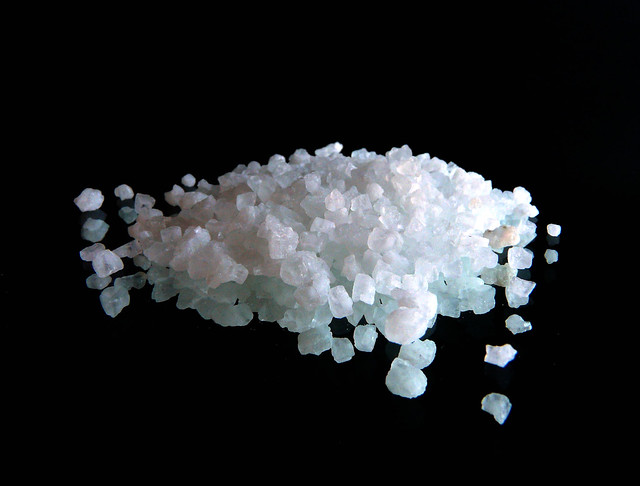
comb honey from alois dallmayr

Words marked with a * are reconstructions.

Sources: Wiktionary, Am Faclair Beag, Online Manx Dictionary, Teanglann.ie, eDIL – Electronic Dictionary of the Irish Language, Geiriadur Prifysgol Cymru, Gerlyver Kernewek, Dictionaire Favereau, TermOfis

Blue / Green / Grey

Words for blue / green / grey in Celtic languages.

Proto-Celtic *glastos = green, blue
Gaulish *glastom = green, blue
Old Irish (Goídelc) glas [ɡlas] = green, greenish (esp of growing things); blue, green-blue, grey-blue; metallic (colour); ice/frost colour; grey; wan (complexion); bluish, livid, discolored; faded
Irish (Gaeilge) glas [ɡlˠasˠ] = green (grass, politics); grey (horses, cloth, eyes); blue; grey; pale pallid; immature, unseasoned; raw inexperienced
Scottish Gaelic (Gàidhlig) glas [gl̪ˠas] = grey-green; pale, wan, sallow; green, unripe
Manx (Gaelg) glass = green (of nature), verdant, soft, pale, pasty, ashen (colour), grey (of animal), raw, unfledged, sappy, callow (of youth)
Proto-Brythonic *glas = green, blue
Welsh (Cymraeg) glas [ɡlaːs] = blue, azure, sky-blue, greenish blue, sea-green; green, grass-coloured, bluish green, verdant; unripe (of fruit); greyish-blue, slate-coloured, livid, pallid, pale; grey; silver
Cornish (Kernewek) glas [gla:z /glæ:z] = blue, grey, green
Breton (Brezhoneg) glas = blue, green (nature), grey (horse), raw & salty, fresh, bitter, pale

A view from Roman Camp / Golygfa o Roman Camp
Words marked with a * are reconstructions.

Etymology
From Proto-Indo-European *ǵʰl̥h₃stós, from *ǵʰelh₃- (green, yellow)

Sources: Wiktionary, Am Faclair Beag, Online Manx Dictionary, Teanglann.ie, Geiriadur Prifysgol Cymru, Gerlyver Kernewek, Dictionnaire Favereau

Black

Words for black in Celtic languages.

Proto-Celtic *dubus = black
Old Irish (Goídelc) dub [duv] = black; morally dark, dire, gloomy, melancholy
Irish (Gaeilge) dubh [d̪ˠʊvˠ / d̪ˠʊw] = black; evil; darkness; sable; black-hearted
Scottish Gaelic (Gàidhlig) dubh [duh] = black, hidden, dark, sad, inky; blackness, darkness, ink, pupil (of eye); blacken, darken
Manx (Gaelg) doo = black, black-haired, black headed, inky, dark, ink, dirty, sable, bold
Proto-Brythonic *duβ = black
Welsh (Cymraeg) du [dɨː / diː] = black, sable, dark; sad, gloomy; angry; bitter; lowering; calamitous; wicked, villainous, infernal
Cornish (Kernewek) du [dy: / diˑʊ] = black
Breton (Brezhoneg) du [dyː] = black, swollen, starved

A bit of Manx on the boat to Douglas

Etymology
From the Proto-Indo-European *dʰewbʰ- (black).

Words marked with a * are reconstructions.

Sources: Wiktionary, Am Faclair Beag, Online Manx Dictionary, Teanglann.ie, Geiriadur Prifysgol Cymru, Gerlyver Kernewek, Dictionnaire Favereau

Old

Words for old in Celtic languages.

Proto-Celtic *senos = old
Old Irish (Goídelc) sen = old
Irish (Gaeilge) sean [ʃanˠ] = old, aged, mature; senior, ancestor; long-established, old fashioned; great, exceeding
Scottish Gaelic (Gàidhlig) sean [ʃɛn] = old, aged, elderly; former
Manx (Gaelg) shenn = old, stale, aged, former, time-fusty, inveterate, ancient, vintage, veteran, old-established, olden, antiquarian, worn, elderly, consecrated, archaic, ex, senile, long-standing
Proto-Brythonic *hen = old
Welsh (Cymraeg) hen [heːn] = old, aged; ancient, antique, pristine, former; inveterate, chronic; original; senior, elder; stale, mouldy, musty, fusty
Cornish (Kernewek) hen [hɛ:n / he:n] = old, archaic, long-standing
Breton (Brezhoneg) hen = old, ancient

Etymology
Possibly from the Proto-Indo-European *sénos (old).

Words marked with a * are reconstructions.

Sources: Wiktionary, Am Faclair Beag, Online Manx Dictionary, Teanglann.ie, Geiriadur Prifysgol Cymru, Gerlyver Kernewek, Dictionnaire Favereau

Young

Words for young in Celtic languages.

Proto-Celtic *yowankos = young
Old Irish (Goídelc) óc [oːɡ] = young
Irish (Gaeilge) óg [oːɡ / ɔːɡ] = young; junior, minor; new, fresh, early
Scottish Gaelic (Gàidhlig) òg [ɔːg] = young, youthful
Manx (Gaelg) aeg [ɛːɡ] = young, adolescent, immature
Proto-Brythonic *jowank = young
Middle Welsh (Kymraec) ieuanc [ˈjeɨ̯aŋk] = young, juvenille, unmarried
Welsh (Cymraeg) ifanc [ˈɪvaŋk / ˈiːvaŋk] = young, youthful, adolescent; inexperienced, immature; recent; unmarried, newly wed
Middle Cornish yowynk, yonk = young
Cornish (Kernewek) yowynk [‘jɔwɪŋk] = young, juvenille
yonk [jɔˑŋk] = young, juvenille
Middle Breton youanc = young
Breton (Brezhoneg) yaouank = young

Etymology
Possibly from the Proto-Indo-European *h₂yuh₁n̥ḱós (young).

Words marked with a * are reconstructions.

Sources: Wiktionary, Am Faclair Beag, Online Manx Dictionary, Teanglann.ie, Geiriadur Prifysgol Cymru, Gerlyver Kernewek, Dictionnaire Favereau

Fresh & New

Words for fresh and new in Celtic languages.

Proto-Celtic *ɸūros = new
Old Irish (Goídelc) úr = fresh, new
Irish (Gaeilge) úr [uːɾˠ] = fresh; free, liberal, moist
Scottish Gaelic (Gàidhlig) ùr [uːr] = new, fresh
Manx (Gaelg) oor = new, sweet, novel, sappy, crisp, span, fresh, hour, raw
Welsh (Cymraeg) ir [iːr] = verdant, green, juicy, sappy, moist, succulent, not withered, not dried up or coagulated, fresh, undried; mild; alive, thriving, lively, vigorous; new, fresh, young, unripe
Cornish (Kernewek) yr [ɪ:r / iːr] = fresh

Etymology: from the Proto-Indo-European *puHrós (wheat), from *pewH- (to be clean, pure) [Source].

Proto-Celtic *nouyos = new
Old Irish (Goídelc) núa [n͈uːa̯] = new
Irish (Gaeilge) nua [n̪ˠuə / n̪ˠuː] = new, fresh, recent, novel
Scottish Gaelic (Gàidhlig) nuadh [nuəɣ] = new, fresh, recent, novel, modern, unfamiliar
Manx (Gaelg) noa = new, modern, novel, fresh, recent, original
Proto-Brythonic *newɨð = new
Welsh (Cymraeg) newydd [ˈnɛu̯.ɨ̞ð / ˈnɛu̯.ɪð] = new, recent, newly-grown, modern, late, novel, changed, different; new (moon), unused, fresh
Cornish nowydh = new
Breton (Brezhoneg) nevez [ˈne.ve] = new

Etymology: from the Proto-Indo-European *néwos (new) [Source].

Words marked with a * are reconstructions.

Sources: Wiktionary, , Am Faclair Beag, MacBain’s Dictionary, In Dúil Bélrai English – Old-Irish Glossary, teanglann.ie, On-Line Manx Dictionary, Geiriadur Prifysgol Cymru, Gerlyver Kernewek, Dictionnaire Favereau

Free

Words for free in Celtic languages.

Proto-Celtic *su-wiros = free (“good man”)
Old Irish (Goídelc) sóer [soːi̯r] = free
Middle Irish saer = free
Irish (Gaeilge) saor [sˠeːɾˠ / sˠiːɾˠ] = free, enfranchised; noble; independent
Scottish Gaelic (Gàidhlig) soar [sɯːr] = free (not captive); cheap; frank
Manx (Gaelg) seyr [seːr] = free, gratuitous, gratis, complimentary, inexpensive, immune, floating, independent, disengaged, fluid, aweigh, unforced, autonomous

Etymology
From the Proto-Indo-European *h₁su- (good, well) & *wiHrós (man, husband).

Words marked with a * are reconstructions.

Sources: Wiktionary, Am Faclair Beag, Online Manx Dictionary, Teanglann.ie

Proto-Celtic *ɸriyos = free
Proto-Brythonic *rɨð [ˈrɨːð] = free
Welsh (Cymraeg) rhydd [r̥ɨːð / r̥iːð] = free, nonconformist; unrestricted, unrestrained; open; liberal
Old Cornish rid = free
Cornish (Kernewek) rydh [rɪ:ð / ri:ð] = free
Old Breton rid = free

Etymology
Possibly from the Proto-Indo-European *priHós (dear, beloved, happy, free) [source], from *preyH- (like, love).

Words marked with a * are reconstructions.

Sources: Wiktionary, Geiriadur Prifysgol Cymru, Gerlyver Kernewek

Sorrow & sadness

Words for sorrow and sadness in Celtic languages.

Proto-Celtic *brugnos = saddness, pain
Old Irish (Goídelc) brón [broːn] = sorrow, grief, lamentation, distress, burden
Irish (Gaeilge) brón [bˠɾˠoːnˠ] = sorrow, grief, grieving, lamentation; distress, burden
brónach [ˈbˠɾˠoːnˠəx] = sad, sorrowful
Scottish Gaelic (Gàidhlig) bròn [brɔːn] = grief, sadness, sorrow, mourning, affliction
brònach [ˈbrɔːnəx] = doleful, miserable, rueful, sad, sorrowful; disconsolate
Manx (Gaelg) bran = sorrow, blackness of soul
branagh = mournful, black (as outlook)
Welsh (Cymraeg) brwyn [bruːɨ̯n / brʊi̯n] = sorrow, grief, sadness; sorrowful, grievous, sad, heavy; pensive

Etymology: possibly from Proto-Indo-European *gʷruHǵʰ-nó-, from *gʷrewHǵʰ- (to bite) + *-nós, or from *bʰreg- (to break) [source]..

Welsh (Cymraeg) trist [triːst / trɪst] = sad, unhappy, sorrowful, mournful, pensive, downhearted, miserable, anxious
Cornish (Kernewek) trist = sad, mournful
Breton (Brezhoneg) trist = sad

Etymology: from Latin trīstis (sad, unhappy, melancholy, morose), from Proto-Indo-European *tréystis (stubborn, in a bad mood) [source].

Words marked with a * are reconstructions.

Sources: Wiktionary, Am Faclair Beag, Online Manx Dictionary, eDIL, Geiriadur Prifysgol Cymru, Proto-Celtic-English Wordlist

sad pug

Bad

Words for bad in Celtic languages.

Proto-Celtic *drukos = bad
Old Irish (Goídelc) droch [drox] = bad
Irish (Gaeilge) droch [drɔx] = bad, poor, evil
Scottish Gaelic (Gàidhlig) droch [drɔx] = bad, evil, wicked
Manx (Gaelg) drogh = evil, wicked, bad, abusive, unenviable, misfortune, badness
Proto-Brythonic *drug = bad
Welsh (Cymraeg) drwg [druːɡ] = bad, rotten, putrid; poor, piteous, wretched; sorry, grievous, sad; unfavourable, causing disquiet; injurious, harmful; unpleasant (taste); indecent, obscene (words); counterfeit, false; bad; harsh, cruel, severe, ruthless
Cornish (Kernewek) drog [drɔ:g / dro:g] = bad, evil, invalid, naughty, wicked, nasty
Breton (Brezhoneg) drouk = bad

Etymology
Possibly from the Proto-Indo-European *dʰrewgʰ- (to deceive).

Words marked with a * are reconstructions.

Sources: Wiktionary, Am Faclair Beag, Online Manx Dictionary, Teanglann.ie, Geiriadur Prifysgol Cymru, Gerlyver Kernewek, Dictionnaire Favereau

Good

Words for good in Celtic languages.

Proto-Celtic *matis = good
Old Irish (Goídelc) maith [maθʲ] = good
Irish (Gaeilge) maith [mˠa(h) / mˠaɪ(h)] = good; goodness, kindness; good things; fertility
Scottish Gaelic (Gàidhlig) math [ma] = good, well
Manx (Gaelg) mie [maɪ] = good, nice, moral, fair, pious, ready, goodness, favourable, virtuous, virtue, goodly
Proto-Brythonic *mad = good
Middle Welsh (Kymraec) mad [maːd] = good
Welsh (Cymraeg) mad [maːd] = good, lucky, fortunate, suitable, auspicious, beneficial, virtuous, holy, fair, pleasant, beautiful
Cornish (Kernewek) mas [ma:z / mæ:z] = good, respectable, moral
Middle Breton mat = good
Breton (Brezhoneg) mat / mad [maːd] = good, good product, moral, well (done), sweet

Etymology
From Proto-Indo-European *meh₂tis (ripe, good), from *meh₂- (to ripen, to mature) [source].

Note: mad is not commonly used in modern Welsh. The usual word for good is da.

Words marked with a * are reconstructions.

Sources: Wiktionary, Am Faclair Beag, Online Manx Dictionary, Teanglann.ie, Geiriadur Prifysgol Cymru, Gerlyver Kernewek, Dictionnaire Favereau