White

Words for white in Celtic languages.

My cousin's overweight dog

Words marked with a * are reconstructions.

Proto-Celtic *windos [ˈwin.dos] = white
Gaulish *windos/uindos = white
Old Irish (Goídelc) finn [fʲin͈] = white, bright, blessed
Middle Irish (Gaoidhealg) finn = white, bright, lustrous, fair, light-hued (complexion, hair, etc), handsome, blessed, fair, just, true
finnaid = make white, becomes white
finne = fairness, brightness
finnemail = whitish
Irish (Gaeilge) fionn [fʲũːn̪ˠ/fʲɨ̞n̪ˠ] = white, fair-haired, blond, bright, clear; to whiten, make white, clear, brighten, scorch, singe, set alight
finne = whiteness, fairness
Scottish Gaelic (Gàidhlig) fionn [fjũːn̪ˠ] = white, fair, pale; sincere, true, certain; small; fine, pleasant; wan; lilac; resplendent, bright; prudent
finne [fin̪ʲə] = whiteness, fairness, fair maiden
Manx (Gaelg) fynn = blond(e), fair (hair, skin), pure white, sprite; cataract
fynnid = whiteness
Proto-Brythonic *gwinn [ˈɡwɨnː] = white (m)
*gwenn = white (f)
Middle Welsh (Kymraec) guin(n), gỽynn, gwyn(n) = white (m)
guenn, gwenn = white (f)
gwyn(n)der, gỽynnder = whiteness, pallor
gwyndawd, gwyndawt = felicity, bliss, happiness, success, gain, good
gwynhaa, gwynhau = to whiten, bleach, blanch
Welsh (Cymraeg) gwyn [ɡwɨ̞n / ɡwɪn] = white (m), greyish-white, pale; light, shining, bright; brilliant, white-hot; silver; amber-coloured; fair-haired, fair-faced, of fair complexion; holy, blessed, beatific, good, happy; splendid, excellent, beautiful, fair, pleasant; favourite, darling, white-headed
gwen = white (f)
gwynder = whiteness, pallor, brilliance, brightness, radiance
gwyndod = felicity, bliss, happiness, success, gain, good
gwynhaf, gwynhau = to whiten, bleach, blanch
Old Cornish guyn = white
Middle Cornish (Cernewec) gwyn (m)= white, fair, pleasant, glorious, blessed
gwen = white (f)
gwynna = to make white, whiten
Cornish (Kernewek) gwynn/gwydn [gwɪn:] = white, fair, pale, blessed
gwynnik = whitish
gwynnrudh = pink, whiteish pink
gwynnvys = blessed, fortunate, lucky
Old Breton (Brethonoc) guinn = white, pale
Middle Breton (Brezonec) guen(n) = white, blond
guenna, gwenna = to whiten
guender = whiteness
Breton (Brezhoneg) gwenn [ɡwɛnː] = white, pale, pure, bright, sacred, useless, vain
gwennañ [ˈɡɥɛnː.ã] = to whiten, planing (wood), exonerate
gwennder [ˈɡwɛn.dɛr/ˈɡɥɛn.dɛr] = whiteness
gwennerezh = laundry

Etymology: from Proto-Indo-Etymology *weyd- (to see) [source]. English words from the same roots include advice, clairvoyant, druid, guide, history, idea, wit, wise and wisdom [source].

Proto-Celtic *banos = white
Old Irish (Goídelc) bán [baːn] = white, pure
Middle Irish (Gaoidhealg) bán = white, fair, bright, pure, holy, blessed, blank
bánad = act of turning pale, the paleness of death
bánaid, bánaigid = turns pale, whitens
Irish (Gaeilge) bán [bˠɑːn̪ˠ / bˠæːn̪ˠ] = white, white-headed, fair, pale, blank, empty, idle, wild crazy
bánach = fair-haired person, white person
bánaí = albino (person)
bánaigh = to whiten, bleach, blanch, dawn, clear out, empty
bánú = whitening, dawning, clearance, dispersal
Scottish Gaelic (Gàidhlig) bàn [baːn] = fair(-haired), white (haired); blank, empty, unoccupied, vacant; pallid, pale; fallow
bànachadh [baːnəxəɣ] = (act of) whitening, making pale
bànachd [baːnəxg] = whiteness, paleness
bànaich [baːnɪç] = whiten, make pale, vacate
Manx (Gaelg) bane = white, blank, fair, blond(e), pallid; fallow, unbroken (ground)
banee = albino, pale, white
baneid = whiteness, blankness, paleness, lightness
baneaghey = whiten, whitening
Welsh (Cymraeg) bân [baːn] = white, whitish, grey, pale (borrowed from Irish)

Etymology: from Proto-Indo-European *bʰeh₂- (to shine) [source]. Words from the same PIE root include beacon, buoy and phantasm in English [source].

Proto-Celtic *gelos = shining, white
Gaulish *gelā
Old Irish (Goídelc) gel = bright, clear, white
gile = brightness, whiteness
Middle Irish (Gaoidhealg) gel = fair, white, bright, shining
gelach = moon
gelaid = to make white, bleach, make fair
gelaigid = to brighten, give light to
gelán = brightness, a flash, whiteness
gelcaid = to whiten
geldae = fair, bright
Irish (Gaeilge) geal [ɟalˠ] = white, bright, pure, glad, happy, beloved, fond
gealach [ɟəˈl̪ˠɑx] = moon
gealacht = brightening
gealán = gleam, flash, bright, spell
gealánach = gleaming, flashing, bright
gealas = gleam of light, brightness
Scottish Gaelic (Gàidhlig) geal [gʲal̪ˠ] = white, fine
gealach [gʲal̪ˠəx] = moon
gealachd [gʲal̪ˠəxg] = whiteness
gealadh [gʲal̪ˠag] = blight, whitening, fade-in
gealaich [gʲal̪ɪç] = blanch, bleach, whiten
gealaichte [gʲal̪ɪçdʲə] = blanched, bleached, whitened
Manx (Gaelg) gial = bright, clear, white, shining, snowy, light-coloured, fulgent
giallagh = moon
gialan = egg white
giallaghey = to blanch, bleach, brighten, whiten
gillid = brightness, clearness, light, lustre
Middle Welsh (Kymraec) gell = bay, brown, auburn
Welsh (Cymraeg) gell = bay, brown, auburn, orange, yellow, tawny-coloured
Cornish (Kernewek) gell [gɛl:] = fawn, light brown, tan
gellburpur = puce
gellrudh = auburn, russet brown
gellvelyn = tawny brown
Middle Breton (Brezonec) guel(l) = bay, fawn, red
Breton (Brezhoneg) gell [ˈɡɛlː] = bay, brown, ripe, exhausted
gellaat [ɡɛˈlɑːt] = to make or become brown
gellan, gellañ = = to brown, ripen
gelleg = bay colour

Etymology: from Proto-Indo-European *ǵʰelh₂os, from *ǵʰelh₂- (to shine) [source]. English words from the same PIE roots include arsenic, gall, gild, gild, gold and yellow [source].

The Fastest Way to Learn Japanese Guaranteed with JapanesePod101.com

Sources: Wiktionary, Am Faclair Beag, Online Manx Dictionary, Teanglann.ie, eDIL – Electronic Dictionary of the Irish Language, In Dúil Bélrai English – Old Irish glossary, Geiriadur Prifysgol Cymru, Gerlyver Kernewek, Lexicon Cornu-britannicum: A Dictionary of the Ancient Celtic Language of Cornwall, Dictionaire Favereau, TermOfis, Le dictionnaire diachronique du breton, Etymological Dictionary Of Proto Celtic

Black

Words for black and related things in Celtic languages.

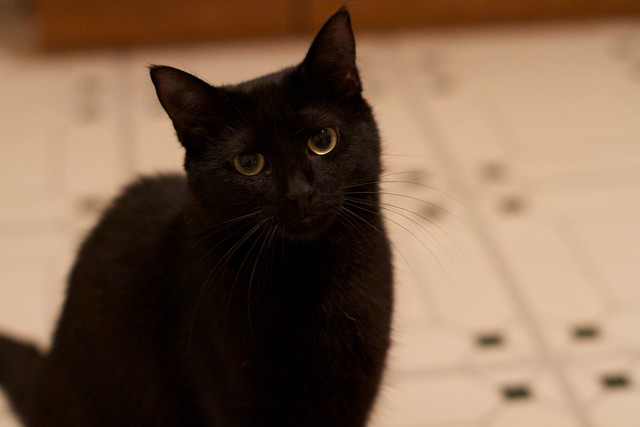
Black Beauty

Words marked with a * are reconstructions.

Proto-Celtic *dubus = black
Old Irish (Goídelc) dub [duv] = black; morally dark, dire, gloomy, melancholy
Middle Irish (Gaoidhealg) dub = black, swarthy, dark, dire, gloomy, melancholy
dubach = ink
dubachas = gloom, heaviness, grief
dubaid = to grow dark, turn black or discoloured, blacken
Irish (Gaeilge) dubh [d̪ˠʊvˠ / d̪ˠʊw] = black; evil; darkness; sable; black-hearted
dubhach = dismal, gloomy, melancholy, sorrowful, black, dark
dubhachas = gloom, sorrow
dubhaigh = to blacken, darken, blight, sadden, oppress
dúchan = blackening, darkening, sadness
Scottish Gaelic (Gàidhlig) dubh [duh] = black, dark, sad, inky, blackness, darkness
dubhach [du.əx] = ink, blackening, alum
dubhachadh [du.əxəɣ] = (act of) blackening, darkening, blackout, tarnishing
dubhachas [du.əxəs] = sadness, sorrow
dubhaich = blacken, darken, tarnish
Manx (Gaelg) doo = black, black-haired, black headed, inky, dark, ink, dirty, sable, bold
dooey = blacker, black
doo(a)ghey = to black, darken, ink
dooid = blackness, darkness
Proto-Brythonic *duβ = black
MIddle Welsh (Kymraec) du = black, dark; sad, gloomy
duaw, duo = to turn black, darken, eclipse, obscure
Welsh (Cymraeg) du [dɨː / diː] = black, sable, dark; sad, gloomy; angry; bitter; lowering; calamitous; wicked, villainous, infernal
duad = a blackening, a darkening
duaf, duo = to turn black, darken, eclipse, obscure
duaidd = blackish, dark, swarthy
duair = sarcasm
duder = blackness, darkness, gloominess
Middle Cornish (Cernewec) du = black, sable, dark, gloomy
Cornish (Kernewek) du [dy:/diˑʊ] = black, dark
duhe = blacken
duik = blackish
Old Breton (Brethonoc) du = black
Middle Breton (Brezonec) du = black, swollen, starved
duat = black, charcoal
duaff = to blacken
Breton (Brezhoneg) du [dyː] = black, swollen, starved
duaat = to become or make blacker
duad = black, charcoal
duadenn = darkness, nimbus (cloud)
duadur = blackening
duañ [dyːã] = to blacken, dirty, waste away
duder [ˈdyː.dɛr] = darkness, tan, wickedness

Etymology: from Proto-Indo-European *dʰewbʰ- (hazy, unclear, dark, deep) [source]. Words from the same roots include deaf, deep and dumb in English [source].

The Fastest Way to Learn Japanese Guaranteed with JapanesePod101.com

Sources: Wiktionary, Am Faclair Beag, Online Manx Dictionary, Teanglann.ie, eDIL – Electronic Dictionary of the Irish Language, In Dúil Bélrai English – Old Irish glossary, Geiriadur Prifysgol Cymru, Gerlyver Kernewek, Lexicon Cornu-britannicum: A Dictionary of the Ancient Celtic Language of Cornwall, Dictionaire Favereau, TermOfis, Le dictionnaire diachronique du breton, Etymological Dictionary Of Proto Celtic

Old

Words for old and related things in Celtic languages.

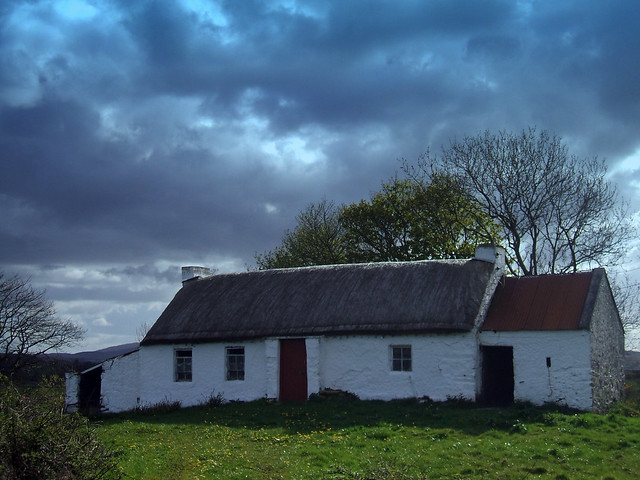
Old Irish Cottage & Out House

Words marked with a * are reconstructions.

Proto-Celtic *senos = old
Gaulish *senos = old
Old Irish (Goídelc) sen = old, ancester, old person,
sendatu = longevity, old age
senóir = elder, old person, senior
senórdacht = elderliness, old age
sentonn = old woman
sentu = old age
Middle Irish (Gaoidhealg) sen = old, ancient, long-standing, ancestor
sendatu = old age, long life
senóir, seanóir = senior, elder, old person
senórdacht, senordacht = old age, seniority
sentonn, sentuinne, sentain = old woman
sentu = old age
Irish (Gaeilge) sean [ʃanˠ] = old, aged, mature; senior, ancestor; long-established, old fashioned; great, exceeding
seanaimsir = old times
seanaois = old age
seanársa = primitive
seanda = old, aged, ancient, antique, stale
seanóir = old person, senior, elder
Scottish Gaelic (Gàidhlig) sean [ʃɛn] = old, aged, elderly; former
seanachd [ʃɛnəxg] = ancientness, oldness
seanair [ʃɛnɪrʲ] = grandfather, elder, ancestor
seanmhair [ʃɛnɛvɪrʲ] = grandmother, grandma
seannda [ʃãũndə] = ancient, old-fashioned
seanndaidh [ʃãũn̪ˠdɪ] = ancient, old-fashioned, infirm, frail
seantaidh [ʃan̪ˠdɪ] = primeval, primitive, shanty
Manx (Gaelg) shenn = old, stale, aged, former, time-fusty, inveterate, ancient, vintage, veteran, old-established, olden, antiquarian, worn, elderly, consecrated, archaic, ex, senile, long-standing
shennaghys = annals, antiquity, history, story-telling, tradition
shennayr, shaner = ancestor, father, forebear, grandfather
shenndeeagh = ancient, historical
Proto-Brythonic *hen = old
Middle Welsh (Kymraec) hen = old
henadur, henadûr = alderman, elder, presbyter, (church) father, senior in rank
henv, henu, hena = to grow old or decrepit, weaken, deteriorate, fail
henaidd = oldish, old, aged, ancient, archaic, antiquated
heneint, henaint = old age, oldness, antiquity, the aged
Welsh (Cymraeg) hen [heːn] = old, aged; ancient, antique, pristine, former; inveterate, chronic; original; senior, elder; stale, mouldy, musty, fusty
henadur = alderman, elder, presbyter, (church) father, senior in rank
henaf, henu = to grow old or decrepit, weaken, deteriorate, fail
henaidd = oldish, old, aged, ancient, archaic, antiquated
henaint = old age, oldness, antiquity, the aged
Middle Cornish (Cernewec) hen, hén, hên = old, ancient, antique
hendas = grandfather
hengog = great great grandfather
Cornish (Kernewek) hen [hɛ:n / he:n] = old, archaic, long-standing
henavek, henavoges = elder(ly), senior, older
hendas = ancestor, forefather
hendedhyow = the olden days
hendheskonieth = archaeology
henedh = generation
hengov = tradition
henlavar = proverb
Middle Breton (Brezonec) hen = old, ancient
henaff = elder, senior
henavelezh = birthright, right of primogeniture
Breton (Brezhoneg) hen = old, ancient
henadur = = archaism
henamzer = antiquity
henañ = elder, senior
henanded = primogeniture
henavelezh = birthright, right of primogeniture

Etymology: from the Proto-Indo-European *sénos (old) [source]. Words from the same PIE roots include senate and senior in English, sens (ancient, old) in Latvian, sẽnas (old) in Lithuanian [source].

Sources: Wiktionary, Am Faclair Beag, Online Manx Dictionary, Teanglann.ie, eDIL – Electronic Dictionary of the Irish Language, In Dúil Bélrai English – Old Irish glossary, Geiriadur Prifysgol Cymru, Gerlyver Kernewek, Lexicon Cornu-britannicum: A Dictionary of the Ancient Celtic Language of Cornwall, Dictionaire Favereau, TermOfis, Le dictionnaire diachronique du breton, Etymological Dictionary Of Proto Celtic

italki - Win cash rewards for learning any language

Young

Words for young in Celtic languages.

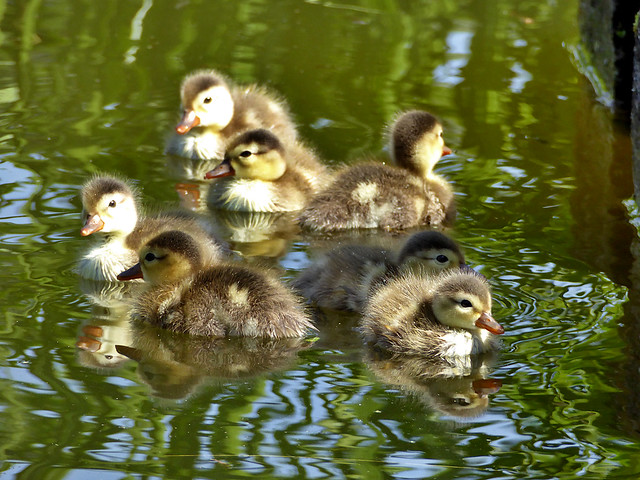
Young

Words marked with a * are reconstructions.

Proto-Celtic *yowankos = young
Gaulish Iouinca = name (?)
Old Irish (Goídelc) óc [oːɡ] = young, young man, warrior
ócbad = young people, youths
óclach = young man, warrior, servant
Middle Irish (Gaoidhealg) óc = young, young man, warrior, poet
ócbad, ócbud = young folk, youths, youth
óclach, ócleach = young man, warrior, attendant, servant, vassal
Irish (Gaeilge) óg [oːɡ/ɔːɡ] = young (person, animal, bird), youth, junior, minor, new, fresh, early
ógánach = young man, youth, crafty person, boyo, trickster
óigeanta = youthful, youthful-looking
óigeantacht = youthfulness
óglach = young man, (young) warrior), attendant, servant, vassal, volunteer
óglachas = manhood, warriorship, armed service, vassalage
ógra = young people, youths
Scottish Gaelic (Gàidhlig) òg [ɔːg] = young, youthful
ògail [ɔːgal] = adolescent, youthful
ògalachd [ɔːgəl̪ˠəxg] = youthfulness, youth, youthful conduct
ògan [ɔːgan] = tendril, twig, seedling, lambkin
òganach [ɔːganəx] = youth, young man, bough
òganta [ɔːgən̪ˠdə] = juvenile
Manx (Gaelg) aeg [ɛːɡ] = young, adolescent, immature, juvenile
aegey = young, juvenile
aegid = adolescence, immaturity, young people, youth
aeglagh = adolescent, juvenile, young ones, youth
aegoil = youngish, youthful
Proto-Brythonic *jowank = young
Middle Welsh (Kymraec) ieuangc, yeueing, yeuejg, yefeink, ieuanc, ieueinc = young, juvenille, unmarried
ieu, iau = younger
yeuhaf, yeuaw, ieuhaf, ieuaf = (the) youngest
euectyt, euenctit, ieuegtit, ieuengtit = youth, adolescence
Welsh (Cymraeg) ifanc [ˈɪvaŋk / ˈiːvaŋk] = young, youthful, adolescent; inexperienced, immature; recent; unmarried, newly wed
iau, ieuach, ifach = younger, not as old
ieuaf, i(e)faf = (the) youngest, the younger (of two), junior
ieuant = young person, youth, adolescence
ieuenctid = youth, adolescence
Old Cornish iouenc, youonc = young
Middle Cornish yowync, iouenc, youonc = young, youthful
yonc = young, youthful, juvenile
yowyncneth = youth, youthfulness
Cornish (Kernewek) yowynk, yonk [‘jɔwɪŋk/jɔˑŋk] = juvenille, young, youthful
yowynka, yonka = younger
yonker, yonkores = youngster, youth
yowynkneth, yonkneth = youth
Middle Breton youanc, ioanc, iouanc = young
yaouancquat, youancat, youanchat = to rejuvenate
yaouanctet, iaouanctet = youth(fulness)
Breton (Brezhoneg) yaouank = young
yaouankaat = to rejunvenate
yaouankadur = rejunvenation
yaouank(t)iz = youth
yaouankted = youth(fulness)

Etymology: from the Proto-Indo-European *h₂yuh₁n̥ḱós (young), from *h₂yéwHō (young), from *h₂óyu (long time, lifetime) [source].

Words from the same roots include young and youth in English, jeudg (youth) in Dutch, Jugend (youth) in German, jeune (young) in French and joven (young(ster), youth(ful), young person) in Spanish [source].

The Fastest Way to Learn Japanese Guaranteed with JapanesePod101.com

Sources: Wiktionary, Am Faclair Beag, Online Manx Dictionary, Teanglann.ie, eDIL – Electronic Dictionary of the Irish Language, In Dúil Bélrai English – Old Irish glossary, Geiriadur Prifysgol Cymru, Gerlyver Kernewek, Lexicon Cornu-britannicum: A Dictionary of the Ancient Celtic Language of Cornwall, Dictionaire Favereau, TermOfis, Le dictionnaire diachronique du breton, Etymological Dictionary Of Proto Celtic

Fresh & New

Words for fresh and new in Celtic languages.

Words for new in Celtic languages

Proto-Celtic *ɸūros = new
Old Irish (Goídelc) úr = fresh, new
Middle Irish (Gaoidhealg) úr = fresh, new, bright, noble, generous, fair, active, recent
Irish (Gaeilge) úr [uːɾˠ] = fresh; free, liberal, moist
úrach = green timber
úraigh = to freshen, scour, cleanse, become moist, damp
úras = new milk
úrchneasach = fresh-complexioned
Scottish Gaelic (Gàidhlig) ùr [uːr] = new, fresh
ùrachadh = refreshing, renewing, renovating, renewal
ùr-ghnàthaich = innovative, innovatory
ùr-ghnàthaichear = innovator
ùrad = degree of newness, novelty
Manx (Gaelg) oor = new, sweet, novel, sappy, crisp, span, fresh, hour, raw
ooragh = hourly, refreshing
ooraghey = to freshen, purify, refresh, relieve, sweeten
ooraghtoil, oorey = refreshing
Welsh (Cymraeg) ir [iːr] = verdant, green, juicy, sappy, moist, succulent, not withered, not dried up or coagulated, fresh, undried; mild; alive, thriving, lively, vigorous; new, fresh, young, unripe
iraidd = fresh, verdant, green, juicy, sappy, moist, liquid
Cornish (Kernewek) yr [ɪ:r/iːr] = fresh

Etymology: from the Proto-Indo-European *puHrós (wheat), possibly from *pewH- (to be clean, pure) [Source].

Words from the same PIE roots include pure in English, პური (ṗuri – bread, wheat) in Georgian, and պուրի (puri – a type of bread) in Armenian [Source].

Proto-Celtic *nouyos = new
Gaulish *novios = (used in place names)
Celtiberian nouiza = new
Old Irish (Goídelc) núa [n͈uːa̯] = new
Middle Irish (Gaoidhealg) núa(e) = new, recent, fresh, lusty, vigorous, fair, clear, bright, lately, anew, again, recently
Irish (Gaeilge) nua [n̪ˠuə / n̪ˠuː] = new, fresh, recent, novel; newness, new thing
nua-aimseartha = modern
nuachan = novation
nuacht = news, novelty
nuachtóir = reporter, journalist
Scottish Gaelic (Gàidhlig) nuadh [nuəɣ] = new, fresh, recent, novel, modern, unfamiliar
a-nuadh = anew
nua-aimsireach = modern, up to date
nua-fhasanta = newfangled
nuadhachadh = renewing, renovating
nuadhachas = novelty, innovation
Manx (Gaelg) noa = fresh, modern, new, novel, original, recent, unused
noa-emshiragh = modern
noaght = freshness, modernity, newness, novelty
noaid = freshness, innovation, newness, novelty, originality
aanoaghey = to rejuvenate, renew, renovate
Proto-Brythonic *newɨð = new
Old Welsh neguid = new
Middle Welsh (Kymraec) newyt, newyd = new, recent, modern, late, novel
newydhau, newyddhau = to renew, renovate, restore
Welsh (Cymraeg) newydd [ˈnɛu̯.ɨ̞ð/ˈnɛu̯.ɪð] = new, recent, newly-grown, modern, late, novel, changed, different; new (moon), unused, fresh
newyddaf, newyddu = to renew, renovate, restore, be renewed or restored, replace, change, reform, modernize, innovate
newyddaidd = newish, new, modern, newfangled, fresh, renewed
newyddair = neologism, new word or spelling
newyddeb = novelty, innovation
newyddiadur = newspaper
newyddiadura = to be a journalist
newyddiadureg = jouralese, journalism
Middle Cornish (Cernewec) newydh, nowydh, nowedh = new, fresh, late, recent
Cornish nowydh = fresh, new, novel, newly, just
nowydh flamm = brand new
nowydh genys = newborn
Old Breton nouuid = new
Breton (Brezhoneg) nevez [ˈne.ve] = new
nevezadeg restoration campaign
nevezadenn = innovation
nevezadenniñ = to innovate
nevezadur = innovation, updating, actualisation
nevezer = innovator

Etymology: from the Proto-Indo-European *néw(y)os (new) [Source]. The town of Noia in A Coruña in Galicia in the northwest of Spain probably gets its new from the same Proto-Celtic root possibly via Celtiberian [Source].

Words marked with a * are reconstructions.

Sources: Wiktionary, Am Faclair Beag, Online Manx Dictionary, Teanglann.ie, eDIL – Electronic Dictionary of the Irish Language, In Dúil Bélrai English – Old Irish glossary, Geiriadur Prifysgol Cymru, Gerlyver Kernewek, Dictionaire Favereau, TermOfis, English – ProtoCeltic WordList (PDF), Etymological Dictionary Of Proto Celtic

The Fastest Way to Learn Japanese Guaranteed with JapanesePod101.com

Free

Words for free and related things in Celtic languages.

Freedom

Words marked with a * are reconstructions.

Proto-Celtic *su-wiros = free (“good man”)
Old Irish (Goídelc) saer [soːi̯r] = free, freeman, noble, craftsman
saeraid [ˈsoːi̯rɨðʲ] = to free, liberate, deliver, save, exempt
saire [ˈsai̯.rʲe] = freedom, liberty
Middle Irish saer, soer, sóer = free, freeman, noble, ready, skilled,
sáeraid = to free, liberate, save, rescue, deliver
saíre, sóire = freedom, liberty, nobility,
Irish (Gaeilge) saor [sˠeːɾˠ/sˠiːɾˠ] = free, enfranchised; noble; independent
saoradh = liberation, deliverance, release, acquittal, assurance, confirmation
saoráid = ease, facility, ease, freedom from constraint
saoráideach = easy, facile
saoráidí = easiness, facileness
saoráil = freedom, bargin
saorálach = voluntary, free, unconstrained
saorálaí = volunteer
saoirse = freedom, immunity, exemption
Scottish Gaelic (Gàidhlig) saor [sɯːr] = free (not captive); cheap; frank
saora [sɯːr̪ˠsə] = freedom, liberty, redemption
saorachd [sɯːrəxg] = freedom, cheapness
saoradair [sɯːrədɪrʲ] = liberator
saoradh [sɯːrəɣ] = freeing, libterating, liberation
saorsach = [sɯːr̪ˠsəx] = free, unrestrained
saorsachd = [sɯːr̪ˠsəxg] = freedom, exemption
saorsainn [sɯːr̪ˠsɪn̪ʲ] = liberty
Manx (Gaelg) seyr [seːr] = free, gratuitous, gratis, complimentary, immune, floating, independent, unforced
seyrsnys = autonomy, exemption, freedom, immunity, independence
seyrey = absolution, exemption, liberation; to absolve, acquite, exempt, free, libterate

Etymology: from Proto-Celtic *su- (good, well), from PIE *h₁su- (good, well), and Proto-Celtic *wiros (man, husband), from PIE *wiHrós (man, husband) [source]

The Irish name Fearghal (Fergal, Feargal), and the English name Farrell come from the Proto-Celtic name *Wirogalos, from *wiros (man) and‎ *galā (valour, ability) [source], and the Irish name Fearghas and the English version, Fergus, come from the Proto-Celtic name *Wirogustus, from *wiros (man) and‎ *gustus (excellence, force) [source]

Proto-Celtic *ɸriyos = free
Proto-Brythonic *rɨð [ˈrɨːð] = free
Middle Welsh (Cymraeg) ryd, rit = free, nonconformist; unrestricted, unrestrained; open; liberal
ryddd-dab, rydd-deb = freedom, liberation, deliverance, immunity
ryddhâd, rhyddhaad = release, libteration, freedom
rydhaw, rydhaa, rytha = to free, release, liberate
Welsh (Cymraeg) rhydd [r̥ɨːð / r̥iːð] = free, nonconformist; unrestricted, unrestrained; open; liberal
rhyddd-deb = freedom, liberation, deliverance, immunity
rhyddhad = release, libteration, freedom
rhyddhaf, rhyddhau = to free, release, liberate
Old Cornish rid = free
Middle Cornish (Cernewec) rid, ruid = free, unconstrained
Cornish (Kernewek) rydh [rɪ:ð / ri:ð] = free
rydhses = freedom, liberty
Old Breton (Brethonoc rid = free

Etymology: possibly from Proto-Indo-European *priHós (dear, beloved, happy, free), from *preyH- (like, love) [source]. English words from the same PIE roots include free(dom), friend and proper [source].

The Fastest Way to Learn Japanese Guaranteed with JapanesePod101.com

Sources: Wiktionary, Am Faclair Beag, Online Manx Dictionary, Teanglann.ie, eDIL – Electronic Dictionary of the Irish Language, In Dúil Bélrai English – Old Irish glossary, Geiriadur Prifysgol Cymru, Gerlyver Kernewek, Lexicon Cornu-britannicum: A Dictionary of the Ancient Celtic Language of Cornwall, Dictionaire Favereau, TermOfis, Le dictionnaire diachronique du breton, Etymological Dictionary Of Proto Celtic

Bad

Words for bad and related things in Celtic languages.

Good

Words marked with a * are reconstructions.

Proto-Celtic *drukos = bad
Gaulish druco- = bad
Old Irish (Goídelc) droch [drox] = bad, ill
Middle Irish (Gaoidhealg) droch = bad
Irish (Gaeilge) droch [drɔx] = bad, poor, evil, ill, un-
drochbhéas = vice, bad habit
drochmheas = contempt
drochobair = bad work, mischief
drochrath = ill luck, misfortune
drochrud = bad thing, inferior thing, bad/evil person, devil
drochrún = evil intention
drochuair = evil hour, unfortunate occasion
Scottish Gaelic (Gàidhlig) droch [drɔx] = bad, evil, wicked, mischievous, sad, calamitous, dark, obscure, secretive
droch-aigne = ill-will
droch-allaidh = libel
droch-chòrdadh = disagreement
droch-fhàistinneach = ominous
droch-mhèin = malice
droch-thuarach = sinister
Manx (Gaelg) drogh [drɔx] = evil, wicked, bad, abusive, unenviable, misfortune, badness, ill, sinister, vile
drogh aghtalys = misbehaviour, misconduct
drogh chaaynt = bad language, smut, swearing
drogh chonagh = misfortune
drogh hraghtey = to smuggle, smuggling
drogh oor = bad luck, ill-times, misfortune
Proto-Brythonic *drug = bad
Middle Welsh (Kymraec) druc, dryg, drỽc, drwc = bad
drycaruer , drygarver, drycarver = bad habit, abuse, misuse
drygdafod = scurrilous language, evil tongue
Welsh (Cymraeg) drwg [druːɡ] = bad, rotten, putrid; poor, piteous, wretched; sorry, grievous, sad; unfavourable, causing disquiet; injurious, harmful; unpleasant (taste); indecent, obscene (words); counterfeit, false; bad; harsh, cruel, severe, ruthless; corrupt, depraved, sinful, wicked, mischievous, naughty
strong>drwgabsen = malicious defamation, slander
drwgafer = bad habit, abuse, misuse
drwgdafod = scurrilous language, evil tongue
drwgenwog = infamous, notorious, disreputable
Middle Cornish (Cernewec) droc, drôg, drog = evil, wickedness, harm, injury, wrong, bad, wicked, hurtful, mischievous
droca, droga = worst
drocoleth = an evil deed, ill doing, injury, damage
droga, droaga = to do harm, hurt, injure
drogbrederys = evil-minded, malicious, envious
drogbres = ill will, spite, grudge
drogdavasec = ill-tongued, foul-mouthed, back-biting, reviling
drogger = ill report, infamy, reproach
droggeriit = infamous, reproachful
droggras = revenge, requital
drogober, drôk-ober = an evil deed, a crime
Cornish (Kernewek) drog [drɔ:g / dro:g] = bad, harm, hurt, ill, wrong, evil, invalid, nasty, naughty, wicked, wrong
drogdybi = to suspect
drogedh = vice
drogfara = to behave badly
drogga = wrong
droghandla = to abuse, mishandle
droglam = accident, crash, mishap
drogober = crime
drogboeror, drogoberores criminal, culprit
drogura = to smear
drokoleth = widkedness
drokter = wickedness
Middle Breton (Brezoneg) drouc = bad, illness, anger
drouc Ælez = the devil, bad angel
drouc auantur = misfortune, bad luck
droucyez, drouguyez = wickedness, malice, animosity
drouc =
drouc =
Breton (Brezhoneg) drouk [druːk] = bad, evil, naughty
droug [druːk] = bad, wickedness
drougiezh [druˈɡiːɛs] = wickedness, malice, animosity
droukrañsus [druˈɡrãsːys] = angry, resentful
droukaat = to become bad, make bad
drouziwezh [dru.ˈziː.wɛs] = defeat, disaster
dizrouk [ˈdi.zruk] = inoffensive, without anger

Etymology: possibly from the Proto-Indo-European *dʰrewgʰ- (to deceive) [source]. Word from the same roots include dream in English, droom (dream) and driegen (to deceive) in Dutch, Traum (dream) and trügen (to deceive, be deceptive) in German [source].

Proto-Celtic *dognawos = badly grown (?)
Old Irish (Goídelc) dona [ˈdona] = unlucky, unfortunate
Middle Irish (Gaoidhealg) dona = unfortunate, unlucky, wretched
donaide = ill-disposed, wretched
donán = miserable creature, wretch
donas = ill-luck, misfortune, calamity
donogad = act of making wretched
Irish (Gaeilge) dona [ˈd̪ˠɔn̪ˠə/ˈd̪ˠʌnˠə] = unfortunate, unlucky, bad, poor, wretched, ill
donacht = badness, wretchedmess, misfortune, illness
donagar = bad condition, misfortune
donaigh = to make worse, aggravate, become word, deteriorate, injure, maim
donaire = wretch
donaireacht = wretchedness
donaisín = little wretch, weakling
donas = ill-luck, misfortune, affliction, misery, mischief
Scottish Gaelic (Gàidhlig) dona [dɔnə] = bad, not well
donachas [dɔnəxəs] = mischief, harm, bad luck, mishap, devil
donachd [dɔnəxg] = mischief, harm, bad luck, mishap
donad [dɔnəd] = degree of badness, severity
donadas [dɔnədəs] = badness, evil
donas [dɔnəs] = mischief, harm, bad luck, devil
donasag [dɔnəsag] = imp
Manx (Gaelg) donney [ɔlk] = calamitous, ill-advised, inauspicious, unfortunate, unlucky, very ill, woeful, unhappy
donnan = dolt, dunce, stupid person, worse
donnys = affliction, bad luck, mischief, woe

Etymology: possibly from the Proto-Indo-European *ǵneh₃- (to recognise, know) [source]. Words from the same root include can, canny, gnome, ignore, know and quaint in English [source].

Proto-Celtic *ulkos = evil, bad
Old Irish (Goídelc) olc [olk] = bad, evil
olcas = badness
Middle Irish (Gaoidhealg) olc, olcc = evil, bad, wrong, misfortune
olcach = hurtful, injurious, harm, injury
olcas = badness
Irish (Gaeilge) olc [ɔl̪ˠk] = evil, harm, bad, harmful, poor, wretched, ill-disposed, hardly, scarcely
olcach = causing evil, harmful, injurious.
olcas = badness, evil, bad state, bad nature, spite
Scottish Gaelic (Gàidhlig) olc [ɔl̪ˠxg] = evil, wicked, bad, infamous, ill, iniquity
olcag [ɔl̪ˠxgag] = little brat (female)
olcair [ɔl̪ˠxgɛrʲ] = evildoer
olcas [ɔl̪ˠxgəs] = wickedness, badness
Manx (Gaelg) olk [ɔlk] = bad, evil, ill, injury, lousy, truculence, unfavourable, vicious, wicked, mischief, naughty, sinful
olkeyr = criminal, culprit, evil-doer, offender, mischief-maker
olkid = badness, evilness
olkys = badness, evilness, iniquity, mischief
olkyssagh = baleful, elfish, diabolical, iniquitous, malicious, malignant, mischievous, naughty, vicious, wicked

Etymology: from the Proto-Indo-European *h₁elḱ- (bad [?]) [source]. Words from the same root include ill and possibly ulcer in English, illa (badly, poorly, not well) in Swedish, and ilkeä (bad, mean, wicked, evil) in Finnish [source].

Sources: Wiktionary, Am Faclair Beag, Online Manx Dictionary, Teanglann.ie, eDIL – Electronic Dictionary of the Irish Language, In Dúil Bélrai English – Old Irish glossary, Geiriadur Prifysgol Cymru, Gerlyver Kernewek, Lexicon Cornu-britannicum: A Dictionary of the Ancient Celtic Language of Cornwall, Dictionaire Favereau, TermOfis, Le dictionnaire diachronique du breton, Etymological Dictionary Of Proto Celtic

Good

Words for good and related things in Celtic languages.

Good

Proto-Celtic *matis = good
Old Irish (Goídelc) maith [maθʲ] = good
maithe = goodness
Middle Irish (Gaoidhealg) maith, maid = good, profiable, excellent, fitness, proficiency, wealth
Irish (Gaeilge) maith [mˠa(h) / mˠaɪ(h)] = good; goodness, kindness; good things; fertility
maithe = goodness, good
maitheamh = forgiveness, pardon, abatement, remission
maitheas = goodness, good, good thing, kindness, gift
maitheasach = good, useful, kind, obliging
maitheasaí = good worker
maithiúnas = forgiveness, pardon
Scottish Gaelic (Gàidhlig) math [mah] = good, well
maitheadh = forgiving, pardoning
maitheas = goodness
maitheanas = forgiveness, pardon
maitheamhnas = forgiveness
Manx (Gaelg) mie [maɪ] = good, nice, moral, fair, pious, ready, goodness, favourable, virtuous, virtue, goodly
mienys = favourableness, good, goodness
Proto-Brythonic *mad = good
Middle Welsh (Kymraec) mad, mat [maːd] = fortunate, lucky, good, etc
matweith, madwaith = good work, goodness
Welsh (Cymraeg) mad [maːd] = fortunate, lucky, auspicious, happy, suitable, proper, good, beneficial, holy, fair, pleasant, beautiful, goodness, fairness, benefit, good deed, kindness
madedd = goodness, generosity, bounteousness
madog = good man, good, just, righteous
madol = fair, good, beneficial
madwaith = good work, goodness
madwr = benefactor, patron
Old Cornish mad = good
Middle Cornish (Cernewec) mas, mat, mâs, mâd = good, beneficial
Cornish (Kernewek) mas [ma:z / mæ:z] = good, respectable, moral, virtuous
maseth = morality
Old Breton mat = good
Middle Breton (Brezonec) mat, mad = good
Breton (Brezhoneg) mat, mad [mɑːt/maːd] = good, good product, moral, well (done), sweet
madek = wealthy, gentle, soft
madelezh = kindness, benevolence
madelezhus = beneficent, generous
madig = sweet, bonbon
madoberer = benefactor, patron
mataat = to improve, moralize
demat [deˈmɑːt] = hello, good day
demata = to greet, say hello
peurvat [ˈpør.vat] = perfect

Etymology: from Proto-Indo-European *meh₂tis (ripe, good), from *meh₂- (to ripen, to mature) [source].

Words from the same roots include demure and mature in English, matin (morning) and mûr (mature, ripe) in French, and , mañana (tomorrow, soon, morning) and maduro (mature, ripe) in Spanish [source].

Proto-Celtic *dagos = good
Gaulish dagos = good
Old Irish (Goídelc) dag- = good
Middle Irish (Gaoidhealg) dag = good, well
Irish (Gaeilge) dea- [dʲa/ dʲeː] = good, well
dea-bhéasach = well-mannered, well-behaved
dea-chruthach = well-shaped, shapely, handsome
dea-dhéanta = well-made, of good figure, physique
Scottish Gaelic (Gàidhlig) deagh [dʲoː] = good, fine, nice, pretty, rather well
deagh-rùn = good intention
deagh-aithnichte = well-known
deagh-chliù = good reputation, fame
deagh-spiorad = good spirit
deagh-ghean = goodwill, benevolence
Proto-Brythonic *daɣ = good
Middle Welsh (Kymraec) dá, da = good, beneficial, acceptable, suitable, useful
daeoni, dayoni, daioni = goodness, uprightness, graciousness, kindness, bravery
daionvs, daionus, dayonus = good, beneficial, bountiful, kind, loving, gracious
Welsh (Cymraeg) da [daː] = good, beneficial, acceptable, suitable, useful
daeder = goodness, quality, of goodness
daionedd = goodness, benefit
daioni = goodness, uprightness, graciousness, kindness, bravery
daionus = good, beneficial, bountiful, kind, loving, gracious
daionusrwydd = goodness
daionuster = goodness, beneficence, benefit
Middle Cornish (Cernewec) da = good
dader = goodness, excellence
Cornish (Kernewek) da [da:] = good
da lowr = alright, mediocre, OK, passable
da-ober = good deed
dader = goodness
mellyer/melyores dader = do-gooder
Old Breton da = good
Middle Breton (Brezonec) da = good
Breton (Brezhoneg) da [da] = pleasant, agreeable, satifactory; good (archaic)

Etymology: related to the Proto-Indo-European *déḱos (that which is proper), from *deḱ- (to take, perceive) [source].

Words from the same roots include dech (best) in Old Irish and dainty, decent, decor, dignity, docile doctor and dogma in English [source].

Words marked with a * are reconstructions.

Blubrry podcast hosting

Sources: Wiktionary, Am Faclair Beag, Online Manx Dictionary, Teanglann.ie, eDIL – Electronic Dictionary of the Irish Language, In Dúil Bélrai English – Old Irish glossary, Geiriadur Prifysgol Cymru, Gerlyver Kernewek, Gerlyvyr Cernewec, Lexicon Cornu-britannicum: A Dictionary of the Ancient Celtic Language of Cornwall, Dictionaire Favereau, TermOfis, Le dictionnaire diachronique du breton, Geriafurch, English – ProtoCeltic WordList (PDF), Etymological Dictionary Of Proto Celtic

Left & North

Words for left, north and related words in Celtic languages.

Left & North

Words marked * are reconstructions.

Proto-Celtic *kliyos = left (hand)
*uɸokliyom = north
Old Irish (Goídelc) clé = left
fochlae = the north, seat of honor
Middle Irish (Gaoidhealg) clé = left
fochla = the north, seat of honour
Irish (Gaeilge) clé [clʲeː / clʲiː] = left, left hand, left-hand side
clébhord = port, larbord
Scottish Gaelic (Gàidhlig) clì [kliə] = left
clì-làmhach = left-handed
làmh chlì = left hand, left wing (in politics)
clè [kleː] = left, left-handed, mistaken, wrong, lar-board, sinister (in heraldry)
Manx (Gaelg) clee = left. leftist
skian clee = left wing
cleeid = left handedness
Proto-Brythonic *kleð = left, northern
*gwogleð [ɡwoˈɡlɛːð] = north
Old Welsh cled = left hand, left side
gogled = north
Middle Welsh (Kymraec) cled, kled = left, left hand, left side
argled = left, unlucky, unfortunate
guocled, goglet, gogled, gogledd = north
Welsh (Cymraeg) cledd [kleːð] = left, left hand/side
argledd = left, unlucky, unfortunate
gogledd = north, northern, northerly, North Wales, north wind
Middle Cornish (Cernewec) cledh, clêdh = left, north
cledhec = left-handed
dorn-kledh = left-handed
Cornish (Kernewek) kledh [klɛ:ð / kle:ð] = left, left-handed, northern
kledhbarth = north
Kledhbarthyas, Kledhbarthyades = Northerner
kledhek = awkward, clumsy, left-handed
kledhek hy thowlow / y dowlow = impractical
gogledh = north
a-gledh = on the left
a-gledh dhe = to the left of
a-gledhbarth = on the north side
Middle Breton (Brezonec) cleiz = left
Breton (Brezhoneg) kleiz [klɛj(s)] = left, north, northern, irrascible
kleizell = left
kleizenn = north wind
kleiziad – left-handed, left-hander
kleizour = left winger
a-gleiz [aˈɡlɛj(s)] = to the left
gougleiz, gouglez [ˈɡuɡlɛj(s)] = north (archaic)

Etymology: from the Proto-Indo-European *ḱléyteh₂ (leaning, sloped, inclined) from *ḱley- (to lean, incline) [source].

Words from the same PIE roots include clement, client, climate, climax, clinic, ladder and to lean in English [source].

Proto-Celtic *(s)kīttos = left, left-handed, clumsy, awkward, wrong, sinister, sad
Middle Irish (Gaoidhealg) cittach = left-handed, awkward
Irish (Gaeilge) ciotach [ˈcɪt̪ˠəx / ˈcɪt̪ˠa(h)] = left-handed, awkward, clumsy, difficult, troublesome, inconvenient
ciotachán = left-handed person, awkward, clumsy person
ciotóg = left hand, left fist, lefthanded person
ciotógach = left-handed, left-fisted, awkward
Scottish Gaelic (Gàidhlig) ciotach [kʲihdəx] = left-handed, awkward, sinister
ciotachan = left-handed person
Manx (Gaelg) kiuttag = left hand
kyttagh = left-handed
kiuttaght = left-handedness
Middle Welsh (Kymraec) chwith, hwidd = left, left-handed
Welsh (Cymraeg) chwith [χwiːθ] = left; left-handed, awkward, bungling, uncouth, unfortunate, sinister, sad, strange, unaccustomed, unusual, wrong, amiss; the left (hand); the Left
chwithig = left, left-handed; strange, awkward, clumsy, bungling, wrong, inauspicious, unpleasant, suspicious
chwithlyd = sinister, chilly
gochwith, go chwith = contrary, opposite, inside out, clumsy, awkward, left-handed; evil, mishap, misfortune

Etymology: from the Proto-Indo-European *skh₂ey- (left) [source].

Proto-Celtic *towto = left, north
Old Irish (Goídelc) túaid, thúaid = north, in the north
túaidemain = in the north, northwards
fa thuaith, fo thuaidh = northwards, to the north
Middle Irish (Gaoidhealg) túaid, thúaid = north, in the north, northern, northwards
túaidebar = the north
túaidemain = in the north
túaiscert = the north, the left, northerly
túaiscertach = northern, left hand, a northerner
atúaid = from the north, to the north of
Irish (Gaeilge) thuaidh [huəɟ / huə / huəj] = (in the) north, northern
ó thuaidh = to the north, northwards
aduaidh = from the north
tuaisceart = north, northern part
Tuaisceart Éireann = Northern Ireland
tuaisceartach = Northerner, northern, awkward to deal with, surly, rude
tuaisceartacht = awkwardness, surliness, rudeness
Scottish Gaelic (Gàidhlig) tuath [tuə] = north
gu tuath = northward(s)
tuathach [tuəhəx] = northerner, person from North Uist; northerly, northern, boreal
tuathal = anti-clockwise, unlucky, ill-omended, confused, agitated, disorientated
tuathar = place with a northerly aspect, land facing north
tuathlach = unlucky, awkward, left-handed
Manx (Gaelg) twoaie = north, northerly, northern, boreal, northward
twoaieagh = northerner, northsider, northern (Manx) person
goal twoaie = rainbow (“going north”)
my hwoaie = north, northerly, northward
Nerin Hwoaie = Northern Ireland
Old Breton tut = good, favorable
tuthe = a kind of demon

Etymology: possibly from the Proto-Indo-European *tewto- or *tewH- (to look favorably, protect, observe). Cognate with the Latin tūtus (safe, prudent, secure, protected), which is the root of English words like tutor and intuition [source].
Blubrry podcast hosting

Blubrry podcast hosting

Sources: Wiktionary, Am Faclair Beag, Online Manx Dictionary, Teanglann.ie, eDIL – Electronic Dictionary of the Irish Language, In Dúil Bélrai English – Old Irish glossary, Geiriadur Prifysgol Cymru, Gerlyver Kernewek, Gerlyvyr Cernewec, Lexicon Cornu-britannicum: A Dictionary of the Ancient Celtic Language of Cornwall, Dictionaire Favereau, TermOfis, Le dictionnaire diachronique du breton, Geriafurch, English – ProtoCeltic WordList (PDF), Etymological Dictionary Of Proto Celtic

Narrow

Words for narrow and related things in Celtic languages.

NORE LINEAR PARK IN KILKENNY CITY TUESDAY 10 MAY 2016 [THE WEATHER WAS VERY WET AND HAZY]-115697

Words marked with a * are reconstructions.

Proto-Celtic *koilos = thin
Old Irish (Goídelc) cáel, cóel = thin, slender, narrow, fine, delicate, strait
cáelán = intestine
Middle Irish (Gaoidhealg) cáel, cóel, cóil = thin slender, narrow, fine, nice, delicate, subtle, exact
cáelán, caolan = intestine, gut
cáelas = narrows, strait
Irish (Gaeilge) caol [keːl̪ˠ / kiːlˠ] = thin, slender; fine; narrow; shrill; slender; palatalized; weak, dilute; slight; subtle
caolach =osiers, twigs, wicker-/wattle-work
caoladán = thin person, thing
caoladóir = wicker-worker, basker-maker
caolaigh = to become thin, narrow, reduce, dilute
caolán = creek, small intestine, catgut
caolas = strait, narrows, narrow place, bottleneck
Scottish Gaelic (Gàidhlig) caol [kɯːl̪ˠ] = narrow, slender; slim, thin, lean, skinny; lanky
caolan = colon, intestine, entrail(s), gut(s)
caolanach = colonic, intestinal
caolraid = alley, vennel, wynd
caolaich = make slender, slenderise
caolachadh = (act of) narrowing, slenderisation
caolas = narrow(s), strait
caoladair = wickerworker
Manx (Gaelg) keyl [keːl] = thin, fine, attenuated, lanky, lean, slim, slight, willowy, gracile, tapered, slender, hairline, narrow, spare, small, drawn out, watery (soup), weak (solution)
keyllaghey = narrow (down), narrowing
keyley = narrowing, slenderize, thin
keylagh = to attenuate, attenuation, slenderize, thin, thinning
Proto-Brythonic *kʉl = narrow
Middle Welsh (Kymraec) cul, kul = narrow, lean
culaidd, culedd = narrowish, restricted
culhau, kulhau = to become narrow, shrink
Welsh (Cymraeg) cul [kɨːl / ˈkiːl] = narrow, lean, illibera,; bigoted, narrow-minded
culaidd = narrowish, restricted
culder, culdra = narrowness, leanness
culdir = isthmus, narrow strip of land
culfa = strait, narrow place, narrow passage
culhaf, culhau = to become narrow, shrink, lose fat
Middle Cornish (Cernewec) cul = narrow, strait
culurionein, kylyrion = the bowel
Cornish (Kernewek) kul [ky:l / ki:l] = narrow
kuldremenva = corridor
Breton (Brezhoneg) kul = narrow

Etymology: from Proto-Indo-European *koyHlo- or *skey- (to dissect, split) [source].

The word kyle, which appears in placenames such as Kyle of Lochalsh (Caol Loch Aillse) is an English version of the Scottish Gaelic caol [source].

Another word for narrow in Breton is strizh [ˈstriːs], which comes from the Latin strictus (tightened, compressed). The English words strict and strait come from the same root [source].

Words marked with a * are reconstructions.

Sources: Wiktionary, Am Faclair Beag, Online Manx Dictionary, Teanglann.ie, eDIL – Electronic Dictionary of the Irish Language, In Dúil Bélrai English – Old Irish glossary, Geiriadur Prifysgol Cymru, Gerlyver Kernewek, Gerlyvyr Cernewec, Lexicon Cornu-britannicum: A Dictionary of the Ancient Celtic Language of Cornwall, Dictionaire Favereau, TermOfis, Le dictionnaire diachronique du breton, Geriafurch, English – ProtoCeltic WordList (PDF), Etymological Dictionary Of Proto Celtic

Blubrry podcast hosting