To Drink

Words for to drink in Celtic languages.

Proto-Celtic *ɸibeti = to drink
Gaulish ibetis = to drink
Old Irish (Goídelc) ibid [ˈivʲiðʲ] = to drink, to suckle
Irish (Gaeilge) ibh = to drink
Scottish Gaelic (Gàidhlig) ibh = to drink
Manx (Gaelg) iu = to drink, imbibe, tipple, quaff
Proto-Brythonic *ɨβɨd [ɨˈβɨːd] = to drink
Middle Welsh (Kymraec) yuet = to drink
Welsh (Cymraeg) yfed [ˈəvɛd] = to drink
Cornish (Kernewek) eva [‘ɛva / ‘ɛvɐ] = to drink, absorb
Old Breton evaff = to drink
Middle Breton yvet = to drink
Breton (Brezhoneg) evañ [ˈe.vɑ̃] = to drink

Etymology: from the Proto-Indo-European *píph₃eti (to drink) [source].

Proto-Celtic *ɸotlom = to drink
Old Irish (Goídelc) ól [oːl] = to drink
Irish (Gaeilge) ól [oːl̪ˠ / oːl / ɔːl̪ˠ] = to drink
Scottish Gaelic (Gàidhlig) òl [ɔːl̪ˠ] = to drink, sup, absorb
Manx (Gaelg) oyl = to drink

Etymology: from the Proto-Indo-European *pōtlo- / *péh₃tlom, from *peh₃- (to drink) [source].

Sources: Wiktionary, Am Faclair Beag, On-Line Manx Dictionary, Teaglann.ie, Geiriadur Prifysgol Cymru, Gerlyver Kernewek, Dictionnaire Favereau

To Sleep

Today we’re looking at the words for sleep and related things in Celtic languages.

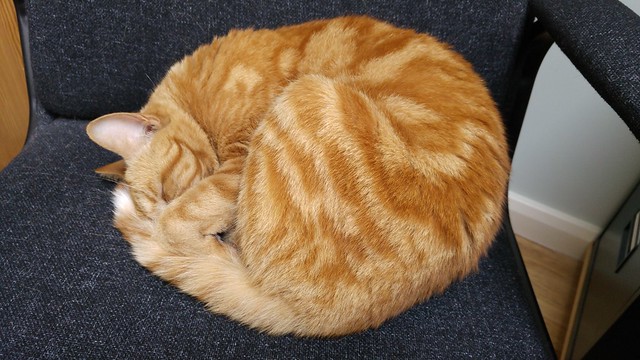
Curled up sleeping cat

Proto-Celtic *sounos [ˈsow.nos] = sleep
Gaulish *sounos = sleep
*Kissōnyos = Gaulish god associated with Mercury
Old Irish (Goídelc) súan [suːa̯n] = slumber, sleep
súanaid = to sleep
Irish (Gaeilge) suan [sˠuən̪ˠ] = sleep, slumber
sunach = lethargic, sluggish, apathetic, dormant
sunacht = dormancy
suanaí = sleeper, lethargic, sluggish, apathetic person
suanaíocht = dozing, torport, lethargy
suanán = doze, nap
suanchógas, suanlaíoch = soporific
suanlios = dormitory
suanmhar = sleepy, drowsy, somnolent
suansiúl = sleep-walking, somnambulism
suansiúlaí = sleep-walker, somnambulist
suantraí = lullaby
Scottish Gaelic (Gàidhlig) suain [suən̪ʲ] = deep/sound sleep, slumber
suain-lann = dormitory
suaineach = drowsy, sleepy
suainealeach = hypnotic
suainealas = hypnosis, hypnotism
suainealachadh = hypnotising, hypnotism
Manx (Gaelg) saveen = doze, nap, slumber
saveeney = to doze
saveeney, saveenaghey = slumber
saveen-hooyl = somnambulism
saveen-hooyleyder = somnambulist
Proto-Brythonic *hʉn [hʉn] = sleep
Middle Welsh (Kymraec) hun = sleep
hunav, hunaw, hunaf = to sleep
Welsh (Cymraeg) hun [hɨːn/hiːn] = sleep, slumber, nap, drowsiness, rest, death
hunaint = lethargy, sleeping-sickness, coma, apathy, torpor
huniad = a sleeping, sleep
huno = to sleep, slumber, nap, fall asleep, die, fall into a state of apathy, indifference or unconcern
hunog, hunol = slumbering, sleepy, drowsy, sleeper, drowsy person
hun-gân = lullaby
Old Cornish hun = sleep
Middle Cornish hun = sleep
Cornish (Kernewek) hun = sleep
hungan = lullaby
Middle Breton hun = sleep
Breton (Brezhoneg) hun = sleep, nap
hunva = dormitory
hunvaleer = somnambulist, sleep walker
hunvre = dream
hunwezher = sleeping pill
hun don = deep sleep

Etymology: possibly from the Proto-Indo-European *supnós (sleep, death), from *swep- (to sleep) [source].

From the same PIE root we get the Latin word cancer (crab, tumor, cancer, lattice, grid), and related words in other languages, such as cancer, canker and incarcerate in English, cangrejo (crab) and cáncer (cancer) in Spanish [source].

Proto-Celtic *toleyo- = sleep
Old Irish (Goídelc) cotlud = sleeping, sleep
Irish (Gaeilge) codail [ˈkɔd̪ˠɪlʲ / ˈkʌd̪ˠɪlʲ] = to sleep
codlatach = sleepy, drowsy, dormant
codlatacht = sleepiness, drowsiness
codlatán = sleeper, sleepy-head, hibernating creature
codlatóir = sleeper
Scottish Gaelic (Gàidhlig) caidil [kadʲɪl] = to sleep, slumber, repose, delay
cadal = sleeping, slumbering, sleep, slumber
codaltach = dozy, drowsy, sleepy, soporific
Manx (Gaelg) caddil [ˈkaːðəl] = to sleep
cadley = sleep, sleepiness, asleep, dormant, unawakened

Etymology: from the Proto-Indo-European *(s)tel- (to be still) [source].

Sources: Wiktionary, Am Faclair Beag, Fockleyreen: Manx – English Dictionary, Teaglann.ie

Proto-Celtic *kuɸsketi, *kuf-sko- = to sleep
Proto-Brythonic *kuskɨd = to sleep
Middle Welsh (Kymraec) kesku, kyscwyt = to sleep
cwsg, cwsc = sleep
Welsh (Cymraeg) cysgu [ˈkəsɡɨ̞ / ˈkəsɡi] = to sleep, slumber, fall asleep; to fall into the sleep of death, to die; to be or become numb, to be torpid; to fall into a state of apathy, indifference or unconcern
cwsg = sleep, slumber, rest, dormancy, numbness, insensitiveness
cysgadur = sleeper, lazy and drowsy person, sleepy-head, hibernating animal
Cornish (Kernewek) koska [‘kɔska / ‘kʊskɐ] = to sleep
kosk = sleep
yn kosk = asleep
sagh-koska = sleeping bag
Breton (Brezhoneg) kousket = to sleep
kousked = sleep
kouskerez = sleeping
sac’h-kousket = sleeping bag, duvet

Etymology: from the Proto-Indo-European *ḱewb- (to bend, turn) [source]. The English word hip comes from the same PIE root, as does the Albanian word sup (shoulder) [source].

Words marked with a * are reconstructions.

Sources: Wiktionary, Am Faclair Beag, Online Manx Dictionary, Teanglann.ie, eDIL – Electronic Dictionary of the Irish Language, In Dúil Bélrai English – Old Irish glossary, Geiriadur Prifysgol Cymru, Gerlyver Kernewek, Gerlyvyr Cernewec, Dictionaire Favereau, TermOfis, Le dictionnaire diachronique du breton, Geriafurch, English – ProtoCeltic WordList (PDF), Etymological Dictionary Of Proto Celtic

The Fastest Way to Learn Japanese Guaranteed with JapanesePod101.com

Talkative

Words for talkative, to speak, to sing and related things in Celtic languages.

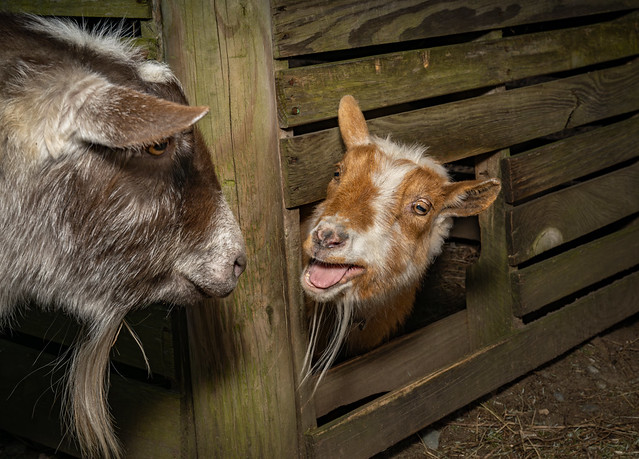
"Hello, friend!"

Words marked with a * are reconstructions.

Proto-Celtic *ɸlabros = talkative
*amɸlabros = dumb, mute
Gaulish lab(a)ro- = talkative, eloquent, sonorous, speaker – appears in the names Labarus and Labrios
Old Irish (Goídelc) labar = talkative, boastful
labraithir = to talk, speak
amlabar = dumb, mute
Middle Irish (Gaoidhealg) labar = talkative, arrogant, boastful
labraithir = to talk, speak
labarthach = talkative, noisy
labra = gift of speech, talkativeness, utterance, sound, speaking
labraithir = to speak, talk, utter, say
amlabar = dumb, mute
Irish (Gaeilge) labhair = to speak, hail
labhairt = speaking, speech, utterance, voice, call
labharthacch = talkative, vociferous, noisy
labharthacht = talkativeness
labhra = speech, utterance
amhlabhra = inarticulateness, bad delivery
amhlabhrach = crude of speech, inarticulate
Scottish Gaelic (Gàidhlig) labhair [l̪ˠau.ɪrʲ] = to speak, say, talk, speak!, utter!
labhar = speaking loudly, loquacious, boastful
labhairt = speaking, uttering, utterance
labhairteach = loquacious, oral
labhairte = said, spoken
amhlabhair = mute, dumb, speechless (obsolete)
co-labhairt = conference, symposium
neach-labhairt = speaker, spokesperson
ro-labhairt = prologue
Manx (Gaelg) loayr = to speak, extemporise
loayreyder = mouthpiece, speaker, talker
loayrt = to speak, talk, utter, express
loayrit = oral, spoken
amloayrtagh = dumb, mute
Proto-Brythonic *laβar [laβaːr] = prone to talking, eloquent
*aβ̃laβar = dumb, mute
Middle Welsh (Kymraec) llawar, llavar, llauar = loud, clear, vociferous
lleueir, llauarei, llafaraf = to speak, say, tell
aflauar = mute, dumb, speechless, silent
Welsh (Cymraeg) llafar [ˈɬa(ː)var] = loud, clear, vociferous, resounding, resonant, sonorous; pertaining to the voice, vocal (of music, in contrast with instrumental); talkative, loquacious; spoken (language), oral, verbal
llafarder = talkativeness, loquaciousness
llafaredig = spoken, uttered, oral, verbal, articulate
llafareiddio = to make more colloquial, speak naturally
llafariad = vowel
llefaru = to speak, say, tell, declare
lleferydd = speech, voice, expression, uttereance, pronunciation
aflafar [avˈlavar] = mute, dumb, speechless, silent
Old Cornish lauar = talkative
aflauar = dumb, mute
Middle Cornish (Cernewec) lavar = utterance, speech, voice, a saying, word, proverb
lavary = to speak, say, tell, pronounce, declare
avlavar, afavar = speechless, dumb, mute
Cornish (Kernewek) lavar = expression, idiom, utterance, sentence
lavaren = phrase
amlavar = dumb, mute
leverel, lawl = to pronounce, say, tell
leveryans = pronunciation
avlavar = dumb
Old Breton labar = talkative
Middle Breton (Brezonec) lauaret = to say, promise
Breton (Brezhoneg) lavar [ˈlɑːvar] = to say, word, language
lavaradenn – to tell
lavarenn [laˈvɑːrɛn] = proposal
lavaret = to say, promise
lavariant = communicative
lavariantiz = communication
amlavar = dumb, mute

Etymology: possibly from Proto-Indo-European *pl̥b-ró-s, from *pleb- (to babble), which is also the root of words such as barbarian in English, pleurer (to cry) in French, and llorar (to cry, weep) in Spanish [Wiktionary].

Old Irish (Goídelc) asbeir [asˈbʲerʲ] = to say, utter, mention, speak
Middle Irish (Gaoidhealg) atbeir = to say, speak
Irish (Gaeilge) abair [ˈabˠəɾʲ] = to say, utter, speak, express, state, allege, give opinion, suppose, assume, mean, direct, report
abairt sentence, phrase
abartha given to repartee
Scottish Gaelic (Gàidhlig) abair [abɪrʲ] = to say, speak, utter, tell
abairt [abər̪ˠʃdʲ] expression, phrase, collocation, saying, comment
abartach [abər̪ˠʃdəx] talkative, bold. impudent
Manx (Gaelg) abbyr = to say, state, assume
abbyrt = sentence, dialect, phrase, expression, period

Etymology: from the Proto-Celtic *ess (ex-, out) and *beirid (to carry, bring, bear, give) [source].

Proto-Celtic *kaneti = to sing
*kantlom = singing
*toɸareuɸokaneti = to prophesize
Old Irish (Goídelc) canaid = to chant, praise, recite, sing, speak
cainnt [kan͈ʲtʲ] = speech, talk, conversation; act of speaking
Middle Irish (Gaoidhealg) canaid = to sing, recite, chant
canamain = singing, chanting
cantain = singing, reciting, chanting, uttering
cainnt = speach, talk, conversation, act of speaking
cainntech = talkative, loquacious
Irish (Gaeilge) can [kan̪ˠ/kanˠ] = to chant, sing, speak, talk, call, name
canadh [kan̪ˠə/ˈkanˠuː] = singing, chanting
cantaire = chanter, chorister
caint [kan̠ʲtʲ / kəin̠ʲtʲ] = speech, talking
cainteach = talkative, chatty
cainteoir = speaker, talker
caintigh = to speak, address, accost
Scottish Gaelic (Gàidhlig) can [kan] = (to) say
cainnt [kãĩn̠ʲdʲ] = to speak, talk, commune
cainnteach [kãĩn̠ʲdʲəx] = loquacious, talkative
cainnteanas [kãĩn̠ʲdʲənəs] = speech
cainntear [kãĩn̠ʲdʲər] = orator, speaker
cainntearachd [kãĩn̠ʲdʲərəxg] = eloquence, rhetorical expression
cainnteas [kãĩn̠ʲdʲəs] = attractive speech
cànan [kaːnan] = language
cànanachas = linguistics
cànanaiche = linguist
Manx (Gaelg) caaynt = spoken language, spoken word, talk
caayntagh = loquacious
Proto-Brythonic *kėnɨd [ke̝ˈnɨːd] = to sing
Old Welsh canam = to sing
Middle Welsh (Kymraec) kan, cân = song
kanu, canu = to sing
kantor, kantoryeit = singer, songster, vocalist, musician, cantor
kanwr, kantoryeit = singer, vocalist
ynganv = to speak, talk, say
Welsh (Cymraeg) cân [kaːn] = song
canaf, canu [ˈkanɨ̞/ˈka(ː)ni] to sing; to intone, chant, to state, say, to produce musical sounds, to play (the harp, piano, etc), to compose poetry, to celebrate in song
cantor, cantores = singer, vocalist, musician, cantor
canwr = singer, vocalist
ynganu = to speak, talk, say, tell, declare, express, pronounce
Middle Cornish (Cernewec) can = song
canas = song
cane, cana = to sing (a song), to sing as birds, to crow
canor, canores = singer
Cornish (Kernewek) kan = poem, song
kana [‘kana / ‘kɒnɐ] = to sing
kaner, kanores = singer
kanik = ditty, jingle
Middle Breton (Brezonec) can = song
canaff = to sing
caner = singer
Breton (Brezhoneg) kan [ˈkãːn] = song
kanadeg = concert, cantata
kanañ [ˈkãː.nã] = to sing
kanaouenn [kã.ˈnɔ.wːɛn] = song
kaner [ˈkãː.nɛr] = singer

Etymology: from the Proto-Indo-European *keh₂n- (to sing) [source]. The English words accent, cant, chant, charm, enchant, hen and incantation come from the same root, as does the Breton word kentel (lesson, moral), the French word chanter (to sing), and the Spanish word cantar (to sing) [source].

Proto-Celtic *kom-wep-s- = conversation
Welsh (Cymraeg) comio = to talk converse
ymgom = (subject of) chat or conversation
ymgomiad = chat, conversatoin, talk, dispute, debate
ymgomio, ymgoniaf = to chat, converse, mention, discuss, dispute, debate
ymgomiol = chatty, conversational, colloquial
ymgomiwr = conversationalist, talker, speaker
Middle Cornish (Cernewec) cews, cowms, cows = speech, discourse, talk
cewsel, cowsa = to speak, say, tell, relate
cows = to speak, say, tell
cowses = a speech, discourse
Cornish (Kernewek) kows [kɔʊz] = to speak, talk
kewsel [ˈkɛʊzɛl] = to speak, talk
Middle Breton comps = speech, to say, tell, pronounce
Breton (Brezhoneg) komz [ˈkɔ̃ms] = to speak, talk, express oneself
komzapl = expressible
komzer = speaker
komzerzh = expression
komzidigezh = speech
komzus = expressive

Etymology: from Proto-Celtic *kom- (with) and *wepos (speech, voice), from Proto-Indo-European *wekʷ- (to speak), which is also the root of epic, vocal, voice and vowel in English [source].

Proto-Celtic *kom-wep-s- = conversation
Old Irish (Goídelc) comrád = conversation, dialogue, talking
Middle Irish (Gaoidhealg) comrád. comrad = conversing, talking, dialogue, speech, utterance, saying
comráidid = to converse
comráitech = chatty, talkative
Irish (Gaeilge) comhrá [ˈkoːɾˠɑː/ˈkõːɾˠɑ̃] = conversation
comhráiteach = conversationalist, conversational
Scottish Gaelic (Gàidhlig) còmhradh [kɔ̃ːrəɣ] = conversing, conversatoin, dialogue, discussion, negotiation
Manx (Gaelg) cowag = babble, chat

Etymology: from Old Irish com- (mutual, joint, co-) and rád (speech, talk, conversation), from Proto-Celtic *kom- (with) and *rādīti, from *rādī (to talk) [source].

The Fastest Way to Learn Japanese Guaranteed with JapanesePod101.com

Sources: Wiktionary, Am Faclair Beag, Online Manx Dictionary, Teanglann.ie, eDIL – Electronic Dictionary of the Irish Language, In Dúil Bélrai English – Old Irish glossary, Geiriadur Prifysgol Cymru, Gerlyver Kernewek, Dictionaire Favereau, TermOfis, English – ProtoCeltic WordList (PDF), Etymological Dictionary Of Proto Celtic

Unlimited Web Hosting - Kualo

Alive & Living

Words for alive & living in Celtic languages.

Proto-Celtic *biwos = alive, living, mortal
Old Irish (Goídelc) béo [bʲeːu̯] = alive, living
Irish (Gaeilge) beo [bʲoː / bʲɔː] = living, alive; live, active; living being; life; livelihood; quick; to live
Scottish Gaelic (Gàidhlig) beò [bjɔː] = alive, live, living; lively; vivid; vital; quick, lively, sprightly
Manx (Gaelg) bio [bʲoː] = alive, live, lifelike, bright, hot, activated, pictorial, afloat, live person, spring tide after neap
Proto-Brythonic *bɨw = alive, living
Welsh (Cymraeg) byw [bɨu̯ / bɪu̯] = alive, living, having life, animate, quick, existing, actual; lively, full of life, vivacious, vigorous, sprightly, spirited, eager, sparkling; vivid, graphic; susceptible to
byw (verb) = to live, lead one’s life, subsist, exist; dwell, inhabit, to animate, revive
Cornish (Kernewek) bew [beˑʊ] = active, agile, alive, lively, living,
switched on
bewa = to live, be alive
Breton (Brezhoneg) bev = alive, living, lively
bevañ = to live, feed

Etymology: from Proto-Indo-European *gʷih₃wós (alive, living) [source].

Old Irish (Goídelc) forig, fuirset = to remain, stay
Irish (Gaeilge) fuirigh = to hold back, delay, wait, stay
Scottish Gaelic (Gàidhlig) fuirich [fuɾʲɪç] = to stay, wait, delay, linger, abide
Manx (Gaelg) fariagh [bʲoː] = to stay
Old Irish (Goídelc) cómnuigim = I rest
congaib [konˈɡavʲ] = to contain, preserve, keep, uphold
Middle Irish (Gaoidhealg) cómnuigim = I rest
congaib [konˈɡavʲ] = to contain, preserve, keep, uphold
Irish (Gaeilge) cónaigh [ˈkoːn̪ˠɪɟ / ˈkoːnˠə / ˈkɔːnˠi] = living, alive; live, active; living being; life; livelihood; quick; to live
Scottish Gaelic (Gàidhlig) cumail [kumal] = (act of) keeping, holding, retaining; witholding; celebrating, observing
còmhnaidh [kɔ̃ːnɪ] = (act of) occupying, inhabiting, dwelling, residing; occupancy, occupation, habitation, residence; (act of) abiding; abode
Manx (Gaelg) cummal = to grip, hold, keep, arrest, contain, retain, live, inhabit

Etymology: from the Old Irish com- (with) and gaibid (to hold, grasp, take, seize, capture) [source].

Old Irish (Goídelc) maraid [ˈma.rəðʲ] = to last, persist, remain; to survive, live
Irish (Gaeilge) mair = to live, to last
Scottish Gaelic (Gàidhlig) mair [marʲ] = to live, to exist, to continue

Etymology: from Proto-Indo-European *merh₂- (to seize, grip) [source].

Welsh (Cymraeg) trigio = to live (in), dwell, reside, lodge, stay, remain, delay, linger
godrig(af) = to stay, tarry, remain, abide, dwell, sojourn; stay or tarry for; rest upon, insist; linger, delay.
Middle Cornish trege, trega, tryga, tryge = to remain, stay, dwell
Cornish (Kernewek) triga = to remain, stay, dwell
Old Breton guotric = to stay

Etymology: from Latin trīcō (to delay) [source].

The word for to live in Breton, chom, comes from the Old French chômer (to be idle, to be out of work), from the Late Latin caumāre, from caumō (I rest during the heat), from the Ancient Greek καῦμα (kaûma – heat). [source].

Words marked with a * are reconstructions.

Sources: Wiktionary, Am Faclair Beag, Online Manx Dictionary, Teanglann.ie, Geiriadur Prifysgol Cymru, Gerlyver Kernewek, Dictionnaire Favereau

Life

Words for life and related things in Celtic languages

Words marked with a * are reconstructions.

Proto-Celtic *biwotūts = life
Old Irish (Goídelc) betha = life, lifetime, existence, sustenance
bethamnas = life, livelihood
ar·beir = to live
Middle Irish (Gaoidhealg) betha = life, to be alive; living, livelihood; food sustenance, property, estate
bethadach = animal, creature
bethaigid = to quicken, animate, feed, nourish, support
bethamain = nourishment
uisce beatha(d), uisge beatha = whiskey
Irish (Gaeilge) beatha [ˈbʲahə] = life, to be alive; living, livelihood; food sustenance, property, estate
beathachruth = life form
beathaigh = to feed, nourish, rear
beathaithe = fat, well-fed
beathú = feeding, nourishment, living, culture
beathúil = nourishing
uisce-beatha = whiskey
Scottish Gaelic (Gàidhlig) beatha [bɛhə] = life, existence; victuals, food; livelihood; welcome, salutation
beathach [bɛhəx] = animal, beast, head of cattle, brute
beathachadh [bɛhəxəɣ] = living, feeding, nourishing
beathachail [bɛhəxal] = nutritious, nutritional
beathachair [bɛhəxɛrʲ] = animator
beathadach [bɛhədəx] = animate
beathalachd [bɛhəl̪ˠəxg] = liveliness, vitality
uisge-beatha [ɯʃgʲəˈbɛhə] = whisky
Manx (Gaelg) bea = animation, life, lifespan, vital (statistics)
beaoil = moral, living
beaghee = nutritious, edible
beaghey = to feed, nourish, nurture, live, maintain; nourishment, foodstuffs, livelihood, nutrition, sustenance
ushtey bea = whiskey
Proto-Brythonic *bïwïd = life
Middle Welsh (Kymraec) byỽyt, bywyt, bowyt, bowyd= life, existence; liveliness; lifetime, living, livelihood, sustenance
Welsh (Cymraeg) bywyd [ˈbəu̯ɨ̞d/ˈbou̯ɪd] = life, existence; liveliness; lifetime, living, livelihood, sustenance; wealth, income; reward, gift
bywydaf, bywydu = to animate, quicken
bywydol = living, animate, lively, vital
bywydoldeb = life, animation, vitality
bywydus = full of life, lively, vigorous
Middle Cornish (Cernewec) bewnans, bewnas = life, existence
Cornish (Kernewek) bewnans [‘bɛʊnans] = life, living
Middle Breton (Brezonec) buez, buhez = life, to live
Breton (Brezhoneg) buhez [ˈbyːe(z)] = life
buhezegezh = vitality, morals, ethics
buhezek = vital, full of vitality

Etymology: from the Proto-Celtic *biwos (alive, living, mortal), from Proto-Indo-European *gʷih₃wós (alive, living). Words from the same roots include words for food in Celtic languages, biology, quick, vitality and zoo in English, vida (life) in Spanish, and vie (life) in French [source].

The Fastest Way to Learn Japanese Guaranteed with JapanesePod101.com

Sources: Wiktionary, Am Faclair Beag, Online Manx Dictionary, Teanglann.ie, eDIL – Electronic Dictionary of the Irish Language, In Dúil Bélrai English – Old Irish glossary, Geiriadur Prifysgol Cymru, Gerlyver Kernewek, Lexicon Cornu-britannicum: A Dictionary of the Ancient Celtic Language of Cornwall, Dictionaire Favereau, TermOfis, Le dictionnaire diachronique du breton, Etymological Dictionary Of Proto Celtic

Shoulders

Words for shoulder and related things in Celtic languages.

Shouldered

Words marked with a * are reconstructions.

Old Irish (Goídelc) gúala = shoulder
Middle Irish gúala, gualann, gūaluinn = shoulder
gúaillech = shouldered, branched, branching
gúaillid = companion, comrade
gúalaire = load, burden
Irish (Gaeilge) gualainn [ˈɡuˑəl̪ˠənʲ] = shoulder
guailleadóireacht = (act of) shouldering, swaggering
guailleáil = to shoulder, to jostle with shoulder, to lurch with shoulders, to saunter, to swagger
guailleálaí = shoulderer, lurcher, saunterer, swaggerer
guailleán = shoulder-strap, braces
guailleog = epaulet(te)
guaillí = companion
guaillíocht = companionship
Scottish Gaelic (Gàidhlig) guaille [guəl̪ˠə] = shoulder
guailleach [guəl̪ˠəx] = pertaining to shoulders
guailleachan / guailleag [guəl̪ʲəxan / guəl̪ʲag] = shoulder-mantle, shawl
gualann [guəl̪ˠən̪ˠ] = shoulder, corner of a house, tack (nautical), brow (geography), shoulder (of mutton), shaft (of a cart), curve of a (ship’s) bow
Manx (Gaelg) geaylin = shoulder, corner (of house)
geayliney = shoulder
geaylinagh = shouldered
geaylaig = epaulette

Etymology: from Proto-Indo-European *gew- (to bend, curve, arch, vault) [source]. Words from the same roots include cuttlefish, gown, kidney, chitterling and gyration in English, Kuhle (hollow, depression) in German, kiel (keel) in Dutch, gonna (skirt) in Italian, and keula (bow, prow) in Finnish [source].

Proto-Celtic *skēdos = wing, shoulder
Old Irish (Goídelc) scíath = wing
Middle Irish scíath = wing
scíathán, sgíthéan, sgiathán = wing
scíathánach = winged
Irish (Gaeilge) sciathán [sˠciəˈhɑ̃ːn̪ˠ] = wing, side, extension, part, piece, arm
sciathánach = winged, long-armed
An tOileán Sciathánach = Isle of Skye
Scottish Gaelic (Gàidhlig) sgiath [sgʲiə] =wing, fin
sgiathan [sgʲiahan] = small wing
sgiathach [sgʲiəhəx] = pertaining to shoulders
sgiathadaich [sgʲiəhədɪç] = fluttering
sgiathadh [sgʲiəhəɣ] = (act of) flying
sgiathag [sgʲiəhag] = little wing
sgiathaire [sgʲiə.ɪrʲə] = winger (in sports)
An t-Eilean Sgitheanach = Isle of Skye
Manx (Gaelg) skian [skʲiən] = wing, pinion, mudguard, baffle
skianagh = winged, finned, pinioned, winged creature
Ellan Skianagh = Isle of Skye
Proto-Brythonic *skuïð = shoulder
Old Welsh (Kembraec) iscuid = shoulder
Middle Welsh (Kymraec) ysgwyt, ysgwyd, ysgỽyd = shoulder
ysgwydawc, yscwyddoc, ysgwyddoc = shoulder(-blade), (upper part of) arm, shoulder (meat), having shoulders
Welsh (Cymraeg) ysgwydd [ˈəsɡwɨ̞ð / ˈəsɡʊi̯ð] = shoulder
ysgwyddo = to shoulder, push with the shoulder(s), hustle, jostle, support, shrug
ysgwyddiad = standing out, jutting out, projection, protusion, cornice
ysgwyddog = shoulder(-blade), (upper part of) arm, shoulder (meat), having shoulders
ysgwyddol = scapular, like a shoulder in shape
Old Cornish scuid =shoulder
Middle Cornish (Cernewec / Kernuak) scuid, scudh, scoudh, scôdh, scûdh = shoulder
scuidlien = a hood
Cornish (Kernewek) skoodh [sko:ð / sku:ð] = shoulder
skoodhya = to assist, back, help, second, support
skoodhyans = assistance, help, support
skoodhyer = assistant, exponent, fan, supporter
Middle Breton (Brezonec) scoaz = shoulder
Breton (Brezhoneg) skoaz [ˈskwɑː(s)] = shoulder, help
skoazek = (person) with broad shoulders, killer whale
skoazell [ˈskwɑː.(z)ɛl] = help, assistance
skoazellañ [skwa.ˈ(z)ɛ.lːã] = to help, to rescue, to subsidize
skoazeller = assistant, helper, auxiliary
skoaziañ [ˈskwa(z)jã] = to support, to help, to assist

Etymology: unkown, possibly from Proto-Indo-European *skeyd- (to split, divide) [source].

The Fastest Way to Learn Japanese Guaranteed with JapanesePod101.com

Sources: Wiktionary, Etymological Dictionary Of Proto Celtic, In Dúil Bélrai English – Old Irish glossary, eDIL – Electronic Dictionary of the Irish Language, Teanglann.ie, Am Faclair Beag, An etymological dictionary of the Gaelic language, Fockleyreen: Manx – English Dictionary, Online Manx Dictionary, Gaelg Corpus, Geiriadur Prifysgol Cymru, Lexicon cornu-britannicum : a dictionary of the ancient Celtic language of Cornwall, Gerlyver Kernewek, Devri : Le dictionaire diachronique du breton, Geriafurch, TermOfis


Eyes & Sun

Today we’re looking at the words for sun, eye and related things in Celtic languages.

A view from Jack Scout

Proto-Celtic *sūle = suns, dual of *sūlos, genitive of *sāwol = sun
Primitive Irish *sūli = eye
Old Irish (Goídelc) súil [suːlʲ] = eye, hope, expectation
Irish (Gaeilge) súil [sˠuːlʲ / sˠuːl] = eye; expectation, hope; something resembling or suggesting an eye
Scottish Gaelic (Gàidhlig) sùil [suːl] = eye; glance, look; expectation; fancy, notion; opening; (rope) eye
Manx (Gaelg) sooill [suːlʲ] = eye, eyepiece, ocellus, sheath of bud, hole of strap
Welsh (Cymraeg) haul [haɨ̯l / hai̯l] = sun, sunlight
heulo = to shine, be sunny, expose to the sun, air (clothes), display
heulog = sunny, solar, cheerful, smiling
torheulo, bolaheulo = to sunbathe
Middle Cornish houl = sun
Cornish (Kernewek) howl [hɔʊl] = sun
howldrevel = sunrise, east
howllen = parasol
howlleski = to tan
howlleskys = sunburnt, tan
howllosk = sunburn
howlsedhes = sunset, west
Breton (Brezhoneg) heol = sun, sunny place, censer

Etymology: from Proto-Indo-European *sóh₂wl̥. (sun) [source].

Proto-Celtic *sawenos = sun
Middle Welsh (Kymraec) haun, hvun = sun, sunlight, sunshine
Welsh (Cymraeg) haun [ˈhɨ.an / ˈhiː.an] = sun, sunlight, sunshine, bright, radiant, sunny
Breton (Brezhoneg) huon = sun

Etymology: from the Proto-Indo-European *sh̥₂uén, from *sóh₂wl̥ (sun) [source].

Proto-Celtic *lukato- = eye
Proto-Brythonic *lugad = eye
Welsh (Cymraeg) llygad [ˈɬəɡad] = eye; iris of the eye; region around the eye; look, gaze; sight, vision; viewpoint
Cornish (Kernewek) lagas [‘lagas / lægɐz] = eye
Breton (Brezhoneg) lagad [ˈla.ɡat] = eye, look, light, eyelet, sleeve, mesh

Etymology: from Proto-Indo-European *lewk- (to shine) [source].

Words marked with a * are reconstructions.

Proto-Celtic *grēnā / *gʷrensnā = sun
Old Irish (Goídelc) grian [ɡʲrʲiːa̯n] = sun
Irish (Gaeilge) grian [ˈgɾʲiənˠ] = sun; paragon
grianach = sunny, cheerful, pleasant
grianadh = sunning, basking
grianán = sunny upper room , solar; person of sunny disposition, loved one, darling
grianbhuí = mellow, golden, sunlight
grianchlog = sundial
grianchóras = solar system
Scottish Gaelic (Gàidhlig) grian [grʲian] = sun
grainach [grʲianəx] = sunny
grainan = sunny spot; place for drying (esp. peat); sundog, mock sun (parhelion)
grian-stad = solstice
Manx (Gaelg) grian [ɡriːn / ɡriᵈn] = sun, sunlight, sunshine
grian-vroit = sunbaked

Etymology: possibly from Proto-Indo-European *gʷʰer- (to be warm, hot) [source].

Words marked with a * are reconstructions.

Sources: Wiktionary, Am Faclair Beag, Online Manx Dictionary, Teanglann.ie, eDIL – Electronic Dictionary of the Irish Language, In Dúil Bélrai English – Old Irish glossary, Geiriadur Prifysgol Cymru, Gerlyver Kernewek, Gerlyvyr Cernewec, Dictionaire Favereau, TermOfis, Le dictionnaire diachronique du breton, Geriafurch, English – ProtoCeltic WordList (PDF), Etymological Dictionary Of Proto Celtic

italki - Win cash rewards for learning any language

Noses & Nostrils

Words for nose and nostril in Celtic languages.

Proto-Celtic *srognā = nose
Gaulish *srognā = nose, nostril
Old Irish (Goídelc) srón [sroːn] = nose, nostril
Irish (Gaeilge) srón [sˠɾˠoːnˠ] = nose; sense of smell; prow, projection
Scottish Gaelic (Gàidhlig) sròn [sdrɔːn] = nose, snout, trunk; promontory; snout (of a glacier); toe (of a shoe)
Manx (Gaelg) stroin [strɛin] = nose, promontory, headland, ness, naze, nose-piece
Proto-Brythonic *froɨn = nose
Middle Welsh (Kymraec) ffroen = nostril
Welsh (Cymraeg) ffroen = nostril; muzzle of a gun, mouth of a cannon, nozzle of a pair of bellows; hole, entrance, opening (of a pipe), cock, spout
Cornish (Kernewek) frig [fri:g] = nostril
Old Breton fron = nostril
Middle Breton froan / fron = nostril
Breton (Brezhoneg) froen = nostril
fri = nose

Etymology: from Proto-Indo-European *sregʰ- (snore), from *welH- (to turn, to wind) [source].

Sources: Wiktionary, Am Faclair Beag, Online Manx Dictionary, Teanglann.ie, Geiriadur Prifysgol Cymru, Gerlyver Kernewek, Dictionnaire Favereau

Gaulish *trugnā = nose
Welsh (Cymraeg) trwyn [truːɨ̯n / trʊi̯n] = nose, snout; sense of smell
Old Cornish trein = nose
Cornish (Kernewek) tron [tro:n] = nose, point (of land), snout, tunnel
Breton (Brezhoneg) stroen = dirt, snot

Sources: Wiktionary, Geiriadur Prifysgol Cymru, Gerlyver Kernewek

Words marked with a * are reconstructions.

Hair

Words for hair in Celtic languages.

Proto-Celtic *woltos = hair
Old Irish (Goídelc) folt [fol͈t] = hair
Irish (Gaeilge) folt = hair, locks, tresses
Scottish Gaelic (Gàidhlig) falt [fal̪ˠd] = hair, locks, ringlets, tail
Manx (Gaelg) folt [folt̪] = hair
Proto-Brythonic *gwolt = hair
Welsh (Cymraeg) gwallt [ɡwaːɬt / ɡwaɬt] = hair
Old Cornish gols = hair
Cornish (Kernewek) gols [gɔlz] = hair
Old Breton guolt = hair

Etymology: from Proto-Indo-European *woltos (hair), from *welH- (to turn, to wind) [source].

Sources: Wiktionary, Am Faclair Beag, Online Manx Dictionary, Teanglann.ie, Geiriadur Prifysgol Cymru, Gerlyver Kernewek, Dictionnaire Favereau

Old Irish (Goídelc) grúac = hair
Irish (Gaeilge) gruaig [ɡɾˠuəɟ] = hair (mass), locks (of hair)
Scottish Gaelic (Gàidhlig) gruag [gruəg] = hair (esp. of female), wig, head of hair, lock of hair
Manx (Gaelg) gruag = hair

Sources: Wiktionary, Am Faclair Beag, Online Manx Dictionary, Teanglann.ie

Welsh (Cymraeg) blew = hair, hairs, bristles, fur; small fish bones; blade of grass
Old Cornish bleu = hair
Cornish (Kernewek) blew [blɛˑʊ] = hair
Old Breton bleuou = hair
Breton (Brezhoneg) blev = hair, bristles, fish bones

The words most commonly used for hair are: gruaig (Irish), falt (Scottish Gaelic), folt (Manx), gwallt (Welsh), gols (Cornish), blev (Breton).

Words marked with a * are reconstructions.

Sources: Wiktionary, Geiriadur Prifysgol Cymru, Gerlyver Kernewek, Dictionnaire Favereau

Fists, Palms, Hands & Arms

Words for fist, palm, hand, arm and related things in Celtic languages.

palm

Words marked with a * are reconstructions.

Proto-Celtic *ɸlāmā = palm, hand
Old Irish (Goídelc) lám [l͈aːṽ] = hand, arm, prowess, accomplishment, power
Middle Irish (Gaoidhleag) lám = hand, arm, prowess, accomplishment, power
lámann, lámand, lámínd = glove, gauntlet, sleeve
lámannán, lamannan = bladder
Irish (Gaeilge) lámh [l̪ˠɑːvˠ / l̪ˠæːw] = hand, arm, handle, signature, measure (of horses)
lámhach = skill in handling, in casting, dexterity
lámhadóir = handler
lámhainn = glove
lámhainneoir = glove-maker
lámhainneoireacht = glove-making
lámhaíocht = helping hand, subscription
Scottish Gaelic (Gàidhlig) làmh [l̪ˠaːv] = hand, arm, handle
làmhainn [l̪ˠaːvɪn̪ʲ] = glove, mitten, gauntlet
làmhchaireach = handy
làmhcharach = dexterous, handy
làmhchran, làmhrachan = handle
làmhnan = handyman
làmhadh = pawing, handling, groping
Manx (Gaelg) laue [læu] = hand, handful, foreleg, grasp (of oar), arm
lauee = dexterous, handy, useful, versatile, manual
lauean = glove
laueys = alacrity, elbow grease, skilfulness, industy
Proto-Brythonic *lọβ̃ [ˈlɔːβ̃] = palm, hand
Old Welsh lau = hand
Middle Welsh (Kymraec) lav, law, llav, llaw = hand
llaw agor, llawegor, llaw egor = generous, bountiful
Welsh (Cymraeg) llaw [ɬaːu̯ / ɬau̯] = hand; authority, control, rule, management, power; ownership, possession; influence; agency, instrumentality, part; guardianship, keeping, custody, care, protection; side, direction, position; skill, touch
llawagor, llawegor = generous, bountiful, liberal, open-handed, creeping thistle, water-pepper
llawaid = handful
llawan = little hand
Old Cornish lof = hand
Middle Cornish (Cernewec) lau, lef, lof, luef = hand
lofgurchel = utensil
Cornish (Kernewek) leuv [lœ:v / le:v] = hand
leuvdosa = to massage
leuvdosans = massage
leuvherdhya = to hand-off
leuvvedhegel = surgical
leuvvedhek, leuvvedhoges = surgeon
leuvwelen = baton
Old Breton lom = hand
Middle Breton (Brezonec) lau = hand
Breton (Brezhoneg) lav [lav] = feathered hand

Etymology: from Proto-Indo-European *pl̥h₂meh₂ (palm, hand). The Faroese word lámur (flipper, paw, left hand) comes from the same Proto-Celtic root, via the Old Norse lámr (hand, arm) [source].

Proto-Celtic *bostā = palm, fist
Gaulish *bostyā = palm, fist
Old Irish (Goídelc) bos / bas = palm
Middle Irish (Gaoidhleag) bas, bos, bass = palm of the hand
basach = having hoofs or claws
baslach = handful
Irish (Gaeilge) bos = palm (of hand); handful; slap; flat end, blade
bosach = bladed, flat-footed
bosachán = flat-footed person
bosaíl = patting, flat-footedness
boslach = handful
Scottish Gaelic (Gàidhlig) bas [bas] = palm (of hand), lower end of a shinty stick, eye (of a fishing hook)
bas-bhualadh = clapping of hands, applause
baslachadh= clapping, cupping (in one’s hands)
basgar = applause, skirl (in music)
baslach = handful, palmful, baptism
Manx (Gaelg) bass = palm, flat of hand, blade of oar, scale pan, bass
bassag = backhander, clap, clout, pat, slap, smack
bassey = applause, clap, clapping
basslagh = double handful, enough to cover palm, palmful
Proto-Brythonic *bos [ˈbos] = hand
Old Welsh bos = palm
Middle Welsh (Kymraec) bos = palm
Welsh (Cymraeg) bos = palm (of the hand), unit of length
Middle Breton (Brezonec) boz = hollow of the hand
Breton (Brezhoneg) boz [ˈboːs] = hollow of the hand

Words marked with a * are reconstructions.

Etymology: possibly from the Proto-Indo-European *gʷésdos (branch) [source]. The Middle Latin word bostia (small box, reliquaire was borrowed from the Gaulish *bostyā, and became bostellus (bushel), the root of the French word boisseau (bushel, hollow cylinder), and the English word bushel [source].

Old Irish (Goídelc) rig [r͈ʲiɣ] = forearm
Middle Irish (Gaoidhleag) rig = forearm from wrist to elbow
Irish (Gaeilge) [ɾˠiː] = forearm
Scottish Gaelic (Gàidhlig) ruighe [r̪ˠujə] = plain, flat ground, (at base of a mountain), shieling area, forearm
ruigheadh = laying out a body, shrouding, stretching out
ruigheachas = tussle, armwrestling
ruigheachdail = accessible
Manx (Gaelg) roih = arm, forearm

Etymology: possibly from the Old Irish *reg (to stretch) [source].

Middle Irish (Gaoidhleag) brac, brach = arm, hand
bracann, bracand = sleeve
braccaille = glove
Irish (Gaeilge) brac = arm (literary), bracket
bracach = brachial
bracaíl = brachiation
Scottish Gaelic (Gàidhlig) brac [braxg] = arm, curve (of a breaking wave), branch (of antlers), deer (poetic)
Middle Welsh (Kymraec) ureich, ureych, braich = arm
Welsh (Cymraeg) braich [brai̯χ] = arm, care, assistance, support, power, might, strength, forelimb of animal, wing, headland, creek
braich olwyn = spoke (of wheel)
braich o’r môr, braich o fôr = arm of the sea, inlet
braich ym mraich = arm-in-arm
Old Cornish bregh = arm
Middle Cornish (Cernewec) brech, brêch, breh = arm
brechol = sleeve
Cornish (Kernewek) bregh [brɛ:x /bre:ʰ] = arm
breghel = sleeve
breghellik = bracelet
Middle Breton (Brezonec) brech, breach, bræch = hand, paw
Breton (Brezhoneg) brec’h = hand
brec’had = handful
brec’hata = to grasp round the waist, embrace

Etymology: from Latin bracchium (hand). Words from the same Latin root include brachium (upper arm) in English, bras (arm) in French, brazo (arm, branch, (tree) limb) in Spanish, and braccio (arm) in Italian [source].

Proto-Celtic *durnos = fist
Old Irish (Goídelc) dorn = fist
Middle Irish (Gaoidhleag) dorn, dornn, dord = hand, fist, possession, handle
dornach = generous-handed
dornán = fistful, handful, sheaf
dornasc = bracelet
dornóc = glove, mitten
Irish (Gaeilge) dorn [d̪ˠoːɾˠn̪ˠ] = fist; punch; fistful, small quantity; handle, grip
dornáil = boxing
dornálaí = boxer
dornán = fistful, handful, small quantity or number, small handle, grip
dornóg = mitten
dornúil = pugilistic
Scottish Gaelic (Gàidhlig) dòrn [dɔːr̪ˠn̪ˠ] = fist; punch, hilt, handle
dòrnach = fistful, boxer, pugilist
dòrnadaireachd = boxing, pugilism
dòrnan = small fist, handful, grip,
dòrnag = fist-sized pebble/stone, oar handle, gauntlet
dòrnair = boxer, pugilist
dòrnlach = handful, batch
Manx (Gaelg) doarn = fist, pad, sword handle, grip
doarnane = haft, hilt, spoke, handle, hand grip, fistful
doarney = box, boxing, buffet
doarneyr = boxer
doarneyrys = boxing (match), fighting
Middle Welsh (Kymraec) durn, dwrn,, dyrn = fist, hand, paw, hilt, handle
Welsh (Cymraeg) dwrn = fist, hand, paw, hilt, handle, haft, pommel, knob
dwrn caead = clenched fist
Middle Cornish (Cernewec) dorn = fist, hand, handle, hilt
Cornish (Kernewek) dorn [dɔrn] = fist, hand, handle
dorna = to bash, beat, punch, strike, thrash
dornas = fistful, handful
dornbel = handball
dornel = manual
dornlyver, dornlever = handbook
dornskrif = manuscript
dornweyth = handicraft
Middle Breton (Brezonec) dornn, dorn, dourn = hand
dornat, dournat, dournad = handle, handful
dornaff, dournaff = to beat, hit
dornec = large-handed
Breton (Brezhoneg) dorn [ˈdɔʁn] = hand, fist
dornad = handle, handful
dornañ = to beat, hit
dornek = large-handed

Etymology: probably loaned from a non-Indo-European substrate language [source].

Unlimited Web Hosting - Kualo

Sources: Wiktionary, Am Faclair Beag, Online Manx Dictionary, Teanglann.ie, eDIL – Electronic Dictionary of the Irish Language, In Dúil Bélrai English – Old Irish glossary, Geiriadur Prifysgol Cymru, Gerlyver Kernewek, Gerlyvyr Cernewec, Lexicon Cornu-britannicum: A Dictionary of the Ancient Celtic Language of Cornwall, Dictionaire Favereau, TermOfis, Le dictionnaire diachronique du breton, Geriafurch, English – ProtoCeltic WordList (PDF), Etymological Dictionary Of Proto Celtic