Wet

Words for to wet in Celtic languages.

Proto-Celtic *wlikʷos = to wet
Old Irish (Goídelc) fliuch [fʲlʲiu̯x] = wet
Irish (Gaeilge) fliuch [fʲlʲʊx] = wet
Scottish Gaelic (Gàidhlig) fliuch [flux] = wet, watery, rainy, moist, damp, oozy, fluid, liquid
Manx (Gaelg) fliugh = wet, soggy, inclement, marshy, swampy, humid, dank, watery or waxy (of potatoes)
Proto-Brythonic *gwlɨb [ˈɡwlɨːb] = wet
Old Welsh gulip = wet
Middle Welsh (Kyrmaec) gulip / gwlyp = wet
Welsh (Cymraeg) gwlyb [ɡwlɨːb / ɡwliːb] = wet, moist, fluid, liquid; rainy; addicted to drink; drink, liquor, gravy
Cornish (Kernewek) glyb [glɪ:b] = moist, damp, wet
gleb [gle:b] = moist, damp, wet
Old Breton gulip = wet
Middle Breton gloeb / glueb = wet
Breton (Brezhoneg) gleb = wet, humid

Macro Mondays: Wet.

Etymology: from the Proto-Indo-European *wleykʷ- (moist, to wet) [source].

Sources: Wiktionary, Am Faclair Beag, teanglann.ie, On-Line Manx Dictionary, Geiriadur Prifysgol Cymru, Gerlyver Kernewek, Dictionnaire Favereau

Dry

Words for dry and to dry in Celtic languages.

Old Irish (Goídelc) tírim = dry
Irish (Gaeilge) tirim [tʲɾʲɪmʲ] = dry, parched, thirsty, without mortar, solid, bare
triomú = to dry
Scottish Gaelic (Gàidhlig) tirim [tʲirʲɪm] = arid, dry; droughty, mealy
tiormaich [tʲirəmɪç] = to dry, make dry, parch, dry up
Manx (Gaelg) çhirrym [tʲɾʲɪmʲ] = arid, dry, waterless, sapless
chyrmaghey = to dry, dry up

Sources: Wiktionary, Am Faclair Beag, teanglann.ie, On-Line Manx Dictionary

Proto-Brythonic *sɨx [ˈsɨːx] = dry
Old Welsh sech = dry, arid
Middle Welsh (Kymraec) sych = dry, arid
Welsh (Cymraeg) sych [sɨːχ / siːχ] = dry, arid
sychu [ˈsəχɨ / ˈsəχi] = to dry; drain, deplete; become dry, dry up, wither; heal, wipe
Cornish (Kernewek) segh [ze:h] / sygh [sɪ:x] = arid, dry
segha [‘sɛha / ‘zɛhɐ] = to dry, wipe
Breton (Brezhoneg) sec’h [ˈsɛːχ] = dry, unproductive (field)
sec’hañ = to dry

Etymology: from the Latin siccus (dry, sober, thirsty) [source].

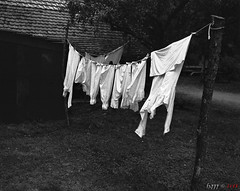
Drying Laundry

Sources: Wiktionary, Geiriadur Prifysgol Cymru, Gerlyver Kernewek, Dictionnaire Favereau

To Sit

Words for to sit in Celtic languages.

Proto-Celtic *sedo- = to sit
Irish (Gaeilge) suigh [sˠɪɟ / sˠiː] = to sit; set, let, rent; seat, place, locate, settle, arrange, fix, establish
Scottish Gaelic (Gàidhlig) suidh [suj] = to sit down; incubate, sit on eggs
Manx (Gaelg) soie = to sit, situate, mount, invest
Proto-Brythonic *estied = to sit
Old Welsh estid = to sit
Welsh (Cymraeg) eistedd [ˈei̯sdɛð / ˈei̯sdɛð] = to sit, be seated, kneel, exercise judicial authority, sit in judgement; be in session, rest, be still; fit well; occupy, be in possession (of land), settle, remain, dwell; incubate, brood
Old Cornish estid = to sit
Cornish (Kernewek) esedha [ɛ’zɛða / (ə)’zɛðɐ] = to sit, take a seat
Breton (Brezhoneg) sichañ = to sit, lie, be located; beseige, lay siege to

One of the doggie denizens of Gleann Cholm Cille

Etymology: from the Proto-Indo-European *sed- (to sit) [source].

Sources: Wiktionary, Am Faclair Beag, teanglann.ie, On-Line Manx Dictionary, Geiriadur Prifysgol Cymru, Gerlyver Kernewek, Dictionnaire Favereau

To Stand

Words for to stand in Celtic languages.

Proto-Celtic *sista- = to stand
Celtiberian sistat = to stand
Old Irish (Gaídelc) sessam = standing (by/fast), defending, standing resisting, holding out, making a stand
Irish (Gaeilge) seas [ʃasˠ] = to stand, stop, stay, last, keep, remain valid, bear, endure, resist, withstand, stand up for, defend
Scottish Gaelic (Gàidhlig) seas [ʃes] = to stand, maintain, support, defend, continue, endure, stop, stand by
Manx (Gaelg) shass [ʃas] = to stand
Proto-Brythonic *stab- = to stand
Welsh (Cymraeg) sefyll [ˈsɛvɨ̞ɬ / ˈseːvɪɬ] = to stand, be standing or upright, be or remain on one’s feet; stand (up), get up; stand or tread (on); to be located, lie; to come to a halt, stand still, stop, come to end, cease, fail
Cornish (Kernewek) sevel [‘sɛvɛl / ‘zɛvɐl] = to stand, arise, get up, rise, halt, raise up, abstain from
Breton (Brezhoneg) sevel = to rise, lift, remove, draw, build, train, compose, sell, invent, push, repay

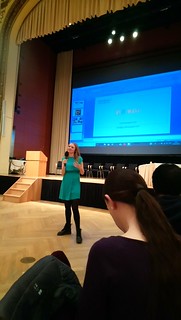
Polyglot Conference 2018

Note: the Brythonic words may not come from the same root as the Goidelic words.

Etymology: from the Proto-Indo-European *stísteh₂ti (to be standing up, be getting up), from *steh₂- (to stand) [source].

The sist part of exist, resist, desist, consist, etc comes from the same root, via the Latin sisto (I stand, set, place, appear) [source]

Sources: Wiktionary, Am Faclair Beag, teanglann.ie, On-Line Manx Dictionary, Geiriadur Prifysgol Cymru, Gerlyver Kernewek, Dictionnaire Favereau
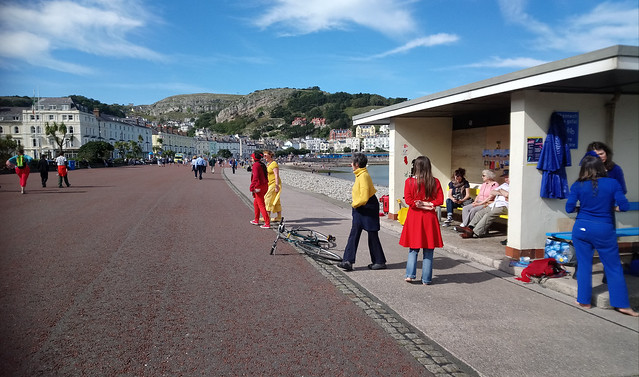
To Carry

Words for to carry in Celtic languages.

Proto-Celtic *bereti = to carry
Old Irish (Gaídelc) beirid [ˈbʲerʲiðʲ] = to carry, bear, bring forth
Irish (Gaeilge) beir [bʲɛɾʲ] = to bear, give birth to; lay (eggs); bear away, win; bring, take; catch, overtake; proceed, advance
Scottish Gaelic (Gàidhlig) beir [berʲ] = to take hold; bring forth, bear, produce; carry
Manx (Gaelg) behr = to bear (give birth to)
Proto-Brythonic bėrɨd [be̝ˈrɨːd] = to flow, carry
Middle Welsh (Kymraec) beru = to flow
Welsh (Cymraeg) beru = to flow, drip; drizzle
Middle Breton beraff = to flow
Breton (Brezhoneg) berañ = to drip, flow

Scottish Highland Games 2010

Etymology: from the Proto-Indo-European *bʰéreti (to be carrying) [source].

Sources: Wiktionary, Am Faclair Beag, teanglann.ie, On-Line Manx Dictionary, Geiriadur Prifysgol Cymru, Dictionnaire Favereau

To Run

Words for to run in Celtic languages.

Proto-Celtic *reteti = to run
Old Irish (Gaídelc) reithid = to run, to speed
Irish (Gaeilge) rith [ɾˠɪ(h)] = to run, hurry, flow
Scottish Gaelic (Gàidhlig) ruith [r̪ˠih] = to run, race, rush, melt, flow
Manx (Gaelg) roie = to run, race, scurry, bolt, dart, burst, flow, smuggle
Proto-Brythonic *rėdɨd = to run
Middle Welsh (Kymraec) redec [ˈr̥edeɡ] = to run
Welsh (Cymraeg) rhedeg [ˈr̥ɛdɛɡ] = to run, gallop, canter, race, rush; run away, flee; glide, stretch
Middle Cornish resek = to run
Cornish (Kernewek) resek [‘rɛzɛk / ‘rɛzɐk] = to run, race
Old Breton redec = to run
Breton (Brezhoneg) redek = to run, flow, open up

Welsh Athletics Championships / Commonwealth Games Trials

Etymology: from the Proto-Indo-European *Hret- (to run, roll) [source].

Sources: Wiktionary, Am Faclair Beag, teanglann.ie, On-Line Manx Dictionary, Geiriadur Prifysgol Cymru, Gerlyver Kernewek, Dictionnaire Favereau

Snow

Words for snow in Celtic languages.

Proto-Celtic *snigʷ = snow
*snigʷyeti = to snow
Old Irish (Goídelc) snechtae [ˈsʲn͈ʲexta] = snow
Irish (Gaeilge) sneachta [ˈʃnʲaxt̪ˠə / ˈʃnʲæːxt̪ˠə] = snow
Scottish Gaelic (Gàidhlig) sneachd [ʃn̪ʲɛxg] = snow
Manx (Gaelg) sniaghtey [ˈʃnʲaxt̪ə] = snow
Welsh (Cymraeg) nyf = snow

Etymology: from the Proto-Indo-European *snígʷʰs (snow) [source].

Eira

Old Irish (Goídelc) arg = drop (of water)
Proto-Brythonic *ėrɣ = snow
Middle Welsh (Kymraec) eiry = snow
Welsh (Cymraeg) snow [ˈei̯ra] = snow
Old Cornish irch = snow
Cornish (Kernewek) ergh = snow
Middle Breton erch = snow
Breton (Brezhoneg) erc’h = snow

Etymology possibly from the Proto Celtic *argyos (white), from the Proto-Indo-European *h₂r̥ǵ-yó-s, from *h₂erǵ- (white). Or from the Proto Celtic *ɸarg(y)os (sprinkling, spatter) from the Proto-Indo-European *(s)pregʰ- (to scatter, jerk). [source].

The English word freckle comes from the same root, via the Old Norse freknur (speckles) [source].

Words marked with a * are reconstructions.

Here are a few snow-related songs:

Sources: Wiktionary, Am Faclair Beag, Online Manx Dictionary, Teanglann.ie, Geiriadur Prifysgol Cymru, Gerlyver Kernewek

Trees, Wood(s) & Forests

Words for tree, wood and related things in Celtic languages.

There are various words for tree in the modern Celtic languages. In each language the usual word for tree is different and comes from different roots. Only the Cornish and Breton words are cognate. The usual words for tree are: crann (Irish), craobh (Scottish Gaelic), billey (Manx), coeden (Welsh), gwedhen (Cornish) and gwezenn (Breton).

Here be trees!

Proto-Celtic *kʷresnom = tree, wood
Old Irish (Goídelc) crann = tree
crannchor = casting of lots
crannda = wooden
Middle Irish (Gaoidhealg) crann, crand = tree, wood, timber, staff, pole, plank, beam, spearshaft, mast, steering oar, lot, destiny, fate
crannach, cranncha = trees, grove, wooded place
crannaige, crannaigi = shaft-trimmer, spearsman
crannaigid = to cast lots
crannán = small spearshaft
crannchor, crannchur = casting of lots
crannda, cranda = wooden, made of wood, wooded
cranngal, crannghal = timber, wooden structure or object, spear (shaft)
crannóc, crandoc = wooden structure, wooden drinking-container; basket, wooden lake-dwelling
cranntáball = sling, staff-sling
Irish (Gaeilge) crann [kɾˠaun̪ˠ / kɾˠan̪ˠ] = tree; mast, boom, pole; stock, handle; shaft, beam; stick
crannach = stake-fence, forest of spears, arboreal, wooded
crannadóir = arboriculturist, tree-climber
crannadóireacht = arboriculture, tree-climbing
crannail = timbering, timbers, lattice-work, ship’s masts
crannán = wooden shaft, handle, wooden vessel, hardening stand (for bread)
crannchur = casting of lots, sweepstake, lottery
crannlach = brushwood, (withered) stalks, haulm
crannmhar = full of trees, timbered, wooded
crannóg = piece of wood, pole, wooden frame
crannúil = tree-like, arborescent
Scottish Gaelic (Gàidhlig) crann [kraun̪ˠ] = mast; plough; beam; lot (in drawing lots); tree (archaic)
cranntair = wooden peg/pin
crannghail = wooden frame
crannach = pertaining to or abounding in masts, ploughs, beams, trees etc
crannchur = destiny, lot, draw, lottery
crannag = pulpit, crannog, island dun, crosstree
crannlach = brushwood, lanky wood, dummy
Manx (Gaelg) croan = boom, mast, flag pole
creenagh = brushwood, wither
crannag = dock, heap, desk, pulpit, rostrum, lookout
Gaulish prenne = big tree
Proto-Brythonic prenn [ˈprenː] = wood, tree
Middle Welsh (Kymraec) pren, prenn = tree, bush, timber, wood
prenvol, prenuol, prennol = (wooden) box, chest, coffer
Welsh (Cymraeg) pren [prɛn] = tree, bush, shrub; timber, wood, wooden; piece of wood, wooden stick; cross, gallows, gibbet
prenfol = (wooden) box, chest, coffer, case, coffin
preniaf, prennaf, prenio, prennu = to bolt (a door), bar, shut (sb) out
prensaer = carpenter
Old Cornish pren = wood
Middle Cornish (Cernewec) pren = tree, wood, timber, a piece of wood, a lot
prenic = wooden, woody
prenne = to fasten with a piece of wood, to bar
prennyer = pieces of wood
Cornish (Kernewek) prenn [prɛn:] = bar, beam, log, timber, (gambling) lot , wooden
prenna, predna = to bar, lock
prennek = wooden, woody
prennlown = plywood
prennweyth = woodwork
Old Breton pren = wood
Middle Breton (Brezonec) pren, prenn, preen = wood
prennaff, prena, prenna = to close, block
prennet = to lock
Breton (Brezhoneg) prenn = wood, piece of wood, fastner
prennañ = to close, fasten, shut

Etymology: from Proto-Indo-European *kʷres (bush, thicket) [source]. Words from the same roots include hurst (wood, grove – used in placenames, e.g. Lyndhurst) in English, and Horst (eyrie, bush, thicket, small forest) in German [source]

Old Irish (Goídelc) cráeb / cróeb = tree
Middle Irish (Gaoidhealg) cráeb, craib = branch, bough, sprig, rod, wand, post, tree, bush
cráebach, cræbacha = having branches, branchy, branches
Irish (Gaeilge) craobh = branch, bough; tree
craobhach = branches, branched, branching, flowing, spreading
craobhaigh = to branch, ramify, expand, spread
craobhóg = small branch, twig, sprig, spray, darling
Scottish Gaelic (Gàidhlig) craobh [krɯːv] = tree, bush
craobhaich = woody, wooded, full of trees, branching, spreading
craobhag [krɯːvag] = small tree
craobhadair [krɯːvədɪrʲ] = arborist, tree specialist
Manx (Gaelg) crouw = stock, bush, dwarf tree, stick, bunch, wide spreading tree, tributary of river

Etymology: unknown, possibly from Proto-Celtic krētros (sieve) [source].

Proto-Celtic *belyom = tree
Gaulish *bilia [ˈbi.liaː] = tall tree
Old Irish (Goídelc) bile [ˈbʲilʲe] = tree, especially a large, ancient, sacred one
Middle Irish (Gaoidhealg) bile [ˈbʲilʲe] = (large) tree (esp. an ancient and venerated one), tree trunk, mast, scion, hero
bilech = abounding in trees, (well-)wooded
bileóc, biléog = leaf, leaflet
Irish (Gaeilge) bile [ˈbʲɪlʲə] = (large, sacred) tree; scion; distinguished person
bileog = leaf, letter of freedom (to marry)
bileogach = leafy, laminated
biliúil = tree-like, stately
Scottish Gaelic (Gàidhlig) bile [bilə] = mast; plough; beam; lot (in drawing lots); tree (archaic); cluster of trees, sacred tree/grove
bileach = leaf, amount of leaves, leafy tree
bileag = blade (of vegetation), board, leaf, leaflet, pamphlet, ticket, label, slip (of paper)
bileagach = lipped, billed, bladed, fringed, edged
Manx (Gaelg) billey = tree, big bush
billagh = tree, wooded, woody
biljagh = arboreal, wooded
billey
Middle Welsh (Kymraec) bill, pill = (tree) trunk, stock, log, branch; fortress
billwydd = kindling, firewood, sticks, brushwood; joists, laths
Welsh (Cymraeg) pill [pɪɬ] = (tree) trunk, stock, log, branch, pole, stake, post; fortress, castle, stronghold, refuge, sanctuary, safety, strength, force; snatch of song, verse; still, crib; socket
pillwydd = kindling, firewood, sticks, brushwood; joists, laths
pillyn = peg
Middle Breton (Brezonec) bilh, bill = a felled tree trunk, log, lumber, timber
bilh-koad = chunk of wood
Breton (Brezhoneg) bill = trunk

Etymology: from Proto-Indo-European *bʰolh₃yo- (leaf), from *bʰleh₃- (blossom, flower) [source]. Words from the same Proto-Celtic root, via Gaulish, include bille (tree trunk, railway sleeper, rolling pin) and billon (a ridge in a ploughed field) in French, bilha (stem, trunk) in Provençal and possibly billa (spigot, faucet, stick) in Galician [source].

Words from the same PIE roots include folio and phyllo / fil(l)o (pastry), phyllomancy (diviniation by leaves) in English, feuille (leaf, sheet) in French, andhoja (leaf, petal, blade) in Spanish [source].

Proto-Celtic *widus = wood, trees
Old Irish (Goídelc) fid = tree, wood, letter in Ogham
fidchell = a boardgame similar to chess
fidrad = trees, a wood
Middle Irish (Gaoidhealg) fid = tree, wood, timber
fidach = wooded, abounding in trees, timber
fidchell = a boardgame similar to chess
fidrad = trees, a wood, letter (in Oghan)
Irish (Gaeilge) fiodh = tree, wood, timber
fiodhach = abounding in trees, wooded
fiodhneimheadh = sacred grove
fiodhradh = trees, timbers, letters (literary)
ficheall = chess, chess board
Scottish Gaelic (Gàidhlig) fiodh [fjɤɣ] = wood, timber, wooden, made of wood
fidhcheall = Celtic chess
fiodhach [fjɤɣəx] = shrubbery, shrubs, cheese press; wooden, ligneous, woody
fiodhan = cheese press
fiodhrach [fjɤɣan] = timber
Manx (Gaelg) fuygh = timber, wood
fuyghagh, fuyghoil = ligneous, wooden, woody
fuyghee = wooden
feeal = chess
Proto-Brythonic *gwɨð [ˈɡwɨːð] = wood, trees
Old Welsh guid = tree
Middle Welsh (Kymraec) guit, guyt, gwyd, gwŷdd = tree(s), forest, woods
gvytbuil, gvydbvll = a chess-like boardgame
guduit, gwyddfid, gwytuid, gwituid = wood, forest, bush, protective hedge
Welsh (Cymraeg) gwŷdd [ɡwɨːð / ɡwiːð] = tree(s), branches, twigs; forest, woods, shrub(s); lineage, genealogical tree, stock; stem
gwyddallt = wooded slope
gwyddbwyll = chess; knowledge, learning, science, reason
gwyddel = forest, grove, thicket, brake, wilderness
gwyddfid = wood, forest, bush, protective hedge
Old Cornish guit = trees
Middle Cornish (Cernewec) gwedh, gweydh, gwydh = trees
gwedhen, gwedhan = tree
gwydhbol = chess
Cornish (Kernewek) gwydh [gwɪ:ð] = trees
gwedhen = tree
gwedhek = woodland
gwedhlan = arboretum, tree plantation
Old Breton guid = trees
Middle Breton (Brezonec) guez, guid, gwyd, gwydh = tree(s)
Breton (Brezhoneg) gwez [ɡwe] = trees
gwezenn = tree
gwezeg = wooded
gwezek = abounding in trees
gwezboell = chess

Etymology: from Proto-Indo-European *h₁weydʰh₁-. (tree, beam) [source]. Words from the same roots include wood in English, vid (firewood, wood) in Swedish, and ved (wood) in Danish [source].

Proto-Celtic *kaitos = wood, forest
Proto-Brythonic *koɨd [ˈkoɨ̯d] = wood, forest
*argoɨd = surrounding forest
Old Welsh coit = wood, forest
coetlann = copse, grove, woodland, wooded glade
Middle Welsh (Kymraec) coyt, coit, koet, coet, coed = forest, wood, trees
coedallt = wooded slope, hillside
coedva, koedfa = grove, woodland, forest
koedach = shrubs, brushwood
coydiawc, coedawc, coedoc = woody, wooded
coydiawl, koedolyon = silvan, rustic, wild
coet, coedwig, coedwic = forest, wood
Welsh (Cymraeg) coed [koːɨ̯d / kɔi̯d] = forest, wood, trees; shrubs; timber, pieces of wood
coeden [koːɨ̯d / kɔi̯d] = tree
coedaidd = silvan, arboraceous, woody, wooden
coedallt = wooded slope, hillside
coedfa = grove, woodland, forest
coed(i)ach = shrubs, brushwood, underwood, withered branches
coed(i)af), coed(i)o = to prop or timber a pit or shaft
coed(i)og = woody, wooded, abounding with trees, silvan
coed(i)ol = pertaining to wood or timber, silvan, rustic, wild
coedlan = copse, grove, woodland, wooded glade
coedwig = forest, wood
argoed = trees, forest, surrounding forest
Old Cornish cuit = wood, forest
Middle Cornish (Cernewec) coys, coyd, coid = wood, forest
Cornish (Kernewek) koos [ko:z / ku:z] = forest
Middle Breton (Brezonec) coat, coet, coët = wood, forest
Breton (Brezhoneg) koad [ˈkwɑːt] = wood, forest
koadadur = afforestation, tree planting
koadaj = panelling, woodwork
koadeg = wooded, woody
koader = to timber, panel, plant trees
argoad = groove, copse, wooded

Etymology: from Proto-Indo-European *kayt-/*ḱayt- (forest, wasteland, pasture) [source]. Words from the same roots include heath and heather in English, Heide (heath, heathland, woodland, forest) in German, hed (moor, waste land) in Swedish.

Sources: Wiktionary, Am Faclair Beag, Online Manx Dictionary, Teanglann.ie, eDIL – Electronic Dictionary of the Irish Language, In Dúil Bélrai English – Old Irish glossary, Geiriadur Prifysgol Cymru, Gerlyver Kernewek, Dictionaire Favereau, TermOfis, English – ProtoCeltic WordList (PDF), Etymological Dictionary Of Proto Celtic


728×90 (Best VPN)

To Hear

Words for to hear in Celtic languages.

Proto-Celtic *klinuti = to hear
Old Irish (Goídelc) ro·cluinethar = to be hearing
Irish (Gaeilge) cluin [lʲeːɟ] = to hear
Scottish Gaelic (Gàidhlig) cluinn [kl̪ˠɯin̪ʲ] = to hear
Manx (Gaelg) cluin = to hear
Etymology from the Proto-Indo-European *ḱl̥néwti (to hear) [source]. Sources: Wiktionary, Am Faclair Beag, teanglann.ie, Fockleyreen: Manx – English Dictionary
Proto-Celtic *klusīti = to hear
Proto-Brythonic *klüwid [klyˈwiːd] = to hear
Middle Welsh (Kymraec) clywet / clybot = to hear
Welsh (Cymraeg) clywed [ˈkləu̯ɛd] = to hear
Cornish (Kernewek) klewes [‘klɛwɛs] = to hear, feel, sense, perceive
Middle Breton klewed = to hear
Breton (Brezhoneg) klevet = to hear
Etymology: from the Proto-Indo-European *ḱlews- (to hear) [source]. Sources: Wiktionary, Geiriadur Prifysgol Cymru, Gerlyver Kernewek, Dictionnaire Favereau

To Die

Words for to die in Celtic languages.

Proto-Celtic *marwos = dead
Old Irish (Goídelc) marb = dead; mortified, insensible, spiritually dead; stagnant (water)
Irish (Gaeilge) marbh [ˈmˠɑɾˠəvˠ / ˈmˠarˠuː / ˈmˠarˠu] = dead person, dead, inert, exhausted, inactive, motionless, slack, idle, unused
Scottish Gaelic (Gàidhlig) marbh [marav] = dead, lifeless; dull; benumbed, torpid; vapid, tasteless; to kill, murder, assassinate
Manx (Gaelg) marroo = to kill, kill off, dispatch, murder, assassinate, slaughter, liquidate, butcher, slay, exterminate, bag (game); dead, lifeless, inanimate, glassy (look), muggy, dull (pain), dud, dull, stagnant, defunct, mortified, slaughtered, departed, deceased, killed, extinct
Proto-Brythonic marw [ˈmarw] = to die
Welsh (Cymraeg) marw = to die, expire, cease to exist, vanish, fade away
Cornish (Kernewek) merwel [‘mɛrwɛl / ‘mɛrwɐl] = to die, decease, pass away, go out (light)
Middle Breton marf / maru = to die
Breton (Brezhoneg) mervel = to die, turn off, switch off, go out, become insensitive

Etymology: from the Proto-Indo-European *mer- (to die), which is also the root of the English words mare, as in nightmare, and murder [source].

Sources: Wiktionary, Am Faclair Beag, On-Line Manx Dictionary, Teaglann.ie, Geiriadur Prifysgol Cymru, Gerlyver Kernewek, Dictionnaire Favereau

Irish (Gaeilge) básaigh = to die, put to death, execute
Scottish Gaelic (Gàidhlig) bàsaich [baːsɪç] = to die, perish, starve, wither
Manx (Gaelg) geddyn baase = to die, perish, decease

Etymology: from the Irish bás (death), from the Proto-Celtic *bāstom / bāssom (death), from Proto-Indo-European *gʷeh₂- (to go) [source].

Sources: Wiktionary, Am Faclair Beag, On-Line Manx Dictionary, Teaglann.ie