Nieces

Today we’re looking at the words for niece and related people in Celtic languages.

Sasha and Nick
My brother and my niece

Words marked with a * are reconstructions.

Proto-Celtic *nextī = niece
Old Irish (Goídelc) necht = niece, grand-daughter
Middle Irish (Gaoidhealg) necht, neachd = niece, grand-daughter
Irish (Gaeilge) neacht [n̠ʲæxt̪ˠ] = niece
garneacht = grand-niece
Scottish Gaelic (Gàidhlig) nigh [n̪iːj] = daughter, niece
Proto-Brythonic *nėθ = niece
Middle Welsh (Kymraec) nith = niece
Welsh (Cymraeg) nith [niːθ] = niece
gor-nith = great-niece
Old Cornish noit = niece
Middle Cornish (Cernwec) noit = niece
Cornish (Kernwek) nith = niece
Old Breton nith = niece
Middle Breton nyz, niz = niece
Breton (Brezhoneg) nizh, nizez = niece
gou(r)nizez = great-niece

Etymology from the Proto-Indo-European *néptih₂ (niece, granddaughter) [source].

Words in Germanic language the come from the same PIE root, via the Proto-Germanic *niftiz (female descendent, granddaughter, niece), including: Nichte (niece) in German, nicht (female cousin, niece) in Dutch, and the obsolete English word nift (niece) [source].

The English word niece comes from the same PIE root, via the Middle English nece (niece, granddaughter), from the Old French nece (niece, granddaughter), from the Vulgar Latin *neptia (niece), from the Latin neptis (granddaughter) [source].

Other words for niece:

  • Irish: iníon deirféar (sister’s daughter), iníon dearthár (brother’s daughter)
  • Scottish Gaelic: nighean-pheathar (sister’s daughter), nighean-bhràthar (brother’s daughter), ban-ogha = granddaughter, niece
  • Manx: inneen shayrey (sister’s daughter), inneen vraarey (brother’s daughter)

See also the post about daughters.

The Fastest Way to Learn Japanese Guaranteed with JapanesePod101.com

Sources: Wiktionary, Am Faclair Beag, Online Manx Dictionary, Teanglann.ie, eDIL – Electronic Dictionary of the Irish Language, In Dúil Bélrai English – Old Irish glossary, Geiriadur Prifysgol Cymru, Gerlyver Kernewek, Lexicon Cornu-britannicum: A Dictionary of the Ancient Celtic Language of Cornwall, Dictionaire Favereau, TermOfis, Le dictionnaire diachronique du breton, Etymological Dictionary Of Proto Celtic

Sisters

Today we’re looking at the words for sister and related people in Celtic languages.

Sisters

Words marked with a * are reconstructions.

Proto-Celtic *swesūr [ˈswe.suːr] = sister
Gaulish suiorebe = sister
Old Irish (Goídelc) siur = sister, kinswoman, female relation
derbṡiur [ˈdʲerʲvʲ.fʲi.ur] = sister (by blood / in a religious community)
sinserṡiur [ˈsʲinsʲerˌhi.ur] = elder sister
Middle Irish (Gaoidhealg) siur = sister, kinswoman, female relation
derbsiur = sister (by blood / in a religious community)
Irish (Gaeilge) siúr [ʃuːɾˠ] = sister, kinswoman; Sister (member of a religious community); (nursing) sister
deirfiúr = sister
deirfiúr athar = paternal aunt
deirfiúr máthar = maternal aunt
deirfiúr céile = sister-in-law
leathchúpla deirféar = twin sister
iníon deirféar = brother’s son, niece
mac deirféar = sister’s son, nephew
deirféar = sisterly
Scottish Gaelic (Gàidhlig) siùir [ʃuːrʲ] = sister (archaic)
piuthar [pju.ə] = sister
piùthrag [pjuːrag] = little sister, sis
piutharail [pju.əral] = sisterly
peathrachas [pɛrəxəs] = sisterhood, soroity
piuthar-chèile = sister-in-law
piuthar leth-aon = twin sister
piuthar-altraim = foster-sister
piuthar-athar = paternal aunt
piuthar-màthar = maternal aunt
Manx (Gaelg) shuyr [ʃuːr] = sister
shayragh, shuyroil = sisterly
shuyrys = sisterhood
shuyr (v)ayrey = aunt
shuyr gholtit = foster-sister
shuyr lannoonagh = twin sister
shuyr ‘sy leigh = sister-in-law
Proto-Brythonic *hwehir = sister
Middle Welsh (Kymraec) chwaer = sister
Welsh (Cymraeg) chwaer [χwaːɨ̯r / χwai̯r] = sister, half-sister, female mate or partner; maiden, sweetheart, mistress; nun, sister (in hospital)
chwaer efell = twin sister
chwaer faeth = foster sister
chwaer fedydd = god-sister
chwaer yng nghyfraith = sister-in-law
hanner chwaer = half-sister, step-sister
chwaerol = sisterly
chwaeroliaeth = sisterhood
Old Cornish huir = sister
Middle Cornish (Cernewec) hoer, huir, wuir, hôr = sister
Cornish (Kernwek) hwor = sister
hanter-hwor = half-sister
Old Breton guoer = sister
Middle Breton hoar, choar = sister (female sibling, nun)
Breton (Brezhoneg) c’hoar = sister
c’hoarig = sis, little sister; twin sister
c’hoarelezh = sisterhood
c’hoar-gaer, c’hoareg = sister-in-law, stepsister

Etymology from the Proto-Indo-European *swésōr (sister) [source]. Words for sister in many Indo-European languages come from the same roots [source].

Here’s a traditional Scottish Gaelic song about sisters – A’ phiuthrag ’sa phiuthar

The Fastest Way to Learn Japanese Guaranteed with JapanesePod101.com

Sources: Wiktionary, Am Faclair Beag, Online Manx Dictionary, Teanglann.ie, eDIL – Electronic Dictionary of the Irish Language, In Dúil Bélrai English – Old Irish glossary, Geiriadur Prifysgol Cymru, Gerlyver Kernewek, Lexicon Cornu-britannicum: A Dictionary of the Ancient Celtic Language of Cornwall, Dictionaire Favereau, TermOfis, Le dictionnaire diachronique du breton, Etymological Dictionary Of Proto Celtic

Fathers

Today we’re looking at the words for father and related people in Celtic languages.

Father & son

Words marked with a * are reconstructions.

Proto-Celtic *ɸatīr [ˈɸa.tiːr] = father
*ɸatriyos = paternal
Old Irish (Goídelc) ath(a)ir [ˈaθɨrʲ] = father
athramail = fatherly, paternal, fatherlike
Middle Irish (Gaoidhealg) athair, athir = father
aithre, aithreacha = parents, forefathers, ancestor
Irish (Gaeilge) athair [ˈɑhəɾʲ/ˈahæɾʲ] = father, ancestor, sire
aithriúil = fatherly
ardathair = patriarch
athair mór = maternity, fatherhood
leasathair = stepfather
seanathair = grandfather
Scottish Gaelic (Gàidhlig) athair [ahɪrʲ] = father, progenitor, sire
athair-baistidh = godfather
athair-cèile = father-in-law
bràthair-athar = parternal uncle
leas-athair = stepfather
piuthar-athar = parternal aunt
prìomh-athair = forefather, patriarch
taobh athar = paternal
Manx (Gaelg) ayr [ˈeːar] = father, matron, mater, queen, dam; focus, fountainhead, generator
ayroil = fatherly, parternal
ayrvarroo = patricide
shennayr = grandfather
Old Welsh -atr = ?

Etymology from the Proto-Indo-European *ph₂tḗr (father) [source]. Words from the same PIE root include father, padre, paternal in English, and Vatter (father) in German [source].

Proto-Celtic *attyo-, *attiyos = father, foster-father
Old Irish (Goídelc) aite [ˈadʲe] = foster-father; tutor, teacher
Middle Irish (Gaoidhealg) aite = foster-father, tutor, teacher
aitecht = tutorage, instruction
Irish (Gaeilge) oide [ˈɛdʲə] = foster-father; tutor, teacher
oideachas = education
oideachasóir = educationalist
oideachasúil = educational
oideas = instruction, teaching, prescription, recipe
oideoir = educator
oideolaíoch = pedagogic(al)
Scottish Gaelic (Gàidhlig) oide [ɤdʲə] = tutor, foster-father, stepfather, godfather
oide-altraim = foster-father
oide-baistidh = godfather
oide-foghlaim = instructor
oide-ionnsachaidh = tutor
oide-sgoile = schoolmaster
oidich = instruction
Manx (Gaelg) gedjey = foster-father, godfather, guardian, sponsor

Etymology from the Proto-Indo-European *átta (father) [source].

Proto-Celtic *tatos = dad, daddy
Proto-Brythonic *tad = father
Middle Welsh (Kymraec) tad = father
Welsh (Cymraeg) tad [taːd] = father
tadaidd = fatherly, paternal
tadeiddiad = fatherhood
tadenw = patronymic
tadol = paternal, fatherly, inherited from the father
tadu = to father (a child), become a father; ascribe, attribute (to)
tadwlad = fatherland, native land
tadwys = family, lineage, fatherhood
tadwysaeth = paternity
Old Cornish tat = father
Middle Cornish (Cernewec) tad, tat = father
tadvath, tatvat = nurser, breeder
Cornish (Kernwek) tas [taːz/tæːz] = father
tasek = patron
tasrewl = patriarchy
tasveth = foster-father
tas bejydh = godfather
tas gwynn = grandfather
Tas Nadelik = Father Christmas
tas sans = patron saint
ugheldas = patriarch
Middle Breton tat = father
tadelez = paternity
Breton (Brezhoneg) tad [ˈtɑːt] = father
tadeg = father-in-law
tadek = paternal
tadelezh = paternity
tadig = dad, daddy
tad-kaer = father-in-law
tad-kozh = grandfather
tad-kuñv = great-grandfather
tata = dad

Etymology from the Proto-Celtic *attiyos (father, foster-father), the Proto-Indo-European *átta (father) [source]. The English word dad possibly has Celtic roots [source].

Proto-Celtic *altrawū = foster uncle
Old Irish (Goídelc) altra = foster-father
Middle Irish (Gaoidhealg) altra = foster-father
altrannas = fostering, fosterage, nurture
banaltra = foster-mother, nurse
Irish (Gaeilge) altra [ˈɛdʲə] = nurse (gender-neutral), foster-father†
banaltra = (female) nurse
altram = fosterage
altramaí = fosterer, foster-parent
altramaigh = to foster
altranas = nursing
Scottish Gaelic (Gàidhlig) altram [al̪ˠdrəm] = nursing, nurturing, dandling, fostering, fosterage, rearing
altraim = nurse, nurture, dandle, foster, rear
altrach = fosterer, one who fosters, nurse
banaltram [ban̪ˠal̪ˠdrəm] = nurse, wet-nurse
neach-altram = nurse, nursing profession
Manx (Gaelg) boandyr = nanny, nurse, nursemaid
boandyrys = to nourish, nurse, nursing
Proto-Brythonic *alltrọw = ?
Middle Welsh (Kymraec) athro, athraw = teacher, instructor, tutor
athrawes, athravves = female teacher, tutor, governess, school mistress
athronddysg, athrondysc, athronddysc = doctrine, teaching, instruction, learning
alldraỽ, alldraw = godfather, godparent
Welsh (Cymraeg) athro [ˈaθrɔ] = teacher, instructor, tutor, doctor (of law, literature, etc), scholar, master, professor
athrawes [aˈθrau̯ɛs] = female teacher, tutor, governess, school mistress
athronddysg = doctrine, teaching, instruction, learning
alltraw [ˈaɬtrau̯] = godfather, godparent; (ecclesiastical) sponsor, representative, attorney
alltrewes [aɬˈtrau̯ɛs] = godmother
Old Cornish alltrow = stepfather
Middle Cornish (Cernewec) altrou = stepfather
altruan = stepmother
aultra = godfather
aultruan = godmother
Cornish (Kernwek) altrow = stepfather
altrewen = stepmother
Old Breton (Brethonoc) altro = foster-father
Middle Breton autrou, otrou, eutreu = lord, foster-father
Breton (Brezhoneg) aotroù [ˈɔ.tru] = lord, gentleman, Mr
aotrouniaj = lordly, stately, manorial, seigneurial
aotrouiek = seigneurial, authoritarian.
aotrouniekaat = to act authoritarian
aotrouiezh = authority
aotrounius = imperious

Etymology from the Proto-Celtic *altros (foster), from *altos (nourished, fostered) + *awū (uncle), ultimately from Proto-Indo-European *h₂éwh₂os (maternal grandfather, maternal uncle). Words from the same roots include uncle in English, abbi (grandfather, old man) in Faroese, and oncle (uncle) in French [source].

The Fastest Way to Learn Japanese Guaranteed with JapanesePod101.com

Sources: Wiktionary, Am Faclair Beag, Online Manx Dictionary, Teanglann.ie, eDIL – Electronic Dictionary of the Irish Language, In Dúil Bélrai English – Old Irish glossary, An Etymological Dictionary of the Gaelic Language, Geiriadur Prifysgol Cymru, Gerlyver Kernewek, Dictionaire Favereau, TermOfis, English – ProtoCeltic WordList (PDF), Etymological Dictionary Of Proto Celtic

Unlimited Web Hosting - Kualo

Mothers

Today we’re looking at the words for mother and related people in Celtic languages.

Mother Goose

Proto-Celtic *mātīr [ˈmaː.tiːr] = mother
*mātrikʷā, *mātrokʷī = maternal aunt, mother-like
Gaulish mātīr [ˈmaːtiːr] = mother
Celtiberian matrubos = mothers
Old Irish (Goídelc) máthir [ˈmaːθirʲ] = mother
máthrathatu = motherhood
máthramail = resembling one’s mother
Irish (Gaeilge) máthair [ˈmˠɑːhəɾʲ/ˈmˠɑːɾʲ/ˈmˠahærʲ] = mother, source (of a river)
máthairab = abbess
máthairthír = mother country
máthreachas = maternity, motherhood
máthrigh = to mother, bear, foster
máthriúil = motherly, tender, kind, mother-like
máthriúlacht = motherliness
leasmháthair = stepmother
seanmháthair = grandmother
Scottish Gaelic (Gàidhlig) màthair [maːhɪrʲ] = mother, origin, source
màthair-uisge = water source (of a river, etc)
màthair-chéile = mother-in-law
màthaireachd [maːhɪrʲəxg] = maternity, motherhood
màthaireil = mother-like, motherly, maternal
màthair athar = paternal grandmother
màthair màthar = maternal grandmother
màthair-sinnsireach = matrilinear
leas-mhàthair = stepmother
Manx (Gaelg) moir = mother, matron, mater, queen, dam; focus, fountainhead, generator
moiragh, moiroil = motherly
moiraght = motherhood
moiraghys, moirys = maternity, motherhood
moir-reilleyder/strong> = matriach
lhiass voir = stepmother
shenn voir = grandmother
Proto-Brythonic *mọdreb = aunt
Old Welsh modreped = aunts
Middle Welsh (Kymraec) modryb = aunt
Welsh (Cymraeg) modryb = aunt, uncle’s wife, matron
modrybaidd = aunt-like, matronly, motherly, respected
modrydaf = queen bee, parent bee-colony, (old) beehive
Old Cornish modereb = aunt
Cornish (Kernewek) modrep = aunt
modrebik = aunty
Old Breton motrep = aunt
Middle Breton mozreb = aunt
Breton (Brezhoneg) moereb [ˈmweːrep] = aunt
moereb-kozh = great aunt

Etymology: from the Proto-Indo-European *méh₂tēr. (mother) [source].

Proto-Celtic *mamm(y)ā = mother, nanny, mum
Old Irish (Goídelc) muimme [ˈmaːθirʲ] = wet nurse, foster mother, instructress, patroness
Irish (Gaeilge) buime = foster-mother, nurse
Scottish Gaelic (Gàidhlig) muime [muimə] = stepmother, (wet) nurse, godmother
muime-chìche = wet nurse
muime-shìthe = fairy godmother
Manx (Gaelg) mimmey = foster mother, god mother, godparent, guardian, sponsor
Proto-Brythonic *mamm = mother
Middle Welsh (Kymraec) mam = mother
Welsh (Cymraeg) mam [mam] = mother, ancestress, dam, queen bee; source, origin, cause, root; womb, matrix, uterus, hysteria, pregnancy
mamaeth = (wet) nurse, foster-mother, mother
mamaetha = to nurse (a child), suckle, foster, nourish, cherish
mamedd = motherhood
mamiaith = mother tongue, vernacular
mamwlad = mother country, motherland, native land
Old Cornish mam = mother
Middle Cornish mam = mother
Cornish (Kernewek) mamm [mæm], mabm = mother
mammeth = foster-mother, wet nurse
mammik = mum
mammrewl, mammrowl = matriarchy
mamm-wynn = grandmother
mamm vesydh = godmother
Middle Breton mamm = mother
Breton (Brezhoneg) mamm [ˈmãmː] = mother, female (animal), womb
mammanv = matron, matriarch
mammelezh = motherhood, maternity
mammvro = motherland, homeland
mamm-gozh = grandmother

Etymology: from the Proto-Indo-European *mammā (mummy, mum) [source].

Words marked with a * are reconstructions.

Sources: Wiktionary, Am Faclair Beag, Online Manx Dictionary, Teanglann.ie, eDIL – Electronic Dictionary of the Irish Language, In Dúil Bélrai English – Old Irish glossary, Geiriadur Prifysgol Cymru, Gerlyver Kernewek, Gerlyvyr Cernewec, Dictionaire Favereau, TermOfis, Le dictionnaire diachronique du breton, Geriafurch, English – ProtoCeltic WordList (PDF), Etymological Dictionary Of Proto Celtic

italki - Win cash rewards for learning any language

Salt

Today we’re looking at the words for salt and related things in Celtic languages.

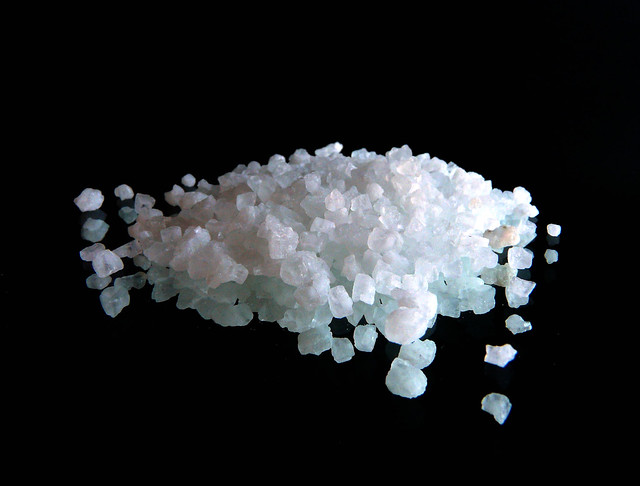
salt

Proto-Celtic *salanos = salt
Old Irish (Goídelc) salann [ˈsalan͈] = salt
Irish (Gaeilge) salann [ˈsˠɑl̪ˠən̪ˠ / ˈsˠalˠən̪ˠ / ˈsˠɔlˠən̪ˠ] = salt
saill = to salt, cure, season
sailleadh = salting, curing
saillteacht = saltiness
saillteoir = salter, curer
sáiltéar = salt-cellar
Scottish Gaelic (Gàidhlig) salann [sal̪ˠən̪ˠ] = salt
salainneach [sal̪ˠɪn̪ʲəx] = salty
salainneachadh [sal̪ˠɪn̪ʲəxəɣ] = (act of) salting, (act of) curing with salt, salinisation
Manx (Gaelg) sollan [ˈsolan] = salt
sailjey = brackish, briny, corned, pickled, saline, salt, salty
Proto-Brythonic *haluɨn = salt
Middle Welsh (Kymraec) halaen, halen = salt
Welsh (Cymraeg) halen [ˈhalɛn / ˈhalan] = salt, sodium chloride; brine; moral élite, the excellent of the earth, wit, eloquence
halenu = to salt, become salt
halenaidd = saline, salty, brackish
halenydd = salt, saline, brackish
halenog = salt, saliferous, saline, salty
halenwr = salt dealer, salt maker
hâl = salt, alkali, salty, saline, alkaline
hallt = salt, salty, briny, brackish, sharp, preserved in salt, pickled; bitter, sharp, harsh, severe; sea, the brine, the briny
halltog = salt, salty
Old Cornish haloin = salt
Middle Cornish halan, halen = salt
Cornish (Kernewek) holan = salt
holanen = grain of salt
Middle Breton halon = salt
Breton (Brezhoneg) holen = salt
holener = salt cellar
holenañ = salt dealer/seller

Etymology from the Proto-Indo-European *séh₂ls (salt) [source].

The English words salt, salary, salad, sauce and salsa come from the same PIE root [source].

Words marked with a * are reconstructions.

Sources: Wiktionary, Am Faclair Beag, Online Manx Dictionary, Teanglann.ie, eDIL – Electronic Dictionary of the Irish Language, In Dúil Bélrai English – Old Irish glossary, Geiriadur Prifysgol Cymru, Gerlyver Kernewek, Gerlyvyr Cernewec, Dictionaire Favereau, TermOfis, Le dictionnaire diachronique du breton, Geriafurch, English – ProtoCeltic WordList (PDF), Etymological Dictionary Of Proto Celtic

italki - Win cash rewards for learning any language

Key Openings

Today we’re looking at the words for to open, keys and related things in Celtic languages.

Crete thru open doors

Proto-Celtic *koros = putting, casting
*exs-koris = the opener
Old Irish (Goídelc) cor [kor] = putting, setting, throwing
eochair = key
Irish (Gaeilge) cor [kɔɾˠ] = to turn, turn, turning movement, cast, lively air, reel
corach = turning, twisting
coradh = to turn, bend
eochair [ˈɔxəɾʲ] = key, clef
Scottish Gaelic (Gàidhlig) car [kar] = to bend, spin, turn, twist, trick, fraud, movement, job, task
iuchair [ˈɔxəɾʲ] = key, clef
Manx (Gaelg) cor = twirl
ogher = key, peg, headstone, keystone, clef, legend
Middle Welsh (Kymraec) agory, agori, egor = open
egoriad = key
Welsh (Cymraeg) agor [ˈaɡɔr] = to open, unlock, unfasten, undo, loosen, disclose, divulge, reveal, declare, expound, explain, interpret
agored = open(ed), ajar, clear, dilated, spread, broad, wide
agoredrwydd = openness
agoriad = key, opening, hatch, aperture, gap, entrance
agoriawdr = opener, (musical) clef
agorwr / agorydd = opener, expounder, interpreter
Middle Cornish ygor(i) = to open
ygor = open
Cornish (Kernewek) ygor(i), egor(i) = to open
ygor, egor = open
ygorys, egerys = opened
ygeryans, egeryans = opening
Middle Breton igueriff, igor = open
Breton (Brezhoneg) digor = open
digoriñ = to open

Etymology: possibly from the Proto-Indo-European (s)ker- (to turn, curve) [source].

From the same PIE root we get the Latin word cancer (crab, tumor, cancer, lattice, grid), and related words in other languages, such as cancer, canker and incarcerate in English, and cangrejo (crab) and cáncer (cancer) in Spanish [source].

Proto-Brythonic *alchwedd = key
Middle Welsh (Kymraec) allwed = key
Welsh (Cymraeg) allwedd [ˈaɬwɛð/ˈaɬwɛð] = key, corkscrew, pedal
allweddu = to key or type, keyboard
allweddair = keyboard, password, buzz-word, catchword, slogan
allweddog = bearing/having keys, keyed
allweddol = key, critical, pivotal, crucial, strategic
Old Cornish alped = key
Middle Cornish alwheth = key
Cornish (Kernewek) alhwedh = key
alhwedha = to lock
alhwedhor(es) = treasurer
Middle Breton alhouez = key
Breton (Brezhoneg) alc’hwez [ˈal.ɣwe/ˈal.ɣwɛs] = key
alc’hweziek = keyed

Etymology: from the Proto-Indo-European *(s)kleh₂w- (hook, peg) [source].

Words marked with a * are reconstructions.

Sources: Wiktionary, Am Faclair Beag, Online Manx Dictionary, Teanglann.ie, eDIL – Electronic Dictionary of the Irish Language, In Dúil Bélrai English – Old Irish glossary, Geiriadur Prifysgol Cymru, Gerlyver Kernewek, Gerlyvyr Cernewec, Dictionaire Favereau, TermOfis, Le dictionnaire diachronique du breton, Geriafurch, English – ProtoCeltic WordList (PDF), Etymological Dictionary Of Proto Celtic

The Fastest Way to Learn Japanese Guaranteed with JapanesePod101.com

Druids

Today we’re looking at the words for druids in Celtic languages.

Druids

Proto-Celtic *druwits = druid, priest
Gaulish *druwits / *druwides = druid
Old Irish (Goídelc) druí [ˈdruːi̯] = druid, sorcerer, magician
Irish (Gaeilge) draoi [d̪ˠɾˠiː] = druid, wizard, magician, augur, diviner, trickster
draíocht = druidic art, druidism, witchcraft, magic, charm, enchantment
draíochtach = magicial, bewitching, entrancing
draíodóir = magician
draíodóireacht = magic, sly, cunning, hypocrisy, trickery, secretiveness
Scottish Gaelic (Gàidhlig) draoidh [drɯj] = druid, sorcerer, magician, wizard
draoidheachd [drɯjəxg] = magic, sorcery, druidism
draoidheil [drɤjal] = druidic(al), magic(al)
ceò-draoidh = magic mist
eun-draoidh = augur
Manx (Gaelg) druaight = charm, druid
druaightagh = smithcraft, smithery, smithywork
druaightys = charming, druid, druidism, magic
Proto-Brythonic *drüw [ˈdryu̯] = druid, seer
Welsh (Cymraeg) dryw [drɨu̯/drɪu̯] = druid, seer
derwydd [ˈdɛrwɨ̞ð / ˈdɛrwɪð] = prophet, wise man, druid
derwyddaidd = druidical
derwyddiaeth = druidism, the druid cult
derwyddol = druidic, druidical
archderwydd = archdruid
Old Cornish druw = druid
Cornish (Kernewek) drewydh = druid
Breton (Brezhoneg) drouiz [ˈdruː.is] = druid
drouizek / drouizel = druidic
drouizelezh / drouiziezh = druidism

Etymology: from the Proto-Celtic *daru (oak) and *wid-/*windeti (to know, to see), from the Proto-Indo-European *dóru (tree) and *weyd (to see, know) [source].

The Gaulish words for druid were borrowed by Ancient Greek, as δρυΐδαι (druḯdai), and Latin, as Druidēs. The Latin word was borrowed into French as druide, which was borrowed into English as druid [source].

The Proto-Brythonic word *drüw was borrowed into Old English as drȳ (sorcerer, magician), which became drī(mann)/driʒ(mann) (sorcerer, magician) in Middle English [source]. A few modern druids use the word drymann, or something similiar, to refer to themselves.

Here’s a traditional Welsh tune called Y Derwydd (The Druid):

Words marked with a * are reconstructions.

Sources: Wiktionary, Am Faclair Beag, Online Manx Dictionary, Teanglann.ie, eDIL – Electronic Dictionary of the Irish Language, In Dúil Bélrai English – Old Irish glossary, Geiriadur Prifysgol Cymru, Gerlyver Kernewek, Gerlyvyr Cernewec, Dictionaire Favereau, TermOfis, Le dictionnaire diachronique du breton, Geriafurch, English – ProtoCeltic WordList (PDF), Etymological Dictionary Of Proto Celtic
Blubrry podcast hosting

Smiths

Today we’re looking at the words for smiths and related people in Celtic languages.

Blacksmiths

Proto-Celtic *gobanns / *goban- = smith
Gaulish Gobano = personal name
Cobanno = name of a god
Old Irish (Goídelc) gobae [ˈɡove] = smith
goibnecht / gaibnecht = the craft or calling of a smith
Irish (Gaeilge) gabha [ɡəu.ə/ɡəu/ɡoː] = smith
gabha buí = goldsmith
gabha dubh = backsmith, dipper, water ouzel
gabha geal = silversmtih, whitesmith
gabha óir = goldsmith
gabha stáin = tinsmith
Scottish Gaelic (Gàidhlig) gobha [go.ə] = (black)smith
gobha-dubh = blacksmith
gabha-geal = whitesmith
gobha-ghunnachan = gunsmith
gobha-ghlasan = locksmith
Manx (Gaelg) gaaue = blacksmith, forger, smith
gaauenys = smithcraft, smithery, smithywork
gaauenaght = smithcraft
gaaue airh = goldsmith
gaaue argid = silversmith
gaaue armyn = armourer
gaaue cabbil = farrier
gaaue glish = locksmith
gaaue gunney = gunsmith
gaaue stainney = tinsmith
Proto-Brythonic *goβ = smith, blacksmith
Middle Welsh (Kymraec) gof, gob, gou, geueil = smith, blacksmith
Welsh (Cymraeg) gof [ɡoːv] = smith, blacksmith, ironsmith
gof angorau = anchor-smtih
gof afrau = harness-maker
gof arain = silversmtih
gof aur = goldsmith
gof cloeau = locksmith
gof du = blacksmtih
gof ffrasau = maker of phrases
gof pren = carpenter
gof pres = brass-smith, copper-smith, tinker
Old Cornish gof = smith
Cornish (Kernewek) gov = blacksmith, smith
govel = forge
Old Breton gob, gobail = smith
Middle Breton goff = smith
Breton (Brezhoneg) gov [ˈɡow] = smith
govel = forge, wire, forging, sharpening
govelaj = forging
goveliañ = to forge
govelier = smith
govelierezh = forging, sharpening

Etymology: uncertain – possibly related to the Latin word faber (artisan, craftsman, maker, forger, smith), or from the Proto-Indo-European *gʷʰobʰ-/*gʰwobʰ- [source].

The surname McGowan comes from Mac Gabhainn (Irish) or Mac Gobhainn (Scottish Gaelic), both of which mean “son of the smith”. Other versions of this name are available, including MacGabhainn, O’Gowan, McGavin, McGowin and McCowan [source].

Words marked with a * are reconstructions.

Sources: Wiktionary, Am Faclair Beag, Online Manx Dictionary, Teanglann.ie, eDIL – Electronic Dictionary of the Irish Language, In Dúil Bélrai English – Old Irish glossary, Geiriadur Prifysgol Cymru, Gerlyver Kernewek, Gerlyvyr Cernewec, Dictionaire Favereau, TermOfis, Le dictionnaire diachronique du breton, Geriafurch, English – ProtoCeltic WordList (PDF), Etymological Dictionary Of Proto Celtic

Blubrry podcast hosting

Corners

Today we’re looking at the words for corners, backs and related things in Celtic languages.

corner

Proto-Celtic *kūlos = corner
Old Irish (Goídelc) cúl [kuːl] = back, rear
iarcúl = remote place
Irish (Gaeilge) cúl [kuːlˠ] = back, reserve, support, rear, reverse (of coin), counter
cúlaí = back (in rugby, etc)
cúlaigh = to back, move back, reverse, retreat
cúláire = recess, nook, back of throat
cúlaistín = backer, henchman
cúlsráid = back street
iargcúil = remote corner, backward, out-of-the-way place, isolated
Scottish Gaelic (Gàidhlig) cùl [kuːl̪ˠ] = back, hind part, tress, shadow
cùl-fraon = background
cùl-chainnt = backbiting, slander, defamation, calumny
cùl-taic = patron, supporter, patronage, support, (military) reserves
cùl-shràid = back street
Manx (Gaelg) cooyl = back, behind, astern, reverse
cooyl-charrey = backer
cooyl-eaishtagh = to eavesdrop
cooyl-pholt(al) = backfire
cooyl-raad = back street
Proto-Brythonic *kil = corner, angle
Middle Welsh (Kymraec) kil = corner, angle
Welsh (Cymraeg) cil [kiːl] = corner, angle, back, nape of the neck, retreat, flight, recess, covert, nook, eclipse, wane
cilaidd = retiring, elusive, furtive
cilio = to retreat, withdraw, depart, recede, retire, pass away
Old Cornish chil = back
Cornish (Kernewek) kil = back, nape of the neck, book, reverse
kilans = recession
kilden = retreat
kildenna / kildedna = to back off, withdraw
kildennans / kildednans = withdrawal
Breton (Brezhoneg) kil = back, reverse, lapel, neck, heel
kiladenn = reverse
kilañ = to return
kilober = feedback
kilseller = retrospective

Etymology: from the Proto-Indo-European *(s)kewH-lo-, from *(s)kewH- (to cover, conceal, hide). The English words such as hide, hose, house and sky come from the same PIE root [source].

Words marked with a * are reconstructions.

Sources: Wiktionary, Am Faclair Beag, Online Manx Dictionary, Teanglann.ie, eDIL – Electronic Dictionary of the Irish Language, logainm.ie, In Dúil Bélrai English – Old Irish glossary, Geiriadur Prifysgol Cymru, Gerlyver Kernewek, Gerlyvyr Cernewec, Dictionaire Favereau, TermOfis, Le dictionnaire diachronique du breton, Geriafurch, English – ProtoCeltic WordList (PDF), Etymological Dictionary Of Proto Celtic
Blubrry podcast hosting

Wings

Today we’re looking at the words for wing, feather and related things in Celtic languages.

Wings

Words marked with a * are reconstructions.

Proto-Celtic *ɸeto/*feto- = to fly
*fatar/*fatanos/*fetnos = wing, bird
Old Irish (Goídelc) ette [ˈetʲe] = wing, pinion, fin, feather, plume
ettech/ittech = winged, finned, flying, fluttering
Irish (Gaeilge) eite [ˈɛtʲə] = wing, pinion, wing feather, fin, vane
eiteach = winged, pennate, plumed, feathered, finned
eiteog = wing, (little) wing feather, (little) fin, wing-like
Scottish Gaelic (Gàidhlig) ite [içdʲə] = feather, plume, fin, overlap, blade
iteach [ihdʲəx] = feathery, feathered, finned
itealach = winged, flying, hovering, fluttering
Manx (Gaelg) fedjag [ˈfaiaɡ] = feather, plume, quill, pinion
fedjagagh = pinnate, feathery
Proto-Brythonic *atanī = wing
Middle Welsh (Kymraec) adain = wing, fin
Welsh (Cymraeg) adain [ˈadai̯n/ˈadɛn/ˈaːdɛn] = wing, fin, arm, sleeve
adeiniog = winged
Old Cornish aden = leaf of a book
Old Breton attanoc = wing

Etymology: from the Proto-Indo-European *peth₂- (to fly, to spread out) [source]. The English words such as feather, petal, pinion and helicopter come from the same PIE root [source].

Words for birds and larks come from the same Proto-Celtic roots.

Middle Irish (Gaoidhealg) ascall = armpit
Irish (Gaeilge) ascaill [ˈasˠkəl̠ʲ/ˈasˠkəl̪ˠ] = armpit, recess, avenue, axil
asclán = something carried under arm, armful, gusset
Scottish Gaelic (Gàidhlig) asgall [asgəl̪ˠ] = breast, bosom, armpit
Manx (Gaelg) aghlish = axil, armful, armpit
Proto-Brythonic *askell = wing
Middle Welsh (Kymraec) asgell, askell = wing
Welsh (Cymraeg) asgell [ˈasɡaɬ / ˈaskaɬ] = wing, feather, fin, flank, side
asgellog = winged, feathered, flying, finned, scaly, barbed
asgellwr = winger, wing-forward (in sports)
asgellu = to feather (an arrow), put wings on, grow wings, shelter/protect (with wings)
Old Cornish ascall = wing
Cornish (Kernewek) askel = wing
Breton (Brezhoneg) askell [ˈas.kɛl] = wing, fin, flipper

Etymology: from the Latin ascella (wing), from axilla (little wing, axilla, armpit), a diminutive of āla (wing, armpit, shoulder blade) from the Proto-Indo-European *h₂eḱs- (axis) [source].

Old Irish (Goídelc) clúm = feathers, down, plumage, fur
Middle Irish (Gaoidhealg) clúm, clúim, clúmh = feathers, plumage, down, hair, vegetation, foliage
clúmach, clumhach, clumach = plumage, feathers, down
clúmdae = downy
clúm(th)ach, clúmhach = downy, soft, hairy
Irish (Gaeilge) clúmh [kl̪ˠuːvˠ / klˠũː] = down, feathers, hair, fur, coat, foliage
clúmhach fluff, fuzz, hairy, flurry, coated, fluffy, fluzzy, fleecy
clúmhadóir = feather dealer
clúmhúil = downy, mildewed
clúmhúlacht = downiness
Scottish Gaelic (Gàidhlig) clùimh, clòimh [kl̪ˠũːĩv / kl̪ˠɔːj] = wool, down (feathers), moult
clùimhteach [kl̪ˠũːĩdʲəx] = down (feathers) mop of hair
clòimhneag [kl̪ˠɔ̃ːin̪ʲag] = small feather, snowflake
clòimhteach [kl̪ˠɔ̃ːĩdʲəx] = down, downy, mop of hair
clòimhteachan [kl̪ˠɔ̃ːĩdʲəxan] = eiderdown
Manx (Gaelg) clooie = down, feather, plumage, bloom (on fruit), fluff, fur, fuzz
clooieagh, clooiagh = downy, feathered, feathery, woolly, fleecy
clooiesag, clooisag = pillow
Proto-Brythonic *plʉβ̃ = feathers
*plʉβ̃ọg = cushion, pillow
Old Welsh (Kembraec) *plum = feathers
plumauc = pillow, cushion
Middle Welsh (Kymraec) pluawr, plu, pluf, plvf = feathers, plumes
plufaw, pluo = to pluck, despoil, fleece
pluoc = feathered, feathery
plyvog = pillow, cushion
Welsh (Cymraeg) plu(f) [plɨː / plɨː] = feathers, plumes, (fishing) flies, quills, birdies (in golf)
plu(f)en = feather, plume
pluad = plumage
plu(f)aidd = feathery, feathered
pluo, pluf(i)o = to pluck, despoil, fleece
pluog = feathered, adorned or covered with feathers, feathery
Old Cornish *pluf = feathers
plufoc = bolster
Middle Cornish (Cernewec) plûv, plyv = feathers
pluven, plyven = feather, plen
Cornish (Kernewek) pluv = plumage
pluven = feather, pen, quill
pluven blomm/blobm = pencil
pluvennek, pluvednek = feathered
pluvek = cushion, pillow
Old Breton (Brethonoc) *plum = feathers, plumage
plumoc = bolster
Middle Breton (Brezonec) pluff, plü = feathers, plumage
pluuenn, pluffenn, pluenn, plüen = feather
pluffec = bolster
Breton (Brezhoneg) pluñv [ˈplỹː] = feathers, plumage
pluñvenn = feather
pluñvaat = to feather oneself, to enrich oneself
pluñañ = to pluck
pluñvek = feathery, covered in feathers
pluñvet = feathered, fledged, feathery
plueg [ˈplyː.ek] = cushion, bolster, pillow

Etymology: from Latin plūma (feather, plume), from Proto-Italic *plouksmā, from Proto-Indo-European *plewk-smeh₂, from Proto-Indo-European *plewk- (to fly flow, run) [source]. Words from the same PIE roots include flea, flee, flight, flock, fly, fowl, and plume in English, flèche (arrow, spire, needle) in French, pluma (plume) in Portuguese, and pláukas (hair) in Lithuanian [source].

Sources: Wiktionary, Etymological Dictionary Of Proto Celtic, In Dúil Bélrai English – Old Irish glossary, eDIL – Electronic Dictionary of the Irish Language, Teanglann.ie, Am Faclair Beag, An etymological dictionary of the Gaelic language, Fockleyreen: Manx – English Dictionary, Online Manx Dictionary, Gaelg Corpus, Geiriadur Prifysgol Cymru, Lexicon cornu-britannicum : a dictionary of the ancient Celtic language of Cornwall, Gerlyver Kernewek, Devri : Le dictionaire diachronique du breton, Geriafurch, TermOfis