Walls

Today we’re looking at the words for walls, weirs and related things in Celtic languages.

wall

Irish (Gaeilge) balla [ˈbˠal̪ˠə] = wall
cúlbhalla = back wall
idirbhalla = party wall
uchtbhalla = parapet
Scottish Gaelic (Gàidhlig) balla [bal̪ˠə] = wall
balla-tòin = back wall
balla-tarsainn = partition (wall)
balla-dìon = protective wall, safety barrier
Manx (Gaelg) boalley = bulwark, dyke, wall
boallee = to wall, enclose, impale
boallit = walled, dyked, enclosed
Middle Welsh (Kymraec) wal/gwal = wall
Welsh (Cymraeg) (g)wal [(ɡ)wal] = wall
walio = to wall
Middle Cornish gwal = wall

Etymology: from the Old English weall (wall, dike), from the Proto-Germanic *wallaz / *wallą (wall, rampart, entrenchment), from the Latin vallum (rampart, military wall), from vallus (stake, pallisade, point), from the Proto-Indo-European *welH-/*wel- (to turn, wind, roll) [source].

Words from the same roots include wall, wallow, well and valve in English, wal (coast, shore, earthen levee) in Dutch, Wall (rampart, parapet, earthwork, levee, embankment) in German, valla (fence, barricade, obstacle) in Spanish, and vall (moat) in Catalan [source].

Old Irish (Goídelc) múr = wall
Irish (Gaeilge) múr [mˠuːɾˠ] = wall, rampart, pile, building, dwelling, bank, mound, heap, mass, shower, profussion, abundance
múrach = having walls, walled, mural
múrdhathadóireacht = wall-painting
múr báistí = rain-cloud, heavy fall of rain
múr cathrach = city wall
múr ceo = bank of fog
múr tine = wall of flame, conflagration
Scottish Gaelic (Gàidhlig) mùr [muːr] = (defensive) wall, rampart, fortification
Proto-Brythonic *mʉr = wall
Old Welsh mur = wall
Middle Welsh (Kymraec) mur = wall
Welsh (Cymraeg) mur [mɨːr/miːr] = wall, rampart, fortification, defender
murio = to build (a wall) to wall, fortify, lay bricks or stones
muriog = walled, fortified, wall-like, defensive
murlen = poster, placard
murlun = mural, frieze
Breton (Brezhoneg) mur = (exterior) wall

Etymology: from the Latin mūrus (wall), from the Proto-Italic *moiros, from the Proto-Indo-European *mey- (to fix, to build fortifications or fences) [source].

Words from the same roots include mere (boundry, limit) in English, mur (wall) in French, muro (wall) in Italian, and muur (wall, barrier) in Dutch [source].

Proto-Celtic *wraga = ?
Gaulish *brāca = ?
Old Irish (Goídelc) fraig = wall (interior)
Irish (Gaeilge) fraigh = (interior of) wall, rafters, roof
fraighfhliulch = damp-walled, damp from contact with a wet wall (of clothes)
fraighleach = roofing, rafters
Scottish Gaelic (Gàidhlig) fraigh [frɤj] = partition, partitioning wall, border, edge, fringe, shelf
fraighnidh [frɤin̪ʲɪ] = water oozing through a wall

Etymology: unknown

Middle Welsh (Kymraec) paret, parwyt = wall
Welsh (Cymraeg) pared = wall, surface of a wall, dividing-wall, partition
Old Cornish poruit = wall

Etymology: from the Latin pariēs (the wall of a house or room). Words from the same roots include parete (wall, side, surface) in Italian, pared (wall) in Spanish, and paroi (inner wall, inside surface, side) in French [source].

Proto-Celtic *koret = palisade, wall
Old Irish (Goídelc) cora = weir
Middle Irish (Gaoidhealg) cora = stone fence, weir
Irish (Gaeilge) cora [ˈkɔɾˠə] = weir, rocky crossing-place in river, rocky ridge extending into sea or lake
cora éisc = fish weir
cloch chora = stepping-stone
Scottish Gaelic (Gàidhlig) caradh [karəɣ], cairidh [karʲɪ] = weir, mound (in a body of water)
cairidh-iasgaich = fishing weir
Middle Welsh (Kymraec) kored, cored, coret = weir, dam, fishgarth
Welsh (Cymraeg) cored = weir, dam
Old Breton kored / gored = fish weir
Breton (Brezhoneg) kored = fish weir

Etymology: uncertain – possibly related to the German word Hürde (hurdle) and/or the Old English word *hyrd (framework, door), which is the root of the English word hurdle.

The usual word for wall in Cornish is fos, which is cognate with words for ditch in other Celtic languages. See Ditches and Trenches.

Another word for wall in Breton is moger. See Fields, Meadows and Pastures.

Words marked with a * are reconstructions.

Sources: Wiktionary, Am Faclair Beag, Online Manx Dictionary, Teanglann.ie, eDIL – Electronic Dictionary of the Irish Language, In Dúil Bélrai English – Old Irish glossary, Geiriadur Prifysgol Cymru, Gerlyver Kernewek, Gerlyvyr Cernewec, Dictionaire Favereau, TermOfis, Le dictionnaire diachronique du breton, Geriafurch, English – ProtoCeltic WordList (PDF), Etymological Dictionary Of Proto Celtic

Blubrry podcast hosting

Material

Today we’re looking at the words for material, substance and related things in Celtic languages.

Materials

Proto-Celtic damnyos = material, substance
Old Irish (Goídelc) damnae = heir; matter, cause, reason, motive
Irish (Gaeilge) damhna = matter, substance, subject, cause; eligible person
damhna dorcha = dark matter
damhnaigh = to materialize, shape, form
damhnú = materialization, formation
damhnúil = material
Scottish Gaelic (Gàidhlig) damhna [dãũnə] = stuff, material, matter; cause, reason
damhnadh = band, tie; matter out of which anything is formed
Proto-Brythonic *dėβ̃nɨð = material, stuff, matter
Middle Welsh (Kymraec) deunit / defnyd / devnydh = material, stuff, matter
Welsh (Cymraeg) defnydd [ˈdɛvnɨ̞ð/ˈdɛvnɪð] = material, stuff, matter, substance, essence, element, constituent part, particle, make-up, nature; use service, application, purpose, end, effect
defnyddio = to use
defnyddiol = useful
defnyddiwr = user, consumer
Middle Cornish daffnez = back
Cornish (Kernewek) devnydh = ingredient, material, stuff, use
devnydha = to utilise
devnydhyer = user
devnydhys = used
Old Breton daffnez = matter, material
Middle Breton danuez = matter, material
Breton (Brezhoneg) danvez = matter, commodity, fabric, material, fortune, subject, content, future, disposition
danvezel = material
danvezelañ = to materialize
danvezelezh = material
danvezenn = material, substance

Etymology: from the Proto-Indo-European *dem- (to build (up)) [source]. The English words such as domestic, dominate, dominion and timber come from the same PIE root [source].

Old Irish (Goídelc) adbar [ˈaðvar] = material, matter, reason
Irish (Gaeilge) ábhar [ˈauɾˠ/ˈɑːvˠəɾˠ/ˈɑːwəɾˠ/ˈæːwəɾˠ] = matter, material, cause, reason, subject, topic, object
ábharatha = material, relevant
ábharachas = materialism
ábharaí = materialist
ábharaíoch = materialistic
Scottish Gaelic (Gàidhlig) adhbar [ɤːvər] = cause, ground, reason, motive, purpose, material, object, topic, source
adhbharachas [ɤːvərəxəs] = materialism
adhbharachadh [ɤːvərəxəɣ] = causing, effecting
Manx (Gaelg) oyr [oːr] = cause, incentive, matter, motive, occasion, reason

Etymology: from the Old Irish ad- and feraid (grant, afford, supply) [source].

Scottish Gaelic (Gàidhlig) stuth [sduh] = material (in general), stuff, substance, matter
stuth dorcha = dark matter
bun-stuth = raw material, essence
Manx (Gaelg) stoo = material, stuff, substance, matter
bun-stoo = element, elementary, raw material
stoo-beaghee = foodstuffs
stoo-lleihys = drugs, medicine
stoo-sthie = content
Welsh (Cymraeg) stwff = stuff, material, substance, cloth, fabric, stuffing
stwffio = to stuff, fill, cram, shove
stwffiwr = stuffer, pushy person, taxidermist
Cornish (Kernewek) stoff = material, stuff

Etymology: from the English stuff, from the Middle English stuffen (to equip, furnish), from the Old French estof(f)er (to equip, stuff), from the Old High German stoffōn (to stop, halt, stuff, insert), from the Proto-West-Germanic stoppōn (to stop, halt, plug, stuff, insert), possibly from the Latin stuppō [source].

Words marked with a * are reconstructions.

Sources: Wiktionary, Am Faclair Beag, Online Manx Dictionary, Teanglann.ie, eDIL – Electronic Dictionary of the Irish Language, logainm.ie, In Dúil Bélrai English – Old Irish glossary, Geiriadur Prifysgol Cymru, Gerlyver Kernewek, Gerlyvyr Cernewec, Dictionaire Favereau, TermOfis, Le dictionnaire diachronique du breton, Geriafurch, English – ProtoCeltic WordList (PDF), Etymological Dictionary Of Proto Celtic

Blubrry podcast hosting

Knowledge

Today we’re looking at words for knowledge, and related words, in Celtic languages.

Knowledge

Proto-Celtic *wissus = act of discovering, finding out, knowledge
Old Irish (Goídelc) fius(s) [fʲiu̯s] = knowledge, information, message
Middle Irish (Gaoidhealg) fis(s) [fʲis] = knowledge, information, message
Irish (Gaeilge) fios [fʲɪsˠ] = knowledge
feasach / fiosach = knowing, knowledgeable, well-informed
fiosaigh = to know
fiosaíocht = occult knowledge, clairvoyance
fiosrach = inquiring, inquisitive
fiosraigh = to inquire
fiosraitheoir = inquirer, inquisitive person, visitor
fiosrú = inquiry, visitation
fiosúil = knowing, knowledgeable, well-mannered, well-spoken
ainbhiosach = ignorant, stupid
uilefheasach = omniscient
uilefhios = omniscience
bean/cailleach feasa = wise woman, fortune-teller
fear feasa = seer, soothsayer
Scottish Gaelic (Gàidhlig) fios [fis] = knowledge, information, notice, notification, indication, news
fiosrach = (well-)informed, aware, learned, versed, knowledgeable
fiosraich = to ascertain, find out, inquire
fiosaiche = prophet, fortune-teller, soothsayer, seer, scout
ainbhiosach = ignorant, illiterate
ainbhiosrach = ignorant, unintelligent
uil-fhiosrach = all-knowing, omniscient
uil-fhiosrachd = omniscience
Manx (Gaelg) fys = advice, cognisance, cognition, information, intelligence, knowledge, notice
fysseraght = inquisitiveness, premonition, supernatural knowledge
fysseree = clairvoyance, data, foreknowledge, information, prescience, science; communications; knowledge, inquisition
fyssoil = knowing
ooilley-fysseragh = omniscient
ooilley-fysseraght = omniscience
Proto-Brythonic *gwɨs = knowledge, research
Middle Welsh (Kymraec) guys / gwys = summons, citation, call to arms
Welsh (Cymraeg) gwŷs [ɡwɨːs/ɡwiːs] = summons, writ, call to arms, citation, notice


Etymology: from the Proto-Indo-European *wéydtus, from *weyd- (to see, discover) [source], which is also the root of such English words as wise, wit, view, vision, video, guide, druid and history [source].

Proto-Celtic *windeti = to find, experience
Old Irish (Goídelc) ro·finnadar [r͈oˈfʲin͈aðar] = to find out, discover, to know
Middle Irish (Gaoidhealg) finnaid [ˈfʲin͈əðʲ/ˈfʲin͈əɣʲ] = to find out
Irish (Gaeilge) fionn [fʲɪsˠ] = to ascertain, discover
fionnadh = ascertainment, discovery
Scottish Gaelic (Gàidhlig) fionn [fjũːn̪ˠ] = to flay, skin; examine, look, see, know by investigation
fionnadh = flaying, skinning, trying, searching, examining
Manx (Gaelg) feddyn = to find
feddyn magh = to ascertain, determine, dig out, discover
Proto-Brythonic *gwɨs = knowledge, research
*gwɨbod [ɡwɨˈboːd] = knowing, to know
Middle Welsh (Kymraec) guys / gwys = summons, citation, call to arms
guibit / guybi / gvybot / gwybot = to know
Welsh (Cymraeg) gwybod = to know, perceive, be aware of, discern
gwybodaeth = knowledge, acquaintance, perception, familiarity, cognition, comprehension
Cornish (Kernewek) godhvos = ability, knowledge; to acknowledge, can, know; to be qualified to
godhvos a = to know about
godhvedhys = known
Old Breton gudbut = to know
Middle Breton gouzuout = to know
Breton (Brezhoneg) gouzout = to know
gouiziegezh = knowledge, erudition, acquaintance

Etymology: from the Proto-Celtic *windo- (to find, experience), from the PIE root *weyd- (see above) [source]

Words marked with a * are reconstructions.

Sources: Wiktionary, Am Faclair Beag, Online Manx Dictionary, Teanglann.ie, eDIL – Electronic Dictionary of the Irish Language, logainm.ie, In Dúil Bélrai English – Old Irish glossary, Geiriadur Prifysgol Cymru, Gerlyver Kernewek, Dictionaire Favereau, TermOfis, Le dictionnaire diachronique du breton, Geriafurch, English – ProtoCeltic WordList (PDF), Etymological Dictionary Of Proto Celtic
Blubrry podcast hosting

Heat

Words for heat, warmth and related things in Celtic languages.

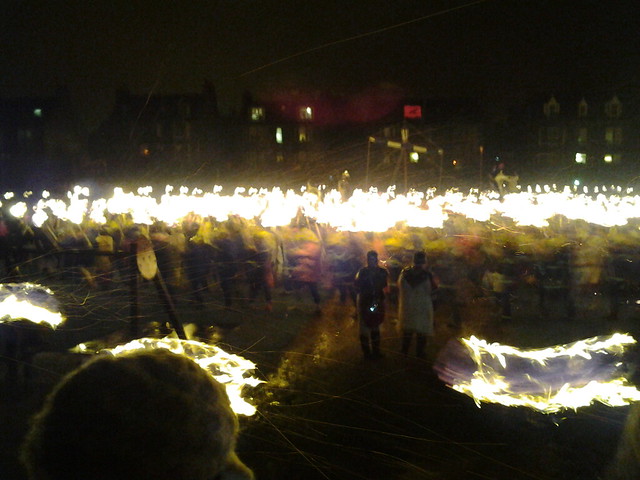
Flaming torches

Words marked with a * are reconstructions.

Proto-Celtic *texstus = heat
Old Irish (Goídelc) tess = heat, warmth
Middle Irish (Gaoidhealg) tess, tes = heat, warmth, sultriness, fervour, zeal
aintes = excessive heat
tesbach, teasbhach = heat, warmth, sultriness, ardour, fury, illess, fever
tessach = feverish heat, fever
tessaide = hot, warm, sultry
tessaigid = to warm, heat
Irish (Gaeilge) teas [tʲasˠ/tʲæsˠ] = heat, hotness, warmth; warm clothing, warm place; degree of hotness; high temperature, feverishness; ardour, passion; hottest, highest, stage
teasach = feverish heat, fever
teasaí = hot, warm; ardent, passionate; hot feverish; hot-tempered, fiery
teasaíocht = heat, warmth; ardour, passion; feverishness; hot temper, fire
teasaire = heater
Scottish Gaelic (Gàidhlig) teas [tʲes] = heat, hotness; temperature; heating (in metallurgy)
teas-mheidh = thermometer
teasach = fever, restlessness (caused by heat), mo(u)lt; thermal
teasadair / teasraiche / teasachan = heater
Manx (Gaelg) çhiass = heat, warmth
çhiassveih = thermometer
çhiasseyder = radiator, heater, warmer
çhiassid = hotness, temperature
çhiassagh = febrile, feverish
Proto-Brythonic tes = heat, warmth
Middle Welsh (Kymraec) tes = heat, warmth
Welsh (Cymraeg) tes [teːs] = heat (of the sun), warmth, (period of) warm weather, sunshine, (heat) haze, mist
cynes [ˈkənɛs] = warm (from cyn (co-) and tes)
tesaint = passion, zeal; heat, warmth
teser = (heat) haze
tesiad = a warming
tesio, tesiaf = to shine (of the sun)
tesog = hot, sunny, close sultry
Old Cornish tes = heat
Middle Cornish (Cernewec) tes = heat, warmth
Cornish (Kernewek) tes = heat
tesa = to heat
tesek = hot
tesel = thermal
Old Breton tes = heat
Middle Breton (Brezhonec) tez, tès = heat
Breton (Brezhoneg) tes = heat

Etymology: from the Proto-Indo-European *tep- (to be warm, to be hot) [source]. Celtic words from fire come from the same PIE root via the Proto-Celtic *teɸnets (fire) [source]

The English word tepid comes from the same PIE root [source].

Proto-Celtic *teɸents = heat
Old Irish (Goídelc) té, tee [tʲeː] = hot, warm; lustful, wanton; comfortable, sheltered; fervent; fierce, keen
Middle Irish (Gaoidhealg) té, te = warm, hot, comfortable, sheltered, fervent, fierce, keen, bold
Irish (Gaeilge) te [tʲɛ] = hot, warm; pungent; ardent, hot-tempered, vehement, hotfoot; affectionate, comfortable
teobhlasta = hot (spicy)
teochroí = warm-heartedness, warmth, affection
teochroíoch = warm-hearted
teocht = warmth, heat, temperature
teofholach = warm-blooded
alathe = lukewarm
téamh = heating, warming, distillation
Scottish Gaelic (Gàidhlig) teth [tʲeh] = hot
ain-teth = scorching, exceedingly hot, ardent, vehement, eager, inflamed
Manx (Gaelg) çheh = fevered, fervent, heated, hot, impassioned, passion, sexually precocious, thermal, warm
çhiow = to warm up, warm, warming up, inclined, yearned, heat,warmed

Etymology from the Proto-Indo-European *tep- (to be warm) [source].

Proto-Celtic *gʷrensos, *gʷrīnnso- = heat
Old Irish (Goídelc) grís = heat (of the sun), fire, embers
Middle Irish (Goídelc) grís, gríss = heat, fire, embers, hot ashes; glow, ardour, valour, passion
Irish (Gaeilge) gríos [ɡɾʲɪsˠ] = hot ashes, embers; heat, glow, ardour; rash, blotches (on skin)
gríosach = glowing
gríosóg = spark from embers, inflamed spot, rash
gríosóir = inciter, agitator
gríostaitneamh = burning, rosy, glow
gríosú = inflammation, incitement, stimulation
Scottish Gaelic (Gàidhlig) grìos [grʲiːs] = begging, entreaty; heat, embers, redness, inflammation, provocation
grìosad [grʲiəsəd] = begging, beseeching, entreating, cursing, swearing, stirring up a fire, provoking
Manx (Gaelg) gree [ɡriː] = heat
greeshagh = arouse (passions), arousing, vibrant, ember
greeshaghey = to aggravate, chivvy, set on, whip up, arouse (passions)
Middle Welsh (Kymraec) gwres, ywres, gỼres = heat, warmth
guressaei = to heat, warm
guressauc, gwressawc = hot, very warm
gwresoca, gwresogi = to make warm or hot
Welsh (Cymraeg) gwres [ɡwreːs] = heat, warmth, hot weather, feverishness, itching; intensity (of feeling), passion, lust, vehemence, ardour, fervour, zeal, enthusiasm
gwresâf, gwresáu = to heat, warm
gwresio, gwresu = to become heated, heat, generate heat, emit warmth
gwresog = hot, very warm, summery, heat-giving, calorific
gwresogi = to make warm or hot, provide warmth, heat
Middle Cornish (Cernewec) gwres = heat
Middle Breton (Brezhonec) groès, groës = heat
Breton (Brezhoneg) gwrez = heat, temperature, ardent, fervent, blazing
gwrezus = calorific
gwrezverk = temperature

Etymology possibly from the Proto-Indo-European *gʷʰer- (warm, hot) [source]. English words from the same PIE root include furnace, gore, thermal and warm [source].

Proto-Celtic *teɸesmis/*tefesmi- = heat
Middle Welsh (Kymraec) tui, tvymyn, tỼym, twym [tuːɨ̯m/tʊi̯m] = warm, (quite) hot, infectious, fervent, intense, passionate, heated, unpleasant, dangerous, heat, fever
twymna, tỼymaỼ, twymo = to make/become warm or hot
twymder = warmness, warmth, hotness, heat
twymyn = fever
Welsh (Cymraeg) twym [tuːɨ̯m/tʊi̯m] = warm, (quite) hot, infectious, fervent, intense, passionate, heated, unpleasant, dangerous, heat, fever
twym(n)af, twym(n)o = to make/become warm or hot, to warm, to heat, to ferment
twymder = warmness, warmth, hotness, heat
twym(n)wr, twymydd = person or thing that warms, heater
twymyn = fever, warm drink
Old Cornish toim, tum = hot, warm, heated
Middle Cornish (Cernewec) tom = hot, warm
tomder = heat, warmth
tomma = to make warm, to warm
tubm = hot, burning
tubma = to make hot, to heat, to warm
Cornish (Kernewek) tomm, tobm = hot, warm
tomm y wos, tobm y woos = hot-blooded
tomma, tobma = to warm, become warm
tommhe, tobmhe = heat, warm
tommheans, tobmheans = heating
tommheans ollvysel, tobmheans ollvesel = global warming
Middle Breton (Brezonec) tomm, toem, tuem = hot, warm, heat
toemaff, tomaff = to heat, to warm up
toemder, tomder = heat
Breton (Brezhoneg) tomm [tɔmː] = hot, warm
tommañ = to heat, to warm up, to be fond of, to become attached to
tommder = heat
tommerez = stove
tommerezh = boiler room

Etymology: from the Proto-Indo-European *tep- (to be warm, to be hot) [source]. Words for fire in Celtic languages come from the same root.

Proto-Celtic *brutus = fermentation, boiling heat
Old Irish (Goídelc) bruth [bruθ] = boiling, fury, glow, heat, rage, vehemence
Middle Irish (Goídelc) bruth = (boiling) heat, blaze, glow, anger, fury, excitement, fervour, valour
bruthach = fiery, furious, vigorous
bruthmar = fiery, raging, furious, ardent
Irish (Gaeilge) bruth [bˠɾˠʊ(h)] = heat, rash, eruption, nap, pile, covering, surf
bruthach = hot, fiery, napped, fluffy
bruthaire = cooker
bruthán = (slight) rash
brufar = ardent, fiery, lively
Scottish Gaelic (Gàidhlig) bruth [bruhθ] = hotness (of skin), hot and confined space, red-hot object, heat, fire
bruthainn [bruhɪn̪ʲ] = sultriness, sultry heat
bruthairneach [bruhər̪n̪ʲəx] = muggy, sultry, sweltry
bruich = to cook, boil
Manx (Gaelg) brooan = rash, eruption, skin disorder
Old Welsh brut = hot, warm
Middle Welsh (Kymraec) brytt, brwt, brwd = hot, warm, heat
brytio = to heat, warm, boil
Welsh (Cymraeg) brwd [bruːd] = hot, warm. heated, ardent, boiled, fervent, zealous, heat, brew(ing),
brwdfrydu = to enthuse, speak or feel with fervour
brwdfrydedd = zeal, enthusiasm, fervour, fanaticism
brwdfrydig = zealous, enthusiastic, fervent, ardent
brwdias = hot, heated, fiery, parboiling
brydio = to heat, warm, boil
Old Cornish bredion = to boil
Middle Cornish (Cernewec) bredion, bridzhen = to boil
Cornish (Kernewek) bryjyon = to boil
bryjys = boiled
Old Breton brot = ember
Middle Breton (Brezonec) broud = ember, excitement
Breton (Brezhoneg) broud [bruːt] = ember, excitement
broudañ [bruˈdɑːdɛn] = to burn, scald
broudus [ˈbruːdys] = stimulant

Etymology: from the Proto-Indo-European *bʰrewh₁- (to boil, brew), from *bʰer- (to boil) [source]. Words for the same roots include bread, brew, broth, burn and fervor in English [source].

Proto-Celtic *kʷoxtos = cooked, hot
Proto-Brythonic *poɨθ [ˈpoɨ̯θ] = cooked, hot
Middle Welsh (Kymraec) poeth = hot, burning
poethi = to heat, warm, burn, scorch, roast
Welsh (Cymraeg) poeth [poːɨ̯θ/pɔi̯θ] = hot, burning, fervent, intense, lustful, roast, cooked
poethaf, poethi = to heat, warm, burn, scorch, roast
poethder = heat, hotness, burning, inflammation, ardour, zeal, fervour
poethineb = passion, ardour, zeal, hot-headedness
Middle Cornish (Cernewec) poth = hot
Cornish (Kernewek) pooth = hot, scorching
potha = to heat, scorch
Middle Breton (Brezonec) poaz = cooked, grilled, burning
poazat, poazet = to cook, bake
Breton (Brezhoneg) poazh [bruːt] = cooked, burned, burning
poazhadur = cooking, baking, roasting
poazhañ = cooking, baking, roasting
poazhat = cooked
poazherez = cooker

Etymology: from the Proto-Indo-European *pokʷ-tó-s from *pekʷ- (to cook, ripen) [source]. Words for the same roots include apricot, biscuit, cook, cuisine and kitchen in English [source].

Words marked with a * are reconstructions.

Sources: Wiktionary, Am Faclair Beag, Online Manx Dictionary, Teanglann.ie, eDIL – Electronic Dictionary of the Irish Language, In Dúil Bélrai English – Old Irish glossary, Geiriadur Prifysgol Cymru, Gerlyver Kernewek, Lexicon Cornu-britannicum: A Dictionary of the Ancient Celtic Language of Cornwall, Dictionaire Favereau, TermOfis, Le dictionnaire diachronique du breton, Etymological Dictionary Of Proto Celtic
Grace and Favour

Words for grace, virtue and related words in Celtic languages.

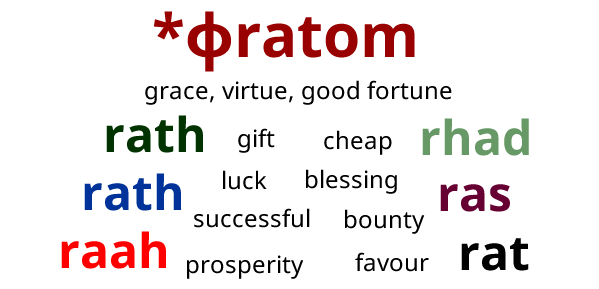
Words for grace and virtue in Celtic languages

Words marked with a * are reconstructions.

Proto-Celtic *ɸratom = grace, virtue, good fortune
Old Irish (Goídelc) rath = gift, goods, grace, luck, property, prosperity
Middle Irish (Gaoidhealg) rath(a) = grace, virtue, gift, good luck, fortune, prosperity
Irish (Gaeilge) rath [ɾˠɑh/ɾˠa/ɾˠah] = bestowal, grant, grace, favour, gift, bounty; prosperity; abundance; usefulness, good
rathaigh = to prosper, succeed, thrive, make successful
rathúil = prosperous, successful, thriving; fortunate, lucky
rathúlacht = prosperousness, successfulness
rathúnas = prosperity, plenty, abundance
rathúnasach = prosperous, abundant
anrath = ill-luck
anrathach = unlucky
Scottish Gaelic (Gàidhlig) rath [r̪ˠa] = good fortune/luck, prosperity, success
rathadach = fortunate, auspicious, prosperous
rathmhor = fortunate, auspicious, prosperous
rathach = fortunate, auspicious, prosperous
droch-rath = back luck/fortune
Manx (Gaelg) raah, rah = good luck, prosperity, well-doing
raah mie = prosperity
ard-raah = zenith of prosperity
gyn raah = unsuccessful
cur rah er = to prosper
Old Welsh rat = grace, blessing, favour,
Middle Welsh (Kymraec) rat, rad = grace, blessing, favour,
Welsh (Cymraeg) rhad [r̥aːd] = grace, blessing, favour, generosity, bounty, goodness, graciousness, talent, gift; cheap, free, unpaid, valueless, poor, inferior, gracious, giving, generous
rhad ac am ddim = free (of charge), without cost, unpaid
rhad Duw = the grace of God, God’s blessing
rhad fel baw / rhad mochyn = dirt cheap
yn rhad = as a gift, free (of charge), unpaid, cheaply, freely, unrestrained
rhadaf, rhadu = to bestow grace upon, bless, give generously, to make cheap
rhadineb = grace, graciousness
rhadwr = generous man
Middle Cornish (Cernewec) ras, râs, = grace, thanks, worth, value, excellence
mêr râs = thank you, much thanks
rasow = graces, excellencies
Cornish (Kernewek) ras = virtue
meur ras = thank you
rasek = graceful
diras = graceless
Old Breton rad = thought, reflection
Breton (Brezhoneg) rat = thought, reflection

Etymology: from the Proto-Celtic *ɸar-/*ɸarnati (to bestow), from the Proto-Indo-European *perh₃- (bestow, give) [source].

Words from the same PIE roots include pare (to remove the outer covering or skin of something with a cutting device) in English, paràre (to adorn, protect, shield) in Italian, parar (to stop, put up, lift, raise) in Spanish, and parod (ready, prepared) in Welsh [source].

The Fastest Way to Learn Japanese Guaranteed with JapanesePod101.com

Sources: Wiktionary, Am Faclair Beag, Online Manx Dictionary, Teanglann.ie, eDIL – Electronic Dictionary of the Irish Language, In Dúil Bélrai English – Old Irish glossary, Geiriadur Prifysgol Cymru, Gerlyver Kernewek, Dictionaire Favereau, TermOfis, English – ProtoCeltic WordList (PDF), Etymological Dictionary Of Proto Celtic

Unlimited Web Hosting - Kualo

Bark and Beehives

Words for bark, beehives and related words in Celtic languages.

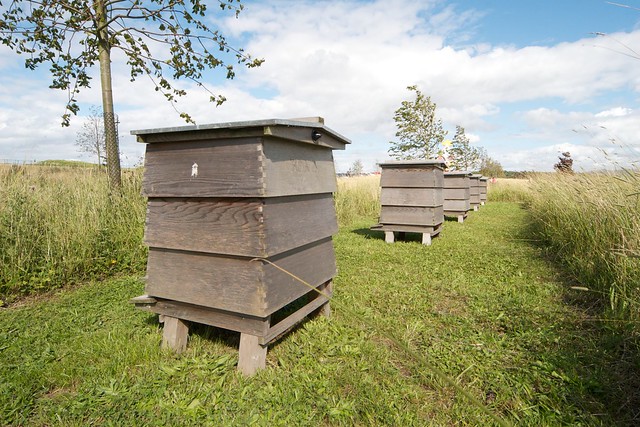
Beehives

Proto-Celtic *ruskos = bark, beehive
Gaulish rusca / ruskā = bark, beehive
Old Irish (Goídelc) rúsc [ruːsk] = (tree) bark, basket, covering
Irish (Gaeilge) rúsc [ɾˠuːsˠk] = (tree) bark, vessel made of bark
rúscach = bark-like; rough, wrinkled (skin)
rúscán = strip of bark, vessel made of bark, kind of seaweed
Scottish Gaelic (Gàidhlig) rùsg [r̪ˠuːsg] = (tree) bark, peel, rind, husk, crust, fleece
rùsg-caorach = sheep’s fleece
rùsg-abhaill = apple peel
rùsg na Talmhainn = crust of the Earth
rùsgan [r̪ˠuːsgan] = thin (tree) bark, thin peel/rind/husk, thin crust, small fleece, bark boat
rùsgach = fleecy
Manx (Gaelg) roost [ruːst] = peel, bark, rind
roostey = strip, peel, hull, rob, bare, rind, debunk, rifle, unbark, deprive, peeling, exposure
Proto-Brythonic *rrisk = bark
Middle Welsh (Kymraec) risgl, risg, rhisg, risc = bark
Welsh (Cymraeg) rhisg(l) [ˈr̥ɪsɡ(l)/ˈr̥ɪsɡɪ(l)] = (piece of) bark, rind, peel (of fruit) husk (of grain)
rhisg(l)ach = pieces of bark
rhisgen = (bark) dish or pan
rhisglen = (piece of) bark, rind; hackle, flax comb
rhisgl(i)af, rhisgaf, rhisgl(i)o, rhisgo = to bark, decorticate, peel (off), develop bark (on), encrust
rhisg(l)aidd = having bark or rind, corticate(d), covered with bark
Old Cornish rusc = bark
Middle Cornish risc = bark
Cornish (Kernewek) rusken = bark, peel
ruskek = rough-barked
Middle Breton rusquenn = beehive
Breton (Brezhoneg) rusk = bark, peel, zest
ruskek = rough, rugged, coarse
ruskenn = (bee)hive, apiary
ruskennad = beehive
ruskenner = beehive maker

Etymology: from the Proto-Indo-European *h₃rewk- (to dig up), possibly from *h₃er- (to move, stir) [source].

The French word ruche (beehive, ruffle, flounce) and the Catalan word rusc (beehive) come from the Gaulish root rusca, via the Late Latin rusca (bark), and the English word ruche (pleated fabric, ruff), and the German word Rüsche (ruffle, ruche) were borrowed from French [source].

Words marked with a * are reconstructions.

Sources: Wiktionary, Am Faclair Beag, Online Manx Dictionary, Teanglann.ie, eDIL – Electronic Dictionary of the Irish Language, logainm.ie, In Dúil Bélrai English – Old Irish glossary, Geiriadur Prifysgol Cymru, Gerlyver Kernewek, Dictionaire Favereau, TermOfis, English – ProtoCeltic WordList (PDF), Etymological Dictionary Of Proto Celtic

Blubrry podcast hosting

Calling Words

Words for word, call, cry and related things in Celtic languages.

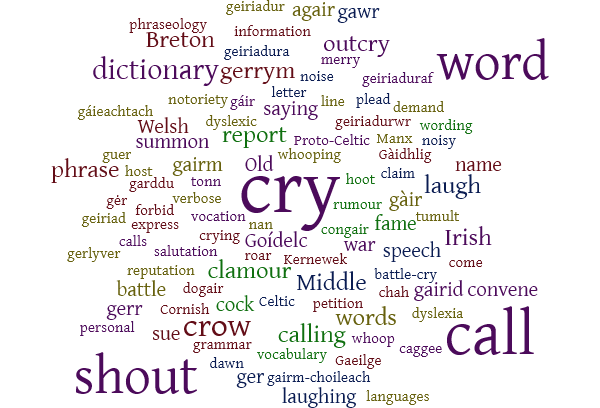
words is various languages
Word cloud created with WordItOut

Words marked with a * are reconstructions.

Proto-Celtic *gāri = shout, call
*garyeti = to cry, shout
*gar(r)man- = cry, shout
*garyo- = word, command
*garyos = call, cry
Gaulish *Garomaros / Garo-marus = personal name
adgarion = accuser (?)
Old Irish (Goídelc) gairm = call, name, summons
gairid [ˈɡarʲiðʲ] = to call, cry out, summon
adgair [aðˈɡarʲ] = to summon
congair [konˈɡarʲ] = to call, summon; invite
dogair = to call
Middle Irish (Goídelc) gairm = call, name, summons, cry, name, title, calling, employment, profession
gairid = to call
Irish (Gaeilge) gáir [ɡɑːɾʲ/ɡæːɾʲ] = cry, shout; report, fame, notoriety; to cry shout; laugh
gáire = to laugh
gáieach = laughing, smiling
gáieachtach = noisy, vociferous; laughing, merry
gairm [ˈɡaɾʲəmʲ/ˈɡɪɾʲəmʲ] = call, calling, acclaim
(an tuiseal) gairmeach = vocative (case)
gairmí = professional
gairmiúil = vocational, professional
slua gairm = slogan
Scottish Gaelic (Gàidhlig) goir [gɤrʲ] = to call, cry, hoot, crow
gàir [gaːrʲ] = to laugh, cry shout; outcry, shout, clamour
gàir nan tonn = the roar of the waves
gairm [ɡɤrʲɤm] = calling, crying, call, cry, announcing, declaring, convenning, call of the cockerel
gairmeachadh = (act of) calling
gairm-choileach = cock-crow
gairm-chatha, gairm-chogaidh = war-cry
sluagh-gairm = slogan
tuiseal gairmeach = vocative case
Manx (Gaelg) gerr = crow, shout
gerr chah = war cry
gerrym = crowing, outcry, shouting, whoop, whooping, (cock) crow), avocation, mission, profession, vocation
gerrymagh = vocative
gerrymoil = professional, vocational
gerrym caggee = battle cry, call up, war cry
gerrym chellee = cock crow
sleih gerrym = slogan
Proto-Brythonic *gėr [ɡe̝ːr] = word, speech
Middle Welsh (Kymraec) geir = word
gaur, gawr = shout, cry
garddu = groan
garym, garm = shout, cry, outcry, clamour
garymleis, garamleis = scream, clamour
Welsh (Cymraeg) gair [ɡai̯r] = word, speech, phrase, greeting, salutation, short exhortation, saying, proverb; verb; line of poetry, verse; report, rumour, information, letter, reputation, fame, praise
geiriad = wording, phraseology, phrase
geiriadaf, geiriadu = to word, phrase, express
geiriadur = dictionary
geiriaduraf, geiriaduro, geiriadura = to compile a dictionary
geiriaduriaeth, geiriaduraeth = lexicography; vocabulary; grammar
geiriadurwr = lexicographer, dictionary-maker
geiriog = wordy, verbose
garm = shout, cry, outcry, clamour
garmlais = scream, clamour
Middle Cornish (Cernewec) garm = a cry, shout, outcry
garme = to shout, raise a shout, cry aloud, cry out
Cornish (Kernewek) ger [ɡɛːr/ɡeːr] = word, saying, report
gerdhal = dyslexic
gerdhalni = dyslexia
gerlyver = dictionary
garm = to shout, whoop, yell
garm argemynna = (advertising) slogan
garm vresel = battle cry
garm wormola = ovation
garma = to cry out, whoop, yell
garma yn lowen = to cheer
Old Breton gerent = word. say
Middle Breton guer = word
garm = loud crying, yelping of a fox, war cry, cry
garmadeg, garmadenn = clamour
garmer = to cry, crying, brawler
garmiñ = to cry, bellow, yelp
Breton (Brezhoneg) ger [ɡeːr] = word
geriadur = dictionary
garm = cry, clamour, weeping

Etymology: from the Proto-Indo-European *ǵeh₂r- (to shout, call) [source]. The English words garrulous (excessively talkative), care and charm (sound of many voices (esp. of birds or children), a flock or group (esp. of finches)) come from the same PIE root [source].

Proto-Celtic *woxtlom = dispute
Old Irish (Goídelc) focul [ˈɸokul] = word
Middle Irish (Gaoidhealg) focal, foc(c)ull, focla, facul = word, vocable, phrase, estimate, award, judgement, promise
Irish (Gaeilge) focal [ˈfˠɞkəl̪ˠ/ˈfˠɔkəlˠ] = word, phrase, remark, observation, saying, intelligence, message, promise, assurance
focalhbhá = ellipsis …
foclach = wordy, verbose
foclachas = wordiness, verbiage
focleolaí = philologist
focleolaíoch = philological
focleolaíocht = philology
foclóir = dictionary, lexicon, vocabulary
foclóireacht = lexicography
foclóireolaíocht/strong> = lexicology
foclóirí = lexicographer
foclóirín = word-list, vocabulary
Scottish Gaelic (Gàidhlig) facal [faxgəl̪] = word, comment, remark
facal air an fhacal = word for word, literally, verbatim
facal-faire = password
facal-fhreumhail = etymology
facal-mùirne = an endearment
facal-toisich = introduction, preamble
Manx (Gaelg) fockle [ˈfɔːɡəl] = word, charm, vocable
focklagh = wordy, verbose, voluble, loquacious
focklaghys = wordiness, verbiage
fockleyr = dictionary, lexicon, thesaurus
fockleyragh = lexicographic
fockleyreen = vocabulary, wordbook
fockleyreyder = lexicographer
fockleyrys = lexicography
Proto-Brythonic *gwoɨθl = dispute
Middle Welsh (Kymraec) gwaethyl = debate, dispute, contention, battle
gwaethyl uann, gwaethyluann = loud in dispute, strenuous, striving
gwaethyl gwyr = fighter, warrior
Welsh (Cymraeg) gwaethl = debate, dispute, contention, battle
gwaethlfan = loud in dispute, strenuous, striving
gwaethlwr = fighter, warrior
gwaethl =

Etymology: from Proto-Indo-European *wókʷtlom, from *wekʷ- (to speak, sound out) [source]. Words from the same PIE roots include advocate, epic, vocal, voice, vouch and , vowel in English; gewagen (to report, notify) in Dutch; voce (voice, call, word) in Italian; and उक्ति (ukti – saying, expression) in Hindi [source].

Proto-Celtic *brētrā = word, battle
Old Irish (Goídelc) bríathar [ˈbʲrʲiːa̯θər] = word, speech, utterance, verb, discourse
Middle Irish (Gaoidhealg) bríathar, briathor = word, utterance, talk, saying, speech, discourse, blessing, prayer, curse, promise, vow, pledge, verb
bríathardae = wordy, verbal
bríatharach = wordy, verbose
bríathad = act of speaking
bríatharaigid = to speak, pronounce
Irish (Gaeilge) briathar [ˈbʲɾʲiəhəɾˠ / ˈbʲɾʲiːhəɾˠ] = word, verb
briathartha = verbal
briathrach = wordy, verbose
briathrachas = wordiness, verbosity
briathraíocht = diction
Scottish Gaelic (Gàidhlig) briathar [brʲiəhər] = word, term
briathrail [brʲiəral] = loquacious, talkative, wordy, verbose
briathrach [brʲiərəx] = talkative, loquacious, wordy, verbose
Manx (Gaelg) breear = verb
breearagh = verbal
Middle Welsh (Kymraec) brwyder, brwydyr = battle
brwydraw = to battle, fight, struggle, attack
brwydrin = battle, conflict, fierce, pugnacious
brwydyrdaer = resolute in battle, fighting with all one’s might
brwytyrgar, brwydyrgar = delighting in fighting, eager for battle, bellicose
brwydryar = tumult of battle, battle-cry
brwydr-wr = fighter, warrior, combatant
Welsh (Cymraeg) brwydr [ˈbrʊɨ̯dr / ˈbrʊi̯dr] = pitched battle, conflict, attack, campaign, struggle, bother, dispute, controversy, host, army
brwydrin = battle, conflict, fierce, pugnacious
brwydro = to battle, fight, struggle, attack
brwydrwr = fighter, warrior, combatant

Etymology: possibly from Proto-Indo-European *bʰerH- (to strike, pierce) [source]. Words from the same PIE root include boren (to) bore in English, (to drill) in Dutch, and foràre (to pierce, puncture) in Italian [source].

Proto-Celtic *galw-o- = call
Old Irish (Goídelc) gláed = shout, loud call
gláedach = noisy, blustering, adjective
gláedid = to cry out, name; verb
gláedem = wolf
glegrach = noisy
Middle Irish (Gaoidhealg) gláed, glaid = shout, loud call
gláedach = calling, crying out, shouting, noisy, blustering
gláedid = to cry out, to name
glegrach = noisy, resounding, clamorous
Irish (Gaeilge) glao [ɡl̪ˠeː/ɡlˠiː] = call, shout
glaoch = calling, to call
glaoigh = to call, cry out, shout
glaoiteach = calling, vociferous
glaomaire = loud-mouthing, vociferous, boastful person
glaomaireacht = shouting, bragging, boastfulness
Scottish Gaelic (Gàidhlig) glaodh [gl̪ˠɯː] = cry, shout, yell, proclamation
glaodhach [gl̪ˠɯː.əx] = crying, shouting, yelling
glaodhaire [gl̪ˠɯː.ɪrʲə] = crier, loudspeaker
glaodhar [gl̪ˠɯː.ər] = noise, rattling, clang, clash
glaodhte = cried, shouted, yelled
Manx (Gaelg) gyllagh = calling, crying
gyllaghey = to cry, roar, shout
Proto-Brythonic *gėlwɨd = to call
Middle Welsh (Kymraec) galw = a call, calling, shout, cry, invitation
gelwi, galw, galwaf = to call, shout, bawl, summon, invite
galwedic, galwedig = called, named, summoned
galwedigaeth, galwedygaeth = call, a calling, vocation, profession, occupation
Welsh (Cymraeg) galw [ˈɡalu / ˈɡaːlu] = a call, calling, shout, cry, invitation
galwad = a calling, call, shout, sounding
galwaf, galw, gelwain = to call, shout, bawl, summon, invite
galwdig = called, named, summoned
galwdigaeth = call, a calling, vocation, profession, occupation
galwdigaethol = vocational, occupational, professional
Middle Cornish (Cernewec) galow = a call, invitation
gelwel, gylwel = to call (for), invoke, name
Cornish (Kernewek) galow = appeal, call, calling, invitation, vocation
galwansek = vocational
galwen = call
galwesigeth = calling, profession, vocation
galwesik = professional
gelwel = to call, appeal, invite, summon
Old Breton (Brethonoc) galu = appeal, summons
Middle Breton (Brezonec) galu = appeal, summons
gueruell, gueluer = to call, summon
Breton (Brezhoneg) galv [ˈɡalw/ˈɡalɥ/ˈɡalf] = appeal, summons
galvedigezh [ɡalveˈdiːɡɛs] = vocation, calling
galvel, galven, galver, gervel = to call, summon

Etymology: from the Proto-Indo-European *gal(o)s- (voice, cry). The English word call comes from the same PIE root, as do galsas (sound, echo) in Lithuanian, голос [ˈɡoɫəs] (voice, word, remark, vote) in Russian, hlas (voice, vote) in Czech, and gallo (rooter, cockerel) in Spanish [Source].

The Fastest Way to Learn Japanese Guaranteed with JapanesePod101.com

Sources: Wiktionary, Am Faclair Beag, Online Manx Dictionary, Teanglann.ie, eDIL – Electronic Dictionary of the Irish Language, In Dúil Bélrai English – Old Irish glossary, Geiriadur Prifysgol Cymru, Gerlyver Kernewek, Dictionaire Favereau, TermOfis, English – ProtoCeltic WordList (PDF), Etymological Dictionary Of Proto Celtic
Unlimited Web Hosting - Kualo

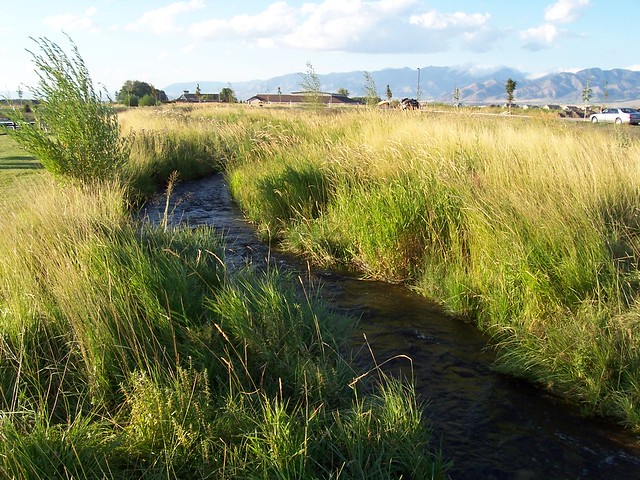
Ditches and Trenches

Words for ditches, trenches and related words in Celtic languages.

irrigation_ditch

Words marked with a * are reconstructions.

Proto-Celtic *klado- = to dig, bury
*klādos = trench
*kladeti = to dig, thrust
*kladyā = digging
Gaulish Vindo-cladia = place name
Old Irish (Gaoidhealg) clad = ditch, dyke
claide [ˈkla.ðʲe] = to dig
con·claid = to dig, excavate
do·claid = to dig up, uproot
claidid = to dig
Middle Irish (Gaoidhealg) clad, clod = hole dug in the ground, trench
claide = digging, trenching, ditch, trench, excavation
claidid = to dig, excavate, undermine
clas = ditch, trench, furrow, pit, cooking-pit, burning-pit, grave
Irish (Gaeilge) cladh = ditch, trench (literary)
cladhach = ridged, furrowed
cladhaire = ditcher
claidh = to dig (a trench), build (a dike)
clais [klˠæʃ] = water channel, gully, ditch, trench, furrow, rut, groove, deep cut, gash, put, trough, soft mass, large quantity
clasach = channelled, trenched, grooved, gashed
clasaigh = to channel, trench, gash, groove
Scottish Gaelic (Gàidhlig) cladh [kl̪ˠɤɣ] = burial ground, cemetry, graveyard, ditch
cladhach [kl̪ɤ.əx] = digging, dig, excavation
clais [kl̪ˠaʃ] = furrow, groove, ditch, drain, gutter, rut, trench
claiseach [kl̪ˠaʃəx] = furrowed, grooved, fluted, abounding in trenches/ditches
claisean [kl̪ˠaʃan] = small furrow, small groove, small ditch, drain
claisearachd [kl̪ˠaʃərəxg] = ditching, act of digging a ditch
clais-mhòr = gorge
Manx (Gaelg) clash = channel, cleft, gorge, hollow, furrow, trench, sewer
clashal = to trench
clashag = furrowed, grooved
Proto-Brythonic *klėðɨd [kle̝ˈðɨːd] = to dig, thrust
Middle Welsh (Kymraec) clad, clat = hole, put, ditch, trench, grave
cladedic, kladdedig = buried, interred, dug up
cladedigaeth, klydigeth = burial, funeral
claddfa = cemetry, graveyard, burial-ground
cladu, kladu, kladdy, cladv = to bury, hide, forget, dig, burrow
cleis, clais = bruise, would, break, line, groove, rut, fissure, ditch, trench, rivulet
Welsh (Cymraeg) cladd = hole, put, ditch, trench, grave
claddedig = buried, interred, dug up
claddedigaeth = burial, funeral
claddfa = cemetry, graveyard, burial-ground
claddu [ˈklaðɨ̞/ˈklaːði] = to bury, hide, forget, dig, burrow, stab, pierce
clais [klai̯s/klai̯ʃ] = bruise, would, break, line, groove, rut, fissure, ditch, trench, rivulet
clawdd [ˈklaːu̯ð/ˈklau̯ð] = mound, dyke, earthwork, bulwark, boundary, hedge, fence; ditch, gutter, trench, pit, quarry, mine, moat, fosse
cloddio = to dig, delve, trench, ditch, excavate
clodd(i)wr, clawddwr = ditcher, navvy, digger, miner, quarryman, hedger, excavator
mwyn i’r clawdd to be unsuccessful, fail (“to go to the ditch/wall”)
Middle Cornish (Cernewec) cledh, clêdh = dyke, ditch, trench, fence
cladhva = a burying place
ancledhy = to bury, inter
ancledhyas, anclydhyas, encledhyes = burial, funeral
Cornish (Kernewek) kleudh = ditch
kleudhik = groove
kleudhya = to dig a trench, ditch, excavate
ynkleudhva = cemetry, graveyard
ynkleudhyans = burial, funeral
ynkleudhyas = to bury, inter
ynkleudhyer / ynkleudhyores = funeral director, undertaker
Old Breton (Brethonoc) clud = hollow
Middle Breton (Brezonec) creux, cleus, cleuz = hollow, cave
Breton (Brezhoneg) kleuz [kløː(s)] = hollow, slope, earth embankment, fence (of earth), hedge (of thorns, etc)
kleuziad
kleuz(i)añ [ˈkløː.z(i)ã] = to dig
kleuzier

Etymology: from the Proto-Indo-European *kelh- (to beat, break) [source].

Irish (Gaeilge) díog = ditch, trench, drain
díogach = trenched, having trenches
Scottish Gaelic (Gàidhlig) dìg [dʲiːg] = ditch, dyke, drain
Manx (Gaelg) jeeg = ditch, gutter, moat, trench
jeeig = conduit, cut, ditch, drain, gully, put, trench, waterway, sewer
jeeigagh = ditched
jeeigit = ditched, drained

Etymology: unknown.

Irish (Gaeilge) fos = prop, buttress, wall
Scottish Gaelic (Gàidhlig) fos [fɔs] = ditch, wall, buttress (archaic)
Middle Welsh (Kymraec) fos, foss = ditch, dike
Welsh (Cymraeg) ffos [fɔs] = ditch, dike, gutter, moat, trench, furrow, groove, pit
ffos(i)af, ffosi(o) = to ditch, trench, furrow, chamfer
ffosedig = trenched, moated, furrowed, lined
ffos gaeedig = drain
ffos y clawdd, ffos glawdd = roadside ditch
ffos ddyfrio conduit
ffos melin, ffos y felin = mill-race
Middle Cornish (Cernewec) fos = ditch, moat, trench, intrenchment, wall
Cornish (Kernewek) fos = wall
paper fos = wallpaper
toll y’n fos = cash dispenser, ATM (“hole in the wall”)
Middle Breton (Brezonec) fos, foss, fôs = ditch, gap, pit, (river) bed
Breton (Brezhoneg) foz = ditch, gap, sand trap
foz disac’hañ = rift (valley), collapsed ditch
foz-kronniañ = holding tank, retention pit

Etymology: from the Latin fossa (ditch, trench, moat, gutter, furrow), from fossa terra (dug-up earth) [source].

Proto-Celtic *kʷantyos = flat hill, valley
Old Irish (Goídelc) céite = hill, mound, race-course, assembly
Middle Irish (Gaoidhealg) céide, céite = hill, mound, eminence, open space
Irish (Gaeilge) céide [ˈlʲɛtʲəɾʲ/ˈl̠ʲɛtʲəɾʲ] = flat-topped hill, place of assembly
Scottish Gaelic (Gàidhlig) cèide = market, fair, green, hillock
Pictish ᚘᚐᚅᚈ = hollow
Middle Welsh (Kymraec) pant = hollow, depression, valley, dent
Welsh (Cymraeg) pant [pant] = hollow, depression, valley, dent
pant (y) llaw = palm of the hand
pant a thalar = hilla and dale, everywhere
pantiad = hollow, depression
pant(i)af, pantio, pantu = to be(come) hollow, make an impression, sink (in the middle)
pant(i)og = hollow, sunken, uneven, holed, sinking, sagging, concave
pantir = dale-land, valley-bottom, lowland
pantlawr = uneven/concave floor
pantlle = hollow, dell, small valley, place full of hollows
Cornish (Kernewek) pans = dell, dingle, hollow
Old Breton pantet = curved, curve
Middle Breton (Brezonec) pant = curved, curve, bend
Breton (Brezhoneg) pant = slope, hillside

Etymology: possibly from the PIE *kwem-t (hill)

The Fastest Way to Learn Japanese Guaranteed with JapanesePod101.com

Sources: Wiktionary, Am Faclair Beag, Online Manx Dictionary, Teanglann.ie, eDIL – Electronic Dictionary of the Irish Language, In Dúil Bélrai English – Old Irish glossary, Geiriadur Prifysgol Cymru, Gerlyver Kernewek, Lexicon Cornu-britannicum: A Dictionary of the Ancient Celtic Language of Cornwall, Dictionaire Favereau, TermOfis, Le dictionnaire diachronique du breton, Etymological Dictionary Of Proto Celtic
Headlands and Promontories

Words for headlands, promontories and related things in Celtic languages.

Trá na nglór, Muckross

Proto-Celtic *ɸrossos/*frosto- = height, elevated land, (wooded) hill
Old Irish (Goídelc) ros = wood, height
Irish (Gaeilge) ros [ɾˠɔsˠ] = wood, (wooded) headland, promontory
rosach = wooded, promontoried
Scottish Gaelic (Gàidhlig) ros [r̪ˠɔs] = peninsula, promontory, wood, forest
rosach = pertaining to or abounding in peninsulas/promontories; wooded, forested
ros-eilean = wooded/forested island
frith-eilean rosach = wooded islet
Manx (Gaelg) ros = wood
ros-cheyll = spinney
Proto-Brythonic *rros = moor, heath
Middle Welsh (Kymraec) ros = moor, heath
Welsh (Cymraeg) rhos [r̥oːs] = (upland) moor, heath(land), down, meadow on high land, marshland, plain, wilderness, desert
rhostir = moor(land), heath, marshland, plain, savannah, prairie, wilderness, desert
Cornish (Kernewek) ros [ˈɹoːz] = hill-spur, moor, promontory
Middle Breton ros = hillside, moor
Breton (Brezhoneg) roz = hillside, moor

Etymology: from the Proto-Indo-European *prosth₂os (protruding), from *pro- (before) and *steh₂- (to stand) [source].

These words appear mainly in place names, such as Ros Comáin (Roscommon) and An Ros Mór (Rossmore) in Ireland, Ros an Iar (Wester Ross) in Scotland, and Penrhos in Wales and England.

Porth Penrhyn a Bae Hireal

Proto-Celtic *rendi- = point, peak
Old Irish (Goídelc) rind = point, peak
Irish (Gaeilge) rinn = point, tip; top, apex; point of land, cape, promontory; pointed weapon, sharp-pointed instrument; last word of a verse-line
rinneach = pointed, sharp, keen, biting
rinnghéar = sharp-pointed
rinnstua = pointed arch, ogive
Scottish Gaelic (Gàidhlig) rinn [r̪ˠiːn̪ʲ] = headland, promontory; acumen; apex, vortex, point
rinneach = pointed; pertaining to a headland, promontory
rinn snàthaid = point of a needle
Manx (Gaelg) rinn = hook, rinn, ridge, foreland, point of a weapon
rinn chorrylagh = coral reef
rinn ughtee = bluff
rinn yiarg = red-hot poker
Yn Rinn Vooar = Great Barrier Reef
Middle Welsh (Kymraec) rin, rynn = cape, promontory, hill, tump
Welsh (Cymraeg) rhyn = cape, promontory, hill, tump;
rigid, stiff, unyielding, steadfast, brave; turbulent, rough, fierce, threatening, terrible; cold, chilly, shivery
penrhyn = cape, promontory, headland, point, peninsula, isthmus
Cornish (Kernewek) rynn [ɹɪn] = cape, promontory, headland
pennrynn, penryn = cape, promontory, headland, point, peninsula, isthmus
Breton (Brezhoneg) rinn = cape, promontory, headland

Etymology: unknown [source]

It is not known whether the Irish word rinn (star, planet, heavenly body) comes from root.

Words marked with a * are reconstructions.

Sources: Wiktionary, Am Faclair Beag, Online Manx Dictionary, Teanglann.ie, eDIL – Electronic Dictionary of the Irish Language, In Dúil Bélrai English – Old Irish glossary, Geiriadur Prifysgol Cymru, Gerlyver Kernewek, Dictionaire Favereau, TermOfis, English – ProtoCeltic WordList (PDF), Etymological Dictionary Of Proto Celtic
Blubrry podcast hosting

Islands

Words for islands and related things in Celtic languages.

South Stack / Ynys Lawd

Proto-Celtic *enistī = island
Old Irish (Goídelc) inis = island
Irish (Gaeilge) inis [ˈɪnʲɪʃ] = island
leithinis = peninsula
Inse Ghall = the Hebrides
Scottish Gaelic (Gàidhlig) innis [ĩːʃ] = haugh; grazing (land); island (archaic)
innis-bhó = cattle pasture
Innis Fàil = Ireland (poetic)
Innis nan Òg = Isle of the Young/Youth, Tìr nan Òg (in mythology)
leth-innis = peninsula
Manx (Gaelg) innis, innys, insh = island, iselet
insheen = iselet
innysagh = insular
innysaght = insularity
mooirinshyn = archipelago
lieh-innys = peninsula
Proto-Brythonic *ɨnɨs [ɨˈnˑɨs] = island
Middle Welsh (Kymraec) ynys, enys, inys = island
enys Auallach = the island of Avalon
ynys y kedeirn / Enys Wen = Island of Britain
Welsh (Cymraeg) ynys [ˈənɨ̞s/ˈənɪs] = island, isle; (the) Western Isles; kingdom, realm, land, province. region, area, river-meadow
Ynys Afallach/Afallon = the island of Avalon
Ynys y Cedryn / yr Ynys Wen = Island of Britain (“Island of the Mighty Ones” / “the White Island”)
ynys draffig = traffic island
ynysaf, ynysu = to isolate, insulate
ynysedig = isolated, insulated
ynysfor = archipelago
ynysiad = isolation, insulation
ynysig = islet, small island
ynysog = insular, insulated, archipelagic
ynyswr = islander
Cornish (Kernewek) enys = island
enesek = archipelago
enesik = islet
enesega = to insulate
enyshe = to isolate
enyshes = isolated
Old Breton inis = island
Middle Breton enes = island
Breton (Brezhoneg) enez [ˈẽː.nes] = island
enezig / enezennig = small island, islet; block (of buildings), patch (of ground)
enezeg = archipelago
enezennet = enclosed

Etymology: from the Proto-Indo-European *h₁eni-sth₂-ih₂ (“that which stands in (the water)”) from *(h₁)en- (in) and *steh₂- (stand) [source].

Old Irish (Goídelc) ailén [ˈalʲeːn] = island
Irish (Gaeilge) oileán [ˈɪnʲɪʃ] = island; isolated place
oileán sráide/tráchta = street-refuge, traffic island
An tOileán Úr = the New World, America
oileánach = islander, abounding in islands, insular
oileánachas = insularism, insularity
oileánrach = group of islands, archipelago
glasoileán = peninsula; island accessible by bridge or on foot at low tide
Scottish Gaelic (Gàidhlig) eilean [elan] = isle, island
eilean anabaich = promontory
eilean-mara / eilean-tràghaidh = tidal island
frith-eilean = small island, islet
leth-eilean = peninsula
ros-eilean = wooded/forested island
Eilean a’ Cheò = The Isle of Skye (“Isle of Mist” – poetic)
Eilean an Fhraoich = The Isle of Lewis (“Isle of Heather” poetic)
Comhairle nan Eilean = The Council of the Isles, The Western Isles Council
Manx (Gaelg) ellan = isle, island
ellanagh = islander; insular
ellanaght / ellanys = insularity
ellaneen = islet
ellanragh = archipelago
Ellan Vannin = Isle of Man

Etymology: from the Old Irish ail (boulder, rock) and -én (diminutive suffix) [source].

Words marked with a * are reconstructions.

Sources: Wiktionary, Am Faclair Beag, Online Manx Dictionary, Teanglann.ie, eDIL – Electronic Dictionary of the Irish Language, In Dúil Bélrai English – Old Irish glossary, Geiriadur Prifysgol Cymru, Gerlyver Kernewek, Dictionaire Favereau, TermOfis, English – ProtoCeltic WordList (PDF), Etymological Dictionary Of Proto Celtic

Blubrry podcast hosting