Cattle

Words for cattle, cow, bull, calf and related things in Celtic languages.
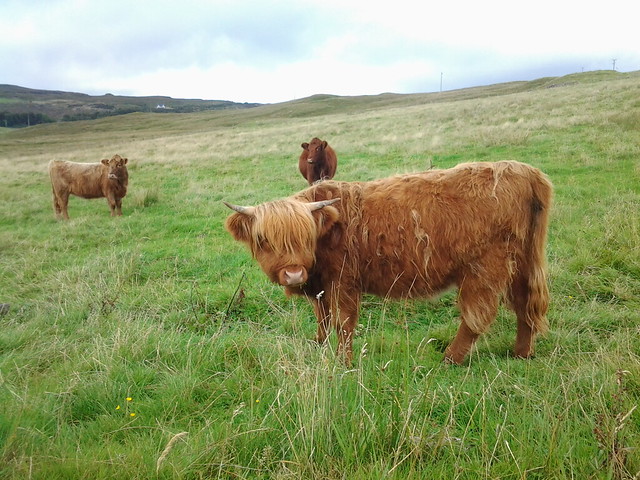
Highland cows

Words marked with a * are reconstructions.

Proto-Celtic *bāus = cow
*bow = cow
Celtiberian boustom = stable (?)
Old Irish (Goídelc) [boː] = ox, cow
Middle Irish (Gaoidhealg) = ox, cow
bóaire = stock-master, stock-owner (“cow-noble”)
bólacht = stock of cattle
bómlacht = cow’s milk
búarach = owner of cows
Irish (Gaeilge) [bˠoː] = cow
bó mhara = sea-cow, manatee
bó shamhraidh = ladybird
bó-aire = cattle lord, cattle owner
bódóir = cow-doctor
Scottish Gaelic (Gàidhlig) [boː] = cow
bò b(h)ainne = dair/milk cow
boineag = small cow
bòthach = pertaining to or abounding in cows
Manx (Gaelg) booa = cow
booa vluight = dairy cow
boin = very little cow
Proto-Brythonic *bʉ = cow
Middle Welsh (Kymraec) buv, bu, buw = cow
Welsh (Cymraeg) bu = cow, ox, head of cattle (as a standard of value in the Welsh laws)
buach = cowherd, rustic, wretched creature
biw = cow, cattle, horned cattle
Middle Cornish (Cernewec) biuh = cow
Cornish (Kernewek) bu = cow
Breton (Brezhoneg) bu = cow

Etymology: from the Proto-Indo-European *gʷṓws (cattle). The old Galician word busto (enclosed pasture, a herd of cattle) comes from the same Proto-Celtic roots, via Celtiberian [source].

Proto-Celtic *boukkā = cow
Proto-Brythonic *bʉx = cow
Middle Welsh (Kymraec) buvch, buwch = cow
Welsh (Cymraeg) buwch [bɨu̯χ / bɪu̯χ] = cow
buwch y dwfr = hippopotamus
buwch goch Duw = ladybird
buwchaidd = cow-like, pertaining to cattle, bovine, uncivilized, stolid
buwchan = small cow, young cow, heffer
buwchfrechu = to vaccinate (with cowpox)
buwchfrechiad = (cowpox) vaccination
buwchol = bovine
Old Cornish buch = cow
Middle Cornish (Cernewec) beuch, buch, beuh = cow
Cornish (Kernewek) bugh [biʊx / bɪwh] = cow
bugh godra = dairy cow
bughik = little cow
bughik Dhuw = ladybird
bughvowes = cowgirl
bughwas = cowboy
Middle Breton (Brezonec) buch = cow
Breton (Brezhoneg) buocʼh [ˈbɥoːχ / ˈbyːɔχ] = cow
buoc’han = ladybird
buoc’hken = cowhide

Etymology: from the Proto-Celtic *bāus (cow), the Proto-Indo-European *gʷṓws (cattle) [source].

Old Irish (Goídelc) crod = cattle, herds, livestock
Middle Irish (Gaoidhealg) crod, crud, (c)crodh = cattle, herds, stock, property, wealth
crodach = wealth, goods
Irish (Gaeilge) crodh [ˈkɾˠʊh] = cattle, wealth (in cattle), dowry
Scottish Gaelic (Gàidhlig) crodh [kroː/krɯj] = cattle

Etymology: possibly from Proto-Indo-European *ḱerdʰ- (file, row, herd) [source]. Words from the same roots include herd in English, Herde (herd, flock) in German and herdhe (nest) in Albanian [source].

Old Irish (Goídelc) ellach [ˈel͈ax] = good, property, livestock
Middle Irish (Gaoidhealg) ellach = goods, property, stock, cattle
Irish (Gaeilge) eallach, eallaighe [ˈal̪ˠəx / ˈal̪ˠa(x)] = chattels, goods, cattle, livestock, poultry
Scottish Gaelic (Gàidhlig) eallach [jal̪ˠəx] = burden, load, goods, property, cattle, livestock
Manx (Gaelg) ollagh = bovines, cattle, kine

Etymology: uncertain. Possibly related to sluagh (host, force, army; crowd, multitude, throng) [source].

Proto-Celtic *tarwos = bull
Gaulish taruos = bull
Old Irish (Goídelc) tarb [tarv] = bull
Middle Irish (Gaoidhealg) tarb = bull
Irish (Gaeilge) tarbh [ˈt̪ˠaɾˠuː / ˈt̪ˠaɾˠu] = bull
tarbhadóir = toreador
tarbhán = bull-calf, young bull
tarbhánta = bull-like, massive, powerful
tarbhántacht = bullishness
tarbhghadhar = bulldog
Scottish Gaelic (Gàidhlig) tarbh [tarav] = bull, Taurus
tarbh-chù = bulldog
tarbh-nathrach (neimhe) = dragonfly
tarbh-thonn = mighty wave
tarbhach = like a bull, hefty, chunky
tarbhan = small bull
tarbhan-dè = butterfly
Manx (Gaelg) tarroo = bull, Taurus
taarroo oaldey = bison, buffalo
tarroo-choo = bulldog
tarroo-feeaih = stag
Proto-Brythonic *tarw = bull
Middle Welsh (Kymraec) tarỼ, tarv = bull
Welsh (Cymraeg) tarw [ˈtaru / ˈtaːru] = bull, uncastrated male ox, papal bull, Taurus (sign of the zodiac); valiant leader, fierce hero
tarw dur = bulldozer
tarwgi = bulldog
Old Cornish tarow = bull
Middle Cornish (Cernewec) tarow = bull
Cornish (Kernewek) tarow = bull
Old Breton (Brethonoc) taruu = bull
Middle Breton (Brezonec) taru = bull
Breton (Brezhoneg) tarv [ˈtarw / ˈtɑːro] = bull

Etymology: from the Proto-Indo-European *táwros (wild bull, aurochs), which possibly comes from, or was borrowed into Proto-Semtic as *ṯawr- (bull, ox), from which we get ثَوْر (ṯawr – bull, steer, ox, Taurus) in Arabic [Source].

The Old Irish Irish word for bull was borrowed into Old Norse as tarfr, which became tarvur (bull, Taurus, womanizer) in Faroese, and tarfur (bull) in Icelandic [Source].

Words from the same PIE root include Taurus and steer in English, taureau (bull, Taurus) in French, toro (bull) in Spanish, and touro (bull) in Portuguese [Source].

Proto-Celtic *laygos / *lāɸigos = calf
Old Irish (Goídelc) lóeg [l͈oːi̯ɣ] = calf, favourite, darling
Middle Irish (Gaoidhealg) lóeg = calf, favourite, darling, young deer
Irish (Gaeilge) lao [l̪ˠeː / l̪ˠiː] = (young) calf
laoidín = tiny calf
laofheoil = veal
Scottish Gaelic (Gàidhlig) laogh [l̪ˠɯːɣ] = calf, kid (of deer), fawn, term of endearment for a child
laoghach = pertaining to or abounding in calves
laoghan = little calf
Manx (Gaelg) lheiy [ax] = calf
Middle Welsh (Kymraec) lo, lloe, llo = calf
Welsh (Cymraeg) llo [ɬoː] = calf, bullock, simpleton, dolt
llo(e)aidd = calf-like
lloeaf, lloeo, lloea = to calve
Old Cornish loch = calf
Middle Cornish (Cernewec) leauh, loch = calf
Cornish (Kernewek) leugh [løːx / leːx / lɛwh] = calf
Middle Breton (Brezonec) lue, leuè, leuë = calf
Breton (Brezhoneg) leue [ˈløː.e / lweː] = calf

Etymology: a diminutuve of the Proto-Indo-European *leh₂p- (cattle) [source].

Irish (Gaeilge) bearach = heifer, young cow
Scottish Gaelic (Gàidhlig) biorach [birəx] = a weaned but not fully mature calf or foal (up to 2 years); anti-suckling device, sucking preventer, weaner
Welsh (Cymraeg) bustach / bustych = bullock, ox, steer (possibly related to the above words)

Etymology: from the Old Irish berach [ˈbʲerax] (pointed, sharp; having pointed ears, horned), from bir (stake, spit, point; spear, spike) & -ach (related to, having, characterised by, prone to) [source].

Proto-Brythonic *ödjon = ox, bull
Middle Welsh (Kymraec) eydyon, eidon = ox, steer, bullock
Welsh (Cymraeg) eidion = domestic male of the bovine family, ox, steer, bullock, neat
Old Cornish odion = bullock
Middle Cornish (Cernewec) udzheon, odgan = bullock
Cornish (Kernewek) ojyon = ox
Middle Breton (Brezonec) egen, eugen, eugenn = ox, steer, beef
Breton (Brezhoneg) ejen [ˈeːʒɛn] = ox, steer, beef

Etymology: unknown [source].

Proto-Celtic *anderā = young woman
Gaulish anderon = heifer
Old Irish (Goídelc) ainder [ˈan͈ʲdʲər] = married woman; virgin, maiden
Middle Irish (Gaoidhealg) ander [ˈæn̠ʲəɾˠ] = girl, maiden, lass; young woman
Irish (Gaeilge) ainnir [ˈæn̠ʲəɾˠ] = girl, maiden, lass; young woman (poetic); attractive woman
Scottish Gaelic (Gàidhlig) ainnir [an̠ʲɪrʲ] = maiden, virgin; nymph; marriageable woman; young woman
Middle Welsh (Kymraec) anneir = heifer
Welsh (Cymraeg) anner [ˈanɛr] = heifer
Old Cornish annoer = heifer
Cornish (Kernewek) annor = heifer
Middle Breton (Brezonec) annoer, onnoer, ounner, onner = heifer
Breton (Brezhoneg) annoar [ˈãnwar] = heifer

Etymology: possibly related to Basque andere (lady, woman) [source].

The Fastest Way to Learn Japanese Guaranteed with JapanesePod101.com

Sources: Wiktionary, Am Faclair Beag, Online Manx Dictionary, Teanglann.ie, eDIL – Electronic Dictionary of the Irish Language, In Dúil Bélrai English – Old Irish glossary, An Etymological Dictionary of the Gaelic Language, Geiriadur Prifysgol Cymru, Gerlyver Kernewek, Dictionaire Favereau, TermOfis, English – ProtoCeltic WordList (PDF), Etymological Dictionary Of Proto Celtic

Unlimited Web Hosting - Kualo

Streets

Words for street in Celtic languages.

Bilingual sign

Words marked with a * are reconstructions.

Old Irish (Goídelc) sráit [sraːdʲ] = street, road
Middle Irish (Gaoidhealg) sráit [sraːdʲ] = street, road, path, way
Irish (Gaeilge) sráid [sˠɾˠɑːdʲ / sˠɾˠæːdʲ] = street, level (surfaced) ground around house, village
sráidbhaile = village
sráideánach = villager, townsman
sráidéigeas = street singer
sráideoireacht = street-walking, strolling
sráidí = street-walker, stroller, idler
Scottish Gaelic (Gàidhlig) sràid [sdraːdʲ] = street, lane
sràideachd [sdraːdʲəxg] = (act of) walking the streets, (act of) pacing
sràideag [sdraːdʲag] = small lane, skip, leap, short walk, street walker
sràideamaich [sdraːdʲəmɪç] = promenade, perambulate, saunter, stroll, lounge
sràidimeachd [sdraːdʲɪməxg] = promenading, perambulating, sauntering, strolling, lounging
sràidean [sdraːdʲan] = little street
sràidearachd [sdraːdʲərəxg] = (act of) sauntering, promenading
Manx (Gaelg) straid = street, farmyard, thoroughfare
straaid = street
Middle Welsh (Kymraec) stryd, ystryd, ystryt = street, (main) road, highway
Welsh (Cymraeg) (y)stryd, (y)strŷt = street, (main) road, highway
strydgall = streetwise
stryd fawr = high street, main street
stryd unffordd = one-way street
Cornish (Kernewek) stret [strɛ:t / stre:t] = street
stret unfordh = one-way street
stretwikor, stretwikores = street-trader
stretyn = alley, little street
Middle Breton (Brezonec) strehet = alley, lane, road
Breton (Brezhoneg) straed [ˈstrɛːt] = alley, lane, road narrow path, throat
straed-dall = cul-de-sac

Etymology: from the Old Norse stræti (street) or the Old English strǣt (road, street), from the Proto-Germanic *strātō (street), both of which come from the Late Latin strāta (a paved road), from strātus (stretched out, spread out), from Proto-Italic *strātos, from PIE *str̥h₃tós (stretched, spread) [source].

From the same roots we get words such as stratum, stratus (cloud), and strategy in English, estrato (layer, stratum) in Spanish, στρατός [stɾaˈtos] (army) in Greek, and words for (flat) valley in Celtic languages, such as srath in Irish and Scottish Gaelic, and ystrad in Welsh [source].

The Fastest Way to Learn Japanese Guaranteed with JapanesePod101.com

Sources: Wiktionary, Am Faclair Beag, Online Manx Dictionary, Teanglann.ie, eDIL – Electronic Dictionary of the Irish Language, In Dúil Bélrai English – Old Irish glossary, Geiriadur Prifysgol Cymru, Gerlyver Kernewek, Dictionaire Favereau, TermOfis, English – ProtoCeltic WordList (PDF), Etymological Dictionary Of Proto Celtic
Unlimited Web Hosting - Kualo

Fists, Palms, Hands & Arms

Words for fist, palm, hand, arm and related things in Celtic languages.

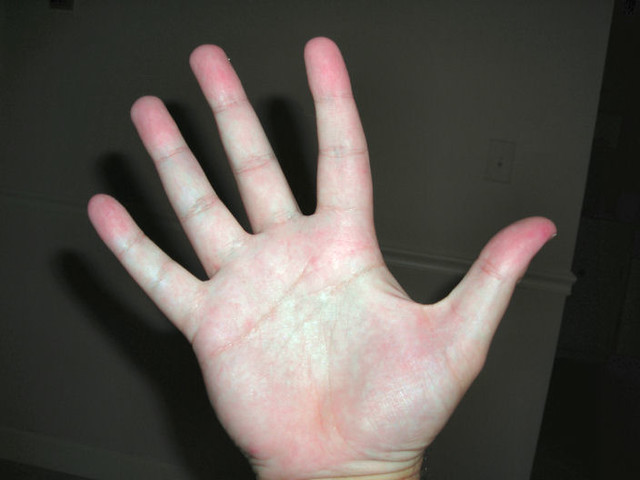
palm

Words marked with a * are reconstructions.

Proto-Celtic *ɸlāmā = palm, hand
Old Irish (Goídelc) lám [l͈aːṽ] = hand, arm, prowess, accomplishment, power
Middle Irish (Gaoidhleag) lám = hand, arm, prowess, accomplishment, power
lámann, lámand, lámínd = glove, gauntlet, sleeve
lámannán, lamannan = bladder
Irish (Gaeilge) lámh [l̪ˠɑːvˠ / l̪ˠæːw] = hand, arm, handle, signature, measure (of horses)
lámhach = skill in handling, in casting, dexterity
lámhadóir = handler
lámhainn = glove
lámhainneoir = glove-maker
lámhainneoireacht = glove-making
lámhaíocht = helping hand, subscription
Scottish Gaelic (Gàidhlig) làmh [l̪ˠaːv] = hand, arm, handle
làmhainn [l̪ˠaːvɪn̪ʲ] = glove, mitten, gauntlet
làmhchaireach = handy
làmhcharach = dexterous, handy
làmhchran, làmhrachan = handle
làmhnan = handyman
làmhadh = pawing, handling, groping
Manx (Gaelg) laue [læu] = hand, handful, foreleg, grasp (of oar), arm
lauee = dexterous, handy, useful, versatile, manual
lauean = glove
laueys = alacrity, elbow grease, skilfulness, industy
Proto-Brythonic *lọβ̃ [ˈlɔːβ̃] = palm, hand
Old Welsh lau = hand
Middle Welsh (Kymraec) lav, law, llav, llaw = hand
llaw agor, llawegor, llaw egor = generous, bountiful
Welsh (Cymraeg) llaw [ɬaːu̯ / ɬau̯] = hand; authority, control, rule, management, power; ownership, possession; influence; agency, instrumentality, part; guardianship, keeping, custody, care, protection; side, direction, position; skill, touch
llawagor, llawegor = generous, bountiful, liberal, open-handed, creeping thistle, water-pepper
llawaid = handful
llawan = little hand
Old Cornish lof = hand
Middle Cornish (Cernewec) lau, lef, lof, luef = hand
lofgurchel = utensil
Cornish (Kernewek) leuv [lœ:v / le:v] = hand
leuvdosa = to massage
leuvdosans = massage
leuvherdhya = to hand-off
leuvvedhegel = surgical
leuvvedhek, leuvvedhoges = surgeon
leuvwelen = baton
Old Breton lom = hand
Middle Breton (Brezonec) lau = hand
Breton (Brezhoneg) lav [lav] = feathered hand

Etymology: from Proto-Indo-European *pl̥h₂meh₂ (palm, hand). The Faroese word lámur (flipper, paw, left hand) comes from the same Proto-Celtic root, via the Old Norse lámr (hand, arm) [source].

Proto-Celtic *bostā = palm, fist
Gaulish *bostyā = palm, fist
Old Irish (Goídelc) bos / bas = palm
Middle Irish (Gaoidhleag) bas, bos, bass = palm of the hand
basach = having hoofs or claws
baslach = handful
Irish (Gaeilge) bos = palm (of hand); handful; slap; flat end, blade
bosach = bladed, flat-footed
bosachán = flat-footed person
bosaíl = patting, flat-footedness
boslach = handful
Scottish Gaelic (Gàidhlig) bas [bas] = palm (of hand), lower end of a shinty stick, eye (of a fishing hook)
bas-bhualadh = clapping of hands, applause
baslachadh= clapping, cupping (in one’s hands)
basgar = applause, skirl (in music)
baslach = handful, palmful, baptism
Manx (Gaelg) bass = palm, flat of hand, blade of oar, scale pan, bass
bassag = backhander, clap, clout, pat, slap, smack
bassey = applause, clap, clapping
basslagh = double handful, enough to cover palm, palmful
Proto-Brythonic *bos [ˈbos] = hand
Old Welsh bos = palm
Middle Welsh (Kymraec) bos = palm
Welsh (Cymraeg) bos = palm (of the hand), unit of length
Middle Breton (Brezonec) boz = hollow of the hand
Breton (Brezhoneg) boz [ˈboːs] = hollow of the hand

Words marked with a * are reconstructions.

Etymology: possibly from the Proto-Indo-European *gʷésdos (branch) [source]. The Middle Latin word bostia (small box, reliquaire was borrowed from the Gaulish *bostyā, and became bostellus (bushel), the root of the French word boisseau (bushel, hollow cylinder), and the English word bushel [source].

Old Irish (Goídelc) rig [r͈ʲiɣ] = forearm
Middle Irish (Gaoidhleag) rig = forearm from wrist to elbow
Irish (Gaeilge) [ɾˠiː] = forearm
Scottish Gaelic (Gàidhlig) ruighe [r̪ˠujə] = plain, flat ground, (at base of a mountain), shieling area, forearm
ruigheadh = laying out a body, shrouding, stretching out
ruigheachas = tussle, armwrestling
ruigheachdail = accessible
Manx (Gaelg) roih = arm, forearm

Etymology: possibly from the Old Irish *reg (to stretch) [source].

Middle Irish (Gaoidhleag) brac, brach = arm, hand
bracann, bracand = sleeve
braccaille = glove
Irish (Gaeilge) brac = arm (literary), bracket
bracach = brachial
bracaíl = brachiation
Scottish Gaelic (Gàidhlig) brac [braxg] = arm, curve (of a breaking wave), branch (of antlers), deer (poetic)
Middle Welsh (Kymraec) ureich, ureych, braich = arm
Welsh (Cymraeg) braich [brai̯χ] = arm, care, assistance, support, power, might, strength, forelimb of animal, wing, headland, creek
braich olwyn = spoke (of wheel)
braich o’r môr, braich o fôr = arm of the sea, inlet
braich ym mraich = arm-in-arm
Old Cornish bregh = arm
Middle Cornish (Cernewec) brech, brêch, breh = arm
brechol = sleeve
Cornish (Kernewek) bregh [brɛ:x /bre:ʰ] = arm
breghel = sleeve
breghellik = bracelet
Middle Breton (Brezonec) brech, breach, bræch = hand, paw
Breton (Brezhoneg) brec’h = hand
brec’had = handful
brec’hata = to grasp round the waist, embrace

Etymology: from Latin bracchium (hand). Words from the same Latin root include brachium (upper arm) in English, bras (arm) in French, brazo (arm, branch, (tree) limb) in Spanish, and braccio (arm) in Italian [source].

Proto-Celtic *durnos = fist
Old Irish (Goídelc) dorn = fist
Middle Irish (Gaoidhleag) dorn, dornn, dord = hand, fist, possession, handle
dornach = generous-handed
dornán = fistful, handful, sheaf
dornasc = bracelet
dornóc = glove, mitten
Irish (Gaeilge) dorn [d̪ˠoːɾˠn̪ˠ] = fist; punch; fistful, small quantity; handle, grip
dornáil = boxing
dornálaí = boxer
dornán = fistful, handful, small quantity or number, small handle, grip
dornóg = mitten
dornúil = pugilistic
Scottish Gaelic (Gàidhlig) dòrn [dɔːr̪ˠn̪ˠ] = fist; punch, hilt, handle
dòrnach = fistful, boxer, pugilist
dòrnadaireachd = boxing, pugilism
dòrnan = small fist, handful, grip,
dòrnag = fist-sized pebble/stone, oar handle, gauntlet
dòrnair = boxer, pugilist
dòrnlach = handful, batch
Manx (Gaelg) doarn = fist, pad, sword handle, grip
doarnane = haft, hilt, spoke, handle, hand grip, fistful
doarney = box, boxing, buffet
doarneyr = boxer
doarneyrys = boxing (match), fighting
Middle Welsh (Kymraec) durn, dwrn,, dyrn = fist, hand, paw, hilt, handle
Welsh (Cymraeg) dwrn = fist, hand, paw, hilt, handle, haft, pommel, knob
dwrn caead = clenched fist
Middle Cornish (Cernewec) dorn = fist, hand, handle, hilt
Cornish (Kernewek) dorn [dɔrn] = fist, hand, handle
dorna = to bash, beat, punch, strike, thrash
dornas = fistful, handful
dornbel = handball
dornel = manual
dornlyver, dornlever = handbook
dornskrif = manuscript
dornweyth = handicraft
Middle Breton (Brezonec) dornn, dorn, dourn = hand
dornat, dournat, dournad = handle, handful
dornaff, dournaff = to beat, hit
dornec = large-handed
Breton (Brezhoneg) dorn [ˈdɔʁn] = hand, fist
dornad = handle, handful
dornañ = to beat, hit
dornek = large-handed

Etymology: probably loaned from a non-Indo-European substrate language [source].

Unlimited Web Hosting - Kualo

Sources: Wiktionary, Am Faclair Beag, Online Manx Dictionary, Teanglann.ie, eDIL – Electronic Dictionary of the Irish Language, In Dúil Bélrai English – Old Irish glossary, Geiriadur Prifysgol Cymru, Gerlyver Kernewek, Gerlyvyr Cernewec, Lexicon Cornu-britannicum: A Dictionary of the Ancient Celtic Language of Cornwall, Dictionaire Favereau, TermOfis, Le dictionnaire diachronique du breton, Geriafurch, English – ProtoCeltic WordList (PDF), Etymological Dictionary Of Proto Celtic

Happy & fortunate

Words for happy, forunate and related things in Celtic languages.

have a happy weekend!

Words marked with a * are reconstructions.

Proto-Celtic *sognāwos = well-grown
Old Irish (Goídelc) sona [ˈsona] = happy, fortunate
sonaide = prosperous, fortunate, happy, lucky
Middle Irish (Gaoidhealg) sona = prosperous, fortunate, lucky
sonaide = prosperous, fortunate, happy, lucky
sonaige = happiness
sonann = properous land
Irish (Gaeilge) sona [ˈsˠʊn̪ˠə] = happy, lucky, fortunate
sonaídeach = easy, untroubled
sonas = happiness, good luck, good fortune
sonasach = happy, lucky, fortunate
Scottish Gaelic (Gàidhlig) sona [sɔnə] = content, happy
sonas [sɔnəs] = happiness, contentment
Manx (Gaelg) sonney = affluent, lucky, fortunate, happy

Etymology: from Proto-European *ǵneh₃- (to recognise, know) [source]. Words from the same root include gnomon (a pointer on a sundail), ignore, noble, normal, glory in English, the Irish word gnúis (face) in Irish, gnùis (face) in Scottish Gaelic, and gnis (jaw, chin, face) in Welsh [source].

Proto-Celtic *lowenos = merry, joyful
Gaulish *Lawenos = name
Proto-Brythonic *llowen = happy
Middle Welsh (Kymraec) llauen, llewyn, llawen = merry, jovial, glad, cheerful, happy
llawena, llawenu = to make happy, gladden, cheer, delight
llawenhau, llywenhav, lawenhäu = to rejoice, be/make joyful
Welsh (Cymraeg) llawen [ˈɬau̯ɛn / ˈɬau̯an] = merry, jovial, glad, cheerful, happy, blithe, joyful, joyous, jubilant; bringing happiness, pleasant, delightful
llawenaf, llawenau = to make happy, gladden, cheer, delight
llawenaidd = glad, cheerful, happy, pleasant, delightful
llawender = gladness, happiness, joy
llawenhaf, llawenhau = to rejoice, be joyful, be/make glad, be joyous, exult, be cheerful, gladden, cheer (up), hearten
llawenol = glad, cheerful, happy, jubilant
Old Cornish louen = happy
Middle Cornish (Cernewec) lowen = glad, joyful, merry
loweneder = joy, mirth
lowene, lowené = joy, bliss, gladness, mirth
lowenec, lowenek = glad, joyful, merry
lowenhe, lowenhé = to cause, rejoice, make/be glad, gladden, comfort
Cornish (Kernewek) lowen [‘lɔwɛn / ‘lu:ɐn] = glad, happy
lowenek [lɔ’wɛnɛk / lə’wɛnɐk] = cheerful, gay, happy, joyful, merry
lowena = bliss, cheer, happiness, joy
lowender = mirth
lowenek = cheerful, happy, joyful, merry
lowenhe = to rejoice, delight, make happy
Middle Breton (Brezonec) louen, laouen = happy, cheerful, cordial, warm
louenhat, louenhaff = to become more cheerful, rejoice
Breton (Brezhoneg) laouen [ˈlɔwːɛn] = happy; willingly, gladly
laouenaat = to rejoice, satisfy
laouenek = friendly, convival

Etymology: from the Proto-Indo-European *leh₂w- (to seize, gain, benefit, prize) [source]. Words from the same roots include golud (wealth, riches) in Welsh, luach (value, price, reward) in Irish, lucre and galore in English, and lön (reward, salary, wage) in Swedish [source].

The Welsh word hapus [ˈhapɨ̞s/ˈhapɪs] (happy, cheerful, blessed, satisfactory, fortunate, successful, prosperous) comes from English hap (chance, fortune, luck, fortuitous event), from Middle English hap(pe) (chance, luck, fortune), from Old English ġehæp (fit, convenient) and/or Old Norse happ (chance, good luck) [source].

Sources: Wiktionary, Am Faclair Beag, Online Manx Dictionary, Teanglann.ie, eDIL – Electronic Dictionary of the Irish Language, In Dúil Bélrai English – Old Irish glossary, Geiriadur Prifysgol Cymru, Gerlyver Kernewek, Lexicon Cornu-britannicum: A Dictionary of the Ancient Celtic Language of Cornwall, Dictionaire Favereau, TermOfis, Le dictionnaire diachronique du breton, Etymological Dictionary Of Proto Celtic