To Be

The verb to be in Celtic languages.

Proto-Celtic *butā = to be
Old Irish (Goídelc) both = to be
Irish (Gaeilge) = to be, to exist
Scottish Gaelic (Gàidhlig) [bi] = to be, to exist
Manx (Gaelg) ve = to be
Welsh (Cymraeg) bod [boːd] = to be
Cornish (Kernewek) boz [bɔ:z] = to be, to become, to exist
Breton (Brezhoneg) bezañ = to be

Note: this verb is irregular in all the Celtic languages, and some of the different conjugations come from different roots.

Etymology: from Proto-Indo-European *bʰuh₂- (to become, grow, appear) [source].

Words marked with a * are reconstructions.

Sources: Wiktionary, Am Faclair Beag, Online Manx Dictionary, Teanglann.ie, Geiriadur Prifysgol Cymru, Gerlyver Kernewek, Dictionnaire Favereau

Elbows

Words for elbow in Celtic languages.

Eoin Dillon & Frank Tate

Proto-Celtic *olīnā = elbow, angle, corner
Old Irish (Goídelc) uilen = elbow, forearm; angle, corner
uilnech = angled, cornered, squared-off
Middle Irish (Gaoidhealg) uilen, uille, uile, uilenn, uillenn = elbow, forearm; angle, corner
uillennach = having angles, angular
uilnech, uillech = having elbows, angles, corners
Irish (Gaeilge) uillinn = elbow, angle
uillinntomhas = protractor
uilleannach = having prominent elbows, elbowing, nudging
uilleach = angular
uilleachas = angularity
Scottish Gaelic (Gàidhlig) uileann [ulən̪ˠ] = elbow, angle
ceart-uileann = right angle
uileann tilgidh = trajectory
Manx (Gaelg) uillin = elbow, elbow joint, crook, angle, corner, nudge
uilliney = elbow
uillinaghey = to elbow, jostle
Old Welsh elin = elbow, forearm
Middle Welsh (Kymraec) elin, elyn = elbow, forearm
elin(i)oc = elbow-shaped, angular
penn y elined, penn (yr) elin = elbow, bend
Welsh (Cymraeg) elin [ˈɛlɪn / ˈeːlɪn] = elbow, forearm; angle, bend
elinaf, elino = to elbow, jostle, project, jut out
elin(i)og = elbow-shaped, angular, having arms (of chair)
penelin, pen elin = elbow, bend, projection, corner
Middle Cornish (CerneweC) elin, elyn = angle, elbow
Cornish (Kernewek) elin [‘ɛlɪn] = elbow, angle
elin pedrek = right angle
Middle Breton (Brezonec) elin, ilin = elbow, bend
elinar, elinat, ilinad = bent, angled
Breton (Brezhoneg) ilin [ˈiːlin] = elbow, bend
ilinad = bent, angled
ilinañ = to lean
ilinata = to elbow, jostle
ilinañ = to lean
iliner = armrest
ilinwisk = elbow pad/brace/support

Etymology: from Proto-Indo-European *Heh₃l- (to bend). Cognate with the Latin ulna (elbow, arm), and the English elbow and ulna (one of the bones in the forearm, a.k.a. elbow bone) [source].

Words marked with a * are reconstructions.

Sources: Wiktionary, Am Faclair Beag, Online Manx Dictionary, Teanglann.ie, eDIL – Electronic Dictionary of the Irish Language, In Dúil Bélrai English – Old Irish glossary, Geiriadur Prifysgol Cymru, Gerlyver Kernewek, Dictionaire Favereau, TermOfis, English – ProtoCeltic WordList (PDF), Etymological Dictionary Of Proto Celtic

Blubrry podcast hosting

Shoulders

Words for shoulder and related things in Celtic languages.

Shouldered

Words marked with a * are reconstructions.

Old Irish (Goídelc) gúala = shoulder
Middle Irish gúala, gualann, gūaluinn = shoulder
gúaillech = shouldered, branched, branching
gúaillid = companion, comrade
gúalaire = load, burden
Irish (Gaeilge) gualainn [ˈɡuˑəl̪ˠənʲ] = shoulder
guailleadóireacht = (act of) shouldering, swaggering
guailleáil = to shoulder, to jostle with shoulder, to lurch with shoulders, to saunter, to swagger
guailleálaí = shoulderer, lurcher, saunterer, swaggerer
guailleán = shoulder-strap, braces
guailleog = epaulet(te)
guaillí = companion
guaillíocht = companionship
Scottish Gaelic (Gàidhlig) guaille [guəl̪ˠə] = shoulder
guailleach [guəl̪ˠəx] = pertaining to shoulders
guailleachan / guailleag [guəl̪ʲəxan / guəl̪ʲag] = shoulder-mantle, shawl
gualann [guəl̪ˠən̪ˠ] = shoulder, corner of a house, tack (nautical), brow (geography), shoulder (of mutton), shaft (of a cart), curve of a (ship’s) bow
Manx (Gaelg) geaylin = shoulder, corner (of house)
geayliney = shoulder
geaylinagh = shouldered
geaylaig = epaulette

Etymology: from Proto-Indo-European *gew- (to bend, curve, arch, vault) [source]. Words from the same roots include cuttlefish, gown, kidney, chitterling and gyration in English, Kuhle (hollow, depression) in German, kiel (keel) in Dutch, gonna (skirt) in Italian, and keula (bow, prow) in Finnish [source].

Proto-Celtic *skēdos = wing, shoulder
Old Irish (Goídelc) scíath = wing
Middle Irish scíath = wing
scíathán, sgíthéan, sgiathán = wing
scíathánach = winged
Irish (Gaeilge) sciathán [sˠciəˈhɑ̃ːn̪ˠ] = wing, side, extension, part, piece, arm
sciathánach = winged, long-armed
An tOileán Sciathánach = Isle of Skye
Scottish Gaelic (Gàidhlig) sgiath [sgʲiə] =wing, fin
sgiathan [sgʲiahan] = small wing
sgiathach [sgʲiəhəx] = pertaining to shoulders
sgiathadaich [sgʲiəhədɪç] = fluttering
sgiathadh [sgʲiəhəɣ] = (act of) flying
sgiathag [sgʲiəhag] = little wing
sgiathaire [sgʲiə.ɪrʲə] = winger (in sports)
An t-Eilean Sgitheanach = Isle of Skye
Manx (Gaelg) skian [skʲiən] = wing, pinion, mudguard, baffle
skianagh = winged, finned, pinioned, winged creature
Ellan Skianagh = Isle of Skye
Proto-Brythonic *skuïð = shoulder
Old Welsh (Kembraec) iscuid = shoulder
Middle Welsh (Kymraec) ysgwyt, ysgwyd, ysgỽyd = shoulder
ysgwydawc, yscwyddoc, ysgwyddoc = shoulder(-blade), (upper part of) arm, shoulder (meat), having shoulders
Welsh (Cymraeg) ysgwydd [ˈəsɡwɨ̞ð / ˈəsɡʊi̯ð] = shoulder
ysgwyddo = to shoulder, push with the shoulder(s), hustle, jostle, support, shrug
ysgwyddiad = standing out, jutting out, projection, protusion, cornice
ysgwyddog = shoulder(-blade), (upper part of) arm, shoulder (meat), having shoulders
ysgwyddol = scapular, like a shoulder in shape
Old Cornish scuid =shoulder
Middle Cornish (Cernewec / Kernuak) scuid, scudh, scoudh, scôdh, scûdh = shoulder
scuidlien = a hood
Cornish (Kernewek) skoodh [sko:ð / sku:ð] = shoulder
skoodhya = to assist, back, help, second, support
skoodhyans = assistance, help, support
skoodhyer = assistant, exponent, fan, supporter
Middle Breton (Brezonec) scoaz = shoulder
Breton (Brezhoneg) skoaz [ˈskwɑː(s)] = shoulder, help
skoazek = (person) with broad shoulders, killer whale
skoazell [ˈskwɑː.(z)ɛl] = help, assistance
skoazellañ [skwa.ˈ(z)ɛ.lːã] = to help, to rescue, to subsidize
skoazeller = assistant, helper, auxiliary
skoaziañ [ˈskwa(z)jã] = to support, to help, to assist

Etymology: unkown, possibly from Proto-Indo-European *skeyd- (to split, divide) [source].

The Fastest Way to Learn Japanese Guaranteed with JapanesePod101.com

Sources: Wiktionary, Etymological Dictionary Of Proto Celtic, In Dúil Bélrai English – Old Irish glossary, eDIL – Electronic Dictionary of the Irish Language, Teanglann.ie, Am Faclair Beag, An etymological dictionary of the Gaelic language, Fockleyreen: Manx – English Dictionary, Online Manx Dictionary, Gaelg Corpus, Geiriadur Prifysgol Cymru, Lexicon cornu-britannicum : a dictionary of the ancient Celtic language of Cornwall, Gerlyver Kernewek, Devri : Le dictionaire diachronique du breton, Geriafurch, TermOfis


Eyes & Sun

Today we’re looking at the words for sun, eye and related things in Celtic languages.

A view from Jack Scout

Proto-Celtic *sūle = suns, dual of *sūlos, genitive of *sāwol = sun
Primitive Irish *sūli = eye
Old Irish (Goídelc) súil [suːlʲ] = eye, hope, expectation
Irish (Gaeilge) súil [sˠuːlʲ / sˠuːl] = eye; expectation, hope; something resembling or suggesting an eye
Scottish Gaelic (Gàidhlig) sùil [suːl] = eye; glance, look; expectation; fancy, notion; opening; (rope) eye
Manx (Gaelg) sooill [suːlʲ] = eye, eyepiece, ocellus, sheath of bud, hole of strap
Welsh (Cymraeg) haul [haɨ̯l / hai̯l] = sun, sunlight
heulo = to shine, be sunny, expose to the sun, air (clothes), display
heulog = sunny, solar, cheerful, smiling
torheulo, bolaheulo = to sunbathe
Middle Cornish houl = sun
Cornish (Kernewek) howl [hɔʊl] = sun
howldrevel = sunrise, east
howllen = parasol
howlleski = to tan
howlleskys = sunburnt, tan
howllosk = sunburn
howlsedhes = sunset, west
Breton (Brezhoneg) heol = sun, sunny place, censer

Etymology: from Proto-Indo-European *sóh₂wl̥. (sun) [source].

Proto-Celtic *sawenos = sun
Middle Welsh (Kymraec) haun, hvun = sun, sunlight, sunshine
Welsh (Cymraeg) haun [ˈhɨ.an / ˈhiː.an] = sun, sunlight, sunshine, bright, radiant, sunny
Breton (Brezhoneg) huon = sun

Etymology: from the Proto-Indo-European *sh̥₂uén, from *sóh₂wl̥ (sun) [source].

Proto-Celtic *lukato- = eye
Proto-Brythonic *lugad = eye
Welsh (Cymraeg) llygad [ˈɬəɡad] = eye; iris of the eye; region around the eye; look, gaze; sight, vision; viewpoint
Cornish (Kernewek) lagas [‘lagas / lægɐz] = eye
Breton (Brezhoneg) lagad [ˈla.ɡat] = eye, look, light, eyelet, sleeve, mesh

Etymology: from Proto-Indo-European *lewk- (to shine) [source].

Words marked with a * are reconstructions.

Proto-Celtic *grēnā / *gʷrensnā = sun
Old Irish (Goídelc) grian [ɡʲrʲiːa̯n] = sun
Irish (Gaeilge) grian [ˈgɾʲiənˠ] = sun; paragon
grianach = sunny, cheerful, pleasant
grianadh = sunning, basking
grianán = sunny upper room , solar; person of sunny disposition, loved one, darling
grianbhuí = mellow, golden, sunlight
grianchlog = sundial
grianchóras = solar system
Scottish Gaelic (Gàidhlig) grian [grʲian] = sun
grainach [grʲianəx] = sunny
grainan = sunny spot; place for drying (esp. peat); sundog, mock sun (parhelion)
grian-stad = solstice
Manx (Gaelg) grian [ɡriːn / ɡriᵈn] = sun, sunlight, sunshine
grian-vroit = sunbaked

Etymology: possibly from Proto-Indo-European *gʷʰer- (to be warm, hot) [source].

Words marked with a * are reconstructions.

Sources: Wiktionary, Am Faclair Beag, Online Manx Dictionary, Teanglann.ie, eDIL – Electronic Dictionary of the Irish Language, In Dúil Bélrai English – Old Irish glossary, Geiriadur Prifysgol Cymru, Gerlyver Kernewek, Gerlyvyr Cernewec, Dictionaire Favereau, TermOfis, Le dictionnaire diachronique du breton, Geriafurch, English – ProtoCeltic WordList (PDF), Etymological Dictionary Of Proto Celtic

italki - Win cash rewards for learning any language

Cheeks

Words for cheek in Celtic languages.

Scottish Gaelic (Gàidhlig) bòc [bɔːxg] = bloat, inflate, puff; rise, surge, swell
Welsh (Cymraeg) boch [boːχ] = cheek, jaw, mouth
Cornish (Kernewek) bogh [bɔ:x / boːʰ] = cheek
Breton (Brezhoneg) boc’h [pɛ̃n] = cheek

Etymology: from Latin bucca (cheek, mouth) [source].

Words marked with a * are reconstructions.

Irish (Gaeilge) leiceann = cheek, side-face
Scottish Gaelic (Gàidhlig) lethcheann [l̪ʲeçən̪ˠ] = side of the head, temple, cheek
Manx (Gaelg) lieckan = cheek, side-face, profile, banging post

Sources: Am Faclair Beag, Online Manx Dictionary, Teanglann.ie, Geiriadur Prifysgol Cymru, Gerlyver Kernewek, Dictionnaire Favereau

Noses & Nostrils

Words for nose and nostril in Celtic languages.

Proto-Celtic *srognā = nose
Gaulish *srognā = nose, nostril
Old Irish (Goídelc) srón [sroːn] = nose, nostril
Irish (Gaeilge) srón [sˠɾˠoːnˠ] = nose; sense of smell; prow, projection
Scottish Gaelic (Gàidhlig) sròn [sdrɔːn] = nose, snout, trunk; promontory; snout (of a glacier); toe (of a shoe)
Manx (Gaelg) stroin [strɛin] = nose, promontory, headland, ness, naze, nose-piece
Proto-Brythonic *froɨn = nose
Middle Welsh (Kymraec) ffroen = nostril
Welsh (Cymraeg) ffroen = nostril; muzzle of a gun, mouth of a cannon, nozzle of a pair of bellows; hole, entrance, opening (of a pipe), cock, spout
Cornish (Kernewek) frig [fri:g] = nostril
Old Breton fron = nostril
Middle Breton froan / fron = nostril
Breton (Brezhoneg) froen = nostril
fri = nose

Etymology: from Proto-Indo-European *sregʰ- (snore), from *welH- (to turn, to wind) [source].

Sources: Wiktionary, Am Faclair Beag, Online Manx Dictionary, Teanglann.ie, Geiriadur Prifysgol Cymru, Gerlyver Kernewek, Dictionnaire Favereau

Gaulish *trugnā = nose
Welsh (Cymraeg) trwyn [truːɨ̯n / trʊi̯n] = nose, snout; sense of smell
Old Cornish trein = nose
Cornish (Kernewek) tron [tro:n] = nose, point (of land), snout, tunnel
Breton (Brezhoneg) stroen = dirt, snot

Sources: Wiktionary, Geiriadur Prifysgol Cymru, Gerlyver Kernewek

Words marked with a * are reconstructions.

Hair

Words for hair in Celtic languages.

Proto-Celtic *woltos = hair
Old Irish (Goídelc) folt [fol͈t] = hair
Irish (Gaeilge) folt = hair, locks, tresses
Scottish Gaelic (Gàidhlig) falt [fal̪ˠd] = hair, locks, ringlets, tail
Manx (Gaelg) folt [folt̪] = hair
Proto-Brythonic *gwolt = hair
Welsh (Cymraeg) gwallt [ɡwaːɬt / ɡwaɬt] = hair
Old Cornish gols = hair
Cornish (Kernewek) gols [gɔlz] = hair
Old Breton guolt = hair

Etymology: from Proto-Indo-European *woltos (hair), from *welH- (to turn, to wind) [source].

Sources: Wiktionary, Am Faclair Beag, Online Manx Dictionary, Teanglann.ie, Geiriadur Prifysgol Cymru, Gerlyver Kernewek, Dictionnaire Favereau

Old Irish (Goídelc) grúac = hair
Irish (Gaeilge) gruaig [ɡɾˠuəɟ] = hair (mass), locks (of hair)
Scottish Gaelic (Gàidhlig) gruag [gruəg] = hair (esp. of female), wig, head of hair, lock of hair
Manx (Gaelg) gruag = hair

Sources: Wiktionary, Am Faclair Beag, Online Manx Dictionary, Teanglann.ie

Welsh (Cymraeg) blew = hair, hairs, bristles, fur; small fish bones; blade of grass
Old Cornish bleu = hair
Cornish (Kernewek) blew [blɛˑʊ] = hair
Old Breton bleuou = hair
Breton (Brezhoneg) blev = hair, bristles, fish bones

The words most commonly used for hair are: gruaig (Irish), falt (Scottish Gaelic), folt (Manx), gwallt (Welsh), gols (Cornish), blev (Breton).

Words marked with a * are reconstructions.

Sources: Wiktionary, Geiriadur Prifysgol Cymru, Gerlyver Kernewek, Dictionnaire Favereau

Backs & Ridges

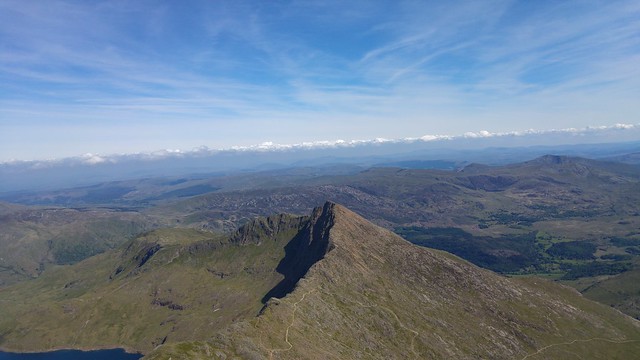
Words for back, ridge and related things in Celtic languages.

View from Snowdon

Words marked with a * are reconstructions.

Proto-Celtic *drosman =
Old Irish (Goídelc) druimm [ˈd̪ɾumʲ] = back, ridge
druimm tar ais = backwards, upside down
druimm tar druimm = topsy-turvy, upside down
Middle Irish (Gaoidhealg) druim(m) = back, surface, ridge, hill
druimne = back, elevation, ridge, hill
drumman = humped, back, hillock
Irish (Gaeilge) droim [d̪ˠɾˠiːmʲ / d̪ˠɾˠɪmʲ] = back, ridge, carapace, wave
droimeann = white-backed, white-backed cow
droimfhada = long-backed, long-ridged
droimín = low ridge, slight elevation, saddle, arch (in back)
droimíneach = tiny humpbacked person
droiminne = white colour, white streak, on back
droimne = ridge
droimeach = black-backed gull, ridged, undulating, arched, convex
Scottish Gaelic (Gàidhlig) druim [drɯim] = back, ridge, keel, backline, camber
druimeag [drɯmag] = small ridge, small load, lump, hump
druimean [drɯman] = (mountain) saddle
druimneach [drɯimnəx] = dorsal, pertaining to backs, ridged
Manx (Gaelg) dreeym = back, ridge, hillside, down, terrace, shed, camber, saddle, fret, arch, edge
dreeymagh = ridged
drommey = dorsal, spinal

Etymology: possibly from Proto-Indo-European (end, boundry), which is also the root of the English word tram, or related to Latin dorsum (back, ridge) [source].

Proto-Celtic *kebno- = back
Gaulish Cebenna [keˈben.na] = ridge, height, and name of the mountins now known as the Cévennes
Old Welsh (Kembraec) ceng, cemn, kewin = back, ridge
Middle Welsh (Kymraec) keuen, kefneu, kefyn, cefn, cefen [ˈke.ven] = back, ridge
kein, cain, ceing = back, ridge
cefnai, kefnu, kefnv, cevnu = to turn one’s back upon
Welsh (Cymraeg) cefn [kɛvn / ˈkeːvɛn] = back, support, ridge, middle, center
cefnaf, cefnu = to turn one’s back upon, to forsake, to withdraw, to give way, to finish, to accomplish, to settle, to overcome, to back, to support
cefnog = valiant, stout, brave, strong, wealthy, backed, ridged
cefnogaeth = support, encouragement, backing
cefnogi = to encourage, support, back, strengthen
Middle Cornish (Cernewec / Kernuak) cein, chein, keyn = back, ridge
Cornish (Kernewek) keyn [kɛɪn / kəɪn] = back, keel, ridge
keynek = convex
keyner = full back
Middle Breton (Brezonec) queyn, quein = back
Breton (Brezhoneg) kein [ˈkɛjn] = back, keel, binding, convexity
keinañ = to lean back, to support, to connect, to put a keel on
keineg = having a good back, important, mackerel
keinek = having a back
keinel = dorsal
keinet = backed

Etymology: possibly related to Proto-Celtic *kambos (crooked, bent) [source].

Old Irish (Goídelc) escir = ridge, elevation
Middle Irish (Gaoidhealg) e(i)scir = ridge, elevation
Irish (Gaeilge) eiscir [ˈeʃcəɾʲ] = glacial ridge, esker (a long, narrow, sinuous ridge created by deposits from a stream running beneath a glacier)
Scottish Gaelic (Gàidhlig) aisgeir = rocky mountain, ridge of high mountains
Manx (Gaelg) sker = ridge, crag, rockface, skerry, sea rock
Old Welsh (Kembraec) escier = limb
Middle Welsh (Kymraec) eskeir, esgeir, ysgeir, esgair = leg, shank, ridge, mountain spur
Welsh (Cymraeg) esgair, ysgair = leg, shank, limb, ridge, mountain spur
Old Cornish (el)escher = the shank, shin bone
Middle Cornish (Cernewec / Kernuak) elesc(h)er = the shank, shin bone
Cornish (Kernewek) esker = esker (long hill of outwash formed at glacier snout)
el esker = shin
Breton (Brezhoneg) esker = (carpenter’s) leg, knee

Etymology: unknown [source].

Sources: Wiktionary, Etymological Dictionary Of Proto Celtic, In Dúil Bélrai English – Old Irish glossary, eDIL – Electronic Dictionary of the Irish Language, Teanglann.ie, Am Faclair Beag, An etymological dictionary of the Gaelic language, Fockleyreen: Manx – English Dictionary, Online Manx Dictionary, Gaelg Corpus, Geiriadur Prifysgol Cymru, Lexicon cornu-britannicum : a dictionary of the ancient Celtic language of Cornwall, Gerlyver Kernewek, Devri : Le dictionaire diachronique du breton, Geriafurch, TermOfis


Fists, Palms, Hands & Arms

Words for fist, palm, hand, arm and related things in Celtic languages.
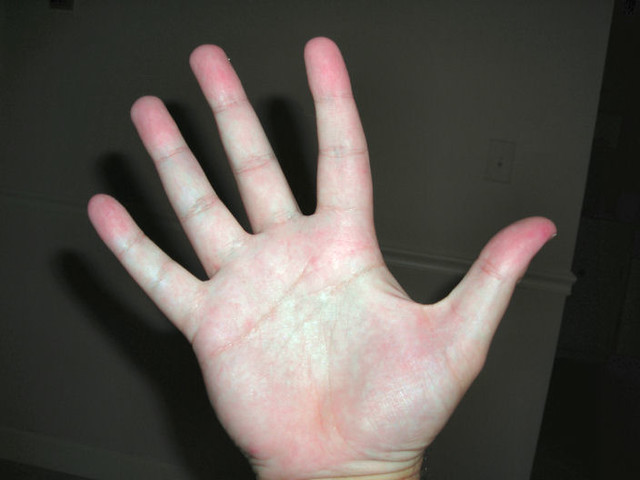
palm

Words marked with a * are reconstructions.

Proto-Celtic *ɸlāmā = palm, hand
Old Irish (Goídelc) lám [l͈aːṽ] = hand, arm, prowess, accomplishment, power
Middle Irish (Gaoidhleag) lám = hand, arm, prowess, accomplishment, power
lámann, lámand, lámínd = glove, gauntlet, sleeve
lámannán, lamannan = bladder
Irish (Gaeilge) lámh [l̪ˠɑːvˠ / l̪ˠæːw] = hand, arm, handle, signature, measure (of horses)
lámhach = skill in handling, in casting, dexterity
lámhadóir = handler
lámhainn = glove
lámhainneoir = glove-maker
lámhainneoireacht = glove-making
lámhaíocht = helping hand, subscription
Scottish Gaelic (Gàidhlig) làmh [l̪ˠaːv] = hand, arm, handle
làmhainn [l̪ˠaːvɪn̪ʲ] = glove, mitten, gauntlet
làmhchaireach = handy
làmhcharach = dexterous, handy
làmhchran, làmhrachan = handle
làmhnan = handyman
làmhadh = pawing, handling, groping
Manx (Gaelg) laue [læu] = hand, handful, foreleg, grasp (of oar), arm
lauee = dexterous, handy, useful, versatile, manual
lauean = glove
laueys = alacrity, elbow grease, skilfulness, industy
Proto-Brythonic *lọβ̃ [ˈlɔːβ̃] = palm, hand
Old Welsh lau = hand
Middle Welsh (Kymraec) lav, law, llav, llaw = hand
llaw agor, llawegor, llaw egor = generous, bountiful
Welsh (Cymraeg) llaw [ɬaːu̯ / ɬau̯] = hand; authority, control, rule, management, power; ownership, possession; influence; agency, instrumentality, part; guardianship, keeping, custody, care, protection; side, direction, position; skill, touch
llawagor, llawegor = generous, bountiful, liberal, open-handed, creeping thistle, water-pepper
llawaid = handful
llawan = little hand
Old Cornish lof = hand
Middle Cornish (Cernewec) lau, lef, lof, luef = hand
lofgurchel = utensil
Cornish (Kernewek) leuv [lœ:v / le:v] = hand
leuvdosa = to massage
leuvdosans = massage
leuvherdhya = to hand-off
leuvvedhegel = surgical
leuvvedhek, leuvvedhoges = surgeon
leuvwelen = baton
Old Breton lom = hand
Middle Breton (Brezonec) lau = hand
Breton (Brezhoneg) lav [lav] = feathered hand

Etymology: from Proto-Indo-European *pl̥h₂meh₂ (palm, hand). The Faroese word lámur (flipper, paw, left hand) comes from the same Proto-Celtic root, via the Old Norse lámr (hand, arm) [source].

Proto-Celtic *bostā = palm, fist
Gaulish *bostyā = palm, fist
Old Irish (Goídelc) bos / bas = palm
Middle Irish (Gaoidhleag) bas, bos, bass = palm of the hand
basach = having hoofs or claws
baslach = handful
Irish (Gaeilge) bos = palm (of hand); handful; slap; flat end, blade
bosach = bladed, flat-footed
bosachán = flat-footed person
bosaíl = patting, flat-footedness
boslach = handful
Scottish Gaelic (Gàidhlig) bas [bas] = palm (of hand), lower end of a shinty stick, eye (of a fishing hook)
bas-bhualadh = clapping of hands, applause
baslachadh= clapping, cupping (in one’s hands)
basgar = applause, skirl (in music)
baslach = handful, palmful, baptism
Manx (Gaelg) bass = palm, flat of hand, blade of oar, scale pan, bass
bassag = backhander, clap, clout, pat, slap, smack
bassey = applause, clap, clapping
basslagh = double handful, enough to cover palm, palmful
Proto-Brythonic *bos [ˈbos] = hand
Old Welsh bos = palm
Middle Welsh (Kymraec) bos = palm
Welsh (Cymraeg) bos = palm (of the hand), unit of length
Middle Breton (Brezonec) boz = hollow of the hand
Breton (Brezhoneg) boz [ˈboːs] = hollow of the hand

Words marked with a * are reconstructions.

Etymology: possibly from the Proto-Indo-European *gʷésdos (branch) [source]. The Middle Latin word bostia (small box, reliquaire was borrowed from the Gaulish *bostyā, and became bostellus (bushel), the root of the French word boisseau (bushel, hollow cylinder), and the English word bushel [source].

Old Irish (Goídelc) rig [r͈ʲiɣ] = forearm
Middle Irish (Gaoidhleag) rig = forearm from wrist to elbow
Irish (Gaeilge) [ɾˠiː] = forearm
Scottish Gaelic (Gàidhlig) ruighe [r̪ˠujə] = plain, flat ground, (at base of a mountain), shieling area, forearm
ruigheadh = laying out a body, shrouding, stretching out
ruigheachas = tussle, armwrestling
ruigheachdail = accessible
Manx (Gaelg) roih = arm, forearm

Etymology: possibly from the Old Irish *reg (to stretch) [source].

Middle Irish (Gaoidhleag) brac, brach = arm, hand
bracann, bracand = sleeve
braccaille = glove
Irish (Gaeilge) brac = arm (literary), bracket
bracach = brachial
bracaíl = brachiation
Scottish Gaelic (Gàidhlig) brac [braxg] = arm, curve (of a breaking wave), branch (of antlers), deer (poetic)
Middle Welsh (Kymraec) ureich, ureych, braich = arm
Welsh (Cymraeg) braich [brai̯χ] = arm, care, assistance, support, power, might, strength, forelimb of animal, wing, headland, creek
braich olwyn = spoke (of wheel)
braich o’r môr, braich o fôr = arm of the sea, inlet
braich ym mraich = arm-in-arm
Old Cornish bregh = arm
Middle Cornish (Cernewec) brech, brêch, breh = arm
brechol = sleeve
Cornish (Kernewek) bregh [brɛ:x /bre:ʰ] = arm
breghel = sleeve
breghellik = bracelet
Middle Breton (Brezonec) brech, breach, bræch = hand, paw
Breton (Brezhoneg) brec’h = hand
brec’had = handful
brec’hata = to grasp round the waist, embrace

Etymology: from Latin bracchium (hand). Words from the same Latin root include brachium (upper arm) in English, bras (arm) in French, brazo (arm, branch, (tree) limb) in Spanish, and braccio (arm) in Italian [source].

Proto-Celtic *durnos = fist
Old Irish (Goídelc) dorn = fist
Middle Irish (Gaoidhleag) dorn, dornn, dord = hand, fist, possession, handle
dornach = generous-handed
dornán = fistful, handful, sheaf
dornasc = bracelet
dornóc = glove, mitten
Irish (Gaeilge) dorn [d̪ˠoːɾˠn̪ˠ] = fist; punch; fistful, small quantity; handle, grip
dornáil = boxing
dornálaí = boxer
dornán = fistful, handful, small quantity or number, small handle, grip
dornóg = mitten
dornúil = pugilistic
Scottish Gaelic (Gàidhlig) dòrn [dɔːr̪ˠn̪ˠ] = fist; punch, hilt, handle
dòrnach = fistful, boxer, pugilist
dòrnadaireachd = boxing, pugilism
dòrnan = small fist, handful, grip,
dòrnag = fist-sized pebble/stone, oar handle, gauntlet
dòrnair = boxer, pugilist
dòrnlach = handful, batch
Manx (Gaelg) doarn = fist, pad, sword handle, grip
doarnane = haft, hilt, spoke, handle, hand grip, fistful
doarney = box, boxing, buffet
doarneyr = boxer
doarneyrys = boxing (match), fighting
Middle Welsh (Kymraec) durn, dwrn,, dyrn = fist, hand, paw, hilt, handle
Welsh (Cymraeg) dwrn = fist, hand, paw, hilt, handle, haft, pommel, knob
dwrn caead = clenched fist
Middle Cornish (Cernewec) dorn = fist, hand, handle, hilt
Cornish (Kernewek) dorn [dɔrn] = fist, hand, handle
dorna = to bash, beat, punch, strike, thrash
dornas = fistful, handful
dornbel = handball
dornel = manual
dornlyver, dornlever = handbook
dornskrif = manuscript
dornweyth = handicraft
Middle Breton (Brezonec) dornn, dorn, dourn = hand
dornat, dournat, dournad = handle, handful
dornaff, dournaff = to beat, hit
dornec = large-handed
Breton (Brezhoneg) dorn [ˈdɔʁn] = hand, fist
dornad = handle, handful
dornañ = to beat, hit
dornek = large-handed

Etymology: probably loaned from a non-Indo-European substrate language [source].

Unlimited Web Hosting - Kualo

Sources: Wiktionary, Am Faclair Beag, Online Manx Dictionary, Teanglann.ie, eDIL – Electronic Dictionary of the Irish Language, In Dúil Bélrai English – Old Irish glossary, Geiriadur Prifysgol Cymru, Gerlyver Kernewek, Gerlyvyr Cernewec, Lexicon Cornu-britannicum: A Dictionary of the Ancient Celtic Language of Cornwall, Dictionaire Favereau, TermOfis, Le dictionnaire diachronique du breton, Geriafurch, English – ProtoCeltic WordList (PDF), Etymological Dictionary Of Proto Celtic


Bones

Words for bones and related things in Celtic languages.

Bones

Proto-Celtic *knāmis = bone
Old Irish (Goídelc) cnáim [knaːṽʲ] = bone
Irish (Gaeilge) cnámh [knɑːvʲ / knaːvʲ] = bone; strip (in ploughing); submerged reef
Scottish Gaelic (Gàidhlig) cnàimh [krɛ̃ːv] = bone; unploughed area
Manx (Gaelg) craue [kreːw] = bone, whine, wild garlic, crow
Middle Welsh (Kymraec) knaw [knau̯] = bone, skull
Welsh (Cymraeg) cnaw [knau̯] = bone, skull

Etymology: from Proto-Indo-European *kónh₂m (leg) [source]. Words from the same root include ham in English and κνήμη [ˈknimi] (shin, tibia) in Greek [source].

Proto-Celtic *astū = bone
*astn(iy)o- = rib
*astkornu = bone
Old Irish (Goídelc) asna, esna = rib
Irish (Gaeilge) easna [ˈɑsˠn̪ˠə] = rib, strake, timber
easnach = costal, ribbed
Scottish Gaelic (Gàidhlig) asna [asn̪ˠə] = rib
aisean [aʃən] = rib
Manx (Gaelg) asney [kreːw] = fin, nerve, rib, timber
Proto-Brythonic *assī = rib
Middle Welsh (Kymraec) eis / asseu / assen = rib
Welsh (Cymraeg) asen = rib, breast, bosom; bar, spar, lath
ais [ai̯s] = ribs, laths
asennog = ribbed
asgwrn = bone; mortal remains, corpse, skeleton; stone (of fruit)
Middle Cornish (Cernewec) asow, asen = rib
ascorn = bone
asgornec = bony
Cornish (Kernewek) asowen = rib
askorn [‘askɔrn / ‘æskɐrn] = bone
askornek = skinny
Breton (Brezhoneg) askorn [ˈla.ɡat] = bone
askornek = bony

Etymology: from the Proto-Indo-European *h₃ésth₁ (bone) [source]. Words from the same root include ossify (to transform into bone) and ossuary (a container/building for holding bones) in English, asht (bone) in Albanian, os (bone) in Latin and its descendents in Romance languages, such as os (bone) in Catalan, French and Romanian, and hueso (bone) in Spanish [source].

Words marked with a * are reconstructions.

Sources: Wiktionary, Am Faclair Beag, Online Manx Dictionary, Teanglann.ie, eDIL – Electronic Dictionary of the Irish Language, In Dúil Bélrai English – Old Irish glossary, Geiriadur Prifysgol Cymru, Gerlyver Kernewek, Gerlyvyr Cernewec, Dictionaire Favereau, TermOfis, Le dictionnaire diachronique du breton, Geriafurch, English – ProtoCeltic WordList (PDF), Etymological Dictionary Of Proto Celtic

The Fastest Way to Learn Japanese Guaranteed with JapanesePod101.com