To Praise

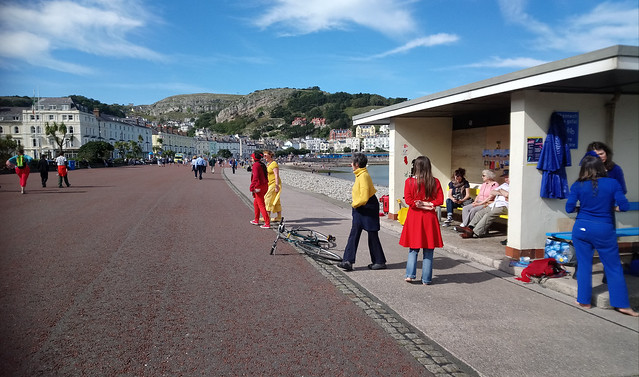
Words for to praise in Celtic languages.

Proto-Celtic molātor = to praise, laud
Old Irish (Goídelc) molaidir = to praise
Irish (Gaeilge) mol = to praise, commend, recommend, award (verb noun = moladh)
Scottish Gaelic (Gàidhlig) mol [mɔl̪ˠ] = to praise, extol, recommend, advise, exalt, magnify (verb noun = moladh)
Manx (Gaelg) moyl = to cheer (praise), bamboozle, recommend, compliment, commend, applaud, laud (verb noun = moylley)
Old Welsh molim = to praise
Middle Welsh (Kymraec) moli = to praise
Welsh (Cymraeg) moli = to praise, laud, eulogize, extol, magnify, honour, cheer
Middle Breton meuliff = to praise
Breton (Brezhoneg) meuliñ = to praise, flatter, stroke

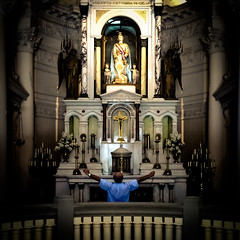
Praise

Etymology: possibly related to the Proto-Indo-European *meldʰ- (praise) [source].

Sources: Wiktionary, Am Faclair Beag, teanglann.ie, On-Line Manx Dictionary, Geiriadur Prifysgol Cymru, Dictionnaire Favereau

To Choke

Words for to choke and related things in Celtic languages.

*choke*

Words marked with a * are reconstructions.

Proto-Celtic *taketi/*tageti = to choke, strangle
Old Irish (Goídelc) tachtad = choking, strangulation
Middle Irish (Gaoidhealg) tachtad, teachtadh = choking, strangulation
tachtaid = to choke, stifle, strangle, hang, oppress, vex, seize, arrest
Irish (Gaeilge) tacht [t̪ˠɑxt̪ˠ] = to choke, strangle,suffocate
tachtadh = choking, stangulation
tachtaire = choker, strangler
tachtarnach = (act of) choking, choking sound
Scottish Gaelic (Gàidhlig) tachd [taxg] = choke, smother, strangle, throttle, clog
tachdach = choking, strangulation
tachdadair [taxgədɪrʲ] = choker, throttler, strangler, choke, throttle
Manx (Gaelg) toght = to strangulate
toaghtey = to choke, strangle, throttle, clog; choking, strangulation, clogging
toaghteyr = choke
Middle Welsh (Kymraec) tag = choke, choking, suffocation, strangulation
tagedic, tagedig choked, strangled
tagell = jowl, wattle
tacua, tagfa = choking, throttling
tagu, tagy = to choke, stifle, strangle, throttle, suffocate
Welsh (Cymraeg) tag = choke, choking, suffocation, strangulation
tagedig choked, strangled
tagell = jowl, wattle, double chin, throat, windpipe, barb, snare
tagfa = choking, throttling, bottleneck
tagiad = choking, strangulation, obstruction
tagu = to choke, stifle, strangle, throttle, suffocate; to cough (in North Wales)
tagwr, tagydd = choker, strangler, choke (in an engine)
Middle Cornish (Cernewec) tag, tâg = choking, strangling
taga = to stifle, strangle, choke, throttle
Cornish (Kernewek) tag = choking
taga = to choke, clog, strangle, suffocate
Middle Breton (Brezonec) tag = acrid, strangulation
tagaff = to attack, devour, suffocate, smother, strangle
Breton (Brezhoneg) tag [tɑːk] = acrid, strangulation
tagañ [ˈtɑː.ɡã] = to attack, devour, suffocate, smother, strangle
tagus [ˈtɑːɡys] = offensive, suffocation, acrid, acidic

Etymology: possibly from Proto-Indo-European *tak-, which is also the root of tacit (implied) in English, taire (to be/keep quiet, shut up) in French, and tiga (to keep silent, deliberately ignore) in Swedish [source].

Sources: Wiktionary, Am Faclair Beag, teanglann.ie, On-Line Manx Dictionary, Geiriadur Prifysgol Cymru, Gerlyver Kernewek, Dictionnaire Favereau

Fire Angels

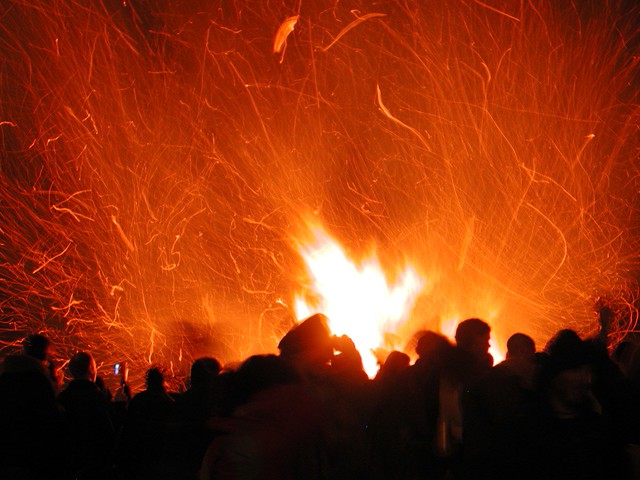
Words for fire in Celtic languages.

Proto-Celtic *teɸnets = fire
Old Irish (Goídelc) teine [ˈtʲenʲe] = fire
Irish (Gaeilge) tine [ˈtʲɪnʲə] = fire, conflagration; incandescence, flame; luminosity, glow; flash; inflammation
Scottish Gaelic (Gàidhlig) teine [tʲenə] = fire, flame, conflagration
Manx (Gaelg) çhenney = elemental fire, lightning, rickets
Middle Welsh (Kymraec) tan [taːn] = fire
Welsh (Cymraeg) tân [taːn] = fire, conflagration, bonfire, flame, spark, light (for a cigarette), match; high temperature (from fever)
Cornish (Kernewek) tan [ta:n / tæ:n] = fire
Breton (Brezhoneg) tan [ˈtɑ̃ːn] = fire

Etymology: from the Proto-Indo-European *tep- (to be warm) [source].

Old Irish (Goídelc) aingel [ˈaŋʲɡʲel] = angel
Irish (Gaeilge) aingeal [ˈæɲɟəl] = angel; fire, lighted coal
Scottish Gaelic (Gàidhlig) aingeal [ˈãĩŋʲgʲəl̪ˠ] = angel, messenger, fire, light, sunshine; brightness, light; signal fire, beacon; warmth
Manx (Gaelg) aile [ail] = fire
ainle = angel
Welsh (Cymraeg) angel [ˈaŋɛl] = angel
Cornish (Kernewek) eledh = angel
Breton (Brezhoneg) ael = angel

Etymology: from the Late Latin angelus (angel, messenger), from the Ancient Greek ἄγγελος (ángelos – messenger) [source].

Sources: Wiktionary, Am Faclair Beag, teanglann.ie, On-Line Manx Dictionary, Geiriadur Prifysgol Cymru, Gerlyver Kernewek, Dictionnaire Favereau

Beltane

To search

Words for to search, track and related things in Celtic languages.

Searching

Words marked with a * are reconstructions.

Proto-Celtic *lorgom, *lergo- = track, trace
Old Irish (Goídelc) lorg = path, track, trace
Middle Irish (Gaoidhealg) lorg = trace, vestige, mark, impression, track, trail, path, course
Irish (Gaeilge) lorg [ˈl̪ˠɔɾˠəɡ / ˈl̪ˠʌɾˠəɡ] = to track, trace; seek, search for; trace, vestige, mark, impresssion, track, trail, path, course
lorgaire = tracker, pursuer, detective, seeker, searcher, follower, adherent
lorgaireacht = (act of) tracking, tracing, pursuing, seeking, searching, detection
Scottish Gaelic (Gàidhlig) lorg [ˈl̪ˠɔrɔg] = to trace, track, search, pursue, follow by scent or footprints
air lorg = on the track of, in search of, found, located
lorgadh [l̪ˠɔrɔgɪç] = (act of) discovering, finding
lorgaich = track! trace! pry! ferret out!
lorgadh [l̪ˠɔrɔgɛrʲə] = detective, detector, finder, tracker
lorganach [l̪ˠɔrɔganəx] = sluggard, slowcoach, trail, track
meur-lorg = fingerprint
Manx (Gaelg) lorg = trace, track, trail, vestige, spoor
lorgey = to trace, to track, to pursue, pursuit, tracing, trailing, urging
lorgaghey = to drive (on/along), to urge on, urging
Proto-Brythonic *llurɣ, ˈɬuːru = track, trail (?)
Middle Welsh (Kymraec) llwrw, llwry = track, trail, path, way, direction
Welsh (Cymraeg) llwrw, llwry [ˈɬʊru / ˈɬuːru] = track, trail, path, way, direction, course, career, manner, mode, form, semblance; tax, fee, fine, penalty; opportunity, convenince
Middle Cornish (Cernewec) lerch, lyrch, ler = trace, vestige, footstep
war lerch = after
Cornish (Kernewek) lergh = track, trail, trace
a-lergh = lately, recently
war-lergh = according to, after, behind
Old Breton (Brethonoc) lerg = trace, sequel
Middle Breton (Brezonec) lerch = trace, sequel
Breton (Brezhoneg) lerc’h [ˈlɛrx] = trace, sequel, continued
lerc’h-ouzh-lerc’h = next, right away, successively
lerc’henn = postposition
dilercʼh = remainder, consequence, delay
war-lercʼh = after, behind, because of

Etymology: uncertain [source] or from Proto-Indo-European *lerg- (slippery, even) [source]

Proto-Celtic *swelos = to turn
Old Irish (Goídelc) sel = a turn, a while, a spell
dessel = sunwise, clockwise
túaithbel = anticlockwise, widdershins, lefthandwise
Middle Irish (Gaoidhealg) sel, seal = a turn, a time, a while
dessel, deisell, dessiul = direction of the sun, right-hand course, sunwise, clockwise
túaithbel, tuaithbil, tuaithbiul = against the sun, withershins, lefthandwise
Irish (Gaeilge) seal [ˈʃal̪ˠ] = turn, while, spell, span
sealad = turn, while, space of time
sealadach = temporary, provisional
sealaíocht = (act of) alternating, taking turns, alternation
deiseal [ˈdʲeʃəlˠ] = righthand direction, direction of the sun, clockwise, sunwise
tuathal [ˈt̪ˠuəhəl̪ˠ] = anticlockwise, counterclockwise
Scottish Gaelic (Gàidhlig) seal [ʃal̪ˠ] = while, space of time
sealach [ʃal̪ˠəx] = temporary, transient, transitory
sealad [ʃal̪ˠəd] = while, period of time
sealadach [ʃal̪ˠədəx] = transitional, transitory, caretaker, provisional
sealaidheachd [ʃal̪ʲɪjəxg] = course of time, transitoriness, relay
sealan [ʃal̪ˠan] = a little/short while
deiseal [dʲeʃal] = clockwise, facing south, finished, ready, poised, prepared, handy, dexterous
tuathal [tuəhəl̪ˠ] = anticlockwise, counterclockwise, unlucky, ill-omened, confused, agitated, disorien(ta)ted
Manx (Gaelg) shalee = design, intention, project, purpose, pursuit, quest
shayll = piece of work, spell, turn
shallidagh = provisional, provisory, temporary, transient, interim
jeshal = clockwise
Proto-Brythonic *hwel = (?)
Old Welsh (Kembraec) chwel, cheil = turn, course, period
Middle Welsh (Kymraec) chwyl = turn of events, course, destiny
whel = turn, course, period
chwilyaw, chwiliaw, chwilio = to search, seek, trace, investigate, examine, rummage, ransack, try
Welsh (Cymraeg) chwŷl [χwɨːl / χwiːl] = turn of events, course, destiny
chwyl(i)ad = a turning round, roation, revolution
chwyl(i)o = to revolve, rotate, turn around
chwêl = turn, course, period, while, commotion, disturbance
chwilio [ˈχwɪljɔ / ˈχwɪljɔ] = to search, seek, trace, investigate, examine, rummage, ransack, try
chwiliadur = search engine
chwiliedydd = searcher, examiner, investigator
chwiliwr = searcher, investigator, examiner, trier, inquirer, spy, inquisitor
chwilys = inquisition
chwilyswr = inquisitor
chwiliota(f) = to rummage, pry, grope for, grabble, pilfer
Middle Cornish (Cernewec) chwila, whela(s), hwila(s), hwillaz = to seek, to seach for
hwiliog a searcher, seeker, conjuror
Cornish (Kernewek) hwilas [‘ʍilas / ‘ʍilɐz] = to seek, look for, attempt, try, search
hwilerbownder, hwiler hyns = pathfinder
hwilreseger = orienteer
hwilresek = orienteering
hwilva = laboratory
Middle Breton (Brezonec) chouilia = to search, look for
Breton (Brezhoneg) hoal = age, ascendancy, attractiveness
hoal-vat = happiness, prosperity
hoalad = career, era, epoc, period
hoaladur = delectation
hoalat = to seduce, to delight
holc’hiñ = to search

Etymology: possibly from Proto-Indo-European *welH- (to turn, revolve). Words from the same roots in English include helicopter, helix, valve, wallow, whelk, and deiseal (clockwise, sunwise – borrowed from Irish) [source]

Sources: Wiktionary, Etymological Dictionary Of Proto Celtic, In Dúil Bélrai English – Old Irish glossary, eDIL – Electronic Dictionary of the Irish Language, Teanglann.ie, Am Faclair Beag, An etymological dictionary of the Gaelic language, Fockleyreen: Manx – English Dictionary, Online Manx Dictionary, Gaelg Corpus, Geiriadur Prifysgol Cymru, Lexicon cornu-britannicum : a dictionary of the ancient Celtic language of Cornwall, Gerlyver Kernewek, Devri : Le dictionaire diachronique du breton, Geriafurch, TermOfis


Wet

Words for to wet in Celtic languages.

Proto-Celtic *wlikʷos = to wet
Old Irish (Goídelc) fliuch [fʲlʲiu̯x] = wet
Irish (Gaeilge) fliuch [fʲlʲʊx] = wet
Scottish Gaelic (Gàidhlig) fliuch [flux] = wet, watery, rainy, moist, damp, oozy, fluid, liquid
Manx (Gaelg) fliugh = wet, soggy, inclement, marshy, swampy, humid, dank, watery or waxy (of potatoes)
Proto-Brythonic *gwlɨb [ˈɡwlɨːb] = wet
Old Welsh gulip = wet
Middle Welsh (Kyrmaec) gulip / gwlyp = wet
Welsh (Cymraeg) gwlyb [ɡwlɨːb / ɡwliːb] = wet, moist, fluid, liquid; rainy; addicted to drink; drink, liquor, gravy
Cornish (Kernewek) glyb [glɪ:b] = moist, damp, wet
gleb [gle:b] = moist, damp, wet
Old Breton gulip = wet
Middle Breton gloeb / glueb = wet
Breton (Brezhoneg) gleb = wet, humid

Macro Mondays: Wet.

Etymology: from the Proto-Indo-European *wleykʷ- (moist, to wet) [source].

Sources: Wiktionary, Am Faclair Beag, teanglann.ie, On-Line Manx Dictionary, Geiriadur Prifysgol Cymru, Gerlyver Kernewek, Dictionnaire Favereau

To Carry

Words for to carry in Celtic languages.

Proto-Celtic *bereti = to carry
Old Irish (Gaídelc) beirid [ˈbʲerʲiðʲ] = to carry, bear, bring forth
Irish (Gaeilge) beir [bʲɛɾʲ] = to bear, give birth to; lay (eggs); bear away, win; bring, take; catch, overtake; proceed, advance
Scottish Gaelic (Gàidhlig) beir [berʲ] = to take hold; bring forth, bear, produce; carry
Manx (Gaelg) behr = to bear (give birth to)
Proto-Brythonic bėrɨd [be̝ˈrɨːd] = to flow, carry
Middle Welsh (Kymraec) beru = to flow
Welsh (Cymraeg) beru = to flow, drip; drizzle
Middle Breton beraff = to flow
Breton (Brezhoneg) berañ = to drip, flow

Scottish Highland Games 2010

Etymology: from the Proto-Indo-European *bʰéreti (to be carrying) [source].

Sources: Wiktionary, Am Faclair Beag, teanglann.ie, On-Line Manx Dictionary, Geiriadur Prifysgol Cymru, Dictionnaire Favereau

To Run

Words for to run in Celtic languages.

Proto-Celtic *reteti = to run
Old Irish (Gaídelc) reithid = to run, to speed
Irish (Gaeilge) rith [ɾˠɪ(h)] = to run, hurry, flow
Scottish Gaelic (Gàidhlig) ruith [r̪ˠih] = to run, race, rush, melt, flow
Manx (Gaelg) roie = to run, race, scurry, bolt, dart, burst, flow, smuggle
Proto-Brythonic *rėdɨd = to run
Middle Welsh (Kymraec) redec [ˈr̥edeɡ] = to run
Welsh (Cymraeg) rhedeg [ˈr̥ɛdɛɡ] = to run, gallop, canter, race, rush; run away, flee; glide, stretch
Middle Cornish resek = to run
Cornish (Kernewek) resek [‘rɛzɛk / ‘rɛzɐk] = to run, race
Old Breton redec = to run
Breton (Brezhoneg) redek = to run, flow, open up

Welsh Athletics Championships / Commonwealth Games Trials

Etymology: from the Proto-Indo-European *Hret- (to run, roll) [source].

Sources: Wiktionary, Am Faclair Beag, teanglann.ie, On-Line Manx Dictionary, Geiriadur Prifysgol Cymru, Gerlyver Kernewek, Dictionnaire Favereau

To Walk

Words for to walk in Celtic languages.

Middle Irish (Gaoidhealg) siblaid = to travel, traverse, proceed, move, walk; to flow; to go over, examine
Irish (Gaeilge) siúil [ʃuːlʲ] = to walk, be able to walk; come or go on foot; move about for exercise or pleasure; step on, into; tread, travel
Scottish Gaelic (Gàidhlig) siubhail [ʃu.al] = to travel, commute; walk, move, stroll; go, depart; die
Manx (Gaelg) shooill = to walk, traverse, gait, pace, tread, promenade, perambulate

Sources: Wiktionary, Am Faclair Beag, teanglann.ie, On-Line Manx Dictionary

Proto-Celtic *kerdeti = to walk
Old Irish (Gaídelc) foceird = to put, place, set; to throw, cast
Middle Welsh (Kymraec) kerddet [ˈkɛrðɛd] = to walk
Welsh (Cymraeg) cerdded [ˈkɛrðɛd] = to walk, journey, travel, approach, traverse, march, go, move
Cornish (Kernewek) kerdhes [‘kɛrðɛs / ‘kɛr(ð)ɐz] = to walk, get along
Breton (Brezhoneg) kerzhet = to walk

Leads (and skates) on

Etymology: from the Proto-Indo-European *kerd- (to swing) [source].

Sources: Wiktionary, Geiriadur yr Academi, Geiriadur Prifysgol Cymru, Gerlyver Kernewek, Dictionnaire Favereau

Snow

Words for snow in Celtic languages.

Proto-Celtic *snigʷ = snow
*snigʷyeti = to snow
Old Irish (Goídelc) snechtae [ˈsʲn͈ʲexta] = snow
Irish (Gaeilge) sneachta [ˈʃnʲaxt̪ˠə / ˈʃnʲæːxt̪ˠə] = snow
Scottish Gaelic (Gàidhlig) sneachd [ʃn̪ʲɛxg] = snow
Manx (Gaelg) sniaghtey [ˈʃnʲaxt̪ə] = snow
Welsh (Cymraeg) nyf = snow

Etymology: from the Proto-Indo-European *snígʷʰs (snow) [source].

Eira

Old Irish (Goídelc) arg = drop (of water)
Proto-Brythonic *ėrɣ = snow
Middle Welsh (Kymraec) eiry = snow
Welsh (Cymraeg) snow [ˈei̯ra] = snow
Old Cornish irch = snow
Cornish (Kernewek) ergh = snow
Middle Breton erch = snow
Breton (Brezhoneg) erc’h = snow

Etymology possibly from the Proto Celtic *argyos (white), from the Proto-Indo-European *h₂r̥ǵ-yó-s, from *h₂erǵ- (white). Or from the Proto Celtic *ɸarg(y)os (sprinkling, spatter) from the Proto-Indo-European *(s)pregʰ- (to scatter, jerk). [source].

The English word freckle comes from the same root, via the Old Norse freknur (speckles) [source].

Words marked with a * are reconstructions.

Here are a few snow-related songs:

Sources: Wiktionary, Am Faclair Beag, Online Manx Dictionary, Teanglann.ie, Geiriadur Prifysgol Cymru, Gerlyver Kernewek

Ivy

Words for ivy (Hedera) and related words in Celtic languages.

Ivy / Eiddew

Proto-Celtic *ɸedennos = ivy
Old Irish (Goídelc) eiden(n) = ivy
Irish (Gaeilge) eidheann [eːn̪ˠ] = ivy
eidhneán = ivy, ivy branch
eidhneán nimhe = poison ivy
eidhneán talún = ground ivy
eidhneánach, eidhneach = ivied, ivy-clad
Scottish Gaelic (Gàidhlig) eidheann [ˈe.ən̪ˠ] = ivy
eidheann na creige, eidheann-choitcheann = (common/Eurpean) ivy (Hedera helix)
eidheann-thalmhainn = ground ivy
eidheann mu chrann = ivy, honeysuckle
eidheann-duilleagach = ivy-leaved
Manx (Gaelg) hibbin = ivy
thammag hibbin = ivy bush
Middle Welsh (Kymraec) eido = ivy
Welsh (Cymraeg) eiddew, eiddo [ˈei̯ðɛu̯] = ivy
eiddew’r ddaear = ground ivy (Glechoma hederacea)
grawn (yr) eiddew = ivy-berries
llwyn eiddew = ivy bush
tân (e)iddew = erysipelas, Saint Anthony’s fire, shingles, herpes
Cornish (Kernewek) idhyow [ˈɪðjɔʊ/ˈɪðjɔ] = ivy
idhyow dor = ground ivy
Breton (Brezhoneg) iliav = ivy
iliav-red = (common/Eurpean) ivy

Etymology: possibly from the Proto-Indo-European *ped-n̥-no-s, from *ped- (to bind, tie, restrain) [source].

Sources: Wiktionary, Am Faclair Beag, Online Manx Dictionary, Teanglann.ie, eDIL – Electronic Dictionary of the Irish Language, In Dúil Bélrai English – Old Irish glossary, Geiriadur Prifysgol Cymru, Gerlyver Kernewek, Dictionaire Favereau, TermOfis, English – ProtoCeltic WordList (PDF), Etymological Dictionary Of Proto Celtic

Blubrry podcast hosting