Herons

Words for heron and related creatures in Celtic languages.

Heron

Words marked with a * are reconstructions.

Proto-Celtic *korxsā / *korxsiyos = heron, crane
Celtiberian *cárcia = heron
Gaulish curcio- = heron
Old Irish (Goídelc) corr = crane, heron, stork, crane
Middle Irish (Gaoidhealg) corr = (grey) heron, stork, crane, leg-necked person
Irish (Gaeilge) corr [kəuɾˠ] = (grey) heron, stork, crane, leg-necked person
Scottish Gaelic (Gàidhlig) corra [kɔr̪ˠə] = heron, stork, crane
Manx (Gaelg) coar = heron, stork, crane
Proto-Brythonic *krɨxɨð = heron
Middle Welsh (Kymraec) crychyd, krechydd, crechydd = heron
Welsh (Cymraeg) crychydd [ˈkrəχɨ̞ð / ˈkrəχɪð] = heron
Old Cornish cherhit = heron
Middle Cornish (Cernewec) cerhidh = heron
Cornish (Kernewek) kerghydh = heron
Old Breton corcid = heron
Middle Breton (Brezonec) quercheiz, querch-eïz, querc’heiz, qarc’hleyz kerc’heiz = heron
Breton (Brezhoneg) kercʼheiz [kɛrˈɣɛjs] = heron

Etymology: possibly from Proto-Indo-European *(s)kreik- / *(s)kreig- (to screech, creak), which is imitative in origin [source]. Words for heron in Galician & Spanish (garza) and Portuguese (garça), probably come from the Celtiberian root [source].

Words from the same PIE root may include reiger (heron) in Dutch, Reiher (heron) in German, häger (heron) in Swedish, heron and egret in English, and haikara (heron, stork) in Finnish [source].

Gaulish crehyr = heron
Proto-Brythonic *krexVr = heron
Middle Welsh (Kymraec) crehyr, creir, cr(e)yr = heron
Welsh (Cymraeg) crëyr [ˈkrɛ.ɨ̞r / kreː.ɪr] = heron
Middle Breton (Brezonec) querhair = heron

Etymology: possibly from the Proto-Indo-European *(s)ḱrey- (to scream, screech) [source].

Proto-Celtic *garanos = crane
Gaulish garanus = crane
Proto-Brythonic *garan = crane, heron
Middle Welsh (Kymraec) caran, garan = crane, heron
Welsh (Cymraeg) garan [ˈɡaran] = crane, heron
Old Cornish garan = crane
Middle Cornish (Cernewec) garan = crane
Cornish (Kernewek) garan = crane
Old Breton (Brethonoc) garan = crane
Middle Breton (Brezonec) garan = crane
Breton (Brezhoneg) garan [ˈɡɑː.rãn] = crane (bird, tool), groove, gallery
garanadur = grooving
garanan = to groove

Etymology: from Proto-Indo-European *gérh₂n-o-s, from *gerh₂- (crane, to cry hoarsely) [source]. Words from the same roots include crack, croon, crow and possibly grouse in English, kraai (crow) in Dutch, Krähe (crow) in German [source].

The Fastest Way to Learn Japanese Guaranteed with JapanesePod101.com

Sources: Wiktionary, Etymological Dictionary Of Proto Celtic, In Dúil Bélrai English – Old Irish glossary, eDIL – Electronic Dictionary of the Irish Language, Teanglann.ie, Am Faclair Beag, An etymological dictionary of the Gaelic language, Fockleyreen: Manx – English Dictionary, Online Manx Dictionary, Gaelg Corpus, Geiriadur Prifysgol Cymru, Lexicon cornu-britannicum : a dictionary of the ancient Celtic language of Cornwall, Gerlyver Kernewek, Devri : Le dictionaire diachronique du breton, Dictionaire Favereau, TermOfis

Unlimited Web Hosting - Kualo

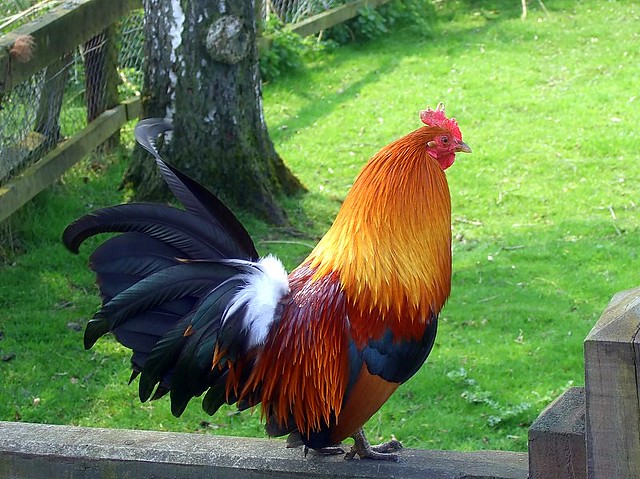
Cockerels / Roosters

Words for cockerel / rooster in Celtic languages.

Cockerel

Proto-Celtic *kalyākos = cockerel, rooster
Old Irish (Goídelc) cailech [ˈkalʲex] = cockerel, rooster
Irish (Gaeilge) coileach [ˈkalʲex / ˈkɛlʲəx / ˈkɛlʲax] = cockerel, rooster
Scottish Gaelic (Gàidhlig) coileach [ˈkɤləx] = cockerel, rooster; male bird of any species; male lobster;
coilich = cockerels, etc; eddies, rapids, white water
Manx (Gaelg) kellagh = cock(erel), cock (of anchor), rooster, cock bird
Proto-Brythonic *kėljọg [ke̝lˈjɔːɡ] = cockerel, rooster
Middle Welsh (Kymraec) keylyauc, keilyawc = cockerel, rooster
Welsh (Cymraeg) ceiliog [ˈkei̯ljɔɡ / ˈkei̯ljɔɡ] = cock(erel); plucky person; weather-cock; cock of gun; water-cock; clevis of a plough, plough-cock; snack taken by quarrymen to their work
Old Cornish chelioc = cockerel, rooster
Middle Cornish kullyek = cockerel, rooster
Cornish (Kernewek) kulyek = cockerel, rooster
Middle Breton kilhog = cockerel, rooster
Breton (Brezhoneg) kilhog [ˈkiljok] = cockerel, rooster

Etymology: from the Proto-Indo-European *kerkos [source].

Words marked with a * are reconstructions.

Sources: Wiktionary, Am Faclair Beag, MacBain’s Dictionary, In Dúil Bélrai English – Old-Irish Glossary, teanglann.ie, On-Line Manx Dictionary, Geiriadur Prifysgol Cymru, Gerlyver Kernewek, Dictionnaire Favereau


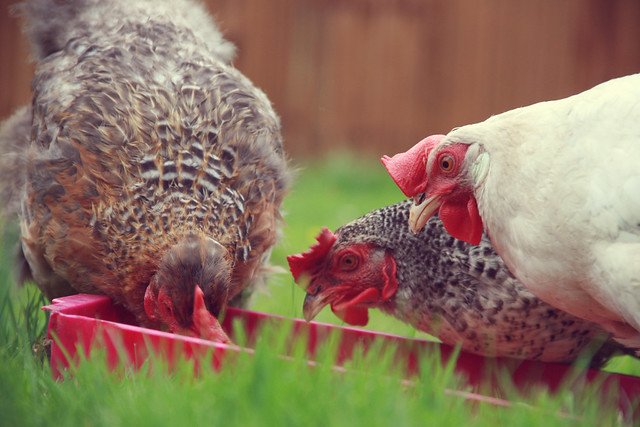
Hens & Chickens

Words for hen, chicken and related things in Celtic languages:

Hens

Proto-Celtic *kerkā = hen
Old Irish (Goídelc) cerc [kʲerk] = hen, female bird
Middle Irish (Gaoidhealg) cerc [kʲerk] = hen, female bird
Irish (Gaeilge) cearc [kaɾˠk] = hen, female bird
cearcach = gallinaceous (relating to, or resembling the domestic fowl)
Scottish Gaelic (Gàidhlig) cearc [kʲɛrxg] = hen, chicken; poultry; female crab or lobster
cearc-uisge = moorhen
cearc-Fhrangach = turkey
cearc-fhraoich = female red grouse, moorhen
cearcach = of, or belonging to a hen or hens
Manx (Gaelg) kiark = fowl, hen, hen bird, female bird
kiark

Etymology: from the Proto-Indo-European *ḱer- (to grow, nourish) [source]. These words are possibly related to words for heron and crane in Celtic languages.

English words from the same root include cereal, create, increase, creature, crew and crescent [source].

Proto-Celtic *yarā = chicken
Gaulish Iaros = personal name
Old Irish (Goídelc) eirín = pullet, young hen
Middle Irish (Gaoidhealg) eréne, éirín(e) = chicken, chick, pullet
Irish (Gaeilge) eireog = pullet, chicken; young girl, tiny woman
Scottish Gaelic (Gàidhlig) eireag [erʲag] = pullet, young chick(en) (between 8 months and 1 year old)
Manx (Gaelg) earrag = pullet, poult
Old Welsh iar = hen
Middle Welsh (Kymraec) yar = hen
yeyr, yeir = domestic fowls, chickens
yares = flock of chichens
ieirdy = hen-house, hen-coop
Welsh (Cymraeg) iâr [jaːr] = hen, hen-bird
ieir = domestic fowls, chickens
iarbren = perch for hens, hen-roost
iardy, ieirdy = hen-house, hen-coop
iares = flock of chichens
iargyw = chichen, young fowl
ieirwr = poulterer
Middle Cornish (Cernewec) iar, yar = hen, female bird
Cornish (Kernewek) yar = chicken, hen
yar frankres = free-range hen
yar gowellys = battery hen
yar Gyni = turkey
bregh/brygh yar = chicken pox
yarji = chichen coop, hen house
Middle Breton (Brezonec) yar, iar = chicken, hen
Breton (Brezhoneg) yar = chicken, hen

Etymology: unknown

Sources: Wiktionary, Am Faclair Beag, Online Manx Dictionary, Teanglann.ie, eDIL – Electronic Dictionary of the Irish Language, In Dúil Bélrai English – Old Irish glossary, Geiriadur Prifysgol Cymru, Gerlyver Kernewek, Gerlyvyr Cernewec, Dictionaire Favereau, TermOfis, Le dictionnaire diachronique du breton, Geriafurch, English – ProtoCeltic WordList (PDF), Etymological Dictionary Of Proto Celtic

Hound Dogs

Words for dog in Celtic languages.

Proto-Celtic *kū = dog, wolf
Gaulish cuna = dog
Primitive Irish ᚉᚒᚅᚐ (cuna) = hound, wolf
Old Irish (Goídelc) [kuː] = dog
Irish (Gaeilge) [kuː] = dog, hound, greyhound; wolf; hero, champion
Scottish Gaelic (Gàidhlig) [kuː] = dog, canine
Manx (Gaelg) coo [kuː] = dog, cur, hound, wolf-dog
Proto-Brythonic ki [kiː] = dog
Middle Welsh (Kymraec) ci / ki = dog
Welsh (Cymraeg) ci [kiː] = dog, hound, cur
Old Cornish ci = dog
Cornish (Kernewek) ki [kiː] = dog
Middle Breton ci / qui = dog
Breton (Brezhoneg) ki [kiː] = dog

Etymology: from the Proto-Indo-European *ḱwṓ (dog), which is also the root of the English words hound and canine [source].

Old Irish (Goídelc) madrad, matrad = dog
Middle Irish (Gaoidhealg) matad = common dog, cur
Irish (Gaeilge) madra [ˈmˠad̪ˠɾˠə] / madadh [ˈmˠad̪ˠə / ˈmˠad̪ˠu] = dog, cur
Scottish Gaelic (Gàidhlig) madadh [madəɣ] = dog, mastiff
Manx (Gaelg) moddey [ˈmɔːðə] = dog, tyke
Welsh (Cymraeg) madyn / madog = fox

Etymology: unknown

Old Irish (Goídelc) gagar [ɡaɣər] = beagle, hunting dog
Middle Irish (Gaoidhealg) gadar = beagle, hunting dog
Irish (Gaeilge) gadhar [ɡəiɾˠ] = (hunting) dog, harrier, beagle, cur
Scottish Gaelic (Gàidhlig) gadhar [gɤ.ər] = lurcher, mastiff, greyhound

Etymology: from the Old Norse gagarr [source].

Proto-Celtic *kulēnos = whelp
Old Irish (Goídelc) cuilén [ˈkulʲeːn] = puppy, cub, kitten
Irish (Gaeilge) coiléan [kɪˈlʲaːn̪ˠ] = pup, cub, whelp; youth, scion; trickster
Scottish Gaelic (Gàidhlig) cuilean [kulan] = puppy, whelp; cub; seal pup; darling, dear; short/small bone
Manx (Gaelg) quallian = puppy
Welsh (Cymraeg) colwyn [kiː] = whelp, puppy, cub; lap-dog; spaniel
Old Cornish coloin = puppy
Cornish (Kernewek) kolen [ˈkɔlɪn] = puppy, cub
Breton (Brezhoneg) kolen = puppy, fawn, rabbit

Etymology: unknown

Old Irish (Goídelc) cana [ˈkana] = cub, puppy
Middle Irish (Gaoidhealg) cana [ˈkana] = cub, puppy
Irish (Gaeilge) cana [ˈkanˠə] = cub, whelp; bardic poet of fourth order
Scottish Gaelic (Gàidhlig) cana [kanə] = puppy, whelp
Welsh (Cymraeg) cenau / cenaw = cub, whelp, puppy, kitten; son, descendant, scion, young warrior; knave, imp, rascal; catkin, cat’s tail

Etymology: possibly from the Latin canis (dog), from the Proto-Indo-European *ḱwṓ (dog) [source], or from the Proto-Celtic *kanawo (young animal).

Words marked with a * are reconstructions.

Sources: Wiktionary, Am Faclair Beag, MacBain’s Dictionary, In Dúil Bélrai English – Old-Irish Glossary, teanglann.ie, On-Line Manx Dictionary, Geiriadur Prifysgol Cymru, Gerlyver Kernewek, Dictionnaire Favereau
Irish Wolfhounds

Ants

Words for ant and related things in Celtic languages.

Formica cf. rufibarbis

Words marked with a * are reconstructions.

Old Irish (Goídelc) sengán = ant
Middle Irish (Gaoidhealg) sengán, seangan = ant
Irish (Gaeilge) seangán = ant
seangánach = full of ants
nead seangán = anthill
Scottish Gaelic (Gàidhlig) seangan [ʃɛŋgan] = ant, mean fellow
seangan ‘nad bhriogais = to be fidgety, have the jtters (ants in your breeches)
seangananach [ʃɛŋganəx] = pertaining to or abounding in small ants
Manx (Gaelg) sniengan = ant
snienganagh = ant-infested, formic
crongan sniengan = anthill

Etymology: possibly from the Old Irish seng (thin, slender. meagre) [source].

Proto-Celtic *morwis = ant
Old Irish (Goídelc) moirb [morʲvʲ] = ant
Middle Irish (Gaoidhealg) moirb = ant
Middle Welsh (Kymraec) myr = ant
myrion = ants
morgrug, morcrug = ants
morgrugyn, morcrugyon = ant
Welsh (Cymraeg) mŷr, myrr [mɨːr/miːr] = ant
myrion = ants
myrdwyn = anthill
morgrug [ˈmɔrɡrɨ̞ɡ / ˈmɔrɡrɪɡ] = ants (from mŷr [ant] and crug [hill])
morgrugyn = ant
morgrugaidd, morgrugol = ant-like pertaining to ants, formic
Old Cornish menƿionen = ant
Middle Cornish (Cernewec) menwionen, meuwionen = ant, emmet
Cornish (Kernewek) moryonen = ant, tourists
moryoner = anteater
Old Breton moriuon = ant
Middle Breton (Brezonec) meryen = ant
Breton (Brezhoneg) merien [ˈmɛr.jɛn] = ants
merionenn = ant
merionaer = anteater
merieneg [mɛ.ˈrjẽː.nɛk] = anthill

Etymology: from the Proto-Indo-European *morwi- (ant). Words from the same roots include formic (pertaining to ants) and pismire (ant – archaic) in English, fourmi (ant) in French, mier (ant) in Dutch, maur (ant) in Icelandic and myra (ant) in Swedish [source].

The Fastest Way to Learn Japanese Guaranteed with JapanesePod101.com

Sources: Wiktionary, Am Faclair Beag, Online Manx Dictionary, Teanglann.ie, eDIL – Electronic Dictionary of the Irish Language, In Dúil Bélrai English – Old Irish glossary, Geiriadur Prifysgol Cymru, Gerlyver Kernewek, Dictionaire Favereau, TermOfis, English – ProtoCeltic WordList (PDF), Etymological Dictionary Of Proto Celtic

Unlimited Web Hosting - Kualo

Mice

Words for mice in Celtic languages.

Proto-Celtic *lukoss = mouse
Old Irish (Goídelc) luch [l͈ux] = mouse, rat
Irish (Gaeilge) luch [l̪ˠʊx / l̪ˠɔx / l̪ˠʌx] = mouse
luchóg = mouse
Scottish Gaelic (Gàidhlig) luch [l̪ˠux] = mouse
Manx (Gaelg) lugh [ɫɔx] = mouse
Proto-Brythonic *llug = mouse
*llugod = mice
Middle Welsh (Kymraec) lleyc = shrew, shrewmouse, (field) mouse
Welsh (Cymraeg) llyg = shrew, shrewmouse, (field) mouse
llygod [ˈɬəɡɔd] = mice, rats, shrews, voles
llygoden = mouse, rat, shrew, vole
Middle Cornish logoden, logosan = mouse
Cornish (Kernewek) logos = mice
logosen / logojen = mouse
Old Breton loc = mouse
Breton (Brezhoneg) logod = mice, yarn balls, meatballs, varicose veins
logodenn = mouse

Etymology: unknown, most likely from a non-Indo-European substrate language – only found in Celtic languages [source].

Words marked with a * are reconstructions.

Sources: Wiktionary, Am Faclair Beag, MacBain’s Dictionary, In Dúil Bélrai English – Old-Irish Glossary, teanglann.ie, On-Line Manx Dictionary, Geiriadur Prifysgol Cymru, Gerlyver Kernewek, Dictionnaire Favereau

Here’s a tune I wrote called The Field Mouse’s Delight / Llawenydd Llygoden y Coed:

Wood mice

Squirrels

Words for squirrel in Celtic languages.

Proto-Celtic wiweros = squirrel
Old Irish (Goídelc) íaru = squirrel
Irish (Gaeilge) iora = squirrel
Scottish Gaelic (Gàidhlig) feòrag [fjɔːrag] = squirrel
Manx (Gaelg) fiorag = squirrel
Proto-Brythonic gwɨwer = squirrel
Middle Welsh (Kymraec) gwiwair, gwiweir = squirrel
Welsh (Cymraeg) gwiwer [ˈɡwɪu̯.ɛr / ˈɡwɪu̯.ar] = squirrel
Cornish (Kernewek) gwiwer = squirrel
Breton (Brezhoneg) gwiñver = squirrel

Etymology: from the Proto-Indo-European *wer- (squirrel, stoat) [source].

In Manx a squirrel is also a roddan biljagh (“tree rat”).

Words marked with a * are reconstructions.

Sources: Wiktionary, Am Faclair Beag, MacBain’s Dictionary, In Dúil Bélrai English – Old-Irish Glossary, teanglann.ie, On-Line Manx Dictionary, Geiriadur Prifysgol Cymru, Gerlyver Kernewek, Dictionnaire Favereau

Here’s a tune I wrote called The Scampering Squirrels / Y Gwiwerod sy’n Prancio:

Red Squirrel

Deer

Words for deer in Celtic languages. There were several different words for deer in Proto-Celtic: *wēdus, *karwos, *ellan(t)ī-, *danī- and *yorkos, and also *sidos (stag). They may have referred to different types of deer, but it is not certain which types, apart from *yorkos, which is a roe deer.

Deer

Words marked with a * are reconstructions.

Proto-Celtic *wēdus [ˈweː.dus] = wild
Old Irish (Goídelc) fíad [fʲiːa̯ð] = wild animals, game, especially deer
Middle Irish (Gaoidhealg) fíad, fiad = wild animals, game, esp. deer
fíadamail = deer-like, wild, uncultivated
Irish (Gaeilge) fia [fʲiə] = deer
Scottish Gaelic (Gàidhlig) fiadh [fiəɣ] = deer
fiadhach [iə.əx] = deer hunting, venision, wildness, wilderness
fiadhachadh = deer hunting
Manx (Gaelg) feeaih, feeaïh = deer, hart
feeaihagh = deer hunting
feeaihaght = deer hunt

Etymology: from the Proto-Indo-European *weydʰ- (wood, wilderness) [source].

Proto-Celtic *karwos = deer, stag
Gaulish caruus, carvos, *caruos = deer
Old Irish (Goídelc) carbh = deer
Middle Irish (Gaoidhealg) cairrḟiad, cairrfiadh = stag
Irish (Gaeilge) carria / cairrfhiadh = deer, stag
Scottish Gaelic (Gàidhlig) cair-fhiadh / carbh-fheadh = hart, stag
Manx (Gaelg) çharroo, charroo = stag
Proto-Brythonic *karw = deer, stag
Old Welsh *caru = deer
Middle Welsh (kymraec) caru, carv, keyru, carw, karw = deer, hart, stag
carwaidd = having the attributes of a stag, pertaining to a stag, noble, wise
carwnaid, karwnaid = stag’s leap, a great leap
Welsh (Cymraeg) carw [ˈkaru / ˈkaːru] = deer, hart, stag; lord, nobleman, patron
carw coch / carw rhudd = red deer, stag
carw Llychlyn = reindeer
carwfarch = camel, elephant
carwfil = stag, camel
Old Cornish caruu = stag
Middle Cornish carow = stag
Cornish (Kernewek) karow = stag, buck, hart, stag
karow ergh = caribou, reindeer
karow rudh = red deer
Middle Breton caro, carv, caru = deer
Breton (Brezhoneg) karv [ˈkarw / ˈkɑːro] = deer, roe deer, red deer
karv-erc’h = caribou, reindeer
karvez = doe
karvig = fawn
karvken = deer hide

Etymology: from Proto-Indo-European *ḱerh₂wós, from *ḱerh₂- (horn) [source].

Proto-Celtic *sidos = stag
Old Irish (Goídelc) séd = deer
Middle Irish (Gaoidhealg) ség, ség, sedh = deer
Middle Welsh (Kymraec) hit, hyd, hed, hydd = stag, hart
hyddgarw, hawddgar = stag, deer, lord, patron, wise leader, horse
hyddgen, hydgen = deer-skin, buckskin
hyddgi = buck-hound, stag-hound, greyhound
Welsh (Cymraeg) hydd = stag, hart
hyddaidd = having the attributes of a stag, cervine
hyddgarw = stag, deer, lord, patron, wise leader, horse
hyddgen, hyddgroen = deer-skin, buckskin
hyddgi = buck-hound, stag-hound, greyhound
hyddgig = venison
Cornish (Kernewek) hedh = buck, hart, stag
Old Breton (Brethonoc) hed = deer, fallow deer
Middle Breton (Brezonec) heizes, eizec = doe, hind
Breton (Brezhoneg) heizez = doe, hind
heizezig = darling

Etymology: uncertain

Proto-Celtic *ellan(t)ī- / *agliones = deer
Old Irish (Goídelc) ag [aɣ] = bullock, cow, ox, deer, stag
Middle Irish (Gaoidhealg) ag, agh = cow, ox, deer, stag
Irish (Gaeilge) agh = cow, ox
agh alla = deer
agh dára = cow, ox
Scottish Gaelic (Gàidhlig) agh [ɤɣ] = heifer, hind
Middle Welsh (Kymraec) eilon, eilion = deer, hart, stag
Welsh (Cymraeg) eil(i)on = deer, hart, stag

Etymology: possible from the same root as the English word eland (a type of antelope found in South Africa), which from the Dutch eland (elk), from the Old High German elent.

Proto-Celtic *ou̯ījkā = ?
Gaulish cerua = ?
Old Welsh eguic = hind, deer
Middle Welsh (Kymraec) eguic, euic, euychet, euchyc, ewic, ewig = deer, hart, stag
ewigaidd = pertaining to hind(s), hind-like
Welsh (Cymraeg) ewig = hind, doe, roe; graceful light-footed woman; deer, hart
ewigfa = deer-park
Old Cornish euhic = hind, deer
Middle Cornish (Cernewec) ewic, euhic, ewig = hind, deer
Cornish (Kernewek) ewik = deer, doe, hind
ewik ergh = caribou, reindeer
ewik gowr = elk, moose
ewik rudh = red deer

Etymology: possibly from the Proto-Indo-European *h₂ówis (sheep) [source]

Proto-Celtic *yorkos = roebuck, deer
Gaulish iorkos, iorcos = deer
Proto-Brythonic *jorx = deer, stag
Welsh (Cymraeg) iwrch [jʊrχ] = roe-deer, roebuck
Old Cornish yorch = roe-deer
Middle Cornish (Cernewec) iorch, yorch = roe buck
iorches = roe deer
Cornish (Kernewek) yorgh = roe deer
yorghes = (female) roe deer
Old Breton iorch = roe deer
Middle Breton (Brezonec) yourch = roe deer
Breton (Brezhoneg) yourc’h [ˈjurx] = roe deer, venison, intrepid boy, wild
yourc’hez = (female) roe deer

Etymology: from the Proto-Indo-European *york- (antelope, gazelle) [source].

Proto-Celtic *danī- = deer
Middle Welsh (Kymraec) danys, danas = deer, fallow deer
Welsh (Cymraeg) danas, danys, daenas [ˈdanas] = deer, fallow deer
Middle Breton (Brezonec) dem = deer, fallow deer
Breton (Brezhoneg) demm = deer, fallow deer

Etymology: related to the French daim (hind, doe), from the Latin dāma (fallow deer, buck, doe) [source]

Sources: Wiktionary, Etymological Dictionary Of Proto Celtic, In Dúil Bélrai English – Old Irish glossary, eDIL – Electronic Dictionary of the Irish Language, Teanglann.ie, Am Faclair Beag, An etymological dictionary of the Gaelic language, Fockleyreen: Manx – English Dictionary, Online Manx Dictionary, Gaelg Corpus, Geiriadur Prifysgol Cymru, Lexicon cornu-britannicum : a dictionary of the ancient Celtic language of Cornwall, Gerlyver Kernewek, Devri : Le dictionaire diachronique du breton, Geriafurch, TermOfis

Cats

Words for cat in Celtic languages.

Proto-Celtic *kattā = cat
Old Irish (Goídelc) cath = cat
Irish (Gaeilge) cat = cat
cat fireann = tomcat
piscín = kitten
Scottish Gaelic (Gàidhlig) cat [kahd] = cat
cat fireann / moth-chat / cullach-cait = tomcat, bossy child
baircne = female cat, white cat
piseag [piʃag] = kitten
Manx (Gaelg) kayt = feline, cat, puss
kayt firryn = tomcat
pishin / pishanagh = kitten
Proto-Brythonic *kaθ = cat
Middle Welsh (Kymraec) cath, kath = cat
Welsh (Cymraeg) cath [kaθ] = cat, wild cat
cwrcath / gwrcath / cwrcyn = tomcat
cath fenyw = queen, female cat
cath fach = kitten
Old Cornish kat = cat
Middle Cornish cath = cat
Cornish (Kernewek) kath [kaːθ / kæːθ] = cat
kathik = kitten
Breton (Brezhoneg) kazh [ˈkɑːs] = cat, tomcat
kazheg [ˈkɑː.zes] = queen, female cat
kazhig [ˈkɑː.zik] = kitten

Words marked with a * are reconstructions.

Sources: Wiktionary, Am Faclair Beag, MacBain’s Dictionary, In Dúil Bélrai English – Old-Irish Glossary, teanglann.ie, On-Line Manx Dictionary, Geiriadur Prifysgol Cymru, Gerlyver Kernewek, Dictionnaire Favereau
Smudge, one of my sister's cats

Bears

Words for bear in Celtic languages.

Proto-Celtic *artos = bear
Noric *𐌀𐌓𐌕𐌄(𐌁𐌖𐌈𐌆) (Arte(budz)) = bear(?)
Gaulish *artio = bear
Old Irish (Goídelc) art [ar͈t] = bear, hero, warrior
Scottish Gaelic (Gàidhlig) art [ar̪ˠʃd] = bear (archaic), hero
Proto-Brythonic *arθ [arθ] = bear
Middle Welsh (Kymraec) arth [arθ] = bear
Welsh (Cymraeg) arth [arθ] = bear, fierce or rough person
Cornish (Kernewek) arth [ɒɹθ] = bear
Old Breton ard / arth = bear
Breton (Brezhoneg) arzh = bear

Etymology: from the Proto-Indo-European *h₂ŕ̥tḱos (bear) [Source].

Scottish Gaelic (Gàidhlig) ursa [ur̪ˠsə] = bear
Cornish (Kernewek) ors = bear
Breton (Brezhoneg) ourz = ourz

Etymology: possibly from the Latin ursa (she-bear), from ursus (bear), from the Proto-Italic *orssos (bear), from Proto-Indo-European *h₂ŕ̥tḱos (bear) [Source].

Old Irish (Goídelc) mathgamain [ˈmaθɣəṽənʲ] = bear
Irish (Gaeilge) mathúin [ˈmˠahuːnʲ] = bear
Scottish Gaelic (Gàidhlig) mathan [ˈmahan] = bear
Manx (Gaelg) maghouin = bear

Etymology: from the Old Irish math (good) and gamuin (calf) [Source].

Words marked with a * are reconstructions.

Sources: Wiktionary, Am Faclair Beag, MacBain’s Dictionary, In Dúil Bélrai English – Old-Irish Glossary, teanglann.ie, On-Line Manx Dictionary, Geiriadur Prifysgol Cymru, Gerlyver Kernewek, Dictionnaire Favereau
bears